© Shutterstock
 Votre guide Ryo
Auckland in 2 Days: Your Complete 2026 City of Sails Itinerary
Land in Auckland before 9am and you could be standing on a volcanic crater rim by lunchtime, watching paragliders catch the thermals over the harbour below. That is the strange trick of this city: it sits on 53 dormant volcanoes and two separate harbours, so even a trip built around Auckland in 2 days ends up feeling less like a checklist and more like hopping between postcards. In the span of 48 hours you can slurp oysters at a harbourside fish market, cross a pedestrian bridge engineered to lift open for passing yachts, argue over a bottle of syrah on a vineyard lawn, and hike a cone that only finished erupting around 600 years ago. None of that requires a rental car. Most of it is walkable, ferry-able, or a short rideshare away. Ryo's audio-guided tour of Auckland threads several of these stops into one route with a story cued at each corner, handy once you have read through the plan below and actually want to walk it. Here is how to fit the CBD's best viewpoints, the waterfront's maritime history, Ponsonby's dinner scene, and a Hauraki Gulf island into two days without feeling rushed.
How Much Time Do You Really Need in Auckland?
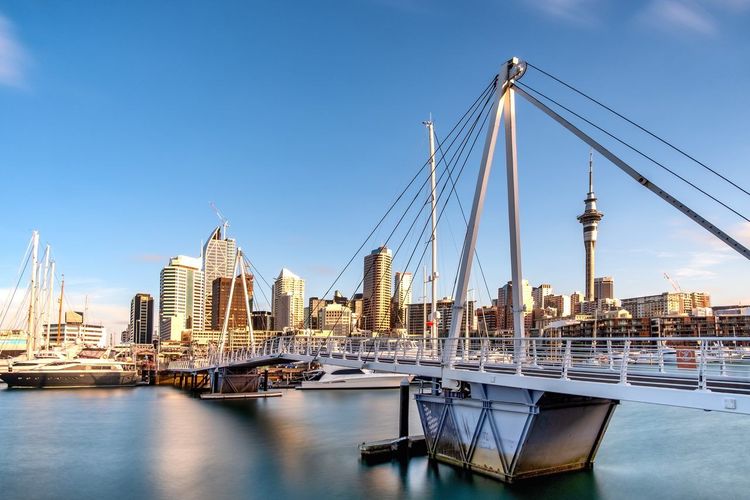
Two days is the sweet spot for Auckland's core: the CBD viewpoints, the waterfront, one night out, and one Hauraki Gulf island. That is roughly what this guide maps out, and it is enough to leave with a real sense of the place rather than a blur of landmarks ticked off a list.
If you are wondering whether Auckland in one day is realistic, it is, but only if you accept trading the island side trip for a condensed CBD loop. You will see the Sky Tower and the waterfront, but Waiheke and Rangitoto both get cut.
Three days opens the door to Piha's black-sand surf beach on the west coast. Four or five days is where an Auckland itinerary for 5 days starts making sense, since that is enough runway to add a full day trip to Hobbiton, Waitomo, or Rotorua without racing the clock back to the airport. Somewhere in between sits what to do in Auckland for 3 days: the two-day plan below, plus a half-day at Piha or a slower, unhurried morning on Waiheke. For most travelers connecting onward to Rotorua, Queenstown, or the Coromandel, two full days in Auckland hits the right balance between seeing the city properly and not eating into the rest of the trip.
Getting to Auckland: Airport Transfers & First Impressions
Auckland Airport sits about 21km south of downtown, and how you get into the city sets the tone for day one. The SkyBus runs every 10-15 minutes between the international terminal and the CBD, takes roughly 50-60 minutes depending on traffic, and costs around NZ$20 one-way if you book online ahead. It is the cheapest reliable option, and it drops you within walking distance of most central hotels.
Rideshare apps or a metered taxi take 30-45 minutes outside peak hours and run NZ$55-75 depending on demand pricing. Worth it if you land late at night when buses thin out, or if you are traveling with enough people to split the fare evenly. Renting a car the moment you land is rarely worth it for the CBD portion of this itinerary; you would just end up paying for parking you do not use. Save the rental decision for the day-trip extensions covered further down this guide.
Your flight to Auckland's timing matters more than people expect. Most long-haul flights from the US and Europe land in the early morning after an overnight flight, which actually works in your favor: by the time you clear customs (allow 60-90 minutes, immigration queues can be slow) and reach the CBD by mid-morning, you still have most of day one ahead of you. Baggage claim and the walk through to the arrivals hall typically adds another 15-20 minutes on top of that, so budget closer to 90 minutes total from wheels-down to standing outside with your bags, longer if your flight lands alongside two or three other wide-bodies at once. If your flight lands in the afternoon or evening instead, treat that first night as a wind-down. Check in, grab dinner nearby, and save the Mount Eden sunrise climb for the real day one. Cramming sightseeing into a jet-lagged evening rarely pays off.
Getting Around Auckland: Trains, Buses, Ferries & Rideshares
Auckland's CBD is compact enough to walk, but the wider plan in this guide, crater summit, waterfront, Ponsonby, a Gulf island, needs public transport to connect the dots. Start by picking up an AT HOP card, available from CBD train stations, ferry terminals, and some convenience stores for a NZ$10 deposit, then top it up with however much you expect to spend. It gives you discounted fares on buses, trains, and ferries. If you would rather not buy one, you can now tap a contactless bank card or phone on most of the network instead.
The train network is limited to a handful of lines, mostly useful for the suburbs, so you will lean on buses more than rail inside the city itself. The InnerLink bus loops continuously through the CBD, Ponsonby, Parnell, and K Road, functioning as a hop-on shuttle between most of this itinerary's stops. For Mount Eden specifically, a 30-35 minute walk from the CBD gets you there directly, or a short bus plus a 10-minute climb if you would rather save your legs for the summit.
Micromobility has caught on along the waterfront too. Lime e-scooters are a common sight between the Viaduct and Ponsonby, costing around NZ$1 to unlock plus a per-minute fee, a reasonable shortcut if you are short on time and would rather skip waiting for a bus.
Ferries matter more here than in most cities you have visited. Fullers360 runs the Explorer ferry service out to the Hauraki Gulf islands, including both Waiheke and Rangitoto, from the downtown ferry terminal, and this is genuinely the only way to reach either island; there is no bridge or tunnel option. Buy tickets online the night before in summer, since weekend sailings do fill up.
So do you need a car for 2 days in Auckland? No, and you will likely enjoy the city more without one. Parking in the CBD runs NZ$6-10 an hour, one-way streets add friction, and everything in this itinerary sits within walking distance of a bus stop or ferry terminal. Rideshares fill the gaps at night when buses run less frequently; expect NZ$10-18 for most CBD-to-CBD trips.
Once you have the HOP card loaded and a rough sense of the bus loop, Ryo's audio-guided tour of the City of Sails becomes a genuinely useful companion for the CBD and waterfront legs of day one. You open the route on your phone, follow the pin, and the narration tells you what you are looking at exactly when you reach it, no car and no printed map required while you hunt for the right street.
Day 1 in Auckland: Panoramic Views, Maritime Heritage & Nightlife
Day one is built around a simple rhythm: climb for the view, walk the water, then let the night figure itself out in Ponsonby or Britomart). It covers roughly 4-5km of walking across three very different settings, loosely connected by the InnerLink bus whenever your legs ask for a break.
Morning: Panoramic Views from Maungawhau / Mount Eden & the Sky Tower
Start at Maungawhau / Mount Eden), Auckland's highest volcanic cone at 196 metres, a 25-30 minute walk or short bus ride from most central hotels. The crater itself is the real draw: a grassy bowl roughly 50 metres deep that last erupted around 28,000 years ago, and since 2016 the summit road has been closed to vehicles, so you share it only with walkers. Climb the sealed path to the summit, about 15 minutes, moderately steep, and on a clear morning you get a 360-degree view stretching from the Waitakere Ranges to the Hauraki Gulf, with the Sky Tower) marking the CBD in the middle distance. Go before 9am if you can manage it; by mid-morning, tour buses start arriving and the summit platform gets crowded fast. One Tree Hill, another volcanic cone a short drive south through Cornwall Park, offers a similar climb and makes a quieter alternative if Mount Eden feels too busy on the morning you visit.
Back down and into the CBD, the Sky Tower is impossible to miss. At 328 metres it is the tallest freestanding structure in New Zealand, and the observation decks, roughly NZ$40 for adults (often a little less online), give you a second, closer-range version of the view you just had from Mount Eden. If heights do not bother you, the glass floor panels on Level 51 are the photo everyone ends up taking anyway.
For something more memorable than a standard observation deck ticket, book a window table at the Orbit 360° restaurant, the tower's revolving restaurant completes a full rotation roughly every hour, so a long lunch doubles as a slow 360-degree tour of the city below. It is not cheap, the set menus sit well above a typical CBD dinner, but it is one splurge on this itinerary that genuinely earns its price tag. You get the Sky Tower view without standing in the observation deck queue, and you are sitting down while you do it.
Afternoon: Maritime Heritage at the Viaduct Harbour & Wynyard Quarter
From the Sky Tower it is a flat 10-minute walk down to the water and a different Auckland altogether. This is where the city's sailing obsession, three America's Cup defences hosted here (2000, 2003 and 2021), becomes obvious. Viaduct Harbour) is lined with superyachts, waterfront bars, and old wharf buildings repurposed as restaurants. It is a pleasant place to simply walk the boardwalk for twenty minutes before continuing west.
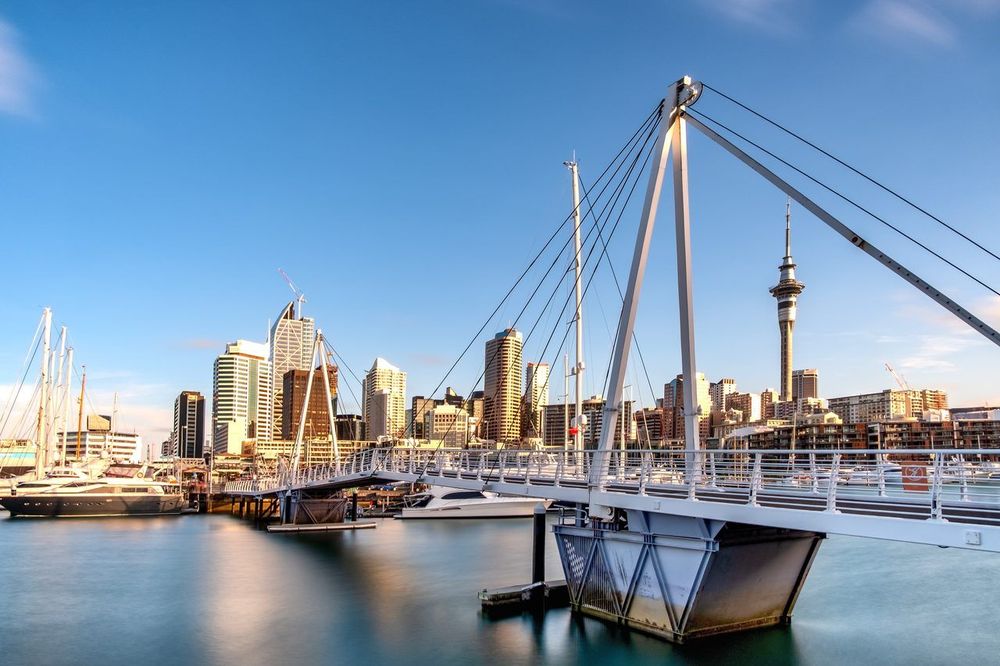
Cross the Te Wero pedestrian bridge, a lifting bridge whose two spans rise to let yachts pass between the Viaduct and the Wynyard Quarter basin. Time it right and you will catch it raised as a boat comes through. On the other side, Wynyard Quarter) is the newer, more laid-back half of the waterfront: converted shipping sheds, a heritage tram line, and lawns where locals picnic on weekends.
Don't skip the Auckland Fish Market) here. Rebuilt as a waterfront food hall, it works as a proper lunch stop: oysters, chowder, a sushi counter, and a bar pouring local sauvignon blanc, all facing the water. It is one of the better casual lunch stops anywhere in this itinerary. Food trucks also cluster along the Wynyard Quarter promenade most weekends, a cheaper and faster option than the fish market's sit-down tables if you are trying to keep the afternoon moving.
If you would rather spend part of the afternoon indoors, double back toward the CBD for the Auckland Art Gallery Toi o Tāmaki, free to enter, housing the country's largest collection of New Zealand and Pacific art inside a striking kauri-timbered atrium. Either way, you will likely loop back past Queens Wharf), now used for cruise berths and public events, along with Albert Park)'s Victorian-era gardens and Aotea Square) before the day's third act begins.
This stretch of harbour, the lifting bridge, Wynyard's converted sheds, the fish market, sits right on the route Ryo's Auckland audio guide follows, with a story cued at each stop so you are not pausing to read plaques between bites of lunch.
Evening: Trendy Nightlife in Ponsonby or Britomart
For dinner, you have essentially got two directions, and both work. Ponsonby, specifically Ponsonby Road), is Auckland's long-running strip of bars, boutiques, and restaurants spanning everything from casual wine bars to the city's best brunch spots, which double as dinner venues after dark. It is a 15-minute rideshare or a 25-minute uphill walk from the CBD, lively without being rowdy, the kind of street where you can bar-hop between three or four spots in one evening without a reservation anywhere. Live music spills out of several Ponsonby Road bars on weekend nights, mostly local acts rather than big-name touring shows, which keeps the cover charges low or nonexistent.
The other option, Britomart, keeps you closer to base. This restored heritage precinct near the ferry terminal mixes designer stores by day with a dense cluster of restaurants and rooftop bars by night, a polished, slightly more upscale version of Ponsonby's energy. If you already have an early ferry booked for day two, staying on the Britomart side cuts your morning commute down to almost nothing.
Either way, you will likely pass back through Queen Street (Auckland CBD, Auckland 1010, rated 4.2/5 on Google (4.9K reviews)), Auckland's main CBD artery, lined with shops and fast-casual eateries handy for a quick bite if you are saving the real meal for later. If museums fit your evening pace better than bars, the Auckland Museum in the Auckland Domain stays open until 5pm (international visitors pay an entry fee, New Zealanders enter free), an alternative for travelers who would rather skip the art gallery earlier and do natural history and Māori taonga instead, though you would need to slot it in before dinner rather than after.
For concrete dinner picks, Ryo's rundown of Auckland's top culinary specialties covers exactly what to order on either street, from Māori-influenced fine dining to the city's enduring flat white obsession.
Day 2 in Auckland: Choose Your Hauraki Gulf Island Adventure
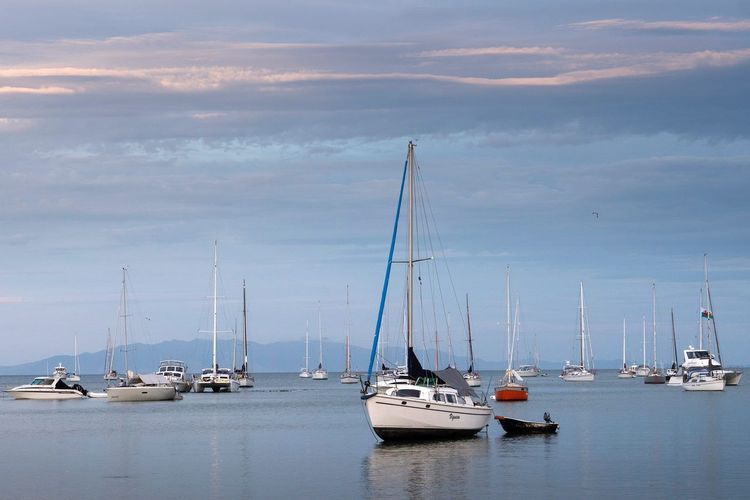
Day two is a binary choice more than a checklist. Pick an island, commit to the ferry schedule, and let that decide the shape of the rest of your day. Waiheke suits wine-and-beach travelers; Rangitoto suits anyone who would rather earn the view by hiking a volcano. Either way, you are back on the mainland by early evening with daylight to spare.
Option A: Waiheke Island, Wine, Beaches & Ferry Logistics
The Fullers360 ferry to Waiheke Island takes about 40 minutes from the downtown terminal, with sailings roughly every 30-60 minutes depending on the season. Book your return leg before you leave the mainland in summer; the last boats back genuinely do sell out on weekends. Round-trip tickets run around NZ$60 per adult, slightly less with a HOP card.
Once you are there, getting to and around Waiheke Island comes down to three real options: the hop-on-hop-off Waiheke Island bus tour, easiest if you do not want to think about timing, a rental car or e-bike from the wharf for more freedom, worth it if you are visiting three or more vineyards, or a half-day organized tour that bundles tastings and transport into a single booking.
Start at Oneroa Beach), a curved stretch of golden sand five minutes from the ferry wharf by bus, with a small village strip of cafes sitting just above it. Good for a swim, or simply a flat white with a view before the wine starts in earnest.
For the vineyards, Goldie Estate) sits on the island's original commercial vineyard site from the 1970s and pairs its tastings with sweeping views back toward the mainland. Further out on the island's rugged eastern coast, Man O' War is reachable only by boat or a longer drive, and it rewards the effort with some of the country's better syrah, tasted a few steps from the vines that produced it.
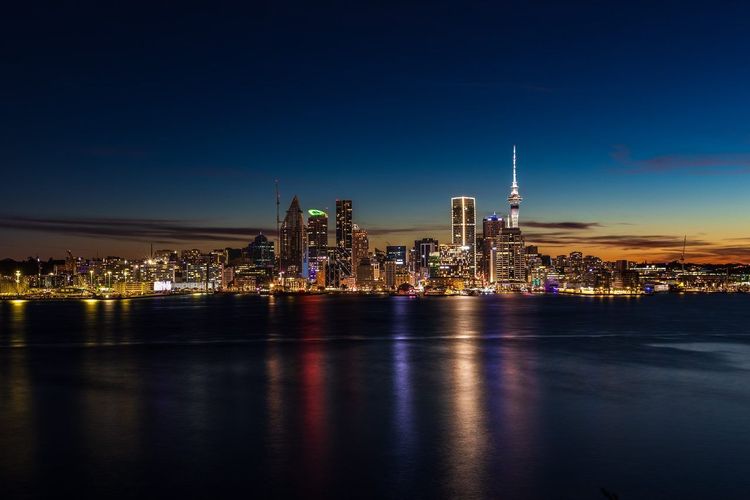
If a sit-down lunch at a cellar door is not your style, a picnic on Waiheke Island is the move almost everyone who has done this day trip twice ends up recommending. Grab bread, cheese, and a local bottle from Oneroa's small supermarket before you head out, then eat it on a vineyard lawn or a beach instead of paying restaurant prices for the same view. Budget the whole Waiheke day at 6-7 hours door to door once you count the ferry both ways. Golden hour on the ferry back, with the Auckland skyline backlit across the gulf, tends to be the photo most travelers keep from the whole trip, worth timing your return sailing around sunset if the schedule allows it.
Option B: Rangitoto Island, Volcanic Trails for the Adventurous
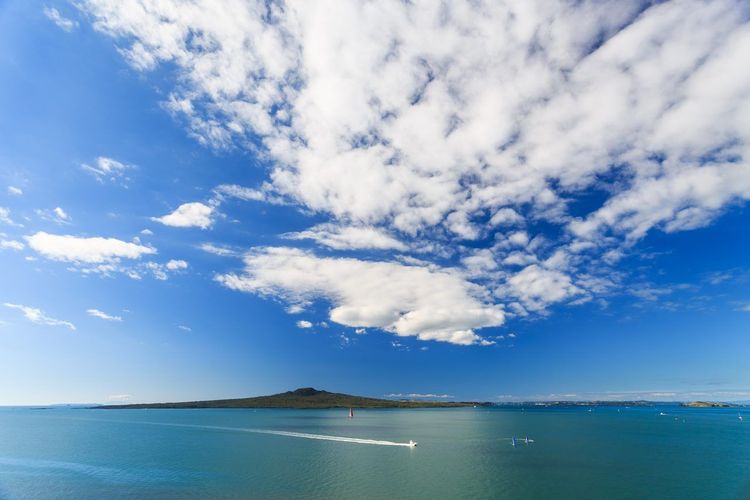
Rangitoto Island (Hauraki Gulf, Auckland, rated 4.7/5 on Google (190 avis)) is the opposite kind of day: no wine, no village, just a 260-metre volcanic cone that rose from the sea roughly 600 years ago, making it the youngest and largest in Auckland's volcanic field, and a network of lava-rock trails threading through regenerating pohutukawa forest. The ferry over takes about 25 minutes, with sailings only a few times a day, so check the current timetable before you commit. Miss the last return boat and you are looking at an unplanned night with zero accommodation on the island.
The summit walk runs roughly 2.3km each way and takes about an hour up, through black volcanic rock that holds the day's heat. Wear real shoes, not sandals, and carry more water than you think you need; there is no shop or tap anywhere on the island. The payoff at the top is a clean view back across the Hauraki Gulf to the CBD skyline, arguably the best panoramic shot of Auckland on this entire trip, with the Sky Tower visible on the horizon. The island sits within Auckland's wider volcanic field of around 53 cones and craters, the same family Mount Eden belongs to, which makes the Rangitoto hike feel like a direct sequel to your first morning in the city rather than an unrelated side trip.
Compared to Waiheke, Rangitoto is shorter, a brisk visitor can do the round trip including the summit in about 4 hours, and essentially free once you have paid for the ferry. That makes it the sharper pick if you are trying to keep day two's budget tight after spending on Orbit 360° or Waiheke wine the day before.
Whichever island you choose, you will likely be back at the downtown ferry terminal) with a couple of hours of daylight left, enough time to loop back through the last few CBD stops before a low-key dinner and an early night ahead of your onward flight or road trip. If you skipped part of the waterfront on day one, this is the moment to open Ryo's audio-guided Auckland route again: its remaining harbour and CBD stops fit neatly into a relaxed evening stroll from the ferry terminal.
Extend Your Trip: Best Day Trips Beyond Auckland
If you have booked three or more days, or you are connecting onward through the North Island anyway, these day trips come up constantly in Auckland planning threads for good reason. Each one is doable from the city, though all three genuinely need a full day rather than a half-day squeeze.
Hobbiton Movie Set & Waitomo Caves: Movie Magic and Glowworms
The Hobbiton Movie Set), about 2.5 hours south near Matamata, is the permanent film set built for the Lord of the Rings and Hobbit trilogies, 44 hobbit holes dotted across a working sheep farm, plus the Green Dragon Inn at the end of the tour where your ticket includes a drink. Guided tours run roughly two hours and need booking well ahead in summer; most day-trippers combine it with transport from Auckland rather than attempting the drive solo.
Pair it with the Waitomo Caves), about an hour further southwest, where black-water rafting or a quieter guided boat ride takes you beneath a limestone ceiling lit by thousands of glowworms. The combination works as a single long day trip from Auckland, Hobbiton in the morning, Waitomo by mid-afternoon, though you are looking at a 12-hour round trip by the time you are back in the city. Combined tour packages covering both stops typically run NZ$280-350 per person including transport, which works out cheaper than booking each separately once you factor in the return coach fare.
Rotorua: Geothermal Wonders & Māori Culture
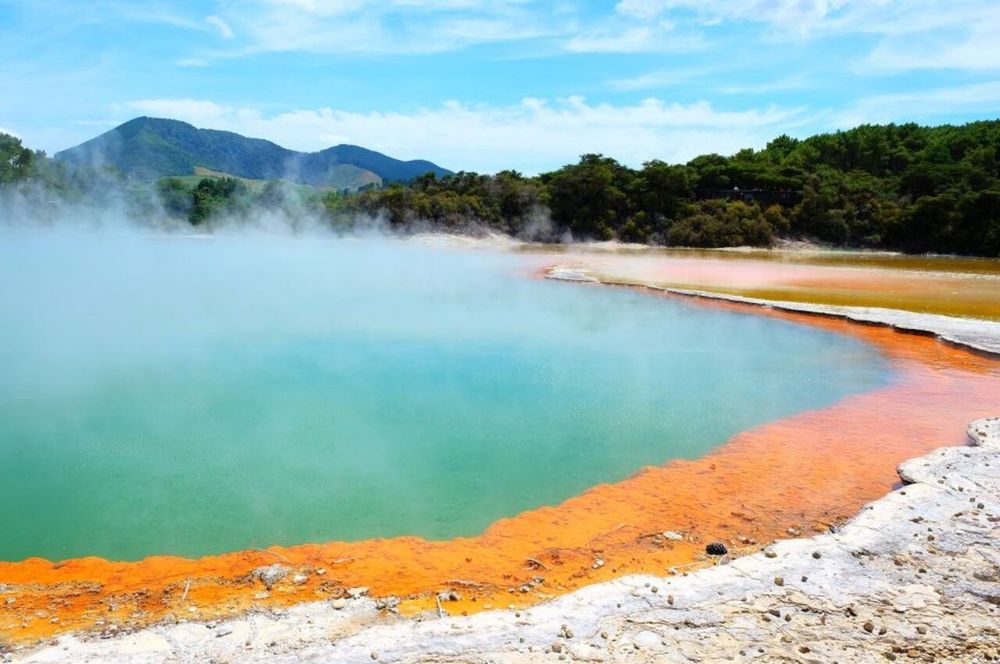
Rotorua (Rotorua, Bay of Plenty 3010, rated 4.6/5 on Google (11K reviews)) sits about three hours southeast and bundles geothermal valleys, bubbling mud pools and silica terraces, with some of the country's most accessible Māori cultural experiences, a hangi feast and a kapa haka performance at one of the local villages is a common evening add-on. It is far enough that most visitors treat it as an overnight rather than a same-day round trip from Auckland, which pushes it past the two-day core itinerary into three-plus-day territory.
A fourth option, further north, is the Bay of Islands, roughly three hours from Auckland by car and better suited to a dedicated overnight than a rushed day trip given the drive time, but worth flagging for anyone extending their New Zealand trip well past this two-day Auckland core. Readers stretching to three or more days can still fold Ryo's Auckland audio tour into the CBD evenings that bookend these day trips, there before you head south, and again once you are back for a final night before flying out.
Where to Stay in Auckland: Budget to Luxury
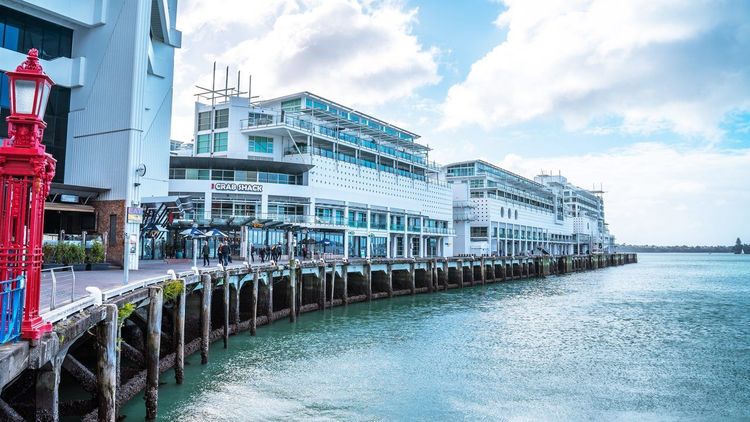
Where you base yourself changes how much of this itinerary you can do on foot. Staying central, Viaduct, Britomart, or the CBD fringe, keeps every day-one stop within walking distance and puts you five minutes from the ferry terminal for day two. Prices below are rough nightly averages and swing with season; summer and local events push everything higher, while winter weekdays can undercut these figures by 20% or more.
Budget: Hostels & Backpacker Stays
YHA Auckland City) sits a short walk from Queen Street and the Sky Tower, with dorms and private rooms, a shared kitchen, and a common room that tends to be where solo travelers end up planning the next day's ferry. Expect NZ$35-50 a night for a dorm bed.
If you want something livelier, several other backpacker hostels cluster around Queen Street and Victoria Street, generally with social bars and similar dorm prices; book ahead for summer weekends.
Mid-Range: Boutique Hotels Near the Viaduct
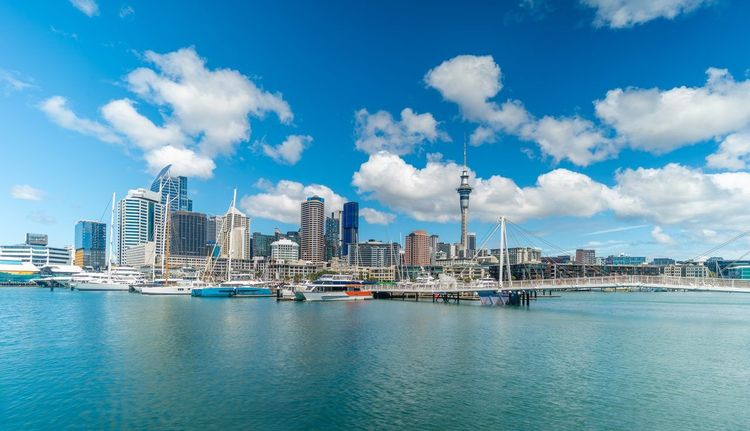
CityLife Auckland) on Queen Street offers apartment-style rooms with small kitchenettes, useful if you plan to grab breakfast supplies rather than eat out every morning, at roughly NZ$180-230 a night.
The Sebel Auckland Viaduct Harbour) puts you directly on the water, a two-minute walk to the Viaduct's restaurants and the ferry terminal, at a similar price point with harbour-facing rooms worth the small upcharge.
Luxury: Five-Star Stays with Harbour Views
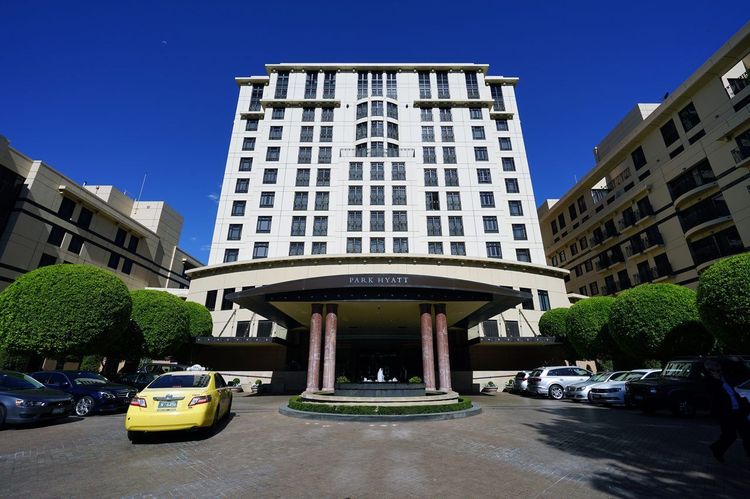
Park Hyatt Auckland), in Wynyard Quarter, is the newest high-end option, with a rooftop pool and harbour-view rooms a short walk from the fish market and the swing bridge you crossed on day one. Rates generally start around NZ$500-650 a night depending on season.
Hilton Auckland (147 Quay St, Auckland CBD, Auckland 1010, rated 4.4/5 on Google (3 135 avis)), built out over the water on Princes Wharf, gives you a genuinely unusual sleeping-over-the-harbour feel and some of the best sunrise views in the city from its east-facing rooms.
Renting a Car, Campervan, or Motorhome in New Zealand
For the two-day core itinerary in this guide, skip the rental entirely. A car buys you nothing inside the CBD and waterfront loop that public transport and your own legs do not already cover, and parking costs eat into whatever you saved on the daily rate.
Where a car earns its keep is the moment you extend past day two. A standard rental car makes sense for a one-way run to Hobbiton, Waitomo, or Rotorua if you would rather set your own pace than join a coach tour, expect NZ$45-70 a day for a compact, plus fuel. New Zealand drives on the left, roads outside the motorway network narrow quickly, and speed limits are enforced more strictly than many visitors expect. Whatever you rent, check the excess or deductible on the insurance carefully. Rental excess in New Zealand can run into the thousands of dollars if you are not covered, and many credit card travel policies do not automatically extend to rental vehicles here, so it is worth confirming before you sign anything at the counter.
A campervan shifts the calculation again: it only makes sense if Auckland is the start of a longer North Island loop rather than a standalone city break, since you are paying for accommodation on wheels you will not actually sleep in during these two days. Motorhomes, the larger, fully self-contained cousin of the campervan, suit groups or families planning two or more weeks on the road and carry correspondingly higher daily rates, often NZ$150-250 depending on size and season. For a two-day Auckland trip alone, neither is worth booking, save that decision for if and when the itinerary grows.
Budget-Saving Tips for 2 Days in Auckland
Several of the best things to do across these two days cost nothing at all. The Mount Eden climb is free, as is the Auckland Art Gallery's permanent collection and most of Albert Park. If you are watching spend closely, lean on these free stops in the morning and save your budget for the one paid experience that actually matters to you, Orbit 360°, a vineyard tasting, or the Rangitoto ferry.
Load your AT HOP card once rather than buying single tickets each ride; the fare discount adds up fast over a weekend of buses and ferries. The Auckland Art Gallery's permanent exhibitions stay free year-round, though special touring shows do carry a ticket price, worth checking before you plan around it. Several bars along Ponsonby Road and Britomart also run happy hour windows in the early evening, typically 4pm to 6pm, worth timing your first drink of the night around if you are watching the budget on day one.
On Waiheke, a picnic from the Oneroa supermarket costs a fraction of a cellar-door lunch and tastes nearly as good eaten on the grass outside the vineyard gates instead of inside. If you are choosing between islands purely on cost, Rangitoto wins outright, no wine, no bus tour, just a ferry ticket and a pair of decent shoes.
Finally, timing your flight to Auckland to land in the morning rather than the evening effectively buys you a free extra half-day. It costs nothing and it is the single biggest lever in this entire guide for stretching two days into something closer to two and a half.
Practical Tips: Safety, Weather & Best Time to Visit
So what to beware of in New Zealand as a visitor? The sun is the main one travelers underestimate, UV levels run high even on overcast days thanks to the thin ozone layer over this part of the Pacific, so sunscreen matters here more than it does back home. Weather can shift fast too: a clear Mount Eden morning can turn to drizzle by early afternoon, pack a light rain layer regardless of the forecast you checked that morning.
If you plan to swim, stick to patrolled beaches. Oneroa on Waiheke is generally calm and safe, while the west coast's black-sand beaches, Piha among them, carry genuine rip currents that catch overconfident swimmers most years. Follow flag placements and, when in doubt, ask a lifeguard rather than guessing. New Zealand's emergency number is 111 for police, fire, or ambulance, worth saving in your phone before you land rather than looking it up mid-emergency. Tap water is safe to drink straight from the tap across Auckland, so skip the bottled water and refill a bottle instead.
The best time to visit Auckland for this kind of itinerary runs through the shoulder seasons, March to May or September to November, when the weather stays mild and ferries run on full schedules without the peak-summer crowds that pack Waiheke on weekends. Summer (December to February) brings the warmest water and the longest daylight for island days, at the cost of higher accommodation prices and fuller ferries. Winter is workable too, Mount Eden and the CBD stay fully open, but island day trips become weather-dependent in a way that can wreck a tight two-day schedule if a sailing gets cancelled.



FAQ
How to spend 2 days in Auckland?
Spend day one on the CBD loop: Mount Eden in the morning, the Viaduct and Wynyard Quarter in the afternoon, Ponsonby or Britomart for dinner. Spend day two on a single Hauraki Gulf island, Waiheke for wine and beaches, Rangitoto for a volcano hike, then head back to the mainland by early evening for a last dinner before you fly out.
How many days in Auckland is enough?
Two full days cover the city's core well, the crater viewpoints, the waterfront, and one island. Three days adds Piha's west coast beaches, and four or five days leaves room for a day trip to Hobbiton, Waitomo, or Rotorua without feeling rushed on either end.
What to beware of in New Zealand?
Strong UV exposure even on cloudy days, sudden weather shifts that turn a sunny morning wet by afternoon, and rip currents at unpatrolled west coast beaches. Swim at patrolled beaches, pack sunscreen regardless of the forecast, and keep 111 saved in your phone for emergencies.
Which is better to visit, Auckland or Queenstown?
They serve different trips rather than competing directly. Auckland suits travelers who want a city with harbour islands and volcanic cones a ferry ride away; Queenstown suits those chasing mountains, lakes, and adrenaline activities. Many itineraries cover both, Auckland first, then onward to Queenstown for the second leg.
Do you need a car in Auckland for 2 days?
No. The CBD, waterfront, and Ponsonby are all walkable or a short bus ride apart, and both Hauraki Gulf islands are reached only by ferry, where a car adds cost without adding convenience. Save the rental decision for day trips beyond the two-day core.
What is the best day trip from Auckland?
For travelers with a third day, Waiheke Island (if you skipped it on day two) or the Hobbiton and Waitomo combination both rank highly. Choose Waiheke for a relaxed wine-and-beach day, or Hobbiton and Waitomo if film sets and glowworm caves appeal more than vineyards, and consider Rotorua if you can stretch to an overnight.
Final Thoughts on Your 2 Days in Auckland
Two days is enough to leave Auckland with a proper sense of the City of Sails rather than a blurry layover memory, a crater-rim sunrise, a working harbour, a night in Ponsonby, and an island that feels nothing like the mainland you just left. Whichever stops you prioritize, keep the ferry timetable and your flight to Auckland's arrival time as the two fixed points you build everything else around. For the CBD and waterfront legs especially, pulling up Ryo's audio-guided walk through Auckland on your phone turns the walk between landmarks into something closer to a guided story than a Google Maps countdown, which is exactly the kind of detail that makes 48 hours in a new city feel like more than a layover with a view.