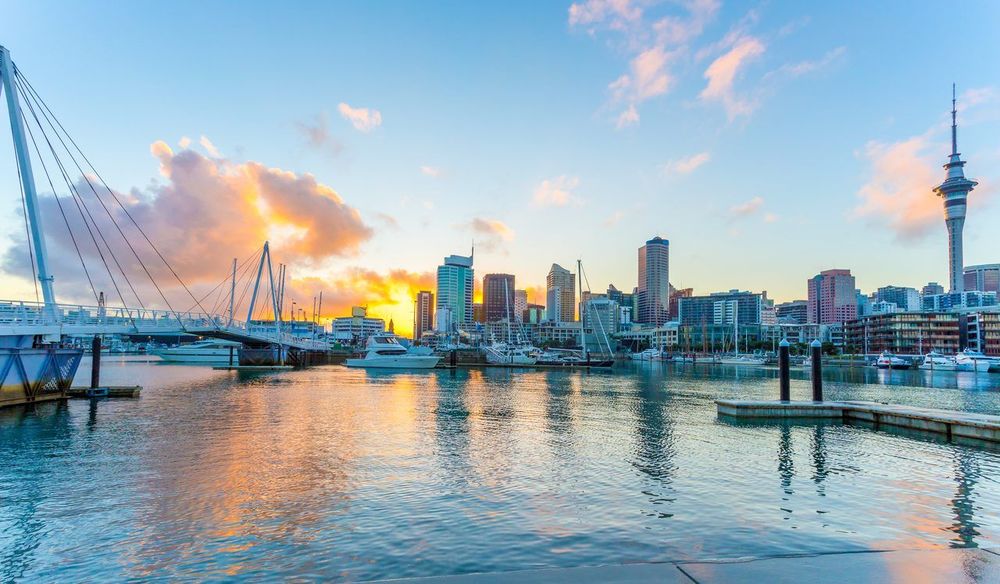
© Shutterstock
 Votre guide Ryo
Auckland for First-Time Visitors: A 2026 Orientation Guide
Auckland for first time visitors looks simple on a map: one city, one compact downtown and a tall tower, but the real layout takes a little decoding. In reality, Auckland sits on a narrow isthmus squeezed between two separate harbours, built across roughly 50 extinct volcanic cones, with two very different islands sitting a ferry ride offshore. That's the part this guide sorts out: where the Sky Tower actually fits into your first walk, which of the two islands deserves your one spare day, and why some of the best views cost nothing but a 20-minute climb up a volcano. If you want a ready-made first loop through downtown, Ryo's audio-guided tour of Auckland threads the harbour, the CBD skyline and the waterfront bars into one walkable route, with a story at every stop. Everything else below, the ferries, the neighbourhoods, the volcano you're allowed to climb, fills in the rest of a first visit.
Get Your Bearings in Auckland
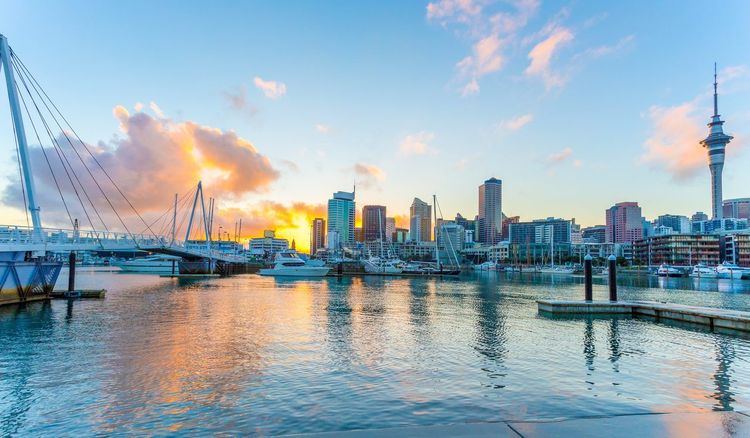
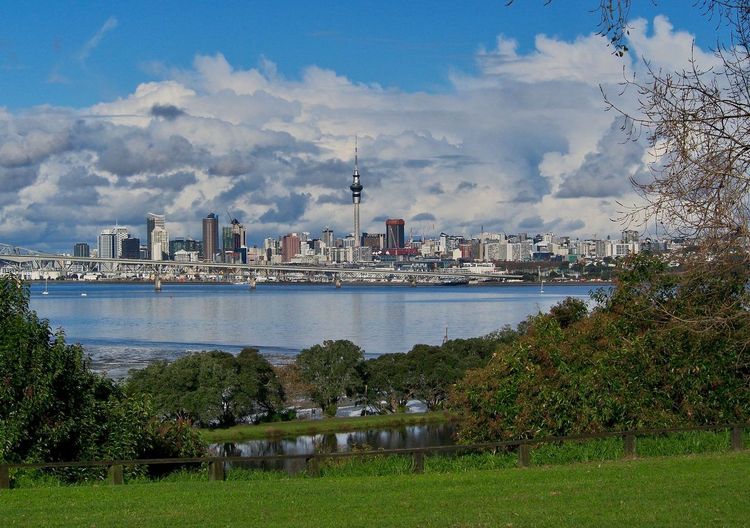
Auckland's downtown is small enough that you can walk from the ferry terminal to the base of the Sky Tower) in about fifteen minutes, which is the first thing worth knowing if you've just landed. The Central Business District (CBD) sits on a grid of streets climbing gently away from the harbour, with Queen Street as its spine, and almost everything a first-time visitor needs on day one, hotels, the waterfront, the train and ferry hubs, sits inside that half-hour walking radius.
You don't need a plan to get oriented here, just a direction. Renting a bike or e-scooter along the waterfront covers more ground than walking without committing you to a car, and several free walking tours leave daily from the city centre if you'd rather follow a local on foot for your first couple of hours. Either way, the harbour stays visible from almost every street, which makes it hard to get properly lost.
Sky Tower and the CBD skyline
At 328 metres, the Sky Tower is the tallest freestanding structure in New Zealand, and it held the Southern Hemisphere title for a quarter of a century until Jakarta's Autograph Tower overtook it in 2022. It's visible from almost every part of the city, which makes it a useful compass as much as an attraction. Up on the main observation deck, glass floor panels let you look straight down at the street below, and on a clear day the view stretches past the volcanic cones to the Hauraki Gulf islands you'll likely visit later in the trip.
You don't have to go up it to use it as a landmark. Locals navigate downtown by pointing at the tower and walking toward or away from it, and if heights aren't your thing, skip the deck and walk the surrounding CBD blocks instead: Queen Street's shops, the Britomart precinct's restored heritage buildings, and Commercial Bay's waterfront dining, where the tower stays in view without the ticket price.
Auckland Waterfront and Viaduct Harbour
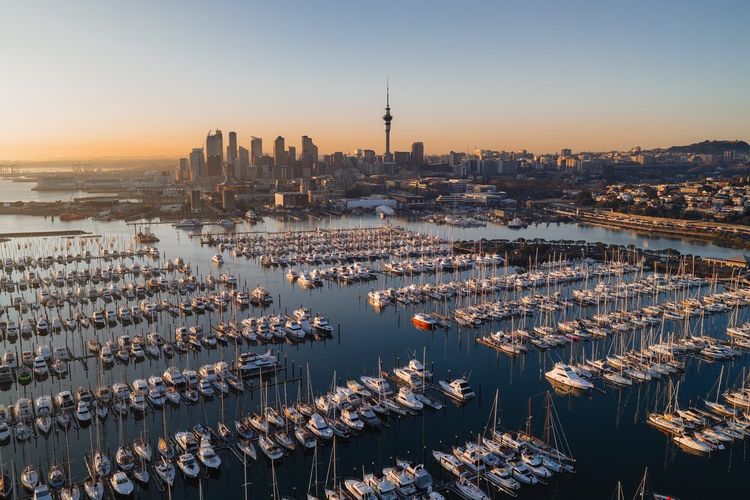
Ten minutes on foot from the tower, the waterfront opens up at Viaduct Harbour), a marina lined with yachts, cafés and the America's Cup history that cemented Auckland's City of Sails nickname. Locals and visitors mix here for long lunches with the boats as scenery, and in the evening the same strip turns into the city's most reliable stretch for a sunset drink by the water.
Keep walking along the water and you'll reach the Auckland Ferry Terminal (99 Quay St, Auckland 1010, rated 4.2/5 on Google (298 avis)), the departure point for Devonport, Waiheke and Tiritiri Matangi, and a good orientation point in its own right: from here, the harbour bridge, Rangitoto's volcanic cone and the North Shore are all visible in one sweep.
The City of Sails audio-guided tour by Ryo covers this exact stretch, from the tower down to the marina, and it's the easiest way to turn your first hour downtown into an orientation loop: you hear which boats moored along the quay are still racing yachts and which are converted ferries, a detail easy to miss walking past on your own.
Essential Landmarks for First-Time Visitors
Auckland is built on top of roughly 50 extinct volcanoes, and three of them, plus the city's largest museum, account for most of what first-time visitors put on their shortlist. None of these four sits far from downtown or from each other, which means you can fit all four into a single busy day if you start early enough.
Prefer listening to reading a plaque? The Ryo audio guide adds location-specific stories at the volcanic cones and around the museum district, so you get the context while you're standing in front of the view rather than afterwards on your phone.
Maungawhau / Mount Eden volcanic cone
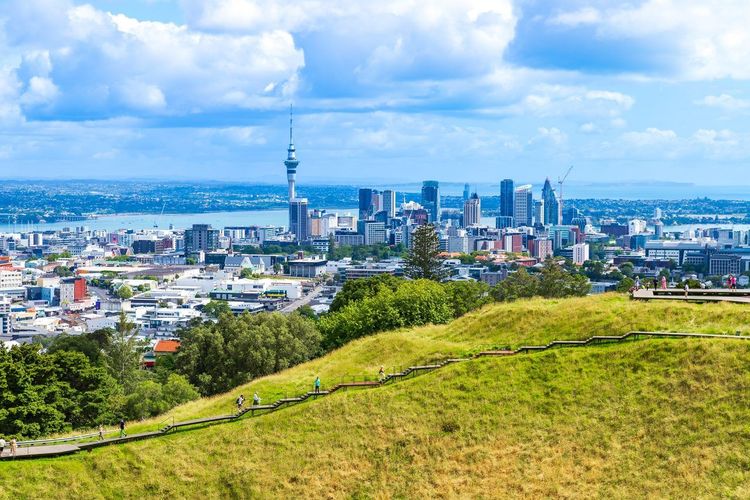
Maungawhau, known in English as Mount Eden, is the highest natural point on the Auckland isthmus at 196 metres, and since January 2016 its summit has been closed to private vehicles, so reaching the crater rim means a 15 to 20 minute walk up a sealed path. The reward at the top is a 360-degree view that takes in the CBD skyline, both harbours, and on a clear day several of the other volcanic cones scattered across the suburbs.
Go early morning or late afternoon if you can manage it. The car-free summit keeps crowds calmer than the view deserves, but the light is better at those hours anyway, and the grassy crater itself, around 50 metres deep, photographs best when it isn't washed out by midday glare. The crater is sacred to Māori, so stay on the paths and don't walk down into it. Bring water; there's none for sale at the top.
Auckland War Memorial Museum

In the Auckland Domain, a 10-minute drive or a pleasant 30-minute walk from downtown, the Auckland War Memorial Museum) holds the country's most significant collection of Māori and Pacific taonga (treasures) alongside natural history galleries and a dedicated war memorial hall. The building itself, a neoclassical landmark overlooking the Domain, is worth a slow approach on foot rather than a taxi straight to the door.
The museum runs a daily Māori cultural performance, roughly half an hour long, that's worth timing a visit around if you only get one shot at it. Budget at least two hours to see the volcanoes gallery, the Pacific collections and the war memorial hall properly, longer if the performance schedule lines up with your arrival.
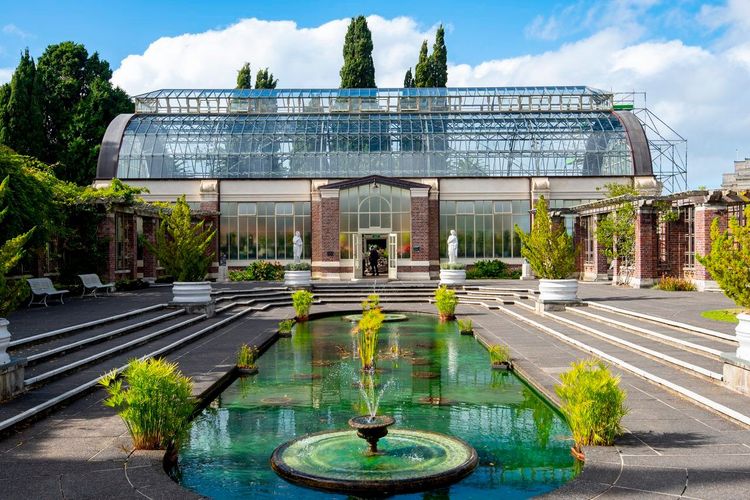
The surrounding Auckland Domain is the city's oldest park and makes for a pleasant walk back toward Parnell afterward, duck ponds and the Wintergardens along the way rather than a straight road, and a decent spot for a picnic if the weather holds.
Mount Victoria and the Devonport views
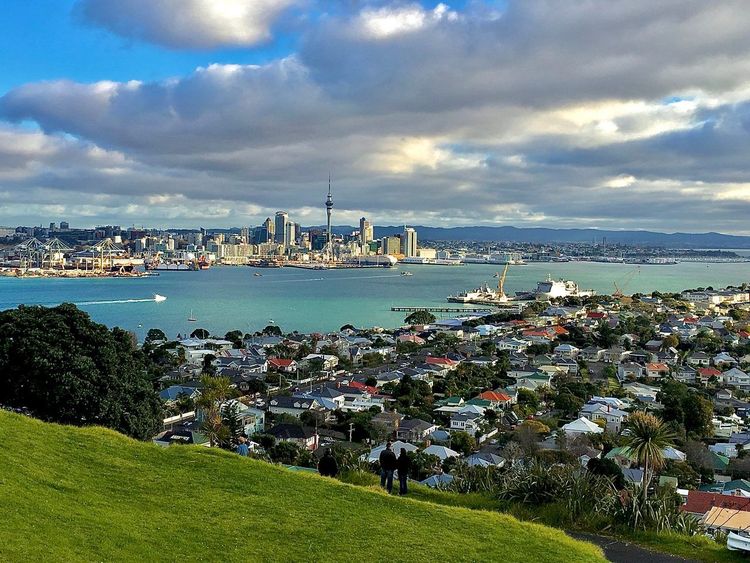
Across the harbour by ferry, about 12 minutes from the downtown terminal, Devonport is a different Auckland altogether: naval history, Victorian villas, and a walkable village centre that feels nothing like the CBD. Independent cafés and a couple of good secondhand bookshops line the main street, and the whole place has the unhurried pace of a seaside town rather than a city suburb.
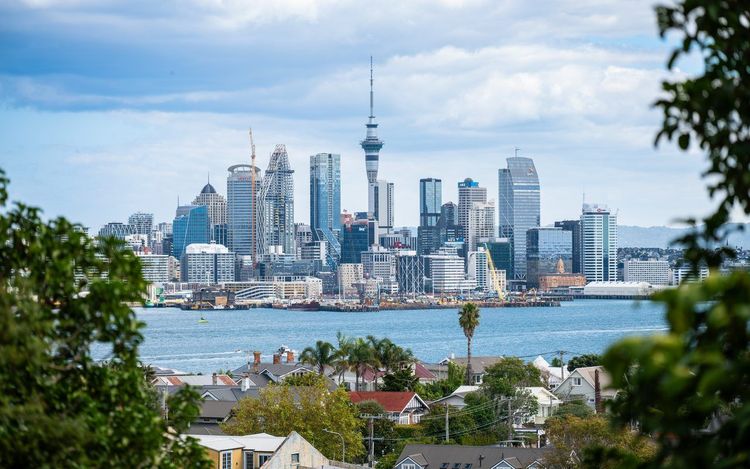
Mount Victoria (Kerr St, Devonport, Auckland 0624, rated 4.7/5 on Google (2 278 avis)), the volcanic cone above the village, is a short climb from the ferry wharf and gives arguably the best harbour view in the city, with the Sky Tower, the harbour bridge and Rangitoto all lined up in one frame.
The ferry-plus-climb combination makes this an easy half-day add-on rather than a full excursion, which is exactly why it's worth fitting in even on a tight first visit: you get an island-feeling detour without committing a whole day to it.
Day Trips from Auckland: Islands Worth the Ferry Ride
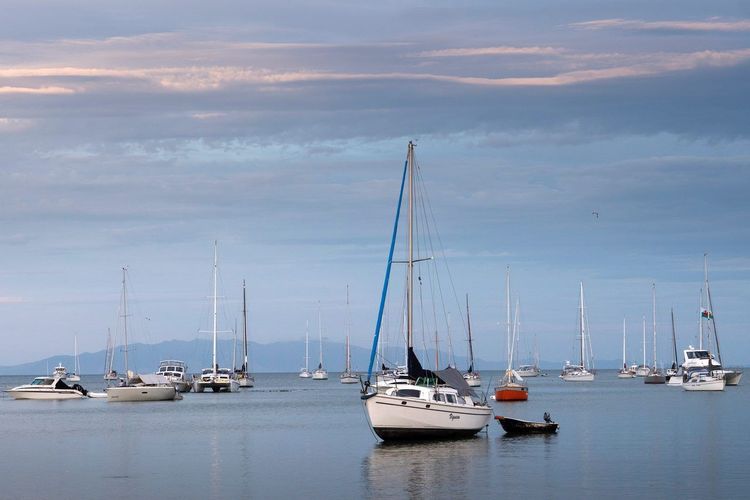
The Hauraki Gulf holds more than 50 islands off Auckland's coast, and two of them come up constantly when locals get asked where a first-time visitor with one spare day should go. They couldn't be more different from each other: one is built around wine and beaches, the other bans predators entirely to protect birds that barely exist anywhere else on Earth. Ferries to both leave from the same downtown terminal, so picking between them is really a question of what kind of day you want, not logistics.
If you're more of a half-day explorer, Rangitoto is the shorter alternative: a 25-minute ferry, a one-hour climb through lava fields to the summit of Auckland's youngest volcano, and you're back downtown by mid-afternoon. For a bigger list of options, our selection of the top activities to do in Auckland lines up more ideas beyond the islands.
Waiheke Island: wine, beaches and art
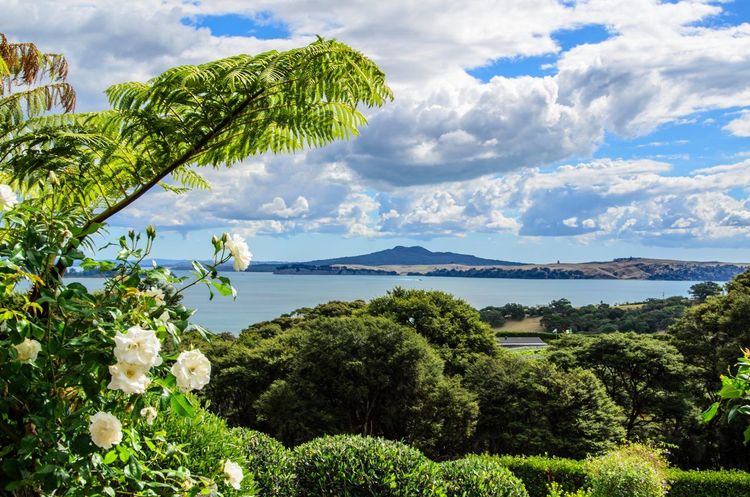
Waiheke Island (Waiheke Island, Auckland 1081) is roughly a 40-minute ferry ride from downtown and functions almost like Auckland's weekend escape valve: vineyards with lunch terraces overlooking the gulf, white-sand beaches at Oneroa and Onetangi, and a scattering of sculpture parks and galleries. Most visitors rent a car, scooter or e-bike at the wharf or use the island buses, since the vineyards and beaches are spread across the island rather than clustered near the ferry.
A single day is enough for two or three wineries and a beach stop, but Waiheke also works as an overnight trip if your schedule allows it. Book vineyard lunches ahead in summer; the popular ones fill up fast on weekends, and check the last ferry back before you order that second glass.
Tiritiri Matangi Island: native wildlife reserve

Tiritiri Matangi Island (Tiritiri Matangi Island, Auckland 0985, rated 4.8/5 on Google (265 avis)) is the opposite kind of day trip: an open sanctuary, predator-free since the 1990s, where native birds that are rare or extinct on the mainland, takahē, kōkako, saddlebacks, hihi, move around in the open rather than hiding from stoats and rats. The ferry takes about 75 minutes each way and normally sails Wednesday to Sunday only, with extra days in peak summer, so this is a full-day commitment rather than a half-day add-on.
Book the ferry well in advance; with a single sailing a day, seats go fast. Bring your own food, since there's nowhere to buy a meal once you're on the island, and wear real walking shoes for the gravel tracks between bird hides. Volunteer guides often meet the ferry and point out species you'd otherwise walk straight past.
A Perfect First Day in Auckland: Morning to Evening
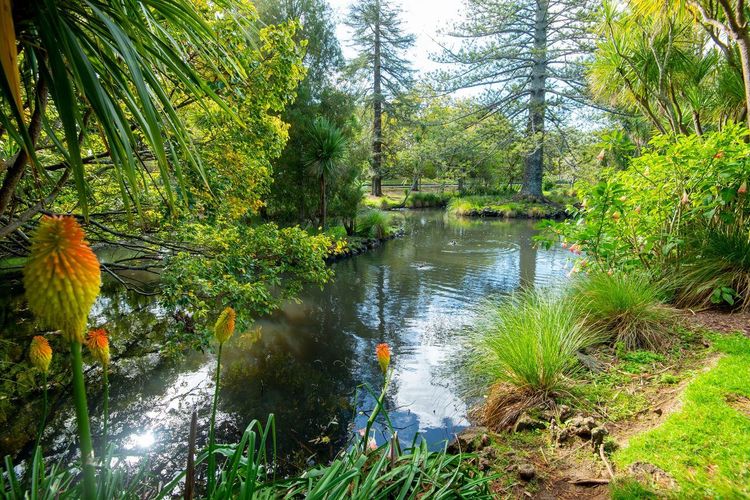
If you're asking how many days to tour Auckland, the honest answer is that one focused day covers the essentials, but two or three let you add an island and slow the pace down considerably. Here's how to use that first day well: the city centre in the morning, the volcanoes and museum in the afternoon, and the waterfront once the light starts to go.
Morning: harbour views and the city centre
Start at the waterfront while the light is still soft and before the cruise-ship crowds arrive. Walk from the Ferry Terminal past Viaduct Harbour toward the Sky Tower, then loop back through Commercial Bay and the Britomart precinct's cafés for a mid-morning coffee. This stretch takes about two hours at a relaxed pace, including the Sky Tower's observation deck if you want it, and sets up the rest of the day's geography in your head without you really trying.
Afternoon: museums, parks and volcanic cones
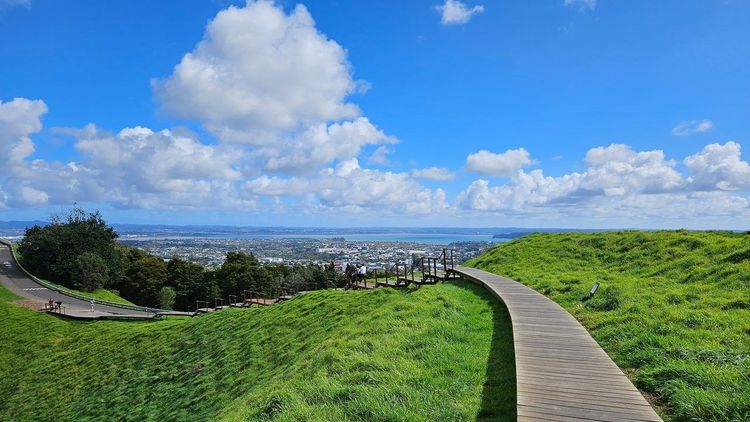
Head to Maungawhau for the climb and the view, then down to the Auckland Domain for the War Memorial Museum. The two sit close enough together that a taxi or rideshare between them takes under ten minutes. Give the museum at least ninety minutes, more if the cultural performance lines up with your visit, and leave room to wander the Domain's gardens afterward rather than rushing straight to dinner.
Evening: waterfront dining and sunset spots
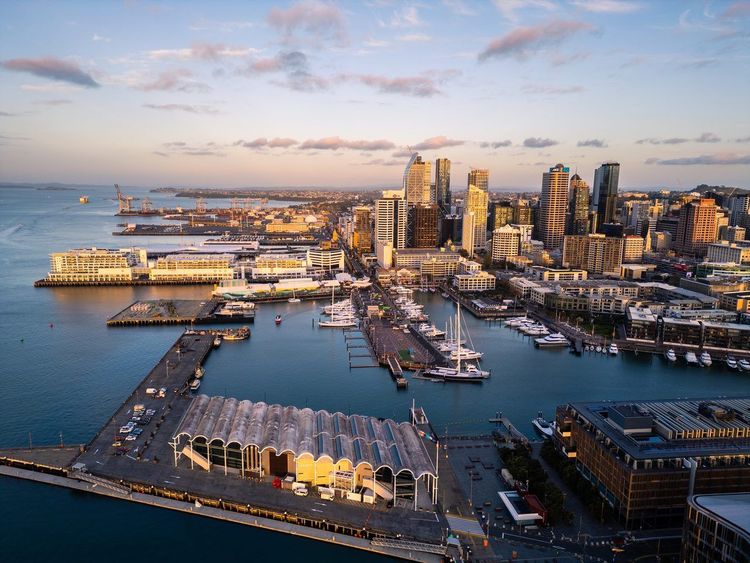
Loop back to the waterfront for dinner around Viaduct Harbour or Wynyard Quarter; both have restaurants with outdoor tables facing the water, and the sunset over the harbour bridge is worth timing a table for. Ryo's self-guided Auckland walk covers most of this same ground in one narrated route, built to be walked in a few unhurried hours, closer to a half-day than a full one, so you can pair it with the volcano and museum stops above and still have your first day mapped out without any planning.
If you have more than a day, that's when the islands and the North Shore earn their place on the itinerary. Two days adds Waiheke comfortably; three lets you fit Tiritiri Matangi too without rushing either one.
Where to Stay in Auckland as a First-Time Visitor
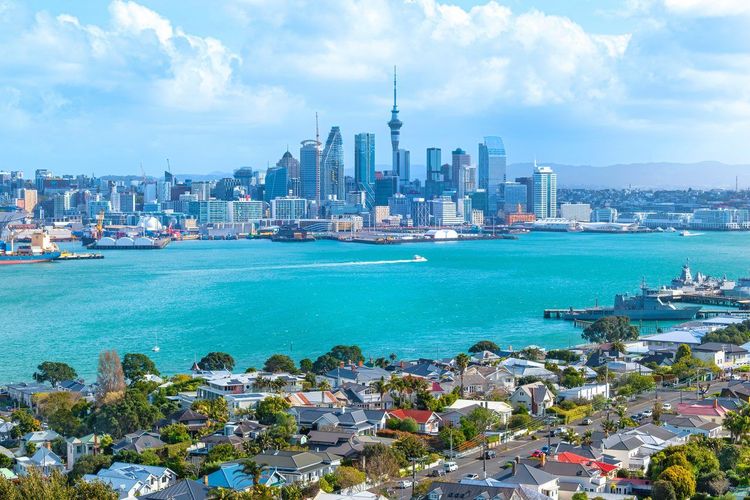
Most answers to where to stay in Auckland first time boil down to four areas, and they suit different trips rather than one being objectively best. Here's how they actually differ once you're on the ground, not just on a map.
City Centre (CBD) for convenience
Staying in the Central Business District puts you within walking distance of the Sky Tower, the Ferry Terminal and Viaduct Harbour, which matters most if you're only here for a day or two and don't want travel time eating into sightseeing. It's also the most expensive and least local-feeling of the four options, with international chain hotels dominating the skyline-facing streets and prices that climb noticeably during summer and major events.
Ponsonby and Parnell for food and boutiques
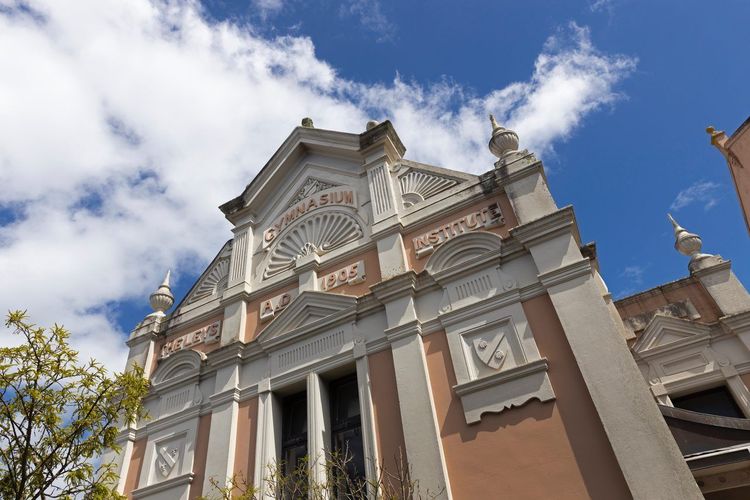
Ponsonby, a 15-minute drive or a longer walk from downtown, is Auckland's best-known strip for independent restaurants, bars and boutique shopping, busiest in the evenings rather than during the day.
Parnell, closer to the Domain and the museum, trades Ponsonby's nightlife for a quieter village feel: rose gardens, art galleries and a main shopping street that closes earlier most evenings. Either suburb works well if you'd rather eat and wander than sightsee back-to-back all day.
Newmarket and North Shore for a quieter base
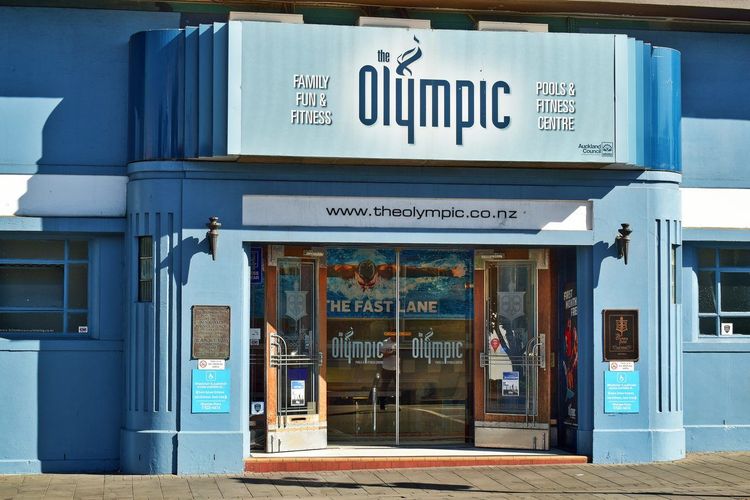
Newmarket (Broadway, Newmarket, Auckland 1023) sits a short train ride from the CBD and functions as a practical, less touristy base with its own shopping strip along Broadway, useful if downtown hotel prices put you off without pushing you far from the centre.
Across the harbour, the North Shore (Devonport and Takapuna in particular) trades convenience for beaches and a slower pace, and the ferry commute into the city, 12 minutes from Devonport, is scenic enough that it barely feels like a downside. Families and anyone staying more than a few nights tend to settle here once they realise the commute is part of the charm, not a cost.
Eating, Shopping and Free Things to Do
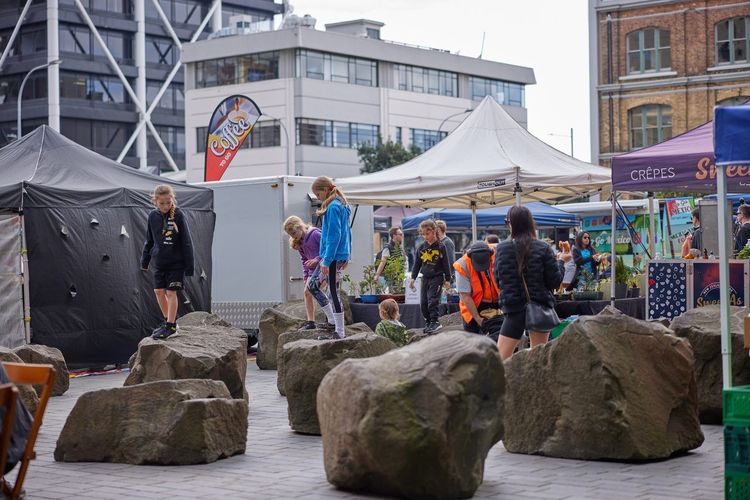
Beyond the landmarks, Auckland's everyday pleasures cost little or nothing: a harbourside meal, a wander through a Saturday market, a free walk led by someone who actually lives here rather than a tour company's script.
Waterfront and CBD dining
The Wynyard Quarter and Viaduct Harbour areas hold Auckland's densest cluster of waterfront restaurants, good for everything from casual fish and chips on a bench to a proper seafood dinner with a harbour view. For something more local and less postcard-priced, the food stalls inside Britomart's laneways and the Ponsonby Road (Ponsonby Rd, Auckland 1011) strip cover a wider range of cuisines, from Pacific to Southeast Asian, at noticeably lower prices than the view-facing spots. Not sure what to order? Our rundown of Auckland's culinary specialties covers the dishes worth tracking down, from green-lipped mussels to hāngī.
Markets and boutique shopping in Ponsonby and Parnell
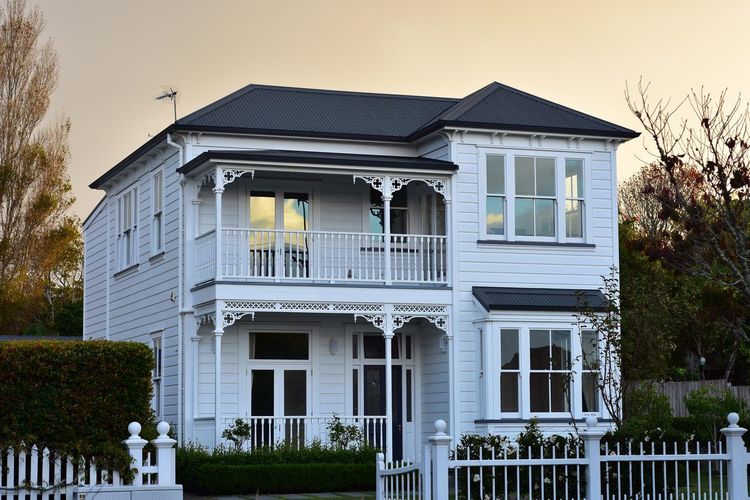
Weekend mornings bring markets to several inner suburbs; La Cigale French Market (69 St Georges Bay Rd, Parnell, Auckland 1052, rated 4.5/5 on Google (809 avis)) in Parnell is the best known, with produce stalls, a deli and coffee that draws a local crowd rather than a tourist one.
The best places to shop at for something you won't find at home are Ponsonby Road and Parnell's main street: independent designers, homeware stores and New Zealand labels rather than chain retail, and neither takes more than an hour or two to walk end to end. For merino knitwear, pounamu (greenstone) and Māori design pieces, the shops around Queen Street and Britomart have the widest choice, but ask where items were made before you pay.
Free walking tours and budget activities
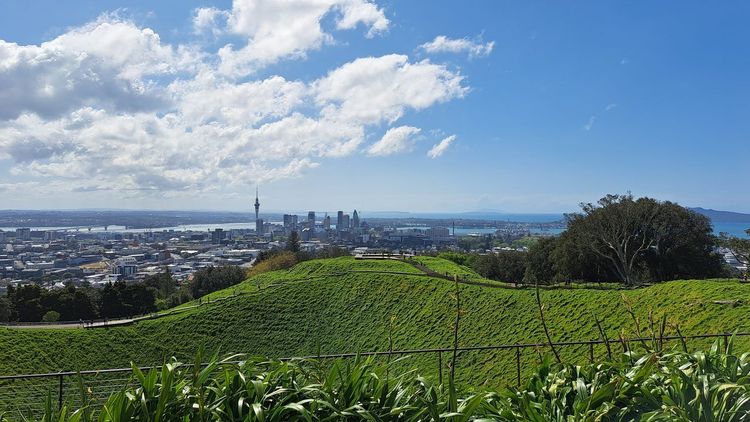
Several companies run free, tip-based walking tours of downtown Auckland, typically two to three hours covering the waterfront, the CBD and local history, a solid option if you'd rather have a live guide than an audio one for your very first orientation. Backpacker-oriented tour operators also run cheap day trips to the volcanoes and nearby beaches if you're travelling on a tighter budget than a private car, taxi or rental allows, often bundling transport and a loose itinerary into one low fee. Climbing Maungawhau, walking the Domain and the Wintergardens, and entering most of the city's public parks cost nothing at all.
Practical Tips: Safety, Money and What to Know Before You Go
Auckland is a low-crime city by international standards, and most of what trips up visitors is petty rather than dangerous: don't leave valuables visible in a parked rental car, and watch the surf at beaches that aren't patrolled, rip currents are the actual safety risk here, not crime. New Zealand's sun is stronger than the mild temperatures suggest, so sunscreen matters even on an overcast 18-degree day, and sunburn is the most common souvenir first-time visitors bring home by accident.
Tap water is safe to drink everywhere, tipping isn't expected the way it is in the US, and most places take card payment, including for small purchases at markets. Many visitors also need an NZeTA (electronic travel authority) before flying in, so check the requirements for your passport well ahead. As for which part of New Zealand is best for tourists, that depends on what you want: Auckland and the north suit first-timers chasing city life, beaches and Māori and Pacific culture in a shorter trip, while the South Island's dramatic scenery, Queenstown and Milford Sound among it, rewards travellers with more time and a rental car.
Getting Around Auckland and To/From the Airport
Auckland wasn't built around public transport the way some cities are, so getting around here is a mix of walking, ferries, and occasionally admitting you need a car after all.
Airport transfers into the city
Auckland Airport sits about 21 kilometres south of downtown, and there's no train link yet, so your options are the SkyBus shuttle (roughly 45 to 60 minutes depending on traffic), a taxi or rideshare (30 to 45 minutes, pricier but direct), or a rental car picked up at the terminal if you're heading straight out of the city rather than into it.
Public transport, ferries and ride-shares
Inside the city, buses and the suburban rail network cover the CBD and inner suburbs reasonably well, and a reloadable AT HOP card or a contactless bank card gets you onto all of them, ferries included. Ferries are the more pleasant option whenever your destination is on the water, Devonport, Waiheke, or simply back to the Ferry Terminal after dinner. Rideshares fill the gaps late at night or anywhere the bus network thins out.
For your downtown exploring, the Ryo audio-guided tour is walked entirely on foot from the city centre, with no bus or ferry needed between its audio stops, unlike the island day trips above, which require a ferry booking and sometimes a rental car once you're there. If you're staying beyond one day and want the wider transport logistics worked out for you, Ryo's guide to spending two days in Auckland lays out a day-by-day route that avoids doubling back across town.
Car and campervan rentals for day trips
Renting a car or campervan makes sense mainly if you're heading beyond Auckland, to the Bay of Islands, Rotorua, or further afield, rather than for getting around the city itself, where parking is expensive and peak-hour traffic is bad by local standards. Coach services also run from downtown to most North Island towns, a slower but considerably cheaper option than driving yourself.
If a campervan is part of your wider New Zealand plan, picking it up in Auckland on your way out of the city, rather than fighting CBD traffic in it first, is almost always the easier call.
Best Time to Visit Auckland
Seasons and what to pack
Auckland's summer (December to February) brings warm, humid days well suited to the islands and beaches, while winter (June to August) stays mild by most standards, rarely dropping below 8°C, but brings more rain and the city's famous four-seasons-in-one-day unpredictability. Pack layers and a light rain jacket regardless of season; locals really do carry both sunscreen and an umbrella on the same day without it feeling like overpacking.
Festivals and events worth planning around
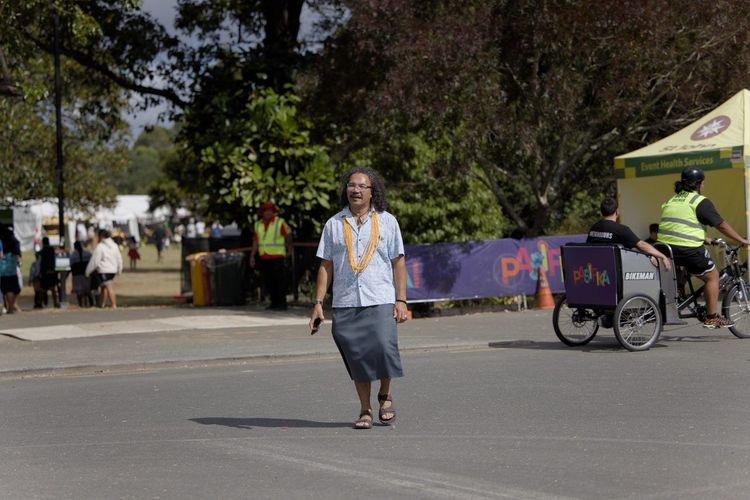
Late January brings Auckland Anniversary Day and its harbour regatta, one of the largest fleets of sailing boats you'll see anywhere, fitting for a city that calls itself the City of Sails. The Pasifika Festival in March celebrates the city's large Pacific communities with food and performances at Western Springs, and the free Lantern Festival around the end of Chinese New Year celebrations, held at the Manukau Sports Bowl in 2026, fills a few evenings with lanterns, food stalls and fireworks. Any of these is worth building a trip around if the dates happen to line up with your plans.
Continuing Your Trip Around New Zealand
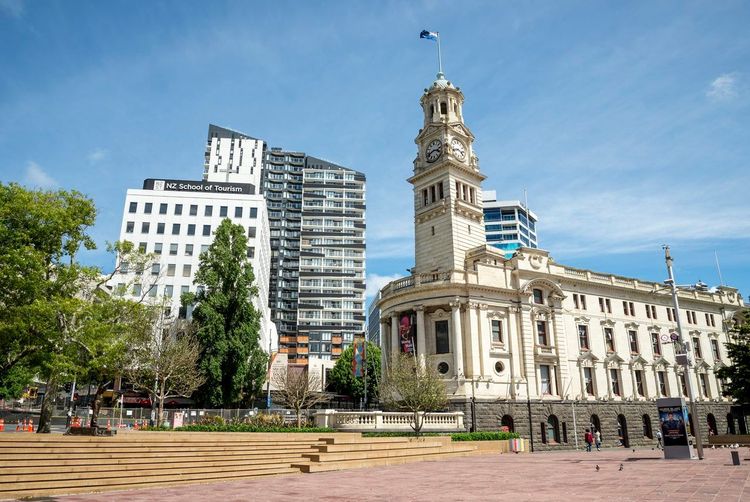
Once Auckland and its islands are covered, most first-time visitors push further rather than fly straight home, and the country splits fairly cleanly into two very different halves worth knowing about in advance.
North Island highlights beyond Auckland
North of Auckland, the Bay of Islands (about three hours' drive) delivers the beaches and sailing history that Waiheke only hints at, while Rotorua (roughly three hours south) trades coastline for geothermal geysers, mud pools and deep Māori cultural experiences. Hobbiton, near Matamata, sits conveniently on the way if film-set tourism is part of the plan, and it's easy to combine with a Rotorua stop on the same loop.
South Island highlights worth the extra time
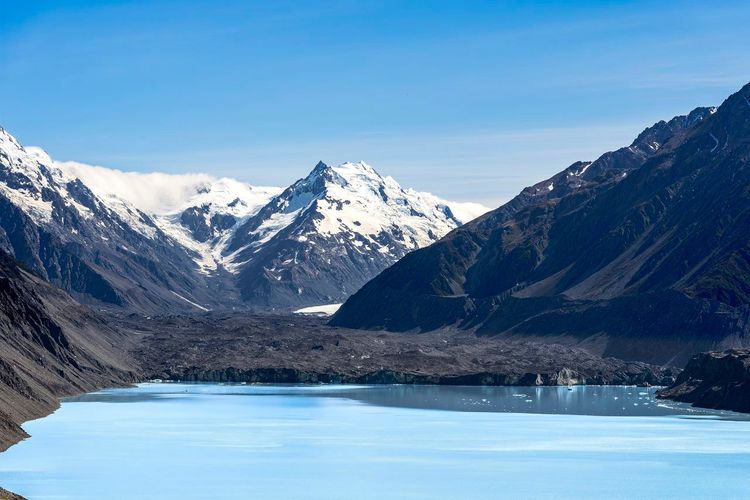
The South Island is where New Zealand's reputation for dramatic scenery actually lives: Queenstown for adrenaline activities (the world's first commercial bungy jump opened at nearby Kawarau Bridge in 1988), Milford Sound for the fjord views, and Abel Tasman for coastal walks. Getting there means a domestic flight or the inter-island ferry from Wellington, so it's realistically a second trip or a deliberate extension rather than a side excursion tacked onto an Auckland stopover. New Zealand's quirkier side tends to show up in the details once you're travelling further afield: digging your own hot pool in the sand at Hot Water Beach, floating under glowworms by boat at Waitomo, and a sheep population that still outnumbers people several times over.



FAQ
How many days do you need to tour Auckland?
One full day covers the core landmarks, the Sky Tower, a volcano, the museum and the waterfront. Two or three days let you add an island day trip and slow the pace without feeling like you're racing a checklist.
Is Auckland walkable for first-time visitors?
The downtown core is very walkable, and several landmarks, the Sky Tower, Viaduct Harbour, the Ferry Terminal, sit within a 20-minute walk of each other. Mount Eden and the museum are a short taxi or bus ride beyond that, not realistically walkable if your time is limited.
Do you need a car to get around Auckland?
Not for the city itself; buses, ferries and rideshares cover it fine. A car, or a campervan, becomes useful once you're heading beyond Auckland toward the Bay of Islands, Rotorua or further south.
What is the best area to stay in Auckland for first-timers?
The CBD if convenience matters most and your stay is short. Ponsonby or Parnell if you'd rather eat and wander than optimise travel time. Newmarket or the North Shore for a quieter, slightly cheaper base with an easy commute in.
What are some quirky things to do in New Zealand?
Dig your own natural spa pool in the sand at Hot Water Beach, drift through the Waitomo glowworm caves by boat in near-total darkness, or wander Hobbiton's film set. New Zealand also has roughly four to five sheep for every person, a fact that becomes obvious the moment you leave any city behind.
What should you beware of in New Zealand?
Mostly rip currents at unpatrolled beaches and stronger-than-expected UV, rather than crime. Keep valuables out of sight in parked cars and take beach safety flags seriously, even on a mild-looking day.
Which part of New Zealand is best for tourists?
There isn't one right answer. The North Island, Auckland, Rotorua, the Bay of Islands, suits first-timers after cities, beaches and culture in a shorter trip, while the South Island's Queenstown and Milford Sound reward travellers with more time and a rental car.
Making the Most of Your First Visit to Auckland
Auckland rewards first-time visitors who accept its slightly scattered geography rather than fight it: a morning downtown, an afternoon on a volcano, an evening by the water, and if you can spare it, a full day on a ferry to one of the gulf islands. Plan the islands and the volcanoes around the weather, keep the waterfront for the evening, and you'll have seen the city's best side in a couple of days.
For the downtown half of that plan, the Ryo audio-guided tour of Auckland does the work for you: start it at the Ferry Terminal, follow the narrated stops past the Sky Tower and Viaduct Harbour at your own pace, and keep the rest of the day free for whichever volcano, museum or island fits your mood.