© Shutterstock
 Votre guide Ryo
Visiting Krakow as a Couple: The Complete Guide for a Romantic Stay in 2026
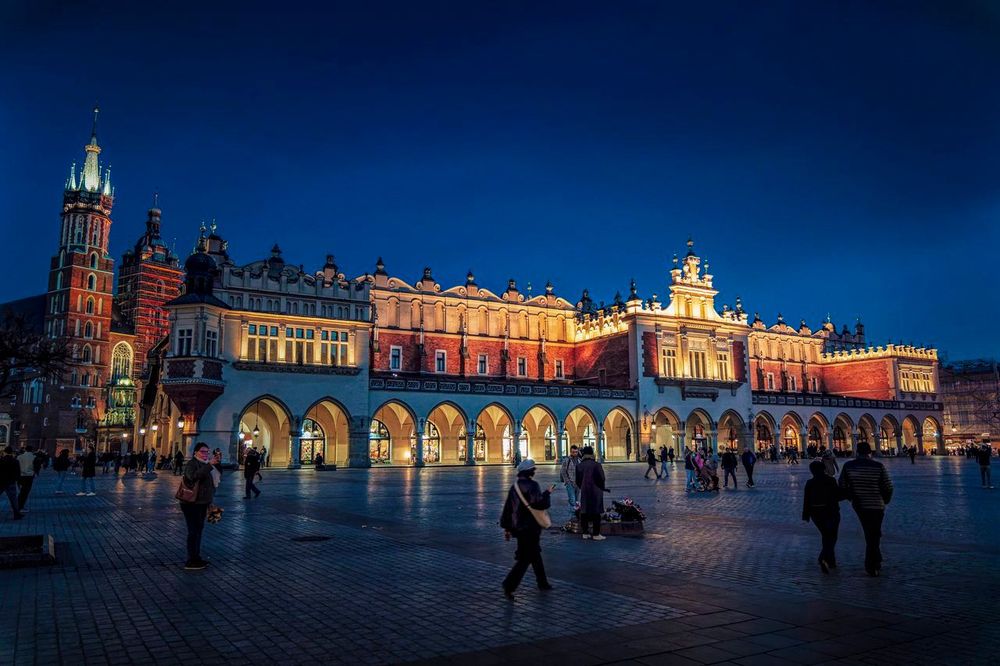
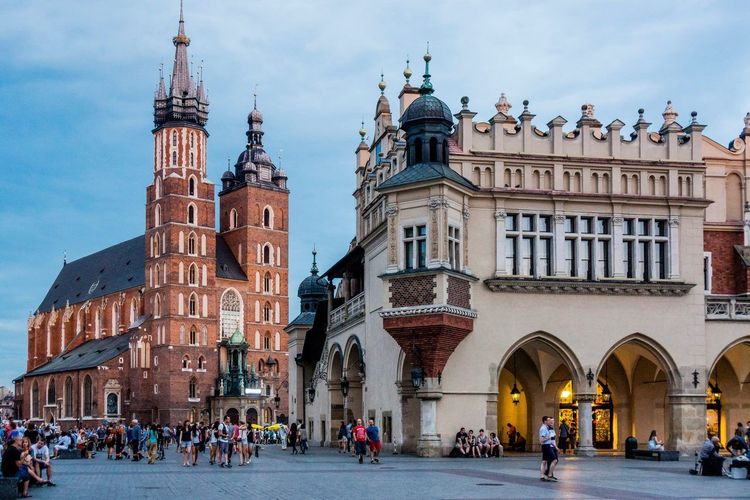
Krakow doesn't need a postcard backdrop to turn a getaway into a memory for two: a cobblestone square vast enough to lose all sense of time, a royal hill overlooking the Vistula, a bridge whose railings bow under the weight of hundreds of padlocks left by couples from around the world. Visiting Krakow as a couple often starts right here, on the Rynek Główny, where the Ryo Krakow audio guide whispers the city's stories in your ear as you walk, without ever having to look down at a map.
The city lends itself surprisingly well to a couple's pace. You'll find a garden where thousands of colored lights switch on at nightfall, a Jewish quarter with hidden courtyards where candles flicker in café windows, and a seven-century-old salt mine where an entire chapel has been carved a hundred meters underground. Add a hot-air balloon rising above the rooftops at dawn, mounds from which you can watch the sun set over the Vistula, and forests less than twenty minutes from the center to catch your breath. From the UNESCO-listed old town to the riverbanks and day trips toward the Tatra Mountains, this guide covers the highlights, the best addresses and the ideal rhythm for a couple's weekend unlike any other.
The Rynek Główny and the Old Town, the Beating Heart of Krakow
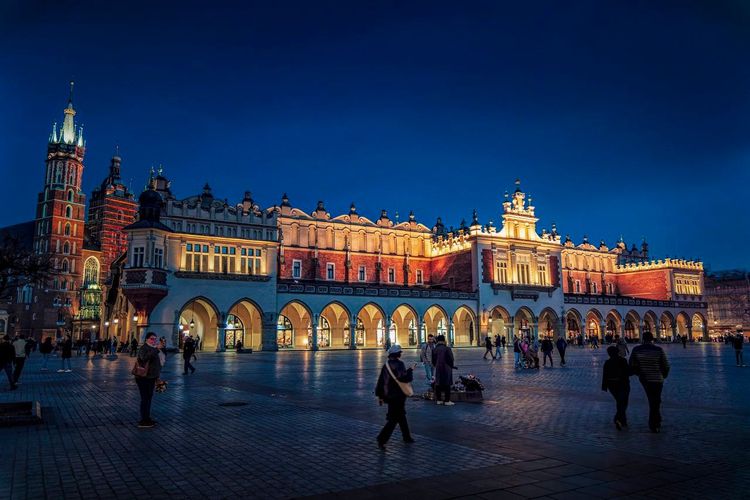
At roughly 4 hectares, the Rynek Główny ranks among the largest medieval squares in Europe, and perhaps that is precisely what makes it so suited to couples: you can get lost in it without ever feeling alone. Horse-drawn carriages wait at the foot of the Cloth Hall, street musicians play late into the evening, and café terraces spill out onto the cobblestones at the first sign of fine weather. Settle in for a moment over a coffee before ducking into the lanes that radiate outward toward Kazimierz or the Wawel: the square is never more beautiful than when observed without hurrying.
This is precisely where the Ryo Krakow audio guide begins, crossing the Rynek all the way to the porch of the basilica while whispering in your ear the stories that give meaning to the cobblestones: why the tower's trumpet call stops dead on the same note, or what lies hidden in the merchant cellars beneath the Cloth Hall. Together, each with your own earphones, listening becomes an excuse to slow down and see the city through fresh eyes.
St. Mary's Basilica and the Atmosphere of the Main Square
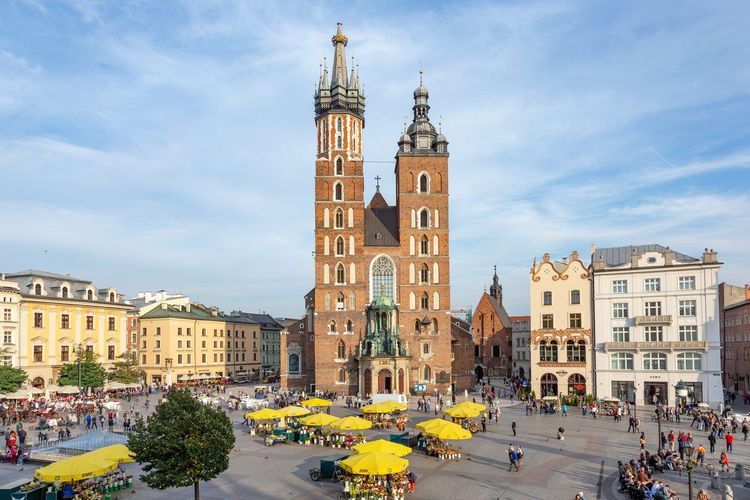
The St. Mary's Basilica dominates the northeast corner of the square with its two asymmetrical towers: the taller served as the city's watchtower, the shorter as the parish bell tower. This mismatched silhouette is unlike any other church in Poland.
Inside, the altarpiece by Wit Stwosz, completed in 1489 after twelve years of work, remains one of the largest carved Gothic altarpieces in Europe: its panels open during a brief daily ceremony, a ritual well worth witnessing if your schedule allows. Every hour, a trumpeter plays the hejnał from the taller tower, a melody that cuts off abruptly in the middle of a note. Legend holds that it commemorates a watchman struck by an arrow during a Tatar raid in the 13th century, and that sharp interruption, heard from a terrace or a bench on the square, is strangely moving when you truly pay attention.
Come in the late afternoon if you can: tour groups thin out and the nave, bathed in blue light, can be discovered in near silence.
Planty Park, a Tranquil Walk Around the Old Town
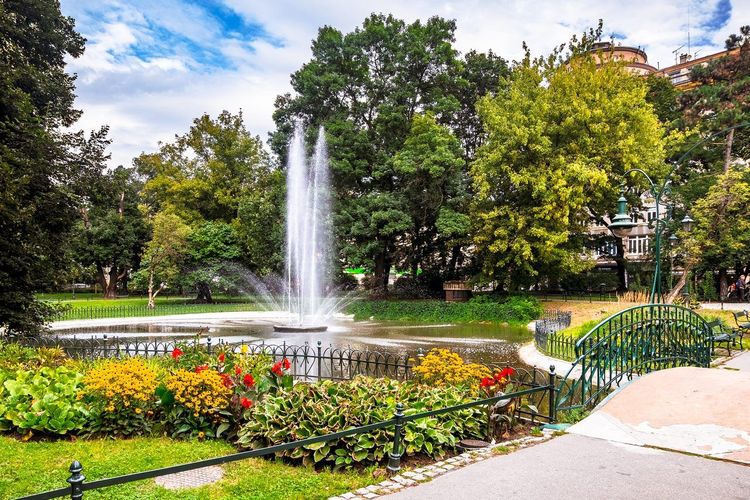
The Planty (Planty, 31-008 Kraków, rated 4.7/5 on Google with 23,721 reviews) encircles the entire old town for nearly 4 kilometers, built on the site of the medieval ramparts demolished in the early 19th century to make way for this continuous green belt.
Benches shaded by linden trees, discreet fountains, statues: the walk requires no set itinerary, just follow the path that rings the historic center. To the north, the Barbican, a circular bastion completed at the end of the 15th century, and the St. Florian Gate recall what the original city walls looked like; from there, Floriańska Street, the old royal road, runs straight to the Rynek. The best time is late afternoon, when raking light catches the façades and joggers give way to couples heading out for dinner. Following the Planty southward and then along Kanonicza Street, one of the city's oldest, lined with canons' houses, leads naturally to the Wawel hill.
The Wawel Hill and the Banks of the Vistula
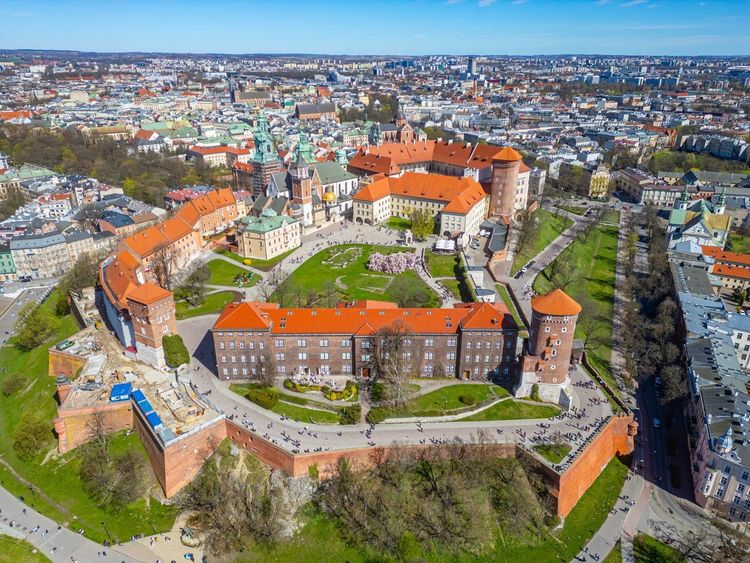
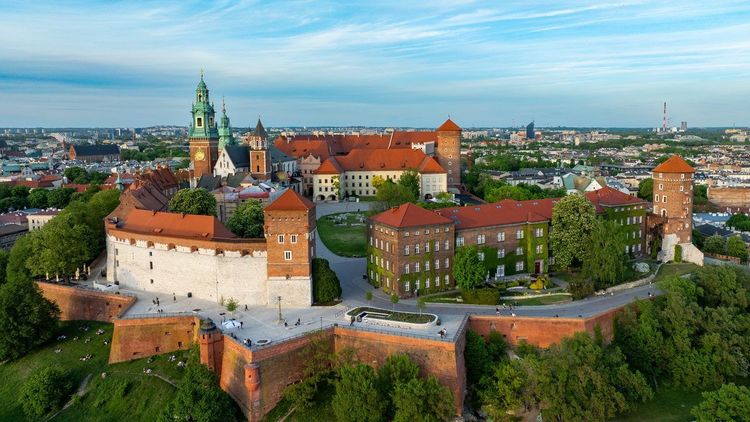
The Wawel hill alone concentrates a thousand years of Polish history: royal residence, coronation cathedral, crypt of kings. It rises about twenty meters above the Vistula, high enough to offer an unobstructed view of the river's meanders and the red rooftops of the old town.
Wawel Castle and Cathedral, with Sweeping Views of the Vistula
The Wawel Royal Castle housed Poland's sovereigns for centuries, until the court was transferred to Warsaw in the very early 17th century. You can visit the royal apartments, the Treasury and the Armoury, but simply strolling through the Renaissance courtyard with its three-tiered arcades is enough to understand why this hill holds an almost sacred status for Poles.
Right beside it, the Wawel Cathedral witnessed nearly all of the royal coronations and houses the tombs of kings and national heroes, including Józef Piłsudski. The Sigismund Tower, with its bell weighing nearly ten tonnes cast in 1520, still rings for great occasions. Go down into the crypt if time allows: the contrast between the golden light of the chapels and the mineral silence of the vaults creates an atmosphere no photograph can capture.
For the view itself, walk along the western ramparts: that is where the panorama over the Vistula is most unobstructed, especially at sunset. Below, the Dragon's Den (Smocza Jama) can be visited in the warmer months; at its exit, a bronze dragon statue breathes fire at regular intervals, a nod to the city's founding legend that never fails to amuse even the most serious of couples.
The Ryo audio guide climbs all the way to the top of the hill before descending toward the riverbanks: a convenient way to chain castle, cathedral and waterfront without consulting a map, keeping your eyes on the river rather than a screen.
River Cruise and a Stroll Along the Vistula Boulevards
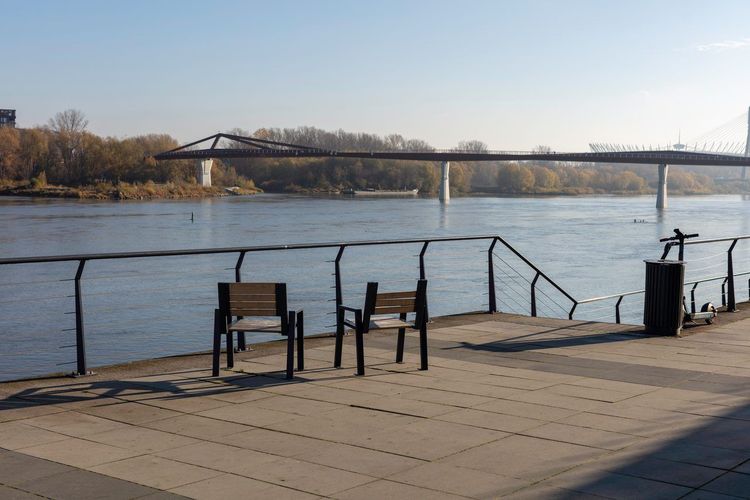
At the foot of the Wawel, the Vistula boulevards stretch for kilometers of landscaped quays, perfect for a sunset stroll or an impromptu picnic on the grass.
Tourist boats depart regularly from the foot of the hill for an approximately one-hour cruise, a pleasantly lazy way to see the castle from the water. In the evenings, the quays come alive with food trucks and barges converted into bars where locals gather after work: this is the place ## Kazimierz (Plac Nowy, 31-056 Kraków), the Jewish Quarter with Bohemian Charm
A fifteen-minute walk from the Wawel, Kazimierz was long a separate town before being absorbed into Krakow in 1800. The neighborhood has retained its original layout, its synagogues and its inner courtyards: today it is one of the most endearing corners of the city for a couple who prefer to wander without a fixed itinerary.
Alleyways, Hidden Courtyards and Cafés of Kazimierz
The streets of Kazimierz, particularly around Józefa Street and Plac Nowy, blend ancient synagogues, artists' workshops and discreet bars tucked into former shops.
Szeroka Street, the Old Synagogue, the oldest preserved in Poland, houses a museum, while the small Remuh Synagogue and its cemetery remain active places of contemplation: cover your head, as a kippah is loaned at the entrance. At the center of Plac Nowy, the round pavilion, a former poultry hall, sells zapiekanka, a toasted half-baguette that has become a local institution, best eaten standing between two vintage shops. The neighborhood also served as a filming location for Schindler's List, and some of the courtyards used during shooting are still recognizable — a detail that lends the stroll an added depth.
Push open a gateway at random: many buildings on Józefa and Meiselsa streets conceal shaded inner courtyards, often converted into café gardens, far more pleasant than the busy main street.
The Bernatek Bridge and Its Love Padlocks
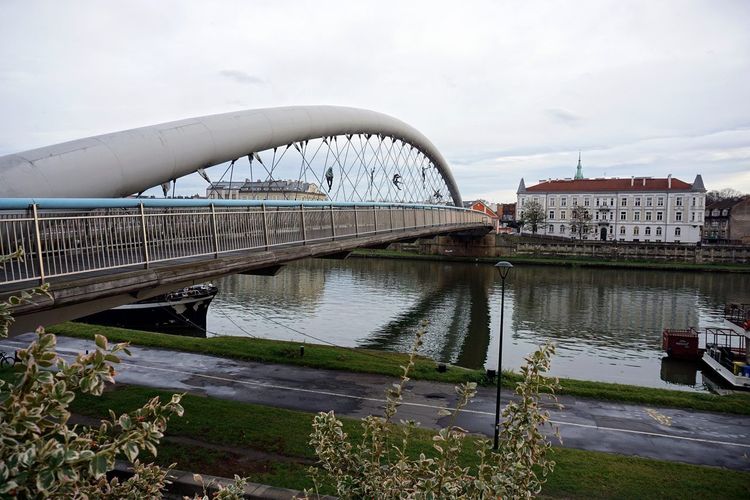
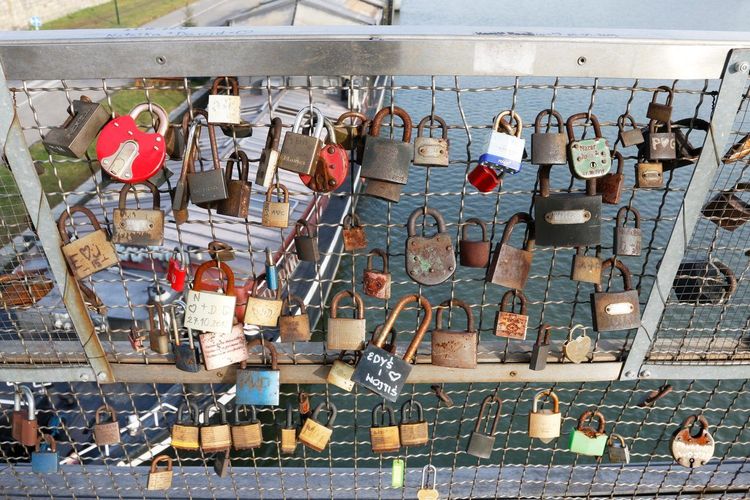
On the southern edge of Kazimierz, the Bernatek Bridge (Kładka Ojca Bernatka, 30-306 Kraków, rated 4.8/5 on Google with 14,380 reviews) connects the Jewish quarter to Podgórze on the other side of the Vistula. This pedestrian footbridge, opened in 2010 and adorned with sculptures of acrobats suspended above the void, has become the unofficial meeting point for the city's couples.
Its railings are laden with padlocks engraved with initials, a tradition imported from elsewhere but enthusiastically embraced here. The best time to cross is at dusk, when the lights of Kazimierz reflect on the water and the daytime tourists have gone. On the Podgórze side, the more energetic can continue up to the Krakus Mound, a free hillock with a sweeping view of the whole city ablaze at sunset.
Podgórze deserves more than a fleeting visit. On the Ghetto Heroes Square, dozens of empty bronze chairs commemorate the ghetto established here during the German occupation, a spare and deeply moving installation. A few streets away, Oskar Schindler's former enamel factory houses a museum dedicated to Krakow under occupation, whose immersive route requires at least two hours: book a time slot online, as entry numbers are capped.
To make sure you miss nothing of the synagogues and hidden courtyards before reaching the bridge, the Ryo audio guide to the Kazimierz Jewish Quarter links together the neighborhood's commented stops: a way to turn a simple walk into a little shared story.
The Garden of Lights and Unique Experiences for Two
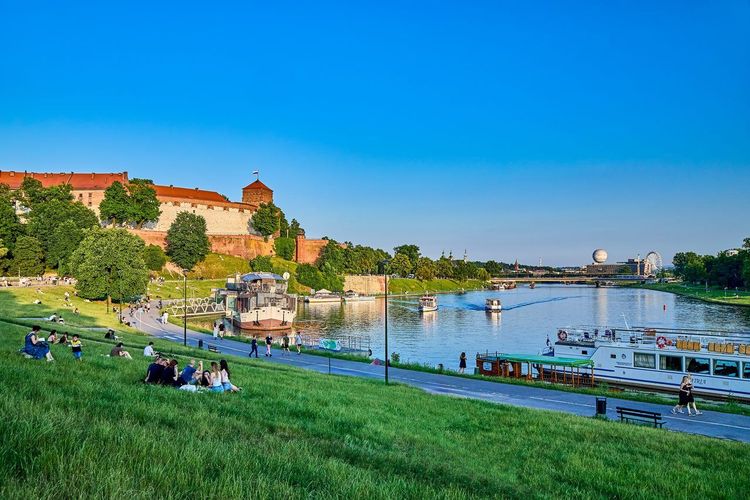
Beyond the classic monuments, Krakow cultivates a handful of more unexpected experiences, perfectly suited to taking a couple off the standard itinerary for an evening or a morning.
The Garden of Lights, a Magical Nighttime Walk
The Garden of Lights (Aleja Pokoju 68, 31-564 Kraków, rated 4.7/5 on Google with 2,252 reviews) (Ogród Świateł) sets up each season, mainly in autumn and winter, an outdoor nighttime trail of light installations a few tram stops from the center.
The themes change from one edition to the next — giant animals, dragons, enchanted forests — but the experience remains the same: roughly an hour's walk in the dark, punctuated by luminous sculptures that reveal themselves along the way. Come after nightfall, on a weekday if possible, to avoid the crowds and enjoy the paths almost entirely to yourselves. Check the opening dates before you go: the installation is not permanent.
Hot-Air Balloon and Ferris Wheel: Krakow from Above
To gain some altitude, several options complement each other depending on the time of day. In the morning, hot-air balloon flights take off from the outskirts of the city when weather permits, offering a bird's-eye view of the Wawel, the Vistula and the city center's rooftops before the mist lifts.
In the evening, the Ferris wheel installed during certain seasons along the Vistula banks takes over: a few turns in an enclosed gondola to see the illuminated royal hill, without the price tag or weather constraints of a balloon ride. In between, several free or near-free panoramic spots round out the picture: the Kościuszko Mound, raised in the 1820s to the west of the city, the Krakus Mound in Podgórze and the town hall tower on the Rynek — three viewpoints earned on foot rather than by cable car.
Nature Escapes Around Krakow
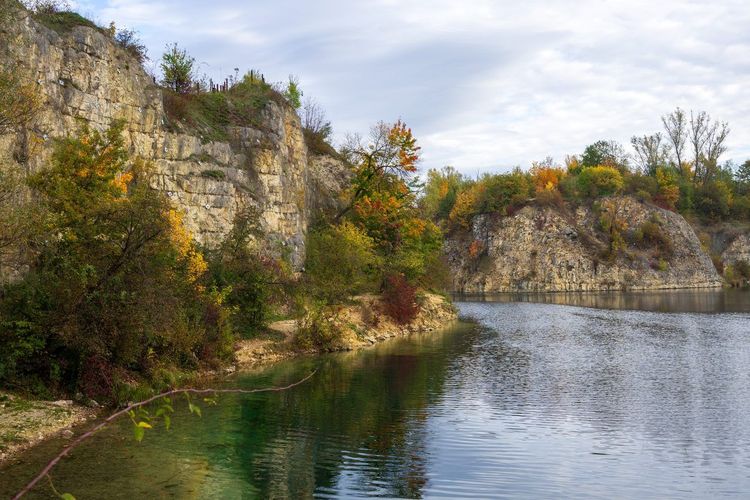
After two or three days on cobblestones, most visitors are happy to leave the center behind: Krakow is ringed by forests, lakes and an abbey set on the banks of the Vistula, all reachable in under half an hour.
The Jagiellonian University Botanical Garden, a Lush Green Pause
Founded in 1783, the botanical garden of the Jagiellonian University is the oldest in Poland and brings together several thousand plant species across nearly ten hectares, just a short walk from the center.
The tropical greenhouses, heated year-round, offer a striking contrast with the Polish winter: you enter bundled up and emerge having momentarily forgotten the cold. In spring, the flowering pathways and secluded benches make it a refuge ### Zakrzówek Lake and Las Wolski Forest
A former limestone quarry flooded in the early 1990s, Zakrzówek Lake has become one of the locals' favorite spots in summer, with its turquoise waters ringed by cliffs that almost evoke the Mediterranean. Designated swimming areas have recently opened there.
A little further west, Las Wolski Forest covers around 420 hectares of wooded hills, with marked trails leading up to the Piłsudski Mound, erected in the 1930s. Along the way you'll find Krakow Zoo and, on the Srebrna Góra hill, the Camaldolese monastery of Bielany, but the real pleasure is simply walking beneath the canopy, far from the city-center crowds.
Combine both in one afternoon if you have a car or are keen walkers: the lake for swimming or quiet contemplation, the forest for hiking and the view from the top.
Tyniec Benedictine Abbey, Along the Vistula
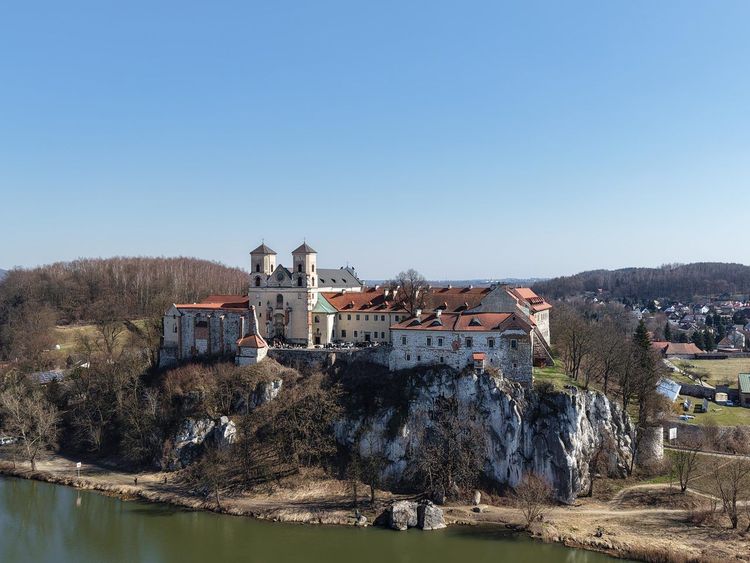
Perched on a rocky spur overlooking the Vistula, Tyniec Abbey (Benedyktyńska 37, 30-398 Kraków, rated 4.7/5 on Google with 11,184 reviews) was founded in the 11th century and is still home to a Benedictine community, making it one of the oldest still-active monasteries in Poland.
You can get there by bus from the center, or by bike along the riverbanks, but the most enjoyable journey remains the cruise that travels up the Vistula to the foot of the abbey before you climb up to the forecourt. The monastery shop sells products prepared according to Benedictine recipes — a simple but memorable stop to round off the outing.
The Wieliczka Salt Mine, a Must-Do Excursion for Two
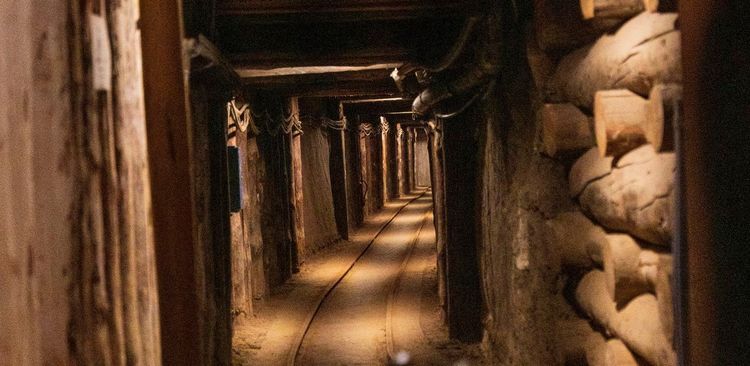
About fifteen kilometers southeast of the center, the Wieliczka Salt Mine (Daniłowicza 10, 32-020 Wieliczka, rated 4.6/5 on Google with 39,317 reviews) was worked from the 13th century until industrial extraction ended in 1996. It was among the very first sites inscribed on the UNESCO World Heritage List, in 1978, at the same time as Krakow's historic center.
The tourist route descends by a wooden staircase of several hundred steps, then follows more than three kilometers of galleries, underground salt lakes and chapels carved entirely from salt, down to a depth of 135 meters. St. Kinga's Chapel, hewn roughly a hundred meters underground, is the highlight of the visit: chandeliers carved from salt crystals, bas-reliefs depicting the Last Supper, and impressive acoustics used for occasional concerts.
For a couple, the mine offers something quite rare: an experience that is both spectacular and intimate, where the constant temperature of around 14 to 16 degrees and the subdued lighting of the galleries create a timeless atmosphere. Book your slot online at least a week ahead in high season: the visit is conducted in a guided group and places go fast in summer. Allow around three hours on site, plus travel time by regional train or public bus from Krakow — considerably cheaper than an organized shuttle.
Where to Have a Romantic Dinner in Krakow
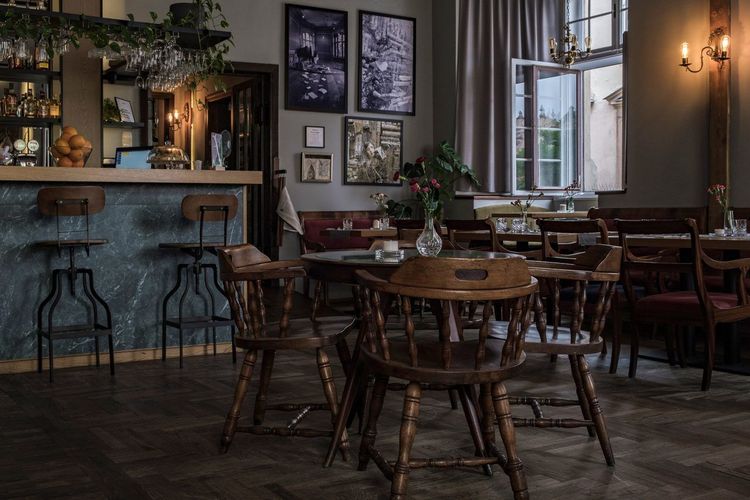
Krakow's food scene has evolved considerably in recent years, with reinvented Polish cuisine sitting alongside intimate neighborhood spots. Here is enough to plan an evening without overthinking it.
Restaurants for a Candlelit Dinner in the Heart of the Old Town
In the heart of the historic center, Pod Aniołami occupies medieval vaulted cellars and serves traditional Polish cuisine — wood-fired grilled meats, game, soups — in a stone setting lit by candles that gives the place all its charm.
More contemporary, Farina focuses on fish and seafood with a carefully curated wine list, in an elegant room in the center. Over in Kazimierz, Nolio serves Neapolitan pizzas in a relaxed atmosphere, while Zakładka plays the French bistrot card, with seasonal cooking and gentler prices than in the old town for comparable quality.
Finally, Klimaty Południa offers Mediterranean cuisine and a well-stocked wine cellar, a pleasant option on evenings when the craving for pierogis has run its course.
Cafés and Sweet Treats for Two
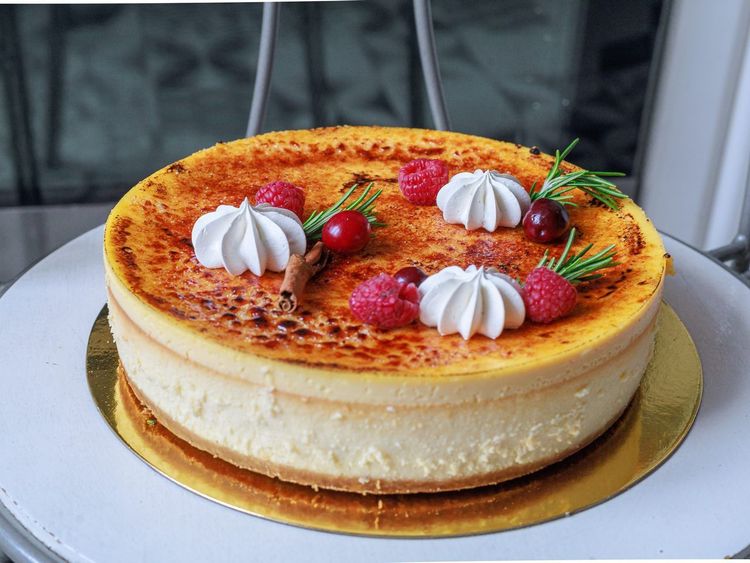
Just steps from the Rynek, on Grodzka Street, Miód Malina blends Polish and Italian cuisine in a warm dining room; save room for dessert, or simply order a slice of sernik, the local cheesecake, with a coffee in the late afternoon.
In the old town, on Świętego Tomasza Street, Camelot Cafe (Świętego Tomasza 17, 31-027 Kraków, rated 4.5/5 on Google with 5,323 reviews) cultivates a slightly offbeat salon atmosphere, with mismatched furniture, naïve figurines on the walls and soft lighting. After a day spent following the Ryo audio guide, this kind of place offers exactly the pause you need before heading out to dinner.
Where to Stay as a Couple in Krakow
Two areas stand out clearly for a couple looking to combine atmosphere with proximity to the sights. The first, around the Rynek Główny, puts everything within walking distance — basilica, restaurants, shops — at the cost of a little more activity in the evenings, especially at weekends.
The second, between the old town and Kazimierz, offers a compromise that is often preferred: close enough to the center to reach everything on foot in ten to fifteen minutes, yet far enough out to sleep in peace. This is where many charming apartments fitted out in former bourgeois buildings are concentrated, with parquet floors and high ceilings — often more affordable and more spacious than a standard hotel for a stay of several nights.
On the hotel side, Hotel Stary (Szczepańska 5, 31-011 Kraków, rated 4.7/5 on Google with 1,268 reviews), set in a restored historic townhouse just steps from the Rynek, remains a benchmark for a peaceful night's stay, with its vaulted underground pool and rooftop terrace.
For a more modest budget, the small guesthouses of Kazimierz offer a more personal welcome and a genuine connection to the neighborhood. Book several weeks in advance for a stay around Valentine's Day or the Christmas market — the two periods when the best addresses fill up first.
Krakow for Valentine's Day and in Winter
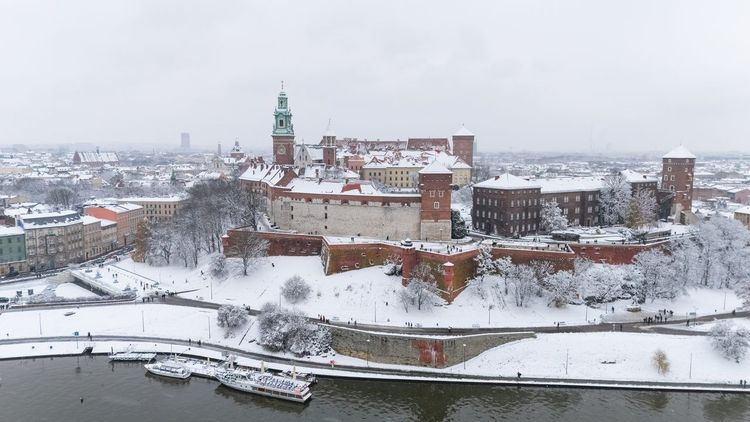
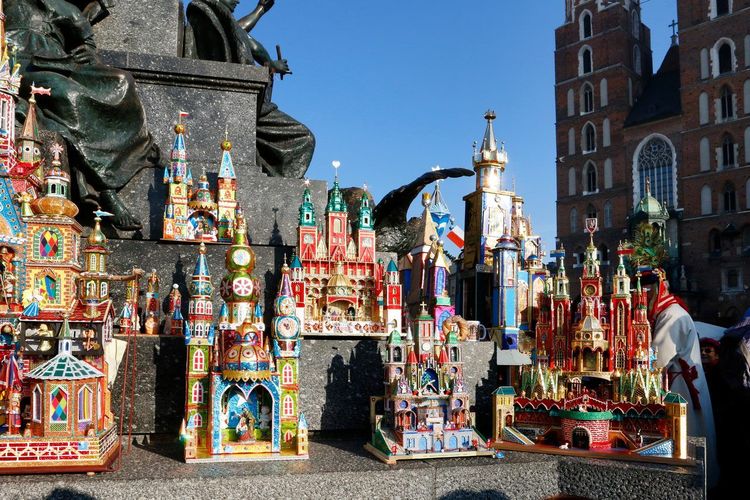
Winter transforms Krakow's atmosphere: snow on the Wawel rooftops, steam rising from cups of grzaniec (spiced mulled wine) sold on the Rynek, and a Christmas market that takes over the main square from late November through the holidays.
The Jordan Park Ice Rink
In winter, an ice rink opens in Jordan Park (Aleja 3 Maja, 30-063 Kraków, rated 4.8/5 on Google with 13,871 reviews), a large green space to the west of the center on the edge of the Błonia meadows, popular with families and couples alike in the evenings when the floodlights come on.
Skate hire on site, evening music, a refreshment stand to warm up: nothing spectacular, but the atmosphere has that simple, cozy quality that sometimes leaves a stronger impression than a listed monument. Allow about an hour before heading off to dinner somewhere warm, and check the season's opening dates in advance.
Ideas and Surprises for Valentine's Day
Around February 14th, several restaurants in the old town offer dedicated tasting menus, and candlelit classical music concerts — often devoted to Chopin — take place in the churches and historic salons of the center. Some hotel spas open couple slots on that day, to be booked several weeks in advance.
If Valentine's Day falls in the middle of the snow season, go for a simple combination: a morning in the old town, an afternoon warmed by the botanical garden's greenhouses or in the salt mine, and a candlelit evening in one of the vaulted cellars of the center. At Easter, the city also hosts traditional markets on the Rynek — another opportunity to visit Krakow as a couple outside the overcrowded summer months.
Day Trips to Extend the Getaway
Two excursions from Krakow naturally complement a three- or four-day stay, for very different reasons.
Zakopane, Mountains and Thermal Baths for Couples
About two hours' drive to the south, Zakopane is the gateway to the Tatras, Poland's only true high-mountain range. In summer, hikers head for glacial lakes such as Morskie Oko; in winter, the resort lends itself to skiing and sleigh rides. Year-round, the Chochołów thermal baths, about twenty minutes from Zakopane, offer heated outdoor pools where you can soak in warm water while snow falls around you — an experience many couples place at the top of their Polish memories.
Some organized excursions combine a shuttle transfer, a walk in the surrounding hills and a stop at the thermal baths at the end of the day — a convenient formula that avoids the need to rent a car.
Auschwitz-Birkenau, a Day of Remembrance Together
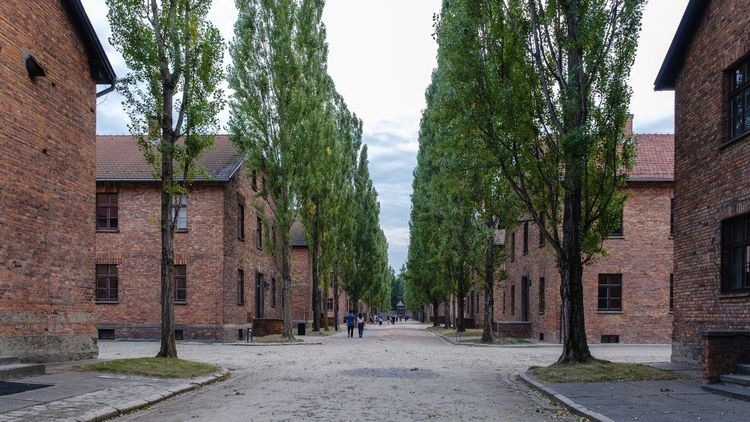
About an hour and a half from Krakow, the visit to the Auschwitz-Birkenau memorial is obviously anything but light, yet many couples choose to dedicate a day to it together, as the experience — by its very gravity — leaves a powerful shared mark. The guided visit generally lasts around three and a half hours on site; book it well in advance.
If you prefer a lighter outing, the Energylandia amusement park in Zator, about an hour's drive to the west, boasts one of the largest collections of roller coasters in Central Europe — a playful option for adults who have kept their inner child.
Planning Your Stay for Two: Budget, Transport and Best Time to Visit
Three to four days are enough to cover the old town, the Wawel, Kazimierz and an excursion such as Wieliczka, without rushing. Add a day if you plan to push on to Zakopane or Auschwitz-Birkenau.
John Paul II International Airport, about fifteen kilometers from the center, is connected to the main railway station by a direct train in around twenty minutes, or by bus. Once there, the historic center is easily walkable: trams take over for Kazimierz, Jordan Park or Las Wolski Forest.
On the budget side, allow an average of 60 to 90 euros per day per person for a couple alternating mid-range restaurants with the occasional splurge, not including accommodation. Drinks and meals remain noticeably cheaper than in Western Europe, which easily offsets the entrance fees to paid sites such as the Wawel Castle or the salt mine.
Spring (April–May) and early autumn (September) offer the best compromise between mild weather and manageable crowds. December has its own charm, with the Christmas market on the Rynek, provided you accept the cold and short days. If you prefer to follow your own tempo without depending on a human guide, the Ryo audio guide pauses on demand: stay as long as you like in front of the basilica or on a Planty bench — the story picks up right where you left it.
A Three-Day Itinerary for Two
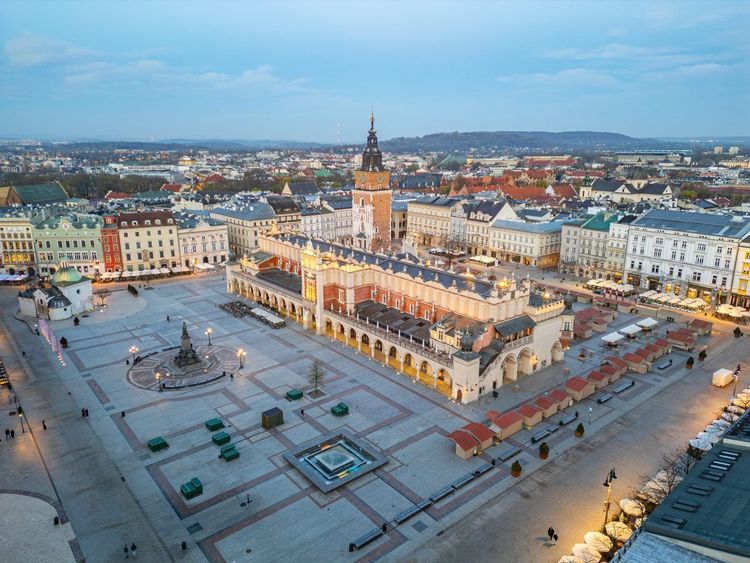
On day one, start early on the Rynek before the tour groups arrive, then head into St. Mary's Basilica for the opening of the altarpiece. Make your way up to the Barbican along Floriańska Street, walk the Planty circuit and reach the Wawel in the early afternoon via Kanonicza Street. End the day on the Vistula boulevards, drink in hand, watching the light fade over the castle.
Day two belongs to Kazimierz: synagogues on Szeroka Street in the morning, a zapiekanka lunch on Plac Nowy, a wander through the courtyards of Józefa Street, then a crossing of the Bernatek Bridge into Podgórze. Climb to the Krakus Mound for sunset and come back down to dinner in Kazimierz, where the bars stay open late.
On day three, choose according to the season: the Wieliczka Salt Mine in the morning during cold or rainy weather, or Zakrzówek Lake and Las Wolski Forest when the sun is out. Keep the evening free for a candlelit spot in the old town, or for the Garden of Lights if it is open. This pace leaves room for the unexpected, which remains the best ally of a successful couple's getaway.



FAQ
How many days should you plan to visit Krakow as a couple?
Three full days cover the essentials: the old town and Wawel on the first day, Kazimierz and the Bernatek Bridge on the second, Wieliczka or a nature getaway on the third. Add an extra day for Zakopane or Auschwitz-Birkenau, or simply to slow down.
What is the best time for a romantic stay in Krakow?
April–May and September offer the best balance between mild weather and manageable crowds. December is charming for the Christmas market on the Rynek, despite the cold, while July–August draws the most visitors to the main sites.
Where should couples stay in Krakow?
The Rynek Główny area puts everything within walking distance but remains lively in the evenings. The neighborhood between the old town and Kazimierz, quieter in feel, is home to many charming apartments and small guesthouses popular with couples.
Should you book the Wieliczka Salt Mine visit in advance?
Yes, especially in high season. The visit takes place in a guided group at a fixed time, and slots fill up quickly in summer; ideally book online at least a week ahead to choose your time slot.
What budget should you plan for a couple's weekend in Krakow?
Budget around 60 to 90 euros per day per person for dining and activities, excluding accommodation. Local prices, especially for food and drinks, remain noticeably lower than in Western Europe.
What to do in Krakow for Valentine's Day?
Candlelit tasting menus in the vaulted cellars of the city center, candlelight classical concerts, spa slots at select hotels, or simply an evening on the Bernatek Bridge at nightfall, surrounded by love locks and the lights of Kazimierz.
Krakow has the rare quality of rewarding both couples in a hurry and those who prefer to wander without a fixed plan: three days are enough for the essentials, yet a week never quite suffices. Between the main square, the Wawel hill, the alleyways of Kazimierz and the forests that ring the city, every stop invites you to slow down, pause and start again differently the next day. To tie it all together without hours of preparation, the Ryo Krakow audio guide remains the simplest way to follow a coherent thread through the city, as a couple, at your own pace, earphones in and the rest of the time to yourselves.
