
Créé par Emilie, le 4 oct. 2026
Votre guide Ryo
Kraków, Poland
Little Poland
Parcours audioguidé pour visiter Kraków en 1 jour
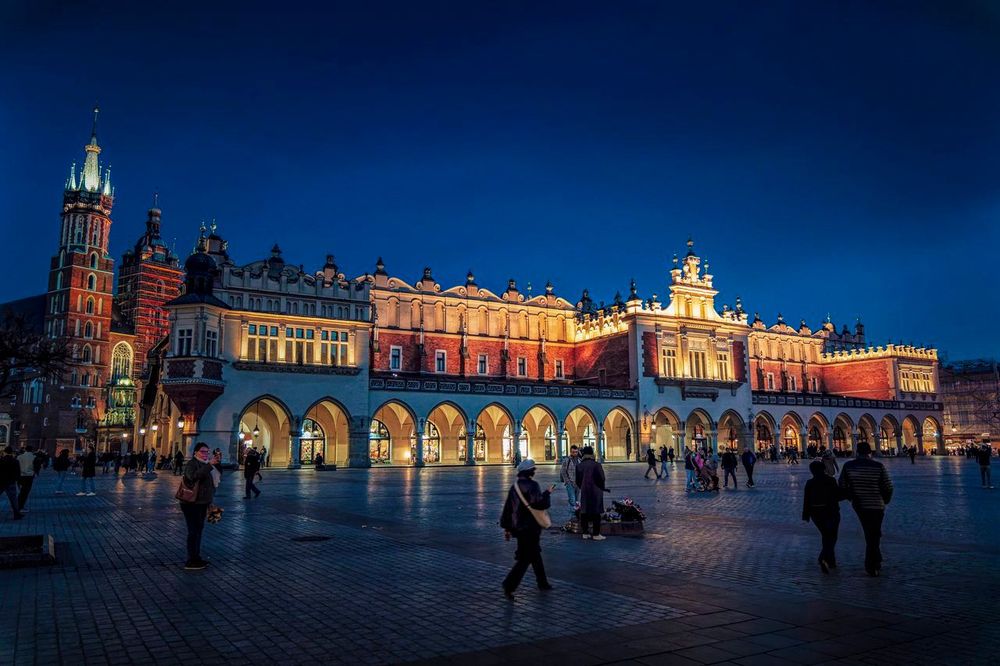
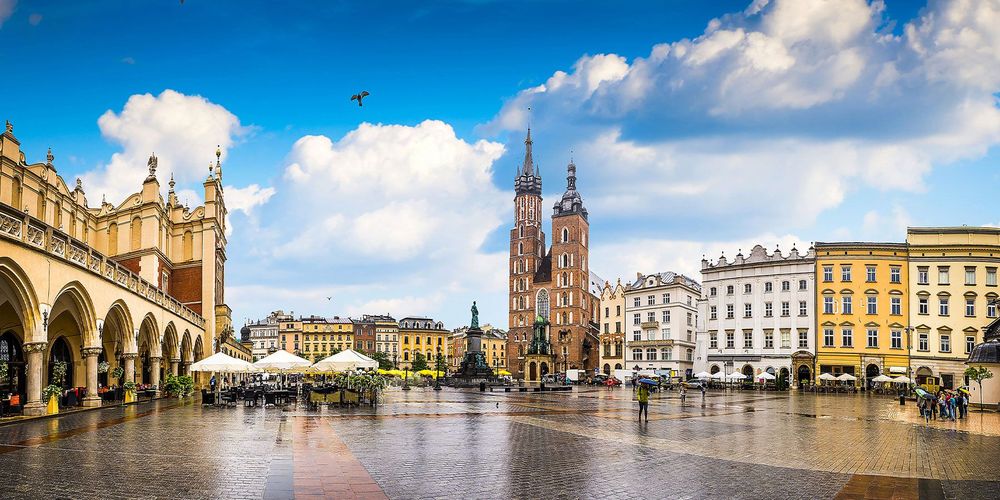
A former royal capital, Kraków invites you on a true journey between medieval legends and contemporary cultural energy. Its UNESCO-listed historic center, living traditions, and lively atmosphere make it a destination that is as rich as it is captivating. Between heritage, festivals, and way of life, the city offers a complete immersion in the Polish spirit.
Quand partir à Kraków ?
Jan.
1°
11
Feb.
2°
9
March
8°
10
April
12°
11
May
17°
12
June
20°
13
July
22°
13
Aug.
22°
12
Sept.
18°
10
Oct.
12°
10
Nov.
7°
10
Dec.
3°
11
Kraków has a continental climate, with pleasant summers and winters that can be very cold—especially when icy blasts roll in from Siberia. The best time to visit is from May to August, or even in September. In summer, temperatures range from 12–14°C in the morning to 24–25°C in the afternoon. In winter, they can drop to between –5°C and 2°C.
Départ conseillé
No need to worry about where to begin! Our tours are designed as a loop, so you can jump in wherever you are. The navigation system and audioguide will automatically adjust to your location. However, if you happen to be nearby, we do have a preferred starting point: Main Market Square: Rynek Glowny
Parking à proximité
Wawel Parking, plac Na Groblach 24
If you're coming to Kraków by car, or planning to rent one, know that driving in the city isn’t straightforward. Don’t be discouraged—even locals get confused! The road signs can be tricky to interpret, and it's easy to enter a restricted zone without even realising it. We recommend using a covered car park. If you do decide to park on the street, here are a few things you should know. The city centre is divided into zones, each with its own set of rules: – Zone A is strictly for pedestrians and cyclists. Don’t even think about driving there. – Zone B is residential and reserved for locals and guests using hotel parking. It’s off-limits to regular vehicles—except for ambulances and police cars. – Zone C is the only area where you’re allowed to drive freely. Street parking is paid from 10 a.m. to 8 p.m., except on Sundays and public holidays. Final tip: parking meters don’t give change—so come prepared!
À savoir
Entry to Wawel Castle is free on Mondays from April to October, between 9:30 a.m. and 1:00 p.m., and on Sundays from December to March, between 10:00 a.m. and 4:00 p.m. Our tour takes you to the outside of the castle.
Découvrez 21 lieux d'intérêt pour visiter Kraków
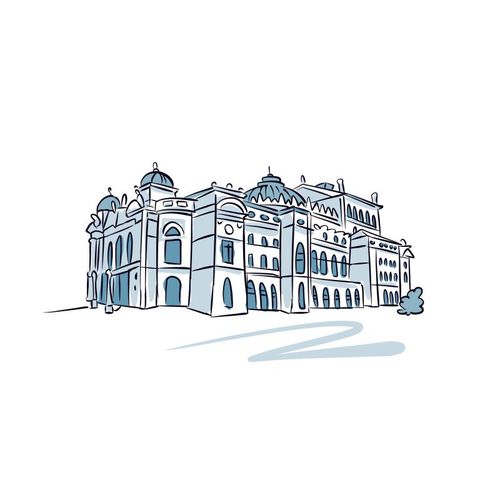
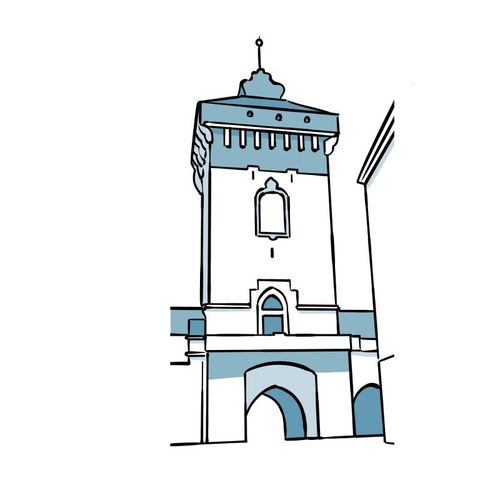
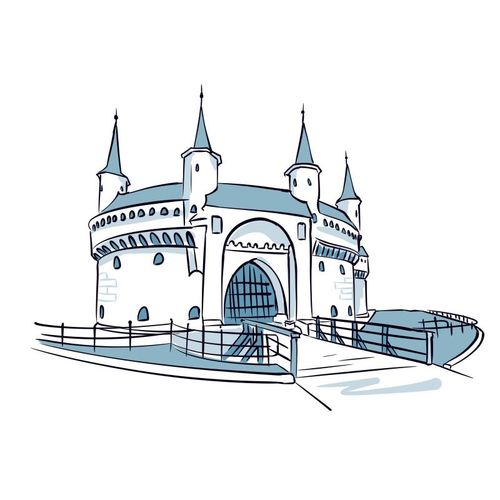
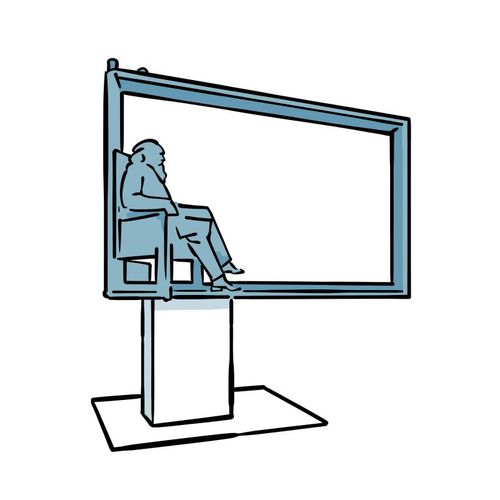
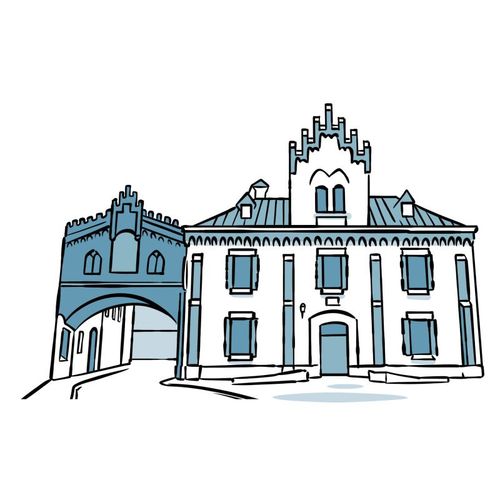

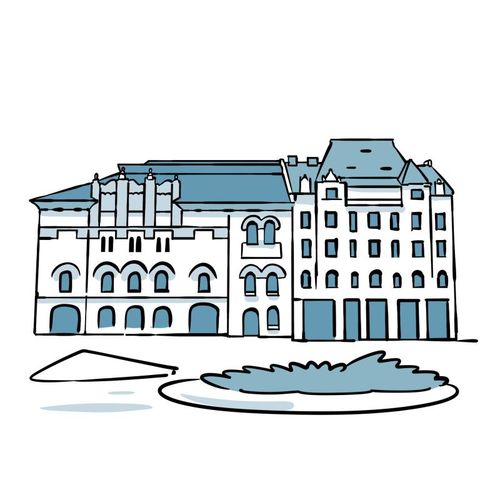

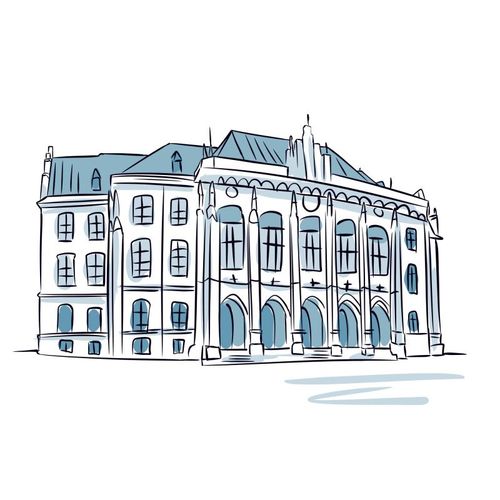
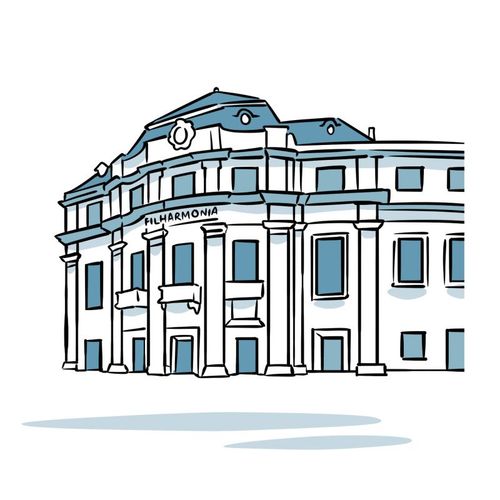




Le plein d'inspirations
Explorez le monde en totale liberté, à pied au cœur des villes ou au fil des routes. Nos guides audios transforment chaque destination en une découverte culturelle immersive et unique.
FAQ for visiting Kraków
When is the best time to visit Kraków?
The ideal time to discover Kraków runs from May to September, when the continental climate offers its best conditions. The summer months let you enjoy mild temperatures, generally between 14 and 25 degrees, perfect for strolling through the medieval lanes. Spring and early autumn remain very pleasant, with fewer tourists. Winter can be magical under the snow, but be prepared for often sub-zero temperatures and cold spells sweeping in from Siberia. This season suits lovers of enchanting atmospheres and Christmas markets, but requires warm clothing.
How many days do you need to visit Kraków?
For a satisfying discovery of Kraków, ideally allow three to four days. This time lets you explore the UNESCO-listed historic centre at your leisure, soak up the city's unique atmosphere and take a memorable excursion. Two days are enough to see the essentials if your schedule is tight, but you risk missing out on Kraków's soul. With five days or more, you can truly savour the local pace, discover less touristy neighbourhoods such as Kazimierz in depth and perhaps visit the surrounding area. The Ryo audioguide helps you make the most of your time with routes tailored to the length of your stay.
How much does a trip to Kraków cost?
Kraków remains a very affordable European destination, perfect for budget-conscious travellers. Prices vary depending on the season and your choices, but you can generally count on a modest daily budget compared to Western Europe. Accommodation offers excellent value for money, from youth hostels to charming hotels in the historic centre. Meals in traditional restaurants remain very accessible, and you can easily eat for less than in most European capitals. Admission to museums and attractions is also reasonable. Local transport is inexpensive, which makes discovering the city all the more enjoyable for your wallet.
How do you get around Kraków?
The historic centre of Kraków is ideally explored on foot, its compact size and pedestrian streets naturally inviting you to stroll. For longer distances, the tram and bus network is efficient and economical, covering the whole city and its outskirts. Tickets can be bought from ticket machines or via the public transport mobile app. Taxis remain affordable, particularly with the ride-hailing apps popular in the city. Cycling is also becoming a favoured option, with cycle paths under development. To get to the airport, you can choose between the fast train, the bus or a taxi depending on your budget and your schedule.
What must you see in Kraków?
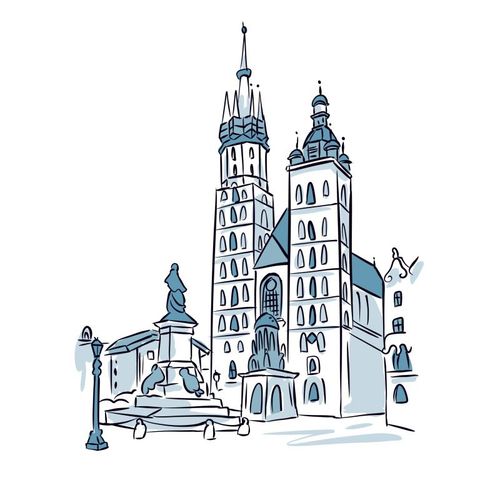
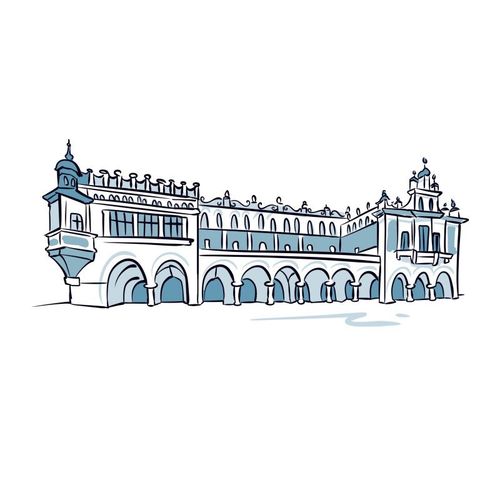
Kraków is brimming with treasures that tell its thousand-year-old history. The main market square, with its Cloth Hall and St Mary's Basilica, forms the vibrant heart of the city. Wawel Castle, the former royal residence, majestically overlooks the Vistula and deserves a thorough visit. The Jewish quarter of Kazimierz immerses you in a unique atmosphere between poignant history and cultural revival. Don't miss the medieval ramparts and St Florian's Gate either. The Ryo audioguide offers a narrated route that connects these must-sees while revealing the legends and anecdotes that bring the stones of this exceptional city to life.
How do you visit Auschwitz from Kraków?
Auschwitz-Birkenau is located about an hour and a half from Kraków, making the visit doable in a day. Several options are available to you for this moving but necessary journey. Organised tours generally include bus transport and a guide, a practical but sometimes restrictive solution. You can also go on your own by train from the central station or by public bus, which gives you more flexibility. Booking in advance on the memorial's official website is strongly recommended, especially in high season. Allow a full day for this visit, which requires time and emotional preparation.
Where should you eat in Kraków to discover the local cuisine?
To taste authentic Polish cuisine, head to the traditional restaurants of the historic centre and Kazimierz. Look for establishments frequented by locals, often cheaper and more authentic than tourist traps. The milk bars, popular canteens inherited from the communist era, offer typical dishes at gentle prices in a unique retro atmosphere. Don't miss the pierogi, those Polish dumplings served in both savoury and sweet versions, the zurek, a sour soup served in a bread bowl, or the bigos, a sauerkraut with meats. The covered markets are also a chance to sample local specialities in a lively atmosphere.
Is it safe to walk around Kraków at night?
Kraków is generally considered a safe city, even after nightfall. The historic centre stays lively late into the evening with its restaurants and bars, creating a reassuring presence in the main streets. As in any tourist city, stay alert with your personal belongings and avoid conspicuously displaying valuables. The central districts such as the Old Town and Kazimierz are well lit and busy. Favour official taxis or ride-hailing apps to get home late, especially if you venture away from the centre. The people of Kraków are generally welcoming and helpful, so don't hesitate to ask for directions if needed.
What is there to discover in the Jewish quarter of Kazimierz?
Kazimierz, an independent town for a long time before it was attached to Kraków, was for centuries the heart of Polish Jewish life. Several synagogues can be visited there, including the Old Synagogue and the Remuh Synagogue with its ancient cemetery, along with Szeroka Square and Plac Nowy, where small stalls serve the famous zapiekanki. The district mixes weathered façades, galleries, second-hand shops and cafés that stay lively late into the evening.
Across the Vistula, Podgórze extends the visit with the former ghetto: Ghetto Heroes Square and its bronze chairs, a preserved section of wall, the Eagle Pharmacy and Oskar Schindler's factory, now a museum about the occupation. Allow at least half a day to link both banks without rushing. The Ryo audio guide offers a dedicated Kraków route that crosses these districts and tells their story.
How do you visit the Wieliczka salt mine from Kraków?
The Wieliczka salt mine lies in a small town south-east of Kraków, easy to reach by regional train, bus or minibus from the centre; the journey is short and the site is well signposted from the station. Visits are always made in a group, with a guide, and English-language tours are offered in season.
The route goes down long wooden staircases and then follows galleries carved out of the salt, past underground lakes, chapels and sculptures, all the way to the astonishing Saint Kinga's Chapel, shaped entirely by the miners, chandeliers included. It stays cool underground at all times: bring a jacket and comfortable shoes, as there is a lot of walking. It is better to arrive early or book a slot in high season, when the crowds build up.
Vos commentaires, idées et suggestions
Aucun avis pour le moment