© Shutterstock
 Votre guide Ryo
Things to Do in Lausanne: 14 Experiences between the Old Town, Lake Geneva, and Vineyards in 2026
Lausanne is a city defined by its slopes. From the station, you climb to reach the cathedral perched on its hill, then descend the other side toward the shores of Lake Geneva, nearly a hundred meters below. What is there to do in Lausanne when every neighborhood seems to sit on its own balcony? Starting out on foot is still the most rewarding instinct: the medieval lanes of the historic center, the public staircases that change name with every city block, the terraces that suddenly open onto the water. You'll quickly see that here, the best visits happen step by step, following the gradient rather than the map.
Between a Gothic cathedral ranked among the most beautiful in Europe, an Olympic museum set on the lakeshore, an aquarium claiming the largest freshwater vivarium in Europe, and a brand-new cultural district called Plateforme 10, Lausanne packs a rare concentration of sites for a city of 140,000 people. Add a 35-meter wooden tower perched in an urban forest, UNESCO-listed terraced vineyards less than 20 minutes by train, and a medieval castle built directly on the lake at Veytaux: the Vaudois capital is worth visiting whether you have a free morning or a long lakeside weekend. Here, neighborhood by neighborhood and excursion by excursion, is everything you need to fill a stay in Lausanne without ever going in circles.
1. The Old Town and Notre-Dame Cathedral
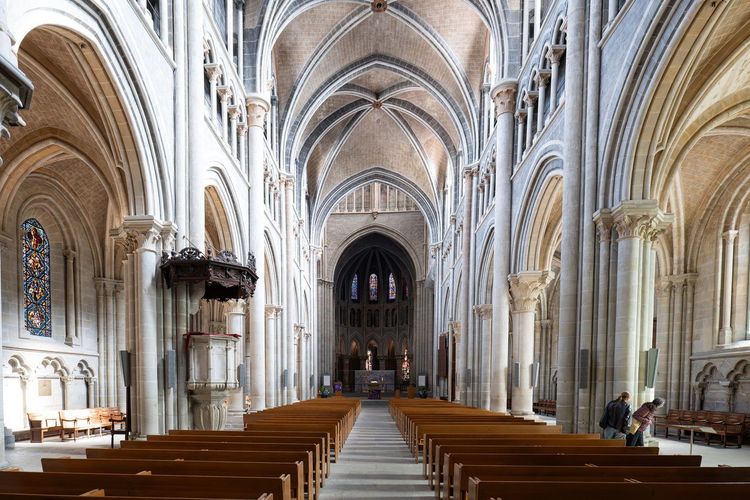
Lausanne's historic center is best explored on foot along a single axis running from the cathedral to the Place de la Palud. Allow a good half-day to stroll at a leisurely pace.
Notre-Dame Cathedral and the Place de la Palud
The Notre-Dame Cathedral of Lausanne has dominated the city since the 13th century and is considered one of the finest Gothic buildings in Switzerland. Its main facade, restored over several decades, preserves a painted portal whose original colors were rediscovered beneath layers of whitewash. Inside, the great rose window of the south transept, a 13th-century stained glass piece, remains one of the few medieval European stained glass windows to have survived almost intact.
What truly sets the cathedral apart is its night watchman: since 1405, a watchman still calls out the hours aloud from the top of the tower between 10 p.m. and 2 a.m., a tradition found nowhere else in Europe. Climb the 224 steps of the tower if the weather allows: the panorama takes in Lake Geneva, the Alps, and on a clear day, Mont Blanc.
Below, the Place de la Palud gathers the city's most iconic symbols: the Fontaine de la Justice, repainted and regilded regularly, and an automated clock installed opposite the Town Hall whose figures animate on the hour throughout the day. On Wednesday and Saturday mornings, the square becomes a market where Vaudois producers sell cheeses and vegetables just steps from 17th-century arcades. You can sit on a terrace and watch the automatons go through their routine: the show lasts less than a minute but always draws a curious little crowd.
Lanes, Staircases, and Facades of the Historic Center
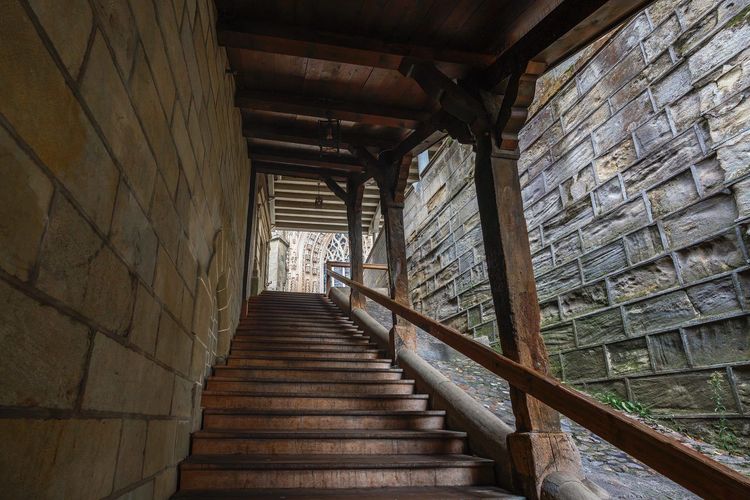
To connect the cathedral to the Place de la Palud, take the Escalier du Marché (Escalier du Marché, 1003 Lausanne, rated 4.4/5 on Google with 650 reviews), a covered medieval staircase whose wooden roof once sheltered merchants from the rain. Its uneven steps and weathered timber frame make it one of the most photographed passages in the old town.
Beyond this staircase, the historic center reveals itself through exploration: the Rue de Bourg, a shopping street lined with 18th-century facades, climbs gently upward, while the Rue Cité-Devant still preserves a few patrician townhouses with carved carriage gates. The owners of heraldic buildings once displayed their coats of arms on the portals, a detail few visitors notice when they look up.
A local tip: wander early in the morning, before the tour groups arrive, when the cobblestones are still damp and the terraces are empty. If your trip extends to Geneva, 45 minutes by train, the Ryo audio guide tour of Geneva follows the same street-by-street approach, with audio stops that narrate the Calvinist old town as you walk.
2. Ouchy and the Shores of Lake Geneva
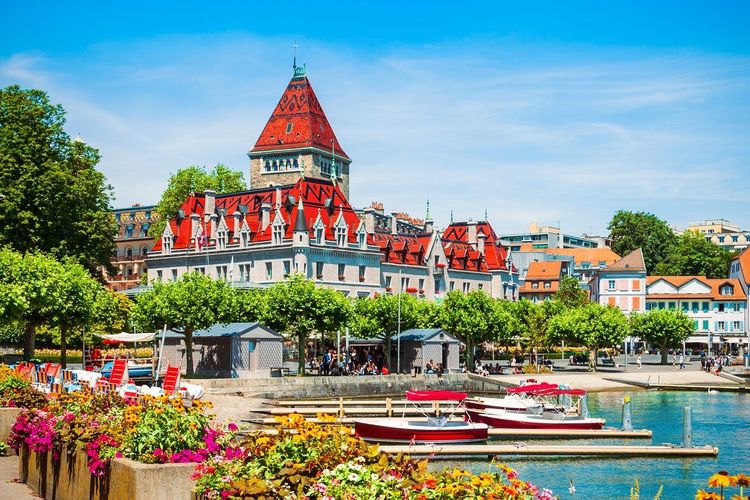
Head down toward the lake via the Rue du Grand-Pont or the m2 metro, direction Ouchy, Lausanne's lakeside balcony.
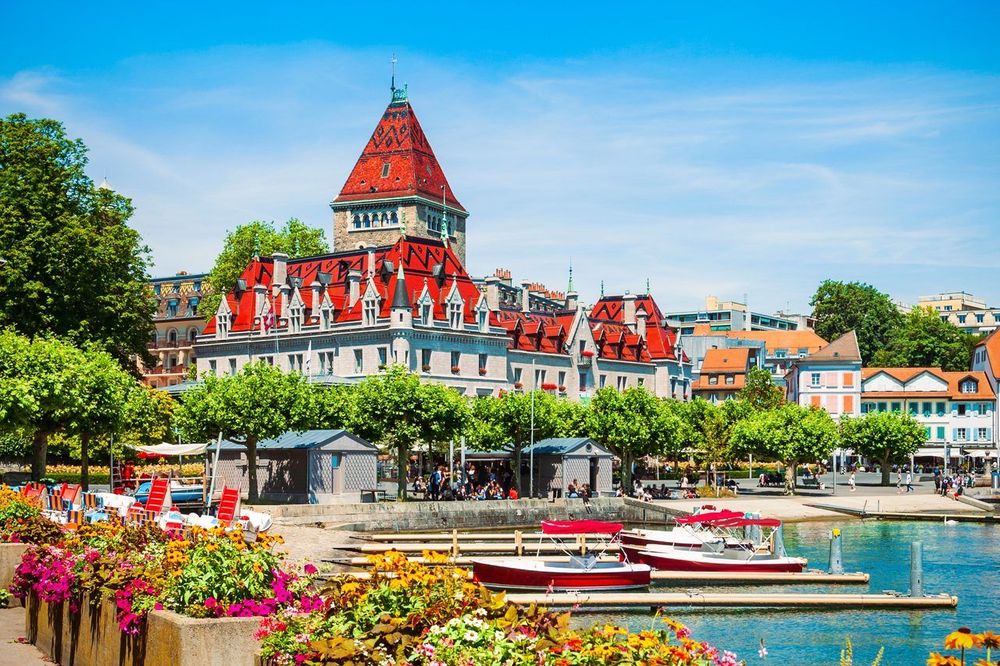
The Ouchy Neighborhood, Its Waterfront, and Its Castle
The Ouchy neighborhood was long a fishing village before becoming, in the Belle Époque, Lausanne's tourist showcase. Its palm-lined quays — a rare microclimate at this latitude — now welcome joggers, cycling families, and pétanque players well into the evening.
The Château d'Ouchy (Place du Port 1, 1006 Lausanne, rated 4.5/5 on Google with 2,442 reviews), a 12th-century stronghold converted into a neo-Gothic hotel at the end of the 19th century, marks the entrance to the neighborhood. Nearby, the former Hôtel d'Angleterre recalls that Lord Byron wrote The Prisoner of Chillon there in 1816, just days after visiting the castle along the same shore.
Along the promenade, the Olympic ring and sculptures scattered along the quays are a reminder that the International Olympic Committee chose Lausanne as its headquarters as early as 1915. You'll regularly come across athletes in training, as the city hosts several international sports federations in addition to the IOC. At the end of the day, the benches facing the lake offer an unobstructed view of the French Alps on the other side of the water.
Cruises and Water Activities on Lake Geneva
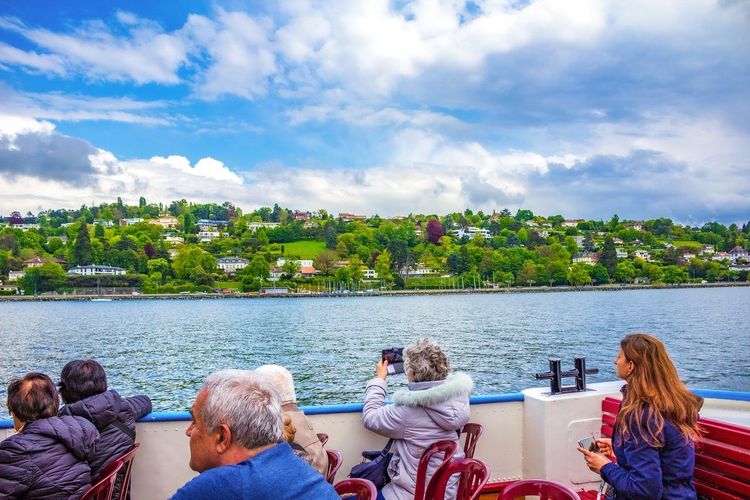
Lake Geneva can also be discovered from the water. The Compagnie Générale de Navigation (CGN) operates from Ouchy a fleet of Belle Époque steamboats, some dating from 1904, connecting Lausanne to Évian, Montreux, or Geneva. A crossing to Évian takes about 35 minutes and lets you compare the two shores — French and Swiss — without leaving your deck chair.
For a more active approach, rental operators on the quays offer paddleboarding, kayaking, and dinghy sailing from May to September. The Bellerive Plage, an Art Deco complex from the 1930s with an artificial beach, is where Lausannois themselves spend their summer afternoons, far from the tourist groups clustered around the castle. In practice, allow 45 minutes round trip between the castle and Bellerive Plage, stopping along the way at the many public benches facing the lake.
3. Le Flon and the Montbenon Esplanade
Le Flon, a former industrial and railway warehouse district, has transformed over fifteen years into a lively hub of bars, cinemas, and designer boutiques housed in old hangars whose metal facades have been preserved. You can reach it from the old town via the m2 metro — literally underground on this stretch — or via the public footbridges and lifts that connect the city's different levels.
Heading west, the Montbenon esplanade (Avenue Jean-Jacques Mercier, 1003 Lausanne, rated 4.5/5 on Google with 4,177 reviews) opens onto a sweeping lawn with views of the lake and the Alps, flanked by the Casino de Montbenon and the Palais de Justice. It makes a good resting point between two visits, with no monument to tick off: locals picnic here at the first sign of sun and impromptu pétanque games spring up in the evenings. Some plan this stop just before sunset, when the raking light over the lake from the Montbenon lawn makes the detour worthwhile on its own.
Allow 20 minutes on foot to get from Le Flon to Montbenon, cutting through the Place de l'Europe.
4. The Rolex Learning Center
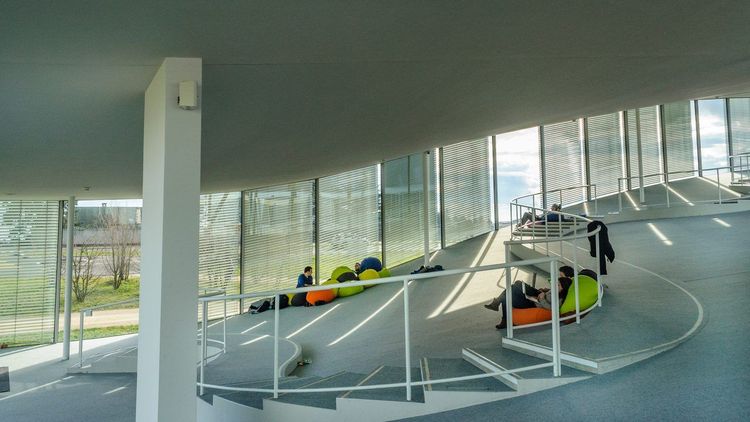
Designed by Japanese firm SANAA and inaugurated in 2010 on the EPFL campus, the Rolex Learning Center (Station 20, 1015 Lausanne, rated 4.5/5 on Google with 371 reviews) resembles a vast undulating sheet of paper, pierced by patios that let light filter down to the basement. The building, with no interior load-bearing walls or right angles, has won several international architecture awards.
Entry is free and the building remains open to the public outside exam periods, with a library and gently sloping rest areas where it is not uncommon to see visitors simply sit on the floor to take in the structure. Allow 20 to 30 minutes for a self-guided visit, longer if you linger at the indoor café. Around the building, the sloped lawns and reflective pools attract both students on break and architectural photography enthusiasts, especially late in the day when the facade turns orange. The m1 metro serves the campus directly from Le Flon in about fifteen minutes, alighting at the EPFL stop.
5. Must-See Museums: Plateforme 10, the Olympic Museum, and the Palais de Rumine
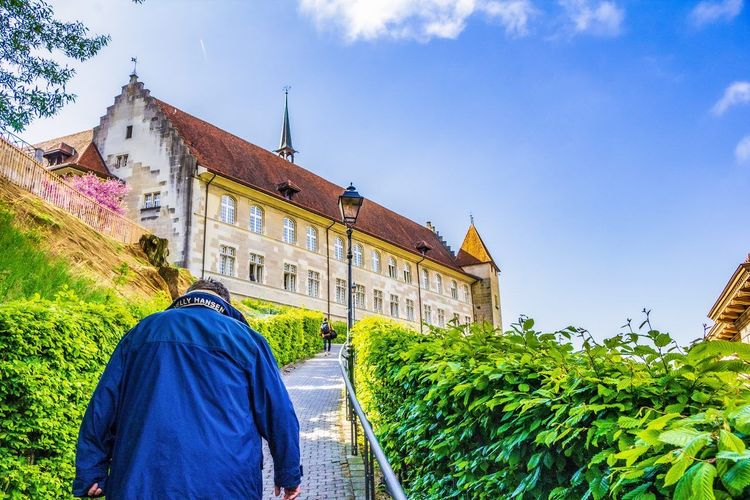
Within a few hundred meters, Lausanne concentrates a museum offering that is rare for a city of its size, anchored by two distinct hubs: Plateforme 10 near the train station, and the Palais de Rumine (Place de la Riponne 6, 1005 Lausanne, rated 4.6/5 on Google with 856 reviews) on the Place de la Riponne.
Plateforme 10 and the Collection de l'Art Brut
Plateforme 10 is Lausanne's new arts district, built on the former locomotive hall right next to the train station. The Cantonal Museum of Fine Arts (MCBA), designed by Barcelona architects Barozzi Veiga, opened in 2019; mudac, dedicated to design and applied arts, and Photo Elysée, the cantonal photography museum with over one million photographic items, joined it in June 2022 in a shared building designed by Lisbon firm Aires Mateus.
All three museums can easily be visited in a single day, and their collections speak to each other: Vaudois and Swiss art at the MCBA, design and applied arts at mudac, and the history of photography at Photo Elysée. Aim for the first Saturday of the month if you can — that is when cantonal museums offer free admission.
About a twenty-minute walk from the center, the Collection de l'Art Brut occupies the Château de Beaulieu and brings together works by self-taught artists — many of them psychiatric patients or social outsiders — collected from the 1940s onward by painter Jean Dubuffet. It is one of the few collections in the world entirely dedicated to this art outside academic circuits, with over 70,000 pieces in storage, of which only a small rotating portion is on display at any one time.
The Olympic Museum
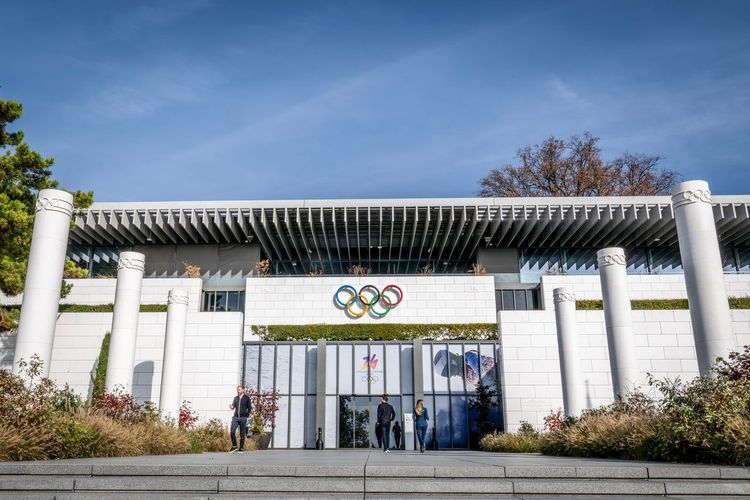
Set on the lakeshore at Ouchy, the Olympic Museum traces the history of the Games from 1896 through more than 1,500 objects: the torch from every edition, jerseys worn by legendary athletes, and interactive displays that measure your own speed against that of an Olympic sprinter. The park surrounding the building, free and open year-round, displays sports sculptures directly on the lawns facing the lake.
Allow a good two hours, longer if you try all the interactive features. Lausanne has officially held the title of Olympic capital since 1994, a status that explains why the IOC headquarters sits just a few hundred meters from the museum, in an equally contemporary building.
The Palais de Rumine and the Naturéum
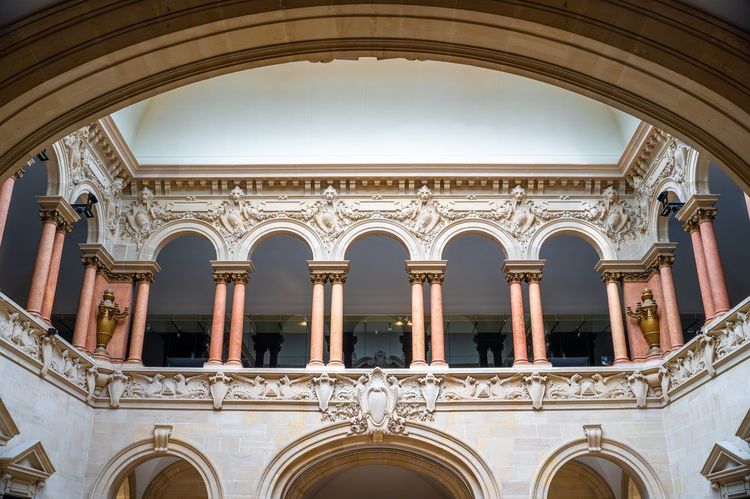
On the Place de la Riponne, the Palais de Rumine, a Florentine neo-Renaissance building completed in 1906, houses under one roof the Naturéum (zoology and geology), the Cantonal Museum of Archaeology and History, the Coin Museum, and the Cantonal and University Library. The marble ceremonial staircase, worthy of an opera house, often surprises visitors who weren't expecting such a setting for scientific collections.
The fine arts collections left La Riponne in 2019 for the MCBA at Plateforme 10. The split is therefore straightforward: art, design, and photography near the station; natural sciences, archaeology, and coins at the Palais de Rumine. The zoology rooms of the Naturéum, with their cases of taxidermied animals, are particularly enjoyed by children.
Spread these visits over two half-days rather than cramming them all into the same day: the density of works eventually tires even the most enthusiastic visitors.
6. Aquatis, Aquarium and Vivarium
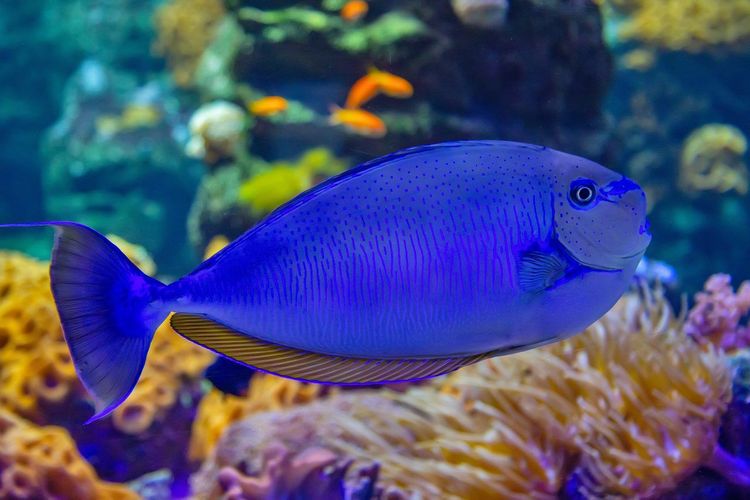
Aquatis (Route de Berne 144, 1010 Lausanne, rated 4.4/5 on Google with 9,201 reviews), on the northern outskirts of Lausanne, bills itself as the largest freshwater aquarium and vivarium in Europe, with over 10,000 fish and reptiles spread across five thematic continents. The route passes through a tropical greenhouse where temperature and humidity are deliberately elevated, set amid lush vegetation.
Allow two to three hours — the ideal formula for a rainy afternoon or a visit with children. The venue is reachable in about fifteen minutes from the station on the m2 metro, alighting at Vennes, right opposite the entrance. Come preferably on a weekday morning, before school groups arrive. Unlike many urban aquariums, the focus here is on freshwater rather than marine life, a choice that makes it a fairly unique collection in Europe. A tropical vivarium also houses species of poison dart frogs and snakes rarely exhibited elsewhere in Switzerland, with educational panels designed for children and adults curious about terrarium keeping alike. A themed restaurant and a shop round off the visit without the need to step outside.
7. The Sauvabelin Tower and Lausanne's Heights
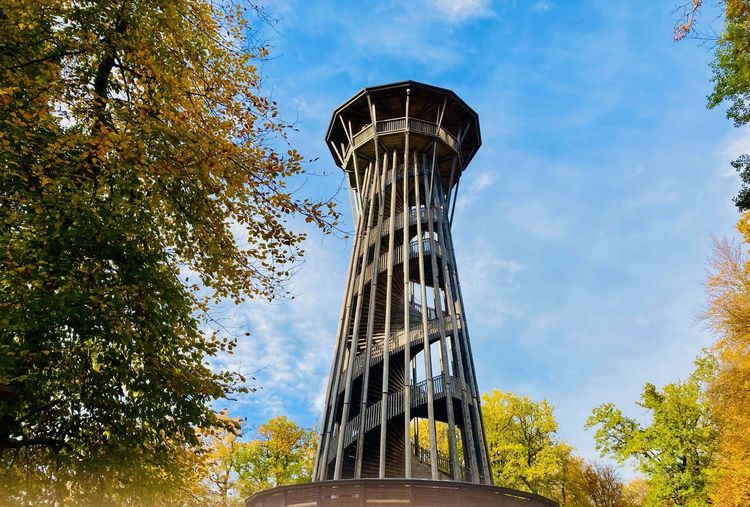
Few tourist guides mention the Sauvabelin Tower (Chemin de la Tour, 1018 Lausanne, rated 4.7/5 on Google with 2,626 reviews), an observation tower completed in 2003 using timber from the city's own forests. Standing over 35 meters tall, it rises from an urban forest about twenty minutes' walk above the cathedral — a climb that discourages some hurried visitors and, precisely for that reason, keeps the place blessedly crowd-free.
Climb the 151 steps of its double-helix staircase (302 in total, as the ascent and descent are kept separate): the top platform offers a 360-degree panorama over Lake Geneva, the Alps, and in the opposite direction, the Jura. Entry is free during daylight hours, except when weather conditions require closure.
Around the tower, the artificial Sauvabelin lake and its petting farm with deer and goats make it a popular Sunday outing for Lausanne families. You can extend the walk along forest paths toward the Chalet-à-Gobet, or simply take a different path on the way back to vary the scenery. It is one of the few places in the city where you hear more birdsong than traffic.
8. The Terraced Vineyards of Lavaux
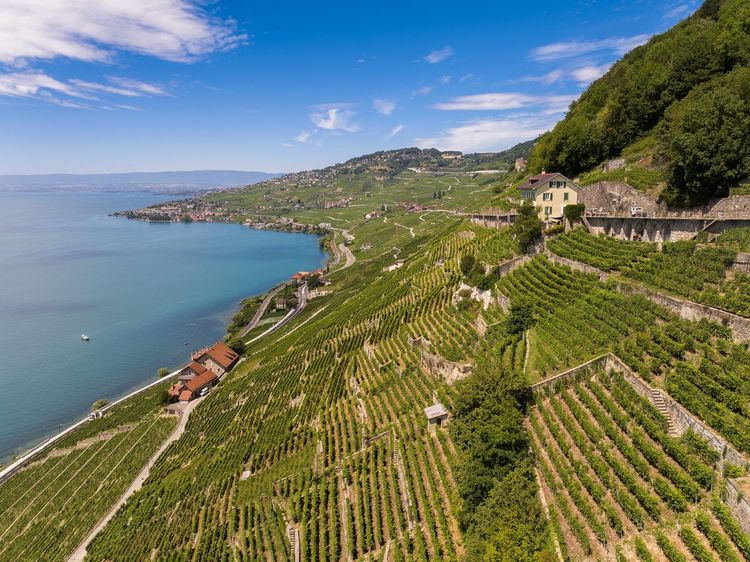
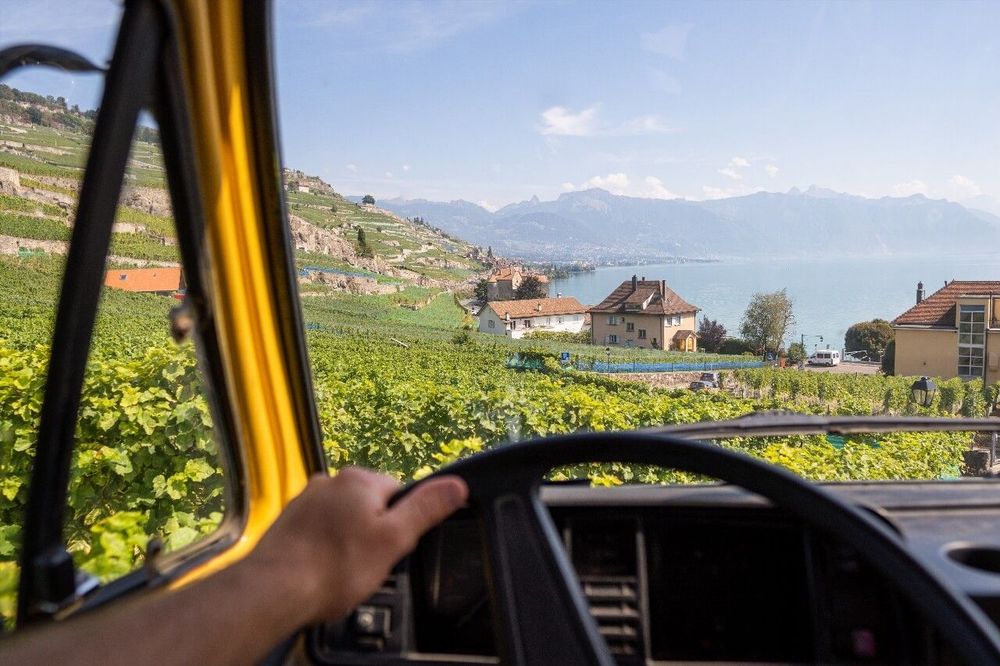
Less than 20 minutes by train from Lausanne, the Lavaux terraces stretch for 30 kilometers between Lausanne and Montreux, listed as a UNESCO World Heritage Site since 2007.
Hiking and Wine Tasting in the UNESCO-Listed Vineyards
The Lavaux vineyard trail winds between the dry-stone walls that have supported the terraced vines since the 12th century, when Cistercian monks began shaping this landscape. The stretch between Lutry (Grand-Rue, 1095 Lutry, rated 4.6/5 on Google with 480 reviews) and Rivaz, about ten kilometers, is the most popular: allow three hours of easy walking, with lake views at almost every bend. The Chexbres viewpoint, set slightly back from the terraces, offers a sweeping perspective over the entire vineyard, frequently photographed at sunrise when mist still lingers over the lake.
The chasselas grape dominates these terraces, with appellations that change every few hundred meters: Dézaley, Épesses, Saint-Saphorin. Most wine growers open their cellars for tastings without reservation on late afternoons, particularly on Fridays and Saturdays in summer. Wear sturdy shoes: the cumulative elevation gain along the full route exceeds 400 meters, even if the trail appears flat on the map as it follows the lakeshore. For visitors short on time, the small tourist train Lavaux Express offers guided loops of 1 hour 15 minutes departing from Lutry or Cully, passing through Grandvaux, Riex, or Épesses, from mid-March to mid-November (17 Swiss francs per adult).
Wine Villages and Vinotherapy
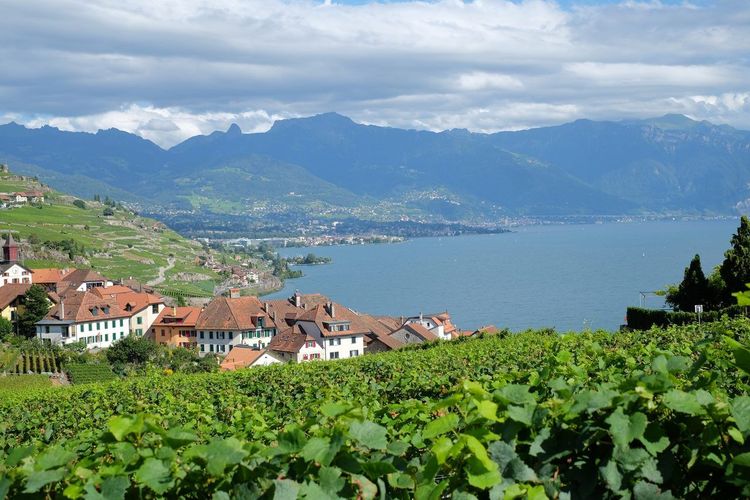
The villages of Lavaux — Cully, Épesses, Rivaz, and Saint-Saphorin — have kept their narrow lanes and communal wine presses now converted into exhibition spaces. Cully, the liveliest of them, holds a jazz festival every spring that draws regulars who come by regional train from Lausanne rather than by car, for lack of sufficient parking.
For a more unusual break, several Lavaux establishments now offer vinotherapy treatments — massages and baths using grape seeds and polyphenols from the local harvest — a way of extending the discovery of the terroir beyond the glass. It is an angle few visitors anticipate when coming for the hiking, and well worth booking in advance during high season.
Our tip: combine train and walking. Get off at one station, walk to the next, and hop back on the train if your legs tire. Lutry, Cully, Épesses, and Rivaz all dot the shore, with regular trains from Lausanne.
9. Outdoor Activities: Paragliding, Canyoning, Skiing, and Glacier 3000
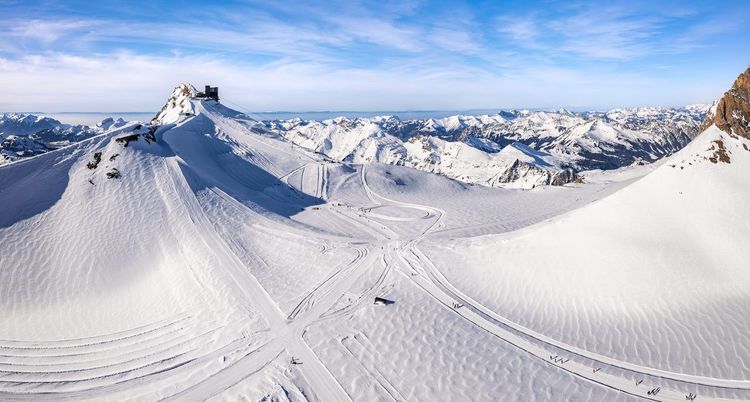
The Vaudois mountains begin less than an hour's drive from Lausanne, making it easy to combine lakeside city life with mountain sports in the same trip.
Thrills: Tandem Paragliding and Canyoning
Several paragliding schools based around Villars or Les Pléiades offer tandem flights above Lake Geneva — about thirty minutes in the air for roughly 150 to 180 Swiss francs, no prior experience required. Takeoff is generally from a ridge at 1,500 meters altitude, with the lake and Lavaux vineyards as a backdrop from the very first seconds of flight. None of these activities require personal equipment, as the schools provide full gear on site, including helmets.
For a more physically demanding outing, canyoning is practiced in the canyons of the Vaudois Pre-Alps and the neighboring Valais, about an hour's drive from Lausanne, between June and September when water levels allow. Descents combine rappelling, jumping, and natural water slides through erosion-carved gorges, led by certified instructors. Plan a full half-day; neoprene suits are provided.
Skiing and Winter Sports on the Surrounding Slopes
In winter, the Vaudois Alpine resorts — Villars, Les Diablerets, and Leysin — are reachable in under an hour by road or train from Lausanne, making it possible to ski in the morning and dine in the city in the evening. The ski areas, more modest than those in the neighboring Valais, are particularly well suited to families and intermediate skiers, thanks to generally gentler slopes.
Villars-Gryon offers around 125 kilometers of linked runs, with a day pass that is generally cheaper than at the major Valaisan resorts. On winter weekends, it is best to set off early: morning trains to the resorts fill quickly with Lausannois making the most of a day on the slopes without an overnight stay.
A Day at Glacier 3000
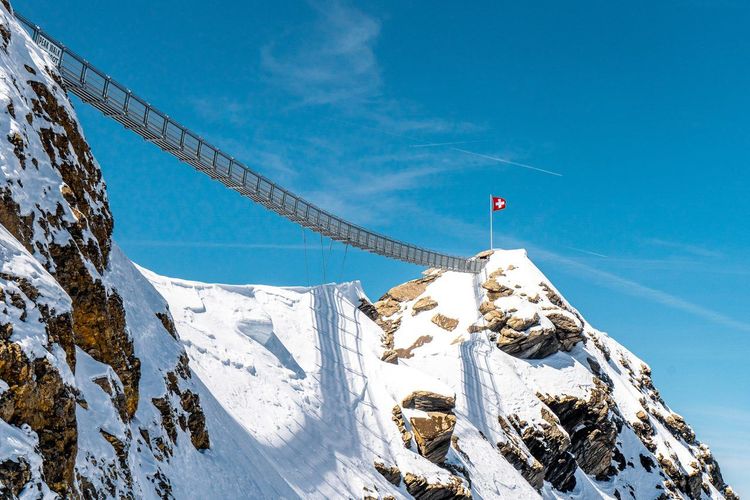
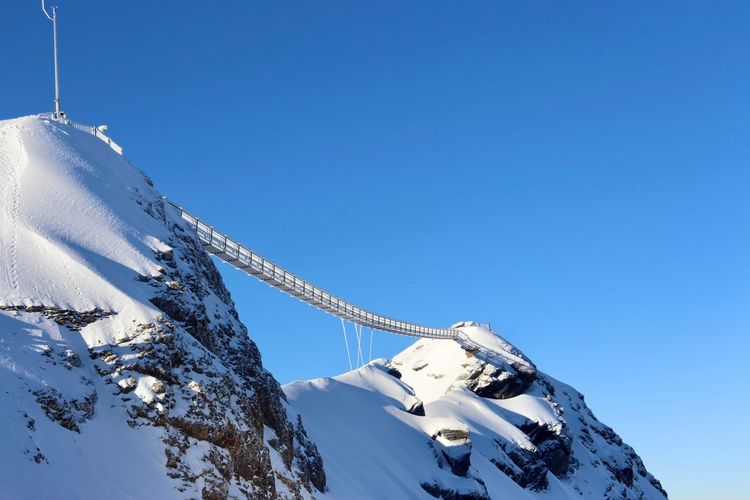
Glacier 3000 (Route du Pillon, 1863 Les Diablerets, rated 4.7/5 on Google with 7,047 reviews), above Les Diablerets, peaks at 2,971 meters and remains accessible by cable car from the valley in around twenty minutes. The famous Peak Walk — a 107-meter metal suspension bridge linking two summits above 3,000 meters — is the first bridge of its kind in the world and draws photographers and thrill-seekers alike.
At the top, dog-sledding excursions and the Alpine Coaster — a rail sled billed as the highest in the world — operate in summer too, and the panoramic restaurant serves fondues at nearly 3,000 meters above sea level. Plan a full day, including the journey from Lausanne — approximately one and a half hours by car to the cable car departure point.
10. Savoring Local Gastronomy
Vaudois gastronomy relies on simple ingredients treated with care: cheeses, Lavaux wines, and lake fish make up the backbone of Lausanne menus. Moitié-moitié fondue, a blend of Gruyère and Fribourg Vacherin, is the go-to dish in winter, served in most city-center restaurants from the first cold snap.
About an hour's drive away, the Maison du Gruyère in Pringy lets you watch the artisanal production of AOP cheese through a window, from curdling to pressing into 35-kilo wheels, several times a day.
On the fish side, Lake Geneva perch, often served meunière with homemade fries, features on almost every waterfront restaurant menu in Ouchy. For the best restaurants in Lausanne, the Flon and Ouchy neighborhoods concentrate most of the dining options, from traditional Vaudois bistros to Michelin-starred tables: the region boasts several Michelin-recognized restaurants, a remarkable density relative to its population. Book ahead on weekends, as the best addresses fill up from Thursday evening onward. The markets on the Place de la Palud and Place de la Riponne remain the best entry point for eating well without breaking the bank: Vaudois sausage, papet vaudois, or simply a wedge of alpage Gruyère sold directly by the producer. A glass of Lavaux chasselas traditionally accompanies the fondue — a local pairing few visitors know about before arriving.
11. Château de Chillon and Montreux
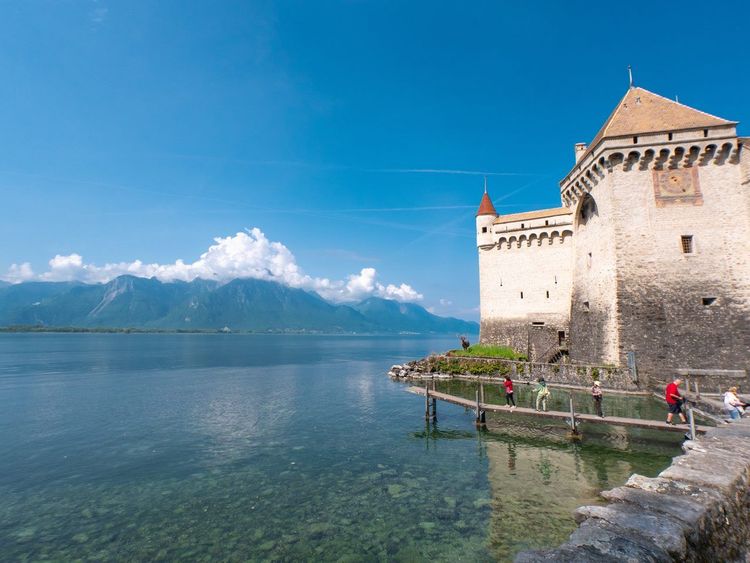
About thirty minutes by train from Lausanne, the Château de Chillon (Avenue de Chillon 21, 1820 Veytaux, rated 4.7/5 on Google with 25,012 reviews), built directly on a rocky islet in Lake Geneva at Veytaux, remains Switzerland's most visited monument with over 400,000 visitors a year. Its origins go back to the 12th century, when the Counts of Savoy turned it into a fortress controlling the passage between the north and south of the Alps.
The poet Lord Byron made the dungeon famous in 1816 with The Prisoner of Chillon, inspired by the true story of François Bonivard, a Genevese prior imprisoned there from 1532 to 1536, chained to one of the pillars in the lower hall. That pillar still bears, carved into the stone, Byron's own signature, left during his visit. Allow two hours for the visit, longer in summer when crowds slow progress from room to room.
The visit pairs naturally with Montreux, a few more minutes by train along the same line. The town, known for its jazz festival founded in 1967, enjoys an unusually mild microclimate that allows palm trees and even cacti to grow outdoors along the lakeshore — a rare example of Mediterranean vegetation at this latitude. Montreux also owes its musical fame to Freddie Mercury, who recorded several albums with Queen at Mountain Studios, located in the Casino and now converted into a small free museum, the Queen Studio Experience. A statue of the singer, arm raised toward the lake, has become one of the most photographed meeting points on the flower-lined promenade, renowned for its rose beds tended year-round thanks to the mild local climate.
From Lausanne, the round trip by train to Chillon and then Montreux works well as a day trip, with no advance booking needed. The walk between the Montreux landing stage and the Château de Chillon — roughly 3 kilometers along the waterfront — takes forty-five minutes and remains one of the most pleasant lakeside strolls in the whole region: shaded and almost completely flat.
12. Vevey, Pully, and Morges: Other Hidden Gems around the Lake
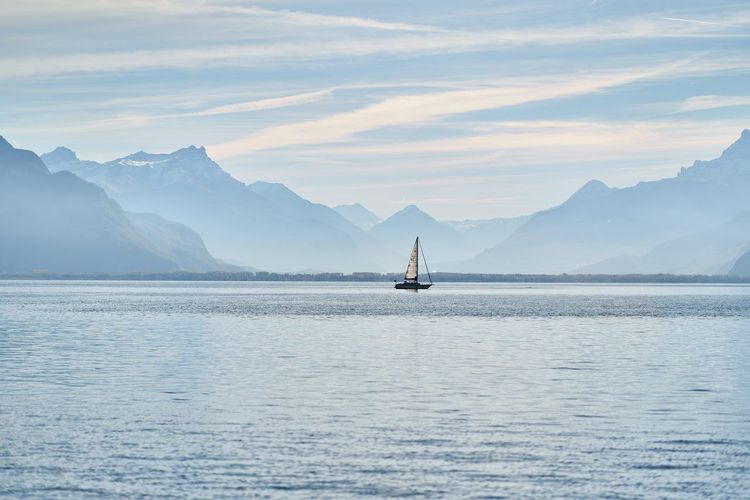
Several other small towns around Lake Geneva are worth a day trip from Lausanne, each with a character quite distinct from the Vaudois capital.
Vevey and Its Historic Heart
Fifteen minutes by train from Lausanne, Vevey long lived off the chocolate industry, with Nestlé having established its global headquarters there. The Grande Place (Grande Place, 1800 Vevey), lined with arcades and opening directly onto the lake, hosts the Fête des Vignerons, a summer celebration inscribed on UNESCO's Intangible Cultural Heritage list in 2016, which takes place only roughly once a generation (last edition in 2019).
Charlie Chaplin spent the last 25 years of his life in the hills above Vevey, where his home has been turned into an interactive museum tracing his career. On the quays, a giant fork planted in the lake — a sculpture facing the Alimentarium — humorously nods to the town's attachment to gastronomy.
Pully: Art and Culture
Just on the eastern edge of Lausanne, almost a seamless urban extension, Pully has a more residential and artistic character. The town's art museum puts on focused temporary exhibitions, often featuring Swiss contemporary artists who are less in the spotlight than those shown at Plateforme 10.
Pully's harbor and its gently sloping vineyards — less dramatic than those of neighboring Lavaux but just as authentic — lend themselves to a short one-hour walk, easily combined with a visit to central Lausanne the same afternoon, thanks to the bus that links the two towns in ten minutes.
Morges and Its Lakeside Charm
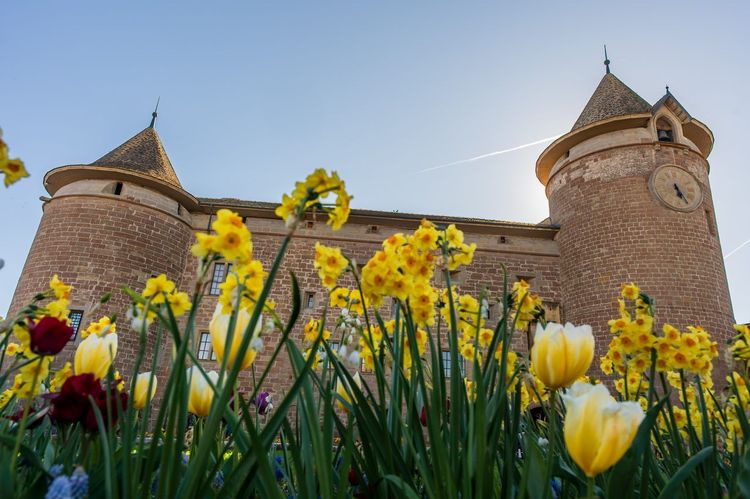
West of Lausanne, Morges is organized around its 13th-century castle — now a military museum — and a marina that comes particularly alive in spring during the Tulip Festival, when over 100,000 bulbs bloom in the Parc de l'Indépendance on the lakeshore.
The old town, more modest than that of Lausanne, can be explored in an hour and retains a main shopping street lined with 18th-century houses. Morges is a good alternative base for those seeking lower accommodation rates than in central Lausanne, with a direct 12-minute train ride to the station.
13. Practical Information: Getting There, Getting Around, Where to Stay, and Budget
A few practical pointers before you set off, to plan your stay without any unpleasant surprises on arrival.
How to Get to and Around Lausanne
Lausanne has no international airport: most visitors arrive via Geneva Airport, connected to the city center in 45 minutes by direct train, with several departures per hour. From France, the TGV Lyria connects Paris to Lausanne in just under 4 hours, a credible alternative to flying for those coming from the French capital. If you land in Geneva, keep half a day for the city on your way back: the Ryo audio guide tour of Geneva covers the old town and the lakeshore on foot, with audio commentary to enjoy at your own pace.
Once there, Lausanne's public transport network, operated by tl, combines metro (two lines, including the fully automated m2 since 2008, which climbs over 300 meters in elevation between Ouchy and the north of the city), buses, and funiculars. A 2-zone ticket costs around 3.90 Swiss francs in 2026, and hotels provide the Lausanne Transport Card, included free with your room rate, valid on the entire network for the duration of your stay.
The historic center, very hilly, is best explored on foot despite the gradients: the m2 metro allows you to head back up quickly without wearing out your legs between visits.
Where to Stay: Neighborhoods and Accommodation Tips
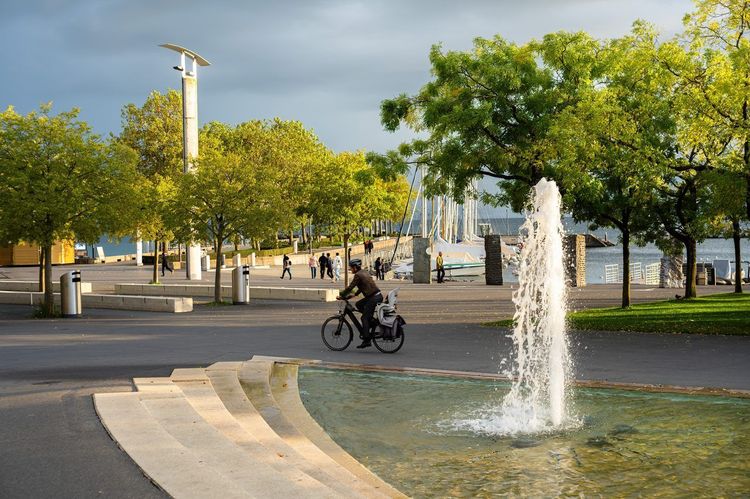
For a first visit, the city center and old town neighborhoods are the most convenient: everything is within walking distance, though rates are generally higher than elsewhere in the city. Ouchy, on the lakeshore, offers a more residential setting with water views, at 10 to 15 minutes by metro from the station and old town.
Travelers on a tighter budget would do well to look at Renens or Morges, two towns connected to Lausanne in under 15 minutes by train, where hotel rates drop noticeably without sacrificing comfort. Youth hostels, including one near the lake at Ouchy, remain a decent option for those on small budgets, with dorm beds starting at around thirty francs a night in low season.
When to Go and Budget to Expect
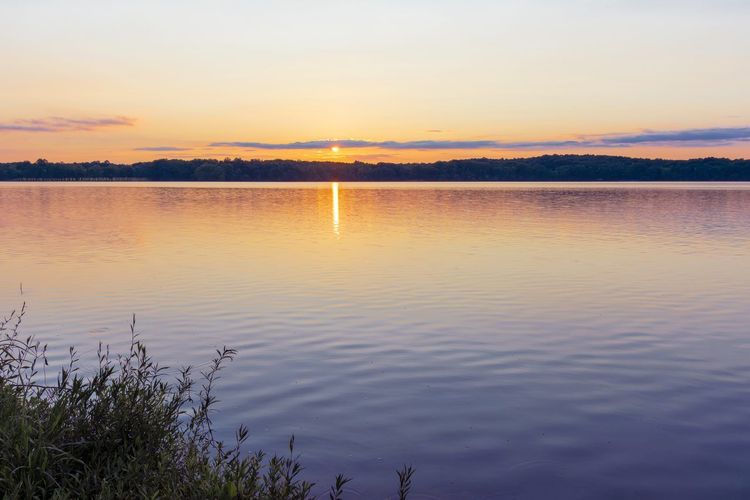
The most pleasant season runs from May to September, with mild temperatures ideal for terrace dining and swimming in the lake. July and August are the busiest and most expensive months for accommodation, while June and September offer a good balance between favorable weather and more manageable crowds.
Is Lausanne an expensive city? Frankly, yes: Switzerland is among the priciest countries in Europe, and a simple restaurant meal easily runs to 25–30 Swiss francs. To keep costs down, rely on bakeries and supermarkets (Migros, Coop) for lunch, and make the most of the many free activities listed throughout this article — starting with the cathedral, cantonal museums on the first Saturday of the month, and walks along the lake.
14. What to Do in Lausanne for Free and in a Single Day
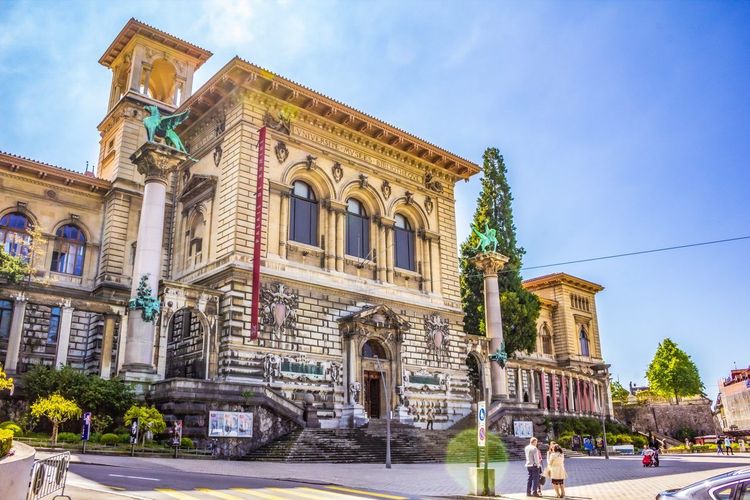
Are there free things to do in Lausanne? Yes, and not just the cathedral and a walk along the lake. The five cantonal museums housed in the Palais de Rumine, as well as several institutions at Plateforme 10, open their permanent collections free of charge on the first Saturday of the month — a fact that few guides mention, yet it makes it possible to visit the bulk of the city's museum heritage without spending a cent.
To organize a full day in Lausanne, the most efficient approach is to work your way downhill: start with the cathedral and old town in the morning, have lunch around Le Flon, then descend to Ouchy and the Olympic Museum in the early afternoon, before finishing with a lakeside stroll at sunset. This route, entirely on foot or by metro, can be completed in six to seven hours without ever rushing.
For an even shorter visit — just a half-day — focus on the triangle of cathedral, Place de la Palud, and Escalier du Marché: this is the densest part of the historic center within a few hundred meters, and more than enough to leave with a real sense of the city.
Prefer not to plan anything? Simply follow the order described above, from the top of the city down to the lake: this downhill logic works in any season. And if you continue to Geneva the next day, the Ryo audio guide for the neighboring city takes over with its commented stops, no itinerary planning required. In the evening, the Montbenon esplanade and the Ouchy quays remain lit and safe for a free evening stroll — a pleasant alternative to the bars of Le Flon if the day's budget is already spent.
FAQ
How Much Time Should You Plan to Visit Lausanne?
Two to three days are enough to cover the essentials: the old town and cathedral, Ouchy and the Olympic Museum, then Plateforme 10 or a trip to Lavaux. With just one day, focus on the historic center and the descent to the lake. To include Chillon, Vevey, or Glacier 3000, plan for four to five days.
What Can You Do in Lausanne for Free?
The cathedral, the old town, the Montbenon esplanade, the Sauvabelin tower, and the Ouchy waterfront can all be visited without a ticket. The cantonal museums of the Palais de Rumine and some institutions at Plateforme 10 open free of charge on the first Saturday of the month, making it possible to visit the bulk of the museum heritage without spending a thing.
Is Lausanne an Expensive City to Visit?
Yes, Switzerland remains one of the most expensive countries in Europe and Lausanne is no exception: expect to pay 25 to 30 Swiss francs for a simple meal. The free activities listed in this article and Migros or Coop supermarkets for lunch can help keep your budget noticeably in check.
Where Should You Stay in Lausanne to Make the Most of the City?
The city center and old town offer the greatest walkability, though at a higher price. Ouchy is appealing for its lakeside setting, 10–15 minutes from the center by metro. To cut costs, Renens or Morges, less than 15 minutes by train, are good alternative bases.
What Are the Best Restaurants in Lausanne?
The Flon and Ouchy neighborhoods concentrate most of the dining options, from traditional Vaudois bistros to Michelin-starred tables. For a typical meal, look for a moitié-moitié fondue or a meunière perch from Lake Geneva at a waterfront establishment. Book several days ahead on weekends.
What Can You Do in Lausanne in Winter or When It Rains?
Aquatis, the Plateforme 10 museums, and the Palais de Rumine can all be visited under cover year-round. In winter, the resorts of Villars or Les Diablerets are reachable in under an hour for a day of skiing from Lausanne, before heading back to sleep in the city the same evening.
Why Is Lausanne Famous?
Lausanne has been the Olympic capital since 1994, home to the International Olympic Committee, and houses the Olympic Museum on the lakeshore. The city is also known for its Gothic cathedral, its night watchman still active since 1405, and its proximity to the UNESCO-listed Lavaux vineyards.
Lausanne in a Nutshell
Between a cathedral where a watchman still calls out the hours aloud every night, a museum dedicated to the Olympic Games set on the shores of a vast lake, and UNESCO-listed terraced vineyards less than half an hour by train, Lausanne packs a remarkable variety of experiences for a city of its size. The key to making the most of it lies in working with its topography: descending from the historic center toward Ouchy, heading back up to Plateforme 10 or the Sauvabelin tower, then venturing out of the city for a trip to Lavaux or the Château de Chillon.
Whether you have a single day or a full week, the city lends itself as well to a packed itinerary as to a slower visit, punctuated by lakeside terrace breaks. It is compact enough to explore on foot, neighborhood by neighborhood, never straying far from Lake Geneva, which — from any elevated vantage point — always reappears on the horizon. And to extend your journey to the other end of the lake, the Ryo audio guide tour of Geneva is waiting for you just 45 minutes away by train.