© Shutterstock
 Votre guide Ryo
Bangkok for First-Time Visitors: A Complete 2026 Orientation Guide
The first thing that hits you outside Suvarnabhumi Airport is not the heat. It is the smell of charcoal-grilled pork skewers drifting from a cart that has probably been parked in the same spot for twenty years. Bangkok for first time visitors can feel like three cities stacked on top of each other: gilded temples, chaotic markets and glass towers with rooftop bars, all connected by a river that still moves faster than the traffic beside it. Before you dive in, it is worth letting Ryo's audio-guided tour of Bangkok walk you through the Old City at your own pace, headphones in, no guidebook flipping required.
A few things surprise newcomers almost immediately. The Grand Palace complex is actually a cluster of over a hundred structures, not one building. Chatuchak Market sprawls across roughly 35 acres and swallows an entire Saturday if you let it. A canal boat ride across town can beat a taxi stuck on Sukhumvit Road by forty minutes. And despite Bangkok's reputation for round-the-clock chaos, some of its best mornings happen in a quiet park where monitor lizards the size of house cats swim past joggers without anyone blinking. This guide walks through the sights, the neighborhoods, a realistic three-day itinerary, where to sleep, how to get around, what to budget, the entry paperwork you need before landing, and the handful of etiquette rules that keep a first trip from going sideways.
Top Things to Do in Bangkok for First-Time Visitors
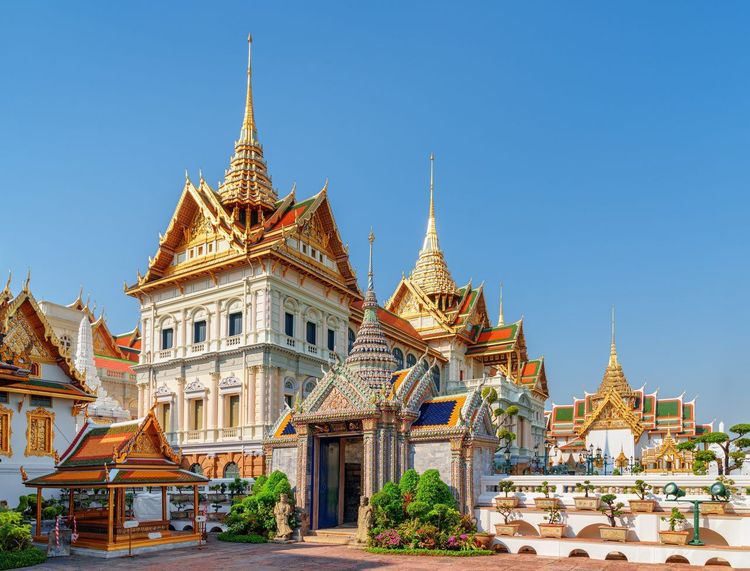
Most people arrive with a mental list of four or five names: the Grand Palace), Wat Pho), maybe a floating market photo they saw online. That list is a fine starting point, but Bangkok rewards grouping its landmarks by geography rather than chasing them one at a time across the city.
The Grand Palace and Wat Phra Kaew
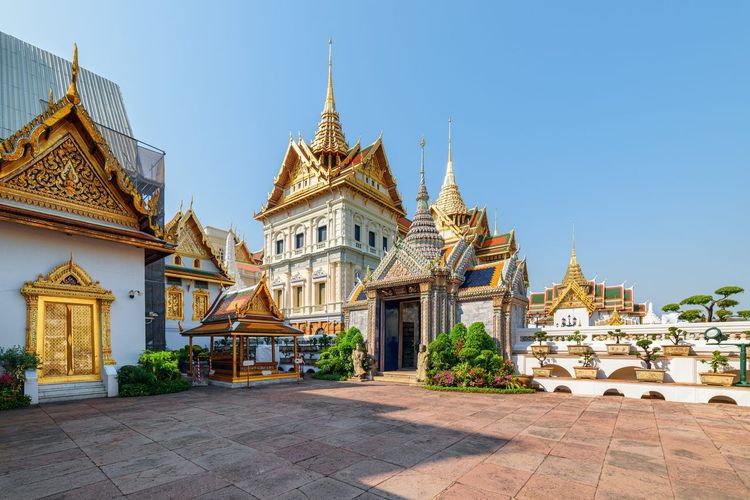
The Grand Palace was the official residence of the Kings of Thailand from 1782 until 1925, and its grounds still host state ceremonies today. Inside the walls sits Wat Phra Kaew, the Temple of the Emerald Buddha, home to a small green statue dressed in seasonal robes that are changed three times a year in a ceremony presided over by the king.
Plan on two to three hours here and arrive at 8:30am when the gates open, both to beat the heat and the tour-bus crowds that roll in after 10am. Last tickets are sold at 3:30pm. Admission costs 500 baht and also covers the Queen Sirikit Museum of Textiles, and the strict dress code (covered shoulders and knees, no see-through tops) is enforced at the entrance, not politely suggested.
Wat Pho and Wat Arun: Bangkok's Icon Temples
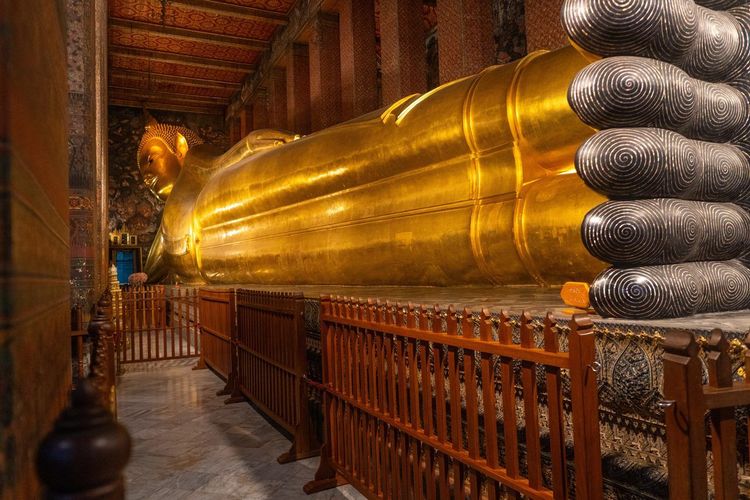
A ten-minute walk south of the palace, Wat Pho houses the Reclining Buddha, a gold-leafed statue 46 meters long and 15 meters high, so large that the hall seems to have been built tightly around it. Look closely at the soles of its feet: they are inlaid with 108 mother-of-pearl panels depicting auspicious symbols. Wat Pho is also the historic home of Thai massage, and you can book a session at the temple's own school after your visit.
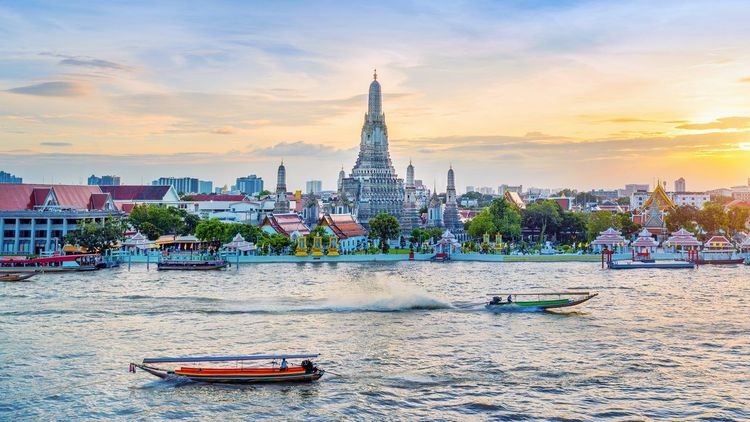
From Wat Pho, a cross-river ferry from Tha Tien pier takes you to Wat Arun), the Temple of Dawn, in under five minutes. Its porcelain-encrusted spires glow at sunset when lit from below, which is why photographers cluster on the opposite bank around 6pm rather than climbing the steep central prang itself.
Chatuchak Market, Siam Paragon and MBK
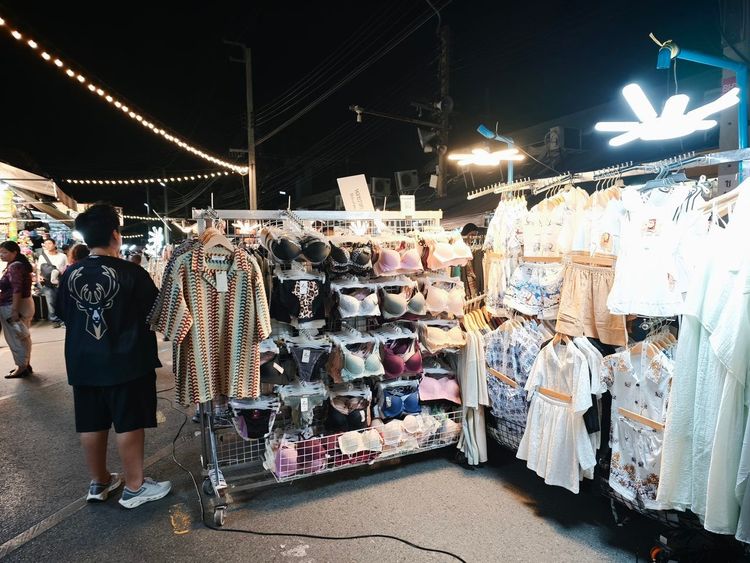
For shopping, Bangkok splits cleanly into three tiers. Chatuchak Weekend Market) is the real deal: more than 15,000 stalls selling everything from vintage Thai denim to ceramic elephants, open on weekends, best tackled before noon when the heat under the tin roofs becomes brutal. Grab a stall map at the entrance or you will walk the same aisle three times.
If your trip doesn't land on a weekend, Siam Paragon (991 Rama I Road, 10330 Bangkok, rated 4.5/5 on Google (63 238 avis)) covers the air-conditioned, high-end version with an aquarium in the basement, while MBK Center, a short skywalk away, is the budget, bargain-everything alternative favored by students and backpackers for cheap electronics, phone cases and souvenirs.
Viewpoints and Rooftop Bars
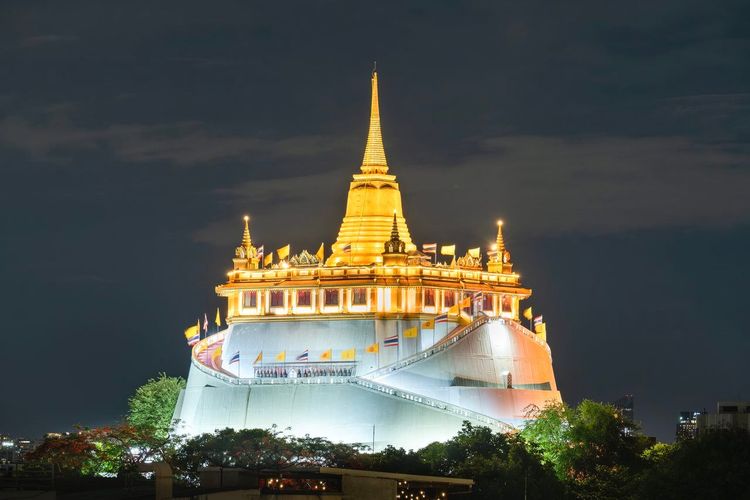
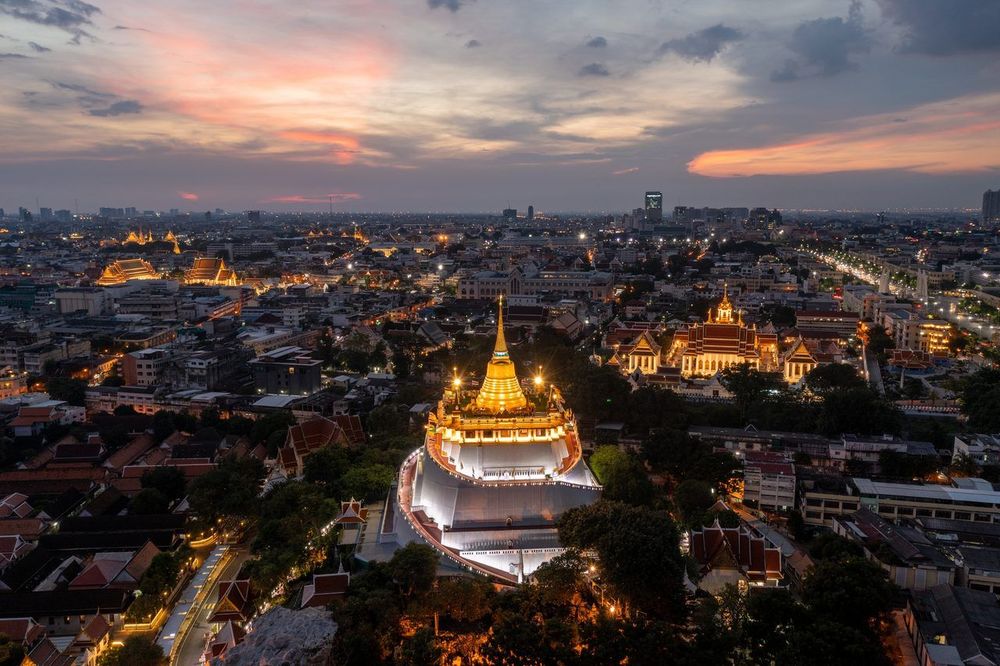
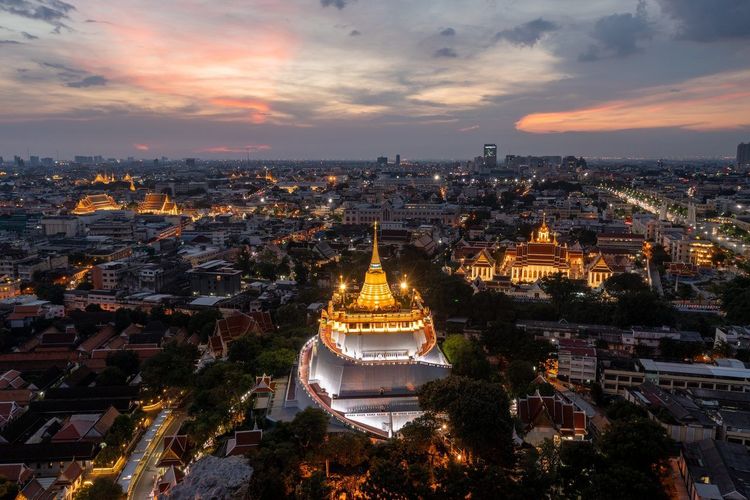
Bangkok's skyline rewards looking at it from above. Wat Saket, also called the Golden Mount, asks you to climb 344 gently spiraling steps to a gilded chedi with one of the best panoramic views in the old town, for a 100 baht entry fee. That is a bargain next to the rooftop bars at Lebua and Banyan Tree, which enforce a smart-casual dress code and charge cocktail prices to match the view. Catch the Golden Mount in the late afternoon (it closes around 5:30pm) and you get the temple bells with the city spread out below.
If you only have time for one guided route through this cluster, Ryo's audio guide for Bangkok narrates the Emerald Buddha legend and the construction of Wat Arun right where you are standing, rather than asking you to read a plaque in the sun.
Bangkok's Best Neighborhoods to Explore
Bangkok doesn't have a single center. It has districts that each feel like a different city, and knowing which one you're in changes what you should expect to do there.
Rattanakosin: The Old City
Rattanakosin, the island formed by a man-made canal loop on the east bank of the Chao Phraya, holds the Grand Palace, Wat Pho and most of the royal-era architecture. It's walkable, low-rise, and quiet by 9pm, which makes it a good base if you want mornings at the temples without a taxi ride to get there.
Siam and Chit Lom: Shopping and Skytrain Hub
Siam and Chit Lom form the commercial heart of modern Bangkok, where the two BTS Skytrain lines interchange at Siam station above a web of elevated walkways connecting mall after mall. It's the easiest area for a first-timer to navigate because almost everything is signposted in English and reachable without ever touching street level.
At ground level, Siam Square is a grid of small streets packed with student fashion shops, dessert cafés and tutoring schools, a younger and scrappier counterpoint to the giant malls above. Walk east along the skywalk toward Chit Lom and Ploenchit and you reach the Ratchaprasong intersection, home to the Erawan Shrine, where you will see office workers praying and classical dancers performing in thanks for answered wishes, right under the Skytrain tracks. It is one of the most striking scenes in the city, and it costs nothing to watch.
Sukhumvit and Silom: Nightlife and Modern Bangkok
Sukhumvit stretches for kilometers along its own BTS line, packed with international restaurants, rooftop bars and the expat social scene, while Silom is Bangkok's financial district by day and one of its busiest nightlife strips by night, including the Patpong night market. Both are fine for solo travelers but louder after dark than Rattanakosin.
Chinatown (Yaowarat)
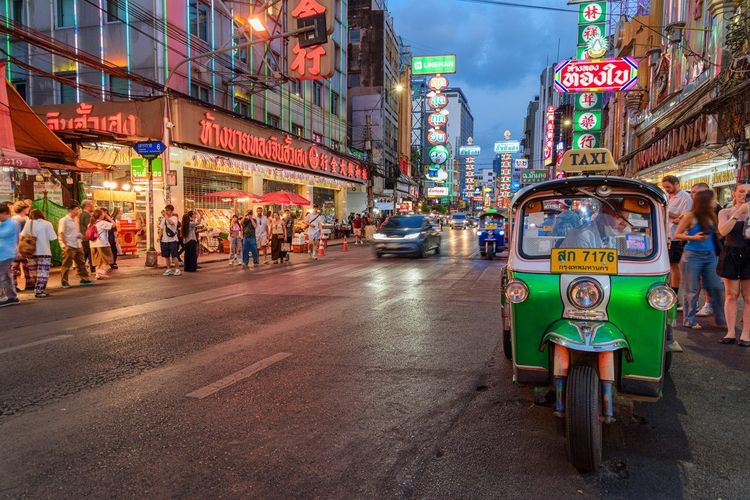
Chinatown, known locally as Yaowarat, turns into a different place after sunset: neon signs flicker on, woks start firing on the sidewalk, and the street becomes one long open-air restaurant. Gold shops line the main road by day, trading in a neighborhood that has been Bangkok's Chinese commercial quarter since the late 1700s. A short ride away, Khao San Road (Talat Yot, 10200 Bangkok, rated 4.2/5 on Google (5 555 avis)) offers the opposite energy entirely, backpacker bars, cheap pad thai carts and a nightly street party that has barely changed in character since the 1990s.
These neighborhoods sit close enough together that walking between a couple of them in one afternoon is realistic, and Ryo's Bangkok route is built around exactly that kind of on-foot transition, with audio stops in both Chinatown and the Old City so you're not guessing which alley leads where.
Parks, Khlongs and Local Life Away from the Temples
Temples and markets get all the attention, but a surprising amount of daily Bangkok life happens on water and in green space that most first-time visitors never see.
Lumpini Park and Benchakitti Park
Lumpini Park), named after the Buddha's birthplace in Nepal, is one of the city's oldest and best-loved public parks, famous for the monitor lizards that patrol its lakes and the free outdoor aerobics classes that fill the lawns at dusk. It opens at 4:30am and stays open until around 10pm. Across town, Benchakitti Park (Ratchadaphisek Road, 10110 Bangkok, rated 4.6/5 on Google (11 340 avis)) gained a major forest extension in 2022, adding an elevated walkway through restored wetland that feels disconnected from the traffic just below it.
Both parks have free outdoor gym equipment that locals treat seriously, so don't be surprised to see office workers doing a full routine before heading home. One habit worth copying: at 6pm the national anthem plays over the loudspeakers and everyone stops in place until it ends.
Canal Boat Rides Through the Khlongs
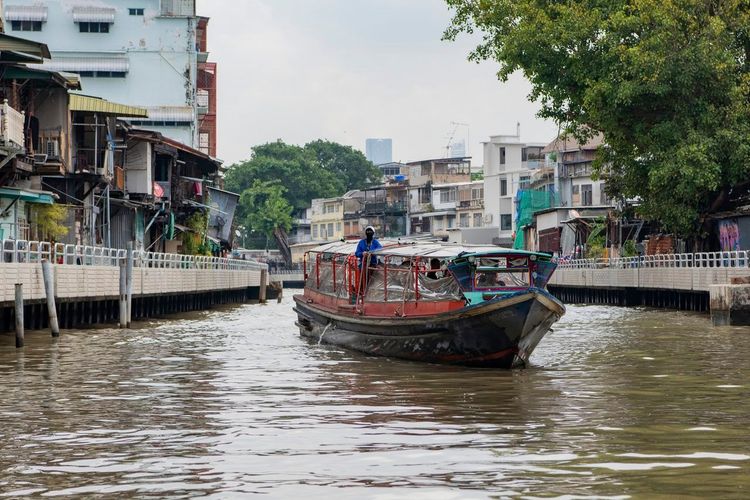
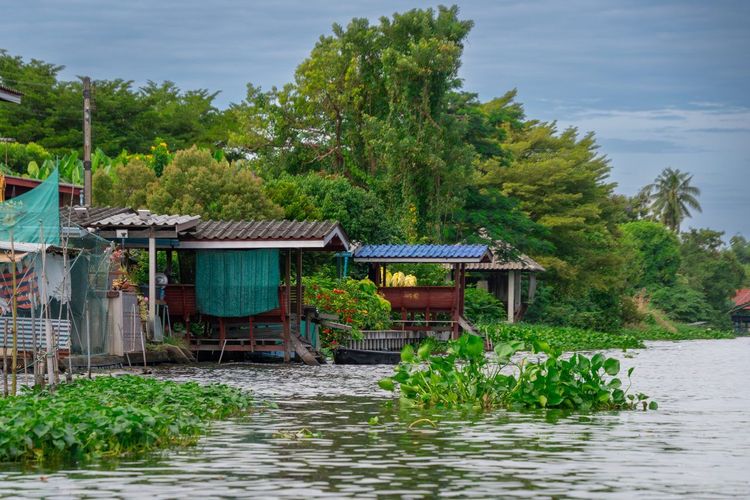
Before Bangkok had roads, it had canals, and a lot of the city still runs on them. The Khlong Saen Saep boat service cuts across town in a fraction of the time a taxi would take, used daily by commuters rather than tourists, while longtail boat tours on the Thonburi side of the river wind past wooden stilt houses, small temples and the occasional floating noodle vendor. Expect splashes, a loud engine and zero air conditioning: bring a dry bag for your phone.
Floating Markets Near Bangkok
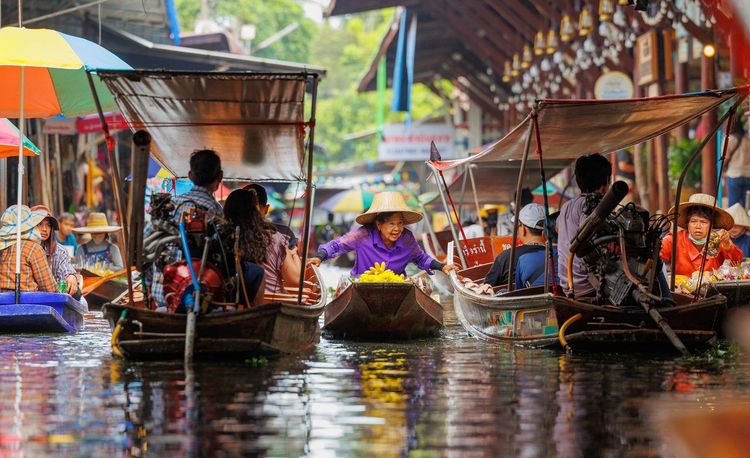
Damnoen Saduak, about 100 kilometers southwest, is the floating market most people picture, though it has grown touristy enough that souvenir boats now outnumber genuine produce trade some mornings. Amphawa, busiest from Friday to Sunday evenings, keeps more of its local character and pairs well with a short firefly-watching boat ride after dark. A stretch of Ryo's audio route through the riverside explains how residents actually use the canals day to day, rather than just posing for a photo on one.
A Sample 3-Day Bangkok Itinerary for First-Timers
Three full days is enough to cover the essentials without rushing, provided you group sights by location rather than by category. Here's a realistic split.
Day 1: Old City and Temples
Start early at the Grand Palace before the heat and crowds build, then walk to Wat Pho to see the Reclining Buddha. Catch the cross-river ferry to Wat Arun for early-afternoon photos, then head back across for a late lunch near Tha Tien pier. Spend the evening either at Khao San Road for people-watching and cheap food, or on a short river cruise that passes all three temples lit up after dark.
Day 2: Markets, Malls and Chinatown
If it's a weekend, dedicate the morning to Chatuchak Weekend Market; on weekdays, swap in Siam Paragon, MBK Center and a detour to the Erawan Shrine instead. Either way, save the evening for Chinatown, where the street food stalls hit their stride after 6pm and the gold-shop neon turns the whole street a particular shade of yellow you won't see anywhere else in the city.
Day 3: Canals, Parks and a Day Trip
Spend the morning on a longtail boat through the Thonburi khlongs, then cool off with an hour in Lumpini Park before lunch. Use the afternoon for a half-day trip, Amphawa's floating market or the ancient ruins of Ayutthaya both work well, and finish back in the city with a rooftop drink to close the trip the way most Bangkok visits should end: looking out over the skyline you've just spent three days walking through.
Ryo's audio guide follows a similar logic to Day 1, so if you'd rather walk the temple route stop by stop with a story at each one instead of a paper map, that option is already sitting in your pocket.
How Many Days You Really Need in Bangkok
Three full days covers the highlights comfortably. Two days is workable if you're tacking Bangkok onto a longer Thailand trip and accept that you'll skip either the khlongs or a day trip. Five days lets you add Ayutthaya or Kanchanaburi without feeling rushed, plus a buffer afternoon for whichever neighborhood surprised you the most.
First-time visitors consistently underestimate how much time the Grand Palace complex alone eats up, and overestimate how fast they'll move through Chatuchak's maze of stalls. Build in slack rather than a tight schedule; Bangkok traffic will eat into your plans regardless of how well you organize them on paper.
Before You Land: Entry Rules, SIM Cards and Useful Apps
A little paperwork before the flight saves a long queue after it. Since 1 May 2025, every foreign traveler must fill in the free Thailand Digital Arrival Card (TDAC) online within the 72 hours before arrival; it replaced the old paper arrival form, and immigration officers may ask to see the confirmation. Ignore third-party sites charging a fee for it: the official form costs nothing.
Visa rules have also moved. The generous 60-day visa exemption introduced in 2024 was scaled back in September 2026, and most eligible nationalities now receive 30 days on arrival for tourism, while fewer passports qualify than before. Check the current list for your own passport a few weeks before departure, and make sure it is valid for at least six months.
Once through immigration, you will find the three big mobile networks (AIS, True and dtac) selling tourist SIM cards and eSIMs in the arrivals hall, typically a few hundred baht for a week or more of generous data. Install Grab and Bolt for rides, Google Maps for BTS and MRT routes, and a translation app for menus, and you have covered most of what a first trip demands.
Where to Stay in Bangkok: Best Areas and Hotels
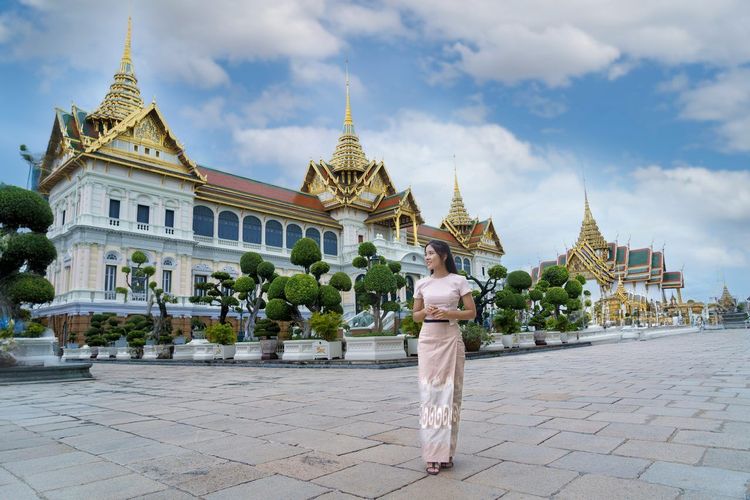
Where you sleep matters more in Bangkok than in most cities, because traffic can turn a short-looking map distance into a 45-minute crawl.
Luxury Riverside Hotels
The Chao Phraya riverside corridor holds Bangkok's best high-end hotels, properties like the Mandarin Oriental Bangkok, the Peninsula Bangkok and Shangri-La Bangkok, several of them running their own shuttle boats to Saphan Taksin pier and riverside malls like ICONSIAM. The tradeoff is distance from Siam's shopping core, which this crowd of hotels solves by water rather than by wheels.
Mid-Range Hotels Near the BTS
For most first-time visitors, a mid-range hotel within a five-minute walk of a BTS station on the Sukhumvit line, around Asok, Nana or Phrom Phong, offers the best balance of price and convenience. You get direct rail access to Siam's malls, Sukhumvit's restaurant scene and an MRT transfer at Asok toward Chinatown and the Old City, usually for a fraction of riverside rates.
Budget Hostels and Guesthouses
Khao San Road remains the default budget base, dense with hostels and guesthouses from roughly $8 to $20 a night, though it trades convenience for noise most nights of the week. Quieter budget options cluster around Silom and lower Sukhumvit, still close enough to a BTS or MRT stop for easy mornings without the street-party soundtrack after midnight.
Wherever you land, Ryo's audio-guided tour of Bangkok works the same from any neighborhood, since it's built to be picked up and paused rather than requiring a fixed starting point.
Getting to Bangkok and Around the City
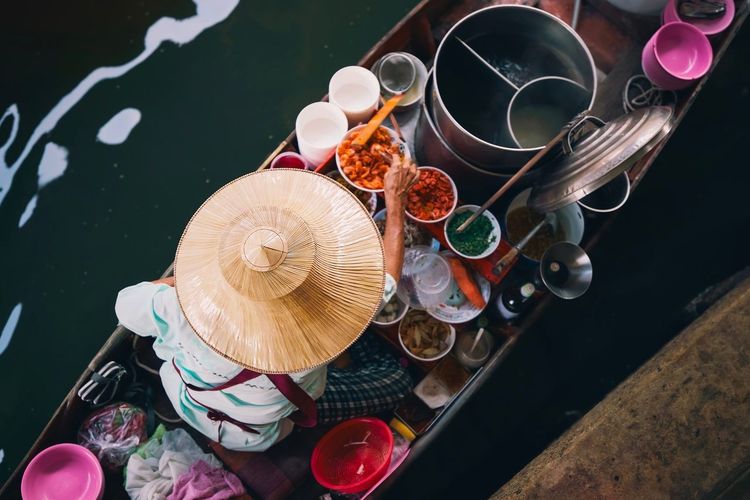
Bangkok runs on two airports and a surprisingly layered transit system that most first-timers only half understand before arriving.
From Suvarnabhumi and Don Mueang Airports
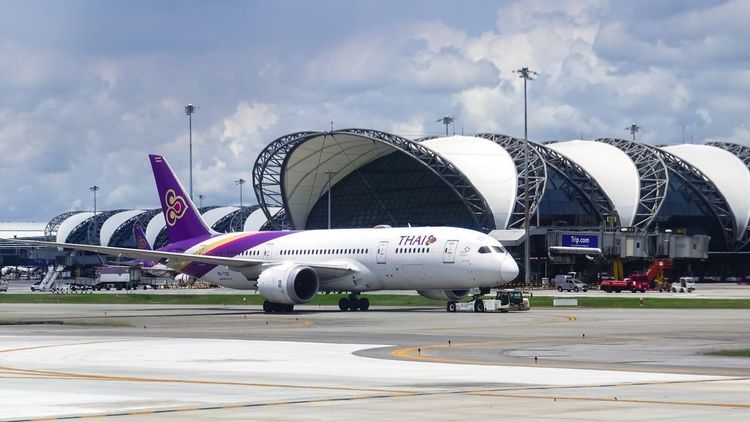
Suvarnabhumi Airport (BKK) handles most international long-haul flights and sits about 30 kilometers east of the city center; the Airport Rail Link connects it to Phaya Thai station, where you can switch to the BTS, in around 30 minutes for a fraction of a taxi fare. Don Mueang Airport (DMK), used mainly by low-cost carriers, sits roughly 25 kilometers north. A skybridge links its terminals to Don Mueang station on the SRT Red Line, which reaches Krung Thep Aphiwat Central Terminal in about 20 minutes for around 33 baht, with an MRT connection onward into the city. Shuttle buses and metered taxis are the alternatives if you arrive late at night with heavy bags.
BTS, MRT and Chao Phraya River Boats
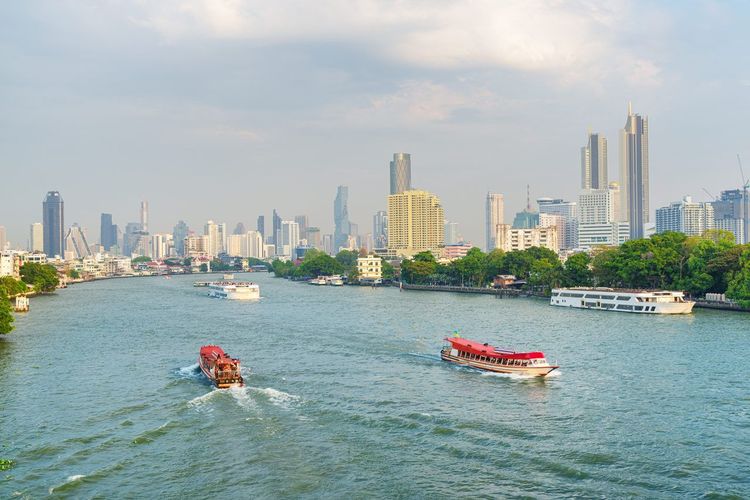
The elevated BTS Skytrain and underground MRT cover most of the areas visitors care about, interchanging at a handful of stations and gliding above or below the worst of surface traffic. For riverside sights, Chao Phraya River Boats (the orange flag express boats and the blue flag tourist boats) stop at piers near the Grand Palace, Wat Pho and the Flower Market, and a one-day tourist boat pass can cover most of Day 1's temple route on its own.
Taxis, Tuk-Tuks and Ride-Hailing Apps
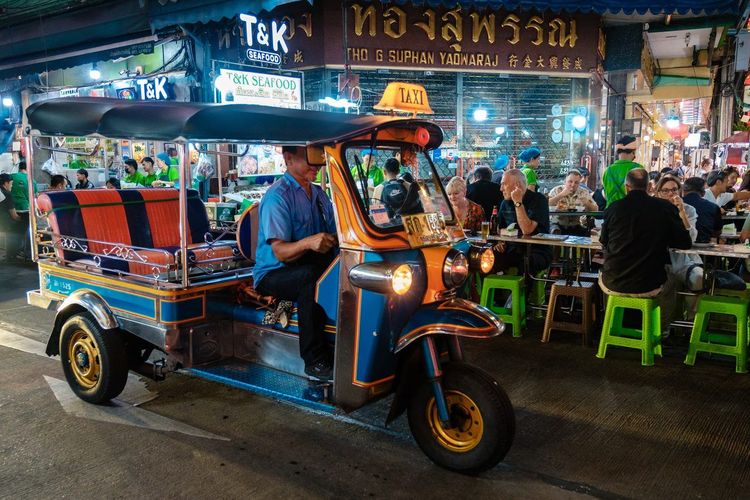
Metered taxis are cheap when the meter actually gets used, which isn't guaranteed outside tourist zones. Ride-hailing apps like Grab and Bolt remove the negotiation entirely by locking in a price before the car arrives, which is why most repeat visitors default to them over flagging a taxi on the street. Tuk-tuks are fun once, worth agreeing on a price before you climb in, and rarely the fastest or cheapest option despite how they look in photos. For short hops in the Old City, your own feet still win: most of Rattanakosin's sights sit within a 20-minute walk of each other.
Best Time to Visit Bangkok
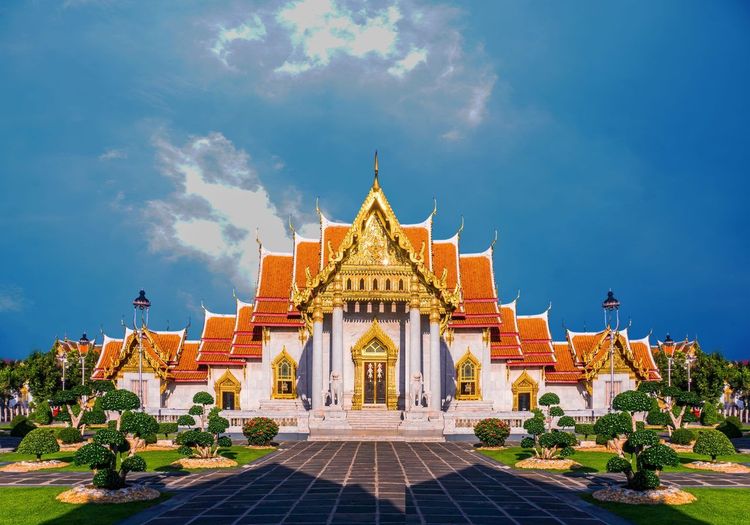
Bangkok's cool season, roughly November through February, is the most comfortable stretch for walking between temples, with daytime highs around 30 to 32 degrees Celsius and noticeably lower humidity than the rest of the year. It's also the busiest and priciest season for hotels.
March through May brings the hot season proper, often pushing past 38 degrees with heavy humidity, better suited to a trip built around air-conditioned malls and early-morning sightseeing than long days outdoors. The rainy season from June to October delivers short, intense afternoon downpours rather than all-day rain, lower hotel prices, and a noticeably greener city, a reasonable trade if you don't mind packing an umbrella.
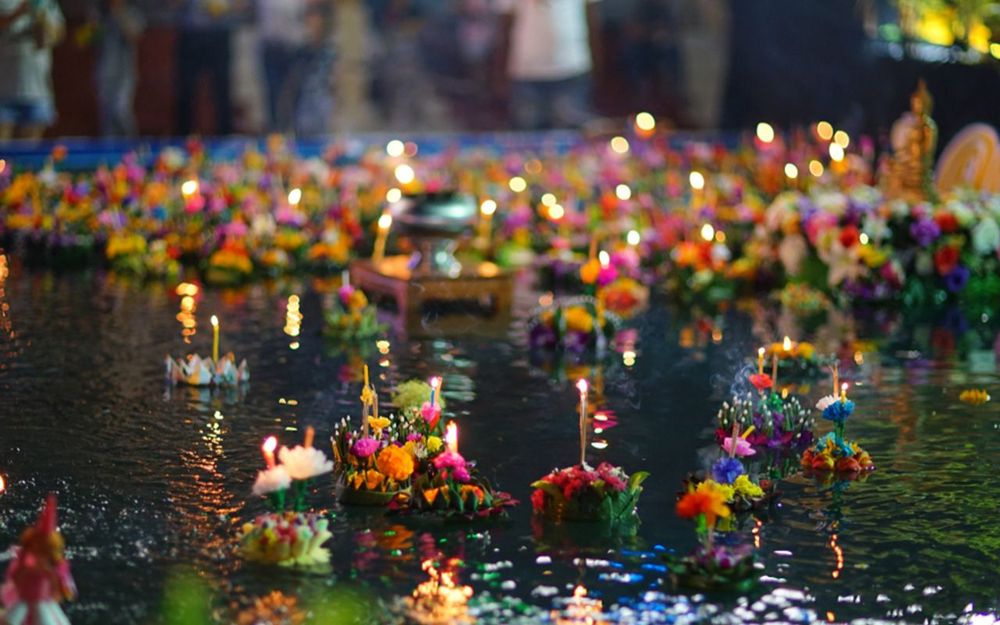
Two festivals are worth planning around. Songkran, the Thai New Year from 13 to 15 April, turns whole streets into a citywide water fight, so leave your phone in a waterproof pouch. Loy Krathong, on the full moon of the twelfth lunar month (usually November), fills the river and park lakes with candlelit floating offerings; our article on the Loy Krathong lantern festival explains where to watch it.
Bangkok Budget Guide: How Much Money to Bring
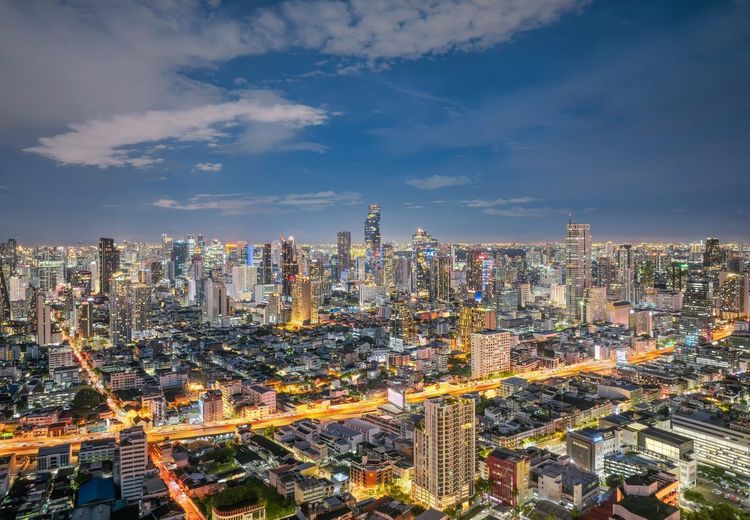
Bangkok flexes to almost any budget, which makes a daily figure more useful than a single number for the whole trip.
A backpacker style covers hostel dorms, street food and public transit for roughly $30 to $45 a day, which means $500 for a week is tight but workable if you're disciplined about taxis and skip the rooftop bars. A mid-range trip, think a private hotel room, a mix of local and Western meals, and the occasional Grab ride, runs closer to $70 to $110 a day, putting $1,000 for two weeks within reach if you balance splurges with cheaper days. Luxury travel, riverside hotels, fine dining and private tours, can easily clear $250 to $400 a day, which is how a figure like $30,000 for a trip makes sense once you factor in international flights, multiple destinations and a few guided excursions rather than Bangkok alone.
To calibrate, a plate of pad thai from a cart usually costs 60 to 100 baht, a BTS ride rarely tops 70 baht, and the big temple tickets range from 100 baht at Golden Mount to 500 baht at the Grand Palace. Street food remains the great equalizer here: a proper meal from a Chinatown stall rarely breaks $3, regardless of which budget tier the rest of your trip sits in.
What Not to Do in Bangkok: Etiquette and Scams to Avoid
Most of Bangkok's etiquette rules exist for good reason, and a few of its scams are specific enough that knowing the pattern in advance saves real money.
Temple Dress Code
Shoulders and knees need to be covered at every major temple, no exceptions for heat or jet lag. The Grand Palace enforces this strictly at the gate, and sarongs and loose trousers are available nearby if you show up unprepared, though sorting it out takes time you'd rather spend inside. Remove your shoes before entering any temple hall and never point your feet toward a Buddha image.
Respecting the Thai Royal Family
Thailand's lese-majeste laws treat disrespect toward the monarchy as a serious criminal matter, not a cultural suggestion. Stand when the royal anthem plays before movies in cinemas, and avoid joking about the royal family in conversation or online, even in casual contexts where it might seem harmless elsewhere. Banknotes carry the king's portrait, so never step on one that blows away.
Avoiding Unmetered Taxis and Elephant Rides
If a taxi driver refuses to use the meter, it's almost always cheaper and faster to walk away and flag another one or open a ride-hailing app instead. Be wary, too, of the friendly stranger near the Grand Palace who tells you it is closed today and offers a tuk-tuk tour instead: it almost always ends at a gem shop. On elephants specifically, riding them has fallen out of favor as the welfare concerns behind the practice have become widely known; ethical sanctuaries that offer observation-only visits are the better alternative if elephants are on your list.
Drug laws deserve a clear word. Thailand recriminalized recreational cannabis in June 2025, and it can now only be sold with a prescription from a licensed Thai practitioner. Smoking in public or buying from an unlicensed seller risks fines and jail, and penalties for other drugs remain severe even for small amounts.
Beating Bangkok's Heat and Staying Comfortable
Humidity, not just temperature, is what wears first-time visitors down fastest. Front-load outdoor sightseeing, temples, markets, walking tours, into the morning before 11am, then retreat into a mall, museum or hotel pool during the hottest stretch of the afternoon before heading back out as the sun drops.
Carry more water than feels necessary, and don't underestimate how much a 7-Eleven iced coffee or coconut water break can reset a long day. Breathable fabrics beat anything synthetic, and a small hand fan is less of a tourist cliché and more of a genuinely useful object once you're standing in a sunlit temple courtyard at noon.
Best Day Trips and Tours from Bangkok
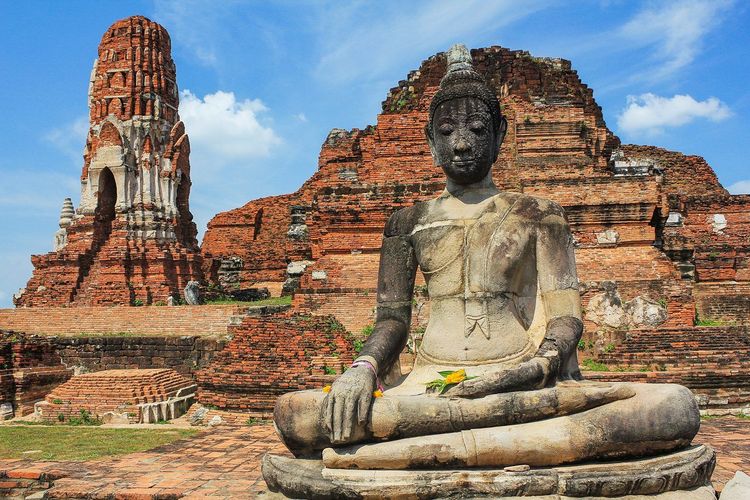
Ayutthaya, Thailand's capital for more than four centuries before Bangkok, sits about 80 kilometers north and makes for a full but manageable day trip by train or van. Its brick temple ruins and the famous Buddha head wrapped in tree roots at Wat Mahathat offer a completely different texture from the gilded temples in the city; renting a bicycle near the station is the easiest way to link the main sites. Kanchanaburi, home to the Bridge over the River Kwai and its wartime history museums, works better as a long day trip or overnight given the extra travel time.
Closer in, Amphawa's floating market and evening firefly boats pair naturally with a half-day trip, while the Maeklong Railway Market, where a train rolls directly through a working market as vendors pull back their awnings, makes for an odd and memorable detour if your schedule has room for one more stop. Most tour operators combine Maeklong with Damnoen Saduak in a single morning, which saves you juggling two separate transfers.
Bangkok with Kids: Family-Friendly Activities
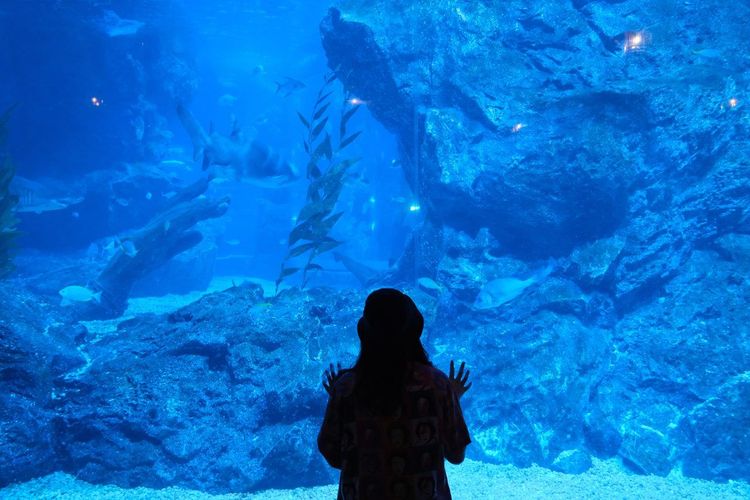
Bangkok has more for children than its temple-heavy reputation suggests. Siam Paragon's basement aquarium, SEA LIFE Bangkok Ocean World, keeps younger kids entertained for a couple of hours with its glass tunnel and shark tanks, and KidZania Bangkok, in the same mall, lets children role-play jobs from firefighter to pilot in a miniature city.
For a full day outdoors, Dream World or Siam Park City's water rides give kids a break from museums and temples, and Lumpini Park's swan pedal boats and wide lawns offer a lower-key option for an easy afternoon between bigger activities. Under-120 cm children enter the Grand Palace free, a small bonus if you are visiting as a family.
Where to Eat: Street Food, Green Cafés and Healthy Options
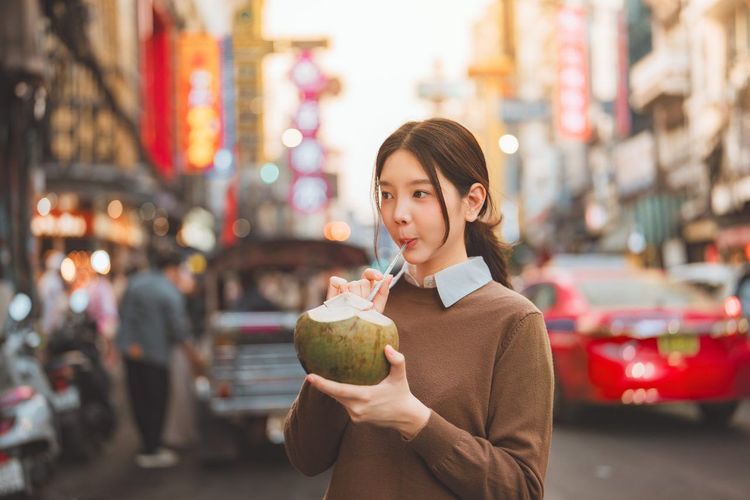
Chinatown's Yaowarat strip is the obvious street food headline act, stalls firing up as the sun goes down and staying busy well past midnight, but Or Tor Kor Market near Chatuchak offers a cleaner, slightly more expensive version of the same food if street-level plastic stools aren't your style. Jay Fai, the Michelin-starred crab omelette stall, has become famous enough that lines now outlast the appeal for some visitors, worth knowing before you plan a trip around it.
Bangkok's green café scene has grown fast in neighborhoods like Thonglor and Ari, where plant-based Thai dishes and cold-pressed juice bars now sit comfortably next to traditional noodle shops. It's a useful counterbalance if a few days of fried street food start to catch up with you, and our guide to Bangkok's top culinary specialties digs deeper into which dishes are worth seeking out beyond the obvious pad thai.
Cash, Cards and Practical Money Tips
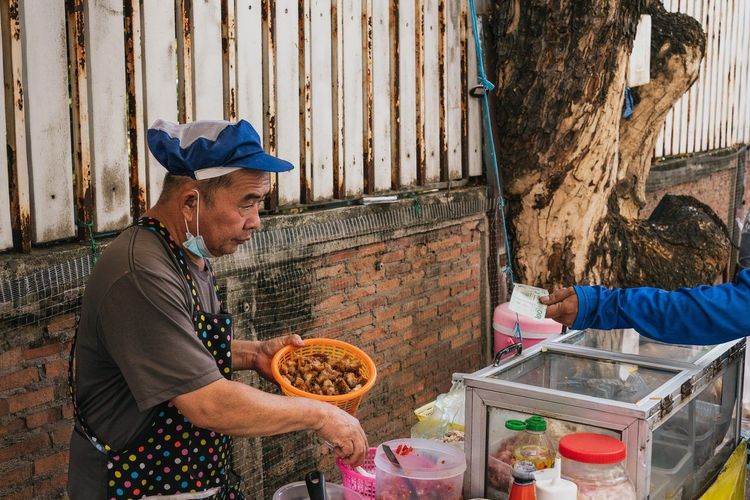
Cards are widely accepted in malls, hotels and sit-down restaurants, but small vendors, street food stalls, tuk-tuks and local markets run on cash only, so carrying enough small bills matters more than carrying a lot of money overall. Thai ATMs charge a flat foreign-card withdrawal fee, typically 220 to 250 baht regardless of how much you take out, so fewer, larger withdrawals beat frequent small ones.
Keep a stock of 20, 50 and 100 baht notes specifically; a 1,000 baht note at a street stall often gets you a shrug and a search for change that eats into whatever time you had budgeted for that meal. A fee-free travel card can soften the ATM charges further if you're withdrawing often over a longer trip, and always choose to be charged in baht when a card machine offers your home currency.



FAQ
Is $1000 enough for 2 weeks in Thailand?
Yes, for a mid-range travel style. Budgeting around $70 a day covers a private hotel room, a mix of street food and sit-down meals, and regular local transport, with some room left for day trips or shopping if you keep taxis to a minimum.
What is the 3-day rule in Thailand?
There's no formal legal rule by this name, but it reflects the common travel guideline that three full days is the realistic minimum to see Bangkok's core sights, the Old City temples, a market, and a khlong or park, without constantly rushing between them.
Is $500 enough for a week in Thailand?
It's workable on a backpacker budget of roughly $30 to $45 a day, covering hostel dorms, street food and public transit, but it leaves little room for taxis, rooftop bars or guided tours, so discipline on daily spending matters more at this level.
Is $30,000 enough for a Thailand trip?
More than enough for a single Bangkok trip; that figure typically covers an extended, multi-destination trip with international flights, luxury hotels, private guides and fine dining, or a long trip for a family or group rather than a solo visit to Bangkok alone.
How many days should first-time visitors spend in Bangkok?
Three full days covers the essential sights comfortably. Travelers combining Bangkok with the rest of Thailand often trim it to two, while those adding a day trip to Ayutthaya or a floating market tend to stretch it to four or five.
Is Bangkok safe for first-time tourists?
Generally yes, with the usual big-city precautions around pickpocketing in crowded markets and the handful of well-known taxi and gem-shop scams. Violent crime against tourists is rare, and most neighborhoods covered in this guide are comfortable to walk through after dark.
Do I need a visa to visit Thailand as a first-time visitor?
It depends on your passport. Since September 2026, most visa-exempt nationalities receive 30 days for tourism, and the list of eligible countries is shorter than it was in 2024 and 2025. Whatever your status, you must complete the free Thailand Digital Arrival Card online within 72 hours before landing, so check both requirements before booking flights.
Three days, a loose itinerary and a decent pair of walking shoes will get you through most of what makes Bangkok worth the flight. If you'd rather have the Old City's history narrated while you're standing in front of it, rather than pieced together from plaques and guidebook footnotes, Ryo's audio-guided tour of Bangkok is built to run alongside exactly the kind of three-day route laid out above, one stop, one story, at whatever pace the heat allows that day.
À lire également