© Shutterstock
 Votre guide Ryo
Chicago for First-Time Visitors: The Complete 2026 Guide
Stand on the Michigan Avenue bridge at golden hour and you'll understand why Chicago confuses newcomers: is this a lakefront resort town, a steel-and-glass canyon, or a city built for eating deep-dish pizza until you can't move? Most guides written for Chicago for first time visitors pick one identity and run with it, which is how so many first trips end up missing half of what makes the city interesting. Before diving into the sightseeing, it helps to walk the Loop with some context already in your ear: Ryo's audio-guided tour of Chicago threads together many of the landmarks below into one route, so you're never guessing which building is which.
Over the next few thousand words, you'll find out why a 1967 Picasso with no official title still anchors a Loop plaza, why one deep-dish pizza chain can mean a 45-minute wait for a pie assembled upside down, and how a single transit pass links three museums, a pier, and a beach in the same day. There's also a four-day itinerary built for first-time visitors who have never set foot west of the airport, a season-by-season breakdown of when the lakefront actually feels like a beach, and a neighborhood-by-neighborhood answer to where you should actually book a hotel room.
Chicago's Essential Downtown Icons
Almost every Chicago itinerary starts in the same compact stretch of the Loop, and for good reason: you can walk from a mirror-polished steel sculpture to a 103-story glass ledge in about twenty minutes. The Ryo audio-guided walking tour of Chicago covers this ground stop by stop, from the Chicago Theatre) and the Cultural Center to the river and the Skydeck, with a short story at each one, so you're not squinting at a map between landmarks.
Millennium Park, Cloud Gate, and Crown Fountain
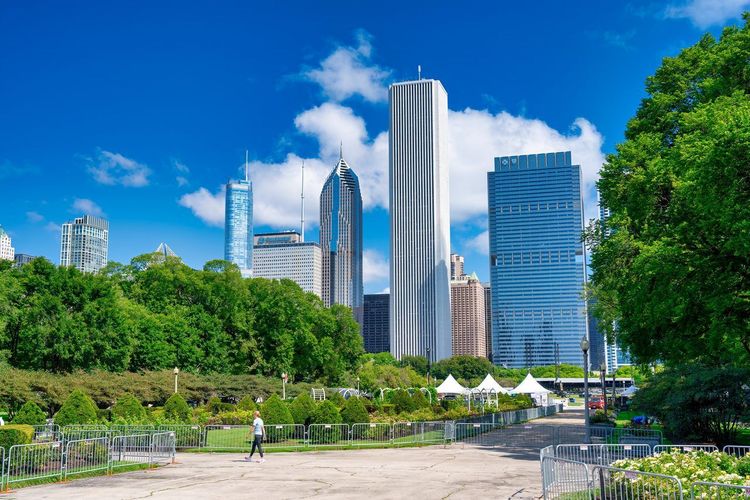
Millennium Park) is where most first-time visits begin, not because it's the oldest attraction but because it's free, enormous, and sits directly across from Michigan Avenue.
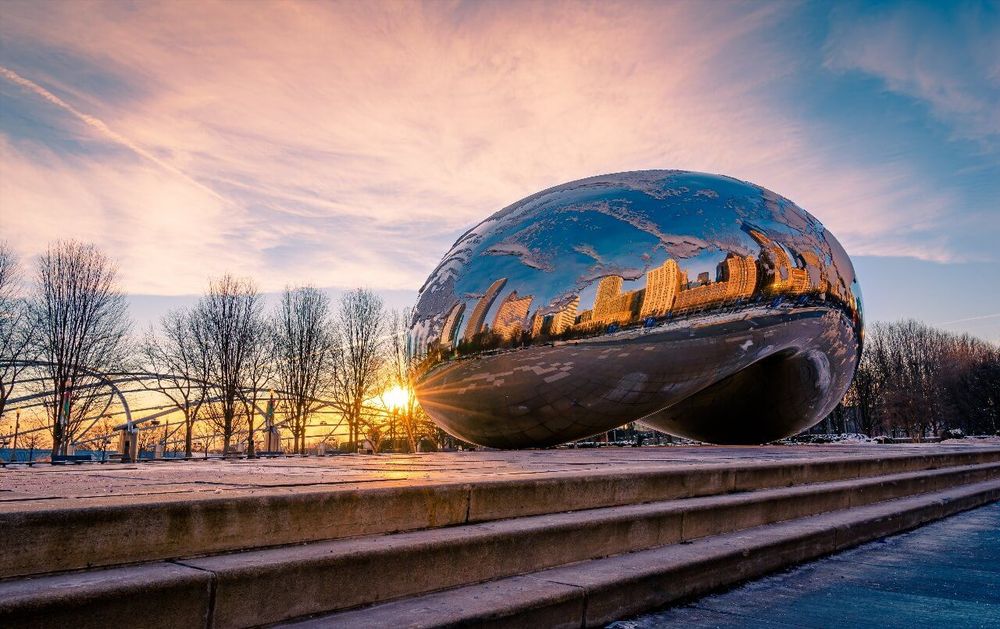
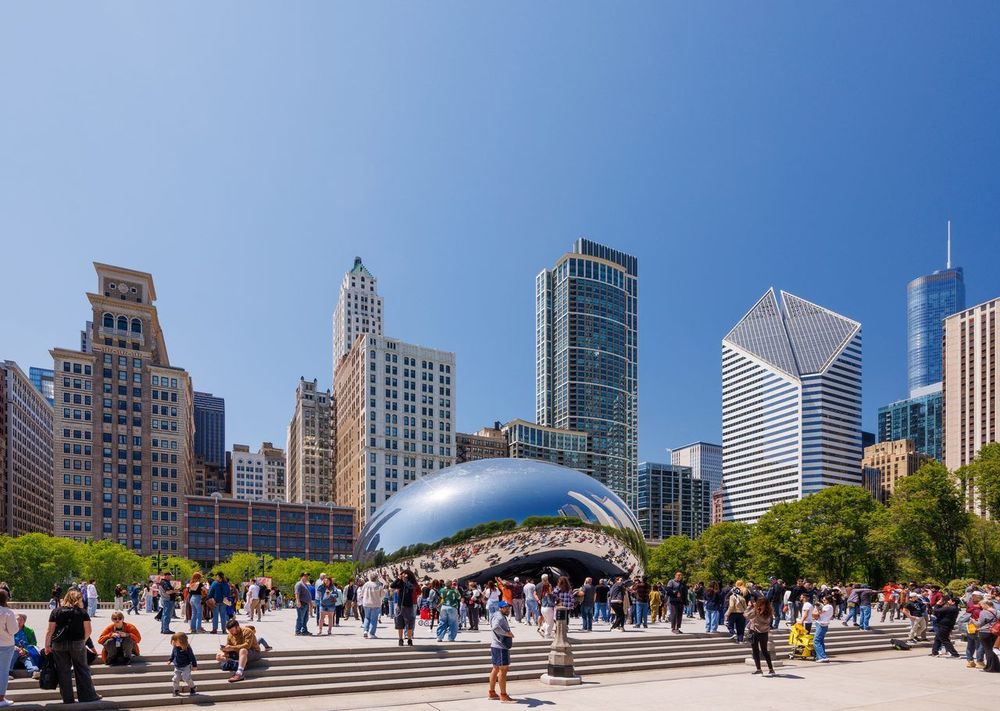
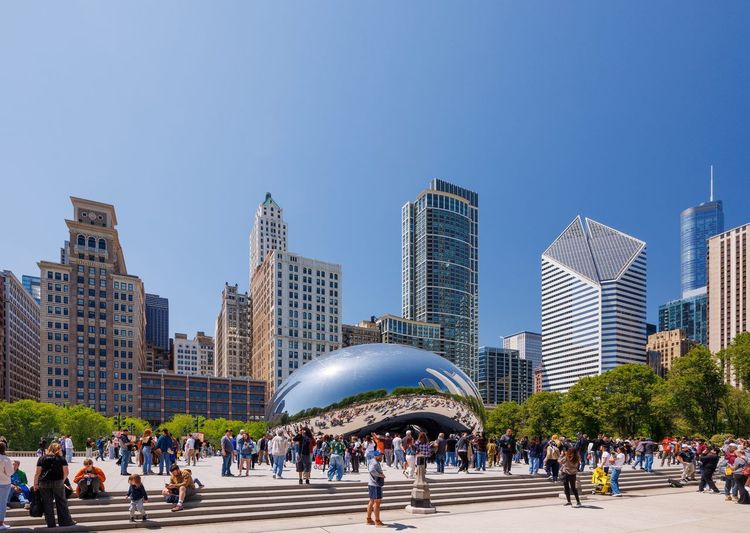
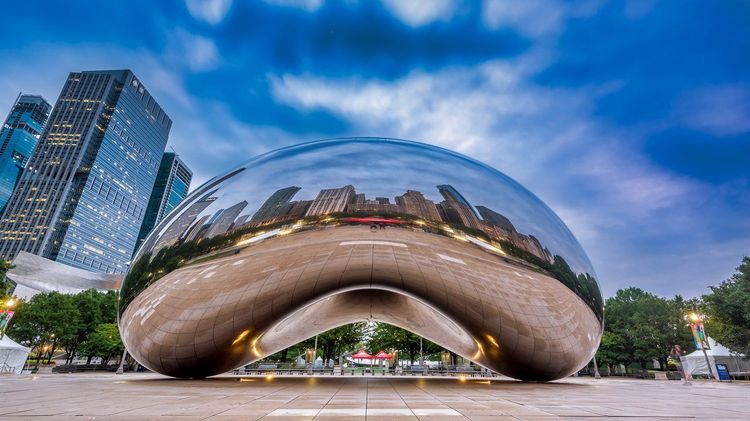
At its center sits Cloud Gate, the mirror-polished sculpture everyone calls The Bean, even though its actual title references clouds, not legumes. Anish Kapoor's stainless-steel piece, unveiled in 2004, is about 66 feet long and 33 feet high, weighs roughly 110 tons, and has no visible seams, which is exactly why crowds spend twenty minutes trying to photograph their own reflection without another tourist in the shot. Go before 9am if you want the plaza close to empty.
A five-minute walk south, the Crown Fountain) does something Cloud Gate can't: it's genuinely fun for kids. Two 50-foot glass towers project rotating faces of Chicago residents, and every few minutes a stream of water shoots from the projected mouth onto splashing children below. The water runs roughly from May to October, weather permitting; in winter the pool is drained, though the faces often keep glowing.
The Chicago Riverwalk and Architecture Boat Tour
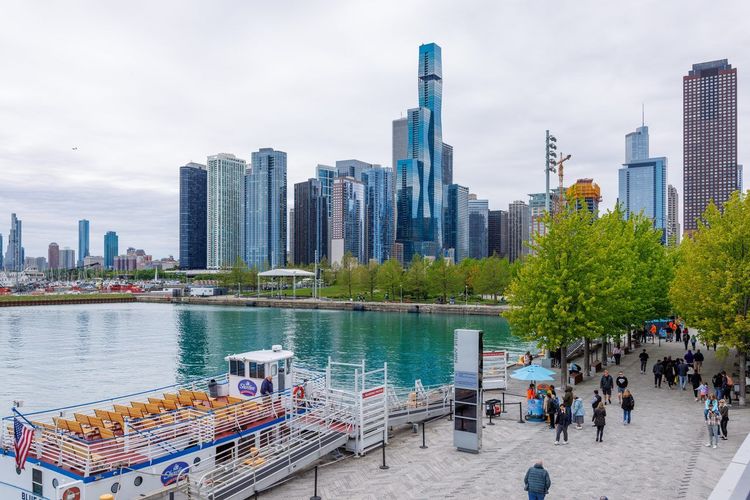
Below street level, the Chicago Riverwalk) runs 1.25 miles along the south bank of the Chicago River, from Lake Shore Drive to Lake Street, mixing outdoor cafés with kayak launches and floating wetland gardens that draw herons in summer.
The best way to actually understand what you're looking at is an architecture boat tour: 75 to 90 minutes on the water depending on the operator, guided commentary on dozens of buildings, and a running explanation of why Chicago invented the modern skyscraper in the first place (short answer: the 1871 fire cleared the ground, literally). Boats leave from docks near the Michigan Avenue bridge several times an hour in peak season, and morning departures sell out first because the light hits the glass towers best before noon. Book at least a day ahead in July and August, or arrive by 9am to grab same-day tickets before the lines form.
Skydeck Chicago and 360 Chicago's Observation Decks
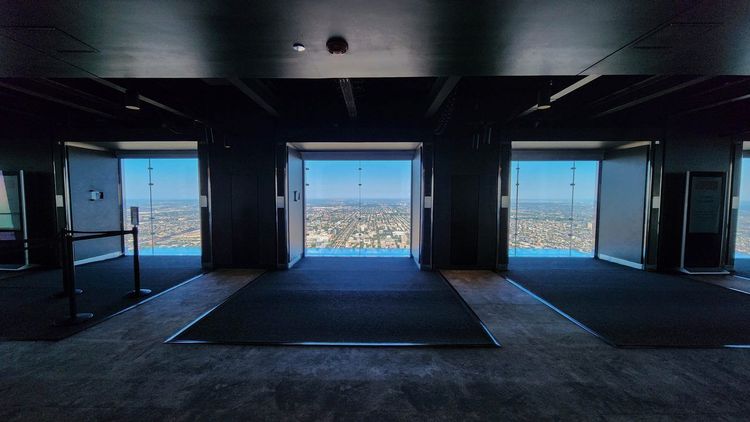
Chicago actually has two competing observation decks, and first-timers usually only find out about the rivalry after picking one. Skydeck Chicago), on the 103rd floor of the Willis Tower, is the taller and more famous option, largely because of The Ledge, four glass boxes that jut out from the building with nothing but air, and glass, between your shoes and the street 1,353 feet below.
360 Chicago), in the former John Hancock Center on North Michigan Avenue, sits lower at roughly 1,000 feet but wins on location: you get the lake, the park, and the skyline in one frame, and for an extra fee you can add Tilt, a moving glass platform that leans you out over Michigan Avenue. Lines there also tend to be shorter. If you only have time for one, pick Skydeck for the bragging rights and 360 Chicago for the photo.
The Magnificent Mile, the Chicago Theatre, and Loop Landmarks
North of the river, Michigan Avenue turns into the Magnificent Mile), a stretch of flagship stores and hotel lobbies that runs from the river up to Oak Street. You don't need a shopping budget to enjoy it: the window displays alone, especially around the holidays, are worth the walk, and the side streets hide some of the city's best coffee shops away from the tourist prices.
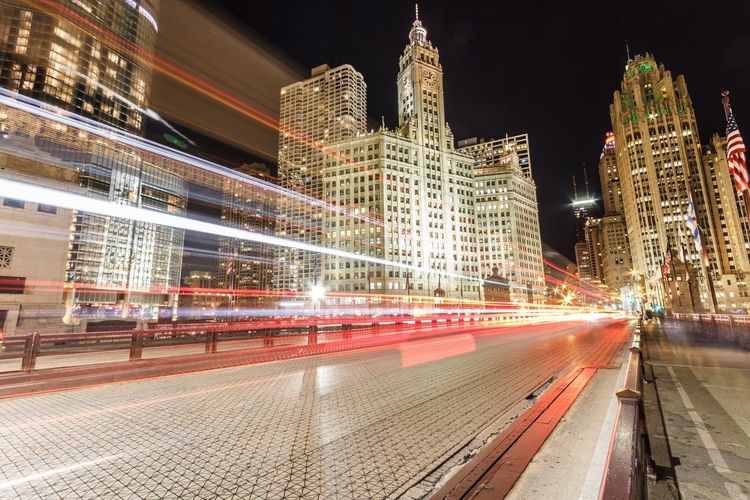
Circle back toward the Loop and you'll run into the Chicago Theatre, the 1921 marquee with the six-story vertical sign that shows up in roughly every postcard of the city. You don't have to catch a show to appreciate it: the sign alone, lit up after dark, is one of the more reliable photo stops downtown.
Two blocks away in Daley Plaza stands the Chicago Picasso, a 50-foot steel figure unveiled in 1967 that the artist never titled. Locals still argue over whether it's a woman, a baboon, or an Afghan hound, and kids treat its sloping base as a slide.
Two more Loop institutions deserve a slot on your list: the Art Institute of Chicago), home to Grant Wood's American Gothic, Edward Hopper's Nighthawks, and one of the best Impressionist collections outside France, and the free Chicago Cultural Center (78 E Washington St, Chicago, IL 60602, rated 4.7/5 on Google (6 181 avis)), whose Tiffany glass dome is the largest in the world.
Chicago's Museum Campus and Lakefront
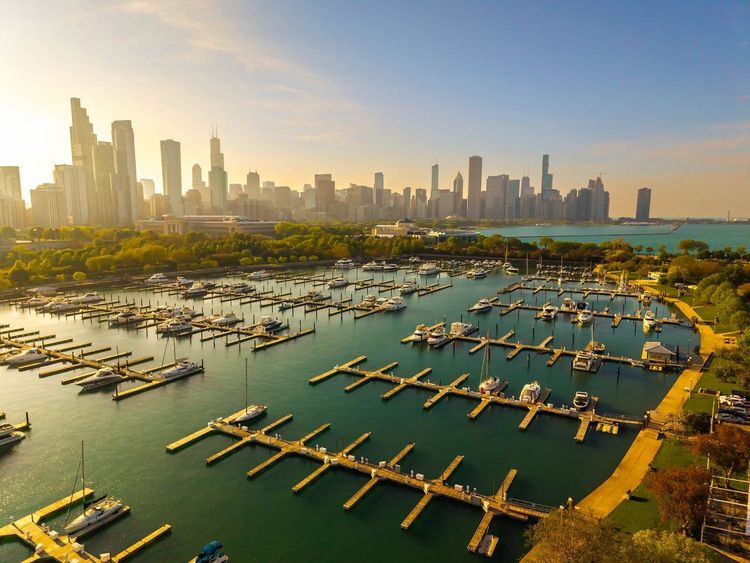
South of the Loop, three of Chicago's heavyweight museums sit close enough together that you can walk between all of them without checking a map twice, and the lakefront just north of downtown offers a very different, much slower pace once you need a break from galleries.
The Museum Campus: Shedd Aquarium, Field Museum, and Adler Planetarium
The Museum Campus groups three major institutions on a peninsula jutting into Lake Michigan, connected by walking paths with a skyline view that alone is worth the trip. The Shedd Aquarium) houses around 32,000 animals, including a beluga whale habitat and a Caribbean reef tank where divers feed the fish in front of visitors.
Next door, the Field Museum) holds SUE, one of the largest and most complete Tyrannosaurus rex skeletons ever found, alongside Ancient Egypt galleries deep enough to fill half a day on their own.
The smallest of the three, the Adler Planetarium), sits at the tip of the peninsula and doubles as the best skyline viewpoint in the city, free of charge, even if you skip the shows inside.
Each museum runs roughly 9am to 5pm daily, with the Shedd and Field Museum both offering discounted or free entry days for Illinois residents that don't apply to out-of-state visitors, so budget for full-price tickets unless you live nearby. Parking around the peninsula is expensive and often full by mid-morning; the better call is the Roosevelt 'L' station, a pleasant 10 to 15-minute walk away, or the CTA #146 bus from State Street. Buying a citywide attraction pass is worth doing here specifically, since covering all three separately adds up fast.
Navy Pier and the Lakefront Trail
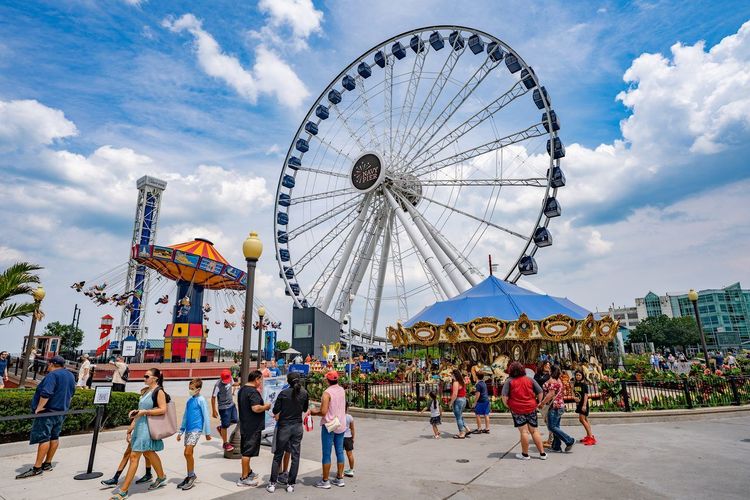
A fifteen-minute drive, or a scenic bus ride, north, Navy Pier) is regularly cited as the most visited attraction in Illinois, which tells you more about the crowds than the quality of the rides. The 196-foot Centennial Wheel is the headline act, and the pier itself stretches more than half a mile into the lake, lined with restaurants and a summer fireworks show over the water.
Beyond the Ferris wheel, the pier holds an IMAX theater, the Chicago Shakespeare Theater, and enough restaurants with lake views to make it a reasonable dinner stop even if you skip the rides entirely. Weekend crowds build fast after lunch, so an early visit, or a return trip after dark when the wheel lights up, tends to beat the midday rush.
For a quieter lakefront fix, the Lakefront Trail runs 18 miles along Lake Michigan, and the stretch near North Avenue Beach (1603 N Lake Shore Dr, Chicago, IL 60614, rated 4/5 on Google (693 avis)) is where locals actually go to swim, play volleyball, or rent a Divvy bike for an hour without dodging tour groups.
Beyond Downtown: Chicago's Neighborhoods and Hidden Gems
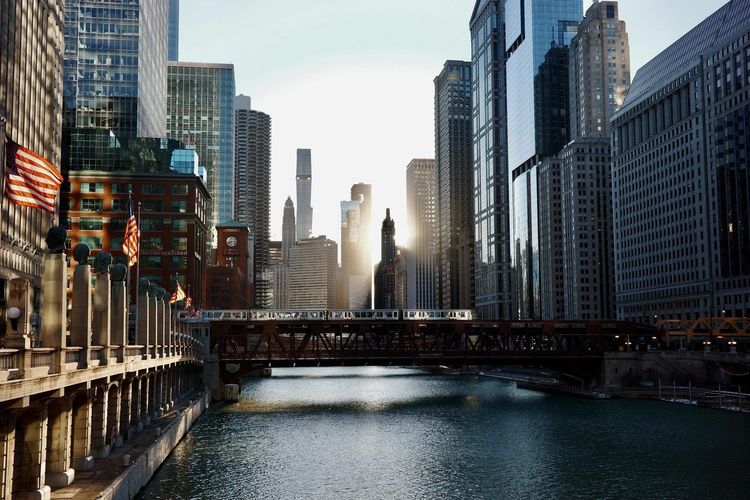
Downtown covers maybe a third of what makes Chicago interesting. The other two-thirds live in neighborhoods most first-time visitors never reach, and that's a shame, because this is where the city stops performing for tourists.
Lincoln Park and Old Town: Zoo, Architecture, and History
North of the river, Lincoln Park is both the name of the neighborhood and its 1,200-acre park, home to the Lincoln Park Zoo), one of the few free, year-round zoos left in the country. No tickets, no turnstile, just gorillas, penguins, and a farm-in-the-city exhibit that keeps kids occupied for an hour.
A short walk away, the Chicago History Museum) covers the 1871 fire, the World's Fair, and the Great Migration in exhibits that are more engaging than the name suggests. Just south of the park, Old Town keeps its 19th-century rowhouses and cobblestone side streets largely intact, plus Second City)'s home for anyone chasing a comedy show. The neighborhood also hosts the Old Town Art Fair each June, one of the oldest juried art fairs in the country, if your visit happens to line up with it.
Wicker Park, Logan Square, and the West Loop's Creative Scene
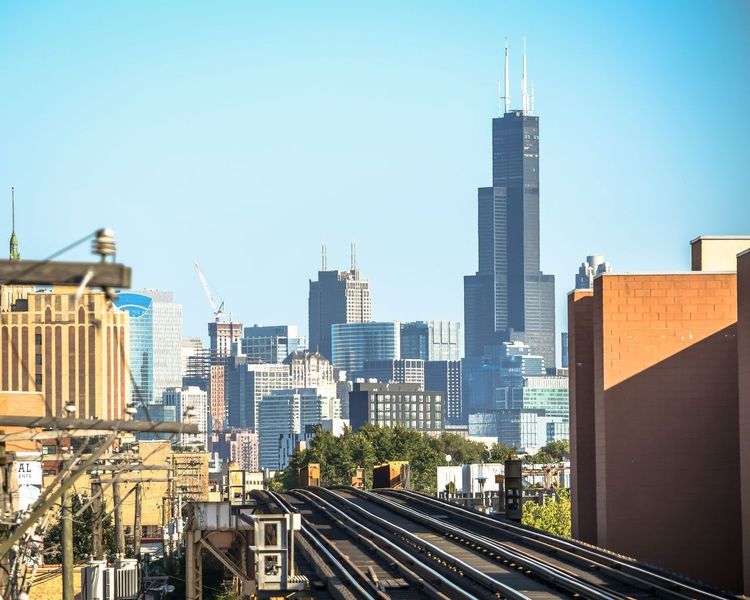
West of the river, three neighborhoods cover Chicago's creative and culinary edge. Wicker Park built its reputation on record shops, vintage stores, and a mural-heavy stretch of Milwaukee Avenue that rewards slow walking. Logan Square picked up where Wicker Park left off once rents climbed, and now has arguably the city's best concentration of independent restaurants per block. The West Loop, once entirely warehouses and meatpackers, is now home to Restaurant Row: a single stretch of Randolph Street holds more acclaimed kitchens than most entire cities.
The Blue Line gets you from the Loop to Damen (Wicker Park) in about fifteen minutes and to Logan Square in about twenty-five, so you can pair both on one afternoon. Walk Milwaukee Avenue north between the two rather than riding, since the murals and shopfronts are the point.
Wrigley Field, Frank Lloyd Wright, and Only-in-Chicago Experiences
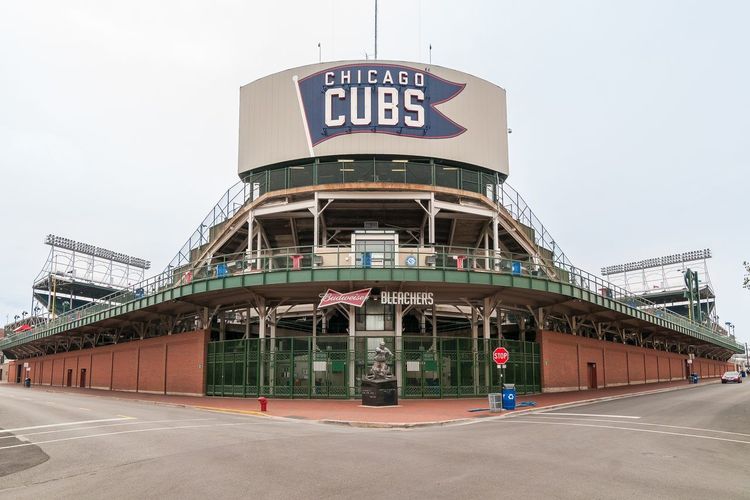
A few more stops round out the neighborhood picture. Wrigley Field), opened in 1914 and home of the Cubs since 1916, is worth visiting even outside baseball season for a stadium tour past the ivy-covered outfield walls. Tours last 75 to 90 minutes and cover spots like the dugout, press box, and bleachers, typically for around $30 to $35 per person, with tickets worth booking a few weeks ahead during baseball season.
In suburban Oak Park, the Frank Lloyd Wright Home and Studio) shows where the architect developed the Prairie style that later defined whole blocks of Chicago's residential streets.
Two more spots reward a longer stay: the Garfield Park Conservatory) on the West Side is one of the largest conservatories in the country, free to enter, with a fern room that feels tropical even in a Chicago January; and the Museum of Science and Industry) in Hyde Park is the largest science museum in the Western Hemisphere, best known for its captured German U-505 submarine and a coal mine you walk straight into.
For an only-in-Chicago evening, catch improv at Second City, the club that launched Bill Murray and Tina Fey, or hear blues at Buddy Guy's Legends (700 S Wabash Ave, Chicago, IL 60605, rated 4.6/5 on Google (3 760 avis)), the club opened by the guitarist himself. If true-crime history interests you more, a guided gangster tour through the Loop covers Prohibition-era shootouts and the sites tied to Al Capone and his rivals. None of these require much planning beyond checking the schedule and booking a seat.
A Suggested First-Time Itinerary for Chicago
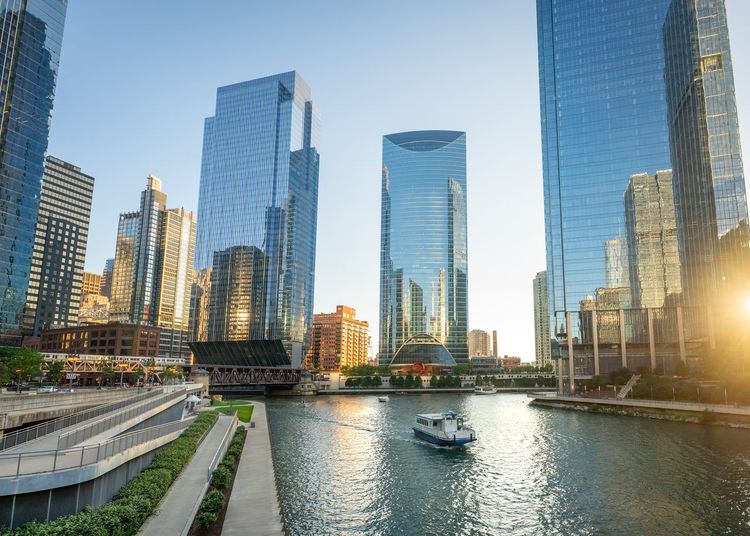
If you'd rather follow a plan than build one from scratch, here's a four-day structure that front-loads the essentials and leaves room to wander. The Ryo audio guide slots straight into Day One: load it on your phone before you leave the hotel and it narrates the Loop's landmarks in order, so you can keep your eyes on the architecture instead of on a map.
Day One: The Loop and Millennium Park
Start at Millennium Park before the tour buses arrive, ideally by 8am if you're chasing empty-plaza photos of Cloud Gate. Spend twenty unhurried minutes there, then decide how the rest of your morning goes: if art museums are your thing, the Art Institute of Chicago deserves at least two hours, more if Impressionism is a genuine interest rather than a box to check. If not, skip straight to the Chicago Riverwalk and grab a coffee at one of the riverside cafés before boarding an architecture boat tour around 11am, when morning light still hits the glass towers well.
By early afternoon you'll be back on solid ground with a few hours to fill before dinner. This is the moment to pick between Skydeck Chicago and 360 Chicago, and both are worth timing for golden hour rather than midday, when haze tends to flatten the skyline views. Finish the day with deep-dish pizza, ideally at a location within walking distance of your hotel: the wait times at the famous spots regularly stretch past 45 minutes, and standing in line hungry is nobody's idea of a good first night.
Day Two: Museum Campus and Navy Pier
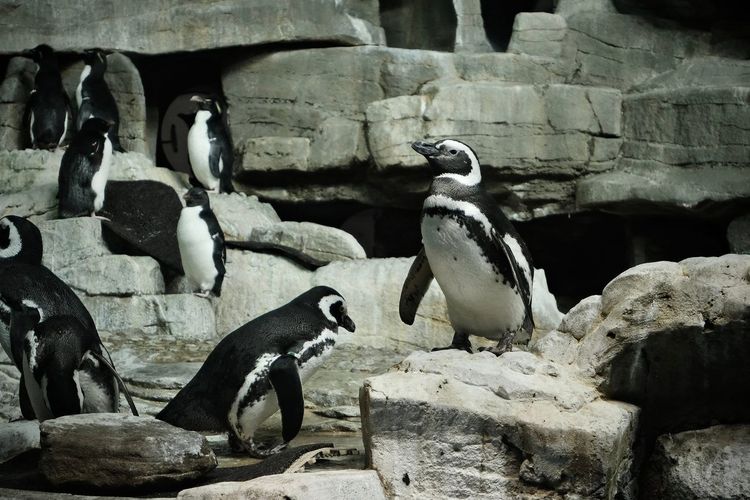
Devote the morning to one, or at most two, of the Museum Campus institutions, since trying to properly see all three in a single visit usually means rushing through at least one. Families tend to gravitate toward the Shedd Aquarium; anyone chasing dinosaurs and ancient history should make the Field Museum the priority instead. If you're efficient and start right at opening, seeing both before lunch is realistic, though the Adler Planetarium usually gets cut for time, which is fine, since its best feature, the skyline view from the lawn outside, is free and doesn't require a ticket.
In the afternoon, a short rideshare or a CTA bus up Columbus Drive gets you to Navy Pier, where the goal is simple: ride the Centennial Wheel before the after-school and after-work crowds build up around 4pm, then walk a stretch of the Lakefront Trail while the light is still good for photos. If you'd rather eat before heading back downtown, a handful of solid seafood spots sit within a five-minute walk of the pier entrance, a good option if the day's museum stops ran long and everyone's ready to sit down. In summer, save room for the pier's fireworks show, which runs on select nights through Labor Day.
Day Three: Magnificent Mile and a Neighborhood of Your Choice
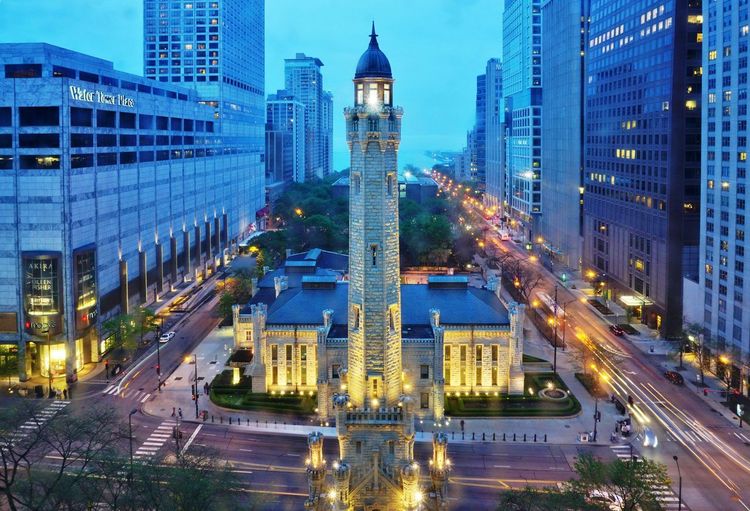
Spend the morning shopping, or window-shopping, along the Magnificent Mile, then use the afternoon to pick one neighborhood based on what you actually enjoy rather than what a list tells you to see. Wicker Park and Logan Square reward slow wandering, murals, record stores, and enough independent restaurants that you could plan an entire trip around just those two neighborhoods. Lincoln Park works better if you're traveling with kids or want a quieter park walk after two busy days, with the free zoo as the built-in anchor. The West Loop is the pick if a serious dinner reservation is the actual point of your day: Randolph Street's restaurant density rivals anywhere in the country.
A rideshare between the Mag Mile and any of these neighborhoods runs 10 to 20 minutes depending on traffic, so there's no need to rush the transition. Whichever neighborhood you choose, plan to stay through the evening. These are neighborhoods that earn their reputation after dark, not at three in the afternoon, when half the restaurants haven't opened yet.
Day Four (Optional): Further Afield
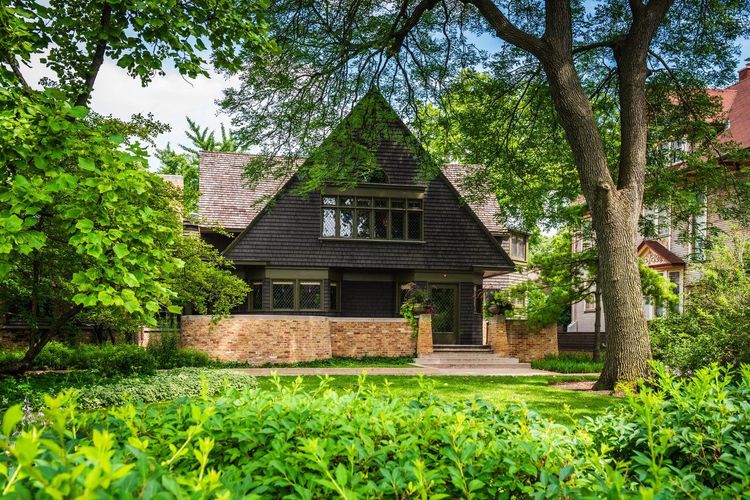
If you've got a fourth day, this is where Chicago rewards the extra effort that most first-time visitors skip. Take the Green Line, the Metra, or a twenty-minute rideshare out to Oak Park for the Frank Lloyd Wright Home and Studio, where guided tours explain how the Prairie style began and later shaped entire blocks of Chicago's residential neighborhoods. Alternatively, head south to Hyde Park for the Museum of Science and Industry, easily a half-day visit on its own, paired with a walk through the University of Chicago's Gothic campus next door.
Baseball fans visiting between April and September should build the whole day around a Cubs game at Wrigley Field instead. Tickets for weekday afternoon games are usually easy to find same-day, and the neighborhood around the stadium fills up with bars worth an hour before first pitch.
What to Eat in Chicago: Deep-Dish, Hot Dogs, and More

Chicago's food identity runs at least as deep as its skyline, and skipping the specifics here would be a genuine mistake. Several stops on the Ryo audio guide sit within a block or two of the places below, so a slice or a hot dog can double as a listening break.
Deep-Dish Pizza: Lou Malnati's, Giordano's, and Pequod's
Deep-dish pizza is less a meal than a construction project: a buttery crust pressed into a steel pan, piled with mozzarella first, then chunky tomato sauce on top, baked for 30 to 45 minutes. Lou Malnati's), founded in 1971, is the name locals actually recommend, not just the one with the most locations; the Wells Street spot in River North is the most convenient for downtown visitors.
Giordano's (130 E Randolph St, Chicago, IL 60601, rated 4.5/5 on Google (26 787 avis)) does a stuffed variation, an extra layer of dough sandwiching the cheese before the sauce goes on, and its Randolph Street branch sits steps from Millennium Park. Pequod's, tucked into Lincoln Park, adds a caramelized cheese crust along the pan's edge that regulars argue is the real reason to make the trip.
Whichever you pick, call ahead or order when you're seated: a large deep-dish can take 45 minutes to bake, and walk-in waits during peak dinner hours regularly hit an hour on top of that.
Chicago-Style Hot Dogs and Garrett Popcorn

A Chicago-style hot dog comes with a strict, unwritten rule: no ketchup, ever. Instead expect an all-beef dog on a poppy seed bun, dragged through mustard, onion, bright green relish, tomato, pickle spear, sport peppers, and a dash of celery salt, usually for well under $10. It's less a snack than a complete meal, and locals will absolutely notice if you ask for ketchup.
For something sweeter, Garrett Popcorn has been popping in Chicago since 1949, and its signature Garrett Mix of CaramelCrisp and CheeseCorn is the flavor to try. The shops downtown tend to have a line out the door regardless of season. It travels well, so it's a reasonable airport-bound souvenir if you're flying home with room in your bag.
One more Chicago specialty worth flagging: the Italian beef sandwich, thin-sliced roast beef dunked in seasoned jus and piled into a French roll, usually ordered « wet » for extra dip and topped with giardiniera if you like heat. It doesn't get the same tourist attention as deep-dish, which is exactly why it's worth seeking out. For a deeper dive into the city's food scene beyond these staples, Ryo's guide to Chicago's top culinary specialties rounds out the list.
Where to Stay in Chicago as a First-Timer
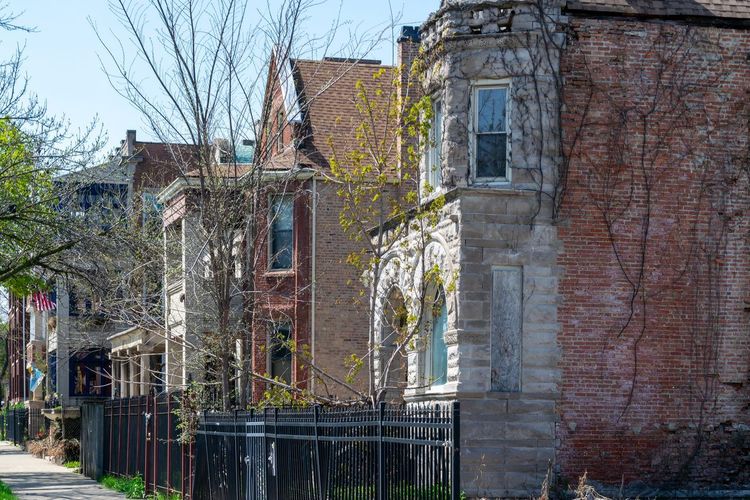
Where you sleep in Chicago shapes the whole trip more than people expect, since the city's best neighborhoods for walking around are not always its best neighborhoods for a quiet night's sleep.
Downtown Options: The Loop, Magnificent Mile, and River North
The Loop puts you inside the sightseeing itself: hotels here mean you can walk to Millennium Park, the Riverwalk, and the Art Institute, but the trade-off is a neighborhood that empties out after office hours and on weekends, so evening options thin out fast.
The Magnificent Mile solves that problem with round-the-clock energy and the highest concentration of hotels in the city, from budget chains to five-star towers, though rooms here carry a price premium and traffic noise is a real factor on lower floors.
River North, just west of Michigan Avenue, splits the difference: still walkable to everything downtown, but with a denser restaurant and nightlife scene than the Mag Mile itself, and generally better value for a similar location. Expect to pay $250 to $450 per night for a solid mid-range hotel in any of these three areas during peak summer months, with rates dropping noticeably in January and February.
Neighborhood Stays: Gold Coast, West Loop, and Wicker Park
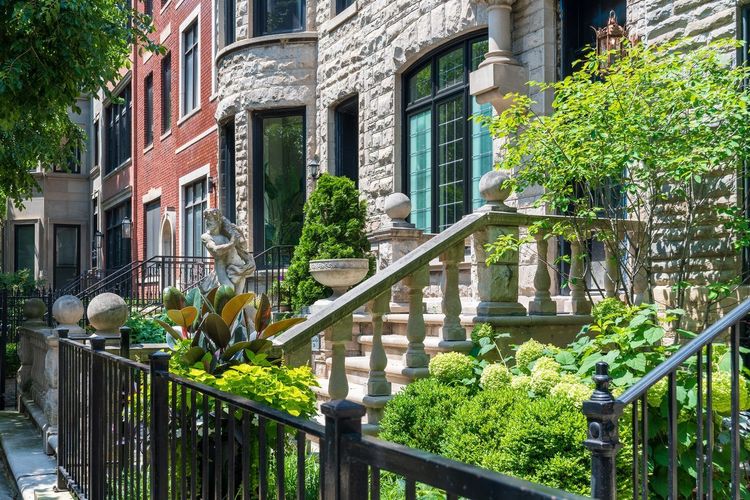
For a quieter, more residential base, the Gold Coast offers tree-lined streets and boutique hotels a short walk from the lake, popular with visitors who want proximity without the Magnificent Mile's foot traffic. The West Loop has become the pick for food-focused travelers, since many of the city's best restaurants sit within a ten-minute walk of most hotels there, though it's a slightly longer ride to the Museum Campus.
Wicker Park and Old Town round out the list for visitors who'd rather stay somewhere with local character than downtown polish; both put you a short ride from the Loop while keeping evenings centered on neighborhood bars and restaurants instead of hotel lobbies. Book any of these neighborhood options at least a month ahead during summer weekends; inventory is smaller than downtown, and the best-located properties sell out first.
Short-term rentals are tightly regulated in Chicago, with registration required and some precincts restricting new listings, so if you're set on that route, check the listing shows a city registration number before booking rather than after you've arrived. As a rough guide, you'll pay a premium for anything directly on Michigan Avenue, a moderate rate a few blocks off it in River North or the West Loop, and the best value once you're willing to take a ten-minute ride from Wicker Park or Logan Square.
Getting Around Chicago
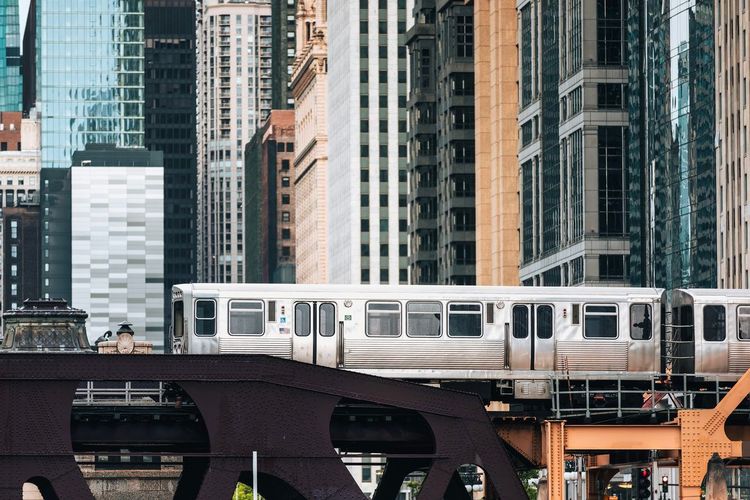
Getting around Chicago is more straightforward than first-time visitors expect, mostly because the city was built on a grid and its train system actually goes where tourists need it to go.
From the Airport to Downtown
Chicago has two airports, and knowing which one you're flying into changes your transit plan. O'Hare International Airport connects to downtown via the Blue Line 'L' train, running 24 hours a day for about $5, with a ride time of 40 to 50 minutes depending on how far downtown you're headed. A taxi or rideshare covers the same distance in 25 to 45 minutes depending on traffic, for roughly $35 to $55.
Midway Airport, used mostly for domestic and budget carriers, connects via the Orange Line, which stops running overnight and takes about 25 to 30 minutes to reach the Loop. If you're landing late at night, confirm your hotel is reachable by rideshare rather than counting on the train still running. For anyone staying downtown, the 'L' is almost always the simplest choice from either airport: it's a single line with no transfers, and the open floor space near the doors makes it manageable even with a full-size suitcase. Rideshare pickups at both airports happen in designated zones rather than at the regular arrivals curb, so budget an extra 10 to 15 minutes for that walk or wait.
The CTA, the 'L,' and Getting Around Like a Local
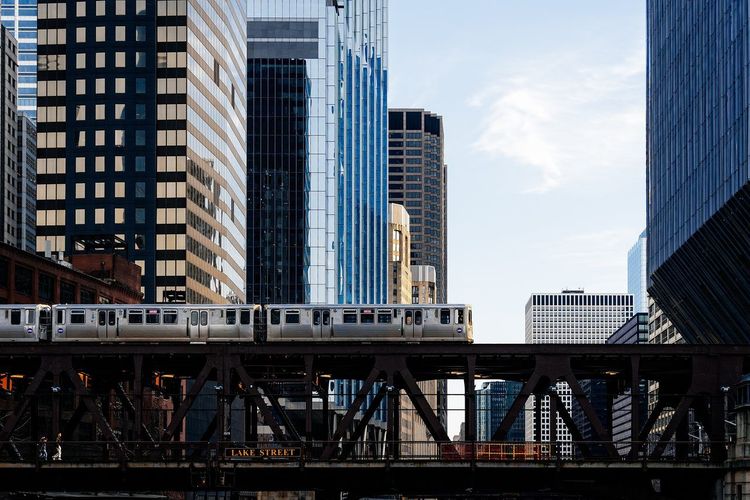
Chicago's transit system, run by the CTA (Chicago Transit Authority), combines the elevated 'L' train, eight color-coded lines, with an extensive bus network, and for most first-time visitors it's genuinely the easiest way to get around, faster than driving and far cheaper than constant rideshares. Since the 2026 fare update, a rail ride costs $2.75 and a bus ride $2.50 when you tap a Ventra card or a contactless bank card. The old 3-day pass has been scrapped: you now choose between a 1-day pass at $6, which pays off after three rides, and a 7-day pass at $25, the better deal for a four-day stay with a lot of hopping around.
A few habits make the system less confusing. Get the gist of the grid system first: Chicago's streets run in a numbered grid radiating from State and Madison downtown, which makes addresses genuinely predictable once you understand the logic. If you're renting a car, download the ParkChicago app before you need it, since street parking rules change by block and time of day, and it's the fastest way to pay without hunting for a meter. Add the Ventra app and a transit planner to your phone too. Whatever combination of trains, buses, and walking you land on, give yourself more time than your maps app suggests, especially transferring between 'L' lines during rush hour.
Best Time to Visit Chicago
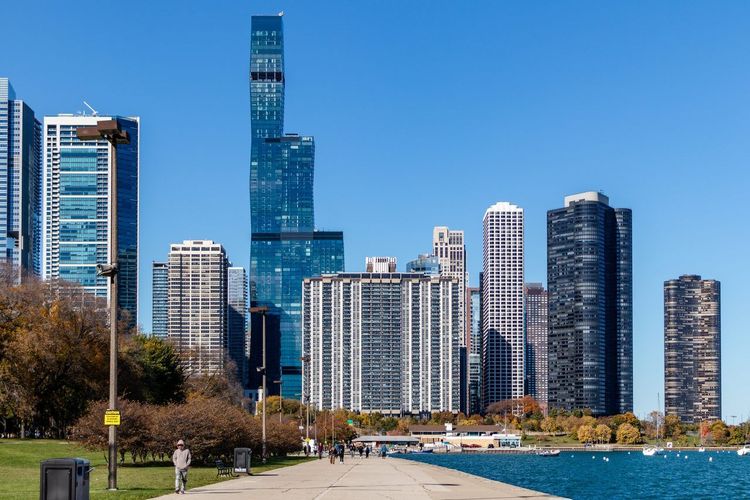
Weather by Season
Chicago runs through genuine extremes, and the season you pick changes the trip more than almost any other decision. Summer, June through August, is when the city performs best: lakefront beaches open, the Riverwalk cafés fill up, and average highs sit in the low-to-mid 80s°F, though humidity and the occasional heat wave make late July uncomfortable some years. Fall, September and October, trades a few degrees of warmth for thinner crowds and some of the best light of the year for skyline photos.
Winter, December through February, is where Chicago earns its cold-weather reputation, with highs frequently sitting in the 20s and 30s°F and a wind chill off the lake that makes it feel worse than the thermometer suggests. Spring, March through May, is the most unpredictable: some weeks feel like winter, others like early summer, and rain is more common than in any other season. One quirk worth knowing: Lake Michigan moderates the immediate shoreline, so downtown and the Museum Campus often run a few degrees cooler in summer and a few degrees warmer in early winter than neighborhoods just a mile inland.
Timing Your Visit Around Events
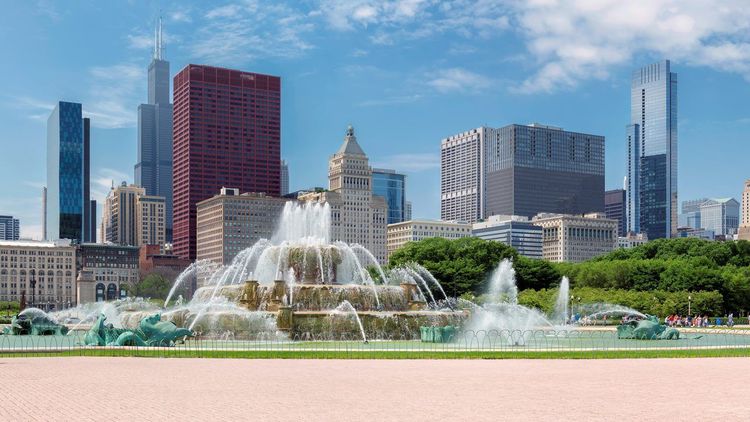
Beyond weather, a few annual events are worth building a trip around, or avoiding, depending on your tolerance for crowds. Lollapalooza fills Grant Park for four days each summer, usually late July or early August, with major hotel price spikes across downtown. Taste of Chicago, the city's free food festival, returned to a July slot in 2026 (July 8 to 12 in Grant Park), so check the dates if food festivals are your thing rather than something to route around. The Chicago Marathon in October closes major streets for most of a Sunday, which is worth checking against your itinerary if you're not there to watch it. If budget matters more than atmosphere, late January through early March offers the lowest hotel rates of the year, in exchange for genuinely cold days outside.
How Many Days Do You Need in Chicago
Three full days covers the essentials comfortably: the downtown icons, one full Museum Campus visit, Navy Pier, and one neighborhood beyond the Loop. That's roughly the plan mapped out in the itinerary section above, condensed by a day if you cut the optional Day Four.
Four days is the sweet spot for a first time in the city, adding room for Oak Park, Hyde Park, or a Cubs game without rushing the rest of the trip. Anything beyond five days starts returning less per day unless you're specifically chasing a deep dive into one neighborhood, a day trip out of the city, or simply want a slower pace with fewer scheduled stops. Two days is workable but tight: expect to choose between the Museum Campus and a neighborhood visit, not both. Business travelers squeezing in sightseeing around a conference should aim for the same three-day core: mornings before meetings for the Loop, one evening for a neighborhood dinner, and Navy Pier or the Museum Campus if a weekend bookends the trip.
Practical Tips for First-Time Visitors
Tipping, Cash, and Budgeting
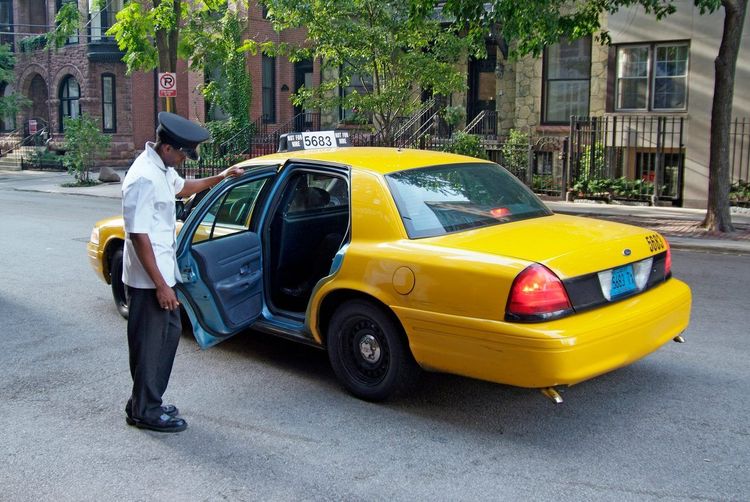
Tipping is standard for many services in Chicago, and the expectations run close to the rest of the US: 18 to 20% at sit-down restaurants, a dollar or two per drink at bars, and $2 to $5 per bag for hotel bellhops. Rideshare apps prompt a tip automatically, and most locals leave 15 to 20% there too. Hotel housekeeping is often skipped by visitors entirely, but $3 to $5 per night left daily, not just at checkout, is standard practice in most US cities, Chicago included.
You might need cash in other situations as well: some smaller food stands, a handful of older bars, and tip jars at counter-service spots still work better with a few small bills on hand, even though most of downtown Chicago runs entirely on cards now. Budget-wise, expect a mid-range dinner for two to run $60 to $100 with drinks, and factor in that deep-dish pizza, while not expensive per person, takes longer to arrive than a typical dinner, so plan your evening around it rather than squeezing it into a tight schedule.
City Passes and Staying Safe
If you're planning to hit three or more paid attractions, the Chicago Pass from Go City or a CityPASS bundle usually pays for itself, bundling entry to the Skydeck, Shedd Aquarium, Field Museum, and several others at a meaningful discount over buying tickets individually. Whichever pass you choose, check the fine print on the Skydeck: some bundles include timed entry, others require a separate reservation even with the pass in hand, and skipping that step is one of the most common frustrations first-time visitors report.
On safety, Chicago's tourist core, the Loop, Michigan Avenue, River North, and the areas covered in this guide, is well-patrolled and sees millions of visitors a year without incident. As with any major city, stay alert with your phone and bag in crowded areas like Navy Pier or the Riverwalk, and if you're venturing into neighborhoods beyond this guide late at night, a quick check of the area beforehand takes thirty seconds and beats guessing. Downloading offline maps before you land is another small habit that saves real frustration if your phone signal drops underground on the 'L.'
FAQ
What is the #1 tourist attraction in Chicago?
By raw visitor numbers, that title usually goes to Navy Pier, often cited as the most visited attraction in Illinois. That said, ask locals and most will point to Cloud Gate, the mirrored sculpture in Millennium Park known as The Bean, since it's the single most photographed spot in the city and the image most people already associate with Chicago before they've even booked a flight.
Where should first-time visitors avoid in Chicago?
Everything covered in this guide, downtown, the Museum Campus, Lincoln Park, Wicker Park, Logan Square, and the West Loop, is well within the areas millions of tourists visit safely every year. As with any major US city, it's worth avoiding isolated blocks late at night unless you have a specific, well-researched reason to be there; those areas rarely factor into a typical first-time itinerary anyway.
How many days do you need to see Chicago?
Three full days covers the essentials comfortably: the downtown icons, one Museum Campus visit, Navy Pier, and a neighborhood beyond the Loop. Four days is the sweet spot for a more relaxed first visit, adding room for a day trip to Oak Park or Hyde Park without rushing through the rest of the itinerary.
What is the best time of year to visit Chicago?
Late May through September brings the warmest weather, open lakefront beaches, and the fullest calendar of outdoor festivals, though it's also the most crowded and most expensive stretch for hotels. September and early October offer a strong compromise: milder crowds, comfortable temperatures, and some of the best skyline light of the year for photos.
Is Chicago walkable for tourists?
Downtown Chicago is highly walkable: the Loop, the Riverwalk, and the Magnificent Mile all connect on foot within about twenty minutes of each other. Reaching neighborhoods further out, like Wicker Park, Logan Square, or Hyde Park, is faster and more comfortable by train or rideshare, especially in winter.
How do you get from O'Hare Airport to downtown Chicago?
The Blue Line 'L' train runs 24 hours a day between O'Hare and downtown for about $5, with a ride time of roughly 40 to 50 minutes depending on your final stop. A taxi or rideshare covers the same distance faster in light traffic, generally 25 to 45 minutes, but costs considerably more, typically $35 to $55.
Do you need a car in Chicago?
No, and most visitors are better off without one. Between the CTA's trains and buses, a highly walkable downtown, and rideshare apps for everything else, a car in Chicago is more of a liability than a convenience, especially once you factor in parking costs and rush-hour traffic on the expressways.
Conclusion
Chicago rewards first-time visitors who resist the urge to cram every landmark into a single afternoon. Give the Loop its own unhurried morning, let the lakefront slow you down for an hour, and leave at least one evening open for whichever neighborhood pulled at you while reading this guide; that's usually where the trip actually turns memorable.
Once your hotel is booked and your days are roughly mapped out, Ryo's Chicago audio tour is worth pulling up on your phone before you set out each morning: it fills in the history and stories behind the landmarks above without pulling you away from actually looking at them.