
Walk
When the Minotaur meets the Venetians
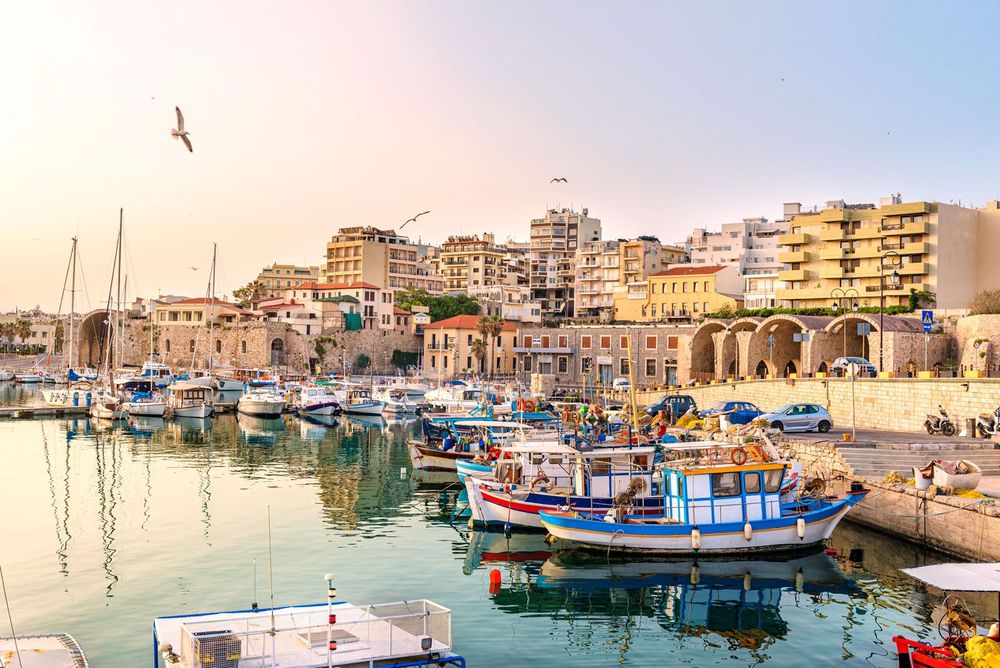
Iraklio, Grèce
Walk
When the Minotaur meets the Venetians
Iraklio, Grèce
Distance
4.2 kmDurée
1h50Audios
19Parcours
Loop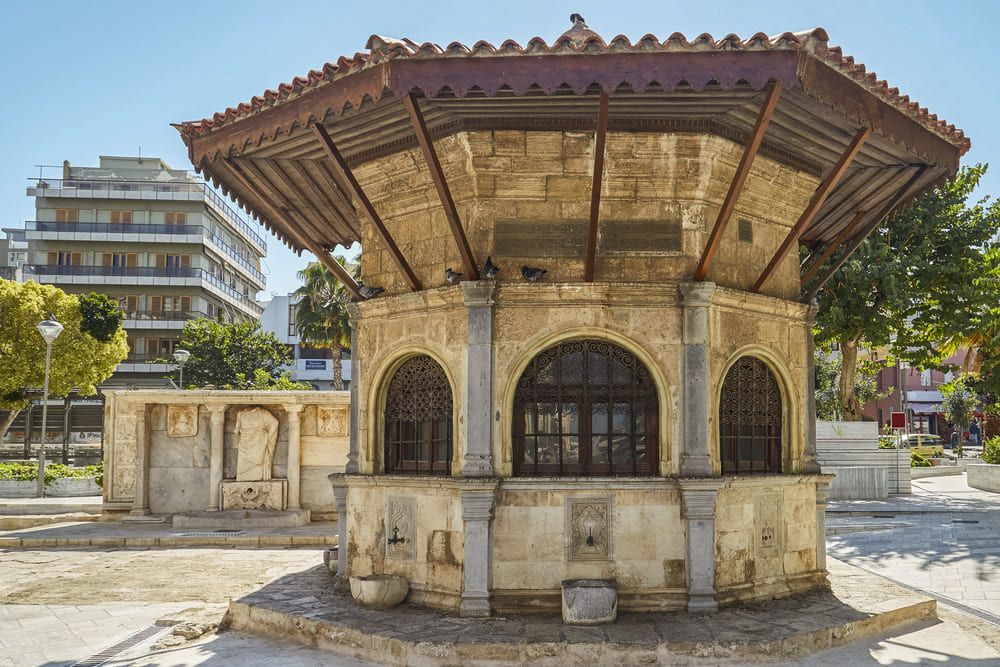
Shutterstock
To really understand Heraklion today, you have to go back to a decisive turning point in the city’s history: the 17th century, when Venetian rule gave way to Ottoman control. At the time, the city was still known as Candia and held enormous strategic importance in the eastern Mediterranean. The Ottoman conquest of Crete began in 1645, but Candia resisted far longer than the rest of the island. The defining moment came with the Siege of Candia, which began in 1648 and lasted for more than twenty years — one of the longest sieges in recorded history. For decades, life in the city unfolded amid bombardments, assaults, and constant attempts to break through the walls. The Ottomans cut off water supplies, relied heavily on artillery, and dug underground tunnels to weaken the fortifications. Yet Candia continued to resist, protected by its formidable Venetian defences and supplied by sea. Only in the 1660s did the pressure finally become overwhelming. Ottoman attacks increasingly targeted the weakest points of the walls, while reinforcements arriving from Europe were no longer enough. In September 1669, Francesco Morosini signed the capitulation. The Venetians surrendered Candia to the Ottomans, though they secured the right for the inhabitants to leave the city with their belongings, weapons, and archives. When Ottoman troops entered the city in October 1669, much of Candia lay in ruins and large parts of the population had already gone. The conquest transformed the city profoundly. Heraklion became known as Kandiye, or Kastro, and developed into an Ottoman administrative centre. Many churches were converted into mosques, damaged buildings were repaired or adapted, and new infrastructure — including public fountains — was introduced to meet the needs of the population. Right here, you can see two monuments that tell this story side by side. The Bembo Fountain, built in the 16th century during the Venetian period, was one of the city’s earliest running-water systems, an essential feature in a fortified city like Candia. It’s easy to recognise thanks to its headless statue. Beside it stands the Ottoman sebil, representing a very different approach: a public fountain designed to distribute water freely as an act of charity. Its founder even requested that snow from nearby Mount Psiloritis be brought here in summer to provide cool water for the inhabitants — a remarkable luxury at the time. Together, these two monuments offer a vivid illustration of the city’s transition from Venetian urban organisation to Ottoman culture.
Aucun avis pour le moment