© Shutterstock
 Votre guide Ryo
Santiago for First-Time Visitors: The Complete 2026 City Guide
Santiago for first-time visitors rarely gets the reputation it deserves: most itineraries treat it as a 24-hour stopover before Patagonia or the Atacama, a place to sleep off jet lag before the trip actually starts. That undersells a city where you can stand in a colonial plaza founded in 1541, ride a funicular to a hillside shrine with condors circling overhead, and be drinking a glass of Carmenere in a wine bar by sundown, all within a short ride of each other. Ryo's audio-guided tour of Santiago threads these contrasts into one walkable loop that passes through the Plaza de Armas, narrating the city's layered history stop by stop.
This guide covers the landmarks clustered around the historic center, the neighborhoods where Santiago actually lives (Lastarria, Barrio Italia, Bellavista, Providencia), the hilltop viewpoints that frame the Andes on a clear day, and the markets and side streets most tourists walk straight past. You'll also find a suggested 1-day and 3-day itinerary, a breakdown of the metro and rideshare options, honest safety context for a first visit, and the Chilean dishes worth seeking out before you leave.
Why Santiago Deserves More Than a Layover
Santiago sits in a valley between the Andes and the Chilean Coast Range, which is part of why it surprises people: on a clear winter morning you can see snow-capped peaks from a downtown office tower, then drive ninety minutes and be skiing. The city does not try to look like Buenos Aires or Lima. It is low, grid-planned, oddly green given the latitude, and built around plazas rather than boulevards. First-time visitors who budget only a night here usually regret it once they realize the historic center, the best viewpoints and a respectable wine bar scene all sit within a twenty-minute taxi ride of each other. Two or three days is enough to understand why locals rarely leave for long.
Getting to Know Santiago's Neighborhoods
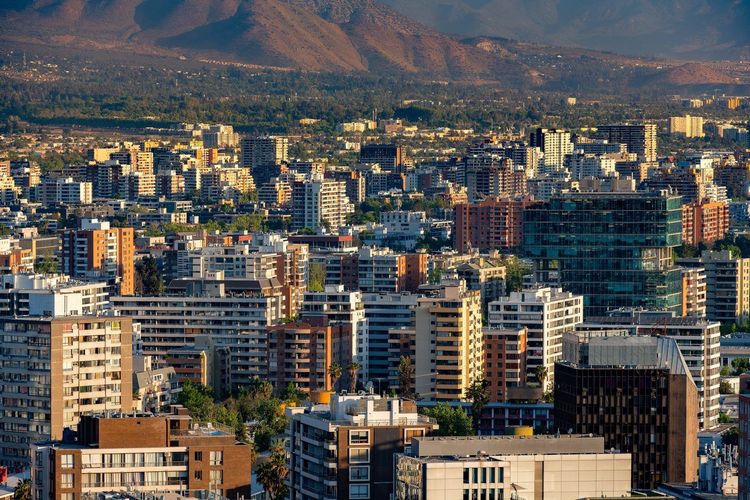
Before diving into any single landmark, it helps to have a mental map of how Santiago's neighborhoods fit together. The city reads less like one single downtown and more like a string of distinct barrios, each with its own pace, strung along the Mapocho River and the metro's Linea 1. Visitors who only see the historic center often leave thinking Santiago is purely administrative; the barrios are where the city's actual personality shows up.
Lastarria and the Historic Center
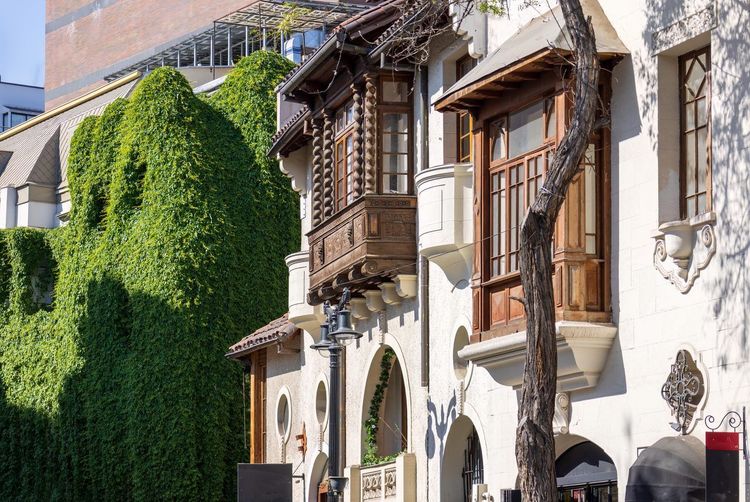
Barrio Lastarria sits directly behind the Cerro Santa Lucia hill, a dense few blocks of early-20th-century buildings now packed with independent bookshops, art-house cinemas and wine bars. Locals sometimes just call the civic cluster around Plaza de Armas and La Moneda El Centro, and Lastarria functions as the hinge between that administrative core and the more residential neighborhoods further east, which makes it a natural base if you're staying only a few nights. Weekend mornings bring a small antiques and crafts market to Plaza Mulato Gil de Castro, tucked inside Lastarria's core, and the metro's Universidad Catolica station drops you right at its edge.
Barrio Italia and Bellavista
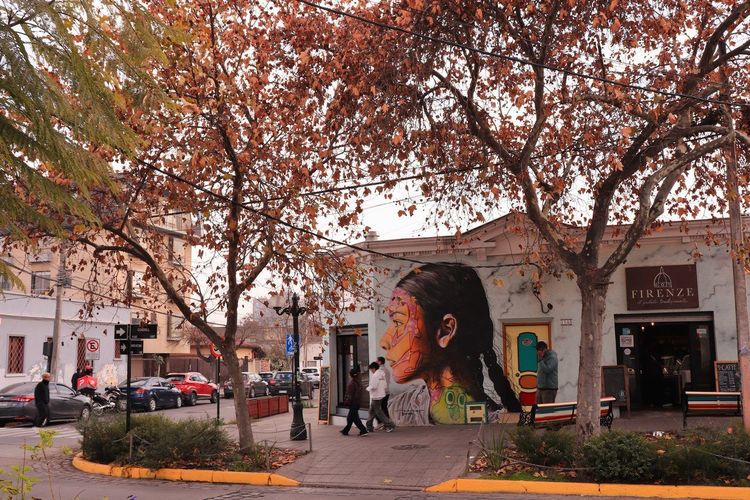
Barrio Italia, a twenty-minute walk or short metro ride from Lastarria, built its identity on furniture workshops and mechanics' garages that have slowly been replaced by design studios, vintage clothing stores and small plant-filled cafes, without losing the slightly unpolished feel that sets it apart from Lastarria. Across the river, Bellavista is Santiago's bohemian quarter: brightly painted houses, the city's best-known cluster of bars and clubs, and Pablo Neruda's Santiago home, La Chascona (Fernando Marquez de la Plata 0192, Providencia, Santiago, rated 4.6/5 on Google (5 418 avis)), hidden down a cul-de-sac at the foot of Cerro San Cristobal.
If you'd rather not plan the walking order yourself, Ryo's Between Ocean and Andes audio guide links the historic center, Lastarria, Parque Forestal and Bellavista in a single 8 km loop of 27 audio stops, so you can cross the river to La Chascona without doubling back. Barrio Italia sits outside that loop, which makes it an easy add-on for a separate afternoon.
Providencia, Las Condes and Vitacura
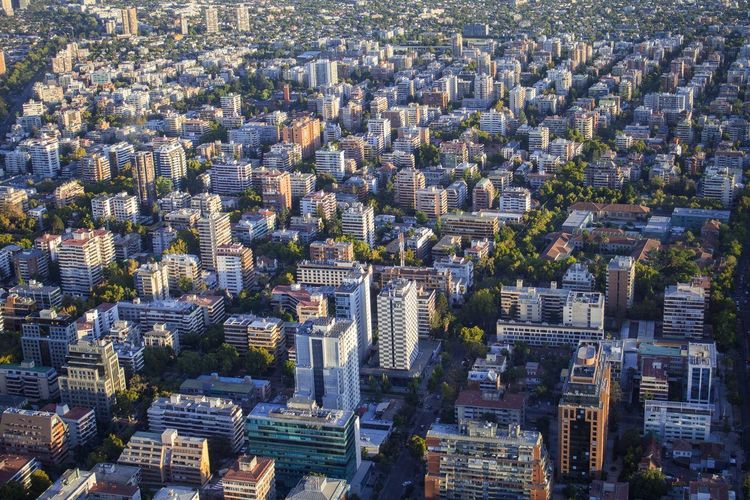
Head further east and the city changes register again. Providencia is leafy and residential, with Parque Bustamante and a solid run of mid-range restaurants. Las Condes and Vitacura, further still, feel closer to a North American suburb, all glass office towers, shopping malls and the kind of security presence that comes with being Santiago's wealthiest comunas. Few first-time visitors need more than an afternoon out here, usually to see Sky Costanera or to eat at one of Vitacura's higher-end restaurants, but it's worth understanding the gradient: the farther east you go from the Plaza de Armas, the newer and more affluent Santiago gets.
Plaza de Armas and the Historic Center's Landmarks
Santiago's founding core sits within a ten-minute walk of itself, which is part of why it rewards a slow morning rather than a rushed photo stop. Four landmarks anchor it, and they cluster naturally into two short walks: the plaza and its cathedral, then the government quarter a few blocks south, with the city's two major history museums bookending both.
Plaza de Armas and the Metropolitan Cathedral
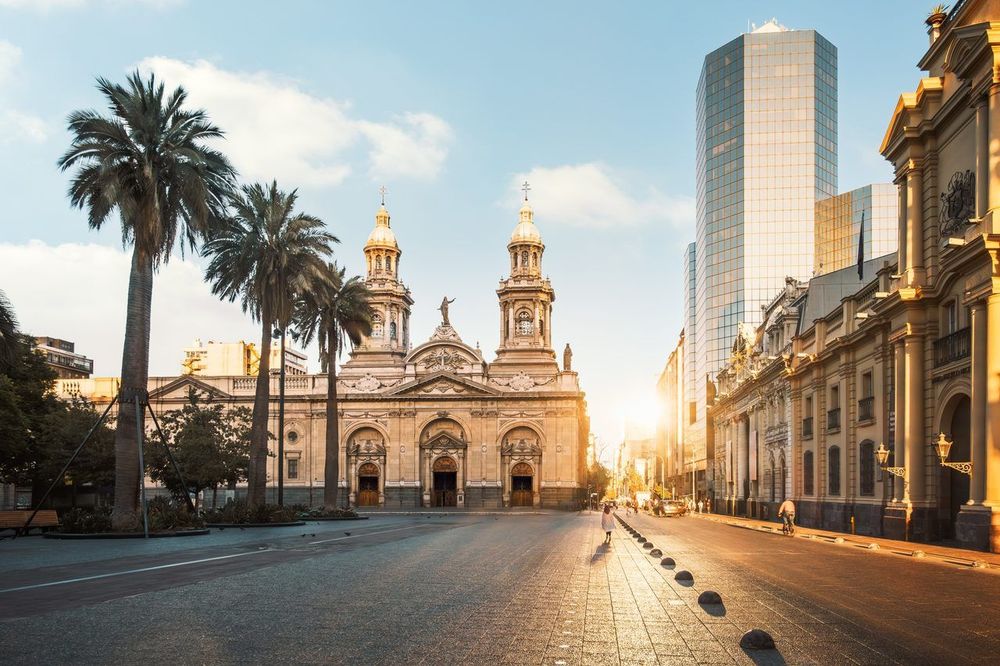
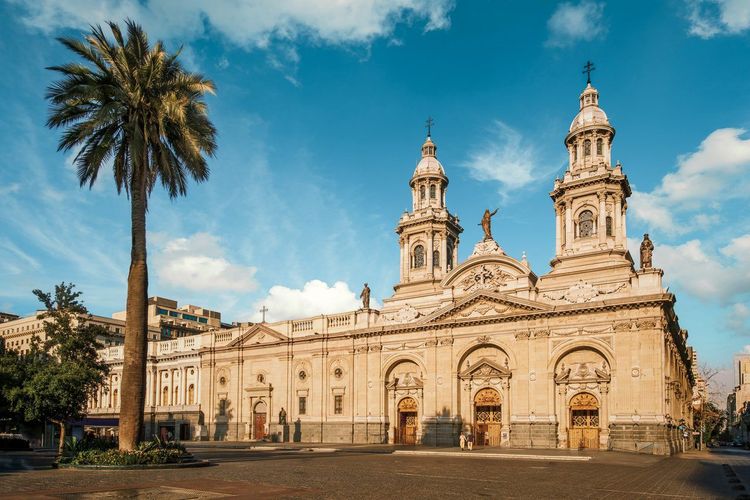
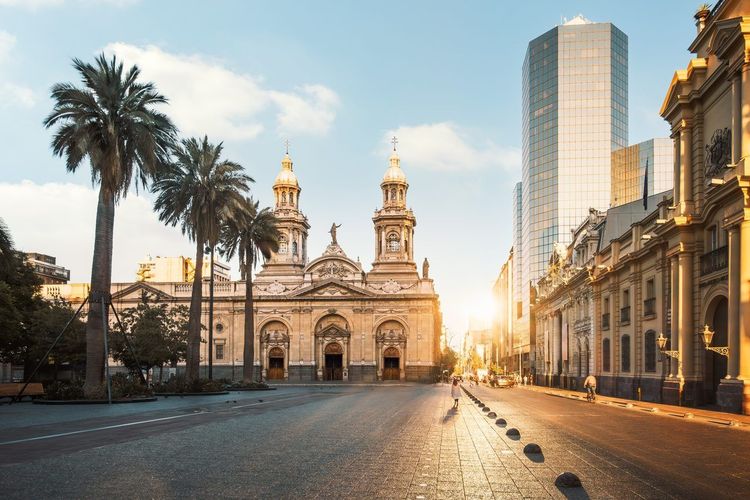
Founded in 1541 by Pedro de Valdivia, Plaza de Armas) is still Santiago's geographic and symbolic center: chess players under the fig trees, street performers, and shoeshine stands that have operated for generations, with the kind of unhurried crowd you rarely see elsewhere downtown. On its northern side, the Metropolitan Cathedral of Santiago) dates largely from the late 18th century, rebuilt several times after earthquakes, with a neoclassical facade and a dim, incense-heavy interior that feels older than the city around it. Give the plaza at least twenty minutes before moving on; it's one of the few spots downtown where locals linger rather than pass through. Ryo's audio guide counts both the cathedral and La Moneda among its 27 stops, a useful way to absorb the layering without reading museum plaques the whole way.
Palacio de La Moneda and the civic quarter
A fifteen-minute walk southwest brings you to Palacio de La Moneda), Chile's presidential palace and still an active seat of government, which means you'll pass armed guards and occasional closures rather than a straightforward museum visit. Completed in 1805 as a colonial mint, hence the name, it was badly damaged during the 1973 coup and has since been restored to its original neoclassical form. The changing of the guard happens every other day around mid-morning; check locally before planning around it, since the schedule shifts. A few blocks east on the Alameda, the Centro Cultural Gabriela Mistral (Av. Libertador Bernardo O'Higgins 227, Santiago, Chile, rated 4.6/5 on Google (25 381 avis)) (GAM), a brutalist convention-center-turned-arts-complex built for a 1972 summit and later used as military headquarters after the coup, hosts theatre, dance and temporary exhibitions if you want a modern counterpoint to the colonial sites nearby.
Museo Nacional de Bellas Artes and Museo Historico Nacional
Santiago's two flagship museums sit at opposite ends of the historic center, but check their status before you build a morning around them. The Museo Nacional de Bellas Artes), housed in a Beaux-Arts building inside Parque Forestal, holds the country's main collection of Chilean and European painting and sculpture under a glass-domed atrium that's worth the visit on its own, and entry is free.
The Museo Historico Nacional is a different story in 2026. Housed in the former Real Audiencia palace (1808) on the north side of the Plaza de Armas, it closed on 2 August 2026 for an expansion and restoration expected to last around three years, so you'll only see its neoclassical facade from the plaza. For the pre-Columbian chapter of Chile's story, the Museo Chileno de Arte Precolombino, a block from the plaza, is the obvious substitute; for the Pinochet era, the free Museo de la Memoria y los Derechos Humanos near Quinta Normal metro gives you the context that comes up everywhere else in the city. Short on time? Bellas Artes is the better standalone visit; the Memoria museum does more to explain modern Chile.
Santiago's Best Viewpoints: Cerro San Cristobal and Beyond
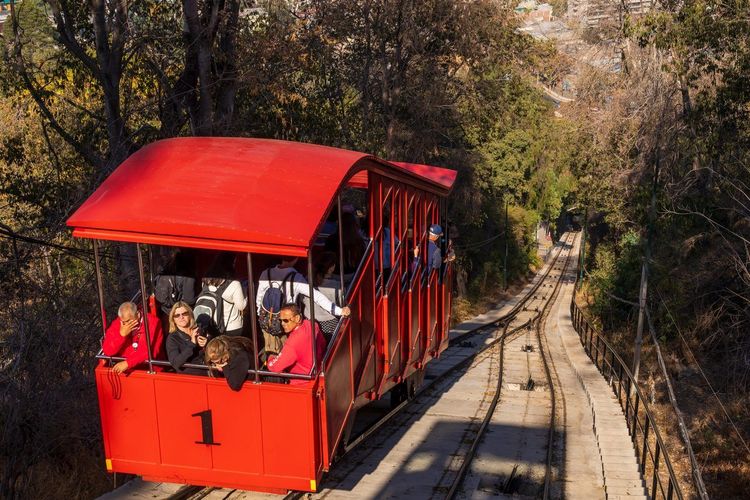
Santiago's flat grid makes its hills and towers the obvious place to get oriented, and the city has three very different options depending on how much time, money or climbing you want to put in.
Cerro San Cristobal and Parque Metropolitano
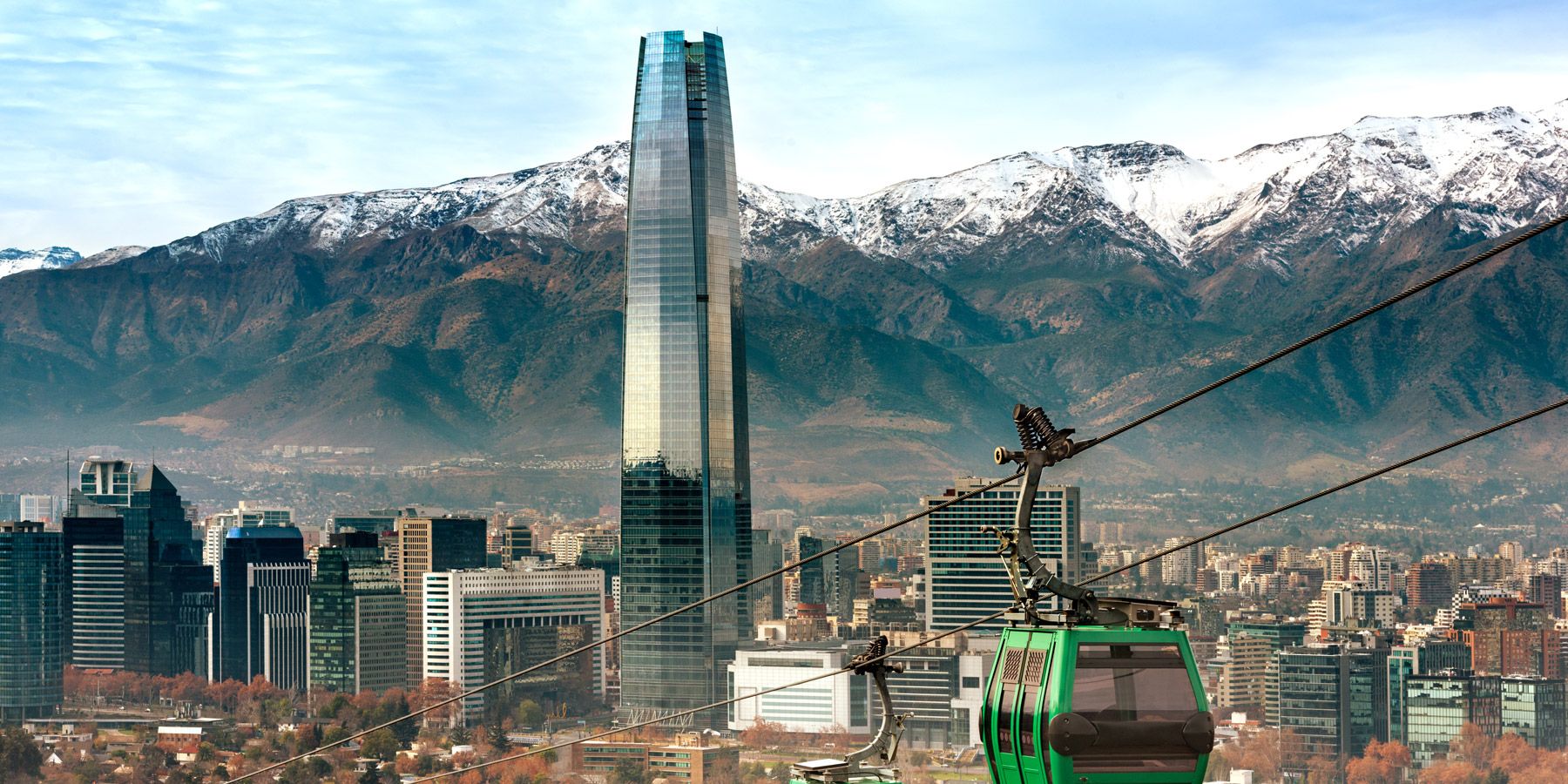
Cerro San Cristobal) rises nearly 300 meters above the city and anchors Parque Metropolitano, Santiago's largest green space and, on a clear day, the best vantage point for the Andes. A funicular has climbed the hill since 1925, and a cable car connects the summit to Bellavista on the other side, so you can go up one way and down the other without retracing your steps. At the top, a 22-meter statue of the Virgin Mary (pedestal included), visible from much of the city at night, shares the summit with a small chapel and a terrace cafe; further down the slope sit Santiago's zoo and botanical garden. Arrive early. Clear-sky mornings before the afternoon haze sets in give you the Andes view the hill is known for; by late afternoon on a hot day, smog can flatten the whole panorama.
Sky Costanera and Gran Torre Santiago
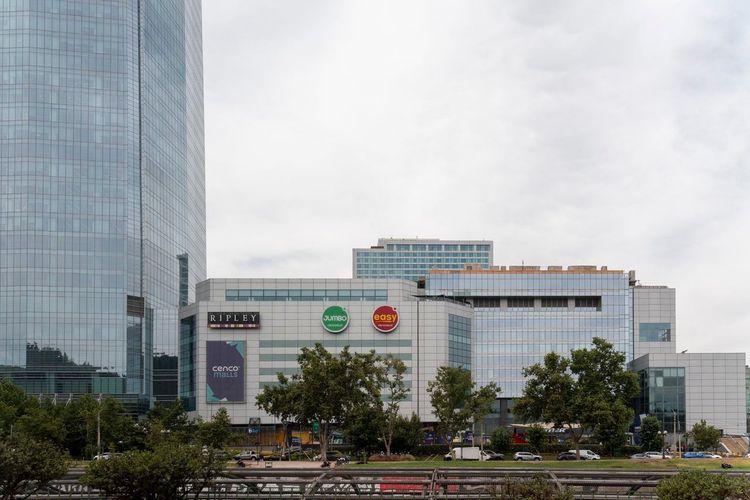
If Cerro San Cristobal is the natural viewpoint, Sky Costanera) is its modern counterpart: an observation deck near the top of Gran Torre Santiago, the tallest building in South America at just over 300 meters, attached to the Costanera Center mall in Providencia. The deck wraps the building's upper floors in floor-to-ceiling glass, and on a clear evening it's one of the few spots that shows both the Andes and the coastal range in the same frame, with the Mapocho River cutting between them. It's pricier than the hill, with timed paid-entry tickets, but faster: about fifteen minutes door to view, which makes it a reasonable option if you're short on time or visiting after dark, once San Cristobal's cable car has stopped running.
Cerro Santa Lucia
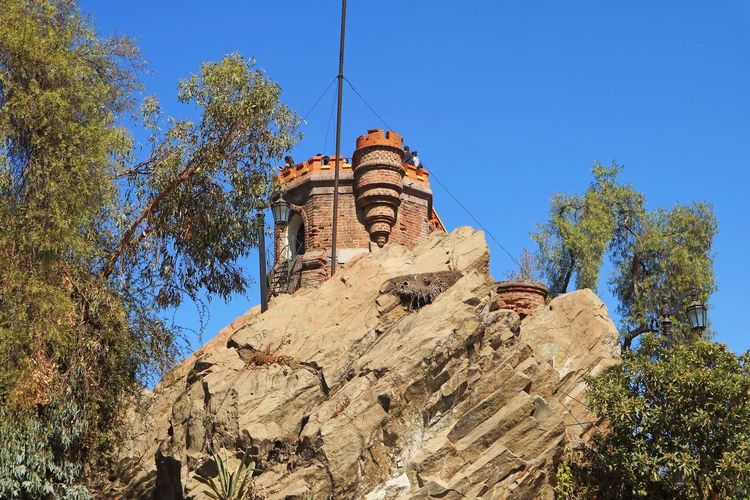
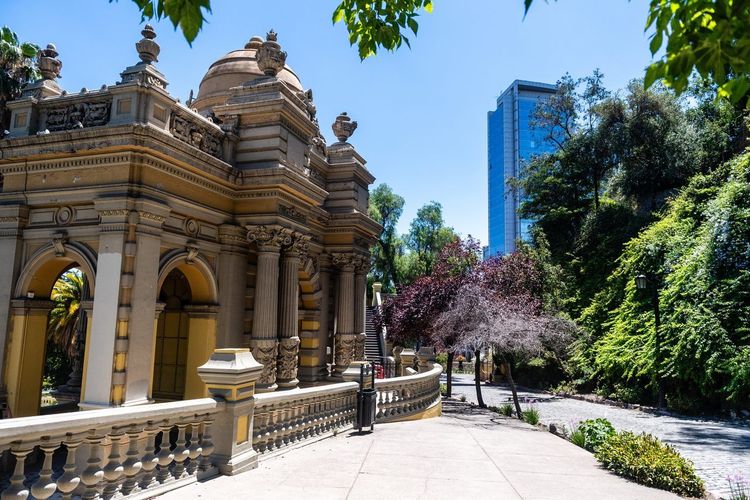
The smallest of the three, Cerro Santa Lucia (Santiago, Chile, rated 4.6/5 on Google (3 791 avis)), sits right in the historic center within walking distance of Lastarria and Plaza de Armas. Landscaped in the 1870s by then-mayor Benjamin Vicuna Mackenna from what had been a barren rock outcrop, it's now a compact terraced park of stone stairways, fountains and a small castle-like lookout at the summit, climbable in under thirty minutes round trip. It won't give you the same Andes panorama as San Cristobal, but it's free, central, and the easiest of the three to fit into a single morning alongside the cathedral and La Moneda. Santa Lucia, with its Hidalgo Castle and Neptune Terrace, and San Cristobal are both stops on Ryo's 3h15 audio loop, handy if you'd rather hear how a barren rock became a Belle Epoque park than read it off a plaque.
Barrio Lastarria and Barrio Italia: Where Santiago Eats, Drinks and Shops
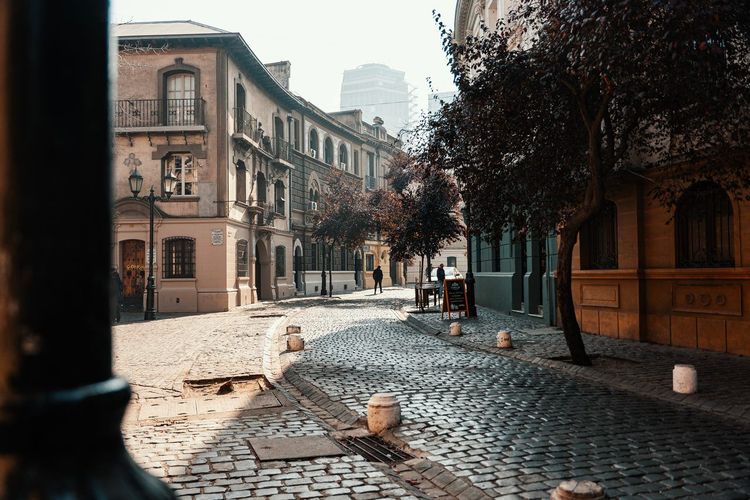
The neighborhoods covered briefly above deserve a second, more practical pass, because this is where most first-time visitors end up spending their evenings.
Wine bars and restaurants around Lastarria
Lastarria's Jose Victorino Lastarria street and the small plazas branching off it hold one of Santiago's densest concentrations of wine bars, and Bocanariz (Jose Victorino Lastarria 276, Santiago, Chile, rated 4.6/5 on Google (5 672 avis)) is the one most first-time visitors end up at, deliberately or not: a tasting-flight format built around Chile's different wine valleys (Casablanca, Maipo, Colchagua, Elqui) rather than a single producer, with staff who will talk you through what you're drinking if you ask. It gets busy after 8pm, so an early dinner reservation or a late-afternoon tasting avoids the wait. If Chilean wine is new to you, ask for a flight that crosses two or three valleys: it's the quickest way to taste why a Casablanca white has nothing in common with a Maipo red. The surrounding blocks mix in design shops, a handful of art-house cinemas and the weekend crafts market on Plaza Mulato Gil de Castro.
Barrio Italia's boutiques, antiques and cafes
A short metro ride or a twenty-minute walk from Lastarria, Barrio Italia trades wine bars for furniture restorers, antique dealers and vintage clothing racks spilling out of converted mechanics' workshops along Avenida Italia and the side streets around it. Saturdays bring out the neighborhood's small producers' and crafts market, and the cafes here lean toward specialty coffee and brunch rather than the wine-and-tapas format of Lastarria, which makes the two neighborhoods a natural pairing: Barrio Italia in the afternoon for shopping and coffee, Lastarria in the evening for dinner and a glass of something from the Casablanca Valley. Budget a loose two to three hours for Barrio Italia if browsing interests you; it rewards wandering into side streets more than it rewards a fixed checklist of shops.
Markets, Street Art and Hidden Corners Locals Love
A few spots rarely make it onto a first pass through Santiago, even though locals mention them more often than the landmarks above.
La Vega Central Market and the Mercado Central
On the north bank of the Mapocho, across from the historic center, La Vega Central) is Santiago's main produce market: stall after stall of fruit, vegetables, cheese and prepared food, loud and crowded in the best way, and considerably cheaper and more local than anything downtown. A few blocks away, the Mercado Central (Ismael Valdes Vergara 900, Santiago, Chile, rated 4.2/5 on Google (50 877 avis)) is the tourist-facing counterpart, a 19th-century wrought-iron market hall inaugurated in 1872, now mostly given over to seafood restaurants serving congrio, razor clams and the catch of the day under a cavernous roof. Go to La Vega for the experience of a working market; go to the Mercado Central for lunch, ideally before 1pm, before the lunch rush and the hawkers in front of each restaurant reach full volume.
Street art, La Chascona and Bellavista's bohemian streets
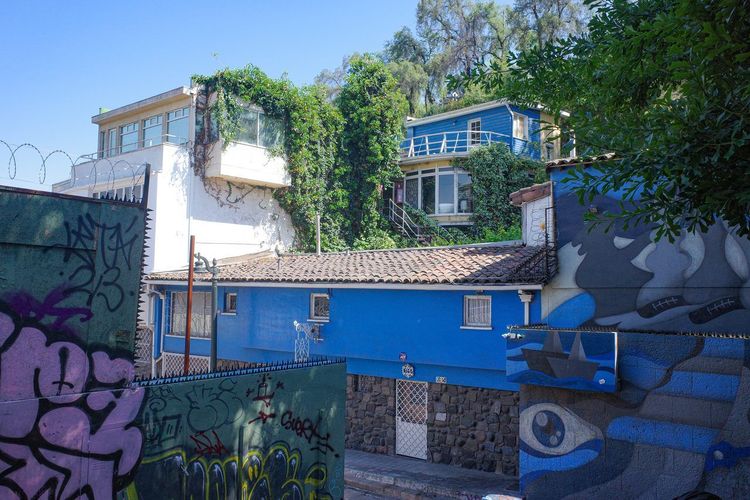
Bellavista's reputation as Santiago's bohemian quarter rests partly on its murals: entire building facades painted over, repainted, and painted again, concentrated along Calle Pio Nono and the smaller streets branching off it. At the quarter's edge, La Chascona was Pablo Neruda's Santiago home, built in the 1950s around his relationship with Matilde Urrutia, a nod to her hair in the name's rough translation. The house is now a museum run by the Neruda Foundation, full of the collected objects and oddities the poet accumulated, and it's a quieter, more personal counterpoint to the street murals a few blocks away.
Flea markets and off-the-radar viewpoints
Two spots locals mention more than guidebooks do. Persa Bio Bio, open weekends only, is one of the largest flea markets in South America, sprawling across several city blocks with everything from genuine antiques to straightforward junk; it rewards patience and a willingness to haggle rather than a shopping list. As for the Telefonica building viewpoint some blogs rave about, manage your expectations: Santiago's telecom towers, Torre Entel beside La Moneda and the cellphone-shaped Torre Telefonica at Plaza Italia, are skyline landmarks rather than everyday lookouts, and their upper floors open to the public only occasionally, typically during the Dia del Patrimonio heritage weekend in May. For a free, crowd-light view on any other day, you'll do better walking up Cerro San Cristobal's footpaths from Pio Nono early in the morning. The Cementerio General, Santiago's main cemetery since 1821, is a stranger addition to a sightseeing list, but its mausoleums for former presidents and a section dedicated to victims of the Pinochet era make it one of the more unvarnished ways to understand 20th-century Chile.
Day Trips from Santiago: the Andes, Vineyards and the Coast
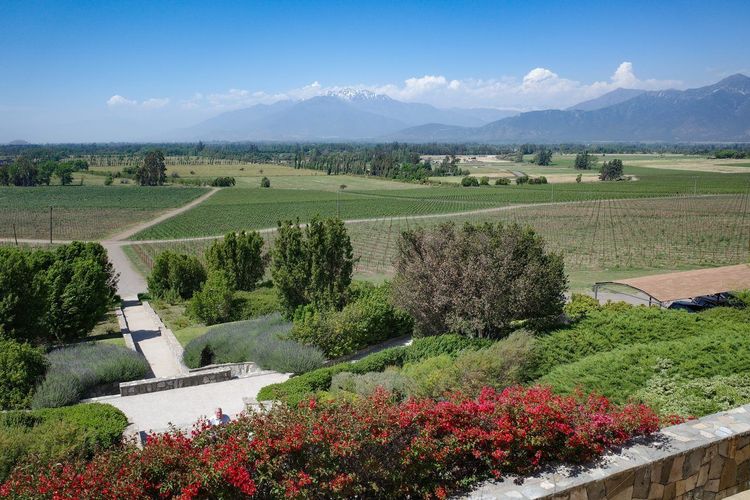
Santiago's location does a lot of the planning for you: mountains, wine country and the ocean are each within a half-day's reach, which is unusual for a capital city this size.
Cajon del Maipo and the Andes
An hour east of the city, the Cajon del Maipo) canyon is where Santiago residents go to remember they live next to a mountain range, not just within sight of one. The town of San Jose de Maipo makes a reasonable base for day hikers, with trails ranging from an easy walk to the Embalse El Yeso reservoir's turquoise water to a harder push toward El Morado glacier and its namesake national monument. In winter, a separate mountain road climbing from Las Condes through Farellones leads to Valle Nevado, La Parva and El Colorado, three ski resorts within roughly ninety minutes of downtown Santiago, a combination of capital city and ski access that few other South American capitals can match.
Casablanca and Maipo Valley wineries
Chile's wine country starts closer to Santiago than most first-time visitors expect. The Maipo Valley, immediately south of the city, is Cabernet Sauvignon country and home to some of Chile's oldest producers, several offering tours and tastings within a 45-minute drive. The Casablanca Valley, roughly an hour toward the coast, runs cooler and leans into Sauvignon Blanc, Chardonnay and Pinot Noir, and works well as a stop on the way to or from Valparaiso (Chile, rated 4.5/5 on Google (90K reviews)) if you don't want to dedicate a full separate day to it. Either valley makes a reasonable half-day trip with a driver or tour; book ahead on weekends, when the better-known wineries fill their tasting slots first.
Valparaiso and the coast
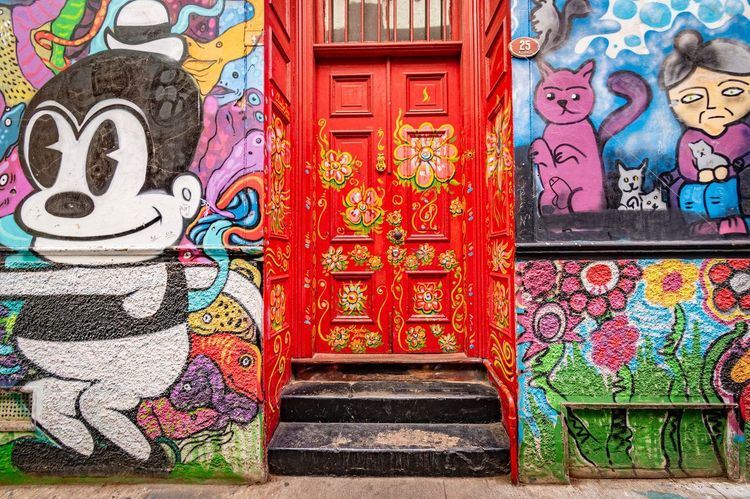
For a full day away from Santiago, most first-time visitors head toward the coast. Valparaiso, a UNESCO-listed port city of hillside funiculars and dense street art, sits about ninety minutes away by bus or car, often paired with the more polished beach resort town of Vina del Mar next door. It's a long day trip, realistically ten to twelve hours round trip once you factor in time to actually climb Valparaiso's hills, so an early departure matters more here than for the closer vineyard trips. If your schedule allows for an overnight, splitting it across two days removes the rush and lets you see Valparaiso's murals in better evening light.
A Suggested First-Time Itinerary: How Many Days You Need
With the sights above in mind, here's how they fit into an actual schedule. Most first-time visitors ask the same question: how many days does Santiago actually need? The honest answer is that one full day covers the essentials, while three days let you add the neighborhoods, a day trip and some slack for rain or sore feet.
If you only have 1 day
Start early at Plaza de Armas and the cathedral, then walk the fifteen minutes to Palacio de La Moneda, fitting in Bellas Artes or the Precolombino museum depending on which period interests you more (the Museo Historico Nacional is closed for works until roughly 2029). Walk or taxi to Cerro Santa Lucia for a mid-morning climb, then continue into Lastarria for lunch. Early afternoon, head to Cerro San Cristobal, funicular up, cable car down toward Bellavista, while the sky is still clear, then finish the day in Bellavista or back in Lastarria for dinner and a glass of wine. It's a full day on foot and metro, with one taxi or rideshare leg to save time between San Cristobal and the historic center.
If you have 3 days
Keep day one as above, then use day two for the market side of the city: La Vega Central in the morning, Mercado Central for lunch, Barrio Italia in the afternoon, Bellavista in the evening for La Chascona and the street art. Day three is for a day trip: Cajon del Maipo if you want mountains, Casablanca or Maipo Valley if wine interests you more, or Valparaiso if you'd rather spend the day on the coast and don't mind a longer round trip. If it's rainy, swap outdoor time for the two museums and Sky Costanera, both fully indoors. If you don't want a full day trip, Persa Bio Bio on a Saturday or Sunday morning and the Cementerio General fill a lighter third day without leaving the city.
Getting Around Santiago
Santiago's distances are bigger than they look on a map, which makes understanding your transit options worth doing before you land rather than after.
The Santiago Metro and buses
The Santiago Metro is clean, fast and the easiest way to cover the distances between neighborhoods described above; Linea 1 alone connects Las Condes, Providencia, Bellavista (Baquedano station), Lastarria (Universidad Catolica station) and the historic center on a single line. A rechargeable bip! card covers both the metro and the integrated bus network, sold at metro stations and many kiosks; fares are flat regardless of distance but vary by time of day. Avoid the metro during weekday rush hours if you're carrying luggage: cars get genuinely packed between roughly 7-9am and 6-8pm.
Uber, Cabify and airport transfers
Uber and Cabify both operate openly in Santiago, cheaper and generally more straightforward than hailing a street taxi, and they're the easiest option late at night or with luggage. Airport transfers from Arturo Merino Benitez International Airport into the center take roughly 25-40 minutes depending on traffic; shared shuttle vans run continuously and cost less than a private transfer, while rideshares work fine for the same route if you'd rather not wait for a van to fill up. Agree on, or confirm, the fare before getting into any unmetered street taxi at the airport.
Walking and cycling
The historic center, Lastarria, Bellavista and Barrio Italia are all walkable relative to each other once you're inside them, even if the distances between neighborhoods favor the metro. Santiago has also expanded its bike lane network considerably over the past decade, and bike-share docks are common enough in Providencia and the historic center to make cycling a realistic way to cover ground on a flat, mostly dry day, smog permitting.
Where to Stay in Santiago
Lastarria or Providencia: choosing your base
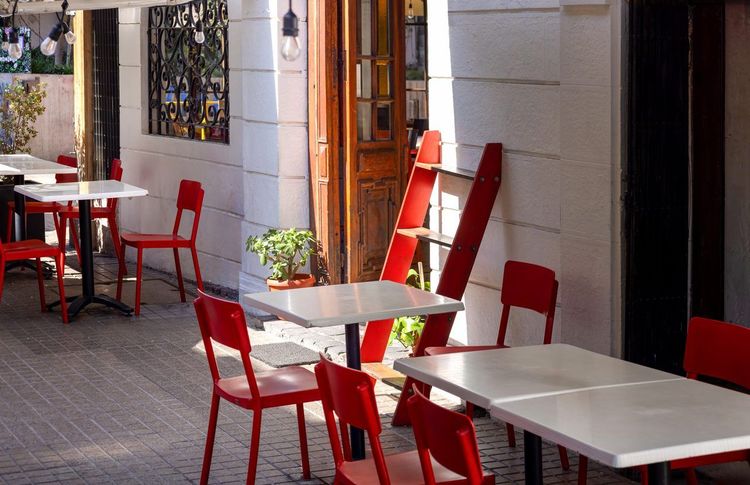
For first-time visitors, the neighborhood matters more than the hotel itself. Lastarria puts you within walking distance of Plaza de Armas, Cerro Santa Lucia and the city's best concentration of wine bars and restaurants, which makes it the obvious base if you're only in Santiago for a night or two and don't want to spend your limited time commuting. Providencia, a few metro stops east, trades some of that walkability for quieter, more residential streets and a wider range of mid-range hotels, while Las Condes and Vitacura suit longer stays or business travel more than a short first visit, given the distance back to the sights above.
Accommodation budget and standout hotels
Your accommodation budget stretches further in Santiago than in most South American capitals its size. Budget hostels and simple guesthouses in Lastarria or Barrio Brasil run well under what you'd pay for an equivalent location in Buenos Aires or Lima, mid-range boutique hotels in Lastarria and Providencia sit in a comfortable middle, and a handful of higher-end properties, including towers near Costanera Center with Andes views from the upper floors, cover the top end. Independent boutique hotels such as The Singular Santiago (Merced 294, Santiago, Chile, rated 4.7/5 on Google (2 150 avis)), a design hotel in a classically styled building in Lastarria, illustrate the kind of mid-to-upper option the neighborhood specializes in: walking distance to everything in this guide's historic-center section, with the design-hotel pricing that comes with it.
Booking tips for a first stay
A few blocks make a real difference in Lastarria itself: streets directly facing Parque Forestal see more foot traffic and restaurant noise at night, while the quieter residential pockets toward Cerro Santa Lucia offer a calmer night's sleep without losing the walkability. If you're arriving on a red-eye and want to minimize the commute from the airport, Providencia's hotels near the Linea 1 metro cut transfer time roughly in half compared with Las Condes. Short-term apartment rentals are common across Lastarria, Barrio Italia and Providencia too, often at a better per-night rate than a hotel room of equivalent location, and worth considering if you're staying three nights or more. Whichever neighborhood you choose, book ahead for weekends between September and November and March through May, when mild weather pushes both domestic and international travel higher; summer sees comparatively more last-minute availability since many Santiaguinos leave the city for the coast themselves.
What to Eat: a Santiago Food Guide for First-Timers
Santiago's food scene splits fairly cleanly into two tracks: the everyday Chilean staples sold from carts and neighborhood picadas, and a newer wave of modern cooking that's put the city on South America's fine-dining map over the past decade. A first-time visitor should try to hit both.
Classic Chilean dishes, empanadas and street food
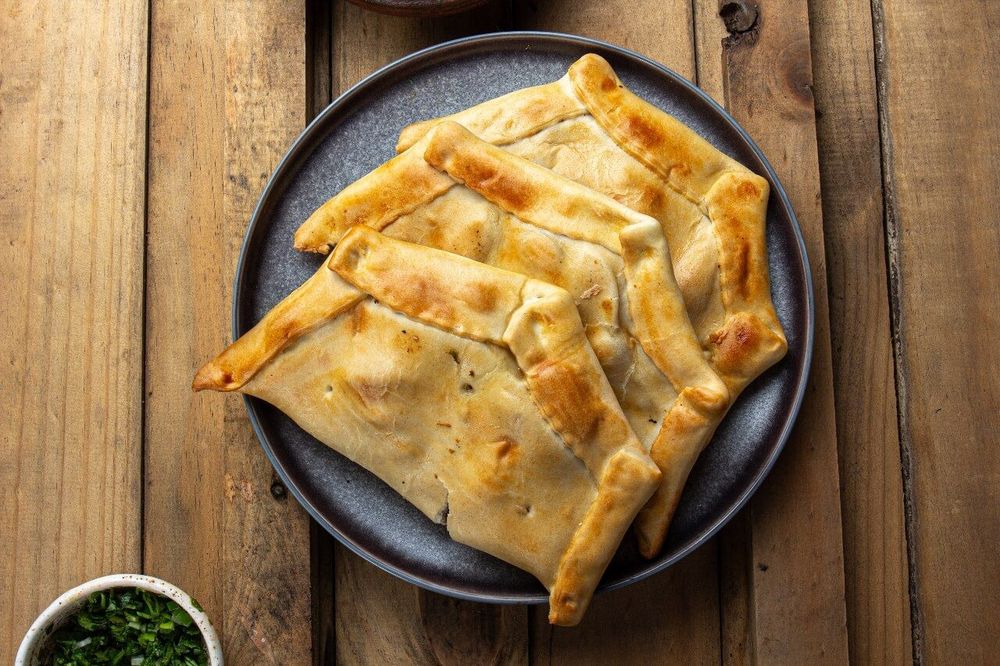
Start with breakfast. Chilean breakfasts worth seeking out lean simple: marraqueta bread with avocado and scrambled eggs, or a strong coffee alongside a pastry, rather than the elaborate spreads found elsewhere in Latin America. By midday, street carts and casual counters sell completos, Chilean hot dogs piled high with avocado, tomato and mayonnaise, and empanadas de pino, baked pastries filled with beef, onion, olive and a slice of hard-boiled egg, sold on nearly every corner and inside every market. Pastel de choclo, a baked corn-and-beef casserole, and mote con huesillo, a cold drink of husked wheat and dried peach poached in syrup, round out the dishes that appear on nearly every list of essential Chilean food for good reason. None of this requires a reservation or much Spanish; pointing at a market stall works fine.
Seafood and modern Chilean cuisine
Given the coastline less than two hours away, seafood shows up constantly on Santiago menus, most visibly at the Mercado Central, where restaurants compete over the day's catch of congrio, a Chilean eel-like fish, razor clams and shellfish stews. Alongside that tradition, Santiago's modern Chilean cuisine scene, concentrated in Lastarria, Vitacura and Providencia, reinterprets Pacific seafood and Andean grains through a tasting-menu lens, with Maipo Valley wine showing up on nearly every pairing list. For a closer look at the range in between, Ryo's guide to Santiago's culinary specialties walks through ten dishes worth specifically seeking out, from street-level empanadas to higher-end tasting menus, worth a skim before you land if you'd rather prioritize meals than discover them by accident. Free walking tours, covering either the historic center or the food scene and typically departing from Plaza de Armas, offer a lower-effort way to get oriented or sample several dishes in one afternoon.
Is Santiago Safe for Tourists?
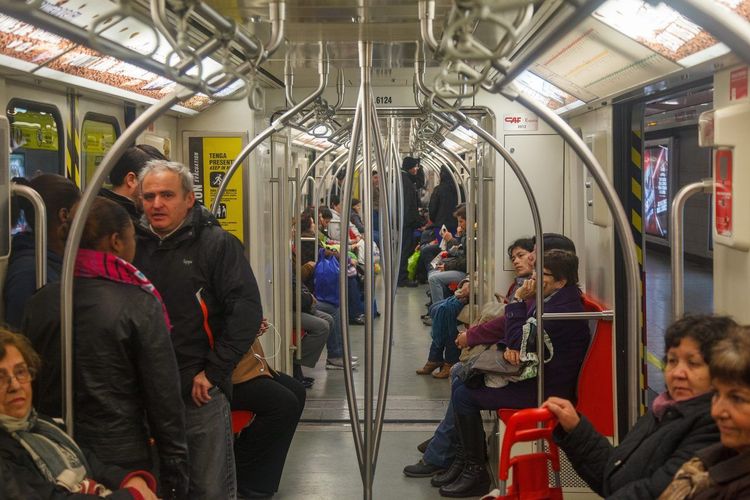
Is Santiago safe for tourists? For the areas and activities covered in this guide, generally yes, with the same caveats that apply to any major Latin American capital. Petty theft, pickpocketing and phone snatching are the realistic risks, concentrated in crowded tourist spots like Plaza de Armas, on the metro during rush hour, and around the base of Cerro San Cristobal; keep bags zipped and phones out of back pockets rather than worrying about anything more serious. Violent crime targeting tourists is uncommon in the neighborhoods described here, though standard precautions, avoiding unfamiliar areas alone late at night and using rideshares rather than flagging street taxis after dark, apply as they would anywhere.
Advice for American travelers
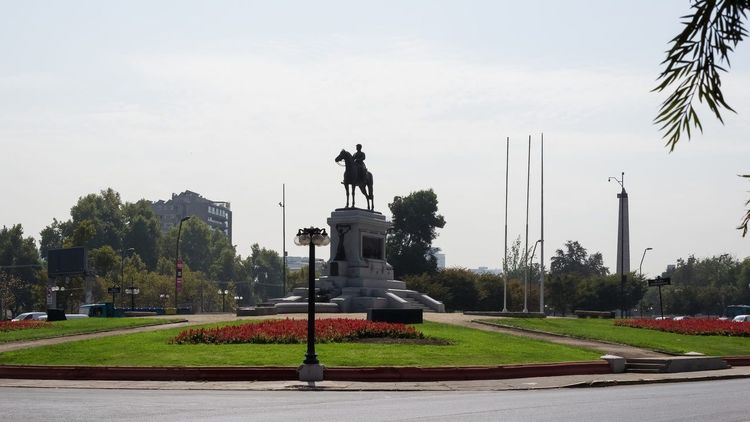
Is it safe for Americans to go to Chile right now? Yes: Chile does not require a visa for U.S. passport holders on tourism stays under 90 days, and relations between the two countries remain normal. Is Chile friendly to Americans? By and large, yes. Chileans are used to American tourists and English is reasonably common in hotels, restaurants and tour operations in the neighborhoods covered in this guide, though it thins out quickly once you leave the tourist-facing parts of the city. One area worth a specific mention: Plaza Baquedano, near Bellavista, has periodically been the site of demonstrations since the 2019 social unrest; they're usually announced in advance and easy to avoid with basic awareness of local news, but it's worth checking coverage before planning an evening specifically around that plaza.
Emergency basics
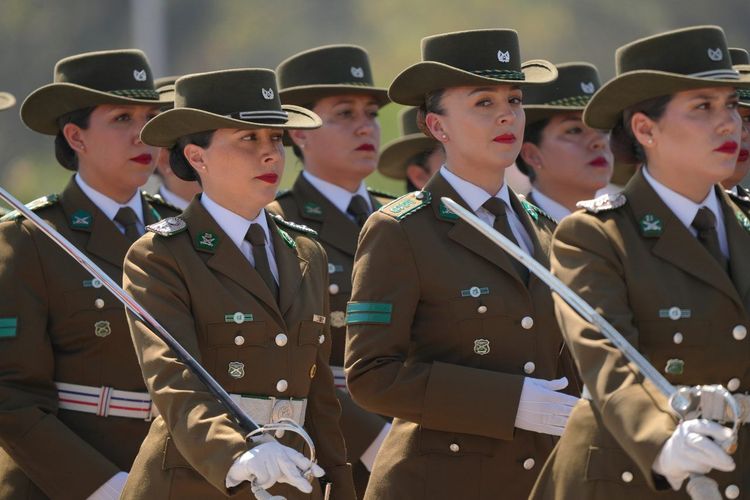
Standard travel insurance, a photocopy of your passport left at the hotel, and the Carabineros emergency line cover the basics most first-time visitors never end up needing but are worth having anyway. Overall, Santiago benchmarks as one of the safer capital cities in South America by most comparative crime indices, and the itinerary in this guide sticks to neighborhoods with a steady tourist and local presence rather than areas that require extra caution.
Best Time to Visit and What to Pack
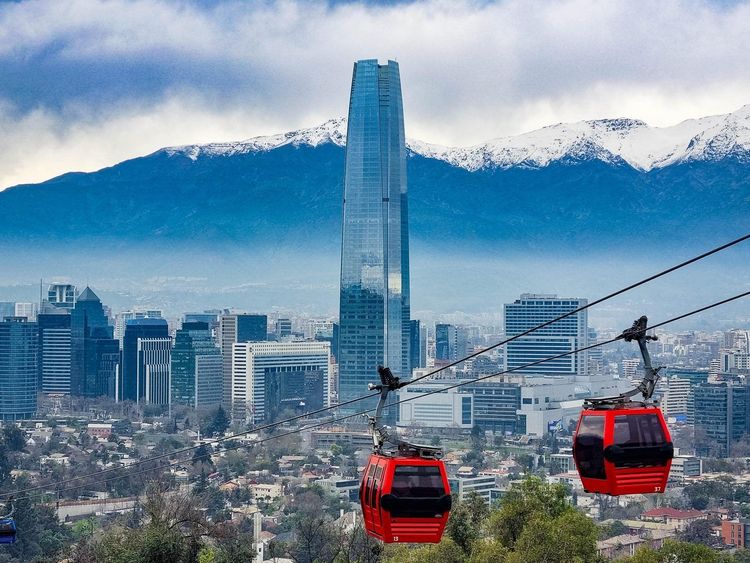
Santiago's seasons run opposite the Northern Hemisphere's, and the best time to visit Santiago depends largely on what you want from the Andes.
Santiago's seasons at a glance
Spring (September-November) and fall (March-May) bring mild temperatures and generally clearer skies, the best combination for sightseeing and for catching unobstructed Andes views from Cerro San Cristobal or Sky Costanera. Summer (December-February) runs hot and dry, uncomfortable for walking the historic center at midday but ideal for the vineyard day trips and for pairing a Santiago visit with the coast. Winter (June-August) is cool, occasionally rainy, and prone to smog days that flatten the mountain views, though it's also the only season with ski access at Valle Nevado and the other resorts above Farellones.
What to wear and pack
What to wear and bring, one-bag friendly: layers matter more than any single item, since Santiago's desert-adjacent climate swings sharply between day and night even in summer. A light jacket covers most evenings year-round; broken-in walking shoes handle the cobblestones of Lastarria and the stairs up Cerro Santa Lucia better than anything else; and a reusable water bottle is worth packing given the altitude, Santiago sits around 520 meters, and how dry the air gets, especially in summer. Sunscreen matters more than visitors expect, given the thin high-altitude atmosphere and clear skies for much of the year. A first-time Santiago trip, even combined with a day trip to the coast or the mountains, fits comfortably into one carry-on bag if you pack for layering rather than for a single expected temperature.
FAQ
Is Santiago, Chile worth visiting for tourists?
Yes. Despite its reputation as a layover city, Santiago packs colonial landmarks, Andes viewpoints, strong food and wine, and genuinely walkable neighborhoods into a compact area, enough to fill at least two or three days without resorting to day trips.
How many days is enough for Santiago?
One full day covers the historic center and a single viewpoint; three days let you add the neighborhoods, a market visit and one day trip, which is the version most first-time visitors end up recommending afterward.
Is it safe for Americans to go to Chile right now?
Yes. Chile is visa-free for U.S. tourists staying under 90 days, and there are no unusual travel advisories specific to Santiago beyond the standard big-city precautions covered earlier in this guide.
Is Chile friendly to Americans?
Generally yes. American visitors are common, English is widely used in tourist-facing businesses, and there's no notable friction specific to U.S. travelers beyond the normal adjustments of visiting a Spanish-speaking country.
What is the best time of year to visit Santiago?
Spring (September-November) and fall (March-May), for mild weather and the clearest Andes views; summer suits wine-country day trips better, and winter adds ski access at the cost of occasional smog.
Do I need cash in Santiago or is card payment widely accepted?
Cards, including contactless, are accepted almost everywhere in the neighborhoods covered here. Keep a small amount of cash for markets like La Vega Central, flea markets like Persa Bio Bio, and smaller empanada stands that don't take cards.
Santiago rewards exactly the kind of unhurried attention this guide has tried to lay out: a morning in the colonial core, an afternoon climbing toward the Andes, an evening in whichever neighborhood matches your mood, and at least one day spent outside the city entirely, whether that's a vineyard, the mountains, or Valparaiso's hills. First-time visitors who treat it as a real stop rather than a stopover tend to come away surprised by how much fits into so little ground.
If you want a version of this itinerary that talks you through it in real time, Ryo's Santiago audio tour covers the historic center, both hills and Bellavista in one 8 km loop of 27 audio stops, roughly 3h15 at your own pace, with the kind of context that's easy to miss walking past these landmarks on your own.