© Shutterstock
 Votre guide Ryo
Visit Ajaccio in 3 Days: 2026 Itinerary for the Imperial City
At dawn, when the first ferries enter the gulf, Ajaccio still looks like the city Napoleon Bonaparte left at age nine, in December 1778, to head to the mainland and the Collège d'Autun. Three days are nonetheless enough to understand what shaped the child emperor: an imperial city clustered around ochre-colored alleyways, a bay that turns orange at sunset, and a mountainous hinterland less than an hour's drive away. Visiting Ajaccio in 3 days is precisely the ideal format for alternating Napoleonic heritage, coastline, and hiking without rushing.
The program below details a day-by-day itinerary, from the old town and its Napoleonic museums, to the Route des Sanguinaires where pink granite plunges into turquoise water, and the Gravona valley where a waterfall reveals itself after just twenty minutes of walking. You will also find the best addresses to taste a wild boar stew, the neighborhoods to stay in, and how to get around without a car thanks to the tourist train. To prepare each stop with on-site historical commentary, the Ryo audio-guided tour of Ajaccio perfectly complements this itinerary.
Day 1: The Old Town, the Imperial City, and Its Museums
Devote this first day to the historic center of Ajaccio, a pedestrian core that can be explored entirely on foot. With lively squares, Napoleonic museums, and ochre-colored alleyways, the old town concentrates the best of the imperial city's heritage. The Ajaccio audio-guided tour, short version of the imperial city follows a route very similar to the one detailed below and provides the historical context for each façade.
Place Foch, the Market, and the Tino Rossi Old Port
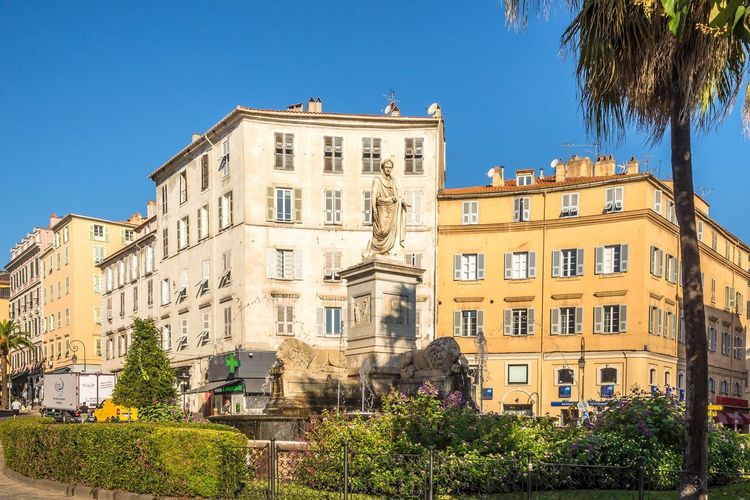
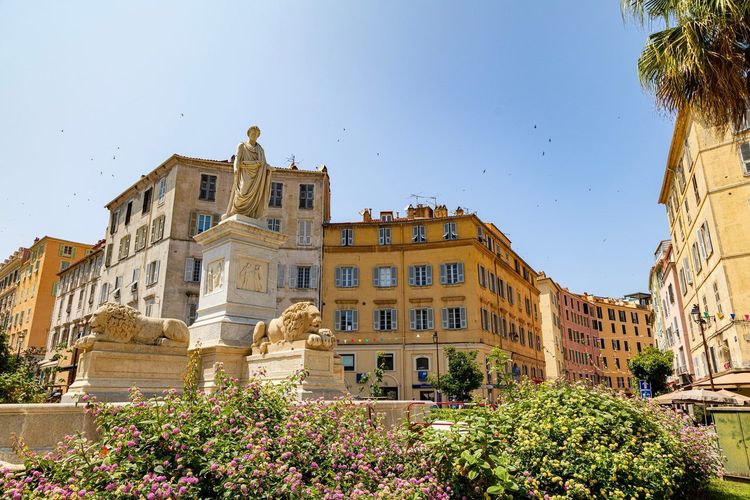
Start at Place Foch, the most lively square in the historic center, recognizable by its lion fountain and the statue of Napoleon in a Roman toga that stands at its center.
Every morning except Monday, the market sets up between place Foch and place Campinchi: farmhouse brocciu, mountain charcuterie, figatelli, chestnut honey, and citrus from the eastern plain are traded between producers and locals. Arrive before 10 a.m. if you prefer chatting with producers rather than jostling through the crowd, as the aisles quickly become difficult to navigate in summer. It is the best moment to taste Corsica before you have even dropped your bag at the hotel, and to put together a picnic that will save you a sit-down lunch at noon.
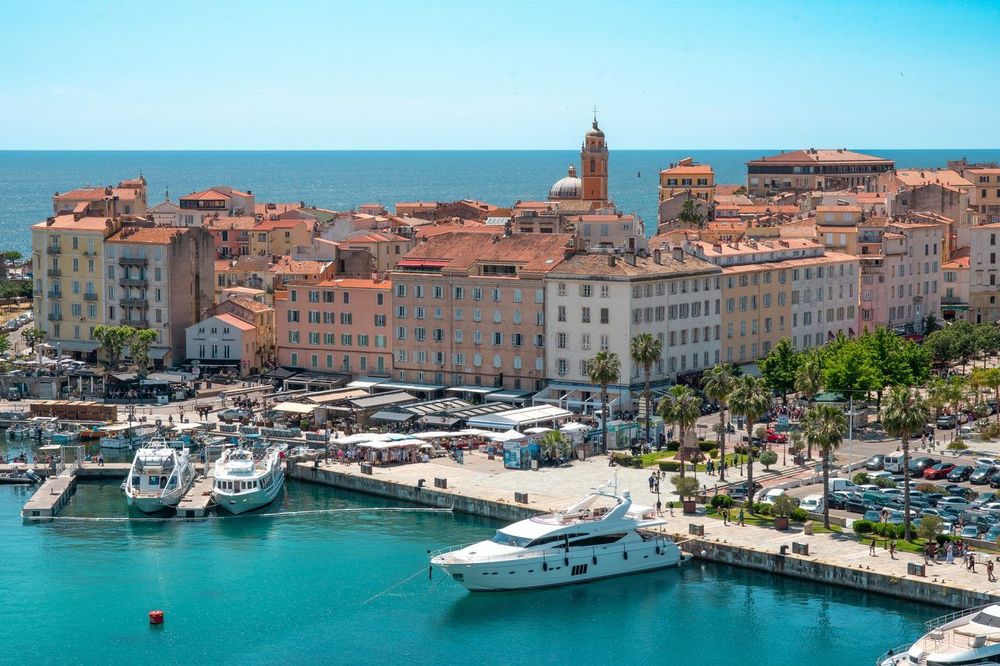
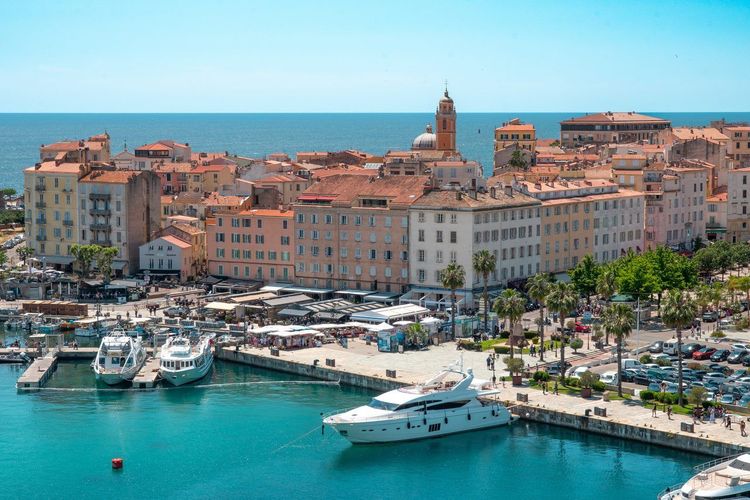
Heading down toward the waterfront, five minutes on foot, the Tino Rossi port lines up pointus and yachts along a palm-shaded promenade. This is where Ajaccians come to run at sunrise and where fishermen unload their catch late in the morning.
Take time to get lost in the adjacent alleyways: the ochre façades and green shutters of the old town tell an architecture story that is more Italian than French, inherited from centuries of Genoese rule.
The Maison Bonaparte, the Palais Fesch, and the Chapelle Impériale
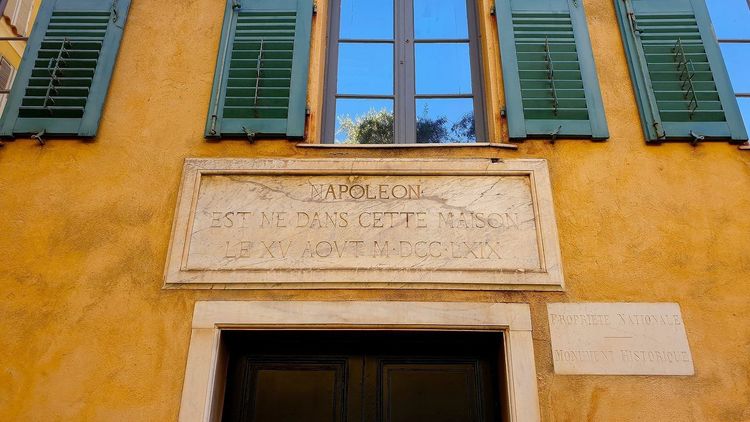
The Maison Bonaparte, where Napoleon was born on August 15, 1769, can be visited in about an hour. The period-furnished rooms and the trapdoor used by the family to flee in 1793 tell of a Corsican childhood far removed from the imperial legend.
A ten-minute walk away, on rue Cardinal Fesch, the Palais Fesch — Musée des Beaux-Arts houses the second-largest collection of Italian painting in France after the Louvre, bequeathed by Cardinal Fesch, Napoleon's uncle. Sienese primitives, Botticelli, Titian: the density is surprising for a city of around 72,000 inhabitants.
Right next door, the Chapelle Impériale houses the tombs of several members of the Bonaparte family, with the exception of Napoleon himself, who is buried at Les Invalides. The interior, laden with marble and gilding, contrasts sharply with the sobriety of the surrounding alleyways.
Allow half a day for this museum trio if you want to read the labels in detail, or two hours at a condensed pace. The combined ticket for the Palais Fesch and the Chapelle Impériale remains the most economical way to visit both sites.
Check closing days before you go: like many island museums, the Palais Fesch and the Maison Bonaparte close one day a week and adjust their hours between low and high season, with occasional evening openings in summer. In peak season, booking your ticket online the day before avoids the queue on rue Cardinal Fesch, which can be particularly long mid-morning when cruise ships disembark their passengers at the port.
The Cathédrale Notre-Dame-de-l'Assomption and the Citadel
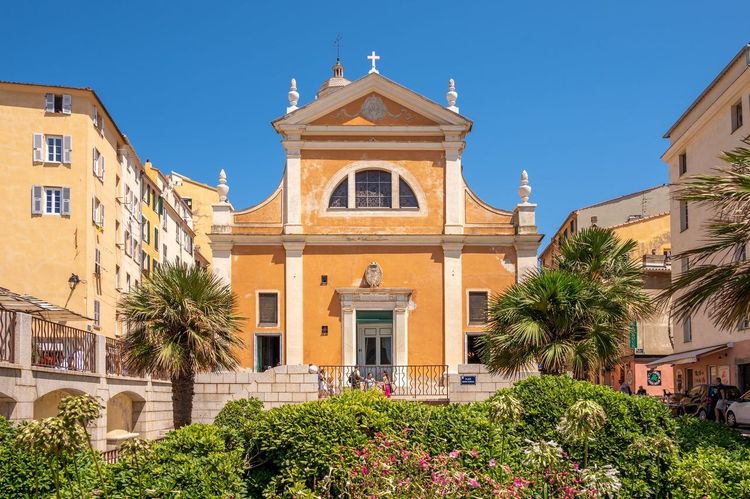
The Cathédrale Notre-Dame-de-l'Assomption, where Napoleon was baptized in 1771, is recognizable by its plain Baroque-inspired façade. Inside, the Virgin of the Sacred Heart painted by Eugène Delacroix adorns one of the side chapels — a canvas that few visitors think to look for.
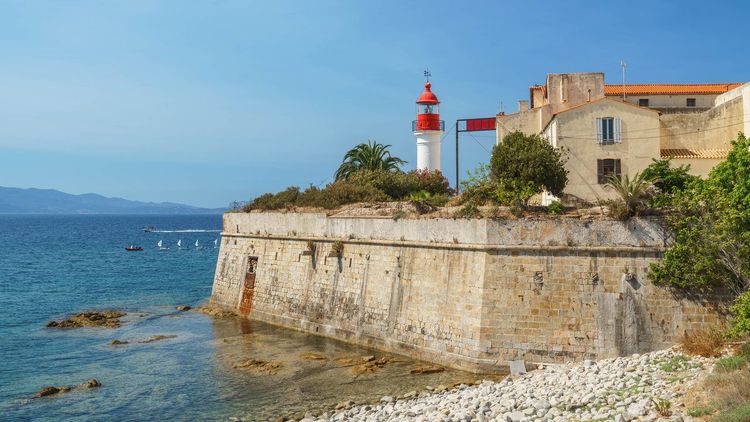
Walking along the seafront toward the east, the Ajaccio citadel closes off the old town with its ramparts built in the 16th century by the Genoese. Long occupied by the army and closed to the public, it is now owned by the local authority and only opens partially, for guided tours and cultural events: check with the tourist office before heading to the entrance. Its surroundings, between quai Napoléon and plage Saint-François, nonetheless offer one of the finest views over the gulf.
To close the day on a more playful note, the Naporama Museum (Place Général de Gaulle, 20000 Ajaccio, rated 4.8/5 on Google based on 340 reviews) offers an immersive tour of Napoleon's life — a good option if you are traveling with children who are less receptive to traditional museums.
Day 2: The Route des Sanguinaires, Beaches, and Sunset
The second day leaves the city center for the Route des Sanguinaires, a coastal road about twelve kilometers long that runs along the Mediterranean to the Pointe de la Parata. Allow the full day to combine a viewpoint, swimming, and a sunset, or a condensed half-day in the afternoon.
The Pointe de la Parata and the Îles Sanguinaires
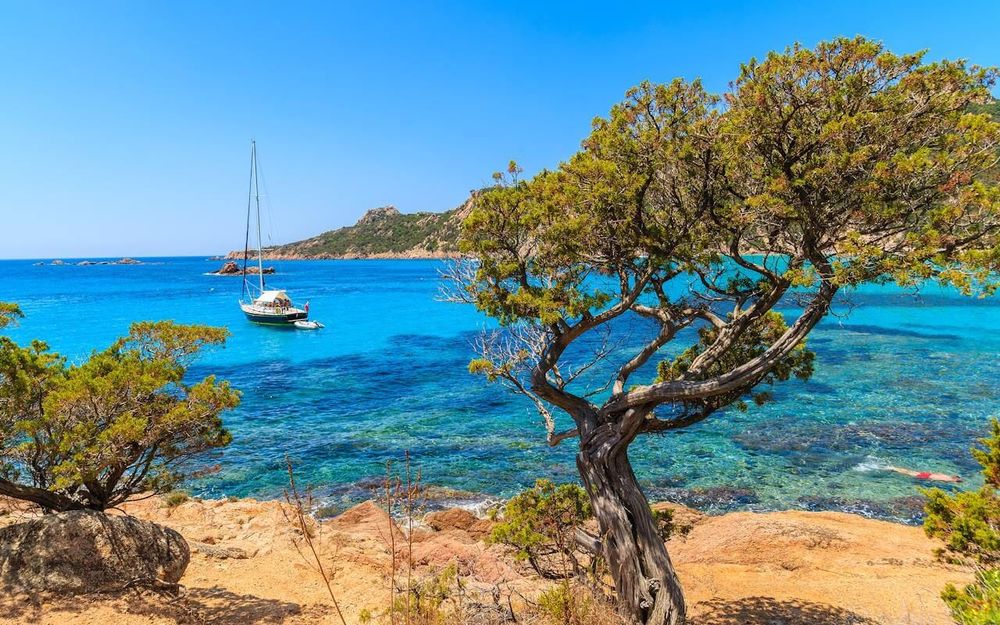
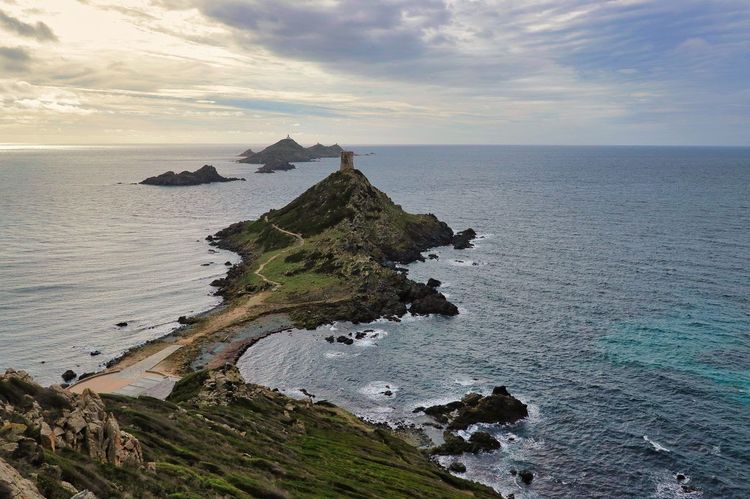
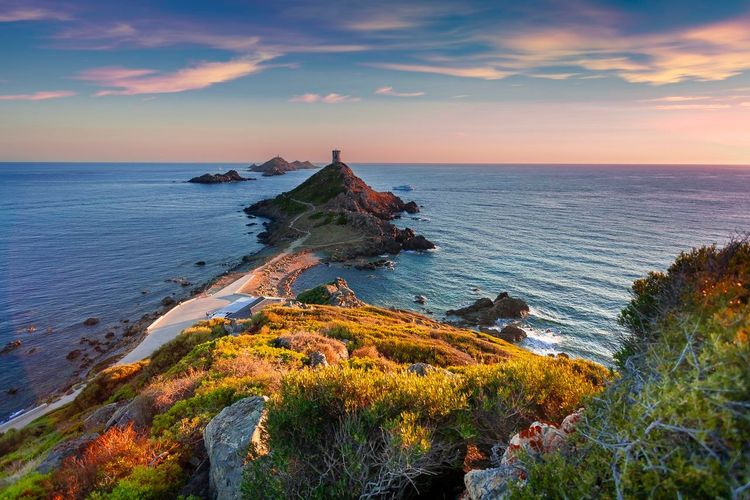
The Pointe de la Parata marks the end of the Route des Sanguinaires after about twenty minutes by car or thirty minutes by bus from the city center. A Genoese tower from the early 17th century overlooks the coastal path, facing the Îles Sanguinaires, four red granite islets classified as a protected natural site.
The car park at the end of the road fills up by 5 p.m. in summer: arrive in the late morning to walk up to the tower at a relaxed pace, then come back in the late afternoon for the sunset, one of the most photographed in Corsica. The raking light sets the granite of the islands ablaze in just ten minutes or so — a spectacle that locals come to watch almost every summer evening from the terrace of the neighboring restaurant.
Without a car, a bus line serves the Pointe de la Parata from the city center every 30 to 45 minutes in high season, with a last return trip often scheduled after sunset in July and August: check the timetables before you set off.
The Beaches Along the Route des Sanguinaires (Barbicaja, Trottel, Saint-François)
Between the city center and the Pointe de la Parata, three beaches dot the route and allow you to break the day up into short stretches.
The Plage de Saint-François, just steps from the citadel's ramparts, is the most central: fine sand and shallow water make it a good choice for a quick swim between two visits.
A little further on, the Plage du Trottel offers a wilder setting, shaded by pine trees, with fewer crowds outside the peak summer weeks.
Just beyond, the Plage de Barbicaja (Route des Sanguinaires, 20000 Ajaccio, rated 4.7/5 on Google based on 508 reviews) closes off this stretch of coastline in a similar atmosphere, even more low-key.
These Ajaccio beaches have neither the size nor the facilities of the large seaside resorts in the south of Corsica, but their easy roadside access makes them ideal stops to punctuate the day without any detour.
Boat Cruises and Excursions to the Îles Sanguinaires
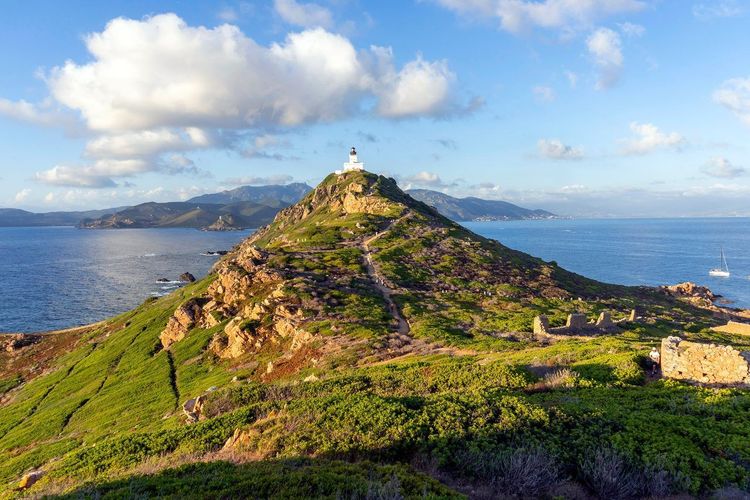
To see the Îles Sanguinaires from the water, several companies offer cruises departing from the Tino Rossi port, generally in the late afternoon to time the arrival with the sunset. The crossing takes about an hour and a half round trip and also runs along the cliffs of the Pointe de la Parata, invisible from the road.
Book the day before in high season: departures fill up quickly, especially those timed to coincide with the sunset. For a more complete introduction to the archipelago before you go, the Ryo guide to the Îles Sanguinaires details shuttle timetables and the best viewpoints accessible on foot.
Day 3: Hikes and the Ajaccio Hinterland
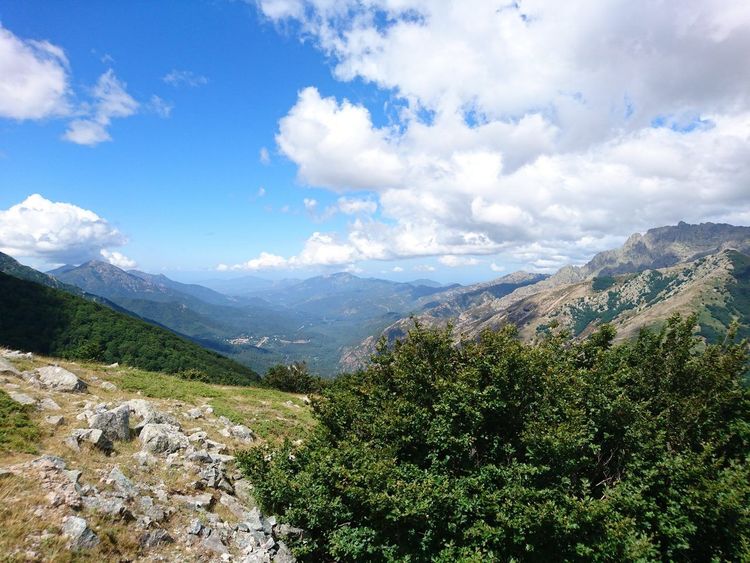
The third day moves away from the coast to explore the Ajaccio hinterland, between a coastal path, an accessible summit, and a green valley. Allow a good half-day for the main hike and the afternoon for the Gravona valley (RN193, 20167 Peri), less than thirty minutes' drive from the city center.
The Sentier des Douaniers and the Monte Gozzi Hike
The Sentier des Douaniers follows the coast from the Pointe de la Parata for several kilometers, an easy clifftop trail alternating low scrubland and views over the Îles Sanguinaires. Allow an hour and a half round trip at a relaxed pace, longer if you stop to swim in the rocky coves along the way.
For more experienced hikers, the Monte Gozzi hike climbs to 715 meters above the city, with a panorama that takes in the entire Gulf of Ajaccio as far as the Sanguinaires on a clear day. The ascent takes about three and a half hours round trip from the starting car park, with a sustained elevation gain on the final section.
Set off early in the morning in summer: the trail is very exposed to the sun and shade is scarce after 9 a.m. Bring at least one and a half liters of water per person; there are no water points along the route.
The Gravona Valley and the Carnevale Waterfall
About thirty minutes' drive from the city center, the Gravona valley unfolds a landscape very different from the coast: a clear-water river, chestnut forests, and hilltop villages in the valley bottom.
Near the village of Bocognano, the Carnevale waterfall (Bocognano, 20136 Bocognano, rated 4.4/5 on Google based on 403 reviews) reveals itself after an easy twenty-minute walk from the car park through an evergreen oak forest. The pool at the foot of the falls, deep and cool even in the height of summer, draws locals and passing visitors alike.
The water stays cool all year round, but swimming is particularly pleasant from June to September, when the flow drops and the surface of the pool warms up slightly.
The Villages of the Ajaccio Countryside
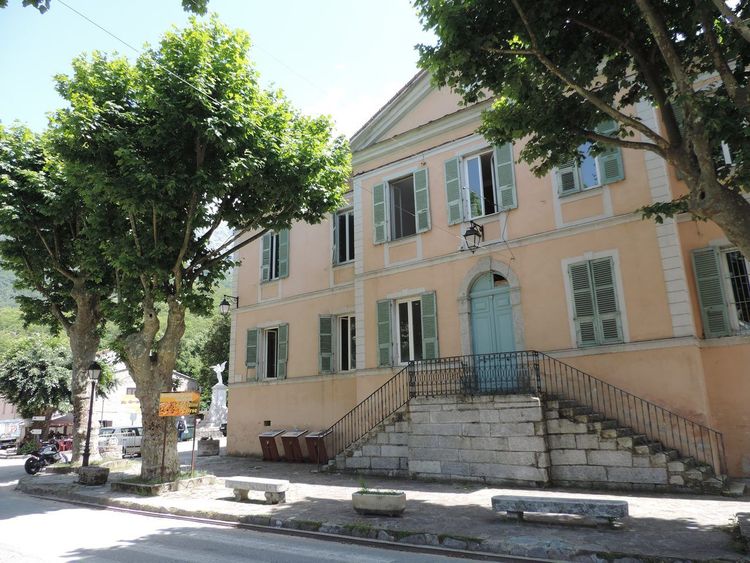
On the way back toward Ajaccio, several villages of the Ajaccio countryside are worth a brief stop: Bocognano, with its granite houses clinging to the mountainside, or Cauro, known for its artisanal charcuterie.
These villages lack the fame of the major sites along the gulf, but they give a more authentic picture of inland Corsica, far from the summer bustle of the coast. A stop at a local grocery shop is often enough to leave with a ewe's milk cheese or a bottle of artisanal olive oil.
If you prefer linking walks to driving, several short trails set off directly from these villages: one-hour loops through chestnut groves, cobbled mule tracks connecting two hamlets, or a descent to the river for a swim away from the beaches. These hikes and walks around Ajaccio are perfectly manageable in spring and autumn, when the heat makes the coast less pleasant. Wear sturdy shoes: even the easy Corsican paths tend to be rocky and unevenly waymarked.
To extend this exploration of the hinterland beyond these three days, the Ryo article on the most beautiful hikes around Ajaccio lists other itineraries accessible over a long weekend.
The Iconic Squares and Landmarks of the City Center
Beyond the day-by-day itinerary, Ajaccio has a handful of squares and landmarks that you naturally come across while walking through the city center, without always stopping. Here are the must-sees if your stay extends beyond three days or if you are wandering without a fixed plan.
Place de Gaulle, Place d'Austerlitz, and Place des Palmiers
The Place de Gaulle, also known as place du Diamant, opens directly onto the seafront with an equestrian statue of Napoleon as a Roman emperor, surrounded by his four brothers. It is one of the most photographed squares in the city, especially at sunset when the light strikes the bay behind the statue.
Higher up in the city, the Place d'Austerlitz, also known as place du Casone, features a monument dedicated to Napoleon set against an artificial grotto where the young Bonaparte, according to local tradition, liked to come and read in solitude.
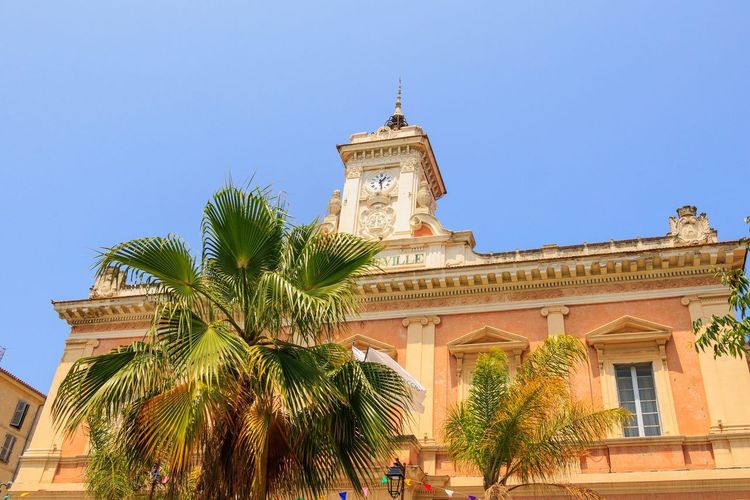
In the historic center, the Place des Palmiers adjoins the town hall, whose palm-planted garden offers a welcome patch of shade in the full heat of summer.
Cours Napoléon and Rue Cardinal Fesch: Strolling and Shopping
The Cours Napoléon (Cours Napoléon, 20000 Ajaccio), the main commercial artery running through the city from north to south, concentrates shops, banks, and cafés along nearly two kilometers. It is the busiest thoroughfare in Ajaccio during the day, less picturesque than the old town but convenient for everyday errands.
Running perpendicular, the Rue Cardinal Fesch gathers craft shops, delicatessens, and art galleries in a more intimate setting, between the Palais Fesch and place Foch.
Nearby, the Église San Roccu (Rue Cardinal Fesch, 20000 Ajaccio, rated 4.5/5 on Google based on 120 reviews), more modest than the cathedral, is worth a glance for its plain façade, typical of Corsican religious architecture. The Quartier des Étrangers, built in the 19th century to accommodate the first winter visitors from England, rounds off this tour of the city center with its Belle Époque villas.
Altogether, these squares and landmarks make up a good ten must-see spots to add to your route if you have a little more time.
Excursions and Outdoor Activities Around Ajaccio
For travelers extending their stay beyond three days, the Ajaccio region offers several outdoor activities that go beyond the classic heritage visit.
Canyoning and Outdoor Sports in the Hinterland
Less than an hour's drive away, several canyons in the Corsican hinterland lend themselves to canyoning guided by professional instructors: jumps, natural slides, and rappels through granite gorges, often rounded off with pools where you can cool down between obstacles. The outings, generally lasting half a day, suit beginners and more experienced participants alike depending on the route chosen.
Other outdoor sports are practiced in the same area: via ferrata, rock climbing on the granite slabs typical of the region, or mountain biking on the forest tracks that criss-cross the mountains behind Ajaccio. These activities generally require booking the day before, especially in July and August when slots fill up quickly with the few local providers.
Water Sports and Sea Outings Along the Corsican Coast
Along the coast, renting a kayak or a paddleboard lets you explore the coves of the Gulf of Ajaccio at your own pace, away from the busiest beaches on the Route des Sanguinaires. Several clubs also offer scuba diving, with seabeds rich in sea fans and drop-offs around the Îles Sanguinaires.
Allow half a day for most of these outings, with an early morning departure in summer: the wind often picks up in the afternoon in the gulf and makes paddling less comfortable, especially by kayak. Budget-wise, allow around fifty euros per person for a supervised introductory session, more for a full-day outing with equipment and a packed lunch included.
To explore the Corsican coast by boat over several days rather than on a day trip, renting a license-free rigid inflatable boat gives access to isolated coves in the gulf that cannot be reached by road. To organize these outings and identify the best spots by season, the Ryo guide to excursions around Ajaccio lists providers and the most in-demand time slots.
What to Do in Ajaccio When It Rains
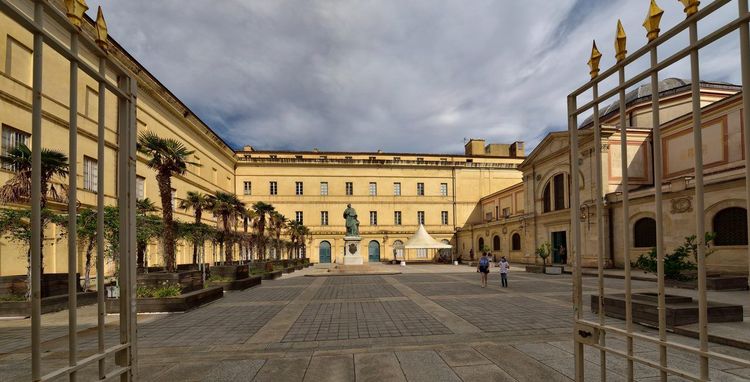
Rain is rare in Ajaccio, but when it does arrive, the city has enough to fill an entire day without leaving the old town. The Day 1 museum trio — the Maison Bonaparte, the Palais Fesch, and the Chapelle Impériale — alone covers nearly three hours of indoor visiting, not counting the Naporama Museum for a more playful family break.
The covered market at place Campinchi stays active even in the rain and lets you put together a picnic of local products for an improvised lunch break at a nearby café. Several restaurants in the city center and tea rooms on rue Cardinal Fesch also offer a comfortable refuge between showers.
Don't put away the walking itinerary just yet: the imperial city is well worth discovering under a grey sky, when the alleyways empty out and the ochre façades take on a softer tone. A Mediterranean shower rarely lasts more than an hour, and the arcades in the center are usually enough to wait out the rain before resuming your stroll.
If the weather persists for several days, head to Bastia or Corte by train, two to three hours away, to change scenery while staying dry in the carriage. Rainy spells are concentrated mostly in autumn and winter, rarely in midsummer: if your 3-day stay in Ajaccio falls in July or August, this backup plan is unlikely to be needed.
Where to Eat in Ajaccio: Top Addresses and Corsican Specialties
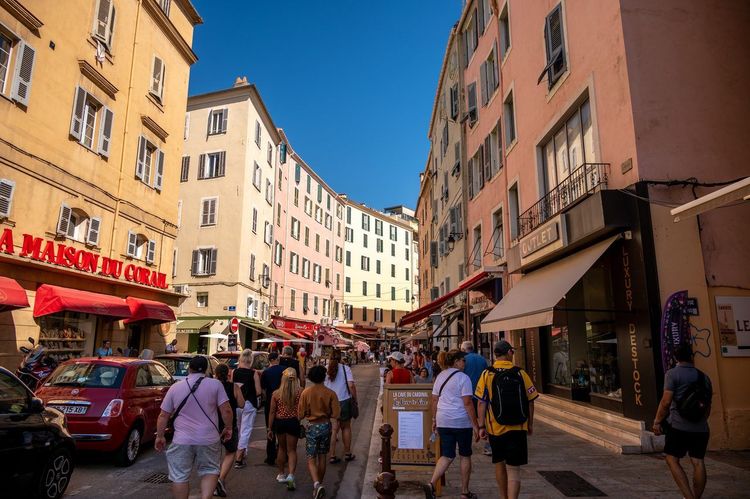
From casual seafront bistros to more refined tables, Ajaccio showcases Corsican cuisine in all its forms.
Restaurants and Top Addresses in Ajaccio
Around the Tino Rossi port and the old town, there is no shortage of terraces for a lunch by the sea. The most sought-after tables are often found in the alleyways near place Foch, away from the tourist axis of cours Napoléon where prices climb without always guaranteeing quality.
For a more refined meal, several city-center addresses focus on locally caught fish and seasonal vegetables, with a menu that changes according to what comes in from the market. Reserve in the evening during high season: the best tables are fully booked from 7:30 p.m. in July and August.
One detail that makes a real difference in summer: many restaurants in the center serve in two sittings, around 7:30 p.m. and then around 9:30 p.m. The second sitting can often be secured without a reservation, with the bonus of the setting sun on the port terraces.
For a quicker option between visits, the delicatessens on rue Cardinal Fesch put together charcuterie and Corsican cheese boards to take away — an economical alternative to a sit-down restaurant.
Ajaccio Culinary Specialties to Try
The Ajaccio cuisine draws heavily on the products of the nearby Corsican mountains: pork charcuterie from free-range pigs (coppa, lonzu, figatelli), ewe's milk cheeses such as brocciu, and chestnut in all its forms, from flour to craft beer.
On the menu, wild boar stew and brocciu cannelloni feature on most restaurant menus, as does pisti, a meat stew combining several cuts according to family recipes. Don't leave without trying a canistrelli, a dry biscuit made with white wine or anise that you can find in every bakery in the city.
For a complete overview of local specialties before you put together your own food itinerary, the Ryo article on Ajaccio's culinary specialties details where to find them and at what price. Ryo's Imperial City audio-guided tour threads through this same old town.
Where to Stay in Ajaccio
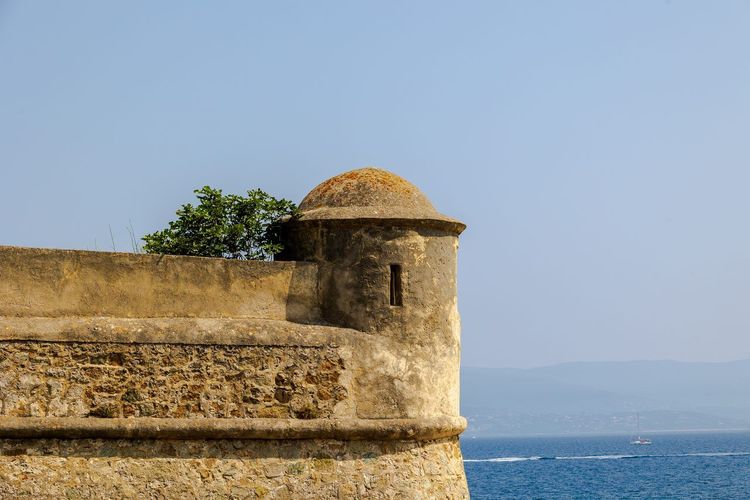
The city center and the old town concentrate the majority of accommodations, within walking distance of all the Day 1 sites: charming hotels in period buildings, bed and breakfasts, and a few more upscale addresses with views over the gulf.
Staying near place Foch lets you do everything on foot on the first day and return late after dinner at the port, but exposes you to noise from the terraces in summer: ask for a courtyard-facing room if you are a light sleeper. If your stay is more centered on the sea, hotels along the roadside between the Plage du Trottel and the Pointe de la Parata offer direct access to swimming and sunsets from the room, at the cost of fifteen to twenty minutes by bus to reach the old town.
For a quieter stay, the residential neighborhoods above the city, such as Aspretto or the Quartier des Cannes, offer accommodation that is often cheaper with an open view over the bay, at the cost of a few extra minutes by bus or car to reach the center.
If you are traveling with family or wish to stay on the same base for several days, a holiday village on the outskirts of Ajaccio allows you to combine sea access with a controlled budget. The Ryo selection of the best holiday villages in Corsica presents several addresses on the gulf and beyond.
In high season, book at least two months in advance: Ajaccio remains a popular destination in July and August, and hotel prices in the center can easily double between June and August.
How to Get to and Around Ajaccio
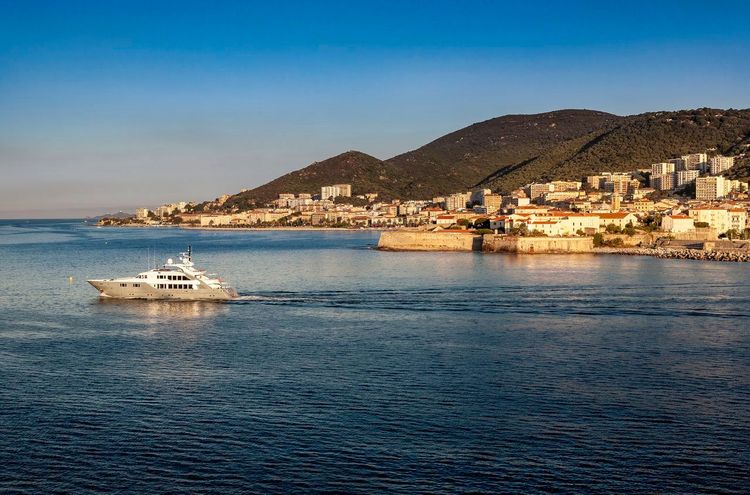
Ajaccio is easy to reach from the mainland, and can then be explored without difficulty on foot or by public transport.
How to Get to Ajaccio (Plane, Ferry)
The Napoléon Bonaparte Airport serves Ajaccio with direct flights from Paris, Marseille, Nice, Lyon, and several European cities, with a journey to the city center of about 20 minutes by taxi or bus. In high season, flights multiply but fares rise quickly: booking several months in advance remains the best way to keep transport costs down.
By sea, ferries connect Ajaccio to Marseille, Toulon, and Nice, with an overnight crossing of around 10 to 12 hours depending on the departure port. This is an interesting option if you are taking a car, with sleeper cabins that allow you to arrive rested in the early morning, directly at the port in the city center.
For travelers coming from the north of Corsica, the road between Bastia and Ajaccio takes about three hours via the main road, through a mountainous hinterland that is well worth the detour in itself.
Getting Around Without a Car: Tourist Train, Bus, and on Foot
The old town and the historic center are entirely walkable, with no vehicle needed for Day 1 of this itinerary. To get around without a car, the urban bus network serves the beaches on the Route des Sanguinaires and the outlying neighborhoods at affordable fares, with day or weekly passes that are more economical than individual tickets.
The tourist train offers a commentary tour of the historic center in about 45 minutes — a good option for getting your bearings on the first day before exploring on foot the sites that caught your eye. It generally departs from place Foch at regular intervals during the season.
For more distant excursions, such as the Gravona valley or the villages of the Ajaccio countryside, car rental remains the most flexible option, as bus lines are rare or nonexistent toward the interior.
Budget, When to Go, and Tips for a Stay in Ajaccio
The budget for a stay in Ajaccio depends mainly on the season: allow between 80 and 150 euros per day per person including accommodation, meals, and one paid activity in high season, versus 50 to 90 euros in the off-season with significantly cheaper hotels. For accommodation, a double room in the city center starts at around 70 euros in the off-season versus 130 to 180 euros in midsummer. A restaurant meal averages 20–30 euros per person excluding drinks, a little less in the smaller eateries away from the seafront.
Two items often send the bill spiraling: car rental, between 45 and 90 euros per day in July and August depending on the category and how far in advance you book, and boat excursions, around thirty euros per person for a trip to the Sanguinaires. By locking in the flight and the car several months in advance, the savings easily exceed a hundred euros over three days.
The choice of season then depends on your priorities: June and September offer the best compromise between pleasant weather, already warm sea, and moderate crowds, while July and August guarantee sunshine but also peak prices and maximum crowds. Spring, from March to May, is well suited to hikes in the hinterland, before the intense summer heat arrives.
The City Pass Pays d'Ajaccio, when available, gives access to several museums and sometimes discounts on boat excursions: worth calculating based on the number of sites you plan to visit, it only pays off from three or four paid entries onward.
For those on a tight budget, several activities remain free: strolling through the old town, walking to the Pointe de la Parata, enjoying the beaches on the Route des Sanguinaires, or watching the sunset from place de Gaulle. Enough to fill a good part of the three days without spending a single euro on entry fees.
Ajaccio in 1 Day, 2 Days, or 1 Week: Adapting the Itinerary
If you only have one day, focus on Day 1 of this itinerary: the old town, place Foch, the Maison Bonaparte, and a quick round trip to the Pointe de la Parata in the late afternoon for the sunset. Visiting Ajaccio in a single day is possible, but leaves little room for improvisation.
With two days, add the Route des Sanguinaires in full, beaches included, even if it means skipping the Gravona valley from Day 3. What to do in Ajaccio in 2 days essentially comes down to merging Days 1 and 2 of this guide while condensing the museum visits.
Conversely, with a full week on the island, the 3-day itinerary described here covers only part of what the region has to offer. What to do in Ajaccio in 1 week allows you to add Bonifacio, Porto-Vecchio, and a taste of the GR20, or to range more widely across southern Corsica with day trips. A week also leaves time to head to the west coast, toward Cargèse and the Gulf of Porto, two hours' drive to the north, where the Piana calanques alone justify the detour.
How much time is ideal? Three days remain the most balanced format for combining heritage, coastline, and hiking without leaving exhausted. Four days simply add a comfortable margin to fit in an excursion in southern Corsica, such as Porto-Vecchio or a swim in an inland waterfall, without disrupting the rest of the program.
FAQ
How Many Days Do You Need to Visit Ajaccio?
Three days are enough to cover the essentials: the old town and its museums, the Route des Sanguinaires, and a hike in the hinterland. Allow 4 to 5 days to add an excursion to Porto or Bonifacio, and a full week to explore all of southern Corsica at a leisurely pace.
Can You Visit Ajaccio Without a Car?
Yes, the old town is entirely walkable and city buses serve the Route des Sanguinaires and its beaches. Only excursions into the hinterland, such as the Gravona valley or the Carnevale waterfall, are easier with a vehicle, as regular bus lines are lacking.
What Budget Should You Plan for 3 Days in Ajaccio?
Budget between 250 and 450 euros per person for three days in high season, including accommodation, meals, and one or two paid activities, versus 150 to 300 euros in the off-season. Free activities, such as the old town and the beaches, can significantly reduce the bill.
When Is the Best Time to Visit Ajaccio?
June and September offer the best balance between pleasant weather and moderate crowds. July and August guarantee dry weather but also higher prices and busier sites, while spring is particularly well suited to hikes in the hinterland.
Is the City Pass Pays d'Ajaccio Worth It for a 3-Day Trip?
It becomes worthwhile from three or four paid visits over the three days, especially if you combine the old town museums with a boat excursion. Otherwise, it is better to pay for entries individually.
What Can You Do in Ajaccio When It Rains?
The museum trio in the city center — the Maison Bonaparte, the Palais Fesch, and the Chapelle Impériale — easily fills half a day indoors. The covered market and the many cafés on rue Cardinal Fesch round out this backup plan, which is rarely needed since rainy spells remain uncommon in summer.
Is Ajaccio Really Worth the Trip?
Yes, for the density of its Napoleonic heritage concentrated on just a few streets, for the Route des Sanguinaires that rivals the most beautiful coastlines in the Mediterranean, and for a mountainous hinterland accessible in under an hour. Few French cities of this size combine so many different facets in as short a format as three days.
Three days in Ajaccio are enough to understand why the city continues to fascinate, between the intimate traces of Napoleon's youth, a coastal road among the most spectacular in Corsica, and a hinterland largely overlooked by hurried visitors. The itinerary presented here covers the essentials without sacrificing leisurely wandering, which remains, on an island where everything invites you to slow down, the best way to travel.
To enrich each stop along the way, the Ryo audio-guided tour of Ajaccio accompanies the visit with historical commentary neighborhood by neighborhood, from place Foch to the Sanguinaires. A great way to turn these three days into a true journey through the history of the imperial city.
À lire également