© Shutterstock
 Votre guide Ryo
Visit Beaune in 3 Days: The Complete Itinerary Between Vineyards and Ancient Stones (2026)
Beaune fits within a fortified pocket, but you need to slow down to truly understand it. The town encloses its historic center within a belt of 15th-century ramparts, and it is precisely this modest size that makes a packed stay possible: visiting Beaune in 3 days allows you to walk through the Hospices, descend into cellars carved beneath the town, and then drive to the villages that lend their names to the world's greatest wines. The Beaune audio-guided tour is designed precisely for this kind of tight itinerary, where every street tells a chapter in the story of the wine trade.
Over three days, there is time to see the glazed tiles of the Hôtel-Dieu in different lights, to understand why Pommard and Volnay have been contesting their neighboring terroirs for centuries, and to cycle along a former railway line converted into a bike path through the vines. This guide lays out an itinerary day by day, with two options for the third day: ducal Dijon, or a final relaxed loop around Beaune.
Day 1: Beaune, Historic Capital of Burgundy Wines
The first day is spent entirely on foot, within the fortified perimeter that has shaped the town's reputation since the Middle Ages. Beaune can be explored like a book you leaf through slowly: each neighborhood adds another layer to the history of Burgundy wine, from medieval charity to 19th-century trade. Allow a full day to avoid rushing, with a lunch break in the center.
The Hospices de Beaune and the Hôtel-Dieu
There is no other way to begin. The Hospices de Beaune, founded in 1443 by Nicolas Rolin, chancellor to the Duke of Burgundy, are home to one of France's most recognizable monuments: the polychrome roof of the Hôtel-Dieu, with its glazed diamond tiles in green, yellow, and black. The building functioned as a hospital for the poor until 1971, which explains why the ward has been preserved as it was, with its canopied beds lined up beneath a hull-shaped timber ceiling.
The visit also includes the Great Hall and the historic pharmacy, where 17th-century faience pots are on display. Allow 1.5 hours to explore the whole site at a leisurely pace, and arrive at opening time if possible: tour groups flood the inner courtyard from 10:30 a.m. onward. Full-price admission is around 15 to 16 euros for adults, with discounts for young visitors and a combined ticket available with the Musée du Vin de Bourgogne, just a short walk away.
A detail few visitors notice: the Hospices wine auction, held every third Sunday of November, still funds the town's modern hospital today. It is one of the oldest and most widely covered charity sales in the world, and it sets the tone for Beaune's entire end-of-year calendar.
The Old Town, Its Ramparts, and the Collégiale Notre-Dame
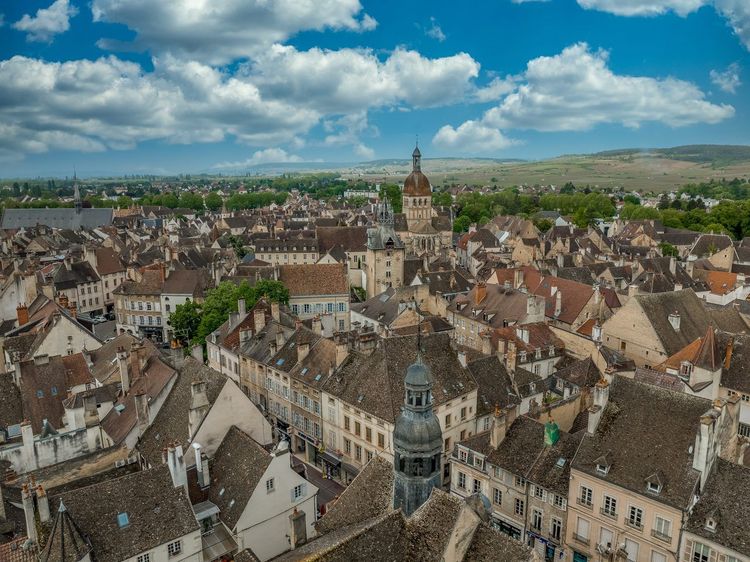
Leaving the Hospices, take time to walk along the ramparts of Beaune, one of the few fortified circuits in Burgundy still walkable for nearly 2 kilometers. The wall walk, lined with trees and punctuated by bastions, offers a cross-section of the town: ancient rooftops on one side, moats converted into gardens or bicycle parking on the other.
The Collégiale Notre-Dame, which locals often call a basilica, is worth a detour for its Romanesque façade and especially for the tapestry depicting the Life of the Virgin, woven in the 15th century and visible in the choir at certain hours. The building, less photographed than the Hôtel-Dieu, is often empty mid-morning.
Between the two monuments you will cross several picturesque squares, including Place Carnot with its café terraces — a good spot for a break before the afternoon.
The Moutarderie Fallot and the Ecusson District
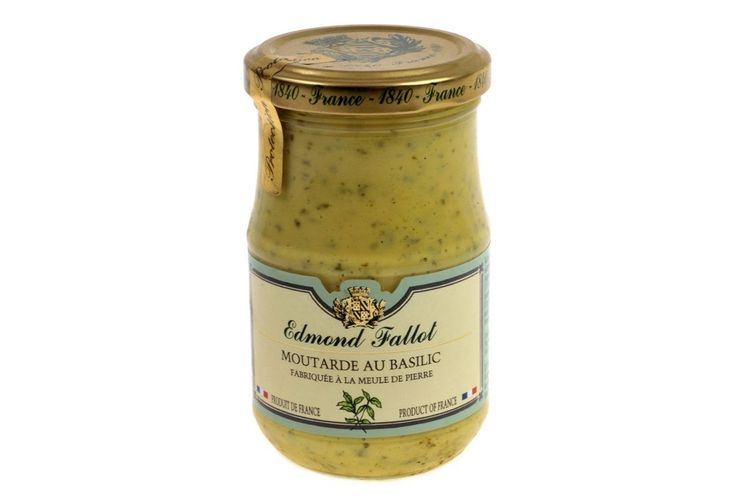
Head to the Ecusson district, the historic core enclosed by the old ramparts, where cobbled lanes hide half-timbered inner courtyards. This is where you'll find the Moutarderie Fallot (31 Rue du Faubourg Bretonnière, 21200 Beaune, rated 4.5/5 on Google based on 3,732 reviews), Burgundy's last family-run artisan mustard maker, founded in 1840. The tour explains stone-mill production, still used for certain recipes, and ends with a tasting of several varieties.
Allow 45 minutes for the guided visit; booking ahead is recommended in high season. The adjoining shop sells mustards flavored with blackcurrant, gingerbread, or marc de Bourgogne, hard to find anywhere else. To extend the walk through the Ecusson, the Ryo audio-guided tour Entre pierres et grands crus covers this merchant quarter façade by façade — useful if you prefer walking with headphones rather than a paper guide.
Day 1 (Continued): Cellars, Tastings, and Wine Courses in Beaune
The afternoon of the first day goes underground. Beaune literally rests on its cellars: several kilometers of vaulted galleries, carved into the limestone from the Middle Ages onward to extract building stone, have since been converted into wine-aging spaces.
Patriarche Père et Fils and the Great Négociant Houses
Patriarche Père et Fils (5-7 Rue du Collège, 21200 Beaune, rated 4.2/5 on Google based on 1,813 reviews), set in an 18th-century former convent, operates Beaune's most extensive cellars: roughly 5 kilometers of galleries and close to 3 million bottles in stock. The self-guided visit, tastevin in hand, winds through successive levels down to the oldest vaults, with a tasting of 13 to 15 wines depending on the package chosen.
Other négociant houses, such as Bouchard Père et Fils or the Marché aux Vins, offer shorter formats, often around 45 minutes, for visitors with less time. Book ahead if you are visiting on a summer Saturday: morning slots fill up quickly.
"Vignobles & Découvertes" Certified Cellars and Wine Courses
Beaune is part of the "Vignobles & Découvertes" certified destinations, a reliable benchmark for choosing a cellar visit that goes beyond a simple sales pitch in disguise. Around ten addresses in the town center carry the label, with multilingual welcome services.
For those who want to go further than a guided tasting, several estates and schools offer half-day wine courses where you learn to distinguish a Côte de Beaune climat from a Côte de Nuits climat by nose alone. Some sessions include a blind tasting of Crémant de Bourgogne, such as that produced by Veuve Ambal, based in Montagny-lès-Beaune — a more affordable alternative to Champagne made using the same traditional method. Expect to pay between 45 and 90 euros per person depending on the format and the number of wines tasted.
Day 2: The Route des Grands Crus and the Wine Villages
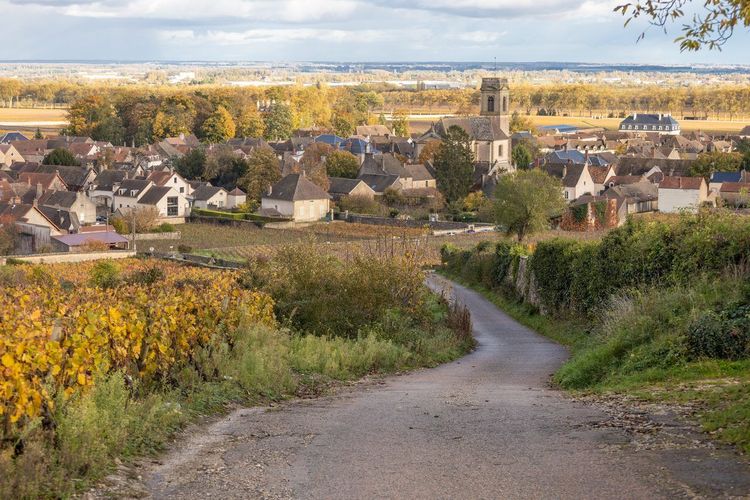
The second day is done by car or bicycle, along the Route des Grands Crus, a ribbon of some sixty kilometers that traces the Côte de Beaune and the Côte de Nuits through the villages that have given their names to the world's most sought-after wines. Set off early: estates often open between 9 and 10 a.m. and the vineyard roads fill with cyclists by mid-morning.
Pommard and Volnay: Between Vines and Church Spires
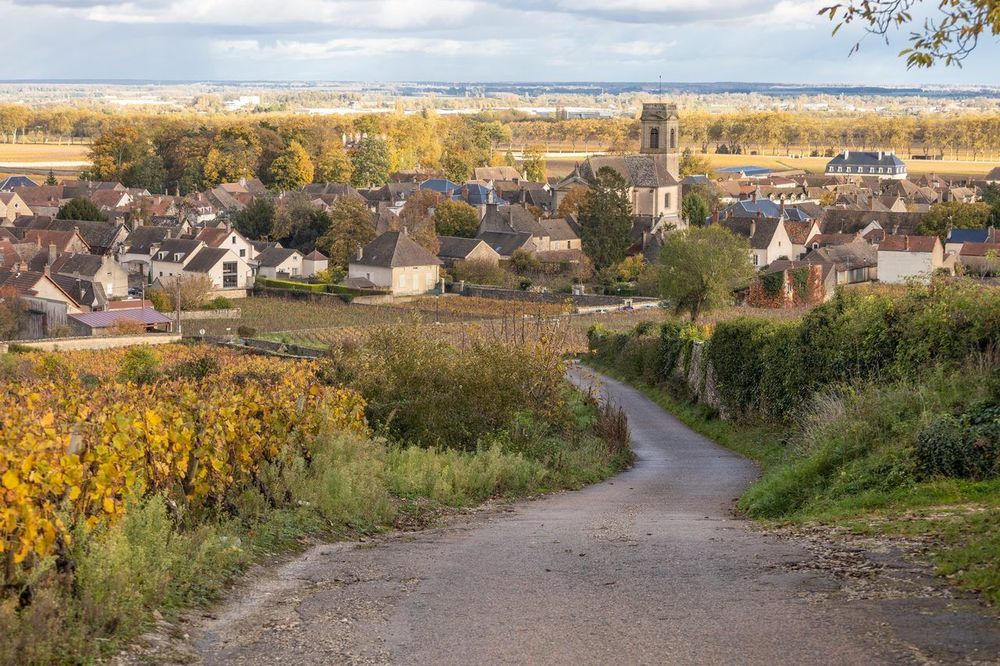
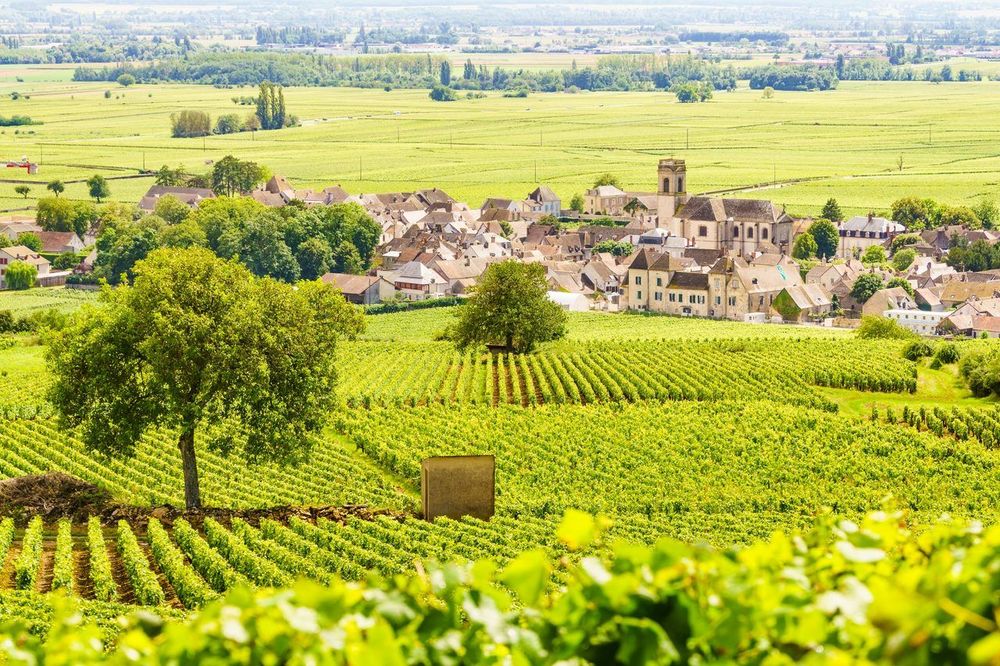
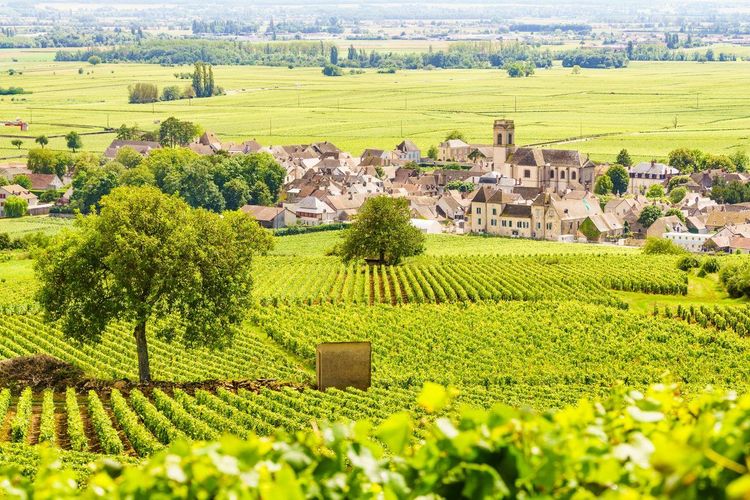
Ten minutes from Beaune, Pommard (21630 Pommard) opens the route with its gently sloping vineyards and its church with a pointed steeple, visible from almost every row of vines around it. The village has around thirty estates, many of which welcome visitors without an appointment in low season.
Just beyond, Volnay (21190 Volnay) shifts register: fewer estates, but wines regarded as among the finest on the Côte de Beaune, driven by more calcareous soils. The village, perched on a hillock, offers an open view over the vines below — particularly photogenic in the late afternoon when the light rakes across the rows.
Savigny-lès-Beaune and Its Château
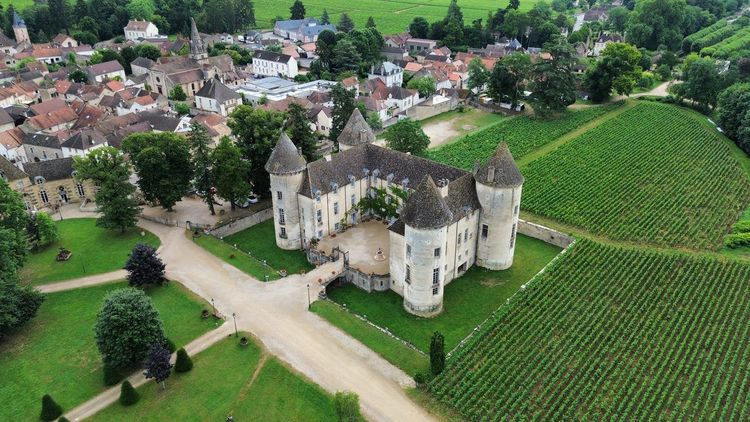
Heading back north, stop at Savigny-lès-Beaune, dominated by its 14th-century château remodeled in subsequent centuries. The château de Savigny-lès-Beaune now houses a surprising collection of fighter jets, racing motorcycles, and vintage cars in its outbuildings and grounds, alongside the classic tasting cellars — an unexpected mix that delights children and motoring enthusiasts alike.
The visit to the grounds and collections takes about an hour including the cellar tasting. It is a more playful stop than the other villages along the route, useful for breaking the rhythm if you are traveling with family.
Meursault and the Côte de Beaune
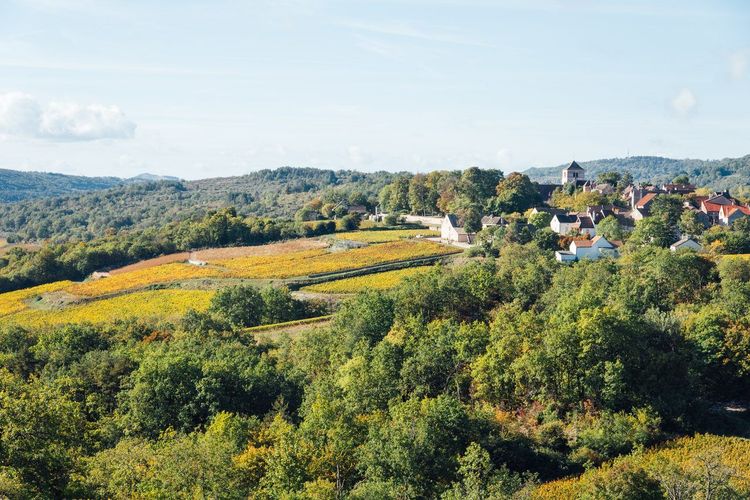
Next, head to Meursault (21190 Meursault), renowned for its dry white wines among the most sought after in Burgundy. The village, more spread out than Pommard or Volnay, has a lively center with several wine shops open for free tasting and a town hall recognizable by its glazed-tile spire.
To truly understand what distinguishes each parcel visited during the day, the Cité des Climats et vins de Bourgogne (Avenue du 8 Septembre, 21200 Beaune, rated 4.4/5 on Google based on 864 reviews), opened in 2023 at the entrance to Beaune and recognizable by its twisted tower, offers an interactive exhibition on the climats listed by UNESCO since 2015 — those precisely delimited parcels, defined over centuries, whose names appear directly on every bottle.
You can spend an hour there in the late afternoon before heading back to Beaune for dinner. Admission is generally between 12 and 16 euros, with optional tasting workshops available at extra cost.
Day 2 (Continued): The Voie des Vignes by Bike
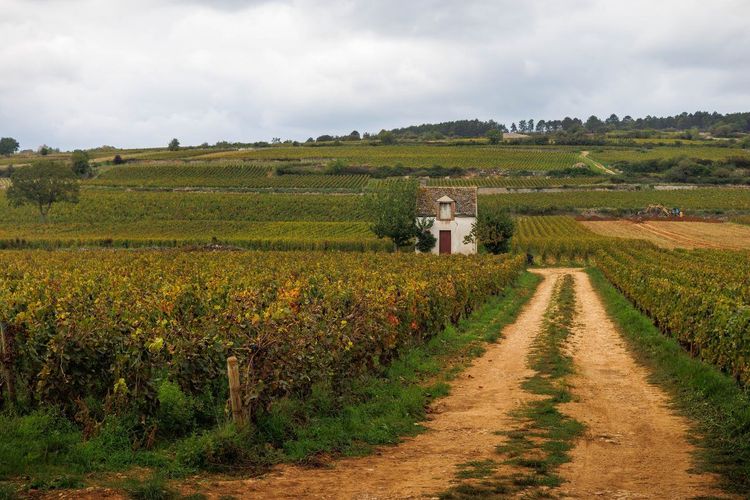
If the car does not appeal to you, the whole day can be spent entirely by bicycle, on a purpose-built trail that crosses the same landscape without sharing the road with cars.
Renting a Bike and Following the Route
The Voie des Vignes largely follows the route of a disused railway line, now reserved for cyclists and pedestrians, between Beaune, Santenay, and Nolay. Several rental shops in the town center offer standard or electric-assist bicycles by the half-day or full day, at between 15 and 35 euros depending on the model.
The main route covers about twenty kilometers to Santenay, with shorter variants to reach Pommard or Meursault in about an hour of easy cycling. The signage is simple to follow and the elevation gain remains gentle over most of the route.
Why Explore the Vineyards by Bike
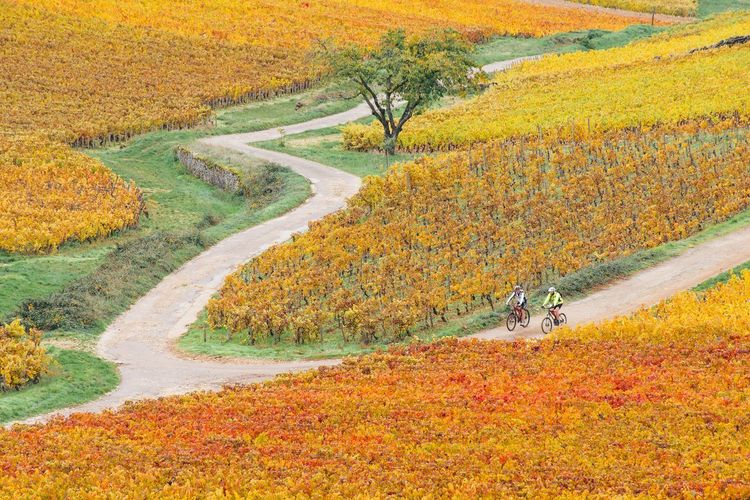
On a bike, you stop wherever you like, without hunting for parking between estates. It is also the only way to truly grasp the scale of the parcels: some Grand Cru classified climates cover just a few hectares, a reality that hits harder when you cross them in a few pedal strokes rather than by car.
The family-friendly route suits families with children aged 8 or 9 and up, provided you set off early to avoid the hottest hours in summer. Bring water: fountains are scarce once you leave the center of Beaune.
Day 3: A Day Trip to Dijon, City of the Dukes of Burgundy
For the third day, two options are open to you. The first is to head to Dijon, about forty kilometers to the north: allow roughly 40 minutes by road via the A31, or 25 minutes on a direct regional train from Beaune station, to discover the historic capital of the Duchy of Burgundy.
The Palais des Ducs and the Historic City Center
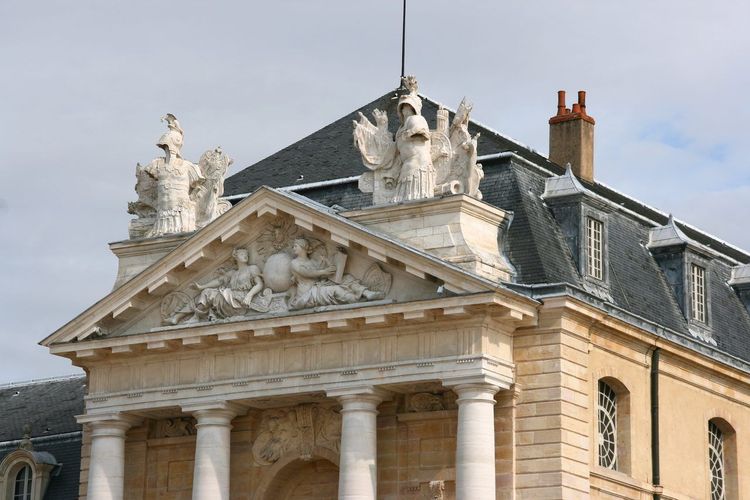
The Palais des Ducs de Bourgogne, at the heart of the historic city center, occupies the former residence of the Valois dukes, whose power once rivaled that of the King of France. The palace now houses the Musée des Beaux-Arts, one of the richest regional fine arts museums in France, with the sculpted tombs of Philippe le Hardi and Jean sans Peur as its centerpiece. Admission to the permanent collections is free — a rare proposition for a museum of this caliber.
Around the palace, Dijon's historic city center lines up private mansions and half-timbered houses, particularly along the Rue des Forges. The famous owl trail, marked by bronze plaques set into the ground, allows you to follow around twenty stops without getting lost.
The Tour Philippe le Bon and the Église Notre-Dame de Dijon
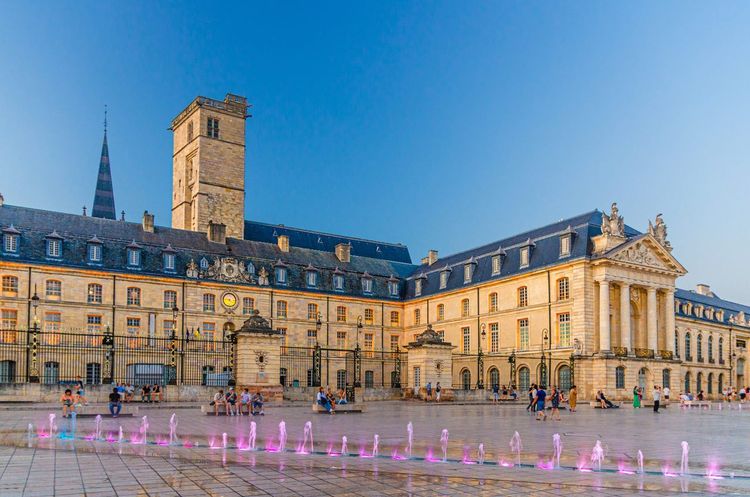
The Tour Philippe le Bon, which rises 46 meters above the palace, is climbed via 316 steps for a 360-degree panorama over the glazed-tile rooftops and, on clear days, as far as the first ridges of the Jura. Access is by guided tour only, in limited groups: reserve your time slot at the tourist office as soon as you arrive.
Nearby, the église Notre-Dame de Dijon hides on its flank the famous lucky owl, sculpted in stone and polished by generations of hands that stroke it in passing. The interior, Gothic and understated, contrasts with the ornate façade and its rows of gargoyles.
A Break by Lac Kir
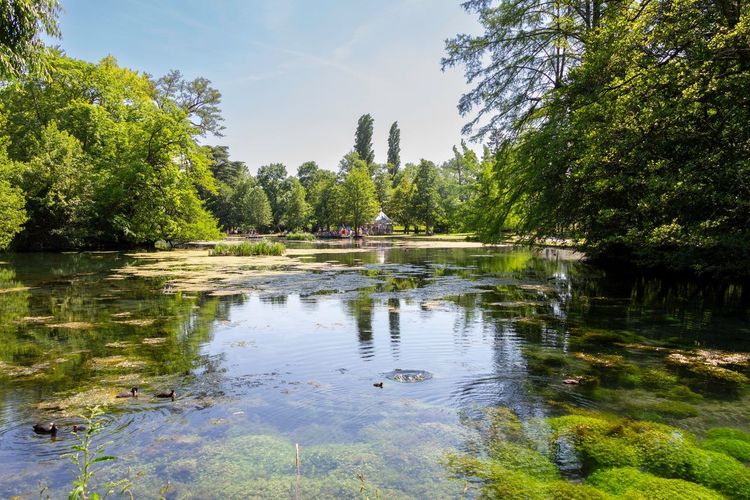
To end the day without rushing, Lac Kir (Avenue du Lac, 21000 Dijon, rated 4.3/5 on Google based on 2.9K reviews), to the west of the center, offers a green and watery strip appreciated for a walk or a picnic. The artificial lake takes its name from Canon Kir, former mayor of Dijon, and remains more of a Sunday strolling spot for locals than a tourist destination.
Plan your return to Beaune in the late afternoon to avoid driving at night on the narrow Côte roads.
Day 3 (Alternative): Nature and Heritage Around Beaune
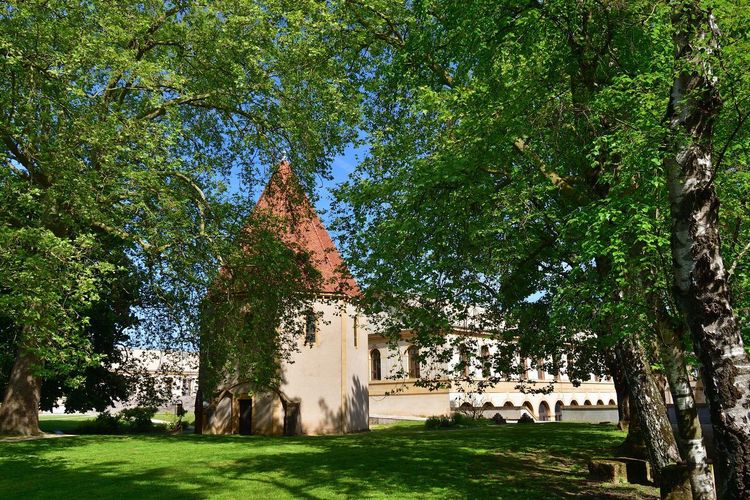
If Dijon does not appeal to you, or if you are traveling with young children, the third day can stay entirely around Beaune at a slower pace. This is also the easiest option with toddlers, detailed in the article Beaune with Family on the Ryo blog.
The Parc de la Bouzaize: a Green Pause
The parc de la Bouzaize, a few minutes on foot from the ramparts, unfolds its paths around a pond fed by the Bouzaize, with old trees, flower beds, and a small animal enclosure. It is the simplest place to let children unwind after two days of heritage visits, with a playground and wide shaded lawns.
Admission is free and the park is open year-round, with extended hours in summer.
The Chapelle des Templiers and the Musée du Vin de Bourgogne
Off the most frequented circuits, the chapelle des Templiers, a discreet medieval structure on the northern edge of town, recalls that the Knights Templar once owned land and vineyards in the region before the order's dissolution in the 14th century. Access is generally arranged through the tourist office on request.
The Musée du Vin de Bourgogne (Rue d'Enfer, 21200 Beaune, rated 4.1/5 on Google based on 374 reviews), housed in the former mansion of the Dukes of Burgundy, traces the history of regional viticulture through ancient tools, monumental wine presses, and a courtyard typical of Beaune's historic townhouses. Its turreted façade and stone staircase alone are worth the detour, even if you choose not to go inside.
These two short and uncrowded visits complement a stay already rich in major monuments. Allow half a day for both, leaving time to wander the adjacent streets of the Ecusson that you may not have explored on the first day.
Where to Taste Burgundian Cuisine in Beaune
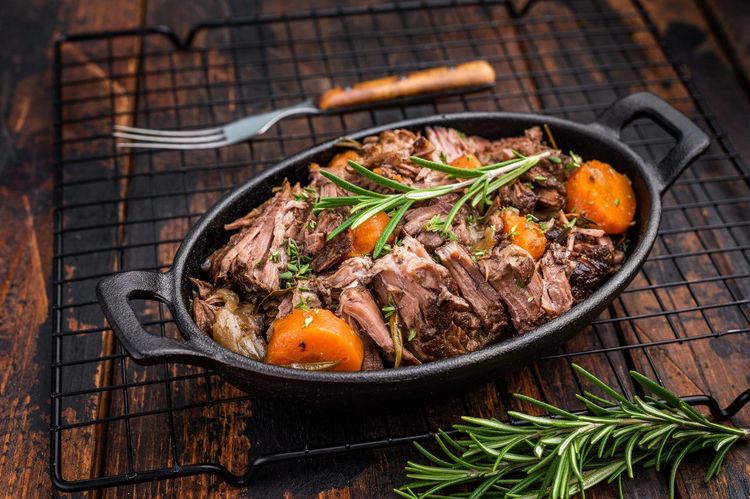
Burgundian cuisine deserves at least one dedicated meal per day: beef bourguignon slow-cooked for hours, snails in parsley butter, jellied ham with parsley, eggs in red wine sauce. Beaune, as a wine capital, also boasts an unusually high density of good restaurants for a town of just over 20,000 inhabitants.
The Best Tables in the Town Center
Among the regularly recommended addresses, L'Ecrit'Vin offers bistronomy in a contemporary setting, with a wine list that changes with each new arrival. Loiseau des Vignes (31 Rue Maufoux, 21200 Beaune, rated 4.2/5 on Google based on 588 reviews), under the banner of chef Bernard Loiseau, focuses on revisited Burgundian cuisine and serves many appellations by the glass — a great opportunity to try labels you would not buy by the bottle.
Le Cheval Noir and Clos du Cèdre round out the list for a more classic dinner, while Champy, one of Beaune's oldest négociant houses, offers food and wine pairings in its own historic cellars. Book well in advance for evenings during the auction period in November, when the town fills up weeks ahead.
Markets and Local Produce
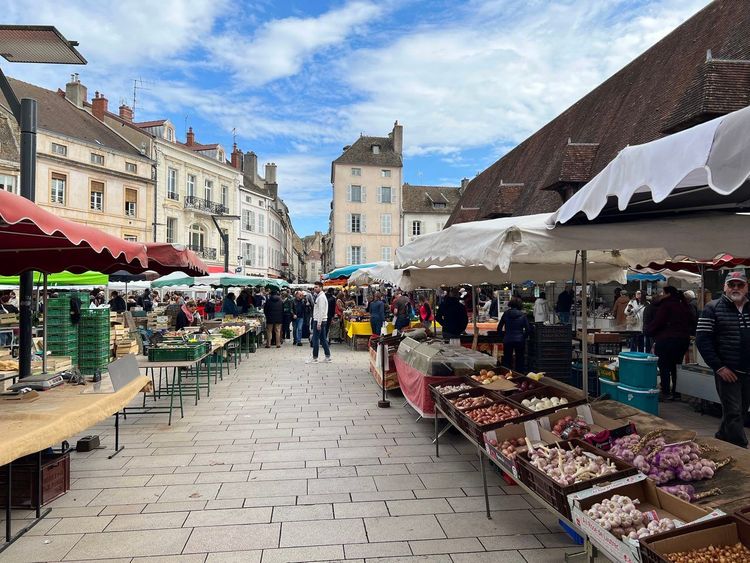
The Beaune market, every Saturday morning around the covered market hall, brings together producers of cheese, charcuterie, and Côte vegetables — a good place to assemble a picnic before an afternoon in the vines. A smaller market also takes place on Wednesdays. To bring wines home directly from estates, Domaine Besancenot and Clos de la Belle Châtelaine open their cellar doors for small-quantity sales — an alternative to the big négociant houses if you are looking for more under-the-radar cuvées.
Where to Stay in Beaune: Neighborhoods, Budget, and Good Addresses
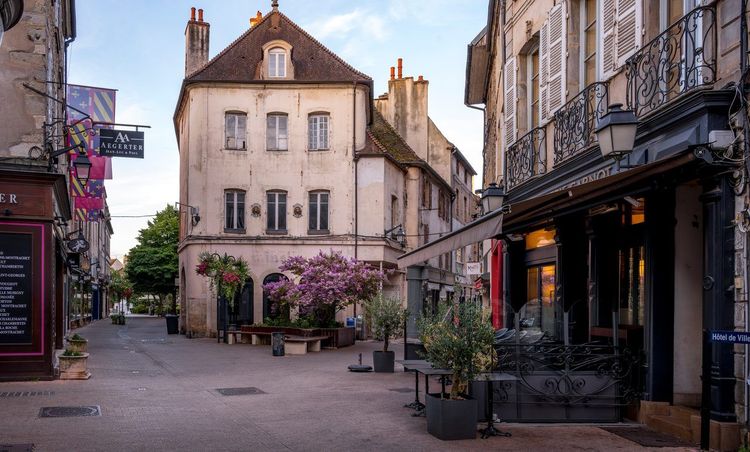
The intra-muros town center concentrates most of the charming addresses, within walking distance of all the first-day sites. It is the most convenient area if you want to avoid getting back in the car morning and evening.
The Hôtel des Ducs de Bourgogne (19 Rue Maufoux, 21200 Beaune, rated 4.6/5 on Google based on 2,212 reviews), housed in a historic building in the center, offers classically decorated rooms and a location that is hard to beat for walking to the Hospices or the Moutarderie Fallot.
For families, some town-center establishments offer connecting rooms or suites — a criterion worth checking before booking, as historic hotels often have irregular layouts inherited from old buildings. Outside the ramparts, villages along the Route des Grands Crus, Pommard and Meursault in particular, offer bed-and-breakfasts in the middle of the vineyards, a quieter option that requires driving in the evenings.
Expect to pay between 90 and 180 euros per night for a double room in the town center, with prices rising noticeably during the September-October harvest and the November Hospices auction. The municipal campsite Cent Vignes, north of town, remains the most economical option from April to October.
Practical Information: When to Visit, Getting Around, and Budget
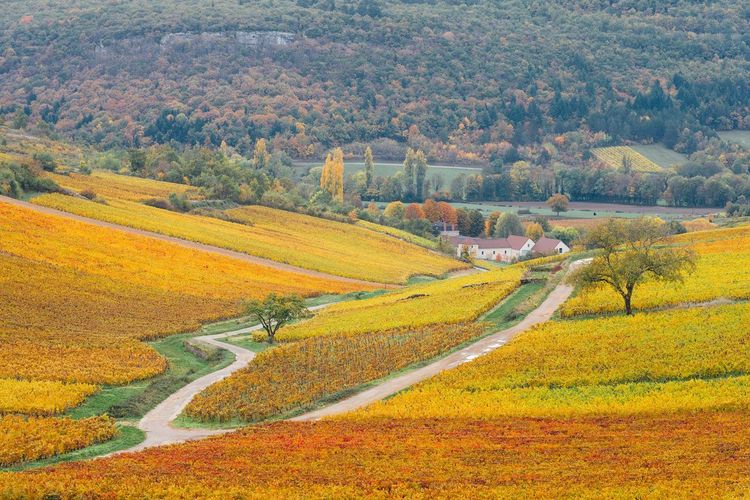
Where is Beaune located? The town is in Côte-d'Or, about forty kilometers south of Dijon — 25 minutes by regional train — and just over two hours from Paris by train via Dijon. It makes a central base for exploring the entire Côte de Beaune and the Côte de Nuits.
The best months to visit Beaune run from April to October, with a peak in June and July for the long evening light over the vines and another in September and October for the harvest, when the atmosphere in the streets changes completely. Winter is quiet and lets you explore the Hospices without crowds, though several estates reduce their opening hours.
To plan your route, a tourist map of Beaune is available free of charge at the tourist office in the heart of town, with downloadable versions on its website to organize your itinerary in advance. If you prefer a digital format, the Ryo audio guide for Beaune also covers the historic center as a complement to the paper map.
Going car-free works well for the town center and the train excursion to Dijon, but the Route des Grands Crus requires a vehicle, a rental bicycle, or an organized minibus tour departing from the town. If your stay is shorter, adapt accordingly: visiting Beaune in 1 day is enough for the Hospices, the old town, and one cellar, while a 2-day programme lets you add the wine route without the Voie des Vignes or the Dijon day trip.
For a wider itinerary, exploring Burgundy by car remains the most flexible option, with Beaune as an ideal base to branch out toward Dijon, Chalon-sur-Saône, or the villages of the Mâconnais. On the budget side, allow between 120 and 200 euros per day per couple including accommodation, paid tastings, and one restaurant meal per day.
One last calendar note: the Festival International d'Opéra Baroque et Romantique in Beaune, held every summer in July, transforms the Hospices courtyard and the Collégiale into concert venues. If your dates coincide, book tickets several months in advance — the event draws a national audience.
Extending Your Stay: 5 More Burgundy Gems Not to Miss
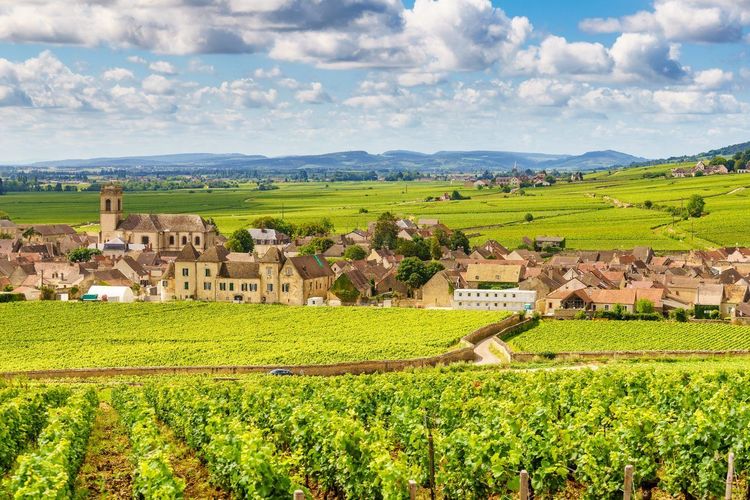
If your schedule spills beyond the three planned days, Burgundy is full of stops worth the detour, provided you are willing to venture a little further from Beaune.
The Abbaye de Fontenay and the Roche de Solutré
The abbaye de Fontenay, listed by UNESCO and founded in 1118 by Bernard de Clairvaux, can be visited as a near-intact Cistercian ensemble, tucked away in a wooded valley about an hour and a half's drive northwest of Beaune. The silence of the cloister and the garden surrounding the buildings stand in deliberate contrast to the bustle of downtown Beaune.
Further south, the Roche de Solutré, the famous limestone escarpment of the Mâconnais, offers a short but steep hike rewarded with a panorama over the Mâconnais vineyards and, on clear days, as far as the Alps. The archaeological site at its base yielded thousands of prehistoric horse bones, giving the site its wider reputation.
Cluny, Semur-en-Auxois, and the Château de Guédelon
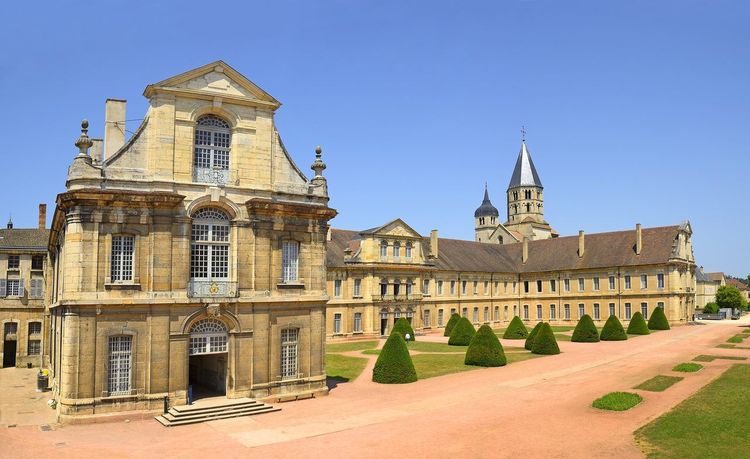
Cluny and its abbey, once the largest church in Christendom before the rebuilding of Saint Peter's in Rome, preserve only a fraction of the original structure, but an augmented reality tour available on site helps visitors grasp the monastery's lost scale.
To the north, Semur-en-Auxois surprises with its massive towers perched above a meander of the Armançon — a small medieval town that remains little visited despite its spectacular setting. Nearby, the château de Guédelon (Route de Guédelon, 89520 Treigny, rated 4.7/5 on Google based on 17,277 reviews) offers a unique experience: a full-scale medieval construction site where craftspeople have been building a castle since 1997 using 13th-century techniques and materials, with no modern tools whatsoever.
The Most Beautiful Villages Around Beaune
You don't need to drive an hour to find something worth photographing. La Rochepot, a quarter of an hour away by road, raises its château with glazed-tile rooftops above the forest — a fairy-tale silhouette visible from the main road. Saint-Romain splits into an upper village backed against a cliff and a lower village in the middle of the vines, linked by an easy path that connects the two and offers one of the finest viewpoints on the Côte.
Nolay retains 14th-century wooden market halls and half-timbered houses around its main square, at the end of the Voie des Vignes. A little further on, Châteauneuf-en-Auxois is listed among the Plus Beaux Villages de France, perched above the Canal de Bourgogne, while Noyers-sur-Serein, further north and equally labeled, lines up half-timbered façades and ramparts within a river bend. Enough to fill a fourth day without ever getting back on the motorway.
To plan these extensions and discover other stops around the town, the article What to See Around Beaune on the Ryo blog details several day-trip itineraries from the town.
FAQ
How many days do you need to discover Beaune?
Three days allow you to cover the essentials: the historic center and the Hospices, the Route des Grands Crus through the wine villages, then Dijon or a quieter day around Beaune. Two days are enough for a focused overview of the town and a single excursion into the vineyards, while a full week allows you to add the Mâconnais, Cluny, and the abbaye de Fontenay at a leisurely pace.
Where is Beaune located?
Beaune is located in Côte-d'Or, in Burgundy, about forty kilometers south of Dijon, roughly 25 minutes by regional train. The town is connected to Paris and Lyon by the A6 motorway, of which it occupies almost the midpoint, and by regional trains linking the TGV stations of Dijon and Creusot-Montchanin.
What are the best months to visit Beaune?
April through October offer the most pleasant conditions, with a peak in June and July for the light over the vines and another in September and October for the harvest atmosphere. Winter remains an option for enjoying the town without crowds, provided you accept reduced visiting hours at some estates. November, however, is when the Hospices auction takes place: atmosphere guaranteed, but hotels fully booked and prices higher.
Where should you stay in Beaune?
The intra-muros town center is the most convenient, within walking distance of the Hospices and the old town. Villages along the Route des Grands Crus, such as Pommard or Meursault, offer bed-and-breakfasts in peaceful vineyard settings for those who don't mind taking the car in the evening. Expect to pay between 90 and 180 euros per night in high season for a double room.
What are the must-see things to do in Beaune?
The Hospices de Beaune and their polychrome roof, a cellar tour at Patriarche Père et Fils or another négociant house, a walk along the ramparts and through the Ecusson district, and a trip along the Route des Grands Crus are among the most frequently mentioned highlights by visitors.
What are the 5 museums to visit in Beaune?
Beaune's notable museums include the Hôtel-Dieu and its Hospices museum, the Musée du Vin de Bourgogne housed in the former ducal mansion, the Cité des Climats et vins de Bourgogne, as well as the Musée des Beaux-Arts and the Musée Étienne-Jules Marey, both housed in the same municipal building, with the latter dedicated to the pioneering Beaune-born chronophotographer.
Can you discover Beaune without a car?
Yes for the town center, whose highlights are all walkable within the ramparts, and for the excursion to Dijon by train. The Route des Grands Crus, however, requires a rented bicycle, an organized tour, or a car, as the wine villages are not served by a practical bus network.
Beaune lends itself well to a three-day pace: enough to explore thoroughly, not so much that you'll grow restless. Between the Hospices in the morning, a cellar visit in the afternoon, the Route des Grands Crus, and the tranquility of the parc de la Bouzaize, the town and its surroundings cover a wide range without ever demanding long journeys. The third day, split between Dijon and a leisurely loop through the Côte villages, lets you choose based on how much energy you have left.
Before you go, one last useful tip: the Ryo audio-guided tour of Beaune lets you follow the first day's itinerary without lifting your eyes from the street to find your way, headphones on and commentary triggered in front of each monument — turning a list of sights into a genuine stroll between ancient stones and great wines.