© Shutterstock
 Votre guide Ryo
Visiting Compiègne for the First Time: The Complete Guide 2026
The train takes less than an hour to connect Paris-Nord to Compiègne, and yet few travellers think of visiting Compiègne for the first time before rushing off to better-known destinations in Picardy. That is a mistake: this town of around 40,000 inhabitants welcomed the kings of France and then both Empires, saw the 1918 armistice signed in a railway carriage in the heart of its forest, and preserves one of the best-preserved Second Empire châteaux. To get your bearings as soon as you step off the train, the Ryo audio-guided tour of Compiègne lets you walk between the town centre's must-sees without relying on a paper map.
Expect a few surprises along the way: a forest of more than 14,000 hectares where Napoleon III took his guests hunting with hounds, a theatre left unfinished for over a century before its restoration, a museum displaying nearly 155,000 figurines, and a clearing where two armistices were signed twenty-two years apart, in the very same place. Between the imperial château, the historic centre, the museums, the forest and the surrounding villages such as Pierrefonds or Saint-Jean-aux-Bois, this guide covers everything you need to know before you go, with excursion ideas to Chantilly, Senlis or Beauvais to extend your stay.
The Château de Compiègne, Former Residence of Emperors
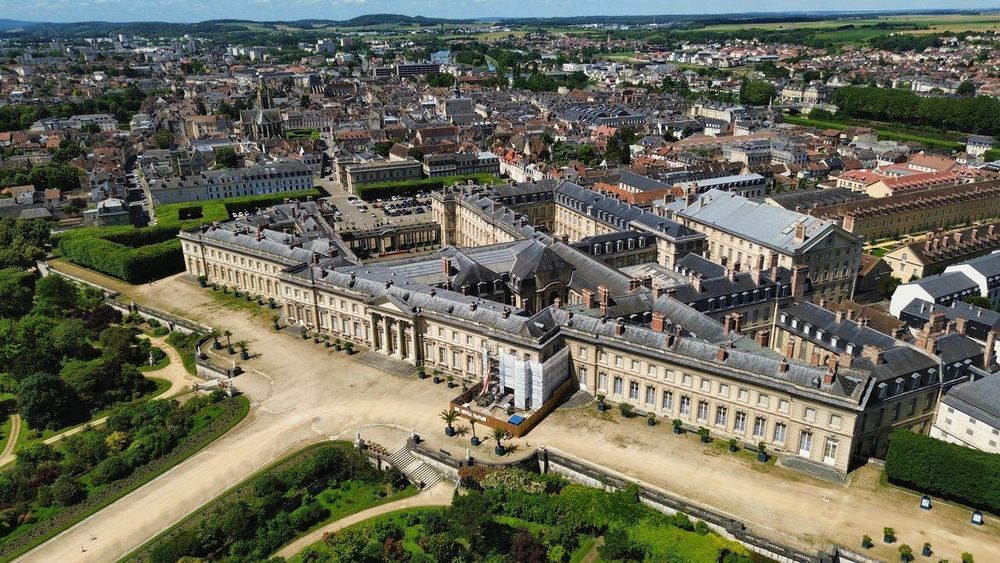
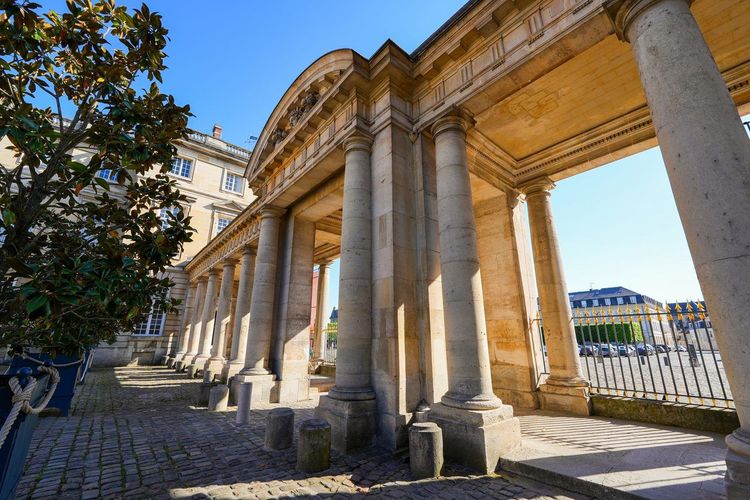
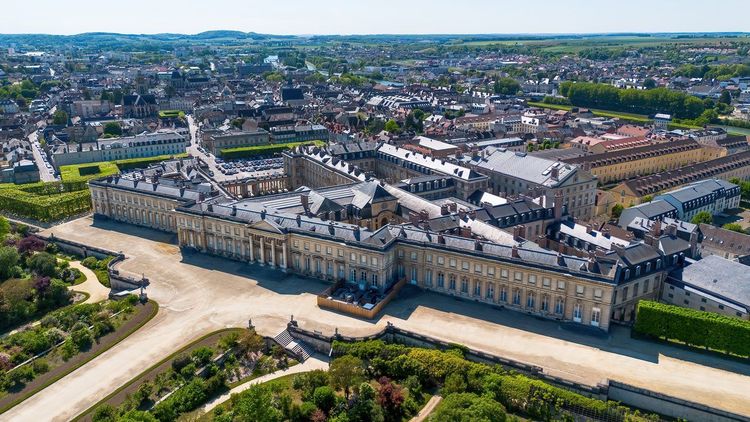
No visit to the town begins anywhere else. The Château de Compiègne (Place du Général de Gaulle, 60200 Compiègne, rated 4.5/5 on Google from 6,261 reviews) was rebuilt under Louis XV by the architect Ange-Jacques Gabriel, then entirely refurbished by Napoleon I, who welcomed Marie-Louise of Austria there in 1810. Napoleon III and Eugénie made it their favourite autumn residence, with the famous "séries": guests invited in week-long batches for hunts, balls and charades. It is this last incarnation, the most richly documented, that you discover today in most of the rooms open to the public.
The Apartments of the Emperor and the Empress
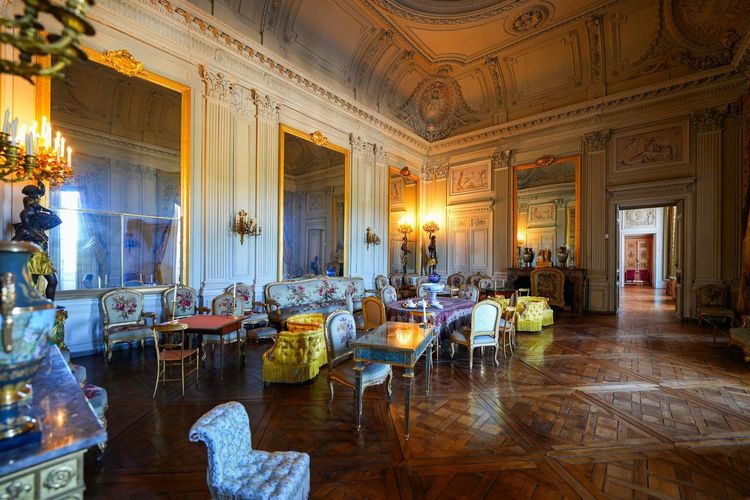
The tour of the grand apartments passes through the Throne Room, the Ballroom Gallery and Napoleon I's library before reaching the private rooms. The Emperor's bedroom has kept its bed and Empire furniture, a rare example of Napoleonic decor that has remained coherent since the 19th century.
Right next door, the Empress's apartment stands out for its silks and gilded armchairs, typical of the imperial taste for ornamentation. One anecdote often circulates: Napoleon and Marie-Louise's marriage had been celebrated by proxy in Vienna, and it was on the road to Compiègne, in March 1810, that the Emperor, too impatient to wait, met his new wife for the first time.
Allow an hour and a half for the apartments if you take the time to read the display labels. The single ticket (€10 full price in 2026, more during major exhibitions) gives access to the apartments and the museums open on the day of your visit, audioguide included. Good to know: admission is free for under-26s and for everyone on the first Sunday of the month. The château is closed on Tuesdays.
The Château Park and Its French Gardens
Behind the château stretches a park with regular flowerbeds and a central perspective, the Avenue des Beaux-Monts, which runs straight towards the forest for nearly four kilometres. Statues inspired by antiquity line the paths and serve as landmarks when you are looking for the leafy arbour or the exit to the forest.
The park can be visited for free, unlike the indoor rooms, which makes it a good option if your budget or time is limited. To link this park with the other monuments in the centre without zigzagging across the map, the Ryo audio-guided tour At the Heart of History offers 17 commented stops over 4.5 km, with anecdotes about imperial court life told right in front of each façade.
The Historic Centre: Town Hall, Ramparts and Imperial Theatre
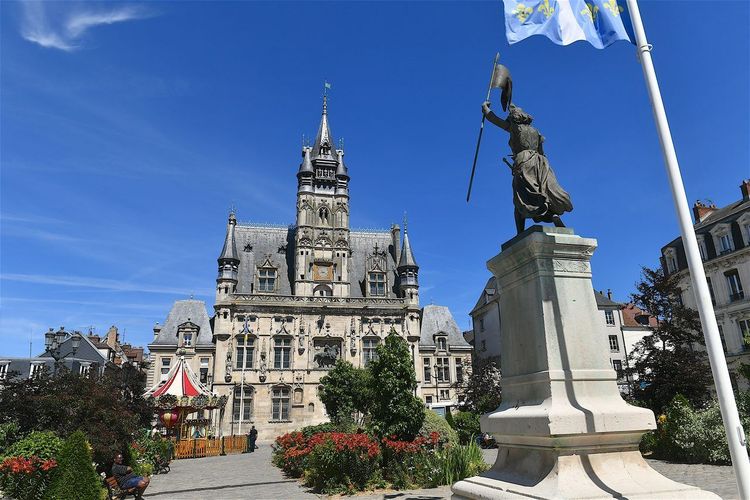
Ten minutes' walk from the château, the old town centre concentrates most of Compiègne's medieval and Renaissance heritage. You can easily get around on foot, with pedestrian streets linking the main monuments.
The Town Hall and the Central Square
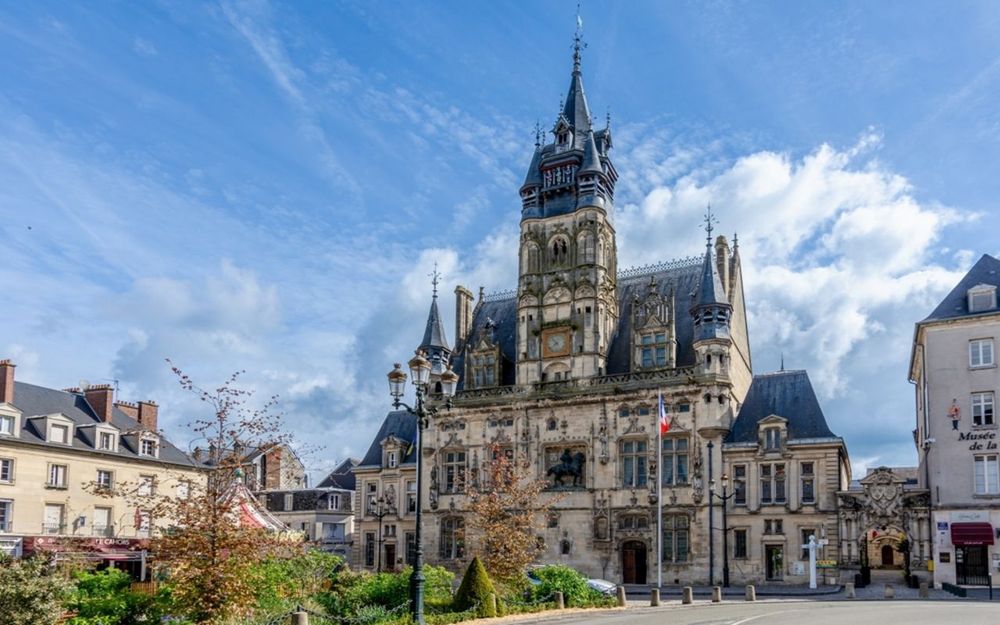
The Compiègne town hall (Place de l'Hôtel de Ville, 60200 Compiègne, rated 3.8/5 on Google from 274 reviews), with its flamboyant Gothic façade and its belfry animated by three automatons called the Picantins, has dominated the main square since the turn of the 15th and 16th centuries, under the reign of Louis XII. Look up on the hour: the three figures strike the bell, a little show that children love. On the same square stands a statue of Joan of Arc, a reminder of her capture at the gates of the town on 23 May 1430, an episode few visitors spontaneously associate with Compiègne before coming here.
The Ramparts and the Church of Saint-Jacques
The remains of the Compiègne ramparts still run along part of the old centre, witnesses to the medieval fortifications that protected the town. They are easy to follow on foot from the centre, without any significant detour.
A short walk away, the Church of Saint-Jacques deserves a stop for its Gothic architecture and the calm that reigns there, far from the bustle of the neighbouring shopping streets. Its name is a reminder that Compiègne was a stage on the Way of Saint James to Santiago de Compostela.
The Imperial Theatre, a Rediscovered Jewel
The Imperial Theatre has a singular history: commissioned by Napoleon III, it was unfinished when the Empire fell in 1870 and remained a building site for over a century, before a restoration that returned it to its former glory and an inauguration in 1991. Today it hosts opera and music programming that is recognised well beyond the Oise.
If you prefer to explore this historic centre at your own pace, the same Ryo audio-guided tour links the town hall, the ramparts and the theatre on foot in 1h50, in an order designed to avoid unnecessary back-and-forth.
The Must-See Museums of Compiègne
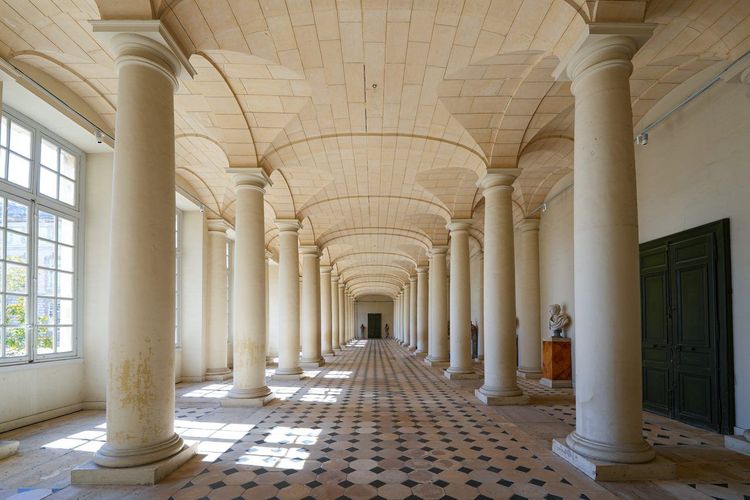
Compiègne has half a dozen museums within a very compact area, almost all accessible on foot from the château. It is hard to see them all in a single day: better to choose according to your tastes rather than tick everything off on principle. The municipal museums charge €4 (free for under-26s).
Saint-Corneille Cloister Museum and Antoine Vivenel Museum
Housed in two wings of the cloister of the abbey founded in 877 by Charles the Bald, the Saint-Corneille Cloister Museum holds a lapidary gallery of sculptures from the 13th to the 16th centuries. Look for the Virgin with the Silver Foot, around 1270, which Saint Louis is said to have given to the abbey.
The Antoine Vivenel Museum, named after the Compiègne collector who bequeathed his pieces to the town, occupies the Hôtel de Songeons and presents an eclectic collection ranging from Greek vases to 19th-century paintings. Archaeology enthusiasts will find an unexpected collection for a town of this size.
National Museum of Carriages and Tourism and Museum of Historical Figurines

Housed in a wing of the château, the National Museum of Carriages and Tourism traces the history of transport from coaches and berlins to the first automobiles. It is one of the few French museums entirely devoted to this theme, and it is included in the château ticket (open in the afternoon, on certain days only: check before you come).
The Museum of Historical Figurines (60200 Compiègne, rated 4.4/5 on Google from 253 reviews) reopened on 23 May 2026 after two years of works, in the former officers' mess of the Staff College. Its nearly 155,000 pieces form one of the largest collections in the world, and the diorama of the Battle of Waterloo, with 12,000 figurines spread over 21 m², is reason enough to make the detour.
Two other sites complete this museum circuit: the Memorial of Internment and Deportation, set on the site of the former Royallieu camp, from which many convoys left for the Nazi camps, offers a dense and necessary visit; and the Espace Saint-Pierre des Minimes, a former church converted into a temporary exhibition venue. To place these addresses between two stops, our Ryo audio guide takes you past most of them as it follows the thread of the town's history.
The Compiègne Forest and Its Hiking Trails
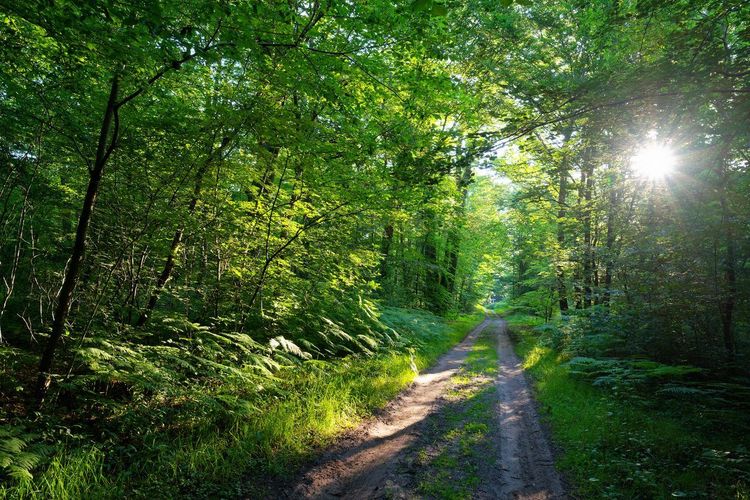
With more than 14,000 hectares, the Compiègne Forest is one of the largest forest massifs in northern France. Napoleon III and Eugénie organised hunts and carriage rides there; today, you can explore it with family, by bike or on foot, along a network of marked trails.
The "In the Footsteps of the Empresses" Trail
This marked hiking trail forms an easy 6.6 km loop starting from the Grille des Beaux-Monts forest lodge, taking about 1h30. It follows the great geometric avenues of the Grand Parc, in the footsteps of Joséphine and Eugénie, then joins the romantic area of the Saint-Pierre ponds and the Empress's pavilion.
Bring good shoes: the ground stays damp for much of the year, even when the surface is dry. If you followed the Ryo audio-guided tour in town and its 17 stops, the stories of the imperial court take on their full meaning here, along the bridle paths.
The Armistice Clearing, Between Nature and Memory

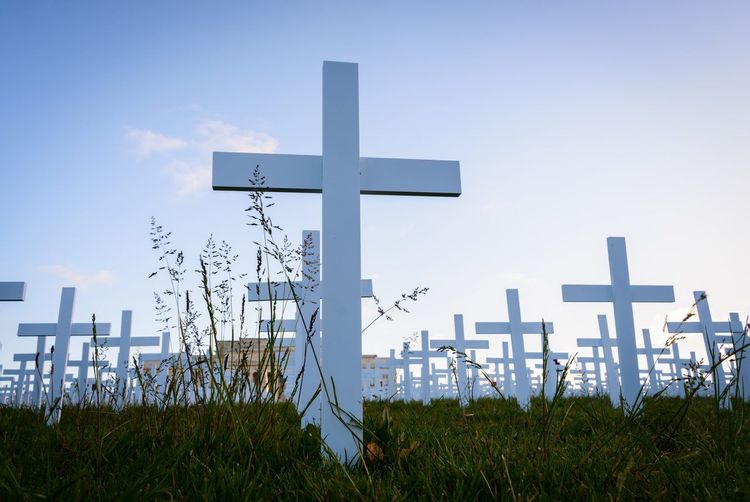
About ten minutes by car from the town centre, the Armistice Clearing (Route de Soissons, 60280 Compiègne, rated 4.6/5 on Google from 276 reviews) marks the spot where the armistice of 11 November 1918 was signed, in Marshal Foch's railway carriage office. A carriage from the same series, fitted out identically, and a museum retrace this episode, as well as the symbolic revenge sought by Hitler in June 1940 at the same place.
It is one of the most moving sites around Compiègne, often visited as a complement to a forest walk rather than as a stand-alone destination.
Songeons Park, a Green Break in the Town Centre
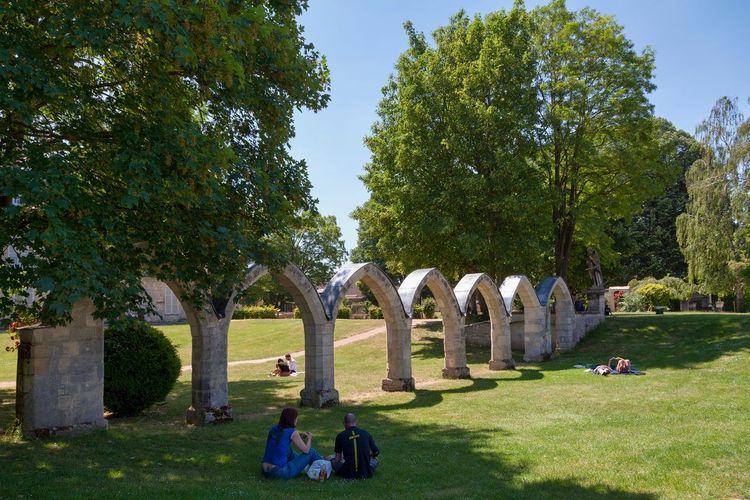
Less well known than the château park, Songeons Park (Rue d'Austerlitz, 60200 Compiègne, rated 4.3/5 on Google from 580 reviews) offers a peaceful break right in the town centre, in the shade of large trees. It surrounds the Hôtel de Songeons, which houses the Vivenel Museum: handy for combining a visit with a quiet moment.
It is a good place to catch your breath between visits, especially with children who need to burn off some energy. Entry is free, and a few benches allow for a picnic if the weather permits.
The Immediate Surroundings: Pierrefonds and Saint-Jean-aux-Bois
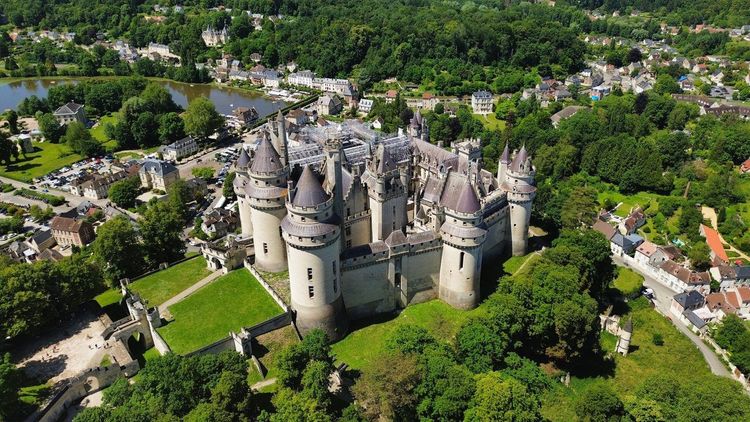
If you have an extra half-day, two sites less than twenty minutes away by car naturally complement a visit to Compiègne.
Pierrefonds Castle, 15 Minutes Away
The Château de Pierrefonds is a spectacular reconstruction carried out from 1857 by Viollet-le-Duc, at the request of Napoleon III, on the ruins of a medieval fortress. The result, half authentic and half fantasy, has served as the setting for several films and series, which explains its instantly recognisable silhouette even for those who have never set foot there.
The interior is worth the visit for the Salle des Preuses and its monumental sculpted fireplace. Allow an hour on site, a little more if you climb up to the wall walk for the view over the village.
The Village of Saint-Jean-aux-Bois and Its Lanes
Much more discreet, the village of Saint-Jean-aux-Bois (60350 Saint-Jean-aux-Bois, rated 4.6/5 on Google from 100 reviews) developed in the middle of the forest around a former abbey, of which the church and some of the buildings remain. Its lanes and stone houses make it a pleasant stop for those who like villages that have not yet been turned into tourist attractions.
Before leaving town for these excursions, keep in mind that the Ryo audio-guided tour of Compiègne has 17 commented stops: you might as well see them all before heading off to explore the surroundings, rather than coming back later.
Day Trips in the Oise and Beyond
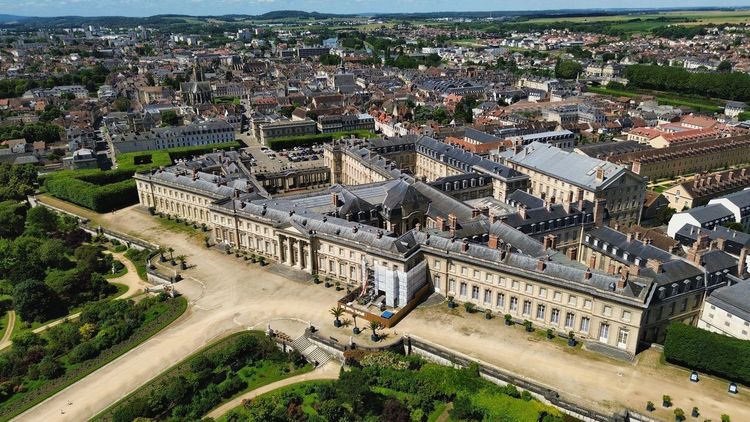
Compiègne is less than an hour from several destinations that deserve a full day if your stay exceeds two or three days.
Chantilly and Senlis, Two Château Towns
About three-quarters of an hour by road, Chantilly and its château house the richest collection of old master paintings in France after the Louvre, in an estate with a renowned equestrian past. Senlis, close by, preserves an almost intact medieval centre and a Gothic cathedral that predates Chartres. If you only have one day, start with Chantilly in the morning and save Senlis for late afternoon.
Beauvais and Gerberoy, Between Cathedral and Charming Village
Beauvais stands out for its Saint-Pierre Cathedral, whose Gothic choir is the tallest in the world, a project left unfinished for lack of funds. Nearby, Gerberoy, listed among the most beautiful villages in France, is best visited in June for its climbing roses that cover the half-timbered façades.
Ermenonville and Fontaine-Chaalis, Nature Escapes
Ermenonville owes its fame to the park where Jean-Jacques Rousseau spent his last weeks in 1778, now laid out as a romantic walk. A few minutes away, the Abbey of Fontaine-Chaalis (60300 Fontaine-Chaalis, rated 4.5/5 on Google from 1K reviews) combines Gothic ruins, a rose garden and art collections, a more intimate site than Chantilly but just as photogenic.
Where to Stay and Eat in Compiègne
Charming Accommodation in Compiègne
The town centre has most of the charming accommodation in Compiègne, from guesthouses in 19th-century mansions to small independent hotels a few minutes' walk from the château. For a more rural stay, several holiday cottages on the forest edge combine peace and quiet with proximity to the hiking trails.
Book early if your visit coincides with a weekend in May or June, when local festivals and weddings push up demand for the best-located addresses.
Restaurants and Local Specialities

At the table, the restaurants and local specialities of Compiègne showcase generous Picardy cooking: ficelle picarde, leek flamiche and the region's craft beers appear on many menus in the town centre. The streets around the town hall hold most of the addresses, from simple bistros to more gastronomic restaurants.
For a quick lunch between visits, several bakeries in the centre offer takeaway deals, to enjoy in the château park or at Songeons Park.
Getting Around and Choosing the Best Time to Visit
Getting Around Compiègne and Its Surroundings
The town centre can be visited entirely on foot, with the château, the museums and the historic centre all within a twenty-minute walk. Another rare advantage: the urban bus network of the agglomeration is free, which helps you reach the station or outlying districts. For excursions to Pierrefonds, Chantilly or Senlis, the car remains the most flexible solution, and cycling suits the forest roads to the Armistice Clearing very well.
If you are looking for other ideas for outings once you have explored the town centre, our article on the top 5 activities in Compiègne is a useful complement to this guide with more targeted suggestions.
When to Go: The Best Times of Year
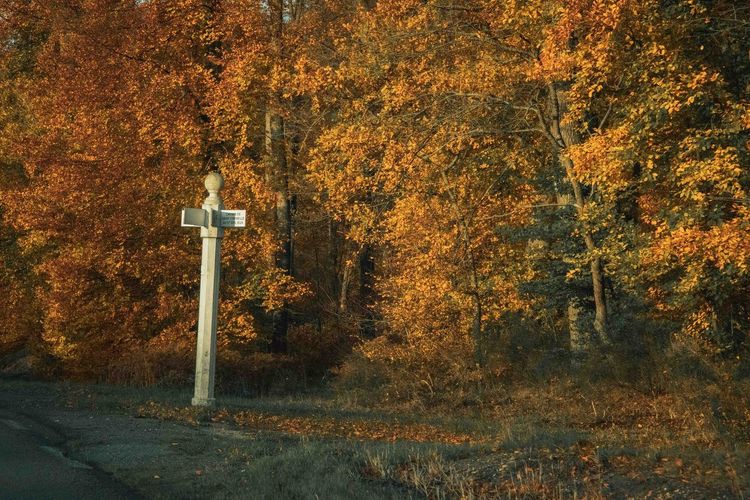
Spring and early autumn remain the ideal times to visit Compiègne, with a particularly photogenic forest in mid-October when the foliage changes colour. Summer lets you make the most of the château park and the terraces, at the price of heavier crowds on weekends.
Winter, quieter, suits a cultural visit focused on the château and the museums, even if it means cutting short the forest part when the weather is too gloomy.
Events and Festivities Not to Miss
Compiègne's calendar is built around several events that are worth the detour if your dates coincide. The most popular remains the Fêtes Jehanne d'Arc, in late May (23 and 24 May in 2026): medieval market, equestrian show, historical parade and ceremony in front of the statue on the Place de l'Hôtel de Ville, all free to attend.
In September, the European Heritage Days open the château and the museums free of charge, with exhibitions at the Espace Saint-Pierre des Minimes. The Imperial Theatre's programme is also worth checking before you come: some performances sell out several weeks in advance.
How Much Time to Allow for Visiting Compiègne
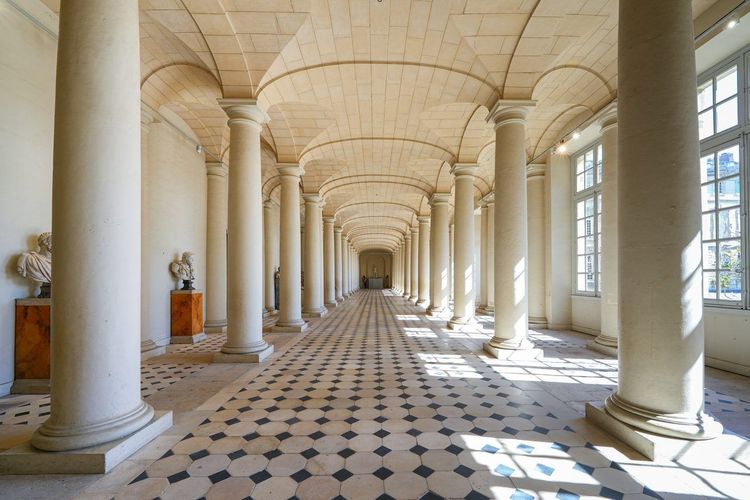
For a first visit covering the château, the historic centre and one or two museums, allow a good full day, or even two if you add a forest walk to the Armistice Clearing. This is the ideal length of stay to leave without frustration.
If you want to know how to visit Compiègne in 3 days, add an excursion to Pierrefonds and Saint-Jean-aux-Bois on the second day and another to Chantilly or Senlis on the third: the pace stays comfortable without ever being rushed. A tourist map of Compiègne is available at the tourist office, Place de l'Hôtel de Ville, handy for visualising the distances between sites before setting off.

FAQ
How long does it take to visit Compiègne?
One day is enough for the essentials of the town centre and the château. Allow two to three days to include the forest, the Armistice Clearing and an excursion to Pierrefonds or Chantilly.
What is the best time of year to visit Compiègne?
Spring and early autumn offer the best compromise between pleasant weather and moderate crowds, with a special mention for the forest in its autumn colours in mid-October.
Where is Compiègne and how do you get there?
Compiègne is located in the Oise department, in Hauts-de-France, about 80 km north of Paris. The train from Gare du Nord connects the two cities in under an hour, making it an easy excursion from the capital.
What are the must-see museums in Compiègne?
The National Museum of Carriages and Tourism and the Museum of Historical Figurines, reopened in May 2026, are among the most appealing, alongside the Antoine Vivenel Museum, the Saint-Corneille Cloister Museum and the Memorial of Internment and Deportation.
What are the prettiest villages around Compiègne?
Saint-Jean-aux-Bois and Gerberoy come out on top, the former for its forest setting and abbey, the latter for its rose-covered lanes and its listing among the most beautiful villages in France.
Is there an admission fee for the Château de Compiègne?
Yes, the full-price ticket costs €10 and includes the apartments and the château's museums. Admission is free for under-26s and for everyone on the first Sunday of the month. The park, on the other hand, is free all year round.
Can you visit Compiègne in just one day?
Yes, by focusing on the château and the historic centre. You will, however, have to give up the forest and the excursions to Pierrefonds or Chantilly, which are best saved for a second visit.
Compiègne is surprisingly well suited to a first stay, with a château that has hosted kings and emperors, a vast forest where history surfaces in every clearing, and neighbouring villages that have lost none of their character. The hardest part will probably be choosing among everything the town and its surroundings offer within so few kilometres.
To organise your day without hours of preparation, the Ryo audio-guided tour At the Heart of History remains the simplest way to link the château, the historic centre and local anecdotes in a single 1h50 guided walk.