© Shutterstock
 Votre guide Ryo
Nancy Neighborhoods in 2026: The Complete Guide, District by District
Welcome to Nancy's neighborhoods, 2026 edition: eleven official districts, five administrative territories, and yet an identity that changes completely depending on whether you head down to Saurupt or make your way up toward the Rives de Meurthe. Understanding Nancy's neighborhoods takes a little more than a glance at a map. The city was built in layers, from the 18th-century ducal core to the eco-districts that emerged after 2010, and each area tells a different part of its story. The audio-guided tour of Nancy covers much of this urban puzzle across 28 audio stops, from place Stanislas all the way to the gates of the old city.
This guide covers Nancy's main neighborhoods one by one: the UNESCO-listed historic center, Saurupt's Art Nouveau villas, the working-class atmosphere of Trois-Maisons, the ecological revival of the Rives de Meurthe, and the areas that sometimes raise legitimate questions about tranquility. You will also learn how to get from one neighborhood to another and which area best suits your lifestyle, whether you are looking for a student studio, a family home, or simply a base for a weekend in Nancy.
The Vieux Nancy, Between Place Stanislas and Ducal Alleyways
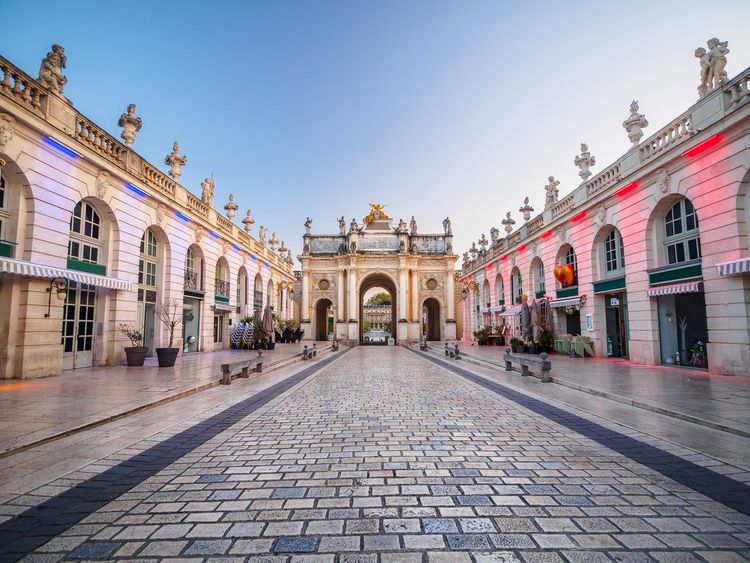
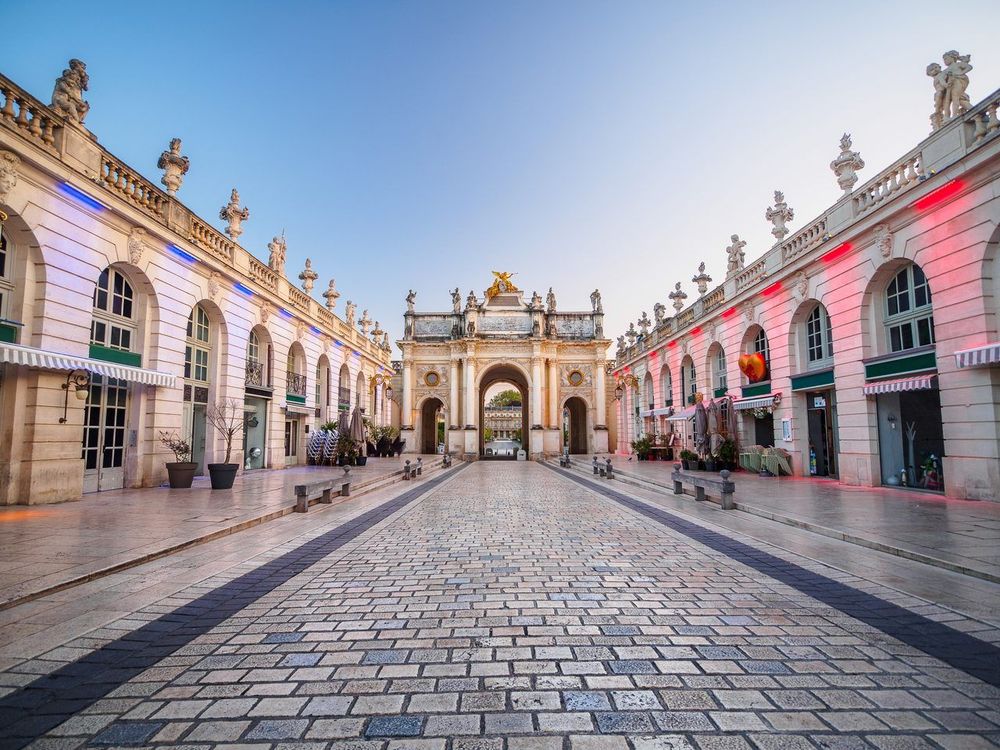
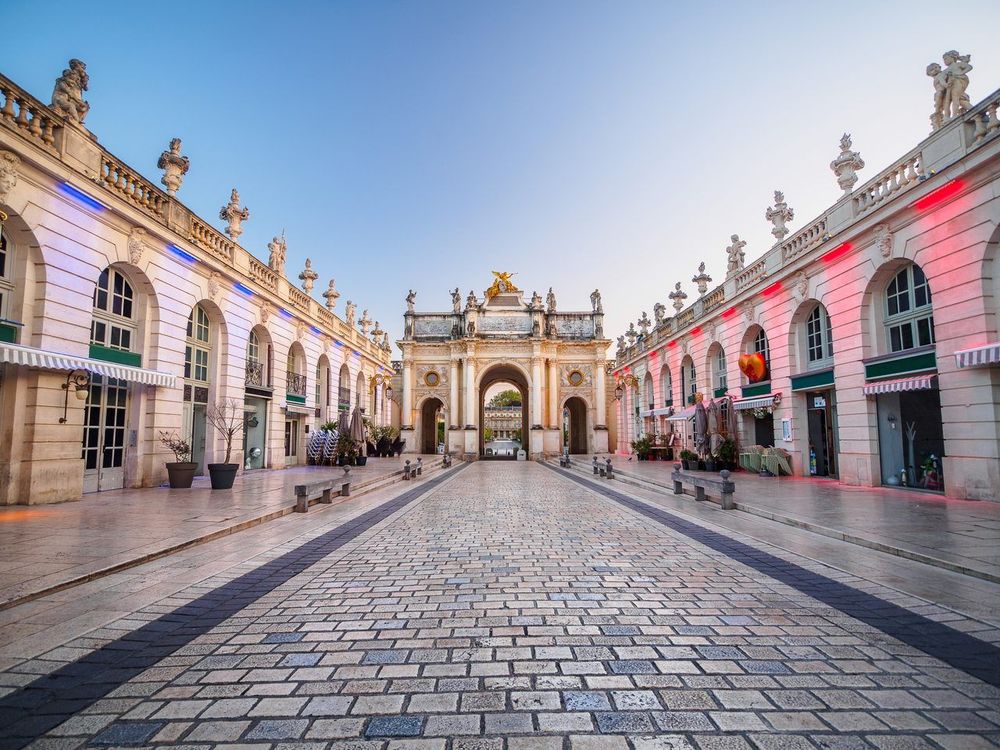
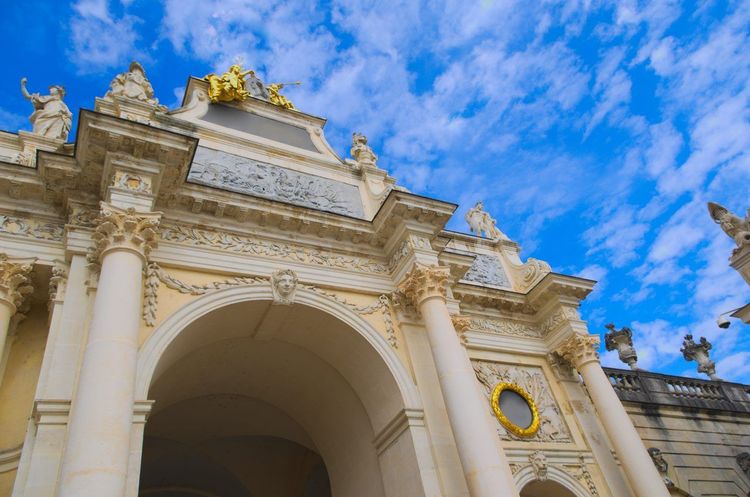
Everything begins here, almost always. The Vieux Nancy refers to the city's historic core, the one that earned Nancy its UNESCO World Heritage listing in 1983. Three squares form the backbone of this designation: place Stanislas, place de la Carrière, and place d'Alliance, linked by the Arc Héré. The first, paved and bordered by gilded ironwork gates designed by Jean Lamour, was completed in 1755 on the orders of Duke Stanislas Leszczyński, Louis XV's father-in-law and former deposed king of Poland.
What strikes you most, once you pass through the Arc Héré, is the change of pace. Place de la Carrière stretches in a rectangle lined with linden trees all the way to the Palais du Gouvernement, with a perspective that gives the impression the city was drawn in a single gesture. Many visitors stop here. They are wrong not to push on to the old city proper, to the west, where the alleyways narrow around the Grande Rue and the basilique Saint-Epvre, rebuilt in the 19th century in a neo-Gothic style that contrasts sharply with the neighboring 18th-century classicism.
At the end of the Grande Rue stands the porte de la Craffe, a remnant of the 14th-century medieval fortifications with its two pepper-pot towers. It is one of the few remaining fragments of the city's fortified wall, and it symbolically marks the boundary between the ducal city and the suburbs that developed afterward. Just beside it, the musée Lorrain, housed in the former ducal palace, sometimes closes part of its collections for renovation, but the building's exterior alone is worth the detour.
Just behind place Stanislas, on the eastern side, the parc de la Pépinière (4bis Rue Sigisbert Adam, 54000 Nancy, rated 4.6/5 on Google with 9K reviews) offers a welcome green counterpoint after the mineral density of the listed squares. Its centuries-old alleys, rose garden, and small animal park make it the spot where Nancy residents come to picnic at the first sign of good weather, far from the bustle of the tourist terraces.
This neighborhood also concentrates most of the student and tourist nightlife: terraces around place Saint-Epvre, wine bars on rue des Maréchaux, historic cafés on place Stanislas. The 28 audio stops of Nancy's audio-guided tour linger particularly over this area, with anecdotes about the construction of the gilded gates or the fate of the statue of Louis XV, melted down during the Revolution and then replaced by that of Duke Stanislas himself in 1831.
The Commercial City Center, Between Rue Saint-Jean and the Food Market Halls
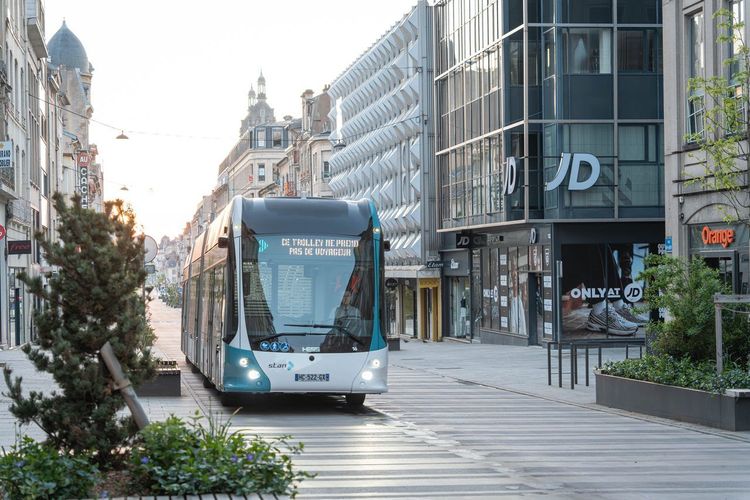
Adjoining the Vieux Nancy but considerably more lively on a day-to-day basis, the commercial city center is organized around rue Saint-Jean and rue Saint-Georges, two pedestrian thoroughfares that bring together national chains and independent retailers. This is where most Nancy residents do their shopping, far more so than in the tourist-oriented old city.
The Marché Central de Nancy (Place Henri Mengin, 54000 Nancy, rated 4.4/5 on Google with 1,852 reviews), located on place Henri-Mengin, remains the go-to destination for anyone seeking fresh produce or a quick lunch spot. Renovated a few years ago, it brings together stalls from Lorraine producers alongside more urban stands, in an atmosphere that deliberately contrasts with the classicism of the neighboring squares.
This area also serves as a link between the Vieux Nancy and the train station: it can be crossed in ten minutes on foot, which explains the heavy pedestrian flow during after-work hours. Rents here remain high, driven by the immediate proximity of all amenities, but apartments are often smaller than elsewhere, as older buildings dictate.
Saurupt, the Art Nouveau Villa District
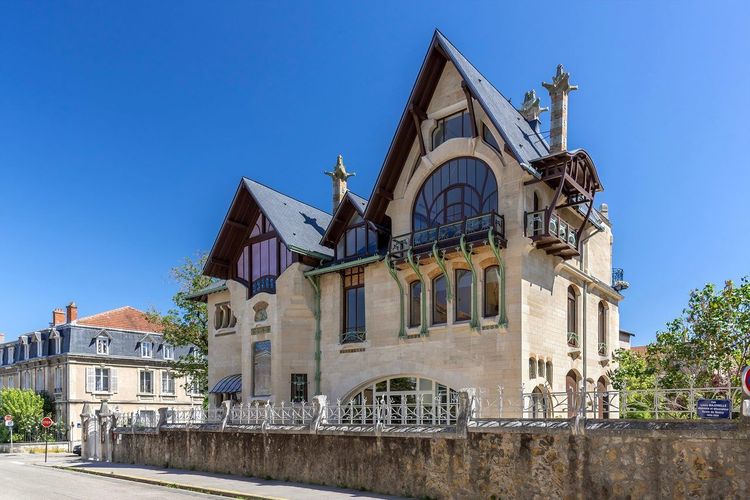
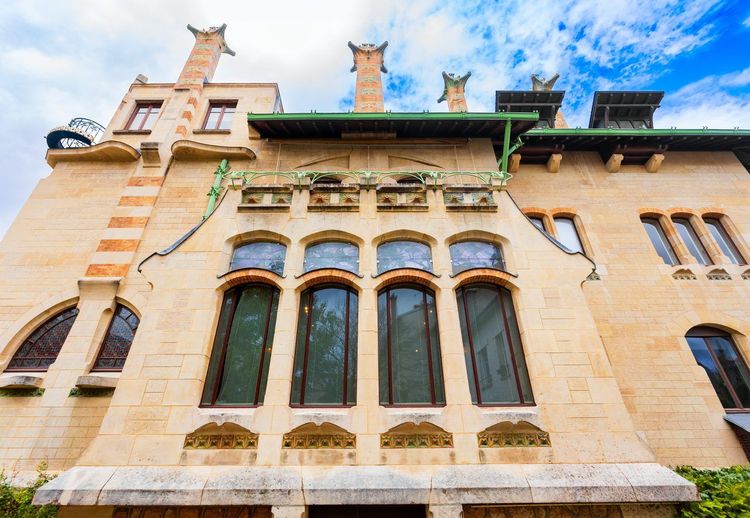
Ten minutes on foot south of the train station, Saurupt shifts the atmosphere entirely. The Haussmann-style buildings of the center give way to quiet streets lined with villas built between 1900 and 1910, at a time when the École de Nancy was making its mark across Europe. It is here, at 1 rue Louis-Majorelle, that the villa Majorelle stands, built in 1901–1902 by architect Henri Sauvage for the cabinetmaker Louis Majorelle, a leading figure of the Lorraine Art Nouveau movement alongside Émile Gallé.
The villa can be visited by reservation, and gives a fairly clear idea of what Nancy's industrialists of the era were seeking: asymmetrical facades, wrought iron everywhere, and stained glass by Jacques Gruber. Nearby, the musée de l'École de Nancy (36-38 Rue du Sergent Blandan, 54000 Nancy, rated 4.6/5 on Google with 2,375 reviews) brings together furniture, glassware, and ceramics from this period, in a private mansion surrounded by a garden that is worth the visit in its own right.
The Saurupt neighborhood, often cited among Nancy's most sought-after residential areas, owes much to this architectural moment. Real estate prices here reflect this scarcity, with character homes that rarely change hands.
Continuing southward, the parc de Saurupt offers a more intimate green space than the Pépinière, appreciated by local families for its shaded paths and quiet atmosphere. You mostly encounter neighborhood residents here; few tourists venture this far, making it a pleasant breath of fresh air after the density of the historic center.
If you are looking to live in Nancy in a heritage setting without sacrificing peace and quiet, Saurupt remains a benchmark. Be prepared, however, for a budget above the Nancy average, and somewhat less direct public transport connections than in more central neighborhoods.
Clemenceau, Neighborhood Life South of the Center
Clemenceau extends Saurupt to the west and together they form one of the most in-demand areas in southern Nancy. Avenue du Général-Leclerc is its main artery, with local shops, bakeries, and a neighborhood market that lively up Saturday mornings. The feel here is more everyday than monumental.
The area benefits from its proximity to university faculties and the CHU de Nancy, which explains a population that mixes long-established families with graduate students who prefer more spacious housing than what the city center offers. Buildings from the 1930s sit alongside more recent constructions, without the neighborhood ever losing its residential character.
In terms of atmosphere, Clemenceau remains discreet: little nightlife, tree-lined streets, a pace that slows noticeably in the evening. That is precisely what attracts families seeking a compromise between accessibility to the city center and tranquility. Public transport links the neighborhood to the center in about ten minutes, which reduces dependence on a car for daily journeys.
Trois-Maisons, the Working-Class and Creative Soul of Nancy
At the opposite end of the sociological spectrum from Saurupt, the Trois-Maisons neighborhood stretches northeast of the train station, on the other side of the railway tracks. Historically working-class, shaped by the establishment of factories and workshops in the 19th century, it retains an unapologetically popular identity that progressive gentrification has not yet erased.
The neighborhood revolves around its market and its community shops, reflecting a diverse population shaped by several successive waves of immigration. It is also an area where rents are among the most affordable in the city, which has in recent years attracted artists and creatives in search of reasonably priced studios, without the neighborhood becoming a trendy district in the way that term is understood in Paris or Lyon.
Urban renewal is advancing in stages: rehabilitation of industrial wastelands, opening of community cultural spaces, gradual improvements to street lighting and green areas. The contrast with the Vieux Nancy, fifteen minutes away on foot, is striking: no listed facades here, but a genuine working-class neighborhood life that deserves to be appreciated without condescension.
The northern exit of the train station, which serves Trois-Maisons directly, long suffered from a lack of upkeep compared to the main exit on the city center side. Work carried out in recent years on the immediate surroundings is, however, beginning to change perceptions of the neighborhood for passing travelers, who often discover this area through this sole access point.
For food lovers eager to leave with local addresses, Ryo's guide to Nancy's top culinary specialties mentions several businesses in this area, particularly around pastry and the fine grocery products typical of Lorraine, such as bergamot candy and the Nancy macaron.
Saint-Pierre and Saint-Fiacre, a District in Full Transition
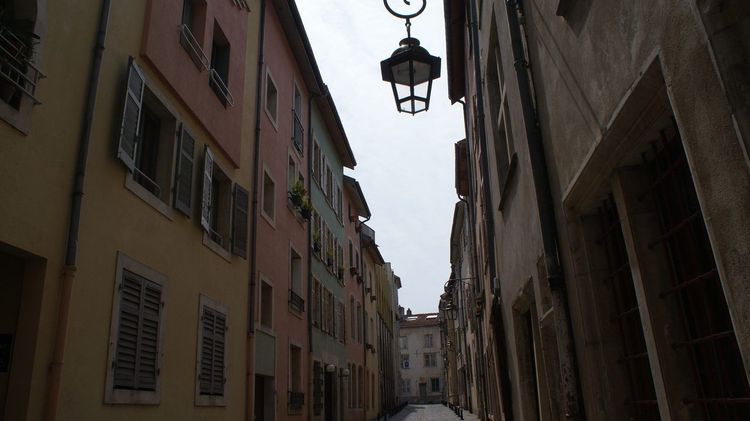
Sandwiched between the historic center and Clemenceau, the Saint-Pierre / Saint-Fiacre pairing illustrates well the difficulty of categorizing Nancy in simple terms. You find both bourgeois apartment buildings from the early 20th century and more modest post-war constructions, with a population that varies considerably from one street to the next.
The area benefits from a practical location, within walking distance of the center and major traffic routes, without directly bearing the brunt of tourist density. It is a frequent choice for families who want to stay close to everything without paying the per-square-meter price of the Vieux Nancy.
Urban renovation projects undertaken in recent years focus mainly on public space: wider pavements, tree planting, improved safety around schools. Nothing spectacular, but a gradual improvement in living conditions that is beginning to be reflected in the neighborhood's appeal to young households.
Haussonville-Blandan, Social Diversity and Urban Renewal
Further to the southwest, Haussonville-Blandan is one of the neighborhoods that has benefited from national urban renewal programs, with the demolition of certain social housing blocks and the construction of more human-scale buildings. The area remains predominantly social housing, but its appearance has evolved considerably over the past fifteen years.
There is a dense associative life here, driven by neighborhood organizations that regularly host sporting and cultural events for families. Public facilities — schools, gymnasiums, community centers — are proportionally more numerous than in the residential neighborhoods of southern Nancy.
This is an area that appears on no Nancy postcard, but which accounts for a significant share of the city's population. Viewing it solely through the lens of safety statistics would be reductive: the reality of daily life here is primarily one of neighborly solidarity and a strong community network.
Rives de Meurthe, Nancy's New Ecological Face
If one neighborhood were to symbolize the Nancy of the next twenty years, it would be this one. The Rives de Meurthe occupies former industrial wasteland along the river, to the east of the center, redeveloped since 2009 according to high environmental quality principles: low-energy buildings, wide pedestrian spaces, and integrated stormwater management woven into the landscape.
The Jardin d'Eau (Rives de Meurthe, 54000 Nancy, rated 4.3/5 on Google with 760 reviews), the eco-district's green heart, combines retention basins with planted walkways, serving morning joggers and families who come to picnic there on weekends alike.
The area also hosts several university campuses, including engineering schools, which explains its young population and a fairly substantial supply of recent student housing. A pedestrian footbridge links this neighborhood directly to the city center by crossing the river, avoiding the detour via busier road bridges.
New apartments here cost on average more than elsewhere for equivalent floor space, but the construction quality and energy performance partly justify the gap for many buyers. This neighborhood illustrates a broader trend in Nancy: the conversion of 19th-century industrial land into contemporary living spaces, rather than outright demolition. Further similar projects are under study along the Meurthe, which should continue to transform the look of this area before the end of the decade, a shift that Ryo's audio-guided tour of Nancy already traces neighborhood by neighborhood.
Poincaré-Foch, the Grand Bourgeois Avenues
Between the train station and the city center, the Poincaré-Foch area lines up wide tree-lined avenues flanked by bourgeois apartment buildings from the early 20th century. Boulevard Poincaré and avenue Foch form its backbone, with facades often adorned with wrought-iron balconies, a discreet legacy of the same era as the École de Nancy.
The neighborhood is home to several consulates and institutions, giving it a slightly more formal character than the surrounding areas. You mostly encounter liberal professionals and families who have lived there for several generations, in housing that is generally more spacious than the Nancy average.
Its immediate proximity to the SNCF train station makes it a relevant choice for residents who regularly travel back and forth to Metz, Strasbourg, or Paris, with the TGV line connecting Nancy to the capital in just under 1h30. The calm of the avenues contrasts with the bustle of the station forecourt, barely five minutes away on foot.
Nabécor-Boudonville, the Green Breathing Space to the North
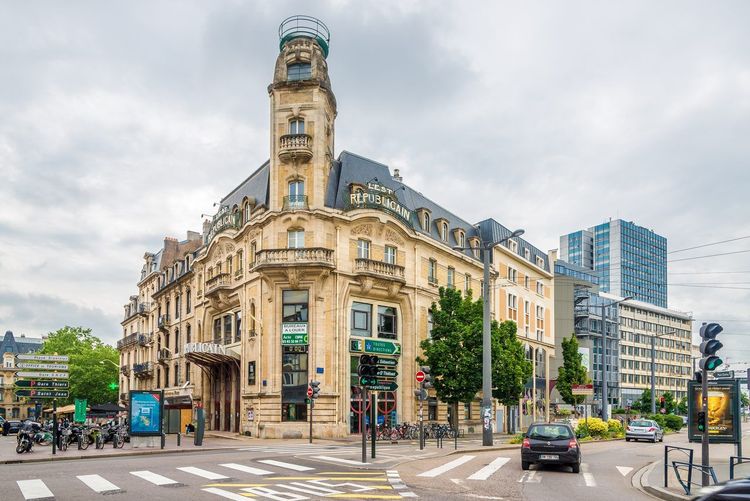
In the north of the city, Nabécor-Boudonville-Scarpone forms a more open residential ensemble where individual houses with gardens take over from the collective housing that dominates elsewhere in Nancy. The area borders the neighboring commune of Villers-lès-Nancy and benefits from a noticeably greener environment.
The château de Boudonville (Rue du Château de Boudonville, 54000 Nancy, rated 4.6/5 on Google with 669 reviews), a former residence remodeled over the centuries, is a reminder that this area long retained a rural character before the urbanization of the 20th century. It is not open to visits in the museum sense, but its tree-filled grounds remain open to walkers on certain days.
This neighborhood is particularly well suited to families in search of space, even if it means accepting a slightly longer journey to the center. The bus routes serving it remain regular, though without offering the frequency of line 1.
Beauregard-Buthegnémont, the Hilltop Neighborhood
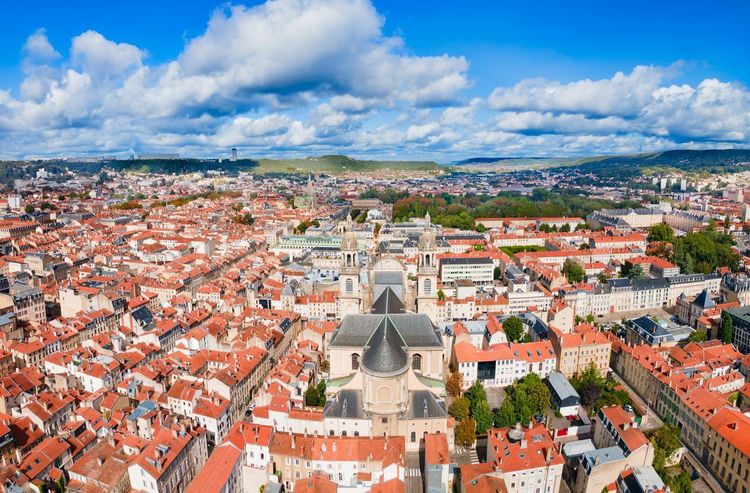
To the east, on the first ridges overlooking the Meurthe valley, Beauregard-Buthegnémont enjoys an elevated position that is fairly rare in Nancy, a city largely built on flat ground. Some streets offer open views over the rooftops of the historic center and, on clear days, over the hills that frame the urban area.
The area remains primarily residential, with housing that mixes small apartment blocks from the 1960s and 1970s with older individual houses. The slope of the terrain limits pedestrian movement somewhat, but it also shapes the neighborhood's particular charm, far from the flat geometry of the city center.
Are There Any Neighborhoods in Nancy to Avoid?
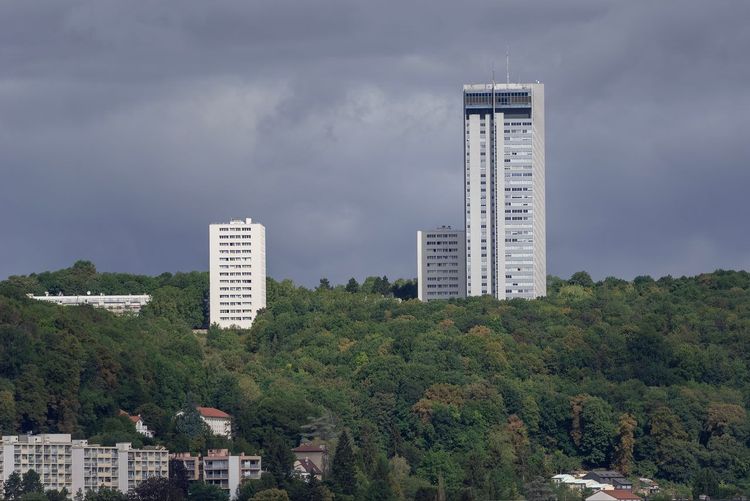
The question comes up frequently in searches about Nancy's neighborhoods, and deserves a nuanced answer rather than a definitive blacklist. No part of the city has been entirely abandoned, but certain areas do concentrate more social difficulties, particularly parts of the Haut-du-Lièvre neighborhood, a large housing estate from the 1960s set on the plateau de Haye to the northwest, whose footprint extends across the communes of Nancy, Laxou, and Maxéville.
Within Nancy itself, certain parts of Haussonville-Blandan or the immediate surroundings of the train station on the Trois-Maisons side sometimes carry a somewhat tarnished image in the local press, without this necessarily reflecting the daily experience of residents. The common-sense caution that applies in any medium-sized city — avoiding certain isolated streets late at night — is more than sufficient for a stay or a peaceful move.
What matters more than a neighborhood's reputation is your own use of the city: a student who is out late at night will not have the same needs as a family with young children. Before trusting rankings found online, it is better to walk around the area you are interested in at different times of day — a Sunday morning and a Friday evening rarely give the same impression.
How to Get Around Nancy's Neighborhoods
Nancy benefits from a compact but efficient public transport network, structured around line 1 (the former rubber-tyred tram, now operated as a 100% electric trolleybus since 2025) and the high-frequency bus line 2, complemented by a dense bus network managed by Stan. The largely pedestrianized historic center is easily explored on foot: allow around twenty minutes to walk from place Stanislas to the train station.
For more outlying neighborhoods such as Nabécor-Boudonville or Beauregard, the car or bicycle remain relevant options, as the city has developed in recent years a network of cycle paths connecting the main residential areas to the center. The Vélostan'lib bike-sharing service complements this offer, with stations spread across most central neighborhoods, from Saurupt to the Rives de Meurthe.
Nancy's street layout follows a fairly logical grid pattern around the historic center, an 18th-century inheritance that makes orientation straightforward, even on a first visit.
If you prefer to explore the city without worrying about connections, Ryo's audio guide to Nancy offers a 4 km walking route linking the main points of interest in the Vieux Nancy in 1h40, a solid base from which to push further toward Saurupt or the Rives de Meurthe depending on your interests. Ryo's top activities guide also provides additional ideas for organizing a stay that goes beyond the historic center alone.
Where to Stay in Nancy Based on Your Profile
Choosing the right area among Nancy's neighborhoods depends above all on what you are looking for. For a short heritage-focused tourist stay, the Vieux Nancy and its immediate surroundings remain the safest bet: everything is accessible on foot, and the hotel offer is most concentrated there.
For a longer stay or permanent relocation, Saurupt and Clemenceau suit families in search of quiet without straying far from the center, while the Rives de Meurthe will appeal more to a younger audience sensitive to environmental issues and contemporary architecture. Trois-Maisons, finally, remains an interesting budget option for those who prioritize authenticity over postcard-perfect surroundings, provided you accept a less polished setting.
Whatever area you choose, Ryo's audio-guided tour of Nancy remains a good starting point for getting a feel for the city before focusing in on one neighborhood or another.
FAQ
How many neighborhoods does Nancy have?
The city of Nancy officially recognizes eleven neighborhoods, grouped into five administrative territories for the management of neighborhood councils and public facilities. This organization primarily serves local participatory democracy and the distribution of amenities, and does not always correspond to the boundaries perceived by residents in their daily use of the city.
What is the safest neighborhood in Nancy?
No statistics single out one area as perfectly safe compared to others, but the southern residential neighborhoods such as Saurupt and Clemenceau traditionally project a quieter image than the areas around the train station or certain parts of Haussonville-Blandan, without the actual safety gap always being proportional to the reputation conveyed locally.
What is the most upscale neighborhood in Nancy?
Saurupt retains the reputation of being the most sought-after residential area, largely thanks to its Art Nouveau architectural heritage and its early 20th-century villas. Poincaré-Foch, with its wide bourgeois avenues close to the train station, generally comes in just behind in the informal rankings established by residents and local real estate agencies.
Where to stay in Nancy to explore the city on foot?
The Vieux Nancy and its immediate surroundings, around place Stanislas and the train station, remain the most practical choice for a tourist stay: the majority of heritage sites can be reached in less than twenty minutes on foot, without the need for public transport.
Which neighborhoods in Nancy should be avoided?
No area deserves to be completely written off, but certain parts of Haussonville-Blandan and the immediate surroundings of the train station on the Trois-Maisons side concentrate more social difficulties. Common-sense caution, as in any medium-sized city, is more than sufficient for a stay or a peaceful relocation.
Which neighborhood in Nancy is best for a student budget?
Trois-Maisons and certain areas of the Rives de Meurthe, close to university campuses, generally offer the most affordable rents relative to floor space, while remaining a reasonable distance from the city center and faculties thanks to public transport.
Nancy reads a little like a book where each chapter corresponds to a neighborhood: the Vieux Nancy for History with a capital H, Saurupt for Art Nouveau, Trois-Maisons for working-class authenticity, the Rives de Meurthe for a city reinventing itself. No online ranking will replace an in-person visit on foot, at the hours when residents actually live their neighborhood: that is when Nancy's neighborhoods reveal their true personality, rather than during peak tourist hours.
If you are planning a stay, starting with Ryo's audio-guided tour of Nancy remains a simple way to get a feel for the historic center before setting off to explore, at your own pace, the Nancy neighborhoods that intrigued you most in this guide.
À lire également