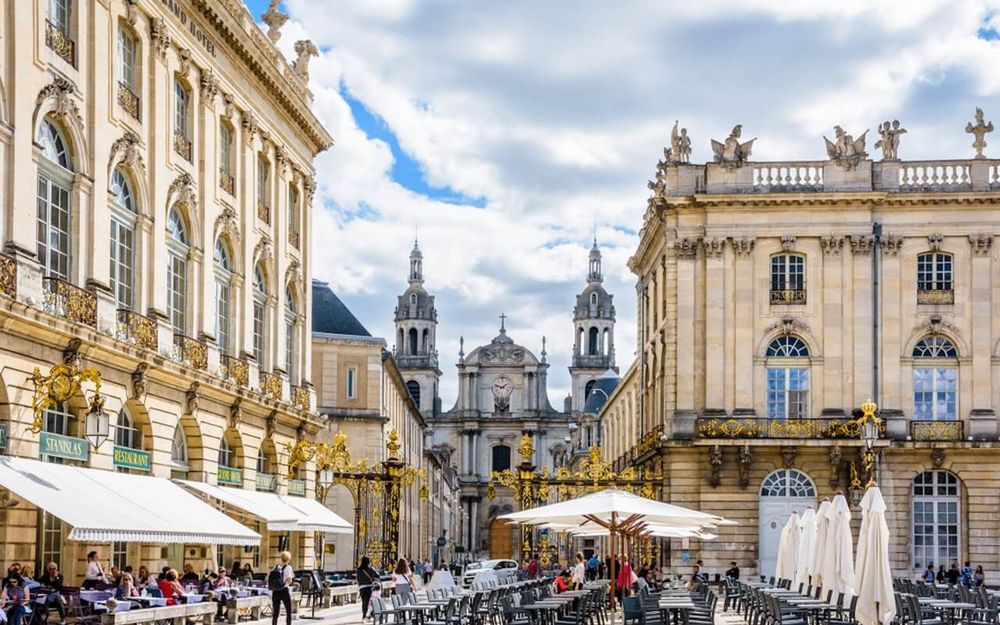
Créé par Romane, le 17 nov. 2026
Votre guide Ryo
Nancy, France
At the Gates of the Ducal City
Parcours audioguidé pour visiter Nancy en 1 jour
This tour of Nancy invites you into the heart of a city of exceptional refinement, a true open-air stage for European history. Let yourself be dazzled by the grandeur of its classical perspectives and the intricate gilded ironwork that make its center a world-renowned gem, before drifting into the flowing, nature-inspired curves of its Art Nouveau heritage. Between the majesty of its royal squares and the quieter charm of the old town, Nancy reveals a character that feels both prestigious and remarkably inventive. It’s a walk through flower-filled gardens and bold stained glass, offering a glimpse of a capital where the art of living has been cultivated for centuries.
Quand partir à Nancy ?
Jan.
5°
11
Feb.
7°
9
March
12°
10
April
16°
9
May
20°
11
June
24°
10
July
26°
9
Aug.
26°
9
Sept.
21°
9
Oct.
15°
10
Nov.
9°
11
Dec.
6°
12
Nancy enjoys a semi-continental climate, with warm summers around 25°C and cold, dry winters where the thermometer often drops below 0°C. The ideal period runs from May to September to enjoy the Place Stanislas and the flower-filled parks. The month of September is particularly charming for its back-to-school atmosphere and the golden light on the 18th-century facades, while December remains a must to experience the Saint Nicholas festivities, which are iconic to the Lorraine region.
Départ conseillé
No need to worry about where to begin! Our tours are designed as a loop, so you can jump in wherever you are. The navigation system and audio-guide will automatically adjust to your location. However, if you happen to be nearby, we do have a preferred starting point: Place Saint-Epvre.
Parking à proximité
Parking Indigo Nancy Leopold : 23 Cr Léopold
À savoir
During our tour, you'll cross the Parc de la Pépinière. To avoid any last-minute surprises, please note that this park has specific opening and closing times. If you find the park closed upon arrival, please follow the alternative route below to continue the tour itinerary: Rue Braconnot -> Rue des Cordeliers -> Rue Jacquot -> Grande Rue -> Place du Général De Gaulle. The same precaution applies to the glass canopy of the Crédit Lyonnais building, which is hardly visible or not at all once the establishment is closed.
Like many tourist destinations, Nancy offers a combination of benefits and discounts on transportation and activities through the Nancy City Pass—a great way to explore the city at your own pace while taking advantage of special offers.
Découvrez 28 lieux d'intérêt pour visiter Nancy








What to see in Nancy on your 1h40 tour?
This 4 km loop takes about 1 h 40 and links 27 sights. From the Grande Rue, in the Old Town, it reaches the station area and Avenue Foch, then joins Place Stanislas, Place de la Carrière and the Government Palace. It continues through the Pépinière Park and returns via the Craffe Gate to the Saint-Epvre Basilica. With the Ryo app in your ears, Art Nouveau facades, ducal remains and carved stones mark every step.
Information checked in November 2026 and subject to change.
1 - The Grande Rue
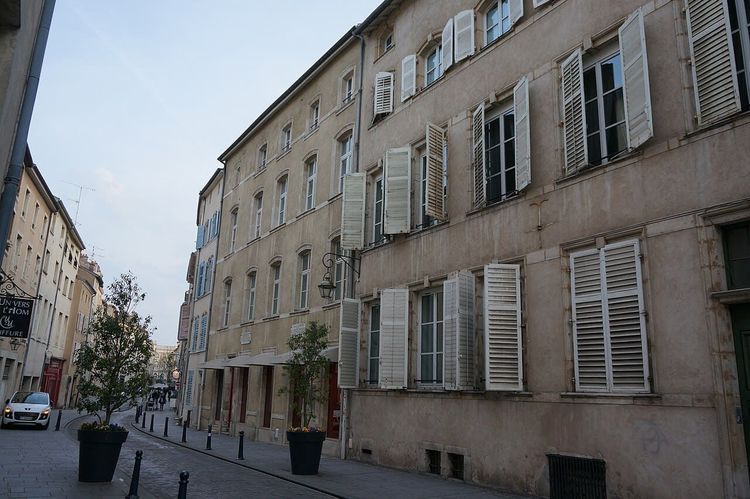
This long street crosses the Old Town all the way to Place Stanislas and was once the busiest in ducal Nancy: Duke Ferri III moved his castle here in the 14th century, setting the layout you still follow today. Renamed several times, it only took its present name in 1814. Shops and old façades line the way; at number 23, the Ligniville mansion carries two gargoyles carved as a lion and a bear, worth a glance upward.
Free entry
2 - The "1477" Inscription
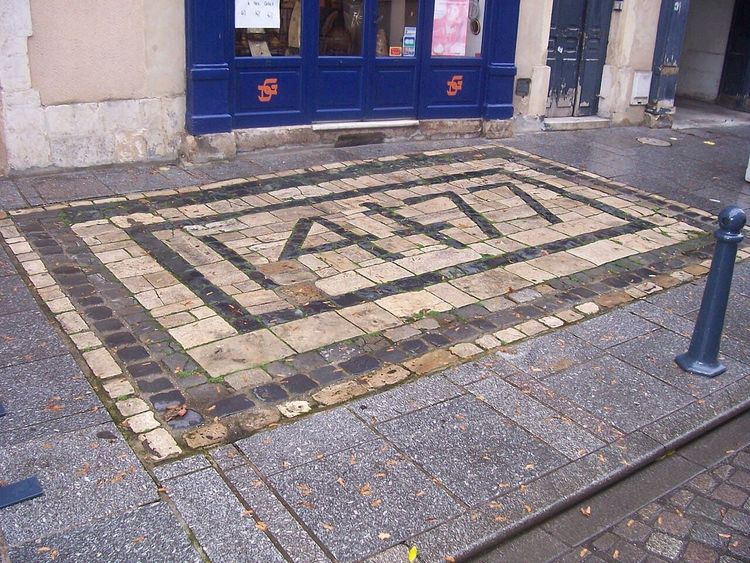
Set into the pavement at number 30 Grande Rue, a plain black-and-white chequer marks a turning point in local history: here René II got the better of Charles the Bold, the Duke of Burgundy, sealing Lorraine's fate one January morning. The carved cross beside the date recalls that the vanquished duke's body is said to have been brought to this very spot. Hundreds walk over it daily without noticing; look down, and this modest paving stone tells centuries of princely rivalry in a single glance.
Free entry
3 - Statue of Joan of Arc
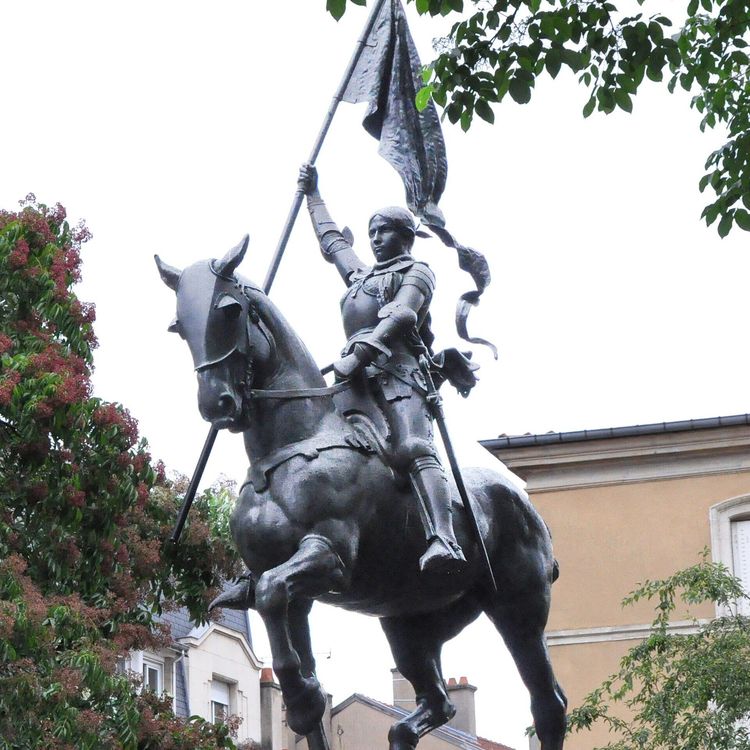
Shown on horseback in armour, banner raised, this statue of Joan of Arc was never meant for Nancy: sculptor Emmanuel Frémiet first made it for Paris, where critics mocked it mercilessly, so a benefactor bought the piece and gave it to this city instead, Lorraine's very first tribute to the heroine. Frémiet later cast a gilded copy for himself, which he quietly swapped for the unpopular Paris original in 1898 before having that one melted down. An unlikely tale behind a now-beloved landmark.
Free entry
4 - The House of the Macaron Sisters
Round, cracked and soft, quite unlike the colourful macaron known elsewhere, this treat exists because two nuns, barred from eating meat under their order's rule, turned to baking to get by. When their convent was dissolved in 1792, they thanked the household that sheltered them with a gift of these pastries, earning the nickname Macaron Sisters. The closely guarded recipe has belonged to the Genot family since 1991. A sweet stop for anyone curious about a speciality born from misfortune.
Free entry
5 - The CCI of Greater Nancy
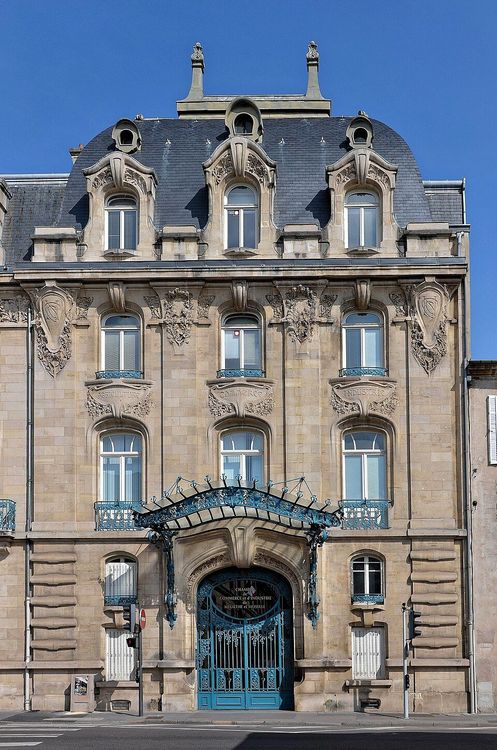
Behind this official name hides a true showcase of Nancy Art Nouveau. This façade was drawn up by architects Louis Marchal and Émile Toussaint at a time when bankers and industrialists competed in decorative daring, buoyed by the École de Nancy, founded in 1901. The stained glass on the ground floor, the work of glassmakers Antonin Daum and Jacques Gruber, celebrates Lorraine landscapes, while the flower-patterned ironwork on the windows bears the signature of Louis Majorelle. A utilitarian building turned artistic statement, best admired from the pavement.
Free to see from outside
6 - The Excelsior Brasserie
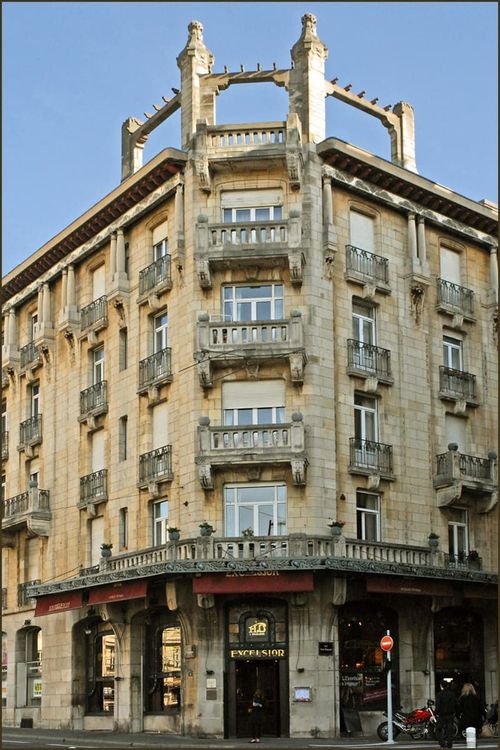
Opened in 1911 by brewer Louis Moreau, this grand dining room owes its fame as much to its food as to its interior decor, untouched since the Belle Époque. Ten nature-themed stained-glass windows by Jacques Gruber, mahogany furniture by Louis Majorelle and hundreds of light fixtures crafted by Antonin Daum form a remarkably coherent artistic ensemble. Threatened with demolition in the 1970s, the brasserie was rescued thanks to a heritage-minded auctioneer. Today you can dine inside or simply admire the façade from the street.
Free to see from outside
7 - Stanislas Gate
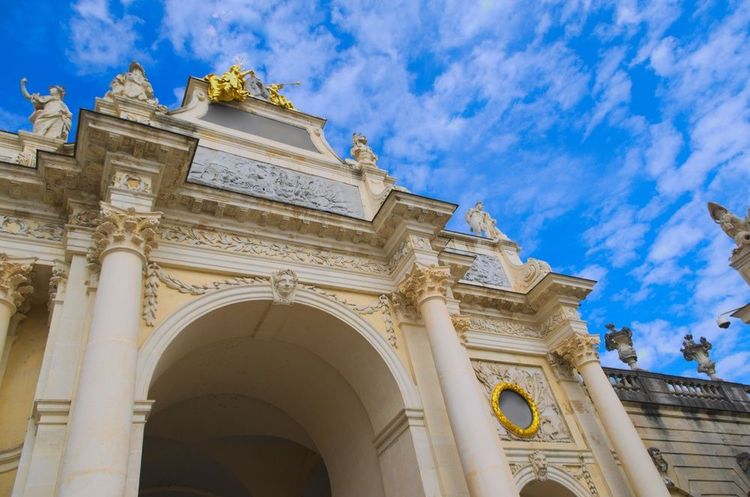
This pale-stone arch is one of Nancy's seven historic gates and once marked a toll-paying entrance to the city: merchants had to pay a tax on their goods here before heading toward the Royal Square. Commissioned by Duke Stanislas and designed by his architect Emmanuel Héré, it has announced the New Town since the 18th century. On the far side, a quiet inscription, Gate of the Mountain, preserves its older name, a nod to the gentle slope it crowns.
Free entry
8 - Simone Veil Square
The first glimpse of Nancy for anyone stepping off the train, this square has changed face and name several times since its creation in 1859 as Place de la Gare. Renamed after a 19th-century statesman, then redeveloped in the 1970s with its distinctive towers, it finally took the name of Simone Veil in 2018, a deportation survivor who became a magistrate and a champion of women's rights. The ceremony fittingly fell on her birthday, attended by her son.
Free entry
9 - André Maginot Square and its Surroundings
Along Avenue Foch stands the former headquarters of the regional paper L'Est Républicain, a fine Art Deco building by Pierre Le Bourgeois dating from 1929. A little further on, the square named after André Maginot, the Minister of War behind the 1930s defensive line that bears his name, links the station to the shopping district. All around, the former Magasins Réunis building, now home to Fnac and Printemps, together with several Art Nouveau façades, make for an overlooked architectural walk away from the crowds.
Free entry
10 - The Génin-Louis Building

Its bluish hue and visible metal frame, unlike anything else in Nancy, hint at an unusual past: designed by architect Henri Gutton, this building long housed a seed merchant, hence the poppy and wisteria motifs running across its façade, completed by stained-glass windows from Jacques Gruber. Weakened by a fire in 1902 and later threatened with demolition, it narrowly escaped destruction thanks to restoration work in the 1970s. Now converted into flats, it remains a bold example of local Art Nouveau.
Free to see from outside
11 - Festive Nancy
Nancy's calendar is punctuated by popular events that reach well beyond tourism. Every September, hundreds of authors take over Place de la Carrière for Le Livre sur la Place, France's leading literary fair of the autumn season and free to attend. In December, the city crowns itself capital of Saint Nicholas with a parade of floats. Autumn also hums to the Nancy Jazz Pulsations festival, launched in 1973, while Place Stanislas transforms each year into a themed ephemeral garden, delighting anyone out for a stroll.
12 - The Crédit Lyonnais Glass Roof
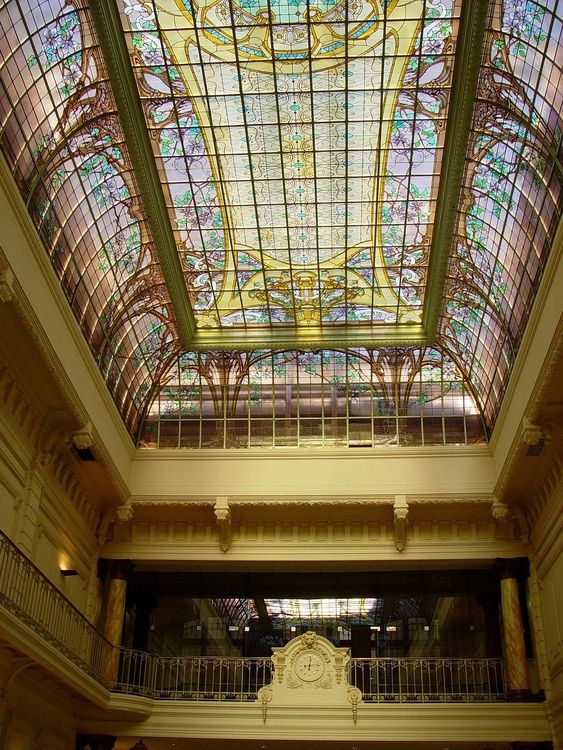
Nothing from the street hints at the treasure hidden inside this bank: a monumental glass roof spanning 250 square metres, made up of 264 panels decorated with clematis. Designed in 1901 by Jacques Gruber, a leading figure of the École de Nancy, it floods the hall with ever-changing light throughout the day. Listed as a historic monument since 1996, it stays visible even when the doors are shut, through a glazed side entrance. A discreet Art Nouveau gem hidden in the heart of the city.
Free entry
13 - The Cathedral of Our Lady of the Annunciation
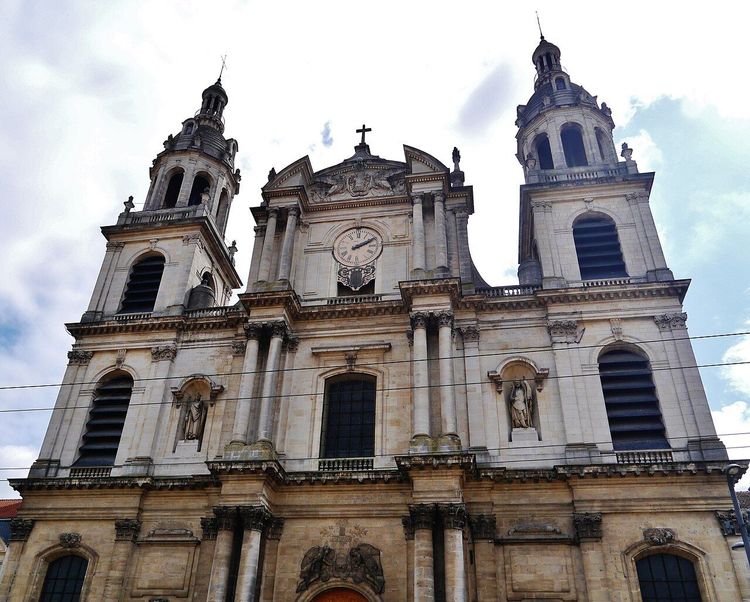
Nancy had to wait until the 17th century to finally secure its own bishopric, having long depended on Toul. Construction of this cathedral, inspired by a Roman church, began in 1703 and took nearly forty years to complete. Its 60-metre nave, the chapel grilles crafted by Jean Lamour and the great organ rebuilt by Aristide Cavaillé-Coll in 1861 give it a graceful classical unity. Listed as a historic monument since 1906, it offers a quiet retreat away from the bustle of the neighbouring squares.
Free entry
Discover the full story of the cathedral of Notre-Dame-de-l'Annonciation
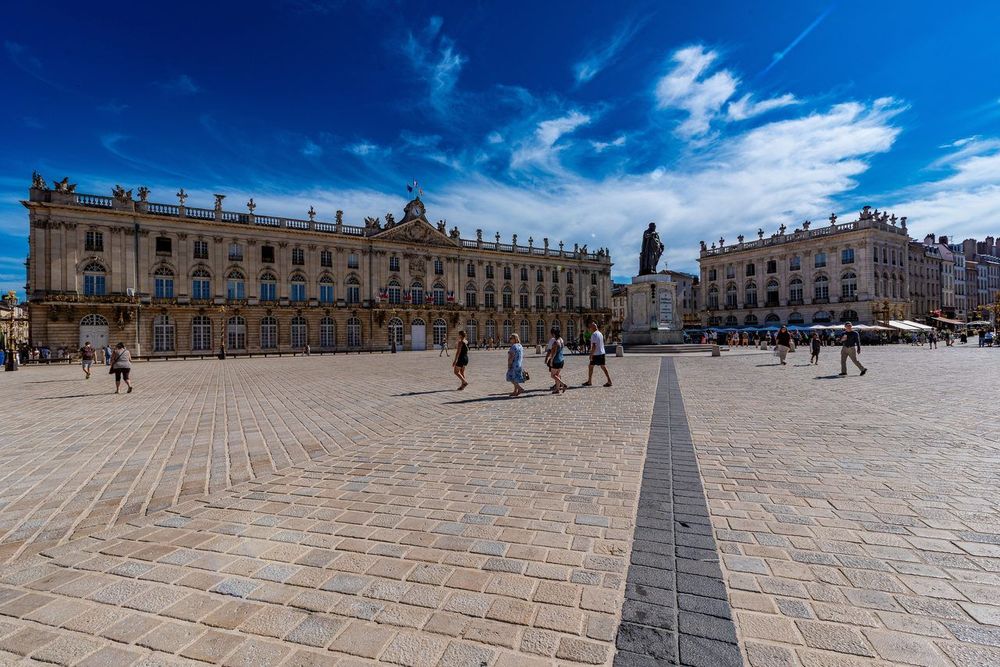
14 - Place Stanislas, the Birth of a Masterpiece
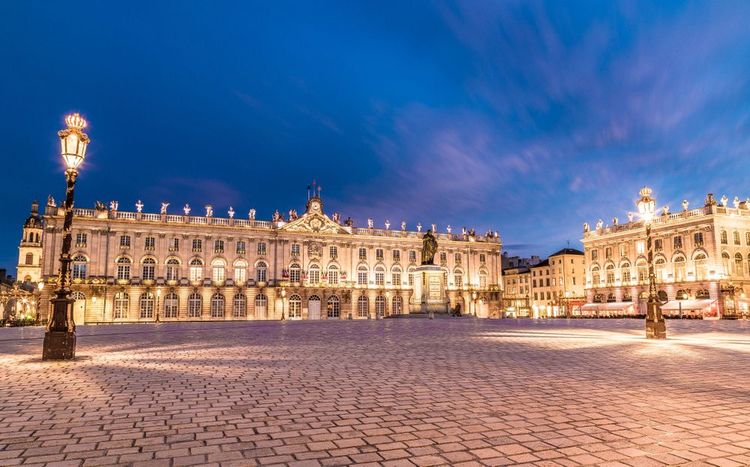
Driven from Poland, Stanislas Leszczynski became Duke of Lorraine when his daughter married Louis XV. Keen to unite the medieval old town with the newer district, he launched construction of this square in 1752, designed by his architect Emmanuel Héré and enclosed by the gilded gates of ironworker Jean Lamour. Inaugurated in 1755, it originally held a statue of the French king, replaced after the Revolution by one of its founder. A UNESCO World Heritage Site since 1983, it remains the city's showpiece.
Free entry · Best in the evening
15 - Nancy City Hall
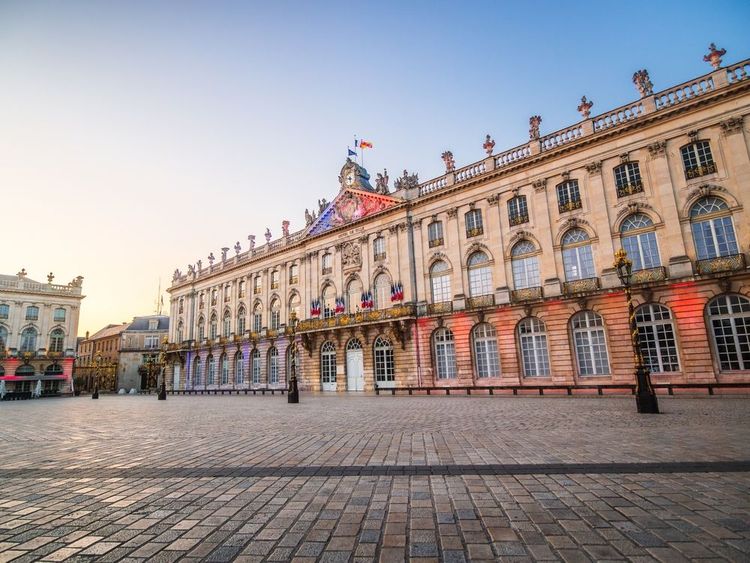
To close off an entire side of Place Stanislas, architect Emmanuel Héré had no qualms about sacrificing three existing mansions and drawing up a 98-metre façade, among the longest in the city. Inaugurated in 1755, the building displays the ducal coat of arms on its pediment, flanked by two allegorical statues of Justice and Prudence. Inside, open only during guided tours or Heritage Days, a wrought-iron staircase by Jean Lamour leads to richly decorated salons. Arguably the finest palace ever granted to a city's officials.
Free to see from outside
16 - The Museum of Fine Arts
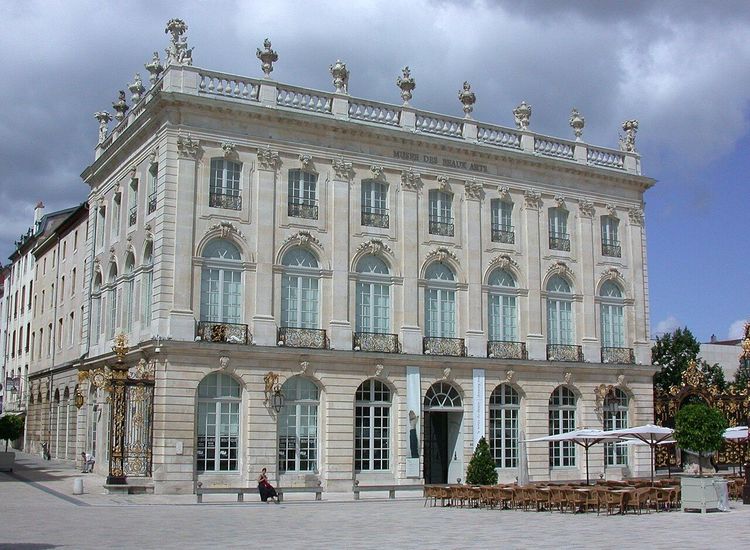
Housed in one of the seven pavilions on Place Stanislas, this museum was born during the Revolution from property confiscated from the Church and nobility, first displayed in a former convent before settling here in the early 20th century. Enlarged in 1936 and given a contemporary wing in the 1990s, it now spans seven centuries of European painting, from Manet to Picasso, and devotes pride of place to Daum glassware, shown among the medieval foundations visible in the basement. A genuine concentration of art history right on the square.
Paid entry (about €10)
17 - Place Stanislas, Secrets and Transformations
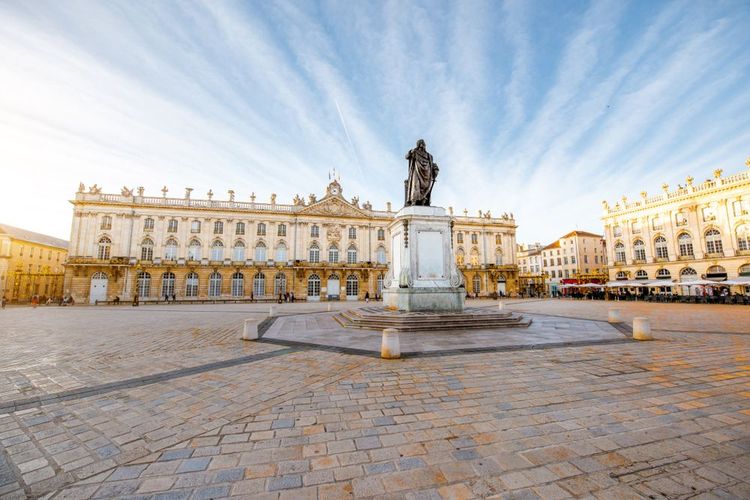
Long before taking the name of its builder, this royal square changed identity 7 times, eventually becoming, in the 1960s, a plain car park for 600 vehicles — a chapter closed when it earned UNESCO status in 1983. Near one corner, a curious rod topped with a sun marks an 18th-century sundial once used to set clocks at noon. During a 2005 renovation, the city sold its old paving stones to residents and buried beneath one a time capsule containing a fragment of lunar meteorite.
Free entry
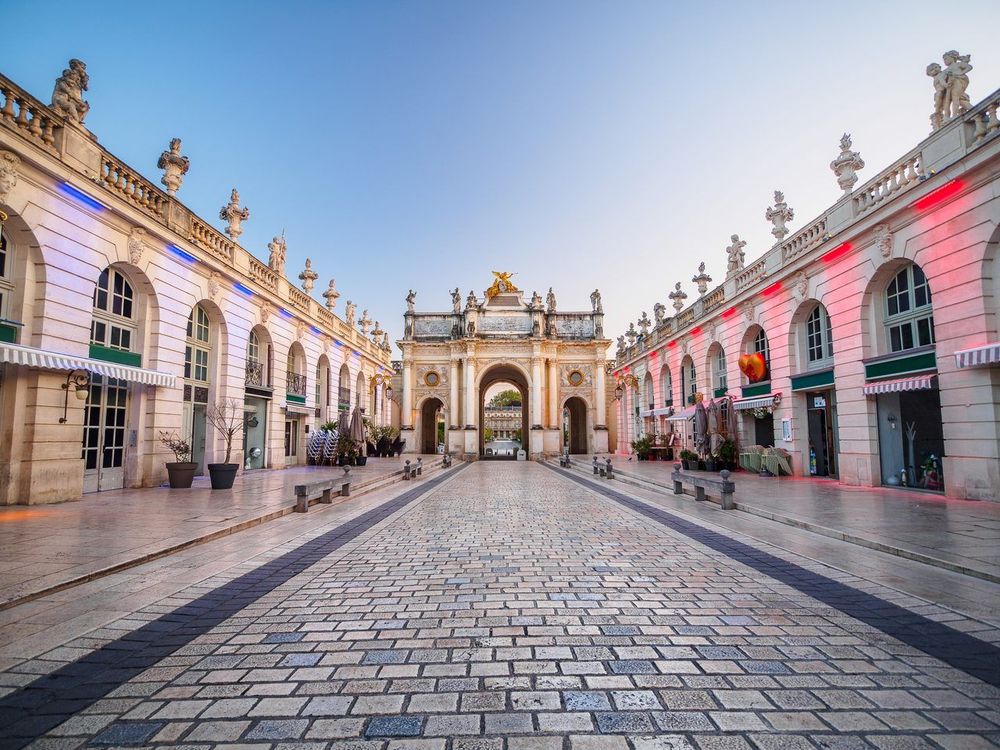
18 - The Héré Arch
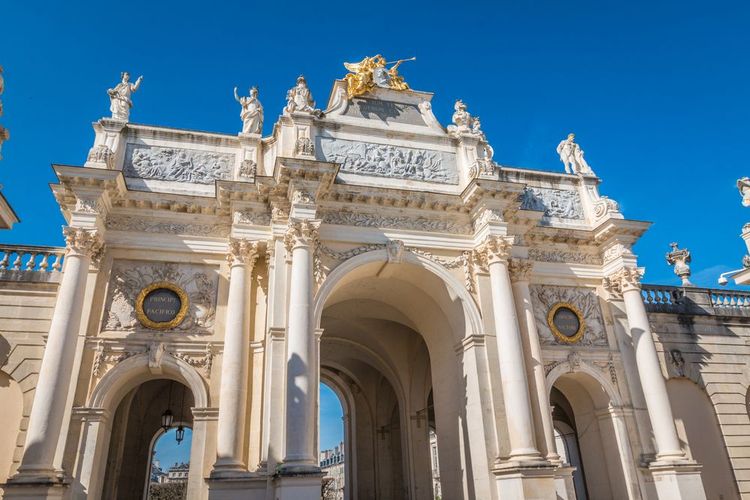
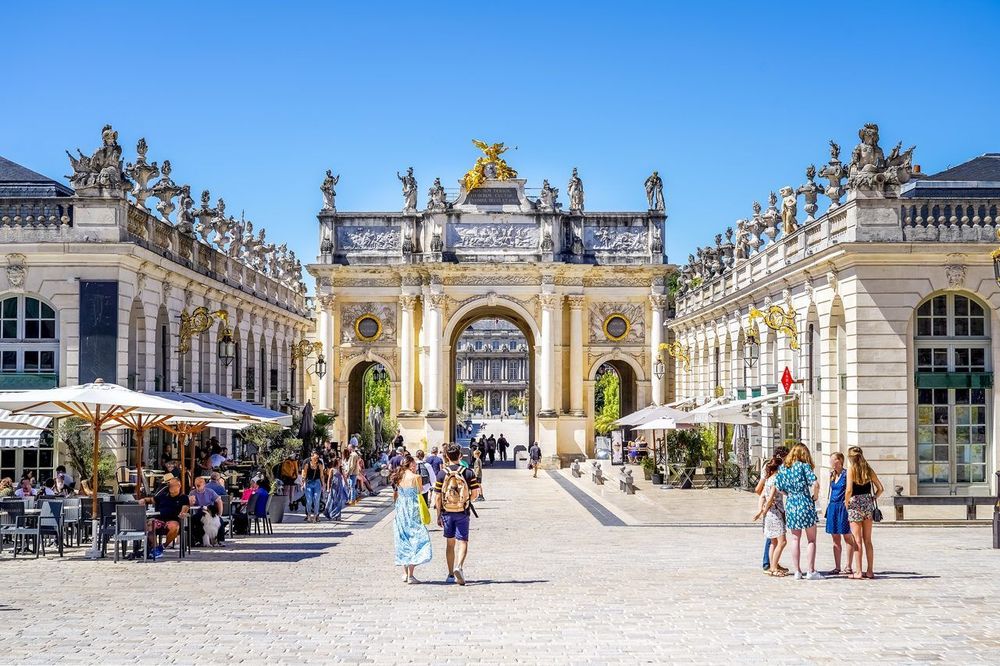
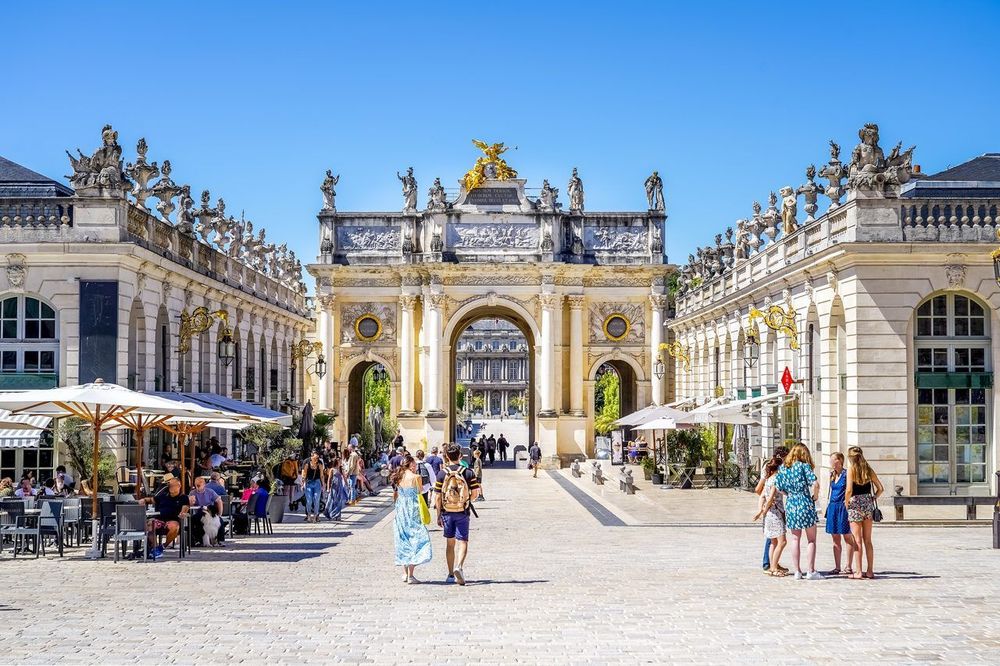
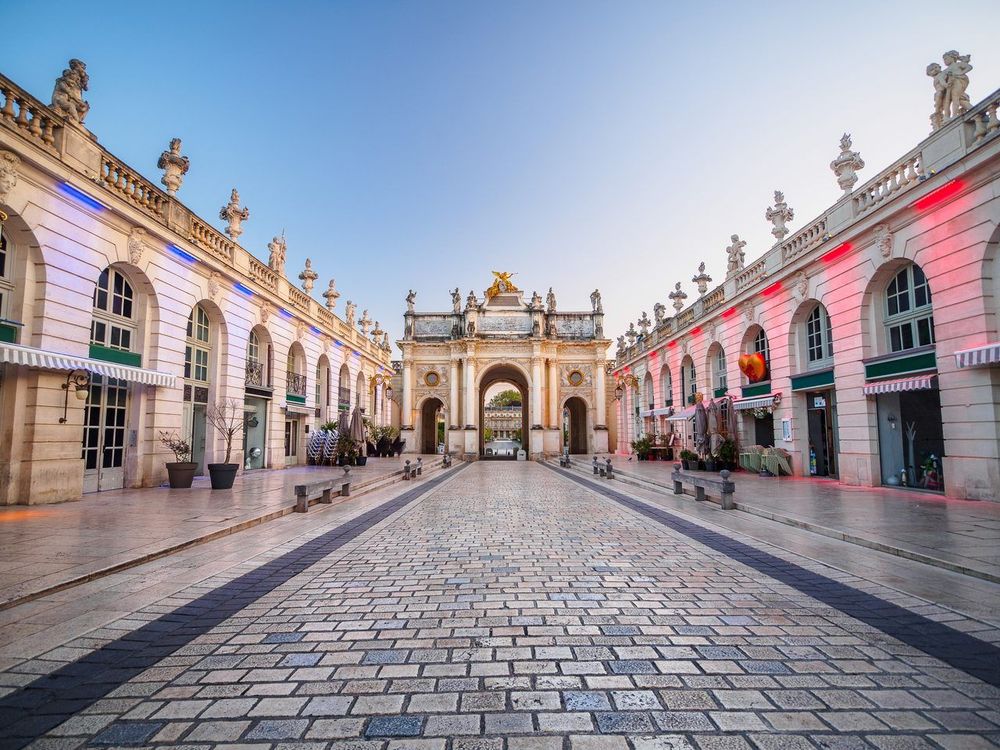
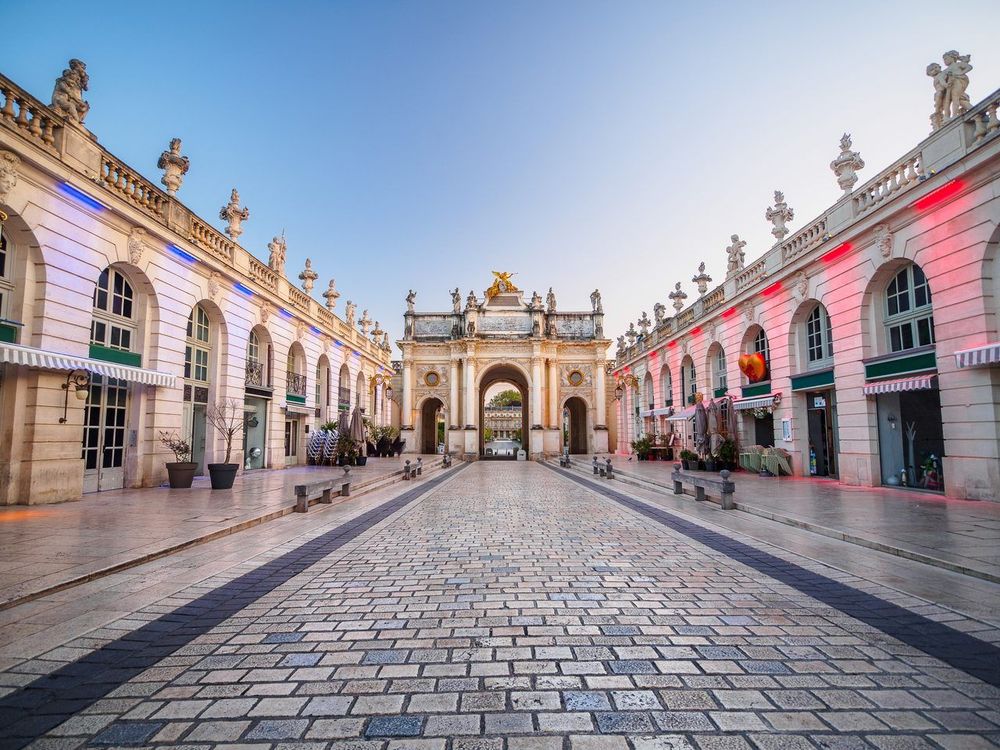
Far from a mere ornament, this arch solved a real urban problem: linking two towns separated by military ramparts. Between 1753 and 1755, Emmanuel Héré drew on a Roman triumphal arch to design this six-columned passage, topped by a sculpted group honouring Louis XV. The original marble work vanished during the Revolution, replaced by the gilded bronze seen today, itself removed and later reinstated in the 19th century. It still serves as the daily link between the two monumental squares it joins.
Free entry
19 - Place de la Carrière
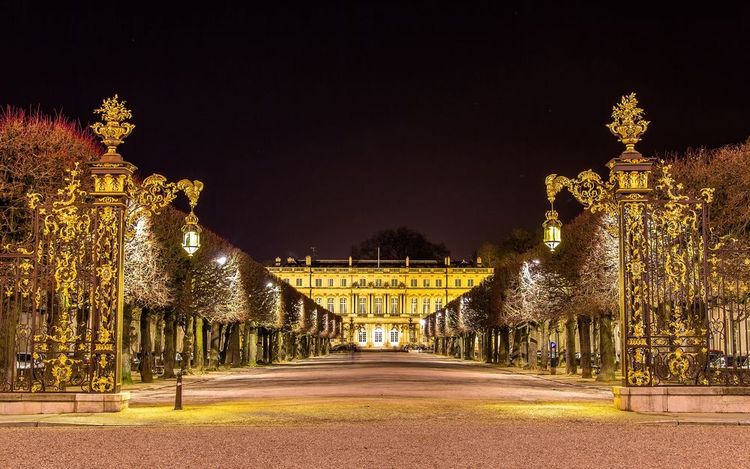
Long overshadowed by its famous neighbour, this esplanade, created in the 16th century after the ramparts were extended, originally hosted horse-riding tournaments, which gave it its name. Stanislas and his architect Héré folded it into their grand urban project the following century, lining it with harmonious mansions and trimmed trees that replaced the original orange trees. Stretching 290 metres, it hosts the city's literary fair every September and forms, together with Place Stanislas, one of Europe's finest classical urban ensembles, listed by UNESCO in 1983.
Free entry
20 - The Government Palace
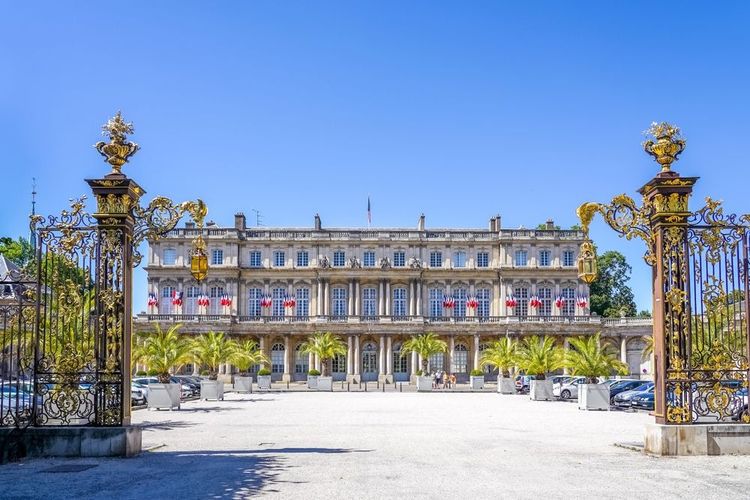
Its elegant semicircular façade closes off the view down Place de la Carrière, though the site's story begins long before Stanislas. Duke Léopold I dreamed as early as 1715 of a New Louvre here, a project abandoned after his son's death. It was Stanislas who, in just two years, had Héré build this palace for his chancellor. Home to military governors, it once housed Marshal Foch and has, since the army departed in 2010, become an extension of the Lorraine Museum.
Free to see from outside
21 - The Pépinière Park
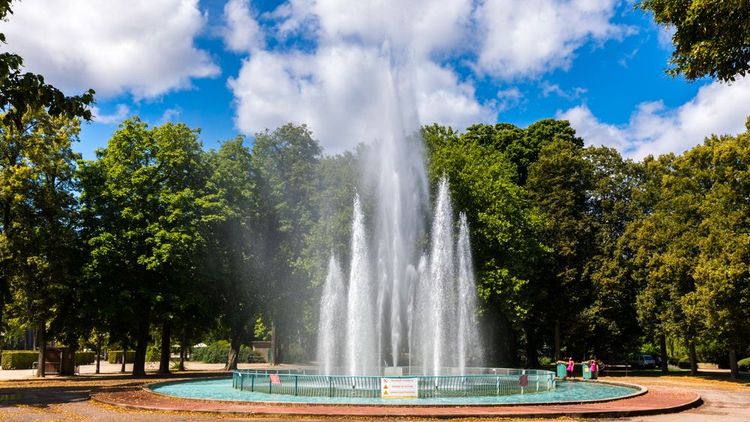
Twenty-one hectares of greenery just steps from Place Stanislas: this park owes its name to its original purpose, a royal tree nursery created in 1765 to supply the whole duchy with saplings. Turned into a public garden in 1838, it now mixes lawns, a rose garden and shady paths with a few playful surprises: a small animal enclosure with fallow deer and peacocks, a bandstand nicknamed Mozart, and a tranquil reflecting pool mirroring the treetops. A green break enjoyed equally by joggers and families.
Free entry
22 - The Craffe Gate
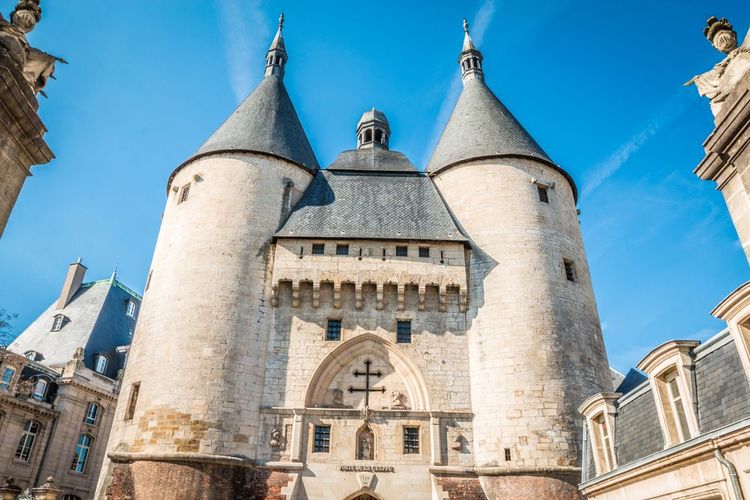
The only surviving piece of the medieval fortifications that once ringed Nancy, this massive two-towered gate served as the dukes of Lorraine's ceremonial entrance until 1610. Its towers later held prisoners until the 19th century, among them people accused of witchcraft — thousands of such trials took place in Lorraine on the strength of neighbourhood rumour. Restored at the end of the 19th century, with the addition of the Cross of Lorraine and the thistle emblem to its façade, it marks the northern entrance to the Grande Rue.
Free entry
23 - Church of Saint-François-des-Cordeliers
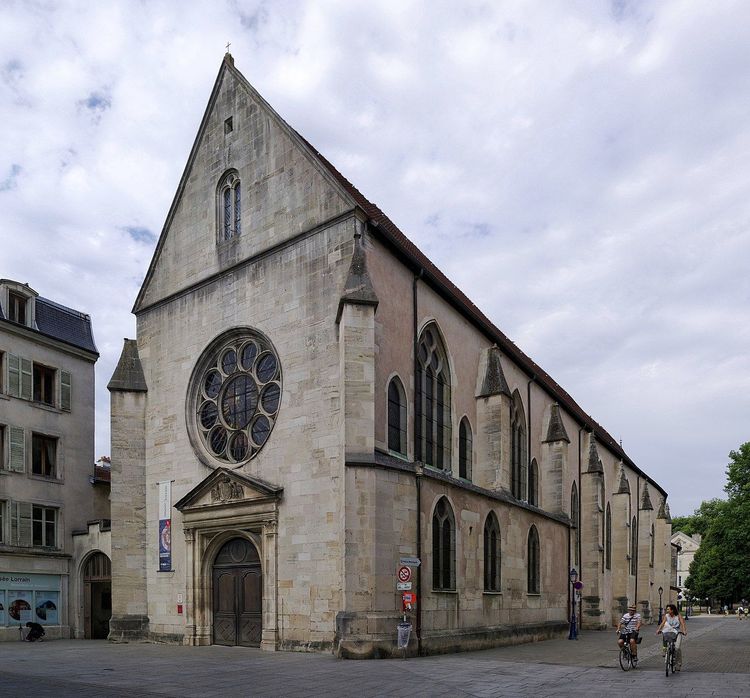
The day after his decisive victory over Charles the Bold in 1477, Duke René II had this church built as a votive offering, completed a decade later. Measuring 73 metres, it houses the necropolis of the dukes of Lorraine, gathered beneath the dome of a dedicated chapel. Inside, a wooden model shows the ducal city as it looked in 1611. Attached to the Lorraine Museum since 1937, the church can be visited free of charge.
Free entry
Discover the full story of the church of Saint-François-des-Cordeliers
24 - Palace of the Dukes of Lorraine and Lorraine Museum
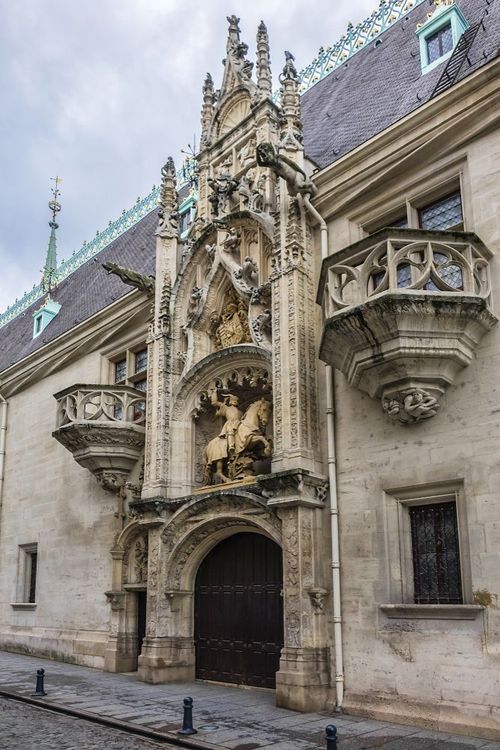
Even before Stanislas's urban ambitions, Nancy already had its ducal palace, rebuilt in the Renaissance style by René II after damage sustained in the 1477 battle. Completed in 1512 under his son Antoine I, it is thought to be the oldest Renaissance building in France. Home to the dukes until Léopold I moved to Lunéville, then given to the city by Stanislas, it became the seat of the Lorraine Museum in 1848. Closed for renovation since 2010, it is due to reopen in 2027.
Discover the full story of the palace of the dukes of Lorraine and the Lorraine Museum
25 - La Maison des Deux Sirènes
Look up at the corner of two streets: the entwined figures that give this house its name are no mermaids whatsoever — just two bearded tritons. Built in 1586 for a valet of the future Duke Henri II, the house hides a more romantic secret. In 1634, a fleeing ducal couple — Nicolas-François and his cousin Claude, whom he had just married — took refuge here one night, disguised as peasants, before escaping to Florence. Listed as a historic monument since 1945, it now reveals only its carved stonework.
Free to see from outside
26 - L'hôtel d'Haussonville
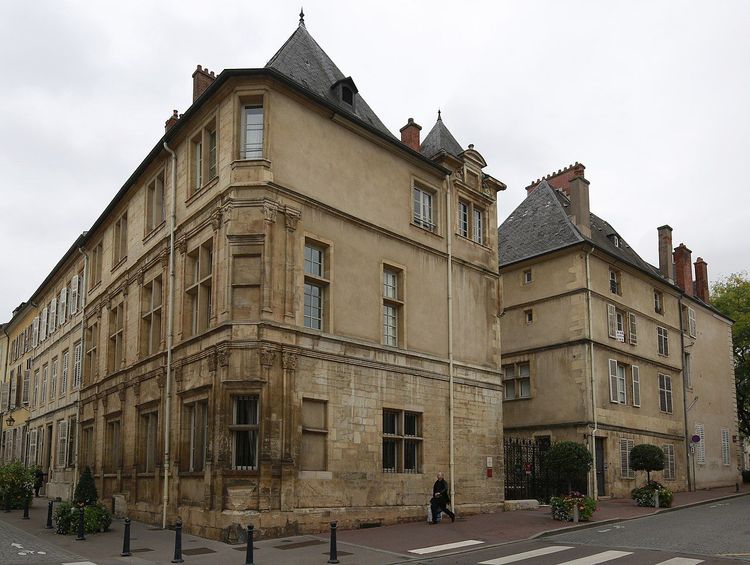
Behind a black gate lies one of the finest inner courtyards in Nancy. Built between 1528 and 1543 for a high-ranking ducal official, this mansion was truly brought to life by his son, the city's governor, who carried out new work there in 1552. Visitors can admire two superimposed stone galleries, one Gothic and one Renaissance, a finely carved wooden door and a fountain dedicated to Neptune. Listed as a historic monument in 1984, the building has housed an upscale hotel since 2003.
Free to see from outside
27 - Saint-Epvre Basilica
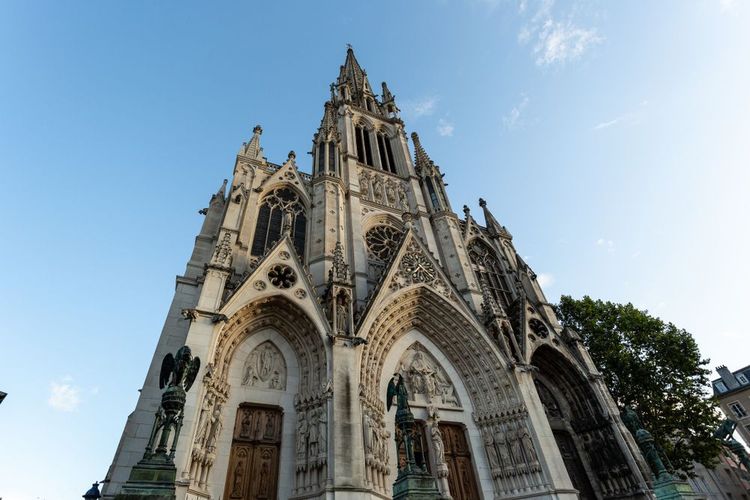
Its 87-metre Gothic spire looks as if it has always watched over the city, yet the building standing today only dates from the late 19th century: the old medieval church, too fragile to last, was replaced by this neo-Gothic basilica, built in under ten years. Funding came from patrons across Europe, from the Austrian emperor to the Pope. Viennese stained glass, Bavarian woodwork, Hungarian-cast bells and Lorraine stone combine in an eclectic decor, completed outside by gargoyles, including an odd figure covering her ears.
Free entry
What to do in Nancy in 2 or 3 days?
A 4 km loop with 27 sights is enough, in about 1 h 40, to grasp the essentials of Nancy's old centre, from the Grande Rue to the Saint-Epvre basilica. With 2 or 3 days ahead of you, the city reveals itself quarter by quarter, between 18th-century classicism and Art Nouveau exuberance.
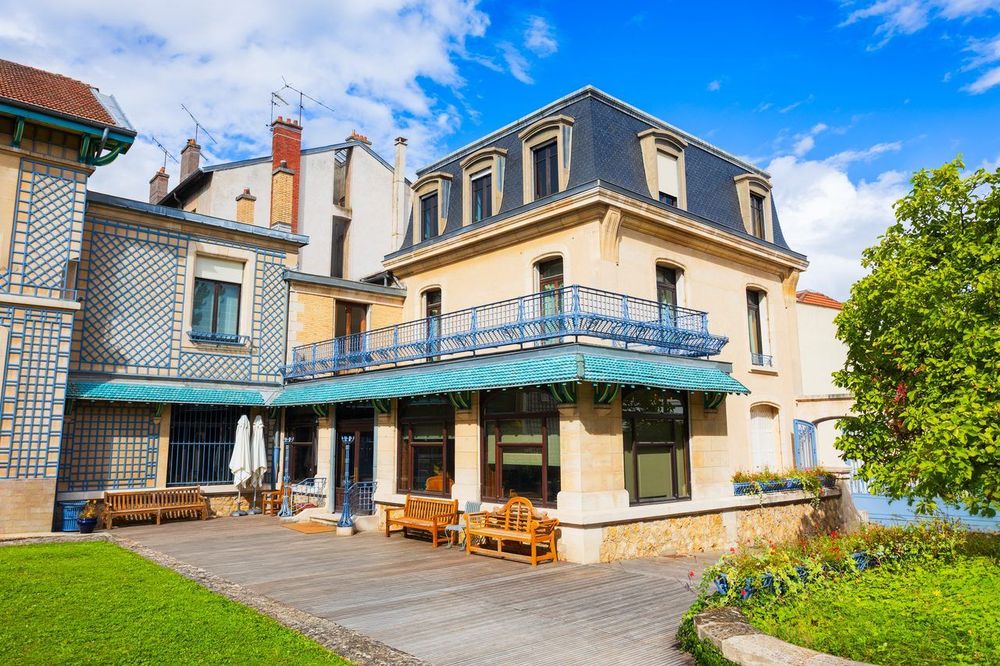
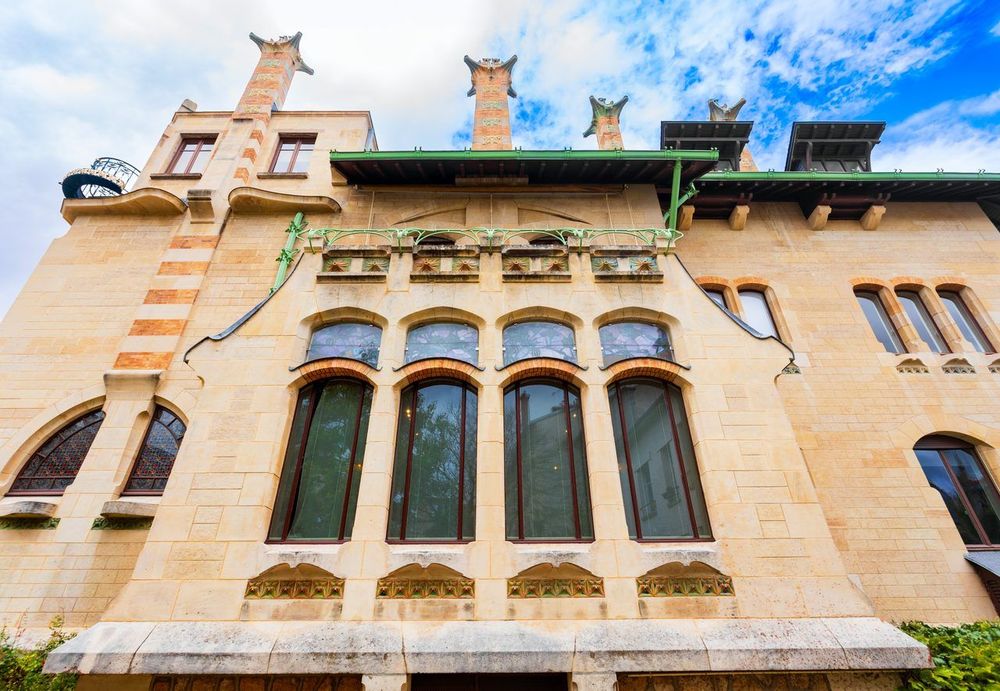
The next day, keep the Ville Neuve for yourself: laid out in a grid by Duke Charles III, it was reinvented around 1900 by Art Nouveau industrialists. The Villa Majorelle, visited by reservation, has kept its original decor, and the Museum of the Nancy School brings together furniture by Majorelle and glasswork by Gallé and Daum. In the afternoon, the shaded towpath of the junction canal offers a greener break; our 2-day Nancy itinerary covers this second day in full.
A third day leaves time to go inside the Museum of Fine Arts, which the route passes on Place Stanislas (step 16), then to seek out Place d'Alliance, a quieter square where lime trees surround a fountain. Lunch is on Rue des Maréchaux, nicknamed the gourmet street for its dozen or so restaurants, and in the evening a performance at the Opéra National de Lorraine can round off the stay. Our 3-day Nancy itinerary sets out a day-by-day itinerary.
Which neighbourhoods does the tour cross?
Looped, the route crosses districts that each tell part of Nancy's story, from the medieval ducal core to the Art Nouveau exuberance that bloomed around 1900; our guide to Nancy's neighbourhoods maps their exact boundaries.
It starts on the Grande Rue, in the Old Town, then heads down to the statue of Joan of Arc and the House of the Macaron Sisters (steps 1 to 4).
It then reaches the station quarter and Avenue Foch, where Belle Époque Art Nouveau, at the CCI of Greater Nancy and the Excelsior Brasserie, gives way to interwar Art Deco around André Maginot Square (steps 5 to 10).
Past the Crédit Lyonnais glass roof and the cathedral, the walk then reaches the Unesco-listed ensemble: Place Stanislas, the city hall, the Museum of Fine Arts, the Héré Arch and Place de la Carrière, as far as the Government Palace (steps 11 to 20).
Pépinière Park comes before the return, through the Craffe Gate, into the ducal Old Town: the church of the Cordeliers, the Palace of the Dukes of Lorraine, La Maison des Deux Sirènes and the Hôtel d'Haussonville, as far as the Saint-Epvre basilica (steps 21 to 27).
How much does it cost to visit Nancy?
Of the 27 stops on the route, only one requires a ticket: the Museum of Fine Arts, on Place Stanislas, at €10. All the others cost nothing, whether you step inside or admire them from the street, from Place Stanislas and Place de la Carrière, both Unesco-listed, to Pépinière Park. The one exception is the Palace of the Dukes of Lorraine, closed for renovation.
For the metropolitan museums, Stan public transport and a guided or audio-guided tour, the Nancy City Pass costs €20 for 24 hours, €30 for 48 hours or €35 for 72 hours, plus the tourist train from April to November and discounted VéloStan'lib bike hire. For things that cost nothing, our guide to free activities in Nancy lists the best addresses.
Information checked in November 2026 and subject to change.
Where to stop for a bite along the tour?
The route itself passes a gourmet stop: the House of the Macaron Sisters, where two nuns are said to have invented, in the late 18th century, Nancy's round, crackled macaron, quite different from the colourful version found elsewhere. For lunch, Rue des Maréchaux lines up a dozen or so restaurants serving potée lorraine and quiche.
Nancy is also a city to nibble your way through: the bergamote, a golden, translucent sweet, is sold in every confectioner's in town, the mirabelle plum is everywhere, and gingerbread is the treat of Saint-Nicolas. Our top 10 culinary specialties in Nancy lists the other must-tries, from pâté lorrain to bouchée à la reine.
What should you know before visiting Nancy?
Two stops on the route depend on opening hours, worth keeping in mind late in the day. If Pépinière Park is already closed when you pass by, follow Rue Braconnot, Rue des Cordeliers and Rue Jacquot to reach the Grande Rue, then Place du Général-de-Gaulle. The Crédit Lyonnais glass roof, for its part, is barely visible once the building is closed; a glass door to the left of the entrance then offers a glimpse.
The Palace of the Dukes of Lorraine and its Lorraine Museum, on the Grande Rue, are currently closed for renovation work; their carved gatehouse can still be seen from the street. The adjoining Cordeliers church and ducal chapel remain open, with free entry except for guided tours and workshops.
What to see around Nancy?
Nancy makes a good base for day trips: 5 to 90 km around the city, the Toulois hills, forests and the meanders of the Moselle hide ducal castles and basilicas.
Several neighbouring towns also have their own audio-guided route: Metz, 47 km away, tells 3,000 years of history through golden stone façades and a cathedral nicknamed the Lantern of God, while Luxembourg, 102 km away, tucks its casemates and royal squares between steep cliffs. A little further on, Colmar and its half-timbered Little Venice, 111 km away, or Strasbourg and its own Petite France, 116 km away, extend the trip into Alsace.
What's on in Nancy right now?
This time of year, it's the Saint-Nicolas season that sets the rhythm in Nancy.
From 20 November to early January, 45 days of festivities in all, the city lights up and Saint-Nicolas villages are set up on Place Stanislas and Place de la Carrière. The highlight remains the big parade on Saturday 5 December 2026, followed by fireworks.
Information checked in November 2026 and subject to change.
Le plein d'inspirations
Explorez le monde en totale liberté, à pied au cœur des villes ou au fil des routes. Nos guides audios transforment chaque destination en une découverte culturelle immersive et unique.
FAQ for visiting Nancy
When is the best time to visit Nancy?
Nancy is especially pleasant from May to September, when temperatures hover around 25°C and the city's parks are in full bloom. The Place Stanislas and its gilding shine under the summer sun. September has a unique atmosphere, with the back-to-school season enlivening the city and a beautiful golden light on the 18th-century façades. If you love a festive mood, December is a must for experiencing the magic of the Saint-Nicolas celebrations, an emblematic tradition of Lorraine. Winters are cold, with temperatures often below zero, but the city then takes on an intimate charm under its white blanket.
How many days do you need to visit Nancy?
Two to three days let you comfortably discover the treasures of Nancy. In one day, you can explore the historic heart with the Place Stanislas and its surroundings. A second day lets you delve deeper with the museums and the city's Art Nouveau district. If you have a third day, use it to stroll through the gardens, explore the medieval old town and soak up the Nancy art of living in its cafés and shops. This length gives you time to appreciate both the majesty of the royal squares and the more understated charm of the historic alleys, without rushing.
How do you get around Nancy?
Nancy is a town on a human scale, ideally discovered on foot, especially in the historic centre where most sites of interest are concentrated. The Stan tram network efficiently serves the main districts and monuments, with a line that crosses the city from north to south. Buses complete the network to reach the more outlying neighbourhoods. For cyclists, the city offers a bike-sharing system and well-designed cycle paths. Distances remain short between the main attractions, which makes walking particularly pleasant for soaking up the atmosphere of the ducal city and admiring the architectural details.
What is the Nancy City Pass and is it worth it?
The Nancy City Pass is a tourist pass that gives access to the city's main museums and attractions for a set period. It generally includes admission to the municipal museums, discounts at certain partner sites and sometimes access to public transport. Its usefulness really depends on your visiting programme. If you plan to visit several museums and travel frequently by tram, it quickly becomes worthwhile. For a short stay focused mainly on discovering the historic centre on foot, it may be less advantageous. Assess your schedule to work out whether the investment is worth it according to your discovery plans.
What must you see in Nancy in one day?
A day in Nancy must absolutely begin with the majestic Place Stanislas, a jewel of world heritage with its gilded railings and its fountains. Continue on to the Place de la Carrière and the Place d'Alliance to complete this classic triptych. The Palace of the Dukes of Lorraine is worth a visit to understand the history of the ducal city. In the afternoon, get lost in the alleys of the old town before heading to the Parc de la Pépinière for a leafy break. The Ryo audioguide offers just the thing, an optimised tour that links these must-sees while revealing the secrets and anecdotes of each place. Finish with a coffee on a terrace on the Place Stanislas to admire the gilding at sunset.
Where can you eat Lorraine specialities in Nancy?
Nancy is full of great addresses for tasting authentic Lorraine specialities. The traditional brasseries around the Place Stanislas and in the old town serve the famous quiche lorraine, but also tourtes, pâtés lorrains and potée. For those with a sweet tooth, the macarons de Nancy and the bergamotes are a must, available in the historic patisseries of the centre. The central market is perfect for discovering local products such as the mirabelle plum in all its forms. The restaurants on the Rue des Maréchaux offer a convivial atmosphere for sampling these traditional dishes. Don't hesitate to ask the people of Nancy for advice; they are always proud to share their best gourmet addresses.
How can you discover Art Nouveau in Nancy?
Nancy is one of the European capitals of Art Nouveau, a legacy of the École de Nancy at the turn of the 20th century. The Musée de l'École de Nancy is an excellent introduction, with its exceptional collections of furniture, glassware and objets d'art. The Villa Majorelle, right next door, is an architectural gem to visit absolutely. In the city centre, look up to admire the Art Nouveau façades, notably on the Rue Félix Faure and the Rue Saint-Dizier. The stained-glass windows by Jacques Gruber adorn several emblematic buildings. The Ryo audioguide even offers a dedicated themed tour that takes you through the city's finest Art Nouveau creations, explaining the historical and artistic context of this movement born of the organic curves inspired by nature.
What are the must-see museums in Nancy?
The Musée des Beaux-Arts on the Place Stanislas impresses with its collections of European paintings and its architectural setting. The Palace of the Dukes of Lorraine houses the Musée Lorrain, essential for understanding regional history through remarkable works of art and historical objects. For Art Nouveau enthusiasts, the Musée de l'École de Nancy is absolutely unmissable, with its creations by Gallé, Daum and Majorelle. The Musée de l'Histoire du Fer in Jarville will delight lovers of industrial heritage. Depending on your interests, you can also discover the aquarium-museum for a naturalist approach or the contemporary fine arts museum for more current creations. Each museum reveals a different facet of this city with its exceptional heritage.
What makes Place Stanislas so exceptional?
Commissioned in the 18th century by Stanislas Leszczynski, Duke of Lorraine and father-in-law of Louis XV, it forms, together with Place de la Carrière and Place d'Alliance, an ensemble inscribed on the UNESCO World Heritage list. Its success lies in the unity of its classical façades, in Jean Lamour's gilded wrought-iron gates closing off the corners and in Barthélémy Guibal's fountains, which give the square the feel of a stage set.
All around stand the town hall, the opera house, the fine arts museum and large cafés whose terraces spread out as soon as the weather turns. Come back after dark: the lighting transforms the proportions, and a show is projected onto the façades in summer. The Ryo audio guide offers a dedicated Nancy route that starts from the square and heads towards the old town.
Where can you walk in Nancy's parks and gardens?
Parc de la Pépinière, right behind Place Stanislas, is the green lung of the centre: once royal tree nurseries, now a public garden, it combines avenues of century-old trees, a rose garden, a bandstand, a playground and a small animal park, which makes it an easy stop with children.
Further south, Parc Sainte-Marie and its wide lawns border the Art Nouveau district, while the Montet botanical garden spreads its collections and tropical glasshouses over the heights, a few tram stops away. The banks of the Meurthe, laid out for walking and cycling, complete the picture on the water side. Depending on the season, spring blossom and autumn colours are reason enough to make the trip.
Which sweets and traditional dishes should you taste during a stay in Nancy?
Nancy has a sweet tooth: the Nancy macaron, whose recipe goes back at least to the 18th century and the so-called "Macaron Sisters", the golden, translucent bergamot sweet, chocolates such as the Chardon Lorrain, plus mirabelle plums and the gingerbread eaten for Saint Nicholas in winter.
On the savoury side, try quiche lorraine, bouchée à la reine, potée lorraine with white cabbage, smoked bacon, sausage and potatoes, and pâté lorrain, which originated in Baccarat and already appears in a recipe book from 1392.
See all ten in our top culinary specialties of Nancy.
Which activities should you prioritise in Nancy, from Place Stanislas to street art?
Place Stanislas, voted the French public's favourite monument in 2021, naturally tops the list, measuring 106 by 124 metres, with pavilions housing the Opera and the Museum of Fine Arts. The museum, founded in 1793, also displays remains of the old fortifications and a collection of Daum glassware.
The Parc de la Pépinière covers 21 free hectares, open from 6.30am to 8pm, ideal for a picnic, a round of mini golf or a visit to its small animal park. Add a walk around town with a stop on a terrace, the street art trail and the Arc Héré, a UNESCO site since 1983.
Read the full ranking in our top 6 activities to do in Nancy.
What can you do for free in Nancy?
The heart of Nancy costs nothing to explore: Place Stanislas, with Jean Lamour's gilded gates and the Neptune and Amphitrite fountains, the Arc Héré and Place de la Carrière form a UNESCO-listed ensemble since 1983, open day and night.
You can also step freely into the Basilica of Saint-Epvre and its spire of nearly 87 metres, admire the 14th-century Porte de la Craffe, stroll through the rose garden of over 2,000 roses and the miniature zoo in the Pépinière, or follow an open-air Art Nouveau trail.
All 18 ideas are gathered in our guide to free activities in Nancy.
What are Nancy's neighbourhoods and which one should you choose?
Nancy has eleven official neighbourhoods. Old Nancy, a UNESCO site, brings together the three squares, the Grande Rue, the Basilica of Saint-Epvre and the Porte de la Craffe, along with much of the nightlife. The shopping centre runs along Rue Saint-Jean and Rue Saint-Georges and around the Marché Central.
South of the station, Saurupt is lined with Art Nouveau villas built between 1900 and 1910, including the Villa Majorelle: quiet, but pricier. Trois-Maisons keeps a working-class feel, while the Rives de Meurthe embody the city's ecological renewal.
Compare every district in our guide to Nancy's neighbourhoods.
Which itinerary should you follow to visit Nancy in two or three days?
Day one is devoted to the UNESCO-listed triangle (Place Stanislas, Place de la Carrière and Place d'Alliance), then the Old Town: the Grande Rue, the Church of the Cordeliers, the Porte de la Craffe, the Basilica of Saint-Epvre and lunch on Rue des Maréchaux. The Ducal Palace, under renovation, is admired from outside.
Day two follows the École de Nancy, with the Villa Majorelle, best booked ahead, and the Musée de l'École de Nancy. The three-day version leaves time for more museums, food stops and nearby excursions.
Pick your pace with our itineraries to visit Nancy in 2 days and to visit Nancy in 3 days.
What can you do in Nancy when it rains?
Between November and March, it rains on average one day in three, yet Nancy's arcades and museums keep you dry. The Museum of Fine Arts, on Place Stanislas since 1793, and the Musée de l'École de Nancy easily fill a morning, while the Muséum-Aquarium is a hit with children.
For more action, several escape games lie within walking distance of Place Stanislas, laser tag rounds out the options, and the Féru des sciences invites you to solve a "space crime" by handling real experiments.
Find all eleven ideas in our guide to rainy-day activities in Nancy.
Which Nancy museums are free on certain days, and how should you plan your visits?
The Museum of Fine Arts on Place Stanislas shows Perugino, Rubens, Delacroix and Manet, a vast collection of Daum glassware and a section of old ramparts in the basement; allow 1.5 to 2 hours. The Musée de l'École de Nancy features the Masson dining room, Gallé glassware and Majorelle furniture.
Both close on Tuesdays and are free on the first Sunday of the month. The Villa Majorelle opens in the afternoon by time slot, and the Church of the Cordeliers stays open while the Ducal Palace is closed.
Plan your visits with our complete guide to Nancy's museums.
What should you know before discovering Nancy for the first time?
Three dates unlock the city: 1477 and the Battle of Nancy for the old town and its gates, 1755 for the royal squares listed by UNESCO in 1983, and 1900 for Art Nouveau. Start with Place Stanislas, Jean Lamour's gates and the free summer sound and light show.
Allow two hours for the Museum of Fine Arts and its Daum glassware, check the Opera's programme, then head to the Porte de la Craffe, the Art Nouveau villas, the macarons and the 21-hectare park.
It is all explained in our guide to visiting Nancy for the first time.
Is Nancy a good destination for solo travellers?
Yes, Nancy is a great destination for solo travellers: the city is compact, largely pedestrian and full of experiences that are easy to enjoy on your own. In one morning you can take in the three UNESCO-listed squares (Stanislas, Carrière and Alliance), Saint-Epvre Basilica and the Porte de la Craffe, then spend the afternoon in the Art Nouveau district.
A self-guided treasure hunt, laser game or ceramic painting workshop all work well without a companion, and the Rue des Maréchaux and the Old Town's counters and wine bars make solo meals easy. A 27-stop audio-guided route over 4 km lets you set your own pace.
Itinerary, offbeat activities, good addresses and practical tips: it's all in our guide to visiting Nancy solo.
Vos commentaires, idées et suggestions
Aucun avis pour le moment