© Shutterstock
 Votre guide Ryo
Visiting Nancy in 3 Days: 2026 Itinerary from Place Stanislas to Art Nouveau
In Nancy, gold is not found in a display case but on the gates of a square. You have to look up at Jean Lamour's portals, all wrought-iron lacework gilded with gold leaf, to understand why the people of Nancy speak of their city as an intact 18th-century jewel. Visiting Nancy in 3 days gives you exactly that time: the time to linger on an architectural detail, push open the door of an Art Nouveau building, or stroll without a watch between two museums. The Ryo audio-guided tour, which winds through the historic centre across 27 audio stops and 4 kilometres of walking, sets the tone from the moment you arrive by revealing the hidden stories behind every façade.
In three days, you have time to take everything in without rushing: Place Stanislas, a UNESCO World Heritage Site since 1983; an Art Nouveau villa where every door handle was individually designed; an ephemeral garden that changes theme each year; and a century-old brasserie where you can still dine beneath original stained glass. Nancy is also a city to be savoured, between macarons more than two centuries old and tangy bergamotes. This guide lays out a day-by-day itinerary, complemented by foodie addresses, accommodation tips, excursions into the surrounding area, and practical information to plan a trip without surprises.
Day 1: Place Stanislas and the Old Town
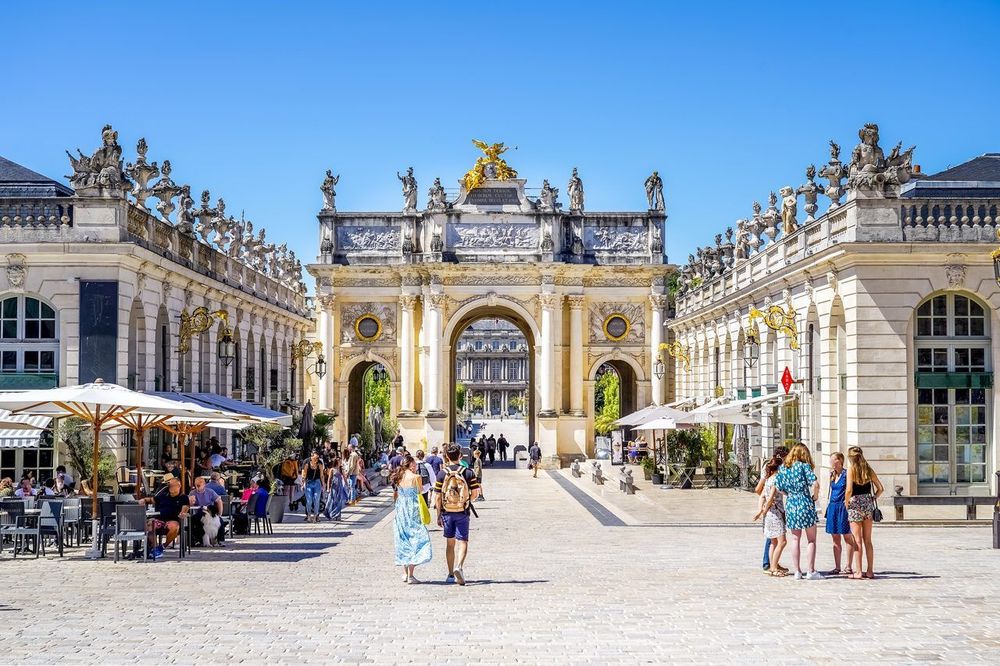
Place Stanislas, Place de la Carrière, and the Opéra National de Lorraine
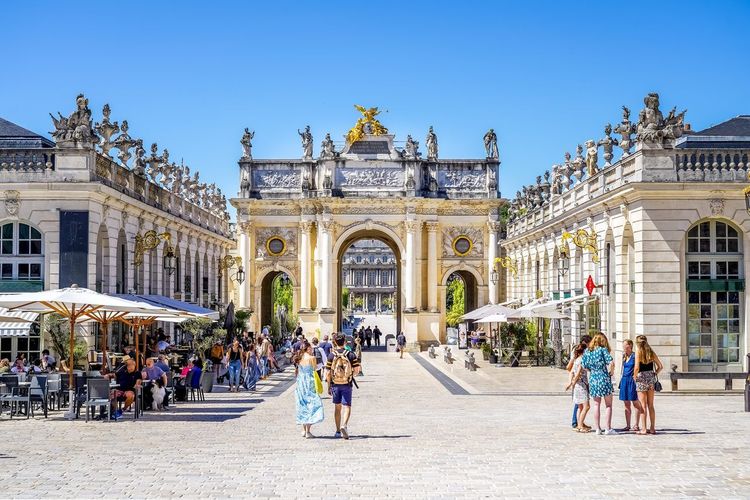
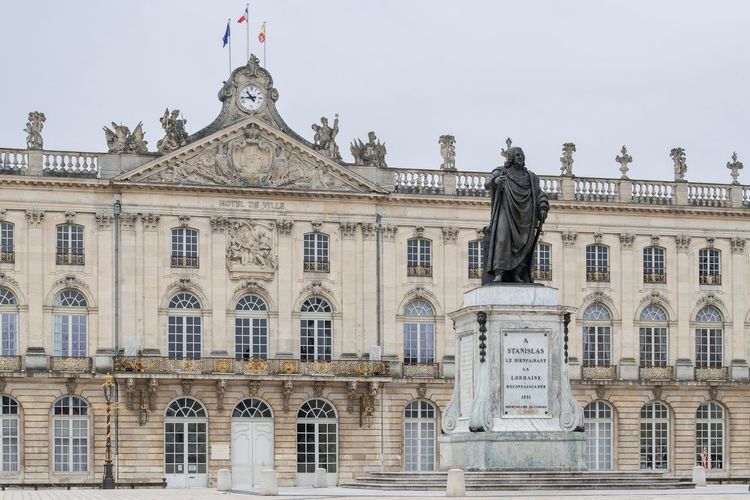
Start with the beating heart of the city. Place Stanislas was built between 1752 and 1755 on the orders of Stanislas Leszczynski, last Duke of Lorraine and father-in-law of Louis XV, to connect the medieval old town with the classical new town. The result is an architectural ensemble of rare coherence, listed as a UNESCO World Heritage Site since 1983 alongside Place de la Carrière and Place d'Alliance.
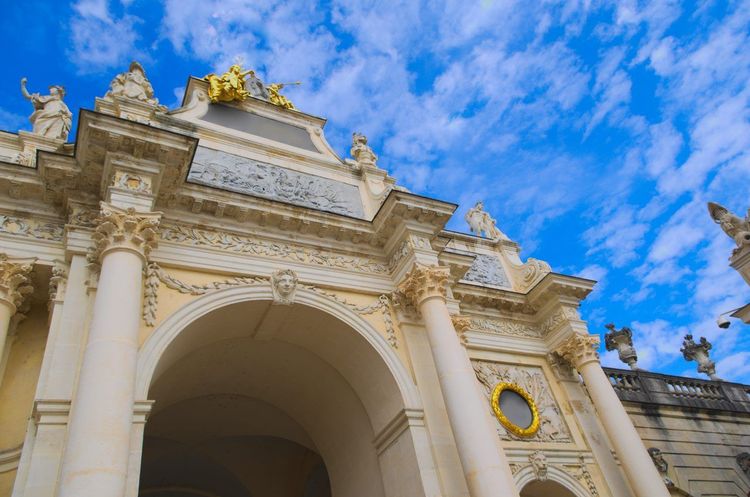
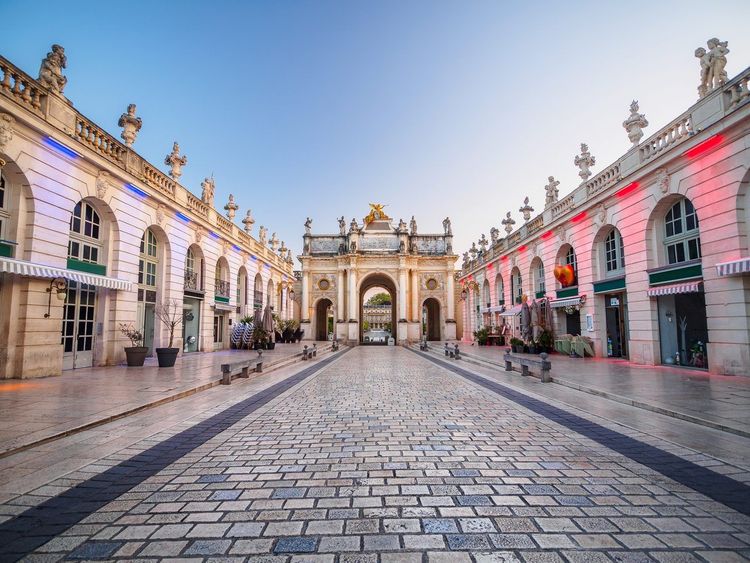
What strikes you first are the gilded gates signed by Jean Lamour, the king's ironsmith, which frame the square at each of its corners. The two monumental fountains, Neptune and Amphitrite, sculpted by Barthélemy Guibal, complete a stage set designed to dazzle. On summer evenings, a free sound-and-light show regularly illuminates the square, a spectacle many travellers stumble upon by chance while dining on a terrace.
Take five minutes to pass under the Arc Héré, the triumphal arch pierced by architect Emmanuel Héré on the north side of the square: it acts as a hinge between Place Stanislas and Place de la Carrière, and its vaulted passage frames one of the most photographed perspectives in the city. Just beyond, the Place d'Alliance, more discreet with its trimmed lime trees and central fountain, is part of the same UNESCO listing. Many visitors overlook it entirely, which makes it an excellent spot to take ten minutes of shade in peace.
Continuing northward, you arrive at Place de la Carrière, a tree-lined avenue that once led to equestrian jousting and closes its perspective on the Palais du Gouvernement. This is another face of Nancy — more open, almost intimate despite its generous proportions.
Right next to Place Stanislas stands the Opéra National de Lorraine, whose neoclassical façade blends seamlessly into the 18th-century ensemble. If your stay coincides with a performance, an evening at the opera is an elegant way to end the day. Otherwise, the auditorium is sometimes open to visitors during the European Heritage Days in September.
You can continue late morning with the Musée des Beaux-Arts, located on the square itself, if you prefer to focus on art from day one rather than saving it for later in the itinerary. One useful habit: like most of Nancy's municipal museums, it closes one day a week, so check the weekly schedule before locking in your programme.
The Old Town: Basilique Saint-Epvre, Porte de la Craffe, and Rue des Maréchaux
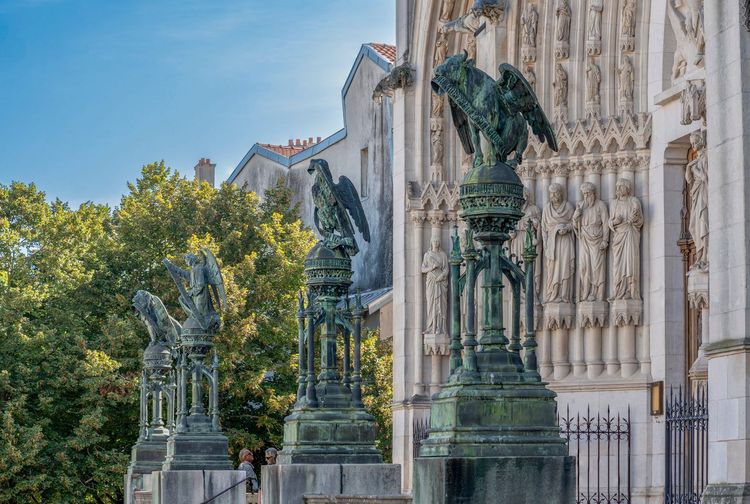
A few minutes on foot, and the Old Town shifts the atmosphere entirely. Cobbled lanes and half-timbered houses replace the classical rigour of Place Stanislas with a more intimate medieval maze. The Basilique Saint-Epvre dominates this neighbourhood with its neo-Gothic spire rising 87 metres, built in the 1860s–1870s to designs by architect Prosper Morey on the site of an earlier church.
Walking up Grande Rue, you come upon the Porte de la Craffe, a remnant of the medieval fortifications with its twin towers topped by pepper-pot roofs. A historic symbol of the city even before Place Stanislas, it long served as a prison. This is where you best sense the Nancy that predated the enlightened dukes — the Nancy of the Middle Ages and resistance to Burgundian sieges.
Along this same Grande Rue stand the Palais des Ducs de Lorraine and the Église des Cordeliers, the ducal necropolis where René II and Philippe de Gueldre are buried, with its round chapel inspired by the Medici. The ducal palace is undergoing a major renovation that has put the musée Lorrain into a long slumber: check on progress before visiting, as only certain parts of the site remain accessible depending on the season.
The cathedral Notre-Dame-de-l'Annonciation, on Rue Saint-Georges, is worth a detour for its 18th-century baroque interior, very different from the Gothic sobriety of Basilique Saint-Epvre. Two religious buildings, two centuries, two atmospheres: Nancy in miniature.
For lunch, head to Rue des Maréchaux (Rue des Maréchaux, 54000 Nancy), locally nicknamed the gourmet street. A dozen restaurants follow one another over a few dozen metres, from traditional bistros to more creative tables. It is the ideal spot to try a potée lorraine or a homemade quiche before continuing the walk.
If you want to understand how these two faces of the city connect, consult the Ryo guide to Nancy's neighbourhoods, useful for planning your movements over the following days.
Day 2: In the Footsteps of the École de Nancy and Art Nouveau
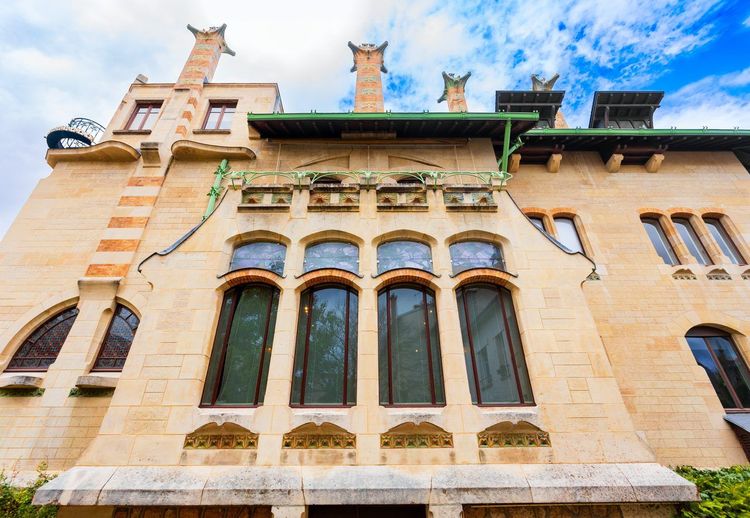
Villa Majorelle and the Musée de l'École de Nancy
Nancy is, alongside Paris and Brussels, one of the great European centres of Art Nouveau, championed at the end of the 19th century by a collective movement known as the École de Nancy. Émile Gallé, Louis Majorelle, the Daum brothers: all worked with glass, wood, and iron to invent an organic style inspired by nature, still visible throughout the city. The Alliance Provinciale des Industries d'Art, the official name of the École de Nancy, was founded in 1901 around Gallé, which explains the exceptional concentration of signed façades and interiors within a few kilometres.
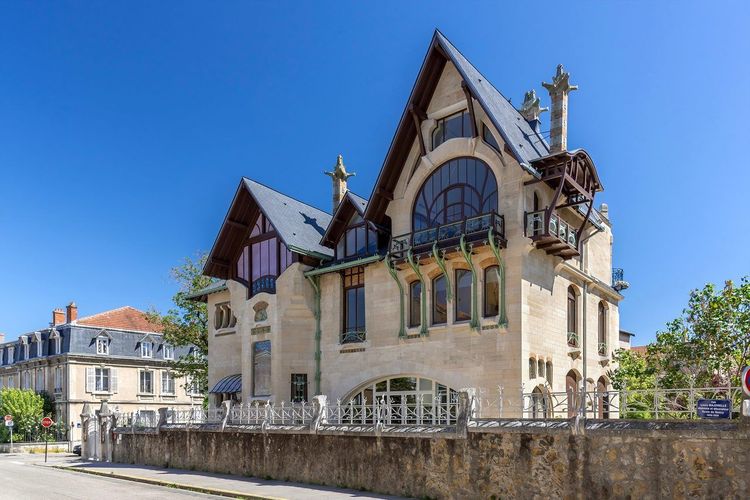
Villa Majorelle, built in 1901–1902 by architect Henri Sauvage for cabinetmaker Louis Majorelle, is the most accomplished expression of this vision. Every detail, from the stair rail to the light fittings, was conceived as a unique work. The guided tour, mandatory to access the interior, reveals how this house upended the codes of bourgeois living in its day. As time slots are limited in number, book your ticket in advance on the city museums' website rather than trying your luck on a Saturday.
A few hundred metres away, the Musée de l'École de Nancy occupies the former home of Eugène Corbin, patron of the movement. Here you discover Majorelle furniture, glassware by Gallé and Daum, and a reconstructed garden that recalls how deeply this style drew its motifs from local flora: thistles, dragonflies, wisteria. The dining room aquarium and the recreated bedroom upstairs give the strange sensation of entering someone's home rather than a collection.
Allow a good half-day for both sites if you are drawn to design. Many travellers in a hurry only visit the villa and later regret skipping the museum, which is denser in pieces but less striking architecturally. Both are in the same southern neighbourhood, a fifteen-minute walk apart, making them a logical pairing for a morning.
The Art Nouveau Trail, from Avenue Foch to the Hall du Livre
The afternoon lends itself to an open-air urban walk. Avenue Foch, which runs from the station to the city centre, lines up bourgeois buildings erected at the turn of the 20th century, their façades adorned with mosaics, ironwork, and bow windows. Take your time walking slowly: most of the details are found at window-frame and carriage-door level, often overlooked by hurrying passers-by.
Two landmarks are worth the detour into nearby streets. The Maison Bergeret, on Rue Lionnois, built for a Nancy printer, packs stained glass, mosaics, and carved wood onto a single corner façade — a concentrated display of local craftsmanship. A little further on, the Chambre de Commerce et d'Industrie, on Rue Henri Poincaré, shows that Nancy's Art Nouveau was not reserved for private villas but also graced institutional buildings.
Heading back towards the centre, the façade of the Excelsior brasserie already hints at the evening's setting, but it is above all the Hall du Livre (38 Rue Saint-Dizier, 54000 Nancy, rated 4.5/5 on Google from 3,019 reviews), on Rue Saint-Dizier, that catches the eye with its plant-like ironwork and façade reinterpreted as a contemporary bookshop. Rue Saint-Dizier also features several preserved historic shopfronts above current signage: look above the first floor — that is where everything happens.
Themed guided tours organised by the tourist office allow you to follow a complete Art Nouveau circuit through Nancy in about two hours, with access to interior courtyards usually closed to the public. To extend the discovery beyond these two days, consult the Ryo top 6 activities to do in Nancy, which lists other notable buildings from the same movement.
If time is short, know that the essentials of the Art Nouveau trail can be completed in half a day between Villa Majorelle and Avenue Foch, leaving plenty of room for a leisurely lunch before tackling day three.
Day 3: Parks, Gardens, and the Banks of the Meurthe
Parc de la Pépinière and the Botanical Gardens
After two days packed with heritage, day three opens on greenery. Parc de la Pépinière, around twenty hectares right in the city centre just behind Place de la Carrière, offers a rose garden, a vintage carousel, and a small free zoo home to monkeys and deer among others. It is Nancy's green lung, frequented equally by early-morning joggers and weekend families. Created in the 18th century as a royal nursery, the park has kept its long straight avenues and remarkable trees, including several centuries-old plane trees.
Each year at the end of summer, part of Place de la Carrière hosts the Jardin Éphémère, a landscaping installation renewed each year on a different theme, assembled and then dismantled within a few weeks. It is free, widely photographed, and completely transforms the atmosphere of the neighbourhood for several weeks. If your stay falls in September or October, check the dates: it is one of the rare events that physically alters a UNESCO-listed site.
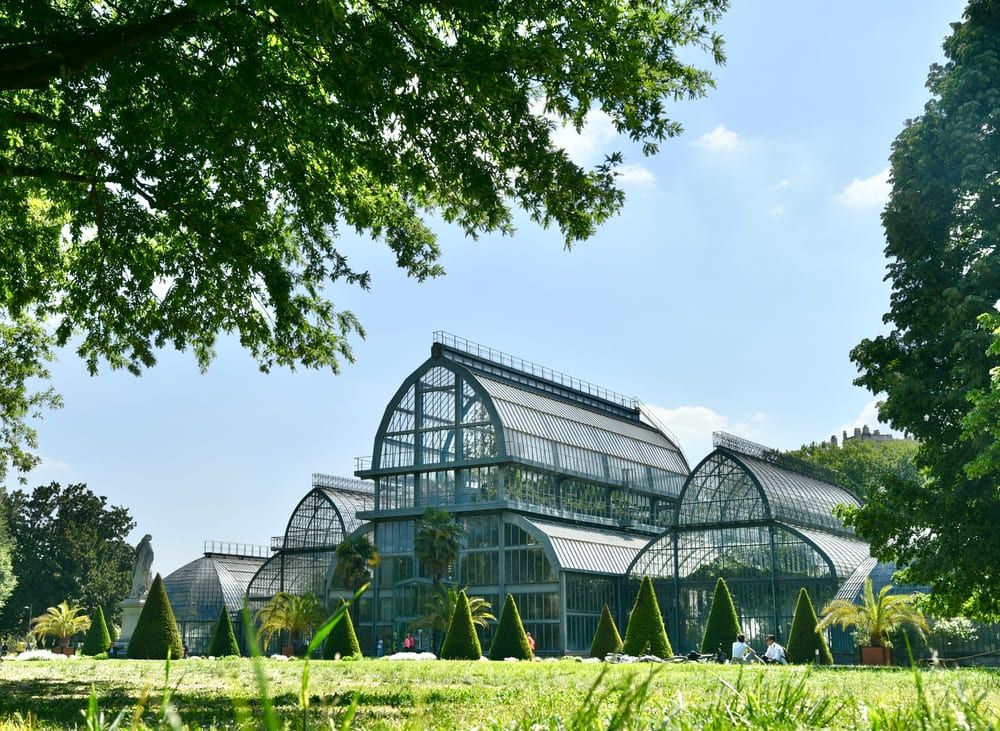
For botany enthusiasts, the Jardin Botanique Jean-Marie-Pelt, in Villers-lès-Nancy, about fifteen minutes by tram from the centre, spreads across approximately 25 hectares of collections and tropical greenhouses. Allow half a day if you enjoy taking your time among carnivorous plants, orchids, and the alpine garden.
Closer to the centre, Parc Sainte-Marie offers a more family-friendly setting with its ornamental pond, play areas, and centuries-old trees. It is a good alternative if you are staying on the western side of the city and do not want to cross all of Nancy to find a green space.
The Canal, the Bras Vert, and the Banks of the Meurthe
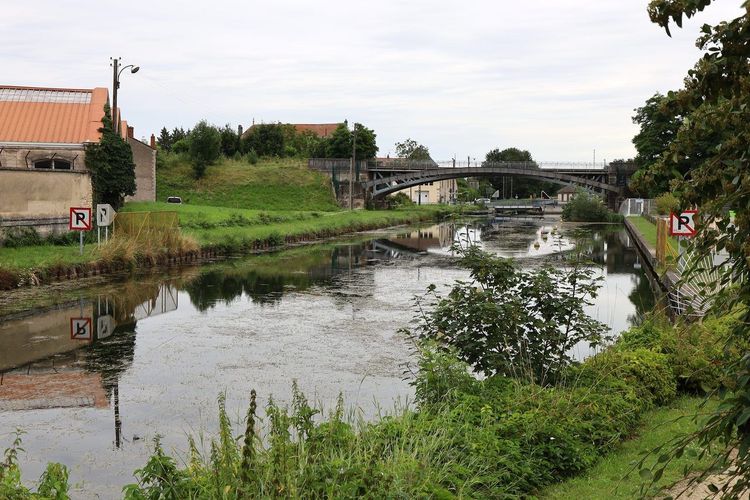
Late morning, head down to the water. The Canal de la Marne au Rhin runs alongside the city and is perfect for a walk or cycle ride, well away from traffic. Moored barges and lock gates punctuate the route at a quiet pace, very different from the bustle of Place Stanislas. The Bras Vert area, a former arm of the Meurthe converted into a water sports base, adds an unexpected note to the walk: kayaks, rowers, and anglers line the waterside.
The banks of the Meurthe, redeveloped in recent years, have transformed former industrial wasteland into an urban promenade with footbridges and cycle paths. It is the neighbourhood that has changed most in twenty years, with contemporary buildings set facing the water.
On the way back towards the centre, the Muséum-Aquarium de Nancy, on Rue Sainte-Catherine, combines natural history collections on the upper floor with tropical tanks on the ground floor, filled with colourful fish and coral. It is a well-appreciated stop with children, and can be visited in an hour and a half without anyone getting bored.
To close the day on a wellness note, the Nancy Thermal centre (5 Rue du Docteur Schmitt, 54000 Nancy, rated 3.6/5 on Google from 72 reviews), completely rebuilt and reopened in 2023 near Parc Sainte-Marie, offers indoor and outdoor pools, sauna, and hammam fed by naturally warm water drawn from depth. Nothing better after three days of walking to ease tired legs before catching the train home.
This slower third day rounds out the pace nicely after the first two. To find other free activities of a similar kind, consult the Ryo guide to free activities in Nancy, which lists several similar walk ideas, useful if your stay extends beyond the planned three days.
Other Must-Sees: Museums, Street Art, and Hidden Gems
Museums Not to Miss: Beaux-Arts, Lorrain, and Cristallerie Daum
If your stay allows a little extra time, several museums usefully complement the main itinerary. The Musée des Beaux-Arts de Nancy, on Place Stanislas itself, covers seven centuries of European painting, from Rubens to Modigliani, with in the basement a remarkable collection of Daum glassware installed within the city's former bastioned fortifications. This descent into the vaulted cellars, between the remains of the Porte Neuve and iridescent vases, remains one of the most surprising moments of a stay in Nancy.
The musée Lorrain, housed in the Palais des Ducs de Lorraine on Grande Rue, traces the history of the duchy through archaeology, engravings, and decorative arts. The site is undergoing a major renovation that severely restricts access to the collections: check the city museums' website before visiting, as the offer changes from season to season during the works.
Glass enthusiasts should push open the door of the Cristallerie Daum, whose boutique showcases the most iconic pieces from the house founded in Nancy in 1878, from pâte de verre vases to contemporary creations produced with designers and artists.
More unusual, Le Féru des Sciences, the former Musée de l'Histoire du Fer set in the Parc de Montaigu in Jarville-la-Malgrange on the outskirts of Nancy, tells the story of iron and Lorraine metallurgy in a 1960s building as remarkable as its collections. Allow about fifteen minutes by bus from the centre and a ninety-minute visit.
Street Art Walk and Parc de Saurupt
Nancy also cultivates a more contemporary side. The ADN de Nancy street art trail connects several monumental murals painted by artists from across Europe on the gable ends of buildings in the centre and outlying neighbourhoods. A downloadable map from the tourist office lets you follow the route at your own pace, on foot or by bike. The interest of this walk is as much artistic as sociological: it takes you out of the tourist triangle and through neighbourhoods where Nancy's residents actually live.
At the opposite end of the urban style spectrum, Parc de Saurupt (Avenue du Général Leclerc, 54000 Nancy, rated 4.6/5 on Google from 10 reviews) is worth a quiet detour. This residential development designed at the start of the 20th century brings together several private Art Nouveau villas, some designed by Émile André, scattered across a hilly green setting. The interiors are not open to visitors, but a simple stroll along the lanes is enough to grasp the ambition of this avant-garde garden neighbourhood for its time.
Where to Eat in Nancy: Art Nouveau Brasseries and Local Specialities
Historic Brasseries: the Excelsior and the Nancy Art of Living
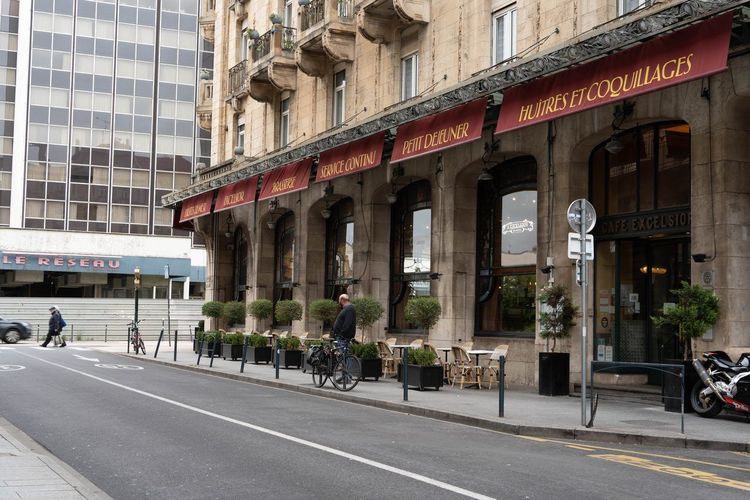
Eating in Nancy often means eating in a setting. The Brasserie Excelsior, opened in 1911 and listed as a historic monument, remains the most photographed table in the city with its stained glass, light fittings, and furniture signed by Louis Majorelle. The menu stays classic, with sauerkraut and seafood leading the way, but guests come above all for the setting and the ballet of white-aproned waiters, unchanged for decades.
On Place Stanislas, the Grand Café Foy occupies one of the historic pavilions designed by Emmanuel Héré. Having a coffee on the terrace looking out at Jean Lamour's gilded gates remains one of the simplest and most memorable experiences of the stay, even outside tourist season.
These two addresses encapsulate the essence of Nancy's art de vivre: an architectural heritage you consume almost as much as you admire. Book ahead at weekends, as these tables fill up from Friday evening.
Local Specialities and Top Food Addresses
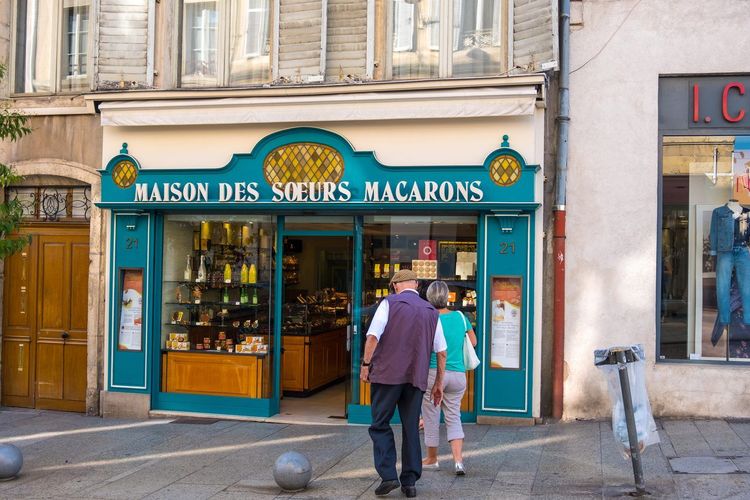
On the speciality front, two sweet treats sum up local gastronomy. The macaron de Nancy, whose recipe has been kept secret since the late 18th century by the Maison des Sœurs Macarons (21 Rue Gambetta, 54000 Nancy, rated 4.6/5 on Google from 636 reviews), heir to the Benedictine nuns, stands apart for its soft, crackled texture — very different from the Parisian ganache macaron.
The bergamote de Nancy, a translucent boiled sweet flavoured with the citrus of the same name and protected by a geographical indication, is found in almost every confectionery shop in the centre. It is the most popular edible souvenir among travellers — light in a suitcase and representative of Lorraine's food heritage. In the same vein, the mirabelle appears as a tart, jam, and eau-de-vie: Lorraine produces the bulk of France's harvest, and the season begins in August.
For a full meal, the central market, under its covered hall in the city centre, remains the best vantage point for local cooking: charcuterie, Lorraine cheeses, pâtés en croûte, and seasonal mirabelle stalls, with a few counters for a quick lunch on the go. Rue des Maréchaux is the safe bet on day one, but the area around the station and Avenue Foch also abound with more contemporary tables, often less frequented by tourists. The Ryo guide to Nancy's culinary specialities details ten additional addresses, useful for varying the pleasures over three days without returning to the same place twice.
Finally, do not leave without trying a potée lorraine or a traditional quiche at a more modest spot: Nancy also has good neighbourhood bistros, far from the tourist maps, where prices remain noticeably gentler.
Where to Stay in Nancy: Neighbourhoods and Recommended Hotels
Staying near the Old Town and Place Stanislas
Staying close to Place Stanislas and the Old Town remains the most comfortable choice for a three-day stay: everything is walkable, with no dependence on public transport. Hotels here tend to be more upscale and full of historic character, often housed in old buildings with high ceilings and stone staircases.
It is also the liveliest neighbourhood in the evenings, between the terraces of Rue des Maréchaux and the occasional concerts at the Opéra. Expect a higher budget than elsewhere in the city, particularly during the Fêtes de Saint-Nicolas or the Foire Expo, two periods when prices rise sharply and availability vanishes weeks in advance.
Other Practical Neighbourhoods for Accommodation
The station neighbourhood, fifteen minutes on foot from the historic centre, offers a good compromise for travellers arriving by train: more affordable hotels, direct connections to Avenue Foch and its Art Nouveau trail. It is also the ideal base if you plan a day trip outside Nancy, since you leave from the station without having to cross the city with your luggage.
On the Ville Neuve side or towards Parc Sainte-Marie, you find more residential accommodation, ideal for families looking for quiet evenings while remaining within reasonable walking distance of the main sites. The southern neighbourhoods, around the Musée de l'École de Nancy, suit apartment or bed-and-breakfast stays well, with a direct tram to the centre. Before booking, check distances on the Ryo app: the Ryo audio-guided tour of Nancy lets you see precisely where points of interest lie in relation to your hotel, neighbourhood by neighbourhood.
Nancy in Practice: Getting There, Getting Around, and the Nancy City Pass
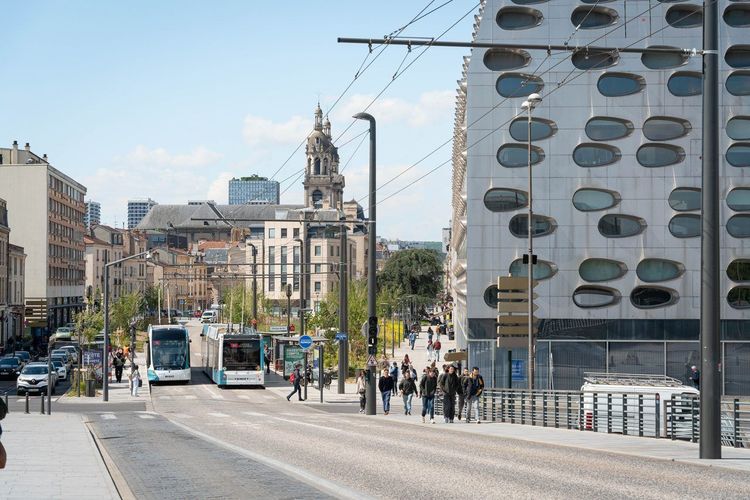
Arriving and Leaving Nancy: Train, Car, and Plane
Nancy is easily reached by train: the station, served by direct TGV services from Paris in around 1h30, is fifteen minutes on foot from Place Stanislas. This is by far the most practical option for a three-day stay, avoiding the hassle of city-centre parking, which is often limited and expensive. Regional services also connect Metz in about forty minutes, Strasbourg and Luxembourg in around an hour and a half, making a Nancy stopover easy to fit into a broader Grand Est itinerary.
By car, the A31 serves the city from north to south and the A33 connects it to the Alsace axis. The easiest approach is to aim for a multi-storey car park in the centre, such as those at Place Stanislas or the station, or a park-and-ride on the outskirts combined with the tram, which is considerably cheaper per day. The regional airport of Metz-Nancy-Lorraine, about forty kilometres away, serves only a limited number of destinations: most air travellers land at Luxembourg or Strasbourg before continuing by train.
For the return journey, bear in mind that the station is at the far end of Avenue Foch: scheduling the final morning around the Art Nouveau trail allows you to walk to the train, suitcase in hand, without wasting time on transport.
Getting Around: on Foot or by Tourist Train
Once there, exploring Nancy on foot remains the best option for most of the historic centre: Place Stanislas, the Old Town, and the Art Nouveau neighbourhood are all easily covered on foot within a radius of about one kilometre. For longer distances such as the botanical garden in Villers-lès-Nancy or Le Féru des Sciences in Jarville, the Stan tram and bus network is fast and inexpensive, with single tickets or day passes available.
In the summer season, a tourist train offers a commented tour of about 45 minutes departing from Place Stanislas — a good option for getting your bearings on day one before exploring on foot in more detail. Bike-share schemes round out the options nicely for reaching the banks of the Meurthe or the canal, both well served by cycle paths.
Nancy City Pass and Tourist Card
The Nancy City Pass, sold by the tourist office, gives access to several museums, guided tours, and discounts at selected shops and partner restaurants. Over a three-day stay including Villa Majorelle, the Musée de l'École de Nancy, and the Musée des Beaux-Arts, it quickly pays for itself, especially if you add a themed Art Nouveau guided tour. Do the maths with your planned admissions: beyond three paid sites, the saving becomes real.
A free tourist map, downloadable from the tourist office website or available in paper form at its welcome desk, usefully complements the City Pass with up-to-date opening hours for each site. Keep a digital version on your phone: mobile coverage is good throughout the city centre, but it is worth anticipating wifi-free zones such as the botanical garden. Ryo's audio-guided tour of Nancy pairs neatly with this plan: once downloaded, it keeps working through those same wifi-free stretches.
When to Go: Best Season and Events in Nancy
Which Season to Choose for Your Stay
Nancy can be visited year-round, but spring and early autumn offer the best compromise between mild weather and manageable crowds. From May to June, the parks are in full bloom and terraces fill without becoming overwhelming. September retains a pleasant warmth for walking all day, with a particularly flattering light on the gilded gates of Place Stanislas in the late afternoon.
Summer remains a reliable choice for enjoying the evening sound-and-light shows, but expect more people around the landmark sites. Winter, quieter during the day, transforms dramatically in early December with illuminations and a Christmas market. Weather-wise, the Lorraine climate is straightforward: cold and sometimes snowy winters, hot but stormy summers, with often sunny transitional seasons. Pack an extra layer for the evenings, even in June.
Fêtes de Saint-Nicolas, Christmas Market, and Foire Expo
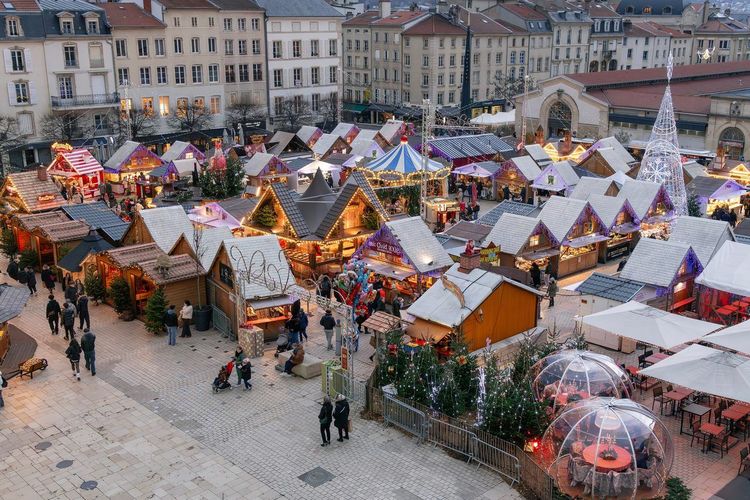
The Fêtes de Saint-Nicolas, in early December, celebrate Lorraine's patron saint with a grand parade, spectacular illuminations on Place Stanislas, and several days of festivities. It is undoubtedly the best time to discover Nancy in a festive light, provided you accept heavier crowds and higher accommodation prices. The Saturday evening parade attracts tens of thousands of spectators: arrive early to secure a good spot along the route.
The Christmas market, set up in the same area throughout December, adds to the atmosphere with its artisan chalets and warm specialities, mulled wine and bredele foremost. In spring, the Foire Expo de Nancy, one of the largest in France, turns the exhibition park into a regional showcase: less touristy, but revealing of local economic and cultural life if your stay coincides. Add the Livre sur la Place in September, France's largest back-to-school literary festival, which pitches its white marquees on Place de la Carrière.
What to See around Nancy: the Best Day Trips
If your three days allow half a day's leeway, several nearby villages merit a detour. Lunéville, about thirty minutes by train, houses a château nicknamed the "little Versailles of Lorraine", surrounded by French formal gardens restored after the serious fire of 2003. Saint-Nicolas-de-Port, only a quarter of an hour away, hides a flamboyant Gothic basilica disproportionate to the size of the town, built to welcome pilgrims who came to venerate the relic of Lorraine's patron saint.
Further east, Vic-sur-Seille, birthplace of painter Georges de La Tour, retains a well-preserved historic centre and a departmental museum dedicated to the artist. Baccarat, about an hour away, allows you to visit the museum of the famous glassworks and the remarkable Église Saint-Remy from the 1950s, whose crystal stained-glass windows filter light like a kaleidoscope. Finally, Pont-à-Mousson, with its Prémontrés abbey and its arcaded Place Duroc, makes for a half-day trip easily combined with a return by train.
Nature lovers will venture further to the Parc Naturel Régional de Lorraine and its lakes, or up to the Colline de Sion, the hilltop viewpoint dear to Maurice Barrès from which you can take in the entire Lorraine plateau on a clear day. These surroundings naturally extend the stay for those with an extra day. The Ryo guide to the area around Nancy details train timetables and recommended visiting times for each of these destinations.
Visiting Nancy with Kids: Activities for All Ages
Nancy lends itself well to a family stay, provided you alternate heritage with more playful breaks. The Muséum-Aquarium de Nancy, already encountered on day three, easily captures children's attention with its tropical tanks and cases of taxidermied animals. The Jardin Éphémère, free and renewed each year, also works as a sensory discovery space appreciated by young visitors.
Parc de la Pépinière remains the unmissable family choice thanks to its free small zoo, vintage carousel, and large lawns for picnicking between visits. The tourist train, mentioned earlier, usually wins children over within the first few minutes and gives parents a moment to breathe while getting an overview of the city. On a rainy afternoon, Le Féru des Sciences and its iron-themed hands-on activities can easily fill an afternoon, and the pools at Nancy Thermal round off the day on a relaxing note.
For families staying several days in the region, other nearby Ryo destinations offer itineraries designed for younger visitors, such as the Ryo family guide to Tours or the Ryo family guide to Annecy, useful if your itinerary extends beyond Lorraine.
FAQ
How many days do you need to visit Nancy?
Three days are enough to cover the essentials: Place Stanislas and the Old Town on day one, Art Nouveau on day two, parks and the banks of the Meurthe on day three. With an extra day, add a trip to Lunéville or Saint-Nicolas-de-Port.
Can you see Nancy in one day, or is it better to plan 2 to 3 days?
One day allows you to see Place Stanislas, the Old Town, and a major Art Nouveau site such as Villa Majorelle, but at a very fast pace. Two to three days are preferable to also enjoy the museums and parks without rushing.
What is the best time of year to visit Nancy?
Spring and early autumn offer the best balance between pleasant weather and manageable crowds. December, around the Fêtes de Saint-Nicolas, is appealing for its festive atmosphere despite heavier attendance.
Is Nancy easy to explore on foot or by tourist train?
The historic centre is very walkable, with most major sites clustered within a one-kilometre radius. The tourist train, available in season, offers a quick initial orientation, especially appreciated by families.
What are the must-see museums in Nancy?
The Musée des Beaux-Arts, the Musée de l'École de Nancy, and the Muséum-Aquarium form the most comprehensive trio. The Cristallerie Daum and the Féru des Sciences usefully round out a longer stay, while the musée Lorrain remains subject to its ongoing renovation.
Is the Nancy City Pass worth it for a 3-day stay?
Yes, as long as you visit three or more museums and one themed guided tour. It becomes particularly worthwhile when combined with Villa Majorelle, the Musée de l'École de Nancy, and the Musée des Beaux-Arts.
What are the most beautiful villages to visit around Nancy?
Lunéville for its château, Saint-Nicolas-de-Port for its basilica, Vic-sur-Seille for its historic centre, and Pont-à-Mousson for its abbey are among the most accessible day trips from Nancy by train or car.
Three Days in Nancy: Key Takeaways
Three days in Nancy leave the impression of a city that is rich but never overwhelming, where the gold of the Lamour gates converses with the organic curves of Art Nouveau without either eclipsing the other. Day one sets the royal scene, day two shifts scale and takes you inside the houses, day three eases the pace by the water and under the trees. It is a destination best savoured on foot, between two museums and a bergamote break, never really in a hurry.
If you were to remember just three things: book Villa Majorelle before you arrive, save an evening for Place Stanislas illuminated, and leave half a day free for a day trip or one last museum. To continue the discovery once you are there, the Ryo audio guide to Nancy accompanies you step by step through each of the stages described in this article, with stories you do not always have time to read before setting off.
À lire également