© Shutterstock
 Votre guide Ryo
Free Activities in Reims: 12 Ideas to Visit the City in 2026
In Reims, the city is quickly associated with the cellars of the great Champagne houses, yet you can spend an entire weekend there without spending a single euro. This 2026 guide to free activities in Reims brings together twelve ideas, from monuments inscribed on UNESCO's World Heritage List to historic gardens, including a night-time show projected onto the cathedral façade. The city, devastated by the bombardments of the First World War, rebuilt itself in the 1920s: its Art Deco city centre can be explored on foot, and its parks rival those of much larger cities. To connect these places without getting lost, the Ryo audio-guided tour of Reims lays out a commented itinerary through the historic centre, to be followed at your own pace.
In the pages that follow, we head to the Porte de Mars, a 32-metre Roman arch standing in the middle of a roundabout, then to the basilique Saint-Remi and its 122-metre Romanesque nave, where the bishop who baptised Clovis rests. We also climb the Hautes Promenades, stop in front of the Halles du Boulingrin, a covered market listed as a historic monument since 1990, and venture out to the Faux de Verzy, those uniquely twisted beech trees found nowhere else in the world, just twenty kilometres away. Not forgetting the Régalia sound-and-light show projected onto the cathedral on summer evenings, nor the Cellier exhibitions, where admission is free all year round.
1. Admire the Great Monuments of the City Centre
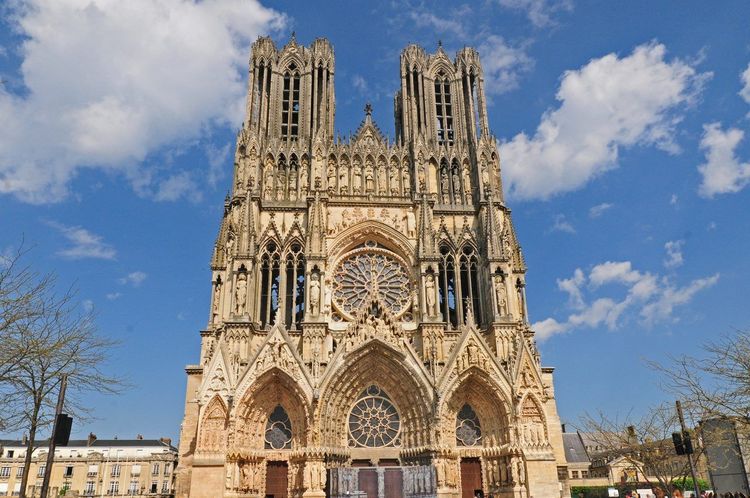
Reims concentrates three major buildings within less than twenty minutes' walk of each other, all of which can be seen and visited without a ticket or reservation. No City Pass is needed to make the most of the essentials, and our Ryo guide to the Cathédrale Notre-Dame de Reims details the paid guided tour options for those who want to go further.
The Cathédrale Notre-Dame and the Porte de Mars
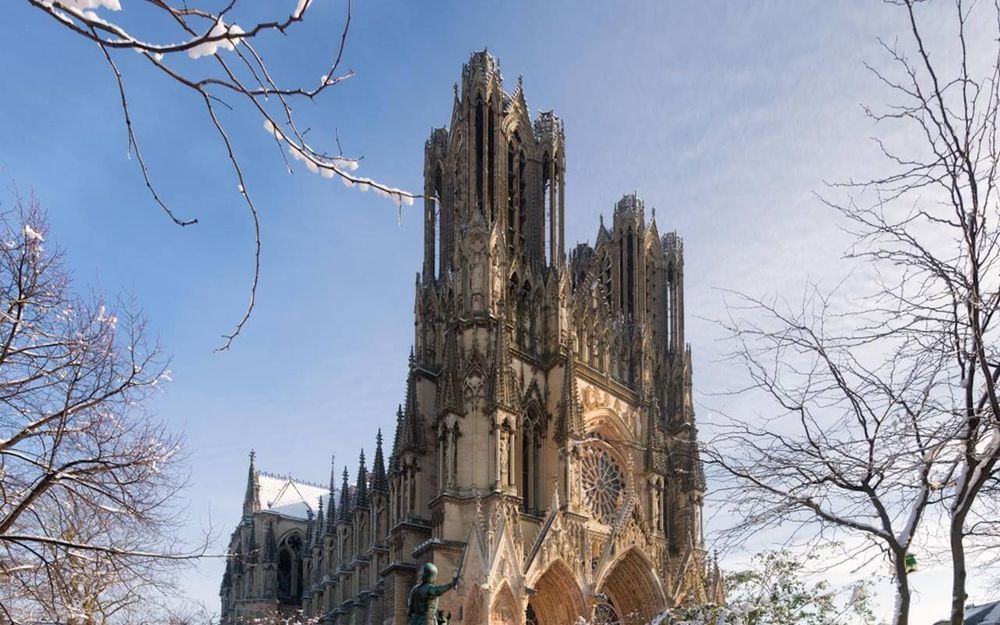
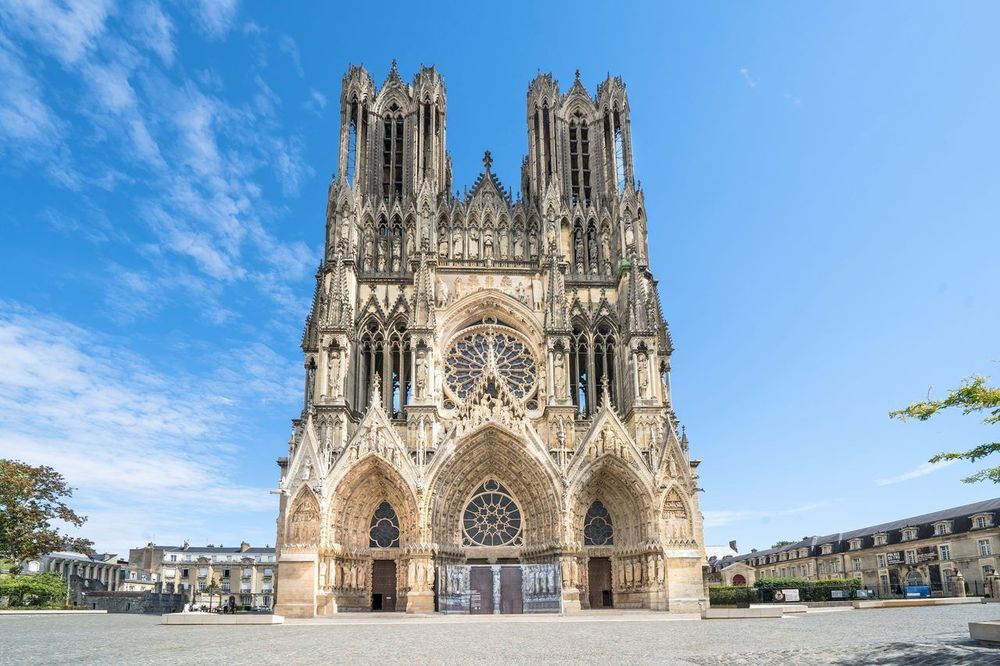
The Cathédrale Notre-Dame de Reims hosted the coronation of 25 kings of France, from Louis VIII's crowning in 1223 to that of Charles X in 1825. Entering the nave requires no ticket: you will see the blue stained-glass windows by Marc Chagall, installed in the axial chapel in 1974, and those by Imi Knoebel, placed from 2011 onwards in the neighbouring chapels. The thousands of statues covering the façades are best read early in the morning, when raking light sculpts the limestone.
Look for the Smiling Angel on the north portal. Beheaded during the fire of September 1914, the statue became the symbol of the martyred city before being restored to its place in the mid-1920s. The cathedral, the palais du Tau and the former abbaye Saint-Remi have been jointly listed as a UNESCO World Heritage Site since 1991.
Ten minutes' walk away, the Porte de Mars plants a 3rd-century Roman triumphal arch in the middle of a traffic roundabout. At 32 metres wide, it is considered the widest surviving ancient arch in the Roman world. Step close to the pillars to make out the bas-reliefs of Romulus and Remus, which became legible again after a lengthy restoration campaign completed in the late 2010s.
The Basilique and Former Abbaye Saint-Remi, a UNESCO Gem
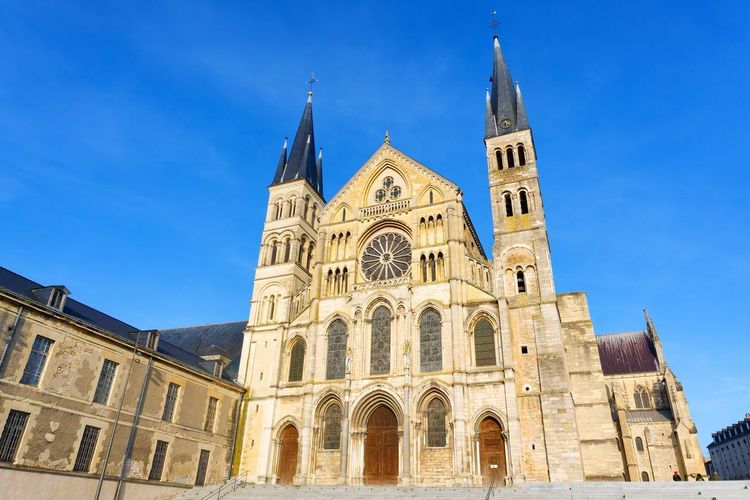
Less visited than the cathedral, the basilique Saint-Remi (Rue Simon, 51100 Reims, rated 4.7/5 on Google with 4,993 reviews) houses the tomb of Saint Remi, the bishop who baptised Clovis around 496. Its 122-metre Romanesque nave, one of the longest in France, impresses with its sobriety compared to the Gothic exuberance of its neighbour. You can enter every day of the week, free of charge, and the crown of light suspended above the nave holds 96 candles, equal to the years attributed to the saint's life.
Right next door, the former abbaye Saint-Remi encloses its courtyard and 18th-century conventual buildings in a silence that the more touristic cathedral no longer offers. Allow a good half-hour to walk around it before pushing open the door of the museum installed in the monks' former dormitories.
2. Stroll Through Reims's Art Deco City Centre
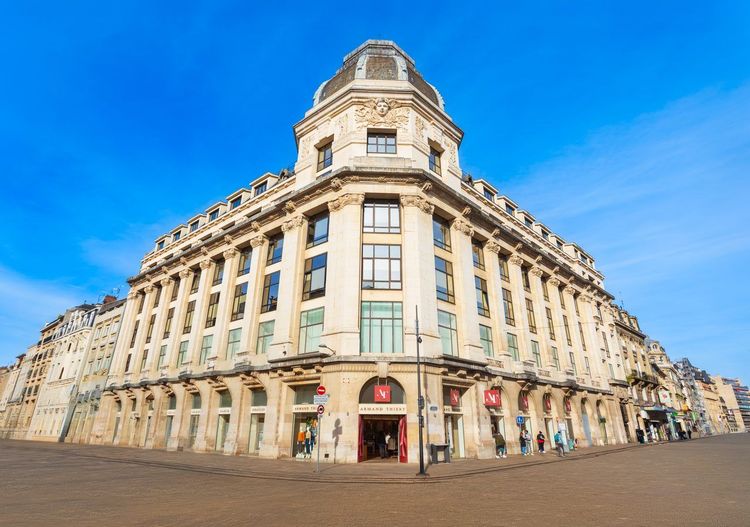
Reims rose from the ruins of 1918 in just a few years, embracing the codes of nascent Art Deco: reinforced concrete, geometric lines, mosaics and ironwork. This heritage can be explored on foot, without tickets or fixed opening hours — you simply need to look above the shop fronts to spot it.
The Bibliothèque Carnegie and Its Sculpted Façades
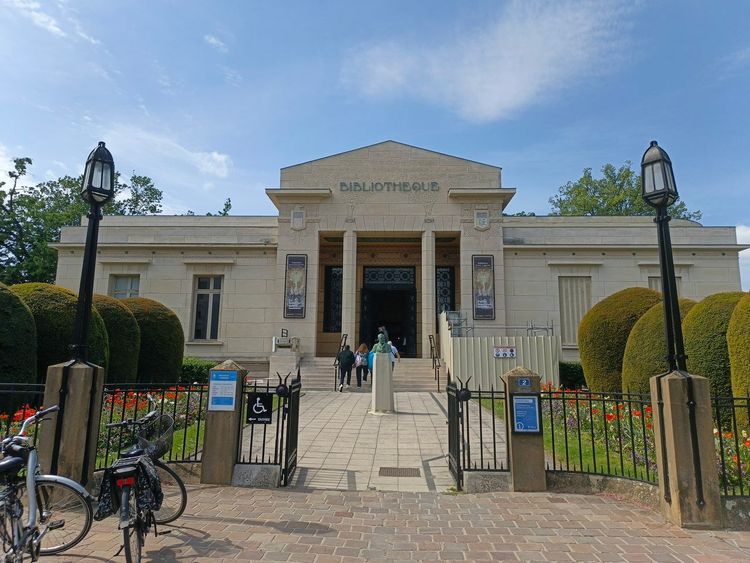
The bibliothèque Carnegie owes its name to the American Carnegie Foundation, which funded its construction after the war. Inaugurated in 1928, it features golden mosaics, stained-glass windows by master glazier Jacques Simon and glass-paste light fittings in a hall that visitors may walk through freely during public opening hours. The white stone façade, sculpted with stylised plant motifs, can be admired from the square.
Take five minutes to sit in the reading room: it is one of the rare Art Deco interiors in Reims that has remained in its original state, complete with furniture designed specifically for the space.
The Halles du Boulingrin, a Listed Art Deco Market
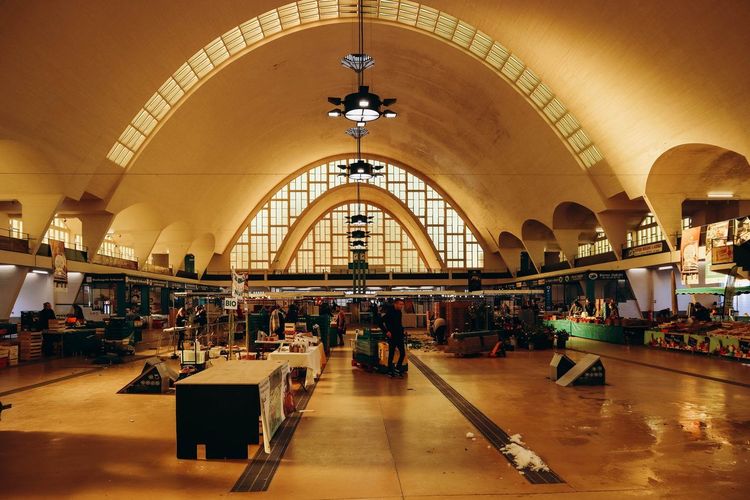
Inaugurated in 1929, the Halles du Boulingrin feature a spectacularly slender parabolic reinforced concrete vault, a feat attributed to architect Émile Maigrot and engineer Eugène Freyssinet. Closed in 1988 and saved from demolition by a historic monument listing in 1990, they reopened in 2012 and once again house a covered market. Visit on a Saturday morning to see the hall in full swing, or on a weekday to photograph the empty nave.
In the Footsteps of the Roaring Twenties in Reims
Beyond these two landmark buildings, the city centre is full of little-known 1920s apartment blocks: polychrome brick façades, geometric ironwork, sculpted friezes above carriage entrances. A loop taking in the rue de Vesle, the rue Chanzy and the place Drouet d'Erlon is enough to spot a dozen of them without a guide or any expense. The tourist office distributes an Art Deco trail map, a useful starting point for turning a stroll into a structured visit.
The detail that strikes visitors most is the coherence of the whole: because the reconstruction took place over a single decade, entire streets tell the same moment in history, which is remarkably rare in a French city of this size.
3. Wander Through the City's Parks and Gardens
Parks are among the most underrated free activities in Reims. The locals know better: on Sundays, a stroll under the plane trees breaks all attendance records. The municipal gardens are open from sunrise to sunset, including public holidays, and none of them require a ticket.
The Parc de Champagne and the Jardin Pierre Schneiter
The parc de Champagne stretches some twenty hectares of lawns and tree-lined paths, ten minutes from the city centre. It owes its existence to the Pommery house, which laid it out at the beginning of the 20th century as a sports park for the city's workers and schoolchildren. Today, people picnic here, jog here, and the city programmes summer concerts on the grounds.
Nearby, the jardin Pierre Schneiter brings together themed botanical collections: a rose garden, perennial plants and beds arranged by family, with well-documented educational panels on the flora of Champagne. The spot remains surprisingly peaceful, even at weekends, and serves as a breathing space between two monument visits.
Hautes and Basses Promenades, Parc Léo Lagrange and Parc de la Patte d'Oie
The Hautes and Basses Promenades (Boulevard Général Leclerc, 51100 Reims) follow the line of the former ramparts, converted into tree-lined boulevards in the 18th century. You walk in the shade of lime trees planted more than two centuries ago, between the Porte de Mars and the place de la République, the very spot where the big wheel and Christmas chalets set up in December.
Further out, the parc Léo Lagrange (Avenue de Laon, 51100 Reims, rated 4.4/5 on Google with 3,879 reviews) and the parc de la Patte d'Oie, both along the avenue de Laon, round out the offer with playgrounds and wooded areas that are far less crowded. Both parks lend themselves to a family outing, away from the Sunday afternoon crowds at the parc de Champagne.
4. Attend the Régalia Show and the Cellier Exhibitions
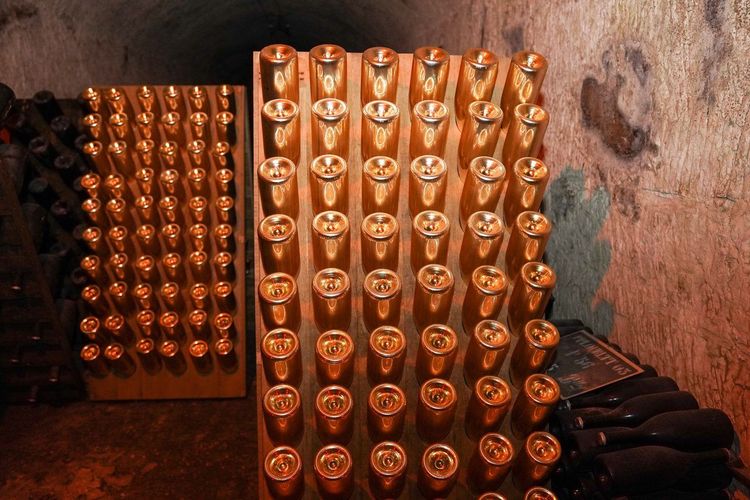
Two cultural highlights set Reims apart from most cities of its size, and few guides cover them in detail. They fit effortlessly into an evening, whether you follow the Ryo audio-guided tour of Reims during the day or your own itinerary.
The Régalia Sound-and-Light Show on the Cathedral Façade
After dark in summer, the cathedral's western façade becomes the screen for a video-mapping show called Régalia. The projections restore the statues' original colours, erased by eight centuries of weathering, and retrace the history of the royal coronations. The show is free and requires no booking: you simply stand or sit on the forecourt with your head tilted back.
Dates vary from season to season, with additional screenings around the Christmas period. Check the schedule with the tourist office before planning your evening, as the start time depends on nightfall and shifts later as summer progresses.
The Temporary Exhibitions at the Cellier
Lesser known than the municipal museums, Le Cellier (Place Museux, 51100 Reims, rated 4.4/5 on Google with 258 reviews) hosts free contemporary art and photography exhibitions in a former Champagne trading building that has been tastefully renovated. The programme changes several times a season: this is a venue worth returning to rather than a one-time visit.
The space is also worth visiting for its interior, with its exposed glass roof and metal beams, which showcases the exhibited works far better than a conventional white-walled gallery.
5. Step Inside the City's Museums
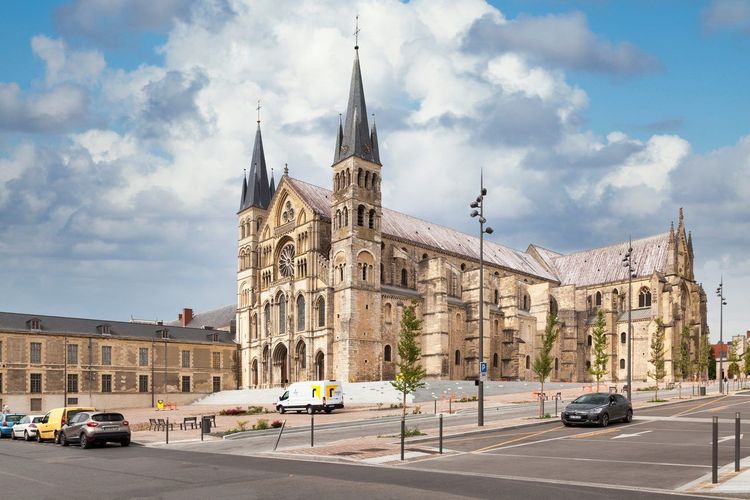
Best to say it straight away, as several online guides perpetuate the confusion: Reims's museums are not free. The full admission price is €5.50 per museum, at the musée Saint-Remi as well as at the musée de la Reddition or the fort de la Pompelle. At that price, a ninety-minute visit remains one of the best value-for-money experiences of the stay, and two annual events open these collections at no cost: the European Night of Museums in May and the European Heritage Days in September. Reduced rates and free admission also exist depending on age and personal circumstances: the Reims museums portal details the current conditions, which are worth checking before you travel. Free activities in Reims are numerous enough that these €5.50 weigh lightly on a weekend budget.
The Musée Saint-Remi and Its Archaeological Collections
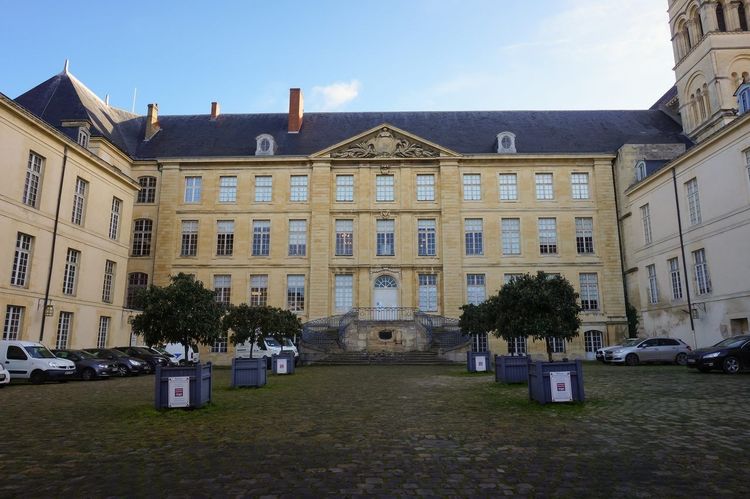
Housed in the former conventual buildings of the abbey, the musée Saint-Remi displays archaeological collections spanning prehistory, the Gallo-Roman period and the early medieval Champagne region. The tapestry room alone is worth the visit: ten 16th-century pieces depicting the life of Saint Remi, woven to adorn the neighbouring basilica during major liturgical feasts.
The tour also takes in a military room dedicated to the regiments of Reims and the monumental tomb of Jovin, a 4th-century Roman sarcophagus sculpted with a lion-hunt scene, long kept in the cathedral.
The Musée des Beaux-Arts and the Musée-Hôtel Le Vergeur
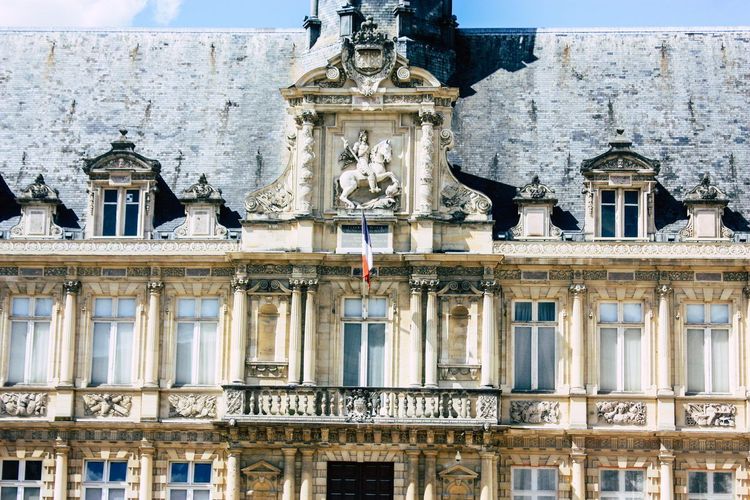
The musée des Beaux-Arts de Reims, with a collection spanning eight centuries of painting including one of the world's most significant Corot holdings, is currently closed to the public: the former abbaye Saint-Denis that houses it is undergoing a long-term renovation project. While the reopening is awaited, a selection of works circulates by rotation to other institutions and temporary exhibitions. Do not plan your visit around it without first checking the progress of the works.
The musée-hôtel Le Vergeur (36 Place du Forum, 51100 Reims, rated 4.7/5 on Google with 459 reviews), on the other hand, remains open for a modest admission charge. This residence, whose oldest sections date back to the 13th century, houses period furniture, panelling and, above all, a collection of original engravings by Albrecht Dürer, including the Apocalypse series. The rear garden, invisible from the street, offers a rare view of the backs of the old townhouses on the place du Forum.
6. Pay Tribute at the City's Sites of Remembrance
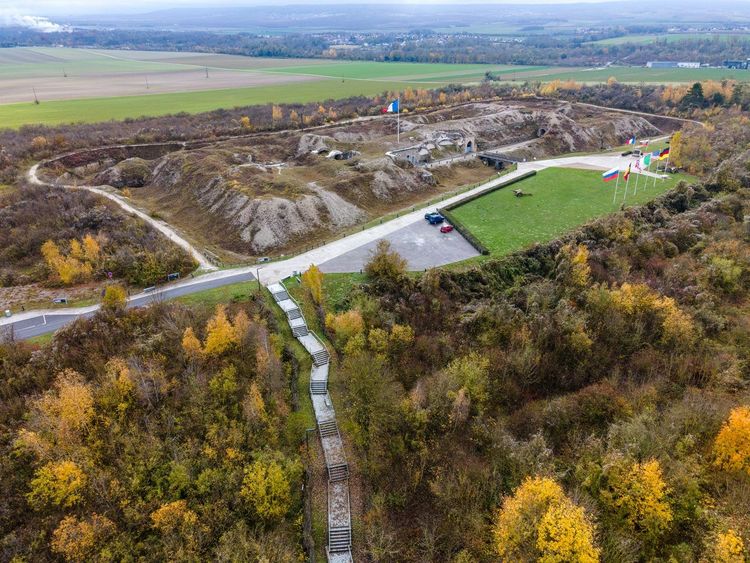
Reims bears the scars of two world wars, and two sites allow you to gauge their scale without joining an organised tour.
The Salle de la Reddition, Where Germany Surrendered in 1945
In a former technical college converted into Allied headquarters, the salle de la Reddition witnessed General Alfred Jodl signing the German surrender on 7 May 1945, at 2:41 in the morning. The map room has been preserved exactly as it was on that day, with its wall boards covered in curves tracing the advance of the troops.
The site charges €5.50 for full admission, with broader free access during the 8 May commemorations and the European Heritage Days. Check the dates: it is one of the rare places where you can touch the end of the war in Europe firsthand, in a silence that contrasts with the bustle of the nearby city centre.
The Fort de la Pompelle and Its Great War Museum
About ten minutes' drive from the centre, the fort de la Pompelle (RD 944, 51420 Puisieulx, rated 4.6/5 on Google with 1,433 reviews) held the front line for four years of trench warfare without ever falling into German hands, as it blocked the last road into Reims. The exterior, transformed into an open-air memorial trail with the remains of trenches and blown-out casemates, can be explored freely.
The indoor museum, which holds one of Europe's richest collections of military helmets from the Charles Friese collection, charges the same €5.50 as the city's other museums. The exterior alone is enough to convey what life was like on this shell-swept plateau.
7. Head Out on a Nature Walk Around Reims
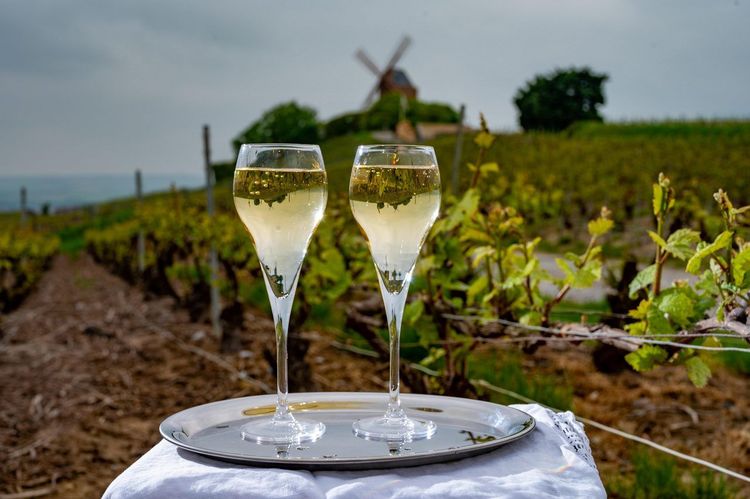
Fresh air is just under thirty minutes' drive away, in the Parc Naturel Régional de la Montagne de Reims. Our Ryo article on the most beautiful villages to visit around Reims adds further ideas for a full-day escape.
The Faux de Verzy Forest: Twisted Beech Trees Found Nowhere Else in the World
The Faux de Verzy (route forestière, 51380 Verzy) are home to the world's largest concentration of twisted beech trees, a rare genetic mutation that gives the trees spiralled trunks and low, almost otherworldly canopies. The site, protected within a biological reserve, can be explored via several waymarked trails open all year round, and no one will ask you for anything at the entrance.
Allow one to two hours for the main loop. Avoid autumn weekends: the autumn colours draw large crowds and the paths near the car park become congested by mid-morning. A hilltop viewpoint, the Mont Sinaï, extends the walk with a bird's-eye view over the vineyard.
Viewpoints over the Champagne Vineyard
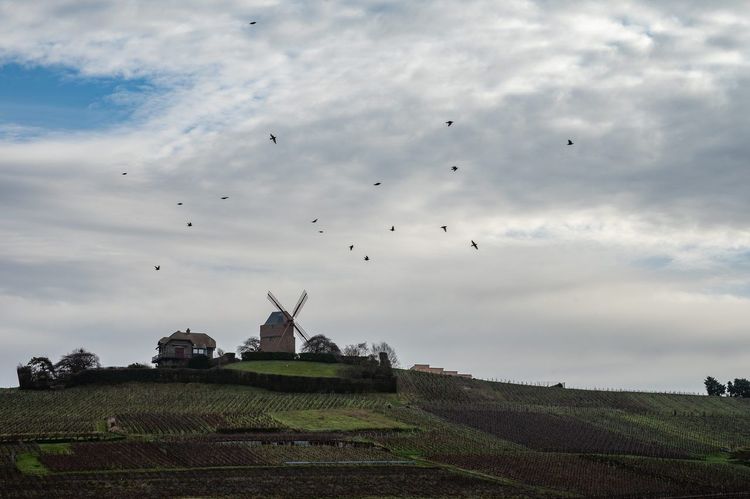
The Montagne de Reims offers several panoramas over the hillside vineyards, open to all, particularly from the heights of Verzenay. The moulin de Verzenay (Route de Louvois, 51360 Verzenay, rated 4.5/5 on Google with 96 reviews), a white silhouette set amid rows of vines, can be photographed from the path that runs alongside it, with the Reims plain in the background.
These viewpoints have nothing to do with the cellar tours offered by the great houses: here, there is no tasting or guide, just the vineyard landscape stretching as far as the eye can see and the silence of the vine rows. The harvest in September completely transforms the atmosphere, with teams at work in every plot. Back in town, Ryo's audio-guided tour of Reims is a good way to spend the rest of the day on foot.
8. Discover Reims on Foot: Walking Routes and Street Art
No competing guide offers a structured walking itinerary for exploring Reims beyond its monuments, yet it is the best way to get a feel for the city. The Clairmarais neighbourhood, long an industrial area, has in recent years been covered with murals painted during local street art festivals, visible as you wander along the former rehabilitated factories and renovated gable walls.
The place Drouet d'Erlon, a broad pedestrian thoroughfare lined with terraces and crowned by the Subé fountain with its golden angel, serves as a natural starting point. From there, head towards the cathedral, then towards the place du Forum: beneath your feet lies the Gallo-Roman cryptoporticus, an underground gallery built around 200 AD that bordered the forum of Durocortorum, capital of Gallia Belgica. Access, open in summer, is free of charge.
An itinerary of around two hours connects the cathedral, the Art Deco district and the Gallo-Roman remains, without any app or paper guide. For those who prefer an audio commentary, the Ryo audio-guided tour of Reims follows a comparable route, adding historical context at each stop.
9. Enjoy Reims as a Family Without Spending a Thing
Beyond the parks already mentioned, the city offers several playgrounds and activities designed with children in mind. If you are looking for somewhere to stay with little ones, our Ryo selection of the best family hotels in Reims lists options close to the city centre.
Playgrounds and Green Spaces for Children
The playgrounds at the parc de Champagne and the parc Léo Lagrange top the list of activities to share with children: wooden structures, slides and shaded areas where parents can sit while the little ones run around. The square Colbert, smaller and more central, is ideal for a quick break between two visits in the city centre.
The banks of the Vesle and the canal, developed as a pedestrian and cycling promenade, allow children to run freely away from traffic. The route follows the water for several kilometres and connects to the parc de la Patte d'Oie to the north.
Events and Activities by Season
Depending on the time of year, the city organises outdoor events: a Christmas market and ice rink in December, neighbourhood fêtes in summer, open-air screenings and street performances on fine days. The municipal programme, published a few weeks in advance, allows you to plan your dates accordingly.
10. Markets, Events and Money-Saving Tips in Reims
Reims also lives to the rhythm of its markets and municipal events, often absent from guides focused solely on heritage. To widen the programme further, our top things to do in Reims mixes paid outings with zero-budget ideas.
On Saturday mornings, everything happens among the stalls: the Boulingrin market spills out from the hall onto the neighbouring square, and around ten neighbourhood markets rotate throughout the week, from the marché Jean Jaurès to the Croix-Rouge market. You will soak up the local atmosphere there far more readily than on the cathedral forecourt.
On the events front, free outings in Reims change from week to week: open-air concerts in summer, student festivals hosted by the Sciences Po and university campuses, museum late openings, and the European Heritage Days in September. Young visitors will find plenty to fill their evenings around the place Drouet d'Erlon and the Clairmarais neighbourhood, where community venues regularly programme pay-what-you-want concerts. Check the municipal events calendar online just before you leave rather than relying on a fixed schedule: the monuments, for their part, remain accessible year-round at the same opening hours.
11. Where to Stay and How to Get Around Reims Without Breaking the Bank
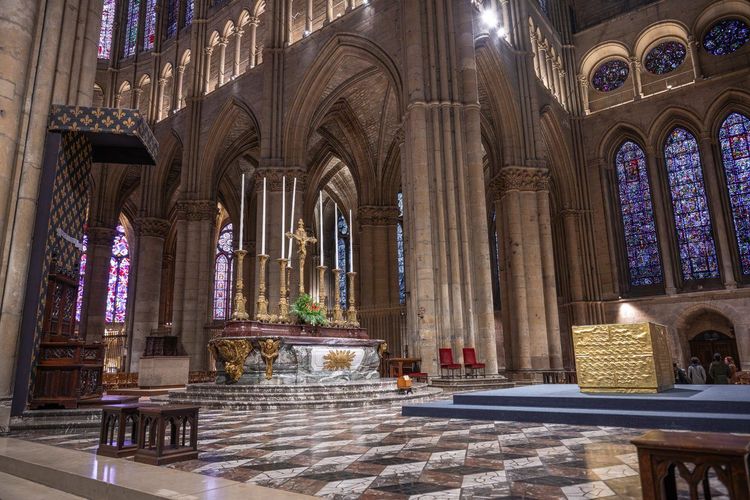
The historic centre can be covered entirely on foot: the cathedral, basilique, Halles du Boulingrin and place Drouet d'Erlon all fall within a two-kilometre radius. Staying within this area, in the Cathédrale or Erlon neighbourhood, reduces the transport budget to zero for the bulk of the stay. Our Ryo selection of budget hotels in Reims lists options that remain close to the centre.
For out-of-the-way sites such as the fort de la Pompelle or the Faux de Verzy, the Citura network serves the greater urban area with its buses and two tram lines opened in 2011, at modest fares. A car remains the most practical option, however, for visiting several vineyard villages in the same day.
Train travellers will benefit from the Reims-Centre station, less than fifteen minutes' walk from the cathedral, with a journey of around 45 minutes from Paris by TGV. A car-free stay is therefore perfectly feasible for anyone focusing on the city centre.
12. Good to Know Before Visiting Reims
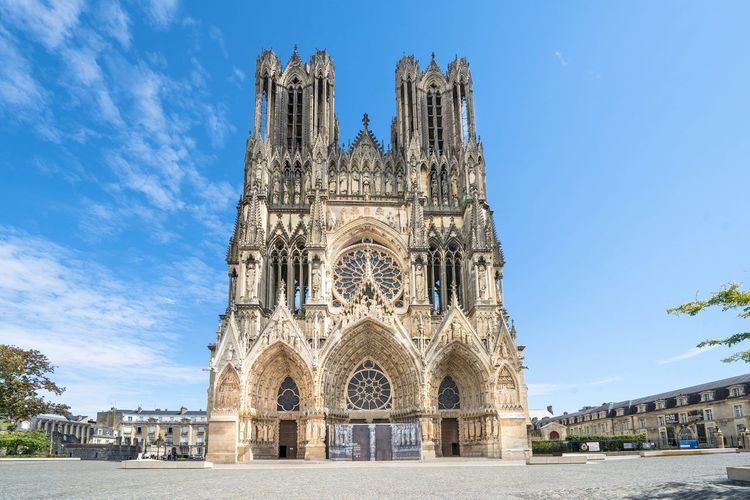
The best period for exploring the city on foot runs from April to June and again from September to October: mild temperatures, manageable crowds and autumn colours in the vineyards as well as in the Verzy forest. In winter, the Christmas market and the cathedral illuminations take over.
Two paid experiences are worth viewing as complements, never as obligations: cellar tours at the great Champagne houses, tasting included, and in-depth guided tours of the cathedral or the palais du Tau. They offer an extra layer of insight for those with a dedicated budget, but a programme built around free activities already holds up comfortably over two days.
On the culinary side, pink biscuits and gingerbread can be tasted without going through a paid biscuit-factory visit: bakeries and delicatessens in the city centre sell them at prices well below those of the forecourt shops. Our Ryo guide to the culinary specialities of Reims details what is genuinely worth seeking out.

FAQ
What are the must-see free activities in Reims?
The Cathédrale Notre-Dame, the basilique Saint-Remi, the Porte de Mars and the Halles du Boulingrin form the city's heritage backbone, complemented by its parks, the Hautes Promenades and the free temporary exhibitions at the Cellier. Depending on the season, the Régalia show projected onto the cathedral façade rounds out the experience.
How long does it take to visit Reims in a day on a zero budget?
A full day allows you to cover the main monuments in the city centre, a municipal museum and a park, walking 6 to 8 kilometres. To add the Faux de Verzy or the fort de la Pompelle, plan a second day and a means of transport.
Which monuments can you visit freely in Reims?
The cathedral nave, the basilique Saint-Remi, the courtyard of the former abbey, the Porte de Mars, the bibliothèque Carnegie and the Halles du Boulingrin are all free to enter. Only in-depth guided tours and certain national monuments such as the palais du Tau remain ticketed.
What free activities in Reims are good for families?
The parc de Champagne, the parc Léo Lagrange and the banks of the Vesle offer playgrounds and open spaces for children to run around. For a rainy day, the musée Saint-Remi with its armour, tapestries and sarcophagi is well worth the €5.50 admission.
Where can you go out in Reims in the evening or at the weekend for free?
In summer, the Régalia show tops the list of zero-budget evenings, followed by open-air concerts and neighbourhood events. At weekends, markets, Cellier exhibitions and occasional museum late openings take over according to the municipal calendar.
Can you visit the Champagne cellars for free in Reims?
No: tours of the great houses' cellars almost always include an entry fee and a paid tasting. However, the viewpoints over the vineyards from Verzenay or the Mont Sinaï, as well as walks through the wine-growing villages, cost nothing.
What free activities in Reims are good for couples?
A late afternoon in the jardin Pierre Schneiter, followed by a stroll to the illuminated cathedral, makes for a romantic itinerary at no cost. In summer, the Régalia show adds a spectacular touch to an evening out, and the sunset from the Verzenay vineyards is unbeatable.
Reims proves that a successful city trip does not depend on a big budget: UNESCO monuments open to all, exhibitions and shows with no ticket required, nature twenty minutes away by tram or car — the city has enough to fill two to three days without reaching for your bank card for the essentials of the programme. The twelve ideas in this guide can easily be combined according to the weather and the season, keeping indoor sights for rainy days and parks for sunny spells.
Whether you have a day or a long weekend ahead of you, the Ryo audio-guided tour of Reims remains the simplest way to connect these places without wasting time finding your way, with the history of each façade narrated step by step.