© Shutterstock
 Votre guide Ryo
Visit Roanne in 3 Days: Complete Itinerary Through the City, the Loire and Charming Villages (2026)
Roanne has long lived in the shadow of its industrial reputation, that of the textile mills that powered the city in the 19th century. Yet anyone arriving today along the quays of the marina discovers a different city: lively market halls, early 20th-century facades, and just a short distance away, a 13th-century fortified manor perched on a rocky spur above the Loire. To visit Roanne in 3 days without getting lost between the city and its hinterland, it's best to set off with a clear plan: Roanne is only a gateway to an entire region, the Roannais, which is just as worth the detour. From the moment you arrive, the Ryo audio-guided tour of Roanne lets you frame a first stroll through the historic center without wandering aimlessly through the streets.
In three days, you have time to taste a praluline fresh out of the oven at Pralus, climb up to the château de la Roche, cycle along the Roanne-Digoin canal to a reserve where herons and kingfishers nest, and sleep in a cabin perched in the middle of the woods. Between city and countryside, here is how to organize these three days without leaving anything out.
Day 1: Roanne's Historic Center and the Banks of the Loire
The Historic Center, the Halles Diderot and the Joseph-Déchelette Museum
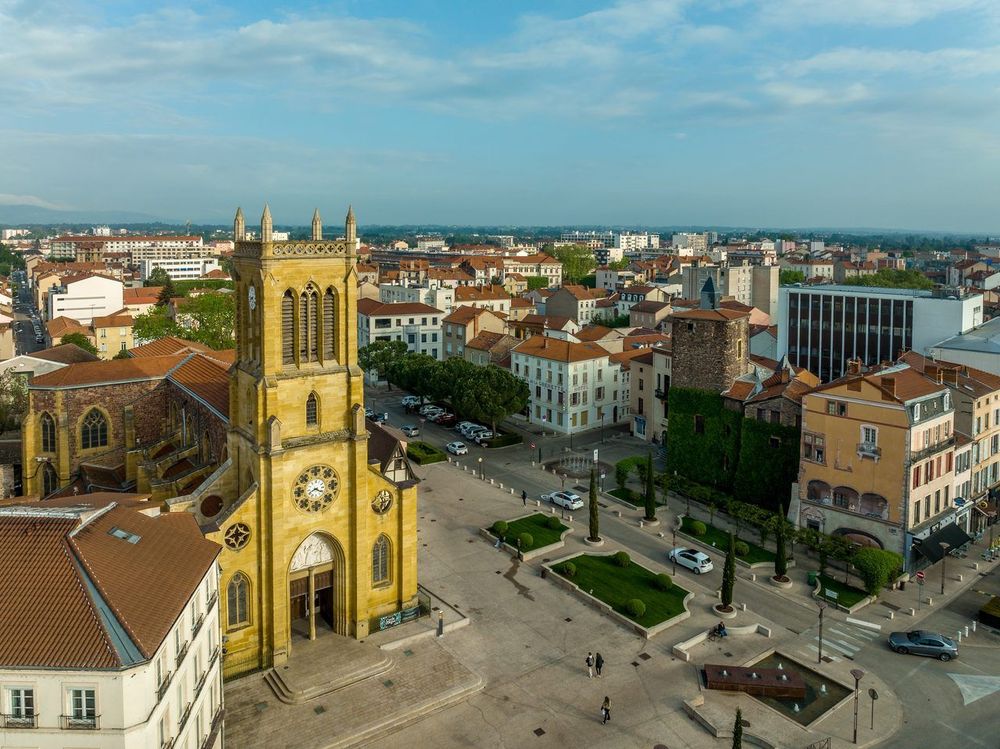
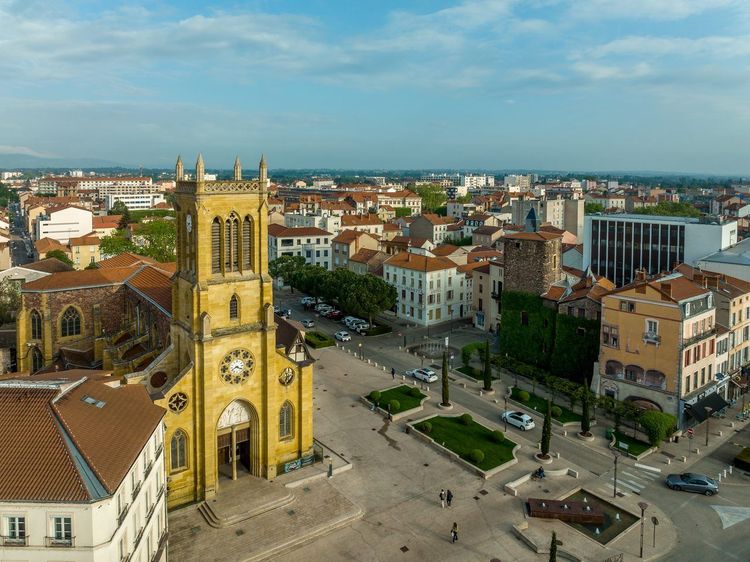
Roanne's city center is very compact, which makes it an ideal introduction for a first half-day. Start from the place de la République, lined with early 20th-century facades, then let yourself drift toward the shopping lanes that all converge on the market hall. Along the way, the town hall, built in the second half of the 19th century during the city's industrial boom, is a reminder of how much Roanne prospered thanks to textiles before becoming the more discreet city it is today.
The Halles Diderot, opened in 1983 in the heart of the city, bring together cheesemongers, butchers, greengrocers and delicatessens, and the place smells of aged cheese and warm bread from early morning. People come as much to stroll among the stalls as to put together a picnic before hitting the road to the villages of the Roannais. On Saturday mornings, the atmosphere goes up a notch: local producers, market gardeners and winegrowers from the Côte Roannaise share the space, and it's not unusual to have to elbow your way between two cheese stalls.
A ten-minute walk away, the Joseph-Déchelette Museum occupies the Hôtel Valence de Minardière, built between 1787 and 1789 and bequeathed to the city in 1923 by the widow of the archaeologist whose name it bears. There you'll find an Egyptian collection, an archaeological section tracing the Gallo-Roman history of the Roannais and a fine set of revolutionary faience, those plates with patriotic slogans that make children and adults alike smile. Allow an hour if you want to see everything. The museum also hosts temporary exhibitions: check the program before you go.
Heading up toward the cours de la République, the city center's main shopping street, shop windows mix national chains and independent boutiques. If you can only set aside one morning for the historic center, choose Saturday: that's when the market hall is at its liveliest, and the surrounding terraces fill up from 10 a.m.
The Port, the Canal and the Banks of the Loire
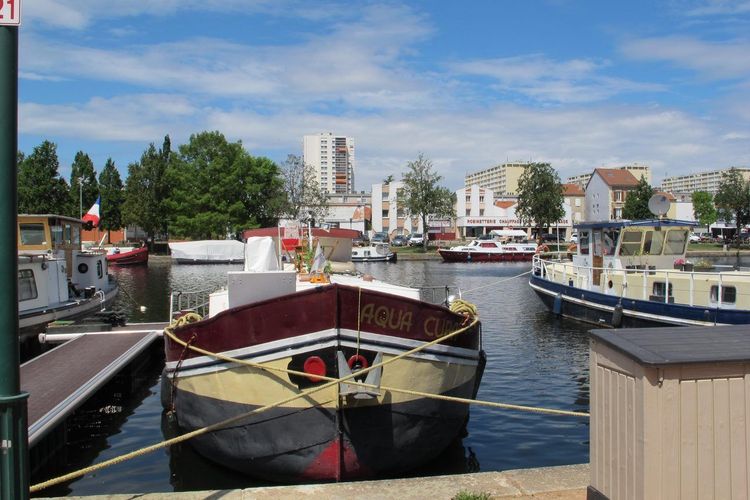
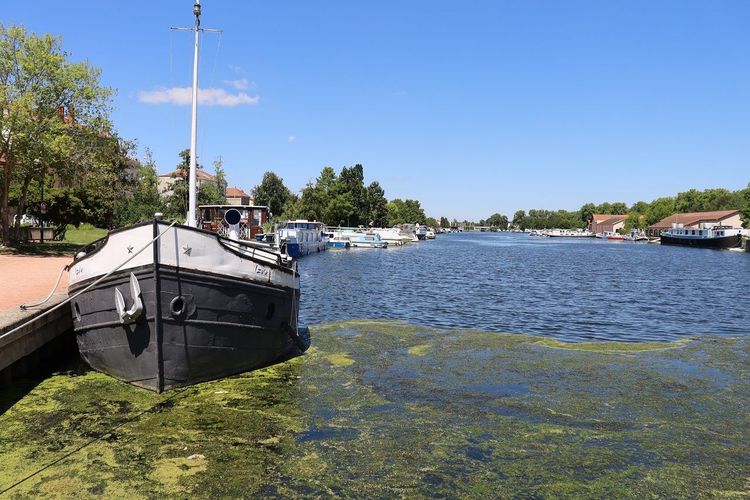
Heading back down toward the east, the neighborhood changes completely: you leave the bourgeois facades behind to walk along the Roanne marina (Boulevard Baron du Marais, 42300 Roanne, rated 4.3/5 on Google from 985 reviews), a former commercial port on the canal now devoted to leisure boating. Houseboats sit alongside pleasure craft, and the landscaped banks invite you to walk without a set route.
The Roanne-Digoin canal, dug between 1831 and 1838 to transport coal and textile production, now forms a shaded promenade heading north for 56 kilometers. You'll pass anglers, families on bikes and a few terraces set up right on the quays. It's also here that you best feel the city's working-class past: former industrial buildings still line some stretches, a discreet reminder of a time when Roanne ranked among France's major textile cities. The canal has had ten locks since it was upgraded to the Freycinet gauge in 1899 (it originally had thirteen), a figure that gives an idea of the elevation change, which is nonetheless imperceptible once you're on the greenway.
If you rented a bike first thing in the morning, now is the time to make the most of it: the towpath can be ridden without any particular effort. The next day, you'll head in the opposite direction, south toward the Loire gorges, where the river widens into Lake Villerest at the foot of the château de la Roche.
To link the two atmospheres of this day without worrying about your route, the Ryo audio-guided tour on the working-class past along the Loire covers exactly this route: 20 audio stops over 1h15 and 3 km, telling the industrial history of the neighborhood as you walk along the water. Headphones on, all you have to do is follow the thread.
The Flavors of Roanne: Praluline, Chocolates and Michelin-Starred Tables
Praluline, Maison Pralus and Chocolatiers: Local Sweets
Roanne claims to have invented the praluline, this brioche filled with crushed pink pralines, created in 1955 by Auguste Pralus in his shop on rue Charles-de-Gaulle. The Maison Pralus, founded in 1948, still makes it at the same address, and it's not unusual to queue there on Sunday mornings to take one home still warm. Chocolate lovers will also push open the door of Révillon, another historic name in Roanne's chocolate-making.
A few streets away, two other addresses complete the gourmet picture. Bertrand Chocolatier works with chocolate with a weakness for flavored ganaches, while the Mons cheese shop, an affineur renowned well beyond the Loire, offers cheeses with character from its aging cellars. Between the two, you can put together an entire basket without leaving the city center, from the cheese platter to the square of chocolate for tonight's dessert.
With children, keep in mind that at Pralus part of the production remains visible from the shop: enough to pass the time in the queue without too many sighs.
Troisgros, Le Central and the Wines of the Côte Roannaise
Roanne and its surroundings are home to one of the most renowned restaurants in France. The Maison Troisgros, located since 2017 at Le Bois sans Feuilles in Ouches, about ten minutes from the center, has held three Michelin stars without interruption since 1968, one of the world records in that regard. The house has been passed down from generation to generation since Jean-Baptiste Troisgros arrived in Roanne, and today it is César, the fourth generation, who runs the kitchen.
For a more affordable budget, Le Central (24 Cours de la République, 42300 Roanne, rated 4.5/5 on Google from 539 reviews), opened by the family in 1995 in the heart of the city, serves refined bistro cuisine that revisits some classics of the flagship restaurant without the accompanying bill. It's often the best way into the Troisgros universe for a lunch, and the midday set menu remains affordable even for an improvised meal between two visits.
At the table, remember to ask for a glass of côte roannaise, a small appellation based on gamay produced on the granite hillsides overlooking the plain. Rarely exported outside the region, it pairs very well with local cuisine, from aged cheeses to roast poultry. The Côte Roannaise wine route links about ten estates between Renaison and Saint-Haon-le-Châtel, doable by car in half a day if you want to take the tasting further than a simple glass at the restaurant. Several audio stops on the Ryo audio-guided tour of the city center pass right by the windows of the chocolatiers and the gourmet market halls, so you can spot these addresses without straying from your route.
Day 2: The Château de la Roche and the Charming Villages of the Roannais
The Château de la Roche, a Keep Above the Loire
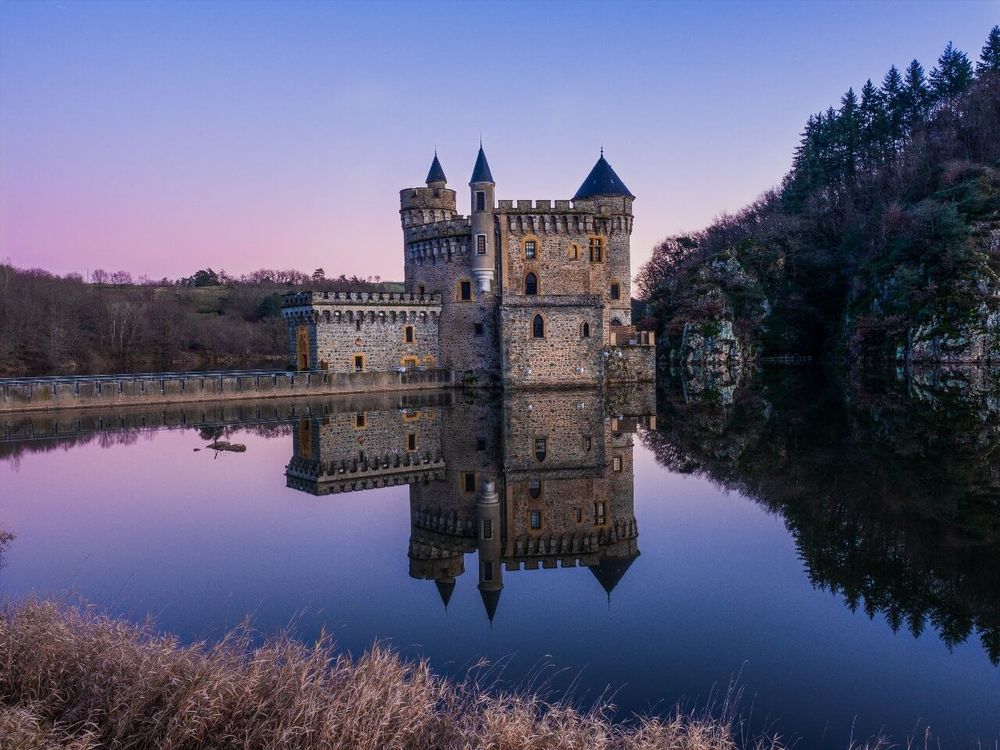
About twenty minutes from Roanne, the château de la Roche occupies a spectacular site: a rocky outcrop overlooking the Loire, now almost surrounded by the waters of Lake Villerest, formed by a dam built to regulate the river's floods. The fortified manor, built between 1256 and 1291 by the lords of la Roche, vassals of the Count of Forez, served as a lookout post and toll station. What you see today owes much to Paul Roustan, a Roanne industrialist who restored it in the early 20th century in a neo-Gothic style: a Belle Époque medieval dream set on real 13th-century foundations.
The site is not limited to a simple heritage visit. In season, you can play an escape game set up in the château's rooms, a format that particularly appeals to families with teenagers and which should be booked in advance as slots go quickly. Some weekends also offer a theatrical tour, led by actors in costume who reenact scenes of medieval life within the walls.
Allow one to two hours on site depending on the option chosen, more if you combine the château with a stroll along the lake shores just below. A car park is nearby, and the grounds are easy to walk around, a little less so the interior where the staircases remain narrow. The shores are well suited to a picnic, a pleasant way to extend the visit without getting back in the car right away.
The filling of the Villerest dam in the 1980s profoundly transformed the valley. The château, at one point threatened with submersion, was ultimately spared and now stands like an island in the middle of the lake, one of the most photographed views of the Roannais.
Saint-Jean-Saint-Maurice-sur-Loire and Saint-Haon-le-Châtel
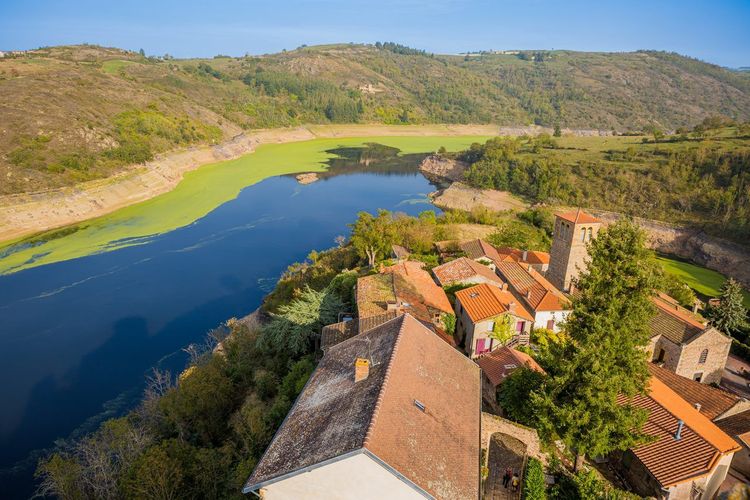
A few kilometers from the château, Saint-Jean-Saint-Maurice-sur-Loire (Saint-Jean-Saint-Maurice-sur-Loire, 42430 Saint-Jean-Saint-Maurice-sur-Loire) clings to its promontory with its cobbled lanes and stone houses. Labeled a Village de caractère, it can be visited in under an hour on foot, but the panorama over the gorges amply justifies staying longer, especially at the end of the day when the light skims the rooftops and Lake Villerest takes on golden hues.
Several houses in the village offer guest rooms, an option to consider if you want to stay right on site rather than in Roanne, to enjoy the calm of the place at daybreak.
Half an hour's drive away, on the other side of the plain, Saint-Haon-le-Châtel (Saint-Haon-le-Châtel, 42370 Saint-Haon-le-Châtel) completes the stage with its ramparts still standing, its fortified gates and its Romanesque church. Perched on its hill, it is the only municipality in the Roannais to have preserved this ring of walls, and the tourist office readily describes it as an open-air museum. Smaller and less visited than its neighbor, it lends itself well to a quiet break, and you can walk around the ramparts in about twenty minutes before heading back up toward the wine estates of the Côte Roannaise.
Ambierle and Perreux, Two Heritage Stops
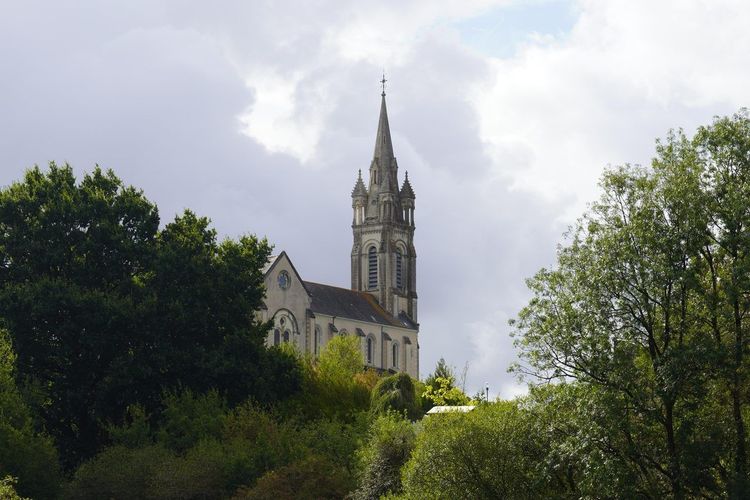
Further north, Ambierle is worth a stop for its Saint-Martin priory church, a Gothic gem built between 1450 and 1480 in yellow Charlieu stone. Inside, look up at the late 15th-century stained glass, then linger in front of the 36 oak stalls and the Passion altarpiece, made around 1466 in a Brabant workshop. The village, also known for its vines, its shortbread cookies and its potters, can be explored in under an hour.
Not far from Roanne, Perreux (Perreux, 42630 Perreux), labeled a Village de caractère in 2022, preserves a medieval core perched on its promontory, from where the view stretches over the Roannais bocage. Less well known than its neighbors, it can be visited in half an hour, but rewards those who take the time to step off the main road. The tourist office also offers guided tours of these villages in season.
If you want to complete this heritage day with the history of the city itself, save the Ryo audio-guided tour of Roanne for late afternoon: its audio stops give context to what you've seen in the villages, from textiles to the great Roanne families.
Charlieu, the Abbey Excursion 20 Minutes from Roanne
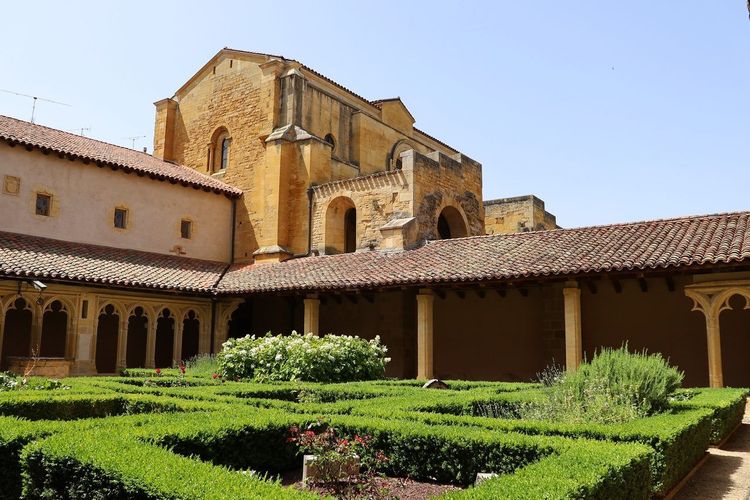
About twenty minutes north of Roanne, Charlieu deserves a full half-day. The small town, also a Village de caractère, is organized around its Benedictine abbey, founded in the 9th century and later attached to Cluny, whose sculpted portal is among the fine examples of Burgundian Romanesque art. The cloister and conventual buildings can be visited with a single ticket, complemented by a space that puts the site's history in context.
Around the abbey, the half-timbered houses and former weavers' homes are a reminder that Charlieu was, like Roanne, a textile town: the city long lived off silk weaving, and a museum is dedicated to it. If you continue north, the neighboring village of Pouilly-sous-Charlieu offers a more rural atmosphere.
Allow two to three hours for the abbey and a stroll through the center, a format that fits easily between Day 2 and Day 3 if you are staying in the north of the Roannais.
Day 3: Nature and the Outdoors in the Roannais
Cycling the Véloire, Along the Roanne-Digoin Canal
The Véloire follows the course of the Roanne-Digoin canal on an almost entirely flat greenway, ideal for a bike ride without major difficulty, even with young children in the back or in a trailer. Bike rental is available near the port of Roanne, from a simple two-hour ride to a full day, electric bikes included. Allow around twenty euros a day for a standard bike, a little more for an electric model.
The well-maintained surface and the absence of elevation change make it a route accessible to families and occasional cyclists alike, and shaded rest stops are plentiful. Allow about 3 hours round trip to reach the Gravière aux Oiseaux (Chemin des Granges, 42300 Mably, rated 4.5/5 on Google from 265 reviews) from the port. Several educational panels line the route and tell the history of the canal, a good way to keep children occupied during breaks. For the most motivated, the Véloire continues to Digoin, 56 kilometers away: a real day trip.
Hiking in the Côte Roannaise and at the Arboretum des Grands Murcins
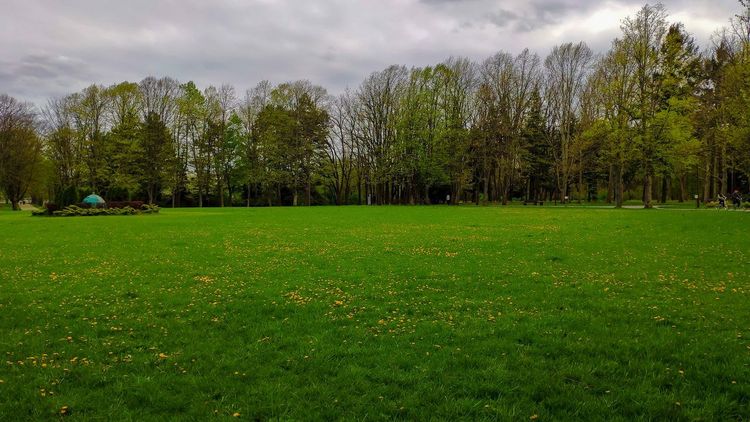
To gain some height, the Côte Roannaise offers a network of marked trails climbing between vineyards and forests, with regular viewpoints over the Loire plain below. Routes range from one to four hours, from short family loops to more demanding itineraries. Behind the hillsides, the ridges of the Monts de la Madeleine approach or exceed 1,000 meters and offer, in clear weather, a view reaching as far as the Monts du Forez. No technical gear is needed, but good shoes are recommended on the rocky sections.
On the heights of Arcon, at 800 meters above sea level, the Arboretum des Grands Murcins was created in 1936 by the Amis des arbres and the Caisse d'épargne de Roanne on an experimental plot. It now brings together more than 250 species from every continent, in the heart of a 120-hectare forest estate overlooking the Roanne plain. The trails, shaded even in midsummer, wind between sequoias and centuries-old trees, and the place remains surprisingly quiet in high season. Access is free, and panels explain the origin of the species: a one-hour walk that appeals as much to enthusiasts as to families.
Boating on the Loire and Birdwatching at the Gravière aux Oiseaux
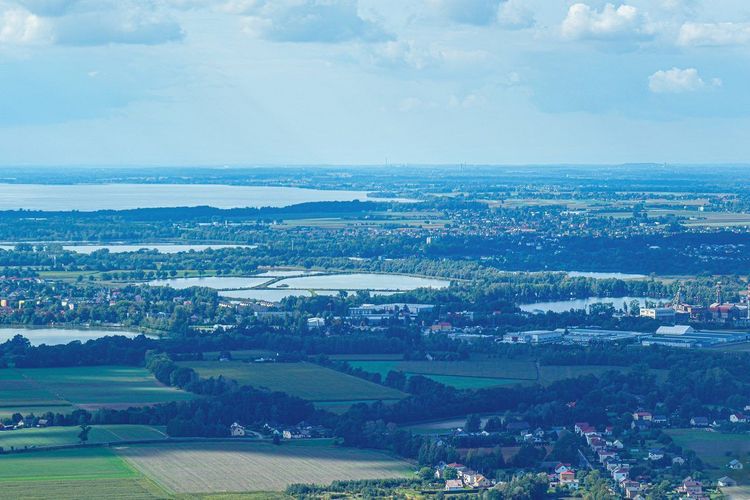
On the water, several operators offer to go boating on the Loire, most often on the lake at Villerest, to discover the château de la Roche and the gorges from a different angle. Outings generally last one to two hours, with no particular skill required, and some take place at sunset in season.
North of Roanne, the Gravière aux Oiseaux, a former gravel pit converted into a nature area, hosts grey herons, kingfishers and many migratory species depending on the season. A trail with observation hides lets you get close without disturbing the wildlife: bring your binoculars, especially in spring and autumn when migratory passages are at their most intense. The best sightings are early in the morning, when the birds are active and visitors still rare. In winter, the site also hosts overwintering species, making it an interesting outing even in cool weather.
On the way back, if you return via the port, the 20 audio stops of the Ryo tour on Roanne's working-class past can be followed just as well on foot as while pushing your bike along the canal. And to put together your own combination of nature outings, our Ryo article on the best things to do in Roanne details distances and starting points.
Roanne with Family: Activities for Young and Old
Roanne is perfectly suited to a family stay, provided you alternate physical activities, culture and quiet time. Children generally take to the escape game at the château de la Roche quickly, as it turns the visit into a treasure hunt, while the Arboretum des Grands Murcins and the Véloire offer space to burn off energy with no entrance ticket to keep an eye on.
On the cultural side, the Joseph-Déchelette Museum regularly offers workshops for younger visitors on archaeology and ceramics, a good option for a rainy morning. To organize a family stay in the Roannais, split the three days between a heritage highlight (château, villages), a more physical day (cycling, short hike, birdwatching) and a freer urban half-day, with the market halls and chocolatiers as a reward.
With young children, favor morning outings and keep the afternoon for a break by Lake Villerest; with teenagers, the escape game and boating work particularly well. Between car journeys to the villages and the visits themselves, days fill up quickly: an overly tight schedule tires children more than parents.
As for accommodation, places with outdoor space, such as the nature cabins mentioned below, appeal to families who want to combine comfort and a change of scenery without going far from Roanne.
Where to Stay in Roanne and the Roannais
In the City Center, Practical for a Short Stay
For a three-day stay centered on Roanne, staying in the city center remains the most practical: you're within walking distance of the market halls, the museum and the port, and the car becomes optional for this part of the stay. City center hotels have reasonable rates, with double rooms often under 100 euros a night in low season, a little more on weekends and in summer.
Proximity to the station also makes arriving by train easy: several establishments are less than ten minutes' walk away, which simplifies things if you travel without a car and plan to rent a bike on site for Day 3. Campsites around Roanne and Lake Villerest also offer an economical alternative for equipped families.
Charming Accommodations Around Roanne
For a more rural atmosphere, La Maison Rose (La Maison Rose, 42300 Villerest, rated 4.9/5 on Google from 44 reviews), a guesthouse set on the outskirts of Villerest, combines refined decor and countryside views, with only a few rooms, which guarantees a rare calm less than ten minutes from Roanne.
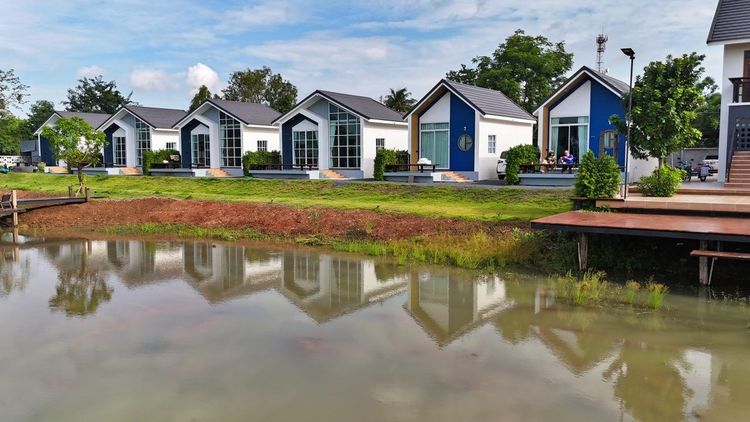
The Domaine d'Aromm, nestled in the Roanne countryside, focuses on spacious rooms and a wooded setting conducive to switching off. For a more unusual experience, the Gallochières cabins let you sleep perched in the trees or on stilts, with a view of the forest: an option that particularly appeals to families looking for a nature weekend, provided you book several weeks in advance as soon as the fine weather arrives.
Budget-wise, allow between 90 and 150 euros a night for these charming places depending on the season. Booking at least a month ahead for high season avoids unpleasant surprises: the Roannais remains a fairly under-the-radar destination, and accommodation options are limited. The choice depends mostly on the pace you want to give your stay: La Maison Rose for a couple seeking calm, the Domaine d'Aromm for a family who wants space, the Gallochières for an out-of-the-ordinary night.
Where to Eat: Good Addresses Around Roanne
In Town
In Roanne, the restaurant Entre Deux Ô has built a reputation for its seasonal cuisine served in a refined setting, at gentler prices than the region's top tables, with a menu that changes according to what's available.
The city center also has a good density of bistros and brasseries around the Halles Diderot, handy for a quick lunch between two visits. For a simpler meal, the market halls let you put together a picnic to take to the banks of the Loire, a very popular option in summer. For a more elaborate dinner without leaving Roanne, Le Central remains the most reliable option if you didn't get a table at Troisgros.
In the Villages and the Countryside
In Saint-Jean-Saint-Maurice-sur-Loire, the wood-fired pizzas at Four de Saint-Jean draw crowds from opening time, especially in summer when the terrace overlooks the valley. A little further on, in Lay, Auberge La Grange à Liens (Le Bourg, 42470 Lay, rated 4.6/5 on Google from 22 reviews) offers generous regional cuisine in a restored former farm.
In Bully, Un Air de Campagne completes this map of good rural tables with local products and a family atmosphere. In these village places, menus follow the seasons and some close for one or two services during the week out of season: a phone call before setting out will save you from finding a closed door.
To go further in your planning, our Ryo selection of must-see sights around Roanne complements this list with other stops in the surrounding area.
How to Get to and Around Roanne
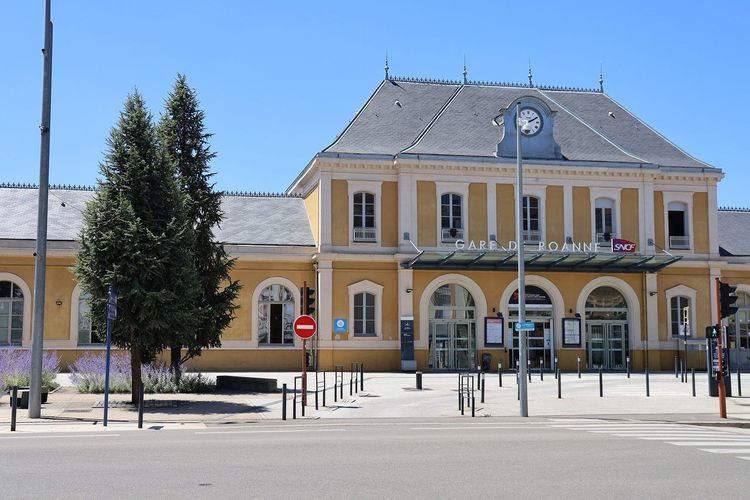
Roanne can be reached by car from Lyon (about 1h15) or Clermont-Ferrand (about 1h30). From Lyon-Saint-Exupéry airport, allow around 1h30, a viable option if you're arriving by plane. By train, direct TER services from Lyon-Part-Dieu take between 1h05 and 1h15 depending on the service, with about ten round trips a day on weekdays. Several car rental agencies are located near the station, handy for heading straight to the château or the villages.
Once on site, the historic center can be explored entirely on foot. As for parking, several car parks surround the city center and the market halls, at rates much gentler than in a large metropolis. For the villages of the Roannais and the château de la Roche, however, a car remains almost essential: public transport serves isolated sites poorly. In the villages, you generally park on small squares at the entrance, quickly filled on busy summer days. Cycling becomes a real option as soon as you stay on the Véloire route, thanks to flat terrain and rentals available at the port.
Concretely, here is how getting around works over the three days. Day 1 is done entirely on foot, from the place de la République to the market halls and then to the port, never exceeding half an hour's walk between two stops. Day 2 requires a car: head south to the château de la Roche and Saint-Jean-Saint-Maurice-sur-Loire in the morning, then back north to Saint-Haon-le-Châtel and Ambierle in the afternoon, keeping Perreux for the return to Roanne. Day 3 alternates cycling on the Véloire in the morning and driving in the afternoon to go up to the Grands Murcins, about twenty minutes from the center. If you don't have a vehicle, build Day 2 around a guided village tour offered by the Roannais tourist office, and keep the bike for everything else.
When to Go and How Much Time to Plan for Visiting Roanne
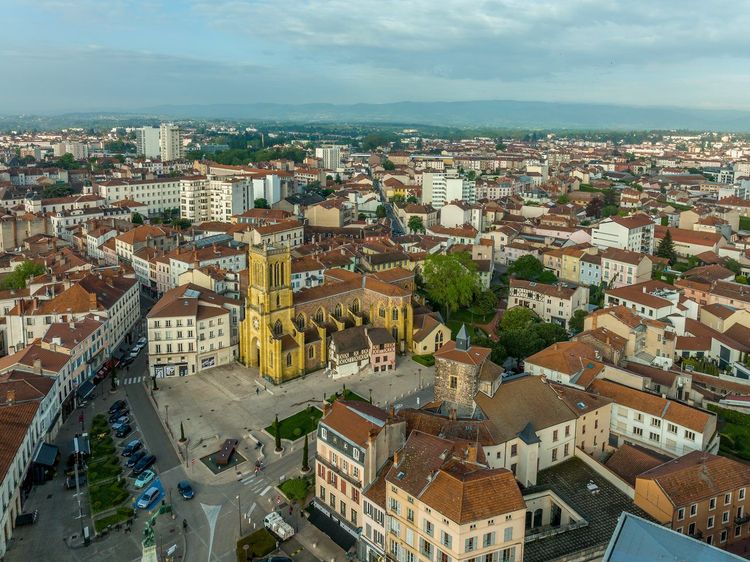
Spring and early autumn offer the most pleasant conditions for combining urban strolls and nature outings, with mild temperatures and light that brings out the stone villages. Summer is workable, but heritage visits (château, abbey) are better done early in the morning, and unusual accommodations like the cabins should be booked several weeks in advance.
Winter, less crowded, lets you enjoy the museum and the market halls without crowds, but several outdoor activities such as boating on the lake slow down or even close: check before fixing your dates. The European Heritage Days, in September, also open several sites that usually charge admission. Conversely, some charming accommodations close for part of the winter.
If you choose to visit Roanne in 3 days, you cover the essentials described in this itinerary: one day for the city and its Loire banks, one for the château and the villages, one for nature. With more time, add a half-day in Charlieu or an evening in Saint-Jean-Saint-Maurice-sur-Loire for a sunset over the gorges.



FAQ
What is the most beautiful village around Roanne?
Saint-Jean-Saint-Maurice-sur-Loire most often earns that title, thanks to its rocky promontory and cobbled lanes overlooking the gorges and Lake Villerest. Saint-Haon-le-Châtel and Ambierle are serious contenders: the former for its intact ramparts, the latter for its Gothic priory church and Flemish altarpiece.
Is Roanne a beautiful city?
Roanne doesn't rely on instant postcard appeal, but it rewards those who explore it on foot: early 20th-century facades, an 18th-century mansion housing the museum and landscaped Loire riverbanks make it a pleasant city rather than a spectacular destination at first glance. Its industrial past gives it a rather rare identity among the region's mid-sized towns.
What are the must-see sights around Roanne?
The château de la Roche, the villages of Saint-Jean-Saint-Maurice-sur-Loire and Saint-Haon-le-Châtel, and the abbey of Charlieu form the core of the region's heritage visits. The Joseph-Déchelette Museum rounds out the list on the cultural side, as does the priory church of Ambierle for lovers of Gothic art.
What are the must-do activities in Roanne?
Cycling along the Véloire, birdwatching at the Gravière aux Oiseaux, tasting a praluline at Pralus: the essential activities combine the outdoors and indulgence. The escape game at the château de la Roche adds a playful touch for families, and boating on Lake Villerest completes the offering.
Do you need to book ahead to eat in Roanne?
For Troisgros, book several weeks in advance, especially for weekends. Le Central and Entre Deux Ô require a few days' notice on weekends, as do village spots like Four de Saint-Jean in the height of summer. On weekdays outside school holidays, it's often still possible to find a table on the same day.
How much time should you plan to visit Roanne and its surroundings?
Three days cover the essentials of the city, the château and nature, without rushing from one site to another. To explore the six villages of character in the Roannais in greater depth and add Charlieu, plan on four to five days, especially if you want to include a hike in the Côte Roannaise.
Roanne and its hinterland are not a destination to be rushed: visiting Roanne in 3 days means giving yourself the time to grasp the essentials of the city, its heritage and its nature. Between the central market hall, the fortified manor of the château de la Roche and the canal banks, each day keeps its own rhythm. To frame your first stroll through the city center, the Ryo audio-guided tour of Roanne remains the simplest way to start your stay on the right foot.