© Shutterstock
 Votre guide Ryo
Visit Turin in 3 Days: The Complete 2026 Itinerary
Turin surprises anyone expecting just another tourist stop between Milan and France. A royal capital for three centuries and the birthplace of Fiat and Italian cinema, the city hides beneath its 18 kilometers of continuous arcades a network of underground galleries, a hot chocolate so thick you eat it with a teaspoon and a hilltop basilica reached by a rack-and-pinion tram. To visit Turin in 3 days without getting lost among royal palaces, the Egyptian museum and the Po hills, you need a common thread: that is exactly what the Ryo audio-guided tour of Turin offers, designed to link the highlights of the historic center on foot, with no third-party app and no human guide.
Three days are enough to cover the essentials: Piazza Castello and its royal palaces, the Egyptian Museum, ranked among the richest in the world outside Cairo, the Mole Antonelliana and its panoramic elevator, the banks of the Po where Turin residents picnic in spring, and the Basilica of Superga, which overlooks the city from 670 meters above sea level. Add a vermouth at Casa Martini, a century-old covered market at Porta Palazzo and, weather permitting, a getaway to the Reggia di Venaria or the shores of Lago Maggiore. Here is, day by day, how to organize this stay.
The 3-Day Turin Itinerary at a Glance
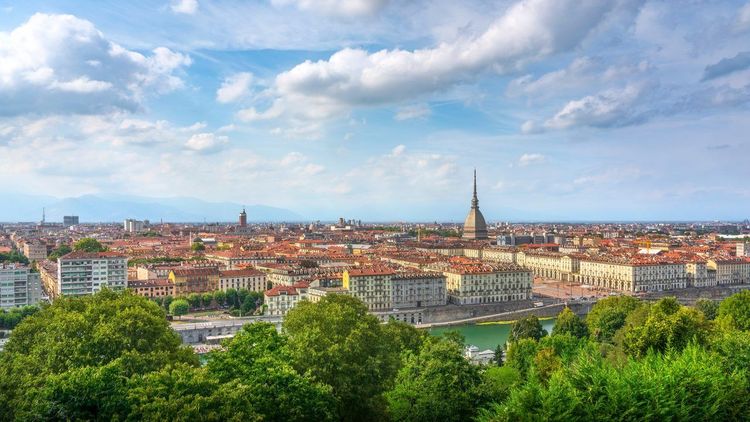
Before detailing each stop, here is the common thread of the three days, designed to limit needless back-and-forth in a city built on a grid.
- Day 1: Piazza Castello, Royal Palace, Via Roma, Roman Quadrilateral, Mole Antonelliana and Cinema Museum.
- Day 2: Egyptian Museum, Palazzo Madama, Parco del Valentino, Borgo Medievale, banks of the Po and the view from Monte dei Cappuccini.
- Day 3: Basilica of Superga, Villa della Regina, Turin underground tunnels, Sanctuary of the Consolata and the city center markets.
This breakdown follows geography rather than the usual tourist logic: the center first, then the river, then the heights last. If you prefer a guided visit with no schedule constraints, the Ryo audio-guided tour of Turin links the historic center and the banks of the Po in a single commented walk, a good way to visualize the sequence before you leave.
Before You Go: How to Get There and How Long to Stay in Turin
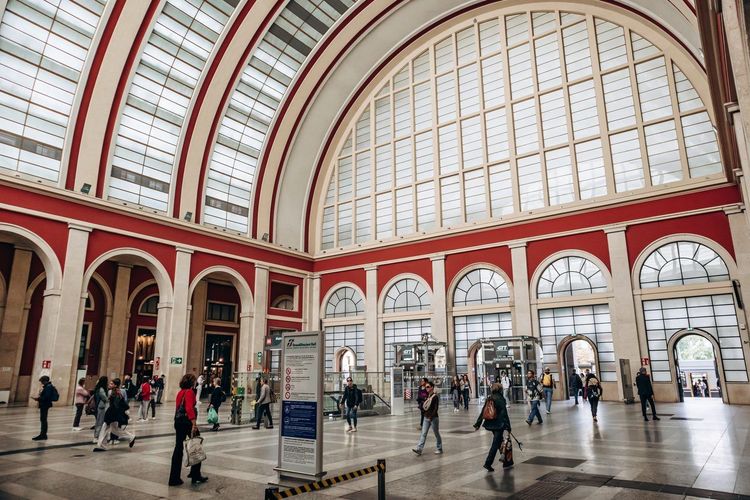
How to get to Turin? From France, the train remains the most comfortable option: direct TGV and Frecciarossa services link Paris to Turin in about 5.5 to 6 hours, via Lyon and the Fréjus railway tunnel. By car, allow about 5.5 hours from Lyon through the Fréjus tunnel, a route that crosses the Alps before descending onto the Po plain. Flying is the fastest option from Paris: Turin-Caselle airport is 16 km from the center, linked to Porta Nuova by a 45-minute shuttle.
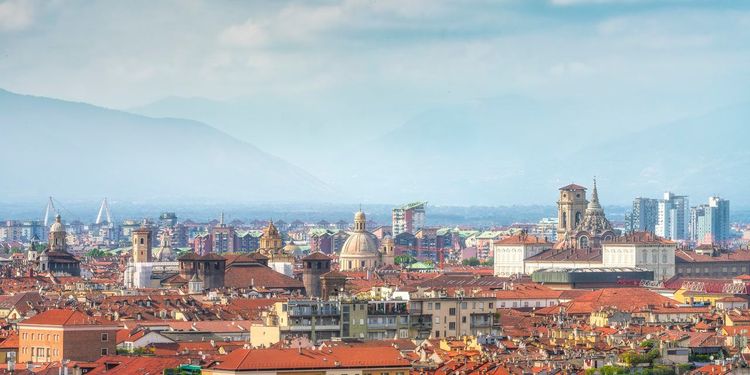
Once there, visiting Turin on foot is not only possible but recommended. The historic center fits within a rectangle less than 2 km on each side, and the 18 kilometers of portici (covered arcades) protect you from both rain and summer sun. Distances between the major points of interest are generally 10 to 20 minutes on foot.
To find your bearings, the Turin map follows a grid layout inherited from the military engineers of the House of Savoy, rare in Italy where medieval cities tend to wind around like labyrinths. Piazza Castello marks the geographic and symbolic center: all the major avenues (Via Roma, Via Po, Via Garibaldi) radiate from it or converge on it.
How many days to visit Turin? One day lets you see Piazza Castello and the Mole Antonelliana without catching your breath. Three days, on the other hand, leave time to add the Egyptian Museum, the banks of the Po, an excursion to Superga and a real sit-down meal rather than a sandwich on the go. It is the length of stay most often chosen by travelers who combine Turin with Milan or a Piedmont road trip.
Day 1: Piazza Castello, Via Roma and the Historic Heart of Turin
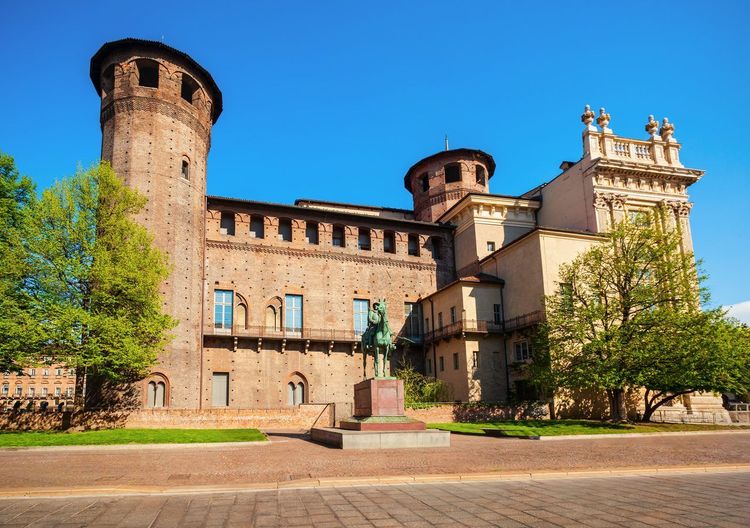
The first day focuses on Turin's founding square, the one the Dukes of Savoy laid out in the 16th century and that Turin residents still use daily between work and aperitivo. Allow a good full day, from breakfast to sunset from the Mole's terrace, keeping some leeway to stop at the cafés along the route.
Piazza Castello, the Royal Palace and the Royal Gardens
It all begins at Piazza Castello, the paved esplanade that once saw the carriages of the Dukes of Savoy roll past before becoming the city's institutional hub.
At its center stands Palazzo Madama, whose Baroque façade by Juvarra actually hides a 13th-century medieval castle, but we will come back to it on day two for the museum it houses.
On the north side of the square, the Royal Palace of Turin (Palazzo Reale) housed the sovereigns of the House of Savoy until Italian unification in 1861. The state rooms, hung with red silk and laden with gilding, take about 1.5 hours to visit; book a timed ticket in high season, as queues sometimes exceed 45 minutes in summer. A full-price ticket costs 15 euros, free for under-18s, and includes the Royal Armory.
Just behind the palace, the royal gardens of Turin (Giardini Reali) offer a green interlude designed by André Le Nôtre, the same landscape architect who conceived Versailles. Entry is free and the shade of the century-old linden trees is precious as soon as the thermometer climbs above 28 degrees in summer.
In the evening, the square changes character: Turin residents gather here for the aperitivo, a local institution born right here in the 18th century with the invention of vermouth. Allow 8 to 10 euros for a drink accompanied by a generous antipasti buffet, more than enough to hold you over until dinner.
Via Roma, the Roman Quadrilateral and the Historic Cafés
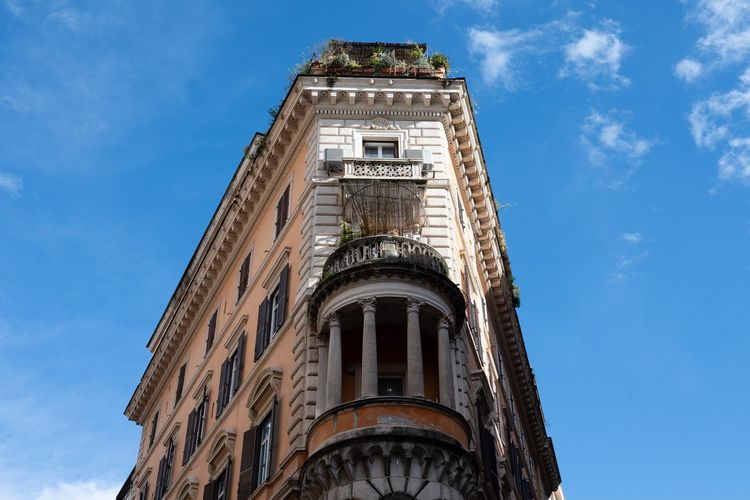
Leaving Piazza Castello, Via Roma opens due south beneath its straight arcades, lined with luxury boutiques and rationalist façades built in the 1930s, which completely redesigned the avenue.
To the left of Via Roma lies the Roman Quadrilateral, the "old Turin", the only neighborhood to have preserved the orthogonal street layout ruled out by Roman legionaries two thousand years ago. You can wander without a map, as the perpendicular lanes always lead back to Via Roma or Via Garibaldi.
Before diving in, make a detour through Piazza Carignano and the Farmacia del Cambio: this former pharmacy with its original woodwork has been turned into a pastry shop and café by the historic Del Cambio restaurant, a neighbor of Palazzo Carignano. You can have breakfast there beneath the display cases where remedies were once stored.
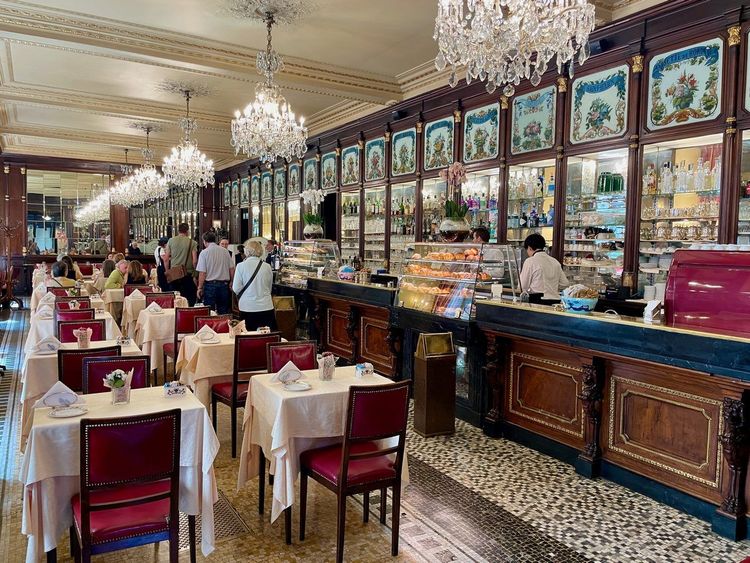
Further south, on Via Roma, Caffè San Carlo, opened in 1822 under the arcades of the square of the same name, remains one of the best-preserved historic salons in the city, with its Bohemian crystal chandeliers and period mirrors. Allow 4 to 6 euros for a coffee served at a table, which is reasonable for the setting.
After nightfall, the quadrilateral turns into one of Turin's liveliest nightlife districts, with its wine bars and craft shops that stay open late. It is worth a visit both during the day for shopping and in the evening for the atmosphere.
The Mole Antonelliana and the National Cinema Museum
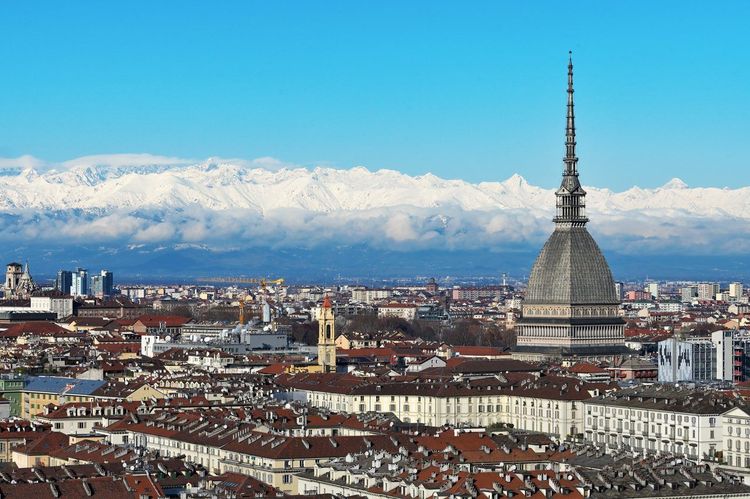
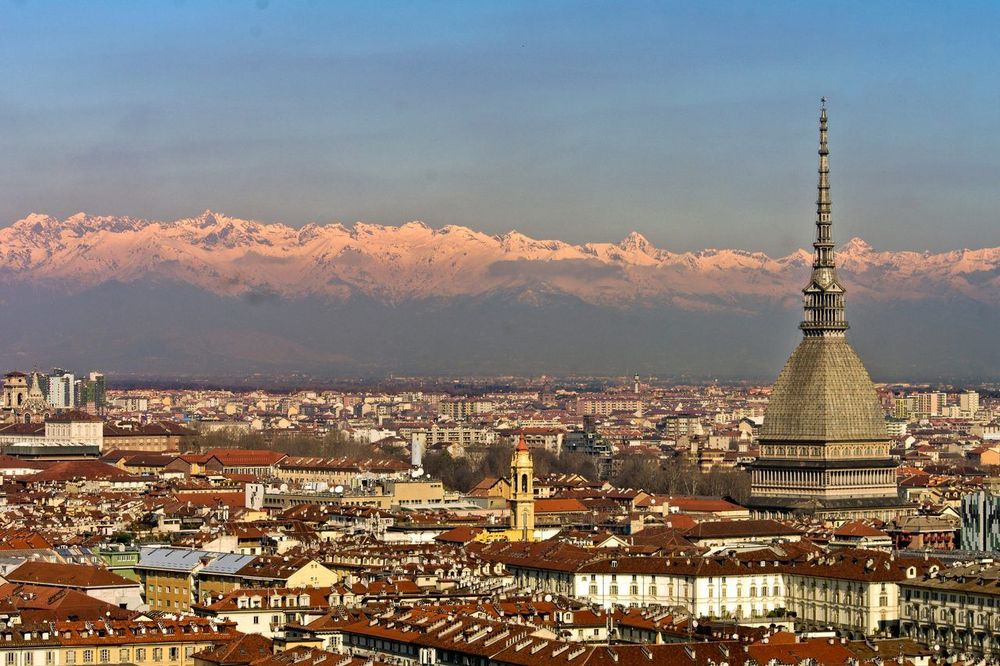
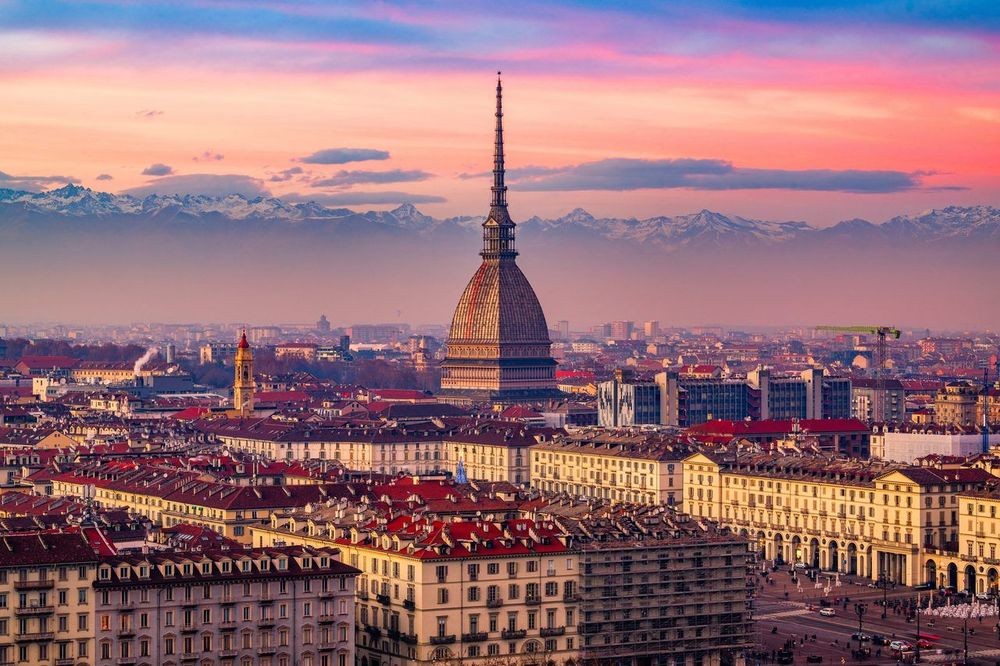
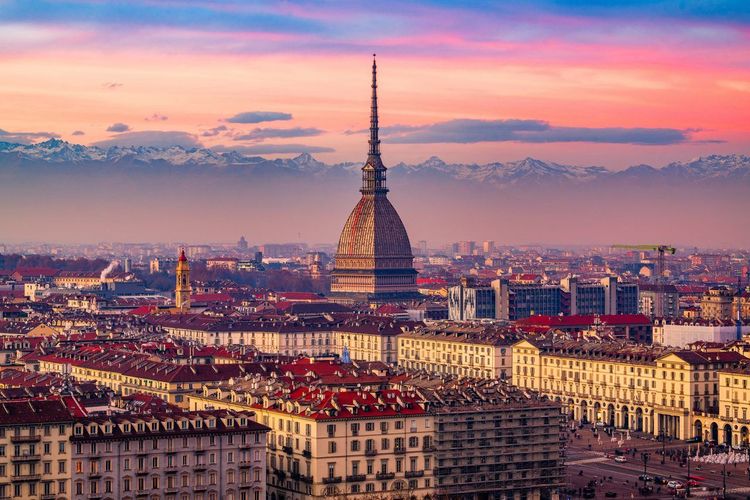
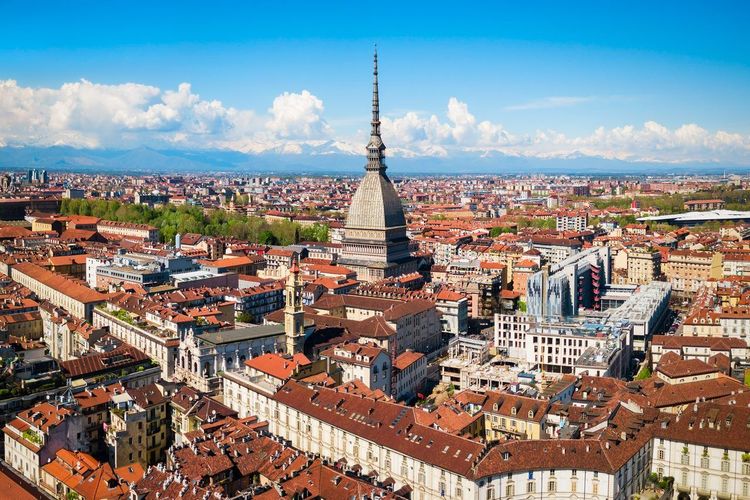
You can't visit Turin in 3 days without riding the panoramic elevator of the Mole Antonelliana (Via Montebello 20, 10124 Torino, rated 4.6/5 on Google from 58,843 reviews), the 167-meter tower that has become the city's emblem to the point of appearing on Italian 2-cent coins. Originally conceived as a synagogue in the 19th century, it now houses the National Cinema Museum, one of the richest in Europe on the subject, with themed rooms ranging from the magic lantern to blockbuster costumes.
The panoramic elevator climbs to 85 meters in 59 seconds and, on a clear day, offers a view of the entire Alpine arc, from the Maritime Alps to Mont Blanc. Go up preferably in the late afternoon: the low light on the tiled roofs and the Po hills is well worth the wait.
Inside, the helical ramp winding along the walls of the Temple Hall is almost as worthwhile as the collections: lie back on the red lounge chairs set in the center to watch the projections beneath the dome, a nearly theatrical staging rare for a museum.
To follow exactly this route without pulling out your map at every intersection, the Ryo audio-guided tour of the heart of the House of Savoy takes you through Piazza Castello, Via Roma and the Mole Antonelliana, with audio commentary triggered at each stop.
Day 2: Must-See Museums and the Banks of the Po
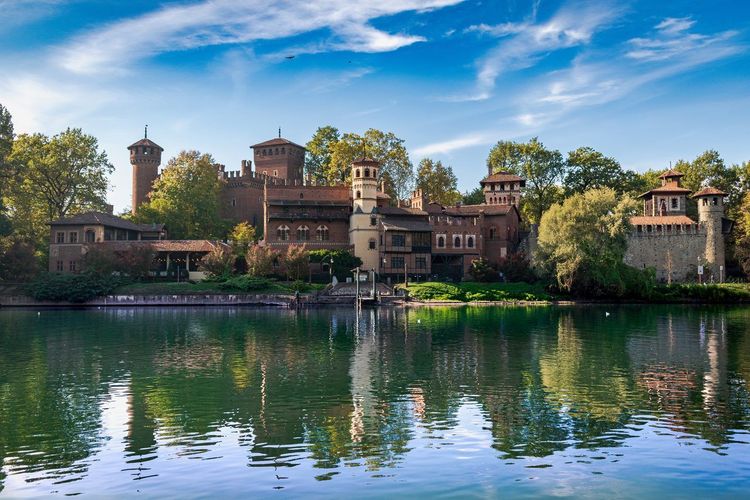
The second day shifts from the dynastic register to the riverside one: museums in the morning, greenery and hills in the afternoon.
The Egyptian Museum and Palazzo Madama
The Egyptian Museum of Turin is, after Cairo's, the richest collection of Egyptian antiquities in the world, assembled from the 18th century by the Kings of Savoy and then enriched by Italian archaeological digs in the early 20th century. The tomb of Kha and Merit, intact since its discovery in 1906, and the gallery of royal statues are among the pieces that leave the strongest impression on visitors, including those who have already seen Egypt at the Louvre or the British Museum. The tomb owes its fame to its exceptional state of preservation: when archaeologist Ernesto Schiaparelli unearthed it in 1906, the food vessels still contained traces of honey and the couple's clothes were folded as on the first day, a striking contrast with royal tombs generally looted since Antiquity.
Allow at least 2.5 hours for an unhurried visit, and book online in high season: it is one of the most visited museums in Italy and queues on site regularly exceed an hour. A full-price ticket costs 18 euros, but a combined ticket with Palazzo Madama saves a few euros if you visit both on the same day.
Just a few steps away, on Piazza Castello, which you already crossed on the first day, Palazzo Madama deserves a proper visit this time: the Museum of Ancient Art it houses occupies the floors of the medieval castle, with a collection ranging from Piedmontese Gothic painting to the Baroque furniture of the Savoy court.
Parco del Valentino and the Medieval Village
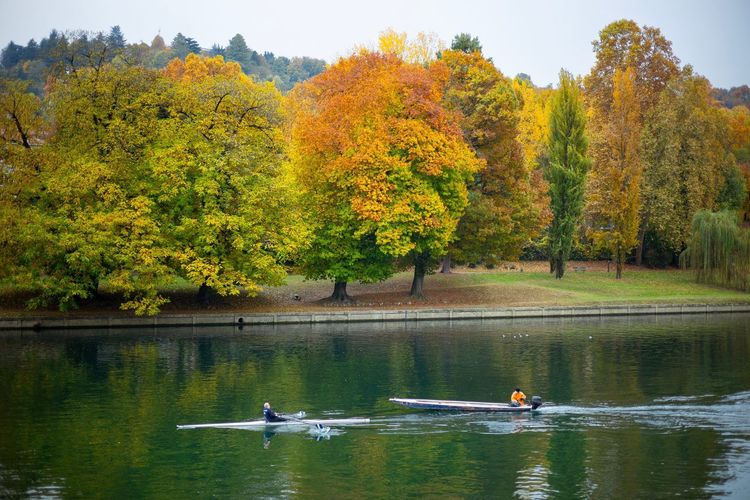
The afternoon starts in Parco del Valentino, Turin's green lung along the Po, laid out in the 19th century on the model of English-style parks. Turin residents jog, picnic and read on the lawns as soon as the sun peeks out, especially on Sundays.
At the heart of the park, the Castello del Valentino, a former residence of the Duchesses of Savoy, now houses the architecture faculty of the Politecnico di Torino, one of the rare examples of a royal castle converted into student lecture halls. Right next to it, the more discreet botanical garden gathers species brought back from 18th-century scientific expeditions.
Hidden inside the park is the medieval village, a full-scale reconstruction of a 15th-century Piedmontese village, built in 1884 for the Italian General Exhibition and never dismantled since. The half-timbered façades and craftsmen's workshops give the illusion of a real village, though it is a permanent set whose outdoor lanes are open free of charge.
Entry to the park is free and open at all times, making it an easy stop to slip in between two museums with no schedule constraints.
The Banks of the Po, the Gran Madre di Dio Church and the View from Monte dei Cappuccini
Heading north along the banks of the Po, the river runs past shaded quays where Turin's rowing clubs have trained for over a century. It is one of the few places in the city where you hear the rowers more than the traffic. If you're traveling with children or simply need to move after two museums, a bike path follows the Po for several kilometers and several rental shops offer bikes by the hour near Valentino park, a pleasant way to cover the distance between the two banks without taking the bus.
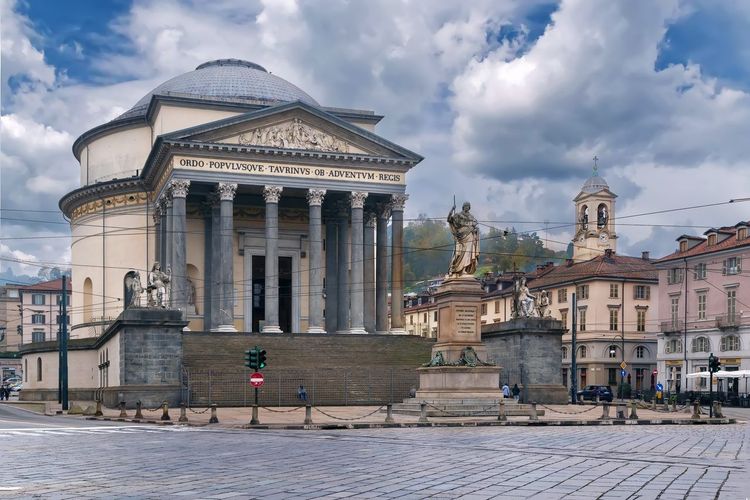
On the other side of the Vittorio Emanuele I bridge stands the Gran Madre di Dio church, Turin's copy of the Pantheon in Rome, completed in 1831 to celebrate the king's return after the Napoleonic occupation. Its neoclassical façade, set in perfect symmetry at the end of the bridge, visually closes off the entire perspective of Via Po.
Just behind the church, a path climbs in 20 minutes to Monte dei Cappuccini (Piazzale Monte dei Cappuccini 7, 10131 Torino, rated 4.7/5 on Google from 5K reviews), where a 17th-century Franciscan convent overlooks the city from 284 meters above sea level. The convent also houses the Museo Nazionale della Montagna, devoted to the history of Italian mountaineering, a curiosity that always surprises visitors who came only for the panorama. The terrace in front offers one of the most complete views of Turin and its Alpine arc, ideal at the end of the day when the low light illuminates the rooftops of the historic center.
To link these two banks of the Po without improvising a route, the second part of the Ryo audio-guided tour runs right along the river and stops in front of Palazzo Madama and the Egyptian Museum, with an anecdote told at each façade.
Day 3: The Basilica of Superga and the Hidden Treasures of Turin
The third day takes you up high before heading back down to the last hidden treasures of the center.
The Basilica of Superga and the Villa della Regina
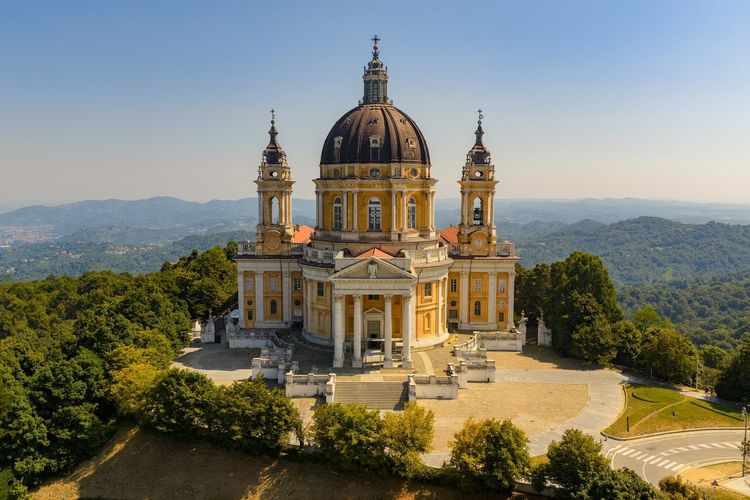
The Basilica of Superga overlooks Turin from 670 meters above sea level, built by the Sicilian architect Filippo Juvarra in the 18th century in fulfillment of a vow made by Duke Victor Amadeus II during a siege. You reach it by a rack-and-pinion tram dating from 1884, one of the oldest in Italy still in service, which takes about 18 minutes to climb the hill from Sassi station. The round-trip ticket costs a few euros and the view from the forecourt, taking in the whole Po plain as far as the Alps on a clear day, more than justifies the climb even for non-worshippers.
The basilica houses the royal tombs of the House of Savoy, and a discreet wall recalls the tragedy of the Grande Torino: in 1949, the plane carrying the entire champion Italian football team crashed into the hill in foggy weather, killing all 31 people on board. The Turin club still mourns this accident every May 4.
On the way back, a detour to the Villa della Regina (Via Santa Margherita 79, 10131 Torino, rated 4.4/5 on Google from 6,484 reviews) is a must for lovers of Italian terraced gardens: this residence, built in the 17th century for Cardinal Maurice of Savoy and later renamed in honor of Queen Anne of Orléans, overlooks the Gran Madre from the hill, with vines that still produce a rare wine sold on site today.
Turin's Underground Tunnels and the Sanctuary of the Consolata
Back in the center for a lesser-known side of the city: the Turin underground tunnels, a network of galleries and ice cellars dug beneath the Cittadella from the 16th century for military purposes, then reused as shelters during the Second World War. Some galleries also served as natural ice cellars, where snow from the surrounding hills was stored to preserve food before the invention of artificial refrigeration, a detail that often surprises visitors who came for the network's defensive side. Guided tours, organized by local associations, must be booked in advance and last about 1.5 hours; expect a constant temperature of around 14 degrees, cool even in midsummer.
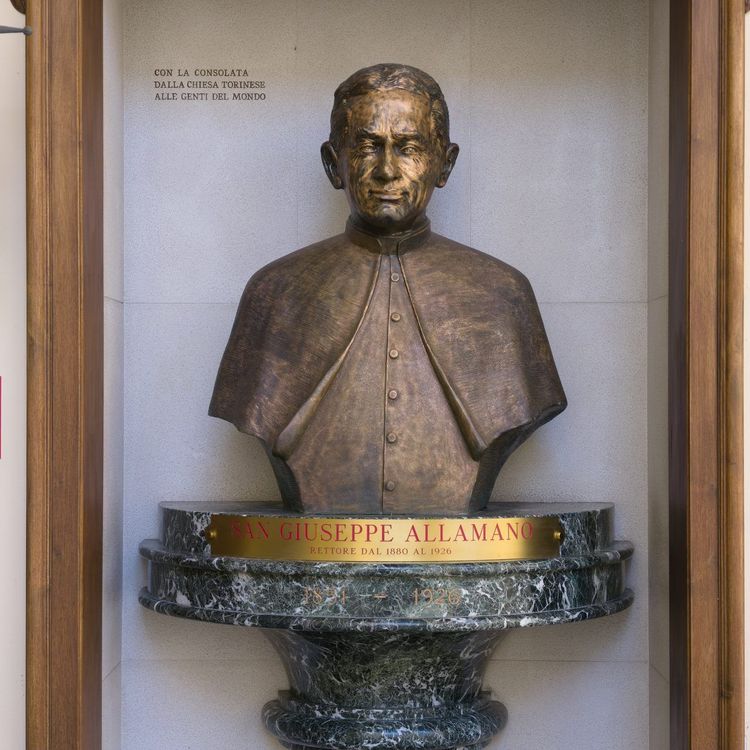
Not far away, the Sanctuary of the Consolata houses a statue of the Virgin Mary venerated since the Middle Ages and remains an active pilgrimage site for Turin residents, well beyond the mere architectural interest of its Baroque rotunda by Guarini.
Right opposite, the tiny café Al Bicerin, founded in 1763 and frequented by Count Camillo Cavour while he was preparing Italian unification, remains the place to order a bicerin, the Turin drink served in a glass that layers coffee, hot chocolate and milk cream.
Markets and Last-Minute Shopping in the Quadrilateral
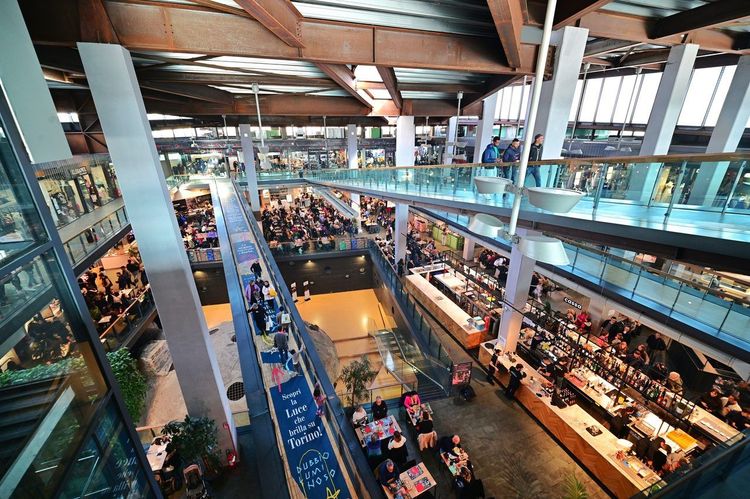
To finish this third day, head to the city center markets: the Mercato Centrale, housed in the contemporary building designed by Massimiliano Fuksas at Porta Palazzo, above former ice cellars, blends traditional stalls and street-food counters in a renovated setting that appeals as much to Turin residents as to tourists in a hurry.
For a more raw experience, Porta Palazzo remains the largest open-air market in Europe according to Turin residents themselves: vegetables, cheeses, fabrics and flea-market goods rub shoulders every morning from Monday to Saturday, with an atmosphere unchanged for generations. Among the stalls, a few counters already sell the specialties to take home that we will discuss further on, handy if your return flight is early the next morning.
A dedicated Ryo audio-guided sub-route also climbs up to Superga, telling in your ear the story of the Savoy dynasty and the tragedy of the Grande Torino, a way to listen to this account without having to read it on an information panel at the summit.
Getting Around Turin: Bus, Historic Tram and on Foot
While the first three days can be covered largely on foot, a few trips are worth taking by public transport, especially to reach Superga or to get back from a late excursion.
The GTT network includes buses, trams and metro, with a City ticket at 1.90 euros in digital form (2 euros on paper), valid for 100 minutes on all modes. For a more touristic approach, a hop-on hop-off bus tours the main sites with onboard commentary and unlimited stops over 24 or 48 hours, a handy option if the weather turns.
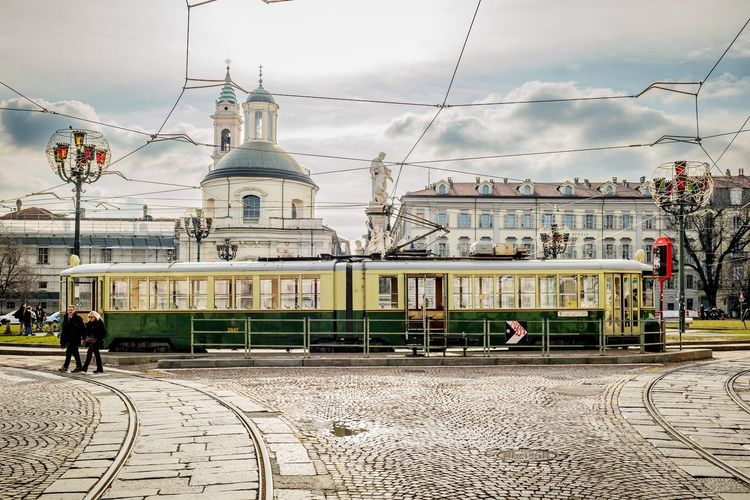
More original, the historic tram no. 7, made up of restored vintage cars, runs a tourist loop through the center on weekends and public holidays, for the price of a standard ticket.
The Porta Nuova station, the central rail hub, is a 10-minute walk from Piazza Castello: it is the simplest landmark for finding your way if you arrive by train or stay in the nearby San Salvario neighborhood.
Finally, visiting Turin on foot remains, once again, the most logical option: the city is flat, the arcades shelter you from bad weather, and no major site in the center is more than a 25-minute walk from Piazza Castello.
Where to Sleep in Turin: Neighborhoods and Addresses for Every Budget
Where to stay in Turin? The question almost always boils down to a choice between two neighborhoods, the historic center and San Salvario, each with its own logic depending on budget and appetite for nightlife.
The Historic Center and the Roman Quadrilateral
Staying in the historic center, between Piazza Castello and the Roman Quadrilateral, puts all the day-one sites within 15 minutes on foot. It is the most sought-after neighborhood, and therefore the most expensive: allow between 110 and 180 euros a night for a well-located 3-4 star hotel in high season, versus 70 to 100 euros in low season (November to February, excluding the Christmas period).
Charming places abound in renovated 19th-century buildings, often a stone's throw from a historic café for breakfast. The downside: the lanes of the quadrilateral can be noisy in the evening because of the bars. Our advice for a downtown hotel: aim for a property around Via Roma or Piazza Carlo Felice, central enough to do everything on foot without falling into the noise of the quadrilateral's bars at night, a balance few neighborhoods offer elsewhere in the center.
San Salvario and the Area around Porta Nuova
The San Salvario neighborhood, just south of Porta Nuova station, offers a good price-location compromise: 15 to 20 minutes on foot from the center, a more local and multicultural atmosphere, and rates generally 20 to 30% lower than the historic center for comparable comfort.
It is also one of the neighborhoods where Turin's nightlife is densest, with many cocktail bars and ethnic restaurants open late, a plus if you want to extend your evenings after sightseeing. A third neighborhood, Vanchiglia, between the Po and the university, appeals for its proximity to the riverbanks and its inexpensive student atmosphere, even though it is slightly more out of the way than San Salvario for reaching Piazza Castello.
To sum up where to sleep: the historic center if you prioritize immediate proximity to the sites and accept the price that goes with it, San Salvario if you'd rather save on accommodation to spend more at the table. Both neighborhoods remain within the same walking radius as that covered by the Ryo audio-guided tour, which helps you choose your hotel based on the stops rather than blindly.
Where to Eat and What to Taste in Turin: Specialties and Good Addresses
Where to eat in Turin? Your meals will easily fall into three kinds of places: historic cafés for the aperitivo, markets for speed and small budgets, and family trattorias for a real Piedmontese meal.
Historic Cafés and Vermouth at Casa Martini
Turin invented vermouth in the 18th century, and Casa Martini (Piazza Luigi Rossi 2, 10040 Pessione, rated 4.7/5 on Google from 1,911 reviews), in Pessione at the city's gates, tells this story in a museum housed in the former distillery, before ending with a tasting. The historic brands Carpano, Cinzano and Martini were all born in the Turin region, and the Casa Martini visit ends with a walk through the cellars where the barrels age. Allow half a day if you combine the visit with lunch on site, a good complement to an excursion rather than a downtown stop.
In the center itself, the historic cafés we have already passed (Caffè San Carlo, Cavour's café) also serve the classic Turin aperitif: a glass of house vermouth accompanied by olives and chips, a tradition predating the Venetian spritz by several decades.
Food Markets: Porta Palazzo and the Mercato Centrale
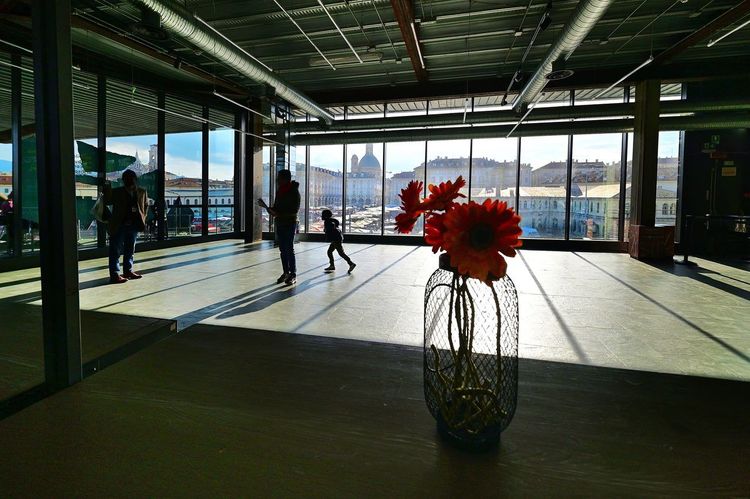
We came across Porta Palazzo and the Mercato Centrale on day three for the change of scenery; they are also, quite simply, the best places to eat on the go on a tight budget. The Mercato Centrale, opened in 2019 on three levels, brings together about twenty counters under one roof, from Neapolitan pizza to Piedmontese risotto, with communal tables where tourists and regulars mix informally at lunchtime. Allow 5 to 8 euros for a farinata (chickpea flatbread) or a panino filled with Piedmontese cold cuts at one of the covered market's counters.
For a sit-down meal, the trattorias bordering Porta Palazzo offer daily set menus around 15 euros, often cheaper and just as hearty as the more touristy restaurants of the historic center.
Specialties to Taste and Bring Back from Turin
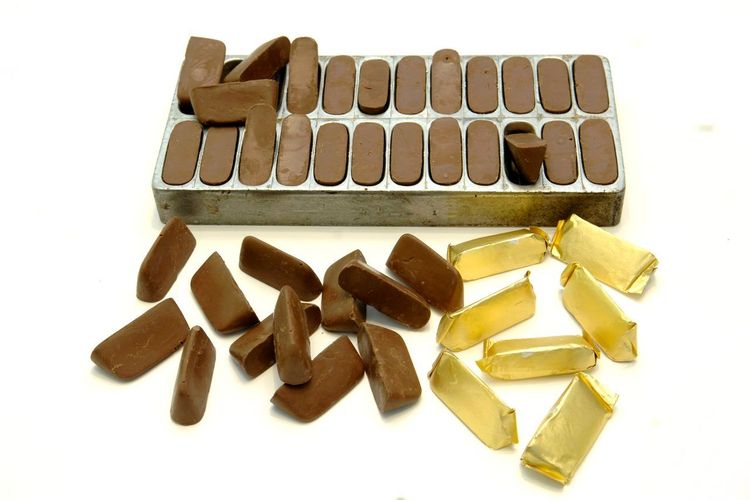
Local specialties first: agnolotti del plin, small hand-pinched stuffed pasta, vitello tonnato (cold veal in tuna-caper sauce, born in Piedmontese kitchens) and, of course, the gianduiotto, the ingot-shaped praline chocolate born in Turin in the 19th century to work around a cocoa shortage. Bagna cauda, a hot garlic and anchovy sauce in which raw vegetables are dipped, completes this gourmet picture for the colder months, generally served in winter in family trattorias rather than in the touristy restaurants of the center.
For a full meal, allow a budget of 20 to 35 euros per person in a mid-range trattoria with wine, versus 10 to 15 euros for a quick meal at the market. Michelin-starred restaurants exist too, but remain the exception rather than the norm for a 3-day stay focused on street discovery.
To bring back: a box of gianduiotti, a pack of buttery torinesi biscuits, or a bottle of craft vermouth found at Casa Martini itself or in a delicatessen in the Roman Quadrilateral.
Is the Torino + Piemonte Card Worth It for 3 Days?
The Torino + Piemonte Card, sold by the Turismo Torino tourist office, gives free access to dozens of museums, royal residences and castles in Turin and Piedmont. In 2026, it costs 39.90 euros for 2 days, 45.90 euros for 3 days and 52.90 euros for 5 days, with a Junior version at 18.90 euros for under-18s. Note: transport is not included, but the card entitles you to a 72-hour GTT ticket reduced to 9 euros instead of 12.50.
To find out whether it pays off, compare with the individual tickets already mentioned: Egyptian Museum (18 euros), Palazzo Reale (15 euros), Palazzo Madama (10 euros) and Mole Antonelliana with elevator (about 15 euros) already total nearly 60 euros, more than the 3-day card. If your program includes these four sites plus one or two others (Venaria Reale, for example, whose entry alone exceeds 15 euros), the Torino + Piemonte Card pays off for 3 days as soon as you visit 3 to 4 paid sites.
On the other hand, if your stay favors free parks (Valentino, royal gardens), markets and urban strolls, buying individual tickets for the two or three museums that truly interest you will probably cost less. A simple rule applies to all city passes: always calculate the cost of the sites you're certain to visit before adding those you'll visit "maybe".
Day Trips from Turin
For those with an extra day, or who simply want to leave the city at the end of their stay, Piedmont offers several options within an hour and a half's drive.
The Reggia di Venaria, Royal Residence of the Savoys
The Reggia di Venaria, 20 minutes north of Turin, is often presented as Piedmont's answer to Versailles, and the parallel is not undeserved: this residence, built in the 17th century for the royal hunts of the Savoys, was restored at great expense in the early 2000s to become one of Italy's most visited sites outside the major cities.
The Galleria Grande, 80 meters long and lit by 44 windows, rivals the Hall of Mirrors without complexes, and the French-style gardens stretching behind the palace can be visited on foot or by small train depending on the time available. The gardens, brought back to life with water and movement after decades of neglect, now offer water-play shows in the evening during summer, a good excuse to extend the visit beyond the museum. Allow a full half-day, entry ticket around 20 euros, direct public transport from Porta Nuova.
The Piedmont Lakes: Lago Maggiore and Lago d'Orta
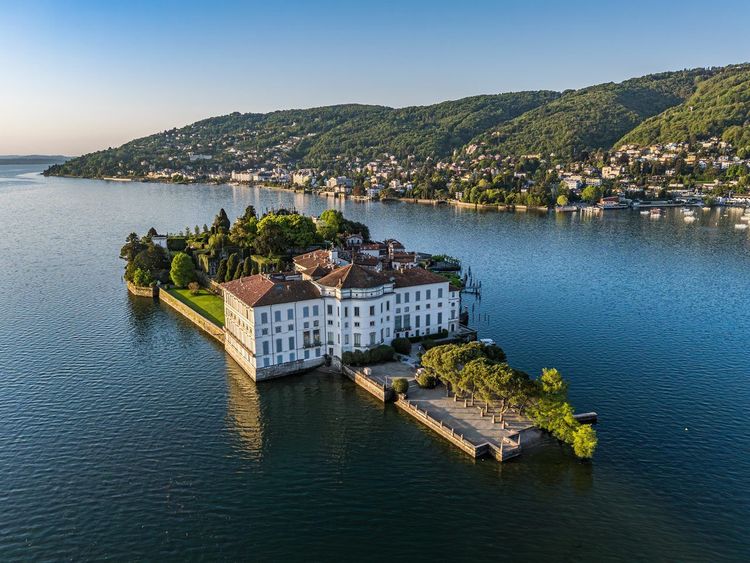
A little over an hour's drive away, Lago Maggiore (Lake Maggiore) unfolds its Piedmontese western shore around Arona (Piazza del Popolo, 28041 Arona), a small lakeside town overlooked by a 35-meter-high statue of Saint Charles Borromeo, which can be visited from the inside via a narrow staircase.
From Arona, boats also reach the Borromean Islands, with their botanical gardens and Baroque palace set directly on the water, an excursion within the excursion if time allows.
More discreet, Lago d'Orta, often described as the most romantic of the Italian lakes despite its small size, can be discovered in half a day around the village of Orta San Giulio (Piazza Motta, 28016 Orta San Giulio) and its monastic island, reached in a few minutes by rowboat.
The two lakes are hard to combine in a single day trip from Turin: it's better to choose one, or plan a night on site if your stay exceeds the initial 3 days.
Vercelli, Biella and Ivrea: Culinary and Industrial Getaways
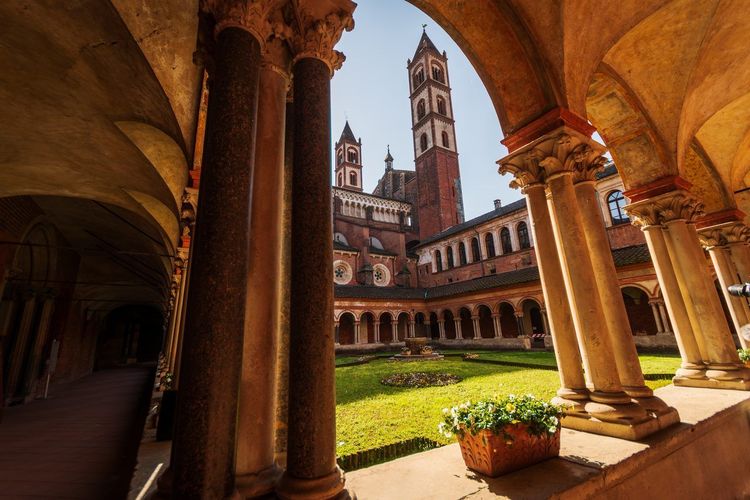
Vercelli (Piazza Cavour, 13100 Vercelli), barely 1 hour by train from Turin, claims the title of Europe's rice capital: the rice paddies surrounding it have for centuries fed the production of the Piedmontese riso used in all of the region's risottos. A stroll through its historic center, around the Sant'Andrea basilica, pairs well with lunch built around a risotto alla vercellese.
Biella, nestled at the foot of the Biellese Alps, owes its fame to the textile industry: the city long clothed Europe's great wool houses, and several industrial wastelands converted into cultural spaces tell this story.
Ivrea, finally, is worth the detour for two opposite reasons: its historic carnival (the famous Battle of the Oranges, every February) and its industrial architectural heritage linked to Olivetti, a UNESCO World Heritage Site since 2018 for its modernist urban planning, unique in Europe.
Further south, the hills of the Langhe, UNESCO-listed for their Barolo and Barbaresco vineyards, call for a full day with a car rather than a round trip by train, one to book if Piedmontese wine interests you more than the industrial towns. Finally, the castle of Racconigi, the former summer residence of the Savoys, also a World Heritage Site, can be visited in half a day, 40 minutes from Turin, with a large English-style park home to black swans.
These three Piedmontese getaways can be reached by train from Porta Nuova, with no car needed, and lend themselves well to day trips if you have a fourth day on site.
When to Go: Turin by Season
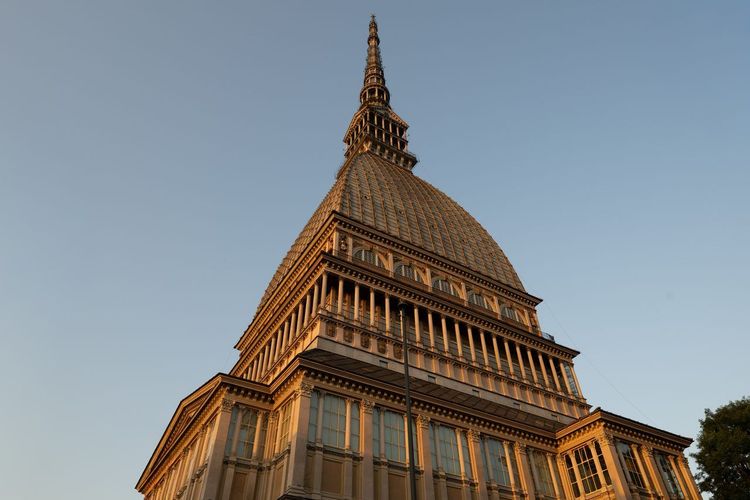
Spring and Summer in Turin
The spring, from April to June, offers the best conditions for walking all day: mild temperatures, blooming parks, and ideal light for the view from the Mole or Monte dei Cappuccini.
The summer, from July to August, can become stifling on the Po plain, with frequent peaks above 32 degrees and humidity that makes afternoons trying without air conditioning. Turin residents themselves desert the city in August for the lakes or the nearby mountains, which paradoxically leaves more room in the museums for the remaining visitors.
The sunset over Turin from the Mole or Monte dei Cappuccini remains spectacular throughout the warm season, with the Alps silhouetted behind the rooftops of the historic center whenever the air is clear, generally after a rainy spell.
Autumn, Winter and Christmas in Turin
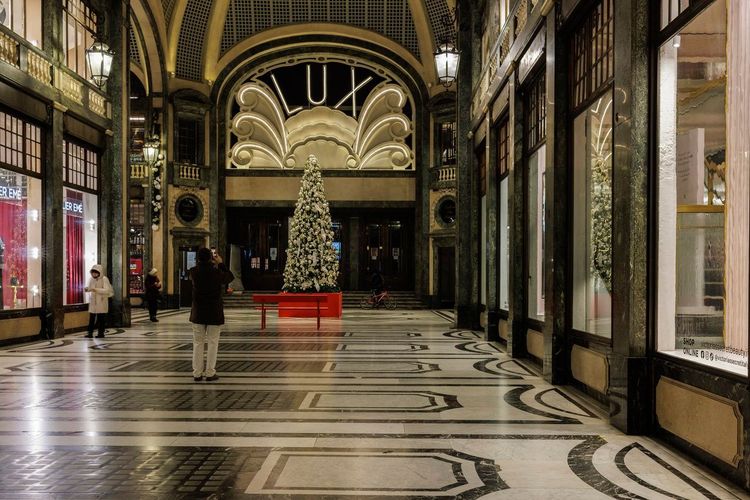
Autumn in Turin, from September to November, is the gastronomic season par excellence: it is the time of the Alba white truffle, the first roasted chestnuts in the streets and a golden light that is particularly photogenic on the arcades of the center.
Turin in winter and at Christmas deserves a special mention: the city lights up with decorations reputed to be among the most beautiful in Italy, with the Luci d'Artista light installations adorning the streets of the center from November to January, and the dry cold of the Alps makes strolls beneath the portici particularly pleasant, sheltered from the wind.
What to do in Turin when it rains? The city has enough to fill an entire day under cover: the Egyptian Museum, Palazzo Madama, the Cinema Museum and the Turin underground tunnels can all be visited indoors, not to mention the 18 kilometers of arcades that let you reach the city center without opening an umbrella.
Turin with Family and Accessibility for Reduced Mobility
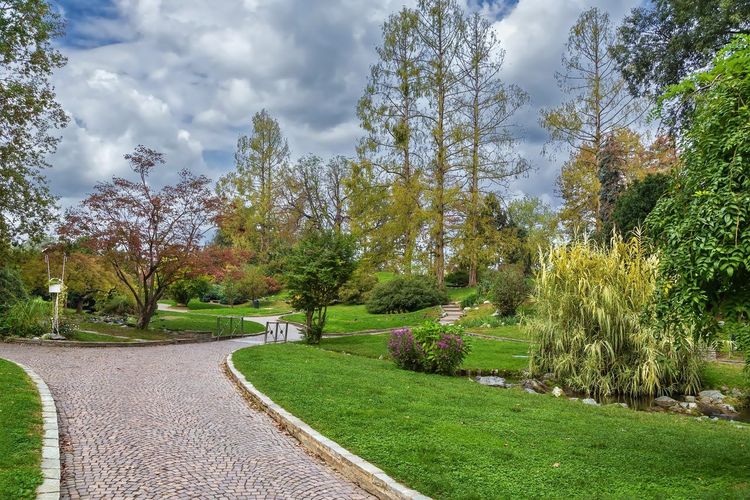
Visiting Turin with family: is the city suitable for children? Generally yes: Parco del Valentino and its medieval village easily win over the youngest, the Egyptian Museum offers playful mummy-themed trails that often fascinate children more than adults, and the Superga tram remains an attraction in itself for little ones.
The wide sidewalks of the historic center and the continuous arcades also make getting around with a stroller easier, except for a few cobbled stretches of the Roman Quadrilateral where front wheels can catch. As for dining, the family trattorias around Porta Palazzo welcome strollers without any problem and often offer children's portions on request, even if it isn't always listed on the menu.
Is Turin accessible to people with reduced mobility and people with disabilities? Most of the major museums (Egyptian Museum, Palazzo Madama, Palazzo Reale) have elevators and ramps, a direct result of recent renovations partly funded by European funds. The modern trams and buses of the GTT network are equipped with low floors, even though some older metro stations remain less well equipped. It's best to check the specific accessibility of the Basilica of Superga and the Turin underground tunnels before adding them to your program, two sites where stairs remain unavoidable despite the improvements. One practical detail: public toilets are scarce in the historic center, so it's best to take advantage of breaks in museums and large cafés for families with young children.
Budget: How Much to Plan for 3 Days in Turin
What budget to plan for food in Turin? Allow about 25 to 40 euros per day per person by combining a quick lunch at the market with a proper dinner in a trattoria.
For accommodation, let's return to the figures already given: 70 to 180 euros a night depending on the neighborhood and season, or 210 to 540 euros for the 3 nights of the stay in a double room.
For transport, a GTT ticket at 1.90 euros is enough for most one-off trips, but the Tour ticket at 48h (9.50 euros) or 72h (12.50 euros) quickly pays off, especially for the round trip to Superga.
The paid sites (Egyptian Museum, Palazzo Reale, Palazzo Madama, Superga with tram) add up, as we have seen, to around sixty euros without the Torino + Piemonte Card; with it, the 45.90-euro 3-day package covers the essentials.
In total, a comfortable stay without excess comes to around 400 to 650 euros for 3 days and 2 people excluding plane or train tickets, accommodation included. More frugal travelers who favor markets and free museums can go below 300 euros for the couple over the same period.
A Bit of History: Understanding Turin Before You Visit
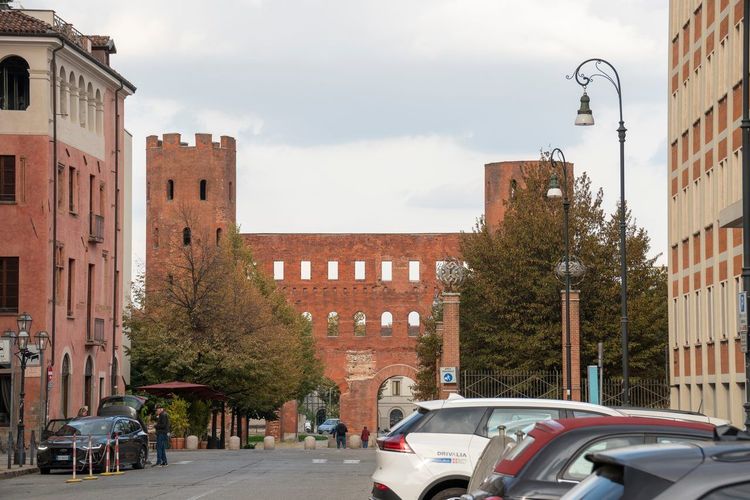
The history of Turin begins with the Romans, who founded Augusta Taurinorum in the 1st century BC on a grid plan whose layout the Roman Quadrilateral still preserves. But it is the House of Savoy that shaped the city's current face: settled in Turin as its capital from 1563, this dynasty reigned there without interruption until Italian unification in 1861, of which Turin became, incidentally, the first capital, before the title passed to Florence and then Rome.
What is the history of Turin? It is also that of a city constantly reinventing itself: a royal capital in the 17th and 18th centuries with the great Baroque works of Guarini and Juvarra, it then became, from the late 19th century, one of the cradles of the Italian automobile industry with the founding of Fiat in 1899. This industrial period left a lasting mark: waves of immigration from southern Italy in the 20th century, converted working-class neighborhoods, and an identity that still blends royal heritage and industrial popular culture today.
The 2006 Winter Olympics mark the latest major chapter of this history, an opportunity for the city to renovate its infrastructure and open up definitively to international tourism after decades in which it was largely overlooked in favor of Rome, Florence or Venice. To extend this historical discovery by ear rather than on a sign, the Ryo audio guide to Turin returns to this dual royal and industrial identity at each stop in the historic center.



FAQ
What are the must-do things in Turin?
Piazza Castello and the Royal Palace, the Egyptian Museum, the Mole Antonelliana and its Cinema Museum, the banks of the Po and the Basilica of Superga form the backbone of a 3-day stay. Add a vermouth in a historic café and a stroll through Porta Palazzo for a fuller picture of the city.
Where to stay in Turin?
The historic center for immediate proximity to the sights, San Salvario for better value for money and a more local nightlife. Both neighborhoods are less than a 20-minute walk from Piazza Castello.
What can you do in Turin when it rains?
The Egyptian Museum, Palazzo Madama, the Cinema Museum and the Turin underground tunnels can all be visited entirely under cover, and the city center's 18 kilometers of arcades let you get around without ever opening an umbrella.
Is it possible to visit Turin on foot?
Yes, and it's actually the best way to do it: the historic center fits within a compact rectangle, and no major site is more than a 25-minute walk from Piazza Castello.
How many days do you need to visit Turin?
Three days cover the essentials of the historic center, the museums and an excursion such as Superga. Allow one more day to add a regional excursion, Venaria or the Piedmont lakes.
Is the Torino + Piemonte Card worth it for 3 days?
Yes if you visit 3 to 4 paid sites during your stay (45.90 euros for 3 days in 2026, transport not included), less so if you prefer free parks and urban strolls. Always compare the cost of the sites you're sure to visit before buying the pass.
Is Turin suitable for children and people with reduced mobility?
Fairly, yes: the major museums are equipped with elevators and ramps and the sidewalks in the center are wide, but the Basilica of Superga and the Turin underground tunnels remain less accessible because of the stairs.
In Summary: Turin in 3 Days at Your Own Pace
Three days in Turin are enough to understand why so many travelers leave surprised: a royal capital unlike any other, where the Savoy palaces sit alongside a century-old automobile industry and where the aperitif is still drunk as it was in the 18th century. Between Piazza Castello, the Egyptian Museum and the Basilica of Superga, the itinerary proposed here covers the essentials without rushing, with enough leeway to linger in a historic café or extend an excursion to Venaria or the Piedmont lakes.
If you prefer to explore at your own pace rather than follow a paper guide, the Ryo audio-guided tour of Turin remains the simplest way to retrace, in order or out of order, the stops described in this guide, with commentary that triggers automatically at each stop.