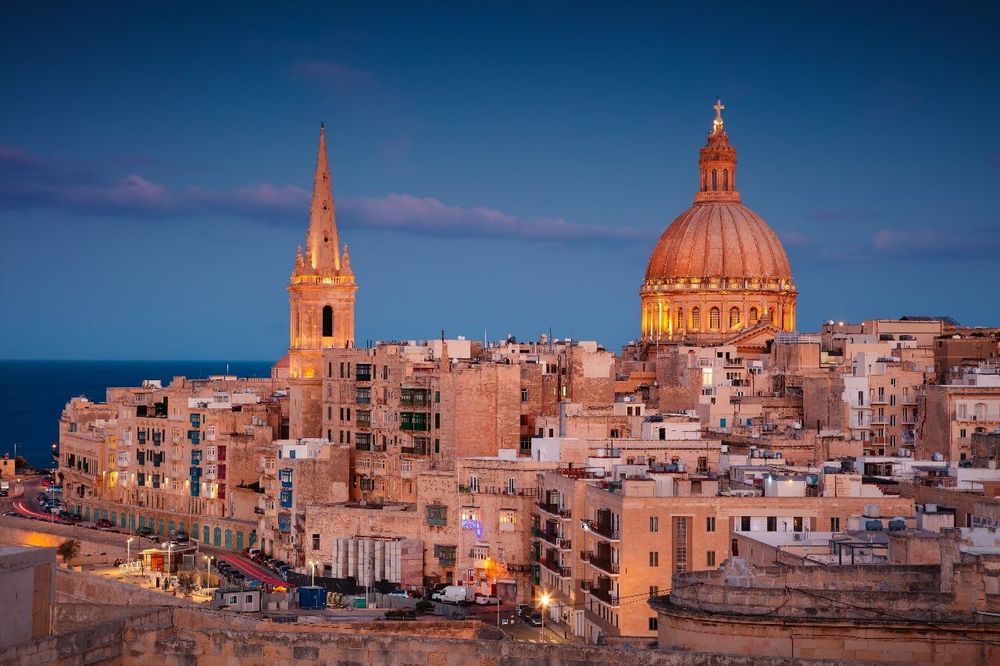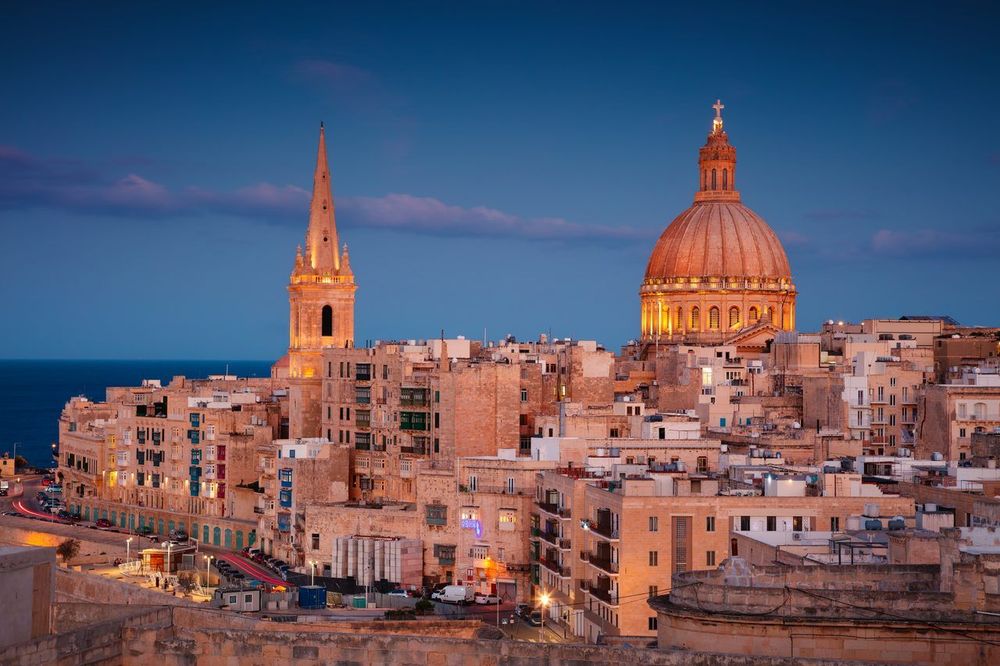
© Shutterstock
 Votre guide Ryo
Visiting Valletta Solo: The Complete Walking Itinerary (2026)
Visiting Valletta solo starts with an advantage few capitals offer: you never need more than twenty-five minutes to cross the city from one end to the other on foot. No metro to decipher, no neighbourhood to avoid after dark: the fortified city of the Knights of St John can be explored in complete independence, without adjusting your pace to that of a group. To lay the groundwork before you set off, the Ryo audio tour of Valletta acts as a travel companion available at any hour, with no booking or set schedule required.
Behind its honey-coloured ramparts, the Maltese capital hides details that few hurried visitors take the time to notice: a co-cathedral housing two Caravaggio canvases on a floor entirely paved with inlaid marble tombs, a noble residence still inhabited by the same family, hanging gardens overlooking one of the largest natural harbours in the Mediterranean, and a narrow street that British sailors once nicknamed "the Gut". Allow half a day for the essentials, a full day to wander without watching the clock.
Why Visit Valletta Solo
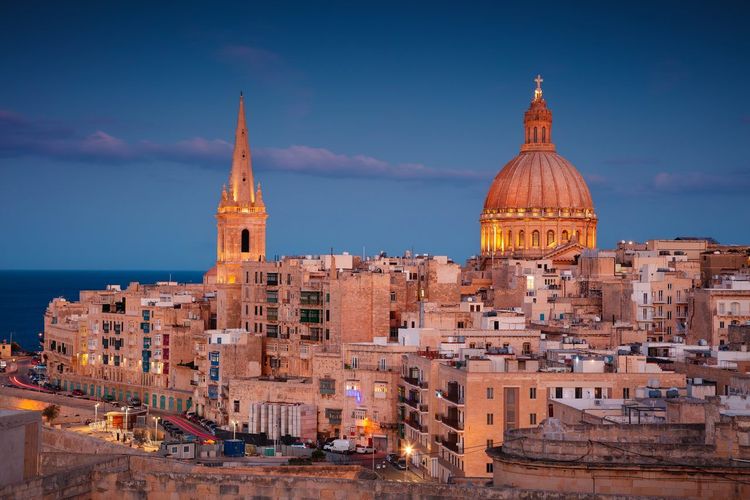
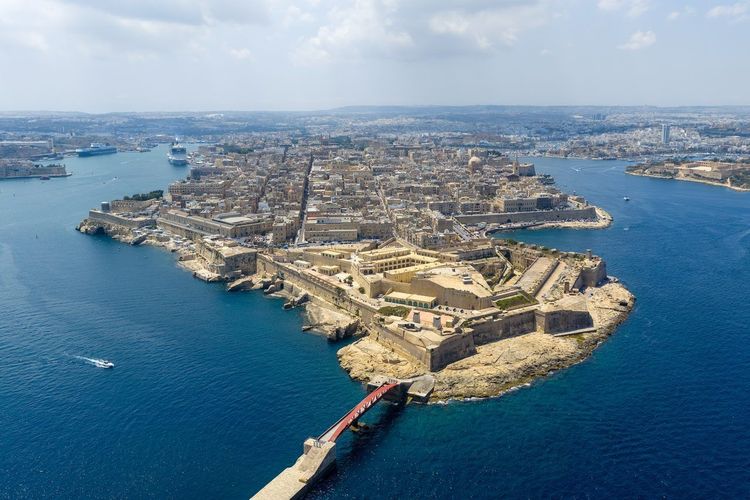
Few European capitals lend themselves so well to solo exploration. Valletta fits entirely on a peninsula of less than one square kilometre, flanked by the sea on both sides and largely closed to traffic in its historic heart. It is almost impossible to stay lost for long: the grid plan laid out by the Knights of the Order of St John always leads back to one of the two main thoroughfares.
The visit is done almost exclusively on foot, with occasional changes in elevation between the bastions and the harbour, but never over long distances. This is the city that rewards walkers more than any other in Malta: every perpendicular street hides a viewpoint, a chapel or a terrace, and nothing forces you to follow a set itinerary. Travelling solo here requires neither particular vigilance nor complicated logistics. The capital is among the safest and most vibrant areas of the archipelago, with busy streets well into the evening around Republic Street.
There remains the question most solo travellers ask themselves: full independence or a guided visit? It all depends on the pace you want to set for your day — a point covered in more detail further on.
The Must-See Historic Landmarks
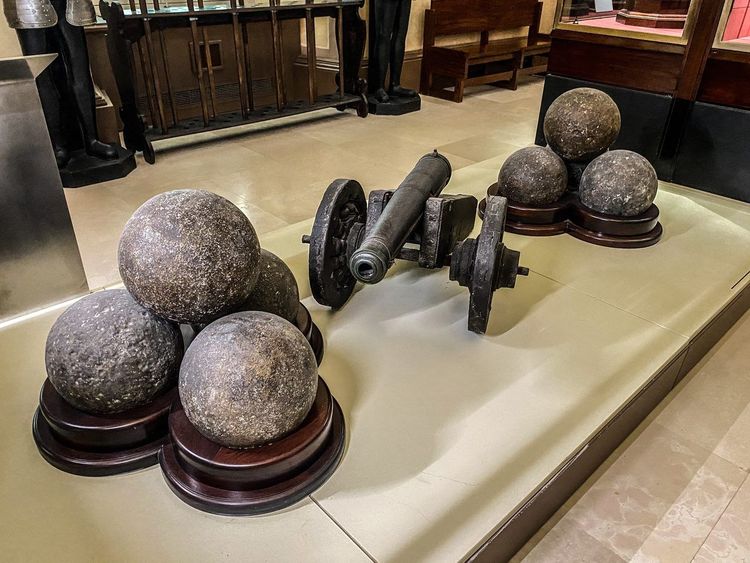
Every solo visitor logically begins at the symbolic gateway to the capital. City Gate (City Gate, Valletta, Malta) opens onto Republic Street, the commercial thoroughfare running through the city from end to end, right next to the open-air theatre designed by Renzo Piano on the ruins of the former Royal Opera House bombed in 1942. A few minutes' walk is enough to reach the Grand Master's Palace, once the seat of the Knights' power and later the residence of British governors, today occupied by the office of the Maltese president. Its State Apartments, decorated with frescoes depicting the Great Siege, and its armoury holding several thousand pieces can be visited in under an hour.
A few streets away stands the monument you will most likely place at the top of your list: St John's Co-Cathedral. From the outside, its façade remains austere and almost military. Inside, it is the complete opposite: each side chapel, funded by a different tongue of the Order, competes in gilding and marble marquetry. The entire floor is made up of around 400 funerary slabs inlaid with the coats of arms of the knights who rest there. In the adjacent oratory, two works by Caravaggio are on display, including The Beheading of Saint John the Baptist, the only canvas ever signed by the painter. Allow 45 to 60 minutes for the visit, more if you linger in front of each chapel.
Continuing towards the tip of the peninsula, Fort Saint-Elmo (Fort Saint Elmo, Valletta, Malta, rated 4.6/5 on Google from 1,607 reviews) closes the historical loop. Built in a matter of months in 1552, it held out against Ottoman forces for nearly a month during the Great Siege of 1565, at the cost of almost its entire garrison. It now houses the National War Museum, which traces this founding episode as well as the British occupation and the Second World War siege. From its ramparts, the view extends across the entire Grand Harbour and the Three Cities on the other side of the water.
To limit queues, book St John's Co-Cathedral online the day before in summer; in low season, morning slots are generally available on the spot. These four stops form the core that almost no visitor skips, and for good reason: they tell, in order, the story of the city's founding by the Knights and its transformation into a colonial capital. With the Ryo audio tour of Valletta in your ears, the Grand Master's Palace, the Co-Cathedral and Fort Saint-Elmo take on a new dimension: the commentary places each site within the history of the Knights of the Order, with no guide to follow.
Hidden Gems and Lesser-Known Spots
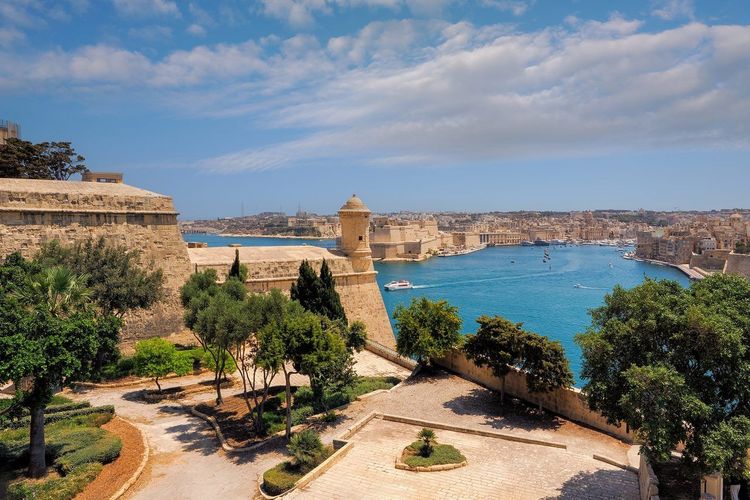
Beyond the four major monuments, Valletta holds views that day-trippers don't always have time to discover. The Upper Barrakka Gardens, laid out on a bastion once reserved for the Knights of the Italian tongue, offer the best free panorama in the city over the Grand Harbour and the Three Cities. At noon and at 4pm, a cannon salute fired from the Saluting Battery just below still marks the day as in British times. A little further south, St Barbara's Bastion offers a similar view with far fewer people: ideal if you are looking for a break away from cruise ship groups.
For a glimpse into the private life of the Maltese nobility, push open the door of Casa Rocca Piccola, a 16th-century palace on Republic Street still inhabited by the de Piro family, who open its salons, chapel and rock-hewn wartime shelters to visitors. Nearby, the Manoel Theatre, inaugurated in 1732 and one of the oldest theatres still in operation in Europe, can be visited during the day when no rehearsal is taking place in its gilded Italian-style auditorium. The National Museum of Archaeology, housed in the former Auberge de Provence, rounds out the picture with the Neolithic statuettes found at the archipelago's megalithic sites, including the famous Sleeping Lady of Ħal Saflieni.
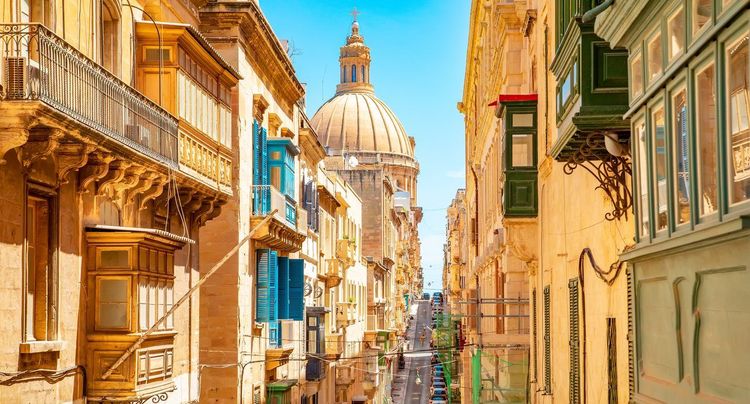
The more contemporary face of the capital reveals itself at the end of the day. The quays of the Valletta Waterfront, 18th-century warehouses converted into restaurants and bars, also welcome cruise ships just below the fortifications and come alive particularly at sunset. Higher up in the city, Strait Street (Strait Street, Valletta, Malta, rated 4.5/5 on Google from 106 reviews), one of the narrowest streets in the historic centre, was for decades the red-light district frequented by Royal Navy sailors before becoming a hub of cocktail bars and small concert venues. Wandering without purpose through the adjacent alleyways, between colourful wooden balconies and laundry strung from window to window, remains the best way to feel the pulse of the city when travelling solo.
These are precisely the spots that organised tours skim over for lack of time. The Ryo audio guide dedicates specific stops to them, at Strait Street as well as the Upper Barrakka Gardens, with along the way an anecdote about Casa Rocca Piccola absent from printed guides.
The Recommended Walking Itinerary, Step by Step
Here is the most logical sequence for visiting Valletta solo without retracing your steps, from City Gate to sunset over the harbour.
Start at City Gate and walk up Republic Street for about 300 metres to Pjazza San Ġorġ, where the Grand Master's Palace stands (15 minutes with a few photo stops). Continue to St John's Co-Cathedral, barely five minutes away, and allow 45 to 60 minutes for the full visit including the Caravaggio oratory. On leaving, head down towards St Barbara's Bastion and then the Upper Barrakka Gardens (20 minutes of walking and visiting), where the view over the Grand Harbour deserves a proper pause. Then make your way down to Strait Street and the surrounding alleyways (25 minutes to wander), before heading to Fort Saint-Elmo at the tip of the peninsula.
Quick summary of the route: City Gate, Grand Master's Palace, St John's Co-Cathedral, St Barbara's Bastion and Upper Barrakka Gardens, Strait Street, Fort Saint-Elmo. Allow 3 to 4 hours for the whole circuit at a moderate pace, and up to 6 hours if you enter every paid monument.
Have a full day? Several additions fit in without disrupting the itinerary: Casa Rocca Piccola and the National Museum of Archaeology slot in naturally between the Co-Cathedral and the gardens, and a lunch break at the covered market Is-Suq tal-Belt falls perfectly around midday. In that case, allow 8 to 9 hours including breaks.
What is the minimum time needed to cover all of Valletta? Half a day is enough for the main sites if you don't enter every museum — far less than in most European capitals, precisely because the city is so compact.
The main advantage of this itinerary for a solo traveller: it can be paused as easily as it can be resumed. A coffee on Republic Street, a conversation with a shopkeeper, a photo that takes longer than expected — none of it throws the day off balance. Do bring water and closed-toe shoes, as some cobbled sections between the bastions become slippery after rain.
This is, in fact, the order followed by the Ryo audio tour of Valletta: each audio stop launches as you approach the site, with no departure time or group to wait for.
Why Valletta Looks So Distinctive
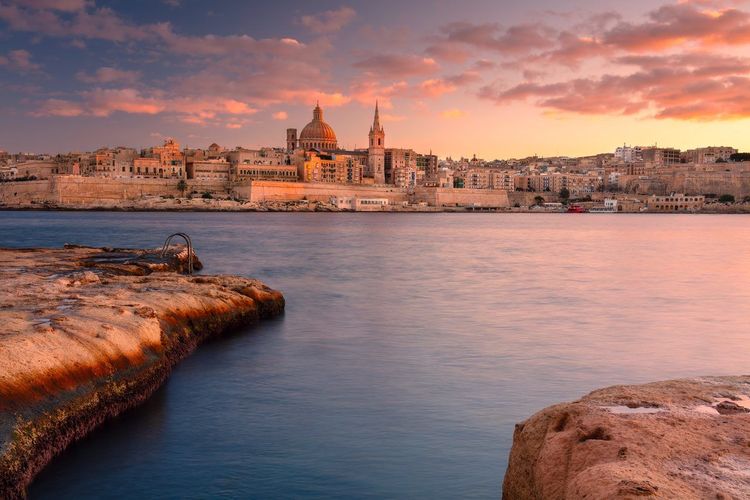
The city's story begins with a trauma. In 1565, the Knights of the Order of St John, established in Malta since 1530, endured the Great Ottoman Siege: nearly four months of bombardment and assaults, the loss of Fort Saint-Elmo and heavy casualties among the garrison, before the Turkish fleet eventually withdrew. Grand Master Jean de la Valette, who gave his name to the future capital, then decided to build an entirely new city on the Mont Sceberras peninsula, conceived from the outset as an impregnable fortress.
Military engineer Francesco Laparelli drew up an almost perfect grid plan — a rarity for the period — with perpendicular streets laid out to facilitate troop movement and rainwater drainage. Every bastion, every golden limestone curtain wall was calculated to provide a clear angle of fire. This rigour explains why you will never stay lost for long: Malta, in good order, is a fair summary of Valletta. Inscribed on the UNESCO World Heritage List since 1980, the city has preserved this original plan almost intact.
Independent Visit or Guided Tour: What to Choose as a Solo Traveller?
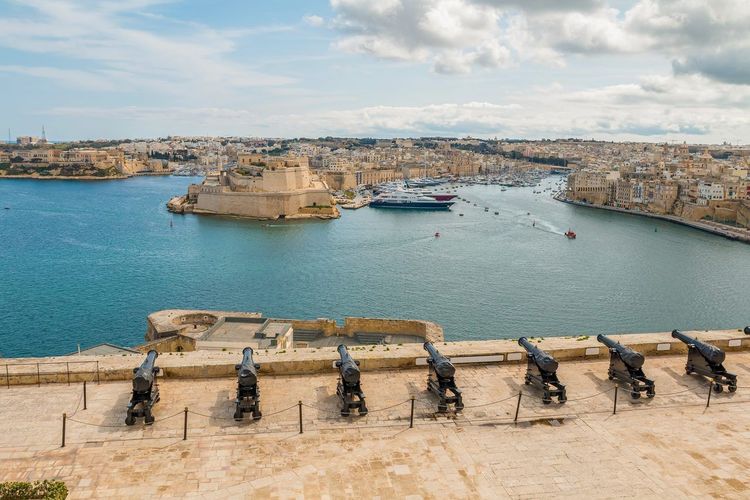
For a solo trip, independence almost always wins out in Valletta. The city is small enough and safe enough to explore without a guide, and English, an official language alongside Maltese, makes the signage clear at most paid sites.
Group guided tours still have real value for St John's Co-Cathedral or the Grand Master's Palace, where a local guide adds anecdotes that standard audio guides often leave out. Their drawback for solo travellers remains the imposed pace: impossible to linger in a chapel you love or cut short a room that holds less interest for you.
Free walking tours, very popular elsewhere in Europe, remain rare and irregular here. When they do exist, they are most useful for historical context at the start of a stay.
Independence then makes complete sense: moving at your own pace without depending on a meeting time, while maintaining a level of information comparable to that of a human guide. That is the role of the Ryo audio guide for a solo traveller in Valletta — a visit companion you can pause at any moment.
Where to Eat in Valletta Without Getting Ripped Off
As in any tourist capital, terraces set directly on Republic Street or facing the main monuments charge significantly higher prices for often mediocre quality. A few streets are all it takes to change the picture.
For a quick Maltese lunch, step into the nearest neighbourhood pastizzeria: pastizzi (ricotta or pea pastries) rarely cost more than a euro each, and ftira, Maltese bread filled with tuna, capers, olives and tomatoes, makes a complete meal at a low price. The covered marketIs-Suq tal-Belt, housed in a restored Victorian building, brings together around ten stalls ranging from traditional Maltese cuisine to international dishes: convenient for eating solo without having to choose a restaurant in advance.
For dinner, tables nestled within the fortifications offer a quality-to-view ratio that is hard to beat. Rampila (Triq il-Papa Piju V, Valletta, Malta, rated 4.4/5 on Google from 2,396 reviews), set within the St James Bastion close to City Gate, serves Mediterranean cuisine in a spectacular setting, especially at dusk when the stone takes on ochre hues. Ask for a terrace table rather than one indoors.
A simple rule of thumb to avoid disappointing spots: be wary of laminated menus with photos, translated into five languages and displayed at the entrance. Conversely, a short menu changed with the seasons is generally a good sign.
During the hottest hours, between 1pm and 4pm in summer, it is best to slow down. Cafés in the shade of arcades or near the Upper Barrakka Gardens lend themselves to a cool break with a lemon granita or a Kinnie, the typically Maltese bitter soft drink, before resuming the itinerary once the heat eases.
How to Get to Valletta and Get Around Solo
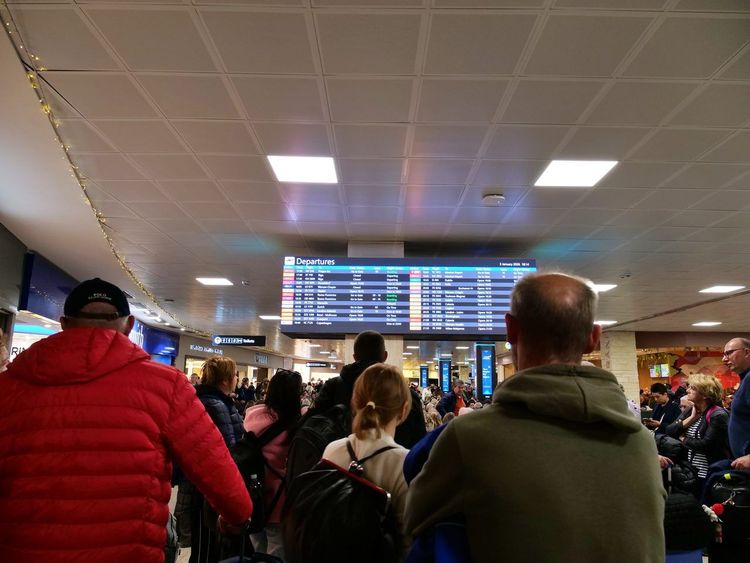
Malta International Airport is located about 8 km from the capital, in Luqa. The X4 bus connects the airport directly to Valletta in 30 to 40 minutes depending on traffic, for €2 in winter and €2.50 in summer (ticket valid for two hours, including connections). This is the most economical option if you are travelling light; a taxi or ride-hailing service costs around €20 to €25 but avoids any waiting.
On the ground, Valletta is best explored on foot: car traffic is very restricted in the historic centre, and the main sites are all within 15 minutes' walk of one another. From Sliema, on the opposite shore of Marsamxett, the ferry remains the most pleasant crossing: about ten minutes' travel, €3 one way during the day (€3.50 in the evening), with views of the fortifications that are worth the trip in themselves.
Can you walk from Sliema to Valletta? Yes, by going around the harbour via Msida and Floriana, but allow over an hour along a poorly shaded road with little of interest compared to the ferry.
One thing to be aware of when travelling solo: in Malta, traffic drives on the left, as in the United Kingdom, and local drivers have a well-earned reputation for driving fast near major junctions. Look both ways before crossing, even at pedestrian crossings. For trips beyond the capital, the rechargeable transport card (available at the airport and authorised points of sale) simplifies back-and-forth journeys to Mdina or the south of the island.
Where to Stay in Valletta
Staying within the walls remains the most practical choice for a solo trip centred on exploring on foot: you are a few minutes from every monument and can return without crossing the harbour at night. The offer there is more limited and more expensive than elsewhere on the island, ranging from townhouses converted into boutique hotels to charming addresses set in former palaces. Expect from €90 to €110 per night in high season, more for a harbour view.
On a tighter budget, look towards Floriana, the garden city adjoining Valletta on the landward side, 10 to 15 minutes' walk from City Gate, where rates are often gentler. Sliema, connected by ferry, offers more hostels and studios for smaller budgets, at the cost of depending on the ferry or bus to return after a late dinner.
Practical Tips for Planning Your Solo Trip to Malta
When to go. The best time to visit Valletta runs from April to June and from September to early November: temperatures between 20 and 28°C, beautiful light on the ramparts and noticeably fewer crowds than in July–August. The Maltese winter remains mild, around 15°C, but some sites reduce their opening hours.
When the city is packed. On port call days, cruise ships deposit several thousand passengers onto the Waterfront quays, with a peak between 10am and 1pm around the main sites. Starting before 9am, or after 3pm when the ships depart, radically changes the experience, especially at St John's Co-Cathedral.
What to avoid. Don't schedule your only day in Valletta on a Sunday afternoon: many shops and some independent restaurants close, and the Co-Cathedral is closed to visitors on Sundays. Don't underestimate the Maltese sun either, even in the shoulder season: the pale stone reflects heat more intensely than the thermometer suggests.
What to pack. Worn-in, closed-toe shoes matter more than anything else: the limestone cobbles, smooth in places, are unforgiving on thin soles. Add a hat and sunscreen year-round, a type G plug adapter (as in the United Kingdom) and, if you plan a boat trip to the Blue Grotto, water shoes.
Tap water. Tap water is drinkable, largely sourced from desalination, but its strong taste leads most residents towards bottled or filtered water. A filtering bottle remains the best option for an economical solo trip.
One last detail: Malta uses the euro and English is an official language, which makes communication straightforward for a first solo trip.
Extending Your Stay Around Valletta
Once the capital's essentials have been ticked off, several extensions allow you to connect Valletta to the rest of your stay in Malta, with one or two extra days.
The most immediate option is to cross the Grand Harbour to the Three Cities, the historical cradle of the Knights before Valletta was built. The crossing by dgħajsa, the traditional brightly coloured boat, costs a few euros and takes under ten minutes — a far more authentic alternative than the harbour cruises. In Birgu (Birgu, Malta), you will wander through cobbled alleyways, a yacht marina and 16th-century bastions. In Senglea (Senglea, Malta), the fortified tip offers one of the best viewpoints over Valletta itself, often deserted even in high season.
For a full day, the south of the island offers three classic excursions, combinable by bus or organised tour. Marsaxlokk and its colourful fishing harbour, famous for its luzzu boats painted in blue, yellow and red, is best visited on a Sunday morning for its fish market. The Blue Grotto, a group of sea caves with turquoise waters accessible by small boat from Wied iż-Żurrieq, is best discovered in the morning when the sun illuminates the inside of the cavities. Popeye Village, the set built for the 1980 film starring Robin Williams, is most worth visiting for its sunset over Anchor Bay.
Even closer, a few minutes' walk from City Gate, the MICAS (Triq Sant'Anna, Floriana, Malta, rated 4.3/5 on Google from 245 reviews) (Malta International Contemporary Art Space), recently opened in restored former fortifications in Floriana, extends a heritage morning into an afternoon dedicated to contemporary creation.



FAQ
How long does it take to visit Valletta in one day?
Allow 3 to 4 hours for the main sites (City Gate, Grand Master's Palace, St John's Co-Cathedral, gardens and Fort Saint-Elmo) at a moderate pace. A full day allows you to add Casa Rocca Piccola, the National Museum of Archaeology and a crossing to the Three Cities.
Is Valletta a hilly city, difficult to explore on foot?
The city has some elevation changes between the bastions and the harbour level, with stepped streets in places, but nothing insurmountable. Comfortable closed-toe shoes are all you need.
Can you visit Valletta for free?
Largely yes: the ramparts, alleyways, Upper Barrakka Gardens, St Barbara's Bastion, City Gate and Republic Street can all be explored without a ticket. Only the interiors of monuments (St John's Co-Cathedral, Grand Master's Palace, Fort Saint-Elmo, Casa Rocca Piccola) are paid, generally between €10 and €15 each.
What is the best time to visit Valletta?
April–June and September–early November offer the best balance between pleasant weather and moderate crowds. July–August is very hot and very busy; winter is mild but some sites reduce their opening hours.
Do you need to book St John's Co-Cathedral in advance?
It is not mandatory, but recommended in high season: a time slot booked online the day before avoids most of the wait, which can exceed 30 minutes in summer between 10am and 1pm.
Can you walk from Sliema to Valletta?
Yes, but the journey takes over an hour going around the harbour. The ferry (about ten minutes, €3 during the day) is far preferable, with the added bonus of views over the fortifications.
Is it easy to travel solo in Valletta?
Yes: the city is compact, pedestrian-friendly, lively in the evening and among the safest areas in the archipelago. With English as an official language, communication poses no difficulty.
Valletta delivers a rare promise for a solo trip: an entire capital that can be discovered in half a day, without ever feeling like you've missed the essentials. Between golden ramparts, baroque chapels and hanging gardens overlooking the Grand Harbour, every street perpendicular to Republic Street holds its own surprise.
To turn this list into a concrete walk, launch the Ryo audio tour of Valletta at City Gate and let it guide you, from the Grand Master's Palace to sunset over Fort Saint-Elmo.