© Shutterstock
 Votre guide Ryo
Visit Funchal in 3 Days: The Complete Itinerary to Discover Madeira in 2026
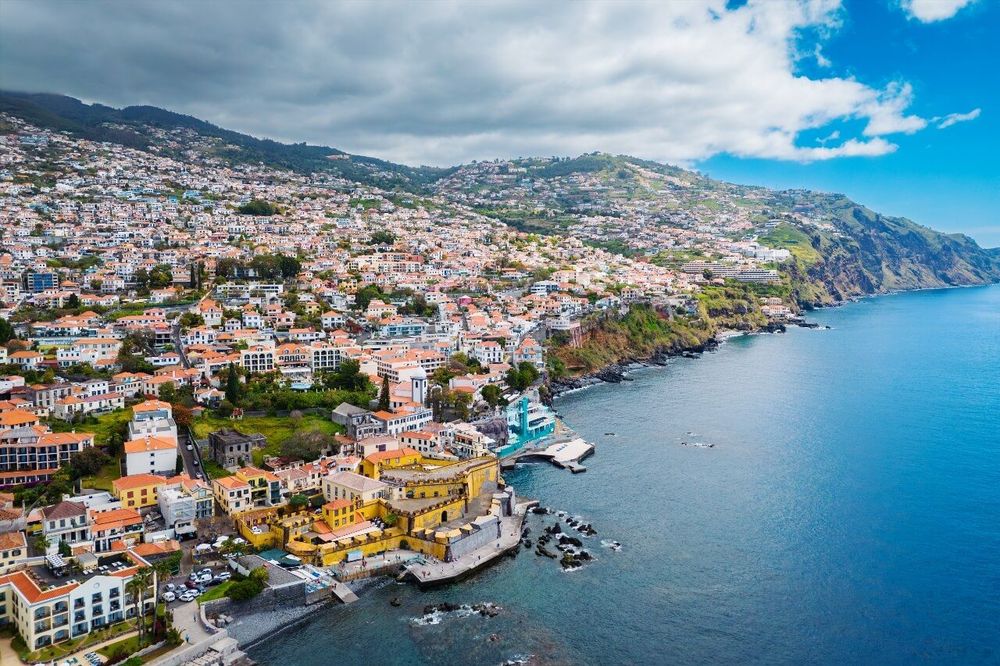
In Funchal, locals sometimes say their city fits in a single glance: on one side the Atlantic Ocean pounding against the cliffs, on the other green peaks climbing to over 500 metres within just a few kilometres. This verticality changes everything about how to visit Funchal in 3 days: here, you don't tick off a flat list of monuments, you move through the tiers of a city that can be explored just as well on foot along its cobbled lanes as by cable car above the rooftops. The Ryo audio-guided tour of Funchal follows exactly this logic and serves as a practical guiding thread if you want to explore Madeira's capital without wasting time.
In three days, there is plenty of time to wander through the historic centre where every door on Rua Santa Maria is painted by a different artist, to ride the cable car up to the tropical garden of Monte Palace, to slide down the hill in a wicker toboggan as the neighbourhood's residents did in the 19th century, and to watch dolphins offshore from a boat leaving straight from the marina. You can also go further to the hillside village of Curral das Freiras or to the dizzying Cabo Girão skywalk, one of the highest cliffs in Europe. This guide details a day-by-day itinerary, the must-sees, where to stay, how to get around, and how much to budget for this stay in Madeira.
Funchal in 3 Days: How Much Time Do You Really Need?
Three days are enough to see the essentials of Funchal and to treat yourself to one or two excursions around the rest of the island. It is the most common format for an extended weekend in Madeira, and it is more than enough not to feel frustrated when you leave.
Is it long enough, though? That depends on your pace. If you like to take your time in museums and stop at every café terrace, three days go by quickly between the historic centre, Monte and the water activities. If you are the type to string together visits from 9 a.m., you will even have room for an extra half-day in Curral das Freiras or Caniço, detailed later in this article.
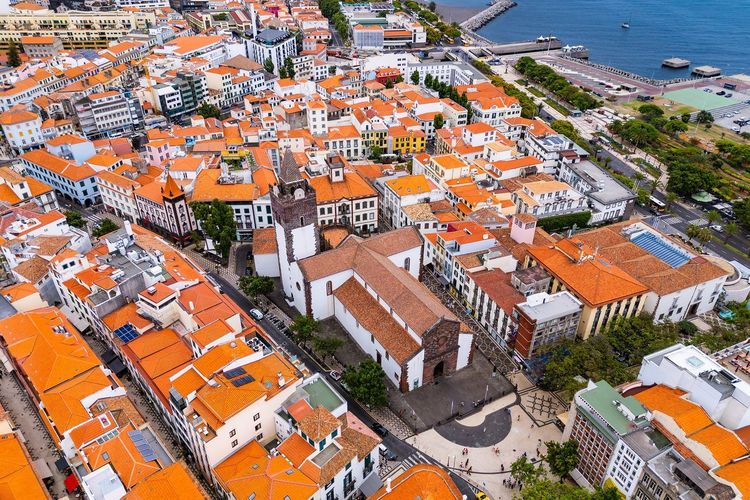
Funchal isn't just a destination in itself: it is also the best base for exploring the rest of the island. The city concentrates most of the accommodation, restaurants and bus connections to Madeira's mountainous interior, which makes it a logical base even if your main goal is to hike the levadas or see the north of the island. Before leaving, take five minutes to locate the main areas of your stay on a map: the historic centre by the water, the Monte district perched on the heights, the marina to the west of the seafront, and the roads heading towards Câmara de Lobos or Curral das Freiras inland. This overview helps you avoid wasting time on unnecessary journeys during such a short stay.
The itinerary that follows is built around this geography: one day for the town centre and its heritage, one day for the heights of Monte, one day for the ocean and the surroundings. Follow it in order or adapt it to the weather of the moment.
Day 1: Old Town, Heritage and Gastronomy in Funchal
Morning: The Old Town and Rua Santa Maria
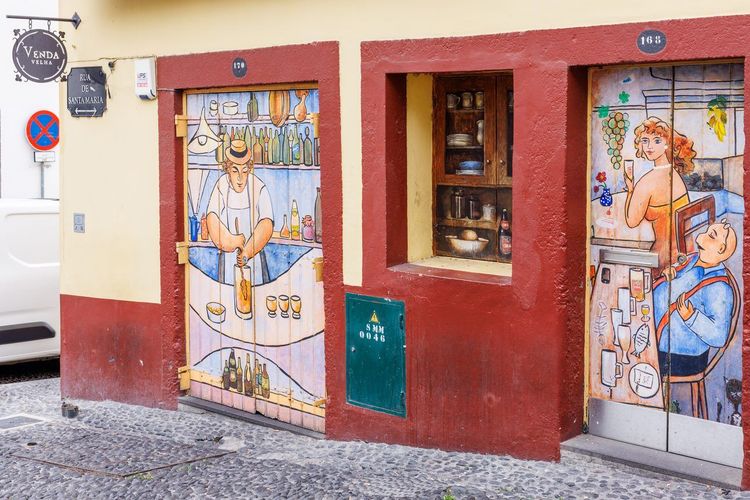
Begin your first day in Funchal with the old town, the Santa Maria district that climbs gently from the seafront. In the 2010s, residents had the idea of having every door on the street painted by a local artist: the result, more than 200 doors turned into small works of art, changed the reputation of this once somewhat neglected district. Today Rua Santa Maria is one of the most photographed streets in Madeira, and strolling along it early in the morning, before the groups arrive, remains the best time to enjoy it.
Allow one to one and a half hours to walk up the whole street without rushing, stopping in the small galleries and craft workshops that have settled among the painted doors. The district is explored entirely on foot, and that's a good thing: the cobbled lanes, steeply sloped in places, are unforgiving to suitcase wheels.
In this district you will also come across a few workshops of Madeira embroidery, the textile tradition that made the island's reputation among English visitors from the 19th century. Some houses still take orders by hand, and the know-how is passed down from generation to generation despite competition from imported goods.
Midday: Sé Cathedral and Mercado dos Lavradores
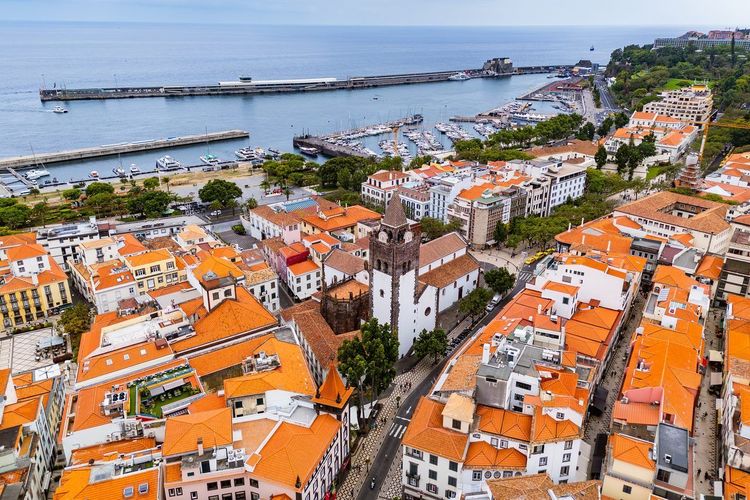
On your way down towards the centre, stop at the Sé Cathedral, built in the late 15th century in volcanic stone with a carved wooden ceiling in Mudéjar style, one of the few remnants of Manueline architecture on the island. Right next door, the Church of the Jesuit College displays a later Baroque façade that is just as steeped in local religious history.
Visiting both takes about 30 to 45 minutes. Entry to the cathedral is free, which makes it a pleasant break before the market, especially if the sun is already beating down at midday.
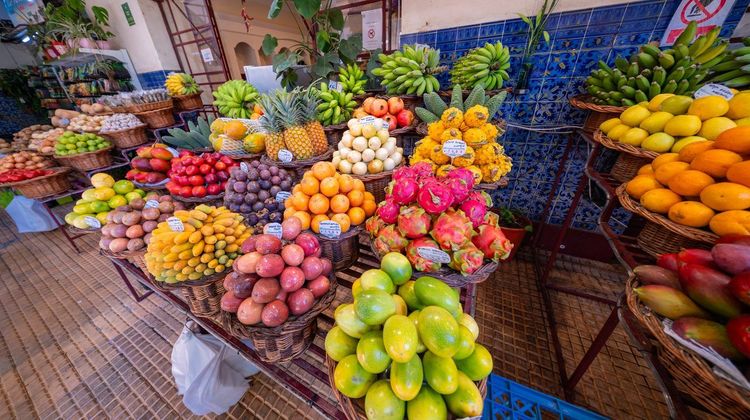
Five minutes away on foot is the Mercado dos Lavradores, Funchal's covered market since 1940. Its Art Deco architecture frames stalls of tropical fruit piled into colourful pyramids, the fish hall at the back of the building, where you can sometimes watch the local black scabbardfish being cut, and, right at the entrance, flower sellers in traditional costume who have been offering birds of paradise and orchids for decades. This is also where a good share of the produce you will later find in the restaurants of the historic centre originates: the stalls change little, but the atmosphere, a mix of local market and tourist curiosity, is well worth a visit even with no intention of buying.
Afternoon and Evening: Museums, Beach and Dinner in the Historic Centre
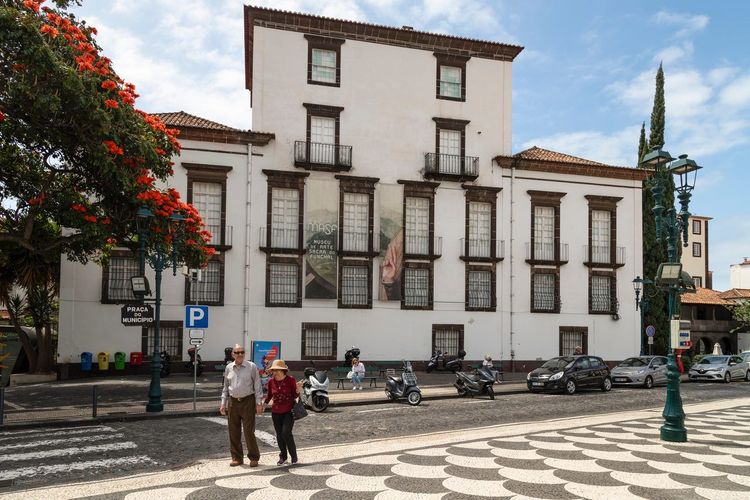
The afternoon lends itself to a cultural break, with a choice of two modest but well-kept venues. The Museum of Sacred Art houses a collection of Flemish paintings brought back by Madeiran sugar merchants in the 16th century, a surprise for many visitors who don't expect to find such a quality collection on a small Atlantic island. The Photography Museum, housed in the Vicente's studio, one of the oldest photo studios in Portugal, founded in the 19th century, instead traces Madeira's visual history through period cameras and prints.
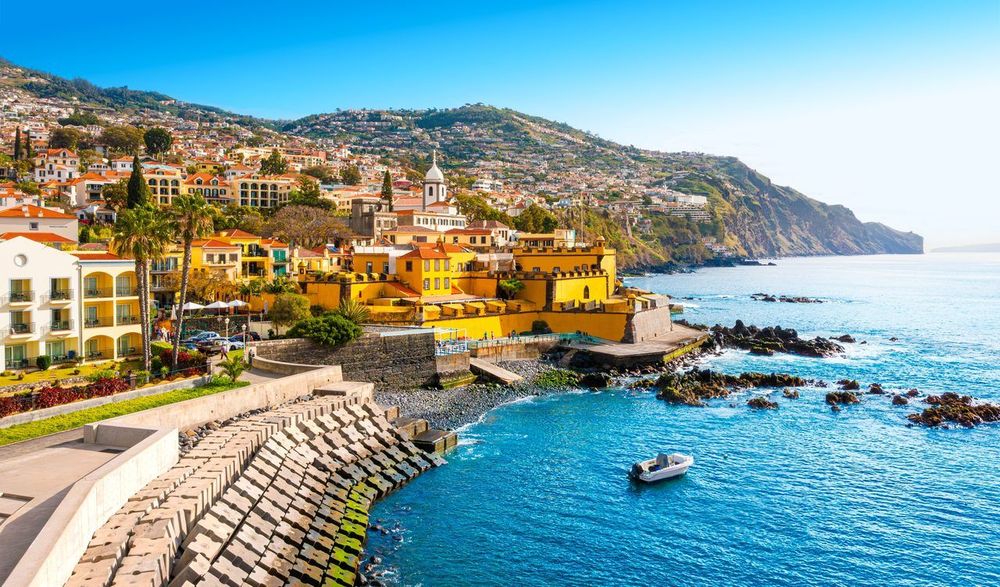
If you prefer water to culture, head to Praia da Barreirinha or Praia de São Tiago (Rampa do Pico de São João, 9060 Funchal, rated 4.4/5 on Google from 150 reviews), the former developed into a bathing complex with pools and sea access, the latter a small pebble beach at the foot of São Tiago fort, a few minutes' walk from the historic centre. These are not sandy beaches, as Madeira has almost none, but the water is clear and the setting, dominated by the colourful cliffs of the district, is a complete change from the rest of the day.
For dinner, the historic centre is full of places serving espetada, the beef skewer grilled on a bay laurel branch and hung above the table, accompanied by local corn bread (bolo do caco). Many restaurants around Rua Santa Maria display their menus in several languages, a good indicator for spotting places used to visitors without sacrificing the quality of the produce.
This is precisely the itinerary, from Rua Santa Maria to the Mercado dos Lavradores via the Sé Cathedral, followed by the Ryo audio-guided sub-tour dedicated to Funchal's historic centre. The commentary is triggered as you walk, including an anecdote about the origin of the covered market that few visitors know before going in.
Day 2: Monte, Cable Car and Nature at Altitude
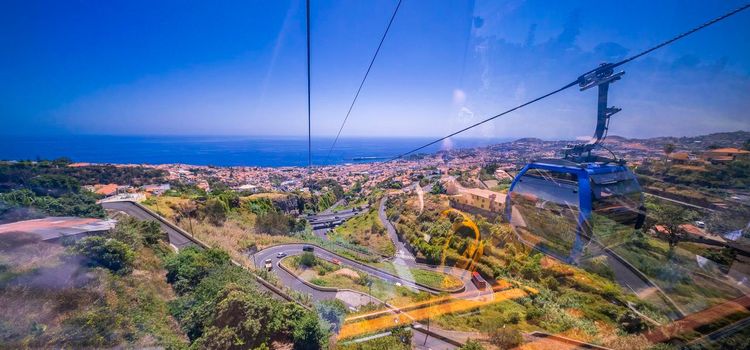
Morning: The Funchal Cable Car and Monte Palace
The second day begins with Funchal's most spectacular ascent: the Funchal cable car, which links the seafront to the Monte district in barely fifteen minutes, at over 550 metres of altitude. The cabin glides over the gardens and red-tiled roofs of the town centre, with a view that gradually opens up over the whole bay as you gain height.
Set off early, ideally before 10 a.m., to avoid the queue and enjoy softer light over the bay. Allow about fifteen minutes for the cabin ride and plan on a one-way ticket if you intend to come back down by toboggan, which is precisely the next stop of the day.
Once at the top, the Monte Palace Tropical Garden stretches over several hectares around a former luxury hotel opened in the early 20th century. You will come across Japanese carp ponds, collections of succulent plants brought from South Africa, Portuguese azulejos set into the walls of a tunnel, and a rose garden that changes with the seasons. Two hours are enough to go around without hurrying, but botany enthusiasts can easily spend half a day here.
Midday: Wicker Toboggan and Local Tasting
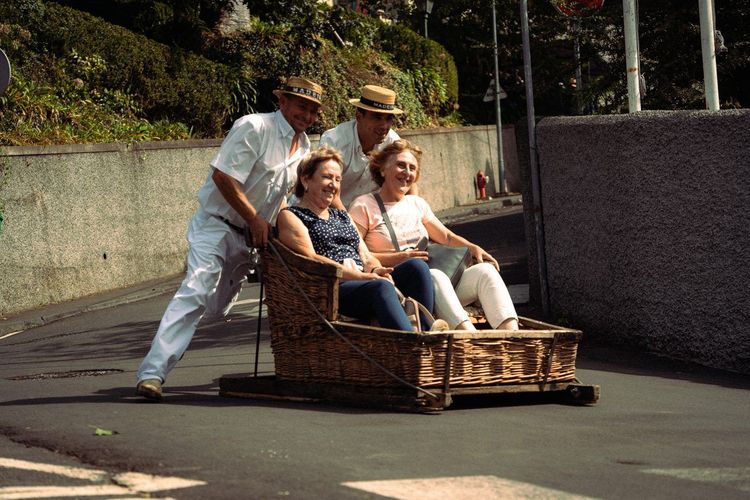
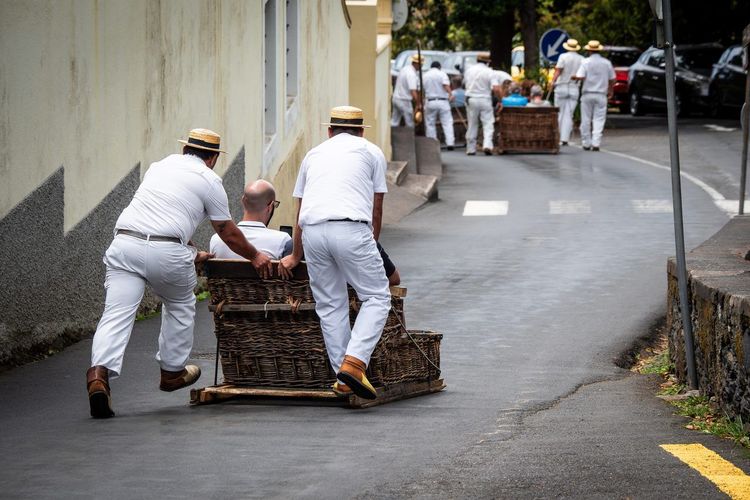
Right next to the church of Monte, the carros de cesto have been waiting for visitors for over a century. Two men in white outfits and straw hats seat you in a wicker basket mounted on wooden runners, then push you down nearly two kilometres of paved slope to the Livramento district. It was originally a means of transport for Monte's residents before becoming, from the 1900s, one of Madeira's most unusual attractions.
The descent lasts about ten minutes and costs a few dozen euros per basket, for one or two people. Thrills guaranteed, especially in the first bends: some visitors prefer to film rather than live the experience, but most come down smiling.
The toboggan ride leaves you in Livramento, still on the heights: a taxi or a bus takes you back down to the centre in a quarter of an hour, the ideal moment for a lunch break where you can try poncha, the typical Madeiran drink made from sugarcane rum, honey and citrus juice, or simply a hot bolo do caco filled with garlic butter.
Afternoon: Botanical Garden, Seafront and CR7 Museum
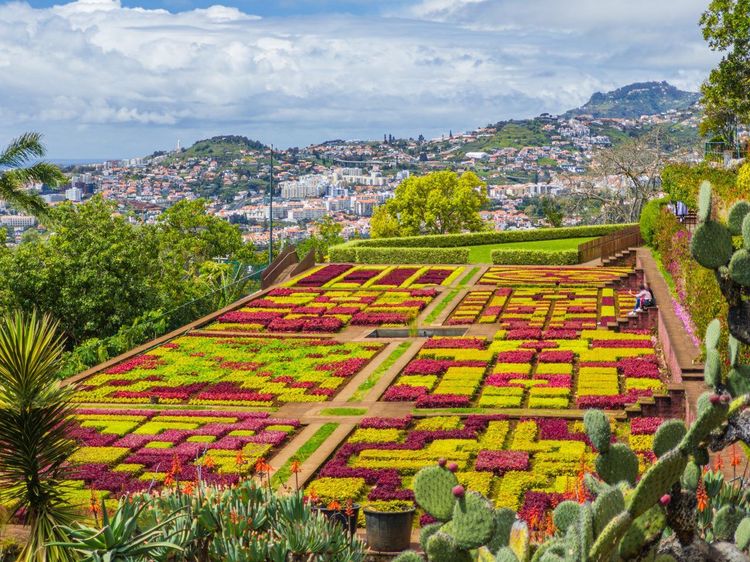
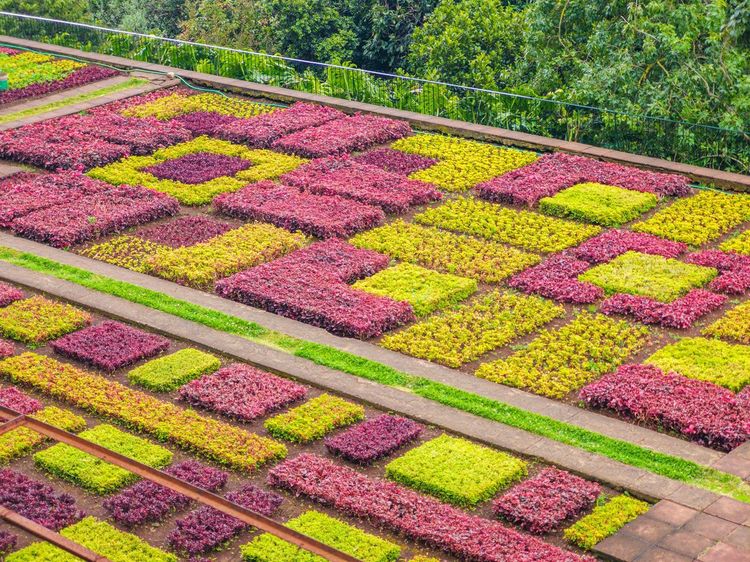
The afternoon is split between nature and local curiosity. The Madeira Botanical Garden, located on the heights east of the city, features more than 2,000 plant species arranged in terraces with an open view over Funchal and the bay. There is also a small natural history museum and an aviary, handy if you are travelling with children tired from the morning's walking.
Wine lovers can instead head back down to the centre to visit Blandy's Wine Lodge, a cellar founded in the 19th century that offers a Madeira tasting, the fortified wine that made the island's international reputation since the era of the great sea crossings.
Continuing towards the seafront, the CR7 Museum (Av. Sá Carneiro 7, 9000-017 Funchal, rated 4.3/5 on Google from 14,924 reviews) traces the career of Cristiano Ronaldo, born and raised in Funchal, through trophies, jerseys and a bronze statue placed right in front of the entrance. Whether or not you are a football fan, the walk that follows along the seafront to the marina is pleasant at the end of the day, with its terraces facing the sunset over the Atlantic.
Before heading up, keep your phone within reach: the Ryo audio-guided tour of Funchal starts from the lower cable car station and tells you, step by step, how the city was built between the ocean and the heights of Monte, a way to look at the bay differently once you are in the cabin.
Day 3: Water Activities and Excursions to the West of Madeira
Morning: Dolphin and Whale Watching
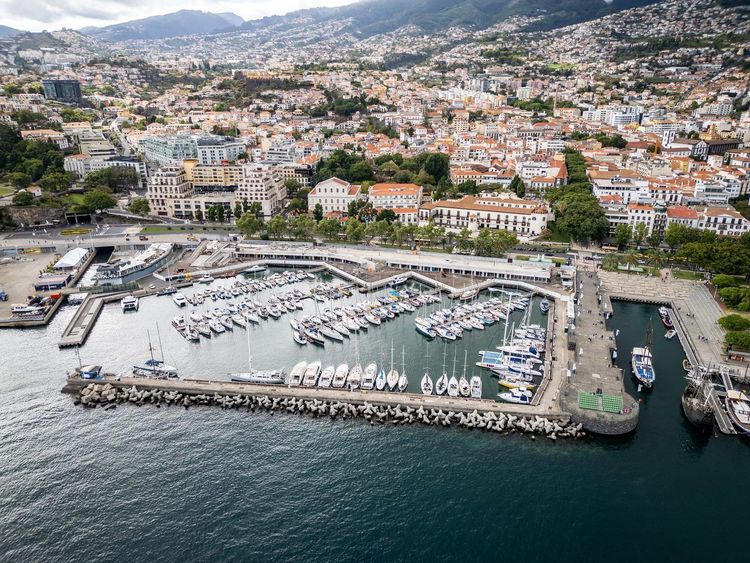
The third day turns towards the ocean. Several catamarans leave every morning from the Funchal marina to watch dolphins, present all year round in the deep waters around Madeira, and sometimes whales depending on the season, notably sperm whales and beaked whales between April and October. Trips generally last two to three hours.
Boats leave early, between 9 and 10 a.m., when the sea is calmest and the chances of spotting cetaceans are best. Book the day before in low season and several days ahead in summer, as places go fast.
Some operators take a marine biologist on board who comments live on the behaviours observed, a real plus for understanding what you are looking at rather than simply taking photos.
Midday and Afternoon: Water Activity or Canyoning
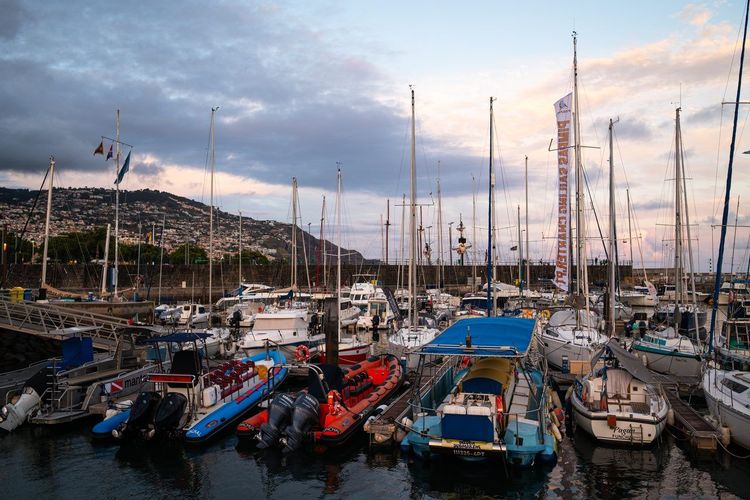
Back on land, the afternoon lends itself to a more physical activity. Diving around Funchal gives access to artificial wrecks deliberately sunk to create reefs, as well as underwater life that is surprisingly rich for the Atlantic, among groupers and rays. Several centres offer introductory dives without prior certification.
Thrill-seekers can instead head inland for a canyoning session in Madeira's lush gorges, or simply stay on the coast for paddleboarding or snorkelling along the rocky coves near the marina.
If you are torn between the two, think about the day's weather: diving tolerates an overcast sky, while canyoning calls for dry, stable weather, especially after heavy rain that swells the mountain streams.
Towards Câmara de Lobos and the Cabo Girão Skywalk
At the end of the day, head west for one of Madeira's most beautiful coastal drives. Câmara de Lobos (Câmara de Lobos, 9300 Madeira, rated 4.6/5 on Google from 2.7K reviews), a small fishing village twenty minutes' drive from Funchal, has kept its colourful boats pulled up on the slipway and its weathered-façade houses repainted by local artists. Winston Churchill came here to paint his watercolours in the 1950s, and a small commemorative space is dedicated to him not far from the seafront.
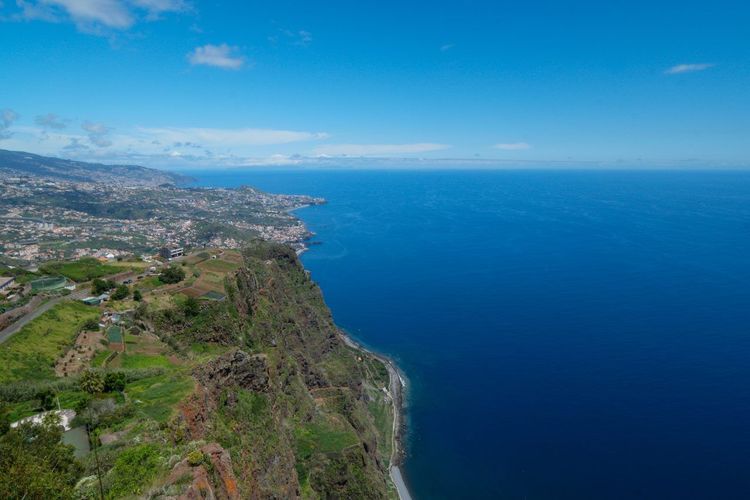
A few minutes further on, the Cabo Girão skywalk extends as a glass platform over a 580-metre cliff, one of the highest sea cliffs in Europe. Beneath your feet, you can sometimes make out the small terraced plots clinging to the cliffside, an agricultural system inherited from the first Portuguese settlers who sorely lacked flat land on the island. The sense of emptiness is intense, even for visitors who are not afraid of heights.
If you followed the Ryo audio guide the day before in the centre, you will recognise the same maritime history here: that of an island that lived from fishing, sugar and then wine, and of which Câmara de Lobos remains the best-preserved witness.
For dinner on this third evening, the seaside restaurants around the marina often offer the best freshness-to-view ratio, with fish caught that very morning and a terrace overlooking the water.
Funchal's Must-Sees You Shouldn't Miss
The Most Beautiful Gardens and Viewpoints
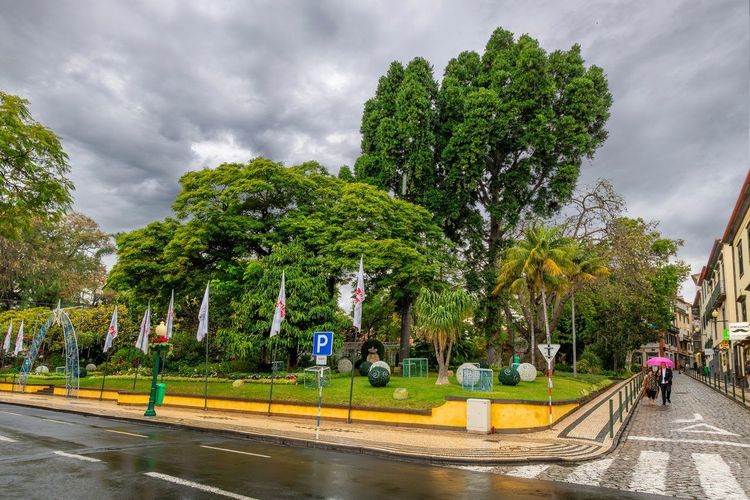
Beyond the three days detailed above, Funchal still has a few gardens that deserve a separate mention. The Jardim Municipal, in the heart of the town centre, offers a free shaded break between two visits, with centuries-old trees and a bandstand. For panorama lovers, the viewpoint at Pico dos Barcelos, west of the city, overlooks the whole bay and can be visited in a short hour round trip.
If you must choose only one, go for the Botanical Garden already detailed on Day 2: it is the most complete and the most representative of Madeira's subtropical flora.
Museums to Visit According to Your Interests
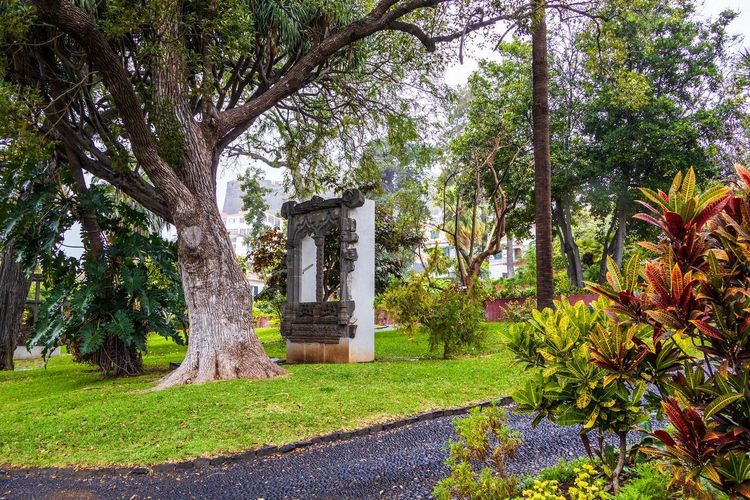
Funchal has plenty of small themed museums, often housed in old buildings in the centre. Besides the Museum of Sacred Art, the Photography Museum and the CR7 Museum already mentioned above, the Museu da Quinta das Cruzes presents furniture and decorative arts from the 17th to the 19th century in a quinta surrounded by a sculpture garden.
If you must choose only one museum over three days, pick the one that best matches your mood: sacred art for religious history, photography for a 20th-century atmosphere, or the Quinta das Cruzes for the setting and the garden around it.
Beaches and Natural Pools Around the City
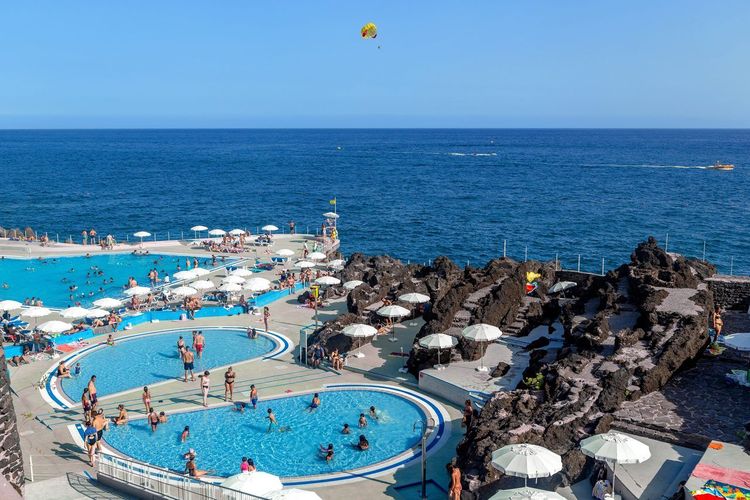
As Madeira is not an island of fine sand, most swimming in Funchal takes place in natural pools or purpose-built basins. Besides Praia da Barreirinha and Praia de São Tiago seen on Day 1 (and the other places detailed in our selection of the most beautiful beaches in Madeira), the Complexo Balnear do Lido (R. do Gorgulho, 9000-121 Funchal, rated 4.5/5 on Google from 2,713 reviews), west of the city, offers filtered seawater pools set directly into the volcanic rock, a good option with children who don't like waves too much.
The Funchal Ecological Park, on the heights, completes this list for a wilder hike along the levadas, the irrigation channels that have criss-crossed the whole island since the 15th century.
If you are short of time to tick off each of these must-sees separately, the Ryo audio-guided tour of Funchal already links most of them in a single walking loop, handy for a three-day stay where every hour counts.
Excursions Around Funchal: Nuns' Valley, Curral das Freiras and Caniço
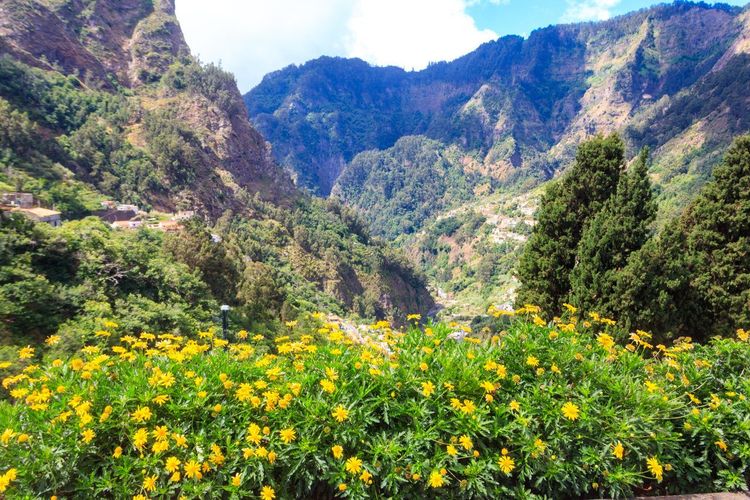
Curral das Freiras and the Eira do Serrado Viewpoint
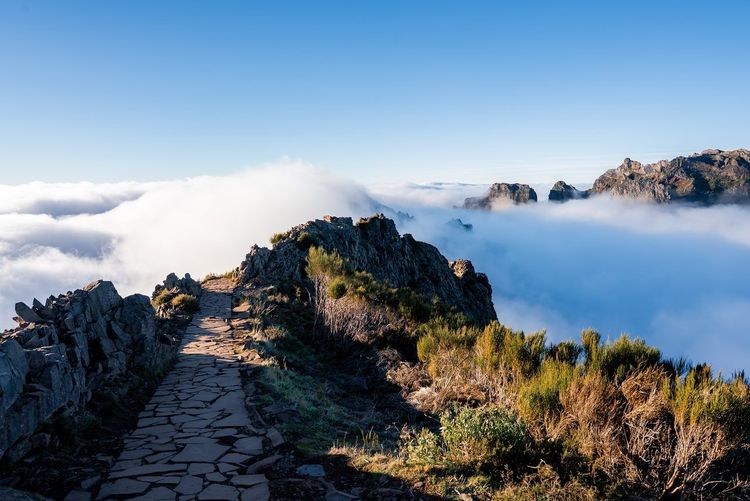
Twenty minutes' drive from Funchal, up a winding mountain road, the village of Curral das Freiras hides at the bottom of a volcanic crater surrounded by peaks that sometimes exceed 1,400 metres. Its name, literally "nuns' corral", comes from the nuns who took refuge there in the 16th century to escape pirate attacks on the coast.
Just before heading down, stop at the Eira do Serrado viewpoint, at over 1,000 metres of altitude, for a plunging view over the whole village and the surrounding ridges. In clear weather, it is one of Madeira's most spectacular panoramas, less than half an hour from the centre of Funchal.
The Nuns' Valley and the Ecological Park
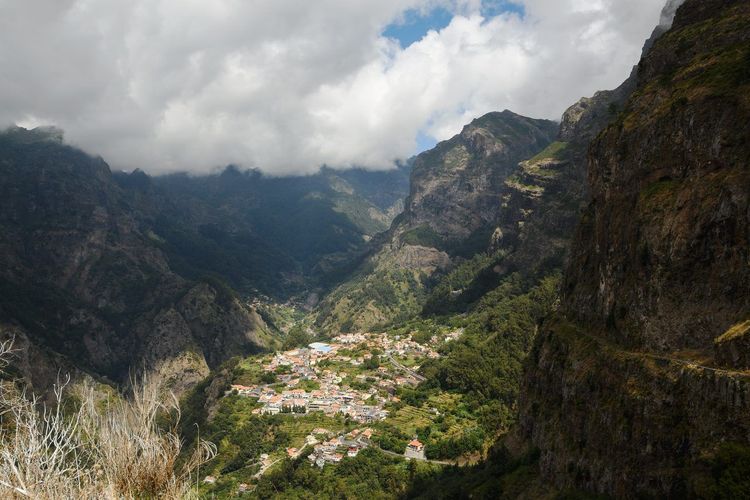
The village of Curral das Freiras is also known as the Nuns' Valley, a term that more broadly designates this whole enclosed basin in the heart of the island. You can taste the local chestnut here, grown on the surrounding slopes and turned into liqueur or cake depending on the season, a speciality not found elsewhere on the island.
The Funchal Ecological Park, already mentioned above, naturally extends this excursion into the mountainous interior, with several marked trails along the levadas for anyone wanting to walk an hour or two more.
Caniço, a Quieter Alternative
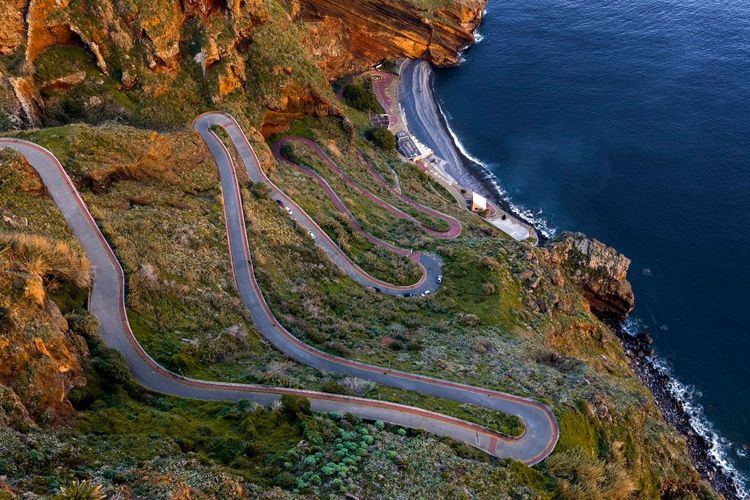
East of Funchal, Caniço (Caniço, 9125 Caniço) offers a calmer and more residential alternative to the bustle of the town centre. This village, now partly absorbed by neighbouring seaside resorts, keeps an old cobbled centre and a Baroque parish church completed in 1783 that contrast with the hotel complexes built along the coast in the 1990s and 2000s.
A little further on, at the eastern tip of the island, the arid peninsula of Ponta de São Lourenço served as a backdrop for the series Star Wars: The Acolyte (2024), where it plays the planet Ueda from the very first scene. The PR8 trail, about 3 hours round trip, lets you walk through this almost lunar landscape, 40 minutes by car from Funchal.
Funchal with Family or a Culinary and Cultural Version: Alternative Itineraries
Funchal with Family
With children, some stops on the standard itinerary deserve to be rearranged. The cable car and the wicker toboggan on Day 2 are generally the big favourites, followed closely by the botanical garden and its aviaries. The marina and the dolphin watching on Day 3 also work very well with children from 6-7 years old, provided you check the minimum age set by each boat operator.
For the youngest or in case of midday fatigue, the natural pools of Praia da Barreirinha or the Complexo Balnear do Lido offer a refreshing break without the constraints of a sandy beach. Just bring water shoes: the volcanic floor of these pools stays slippery and sometimes sharp in places.
A Gastronomic and Cultural Interlude
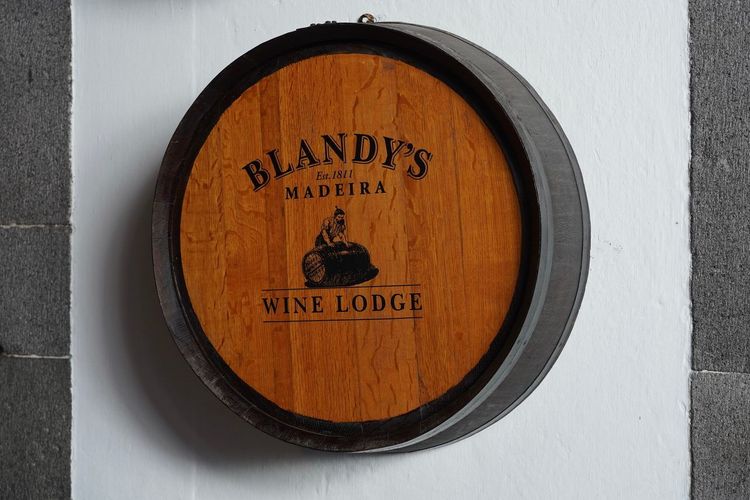
For a stay more focused on food and heritage, devote more time to the historic centre spots identified on Day 1, adding a visit to Blandy's Wine Lodge for a more in-depth Madeira tasting than the simple break on Day 2. Food lovers can also book a table at one of the starred restaurants on the seafront, increasing in number in recent years as Madeira attracts a more demanding clientele.
Complete this cultural interlude by visiting one or two typical churches in the centre, often open free of charge during the day, and the museum that best matches your curiosity of the moment among those already mentioned above: sacred art, photography or Quinta das Cruzes.
Where to Stay in Funchal: Which Neighbourhood to Choose
The Historic Centre for Sightseeing on Foot
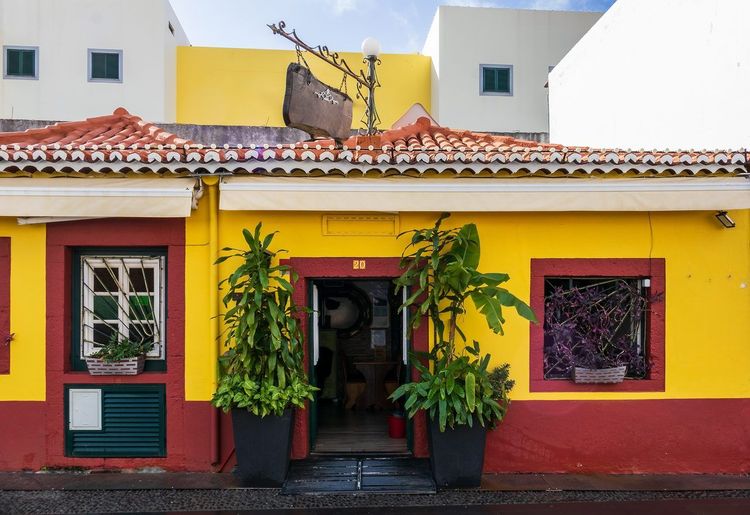
Staying in the historic centre, around Rua Santa Maria or Avenida Arriaga, remains the most practical option for a three-day stay organised like the one described above. You are within walking distance of the cathedral, the Mercado dos Lavradores and the lower cable car station, which greatly simplifies getting around on Day 1 and the start of Day 2.
The downside: the streets are sometimes noisy in the evening, especially at weekends, and hotels there are generally more expensive than in the more outlying districts. If you are looking for quiet above all, it is better to look a little further away.
Residential Neighbourhoods and the Seafront for More Quiet
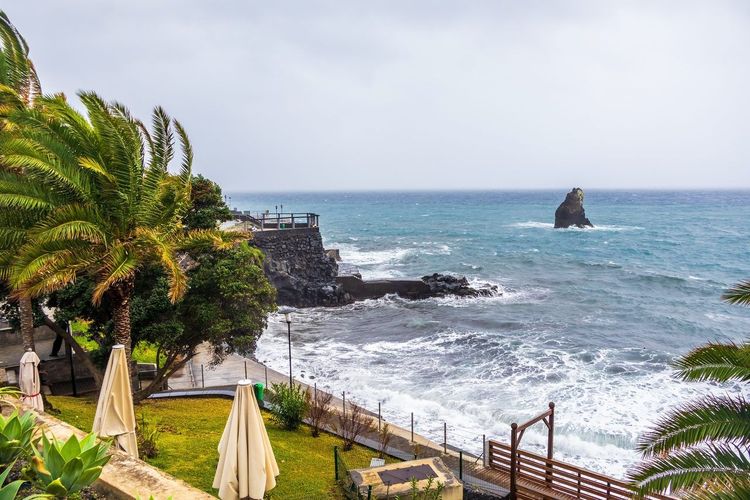
West of the centre, the neighbourhoods around the Lido and the seaside promenade offer newer hotels, often with a pool and views of the Atlantic, fifteen to twenty minutes' walk from the historic heart. It is a good option for families or for anyone who wants to head back and rest away from the tourist bustle at the end of the day.
Further east, towards Caniço or the residential heights of Funchal, you will find rentals with open views and often gentler rates, at the cost of a bus or car journey to reach the centre each morning. This option mainly suits you if you rent a car for the three days, which simplifies the back-and-forth.
How to Get Around Funchal
On Foot in the Town Centre
The historic centre, the marina and the seafront can all be covered entirely on foot, on generally flat terrain despite a few slopes towards the old town. Allow 20 to 30 minutes to cross the centre from one end to the other, without having to worry about any parking.
How to Get to Funchal
Madeira Cristiano Ronaldo International Airport is located in Santa Cruz, about twenty kilometres east of Funchal. Allow 20 to 25 minutes by road to reach the centre: the Aerobus links the airport to the main hotels for a few euros, while a taxi costs around 30 to 35 euros. From Paris, direct flights take about 4 hours; try to land early on the first day so as not to cut into your visit of the old town.
Rental Car and Parking
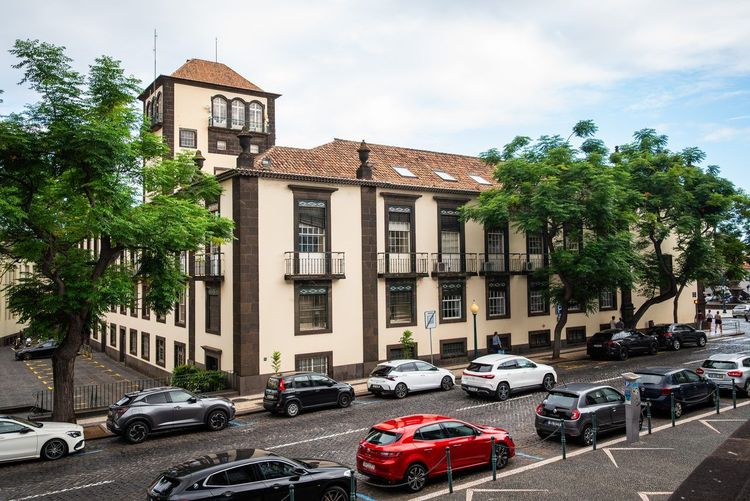
For the Day 3 excursions to Câmara de Lobos and Cabo Girão, or for the fourth-day option to Curral das Freiras, a rental car simplifies things a lot: buses exist but frequencies remain limited towards the mountainous interior. Madeira's roads, often winding and sometimes running through tunnels, require some attention at the wheel but nothing insurmountable for a driver used to mountains.
Parking in the town centre remains limited and paid during the day; it is better to book a hotel with parking included if you plan to keep the car for the whole stay.
Buses, Taxis and Cable Car
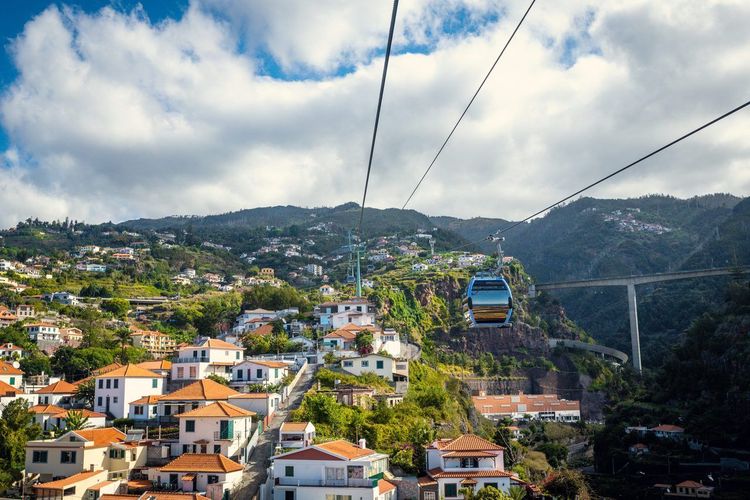
The urban bus network serves the centre, Monte and the residential districts adequately, with single tickets or daily passes that are good value over three days. Taxis remain affordable for short trips, especially in the evening, and the Day 2 cable car works as an attraction as much as a real means of transport to the heights.
When to Visit Funchal: Weather, Crowds and Events
The Weather Season by Season
Funchal enjoys a mild subtropical climate all year round, rarely below 13°C in winter and rarely above 28°C in summer. The months from June to September remain the driest and sunniest, perfect for the Day 3 water activities, while winter, from November to February, brings more rain, especially at altitude around Monte and the botanical garden.
Spring, between April and May, offers a good compromise: the gardens are in full bloom, temperatures remain pleasant without the heat or the crowds of summer, and accommodation prices drop slightly compared to high season.
Even in case of light rain, the itinerary described above remains feasible: the Mercado dos Lavradores, the museums and Blandy's Wine Lodge can be visited under cover, and only the Day 3 half-day on the water really needs good weather.
Tourist Crowds and Carnival
The high season runs from June to September, reinforced by the year-end holidays, particularly popular in Funchal for its New Year's fireworks, long ranked among the biggest in Europe. Hotel prices rise noticeably during these periods, and it is better to book boat excursions several days in advance.
If your stay falls in February or March, you may be lucky enough to attend the Funchal Carnival, one of the most colourful in Portugal, with a parade of floats and costumed groups that crosses Avenida Arriaga over several consecutive days.
What Budget to Plan for 3 Days in Funchal
For three days in Funchal excluding flights, plan on roughly 250 to 400 euros per person travelling at a moderate pace: mid-range accommodation, a few restaurant meals and two or three paid activities such as the cable car, the toboggan or a boat trip.
The breakdown varies greatly depending on the level of accommodation chosen, often the heaviest item in the budget. Allow between 60 and 120 euros per night for a decent hotel in the town centre, 15 to 20 euros per person for a simple meal with espetada and dessert, about 15 euros one way on the cable car (20 euros round trip), 20 to 30 euros per person for the wicker toboggan, and between 40 and 60 euros for a dolphin-watching boat trip.
If the weather turns during your stay, simply switch to the indoor activities detailed above, the cathedral, covered market or museums, without losing money on cancelled bookings: most water excursions offer a free rescheduling in case of weather-related cancellation.
Visiting Funchal in 1 Day, 2 Days or More: Adapting the Itinerary
The Essentials in 1 Day
With only one day in Funchal, focus on the Day 1 historic centre and the cable car ride up to Monte. Skip the botanical garden and the CR7 Museum to save time, and prioritise Rua Santa Maria, the cathedral, the Mercado dos Lavradores and then the wicker toboggan in late morning.
A Tighter Version in 2 Days
Over two days, keep Days 1 and 2 as they are and drop the Day 3 water activities, possibly replacing them with a quick excursion to Câmara de Lobos in the late afternoon of the second day, on the way back to your accommodation if you are staying west of the city.
Extending Beyond 3 Days
Beyond three days, the excursions to Curral das Freiras, the Nuns' Valley and Caniço detailed above become perfectly doable in half a day each. A fourth or fifth day also lets you venture to the wilder north of Madeira, or to the island of Porto Santo, reachable by ferry from Funchal. To choose your stops outside the city, our list of the 10 must-sees in Madeira will help you sort through them.
Whatever the length chosen, this guide's itinerary remains flexible: keep the Day 1/Day 2/Day 3 framework as a foundation and remove or add half-days depending on your available time.



FAQ
How long does it take to visit Funchal?
Three days cover the essentials of the city and leave room for one or two excursions. Two days are enough for a tighter overview, while beyond three days you can add the surrounding areas such as Curral das Freiras or Caniço without rushing.
What can I see and do in Funchal on foot?
The historic centre, the Sé Cathedral, the Mercado dos Lavradores, the marina and the seafront can all be explored entirely on foot. Only Monte, the botanical garden and excursions to the west or the interior of the island require a cable car, a bus or a car.
What are the 10 must-see and must-do things in Madeira?
Beyond Funchal, Madeira's highlights include the Cabo Girão skywalk, the village of Câmara de Lobos, the levadas of the ecological park, Curral das Freiras, the botanical garden, the cable car and toboggan ride in Monte, the natural pools of Porto Moniz in the north, and the cliffs of the east near Caniço.
What is the prettiest spot in Madeira?
Opinions differ, but Curral das Freiras and its Eira do Serrado viewpoint often top the list, alongside the Cabo Girão cliffs and the fishing village of Câmara de Lobos, all accessible on a half-day excursion from Funchal.
Do you need to rent a car to visit Funchal in 3 days?
Not necessarily if you stay focused on the centre, Monte and the marina, which are well served on foot or by cable car. A car becomes useful as soon as you add Câmara de Lobos, Cabo Girão or Curral das Freiras, which are less practical by bus on a tight schedule.
What budget should you plan for 3 days in Funchal?
Plan on between 250 and 400 euros per person excluding flights, with mid-range accommodation, a few restaurant meals and two or three paid activities such as the cable car or a boat trip.
Is Funchal worth the detour on a trip to Madeira?
Yes: the city concentrates the island's historic heritage and the best selection of restaurants and accommodation, and it serves as a practical starting point for exploring the wilder landscapes of Madeira's interior and coasts.
In Summary: Your 3 Days in Funchal
Three days in Funchal are enough to understand why so many visitors return to this island whose geography is as compact as it is spectacular: an old town explored on foot in a single morning, a cable car that completely changes your viewpoint over the bay, and coastal excursions that can rival the most beautiful Atlantic roads in Europe.
If you prefer to walk at the pace of your own ears rather than follow a paper guide, the Ryo audio-guided tour of Funchal retraces most of the stops detailed in this article, from the historic centre to the heights of Monte, with commentary that triggers automatically at each stop. All that's left is to add the excursions to Câmara de Lobos or Curral das Freiras to complete these three days at your own pace.