© Shutterstock
 Votre guide Ryo
Visit Granada in 2 Days: Complete Itinerary Between Alhambra and Albaicín (2026)
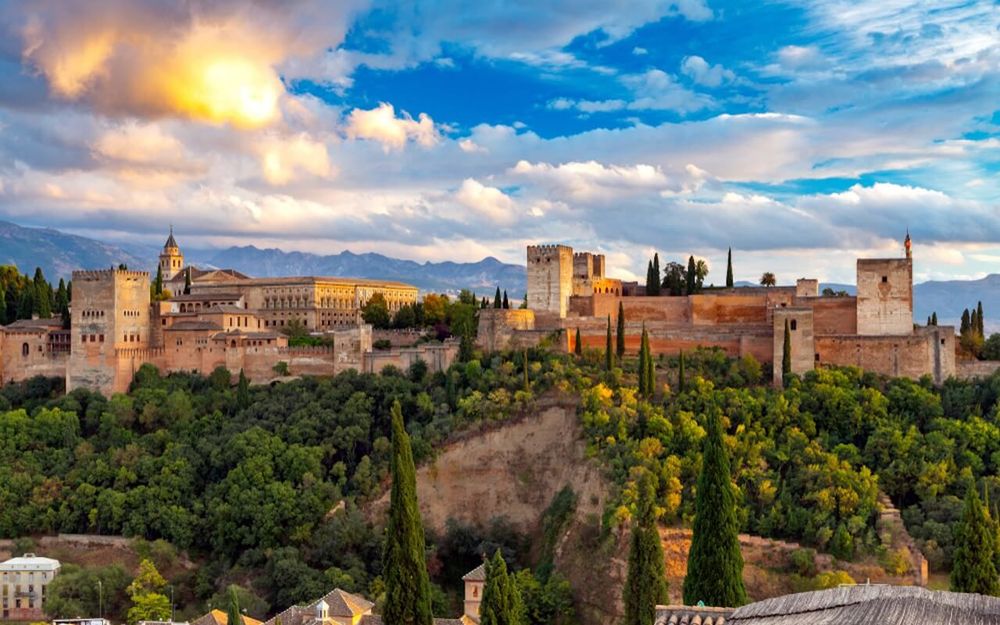
One walk up to the Alhambra at sunrise is all it takes to understand why Granada almost always keeps its visitors longer than planned. Nestled at the foot of the Sierra Nevada, this Spanish city layers eight centuries of Muslim presence, a labyrinthine historic center, and viewpoints that change color every hour. Visiting Granada in 2 days is enough to tick off the essentials: the Nasrid palace listed as a UNESCO World Heritage Site, the white lanes of the Albaicín, a sunset at the Mirador de San Nicolás, and a flamenco evening in a cave in the Sacromonte. Along the way, you will also come across the house where Federico García Lorca wrote his first poems, a hammam inherited from the 11th-century Arab baths, and bars that still serve a free tapa with every drink ordered — a rare tradition in Spain. Popular with backpackers and weekend travelers alike, the city can be explored almost entirely on foot, its main neighborhoods connected by sloping lanes rather than bus lines. This guide lays out an hour-by-hour itinerary for both days, complete with recommended addresses, a realistic budget, and options for extending your stay. To visualize the full route between the Alhambra and the Albaicín before you leave, the Ryo audio guide for Granada follows this exact itinerary in self-guided mode.
Why Spend 2 Days in Granada?
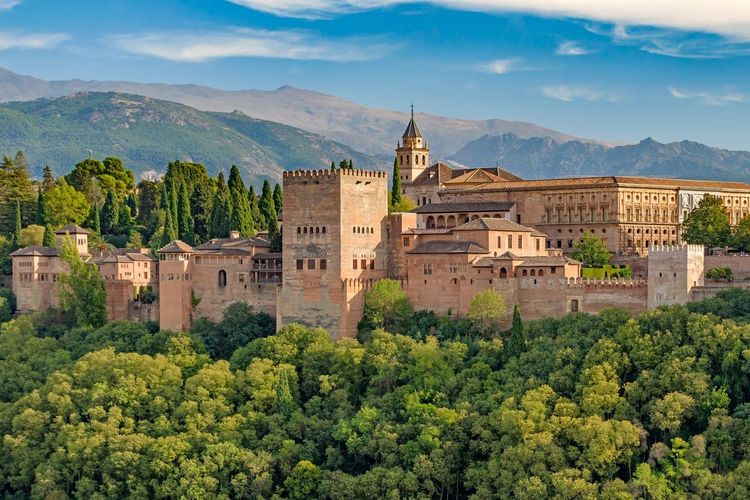
Granada carries the history of Spain at a precise moment: the point where the last Muslim kingdom in Western Europe, the Nasrid sultanate, came to an end in 1492 against the Catholic Monarchs. This turning point left behind a city written in two scripts, where a Moorish palace stands beside a Renaissance cathedral built over a mosque, where Arabic still echoes in the street names of the Albaicín, and where flamenco took root in the caves of the Sacromonte.
This density of heritage fits within a compact area. Unlike Seville or Córdoba, Granada concentrates its major sites — the Alhambra, the cathedral, the Albaicín, and the Sacromonte — within a radius of less than three kilometers. Two days are therefore enough to move between them without spending your entire stay on transport, provided you book the Alhambra in advance and accept a brisk pace.
The city also remains affordable and lively beyond its paid monuments: the free tapas tradition, the free views from the miradors, and accommodation prices — lower than in Barcelona or Madrid — make it a realistic weekend destination even on a tight budget. Many travelers who initially planned just one day in Granada as part of a broader Andalusian road trip including Seville and Córdoba end up wishing they had booked an extra night, as the density of a 24-hour itinerary proves quite exhausting.
How to Get to Granada and Get Around

Plane, Train, or Bus to Granada
The Federico García Lorca Granada-Jaén Airport (GRX) is located 17 kilometers from the city center and receives direct flights from Paris, London, Brussels, and Madrid depending on the season. A shuttle connects the airport to the center in 45 minutes for around €3; a taxi costs closer to €25–30.
From Madrid, the high-speed train connects the capital to Granada in around 3 hours 15 minutes since the direct line opened in 2019, a significant improvement over the previous connections. From Seville or Málaga, the bus is a better option: ALSA operates several daily services, with a journey of 1h30 from Málaga and around 3 hours from Seville.
Getting Around on Foot and by Bus
Granada's historic center is best explored on foot: the Albaicín, the Realejo, and the city center are connected by narrow, often hilly lanes where vehicles have no place anyway. Pack good shoes rather than a bus map. Allow about 20 minutes on foot between Plaza Nueva — a practical starting point for most visits — and the main entrance to the Alhambra via the Cuesta de Gomérez.
For longer journeys or when fatigue sets in, the municipal minibuses C1, C2, C3, and C4 serve the Albaicín, the Sacromonte, and the Alhambra from the center for €1.40 per trip. They are also the most practical option for reaching the Alhambra entrance without climbing the hill on foot in intense heat. Within the city, forget entirely about renting a car for these two days: parking is scarce and expensive in the historic center, and most streets in the Albaicín are closed to private vehicles anyway.
If you extend your stay toward the Alpujarras or the Sierra Nevada, a rental car becomes useful: buses to the white villages run infrequently and do not reach every hamlet. Granada has several car rental agencies near the train station and the airport, often at lower rates than in Seville or Málaga during low season.
When to Go and How Long to Spend in Granada
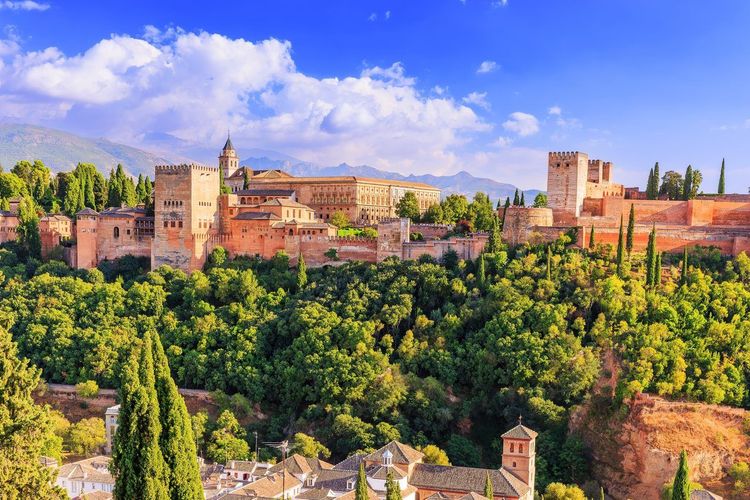
Spring, between April and June, offers the best compromise in Granada: temperatures around 20–24°C, light that transforms the Alhambra at the end of the day, and the Generalife gardens in full bloom. Autumn, from September to October, comes close with lower tourist numbers.
The Andalusian summer, on the other hand, regularly climbs above 35°C in July and August, making long walks between neighborhoods difficult. If you visit during this period, plan outdoor activities for early morning or late afternoon. August also remains the most crowded month despite the heat, lengthening queues at the Alhambra entrance even with a time-stamped ticket booked in advance. Winter remains mild in the city (10–15°C) but offers a striking contrast: skiing in the morning in the Sierra Nevada, less than an hour's drive away, then strolling through the Albaicín in a light jacket in the afternoon.
Two days cover the main heritage sites, but at a dense pace with no downtime. If your schedule allows, three days give more room to wander through the Albaicín without watching the clock, or to fit in a trip to the Alpujarras without sacrificing part of the historic center. The section on itinerary variations later in this article details how to adjust the program depending on the time actually available.
Day 1, Morning: The Alhambra, Jewel of Andalusia
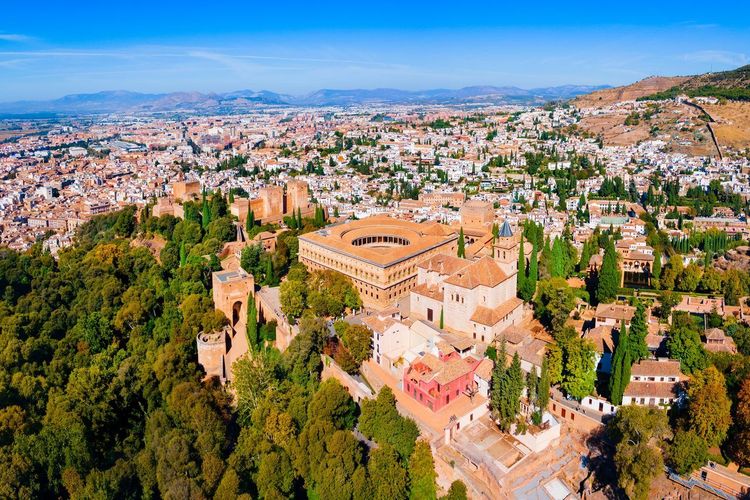
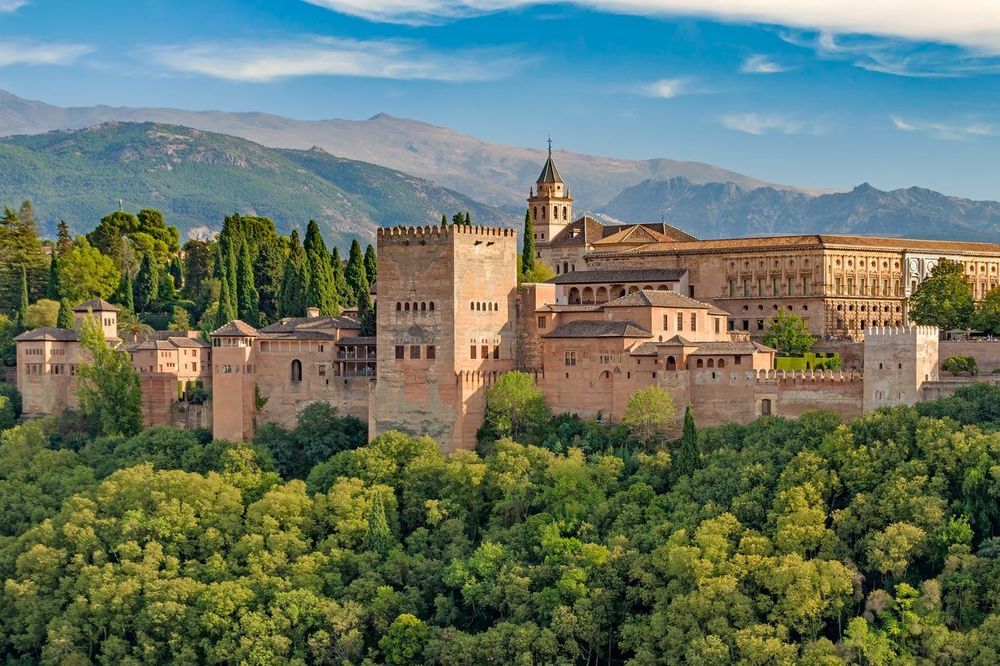
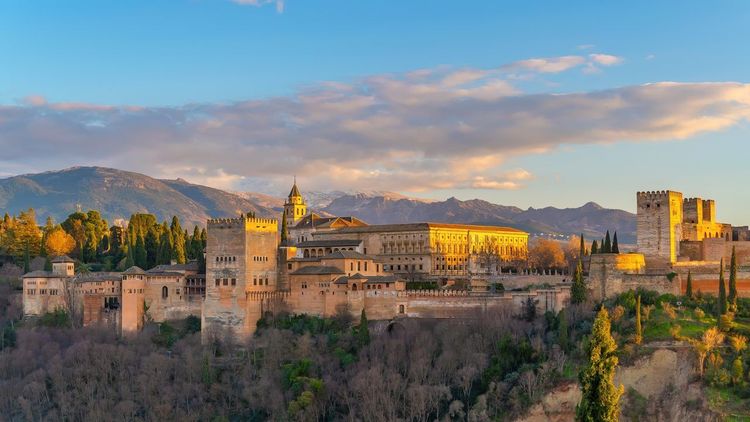
Nothing truly prepares you for the first sight of the Alhambra from inside its walls. This fortress-palace, built largely between the 13th and 14th centuries under the Nasrid dynasty, remains one of the most visited monuments in Spain, with over 2.7 million visitors per year. Setting aside the entire morning is far from excessive: the site covers 14 hectares and comprises several distinct complexes visited in a specific order, dictated by the time-stamped ticket.
Nasrid Palaces and Alcazaba
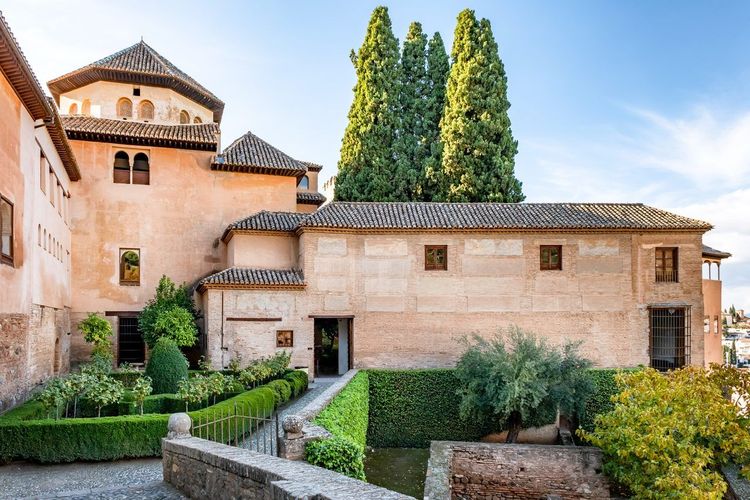
The Nasrid Palaces form the artistic heart of the visit: enfiladed courtyards, muqarnas ceilings carved like plaster stalactites, water basins that mirror every facade. The Court of the Lions, with its fountain supported by twelve marble lions, remains the most photographed space, but the Hall of the Ambassadors — where Boabdil is said to have signed the city's surrender in 1492 — deserves equal attention for its cedar marquetry ceiling.
The Alcazaba, the oldest military section of the site, typically begins or ends the visit. Its Torre de la Vela offers the first complete panorama over the Albaicín and the Sacromonte, before you have even left the Alhambra.
The Generalife and Its Gardens
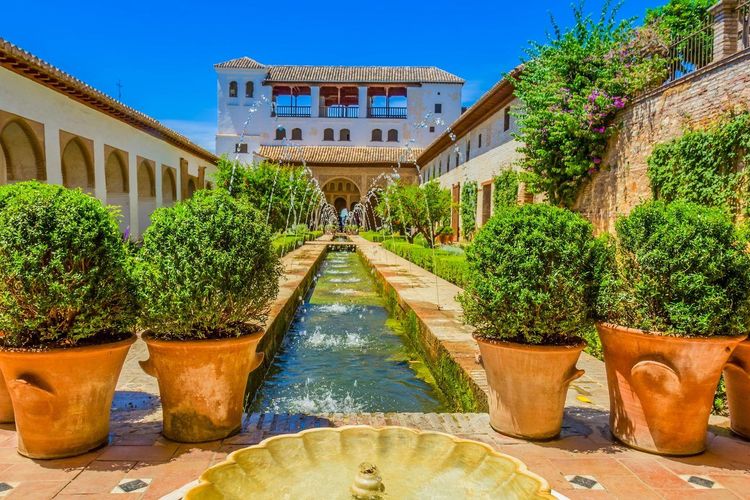
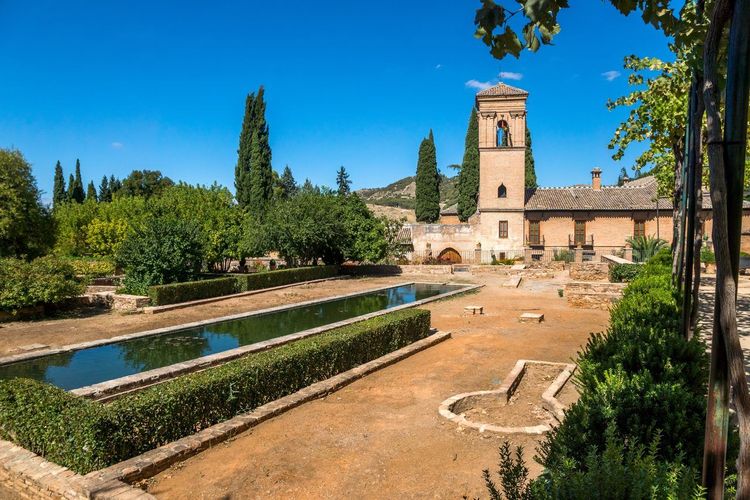
The summer residence of the Nasrid sultans, the Generalife (Alhambra y Generalife, 18009 Granada, rated 4.8/5 on Google based on 11,245 reviews) is visited last, set apart from the main palace. Its terraced gardens, dotted with pools and trimmed hedges, provide a welcome green pause after the architectural intensity of the palaces. The Patio de la Acequia, with its central canal lined with water jets, illustrates in itself the Andalusian art of the irrigated garden, inherited from Persian hydraulic techniques.
Along the way, the Palace of Charles V, added in the 16th century after the Reconquista, deliberately contrasts with the Moorish style: a perfect square plan, a circular colonnaded courtyard, pure Spanish classicism planted in the middle of an Islamic ensemble. Many visitors pass through quickly, pressed by the Nasrid Palaces timetable; still, take two minutes to appreciate the surprising acoustics of its inner courtyard.
Booking Tickets in Advance
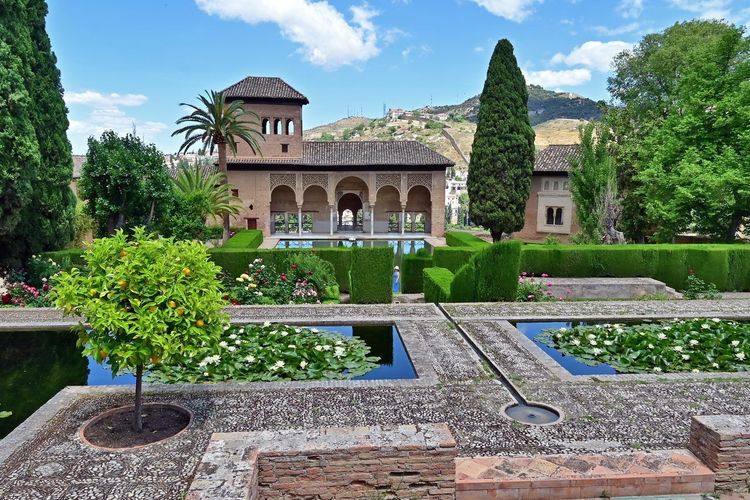
This is the most critical point of any visit to Granada: Alhambra tickets are sold by time slot and often sell out several weeks in advance during high season, particularly for access to the Nasrid Palaces. The official ticketing platform (Alhambra Tickets) opens sales approximately one year ahead, but booking one to two months before your trip remains a sensible minimum in spring or summer.
The general "Alhambra General" ticket costs around €19 — a price revised annually by the Patronato — and includes the Alcazaba, the Nasrid Palaces, the Generalife, and the Palace of Charles V. If you were unable to book in time, a fallback option exists: an early-morning visit to the on-site ticket office at opening, with no guarantee, or purchasing a night ticket that covers only part of the site. Allow 3 to 4 hours for the full visit, longer if you linger in the Generalife.
Also think about the logistics on the day itself: entry to the Nasrid Palaces is limited to a 30-minute window printed on the ticket, and access is no longer guaranteed once that window has passed. Many visitors underestimate the walking time between the general entrance and this time slot, especially when arriving on foot via the Cuesta de Gomérez from the city center. Plan to be on site at least 30 minutes before your slot. Keep a form of ID on you at all times — it is systematically checked at the Nasrid Palaces entrance to verify that it matches the name on the booking. Note also that reselling tickets, including between individuals, is prohibited and not accepted at the entrance: only the name on the original booking is valid, which complicates last-minute changes within a group. For a detailed room-by-room walkthrough, the Ryo article on the Alhambra in Granada complements this guide with an optimized visit plan based on your time slot.
Day 1, Afternoon: Cathedral, Capilla Real, and the Alcaicería Souks

The Cathedral and the Royal Chapel
After the intensity of the Alhambra, head back down to the city center for a more urban afternoon. The Granada Cathedral, built from 1523 on the site of the former grand mosque, blends late Gothic and Renaissance styles: its main facade, designed by Alonso Cano, opens onto the Gran Vía with a play of columns and sculpted niches that contrasts with the Moorish sobriety seen earlier that morning. Inside, the Capilla Mayor impresses with its height — nearly 45 meters under the dome — an architectural feat designed to rival the greatest Gothic cathedrals of Europe. The entrance, separate from that of the Capilla Real, costs around €6 and takes 30 to 45 minutes to visit.
Attached to the cathedral, the Capilla Real is ticketed separately at a similar price and houses the tombs of the Catholic Monarchs, Isabella of Castile and Ferdinand of Aragon, as well as those of their daughter Joan the Mad and her husband Philip the Handsome. The choice of location is no coincidence: Isabella had expressed the wish to be buried in Granada, a symbol of the completion of the Reconquista she had brought to an end in 1492. The chapel also preserves a collection of Flemish paintings assembled by the queen herself, remarkable for a royal collection of that era.
The Alcaicería and Your First Round of Tapas
Just steps away, the narrow lanes of the Alcaicería occupy the site of the former Muslim silk market. What you walk through today is, however, only a reconstruction: the neighborhood burned down in 1843 and was rebuilt in a neo-Moorish style far smaller than the original market. The current shops, more geared toward souvenirs and crafts than raw silk, still retain that labyrinthine layout, with its arches and covered passages that cut through the afternoon heat.
This is also a good moment for your first round of free tapas, a tradition specific to Granada that few other Spanish cities have preserved: order a beer or a glass of wine, and the bar automatically serves you a tapa at no extra charge. The bars around Plaza Nueva and Calle Navas offer a good concentration of reliable addresses for this ritual. Allow two to three stops for a light but satisfying dinner without spending more than €10–12 for two drinks and as many tapas. The historic center around the cathedral also mixes contemporary shops with 19th-century facades, particularly along Calle Reyes Católicos, which connects Plaza Nueva to the Puerta Real. It is a good option if you are looking for an air-conditioned break or a last souvenir before heading back up toward the Albaicín in the late afternoon.
Day 1, Evening: The Albaicín and Sunset at the Mirador de San Nicolás
The Lanes of the Albaicín and Plaza Larga
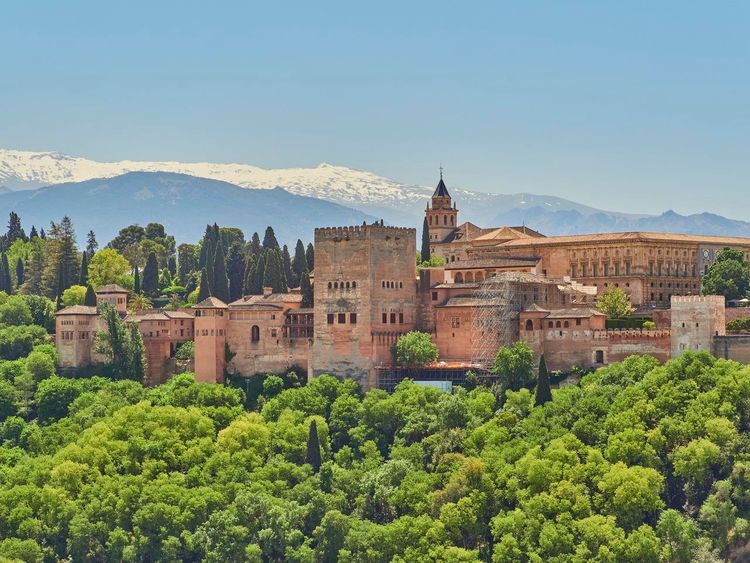
Listed as a UNESCO World Heritage Site in 1994, ten years after the Alhambra and the Generalife, the Albaicín is Granada's former Muslim neighborhood, which remained almost intact after the Reconquista due to a lack of interest from the new Christian occupants. Its cobblestone lanes, its cármenes (walled garden houses typical of the district), and its whitewashed facades form a maze where following a precise map is almost impossible — and hardly matters.
The Plaza Larga (Plaza Larga, 18010 Granada), at the top of the neighborhood, serves as a hub of local life: a morning market, bar terraces, children playing football in front of the Almohad arch of the Puerta de las Pesas. It is a useful landmark before continuing toward the mirador, and an honest spot to observe everyday neighborhood life away from tour groups.
On the way to the mirador, the facades of the cármenes are worth a look upward: these houses with enclosed interior gardens gave the neighborhood its name, the word derived from the Arabic karm, meaning vine. Many remain private properties, but some open their doors during heritage days in spring — a good opportunity to see inside a carmen if your visit coincides with that period.
Mirador de San Nicolás at Sunset
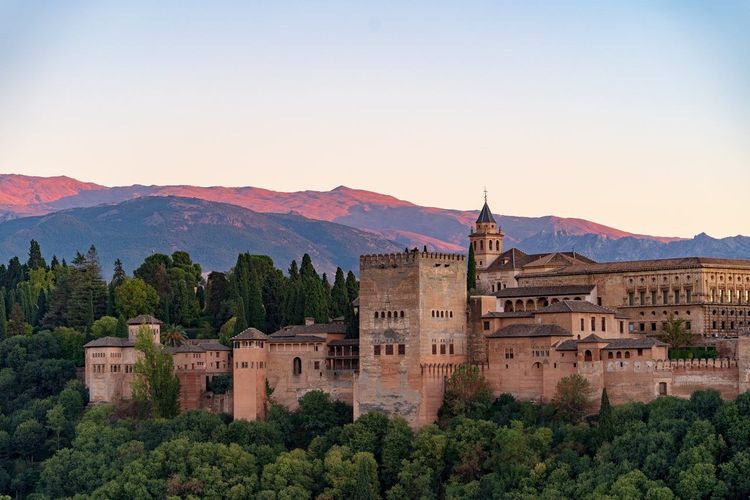
Head up next to the Mirador de San Nicolás, the most photographed view in Granada and arguably in all of Andalusia. From this small square backed against a modest Mudéjar church, the Alhambra is silhouetted entirely against the light, with the snow-capped Sierra Nevada as a backdrop for much of the year. Arrive 30 to 45 minutes before sunset: the square fills up quickly, between tourists, street musicians, and hawkers, and the best spots are taken early.
The atmosphere is good-natured rather than solemn: spontaneous applause when the sun disappears behind the Sierra, guitars accompanying the moment. Still, keep an eye on your belongings — the density of the crowd makes it a well-known spot for pickpockets.
Paseo de los Tristes Along the Darro
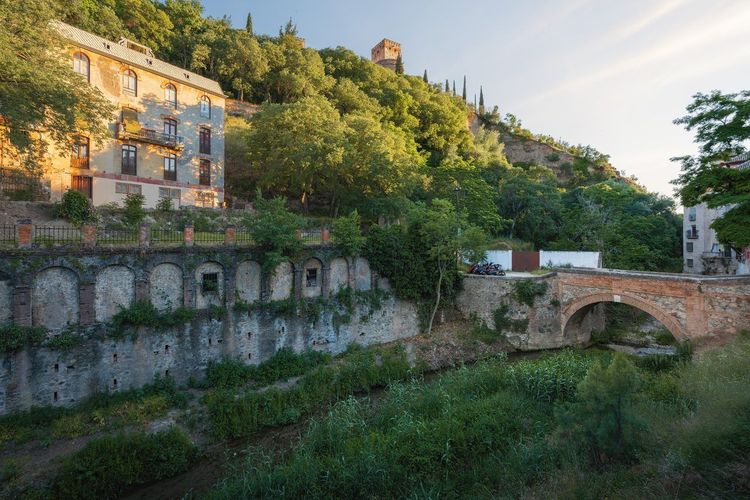
To head back down, take the Paseo de los Tristes, the promenade running along the Darro river between the Albaicín and the foot of the Alhambra. The name, which literally means "promenade of the sorrowful," comes from its former use as a funeral path to the nearby cemetery. Today, its string of terraces in the shadow of the Alhambra walls that loom directly overhead makes it one of the best spots for a late dinner after a long day. The Ryo audio-guided tour Capital of the Nasrid Kingdom conveniently passes through the Paseo de los Tristes and the Mirador de San Nicolás, a handy way to keep walking without extra planning.
Day 2, Morning: Sacromonte, Cave Dwellings, and a Flamenco Evening
The Sacromonte Neighborhood and Its Cuevas
Devote the morning of day two to the Sacromonte (Camino del Sacromonte, 18010 Granada), the gypsy neighborhood that has been settled since the 15th century on the hill facing the Albaicín. Its defining feature is the housing: cave dwellings carved directly into the rock, the cuevas, many of which are still inhabited today while others have been converted into museums or flamenco tablaos.
The Museo Cuevas del Sacromonte (Barranco de los Negros, s/n, 18010 Granada, rated 4.5/5 on Google based on 4,466 reviews), at the top of the path, recreates several traditional interiors (kitchen, forge, weaving workshop) and traces the history of the gypsy community that has lived in this neighborhood for generations, caught between historical marginalization and a central role in the birth of Andalusian flamenco. The trail leading up to the museum offers along the way one of the best overall views of the Alhambra, far less crowded than the Mirador de San Nicolás.
Allow a good hour and a half for the climb, the museum visit, and the descent, taking time to get a little lost on the side paths. The neighborhood remains lively and inhabited, unlike other heritage sites turned into open-air museums: running into residents on their doorstep is part of the experience, as long as you remain respectful of their privacy. The path climbing toward the Sacromonte is not lit after dark and sees little foot traffic outside of show times: if your flamenco evening ends late, plan to take a taxi back down rather than making the trip on foot in the dark, especially in winter when night falls as early as 6 p.m.
Attending a Flamenco Show in the Evening
Reserve the evening for a flamenco show in the Sacromonte, in one of the cave-tablaos of the neighborhood. Unlike the heavily touristic shows found elsewhere in Spain, the gypsy zambra tradition unique to Granada stands apart for its intimacy: small rooms carved into rock, often seating around thirty, with musicians and dancers just a few meters from the audience.
The zambra itself deserves a brief explanation: born from the fusion of gypsy rituals, Arab-Andalusian traditions, and classic Andalusian flamenco, it is distinguished by more syncopated rhythms and a different style of movement from the Sevillian flamenco better known abroad. This is one of the reasons why flamenco enthusiasts make a point of traveling specifically to the Sacromonte rather than settling for a generic tablao in the city center.
Expect to pay between €25 and €35 for an entry with one drink included, more if you add dinner. Book in advance during high season, as these venues have very few seats. Many visitors combine the museum visit in the late afternoon with the evening show to avoid making the trip up to the neighborhood twice in the same day.
Day 2, Afternoon: In Lorca's Footsteps and a Hammam Break
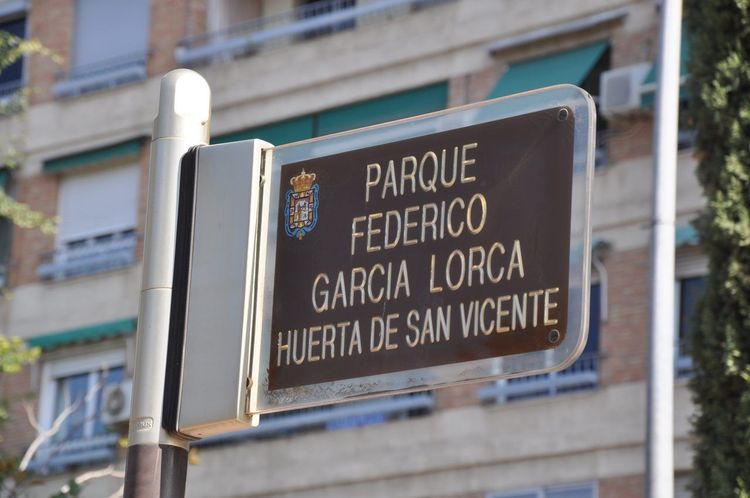
The Federico García Lorca House Museum
To the west of the center, the Huerta de San Vicente, the family's former country house now converted into the Casa-Museo Federico García Lorca (Calle Virgen Blanca, s/n, 18004 Granada, rated 4.5/5 on Google based on 2K reviews), preserves the study where the Andalusian poet wrote part of his work, including Bodas de sangre, before his execution by the Francoist forces in 1936, a few kilometers away. The house, now surrounded by a public park rather than the original orchards, takes about half an hour to visit, with period furniture intact and family photographs that give a fairly intimate portrait of the writer.
For readers of Lorca, the place adds a biographical dimension to a city that saw him born in Fuente Vaqueros, about twenty kilometers away, and die under circumstances that remain a sensitive subject in Spain to this day. The Casa-Museo is generally closed on Mondays and offers guided tours in Spanish at set times, with an audioguide available in French for visitors who prefer their own pace.
Arab Baths and Hammam Al Ándalus
After a morning and a half of intensive walking, a relaxation break is well deserved. The Hammam Al Ándalus, housed in a building in the historic center, recreates the experience of traditional Arab baths: pools at successive temperatures, a steam room, and optional massage. Expect to pay around €35 to €60 depending on the package, and book a time slot in advance, as sessions run with small time-stamped groups.
For a historical and considerably cheaper version, the Bañuelo, on the Carrera del Darro, preserves the original 11th-century Arab baths, among the best preserved in Spain. Entry costs just a few euros and is included in the combined Dobla de Oro ticket, which also gives access to several Nasrid houses in the Albaicín — a worthwhile deal if you are visiting two or three of these monuments in the same day. It is no longer a functioning venue; the visit is limited to observing the architecture, but the star-shaped vaults filtering the light give a fairly accurate sense of what a real medieval hammam looked like.
Other Monuments and Hidden Gems of Granada
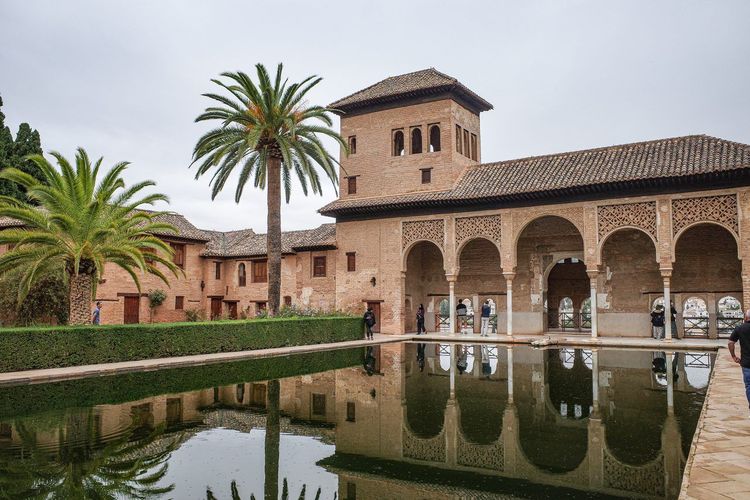
If your pace allows, or if you return for a third day, several religious sites in Granada are worth the detour, even though none of them appear on most standard tourist itineraries.
Monasterio de la Cartuja and Monasterio de San Jerónimo
The Monasterio de la Cartuja, on the outskirts of the historic center, houses a sacristy considered by some art historians to be a pinnacle of Spanish Baroque: inlaid marble, excessively carved stucco, a striking contrast with the Nasrid sobriety seen the day before. It is one of the least visited monuments in the city despite an artistic quality on a par with the most popular paid sites.
The Monasterio de San Jerónimo, more centrally located, also blends late Gothic and Renaissance styles around a particularly well-preserved two-story cloister. The tomb of the Gran Capitán, Gonzalo Fernández de Córdoba, a major military figure during the reign of the Catholic Monarchs, rests in the main altarpiece.
Basílica de San Juan de Dios
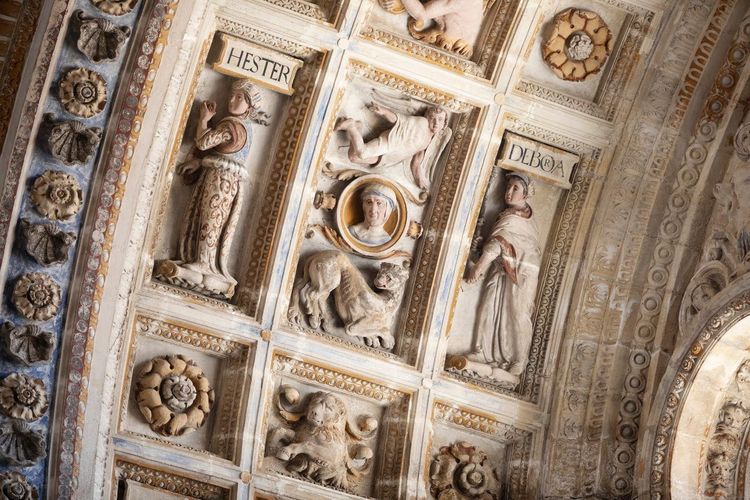
A few streets away, the Basílica de San Juan de Dios (Calle San Juan de Dios 23, 18001 Granada, rated 4.8/5 on Google based on 4,225 reviews) stuns with the extravagance of its interior decoration, entirely covered in gilding — a total contrast with its relatively restrained exterior facade. It houses the relics of the saint who founded modern hospitals, born in Portugal but who died in Granada in 1550.
These three buildings can be visited in a complementary half-day and allow you to escape entirely from the tourist density of the historic center while remaining within a reasonable walking distance of the cathedral. None of these three sites appears in the standard top recommendations for Granada, which paradoxically makes them one of the best ways to avoid the crowds without sacrificing heritage quality.
Excursions to the Alpujarras and the Surrounding Area
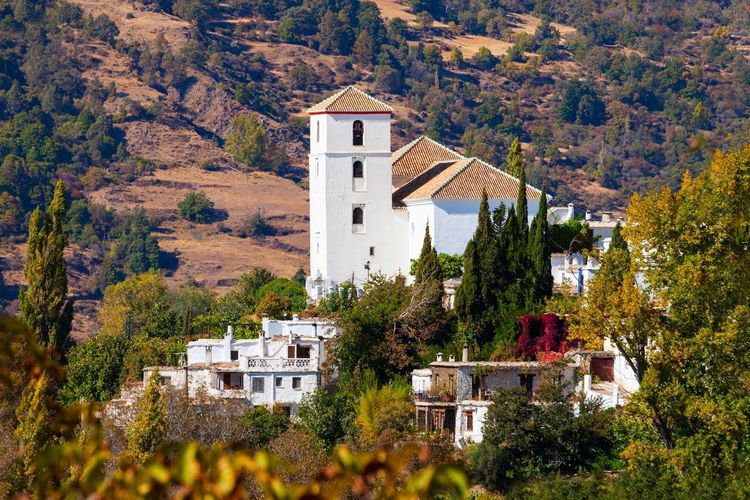
The White Villages: Pampaneira, Bubión, and Capileira
If you extend your stay beyond two days, the Alpujarras region, on the southern slopes of the Sierra Nevada, concentrates a series of white villages clinging to the mountainside. Pampaneira, Bubión, and Capileira follow one another over about fifteen kilometers and can easily be visited in the same day by car.
Their architecture — flat stone roofs, narrow stepped lanes — owes more to Berber heritage than to classic Andalusian urbanism: the original inhabitants, who came from the Moroccan Rif after the Reconquista, brought this style with them and it has remained virtually unchanged since. Pampaneira, the lowest and most visited of the three, concentrates textile craft shops and local charcuterie workshops. Bubión and Capileira, higher up, offer more open views over the Poqueira valley and fewer crowds on weekdays.
Sierra Nevada and Trevélez
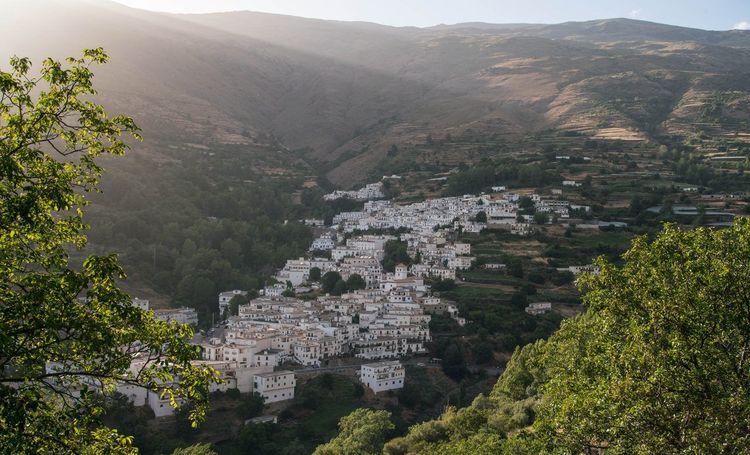
The road continues to Trevélez, one of the highest inhabited villages in Spain at over 1,400 meters above sea level, renowned for its altitude-cured ham, exported throughout Spain under a protected designation of origin.
Nearby, the Sierra Nevada massif offers in winter the southernmost ski resort in continental Europe, less than an hour's drive from the center of Granada — a fairly rare seasonal contrast: skiing in the morning, dining on a terrace in the Albaicín in the evening. In summer, the same massif can be explored on foot, with trails climbing to Mulhacén, the highest peak in mainland Spain at 3,479 meters.
Guadix and Its Cave Houses
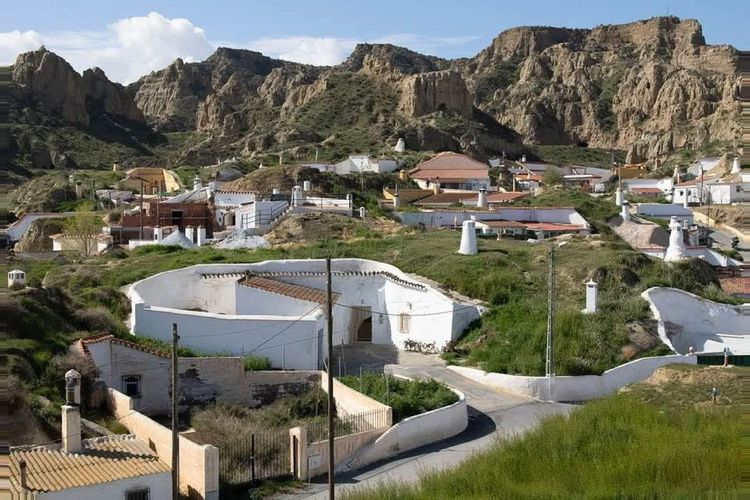
To the east of Granada, Guadix (18500 Guadix, Granada, rated 4.4/5 on Google based on 2K reviews) completes the excursion with a troglodyte settlement occupied continuously for centuries: around 2,000 cave houses, many still inhabited, carved into a badlands landscape that looks more like Cappadocia than classic Andalusia.
Other options exist for those with more time: the tropical coast at Salobreña and Motril, less than an hour to the south, offers beaches and sugarcane cultivation, while the hilltop village of Montefrio, to the west, is often cited as one of the most photogenic in Andalusia for its silhouette dominated by a former mosque converted into a church. Montefrio deserves a particular photographic detour: the village is arranged in an almost perfect circle around a rocky outcrop crowned by the Iglesia de la Villa, a 16th-century former mosque converted after the Reconquista. National Geographic magazine ranked it among the ten villages with the most beautiful views in the world, a reputation that has since drawn a steady stream of amateur photographers.
Without a car, these excursions remain possible but require more careful planning: public buses serve Pampaneira and Trevélez from Granada's bus station, with reduced frequencies outside high season, while several local agencies offer organized day trips by minibus covering several white villages in one outing. If you have to choose just one excursion due to time constraints, the white villages of the Alpujarras remain the most versatile choice: accessible in a half-day round trip from Granada, they offer architectural variety, a taste of mountain cuisine centered on Trevélez ham, and views of the Sierra Nevada without requiring the equipment or time that a proper high-altitude hike demands. Guadix requires slightly more logistical planning due to the distance, while the tropical coast is best suited to those seeking a beach break after two days of intensive city walking. To plan a broader circuit that includes these stops as part of a complete Andalusian road trip, the road trip Andalusia offers a route connecting Granada to the region's main cities.
Where to Eat in Granada: Free Tapas and Local Specialties
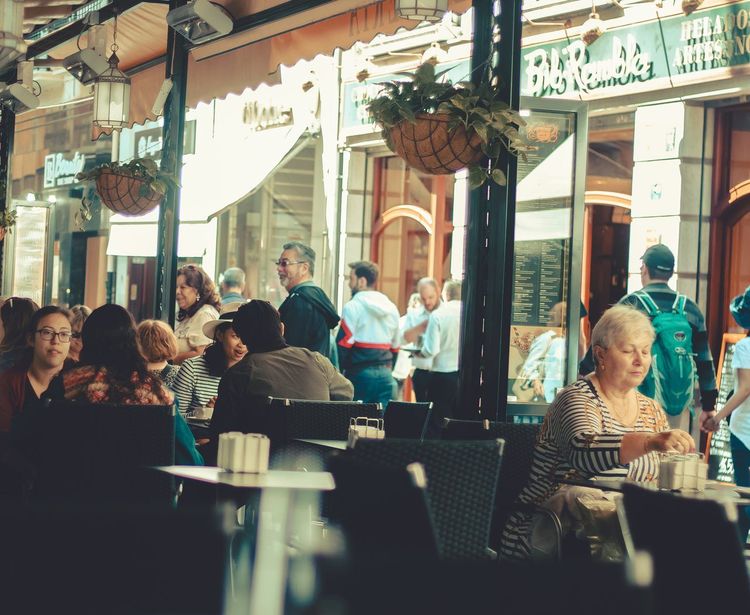
The free tapas tradition remains the best reason to eat local in Granada: in almost every bar in the center, ordering a drink automatically triggers the service of a tapa at no extra charge — a practice that has virtually disappeared elsewhere in Spain. Some establishments even let the customer choose from several options with each round, which easily turns a bar evening into a full meal for under €15 per person.
As for specialties, several dishes appear consistently on local menus. The remojón granadino, a salad of orange, salt cod, and onion, stands out from the heavier cuisine found elsewhere in Spain. Habas con jamón, fresh broad beans sautéed with serrano ham, benefits from the local produce of the Vega, the agricultural plain surrounding the city. The tortilla del Sacromonte, an omelette made with lamb offal and tripe, remains more niche but is typical of the neighborhood of the same name.
For a local dessert, piononos, small rolled cakes soaked in syrup and caramelized with a hot iron, are a specialty of Santa Fe, a village near Granada, but are easily found in pastry shops throughout the city.
The neighborhood around Calle Navas and Plaza Nueva concentrates the best density of reliable tapas bars, while the Realejo, the former Jewish quarter at the foot of the Alhambra, offers a more contemporary scene with addresses leaning toward revisited Andalusian cuisine. Vegetarian options remain limited in traditional tapas bars but are expanding quickly in the Realejo and around the Plaza de la Trinidad, two neighborhoods where several newer establishments offer entirely adapted menus. For further detail with specific addresses, the Ryo article on Granada's culinary specialties covers ten dishes not to miss during your stay.
Where to Stay in Granada Based on Your Itinerary
Near the Alhambra and the Realejo
Staying near the Alhambra, in the Antequeruela neighborhood or in the Realejo just below, allows you to start your visit of the monument as soon as it opens without relying on the municipal minibuses. The Realejo, a former Jewish quarter turned quiet residential area with a discreet tapas bar scene, offers a good balance between proximity to the site and a neighborhood feel rather than a purely tourist zone.
In the Albaicín for the Atmosphere
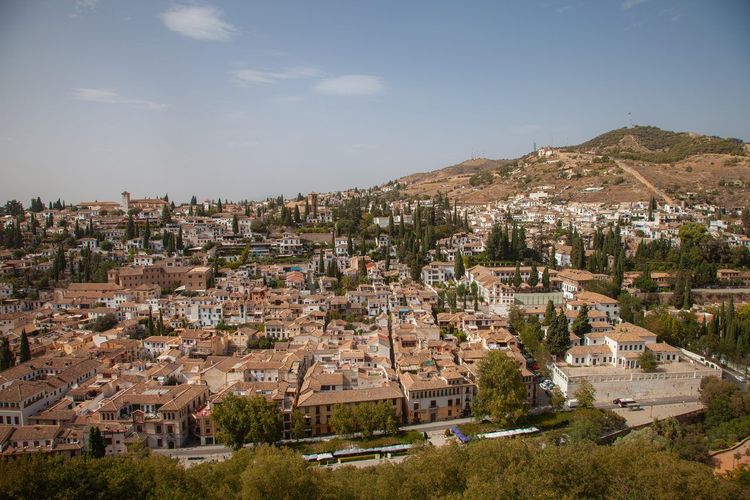
Staying in the Albaicín is appealing for the atmosphere: cobblestone lanes, cármenes converted into guesthouses with gardens, views of the Alhambra from some terraces. The trade-off is the steep terrain, which is noticeable when returning to your accommodation at the end of the day with luggage, and the car access that is often impossible on the narrowest lanes.
The city center, around the cathedral and the Gran Vía, remains the most practical option for a first visit: more accommodation to choose from, reasonable walking distances to all the main sites, and better transport connections to reach the airport or train station. It is also generally the least expensive option for a comparable level of comfort, as the Albaicín and the Realejo charge a premium for the neighborhood's charm. If you are sensitive to noise, avoid accommodation facing directly onto Plaza Nueva or Calle Elvira: the nighttime activity from the surrounding bars often continues late on weekends, a detail few listings mention explicitly. Whatever neighborhood you choose, book early for spring weekends and Spanish school holiday periods: Granada's hotel capacity remains more limited than that of Seville or Málaga.
Budget, Tickets, and Money-Saving Tips

Granada remains one of the most affordable Andalusian cities. Allow an average daily budget of €60 to €90 per person in the mid-range, including accommodation, meals, and one paid site, compared to easily €100 to €150 in Seville or Barcelona for an equivalent level of comfort.
The main expense remains the Alhambra ticket (around €19), followed by the flamenco show in the Sacromonte (€25–35) and optionally the hammam (€35–60). The rest of the program — the Albaicín, the Mirador de San Nicolás, the cathedral facade, the Sacromonte by day, the lesser-known monasteries — can be explored entirely free of charge.
The free tapas also keep the food budget noticeably lower: a dinner of three or four rounds often costs less than a sit-down restaurant meal, for an equally satisfying result. The Granada Card, which combines bus transport and access to several monuments — sometimes including the Alhambra depending on the package chosen — can represent a real saving if you plan to visit at least three or four paid sites during your stay.
To explore at your own pace without relying on a paid guide — often charged at €25 to €40 per person for a group visit of the Alhambra or the Albaicín — our Ryo app offers an audio guide covering the same sites with detailed historical commentary, to listen to at the moment and pace that suits you.
Granada in 1, 3, or 4 Days: Adapting the Itinerary
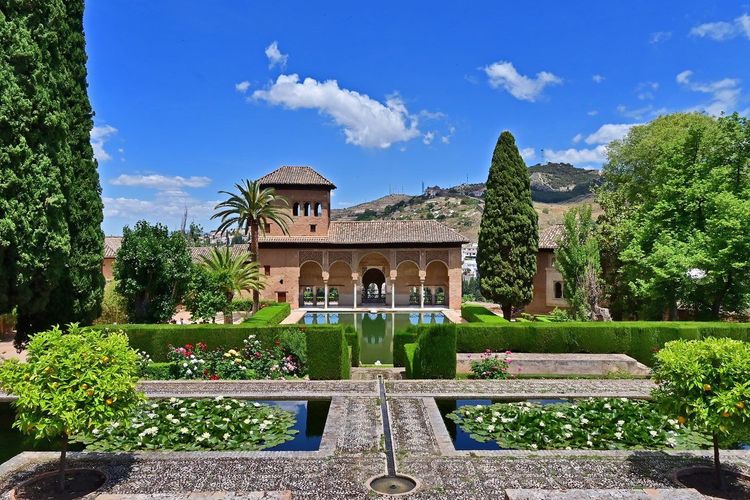
Granada in 1 day is possible if you need to focus on the essentials: prioritize the Alhambra in the morning (ticket required, booked several weeks in advance), then the Albaicín and the Mirador de San Nicolás in the late afternoon. The Sacromonte, monasteries, and excursions will need to be dropped, but the two main sites remain covered.
Granada in 3 days allows you to add a full morning for the lesser-known monasteries (Cartuja, San Jerónimo) and the Basílica de San Juan de Dios, or for a short excursion to the nearest Alpujarras white villages without rushing back late in the evening.
Granada in 4 days opens up the possibility of a proper day trip to Guadix or the Sierra Nevada, as a comfortable round trip rather than a race against the clock, while still leaving time to wander through the Albaicín one afternoon without a fixed itinerary — something the density of the 2-day program never truly allows.
For a simple two-day weekend with no extra day, it is better to arrive on Friday evening rather than Saturday morning: this adds a tapas evening and a full night before tackling the Alhambra right at opening time on Saturday, without eating into Sunday's program. To explore each option further based on your interests, the Ryo article on the best things to do in Granada lists complementary ideas organized by theme.
FAQ
How many days do you need to visit Granada?
Two days are enough to cover the Alhambra, the Albaicín, the Sacromonte, and the historic center at a steady pace. Three days offer more comfort, particularly for fitting in a trip to the Alpujarras or wandering through the Albaicín without a fixed itinerary. Visitors in a hurry sometimes limit themselves to a single day, but usually leave with the feeling of having skimmed over the city rather than truly discovering it.
Can you visit Granada in 1 day?
Yes, by prioritizing the Alhambra in the morning and the Albaicín with the Mirador de San Nicolás in the late afternoon. You will need to forgo the Sacromonte, the monasteries, and any excursions to stick to this condensed schedule.
Do you need to book Alhambra tickets in advance?
Yes, absolutely. Time slots often sell out several weeks in advance during high season, particularly for access to the Nasrid Palaces, which is limited to a 30-minute window printed on the ticket. A waiting list system exists in case of cancellations, but it remains unreliable for planning a trip in advance.
How do you get around Granada without a car?
The historic center can be explored entirely on foot. The municipal minibuses C1 to C4 serve the Albaicín, the Sacromonte, and the Alhambra for longer journeys or in cases of extreme heat, at €1.40 per trip.
What can you do in Granada for free?
The Albaicín, the Mirador de San Nicolás, the Paseo de los Tristes, the exterior facade of the cathedral, the Sacromonte neighborhood during the day, and the lesser-known monasteries (Cartuja, San Jerónimo) can all be visited without paying an entrance fee — not to mention the free tapas served with every drink ordered.
What is the best neighborhood to stay in Granada?
The city center around the cathedral remains the most convenient option for a first visit. The Realejo suits those who want to be close to the Alhambra, while the Albaicín is appealing for its atmosphere despite its steep terrain.
What is the best time to visit Granada?
Spring (April–June) and early autumn (September–October) offer the best conditions, with moderate temperatures and lower crowds than in midsummer, when temperatures regularly exceed 35°C. May often strikes the best balance between light, temperatures, and still-manageable visitor numbers.
Two days in Granada leave no idle time, but they are enough to travel through eight centuries of Andalusian history without ever leaving a walkable perimeter: the Alhambra in the morning, the lanes of the Albaicín at sunset, the caves of the Sacromonte and their gypsy zambras, and that tradition — rare in Spain — of tapas offered with every drink ordered.
If the itinerary makes you want to stay longer, the Alpujarras and their white villages, the Sierra Nevada, or the cave houses of Guadix can easily round out a three- or four-day stay. To experience this full itinerary in audio form, neighborhood by neighborhood, the Ryo audio-guided tour of Granada covers every stage of this guide, at your own pace and without depending on a group's schedule.