© Shutterstock
 Votre guide Ryo
Denver for First-Time Visitors: A 2026 Guide to Downtown, RiNo and the Foothills
Touch down at Denver International Airport on a blue-sky February afternoon and you might reasonably assume the Rockies are a tourist-brochure exaggeration. Then the A-Line train clears the plains and there they are, a jagged white wall hanging over the skyline like a painted backdrop. That collision of prairie grit and mountain scenery is the first thing Denver for first time visitors needs to explain: this is a city built a mile above sea level, where altitude reshapes your hangover, your hiking pace and even your cocktail tolerance before you've unpacked. Start downtown with Ryo's audio-guided tour of Denver, and the rest of the city starts making sense fast: a converted 1881 train station now stuffed with oyster bars, a gold-domed capitol you can tour for free, a 40-foot blue bear peering into a convention center, and a street-art district where breweries hide behind murals the size of billboards. Add legal cannabis dispensaries, a red sandstone amphitheater with famously pure acoustics, and a packing list that has to account for 40-degree swings in a single day, and you've got a city that rewards a little homework before you land.
Denver at a Glance: What First-Time Visitors Should Know
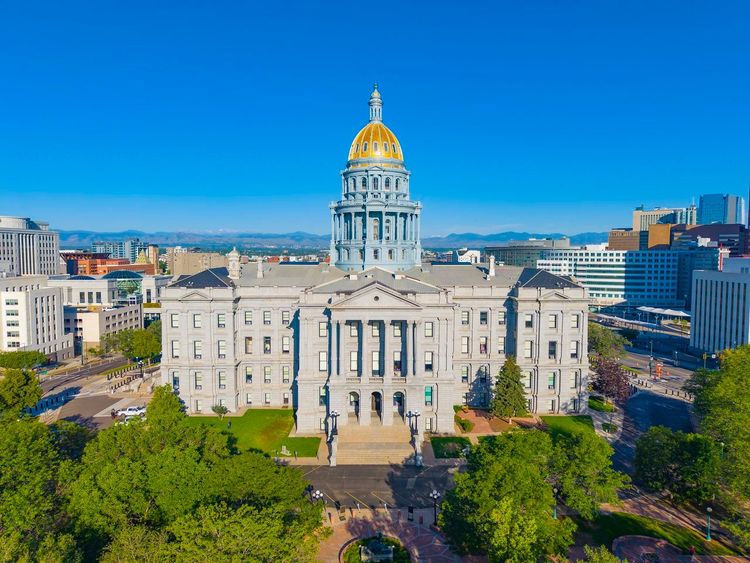
Denver earned the nickname Mile High City the honest way: the 13th step of the Colorado State Capitol was engraved « One Mile Above Sea Level » long ago, and when later surveys found the true 5,280-foot line a few steps higher, the city simply added more markers rather than give up the photo op.
For first-time visitors, two full days cover the compact downtown grid, RiNo's murals and the museum cluster around Civic Center at a reasonable pace. Stretch the trip to four or five days and you can add Red Rocks, Golden and at least one mountain day trip without feeling rushed. Denver works for most types of travelers: walkable enough for a car-free weekend, outdoorsy enough for hikers, compact enough that a family with young kids can nap-schedule around the zoo and the science museum.
Seasons swing hard here. Summer brings 90-degree afternoons and frequent thunderstorms by 4pm; September and October deliver the best light and the thinnest crowds; winter means real snow on the peaks visible from downtown, with mild, sunny days in between storms. Denver famously claims around 300 days of sunshine a year, so even a January trip rarely means a week of grey skies.
Getting Around Denver
Denver International Airport sits roughly 25 miles from downtown, far enough that ride-share surge pricing can sting. The cheaper, faster option many first-timers miss is the A-Line airport train, which covers the distance to Union Station in about 37 minutes for a flat airport fare of around $10, no traffic, no surprises.
Once you're downtown, your feet do most of the work. The 16th Street corridor, LoDo and the Civic Center museum row sit within a 20-minute walk of each other, and the free MallRide shuttle runs the length of 16th Street. Ask whether Denver is walkable for tourists and the honest answer is: yes, for everything inside the core, but no, not for RiNo's farther edges or the mountains.
That's where a car, or at least a rideshare budget, becomes necessary. RiNo, Cherry Creek and the Highlands sit a short drive or a modest rideshare from downtown, while Red Rocks, Golden and Boulder call for a rental car, a tour shuttle, or a patient driver willing to take the highway. RTD light rail reaches Golden via the W Line and commuter rail serves Boulder's outskirts, though frequency thins out on weekends.
Before any of that, sort your Denver packing tips: a lightweight rain shell, broken-in walking shoes, and at least one warm layer regardless of season, since sunny afternoons can drop 30 degrees after sunset once the mountains cool the air.
Downtown Denver: Union Station, Larimer Square and LoDo
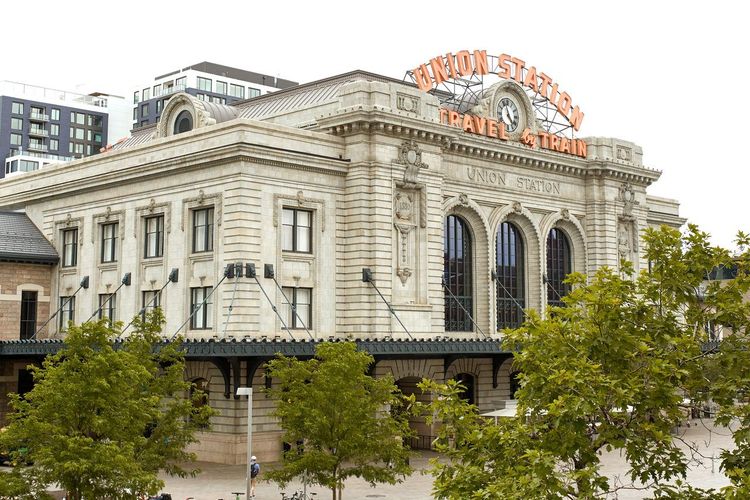
Downtown Denver rewards a slow first morning more than any single attraction on this list. Most of LoDo (short for Lower Downtown) was built between the 1880s and the 1910s as warehouses and rail depots, and the neighborhood survived not through preservation money but through decades of being ignored, followed by decades of being everyone's favorite renovation project.
Union Station and the LoDo Historic District
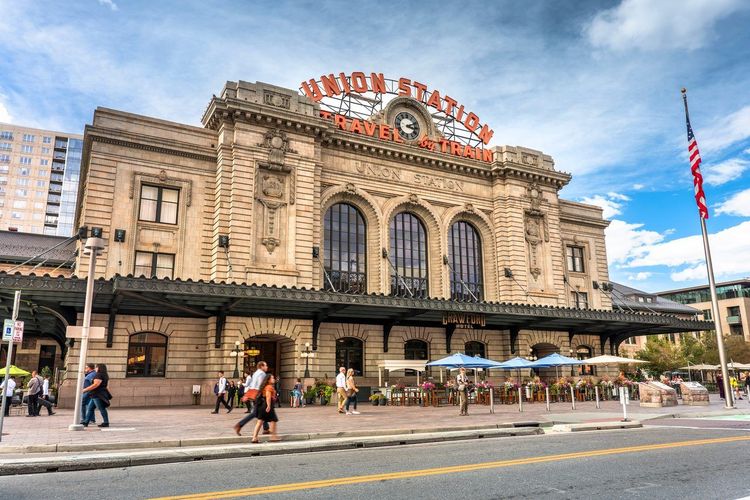
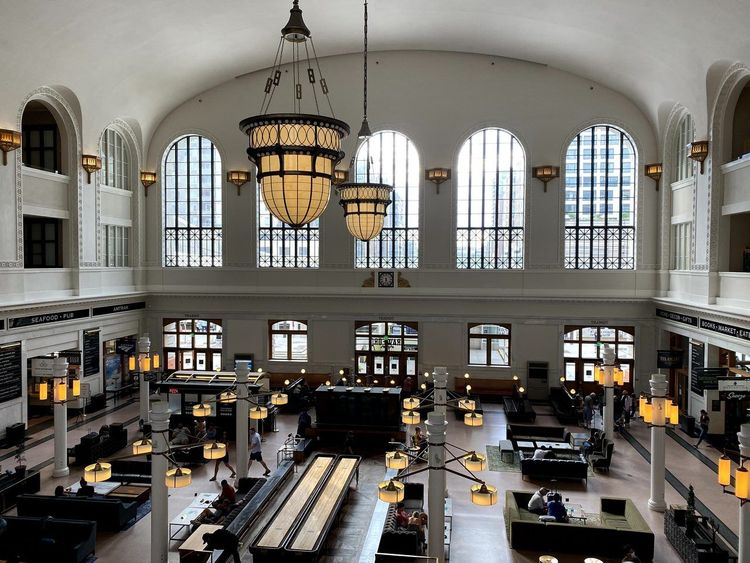
Union Station) reopened in 2014 after a renovation that kept its 1914 Beaux-Arts center hall and turned the interior into a Great Hall ringed by a boutique hotel, an oyster bar, restaurants and a cocktail bar in the old ticket office.
Trains to the airport, light rail to the suburbs and Amtrak's California Zephyr all leave from behind the Great Hall, which makes Union Station as much a transit hub as a destination in its own right. Linger past the trains: the leather chairs and shuffleboard tables in the lobby are first-come, and on a cold afternoon half of downtown seems to be reading there.
Walk two blocks in any direction and you're in the Lower Downtown (LoDo) Historic District proper, roughly two dozen blocks of brick and cast-iron warehouse facades now housing breweries, galleries and the Colorado Rockies' home ballpark. The city designated it a historic district in 1988, after the 1970s had already flattened much of the rest of downtown for parking lots. McGregor Square), the newer plaza built right outside Coors Field, adds a public courtyard with a massive video screen for watching away games with a beer in hand.
Larimer Square and the 16th Street Pedestrian Promenade
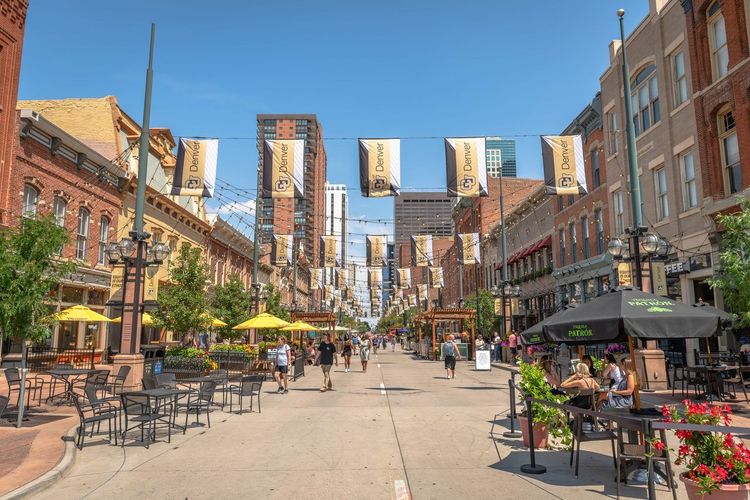
Larimer Square (1430 Larimer St, Denver, CO 80202, rated 4.5/5 on Google (10 077 avis)) is Denver's oldest block, part of the 1858 settlement that grew into the city, and today it's a single string-lit street of Victorian storefronts turned into restaurants and boutiques.
Dinner reservations here book up fast on weekends, so if you want a patio table, call ahead rather than walking in at 7pm hopeful.
From Larimer Square, the 16th Street Pedestrian Promenade runs a little over a mile through the heart of downtown, lined with shops, the free shuttle and enough street performers that you'll want to keep small bills on hand. It's not Denver's most beautiful stretch, honestly, but it's the connective tissue between Union Station, the Capitol and the Denver Art Museum, and you'll end up walking some portion of it almost by default. Look up at the Daniels & Fisher Tower at 16th and Arapahoe: modeled on the campanile in Venice, it was briefly the tallest building west of the Mississippi.
Both Larimer Square and the 16th Street promenade are stops on Ryo's Golden Dome to Blue Bear audio route, a 4.7-km loop of 21 audio stories that you can join wherever you happen to be standing. It removes the « wait, was that building important? » uncertainty that downtown's uniform brick can create, and you can peel off whenever something catches your eye.
RiNo Art District and Creative Neighborhoods
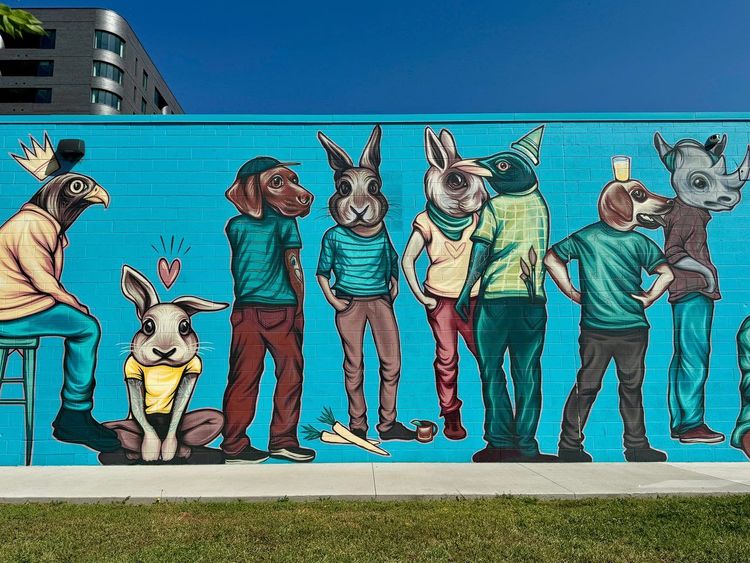
Three different creative pockets of Denver compete for your afternoon, and they reward completely different moods: RiNo for street art and beer, the Golden Triangle for museums within walking distance of each other, and Cherry Creek for shopping that doesn't involve a single mural.
RiNo Art District: murals, breweries and street art
RiNo (River North Art District) took shape in the old industrial warehouses along the South Platte River that artists started moving into during the 2000s, when rent was cheap and nobody downtown wanted the buildings. Today it has the opposite problem: RiNo is arguably Denver's most photographed neighborhood, block after block of building-sized murals repainted constantly by local and touring artists, many of them during the annual CRUSH Walls festival.
Budget at least two hours for a proper walk, longer if you're stopping into the breweries that share the same converted warehouses as the galleries. Larimer Street and Walnut Street carry the highest concentration of both murals and taprooms, and the alleys between them often hold the best walls. Weekend afternoons bring a street-fair energy, with food trucks parked between the breweries. If you'd rather understand what you're looking at than just photograph it, a guided street art tour fills in the stories behind the biggest pieces.
Golden Triangle Creative District and Cherry Creek Shopping
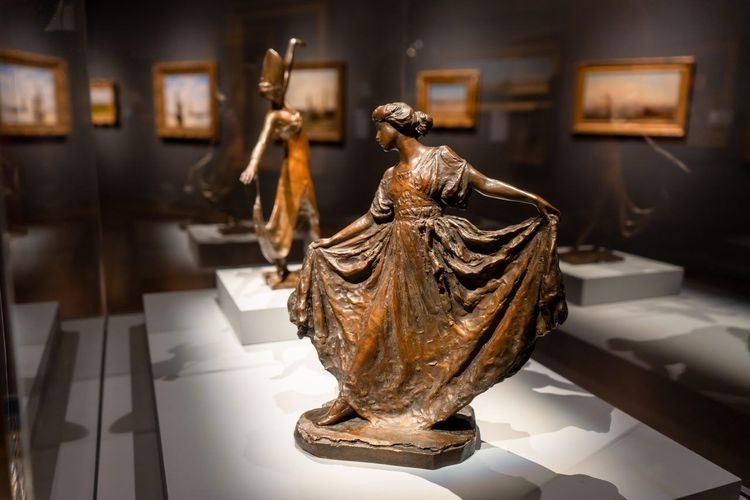
The Golden Triangle Creative District, wedged just south of Civic Center Park, works as a quieter counterpoint: a few blocks holding the Denver Art Museum, the Clyfford Still Museum, History Colorado Center and a dozen smaller galleries, all walkable in an afternoon without needing a car between stops. Gallery hopping here moves at museum pace rather than street-art pace, so plan it as a slower half-day rather than squeezing it into a RiNo afternoon.
Cherry Creek Shopping District (3000 E 1st Ave, Denver, CO 80206, rated 4.2/5 on Google (10 753 avis)) sits about three miles southeast, split between an enclosed mall of national retailers and an open-air grid of independent boutiques and Denver-based designers in Cherry Creek North.
It's the neighborhood to pick if your trip includes someone who'd rather shop than look at murals, and the Cherry Creek Trail bike path connects it back to downtown for anyone who wants to pedal between the two. Either neighborhood pairs naturally with an early dinner nearby, since both quiet down well before Denver's nightlife shifts toward LoDo and the Highlands.
Arts, Culture and Museums Worth Your Time
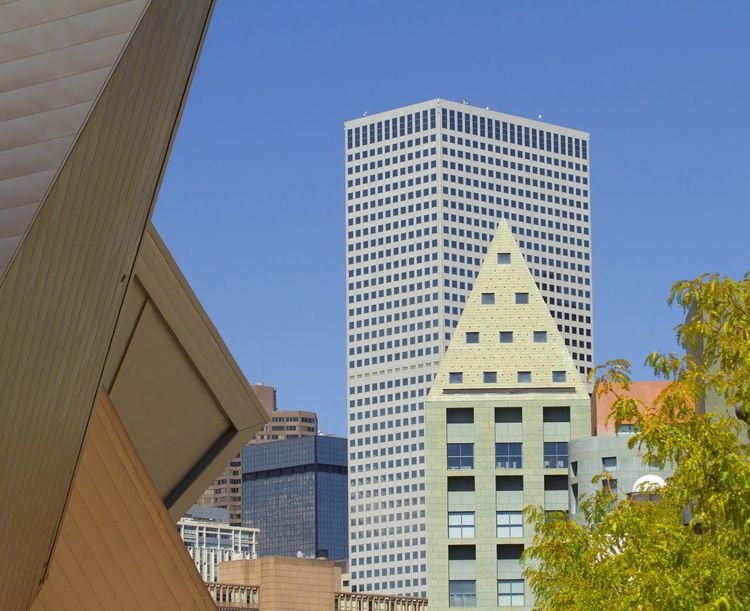
Denver's museum scene punches well above what a mid-sized Western city usually offers, largely because mining and railroad money seeded most of these institutions a century ago and recent expansions have kept them current.
Denver Art Museum and the Clyfford Still Museum
The Denver Art Museum) holds one of the most significant collections of Indigenous American art in the country, split between the 1971 Gio Ponti building and a titanium-clad Daniel Libeskind addition that looks, depending on who you ask, either like a crystal or a crashed spaceship.
Give the buildings themselves ten minutes before you go inside: the angular Hamilton Building was controversial when it opened in 2006, and locals still argue about whether it works. Inside, allow two to three hours minimum, more if the current special exhibition interests you, since the collection runs from pre-Columbian ceramics through art of the American West. Kids 18 and under get in free, a detail that changes the math for families.
Next door, the Clyfford Still Museum) holds almost the entire output of a single abstract expressionist painter, more than 3,000 works that sat in storage for decades because Still's will required any recipient city to build a museum devoted exclusively to his art.
That single-artist focus makes it a faster visit, 60 to 90 minutes, and a useful counterweight to the Denver Art Museum's sprawl if you're touring both back to back. The Denver Art Museum and History Colorado both feature on the Ryo audio route around Civic Center, which is a handy way to get the backstory of the plaza before you decide which doors to walk through.
Meow Wolf and Denver's immersive art scene
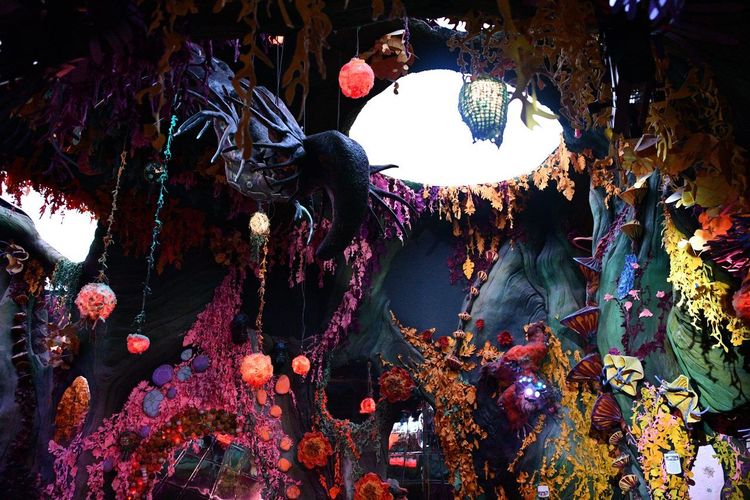
Meow Wolf Denver (1338 1st St, Denver, CO 80204, rated 4.5/5 on Google (18 536 avis)), officially called Convergence Station, is the most talked-about recent arrival: four alien worlds built into a multi-story maze of blacklight rooms, hidden passages and interactive installations that take two to three hours to fully explore.
Buy timed tickets online in advance, since walk-up availability on weekends is close to zero, and know going in that it's deliberately disorienting: there's no official map, and the storyline only reveals itself if you dig through letters, computers and secret doors.
For something smaller and stranger, keep an eye on the Dikeou Contemporary Art Museum, a free, offbeat collection of contemporary installations that most Denver guides skip entirely. Its former California Street space has closed and the collection is relocating to Court Place, so check whether it has reopened before you plan around it. If you only have room for one museum afternoon, pair the Denver Art Museum with Clyfford Still rather than Meow Wolf: the first two sit a two-minute walk apart, while Meow Wolf sits by I-25 west of downtown and deserves an unhurried visit of its own.
Parks and Green Spaces
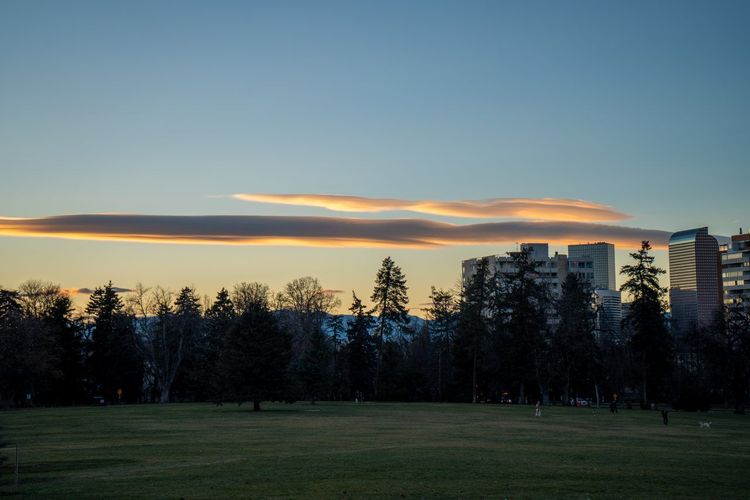
Denver's park system took shape in the late 19th and early 20th centuries alongside its grand parkways, and two flagship parks still anchor opposite sides of the city.
City Park and Washington Park
City Park), at roughly 330 acres, holds both the Denver Zoo and the Museum of Nature & Science within its boundaries, plus lakes where paddleboats circle in summer and the Front Range lines up on the western horizon.
Come for sunset if you can manage the timing: the view west from the museum's steps, with the downtown skyline in front of the mountains, is one of the more reliable photo spots in the city, no hiking required.
Washington Park), usually just called « Wash Park », sits further south and skews residential, more jogging loop than tourist attraction, with two lakes, formal flower gardens and a perimeter path of about 2.6 miles that locals treat like a running track.
Confluence Park on the river
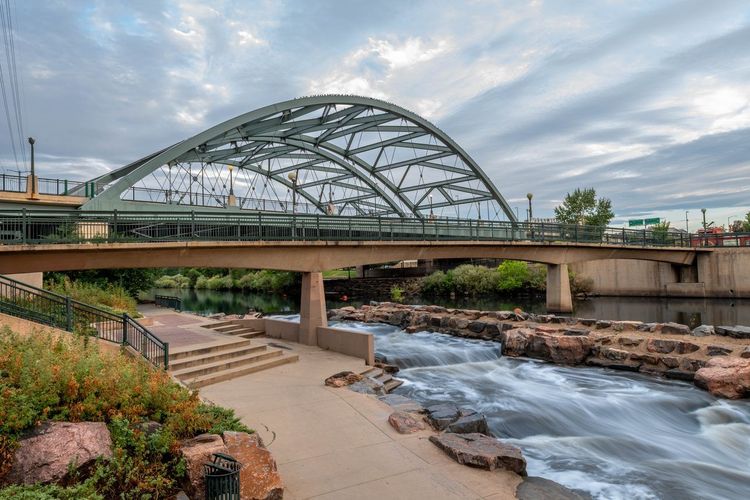
Confluence Park (2250 15th St, Denver, CO 80202, rated 4.7/5 on Google (3 211 avis)) marks the spot where Cherry Creek pours into the South Platte River, close to where gold-rush prospectors set up camp in 1858.
Today it's less history lesson than urban beach: an engineered kayak chute draws paddlers and tubers all summer, while the paved trails connecting it to LoDo and RiNo make it a natural stop on a bike ride rather than a dedicated destination. Bring water shoes if you want to wade in, since the rocks are slick.
Nature, Science and Wildlife Attractions
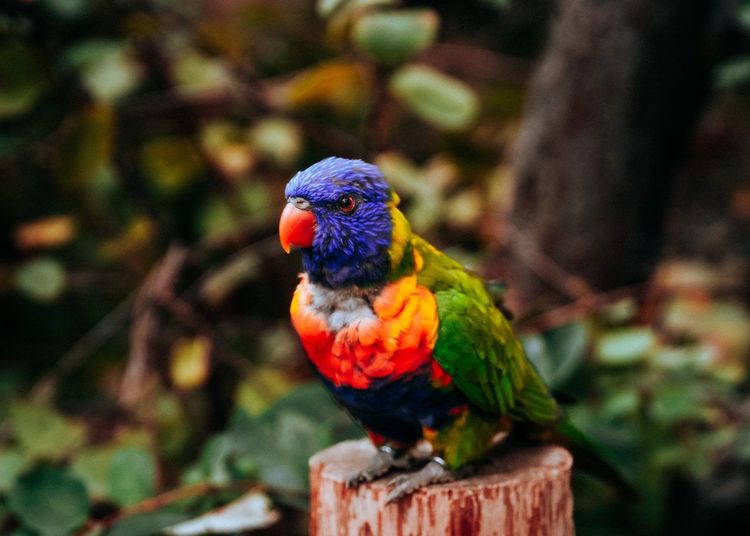
Two of Denver's biggest draws for families sit inside City Park, and a third is a short hop away in the Cheesman Park area.
Denver Museum of Nature and Science
The Denver Museum of Nature & Science) anchors City Park's eastern edge with dinosaur halls, an IMAX theater and a planetarium that between them can fill most of a rainy afternoon.
The wildlife dioramas, built decades ago and still impressively detailed, tend to surprise visitors expecting a purely modern, screen-heavy museum.
Denver Zoo Conservation Alliance and Denver Botanic Gardens
Next door, the Denver Zoo Conservation Alliance) (the name Denver Zoo adopted in 2023 to put its conservation work front and center) houses some 3,000 animals across roughly 80 acres, from big cats to the tropical Bird World.
It stays open year-round, which matters more than it sounds: a January visit still works, and the winter Zoo Lights festival turns the grounds into a light show after dark.
A short drive away, the Denver Botanic Gardens (1007 York St, Denver, CO 80206, rated 4.8/5 on Google (18 889 avis)) packs about 24 acres and dozens of themed gardens, from a Japanese garden to a water-wise xeriscape showcase, into a single afternoon.
In summer, the gardens host early-morning yoga sessions on the grounds, a peaceful way to see the beds before the crowds and the midday sun arrive. Evening summer concerts on the lawn are another local favorite if your dates line up.
Western Heritage and History
Denver's history runs from gold-rush boomtown to railroad hub to state capital, and the sites covering that arc cluster into two natural groups: downtown's civic core, and a scattering of pioneer-era sites on the city's edges.
Colorado State Capitol and Civic Center Park
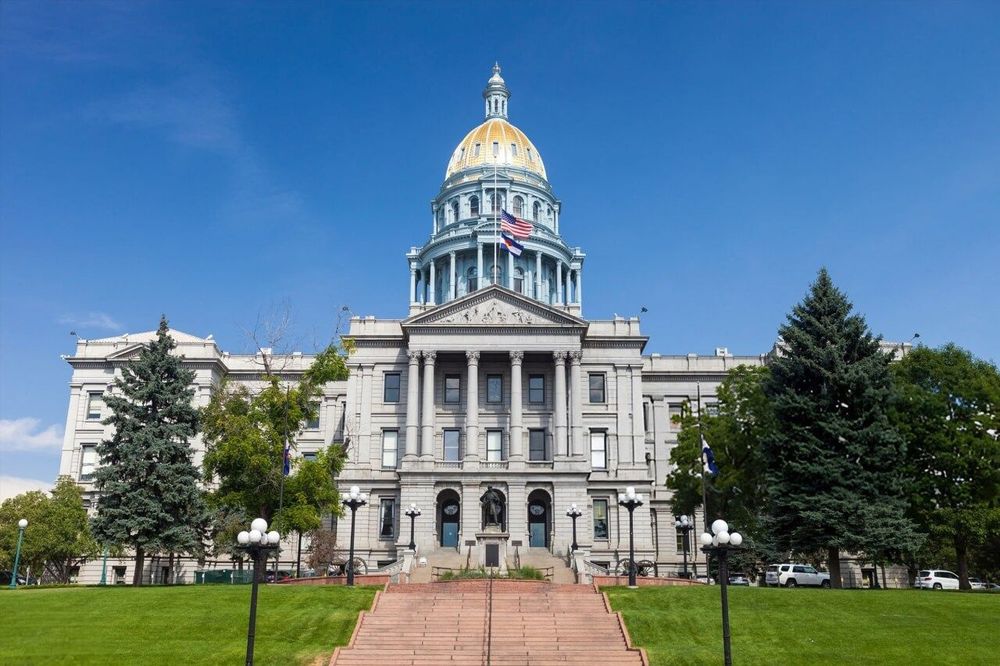
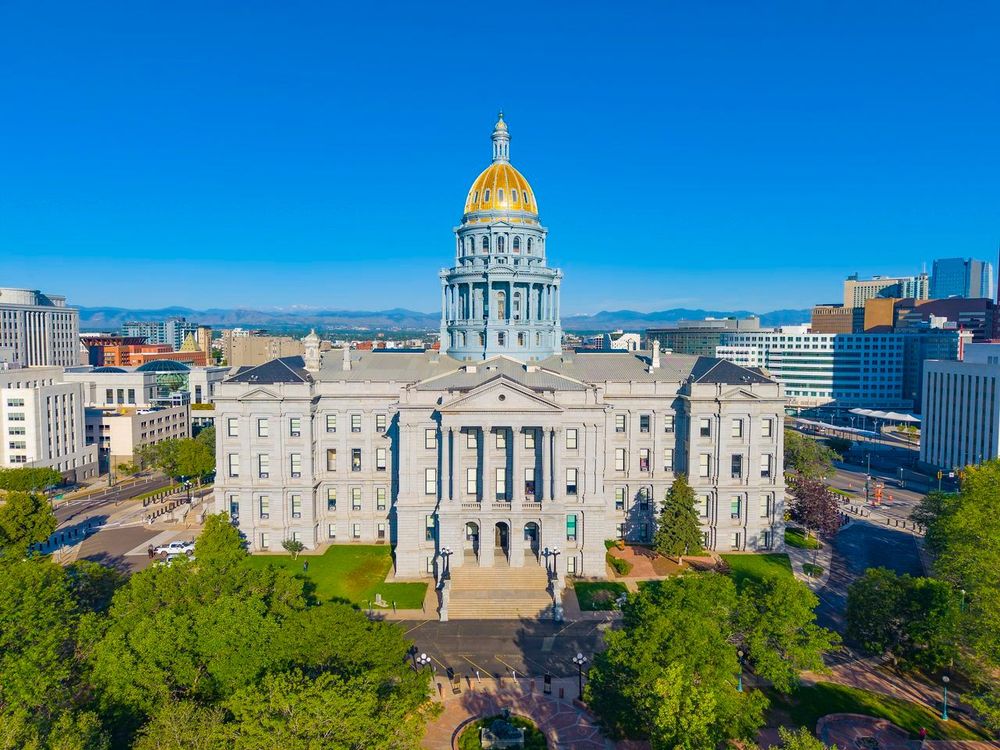
The Colorado State Capitol)'s dome is plated in Colorado gold leaf, a nod to the 1858 gold rush that founded the city, and its west steps carry the Mile High markers that gave Denver its nickname.
Free guided tours run on weekdays, and the dome's observation level offers one of downtown's best panoramic views for the price of nothing. Just across the lawn, Civic Center Park frames the Capitol against the neoclassical City and County Building, and in summer its food-truck gatherings and festivals make it as much a people-watching stop as a monument.
Nearby, the History Colorado Center uses interactive exhibits, including a Model T driving simulator in its re-created prairie town, to cover everything from Indigenous history through the mining boom, a more hands-on counterpoint to the Capitol's formal grandeur. The Capitol, Civic Center Park and History Colorado are all narrated stops on the Ryo audio-guided tour of Denver, whose suggested starting point is Civic Center Park itself, roughly two hours on foot if you follow the whole loop.
Pioneer and railroad history: Four Mile Historic Park, the Colorado Railroad Museum and Buffalo Bill's grave
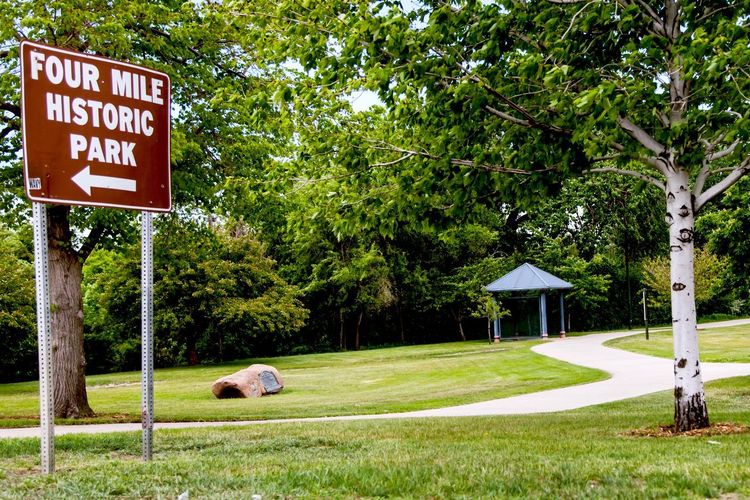
Four Mile Historic Park) preserves Denver's oldest standing structure, an 1859 log home turned stagecoach stop, now surrounded by farm grounds where costumed interpreters bring the 19th century back to life.
Out toward Golden, the Colorado Railroad Museum) displays more than 100 vintage locomotives and train cars across a 15-acre yard, with a working roundhouse and turntable that rail enthusiasts treat as a pilgrimage site.
A few minutes further up the mountain, the Buffalo Bill Museum & Grave (987 Lookout Mountain Rd, Golden, CO 80401, rated 4.7/5 on Google (3 074 avis)) sits atop Lookout Mountain with a small museum covering the Wild West showman's life and a view back over the entire Denver basin that alone justifies the drive.
Back in town, the Molly Brown House Museum tells the story of the Titanic survivor turned activist through her actual Capitol Hill mansion, restored down to the wallpaper.
Sports, Stadiums and Game-Day Culture
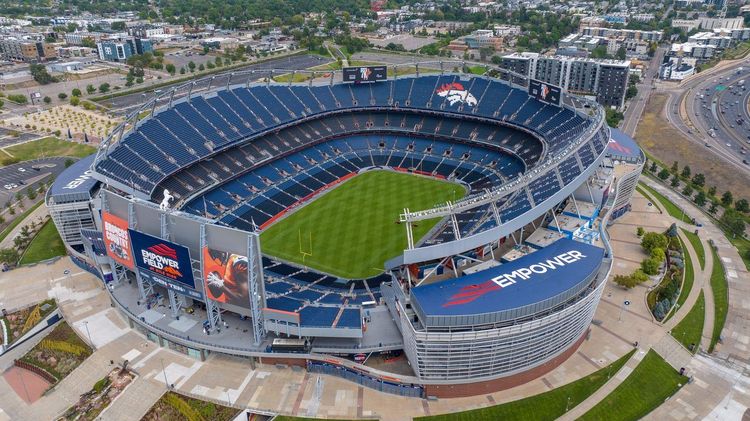
Denver takes its teams seriously enough that game days reshape entire neighborhoods, LoDo especially, so if you land during baseball or football season, plan around it rather than being surprised by it.
Coors Field and McGregor Square
Coors Field), home of the Colorado Rockies since 1995, sits at the edge of LoDo and is famous among baseball fans for one quirk: in the thin air, a well-hit ball carries noticeably farther than at sea-level ballparks, which pitchers dread and hitters quietly love.
On game days, look for the single row of purple seats in the upper deck marking the one-mile elevation line, a small detail most out-of-towners miss. Right outside the stadium, McGregor Square turns into an open-air sports bar on game nights, with a big screen broadcasting road games to a crowd that didn't necessarily buy stadium tickets.
Ball Arena, the Colorado Sports Hall of Fame and the National Ballpark Museum
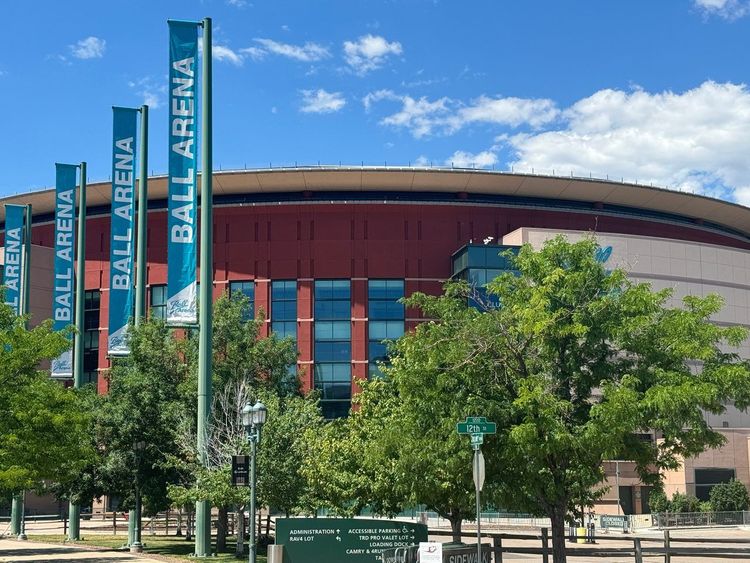
Across the river from LoDo, Ball Arena) hosts the Denver Nuggets and Colorado Avalanche under one roof, and both franchises have won championships recently enough (the Avalanche in 2022, the Nuggets in 2023) that the surrounding bars fill up fast on playoff nights.
Over at the Broncos' Empower Field at Mile High, the Colorado Sports Hall of Fame traces the state's athletic history across every major Denver franchise, a manageable 45-minute stop rather than a half-day commitment. Baseball completists can also seek out the National Ballpark Museum (1940 Blake St, Denver, CO 80202, rated 4.7/5 on Google (378 avis)), a privately curated collection of stadium seats, signs and memorabilia a block from Coors Field that most tourists walk right past.
If you're not timing your trip around a specific game, check the Rockies, Nuggets, Avalanche and Broncos schedules before you book: a stadium-adjacent hotel feels completely different on a game night than it does on a quiet Tuesday.
Denver's Food Scene: Markets, Food Halls and Neighborhood Eats
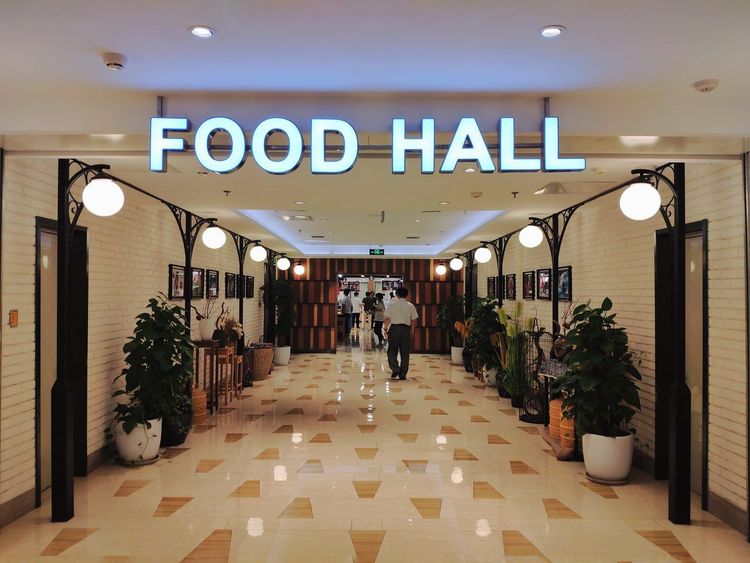
Denver's restaurant scene has shifted hard toward food halls over the past decade, open-floor-plan buildings holding a dozen or so independent vendors under one roof, which solves the eternal group-trip problem of nobody agreeing on a restaurant.
Union Station and Denver Central Market food halls
Inside Union Station's Great Hall, the options skew upscale: an oyster counter, the Terminal Bar in the former ticket office, and several sit-down restaurants without leaving the building. It's the easiest first meal in the city simply because it requires zero planning; you're probably walking through the station anyway.
In RiNo, the Denver Central Market (2669 Larimer St, Denver, CO 80205, rated 4.7/5 on Google (6 162 avis)) takes the same food-hall format into a restored 1920s warehouse: butcher and cheese counters, pizza and pasta, pastries, coffee and chocolate share one floor, with communal tables that push strangers into the same seating area.
Other halls worth a detour include Avanti F&B in LoHi, with a rooftop deck facing the skyline, and Zeppelin Station in RiNo. Downtown, the Ryo audio loop includes a food-and-crafts stop along the 16th Street promenade, a natural spot to pause for lunch between the Capitol and Larimer Square without losing the thread of the story.
RiNo and neighborhood favorites beyond the chains
Beyond the food halls, RiNo's standalone restaurants tend to reward wandering over research: look for the places with a line at 6:30pm on a Thursday, the surest local signal in a neighborhood that changes its lineup every few months. Denver's Asian food scene along South Federal Boulevard, from pho to soup dumplings, is a favorite of locals who know where to look.
For something further off the typical tourist path, neighborhood spots scattered through the Highlands and Congress Park reward a short rideshare with menus built for regulars, not visitors. Ask a bartender rather than a search engine; Denver's best neighborhood kitchens tend to under-market themselves on purpose. Reservations matter more than you'd expect for a Western city, too: book RiNo's better-known restaurants a few days out if your trip falls on a weekend. And don't leave without trying green chile, Colorado's signature stew, smothered over a breakfast burrito.
Nightlife, Breweries and Cocktail Bars
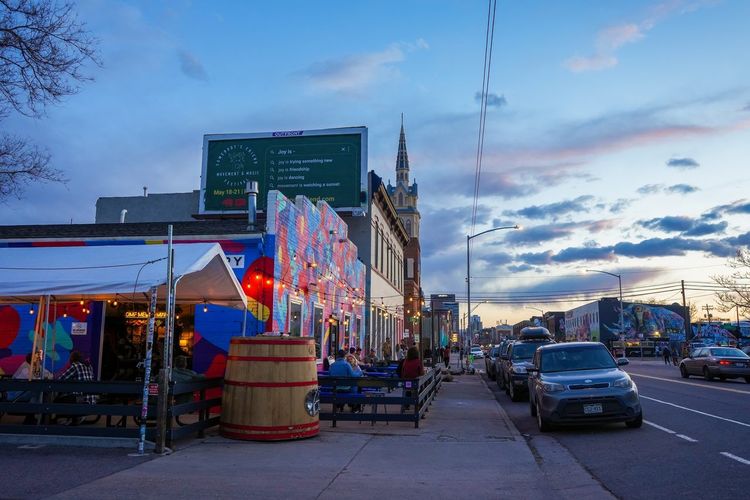
Denver ranks among the top American cities for craft breweries, which means a night out here defaults to beer before anything else, though downtown's cocktail scene has caught up fast in the last few years.
Rooftop bars and the Coors Brewery Tour
Downtown and the Highlands both stack rooftop bars on top of hotels and converted warehouses, and on clear evenings the better ones frame the Rockies directly behind the skyline, worth timing for sunset rather than treating as a random stop. A short drive out in Golden, the Coors Brewery Tour) takes you through the largest single-site brewery in the world, ending with samples that make the 25- to 30-minute drive from downtown worthwhile even for casual beer drinkers.
Back in the city, Denver runs a serious beer-festival calendar: the Great American Beer Festival lands at the Colorado Convention Center every autumn, one of the largest ticketed beer-tasting events in the country, so check the dates before you book if timing allows (hotel prices jump that weekend).
Whiskey, cocktails and the Cruise Room
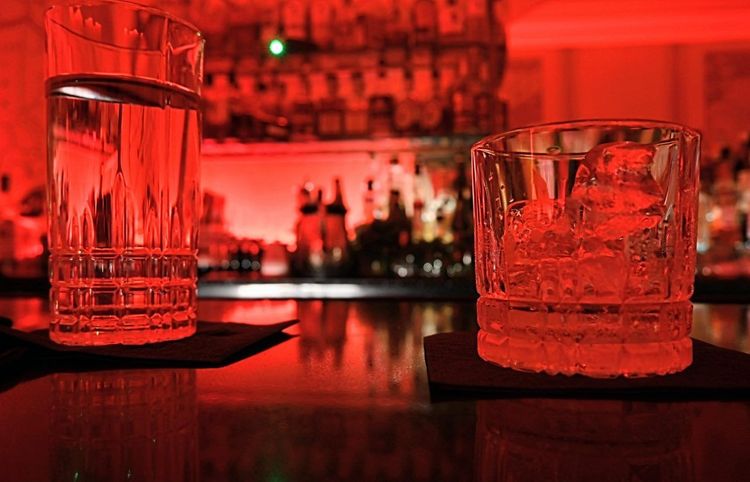
Inside the Oxford Hotel, the Cruise Room (1600 17th St, Denver, CO 80202, rated 4.6/5 on Google (341 avis)) is widely called Denver's oldest bar of its kind, a narrow Art Deco room modeled on a lounge from the Queen Mary that opened right after Prohibition ended in 1933 and has barely changed its look since.
A block away, the Cooper Lounge overlooks Union Station's Great Hall from a mezzanine perch, a calmer option for a nightcap if the Cruise Room is standing-room only. Whiskey drinkers should seek out the LoDo bars that stock several hundred bottles deep; most will happily talk you through a flight if you admit you don't know where to start, and Colorado's own distilleries deserve a place in it.
For something more neighborhood-feeling, Capitol Hill's cocktail bars trade the tourist-facing polish for a quieter, local crowd, the kind of place where the bartender remembers your order by the second visit.
Red Rocks Park and Amphitheatre
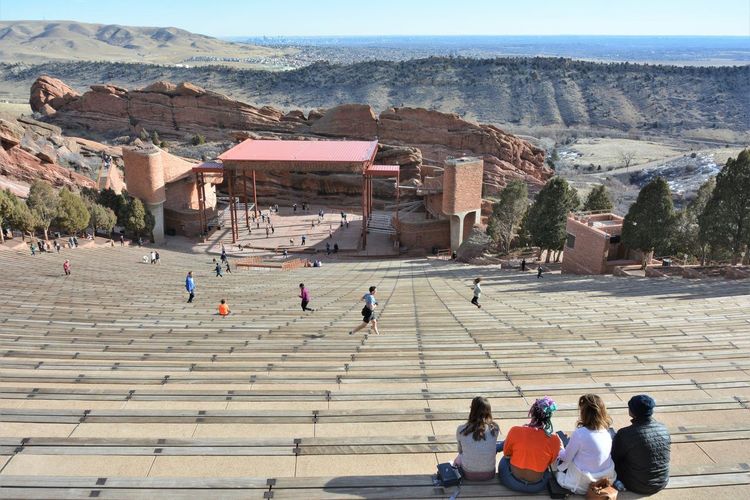
About 15 miles west of downtown, Red Rocks Park & Amphitheatre (18300 W Alameda Pkwy, Morrison, CO 80465, rated 4.9/5 on Google (65 775 avis)) sets a 9,525-seat concert venue between two 300-foot sandstone monoliths, a natural acoustic setup so good that touring artists routinely rank it among the best-sounding venues in the world.
Iconic natural acoustics and concerts
The venue has hosted everyone from The Beatles in 1964 to U2's famous 1983 concert film, and the summer calendar books up months in advance for the bigger names, so check the schedule before you assume you can walk up and buy tickets on the day. Even without a show, the free Trading Post visitor center and the Performers Hall of Fame tell the story of the venue, and the red rock itself, part of the roughly 300-million-year-old Fountain Formation, is the same stone you'll see tilted up across the foothills.
Morning yoga and the hiking trails
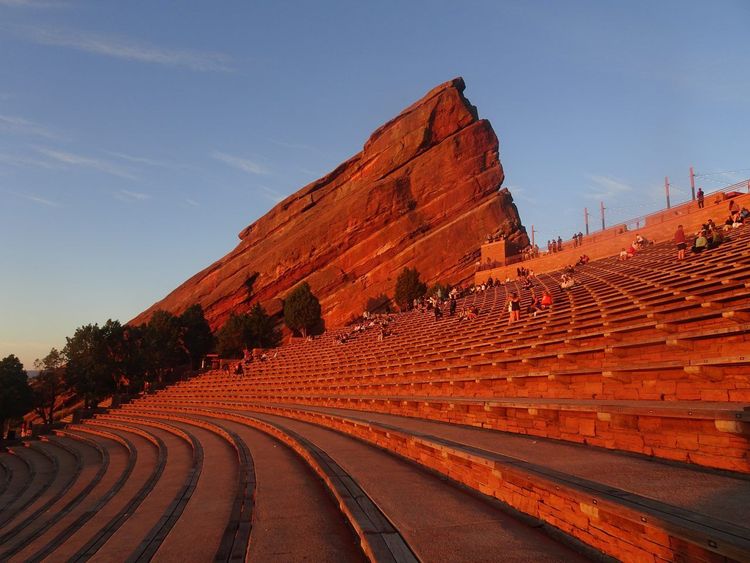
In summer, Red Rocks runs a hugely popular Yoga on the Rocks series directly on the amphitheater steps, instructor-led sessions that start early to beat both the heat and the crowds. The surrounding park also holds several miles of hiking trails through the same red sandstone formations, such as the short Trading Post Trail, quieter and largely free of concert traffic, a good way to spend an hour if you simply want the view without the ticket price. Parking fills up fast on weekend mornings whether or not there's a show, so arrive early if yoga or hiking is the plan, and remember that the venue closes to the public in the afternoon on concert days.
Day Trips and Nearby Mountain Towns
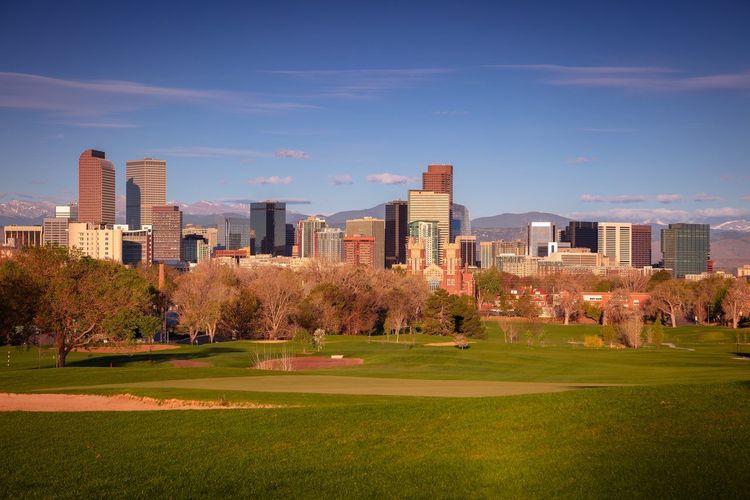
Denver's single best advantage over most American cities its size is how much mountain scenery sits within an hour's drive, close enough for a half-day trip without committing an entire vacation day. Most of these trips are easiest with a rental car: rideshare drivers are reluctant to take long highway fares, and public transit only reaches Golden and Boulder directly. Budget half a day minimum for anything past Golden, and a full day for Rocky Mountain National Park (1000 US Hwy 36, Estes Park, CO 80517, rated 4.8/5 on Google (47K reviews)) or Mount Blue Sky, since the drive itself eats into daylight you'll want for the view.
Golden and the foothills
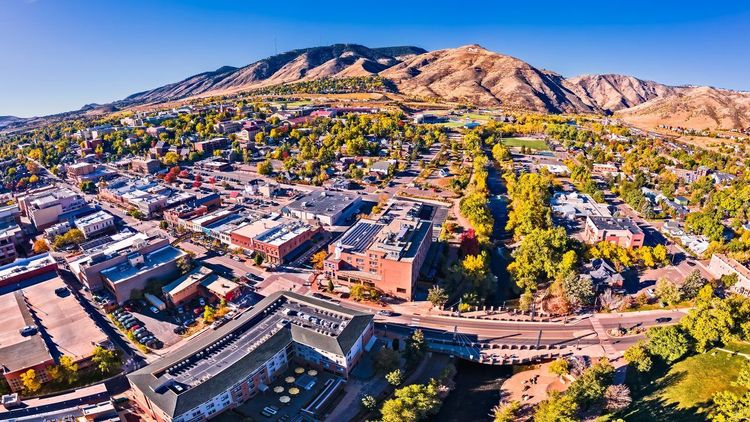
Golden, Colorado sits about 15 miles west of downtown, a former territorial capital turned brewery town that still feels distinctly separate from Denver's sprawl, built along fast-moving Clear Creek with the School of Mines' white « M » laid out on the mountainside above it.
Above town, Lookout Mountain delivers one of the Front Range's better sunset views, a winding drive with pullouts that locals treat as a standard after-work outing, though the panorama back over the entire Denver basin draws plenty of visitors too.
Boulder and Fort Collins
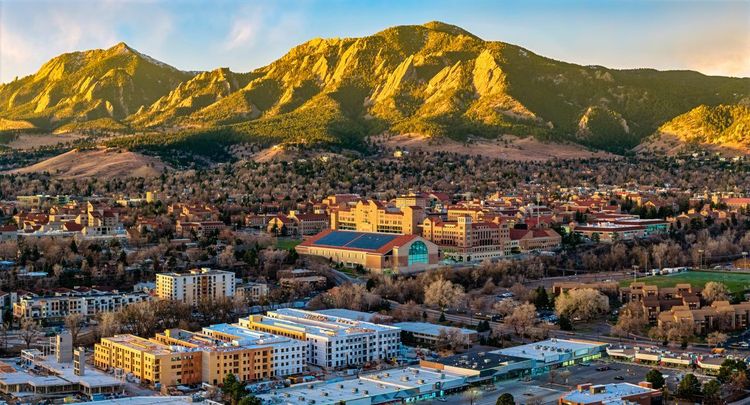
Boulder, about 30 miles northwest, pairs the walkable Pearl Street pedestrian mall with direct access to the Flatirons, the tilted slabs of rock that frame the city and draw climbers and trail runners from across the state.
It reads as a college town with serious outdoor credentials, worth a half-day for Pearl Street alone or a full day if a Flatirons hike from Chautauqua Park makes the itinerary. Further north, Fort Collins stretches the drive to about an hour but rewards it with one of Colorado's best-preserved historic downtowns and a brewery density that rivals Denver's own, including the New Belgium brewery tour.
Georgetown, Central City & Black Hawk, and Rocky Mountain National Park
West on I-70, the mining towns of Georgetown and Silver Plume preserve their silver-boom architecture almost intact, connected by the narrow-gauge Georgetown Loop Railroad, which runs seasonal excursions over a dramatic high bridge; it's an easy half-day if train history appeals to anyone in your group. In a different direction, Central City and Black Hawk combine restored gold-rush buildings with Colorado's limited-stakes casinos, an odd but popular pairing of history and gaming that surprises most visitors who only expected mining-town facades.
If you're willing to commit a full day, Rocky Mountain National Park sits roughly 90 minutes northwest via Estes Park, with Trail Ridge Road climbing above 12,000 feet, weather and season permitting, for alpine tundra views unlike anything closer to the city. Summer visits require a timed-entry reservation, so book ahead.
As a shorter alternative, Echo Lake and Mount Blue Sky (formerly Mount Evans) offer a dramatic high-alpine drive on what has long been billed as the highest paved road in North America, topping out above 14,000 feet; sections near the summit have been closed for repairs in recent seasons and a timed reservation applies, so check the current status before you go.
Whichever direction you choose, check road conditions before you leave: mountain weather changes faster than Denver's own famous whiplash, and an afternoon thunderstorm at 11,000 feet is a different proposition entirely from one downtown. Once you're on a foothills overlook, you'll spot the Capitol's gold dome glinting back from the plains, and if you walked the Ryo audio loop on day one, you'll know exactly why it's gold.
Where to Stay in Denver
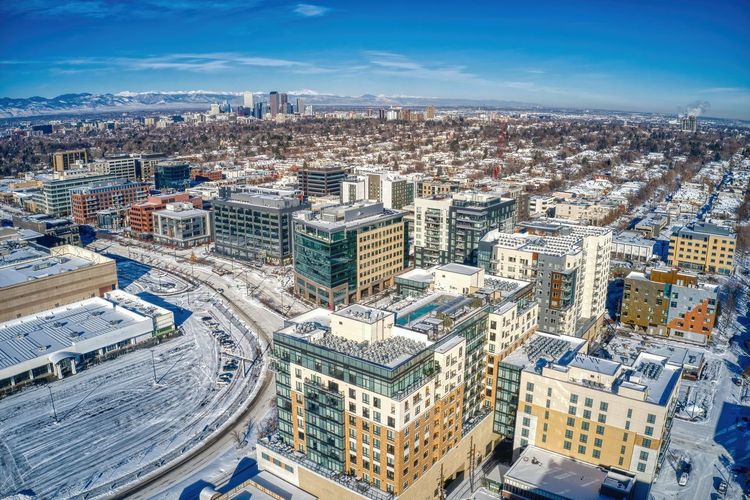
Picking a base in Denver mostly comes down to one question: do you want to walk everywhere, or do you want quiet?
Downtown and Union Station hotels
Inside Union Station itself, the Crawford Hotel occupies the building's upper floors with rooms split across three design themes (Pullman, Classic and Loft), and the novelty of sleeping inside a working train station is a big part of the appeal.
A few blocks away, the Populus opened in 2022 billing itself as the first carbon-positive hotel in the US, its aspen-eye windows turning heads from the street, and The Rally Hotel sits inside McGregor Square, close enough to Coors Field that game-day noise is a real consideration on nights the Rockies play at home. For a more traditional, old-Denver feel, Hotel Teatro occupies the 1911 Tramway Building across from the Denver Performing Arts Complex, a reliable pick if walkability matters more than novelty.
Boutique and artsy stays near Cherry Creek and Central Park
Further from downtown's noise, Cherry Creek's hotels trade walkability for quiet streets and easy shopping access, a better fit if you'd rather rideshare into downtown for a few hours than stay in the middle of it. Near the Central Park neighborhood (formerly Stapleton, Denver's old airport site), chain options like the Embassy Suites by Hilton Denver Central Park offer suite-style rooms at a lower price point, useful for families needing more space than a standard downtown room allows, and handy for the A-Line, which stops at Central Park station. For something smaller and more personal, the bed-and-breakfasts set in Capitol Hill's converted Victorian mansions lean into the independent character that chain hotels can't replicate, at the cost of fewer amenities and stricter check-in times.
Practical Tips: Altitude, Weather, Dress Code and Cannabis Laws
A handful of practical realities catch first-time visitors off guard more than any single attraction on this list, and all four deserve five minutes of attention before you land.
Altitude and hydration essentials
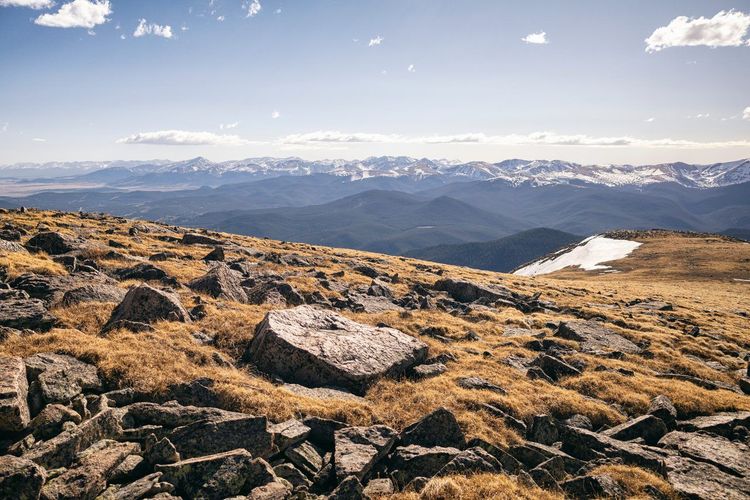
Respect the altitude: the Mile High moniker is literal, and 5,280 feet is high enough that visitors arriving from sea level often feel it, with headaches, shortness of breath on stairs, and a lower tolerance for alcohol than you're used to at home. Drink more water than feels necessary starting the morning you land, skip the first-night bar crawl if you can manage it, and go easy on strenuous hikes for your first 24 hours. Altitude sickness is rarely serious at Denver's elevation alone, but it gets real once you head up to Rocky Mountain National Park or Mount Blue Sky, where the air thins considerably further.
Weather whiplash and what to pack
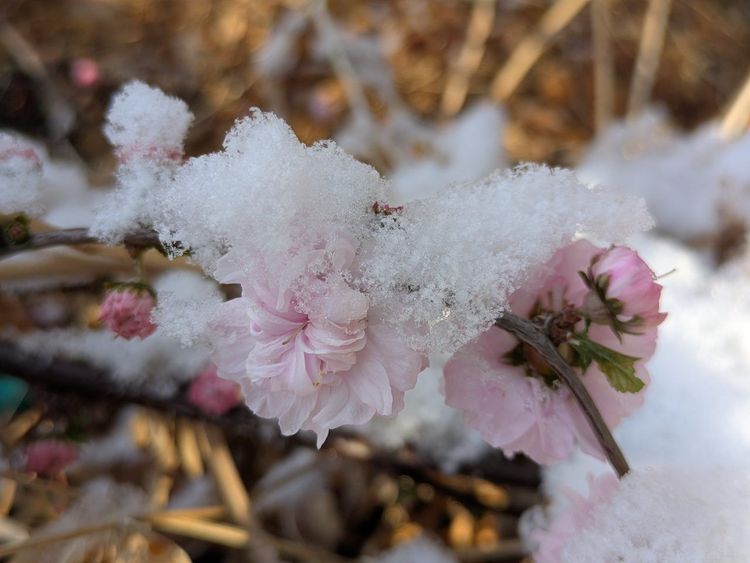
Prepare for weather whiplash: Denver can swing 40 degrees between morning and evening, and a sunny 70-degree day can turn into a snow flurry by nightfall, especially in spring and fall. Pack in layers rather than packing for a season; a t-shirt, a warm mid-layer and a packable rain or wind shell cover almost any scenario the Front Range throws at you. Sunscreen matters more here than the temperature suggests: the thinner air lets more UV through, and sunburns at altitude happen faster than they would at sea level on an identical afternoon.
Dress code, local etiquette and cannabis laws
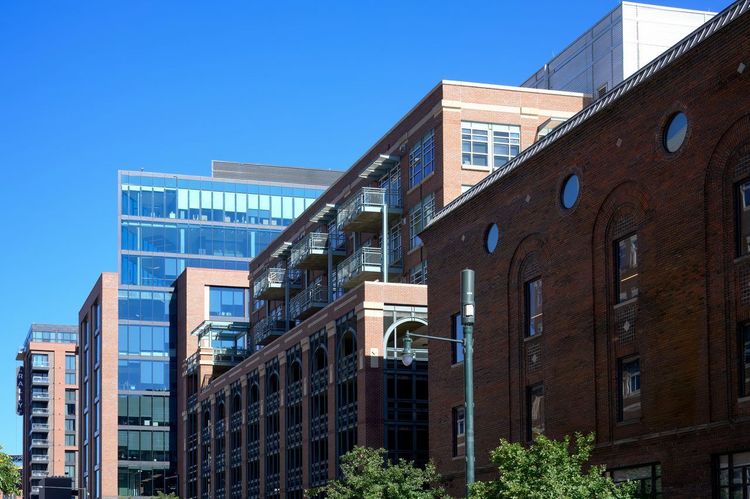
Denver's dress code runs casual almost everywhere: even the nicer LoDo restaurants rarely require more than a clean pair of jeans, and hiking boots at dinner raise zero eyebrows if you're coming straight from a trail. Local etiquette leans friendly but unhurried; don't expect East Coast service speed, and do expect small talk from bartenders and shop owners who generally aren't in a rush.
On cannabis laws: recreational marijuana is legal in Colorado for adults 21 and over, and dispensaries operate openly across the city with ID checks at the door. Visitors can legally buy and possess it, but consumption is restricted to private property where the owner allows it; using it in public, in non-smoking hotel rooms, or in any state or national park carries real fines, and taking it across state lines or onto a plane is a federal offense. A handful of cannabis-friendly lodgings and licensed consumption lounges exist specifically to solve that problem for tourists, worth researching in advance if it's part of the plan.



FAQ
Is Denver a good city for tourists?
Yes. Denver combines a walkable, compact downtown with real mountain access within an hour's drive, a rare combination among major US cities. First-time visitors get museums, a lively food-hall scene and professional sports without needing a car for the core of the trip, plus an easy add-on of foothills day trips for anyone with a few extra days and a rental car.
What are the 10 must-see things to do in Denver?
Most first-timers prioritize Union Station, Larimer Square, the Denver Art Museum, RiNo's murals, the Colorado State Capitol, Red Rocks Park & Amphitheatre, the Denver Zoo Conservation Alliance, Denver Botanic Gardens, Coors Field (or Ball Arena on game nights) and at least one day trip to Golden or Boulder. That mix covers downtown history, art, nature, sports and the mountains. For a longer list, see our guide to things to do in Denver.
How many days in Denver is enough for first-time visitors?
Two full days cover downtown, RiNo and one museum comfortably. Three to four days let you add Red Rocks and a single day trip, while five or more days work better if you want to split time between the city itself and multiple foothills towns like Golden, Boulder and Georgetown without rushing any of them.
Is Denver walkable for tourists?
Downtown, LoDo and the Civic Center area are very walkable; most core attractions sit within a 20-minute walk of each other. RiNo, Cherry Creek and anything outside the central grid call for a short rideshare, bike share or light rail ride, and day trips to the mountains need a car or an organized tour rather than a pair of comfortable shoes.
When's the best time of year to visit Denver?
September and October bring the most reliable combination of mild days, cool nights and thin crowds, with late spring a close second. Summer offers the longest days and full access to mountain trails but comes with afternoon thunderstorms and the highest hotel rates, while winter suits visitors chasing snow sports in the nearby mountains more than those focused on the city itself.
Is cannabis legal to buy in Denver as a visitor?
Yes, for adults 21 and over with valid ID; recreational dispensaries operate openly throughout the city. Public consumption remains illegal, however, so plan around a cannabis-friendly lodging or a licensed consumption lounge if using it is part of the trip, rather than assuming your hotel room is fair game once the door is closed.
Conclusion
Denver rewards exactly the kind of visitor who reads a guide like this one before landing: someone willing to drink the extra glass of water, pack a layer they might not need, and accept that a 70-degree afternoon can turn into a snow flurry before dinner. Everything else, the murals, the gold dome, the oyster bar inside a converted train station, the red rocks that double as a concert hall, tends to take care of itself once you're actually walking the city.
If you're mapping out that first morning, Ryo's audio-guided tour of Denver is a reasonable place to start: 21 audio stories over about two hours on foot, from Civic Center Park and the Capitol to Larimer Square and the Big Blue Bear, which beats guessing at a century-old brick facade on your own. From there, the rest of the Mile High City is just a matter of picking a direction, LoDo, RiNo, or straight toward the mountains, and letting the altitude do the rest of the convincing.