© Shutterstock
 Votre guide Ryo
Salt Lake City in 2 Days: A Complete 2026 Itinerary
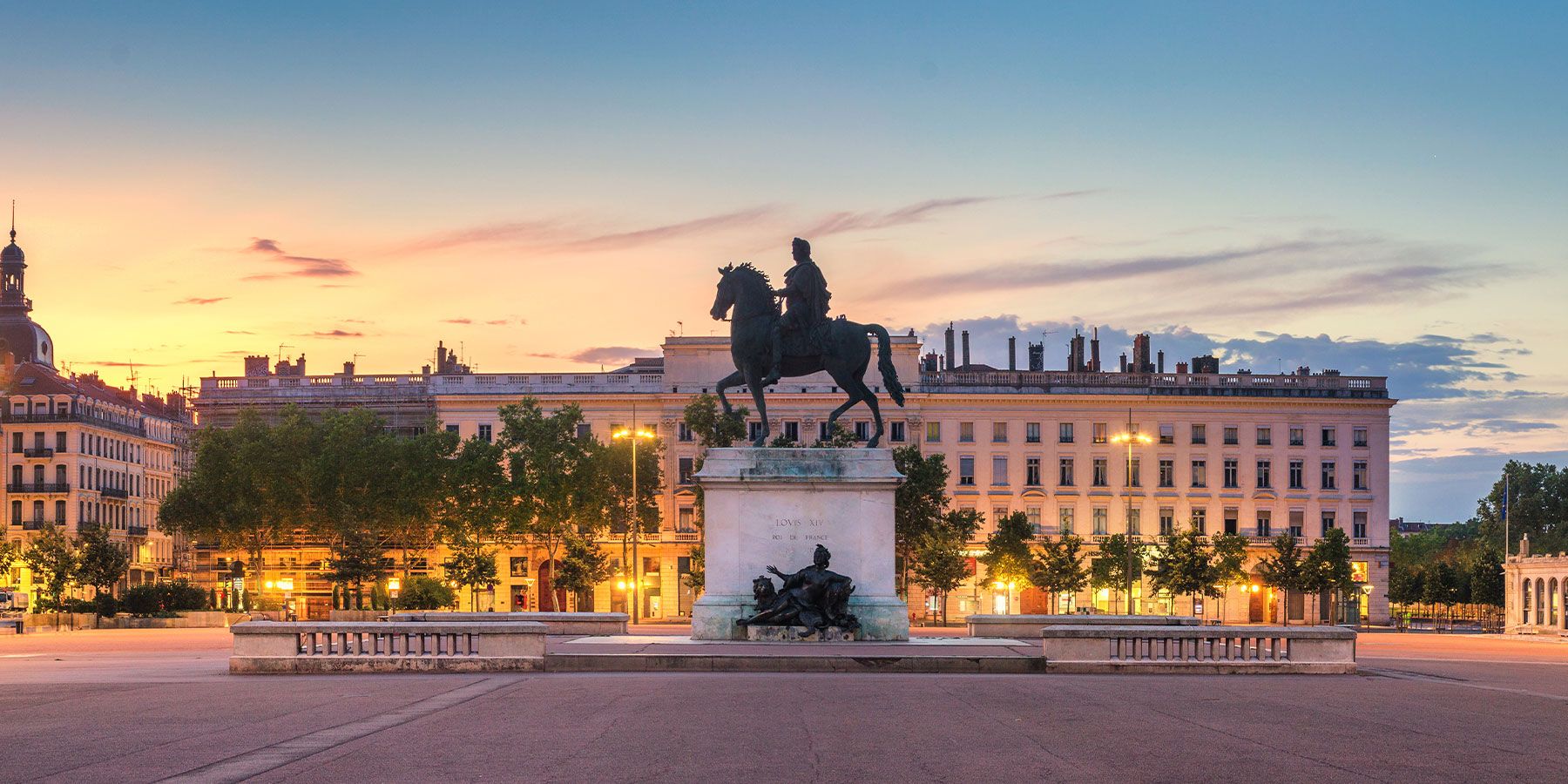
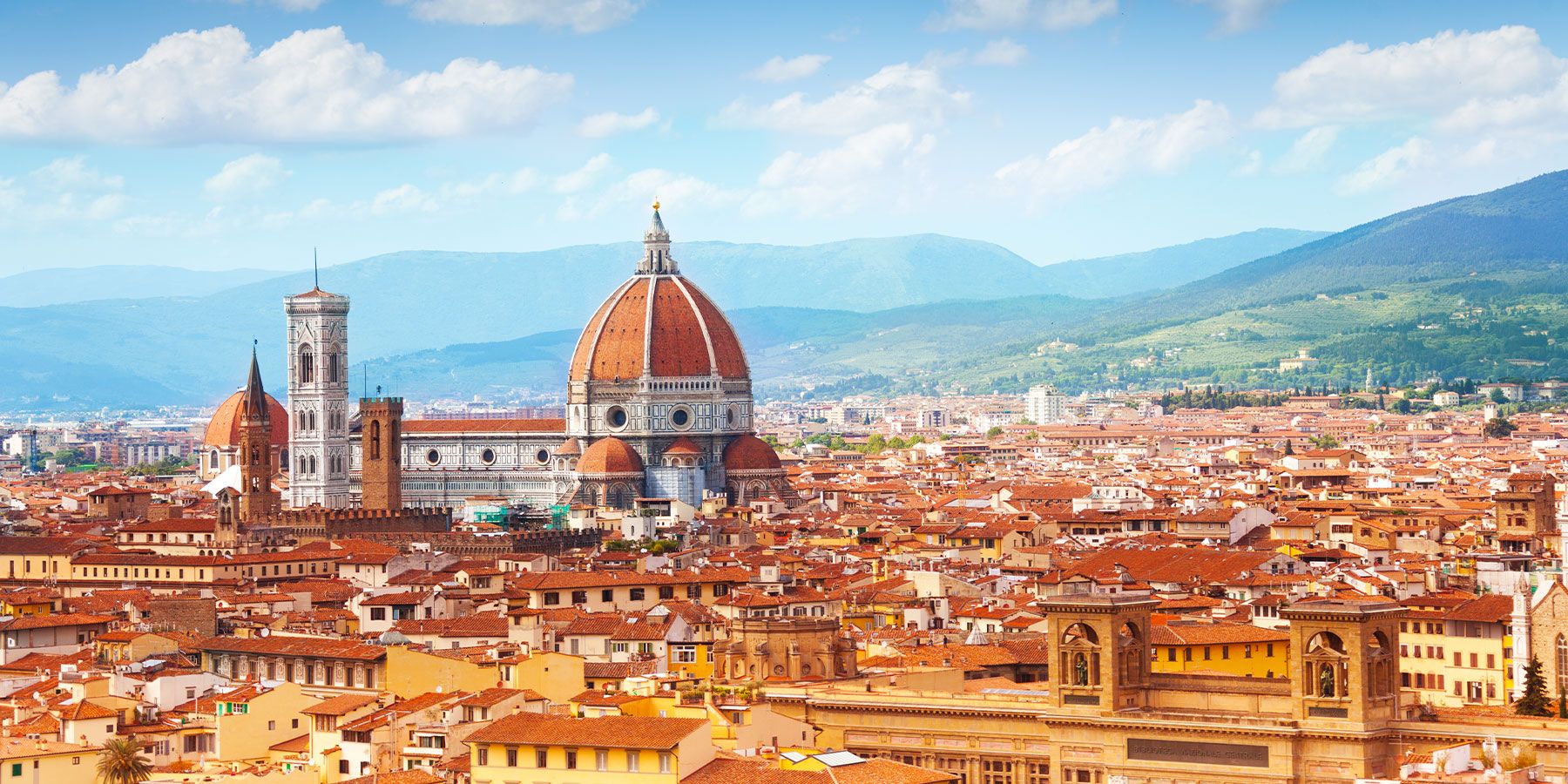
Salt Lake City sits at roughly 4,200 feet in a bowl pinched between the Wasatch Range and the Great Salt Lake, and that geography is exactly why seeing Salt Lake City in 2 days actually works: a 19th-century tabernacle, a working state capitol and a 10,000-foot canyon trailhead all sit within a 25-minute drive of each other. Nowhere else in the American West lets you trade a guided tour of a granite temple for a hike past three alpine lakes before dinner. If a tightly-packed 48 hours like this is your kind of travel, Ryo's audio-guided 2-day itinerary for Florence follows a similar rhythm of morning history and unhurried afternoon wandering, worth a look once this Utah trip is booked.
Over these two days, you'll stand beneath a dome built without a single structural nail, order fire-roasted mole at a restaurant with a decades-long line out the door, and watch the sun drop behind the Great Salt Lake from a ridge fifteen minutes' walk from downtown high-rises. There's a canyon with three named lakes most first-time visitors never hear about, a museum stocked with Utah's own dinosaur fossils, and a public library with a rooftop garden nobody puts on a postcard. None of it requires a car for day one. All of it fits into two days, with room to add a third if the canyons pull you back.
Why Visit Salt Lake City? A City of Mountains, Culture and History
Ask ten visitors what SLC is known for and the answers rarely agree. Skiers point northeast, toward Wasatch peaks that catch more annual snowfall than almost anywhere in North America. History buffs mention the Mormon pioneers who arrived in 1847 and built a city from a desert basin in under a decade. Foodies bring up Caputo's Market and a downtown dining scene that has quietly outgrown its reputation as a place with strict liquor laws and little else.
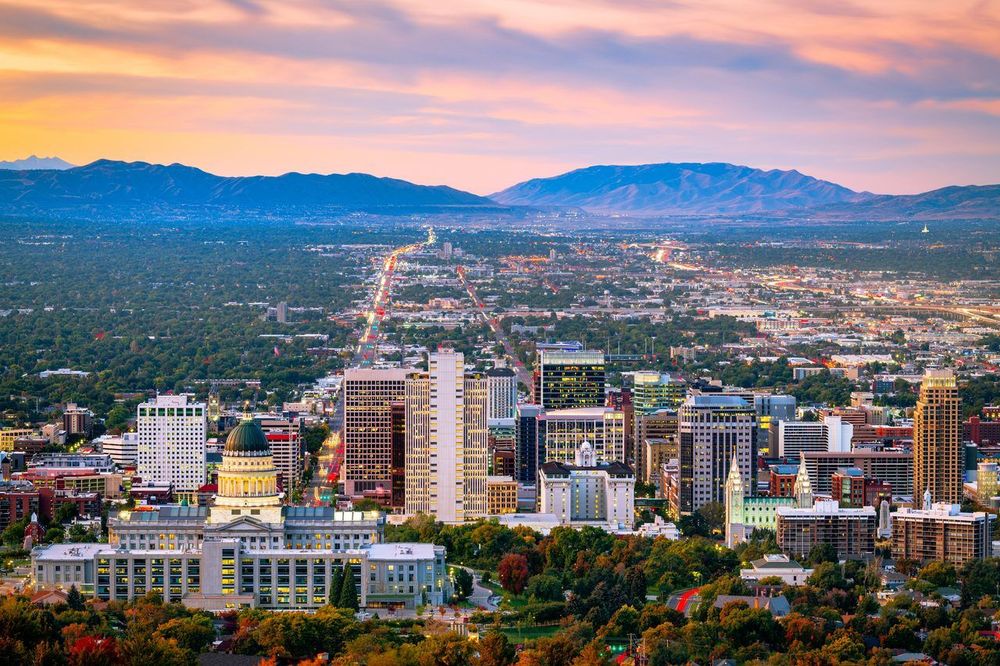
The truth is that the city works because it refuses to pick a single identity. It's one of the few major U.S. cities where you can browse contemporary art at UMOCA in the morning and be standing at a trailhead by early afternoon, still wearing the same boots. The downtown core is walkable and dense with historic architecture, from the granite mass of the Salt Lake Temple to the glass curves of the Public Library six blocks away. Just beyond it, foothill neighborhoods and canyon roads climb straight into wilderness.
For a two-day trip, that compression matters. You're not choosing between a city break and an outdoor escape. Temple Square, a research library used by genealogists worldwide, a zoo, a planetarium and three named alpine lakes all sit inside a fifteen-mile radius. Few American cities pack that much variety into so short a drive, which is exactly why a 48-hour visit here rarely feels rushed.
Best Time to Visit Salt Lake City for a Two-Day Trip
There's no single best season for a two-day trip to Salt Lake City, because the two days you're planning change shape depending on when you book them.
Winter (roughly November through March) turns the city into a ski base camp. Four resorts, Alta, Snowbird, Brighton and Solitude, sit within 45 minutes of downtown, several reachable without a car via UTA ski bus routes. This is when a winter family vacation here makes sense: mornings on the slopes, afternoons back in a warm downtown hotel. Expect daytime temperatures in the 30s°F, occasional inversion smog trapped by the surrounding mountains, and Temple Square lit for the holidays through early January. It's also the cheapest season for downtown lodging, since most winter spending concentrates in the canyons.
Spring (April-May) is the shoulder season locals quietly prefer. Snow lingers in the high canyons while downtown warms into the 60s, redbuds bloom along the Jordan River Parkway, and hotel rates dip before summer demand kicks in. It's a good window for a romantic getaway: fewer crowds at Temple Square, patio season starting at downtown restaurants, and canyon trails opening in stages as the snowpack melts.
Summer (June-August) is when Big Cottonwood Canyon becomes the whole second day of most itineraries. Daytime highs regularly clear 90°F downtown, but temperatures drop 15-20 degrees at higher elevations in the canyon, so the hike to Silver Lake or Lake Mary that felt brutal in the valley turns pleasant an hour up the road. This is peak visitor season, so book Red Butte Garden's outdoor concert series or popular restaurants like Red Iguana ahead of arrival.
Fall (September-October) may be the best-kept secret for a two-day visit. Aspens and maples color the canyon roads by early-to-mid October, daytime highs settle into the 60s and 70s, and the crowds from ski season and summer hiking season haven't arrived yet. If your dates are flexible, this is when a first-time two-day trip delivers the best ratio of good weather to short lines.
How to Get to Salt Lake City and Get Around
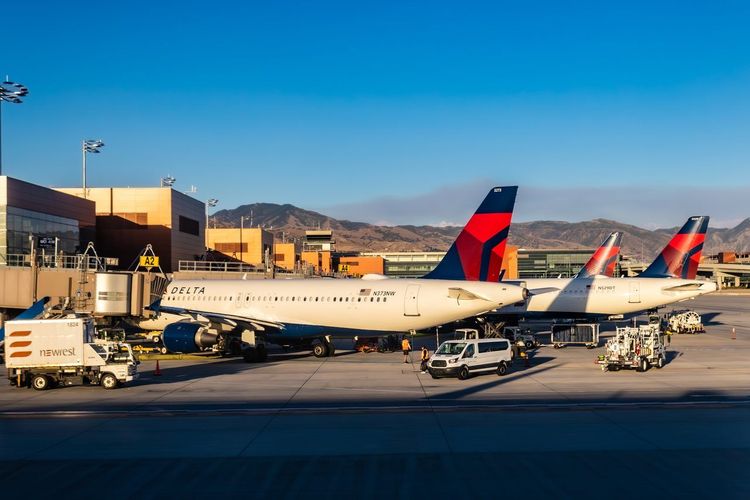
SLC International Airport sits just 7 miles from downtown, one of the shortest airport-to-downtown distances of any major U.S. hub. A ride-share or taxi takes 15-20 minutes outside rush hour, and Utah Transit Authority's TRAX Green Line runs directly from the airport terminal to downtown stations for around $2.50, with no transfer required. That single fact makes a car unnecessary for day one of this itinerary.
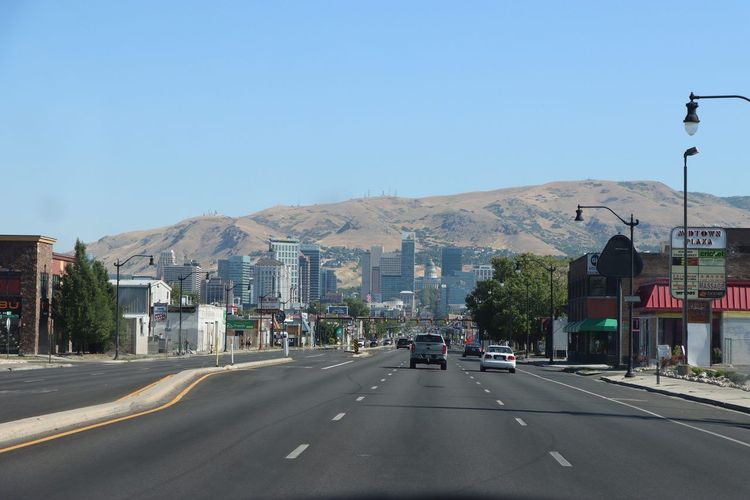
Downtown the city is genuinely walkable. Temple Square, the Utah State Capitol, City Creek Center and the Salt Lake City Public Library all sit within a 15-20 minute walk of each other, laid out on Brigham Young's original street grid, wide numbered blocks (100 South, 200 East, and so on) that make navigation almost foolproof even for first-time visitors. TRAX light rail (Blue, Red and Green lines) and the downtown free fare zone cover the rest. TRAX doesn't run to 9th & 9th, so you'll hop on a UTA bus or grab a rideshare there, while the S-Line streetcar links the TRAX network to Sugar House.
Day two changes the calculation. Big Cottonwood Canyon, Red Butte Garden and the Natural History Museum of Utah sit in the foothills above the university, reachable by UTA bus but far more efficient by rental car or ride-share, especially if a canyon hike is on the agenda. If skiing or a Park City day trip is part of the plan, a car or a pre-booked resort shuttle becomes close to essential.
A few practical numbers worth knowing before you land: a one-way TRAX fare runs about $2.50, and a day pass through the UTA smartphone app costs around $6.25, covering unlimited rides on bus and rail for 24 hours. Ride-share from the airport typically runs $18-25 depending on time of day. GREENbike, the city's bike-share system, adds roughly 50 stations across downtown and the university area for short hops between neighborhoods, useful on a warm afternoon between Temple Square and the 9th & 9th cafés. None of this replaces a car for the canyon leg of day two, but it's enough to make day one entirely car-free.
Where to Stay in Salt Lake City for Two Days
Two neighborhoods cover almost every practical need for a two-day visit, and which one fits depends on how much walking distance to Temple Square matters versus how much you want a neighborhood that feels lived-in rather than built for tourists.
Downtown and Temple Square: Closest to Day-One Sights
Staying downtown means day one requires almost no transit planning: Temple Square, the Utah State Capitol and City Creek Center are all within walking distance of most downtown hotels. The Grand America Hotel and Little America Hotel anchor the upscale end, both a few blocks from City Creek Center's shops and restaurants. If you're watching your budget, look at properties near the Salt Palace Convention Center, often $30-50 cheaper per night than the Grand America without sacrificing the walk to Temple Square.
The tradeoff is atmosphere after dark. Downtown empties out on weeknights outside convention season, and the immediate blocks around Temple Square lean corporate rather than charming. It's the practical choice for day one logistics, less so for evening wandering.
9th & 9th and Sugar House: Leafy, Local-Feeling Bases
A 10-15 minute bus ride or rideshare from downtown, the 9th & 9th neighborhood and adjacent Sugar House trade a few minutes of commute time for tree-lined streets, independent boutiques and a noticeably younger, more local energy in the evening. A handful of themed suites near 9th & 9th appeal to couples looking for something other than a standard hotel room, while Sugar House's boutique bed-and-breakfasts put you steps from Sugar House Park (1330 2100 S, Salt Lake City, UT 84106, rated 4.7/5 on Google (6 655 avis)) and an easy walk to Nomad East for dinner.
This is also where a self-guided audio walking tour earns its keep: a neighborhood like 9th & 9th rewards slow wandering more than a checklist of sights, and pulling up a Ryo audio guide on a phone lets you follow the block's history at your own pace, pausing for coffee or a bookstore without losing the thread of the story. There's no dedicated audio route built for SLC yet, but the concept applies to any walkable neighborhood worth lingering in.
Either base works for a two-day trip; the deciding factor is usually whether you want zero-commute mornings (downtown) or a livelier dinner scene within stumbling distance of your room (9th & 9th or Sugar House).
A Brief History of Salt Lake City
SLC's founding story explains almost everything about its downtown layout today. In July 1847, Brigham Young led a group of Mormon pioneers into the Salt Lake Valley, fleeing persecution in Illinois and Missouri, and reportedly declared “this is the right place” upon seeing the valley from what's now This Is The Place Heritage Park (2601 E Sunnyside Ave, Salt Lake City, UT 84108, rated 4.6/5 on Google (3 887 avis)). Within days, the group had plotted a city grid radiating out from a future temple site, wide enough (132 feet) for a wagon and team of oxen to turn around without backing up.
That temple, the Salt Lake Temple, took roughly four decades to complete, finished in 1893 using granite hauled by ox cart and later rail from a canyon southeast of the valley. The surrounding Temple Square became the literal center of the city's numbering system: addresses radiate outward from that point in every direction, which is why Salt Lake City's streets carry names like 300 South or 900 East instead of conventional names.
The city's growth after that first decade tracked mining booms, the transcontinental railroad's arrival in 1869, and, more recently, the 2002 Winter Olympics, which accelerated much of the light rail and venue infrastructure still used today. Understanding this history reframes day one of the itinerary: Temple Square isn't just a site to photograph, it's the origin point of the city's geography, and the Utah State Capitol on the hill above it was deliberately placed to overlook the temple the pioneers built first.
Day 1 in Salt Lake City: Temple Square, Capitol Hill and Downtown Culture
Day one stays entirely downtown and works on foot, following roughly the same morning-to-evening arc that shows up across nearly every guide to the city, for good reason: it's the most efficient way to see the historic core without backtracking. Start early, since Temple Square)'s guided tours and the Tabernacle organ recital both run on set schedules.
Morning: Temple Square, the Salt Lake Temple and the Tabernacle
Temple Square anchors ten acres in the heart of downtown and remains the single most-visited attraction in Utah, drawing an estimated 3 million visitors a year.
At its center stands the Salt Lake Temple), the granite structure that took Mormon pioneers four decades to build. Be aware before you go: the temple has been closed since late 2019 for a major seismic renovation, with scaffolding and construction fencing still part of the view. It reopens to the public for a rare open house from April 5 to October 1, 2027, the one window when non-members can walk inside, and free tour tickets were released on September 1, 2026. In the meantime, the new Temple Square Visitors' Center (reopened in July 2026) and the Church History Museum give you the pioneer backstory without a ticket, and volunteer guides are on hand to answer questions without any pressure to convert.
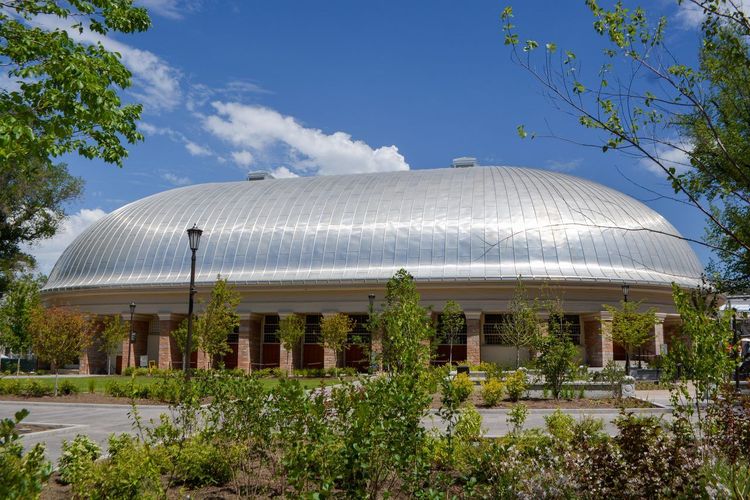
Next door, the Salt Lake Tabernacle), the domed building famous for hosting the Mormon Tabernacle Choir, is worth timing your visit around: free organ recitals happen most days at noon, and on Sunday mornings you can attend the live broadcast of Music & the Spoken Word at 9:30am. The acoustics inside are remarkable, a pin dropped at the pulpit is audible from the back row 170 feet away.
Budget 90 minutes to two hours here if the organ recital timing works out, less if you're moving straight to Capitol Hill.
Midday: Capitol Hill and Downtown Staples
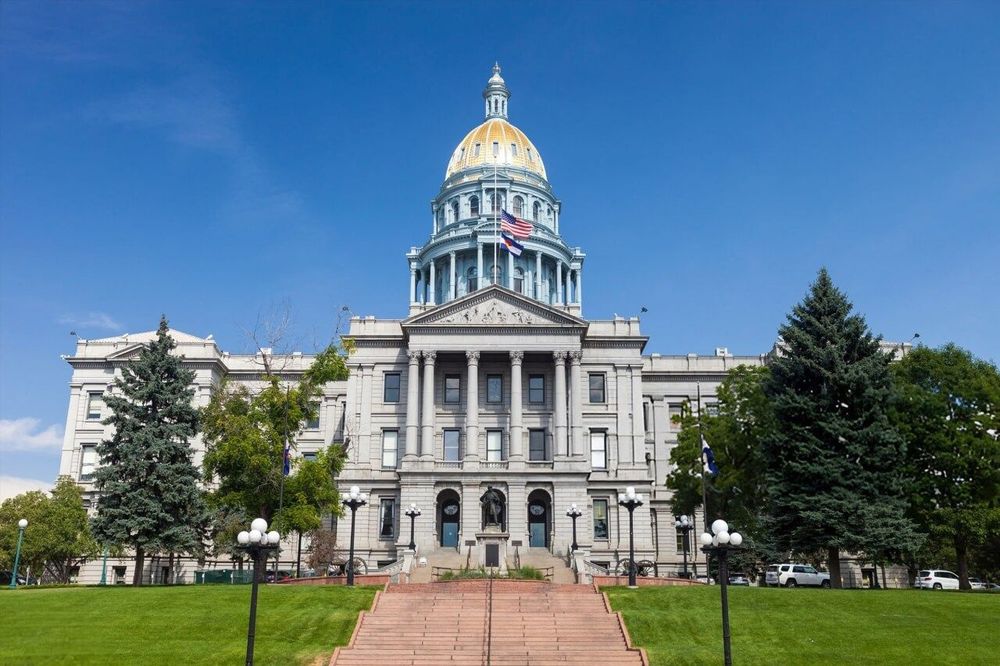
From Temple Square, it's a 15-minute uphill walk (or a quick rideshare) to the Utah State Capitol), whose Renaissance Revival dome was restored after a multi-year seismic retrofit completed in 2008 and now sits on massive base isolators designed to survive a major earthquake. The rotunda's murals depicting Utah history are free to view, and the building is open on weekdays with limited weekend hours.
Nearby, the Conference Center), built to seat over 21,000 people for the church's semiannual conferences, has a rooftop garden open to the public that most visitors walk right past, four acres of native plants with a view back down toward Temple Square.
For lunch, head back toward downtown for two very different staples: Caputo's Market & Deli) on West Broadway for an Italian sandwich piled with imported meats and cheeses, or Carlucci's Bakery) for pastries and espresso if a lighter midday break fits the pace better.
If time allows, City Creek Center), the open-air mall a few blocks from Temple Square, has a retractable glass roof and a creek, an actual flowing creek, running through the shopping plaza, an odd but pleasant spot to sit for ten minutes between stops.
Afternoon: Urban Architecture and Contemporary Art
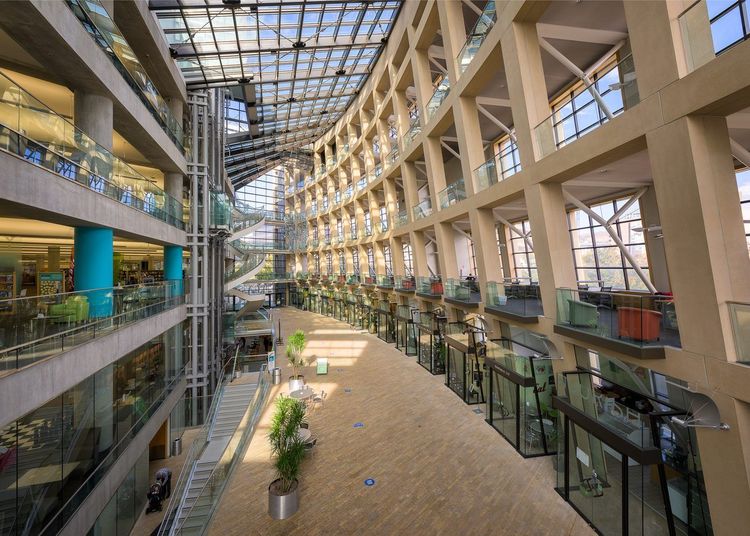
The afternoon shifts toward downtown's newer identity. The SLC Public Library's main branch, a swooping glass-and-steel building completed in 2003, is worth visiting even without checking out a book: a spiral ramp leads to a rooftop garden with skyline views, and the building itself has appeared in multiple architecture publications as one of the more ambitious public libraries built in the 2000s.
A short walk away, the Utah Museum of Contemporary Art (UMOCA)) rotates through several exhibitions a year of regional and national artists, and admission is free (a donation is suggested). It's small enough to see thoroughly in 45 minutes, a useful counterweight to the morning's 19th-century architecture.
If a research stop appeals, the FamilySearch Library)), the largest genealogical library in the world with records from over 100 countries, sits right across from Temple Square and is free to enter, no membership or appointment required. Bring a grandparent's name and birth year and the volunteers will often get you started on your own family tree. Even non-genealogists sometimes duck in for the building itself, four floors of quiet research rooms in the middle of a busy downtown block.
Evening: 9th & 9th Neighborhood
Cap day one with dinner in the 9th & 9th neighborhood (900 S 900 E, Salt Lake City, UT 84105, rated 4.3/5 on Google (19 avis)), a short bus ride or drive from downtown. The intersection of 900 South and 900 East has become one of the city's most walkable dining strips, with independent bookstores, a vintage theater and a concentration of restaurants that punch well above the neighborhood's size.
This is exactly the kind of downtown-adjacent loop an audio guide covers well: Temple Square, Capitol Hill and the library district strung together with the stories behind each stop playing as you walk instead of stopping to read a plaque. For that specific style of self-guided walk done well elsewhere, Ryo's Lisbon audio tour, built the same way for a single downtown loop gives a sense of how the format works if you want to try it on your next trip.
Even without an app in hand, evening in 9th & 9th is worth the detour: it closes out a day built almost entirely around 19th-century pioneer history with something distinctly present-day.
Day 2 in Salt Lake City: Foothill Museums, Gardens and a Canyon Adventure
Day two trades downtown blocks for the foothills above the University of Utah, then climbs into Big Cottonwood Canyon) for the outdoor half of the trip most visitors come to the city for in the first place. This day benefits from a car or rideshare more than day one did.
Morning: Natural History Museum of Utah and Red Butte Garden
The Natural History Museum of Utah (NHMU)), perched on the foothill bench above the university with sweeping valley views from its outdoor terrace, holds one of the country's more significant dinosaur fossil collections. Utah's rock layers have produced more newly named dinosaur species than almost any other U.S. state over the past two decades. Budget 90 minutes to two hours, longer if traveling with kids drawn to the hands-on paleontology lab.
A five-minute drive or a pleasant 20-minute walk downhill leads to Red Butte Garden and Arboretum), 100 acres of themed gardens (a rose garden, a water-conservation garden, a fragrance garden) that make for an easy, unhurried morning walk after the museum's denser exhibits. Spring and early summer bring the best blooms, though the garden stays worthwhile through fall color season too.
Midday: Lunch Along Foothill Drive
A handful of casual spots along Foothill Drive and 900 East make for an easy lunch stop between the museum district and the canyon drive, closer to the day's outdoor half than downtown's restaurant options. This is a good moment to fuel up properly: the afternoon involves gaining roughly 3,000 feet of elevation on the drive into Big Cottonwood Canyon, and there's little food service once you're past the canyon's entrance. If you'd rather eat on the trail, pick up sandwiches on the way and pack more water than you think you need: the dry air at altitude dehydrates you faster than the temperature suggests. Budget about an hour here so you reach the canyon by early afternoon, when parking at the popular trailheads starts to free up after the morning rush.
Afternoon: Big Cottonwood Canyon Outdoor Adventure
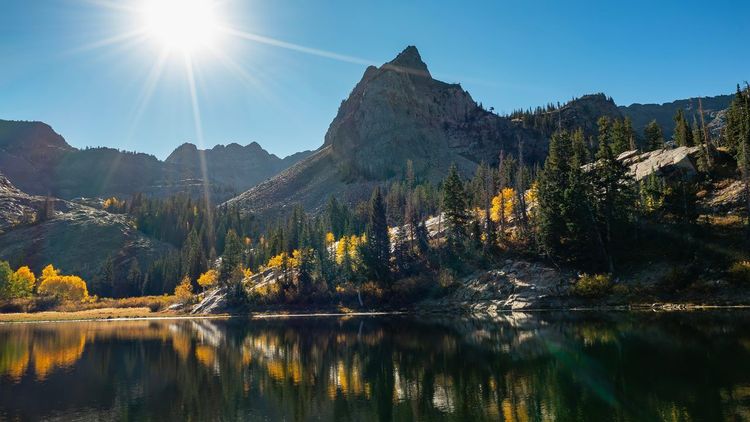
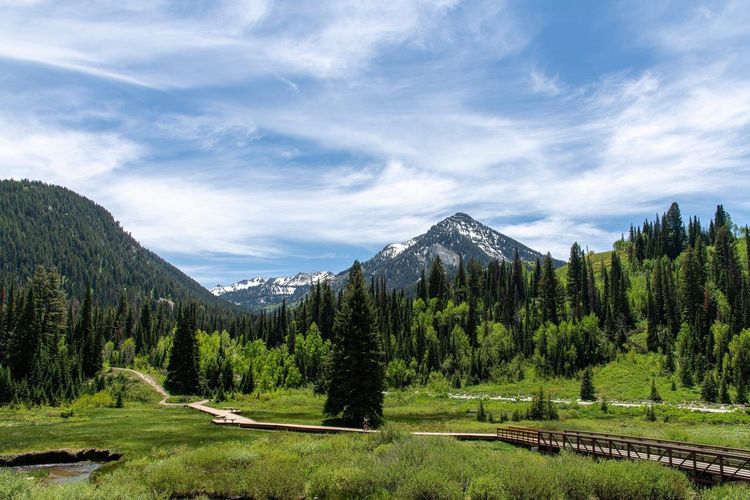
Big Cottonwood Canyon climbs from the valley floor to over 8,700 feet at Brighton, roughly a 30-45 minute drive from downtown depending on traffic, and it's the single biggest reason outdoor-minded travelers add Salt Lake City to a Utah itinerary at all.
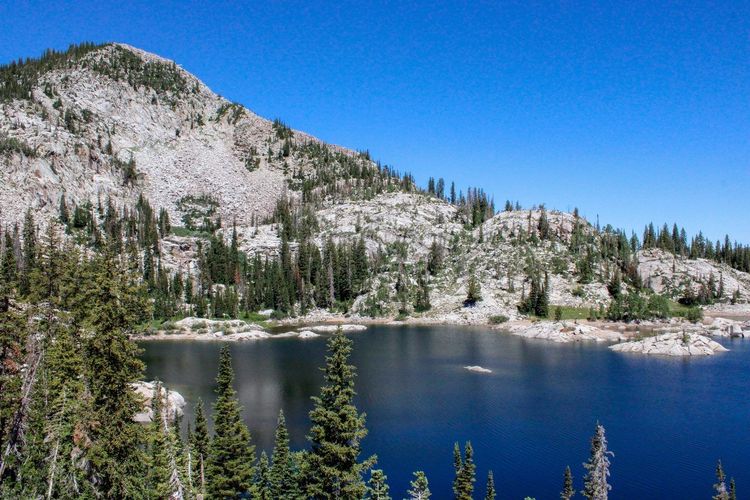
The classic afternoon hike heads to Silver Lake), an easy boardwalk loop of about a mile suitable for almost any fitness level, with the option to start instead from the Brighton base toward Lake Mary and Lake Catherine for a longer, steeper out-and-back gaining roughly 1,200 feet over about 4 miles round trip. All three lakes sit in a glacially carved basin that stays noticeably cooler than the valley, often 15-20 degrees, which is exactly why this hike is popular through the hottest weeks of summer.
If a picnic rather than a hike fits the afternoon better, Jordan Pines Campground) partway up the canyon has day-use picnic sites among aspen groves, a quieter alternative to the trailhead crowds. You can also swap this route for Little Cottonwood Canyon instead, home to Alta and Snowbird resorts and slightly more dramatic granite scenery, though it lacks Big Cottonwood's easy lake access for a short afternoon visit.
A quick, practical note: cell service drops out for long stretches once you're past the canyon's lower switchbacks. An audio guide app that lets you download trail commentary before losing signal, the way the Ryo app works for its walking tours elsewhere, is worth setting up before you leave downtown Wi-Fi, since GPS still functions offline even when data doesn't.
Evening: Sunset at Ensign Peak
Back down in the valley, close out the second day at Ensign Peak), a short but genuinely steep climb (about a mile round trip, gaining 350 feet) from a trailhead just north of the Capitol. Locals call the payoff a “living room hike” for good reason: the summit view stretches across the entire valley and the Great Salt Lake beyond it, and it's close enough to downtown that you can be back at a restaurant within 20 minutes of the sunset fading.
If you'd rather skip a second hike in one day, you have options nearby instead: Clark Planetarium) downtown runs evening shows most nights, and Hogle Zoo (2600 E Sunnyside Ave, Salt Lake City, UT 84108, rated 4.5/5 on Google (14 707 avis)) keeps extended summer hours with noticeably thinner crowds after 4pm.
Where to Eat in Salt Lake City
The itinerary above covers lunch stops for both days, but SLC's restaurant scene deserves its own reference list, especially since several of the city's most talked-about kitchens don't fit neatly into a single day's schedule.
Downtown Dining and Nightlife: Red Iguana, Pretty Bird Hot Chicken, Ivy & Varley and Arlo
Red Iguana) is the closest thing the city has to a required restaurant stop: a family-run Mexican kitchen famous for its seven mole sauces, made from recipes going back three generations, with lines out the door most evenings. Come at an off-peak hour, 2-4pm, if a wait doesn't appeal.
Pretty Bird Hot Chicken), a Nashville-style hot chicken counter with a cult following, serves heat levels from mild to a level most menus warn you about in writing. It's counter service only, fast, and inexpensive by downtown standards.
For a sit-down dinner with cocktails, Ivy & Varley) and Arlo) both anchor downtown's more polished nightlife scene, Ivy & Varley leaning into a plant-filled, art-deco dining room, Arlo working a smaller, chef-driven seasonal menu in a converted house on Center Street, just below the Capitol.
Neighborhood Favorites Beyond Downtown: Ruth's Diner, Even Stevens, The Pie Pizzeria and Nomad East
A short drive up Emigration Canyon, Ruth's Diner) has been serving breakfast since 1930 and remains one of the most-recommended brunch stops in the region, famous for oversized biscuits and a patio built along a creek. It's a natural add-on if the second day's canyon drive already has you thinking about scenery with a meal.
Even Stevens Sandwiches) donates a meal to someone in need for every sandwich sold, a business model that's made it a downtown lunch fixture beyond the social mission alone, the sandwiches are simply good. The Pie Pizzeria - Underground), a below-street-level pizzeria near the University of Utah covered floor to ceiling in visitor graffiti, has been a college-town institution for decades.
Closer to the 9th & 9th and Sugar House areas, Nomad East (936 E 900 S, Salt Lake City, UT 84105, rated 4.4/5 on Google (430 avis)) rounds out an evening in that neighborhood with a globally-inspired small-plates menu, a good option if day one's dinner plan lands there.
Beyond Downtown: Best Day Trips and How to Extend Your Stay
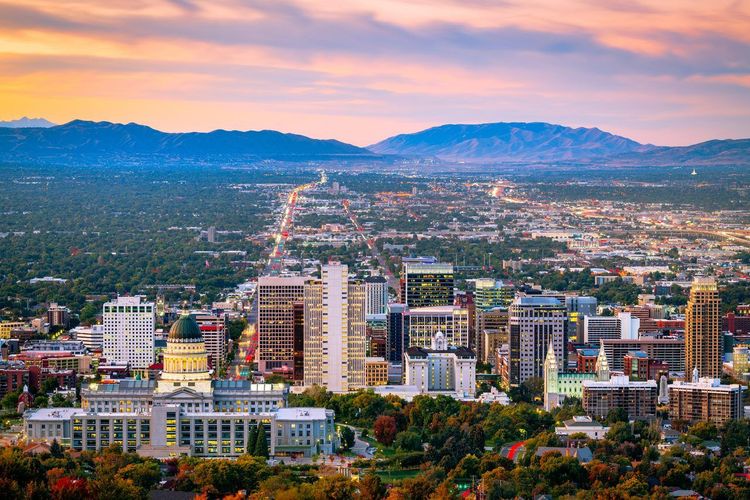
Two days covers the core of Salt Lake City comfortably, but the surrounding landscape is big enough that a lot of visitors end up adding a third day, or planning a return trip around one of the destinations below. None of these require abandoning the two-day itinerary above, they're simply worth knowing about if your schedule has any flexibility.
Antelope Island and the Great Salt Lake
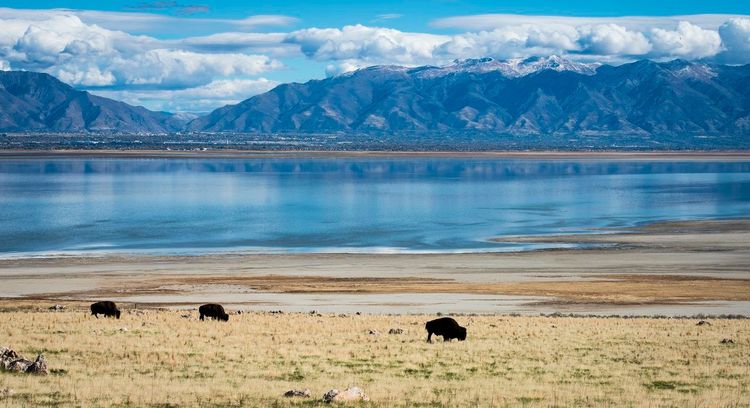
Antelope Island State Park), connected to the mainland by a 7.2-mile causeway, is the easiest way to actually see the Great Salt Lake up close rather than just from a distance. The island is home to a free-roaming bison herd of around 500 animals, whose annual roundup each October is a real local event, along with pronghorn and bighorn sheep. Expect a roughly 90-minute round trip from downtown, more if you stop to hike one of the island's trails.
The lake itself is worth the visit for its otherworldliness alone: at several times saltier than the ocean (the exact figure swings with the lake's water level), it supports almost no fish, but hosts millions of migratory birds and brine shrimp that turn parts of the shoreline a startling shade of pink in late summer.
Park City and the Cottonwood Canyon Ski Resorts
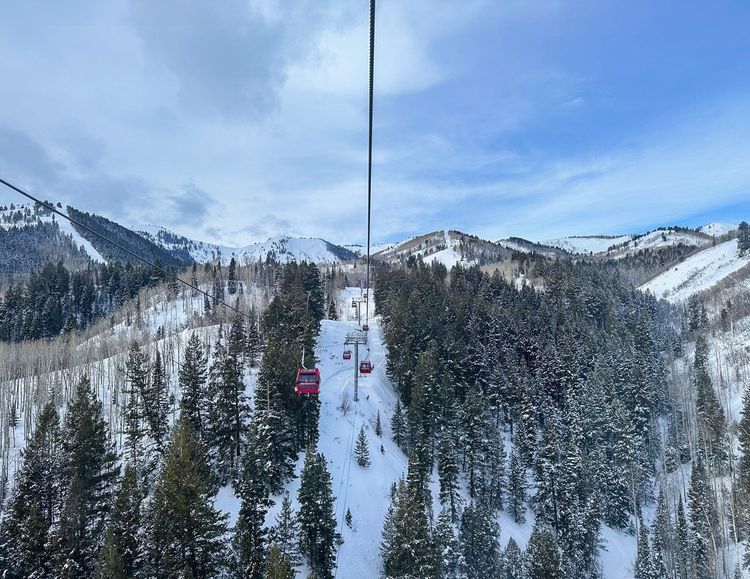
Park City), about 35 minutes east of downtown, is Utah's best-known ski town and hosted the Sundance Film Festival every January for four decades, until the festival's final Park City edition in 2026 before its move to Boulder, Colorado, in 2027. Outside ski season, its Main Street historic district makes for a pleasant half-day of shopping and dining, an easy add-on for travelers extending their stay by a day.
For skiing or snowboarding without the Park City drive, the Cottonwood Canyons deliver four resorts, Alta, Snowbird, Brighton and Solitude, within 30-45 minutes of downtown, several with lift tickets and shuttle packages bundled for day-trippers who'd rather not rent a car for a single ski day. If Big Cottonwood Canyon's summer hike from day two left an impression, seeing the same terrain under snow is a good reason to plan a return visit.
Farther Afield: Bonneville Salt Flats, Zion and Arches National Parks
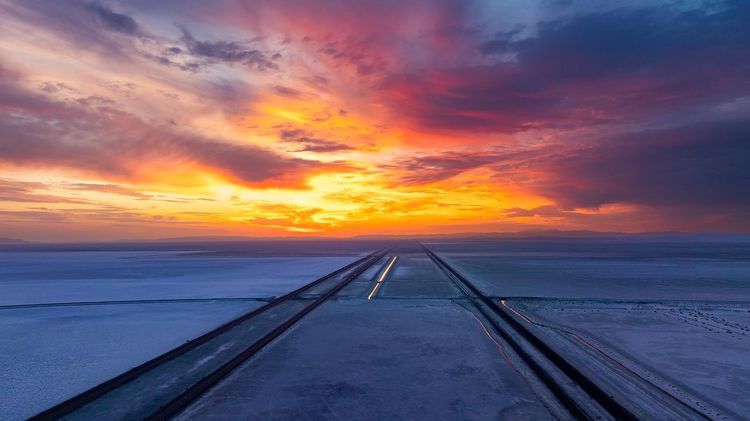
If you have a rental car and a full extra day, the Bonneville Salt Flats), about two hours west near the Nevada border, offer a strange landscape: 30,000 acres of blindingly white salt crust, flat enough that land-speed records have been set there since the 1930s. Go at sunrise or sunset for the best light and to avoid the worst of the heat.
Closer to Provo, Stewart Falls and the adjacent Sundance Mountain Resort make for a scenic half-day hike through aspen forest to a 200-foot waterfall, particularly striking during fall color season. Farther south, Mystic Hot Springs) near Monroe offers a soak in mineral pools inside repurposed cast-iron tubs, an unusual overnight stop if the drive south continues.
And if you're planning more than a long weekend, Zion National Park), about 4.5 hours south, and Arches National Park (Arches National Park, Moab, UT 84532, rated 4.8/5 on Google (50K reviews)), about 3.5 hours southeast near Moab, both anchor longer Utah road trips built around SLC as a starting or ending point. Neither fits into a strict two-day visit, but both come up often enough in trip planning that they're worth flagging before booking flights.
If a day trip like this turns into planning your next city break entirely, Ryo's 2-day guide to Avignon follows a similarly compact structure, worth bookmarking for whenever the canyon air makes you want to plan the next 48-hour trip somewhere else.
Salt Lake City Attractions Pass and Money-Saving Tips
If you plan to stack several paid attractions into two days, check the attractions passes sold by Visit Salt Lake, the official tourism bureau, before you buy individual tickets. There are two formats. The Explorer Pass gives you one admission to each of 14 attractions at 13 venues and stays valid for 365 days, so a return trip still counts. The Pick 3 pass lets you choose three attractions and is valid for nine days from first use, which fits a two-day visit neatly.
Participating venues include the Natural History Museum of Utah, Clark Planetarium, Hogle Zoo, Red Butte Garden, Tracy Aviary, the Utah Museum of Fine Arts, Discovery Gateway Children's Museum, Utah Olympic Park and the Aerial Tram at Snowbird. Since several individual adult admissions run $15-25 each, a Pick 3 usually pays off as soon as your itinerary includes NHMU, Red Butte Garden and one evening attraction. Check current prices on the Visit Salt Lake site, as they change seasonally.
Plenty of this itinerary costs nothing at all: Temple Square, the Utah State Capitol, the FamilySearch Library, UMOCA, Liberty Park (600 E 900 S, Salt Lake City, UT 84105, rated 4.6/5 on Google (12 207 avis)) and Sugar House Park are free year-round, and both Ensign Peak and the Big Cottonwood Canyon hikes cost nothing beyond parking. A full two days can therefore mix free civic and outdoor sites with two or three paid stops covered by a pass.
Buy the pass online before you arrive: you'll skip the ticket line at your first stop of the day.
Budget: What Two Days in Salt Lake City Really Cost
A realistic two-day budget for the city breaks down fairly cleanly by category, and it's worth planning around before booking, since costs shift a lot depending on whether day two includes a rental car.
Lodging runs the widest range: expect roughly $120-180 a night for a mid-range downtown hotel, dropping to $90-130 in the 9th & 9th or Sugar House area for a comparable independent property, or climbing past $250 a night at the Grand America or similar upscale options. Two nights, then, land somewhere between $180 and $500 depending on choices.
Food for two days, eating a mix of casual lunches and one or two sit-down dinners, runs approximately $60-100 per person per day, higher if Red Iguana or Ivy & Varley's dinner menus are on the list both nights. Budget travelers can trim that significantly by leaning on Caputo's Market for a picnic-style lunch and Even Stevens or The Pie Pizzeria for casual dinners.
Activities depend heavily on the pass math above: a traveler sticking to free sites, Temple Square, the Capitol, Ensign Peak, the canyon hikes, spends close to nothing on entry fees, while a family visiting NHMU, the zoo and the planetarium separately might spend $150-200 combined without the pass, considerably less with it.
Transportation is the wildcard. Skipping a rental car entirely and relying on TRAX, walking and one or two rideshares for the canyon day might total $40-60 for two days. Renting a car just for day two, canyon trip included, typically runs $50-80 for the single day plus gas, often the more comfortable option if the group includes anyone less enthusiastic about a longer rideshare wait at a trailhead.
Add it up and a lean two-day trip for one traveler, budget lodging, mostly free sites, minimal car use, can land close to $250-350 total. A comfortable mid-range trip for a couple, hotel lodging, a few paid attractions, one rental-car day, more commonly runs $700-1,000 for the two of you across both days.
Salt Lake City for Every Traveler: Families, Couples and Outdoor Lovers
Salt Lake City's split identity, part historic downtown, part outdoor gateway, means the same two-day itinerary above bends easily toward different kinds of trips.
Families tend to gravitate toward the day-two foothill cluster: NHMU's dinosaur exhibits, Hogle Zoo and Clark Planetarium can fill an entire day on their own if the canyon hike feels ambitious with younger kids, and Liberty Park's playground and seasonal splash pad give restless children somewhere to burn energy between museum stops. Winter visits built around a family ski day at one of the Cottonwood resorts are common enough that several downtown hotels offer ski-shuttle packages specifically for that trip type.
Couples looking for a romantic getaway lean into a quieter version of this itinerary: dinner at Arlo or Ivy & Varley, a sunset hike to Ensign Peak timed for golden hour, and a base in the 9th & 9th neighborhood rather than convention-heavy downtown. Spring, with its mild weather and thinner crowds at Temple Square, tends to suit this version of the trip best.
If you're chasing skiing, mountain biking or a longer canyon hike, you'll want to weight day two more heavily than day one, potentially swapping the museum morning for an earlier start up Big Cottonwood Canyon, or extending into a third day toward Park City or the Cottonwood resorts.
The city is also consistently rated one of the more LGBTQ-friendly destinations in the Mountain West, with an active scene concentrated around downtown and the 9th & 9th area, worth knowing given the state's broader reputation. Whatever the trip type, the same downtown core and canyon access apply, it's mostly a matter of which half of the itinerary gets the extra hour.
Practical Tips: Altitude, Weather and What to Pack
SLC sits at about 4,200 feet (4,226 feet officially), high enough that some visitors, particularly those arriving from sea level, notice mild effects in the first day or two: faster dehydration, a quicker buzz from alcohol, and shortness of breath on the Ensign Peak climb or the Big Cottonwood Canyon hike that wouldn't register at lower elevation. None of this requires special preparation beyond drinking more water than usual and pacing the first day's walking a bit more conservatively than you might at home.
The climate is notably dry year-round, low humidity that makes summer heat more bearable than the raw temperature suggests, but also dries out skin and sinuses faster than most visitors expect. A small tube of moisturizer and lip balm earns its space in a carry-on here more than in most U.S. cities.
Packing sensibly for this itinerary means layering, regardless of season. Downtown and canyon temperatures can differ by 15-20 degrees on the same afternoon, so a packable layer, a fleece or light jacket, makes the jump from Temple Square to Silver Lake more comfortable. Sturdy walking shoes matter more than fashion here: day one alone involves several miles of pavement, and day two's canyon hike, even the easy Silver Lake loop, isn't suited to sandals.
Sun protection deserves more attention than visitors from cloudier climates tend to pack: thinner air at this elevation lets more UV through, and reflected glare off the Great Salt Lake or a snow-covered canyon in winter can catch people off guard. A hat and sunscreen belong in the bag regardless of season, alongside a refillable water bottle, tap water in the city is safe and the dry air makes dehydration the most common minor travel complaint here.
FAQ
How many days is enough in Salt Lake City?
Two days covers the downtown historic core and one canyon adventure comfortably, which is why this itinerary is built around exactly that. Add a third day if skiing, a Park City visit or a longer national park drive to Zion or Arches is part of the plan, since none of those fit cleanly into 48 hours alongside the core downtown sights.
What is Salt Lake City known for?
Salt Lake City is best known as the headquarters of The Church of Jesus Christ of Latter-day Saints, centered on Temple Square, and as a gateway to some of North America's most reliable ski resorts in the nearby Wasatch mountains. Beyond that, it's increasingly known for a growing downtown food and arts scene that surprises visitors expecting a quieter, more conservative city.
Which neighborhood should you stay in when visiting Salt Lake City?
Downtown suits travelers prioritizing walking distance to Temple Square, the Capitol and City Creek Center on day one. The 9th & 9th neighborhood or Sugar House suit travelers who want a livelier dinner scene and don't mind a short bus ride or rideshare back downtown each morning.
When is the best time to visit Salt Lake City?
Fall, September through October, offers the best balance of mild weather, canyon foliage and thinner crowds for a first-time two-day visit. Winter suits ski-focused trips, summer suits canyon hiking with an early start to beat the heat, and spring offers a quieter, budget-friendlier shoulder season.
Do you need a car in Salt Lake City?
Not for day one: TRAX, walking and the downtown grid cover Temple Square, the Capitol and the library district without a car. Day two's foothill museums and Big Cottonwood Canyon are far more efficient with a rental car or rideshare, so most two-day visitors rent a car for the second day only.
Is Salt Lake City worth visiting for 2 days?
Yes, largely because of how compressed the city's variety is: downtown history, foothill museums and an alpine canyon hike all fit inside a 48-hour window without feeling rushed, something few American cities of similar size can claim.
What is the best day trip from Salt Lake City?
Antelope Island State Park for lake and wildlife views, or Park City for a historic ski-town half-day, both fit within a two- to three-hour round trip from downtown. Travelers with a full extra day and a rental car often extend toward the Bonneville Salt Flats or the longer drive to Zion or Arches National Park.
Final Thoughts on Your 48 Hours in Utah's Capital
Two days in SLC end up covering more ground, literally and otherwise, than most first-time visitors expect: a 19th-century temple complex, a working state capitol, a university-district museum stocked with Utah's own dinosaurs and an alpine canyon with three named lakes, all inside a compact valley ringed by mountains. Whether the trip skews toward Temple Square's history, a sunset climb up Ensign Peak or a full afternoon in Big Cottonwood Canyon depends on which version of the itinerary above fits the traveler, but the underlying structure, downtown on day one, foothills and canyon on day two, holds up regardless of season or trip type.
If this compact, walkable structure appeals for a future trip elsewhere, Ryo's audio-guided itineraries follow the same logic in cities around the world, morning history, afternoon wandering, stories playing as you walk rather than a screen to read from. There's no audio route for Utah's capital yet, but the two days mapped out here should get any first-time visitor further than most guides manage in twice the space.