© Shutterstock
 Votre guide Ryo
Free Things to Do in Montevideo: 13 Ideas for 2026
Looking for free things to do in Montevideo? Uruguay has a reputation as one of the pricier corners of South America, and the capital does little to dispel it once you see restaurant menus along the Rambla. Yet the city's best asset costs nothing at all: more than twenty kilometers of open waterfront where locals walk, drink mate, and watch the sun drop into the Río de la Plata every single evening. Ryo's audio-guided tour of Montevideo follows a good chunk of that same waterfront, weaving in the old town's palaces along the way, so it makes a natural spine for the itinerary below.
This guide covers far more than a stroll by the water. You will find a mausoleum tucked underneath a city-center plaza where an honor guard stands watch day and night, a Sunday drumming rehearsal that turns entire streets into a moving parade, and a 22nd-floor viewpoint on top of city hall that charges nothing to ride up. There is a flea market where you can buy a 1970s typewriter next to a caged parakeet, a wetland reserve on the city's western edge where herons outnumber tourists, and a tax break for foreign cards that can quietly trim your dinner bill. Museums with free entry, plazas, parks, markets, and the practical logistics of getting here cheaply all follow, organized so you can build a day or a week around them.
1. Walk the Rambla from Ciudad Vieja to Carrasco
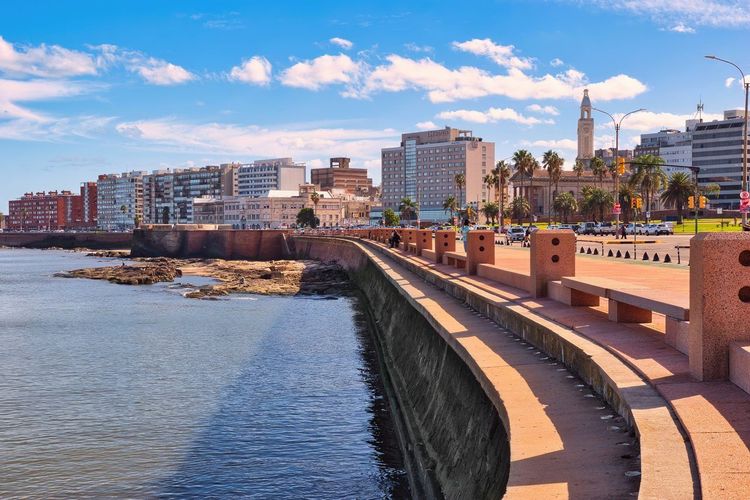
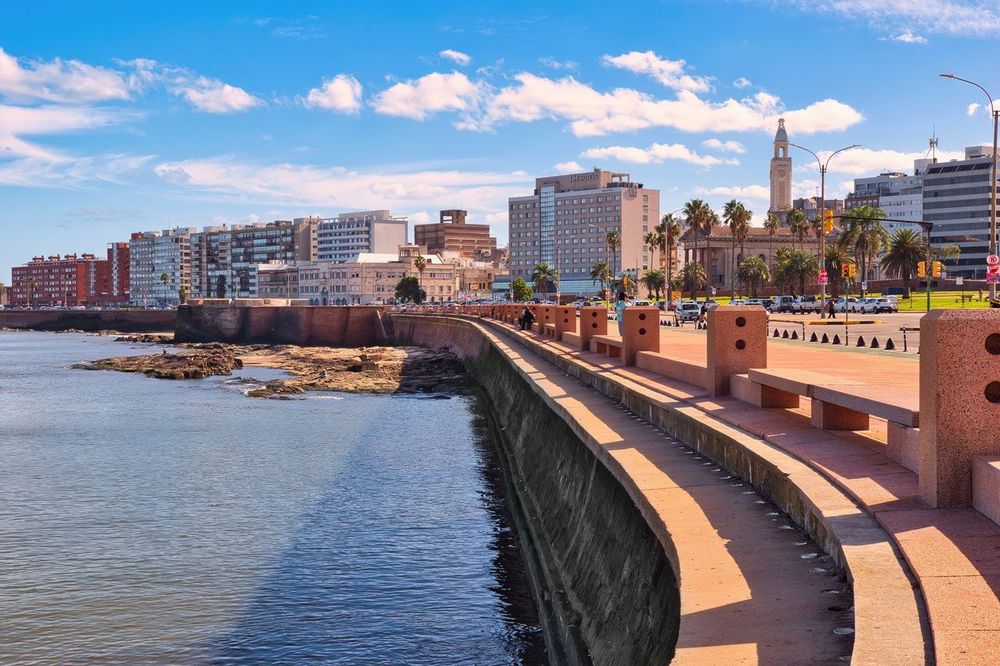
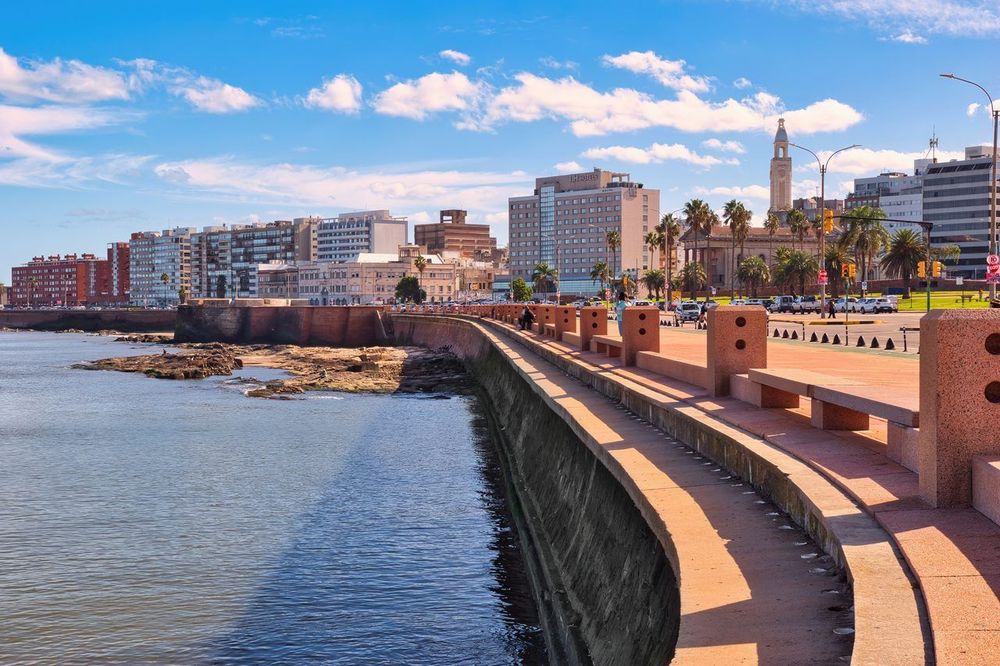
Montevideo's Rambla is the single feature every local will mention first when you ask what to do for free. It runs almost unbroken for more than 20 kilometers along the Río de la Plata, from the old port in Ciudad Vieja all the way east to the leafy district of Carrasco, and nobody expects you to walk the whole thing in one go. Pick a stretch, bring a thermos of mate like everyone around you, and let the afternoon disappear.
The city-center stretch: Punta Carretas to the old port
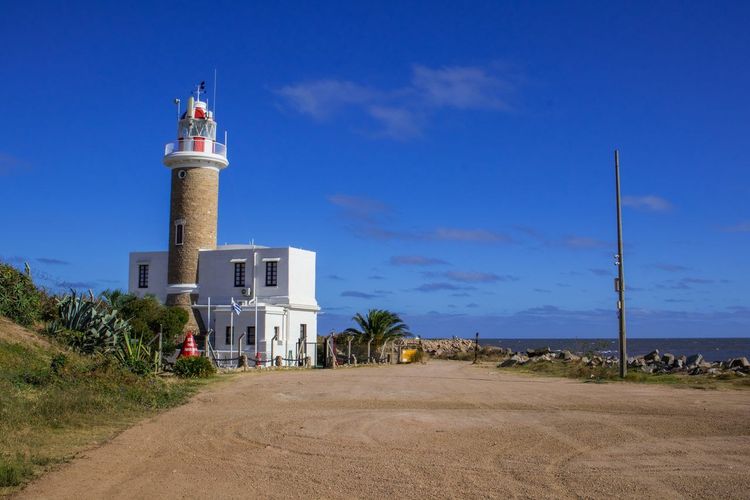
The most walkable section for a first visit runs from Punta Carretas toward the historic center. Punta Carretas itself has an odd backstory: the shopping mall standing there today was a prison until 1986, and in 1971 more than a hundred Tupamaro inmates escaped from it through a tunnel, one of the largest jailbreaks in South American history. A few blocks along the coast, the Punta Carretas Lighthouse) still marks the rocky point where the bay curves toward downtown, its beam visible from the promenade after dark.
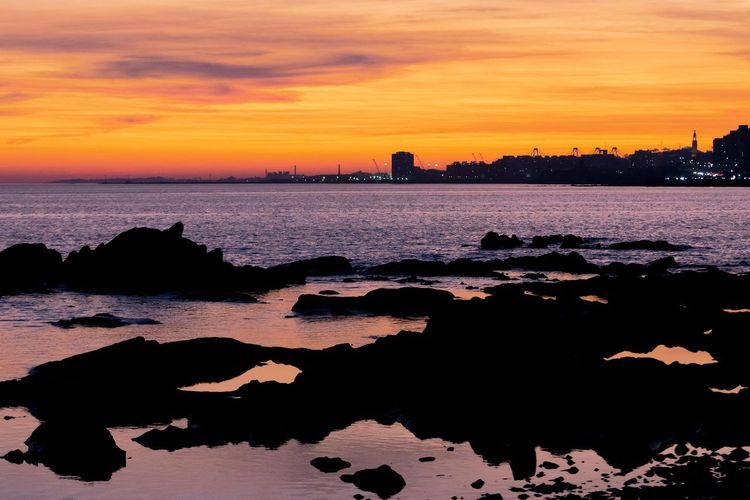
Keep walking west and you reach Playa Ramírez, a city beach that fills with joggers, couples, and vendors selling garrapiñada (candied peanuts) as the light turns gold. Sunset at Ramírez Beach is one of those rituals that costs a Uruguayan nothing and a visiting photographer an entire memory card. Just before it, set into the seawall, the Memorial del Holocausto del Pueblo Judío is an open-air monument of stone walls and a broken path facing the river, always open and quietly moving; few passers-by stop, which makes it all the more contemplative.
Between July and October, keep an eye on the water itself. Southern right whales migrate north along the Uruguayan coast to breed in these months, and every year a few are spotted from the Rambla, most often around Punta Carretas, Punta Brava and the rocks near the lighthouse. Sightings are never guaranteed and the whales are usually a few hundred meters out, so pack binoculars and scan for the V-shaped blow on calm mornings. Local news and social media light up whenever a whale shows up near the city, which is the easiest way to know when it is worth heading out.
Pocitos and Carrasco: beaches and garden mansions
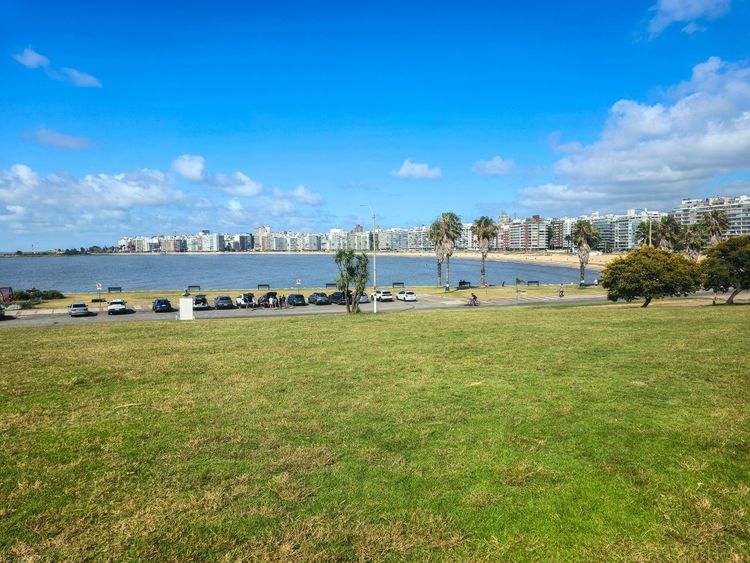
Heading further east, the Rambla de Pocitos (Rambla Repùblica del Perù, 11300 Montevideo, rated 4.7/5 on Google (1 287 avis)) fronts Montevideo's most popular urban beach, backed by a wall of apartment towers that gives this stretch a skyline unlike anywhere else in the city. It gets crowded on summer weekends, but early mornings belong to swimmers, rowers, and dog walkers, and the sand costs nothing whenever you choose to come. A little further on, the small fishing harbor of Puertito del Buceo is a pleasant place to watch boats come in, with the yacht club and a breakwater you can walk out along.
Push on past Buceo and the beaches thin out into Carrasco, where quiet streets are lined with Art Deco, Tudor-style and Mediterranean villas built for Montevideo's wealthier families from the 1910s onward. Several of the grandest houses now serve as embassies or ambassadors' residences, and their gardens, visible from the sidewalk, are reason enough to detour here even without a swimsuit. The old Hotel Carrasco, a white Belle Époque palace facing the beach, is a handsome landmark to aim for. You do not need to walk the entire promenade to appreciate it: Ryo's audio-guided route follows the Rambla from the old port toward the eastern beaches, with stops timed to catch the sunset light over the water, so you can pick one manageable stretch instead of committing to the whole waterfront in one afternoon.
2. Discover Ciudad Vieja, Montevideo's Historic Old Town
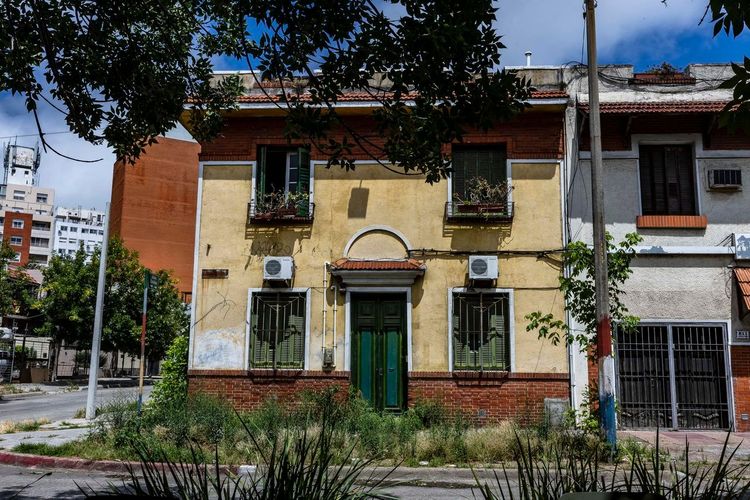
Ciudad Vieja is Montevideo's original colonial grid, a compact peninsula where cobblestone streets, faded façades, and a handful of genuinely grand buildings sit within a fifteen-minute walk of each other. Almost everything here can be seen without paying an entry fee, which is precisely why it tends to absorb more time than visitors expect.
Plaza Independencia and the Monument to Artigas
Everything radiates from Plaza Independencia), a broad square that marks the boundary between the old town and the modern downtown along Avenida 18 de Julio. At its center stands the Monument to Artigas, an equestrian statue of Uruguay's national hero, José Gervasio Artigas. What most visitors miss is what lies underneath: a granite mausoleum holding his remains, watched over by two ceremonial guards. Stairs lead down from the plaza, entry is free, and the hush inside is a striking contrast to the traffic above.
On the southern side of the plaza sits the Presidential Palace (Palacio Estévez), the former seat of Uruguay's executive branch, which now houses a small museum of presidential memorabilia since day-to-day government moved into the glass Torre Ejecutiva next door. You can admire the neoclassical façade from the square itself; no ticket, no line.
Palacio Salvo, the city gate and Solís Theatre
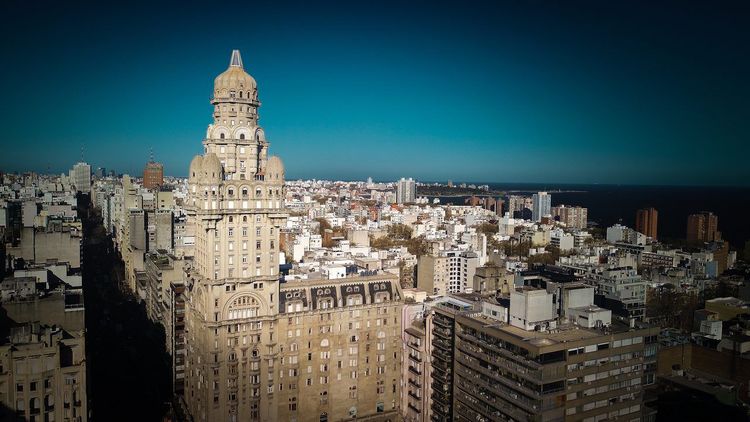
Looming over the same plaza is Palacio Salvo), a 100-meter tower completed in 1928 that briefly ranked as the tallest building in South America. Architect Mario Palanti designed it as a hotel that never quite worked as one; today it holds offices and apartments, and the exterior alone, all turrets and ornament, is worth circling on foot.
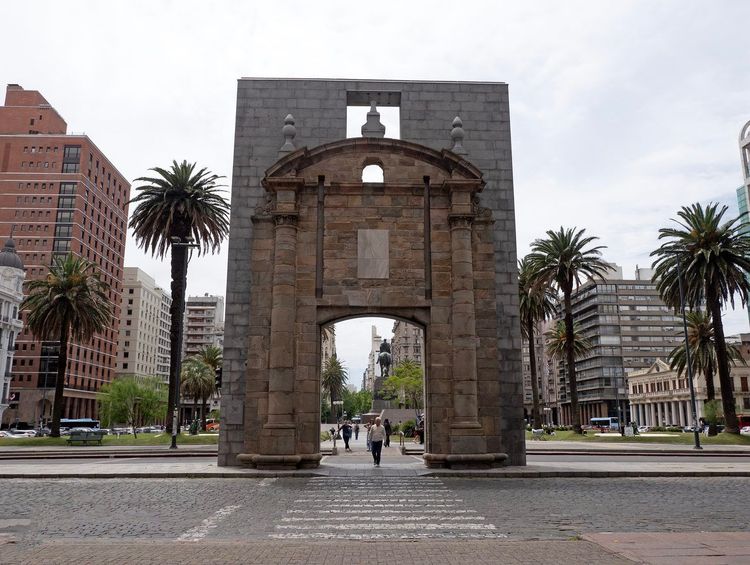
On the western side of the plaza, a stone arch known as the city gate (Puerta de la Ciudadela) is the last surviving fragment of the fortress wall that once enclosed colonial Montevideo. Walk through it and you are, technically, entering the old city proper. Right beside the plaza stands the Solís Theatre (Teatro Solís), Uruguay's oldest opera house, opened in 1856. Its neoclassical colonnade is free to admire from the street, and here is the tip most guides skip: the theatre's guided tours of the horseshoe-shaped auditorium are free on Wednesdays, with sessions in Spanish, English and Portuguese. On other days they cost only a few dollars.
The Cabildo, Museo Figari and the old-town architecture walk
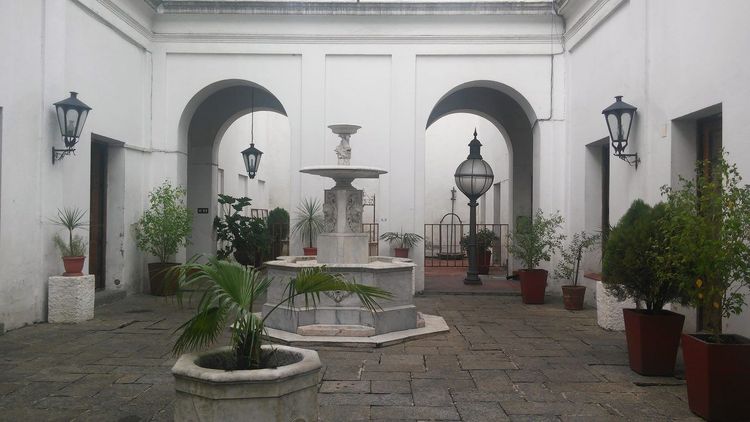
From the gate, the pedestrian Peatonal Sarandí leads you straight into the heart of the old town, lined with street musicians, book and craft stalls, and cafés with tables on the cobbles. A few streets in, the whitewashed Cabildo (Museo Histórico Cabildo) faces the old colonial square once known as Plaza Matriz, now Plaza Constitución. This former town hall and jail houses free historical exhibits behind an arcaded colonial façade, and directly across the square, the Montevideo Metropolitan Cathedral rounds out one of the best-preserved colonial ensembles in the city.
A block over, the Museo Figari (Juan Carlos Gomez 1427, 11000 Montevideo, rated 4.6/5 on Google (304 avis)) occupies a 1914 building designed by architect José Raffo and dedicated to painter Pedro Figari, whose loose, color-saturated canvases of candombe dancers and rural life are central to Uruguayan art. Entry is free (Tuesday to Saturday). From here, the rest of Ciudad Vieja rewards aimless wandering: narrow streets lined with converted warehouses, art galleries, and balconied buildings in every state of repair from lovingly restored to charmingly crumbling. You could spend an hour tracing the architecture walk between the port and Plaza Zabala without opening your wallet, then finish at the Escollera Sarandí, the long breakwater at the tip of the peninsula where anglers and couples gather for sunset. If you would rather have context for what you are looking at, Ryo's main route stitches Plaza Independencia, the Cabildo, and the Solís Theatre into one narrated historic walk through Ciudad Vieja, with a stop at the Monument to Artigas mausoleum.
3. Visit Montevideo's Best Free Museums
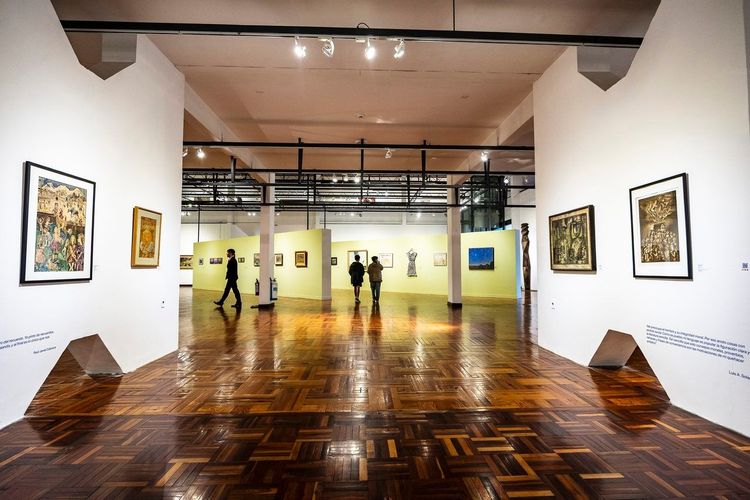
Montevideo has an unusually high concentration of free museums for a city its size, a legacy of state and bank-funded cultural institutions that never adopted admission fees. Group your visits by theme and you can cover most of the essentials in two focused mornings. Opening days vary (many close on Mondays), so check before you set out.
History and heritage museums
Start with the Museo del Gaucho y la Moneda), run by the state bank BROU. After years closed in its old palace on Avenida 18 de Julio, it reopened in 2024 inside the bank's grand head office on Calle Cerrito in Ciudad Vieja, pairing about 300 gaucho pieces (silver mate gourds, knives, horse gear, paintings) with a currency collection. It opens Monday to Saturday and costs nothing. Nearby, the Casa de Fructuoso Rivera, part of the Museo Histórico Nacional, occupies the colonial residence of Uruguay's first constitutional president and lays out the country's independence story room by room.
For a heavier but essential visit, the Museo de la Memoria) (MUME) documents the human rights abuses of Uruguay's 1973-1985 dictatorship through photographs, testimonies, and personal objects, housed in a 19th-century quinta that once belonged to a former president. Entry is free, though you should budget more than a quick pass-through; the material deserves it. The same institution sometimes appears in listings as the Cultural Centre and Memorial Museum, a nod to the rotating exhibitions and talks it hosts alongside the permanent collection.
Round out the cluster with the Museo Zoológico Dámaso Antonio Larrañaga, a free natural-history collection opened in 1956 in a Moorish-style building on the Rambla in Buceo. Kids love the whale skeleton and the stuffed regional fauna, and the sea view from the entrance is a bonus.
Art, culture and curiosity museums
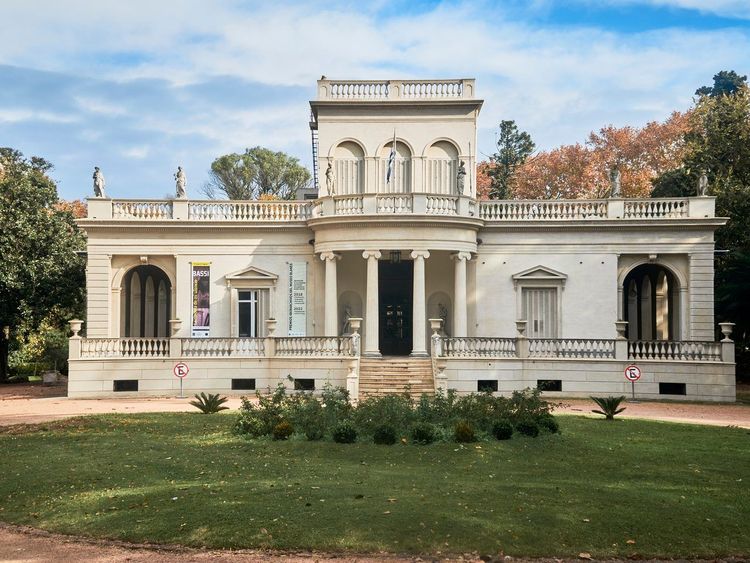
On the art side, the National Museum of Visual Arts) (MNAV) sits inside Parque Rodó and holds the country's most significant public collection of Uruguayan painting and sculpture, all free to view. The Museo Juan Manuel Blanes, further out in a Prado-neighborhood mansion with a Japanese garden, covers the 19th-century painter whose battle scenes shaped how Uruguayans picture their own independence wars.
Smaller but no less worthwhile: the Romantic Museum, a 19th-century townhouse frozen in period decor; the Gurvich Museum, dedicated to painter José Gurvich's vibrant, folk-influenced canvases in Ciudad Vieja; and the Museum of Juan Zorrilla de San Martín, the poet's former seaside home in Punta Carretas, preserved much as he left it. The Museum of Decorative Arts, inside the Beaux-Arts Palacio Taranco, rounds out the list with imported European furnishings that once belonged to one of Montevideo's wealthiest families. If you only have an hour to spare, the National Library of Uruguay (18 de Julio 1790, 11200 Montevideo, rated 4.3/5 on Google (315 avis)) on Avenida 18 de Julio is worth a look purely for its monumental reading rooms.
4. See the Halls of Power: Palacio Legislativo and the Salón de los Pasos Perdidos
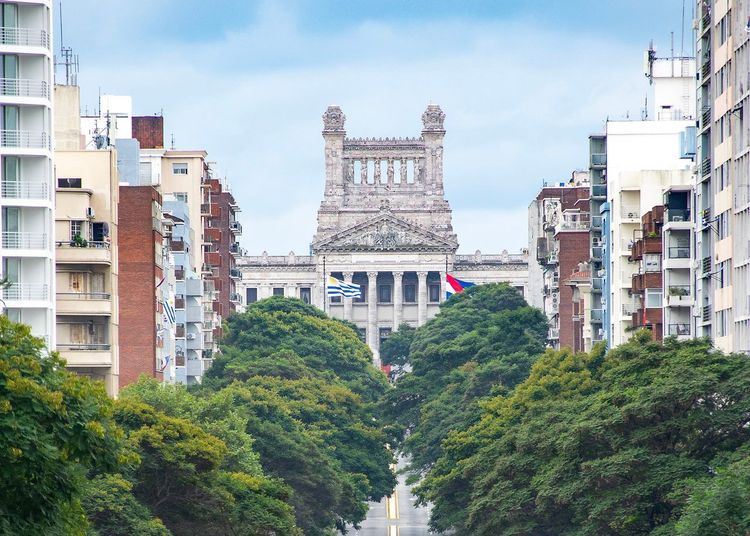
The Palacio Legislativo (Avenida de las Leyes s/n, 11800 Montevideo, rated 4.7/5 on Google (3.8K reviews)), seat of Uruguay's parliament, is easy to underestimate in photos. Stand at the foot of its steps at the end of Avenida del Libertador and the scale hits you: a neoclassical temple inaugurated in 1925, clad inside and out in marble, most of it quarried in Uruguay itself rather than imported from Europe. Walking around the building and its plaza is free, and on weekdays you can often glimpse the flow of legislators and journalists.
To see the famous Salón de los Pasos Perdidos (Hall of Lost Steps), with its stained glass, mosaics and gilded ceilings, join a guided tour. They run Monday to Friday at 11am and 4pm in Spanish, English and Portuguese, and foreign visitors pay a token fee of about US$3 (UYU 140, cash only), so this is the one near-free entry on the list. Bring photo ID and arrive a little early. The palace sits well north of the historic center, so most visitors treat it as its own outing rather than part of the old-town loop, or combine it with a walk down Avenida del Libertador back toward downtown.
5. Wander Montevideo's Markets and the Tristán Narvaja Sunday Fair
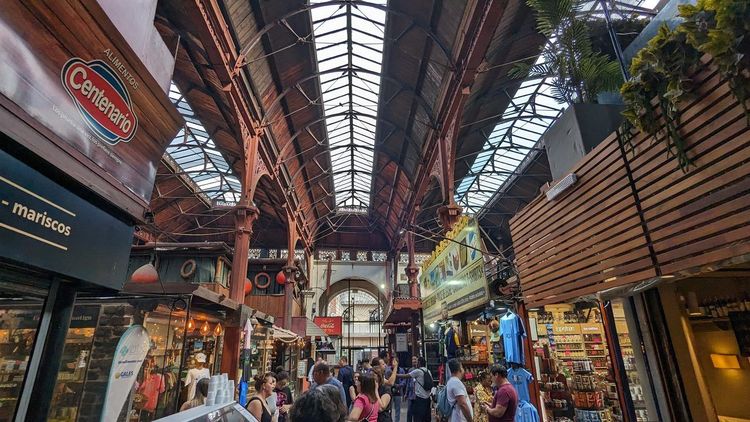
Markets are where Montevideo's free-to-browse philosophy meets its famously expensive food scene, and the contrast is part of the fun. The Mercado del Puerto (Piedras s/n, 11000 Montevideo, rated 4.4/5 on Google (22 823 avis)), a wrought-iron market hall inaugurated in 1868 near the old port, is lined wall to wall with parrilla grills sending smoke through the rafters. Walking in and soaking up the atmosphere, the sizzle, the shouting waiters, the sheer volume of beef, costs nothing at all. The steak, famously, does not. On Saturday afternoons the surrounding street fills with musicians and a lively crowd, which is when a slow wander pays off most.
A very different kind of market takes over Tristán Narvaja street every Sunday morning. The Feria de Tristán Narvaja stretches for blocks through the Cordón neighborhood, spilling into side streets, and sells, in no particular order, secondhand books, vinyl records, live birds, antique cameras, fresh produce, and the occasional questionable taxidermy piece. You are not obligated to buy anything; wandering the length of it, dodging elbows and people-watching, is the experience most locals come for. Go early, ideally before 10am, before the narrow street becomes genuinely difficult to move through, and keep your phone in a front pocket.
On a weekday, head instead to the Mercado Agrícola de Montevideo (MAM) in the Goes neighborhood, a 1913 iron-and-glass market hall restored and reopened in 2013. Stalls sell cheeses, olive oils, wine and fresh produce under a soaring roof, and browsing the aisles, with the odd free tasting, is a pleasant way to see where Montevideans actually shop. It is also one of the easiest places in the city to find a cheap, filling lunch.
6. Catch Candombe Drums and Free Live Culture
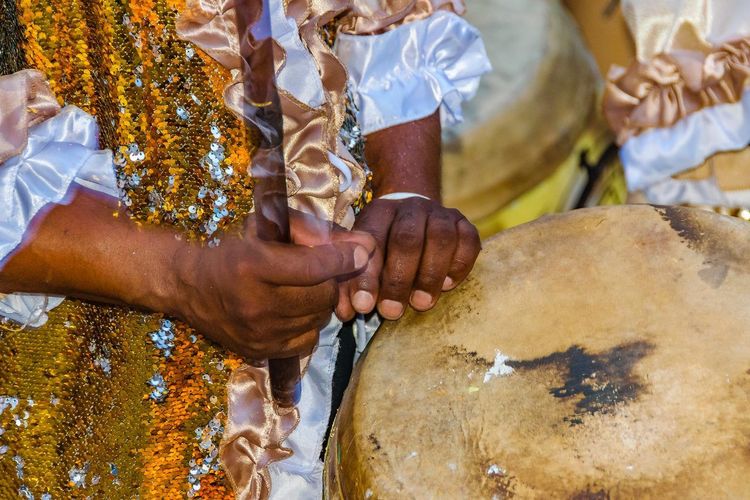
On Sunday evenings, follow the sound of drums into Barrio Sur or Palermo and you will find yourself at the edge of a candombe rehearsal, a tradition rooted in the city's Afro-Uruguayan community and inscribed on UNESCO's intangible cultural heritage list in 2009. Drummers in groups called comparsas practice in the street itself, and it is entirely normal for the rehearsal to turn into a loose, moving parade down the block, with neighbors dancing on their doorsteps as it passes. Stand on the sidewalk, let the drums go by, and do not step into the line of players.
During summer, the calendar fills with free outdoor culture: milongas (open-air tango dances) and concerts pop up along the Rambla and in city parks, often announced only a few days ahead on the city's social media. Carnival in Montevideo is famously long, stretching over roughly forty days from late January. Watching the opening parade along Avenida 18 de Julio from the sidewalk and the Llamadas drum parade through Barrio Sur and Palermo costs nothing if you skip the paid seating, while neighborhood tablados, the open-air stages where murga troupes perform, charge modest prices with tickets sold through Abitab payment outlets. In early October, the Día del Patrimonio (Heritage Day) turns the whole city into a free-entry weekend: palaces, private clubs, and buildings normally closed to the public open their doors at no cost, often with special guided tours added for the occasion.
7. Relax in Montevideo's Free Parks and Green Spaces
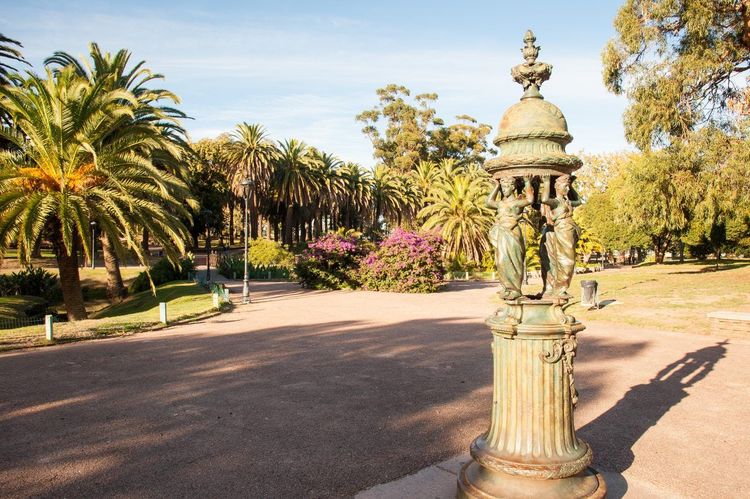
Montevideo's park system rewards a slower pace than the old town's landmark-hopping. Pack a picnic, or just a thermos, and treat these as places to sit rather than sights to check off.
Parque Rodó and Cerro de Montevideo
Parque Rodó is the city's most central green space, built around an artificial lake where families paddle rented boats on weekends, with a small amusement park and skate spots tucked along its edges. It sits just off the Rambla near Playa Ramírez, making it an easy add-on to a waterfront walk, and on Sundays a craft and flea market sets up along its paths.
Across the bay, Cerro de Montevideo, the hill that gave the city its name, offers the most dramatic panoramic viewpoint, crowned by the Fortaleza General Artigas), a fortress built between 1809 and 1811. The climb is short but steep enough to earn the view: the entire harbor, downtown skyline, and Río de la Plata spread out below. Fewer tourists make it here than to Ciudad Vieja, largely because it requires a bus or taxi ride around the bay, so go in daylight and come back the same way. Want the backstory without hunting for plaques? A dedicated Ryo audio sub-route, The Sixth Mountain from East to West, narrates the hill and the harbor views, handy if you want the history of the fortress in your ears as you climb.
Prado Park, the Botanical Garden and El Rosedal
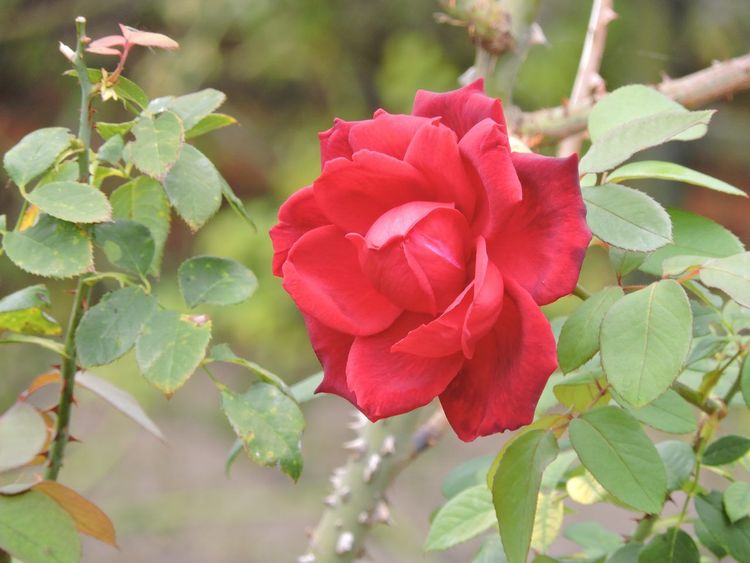
Out in the Prado neighborhood, three green spaces sit close enough together to cover in a single afternoon. Prado Park is the city's largest traditional park, a mix of open lawns, mature trees, and a creek-side path that feels a world away from downtown traffic. Inside its grounds, El Rosedal) is a formal rose garden with pergolas and fountains that blooms hardest in late spring (October and November), when the paths fill with color.
Next door, the Montevideo Botanical Garden, opened in 1902, holds a quieter, more academic collection of native and exotic species laid out around old greenhouses. Back toward the coast, between Punta Carretas and Pocitos, Villa Biarritz Park (Rambla Republica de Mexico, 11300 Montevideo, rated 4.5/5 on Google (4 555 avis)) is smaller and more neighborhood-focused, best known among locals for the street fair that sets up along its edge on Tuesdays and Saturdays, with produce, crafts and a few antiques stalls, a low-key cousin of Tristán Narvaja without the crush.
8. Photograph the Montevideo Letters and the City's Best Viewpoints
Montevideo's answer to the oversized city-name signs found in tourist hubs worldwide stands on a grassy slope beside the Rambla in Pocitos, facing the beach. Getting a photo in front of the Montevideo Letters (Rambla de Pocitos, 11300 Montevideo, rated 4.6/5 on Google (19 933 avis)) has become something of a rite of passage, and because the sign sits right on the waterfront, you can fold it into any walk along the Rambla. Go at sunset for the best light, or early morning if you want the letters to yourself.
For a view rather than a photo prop, the best-kept secret downtown is the Mirador Panorámico on the 22nd floor of the Intendencia (city hall), almost 80 meters above Avenida 18 de Julio. Entry is free, the lift whisks you up from the entrance on Calle Soriano 1372, and the terrace looks straight down the avenue to Ciudad Vieja, across the bay to the Cerro and out over the Rambla. It is open daily from 10am to 6pm (last entry around 5:15pm); you simply pick up a free QR ticket on arrival, no advance booking needed. There is a café up there too, but you are under no obligation to order anything.
Between the two, the fortress atop Cerro de Montevideo remains the city's most sweeping panorama, covered above. Combine the Mirador at midday with the letters at golden hour and you have two of the most photographed free spots in the city in a single afternoon.
9. Explore Montevideo's Historic Plazas and Squares
Most guides to Montevideo treat each plaza as a standalone attraction, which tends to bury the fact that half of them sit within a few blocks of one another in Ciudad Vieja or along Avenida 18 de Julio. Grouped by area, they make for an easy half-day walk that costs nothing.
Downtown squares: Zabala, Fabini and Cagancha
In Ciudad Vieja, Plaza Zabala) centers on an equestrian statue of Bruno Mauricio de Zabala, the Spanish governor who founded the city in the 1720s, ringed by some of the neighborhood's grandest façades. A few blocks away, Constitution Plaza, the city's oldest square, sits beside the Cathedral and Cabildo described in the Ciudad Vieja section.
From Plaza Independencia, stroll east along Avenida 18 de Julio, the city's main commercial spine, lined with early 20th-century palaces, cafés and bookshops. The first green stop is Juan Pedro Fabini Square, home to the striking bronze Monumento al Entrevero, a tangle of horsemen from the independence wars. A few blocks on comes Plaza Cagancha (Avenida 18 de Julio, 11100 Montevideo, rated 4.4/5 on Google (17 842 avis)) (also called Plaza Libertad), marked by a column topped with a statue of liberty and a favorite meeting point for locals.
Neighborhood plazas: Virgilio, Treinta y Tres and beyond
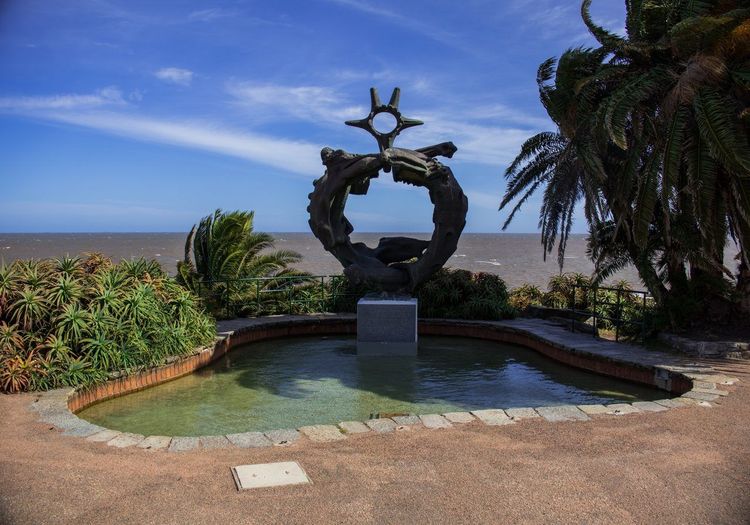
Away from the center, a handful of smaller plazas reward a slower pace. Further east along 18 de Julio in Cordón, Plaza de los Treinta y Tres Orientales commemorates the thirty-three patriots who launched Uruguay's independence campaign in 1825, its name a small history lesson in itself. Out on the eastern Rambla at Punta Gorda, Plaza Virgilio is a clifftop park with a modernist monument and one of the widest views over the river, a superb sunset alternative to the busier beaches. In the Prado, Plaza Tomás Gomensoro anchors a quiet residential pocket worth combining with the botanical garden nearby.
You could easily lose an afternoon stitching these squares together on foot, and that is more or less the idea behind Ryo's audio walk, which threads several of these squares between its main stops, with a short audio anecdote at each one so the walk between landmarks feels like part of the tour rather than dead time.
10. Free Nature Escapes Just Outside the City
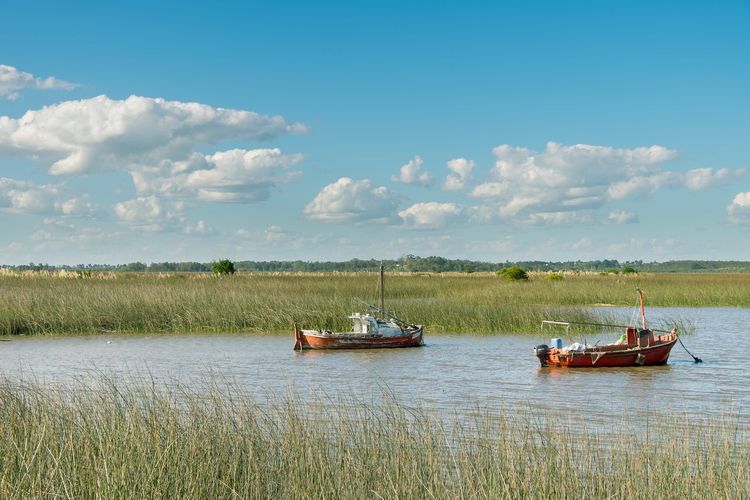
Most lists of free attractions in Montevideo stop at the city limits, which means they skip two of the better options for anyone with half a day and a bus card. The Humedales del Santa Lucía, a protected wetland at the mouth of the Santa Lucía river on the city's western edge, draws herons, coots, and the occasional capybara to trails and boardwalks that need no entry fee and no guide. Bring water and insect repellent, especially in summer, and check the local bus routes before you go since services thin out on weekends. Early morning and late afternoon are the best times for birds, and the flat reed beds glowing in low sun are a photographer's treat.
Further afield, the Rocha lagoons sit roughly three hours east by bus, well beyond a casual afternoon trip, but they reward the effort with some of the best unguided birdwatching in the country: flamingos, black-necked swans, and migratory shorebirds move through the shallow coastal lagoons depending on the season. If a day trip fits your schedule, an early bus out and a late one back is enough to make it worthwhile without booking a single tour.
11. Eat and Get Around on the Cheap

Even with a full slate of free sights, you still need to eat and move around the city, and both can be done far more cheaply than the Rambla's seaside restaurants suggest. The menú del día or menú ejecutivo, a fixed-price weekday lunch offered by countless small restaurants in Centro and Ciudad Vieja, is arguably Uruguay's best-kept budget secret: a main, a drink and often a dessert for a fraction of what the same food costs à la carte at dinner. Another local staple, the chivito sandwich, is a full meal on its own.
Getting around is straightforward on the city's bus network: you can pay the driver in cash or tap a rechargeable STM card, and a single fare lets you change buses within a set time window. Intercity buses out of the Tres Cruces terminal remain an honest, no-surprises option for day trips beyond the capital. Buy your produce at a neighborhood feria rather than a supermarket chain and you will notice the price difference immediately; Montevideo's rotating street markets undercut retail on fruit and vegetables by a wide margin. And adopt mate, the shared herbal infusion sipped from a gourd through a metal straw, which doubles as the cheapest, most social ritual in the country. A bag of yerba and a thermos of hot water cost almost nothing and instantly make you look, and feel, a little more local.
12. Money-Saving Tips: the Tourist VAT Refund and More

Uruguay offers a VAT exemption for foreign tourists that surprisingly few visitors know about. For the 2025-2026 summer season (15 November 2025 to 30 April 2026), meals in restaurants, bars and cafés, as well as car rental, were VAT-free for non-residents paying with a foreign credit or debit card, with the discount applied automatically at the till: no paperwork, no airport queue. Hotel stays paid the same way have long been exempt too, and a separate Tax Free scheme covers shopping in participating stores all year. The rules are renewed season by season, so check the Ministry of Tourism's current conditions before you travel, and always tell the waiter you are paying with a foreign card.
Beyond the VAT mechanism, a few habits stretch a budget further. Traveling in shoulder season, spring (September to November) or autumn (March to April), brings lower accommodation rates and thinner crowds than the December-to-February peak, while still offering comfortable weather for the Rambla and the parks. For longer hauls within Uruguay, overnight buses double as transport and a night's accommodation, a trick backpackers across the region rely on. Combine that with the menú del día and feria shopping, and daily costs drop faster than most first-time visitors expect.
13. Getting To, Around and Safely Through Montevideo
Most visitors arrive in Montevideo from Buenos Aires, and the logistics are simple enough to plan without a travel agent.
Arriving from Buenos Aires: ferry, bus and car options
The fastest option is a direct ferry from Buenos Aires to Montevideo, crossing the Río de la Plata in a little over two hours. A cheaper, slower alternative is a shorter ferry hop to Colonia del Sacramento, followed by a roughly two-and-a-half-hour bus to Montevideo; it typically costs less than the direct crossing and throws in a look at Colonia's UNESCO-listed old town as a bonus. Drivers can also take a car on the ferry to Colonia and continue by road, useful if you plan to explore beyond the capital. Cruise ships call at Montevideo's port regularly as well, mostly between November and March, dropping passengers within easy walking distance of Ciudad Vieja: the Mercado del Puerto, Plaza Independencia and the Rambla are all reachable on foot for a few free hours before departure.
Flying in instead? Carrasco International Airport sits about 20 kilometers east of downtown. Regular intercity buses stop right outside the terminal and run to the Tres Cruces station for a fraction of the taxi fare, which is worth knowing if you land with a light bag and a tight budget.
Getting around and staying safe
Once in the city, buses cover most neighborhoods reliably, and Ciudad Vieja, Centro, and the Rambla corridor are all comfortably walkable in daylight. On Montevideo safety, Uruguay consistently ranks among the safest countries in Latin America, and most visitors experience nothing worse than the usual big-city caution: keep valuables out of sight in crowded markets like Tristán Narvaja, avoid empty streets of Ciudad Vieja late at night, and use the same street sense you would in any capital. None of that should discourage a sunset walk along the Rambla; just stick to populated stretches and you will be fine.
FAQ
Is Uruguay friendly to Americans?
Yes. US citizens can enter Uruguay visa-free for tourism stays of up to 90 days, and English is reasonably common in tourist-facing businesses in Montevideo, though a little Spanish goes a long way.
Is there much to do in Montevideo for free?
More than most visitors expect. Beyond the Rambla, the city offers a long list of free museums, historic plazas, a city-hall viewpoint, weekly markets, and Sunday candombe rehearsals, all without an entry fee.
What is the VAT discount for tourists in Uruguay?
Non-residents who pay with a foreign card get VAT removed automatically on eligible services. In the 2025-2026 summer season this covered restaurants and car rental until 30 April 2026, alongside the hotel exemption and a year-round Tax Free shopping scheme. Conditions are renewed each season.
Is Montevideo safe for tourists?
Generally yes. Uruguay ranks among the safest countries in Latin America, though standard precautions around valuables and late-night walking in Ciudad Vieja still apply.
How do you get from Buenos Aires to Montevideo?
A direct ferry crosses in a little over two hours, or a cheaper combination of a shorter ferry to Colonia del Sacramento plus a bus covers the same route more slowly.
When is the best time for free activities in Montevideo?
Spring and autumn offer mild weather with fewer crowds along the Rambla and in the parks, summer (December to February) brings carnival, candombe and outdoor milongas at their peak, and early October has the Día del Patrimonio, when normally closed buildings open for free.
Is Uruguay expensive compared to other South American countries?
Yes, Uruguay generally runs pricier than most of its neighbors, which makes the sheer volume of free attractions in Montevideo particularly useful for balancing a trip's budget.
Between the waterfront, the old town, and a museum list that would take most visitors a full week to exhaust, Montevideo makes a surprisingly strong case for itself as a budget destination hiding inside an expensive country. Pace yourself: pick one neighborhood cluster a day rather than trying to chase every plaza and museum at once, and leave room for the Sunday markets and candombe rehearsals that only happen on their own schedule, not yours.
If you would rather have a narrated structure to lean on instead of piecing the route together from a list, Ryo's full Montevideo audio tour links many of these same stops, from Ciudad Vieja's palaces to the Rambla's sunset stretch, into a single walk you can follow at your own pace, headphones in. For a shorter, highlights-only version of the city, see our top 5 activities to do in Montevideo.