© Shutterstock
 Votre guide Ryo
Ottawa in 2 Days: A Capital Itinerary for 2026 (Plus a Bonus Third Day)
Most visitors assume Ottawa in 2 days means a quick loop around government buildings and an early flight home. That reputation does the city a disservice. Spend 48 hours here properly and you will stand beneath Gothic Revival towers more than 150 years old, eat brunch above a canal whose locks are still cranked open by hand, and walk into a market laid out in 1826, more than four decades before Canada existed as a country. Ryo's audio-guided tour of Ottawa traces almost this exact ground, stop by stop, so you spend your limited time looking up at the buildings instead of down at a phone screen.
This itinerary fills two full days: Parliament Hill, the Rideau Canal and ByWard Market on day one; museums, a riverside walk and an optional evening show on day two. A loose third day is sketched out afterward for anyone whose flight isn't until Monday. Along the way you'll find a blue whale skeleton hanging in a museum gallery, a mint where you can lift a real gold bar, a ghost tour that ends inside a 19th-century jail, and a park bluff that quietly has the best view in the entire city.
None of it requires a car or much advance planning beyond booking one or two free timed tickets. What follows is the order that actually works on the ground, walked in sequence rather than sorted by category.
Day 1 in Ottawa: Parliament Hill, the Rideau Canal and ByWard Market
Day one is compact enough to cover almost entirely on foot, and it starts the moment you step out of nearly any downtown hotel. The route below moves from the seat of government down to the water, then into the market district: roughly three hours of walking spread across a full day, with long stops built in at each landmark so nothing feels rushed.
A realistic rhythm looks like this:
- 9:00 to 11:30: Parliament Hill grounds and a guided tour of West Block
- 12:00 to 13:30: lunch overlooking the Rideau Canal locks
- 14:00 to 16:30: ByWard Market wandering
- 16:30 to 17:30: Bytown Museum before closing time
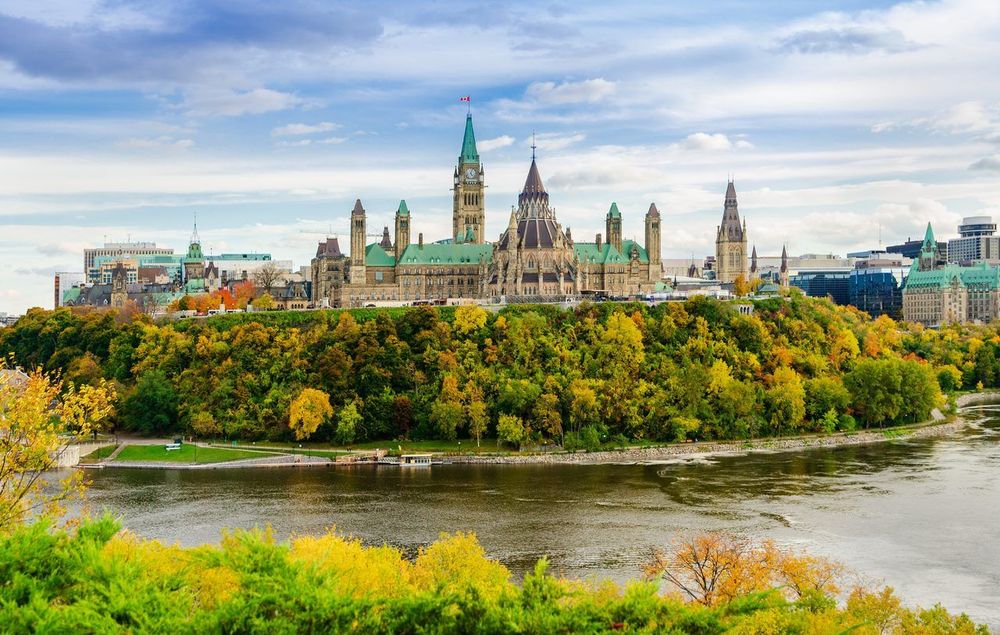
Parliament Hill and the Peace Tower
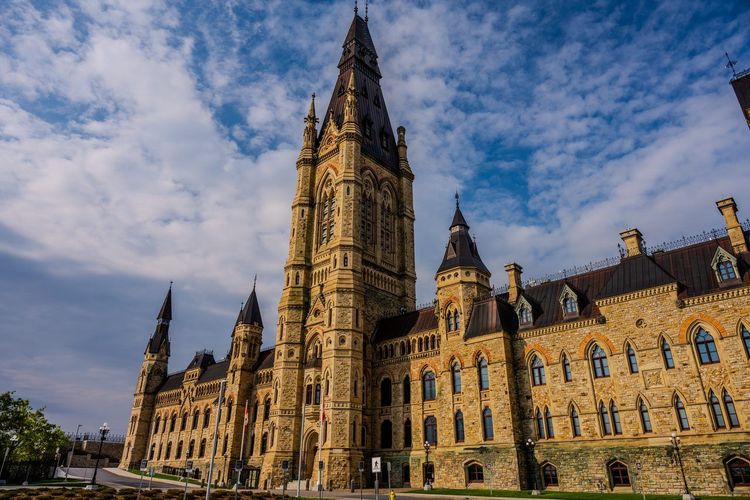
Parliament Hill) is the obvious starting point, and it rewards an early arrival more than almost anything else on this list. Guided tours of the House of Commons and the Senate are free, but you should reserve them online through the Parliament of Canada website as soon as your dates are fixed: summer slots fill weeks ahead. Each tour lasts 30 to 40 minutes, and you're asked to report to the Visitor Welcome Centre at least 25 minutes early for security screening.
The Peace Tower is the piece everyone photographs: a 92-metre bell tower with a 53-bell carillon. Set your expectations, though. Centre Block closed in December 2018 for a rehabilitation scheduled to run until around 2031, the observation deck has been off-limits ever since, and the tower itself is being wrapped in steel scaffolding during 2026. Meanwhile the House of Commons sits in a temporary chamber built inside West Block, a glass-roofed courtyard conversion that is stranger and more interesting in person than photos suggest. Watching Canada's democracy run out of what is essentially a very elegant construction site is, oddly, one of the better reasons to visit now rather than in a decade.
The Senate of Canada has moved a few blocks east into the Senate of Canada Building, which is the former Union Station railway terminal from 1912, beautifully restored. It runs its own free guided visits on a separate schedule from the House. If your time only allows one chamber, pair a self-guided walk across the grounds, past the statues ringing the lawn including the bronze « Women Are Persons! » monument to the Famous Five, with a House of Commons visit; that combination covers the highlights in under two hours including the security line.
Bring photo ID. Screening is airport-style, bags get scanned, and large backpacks are better left at the hotel.
In July and August, try to time your morning around the Changing the Guard: the Ceremonial Guard, in scarlet tunics and bearskin hats, marches up to the front lawn around 10am for roughly 30 minutes of drill and music. It's free, it draws a crowd, and it's the most photogenic half hour on the Hill while Centre Block stays under wraps. Afterward, walk around the back of West Block to the escarpment path, where the view drops straight down to the Ottawa River and across to the Museum of History's curved stone walls in Gatineau.
Lunch on the Rideau Canal
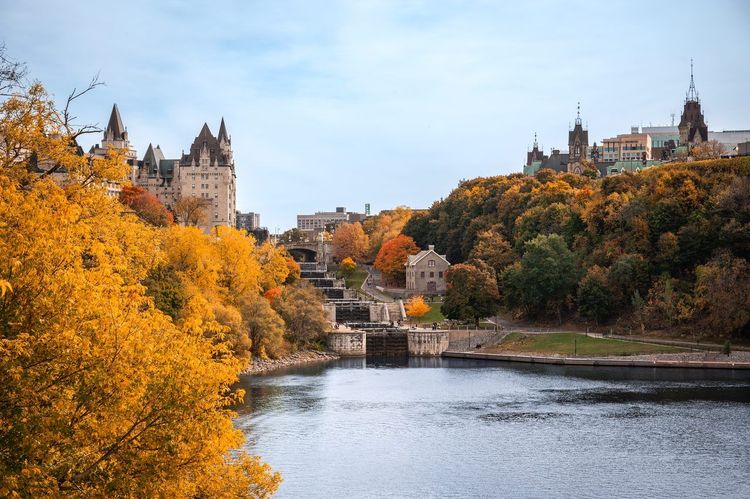
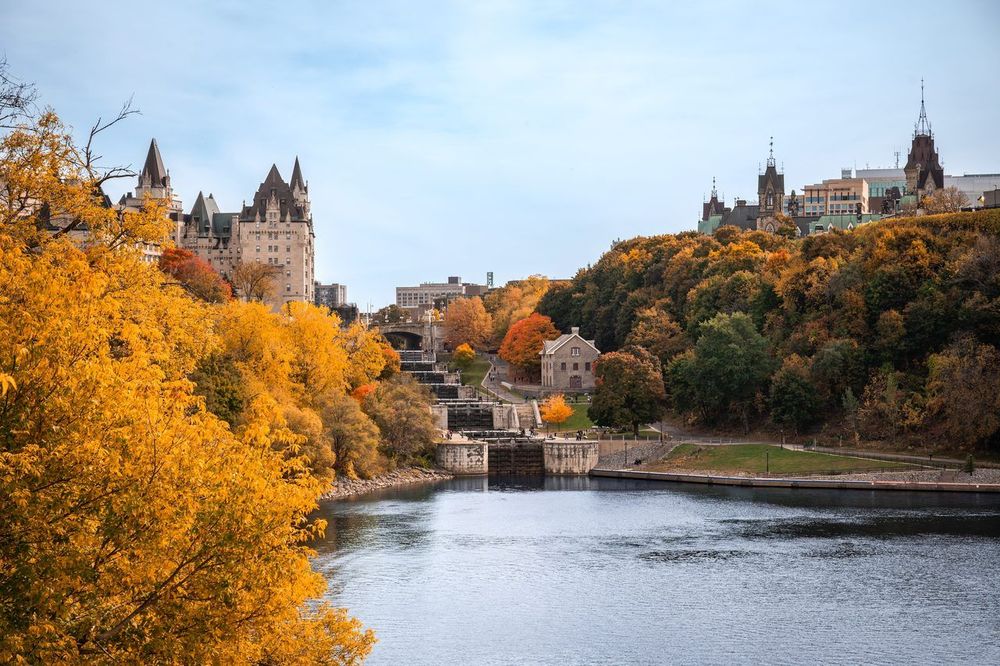
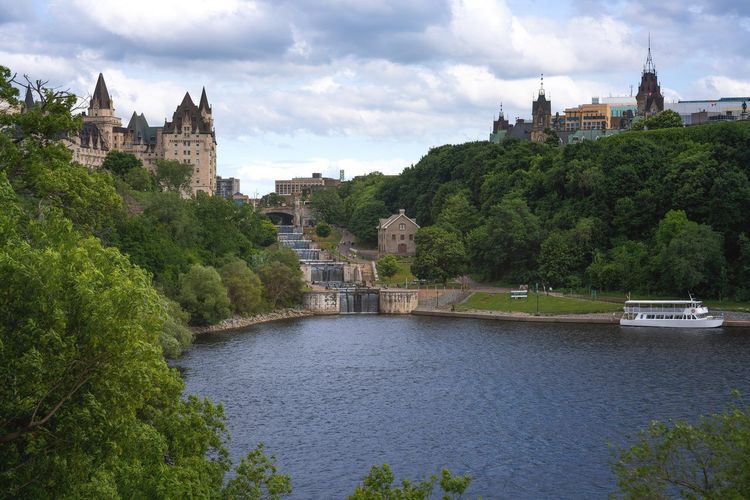
From the Hill, it's a five-minute walk down to the Rideau Canal, a UNESCO World Heritage Site since 2007 and still a functioning waterway, built between 1826 and 1832 under Lieutenant-Colonel John By as a military supply route to Kingston. In winter the canal becomes the Rideau Canal Skateway, nearly 8 kilometres of naturally frozen ice maintained daily; outside skating season, the towpaths on either bank fill instead with cyclists, runners and people walking dogs on their lunch break.
For lunch with a view, sit down at La Terrasse), the seasonal terrace of the Fairmont Château Laurier (generally open from mid-May until autumn, weather permitting), which looks straight down on the flight of eight locks, the Ottawa River and Parliament Hill. You'll watch boats working their way up the staircase of locks while you eat. It is touristy, it knows it, and the view justifies the hotel-level prices anyway.
On a tighter budget? Walk a few minutes further into the market, where bakery counters and casual cafés feed you for a fraction of the price, then come back to sit on the lock walls with your takeaway.
ByWard Market and the Bytown Museum
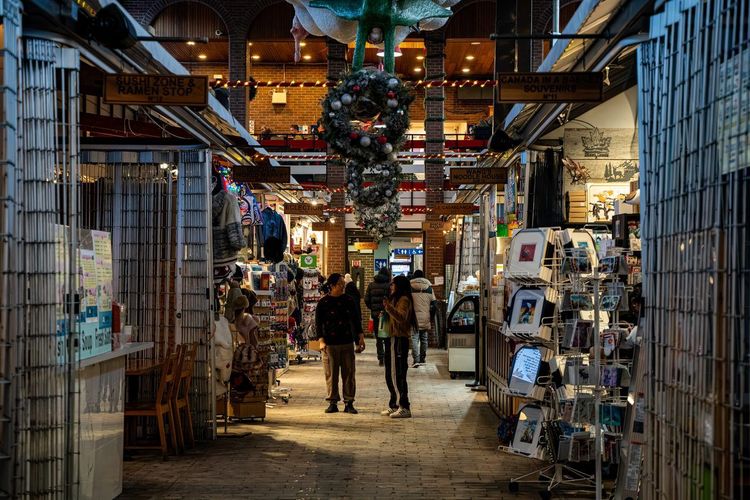
ByWard Market) was laid out by John By himself in 1826, which makes it one of the oldest public markets in Canada, and the outdoor produce stalls still operate side by side with the restaurants, bars and specialty shops that have filled in around them over two centuries. Wander the covered market building first for the cheese counters and the butchers, then loop through the side streets for the bakeries and the BeaverTails stands on George Street.
Tucked right beside the canal locks is the Bytown Museum (1 Canal Lane, Ottawa, ON K1N 8Z3, rated 4.5/5 on Google (517 avis)), housed in the Commissariat of 1827, Ottawa's oldest surviving stone building, which once stored supplies and money for the canal's construction crews. The exhibits trace the city's path from rough lumber town to national capital in about 45 minutes, which makes it a sensible late-afternoon stop rather than a morning anchor.
Its small size is a feature, not a limitation. After a full morning at Parliament Hill, a dense exhibit would be a lot to take in; this one is pitched at exactly the right depth for the end of a long walking day.
Before heading in, stop at the locks themselves. Parks Canada staff still operate the gates by hand with iron crank winches, exactly as lock keepers did in the 1830s, and a full passage through all eight locks takes a boat around an hour and a half. Watching a vessel rise step by step from the Ottawa River to the level of the canal is one of the most quietly absorbing free sights in the capital, and in summer it happens several times a day.
You can skip the paper map entirely for this first loop: Ryo's audio-guided walk through the capital follows almost this exact line from Parliament Hill down to the canal and into the market, with an audio stop at each landmark that tells you the story while you keep your eyes on the stonework.
Day 2 in Ottawa: Museums, Nature and an Evening Show
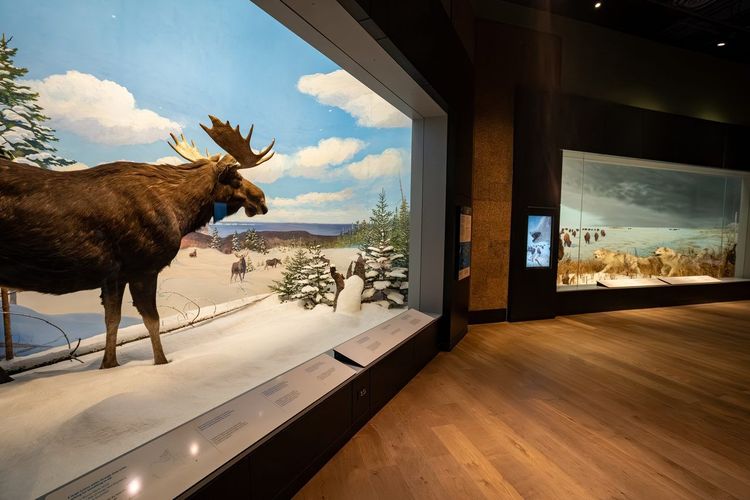
Day two slows the pace deliberately, built around two major national museums with dinner and an optional evening show folding in afterward, none of the queueing pressure of day one's government buildings.
A comfortable plan for the day:
- 10:00 to 12:30: Canadian Museum of Nature
- 12:30 to 13:30: lunch in the museum café or nearby on Elgin Street
- 14:00 to 16:30: Canadian War Museum at LeBreton Flats
- 18:00 onward: dinner in the Glebe, then the National Arts Centre
If you're spending Ottawa in 2 days over a Thursday, schedule this day for it: both museums offer free admission that evening.
Canadian Museum of Nature
The Canadian Museum of Nature) occupies the Victoria Memorial Museum Building, a turreted sandstone castle opened in 1912 that served as Canada's temporary Parliament after the 1916 fire gutted Centre Block, a detail most visitors only learn once they're inside. The building alone is worth a look from the outside, all stone carvings and Gothic flourishes that seem out of place among the glass towers nearby.
Inside, the main draw for most visitors is the blue whale skeleton in the Water Gallery: roughly 20 metres of bone that still manages to surprise people who already knew it was coming. The fauna galleries are where families linger longest, with mammal and bird dioramas arranged by Canadian habitat, from Arctic tundra to prairie, and the fossil gallery's dinosaurs make a strong case for climbing one more floor.
Budget at least two hours. The museum's « Nature after 5 » programme offers free entry to the permanent galleries on Thursdays from 5pm to 8pm, though you still need to reserve a free ticket.
Canadian War Museum
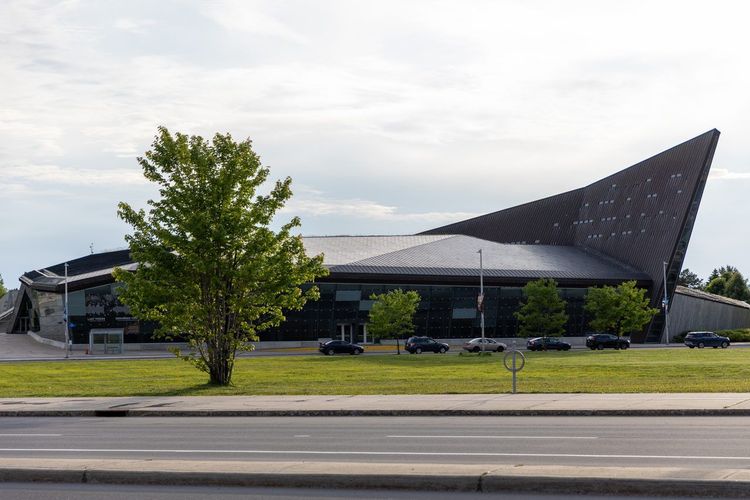
The Canadian War Museum) at LeBreton Flats sits about 3.5 kilometres away, roughly 45 minutes on foot or a quick ride on the O-Train to Pimisi station. It's a low, angular concrete building that is intentionally hard to photograph flatteringly and genuinely affecting once you're through the door. The galleries move chronologically from the earliest conflicts on Canadian soil through both world wars to peacekeeping and modern missions, with artifact density that rewards slow walking.
Two spaces stand out. Regeneration Hall, a soaring slanted room, has a single tall window aligned so that it frames the Peace Tower across the city. At the opposite end, Memorial Hall holds only one artifact, the headstone of Canada's Unknown Soldier, and on Remembrance Day at exactly 11am, sunlight passes through a single window to light it up. Ask staff about both if you miss the panels. Free admission here runs on Thursdays from 5pm to 7pm with a timed ticket.
For dinner, head back toward the Museum of Nature: the Glebe neighbourhood just south along Bank Street has a denser restaurant strip than downtown, from casual pizza to sit-down Lebanese within a ten-minute walk of each other, and it stays lively on weeknights without the waits ByWard Market sees on weekends.
Evening at the National Arts Centre
If you have energy for one more stop, the National Arts Centre (1 Elgin St, Ottawa, ON K1P 5W1, rated 4.6/5 on Google (1 713 avis)) hosts ballet, opera, theatre and the NAC Orchestra in a building opened in 1969 whose 2017 renovation added a glass atrium facing Elgin Street and the canal. Even a quick look at the lobby after dark, with the water lit up outside, is worth the short detour, tickets or not.
The riverside half of the day suits the same audio guide too: several of its stops sit along this stretch of the Ottawa River, so you can pick up the narration where you left it on day one instead of starting over.
Have a Third Day? More Ottawa Highlights
Two days cover the essentials, but plenty of first-time visitors find there's a whole day's worth left once they've seen the main sights. Treat what follows as an extension rather than a separate trip. The easiest order keeps you in one corner of downtown: start at the National Gallery when it opens, cross Sussex Drive to the Mint for a late-morning tour, eat in the market, then spend the afternoon at the Bank of Canada Museum) or across the river at the Museum of History before an evening ghost walk. Everything except the Museum of History sits within a 15-minute walk of the next stop, so you lose almost no time in transit.
Royal Canadian Mint tour and a ByWard food tour
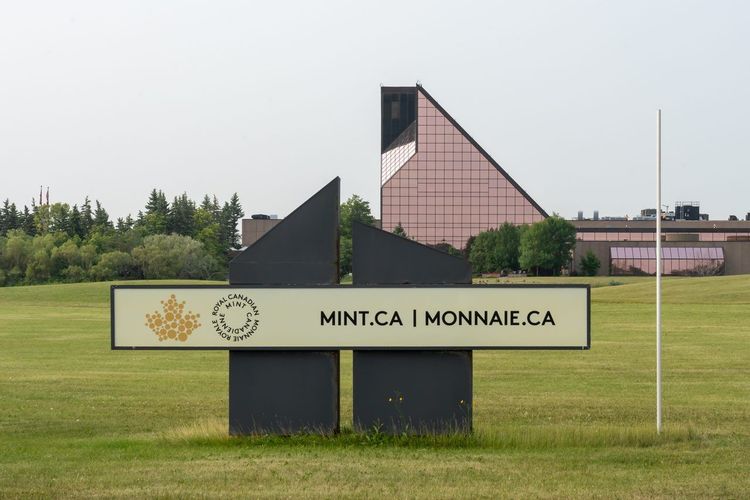
The Royal Canadian Mint) on Sussex Drive runs guided tours above its working factory floor, where commemorative and collector coins are struck while you watch through glass walkways, and the tour ends with a chance to lift a real gold bar (tethered, and supervised) just to feel how heavy it actually is. Tours sell out in summer, so book a slot online before you arrive rather than hoping to walk up.
Pair the Mint with a ByWard Market food tour earlier in the day. A couple of hours of guided tastings through the market's bakeries, cheese shops and BeaverTails stands is a far more efficient way to sample the neighbourhood than grazing alone with no sense of which stall is worth the calories.
Bank of Canada Museum and other Ottawa museums
The Bank of Canada Museum, built into the bank's own headquarters, is smaller and stranger than the big national museums, with interactive exhibits on money, inflation and currency design that kids tend to enjoy more than adults expect. Entry is free, which makes it an easy slot to fit into an otherwise ticketed day.
The National Gallery of Canada deserves a few hours on its own. Moshe Safdie's glass-and-granite building on Sussex Drive holds the country's largest collection of Canadian and Indigenous art, and Louise Bourgeois's giant bronze spider, Maman, guards the plaza outside. Directly across the street, the twin silver spires of Notre-Dame Cathedral Basilica, Ottawa's oldest surviving church, frame one of the best interiors in the city.
Other options for a third day include the Canadian Museum of History, just across the river in Gatineau and home to the world's largest indoor collection of totem poles, and the Diefenbunker, a genuine Cold War-era underground bunker in Carp, about 40 minutes west of downtown, for anyone who wants a properly odd detour.
Haunted Walk of Ottawa

For an evening close to a third day, the Haunted Walk of Ottawa (46 Sparks St, Ottawa, ON K1P 5A8, rated 4.7/5 on Google (2 491 avis)) runs lantern-lit tours through the oldest parts of downtown, including a version that takes you inside the former Carleton County Gaol, now a hostel and the site of one of Canada's most notorious 19th-century executions. Weekend tours fill up, so reserve before you land.
If two days turn into three, you don't need a second guide: the Ryo audio guide keeps working for the extra stops, and it covers more territory than a single afternoon can, which matters once the Mint, the Gallery and the ghost tour join the list.
Parks, Views and Outdoor Spots in Ottawa
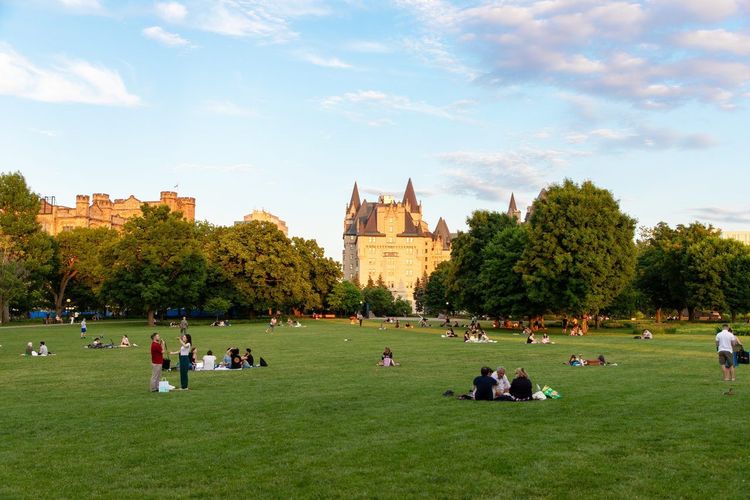
Between the museums and the market, carve out twenty unplanned minutes for Major's Hill Park (2 Mackenzie Ave, Ottawa, ON K1N 5V6, rated 4.8/5 on Google (3 013 avis)), Ottawa's oldest park, a grassy bluff right beside the Mint and the National Gallery with arguably the single best view in the city: the canal locks on one side, the Ottawa River and the Gatineau Hills on the other, and Parliament's silhouette across the gap. Canada Day fireworks and summer festivals regularly set up here, so check what's on before you go.
A few other spots are worth a stop if your schedule has slack:
- Nepean Point, at the park's northern tip, a lookout over the river and the Alexandra Bridge
- Confederation Park, a small green square downtown used for festivals and an easy place to sit with takeout
- The canal towpath, flat, shaded in places and pleasant on foot or by bike in either direction
On Ryo's walking route, Major's Hill Park comes up naturally between the Mint and the market, and it's the photo stop to linger at rather than rush past.
Free Things to Do in Ottawa
A surprising amount of Ottawa costs nothing at all. The grounds of Parliament Hill are open year-round even without a tour, the guided tours themselves are free, and the summer Changing the Guard ceremony on the front lawn is free to watch. The Canadian Museum of Nature (Thursdays 5pm to 8pm) and the Canadian War Museum (Thursdays 5pm to 7pm) both waive admission one evening a week, and the Bank of Canada Museum is free every day it's open.
The canal towpaths and the riverside paths along the Ottawa River cost nothing to walk or cycle, ByWard Market is free to browse even if you buy nothing beyond a coffee, and both Major's Hill Park and Confederation Park are open public spaces. Winter adds another free option: the Rideau Canal Skateway is open to anyone with their own skates, no admission charged.
For a longer, seasonal rundown of no-cost options, Ryo's guide to free things to do in Ottawa goes deeper than this section has room for, including a few spots that don't make most visitor itineraries.
Day Trips from Ottawa: Montreal and Gatineau Park
Neither of the following belongs inside a tight two-day plan, but both are worth knowing if your stay stretches to three days or beyond.
Montreal as a day trip
Montreal sits about two hours away by VIA Rail, with several departures a day making it realistic to leave early, spend six or seven hours in Old Montreal and the Plateau, and be back in Ottawa for a late dinner. It works better as an overnight if your schedule can stretch that far, since four hours of train time eat noticeably into the day.
If you do go for just the day, buy tickets a week or more ahead; walk-up fares on the busier departures can run close to double the advance price.
Gatineau Park and the Plaisance heritage falls
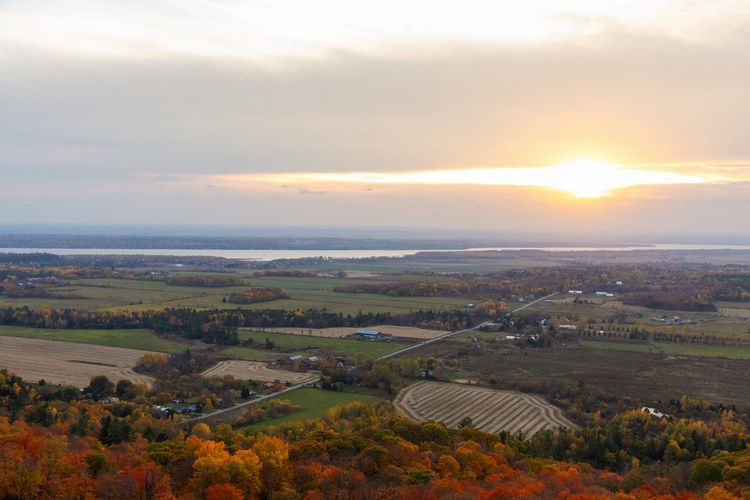
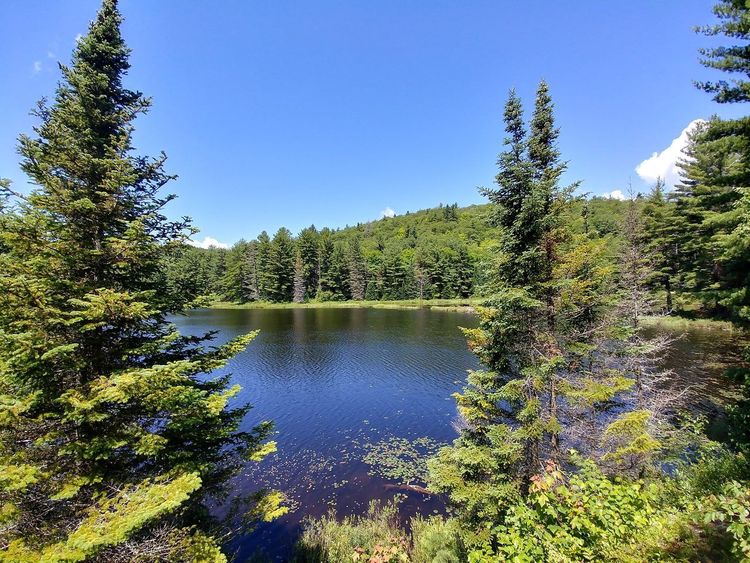
Cross the river into Quebec and you reach Gatineau Park (33 Scott Rd, Chelsea, QC J9B 1S5, rated 4.7/5 on Google (5 212 avis)) within about fifteen minutes of downtown: 361 square kilometres of forest, lakes and hiking trails that feel entirely disconnected from the capital. The Champlain Lookout and the Pink Lake trail are the classic half-day stops, Lac Philippe is the place for a swim in summer, and the park becomes a serious draw for fall foliage from late September to mid-October, when weekend traffic can back up on the parkways.
Farther east, about an hour's drive along the Ottawa River, the village of Plaisance is home to the Chutes de Plaisance heritage site, where a 63-metre series of falls on the Petite-Nation River sits beside the remains of a 19th-century mill village, next to the wetlands of Parc national de Plaisance. It's a quieter alternative to Gatineau Park for anyone heading toward Quebec rather than looping back to the city.
For travellers continuing on from Ottawa rather than simply adding a day trip, our Ryo road-trip guide pairing Ottawa with Quebec lays out a fuller multi-day route between the two provinces.
Where to Eat in Ottawa
ByWard Market's stalls and bakeries cover breakfast and snacks well on their own, but for a proper sit-down dinner, Elgin Street near the National Arts Centre has a dense run of restaurants within walking distance of most downtown hotels, from casual bistros to a few higher-end spots worth booking ahead on weekends.
Preston Street, Ottawa's Little Italy, sits close to the War Museum and makes a sensible dinner stop on day two. Expect family-run Italian restaurants that have been there for decades alongside newer wine bars, generally with shorter waits than the market district once the weekend hits.
For something faster between stops, a BeaverTails pastry, fried dough stretched into a tail shape and topped with anything from cinnamon sugar to hazelnut spread, is the local answer to a quick, indulgent snack. The shawarma counters scattered around downtown, an Ottawa institution in their own right, do a brisk late-night trade for anyone wandering back from the Haunted Walk.
Breakfast is where Ottawa quietly shines. Bakeries around the market turn out croissants and Montreal-style bagels from early morning, and diners on Bank Street and in the Glebe serve generous plates of eggs, back bacon and pancakes with real maple syrup at prices well below the hotel buffets. Booking ahead for weekend brunch is wise anywhere near the canal.
Vegetarian and vegan options cluster more heavily around the Glebe and Centretown than around ByWard Market itself, so if that's a priority, build it into day two rather than day one.
Where to Stay in Ottawa
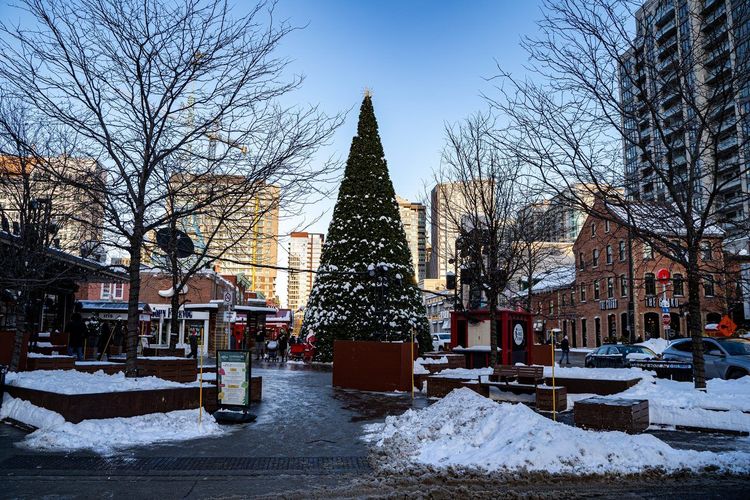
Staying inside ByWard Market puts you within walking distance of day one's entire route and plenty of dinner options, at the cost of weekend bar noise on Friday and Saturday nights. The ByWard Blue Inn, a small boutique property on the market's quieter eastern edge, suits travellers who prioritise location over perfect silence.
Downtown, a short walk from Parliament Hill and the O-Train, options like the Hampton by Hilton Ottawa trade some market atmosphere for easier transit access, often at lower weekend rates than market-area properties during the same stretch.
Budget-minded travellers can also look across the river in Gatineau, where hotels near the Museum of History are a 20-minute walk over the Alexandra Bridge from the National Gallery. Wherever you book, check whether parking is included if you're arriving by car, since downtown hotels often charge a nightly fee on top of the room rate, and confirm the room is not on the side facing a bar terrace if light sleep matters to you.
Either side works for this itinerary; the real question is whether you'd rather fall asleep to market noise or wake up beside a train station.
How to Get Around Ottawa
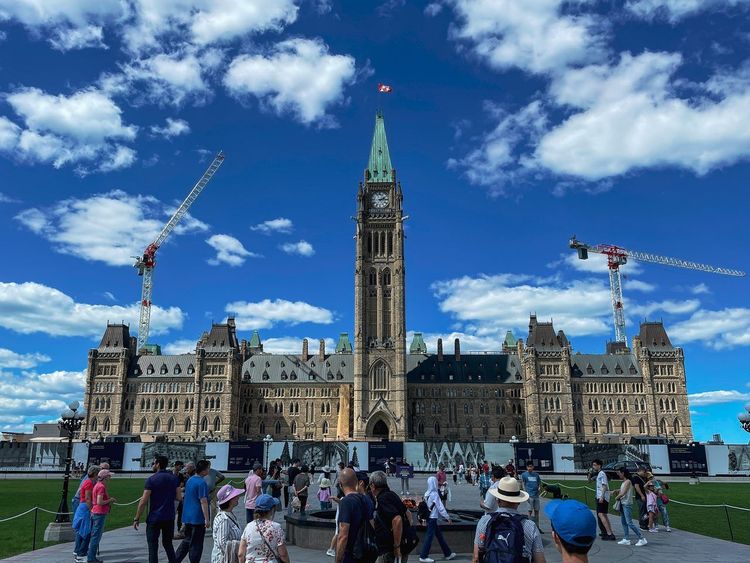
Downtown Ottawa is genuinely walkable: Parliament Hill, the canal, the market and most hotels sit within a 20-minute walk of each other, and day one can be done entirely on foot. For day two's museums, OC Transpo buses and O-Train Line 1 (the Confederation Line) cover the distance cheaply, with Parliament, Rideau and Pimisi stations the ones you'll use most. You can pay with a Presto card or simply tap a credit card or phone at the gates and on buses.
A hop-on hop-off bus runs seasonally and loops past most of the major stops in this itinerary, which suits travellers who'd rather skip working out a transit route from scratch. In summer, bike-share and the NCC's car-free parkway Sundays make cycling another easy option.
Is it easy to get around Ottawa without a car? For a two or three day visit, yes. Between walking and the O-Train, with an occasional rideshare for Gatineau Park, a rental car adds cost and parking headaches without adding much convenience on a trip this short.
Essential Tips for Planning Your Ottawa Trip
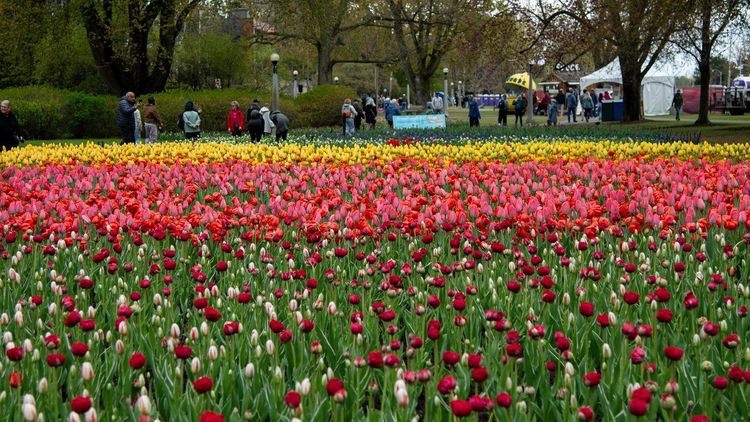
Late spring through early autumn is the easiest window weather-wise, with long daylight hours that suit a packed schedule and crowds that thin out noticeably in May and September compared to July and August. Mid-May brings the Canadian Tulip Festival, when roughly a million tulips bloom around Dow's Lake and Major's Hill Park. Avoid Canada Day (July 1) unless you actually want the party: downtown closes to traffic and hotels book out months ahead. February brings Winterlude across its first three weekends, with ice sculptures and canal skating, but demands serious winter layers.
Pack for sudden weather swings: a light rain shell even in July, since short, sharp thunderstorms are common, and genuinely warm layers anytime between November and March. Comfortable walking shoes matter more than almost anything else here, since day one alone covers several kilometres on foot.
Visiting Ottawa in winter changes the itinerary less than you might think. Every museum on day two is indoors, Parliament tours run year-round, and the canal swaps lunch on a terrace for skating, with rental huts and BeaverTails stands right on the ice when conditions allow. The trade-off is daylight: by December the sun sets around 4:30pm, so start each day early and keep the outdoor stops, like Major's Hill Park, for late morning.
If rain wipes out part of your plan, swap the order rather than the content. Move the museums to the wet day, and keep Parliament Hill, the canal and the market for whichever day looks drier. The Rideau Centre shopping mall, connected to the market district, and the covered ByWard Market building give you somewhere to duck in between showers.
Canada uses its own dollar, and most businesses take contactless cards, so there's rarely a need to carry much cash beyond small tips. Plan on adding 13% HST to menu and shop prices, plus 15 to 20% tipping at sit-down restaurants.
Before you go, plot Parliament Hill, the canal, ByWard Market, the Museum of Nature and the War Museum on a single map so you can see how close together they actually sit. Most visitors overestimate the distances and underestimate how much of a 2-day Ottawa itinerary is realistically walkable.



FAQ
What to do in Ottawa for 2 days?
Spend day one on Parliament Hill, lunch by the Rideau Canal locks and an afternoon in ByWard Market, then use day two for the Canadian Museum of Nature, the Canadian War Museum and, if you have the energy, an evening show at the National Arts Centre.
How many days do I need in Ottawa?
Two full days cover the core sights comfortably. Three days let you add the Royal Canadian Mint, the National Gallery of Canada or a half-day in Gatineau Park without squeezing the first two days any tighter.
Is Ottawa worth visiting as a tourist?
Yes, and the museums are the main reason it surprises people. Ottawa punches well above its size for national museums, on top of a walkable downtown built around a UNESCO-listed canal.
What is the best month to visit Ottawa?
June through September offers the most reliable weather for a walking-heavy itinerary, with September edging out summer for lighter crowds. May is ideal for the Tulip Festival, and February for Winterlude and canal skating, provided you're ready for serious cold.
What to do in Ottawa for free?
Parliament Hill's grounds and free guided tours, the summer Changing the Guard, the canal towpaths, ByWard Market browsing, the Bank of Canada Museum and the free Thursday evenings at the Museum of Nature and the War Museum fill a full day without spending anything beyond a meal.
Is it easy to get around Ottawa without a car?
Yes. Downtown is walkable on its own, and OC Transpo's buses plus the O-Train handle everything else for a two or three day trip.
Ottawa rewards exactly the kind of focused visit this itinerary lays out: the government buildings people expect, plus a working canal and a cluster of national museums most visitors underrate before they arrive. Want the whole route narrated rather than pieced together from a map? Ryo's audio guide to Ottawa covers it stop by stop, whether you stick to Ottawa in 2 days or let the trip stretch into three.