© Shutterstock
 Votre guide Ryo
Santiago, Chile in 2026: 15 Essential Experiences and the Complete Practical Guide
What to do in Santiago, Chile when the Andes rise less than an hour from the last city blocks? The question sums up the Chilean capital rather well: a metropolis of seven million people wedged between the Pacific Ocean and peaks exceeding 5,000 meters, where you can ski in the morning and dine at a pisco bar in the evening. On some winter mornings in the Southern Hemisphere, the snows of the cordillera seem to float just above the rooftops of the city center. This dizzying proximity between concrete and high mountains shapes the entire experience of a stay: the city reveals itself as much from its urban hills as in its covered markets or its bohemian neighborhoods with painted facades. To get a sense of the setting before heading out to explore the streets, the Ryo audio-guided tour of Santiago, Chile offers an initial introduction, neighborhood by neighborhood, directly from a smartphone.
Here, a century-old funicular climbs a volcanic hill to a statue of the Virgin visible from almost every neighborhood in the city. There, a 19th-century covered market serves fried conger eel just meters from the stalls where fishermen still unload their crates in the early morning. A little further, the seaside house that Pablo Neruda had built right in the city is filled with objects brought back from his travels, while a 300-meter tower dominates a business district that looks uncannily like Singapore. Between these extremes, an hour's drive is enough to reach the Andean gorges of Cajón del Maipo or the colorful alleyways of Valparaíso, on the Pacific.
1. Cerro San Cristóbal and Its Cable Car
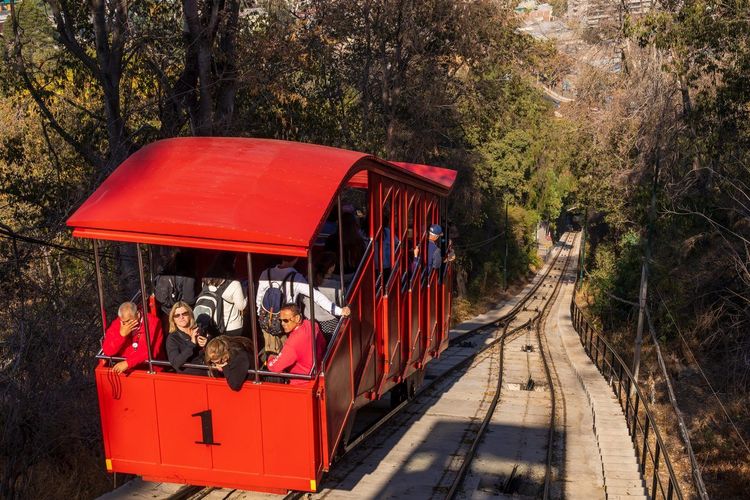
The Cerro San Cristóbal (Parque Metropolitano, Pío Nono s/n, Recoleta, Santiago, rated 4.7/5 on Google based on 45,107 reviews) rises to 880 meters and forms, along with the 722 hectares of the surrounding Parque Metropolitano, one of the largest urban parks in South America. From the Bellavista neighborhood, this volcanic hill literally dominates the historic center and serves as a visual landmark for anyone navigating the city's grid. Its name pays homage to the patron saint of travelers, a reference that takes on full meaning once at the top, facing the panorama of the Andes.
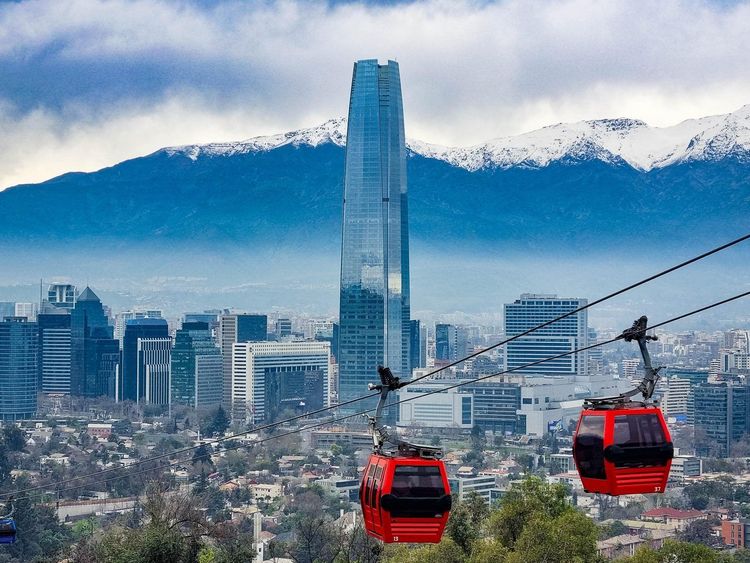
Two options allow you to reach the summit. The funicular, inaugurated in 1925 and returned to service after several renovations, climbs from the Pío Nono station in about ten minutes through a eucalyptus-covered slope. The cable car, more recent, connects the national zoo to the summit while offering a continuous panoramic view both on the way up and down. Many visitors combine the two: going up by funicular and coming down by cable car on the Providencia side, or vice versa depending on the time of day.
At the summit stands the Virgin of the Immaculate Conception, a 14-meter statue erected in 1908 and placed on a base that brings the total height to over 20 meters, lit up at night, reminiscent of the Corcovado in Rio without its international fame. On clear days, typically the day after rain clears the smog-laden air, the view extends all the way to the eternal snows of the Andes on one side and to the Pacific Ocean on the other, over 100 kilometers away. A small astronomical observatory, the Manuel Foster, opens to the public on certain evenings to observe the Southern Hemisphere sky, renowned as one of the clearest in the world.
Avoid weekend midday, when Santiago families crowd the park for picnics: opt for a weekday visit right at opening, or in the late afternoon for the golden light on the cordillera. The site also includes botanical gardens, two public swimming pools open in summer, and the national zoo halfway up the hill, enough to turn the outing into a full half-day. The Ryo audio guide even devotes an entire stop to this ascent, with anecdotes accompanying each funicular station.
On the practical side, entry to the Parque Metropolitano is free and the trails remain accessible on foot for those who want to avoid the funicular queue on Sundays. The mechanical rides are paid and operate on seasonal schedules, with longer hours during the Southern Hemisphere summer: it's best to check the day before, as a maintenance operation or strong winds can ground the cable car for the entire day. Bring water, as shade is scarce on the final switchbacks, and wear closed-toe shoes if you walk up from Pedro de Valdivia Norte, the park's other access point, which is far quieter than the Bellavista entrance. Our audio-guided tour, Between Ocean and Andes, passes through Bellavista on its way up toward Cerro San Cristóbal.
2. Plaza de Armas, Cathedral, and Historic Buildings
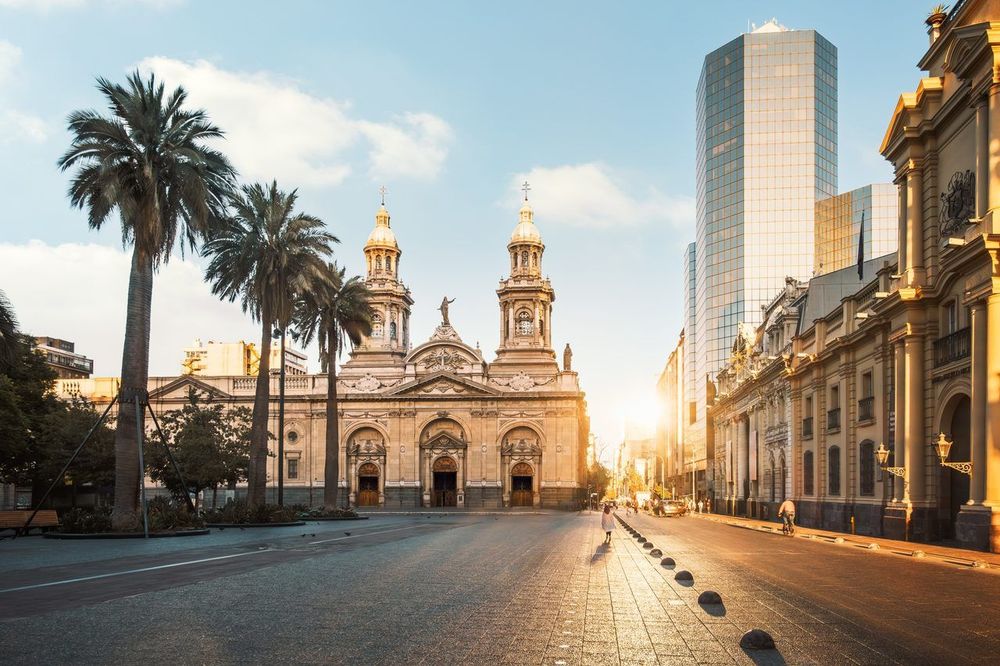
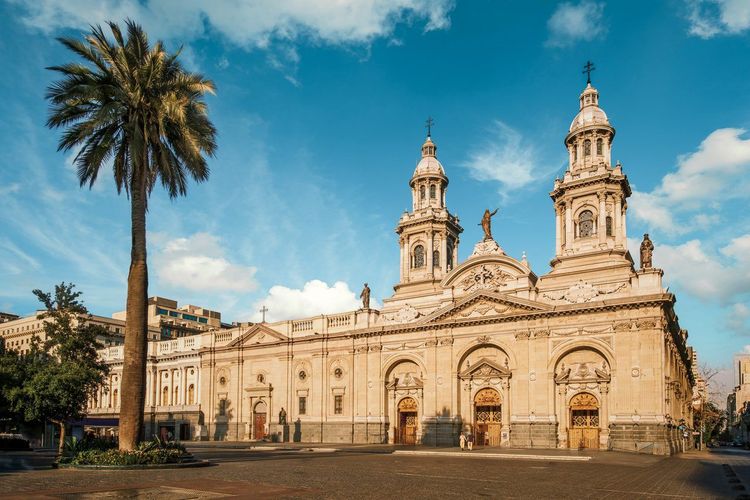
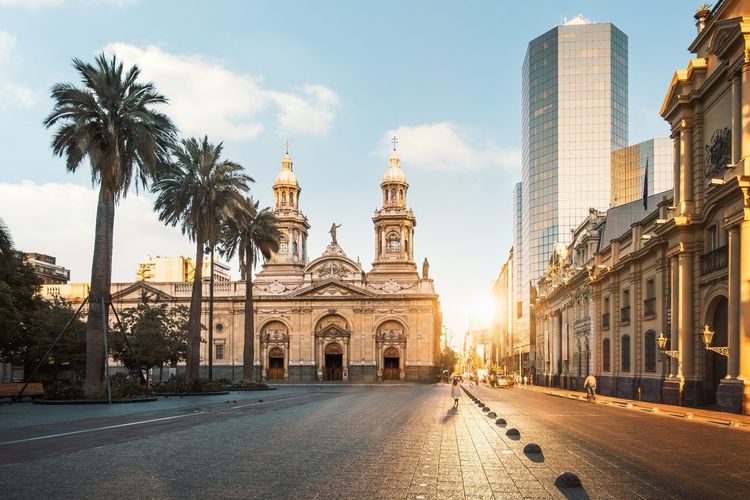
All the streets of the historic center seem to converge on the Plaza de Armas, a square founded in 1541 by the conquistador Pedro de Valdivia and the beating heart of Santiago for nearly five centuries. Shoeshine men share space with impromptu chess players and street vendors selling mote con huesillo, a sweet drink made from dried peaches and wheat.
On its northern side stands the Metropolitan Cathedral of Santiago, completed in 1800 after more than a century of construction and several reconstructions due to the region's recurring earthquakes. Its neoclassical façade contrasts with the baroque interior, filled with silver altarpieces that bear witness to colonial Chile's mineral wealth. Entry is free and services are still held daily.
Around the square are clustered several palaces and museums that make up what local guides call the hypercenter: the Palacio de la Real Audiencia houses the National Historical Museum, with over 70,000 pieces tracing the country's history from the pre-Columbian period to the 20th century, the Central Post Office occupies a 19th-century building with an ornate façade, and the Municipality of Santiago closes the square. At the southeastern corner, the Casa Colorada (Merced 860, Santiago, rated 4.5/5 on Google based on 242 reviews), one of the few colonial mansions still standing, owes its distinctive color to a mixture of ox blood used in the original plaster.
You can spend an entire morning in this area without ever walking more than ten minutes between buildings. The public benches and centuries-old trees also make it a pleasant rest stop between visits, provided you keep an eye on your belongings: this is the most tourist-dense spot in the entire city, and logically the most frequented by occasional pickpockets.
3. The Palacio de La Moneda
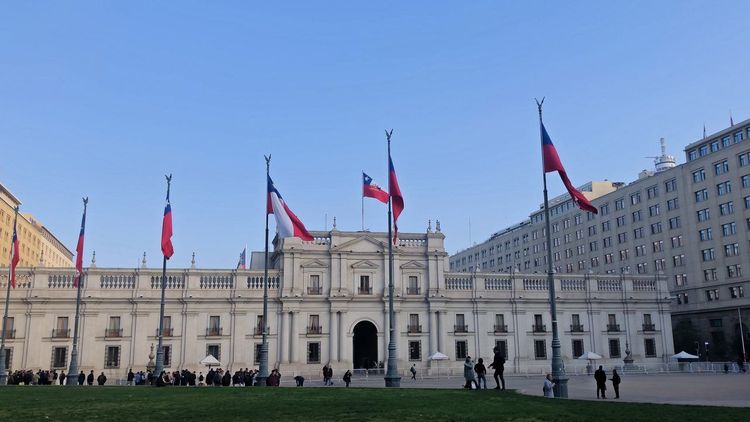
A ten-minute walk southwest of the Plaza de Armas, the Palacio de La Moneda strikes first with its neoclassical sobriety, almost austere compared to the ornate facades of the historic center. Built from 1784 to house the royal mint, it became the seat of Chilean executive power and still bears the scars of the 1973 bombing, a date that weighs heavily on the country's collective memory.
The changing of the presidential guard, every other day at 10 a.m., draws a mixed audience of curious onlookers and school groups who come to watch the carabiniers' musical parade in full dress uniform. The Plaza de la Ciudadanía, laid out on the southern side of the palace, now serves as a gathering place for citizens and houses an underground cultural center, the Centro Cultural La Moneda, which organizes free temporary exhibitions on contemporary Chilean art and design.
The interior of the palace itself is not open to visitors, being reserved for official functions, but the gardens and inner courtyards can be glimpsed during certain annual public openings announced on site, particularly during the heritage days held each year in May. The classic photograph is taken from the northeastern corner, where the façade is reflected in the windows of the neighboring building in the late afternoon.
4. The Mercado Central and Its Seafood
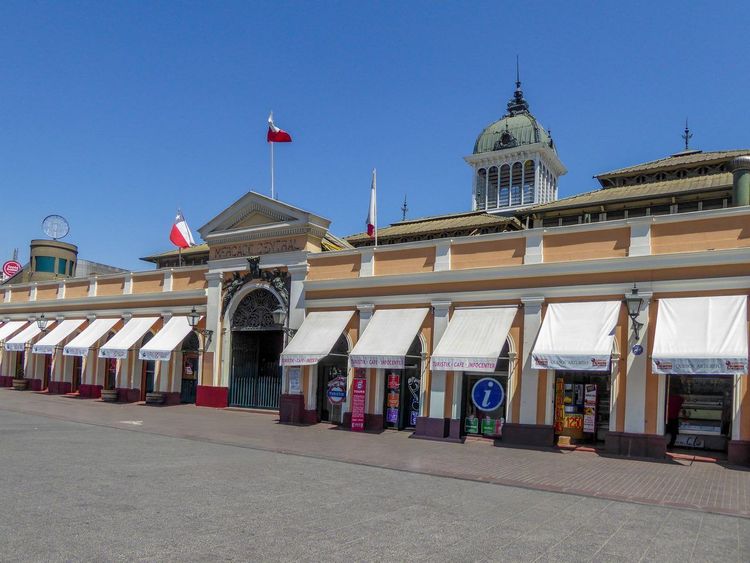
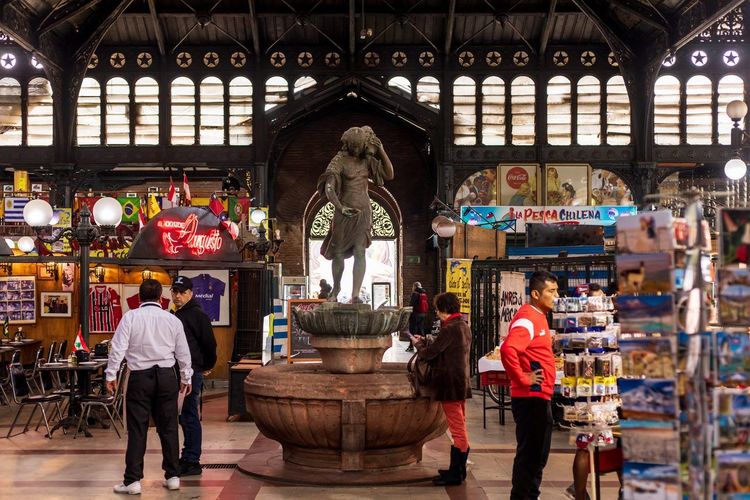
Under its metal framework ordered from Great Britain and then assembled on site for the 1872 inauguration, the Mercado Central resembles a giant greenhouse set down in the middle of the city. The covered halls have been welcoming seafood products unloaded each night at the nearby port of San Antonio, less than two hours away, for over a century.
The fishmongers' stalls line the perimeter of the building, piling up conger eel, corvina, and sea urchins in a briny smell that hits you at the entrance. In the center, a dozen traditional restaurants compete for customers by calling out to passersby, creating a noisy and lively atmosphere that is an integral part of the experience.
Try the caldillo de congrio, the conger eel soup immortalized by poet Pablo Neruda in an entire poem, or opt for a ceviche prepared on the spot with lime and cilantro. Prices rise quickly at the most visible establishments near the main entrance: ask for the menu before sitting down, as some restaurants charge tourist prices well above what's displayed in the kitchen.
Just steps away, Santiago's markets continue with La Vega Central (Av. Antonia López de Bello, Santiago, rated 4.4/5 on Google based on 58,423 reviews), a popular market that is less photogenic but far more affordable, where residents of Santiago do their fruit and vegetable shopping year-round. Prices are often negotiated in the late morning, a common practice that often surprises travelers coming from Europe.
5. Bellavista and La Chascona, Pablo Neruda's House
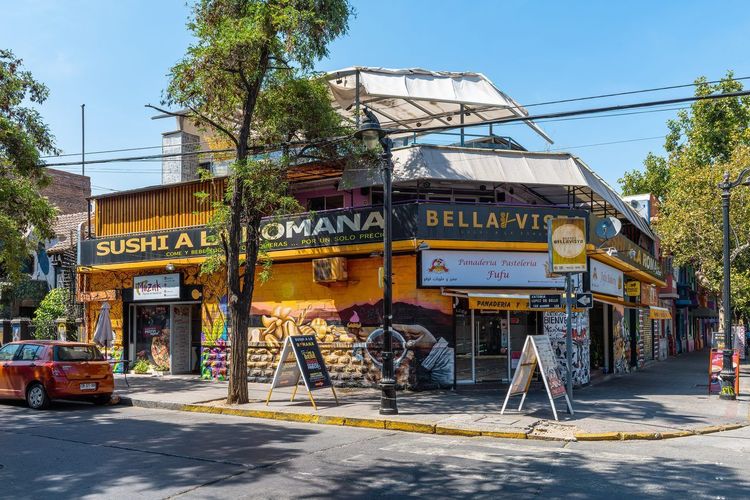
The Bellavista Neighborhood: Street Art and Nightlife
At the foot of Cerro San Cristóbal, the barrio Bellavista spreads its mural-painted facades across several city blocks, a legacy of the artistic movements that took root in the neighborhood in the 1990s. During the day, visitors stroll between art galleries and Mapuche craft shops; in the evening, the same streets transform into one of the most frequented nightlife hubs in the capital, with a concentration of pisco sour bars and late-night restaurants.
The street art of Bellavista is not limited to a few isolated stencils: local and international artists have painted entire facades here, often renewed from year to year at urban festivals. Take the time to walk up Calle Pío Nono to its side streets, where the most elaborate compositions are hidden away, far from the main thoroughfare packed with bars and street vendors.
La Chascona, Pablo Neruda's House-Museum
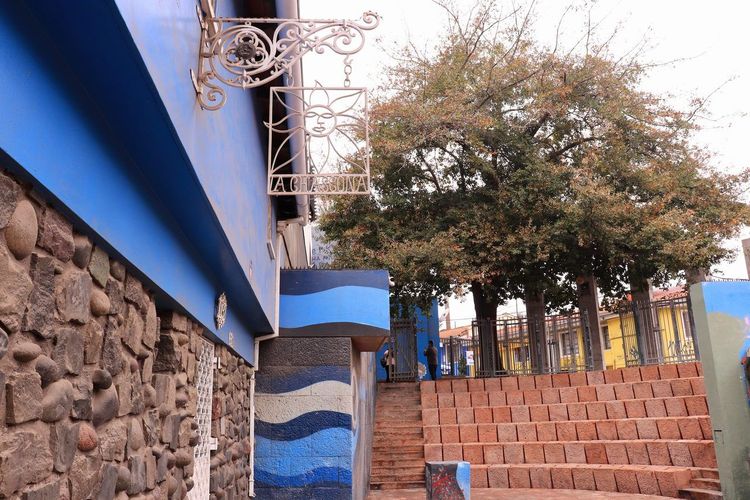
Two streets away, La Chascona (Fernando Márquez de la Plata 0192, Recoleta, Santiago, rated 4.6/5 on Google based on 5,400 reviews) owes its surprising name to the untamed hair of Matilde Urrutia, the muse and third wife of the poet, to whom Pablo Neruda gave this house built in secret in the 1950s. The cascading architecture, adapted to the slope of the terrain, multiplies levels and nooks like the inverted hull of a boat, a recurring obsession for the writer who also collected figureheads.
The guided tour, mandatory and offered in several languages via an audio guide provided on site, reveals a collection of objects brought from around the world: shells, colored bottles, Venetian masks, and eclectic furniture that compose an interior as eccentric as its owner. The house was ransacked in the days following the coup of September 1973, while Pablo Neruda lay dying: his wake was held a few days later amid the rubble and water from burst pipes, an episode that became symbolic of Chilean cultural resistance. The small terraced garden, planted with native species, offers a shaded pause before heading back toward the center.
Book your time slot online before going: groups are limited and tickets sometimes sell out several days in advance during high season. For enthusiasts, the Santiago audio-guided tour offers a short version centered on this corridor between sea and cordillera, which connects Bellavista to other charming neighborhoods.
6. Cerro Santa Lucía and the Parque Forestal
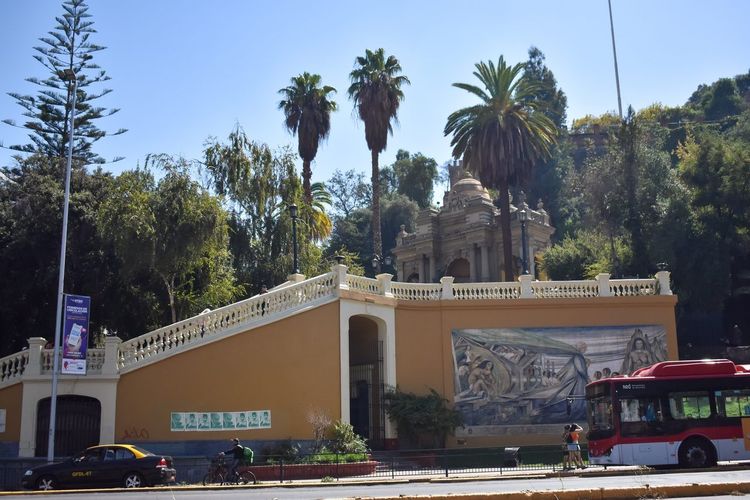
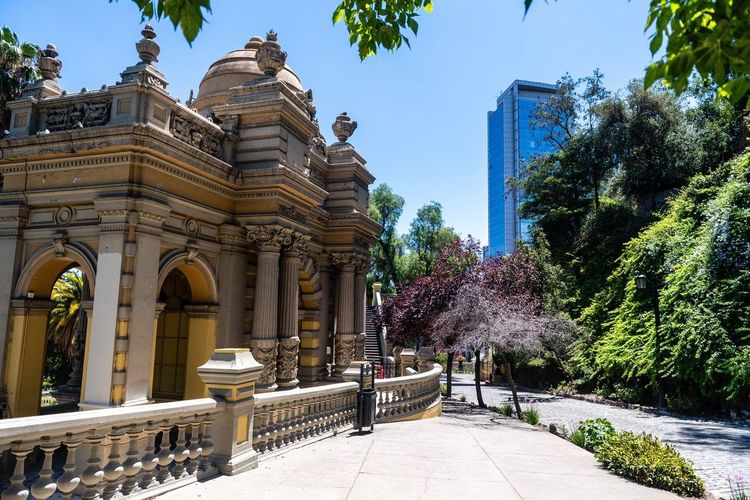
Right in the city center, Cerro Santa Lucía (Santa Lucía s/n, Santiago, rated 4.6/5 on Google based on 3,754 reviews) rises like a stage set: stone staircases, fountains, and viewpoints laid out in the late 19th century on what had previously been an abandoned rocky outcrop deemed too hostile to be developed. This is where Pedro de Valdivia founded Santiago in 1541, a detail recalled by a discreet plaque near the summit.
The ascent, entirely walkable in about twenty minutes thanks to well-maintained staircases and paths, leads to successive terraces offering open views over the skyscrapers of Providencia and, on clear days, the cordillera in the background. Entry is free and supervised by guards on duty, a non-negligible advantage for families with children.
At its foot stretches the Parque Forestal, a long green strip planted along the Mapocho River in the early 20th century to contain its frequent floods. Residents of Santiago come here to jog early in the morning, picnic on weekends, or simply walk in the shade of century-old plane trees between the Museo de Bellas Artes and the Lastarria neighborhood. The combination of hill and park provides a welcome green breathing space between monument visits, and remains one of the few places in the center where birdsong is louder than traffic.
7. Lastarria, Providencia, and Paris-Londres: Neighborhoods to Explore
Santiago can also be read through its neighborhoods, each with a distinct architectural and social identity that contrasts with the uniformity of the historic center.
Barrio Lastarria: Cultural and Gastronomic Neighborhood
The Lastarria neighborhood, tucked between Cerro Santa Lucía and the Parque Forestal, is home to art-house cinemas, independent bookshops, and small restaurants set up in former early-20th-century bourgeois houses. The Plaza Mulato Gil de Castro, hidden behind a discreet archway, hosts an antiques and craft market on weekends, with stalls selling lapis lazuli jewelry, a semi-precious stone of which Chile is one of the world's rare producers. This is also where the independent film festival Sanfic is held each year, an event followed by local cinephiles for over twenty years.
Providencia and the Gran Torre Santiago, South America's Tallest Skyscraper
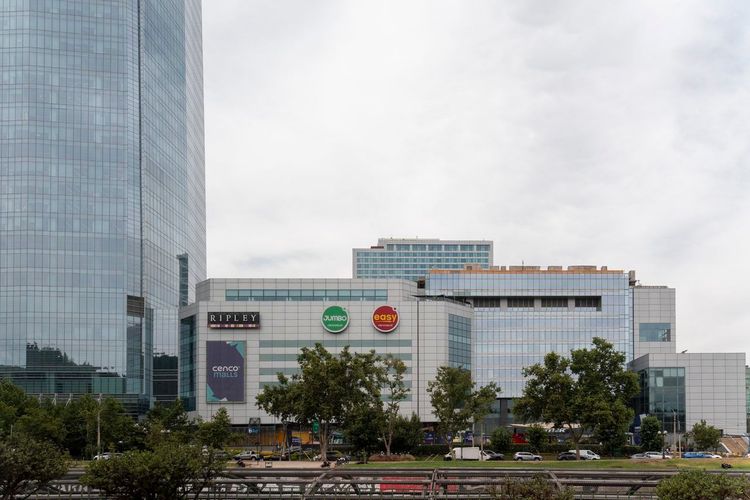
Further east, Providencia presents a decidedly contemporary face with its avenues lined with office towers and the Costanera Center shopping mall, backed by the Gran Torre Santiago (Av. Andrés Bello 2425, Providencia, Santiago, rated 4.7/5 on Google based on 1,399 reviews). With its 300 meters and 62 floors, completed in 2014, it remains the tallest skyscraper in South America, now surpassed at the Latin American level by a Mexican project. Its Sky Costanera observatory, opened in 2015 on the 61st and 62nd levels, combines a glass platform and an open-air terrace: on clear days, the view stretches up to about fifty kilometers, from the urban grid to the first Andean foothills. The neighborhood also houses Parque Bustamante and numerous specialty coffee shops, a rapidly growing trend in Santiago in recent years.
Barrio Paris-Londres: Alleyways with European Architecture
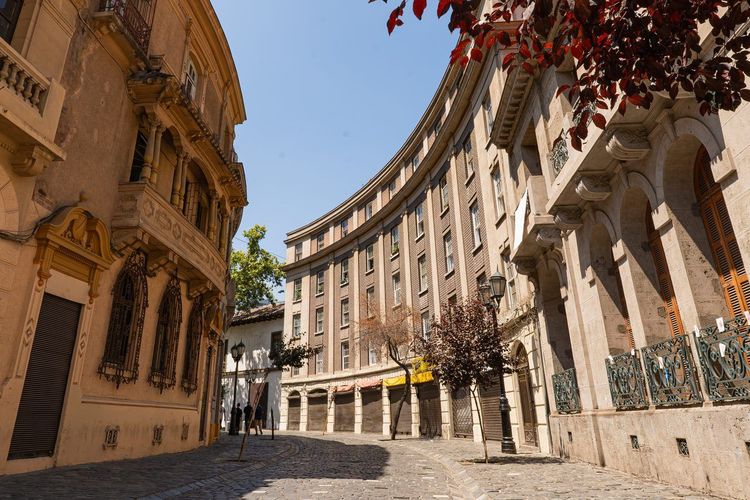
Between Lastarria and the center, the tiny barrio Paris-Londres surprises with its two winding streets lined with neo-Gothic and Art Deco buildings, constructed in the 1920s on the footprint of a former Franciscan convent sold to private developers. The ensemble, protected as part of Chile's national heritage typical zones, spans only about a hundred meters but offers one of the most photographed streetscapes in Santiago, far from the bustle of the surrounding major avenues. Our audio-guided tour, Between Ocean and Andes, winds through here too, from Cerro Santa Lucía to Parque Forestal.
8. Santiago's Must-See Museums
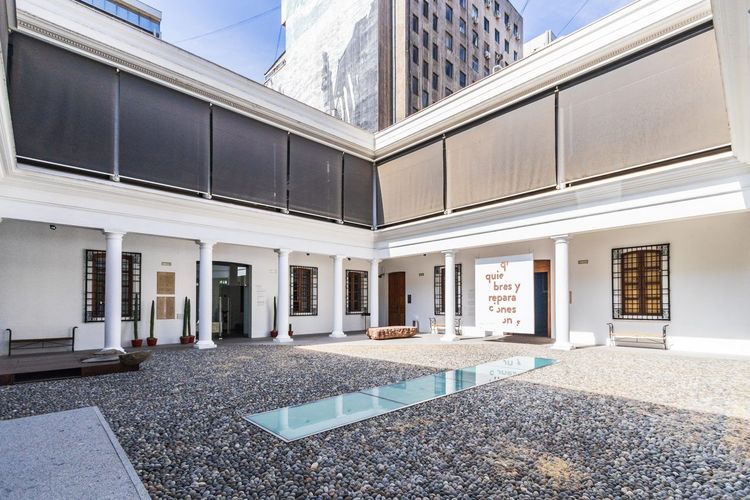
Museo de la Memoria y los Derechos Humanos
Housed in a contemporary building suspended above a reflecting pool, the Museo de la Memoria y los Derechos Humanos traces the Chilean military dictatorship from 1973 to 1990 through archival documents, personal belongings of the disappeared, and filmed testimonies broadcast in several languages. The visit, dense and at times harrowing, concludes with a wall of photographs of the victims that puts a human face on the official figures. Allow at least two hours to move through all the rooms without rushing, and plan for some time to decompress afterward: the emotional weight of the tour often catches less-prepared visitors off guard.
Pre-Columbian Museum and Other Collections
At the other end of the historical spectrum, the Museo Chileno de Arte Precolombino (Bandera 361, Santiago, rated 4.7/5 on Google based on 10,680 reviews) occupies the former Palacio de la Real Aduana, near the Plaza de Armas, and gathers one of the finest collections of pre-Columbian art on the continent: Mapuche ceramics, Inca textiles, and Andean gold and silverwork are displayed across three levels organized by geographic area. Those with a taste for more contemporary art will prefer the Museo de Bellas Artes in the Parque Forestal, whose glass dome recalls that of the Petit Palais in Paris and houses works by Chilean painters from the 19th and 20th centuries. The Museo Interactivo Mirador, better suited to families with children, rounds out the offer with hands-on science exhibitions in the south of the city, well away from the classic tourist trails.
A few practical pointers will save you from arriving at closed doors: most museums in Santiago close on Mondays, and many offer free entry on Sundays or for minors. The Museo de la Memoria is free to visit, with an audio guide available on site in exchange for an ID, while the Precolombino and the Bellas Artes charge modest fees, in the range of a few thousand pesos, with free slots available during the month as well. Arrive in the early afternoon: school groups tend to fill the rooms in the morning.
Two more addresses usefully complement this overview if your stay is longer. The Museo Nacional de Historia Natural, located in the Parque Quinta Normal, occupies a palace built for the 1875 International Exhibition and notably preserves the remains associated with the Inca child found at the summit of Cerro El Plomo, at 5,400 meters above sea level. Right next door, the Yungay neighborhood, one of the city's oldest, deserves a stroll for its low-rise houses in faded colors and its artist cafés. Finally, the Centro Gabriela Mistral, better known as GAM, blends exhibitions, theater, and bookshops in a concrete and corten steel building just a short walk from Lastarria: access to the common areas is free and the place gives a good sense of the capital's contemporary cultural life.
9. Parks and Green Spaces in the Capital
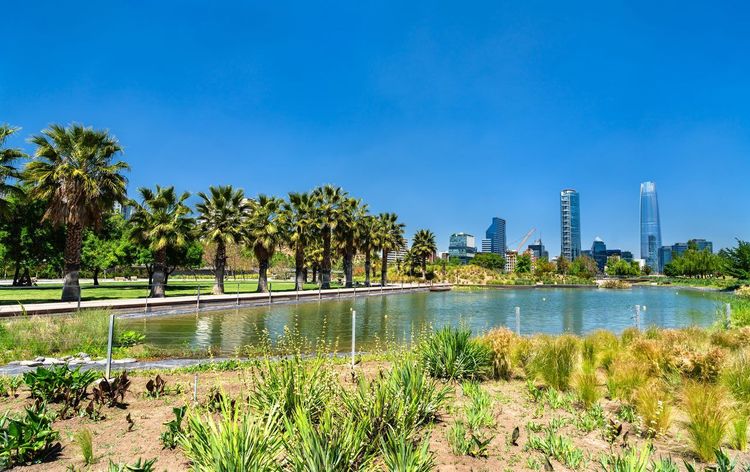
Beyond Cerro San Cristóbal alone, Santiago has a surprisingly high density of green spaces for a metropolis of seven million people. The Parque Bicentenario (Av. Bicentenario, Vitacura, Santiago, rated 4.8/5 on Google based on 55,269 reviews), laid out along the Mapocho in the upscale neighborhood of Vitacura, attracts flamingos and black swans around its two artificial lagoons, an unexpected contrast with the glass towers that surround it. The cycling paths running through it make it a favorite spot for joggers and families on Sunday mornings, when several major avenues in the city are closed to traffic.
More modest in scale, the Parque de las Esculturas runs along the Mapocho with around thirty works by Chilean artists displayed in the open air, free of charge and with no fixed schedule. The Parque O'Higgins, in the south-central area, combines fairground attractions, tennis courts, and a fashion museum housed in a former palace, an eclectic mix inherited from several decades of successive development.
These spaces are particularly well-suited for a midday break, when the summer heat from December to February makes walking in the city center less pleasant. On weekdays, they also offer a glimpse of daily life in Santiago, far from the most photographed sites.
10. Day Trips from Santiago: Cajón del Maipo, Valparaíso, and the Andes
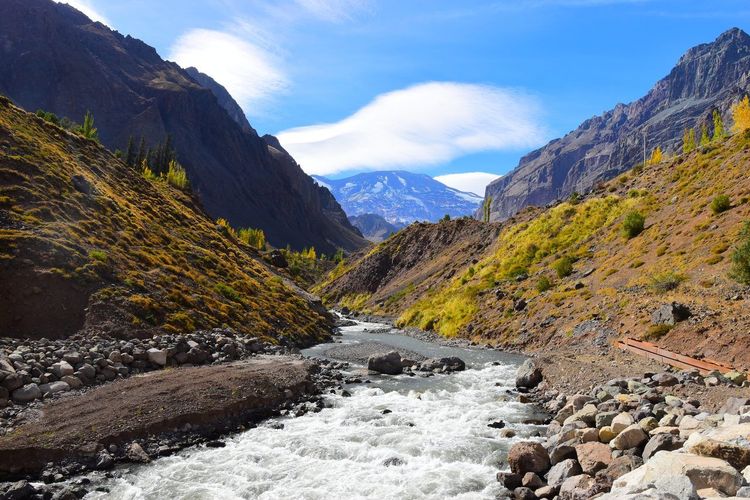
Santiago's position, hemmed in between ocean and cordillera, makes day trips possible that completely change the scenery without requiring an overnight stay.
El Cajón del Maipo: Mountains and Hot Springs Less Than an Hour Away
Just beyond the city limits, El Cajón del Maipo opens up a narrow Andean valley where the Maipo River rushes between steep cliffs. The village of San José de Maipo (Región Metropolitana, Chile) serves as the starting point for the Termas de Colina, natural hot springs set in a spectacular mineral landscape, or for the hanging San Francisco Glacier, reachable on a full-day hike for experienced walkers. Local agencies also offer rafting trips on the Maipo rapids in summer and horseback rides in the foothills, depending on the season.
Valparaíso and Viña del Mar: A Pacific Coast Escape
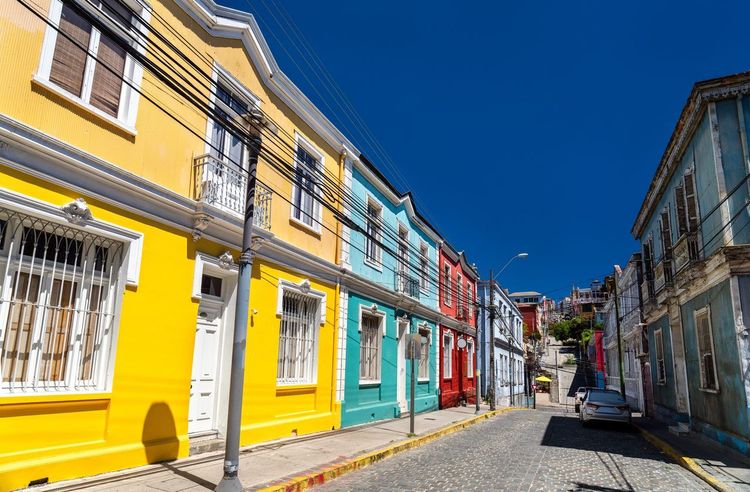
Just under two hours by road, Valparaíso spreads its colorful houses across some forty steep hills, connected by century-old mechanical funiculars; the historic port quarter has been a UNESCO World Heritage Site since 2003, and the still-operating ascensores are protected as national monuments. Cerro Alegre and Cerro Concepción (Valparaíso, Chile, rated 4.7/5 on Google based on 4,230 reviews) concentrate most of the street art and galleries, while the historic port recalls the city's golden age before the opening of the Panama Canal, which durably diverted maritime traffic. Right next door, Viña del Mar offers its beaches, casino, and famous floral clock, a more seaside-oriented stop to close the day before returning to Santiago in the late afternoon.
Maipo Valley Vineyards and Andean Ski Resorts
For those who prefer vineyards, the Maipo Valley — the historic birthplace of Chilean Cabernet Sauvignon — offers estates such as Concha y Toro or Santa Rita that open their cellars less than an hour from the center for guided tastings in French or English. In the Southern Hemisphere winter, from June to September, the ski resorts of Valle Nevado, Farellones, and La Parva allow you to ski in the afternoon after having breakfast in the city, a rare combination for a South American capital that few travelers anticipate before setting off. Our detailed article on the best activities to do in Santiago helps you organize these day trips.
Two more excursions are worth the trip if you have an extra day. Isla Negra, on the coast about two hours by road, is home to Pablo Neruda's most spectacular house, facing the Pacific and filled with figureheads, shells, and colored bottles; the poet and Matilde Urrutia are buried there facing the ocean. Closer by, the village of Pomaire, an hour from Santiago, lives off its black clay pottery and oversized empanadas, a Sunday outing very popular with Santiago families.
On the logistics front, long-distance buses leave from the Terminal Alameda and Terminal San Borja, both served by the metro, with departures to Valparaíso every fifteen to twenty minutes during the day and very affordable tickets. The Cajón del Maipo, on the other hand, is more easily reached by rental car or with an agency: public transport only properly serves the lower part of the valley, and the Termas de Colina are well beyond that.
11. Where to Stay in Santiago
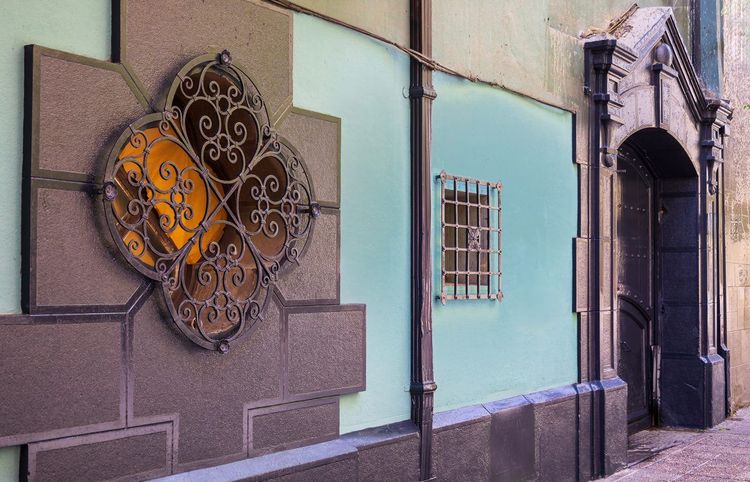
The choice of neighborhood often matters more than the choice of hotel itself, so much do the atmospheres vary from one area to the next. For a first visit, Lastarria and the neighboring Bellas Artes district offer the best compromise: within walking distance of the historic center, yet lively enough in the evening to find a restaurant after 10 p.m., which is not guaranteed everywhere in the city. Expect to pay between 60 and 100 euros per night for a decent boutique hotel in this sought-after area.
Providencia, more residential and safe, suits travelers who prioritize peace and proximity to the metro: Line 1 runs through the entire neighborhood and connects directly to the center in about fifteen minutes. Rates there are generally lower than in Las Condes, a more outlying business district but very well equipped with upscale hotels and modern shopping centers.
For a more bohemian experience, the hostels of Bellavista place travelers at the heart of the nightlife, with dormitory beds from 12 to 15 euros per night, provided you can accept a higher noise level on Thursday, Friday, and Saturday nights. Whatever area you choose, check for secure nighttime access: some streets that are quiet during the day change character after sunset.
In high season, between December and February and during the September independence celebrations, prices rise noticeably and the best addresses book up several weeks in advance.
12. Where to Eat in Santiago
Beyond the Mercado Central, Santiago nurtures a culinary scene far richer than its reputation suggests. The Lastarria neighborhood concentrates a good share of the tables sought out by food lovers, from Franco-Chilean bistros to natural wine bars set up in tastefully renovated old shopfronts.
Among the specialties you absolutely must try: empanadas de pino, stuffed with meat, onions, olive, and hard-boiled egg; pastel de choclo, a gratin of sweet corn and minced meat baked in a clay dish; or the completo, a local hot dog generously topped with mashed avocado, mayonnaise, and tomatoes, a true institution of the Santiago quick lunch. On the drinks front, the local pisco sour differs from its Peruvian cousin with a sweeter balance, and Chilean wine accompanies evening meals almost as a matter of course, even in the most modest restaurants.
Covered markets remain an economical option for a quick lunch, as do the many food trucks that park around parks at midday on weekdays, popular with office workers from the business district. To explore the subject further, our Ryo article dedicated to the culinary specialties of Santiago, Chile details the must-visit addresses by neighborhood.
Two experiences are worth trying at least once. La Piojera, a popular tavern with inscription-covered walls near the Mercado Central, serves the terremoto, a mix of sweet white wine, grenadine, and pineapple ice cream whose name — "earthquake" — says a great deal about its effects. On the other end of the spectrum, Barrio Italia, between Providencia and Ñuñoa, lines up designer workshops, antique dealers, and restaurants set in old houses with patios: this is where Santiago residents head when they want to escape the crowds of Bellavista. One final note worth keeping in mind: dinner is eaten late in Chile, rarely before 9 p.m., and a 10% tip appears almost systematically on the bill, left to your discretion.
13. Getting Around Santiago: Metro, Taxis, and Apps
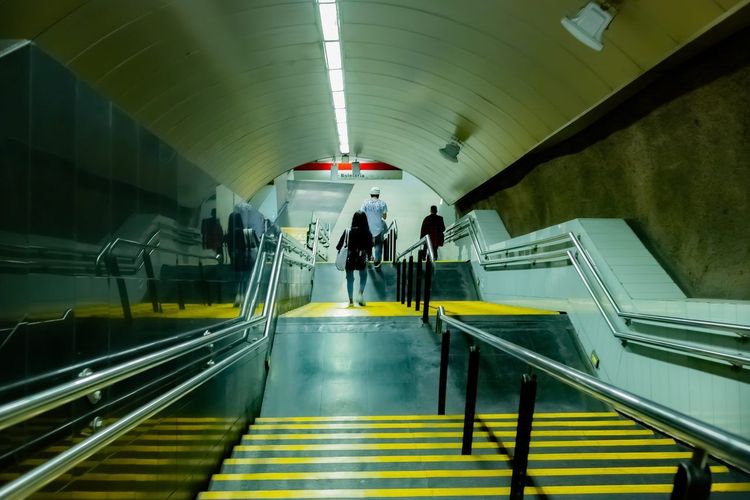
The Santiago metro, with its seven lines and nearly 140 stations, remains the fastest and most affordable way to cross the city during rush hours, when car traffic saturates the main arteries of the center. A Bip! card, rechargeable at stations and certain convenience stores, works both on the metro and on the Red bus network that extends coverage to the outer areas.
For more occasional or late-night trips, ride-hailing apps such as Uber or Cabify operate normally throughout the city and display the price before the ride, avoiding the unpleasant surprises that can occur with some unregulated taxis. Official taxis, recognizable by their black roofs and yellow bodywork, remain a reliable option during the day but are less recommended at night without a prior booking through a known dispatch service.
From the Arturo Merino Benítez international airport, regular shuttles and the metro, via a bus connection, allow you to reach the center in about forty minutes for a fraction of the price of a direct taxi. In the historic center and tourist neighborhoods like Lastarria or Bellavista, walking is often the most enjoyable way to discover the city, with distances between the main sites rarely exceeding a twenty-minute walk.
On Sunday mornings, several major avenues close to traffic for the CicloRecreoVía: bicycles, rollerblades, and strollers take over Providencia and part of the center, offering a chance to see the city from a different angle. Bike-sharing schemes and electric scooters provide reasonable coverage in the central neighborhoods, but stay alert, as cycle lanes are uneven and Santiago's traffic is unforgiving of hesitation.
14. Practical Information: Budget, Safety, and Best Time to Visit
Budget to Plan for on the Ground
Santiago ranks among the most expensive capitals in South America, noticeably above Lima or Bogotá but still below Buenos Aires during periods of strong Argentine inflation. Budget around 25 to 35 euros per day for an economical approach including hostel accommodation, public transport, and simple meals at local restaurants, and double that for a more comfortable range with a three-star hotel and more carefully chosen neighborhood restaurants.
In detail, a metro journey costs less than one euro, the menú del día served at lunchtime runs around 6 to 10 euros at a neighborhood restaurant, a draft beer between 3 and 5 euros, and a twenty-minute ride-hailing trip rarely exceeds 6 euros. Museums, often free or costing a few euros, add little to the bill: it is guided excursions, between 50 and 90 euros per day depending on the destination, that push the budget up. Exchanging euros at the airport costs noticeably more than in the city, particularly at exchange offices in the center and in Providencia.
Safety: Is Santiago Dangerous?
Like any large city, Santiago experiences street crime concentrated on bag-snatching and pickpocketing in the most frequented areas: the Plaza de Armas, the metro during rush hours, the Mercado Central. Direct violence against tourists remains rare and is generally confined to certain peripheral neighborhoods rarely visited by travelers. Avoid displaying your phone conspicuously in the street, keep your bags closed in front of you on public transport, and ask locals about neighborhoods to avoid at night, which vary depending on the period and the country's social climate.
When to Go: The Best Season to Visit Santiago
The Southern Hemisphere reverses the seasons: the Chilean spring, between September and November, offers mild temperatures and optimal visibility of the cordillera, before the dry heat of the Southern Hemisphere summer (December to February) which can exceed 35 degrees in the city center. Autumn, in April and May, appeals with its colors and lower tourist numbers, ideal for visiting museums without crowds. Winter, from June to August, remains manageable for the city itself despite a sky sometimes veiled by smog, and allows you to combine urban sightseeing with skiing in the nearby Andes.
Entry Requirements, Currency, and Useful Tips
French, Belgian, and Swiss nationals enter Chile without a visa for a 90-day tourist stay, with a valid passport and an immigration form filled out on arrival. The currency is the Chilean peso: ATMs are plentiful but charge a fixed fee per withdrawal, so it is better to withdraw larger amounts at once. Bank cards are accepted almost everywhere, including in small shops, except at popular markets where cash is still king.
Santiago sits at around 570 meters above sea level, which causes no particular issues, but mountain excursions easily exceed 3,000 meters: ascend gradually and drink plenty of water. The time difference with France varies between four and six hours depending on the time of year, as Chile applies Southern Hemisphere daylight saving time from September to April. One last detail worth noting: tap water is safe to drink in Santiago but heavily mineralized, which can sometimes upset sensitive stomachs during the first few days.
15. How Much Time Should You Plan to Visit Santiago?
What to do in Santiago, Chile in just two days? Two full days are enough to cover the essentials of the historic center, Cerro San Cristóbal, and a neighborhood like Bellavista or Lastarria, provided you organize your movements around museum and house-museum opening hours. One day can be structured around the Plaza de Armas, the Palacio de La Moneda, and the Mercado Central in the morning, then an ascent of Cerro San Cristóbal in the late afternoon to enjoy the fading light over the cordillera.
With three to four days, it becomes possible to add a full day trip to Valparaíso or the Cajón del Maipo, along with a more in-depth visit to the city center museums and an extended evening in the Lastarria or Providencia neighborhoods. Travelers planning a broader circuit through Chile, toward the Atacama Desert in the north or Patagonia in the south, generally use Santiago as a two-to-three-day stopover at the beginning or end of their trip, just long enough to recover from jet lag and make a few on-the-ground bookings before moving on.
For a first 48-hour stay, a simple itinerary works well: historic center and Mercado Central on the first morning, museums in the afternoon, Cerro San Cristóbal at sunset; then Lastarria, La Chascona, and Bellavista the next day, ending with the Sky Costanera to take in the full sweep of the urban grid. Beyond four days, the city lends itself to a more relaxed pace, moving between neighborhood markets, specialty coffee shops, and parks: that is still the best way to grasp what makes life in Santiago distinctly its own. Our audio-guided tour, Between Ocean and Andes, links the Plaza de Armas to the Palacio de la Moneda for that first morning.
16. Extending Your Trip Through Chile from Santiago
Santiago is not just an administrative stopover between two domestic flights. Chile's capital concentrates the vast majority of the country's air and road connections, making it the logical base for organizing the rest of a trip through Chile.
To the north, a little over two hours by plane leads to Calama, and then to San Pedro de Atacama, the gateway to the world's driest desert, its Tatio geysers, and its salt lagoons teeming with flamingos. To the south, Puerto Montt opens up the lake district and the island of Chiloé, with its wooden churches listed as UNESCO World Heritage Sites; further still, Punta Arenas gives access to Torres del Paine National Park in Patagonia, where you need a minimum of five days to hike at a comfortable pace.
Over the course of a week, many travelers combine two or three days in Santiago, a night in Valparaíso, and a side trip to the Colchagua or Casablanca wine valleys. Over three weeks, the most common itinerary strings together Atacama, Santiago, and Patagonia, with domestic flights booked several weeks in advance at much lower prices. Keep the distances in mind: the country stretches over 4,300 kilometers from north to south, and trying to see everything in ten days amounts mostly to spending your time in transit. It is better to focus on two regions and let Santiago play the role that suits it best — a departure point you truly make the most of.
FAQ
How Many Days Do You Need to Visit Santiago, Chile?
Two full days allow you to see the essentials of the historic center and Cerro San Cristóbal. Plan three to four days if you want to add a day trip to Valparaíso or the Cajón del Maipo without rushing, keeping one evening free to experience the nightlife of Bellavista.
Is It Dangerous to Visit Santiago, Chile?
The city remains broadly safe for travelers who follow the usual precautions of large cities: stay alert against bag-snatching in tourist areas and on the metro during rush hours, and exercise caution at night in certain downtown neighborhoods away from busy thoroughfares.
What Is the Best Time to Visit Santiago?
The Southern Hemisphere spring, from September to November, offers the best balance between mild temperatures and clear skies over the cordillera. Autumn, in April and May, is also appealing for its lower crowds and particularly photogenic light.
How Do You Get Around Santiago, Chile?
The metro, fast and affordable with the Bip! card, covers the main routes between neighborhoods. Ride-hailing apps are a useful complement for late-night outings, and walking is more than sufficient in central tourist neighborhoods like Lastarria or Bellavista.
Where Should You Stay in Santiago, Chile Depending on Your Budget?
Lastarria and Bellas Artes suit most travelers thanks to their central location and cultural atmosphere. Providencia offers more calm and safety, while Bellavista's hostels attract budget travelers looking for a lively nightlife scene.
Should You Take a Day Trip to Valparaíso from Santiago?
Yes, if your stay exceeds two days: less than two hours away by road, Valparaíso and its colorful UNESCO-listed hills offer a striking contrast to Santiago's urban landscape, without requiring an overnight stay.
What Budget Should You Plan for a Trip to Santiago, Chile?
Budget around 25 to 35 euros per day for an economical approach including simple accommodation and local meals, and double that for mid-range comfort with a three-star hotel and more refined neighborhood restaurants.
Santiago, Chile cannot be summed up by a handful of monuments: it is a capital lived between altitude and ocean, between popular markets and glass towers, between painful memory and unbridled nightlife. A trip to Chile that stopped only in Santiago would no doubt miss the Atacama Desert or Patagonia, but the capital of this elongated country deserves several days of attentive exploration in its own right before continuing on.
Before you go, download the Ryo audio-guided tour of Santiago, Chile to plan your days neighborhood by neighborhood and identify the best time windows for each site. From Cerro San Cristóbal at sunrise to the alleyways of Bellavista after dark, our Ryo app accompanies every step of the discovery of this Andean capital with many faces.