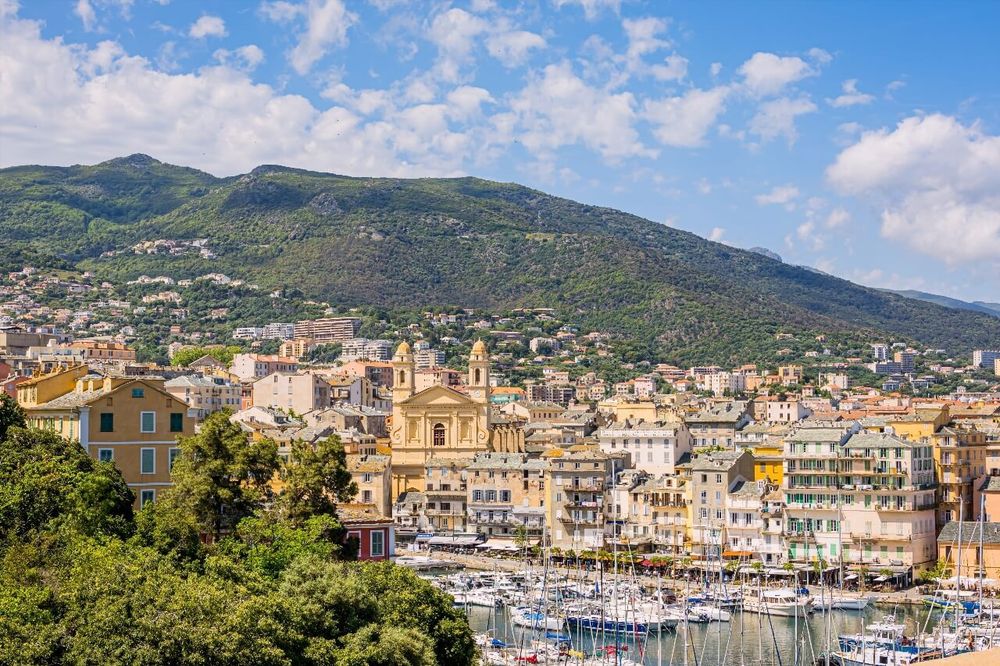
© Shutterstock
 Votre guide Ryo
Bastia Beaches 2026: From the City Center to the Wild Coves of Cap Corse
Search "Bastia beach" online and you'll find a patchwork of spots with little in common: urban pebbles at the foot of apartment blocks, a tiny cove beneath the citadel, and stretches of white sand only reachable by boat. There is no long sandy beach at the foot of the ramparts here: the city instead deals in pebbles, secluded inlets, and excursions to spectacular shores just a few kilometres away. From the old port, you can reach a beach on foot in fifteen minutes, try a quiet cove after ten minutes by car, or head out for the day to Saleccia and Lotu, two of the most photographed stretches of coastline on the island. In between, an inland lake where you can unwind in the shade on windy days, campsites a few metres from the sand on the eastern coast, and a good fifteen spots that general guides barely mention. This guide covers every option with its access details, facilities, and the best time to visit, from the Ryo audio-guided tour of old Bastia to the most remote coves of Cap Corse.
Bastia Beaches at a Glance: Map and Key Landmarks
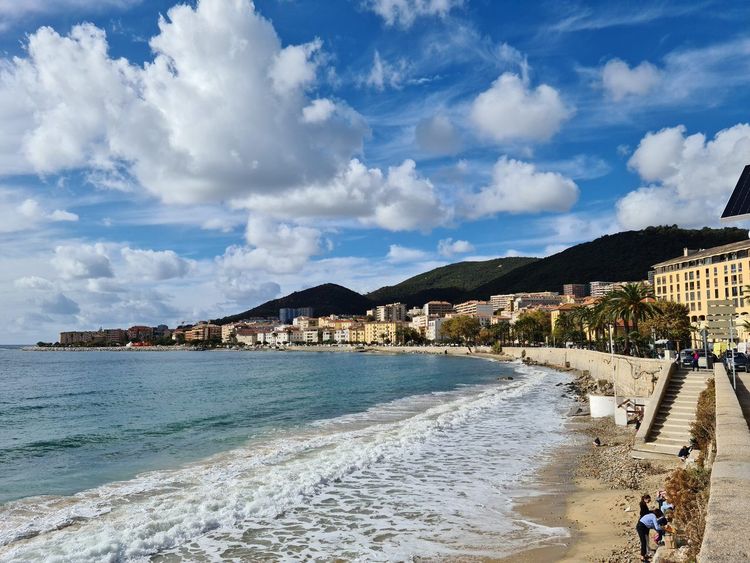
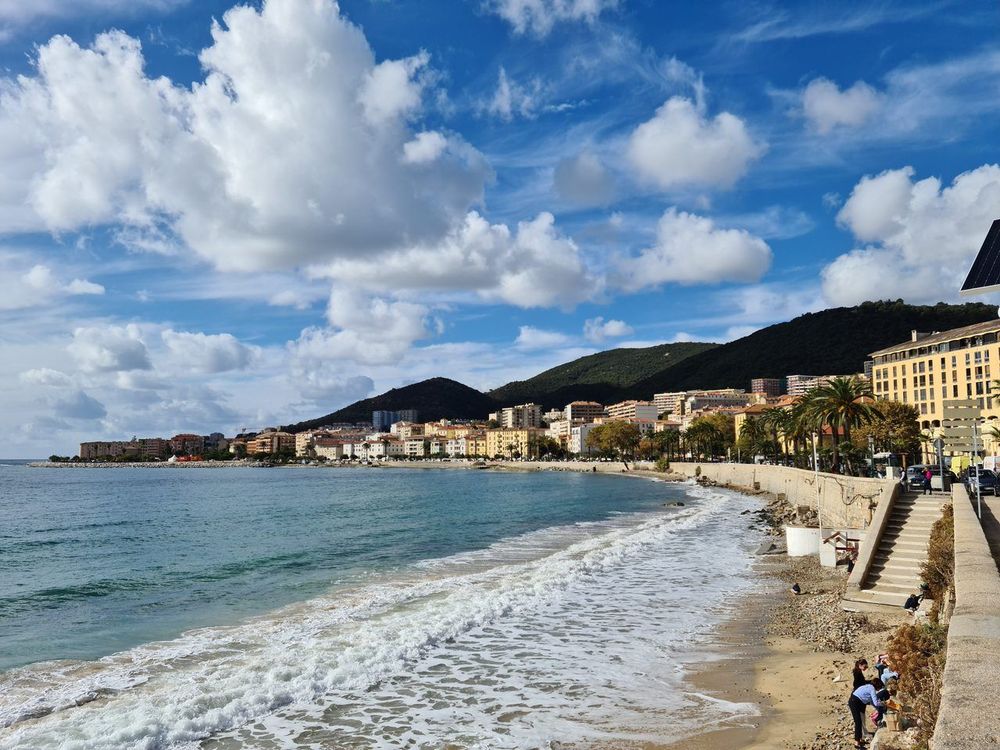
Geographically, the beaches around Bastia fall into four concentric zones. In the city itself, Toga and Ficaghjola are both walkable from the citadel or the old port. Within a 15-minute drive, Arinella, Furiani, and Miomo form a belt of family-friendly beaches, extended by more secluded coves such as Flenu, Grisgione, and Tombulu Biancu. Further out, Cap Corse unfolds its mineral coves all the way to Macinaggio, while the Agriates desert, accessible by boat or on foot from Saint-Florent, is home to Saleccia and Lotu.
In other words, choosing a beach in Bastia is first and foremost a matter of choosing how long you are willing to travel. There is no need to memorise a complex itinerary: the coastal road serves virtually all of these beaches, and each section below specifies the travel time from the city centre. To get your bearings on the ground, keep this north-south logic in mind: the city centre, then the inner ring, then Cap Corse to the north, and the Agriates further west.
One key point that will save you from disappointment: around Bastia, a pebble beach is the norm and fine sand the exception. Toga, Ficaghjola, Miomo, Nonza: pebbles. Arinella: a mix of coarse sand and gravel. True sand, golden or white, begins at Pietracorbara to the north, at Moriani to the south, and reaches its peak at Saleccia in the Agriates. As for distances, three figures are easy to remember: less than 15 minutes for the urban ring, 20 to 60 minutes for Cap Corse depending on whether you stop at Erbalunga or drive all the way to Macinaggio, and a good hour's drive to Saint-Florent before boarding a boat to the Agriates.
City-Center Beaches: Between the Citadel and the Old Port
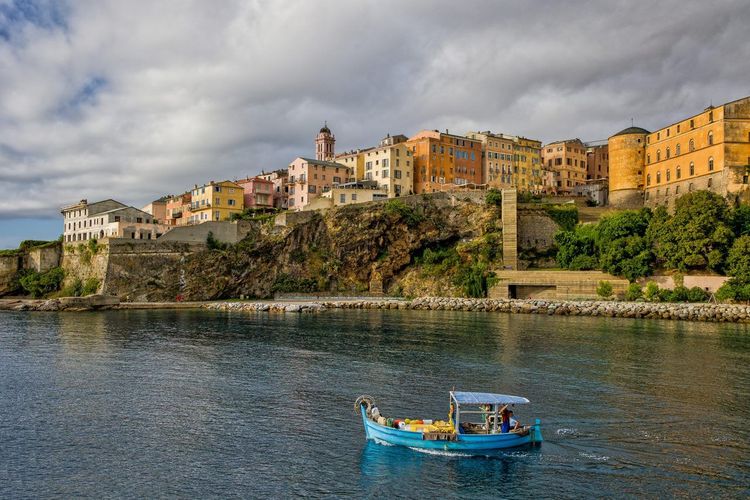
Bastia is one of the rare towns in Corsica where you can visit the citadel and take a dip without getting back in the car. There are only two beaches, but both are walkable from the old port: Toga to the north, Ficaghjola just below the ramparts. These are the two answers to remember if you are looking for a beach in Bastia itself, with no excursion and no parking headache.
Toga and Ficaghjola: Beaches Within Walking Distance of the Center
The Toga beach is the most popular among the locals. A long pebble strip stretching along the boulevard beside the marina, it fills up from the first fine days of the year, especially on weekday evenings after work. The water is clean, the slope gentle, and its proximity to the city centre makes it the simplest option for a quick swim between sightseeing stops.
A little further south, beneath the walls of the citadel, Ficaghjola beach (Boulevard General de Gaulle, 20200 Bastia, rated 4.3/5 on Google with 413 reviews) (also known as Plage Saint-Joseph) surprises with its compact format. It is a small pebble beach framed by two rocky outcrops, with a direct view of the old town and the bell tower overlooking the port. It fills up quickly in summer, but its setting more than makes up for the limited space.
Access, Parking, and Facilities at These Two Urban Beaches
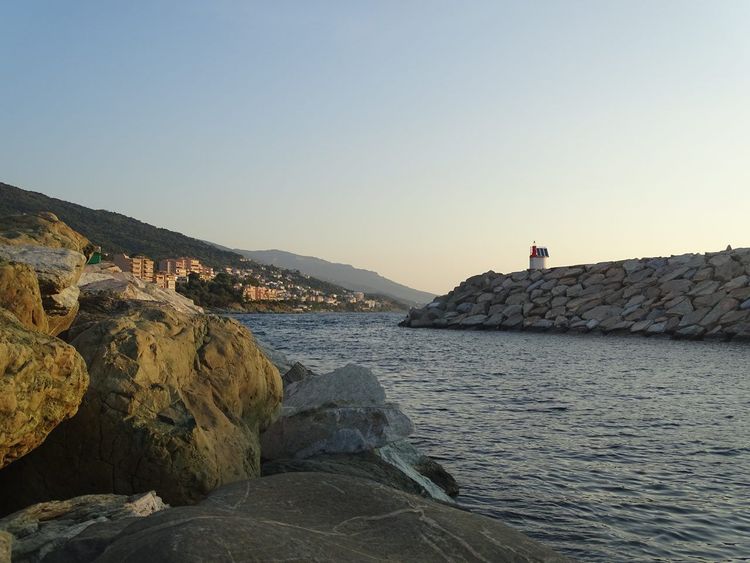
Both beaches are walkable from the old port: allow around 15 minutes of easy walking along the seafront. Parking is the tricky part, with free spaces becoming scarce in July and August. It is better to use a paid car park near the marina or arrive before 10am. If you are staying in the city centre, leave the car behind entirely: the urban bus network serves the boulevard alongside Toga, and walking will take less time than circling the neighbourhood looking for a space.
Toga has showers, toilets, and several bars and restaurants directly on site. Ficaghjola, more modest, offers simple access and a handful of nearby shops. Also watch out for easterly swells: when the north-easterly wind picks up, both urban beaches take the full force of the sea and the water turns murky within a few hours. If you want to extend your visit beyond a swim, the Ryo audio-guided tour of Bastia starts right nearby, letting you combine the citadel, old port, and beach without getting back in the car.
Beaches Within 15 Minutes of the Center by Car
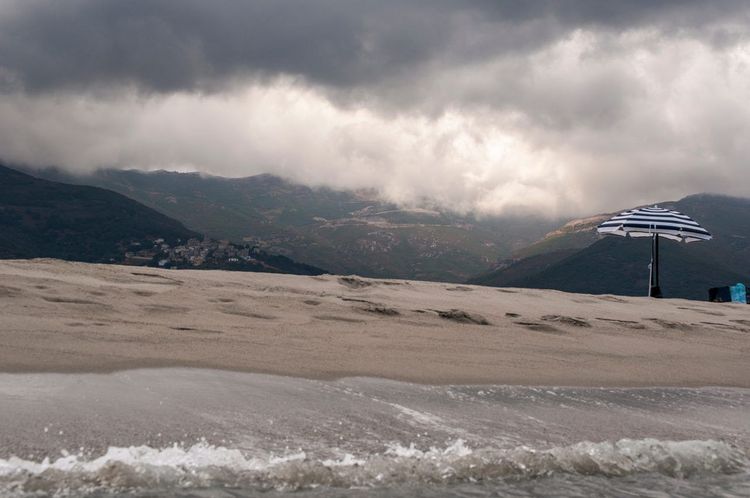
Arinella: The Closest Family Beach
About 10 minutes south of the city centre by car, Arinella beach is often cited as the best option for families. Sand and fine pebbles alternate across a fairly wide strip, with a depth that increases gradually, which is reassuring for parents of young children. A boulevard runs alongside the beach with several shaded areas, appreciated during the hottest hours of the day.
The spot stays lively without being overcrowded, with a few food outlets open in season and easy access by car or urban bus. For many people from Bastia, it is the most straightforward answer when looking for a nearby beach that is well-equipped and suitable for all ages. It is also the only beach in Bastia where you can park without a struggle, with spaces available along the seafront boulevard.
Furiani and Miomo: Sand and Pebbles at the Gates of Bastia
A little further south, about 12 minutes from the centre, Furiani beach stretches along a fast-growing residential commune. Less busy than Arinella, it offers more space during the height of summer, with a mix of coarse sand and pebbles that varies by section. It is a good option if you want to avoid the density of the centre without travelling too far.
To the north, heading towards Cap Corse, the small Miomo beach (D80, 20200 Miomo, rated 4.2/5 on Google with 349 reviews) punctuates the village of the same name. A narrow pebble strip backed by a Genoese tower, it draws mostly regulars who appreciate its manageable size and village atmosphere, far from the urban bustle. Parking is genuinely limited to a few spots along the D80 and nothing more: come early, or carry on to Lavasina and Erbalunga, just a few minutes further on.
The Secret Coves of the Bastia Hinterland
Between the well-known beaches, the Bastia hinterland hides a handful of coves that even some long-time residents are unaware of. Flenu beach, tucked among rocks to the south of the city, requires a poorly marked path but is accessible in closed-toe shoes. It never draws more than a handful of people, even in the middle of August.
Nearby, Grisgione beach shares the same discretion: a pebble cove framed by Mediterranean vegetation, with no facilities whatsoever, where silence replaces the music of busier beaches. Bring your own shade, your own water, and your walking shoes — there is nothing on site.
Finally, Tombulu Biancu beach (Bastia, 20200 Bastia, rated 4.4/5 on Google with 59 reviews), literally the white tombolo in Corsican, forms a ridge of pale pebbles that stands out against the darker surrounding coastline. Its name gives a reliable hint of what to expect: an almost pearlescent hue in the late-afternoon light, and generally very clear water thanks to low footfall.
Three rules apply to all three coves. None is supervised, so no swimming alone and extra caution with children when the sea builds up. None has a bin: whatever you bring up, you take back down. And none offers any natural shade at midday, making the late-afternoon slot far more comfortable, with the added bonus of low-angle light on the pale pebbles that is worth the trip in itself.
Day Trip to Cap Corse: The Must-See Wild Coves
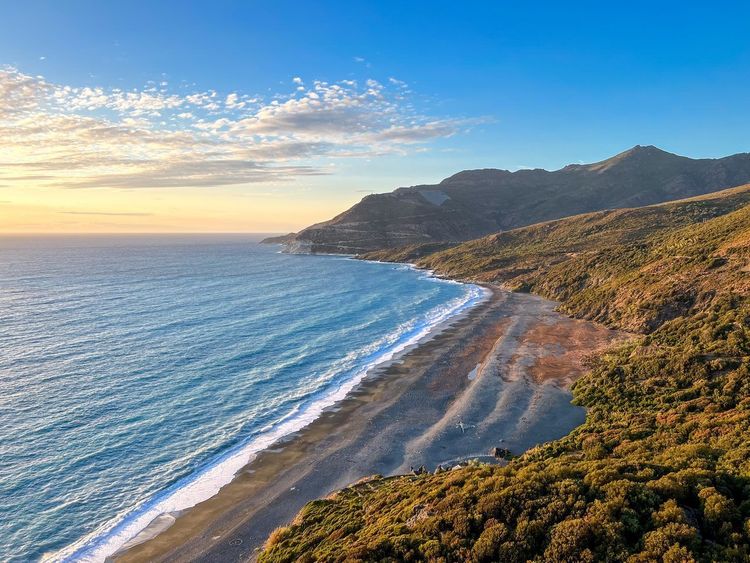
Nonza and Erbalunga: The Mineral Postcards of the Cap
About 40 minutes' drive north of Bastia, Nonza beach is probably the most reproduced image of Cap Corse: a stretch of dark pebbles, left over from the old asbestos mine at Canari, extending below a spectacular hilltop village. The descent from the village is via a long staircase, around fifteen minutes on foot, and the climb back up makes itself felt in the summer heat. Swimming is beautiful but demanding: the slope is steep and the sea deepens quickly as soon as the westerly wind picks up.
On the eastern side of the Cap, less than 20 minutes from Bastia, the hamlet of Erbalunga hides a tiny pebble cove backed by its fishermen's houses and a ruined Genoese tower. This is not a beach for a long swim: it is more of a living postcard, where you dip your feet before wandering through the lanes and sitting down at a table on the harbour. To explore the village further, the Ryo article on the most beautiful villages in Corsica around Bastia covers the full Cap Corse itinerary.
Pietracorbara and Tamarone (Macinaggio): Family Beaches on the Customs Officers' Trail
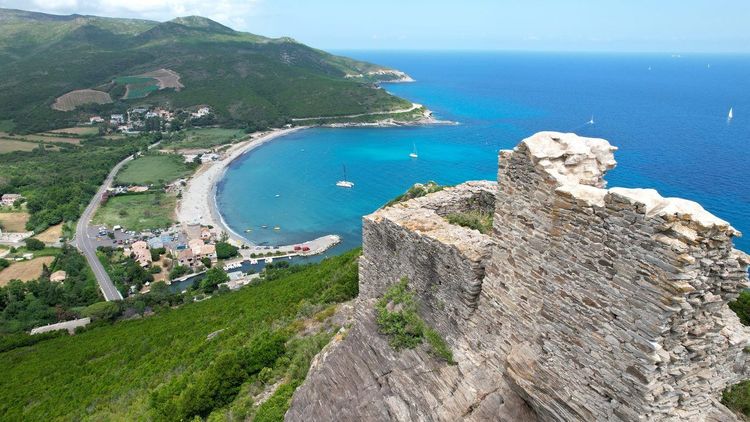
Further up the eastern coast of the Cap, Pietracorbara beach offers a long stretch of fine sand, a rare format on this part of the island. Little promoted by guides, it remains surprisingly quiet even at the height of summer, with a gentle slope well suited to children. The Pietracorbara marina has a car park and several restaurants, making it one of the few beaches on the Cap where you can spend an entire day without needing a coolbox.
At the tip of Cap Corse, near the village of Macinaggio, Tamarone beach (20248 Macinaggio, rated 4.3/5 on Google with 554 reviews) marks the start of the sentier des douaniers, the coastal path that runs along the northern tip of Corsica. Clear sand, turquoise water typical of this protected zone, and an ideal starting point for a half-day coastal walk to the bay of Santa Maria and its Genoese tower standing at the water's edge. The last stretch of access is along a dirt track from Macinaggio: manageable in a standard car, but drive slowly.
Allow a good hour's drive to reach the tip of the Cap from Bastia. This is a proper day-trip destination, not a spontaneous late-afternoon beach outing.
The Agriates Desert: Saleccia and Lotu, Beaches Accessible by Boat
The Agriates desert, a vast protected natural area between Saint-Florent and Île-Rousse, is home to two of the most celebrated beaches in Corsica. You cannot drive there directly: the journey is made by shuttle boat from Saint-Florent, on foot along the coastal trail, or by 4x4 on a dirt track to reach Saleccia.
Saleccia beach stretches for nearly a kilometre of fine white sand, bordered by dunes and pine trees, in a setting that served as a backdrop for the film The Longest Day. It is arguably the closest thing to a tropical lagoon that Corsica can offer, with turquoise water that stays shallow for long stretches.
Its neighbour, Lotu beach (Desert des Agriates, 20620 Saint-Florent, rated 4.6/5 on Google with 1,685 reviews), can be reached on foot from Saleccia in about an hour along the coastal trail, or directly by boat. More sheltered between two rocky headlands, it offers a slightly more intimate setting, with the same crystal-clear water and pale sand. Bring plenty of water and sunscreen — there are no facilities on site, and the remoteness is part of the charm.
In terms of logistics, the simplest option is the maritime shuttle from Saint-Florent harbour, which reaches Lotu in about twenty minutes and runs from April to October, with roughly hourly departures in peak summer. Book the evening before in August, as the first morning departures sell out quickly. The dirt-track route to Saleccia requires a high-clearance vehicle and a good hour of bumpy driving from Casta: several rental companies explicitly exclude this route in their terms. Finally, the coastal trail from La Roya beach in Saint-Florent takes four to five hours of walking to reach Lotu, with no water points along the way — best reserved for seasoned walkers, outside the hottest hours of the day.
An Alternative Without the Sea: Lac de Padula
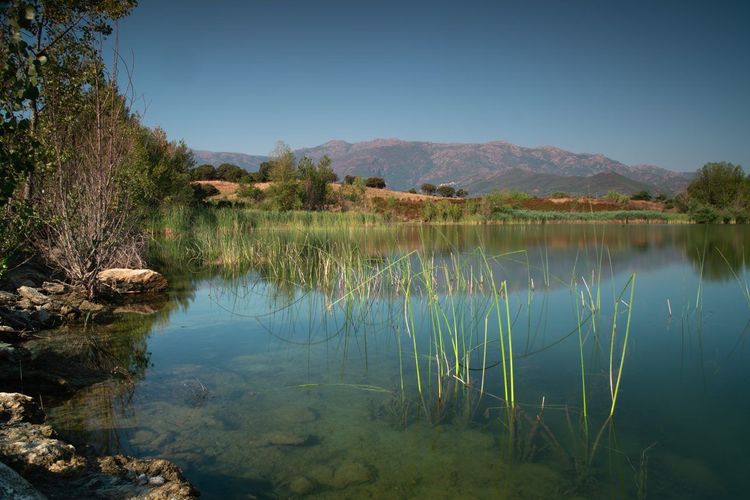
On days when the wind flattens the maquis and puts paid to any idea of sunbathing, there is one escape that few guides mention: Lac de Padula (20232 Oletta, rated 4/5 on Google with 79 reviews), in the Oletta plain, about thirty minutes by road from Bastia and barely 6 kilometres from Saint-Florent. This Nebbio reservoir, ringed by wooded hills and vineyards, offers a setting that is the exact opposite of a pebble beach lashed by spray.
One point worth knowing before you make the trip: swimming is forbidden here, as is boating. Lac de Padula is a place for walking and picnicking, not a swimming alternative. It is accessible on foot, the circuit around the water can be walked at a leisurely pace in the shade, and the coolness of the tree cover in the late afternoon makes it worthwhile when the coast is windy. Bring your own water and snacks — there are no shops on site and the nearest village is a few minutes away by car. If your plan for the day really revolves around swimming, you are better off heading west towards Saint-Florent and the entrance to the Agriates rather than hoping to swim here. Back in town, Ryo's audio-guided tour of Bastia is a good way to keep exploring on foot.
Which Bastia Beach to Choose Based on Your Preferences
The question that really decides your day remains: which Bastia beach for which purpose? A three-year-old, a snorkelling mask, and a camera all call for very different coordinates. Here is the breakdown by preference, based on the beaches detailed above.
Family Beaches: Ideal With Children
For toddlers, Arinella remains the safest choice: gentle slope, easy supervision, sand mixed with fine pebbles. Toga also works well for a quick late-afternoon swim, as long as you are happy with a pebbly bottom. Further afield, Pietracorbara and Tamarone offer real sand and a more spacious setting, best saved for a full day out rather than a last-minute trip. Ones to avoid with very young children: Nonza, whose steep slope and long staircase climb are discouraging for little legs, and the coves of the Bastia hinterland, which have no shade or facilities.
Spots for Water Sports (Snorkelling, Paddleboarding, Diving)
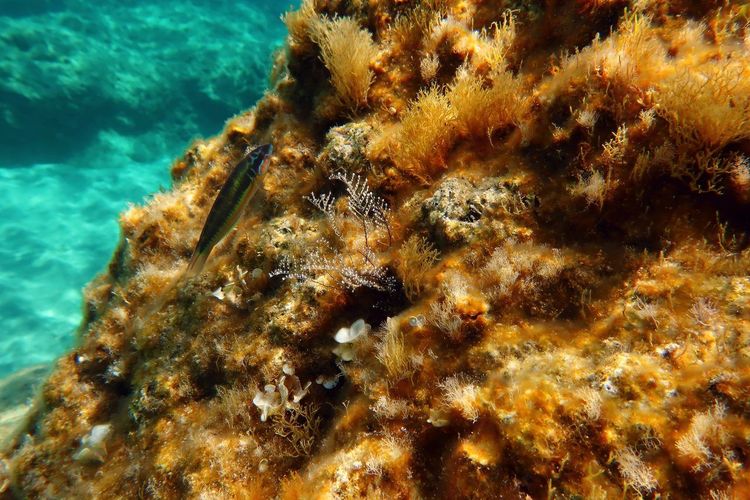
The most interesting waters for snorkelling are around Erbalunga and Nonza, where rocky seabeds shelter a rich array of Mediterranean marine life. Paddleboarding and kayaking are ideal on the calm waters of Saleccia and Lotu, while several diving clubs based in Bastia and along the Cap organise trips to rocky drop-offs and wrecks offshore. To arrange these activities without spending hours researching, the Ryo article on activities in Bastia and the surrounding area lists local providers beach by beach.
Waterside Walks When Swimming Is Not the Goal
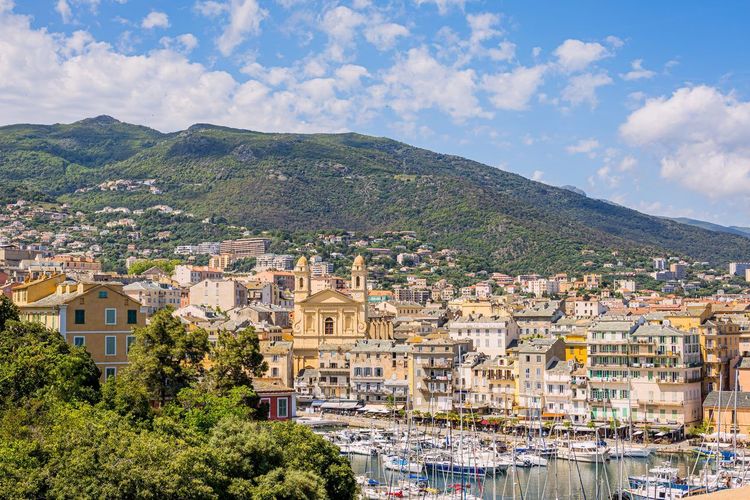
Not every beach outing ends in the water, and this may be where Bastia shines most. The seafront between the old port and Toga can be walked in about thirty minutes, with the citadel as a backdrop and ferries manoeuvring below: the simplest stroll, and the most enjoyable in the evening when the light falls across the ochre facades. Further north, the small coastal road along the Cap links Lavasina, Miomo, and Erbalunga over a few kilometres, with possible stops at each marina.
For a proper walk, the sentier des douaniers starting from Tamarone is the benchmark: two hours each way to reach the bay of Santa Maria and its chapel, through maquis, deserted coves, and Genoese towers right at the water's edge. To the south, the coastal path running past the coves of Flenu and Grisgione offers a shorter and wilder version, best done early in the morning. And if you prefer to alternate walking with heritage, the Ryo audio-guided tour of the historic centre pairs very well with a late-afternoon session on the pebbles at Toga.
Practical Information: Access, Parking, and the Best Time to Swim
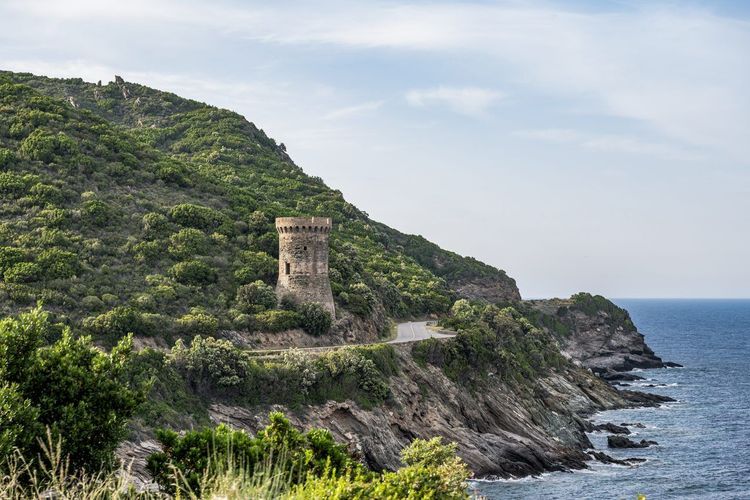
The question of access comes up constantly. For the urban beaches (Toga, Ficaghjola, Arinella), everything is easy on foot from the centre or a few minutes by car, with paid parking in summer. For Cap Corse and the Agriates, plan a proper time slot — between 40 minutes and an hour's drive, plus the walk or boat trip to reach Saleccia and Lotu. The D80, the only road along the Cap, is narrow and winding: GPS travel times can easily stretch by fifteen minutes in peak season.
In terms of season, the sea around Bastia warms up noticeably from mid-June and remains swimmable until the end of September, peaking at around 25°C in August. That same month also sees the bulk of the crowds: opt for June or the first half of September if you want to enjoy the beaches without the masses, or aim for before 10am and after 5pm in high season. Note also that lifeguard supervision only covers a minority of beaches during short windows around July and August: everywhere else, swimming is at your own risk.
Finally, the wind governs everything. The libeccio, blowing from the south-west, largely spares the eastern coastline where Bastia's beaches are located, while an easterly or north-easterly makes Toga and Ficaghjola uncomfortable and clouds the water. In that case, two reflexes: switch to the other side of the Cap, towards Nonza and the western coast, or give up on swimming and head inland towards Lac de Padula.
On the question of the seabed, bear in mind that a Bastia beach is almost always a pebble beach, not a sandy one: water shoes are recommended for children, especially at Toga, Ficaghjola, and Miomo. Fine sand is found mainly on the more distant beaches: Arinella (mixed), Pietracorbara, Tamarone, Saleccia, and Lotu.
Where to Stay Near Bastia's Beaches: Campsites and Seaside Accommodation
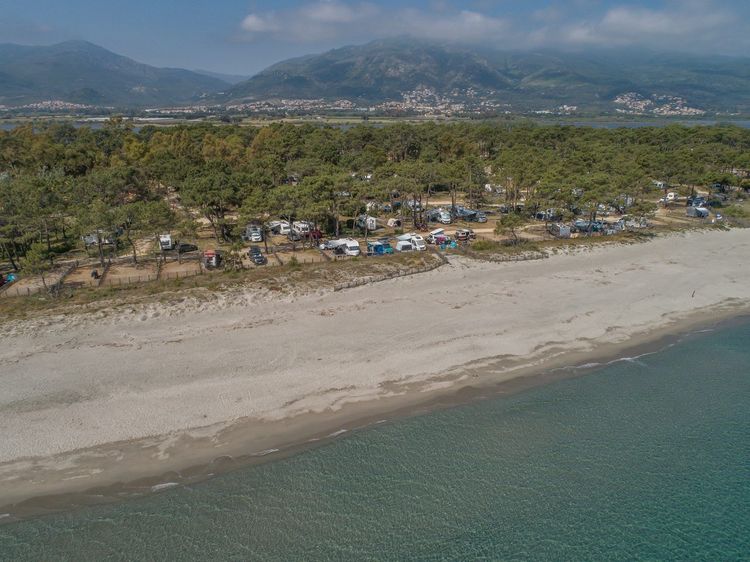
What if you could enjoy the sea right on your doorstep rather than getting back in the car every morning? Several campsites along the Bastia coastline and the eastern shore play this card, with direct or near-direct beach access.
Camping Merendella (RN198, 20230 San-Nicolao, rated 3.8/5 on Google with 1,687 reviews), at Moriani-Plage on the eastern coast about 40 minutes south of Bastia, is one of the most frequently recommended options for this type of stay: a seafront pitch, direct beach access, and full facilities including a swimming pool, restaurant, and seasonal entertainment. It is a worthwhile choice if you are planning several days focused on the beaches rather than a simple day trip.
Three accommodation strategies emerge depending on your itinerary. Stay in the city centre, in the old port or citadel area, if you plan to mix sightseeing with quick swims at Toga or Ficaghjola. Head to Miomo, Lavasina, or Erbalunga, on the first few kilometres of the Cap, to have the sea outside your window while staying fifteen minutes from Bastia. Or head south to the eastern plain, between Moriani and Ghisonaccia, if sand and large campsites take priority over the city. In all three cases, book early: July and August availability is often gone by spring.
To compare other seaside accommodation options across Haute-Corse, the Ryo article on the best places to visit in Haute-Corse covers several complementary coastal areas, from Cap Corse to the eastern plain.
FAQ
What is the most beautiful beach near Bastia?
There is no single answer, but Saleccia tops most rankings for its white sand and turquoise water, closely followed by Lotu and Nonza for its spectacular mineral scenery. For the most beautiful beach in Bastia accessible without an excursion, Arinella remains the closest option to the city centre.
Can you walk to the beach from the center of Bastia?
Yes. Toga and Ficaghjola are both reachable on foot from the old port or the citadel, in 10 to 20 minutes depending on your starting point. This is the best option for a swim without a car.
Which sandy beaches are near Bastia?
Most beaches close to the city centre are pebbly. For real sand, head to Arinella, where sand mixes with fine pebbles, or venture further to Pietracorbara, Tamarone, Saleccia, and Lotu, all of which have fine sand.
Which beaches near Bastia are best for children?
Arinella is the most family-friendly choice thanks to its gentle slope and easy access. Pietracorbara and Tamarone, though further away, offer more space and a reassuring sandy bottom for a full day out.
How long does it take to reach the Cap Corse beaches from Bastia?
Allow about 20 minutes for Erbalunga, 40 minutes for Nonza, and up to an hour to reach Macinaggio and Tamarone beach at the northern tip of the Cap.
How do you get to Saleccia beach and Lotu beach?
From Saint-Florent, three options are available: the shuttle boat, which is the fastest, the coastal trail on foot, or a 4x4 along a dirt track to a car park near Saleccia followed by a short walk. Neither beach is served by a paved road.
What is the best time to swim in Bastia?
The sea becomes comfortable from mid-June and remains swimmable until the end of September, peaking at around 25°C in August. To avoid the crowds while still enjoying pleasant water, aim for June or early September.
Conclusion
Between the urban pebbles of Toga, the secluded coves of the Bastia hinterland, and the wild stretches of Cap Corse or the Agriates, Bastia is far from a city without beaches: it offers a range of shores that rewards those who take the time to venture a little beyond the centre. Whether you are looking for a quick swim between two sightseeing stops or a full-day excursion to Saleccia, every option in this guide pairs easily with exploring the city itself.
To plan your stay combining beaches and heritage, the Ryo Bastia audio guide is the simplest starting point: the citadel, old port, and Genoese lanes, just a few minutes' walk from the first beaches in the centre.
À lire également