





Créé par Romane, le 4 oct. 2026
Votre guide Ryo
Bastia, France
The Pearl of the Island of Beauty
Parcours audioguidé pour visiter Bastia en 1 jour
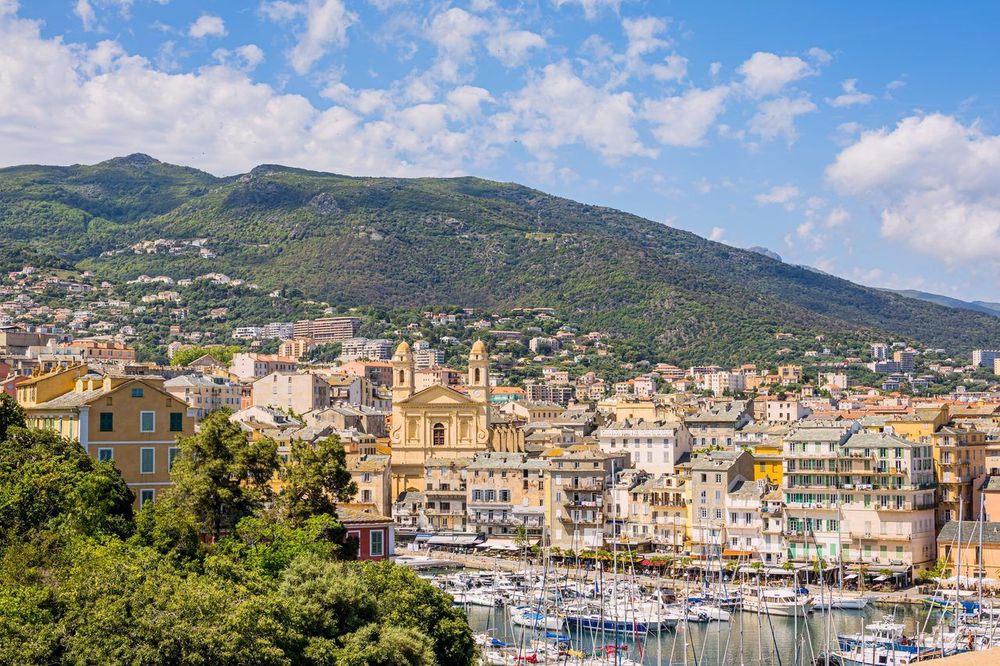
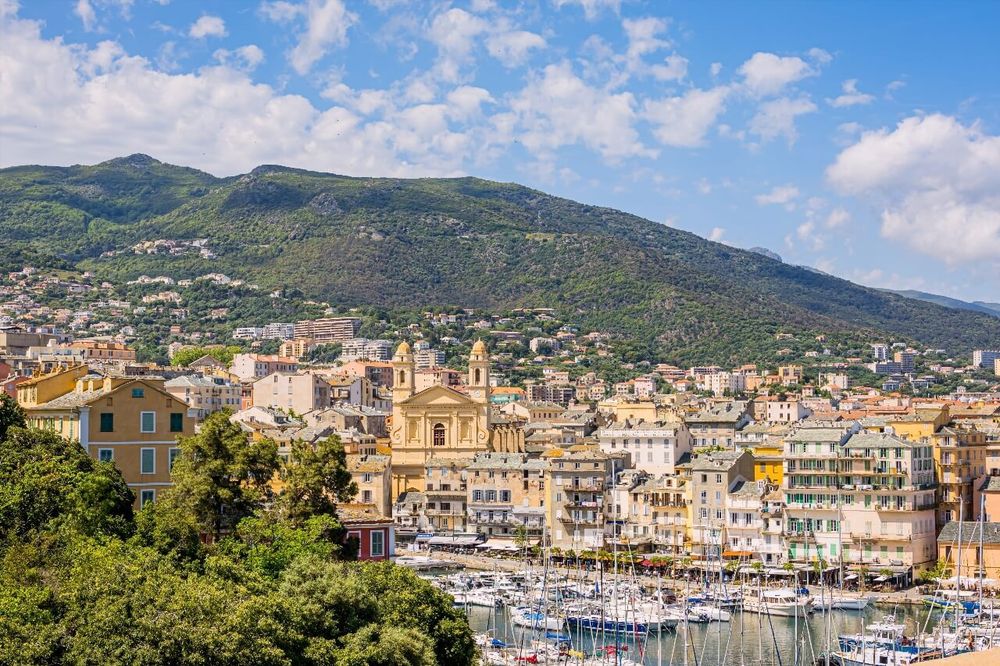
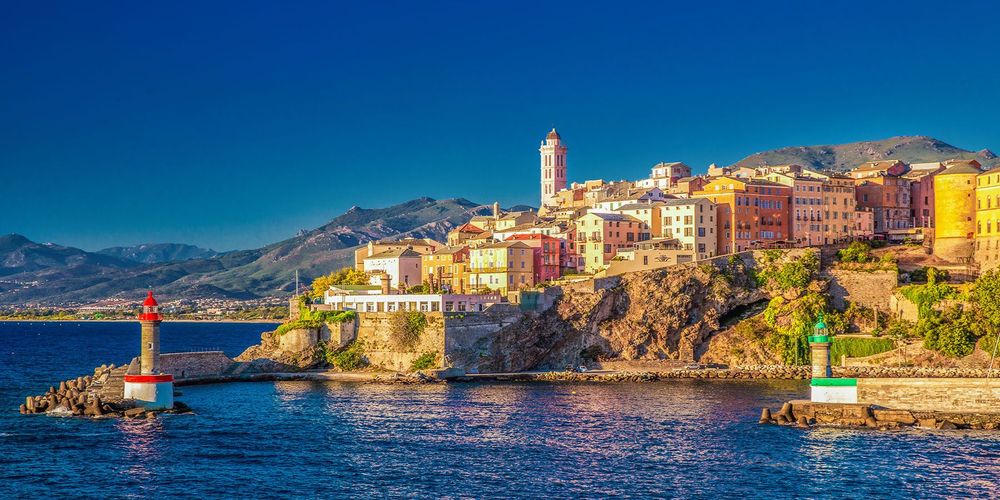
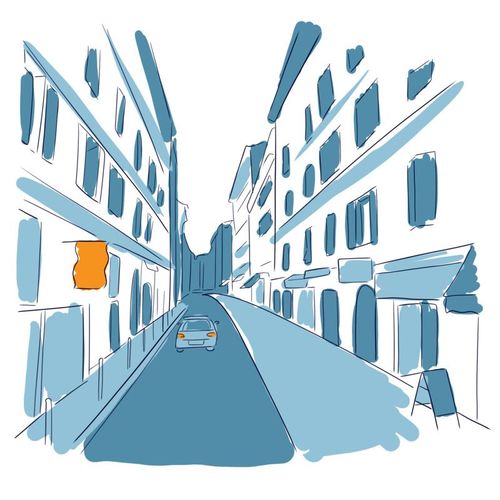
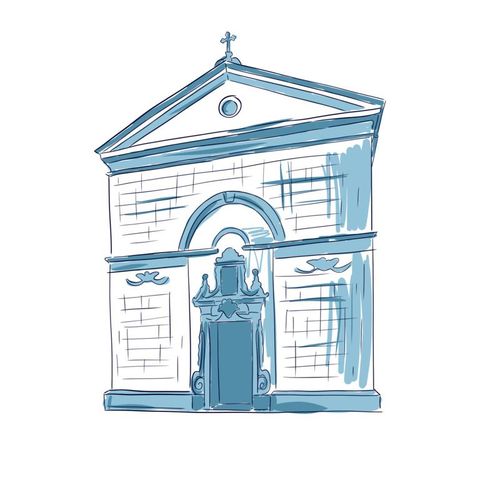
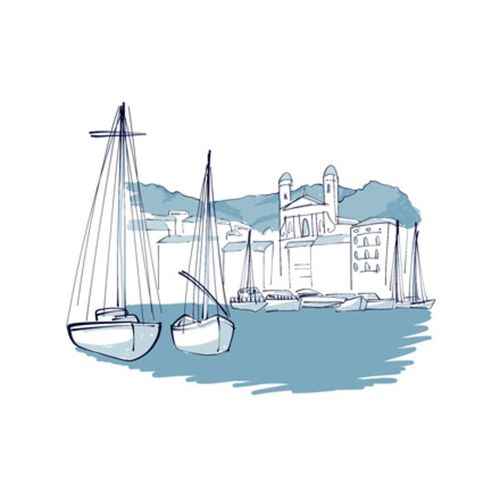
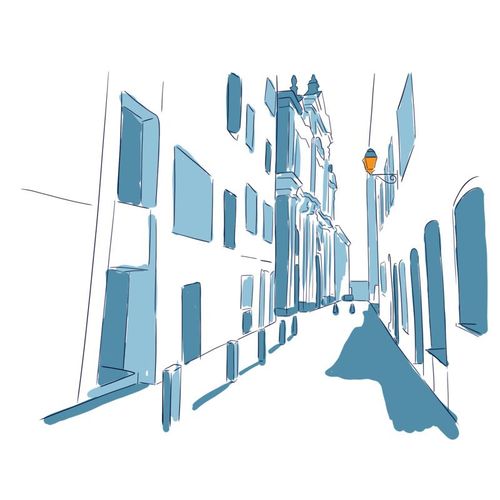
This tour of Bastia invites you into the heart of a city full of character, clinging to its rocky setting and opening out toward the Italian horizon. Let yourself be drawn in by the charm of its tall façades, weathered by salt and sun, their ochre and sienna tones reflected in the waters of the old port. Between the grandeur of its richly decorated Baroque churches and the cool shade of narrow streets climbing toward the citadel, Bastia reveals a spirit that feels proud, lively, and deeply authentic. It’s a walk shaped by the scent of coffee and the sea air, capturing the vibrant energy of a maritime capital that lives to the rhythm of the Mediterranean.
Quand partir à Bastia ?
Jan.
13°
7
Feb.
14°
6
March
16°
6
April
18°
8
May
22°
6
June
26°
4
July
29°
2
Aug.
29°
3
Sept.
26°
6
Oct.
22°
9
Nov.
17°
10
Dec.
14°
8
Bastia enjoys a Mediterranean climate, with hot, dry summers averaging around 29°C and very mild winters fluctuating between 5°C and 14°C. The ideal period runs from May to October to enjoy the Old Port and the beaches of Cape Corse. The month of June is perfect for swimming before the crowds arrive, while September offers sublime light over the citadel and ideal temperatures for exploring the baroque narrow streets without the scorching heat.
Départ conseillé
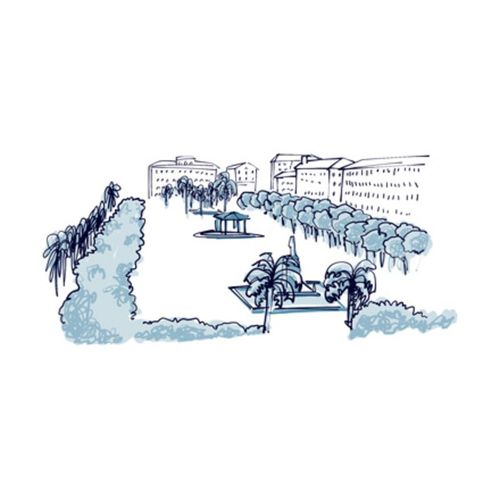
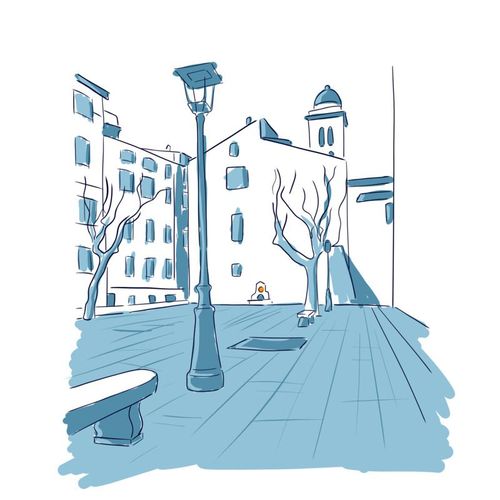
No need to worry about where to begin! Our tours are designed as a loop, so you can jump in wherever you are. The navigation system and audio-guide will automatically adjust to your location. However, if you happen to be nearby, we do have a preferred starting point: Place Saint-Nicolas
Parking à proximité
Saint-Nicolas Covered Car Park – Place Saint-Nicolas
À savoir
The tour goes through the Romieu Garden: entry is free, but the site has set opening hours. Don’t forget to check them before your visit — or simply bypass the garden by continuing along Quai Albert Gillio to get back on the route.
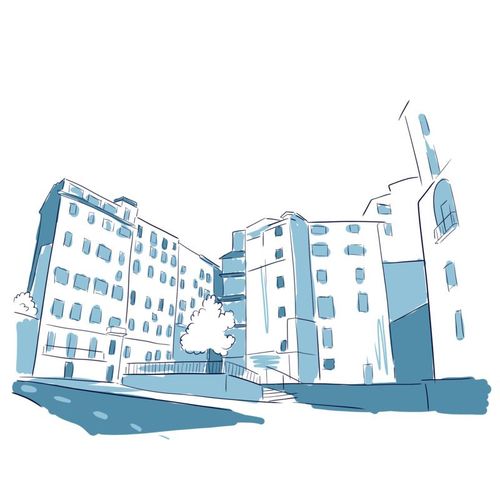
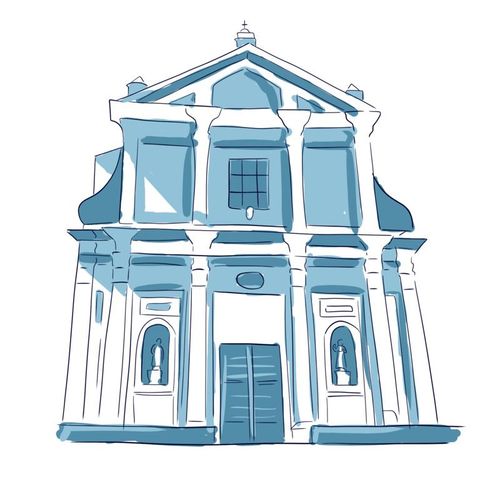
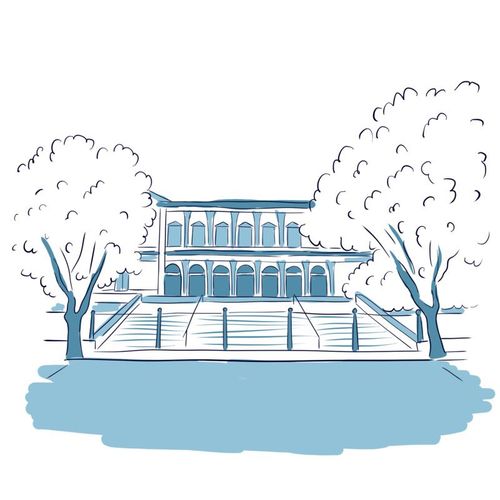
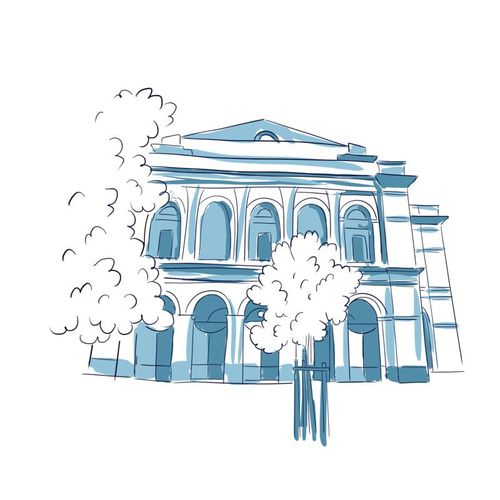
Découvrez 25 lieux d'intérêt pour visiter Bastia


Le plein d'inspirations
Explorez le monde en totale liberté, à pied au cœur des villes ou au fil des routes. Nos guides audios transforment chaque destination en une découverte culturelle immersive et unique.
FAQ for visiting Bastia
When is the best time to visit Bastia?
The ideal time to explore Bastia runs from May to October, when the Mediterranean climate is at its mildest. In June, you'll enjoy perfect temperatures for swimming before the tourist influx, while September will win you over with its sublime golden light on the citadel and its pleasant temperatures for wandering the narrow streets without suffering from the heat. Bastia's summers generally hover around 29°C, perfect for strolling along the Old Port in the evening. If you prefer peace and quiet, spring and autumn offer ideal conditions to explore the town at your own pace, with mild temperatures and a more authentic atmosphere.
How many days do you need to visit Bastia?
Two to three days is the ideal length to fully savour Bastia's atmosphere. A first day will let you explore the historic heart, from the perched citadel to the Baroque streets, taking in the churches with their lavish decoration. On the second day, devote yourself to the Old Port with its colourful façades and lively terraces, before venturing into the more authentic neighbourhoods. If you have an extra day, a getaway to the surrounding beaches or an excursion into Cap Corse will enrich your stay. This length gives you time to appreciate the town's Mediterranean pace, between coffee breaks and strolls guided by your discoveries.
How do you get around in Bastia?
Bastia is best explored on foot, particularly its compact historic centre where the narrow, steep streets invite you to wander. Between the Old Port and the citadel, everything is within walking distance, allowing you to savour the maritime atmosphere and the architectural details. For the more distant neighbourhoods or the surrounding beaches, the urban bus network efficiently serves the main points of interest. Taxis remain available for greater flexibility, particularly from the airport or the port. If you'd like to explore the surroundings such as Cap Corse, renting a car becomes worthwhile. Cycling is also a pleasant option along the coast, with dedicated paths to enjoy the sea views.
What are the must-see sights in Bastia?
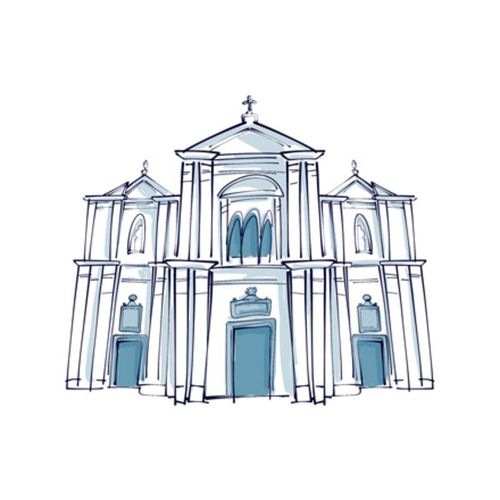
Bastia's treasures are concentrated between sea and mountain, offering a route rich in discoveries. The Genoese citadel proudly overlooks the town with its centuries-old ramparts and the Governors' Palace. Below, the Old Port will charm you with its colourful façades reflected in the water and its lively atmosphere. The Baroque churches, notably Saint-Jean-Baptiste with its sumptuous interior, bear witness to the town's past wealth. The Terra Vecchia district reveals authentic alleyways where washing dries at the windows. The Ryo audioguide accompanies you on this exploration with a narrated route that unveils the secrets of these emblematic places. Don't forget the covered market for an immersion in Corsican flavours and Place Saint-Nicolas for its century-old plane trees.
How do you get to Bastia?
Bastia enjoys excellent connections with the mainland and remains easily accessible all year round. Bastia-Poretta airport, located about twenty kilometres to the south, welcomes direct flights from the main French and European cities, with more frequent connections in the summer season. The commercial port is the other major gateway, with regular crossings from Nice, Toulon and Marseille, as well as from Italy via Livorno or Savona. The ferries let you bring your vehicle on board if you'd like to explore the island independently. Once you arrive, shuttles and taxis provide the link between these arrival points and the town centre. The railway station also connects Bastia to the other Corsican towns such as Ajaccio and Calvi.
Where can you eat in Bastia?
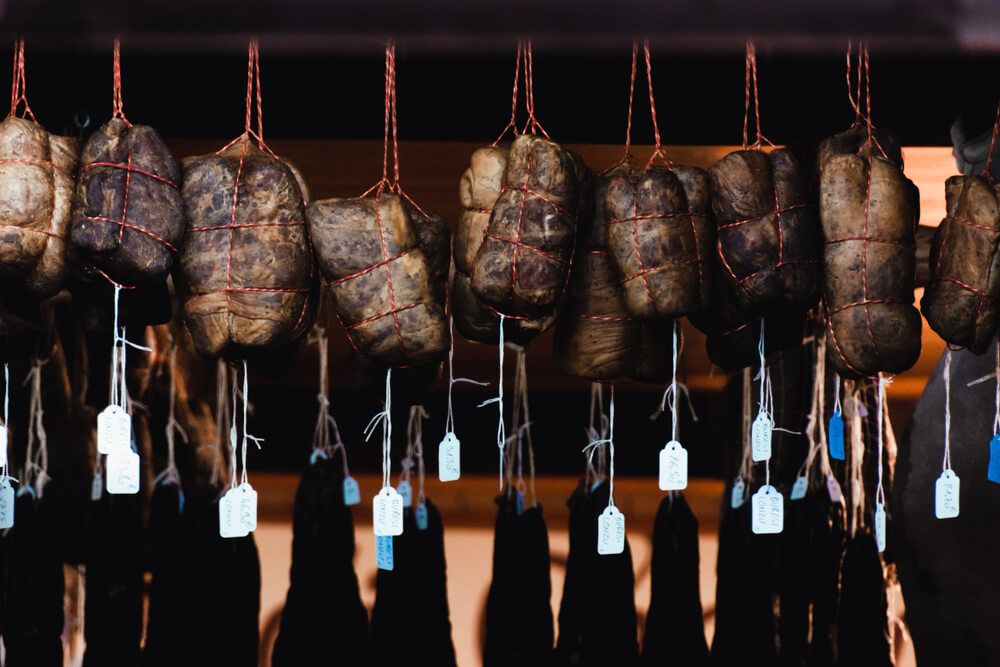
Bastia's cuisine reflects the Corsican soul with its local produce and Mediterranean influences. The Old Port is home to many spots where you can enjoy fresh fish and seafood facing the boats. In the alleys of Terra Vecchia, you'll discover more intimate tables serving island specialities such as veal with olives or brocciu cannelloni. Family-run restaurants often favour short supply chains and local produce, offering Corsican charcuterie, sheep's cheeses and heritage wines. For a quick break, the bakeries will tempt you with their sweet specialities such as fiadone or canistrelli. The covered market remains a must for putting together a picnic with the best regional produce, to be enjoyed facing the sea.
Where should you stay in Bastia?
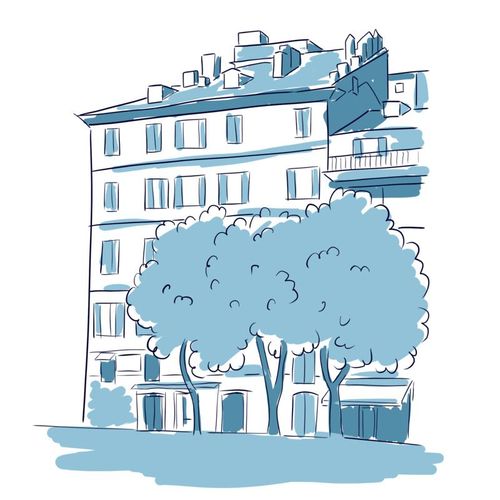
Bastia offers a variety of accommodation suited to all budgets and preferences. The Old Port district appeals with its maritime atmosphere and its proximity to restaurants and bars, ideal for enjoying the nightlife. The citadel offers a quieter, more historic setting, with charming establishments in renovated old residences. The town centre around Place Saint-Nicolas is perfect for getting around easily, with a good choice of family hotels and guesthouses. The residential neighbourhoods offer seasonal rentals for greater independence. On the outskirts, you'll find more economical options while remaining well served by transport. Remember to book ahead during the high summer season, particularly in July and August when tourist numbers peak.
What can you do in Bastia when it rains?
Rainy days in Bastia remain rare but offer the chance to discover the town from another angle. The Bastia museum, housed in the former Governors' Palace, presents a rich collection on Corsican history and culture through temporary and permanent exhibitions. The Baroque churches such as the Oratory of the Immaculate Conception or Sainte-Marie reveal their artistic treasures in a contemplative atmosphere. The covered market becomes a lively refuge where you can wander among the stalls of local produce while sampling specialities. The town centre's historic cafés invite long literary breaks over a hot chocolate. Some cultural venues also offer film screenings or concerts, allowing you to soak up the island's culture while staying dry.
What is there to discover in Bastia's citadel and old town?
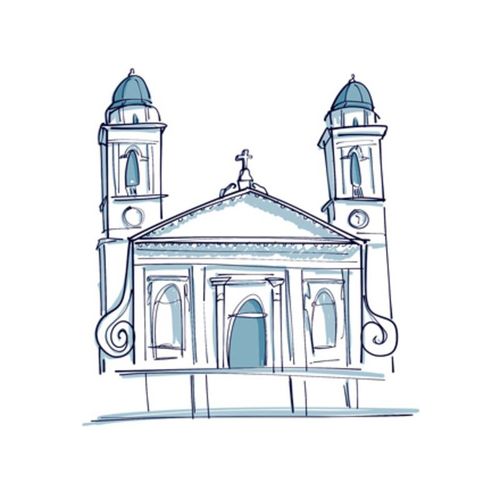
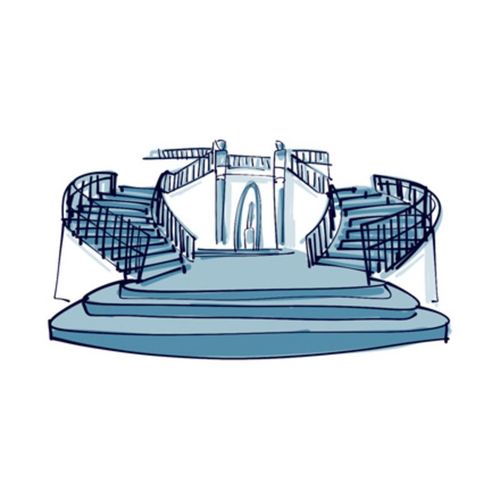
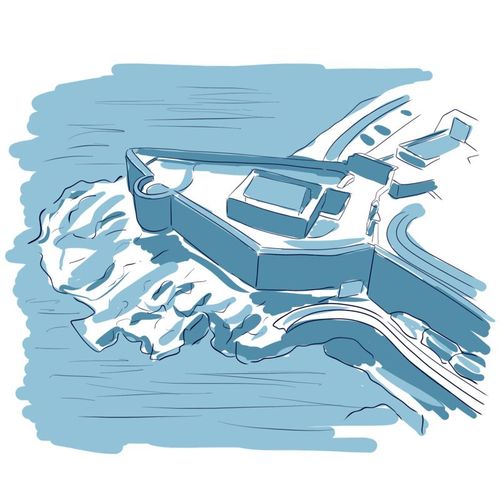
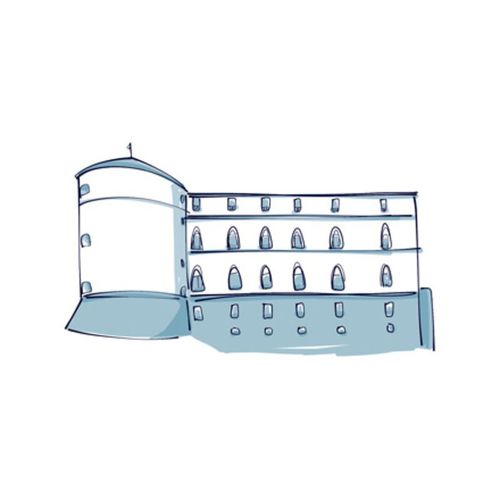
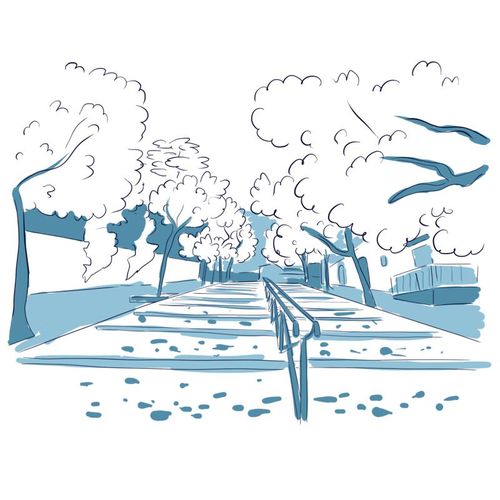
The citadel, which locals call Terra Nova, looks down on the old harbour from its Genoese ramparts. You reach it through the Romieu garden and its monumental staircase, or by the lanes climbing behind the quays. Inside, the Governors' Palace houses the town museum, the former Sainte-Marie cathedral and the Sainte-Croix oratory hide around small squares, and ochre façades hint at shaded courtyards. Below, Terra Vecchia, the twin-towered church of Saint-Jean-Baptiste, the market square and the terraces of the old harbour make up the other face of the town. The Ryo audio guide offers a dedicated walking route through Bastia linking these two historic districts.
Are there beaches within reach of Bastia's centre?
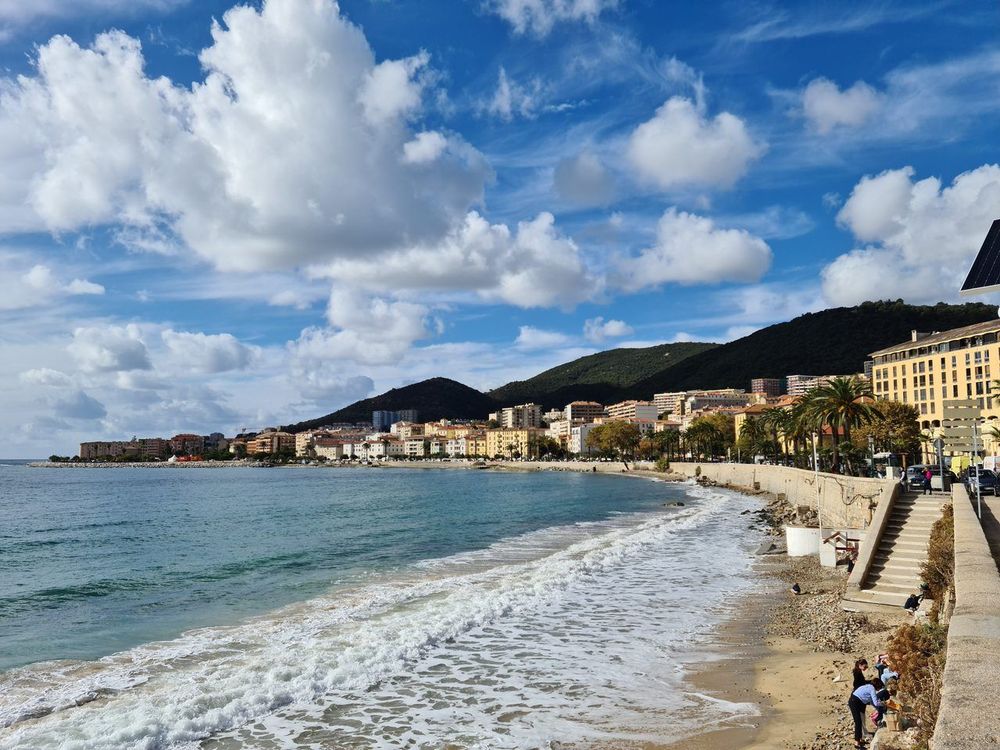
Yes, Bastia has the advantage of several beaches close to the town itself. To the north, the pebble beach of Toga borders a small marina that comes alive in the evening. To the south, Arinella stretches out over sand and is easy to reach from the centre, with water sports in season. A little further on, the Marana unrolls a long sandy strip lined with pine woods, between the sea and the Biguglia lagoon. Swimming is pleasant from late spring to early autumn, as the water stays mild well into the season. Do check on lifeguard cover, which is only provided on certain beaches and during the summer months.
Vos commentaires, idées et suggestions
Aucun avis pour le moment