© Shutterstock
 Votre guide Ryo
Visiting Bastia in 3 Days: Complete Itinerary and Must-Sees 2026
The wind blowing down from Cap Corse hits the Old Port of Bastia in the early morning hours, and it is precisely this salty breeze that sets the tone for a successful stay in the prefecture of Haute-Corse. Visiting Bastia in 3 days means agreeing to split your time between baroque lanes, the largest church on the island and coastal trails that run down to the sea. The Ryo audio guide tour of Bastia provides a handy common thread between these worlds: 21 audio tracks, 1h30 of listening and 3.5 km to walk between Terra Vecchia and the Citadel. In three days, you will have time to climb up to the Governors' Palace, walk down the steps of the Jardin Romieu, take in the gilding of the Sainte-Marie Cathedral, and then head off, on the third day, to the tower of Nonza or the Cardo ice houses depending on your mood. Between these visits, the terraces of the Old Port serve local charcuterie, and Place Saint-Nicolas and Place du Marché each tell, in their own way, the turbulent history of the city. This guide details, day by day, how to organize this stay: where to sleep, how to get there, what budget to plan and which excursions to choose depending on whether you prefer the sea or the mountains.
To get your bearings in the historic center right from the start, the Ryo audio guide tour of Bastia links Terra Vecchia to the Citadel, passing by most of the places mentioned in the first two days of this itinerary.
How Much Time to Plan for Visiting Bastia and How to Organize a 3-Day Stay
Are three days enough to visit Bastia? In theory, the historic town can be covered in one well-filled day: Terra Vecchia, the Old Port (Quai des Martyrs de la Libération, 20200 Bastia, rated 4.5/5 on Google from 4,084 reviews) and the Citadel can be walked in six to seven hours without rushing. But Bastia is above all a gateway to Cap Corse, the Agriates desert and the Cardo ice houses, three excursions that each deserve half a day or more.
If you only have one day, focus on the historic center: rue Napoléon, Place Saint-Nicolas and Place du Marché, then the climb up to the Citadel in late afternoon, when the light grazes the ramparts. Two days let you add a full tour of the religious heritage (cathedral, oratories, Saint-Jean-Baptiste Church) and a swimming break at Ficaghjola, at the foot of the ramparts. The third day, meanwhile, is made for leaving the city: head to Cap Corse for sea lovers, or to the heights of Cardo for those who prefer hiking.
Who is it for, exactly? History buffs will linger at the Citadel and the religious heritage; families will favor the beaches and the U Spassimare promenade; walkers will keep a whole day for the Agriates or Cardo. This breakdown suits an extended couple's weekend as well as a first stay before continuing to the rest of the island.
First thing to do on arrival: stop by the tourist office, located on Place Saint-Nicolas, to pick up the Bastia tourist map. Free of charge, it shows the three historic neighborhoods, the oratories and the staircases linking the port to the Citadel, which saves you many detours in lanes that all look alike at first glance.
Day 1: Terra Vecchia, the Old Town and the Old Port of Bastia
The first day is devoted to the historic center, which the locals of Bastia call Terra Vecchia. Allow a full day, from the morning market to an aperitif facing the fishing boats, with a quick lunch break in one of the lanes that run down to the port.
Rue Napoléon and the Terra Vecchia Neighborhood
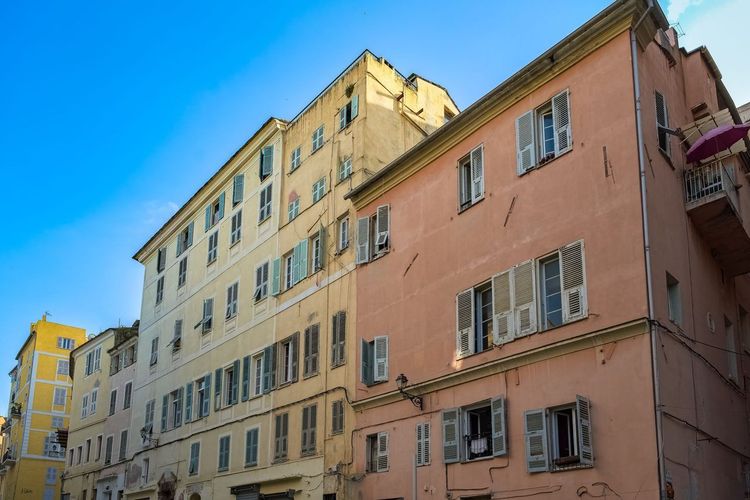
The rue Napoléon (Rue Napoléon, 20200 Bastia) is the pedestrian artery that runs through Terra Vecchia from end to end. Narrow, paved and lined with tall façades that filter the light, it is home to artisan shops, delicatessens and two baroque oratories that you will see again on day 2. Walk slowly and look up regularly at the wrought-iron balconies.
Terra Vecchia, in the broad sense, refers to all of the old urban fabric surrounding this street: alleys so narrow they seem to lead nowhere, back courtyards where laundry still dries, and archways hiding stone staircases worn down by centuries of footsteps. It is a neighborhood to be experienced rather than ticked off a list; get a little lost before heading to the squares.
Place du Marché and Place Saint-Nicolas
The Place du Marché (officially Place de l'Hôtel de Ville) comes alive in the morning with stalls of local producers: charcuterie, sheep's milk cheeses, maquis honeys. This is where the people of Bastia still do their shopping, and the weekend atmosphere is worth a look even if you don't buy anything.
Five minutes away on foot, Place Saint-Nicolas is a complete change of register. Nearly 300 meters long, it is one of the largest squares in Corsica, a rectangle planted with plane trees and palm trees opening onto the commercial port. There you will find shaded benches, a bandstand, the statue of Napoleon as a Roman emperor, café terraces and, on summer evenings, night markets or concerts. Many visitors start or end their day here, simply because it is the place where you can breathe best in the town center.
The Old Port and Its Colorful Façades
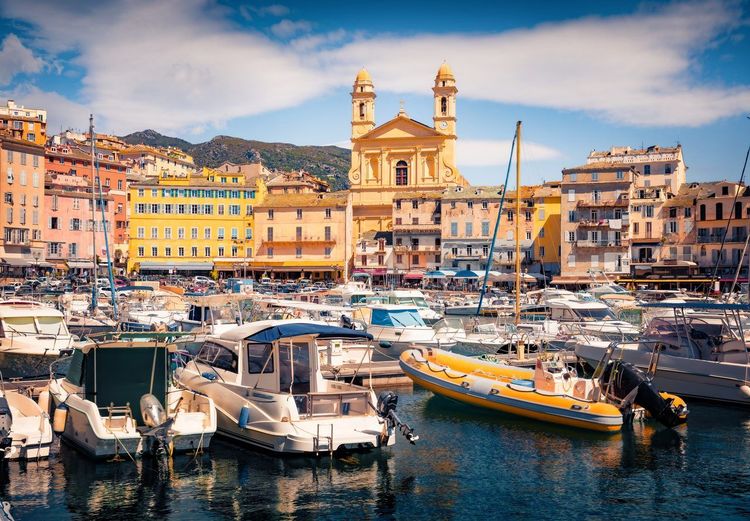
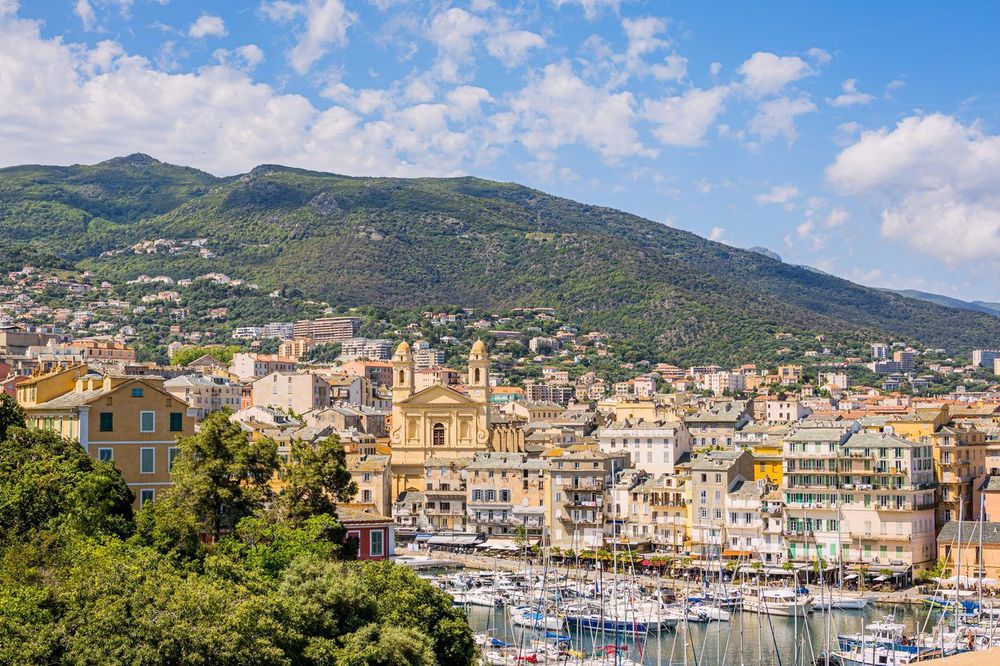
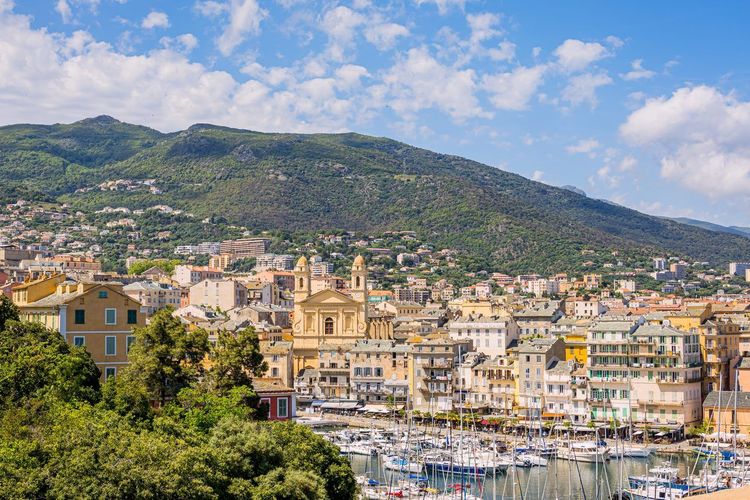
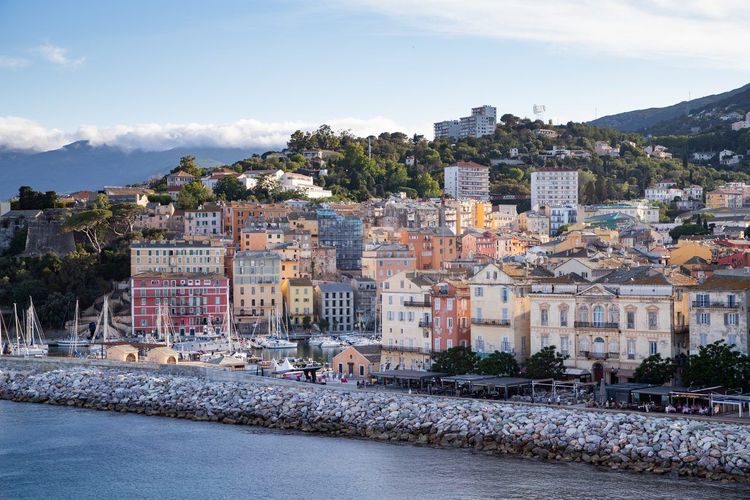
The Old Port (Quai des Martyrs de la Libération, 20200 Bastia, rated 4.5/5 on Google from 4,084 reviews) remains the most reproduced image of Bastia: a basin surrounded by ocher, yellow and pink façades, where fishing boats and pleasure yachts mingle beneath the two bell towers of Saint-Jean-Baptiste Church. Restaurant terraces occupy the whole quay, and the evening show, when the boats come back in and the light grazes the buildings, justifies in itself an hour spent sitting and doing nothing but watching.
Walking back up toward the Dragon jetty, you get the best overview of this basin and of the Citadel that overlooks it from its promontory. A good landmark for the next day: you can already see the ramparts you will climb on day 2. The Ryo audio guide tour starts precisely on rue Napoléon and crosses Terra Vecchia to the Old Port, stopping in front of these colorful façades, making it easy to chain together the three stages of this first day without taking out a map.
Day 2: The Citadel, the Governors' Palace and the Religious Heritage
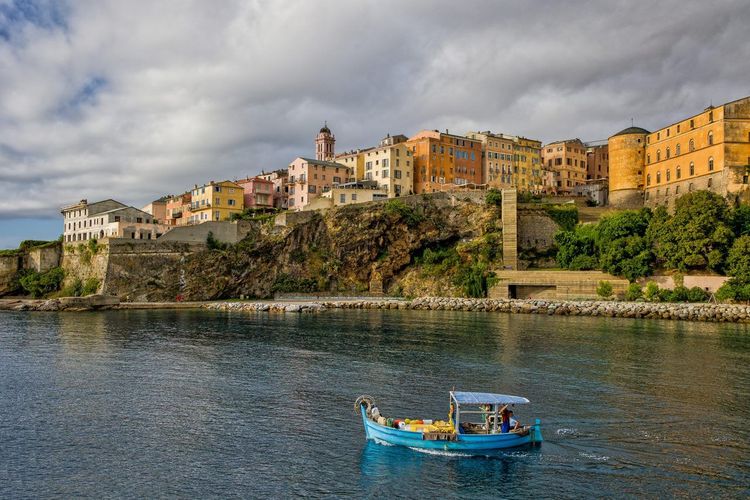
The second day gains height, literally: head to the fortified Terra Nova district, perched above the Old Port, where most of the city's religious and military heritage is concentrated. It is the densest day of this stay, the one where you walk the most but also the one where you best understand Bastia's Genoese history.
The Citadel of Bastia (Terra Nova) and the Governors' Palace
The Citadel of Bastia, also called Terra Nova, has dominated the city since the end of the 15th century, when the Genoese fortified the keep (the "bastiglia") that gave the city its name. Its ramparts encircle an entire district, with its own lanes, mansions with pastel façades and a surprising silence compared to the bustle of the port below. You can reach it on foot via the steps of the Jardin Romieu or via the street climbing up from the quay.
At the heart of the citadel stands the Governors' Palace, former residence of the island's Genoese governors. Massive and austere from the outside, it now houses the Bastia Museum, devoted to the history of the city. Admission costs 5 euros (2.50 euros reduced rate, free for children under 10) and also gives access to the hanging gardens, from where the view over the port is one of the finest in the city. Allow a good hour for the visit.
On the listening side, an entire section of the Ryo audio guide tour climbs up to the Citadel, with commentary on the fortified gates and the role of the Governors' Palace: handy for not missing anything without hunting for information panels.
Sainte-Marie Cathedral and Saint-Jean-Baptiste Church
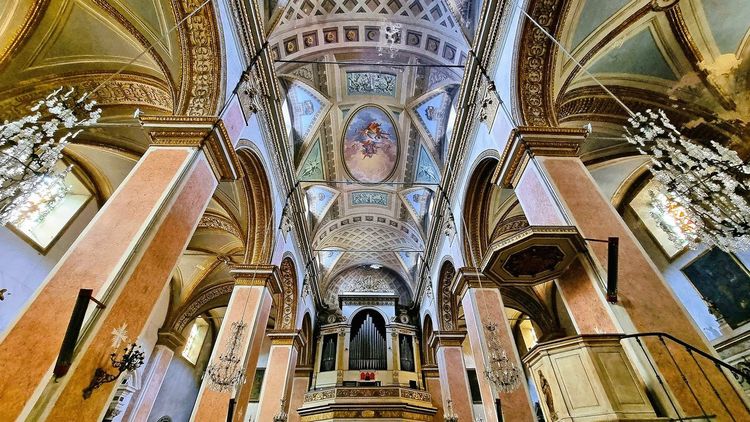
Inside the ramparts, the Sainte-Marie Cathedral surprises with its ornate baroque interior, almost disproportionate compared to the sobriety of the lanes leading to it. Gilding, trompe-l'œil and a silver Virgin of the Assumption, carried in procession every August 15, make it one of the richest interiors in the city.
On the way back down to Terra Vecchia, Saint-Jean-Baptiste Church imposes its twin bell towers between the Old Port and Place du Marché: it is the largest church in Corsica. Its interior combines polychrome marbles, stuccos and an organ still used for concerts. Stepping inside for a few minutes, even without any religious attachment, lets you gauge the scale of the building relative to the rest of the city.
Saint-Roch Oratory and Immaculate Conception Oratory
Two small buildings, a few meters from each other on rue Napoléon, complete this religious heritage. The Saint-Roch Oratory houses an interior of unexpected refinement for such a discreet façade: carved woodwork, an old organ and crystal chandeliers. You go in out of curiosity, and come out surprised.
The Immaculate Conception Oratory, completed in 1609 for the confraternity of the same name, had a singular political episode: in 1795, it hosted the parliament of the short-lived Anglo-Corsican Kingdom, and a throne was placed in front of the altar to symbolize King George III. Its painted ceiling and red hangings deserve a five-minute stop, even in the middle of a visiting marathon.
Jardin Romieu, Its Staircase and the Bastia Museum
At the end of the day, the Jardin Romieu offers a welcome green break after so much stone and gilding. Its staircase winds between planted terraces, linking the citadel to the Old Port, with an open view over the rooftops of Terra Vecchia.
If you saved the Bastia Museum for last, enjoy the evening light from its gardens. You will sometimes hear about the "5 museums of Bastia": in reality, the Bastia Museum is the only major museum in the city, and it is the oratories, the cathedral and the Scala Santa that play the role of indoor sacred art museums. Speaking of which, the Scala Santa (Chapelle de Monserrato, 20200 Bastia, rated 4.7/5 on Google from 201 reviews), a replica of the Holy Stairs in Rome, is located in the chapel of the Madonna di Munserrà, on the heights of the city: a privilege granted by Pope Pius VII to thank the people of Bastia for having welcomed exiled priests under Napoleon. It requires a small detour by car or a good climb on foot.
Day 3: Day Excursion, Sea or Mountains of Your Choice
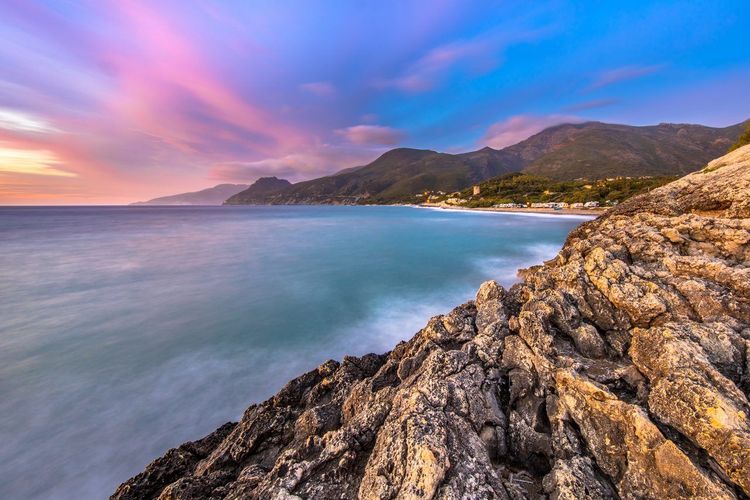
The third day leaves the town center to explore the surroundings of Bastia. Two options are available depending on your preferences, and nothing prevents you from combining elements of both if you rent a car for the day.
Sea Option: Cap Corse, Erbalunga and the Village of Nonza
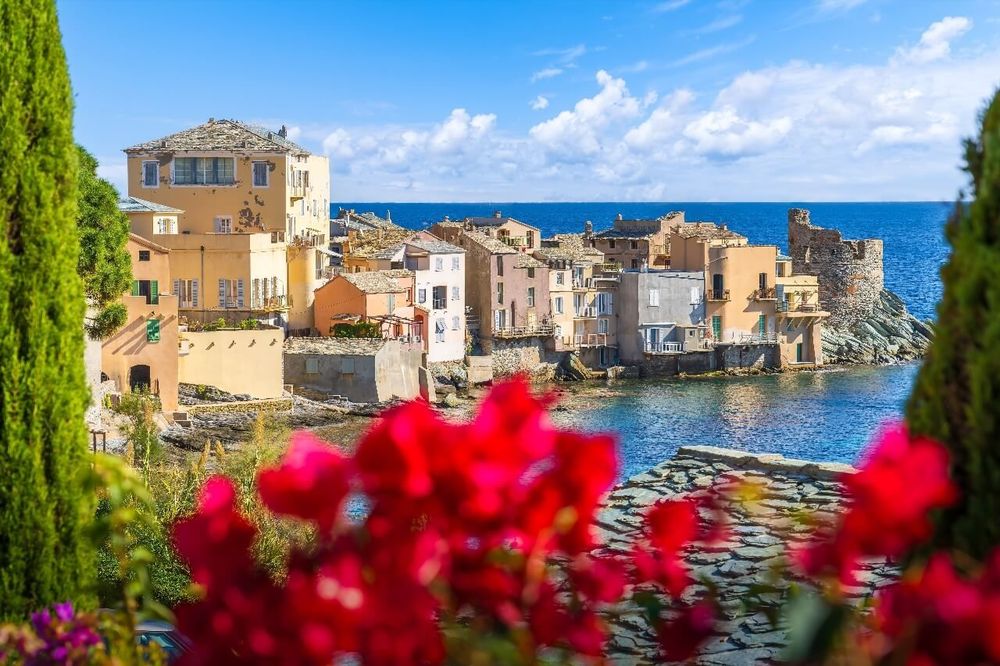
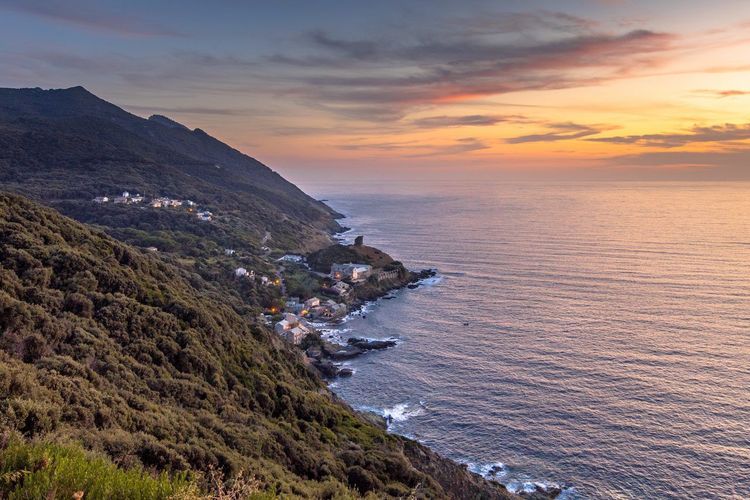
Cap Corse begins at the northern exit of Bastia: a winding road that follows the sea, clinging to the mountainside, with possible stops every two or three kilometers. The logical first stop is the village of Erbalunga, about twenty minutes by car, with its ruined Genoese tower set on a rocky promontory and its small fishing port that has kept all its charm despite the summer influx.
To reach Nonza, on the west coast of the Cape, allow about an hour's drive via the Teghime pass and Saint-Florent, or more if you do the full loop via Macinaggio. The village, perched on a rocky outcrop about 160 meters high, overlooks a long black pebble beach, one of the most photographed in Corsica. Its color is not volcanic at all: it comes from the spoil of the former Canari asbestos mine, dumped into the sea for decades and then rolled by the waves. Local lore has it that in 1768, a single man, Jacques Casella, stationed in the tower, held off the French troops by firing from several loopholes to simulate an entire garrison.
For a more detailed version of this route, with the villages step by step, see our Cap Corse itinerary.
Mountain Option: The Cardo Ice Houses and the Agriates Desert
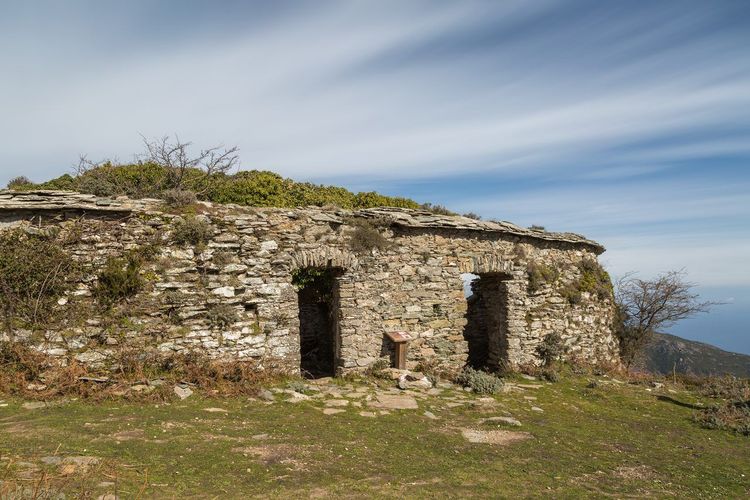
For a more athletic day, head for the heights. The Cardo Ice Houses are former Genoese pits built between the 16th and 18th centuries to store snow, packed into ice and carried down by mule to Bastia. The hike starts from the village of Cardo, on the heights of the city: about 6.8 km round trip, 540 meters of elevation gain and 3 to 3.5 hours of walking through woods and maquis, on the foothills of Pigno. Start early in summer, as the climb is exposed in places.
More ambitious, the Agriates desert (Agriates, 20217 Santo-Pietro-di-Tenda, rated 4.6/5 on Google from 183 reviews) lies about forty minutes away by road, between Saint-Florent and the mouth of the Ostriconi. This arid maquis of about 16,000 hectares, once nicknamed the breadbasket of Corsica, hides wild beaches such as Lotu or Saleccia, accessible on foot via the coastal path or by boat from Saint-Florent. Bring plenty of water: there is no resupply point once you are on the trails. More walking ideas are gathered in our selection of hikes around Bastia.
The Customs Officers' Path and the Beaches Around Bastia
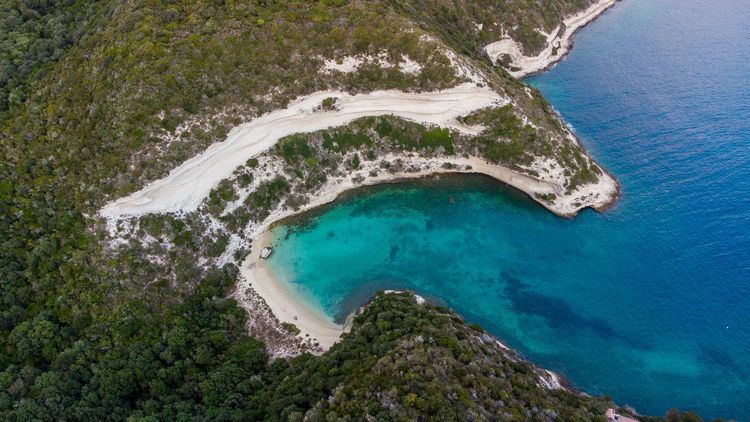
If your third day isn't enough to satisfy your craving for the sea, or if you prefer to stay close to the center, Bastia has its own coastline to explore on foot.
The Customs Officers' Path and Ficaghjola Beach
North of the city, the customs officers' path runs along the coast between Toga and Miomo, passing old watchtowers built to guard the coasts against Barbary raids. The fairly flat walk suits families and takes about two hours round trip depending on the starting point.
On the other side of the Old Port, right at the foot of the citadel, Ficaghjola beach is the most unusual swimming spot in Bastia: a small cove of sand and pebbles reached by a stone staircase, about fifteen minutes on foot from the port. Access is not suitable for people with reduced mobility, but the water is often clear and the atmosphere very local at the end of the day.
Arinella Beach and the Town Center Beaches
Arinella beach (Boulevard Benoîte Danesi, 20600 Bastia, rated 4/5 on Google from 1,125 reviews), about 3 km south of the center, marks the start of the long strip of sand stretching toward the Lido de la Marana. A water sports base, beach restaurants and a children's area make it the family beach par excellence. You can get there by bus, by car or on foot by following U Spassimare.
In between, a few small urban beaches are useful for a quick swim if you are traveling with children, even though they lack shade in midsummer. To compare all the options, our guide to the beaches of Bastia details access, atmosphere and facilities.
Other Hidden Gems and Excursions Around Bastia
Beyond Cap Corse and the Agriates, the Bastia region hides other sites that most visitors don't have time to include in a 3-day stay, but which justify coming back or extending your trip.
Saint-Florent, the Patrimonio Vineyard and l'Île-Rousse
Saint-Florent, about forty minutes from Bastia via the Teghime pass, is often nicknamed the Corsican Saint-Tropez for its marina and its elegant lanes. It is also the natural gateway to the Agriates desert.
On the way, the Patrimonio vineyard, Corsica's first appellation d'origine contrôlée, lines up its estates open for tasting amid limestone hills. Further on, a little over an hour away, l'Île-Rousse and the Balagne appeal with their fine sand beaches and perched villages, led by Pigna and Sant'Antonino.
Do you have a fourth day? The article on the most beautiful villages of Corsica around Bastia details additional stops, from Oletta to Murato.
Biguglia Lagoon, Galea Park, Mariana and Aléria
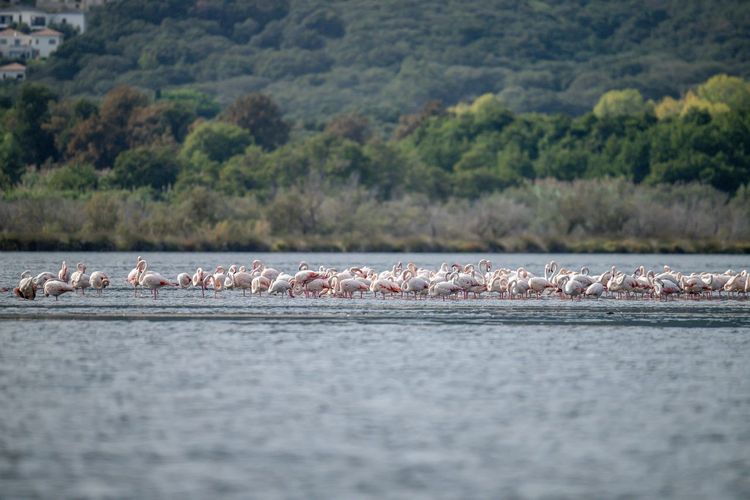
South of the city, the Biguglia lagoon, the largest lagoon in Corsica, is home to a nature reserve popular with bird-watchers: herons, egrets and, depending on the season, flamingos can be observed from the maintained trails.
A little further on, the Mariana archaeological site (Lucciana, 20290 Lucciana, rated 4.5/5 on Google from 244 reviews), in Lucciana, preserves the remains of a Roman colony founded by Marius around 100 BCE, as well as an early Christian basilica and its baptistery; the Romanesque church of La Canonica stands right next to it.
Continuing south, Galea Park, in Taglio-Isolaccio (about 45 minutes by road), unfolds over 9 hectares of Mediterranean gardens, interactive museums on Corsican heritage and one of the largest cactus collections in Europe, with a barefoot trail that children love. It is open from March to October. For lovers of Antiquity, the Roman ruins of Aléria, a little over an hour away, complete this journey through time: the ancient city and the museum housed in the Matra fort tell more than two thousand years of history of the eastern coast.
Corsican Gastronomy in Bastia: Where to Eat and What to Taste
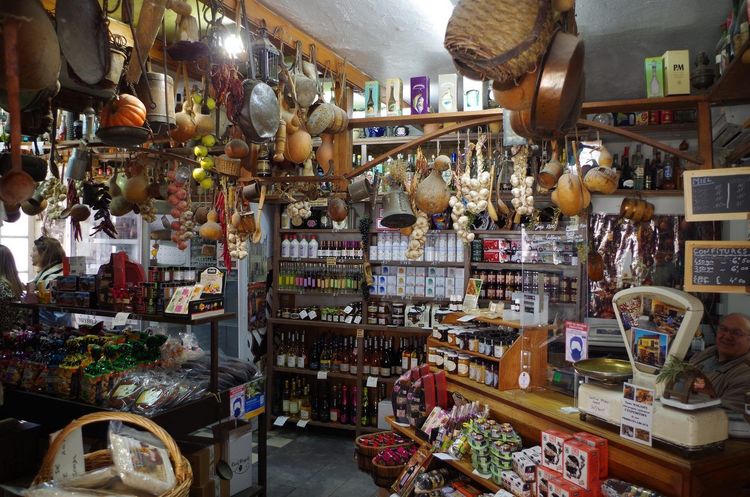
After two or three days of walking, Bastia's cuisine is a well-deserved reward, rooted in the island's mountain traditions as much as in fishing.
Specialties to Try: Charcuterie, Cheeses and U Paese Products
Corsican charcuterie (coppa, lonzu, figatellu in winter) dominates the market stalls, accompanied by sheep or goat cheeses and brocciu, that essential fresh cheese. To taste without multiplying restaurant stops, the U Paese delicatessen, on rue Napoléon, offers a selection of these products with explanations of where they come from. Those with a sweet tooth should try fiadone, a cake made with brocciu and lemon, and canistrelli, dry biscuits found in almost every bakery. As for Bastia cooking, look for brocciu fritters, aziminu (the local fish soup) and sea urchin pasta when in season.
Where to Eat: Old Port, Citadel and Place du Marché
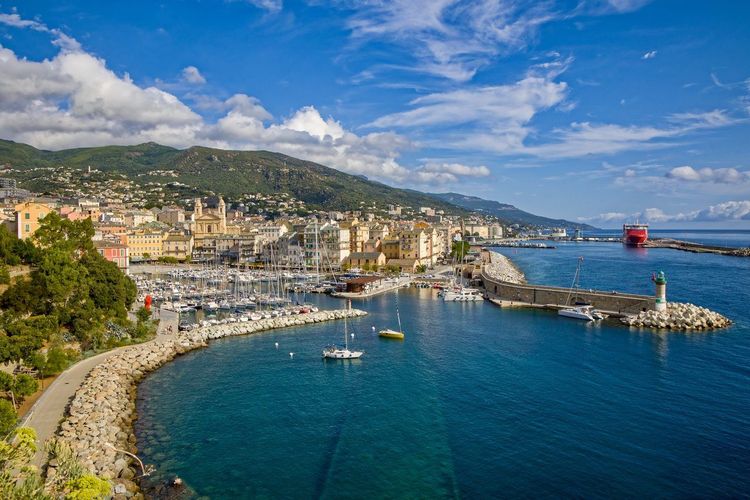
The Old Port has the highest density of restaurants, with terraces facing the boats and an offering ranging from grilled fish to pizzas. Prices climb in season, but quality generally follows, especially for seafood.
In the citadel, addresses are fewer but often quieter, with open views over the rooftops of Terra Vecchia. Around Place du Marché, finally, a few restaurants build their daily menus from the produce of the stalls, an interesting option for eating local without breaking the bank. To go further, a Ryo article lists the culinary specialties of Bastia and the places that serve them best.
Sports and Outdoor Activities in Bastia and Its Surroundings
If walking isn't enough for you, Bastia and its surroundings offer several ways to move even more. Water activities are concentrated around the port of Toga and the Arinella water sports base: kayak and paddleboard rental, diving, boat trips to the coves of Cap Corse that are inaccessible by road.
In the sky, a few providers in Haute-Corse offer paragliding or microlight introductory flights, with simultaneous views of the sea and the mountains; book in advance, as slots depend on the weather. Horse-riding enthusiasts will find equestrian centers for horseback rides in the maquis or along the beaches of the eastern coast.
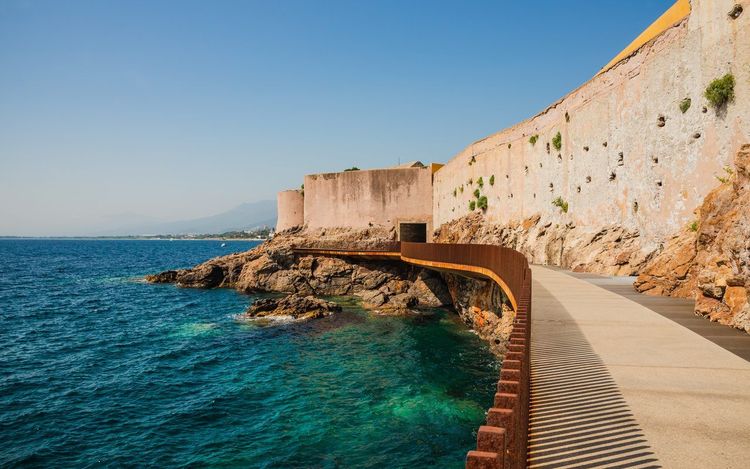
More accessible, a stroll along U Spassimare lends itself equally to a morning jog or an evening wander. Inaugurated in 2018, this greenway links the port of Toga to Arinella beach via Place Saint-Nicolas, the Old Port and the Aldilonda, a suspended walkway above the waves at the foot of the citadel. Deckchairs and armchairs dot the route, and the whole is accessible to strollers, bikes and wheelchairs.
Where to Stay in Bastia: The Best Neighborhoods for Your Budget
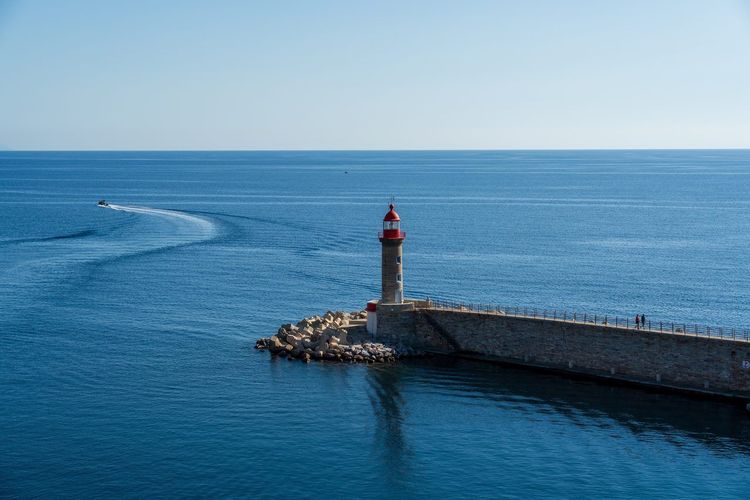
The Old Port remains the most requested choice: you sleep in the heart of the action, within walking distance of the Citadel and Terra Vecchia, but prices climb in high season and summer nights can be noisy on the street side.
The citadel, quieter, offers a few character rentals in old buildings, ideal if you want calm without going far from the center. For a tighter budget, the residential neighborhoods around Place Saint-Nicolas and toward Toga offer significantly cheaper apartments, fifteen or twenty minutes on foot from the Old Port.
For vacation rentals, apartments in Terra Vecchia or the citadel let you cook with market produce, and villas with pools are found rather on the heights (Ville-di-Pietrabugno, San Martino di Lota) or toward Cap Corse. For travelers in vans or motorhomes, several campsites are located around Biguglia and Miomo. Wherever you put down your suitcases, the Ryo audio guide tour of Bastia starts from the historic center: 21 audio stops to launch from your phone from the very first morning.
How to Get to Bastia and Get Around During 3 Days
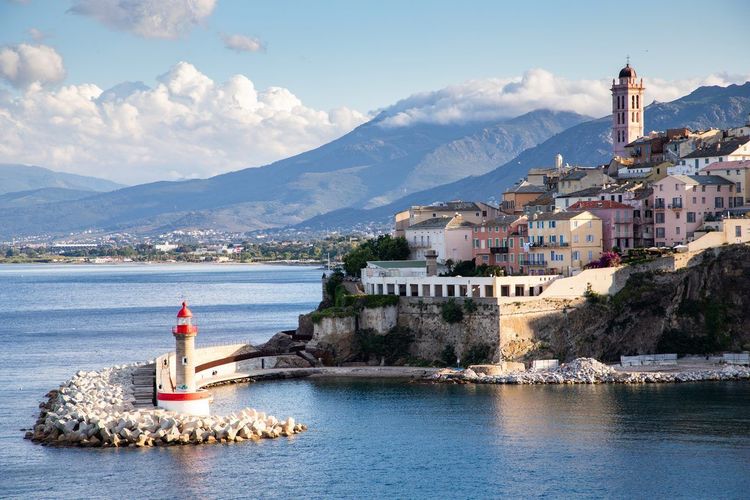
From the mainland, Bastia can be reached by plane (Bastia-Poretta airport, about twenty minutes from the center, with a shuttle) or by ferry from Marseille, Toulon or Nice, but also from Genoa, Savona or Livorno. Overnight crossings let you gain a full day on site. From within Corsica, the city is connected to Ajaccio by road (about 2h30) and by the Chemins de fer de la Corse train, which also serves Corte and Calvi via L'Île-Rousse; for Bonifacio or Porto-Vecchio, you have to take the eastern coast road.
Once there, the historic center can be covered entirely on foot: Terra Vecchia, the Old Port and the Citadel are less than twenty minutes' walk from each other. For the third-day excursions to Cap Corse or the Agriates, however, renting a car in Corsica becomes almost essential, as public transport is poorly suited to these trips. Book your rental before departure, as availability at the port and airport dwindles quickly in summer, and keep in mind that the Cape road is slow going: 30 to 40 km/h on average.
When to Go to Bastia: The Best Season for a 3-Day Stay
Spring (April to June) remains the most pleasant time to visit Bastia: temperatures of 18 to 25 degrees, the maquis in bloom, and still reasonable visitor numbers that let you enjoy the sites without crowds. Autumn, from September to October, offers similar conditions with a still-warm sea, around 22 to 24 degrees in September, ideal for combining heritage and swimming.
Summer mainly suits you if your priority is the beach and water activities: highs regularly exceed 28 degrees and the town center fills up noticeably, especially around the Old Port in the evening. As for the weather, keep an eye on the libeccio, the west wind that can blow hard over Cap Corse. Winter, mild (often 13 to 15 degrees during the day), reserves Bastia for off-season hiking enthusiasts and heritage lovers who want no crowds, with shorter but often bright days. It is also the season of figatellu.
What Budget to Plan for Visiting Bastia in 3 Days
For a couple traveling on a moderate budget, plan on roughly 90 to 130 euros per day per person, accommodation included, staying in a residential neighborhood rather than right on the Old Port. This amount covers decent lodging, two meals including one at a somewhat nicer restaurant, and travel costs for one excursion.
The car rental for the excursion day generally costs 40 to 60 euros excluding fuel in the shoulder season, more in August. Meals vary greatly depending on the neighborhood: a dish of the day around Place du Marché often costs far less than a terrace table on the Old Port. Finally, most heritage visits (citadel, oratories, churches) are free; the Bastia Museum, at 5 euros, is the main cultural expense of the stay.



FAQ
Is Bastia worth a 3-day stay?
Yes, as long as you don't limit yourself to the town center: three days let you combine historic heritage, beaches and at least one excursion to Cap Corse or the Agriates, giving you a complete picture of the region without rushing.
What are the must-do things in Bastia?
The Citadel and the Governors' Palace, the Old Port and its colorful façades, rue Napoléon, and Place Saint-Nicolas and Place du Marché form the essential core, complemented by Saint-Jean-Baptiste Church, a swim at Ficaghjola and an excursion to Cap Corse.
What are the best places to visit on foot in Bastia?
The whole historic center can be explored on foot: Terra Vecchia, the Old Port, the Citadel and the Jardin Romieu follow one another easily, and the U Spassimare promenade extends the walk all the way to Arinella.
What is the prettiest village around Bastia?
Nonza, perched on its rocky outcrop above a black pebble beach, is generally visitors' favorite, closely followed by Erbalunga and its small fishing port overlooked by a Genoese tower.
Bastia or Ajaccio: which should you choose to discover Corsica?
Bastia is better for exploring Cap Corse and the north of the island, while Ajaccio makes a better base for the southwest and the Sanguinaires Islands. The two cities complement rather than compete with each other, and the train connects them in just over three hours.
How much time do you really need to visit Bastia?
One day covers the historic center, but three days allow you to add the religious heritage, the beaches and a full excursion; without them, the visit remains incomplete compared to what the region has to offer.
Which museums should you see in Bastia?
The Bastia Museum, housed in the Governors' Palace, remains the benchmark (5 euros). The Sainte-Marie Cathedral, the Saint-Roch and Immaculate Conception oratories and the Scala Santa of the Munserrà chapel round out the visit for lovers of sacred art.
Three days in Bastia give you time to understand a city that is hard to sum up in a single image: neither purely a port nor solely a fortress, but both at once, linked by lanes whose atmosphere changes at every turn. To avoid losing your way between two neighborhoods, keep the Ryo audio guide tour of Bastia handy, 1h30 of stories to listen to over 3.5 km, before heading off to Cap Corse or the heights of Cardo for the last day.
À lire également