© Shutterstock
 Votre guide Ryo
Visit Chamonix in 2 Days: Complete Itinerary Between Glaciers and Summits (2026)
At 1,035 meters above sea level, the Chamonix valley faces Mont-Blanc so closely that its 400 surrounding peaks are sometimes forgotten. Forty-eight hours are enough to understand why this Alpine resort has been drawing mountaineers, skiers and curious visitors for over a century — provided you know in which order to tackle the program. This guide for visiting Chamonix in 2 days sets out a field-tested itinerary, with alternatives to keep in reserve if the weather or the children change the plan. The Ryo audio-guided tour of Chamonix Mont-Blanc accompanies a good part of this program directly from your phone, with no network needed once the content has been downloaded.
In 48 hours, you can ride a cable car up to 3,842 meters to the Aiguille du Midi, walk across a suspended bridge over the void, descend into a grotto carved each year in the ice of a glacier, and end the day in a heated pool with a direct view of the massif. In between these highlights, there is time for a hike to a turquoise glacial lake, a stroll through the historic town center and, why not, a real Mont-Blanc dessert with chestnut cream on a sunny terrace. This guide also covers summer, winter, family and rainy-day versions, with a detailed budget to avoid unpleasant surprises once you arrive.
Where Chamonix Is and Why It Deserves a Weekend
Chamonix-Mont-Blanc sits at the bottom of a narrow valley in Haute-Savoie, framed by the Mont-Blanc massif to the south-east and the Aiguilles Rouges range to the north-west. The commune borders Switzerland at the Col de Balme and Italy beneath the Mont-Blanc tunnel, making it a natural crossing point between three countries. Geneva is about an hour's drive away (90 km), Annecy around 1 hour 15 minutes, and Lyon roughly 3 hours via the Autoroute Blanche (A40). The TGV serves Saint-Gervais-Le Fayet, about 45 minutes from the town center by the Mont-Blanc Express regional train — a practical alternative to driving in the mountains in winter.
The Chamonix valley actually comprises several villages, each with its own character: central Chamonix concentrates shops and cable-car stations; Argentière and Le Tour retain a more rustic ski-touring feel; Les Praz and Les Houches play the Alpine hamlet card with still-active farms; and Servoz, lower in the valley, retains the air of a Savoyard village untouched by mass tourism. Spending a weekend here rather than just a day trip allows you to combine high mountain and hiking without rushing, which makes all the difference in a place where cable cars slow down the moment the wind picks up. It also gives you time to venture into one of these more authentic villages, 10 to 15 minutes from the center, for dinner away from the most touristy terraces.
When to Go to Chamonix: the Best Time, Summer or Winter
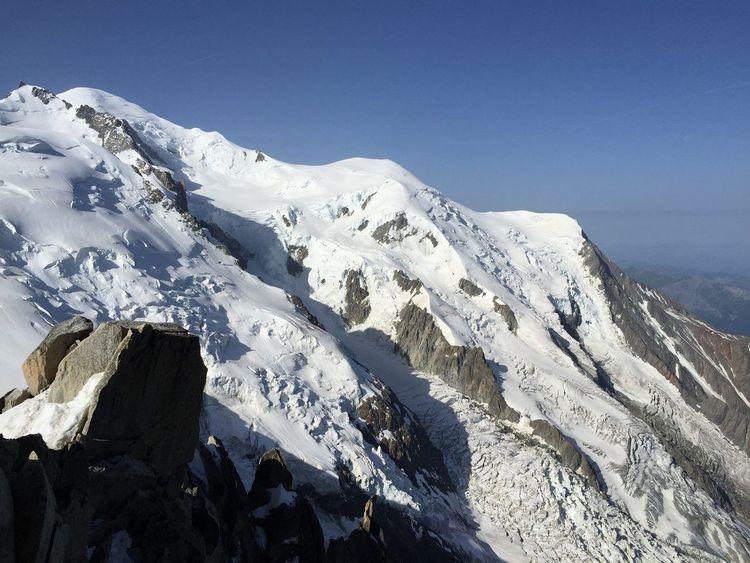
Chamonix can be visited year-round, but the experience changes completely depending on the season. Summer, from late June to early September, opens all cable cars, hiking trails up to 2,500–3,000 meters and open-air terraces. This is the recommended period for the itinerary in this guide, centered on the Aiguille du Midi, the Mer de Glace and the high-altitude lakes. Winter, from mid-December to mid-April, transforms the valley into a ski area with more than 150 km of slopes spread across several massifs, but mechanically closes access to some of the summer trails.
Between these two seasons, May–June and October–November are the shoulder seasons: some cable cars close for maintenance, hotels charge lower rates, but the weather becomes unpredictable and certain sites, such as the Brévent or the Montenvers, can close without notice in the event of late snow. If you are still undecided, bear in mind that July and August are the busiest months, with real queues at the Aiguille du Midi from 9 a.m. onwards. To enjoy the mountains in summer without the crowds, targeting late June or the first half of September remains the best compromise between stable fine weather and manageable visitor numbers, with the added bonus of softer accommodation rates than in the height of summer. Ryo's audio-guided tour of Chamonix, walkable in most weather, pairs neatly with a cable-car trip up the Aiguille du Midi or an excursion to the Mer de Glace.
Day 1: Aiguille du Midi, Mer de Glace and the Historic Town Center
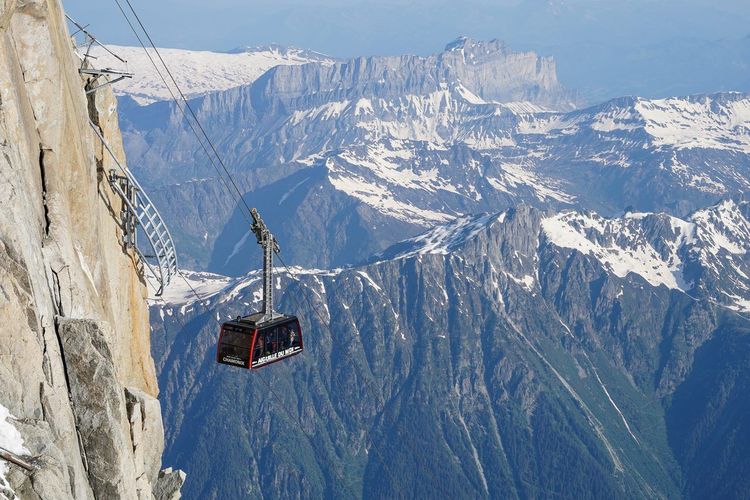
The first day concentrates the two most spectacular ascents in the valley. Set off early, ideally before 8:30 a.m., to avoid the worst of the crowds at the Aiguille du Midi and keep the afternoon free to unwind in the town center.
Aiguille du Midi and the Step into the Void
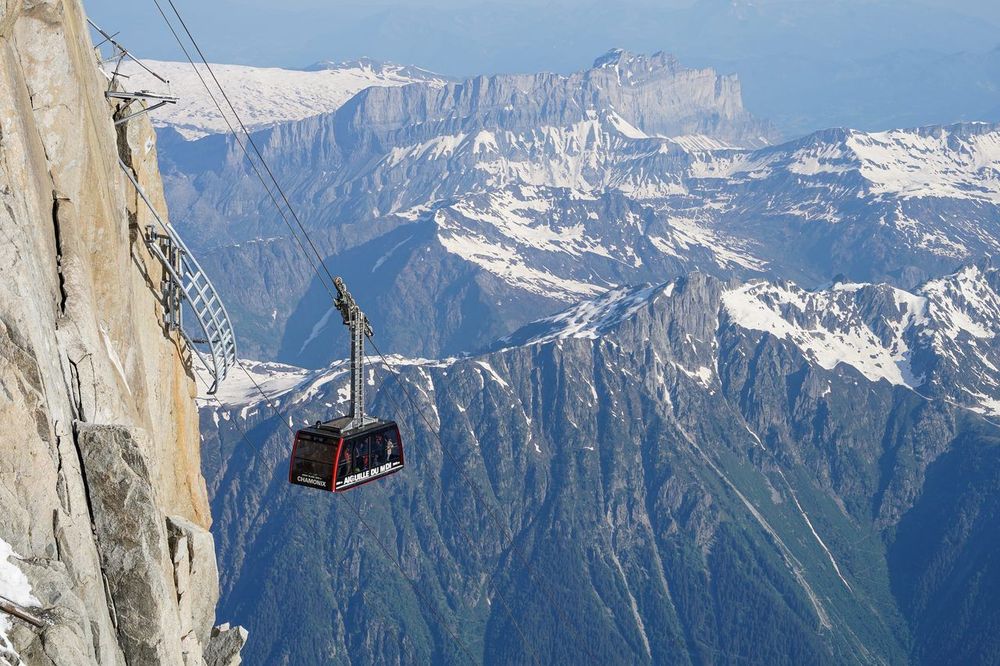
The cable-car ride up to the Aiguille du Midi remains the most sought-after experience in Chamonix, and for good reason: in just under 20 minutes and two cable sections, you go from 1,035 to 3,842 meters of altitude — nearly 2,800 meters of elevation gained in one go, making it one of the most vertiginous cable-car ascents in the world. The journey first climbs to the Plan de l'Aiguille (2,317 m) before tackling the final, almost vertical section, which deposits you directly on the summit esplanade. The temperature difference often catches visitors off guard if they left in a t-shirt: expect 15 to 20°C less than at the bottom, even in midsummer, with a wind that makes the felt temperature even colder.
Book your skip-the-line ticket online at least a week in advance in July and August: without a reserved time slot, the queue at the ticket office can exceed two hours. Also plan for a warm layer and good shoes, even if you intend to stay on the esplanade. And if you feel short of breath once up there, that is perfectly normal: at 3,842 meters, the air contains about a third less oxygen than at the bottom, which is why you should climb the last steps slowly and allow yourself a few minutes to acclimatize before stepping out onto the terraces.
Once at the top, the Step into the Void attracts the curious and makes others hesitate: this glass-floored cabin suspended above 1,000 meters of empty space gives the impression of literally walking on air, with the Géant glacier as a backdrop. Access is free once you have a cable-car ticket, but the queue is worth anticipating in high season. Right next door, Espace Vertical, an exhibition gallery set up at the summit, retraces in several well-designed rooms the conquest of Mont-Blanc since 1786 and the evolution of mountaineering equipment right up to contemporary Himalayan expeditions. Allow 30 to 45 minutes to take it in — a welcome break between two viewpoints in the open wind.
Mer de Glace and the Montenvers Train
Next, head to the Montenvers station (Place de la Mer de Glace, 74400 Chamonix-Mont-Blanc, rated 4.6/5 on Google with 5,187 reviews), accessible by rack railway from the town center. The 20-minute journey climbs through forest to 1,913 meters, where the Mer de Glace, France's largest glacier at 7 km long, reveals itself from the arrival terrace.
The glacier's retreat is as impressive as it is alarming: it has lost more than 100 meters in thickness over a century at the Montenvers level, and access to the ice grotto carved each year into the ice now requires a gondola and several flights of metal stairs to reach the surface of a glacial tongue that loses ground every season. Inside the grotto, artists and guides recut a new scene in the bluish ice each spring, with a lighting scheme that changes every year. The crystal gallery, located near the arrival station, rounds off the visit with a collection of smoky quartz and crystals found in the massif, some exceeding a meter in length and coming from seams discovered by local crystal hunters.
Allow a good half-day for the round trip including the grotto visit; book the combined train + gondola + grotto ticket online to avoid a double queue in season. A useful landmark on site: the signs lining the staircase indicate the level reached by the ice over the decades, and this is probably the most striking illustration of climate change you can witness in France in just a few minutes of descent.
Town Center and the Streets of Chamonix
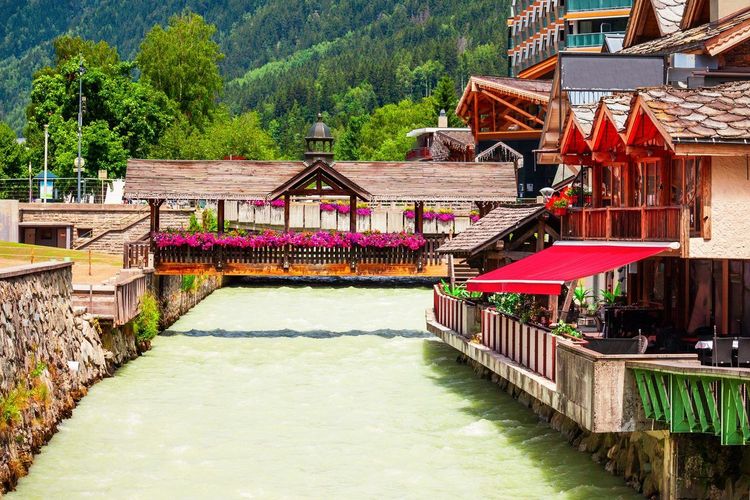
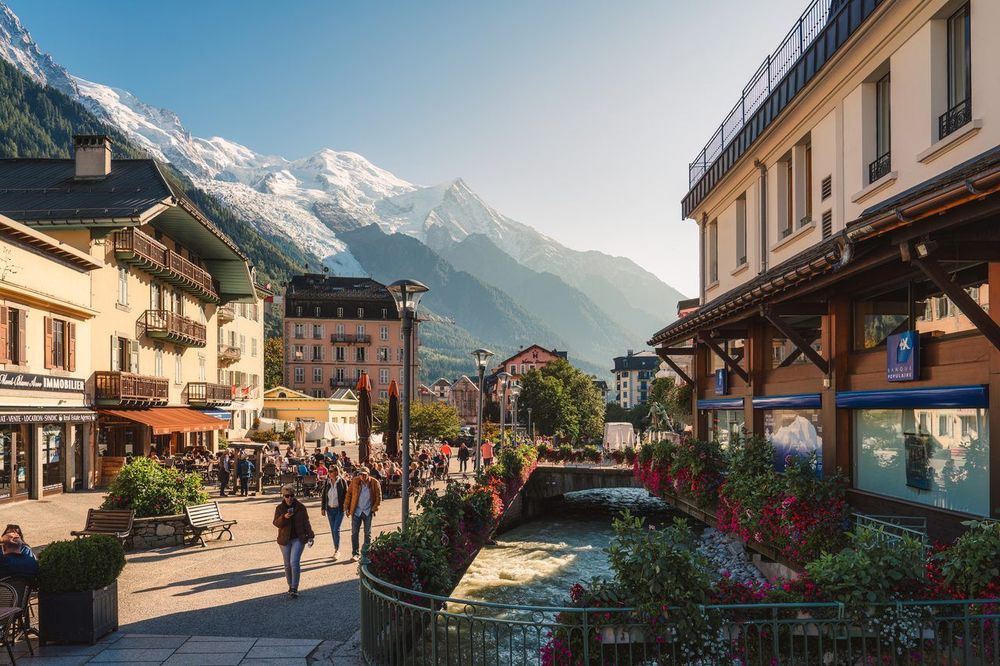
Back down in the late afternoon, head to the town center for the most relaxed part of the day. The pedestrian streets around Rue du Docteur Paccard and Place du Triangle de l'Amitié are lined with sports shops, chocolatiers and terraces, with the Aiguilles de Chamonix as a permanent backdrop.
The statue of Jacques Balmat pointing toward the summit of Mont-Blanc, facing that of the naturalist Horace-Bénédict de Saussure, recalls the first ascent of 1786 that launched the town's Alpine reputation. To explore this historic center with a little more context, the Ryo audio tour of Chamonix Mont-Blanc offers a guided walking route connecting these points in around an hour at a leisurely pace, with commentary on the history of local mountaineering.
If the urge for a quick dinner before day two strikes, several Savoyard restaurants line these pedestrian streets, each with its own queue on summer evenings. We come back to these in more detail below, in the section on the best places to eat. Ryo's audio-guided tour of Chamonix follows these same streets, handy for scouting a table along the way.
Day 2: Brévent, Mont-Blanc Tramway and Panoramic Hikes
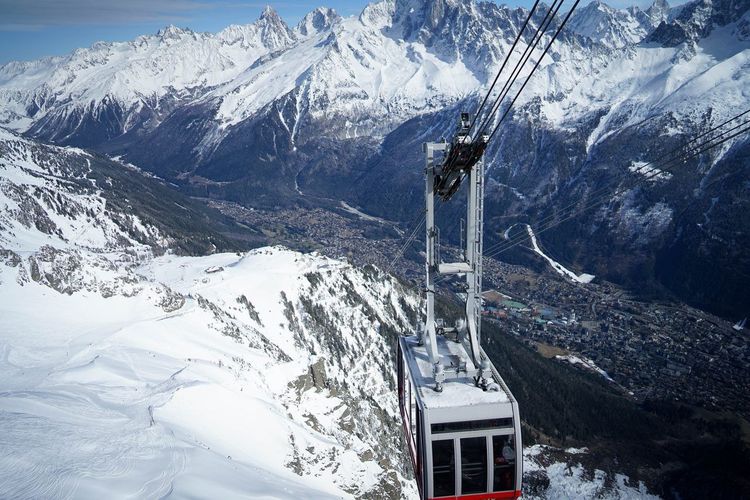
The second day switches sides: head to the Aiguilles Rouges and the western slope of the valley, with a choice to make from the morning between a cable-car panorama and a high-altitude hike.
Brévent and the Mont-Blanc Tramway
The Brévent peaks at 2,525 meters on the slope directly opposite the Mont-Blanc massif, making it the best frontal viewpoint over the entire range, including the Aiguille du Midi. The cable car leaves from the town center in two stages, with a change at Planpraz, and delivers visitors directly to a fitted panoramic terrace with orientation tables for identifying every summit facing you.
Another option for the morning, and a more unusual one: the Mont-Blanc tramway, a century-old rack railway that climbs from the Le Fayet station (Saint-Gervais) to the Nid d'Aigle at 2,372 meters, at the gateway to the Bionnassay glacier. It is France's highest rack railway, and the journey itself — varnished wood and vintage carriages — is almost as worthwhile as the panorama at the top. Since it takes about 20 minutes by road to reach the departure station, it is better to choose one or the other for the morning rather than trying to fit in both.
Must-Do Hikes: Lac Blanc, Lac Bleu and the Grand Balcon Sud
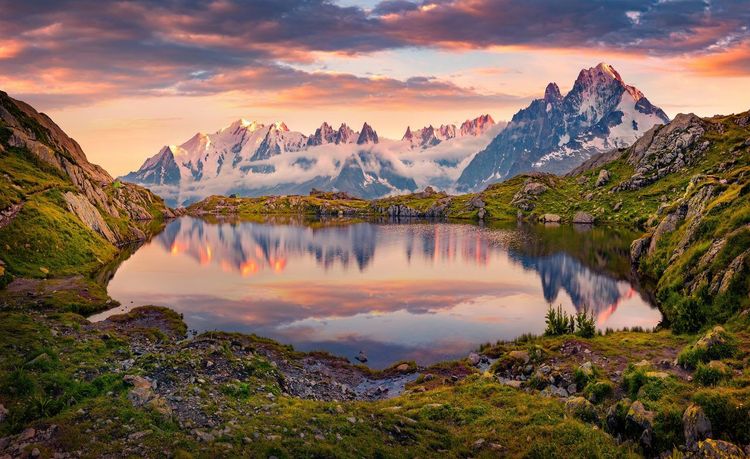
The afternoon is well suited to hiking, chosen according to fitness level and whatever energy is left after the morning. The climb to Lac Blanc, reachable from La Flégère by cable car and then 2 hours 15 minutes of demanding walking on a rocky trail, rewards the effort with a turquoise mirror of water set at 2,352 meters, framed by the aiguilles and Mont-Blanc in the background. It is one of the most photographed hikes in the French Alps, which also means one of the busiest in July and August: setting out early is the best way to have the lake almost to yourself.
For a more manageable effort, Lac Bleu, near Argentière, can be reached in 45 minutes to an hour on foot from the Lac Bleu car park (Lac Bleu, 74400 Chamonix-Mont-Blanc, rated 4.7/5 on Google with 93 reviews), along a wide path suitable for families with children used to walking. The Grand Balcon Sud, a trail running from La Flégère to Planpraz along a ledge above the valley, offers around 2 hours 30 minutes of almost uninterrupted views over the Bossons glacier and the Aiguille du Midi, without any major technical ascent — making it a good option for a first taste of high-altitude hiking.
More experienced hikers will push on to the Jonction hike, which reaches the confluence point between the Bossons and Taconnaz glaciers — more demanding terrain, rockier and far less frequded: allow a full day and nearly 1,500 meters of elevation gain from the valley floor. And for those who want to come back, the legendary Tour du Mont-Blanc — approximately 170 km and 10,000 meters of cumulative elevation gain spread over 10 to 11 days around the massif through France, Italy and Switzerland — remains the outing to consider on a future longer stay, once the legs have been broken in on these day hikes.
QC Terme and End-of-Day Relaxation
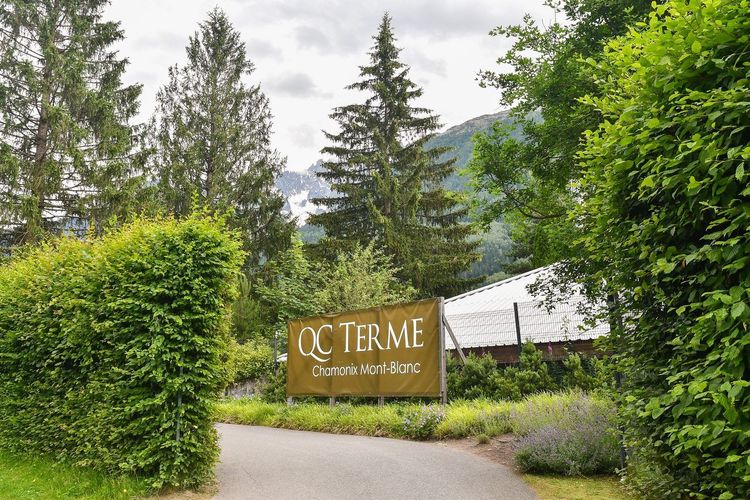
After 48 hours of elevation changes, QC Terme, a thermal spa open facing the massif, offers several outdoor heated pools at around 34–38°C, a panoramic sauna and rest areas with a direct view of the glaciers. It is the most spectacular way to end the stay, but also the most expensive: budget around €60 to €90 per entry depending on the day and time slot, with sun loungers, a bathrobe and a snack generally included — advance booking is strongly advised at weekends.
Most of the valley's upscale hotels also have their own spa with an indoor pool — a more discreet option and often included in the room rate at four-star establishments, worth defending if the trip budget is tightening toward the end. The municipal sports center, with its pool and sauna, is the most economical fallback after a long day's walking.
Alpine Nature and Wildlife: Parc de Merlet, Gorges de la Diosaz and Lac Vert
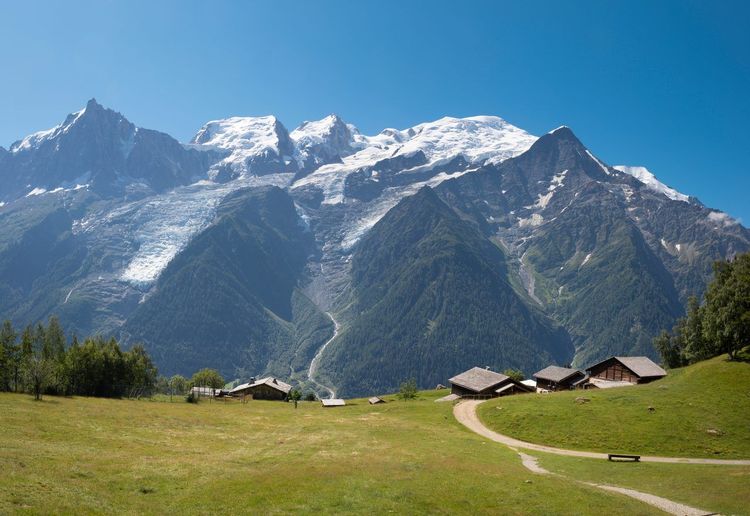
If the classic 2-day program leaves a spare half-day, or if a stage needs replacing because the schedule is too full, several nature sites are worth a detour without requiring any cable car. Parc de Merlet, at Les Houches, lets ibex, chamois, marmots and deer roam semi-freely across terraced alpine pastures with Mont-Blanc as a backdrop. The trail, accessible in 1 to 1.5 hours, suits families with young children eager to spot a mountain animal without binoculars. The park only opens in the warmer months, generally from May to September, and is closed the rest of the year.
Lower in the valley, the gorges de la Diosaz, at Servoz, offer a walkway on metal footbridges alongside seven successive waterfalls, in a narrow gorge carved by the torrent over millennia. The cool, damp atmosphere makes it a good option on very hot days, unlike the exposed high-altitude trails in full sun.
The Lac Vert, at Passy, rounds out the list with a forested lake easily reached in 15 minutes on foot from the car park, renowned for its near-perfect reflection of Mont-Blanc on calm days, especially early in the morning before the wind disturbs the surface.
Finally, the Col des Montets, at the entrance to the Aiguilles Rouges nature reserve (Col des Montets, 74400 Vallorcine, rated 4.7/5 on Google with 137 reviews) on the Vallorcine side, houses a welcome center that explains in a few well-designed panels the formation of the massif and the adaptation of Alpine wildlife (ibex, bearded vultures, marmots) to altitude. A good stop to understand what you observed the day before from the summits, and a peaceful starting point for a flat walk through the reserve, including a section on stilted boardwalks.
Thrills and Mountain Culture: Musée des Cristaux, Mountaineering and Treetop Adventures
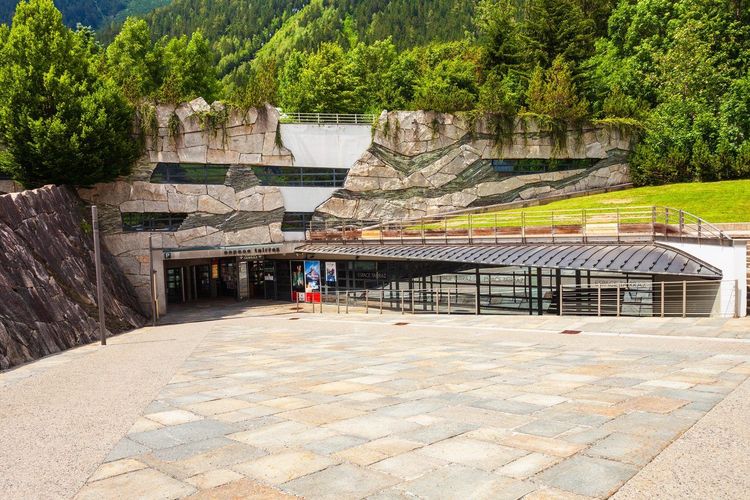
To extend a stay beyond the classic 48 hours, or to replace an outing cancelled due to the weather, the valley is full of alternative activities that most standard itineraries leave out. The Musée des Cristaux, housed in the Espace Tairraz in the town center, presents one of the finest collections of Alpine minerals in Europe, with pieces extracted directly from the Mont-Blanc massif by local crystal hunters — a tradition still alive in the valley. The same building houses a space dedicated to mountaineering, making it easy to visit both without stepping back outside.
Want to go further than cable cars? An introduction to mountaineering is possible in half a day with one of the valley's guide offices, including the Compagnie des Guides de Chamonix, the world's oldest guiding company, founded in 1821. Discovery courses often include a via ferrata or a roped glacier outing with crampons, accessible with no prior experience and led in small groups.
For more accessible thrills, the treetop adventure course near Lac des Gaillands (220 Route des Gaillands, 74400 Chamonix-Mont-Blanc, rated 4.5/5 on Google with 1,500 reviews) offers several aerial circuits with views of the site's historic climbing cliffs, while the lake itself serves as a free outdoor swimming spot in summer. Running enthusiasts will find in Chamonix a world-famous playground thanks to the UTMB (Ultra-Trail du Mont-Blanc), whose finish line is judged every late August right in the town center, with dozens of kilometers of marked trails accessible year-round outside of snow season — from a family hour-long loop to technical circuits with several thousand meters of elevation gain.
For families, the Chamonix leisure park and its Alpine Coaster, a rail sledge that swoops down the slope through secured bends, round out the offer with gentler thrills — trampolines and small rides included for the youngest. The Maison de l'Alpage, a small museum dedicated to traditional pastoral life, adds a heritage note to this program of alternative activities, useful on a day when altitude holds no appeal for anyone.
Chamonix in Winter: Skiing and Snow Sports on the Ski Area
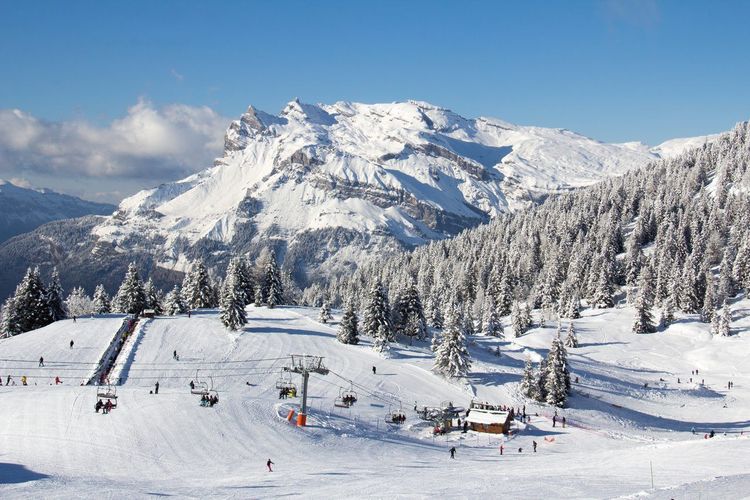
Most guides on Chamonix focus on the summer season, yet the valley remains above all a historic ski destination, host of the first Winter Olympic Games in 1924. The ski area is spread across several distinct massifs linked by shuttle rather than a single connected domain: the Grands Montets near Argentière for technical skiing and off-piste, Brévent-Flégère for more family-oriented skiing facing Mont-Blanc, and Le Tour-Balme, snowier and less crowded, at the top of the valley above the village of Le Tour.
With 2 days in winter, it is better to choose one massif per day rather than trying to combine several sectors: the shuttles between resorts take time and eat into useful skiing hours. The Chamonix Le Pass, valid across all the valley's ski areas, comes in day or multi-day versions and remains the most flexible option for a short stay where the program may change depending on snow conditions. Confident skiers wanting to add the Vallée Blanche or the Italian side will need the Mont-Blanc Unlimited pass, which is considerably more expensive.
Beyond alpine skiing, the valley also offers ski touring, a covered ice rink in the town center and dog sledding near Argentière. Whether the stay ultimately takes place in winter under snow or in summer under sunshine, the valley shares one constant: Mont-Blanc remains visible from almost every street, terrace and trail, which explains why people rarely come back just once.
Chamonix with a Family: Adapting the Itinerary with Children
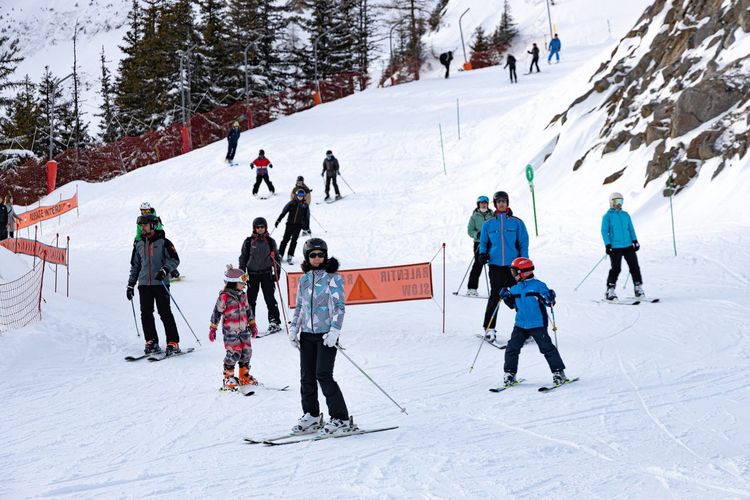
The 2-day itinerary described above generally works with children from around 6 or 7 years old, provided the pace is adjusted: allow a full morning for the Aiguille du Midi rather than a rushed visit, and replace a demanding hike like Lac Blanc with a shorter option such as Lac Bleu or the Parc de Merlet trail, both manageable for children used to walking without any technical ascent.
A few essential adjustments before setting off: book cable-car tickets outside peak hours (before 9 a.m. or after 3 p.m.) to avoid endless queues with tired children, always pack a warm layer even in summer for the altitude, and leave a generous time buffer between activities rather than trying to fit everything into 48 hours.
In summer, the most popular family activities remain free swimming at Lac des Gaillands, the treetop adventure course adapted for younger children, and the Merlet wildlife park where children are rarely indifferent when face to face with marmots. In winter, ski garden sessions for beginners, the covered ice rink and dedicated toboggan runs naturally replace the summer hikes as the day's headline activities.
With a baby, several trails remain accessible with an all-terrain pushchair, notably around Lac des Gaillands and on part of the Merlet route. The cable cars, however, deserve a nuance: the Montenvers train and the lower cable-car sections are fine, but the altitude of the Aiguille du Midi — 3,842 meters reached in under twenty minutes — is not recommended for very young children, and the intermediate stop at the Plan de l'Aiguille (2,317 m) is a far more sensible alternative with an infant. If in doubt, a quick medical check before departure settles the question in two minutes. If the trip extends to Annecy, just over an hour away by road, the Ryo guide to Annecy with a family outlines equally child-friendly stages.
What to Do in Chamonix When It Rains
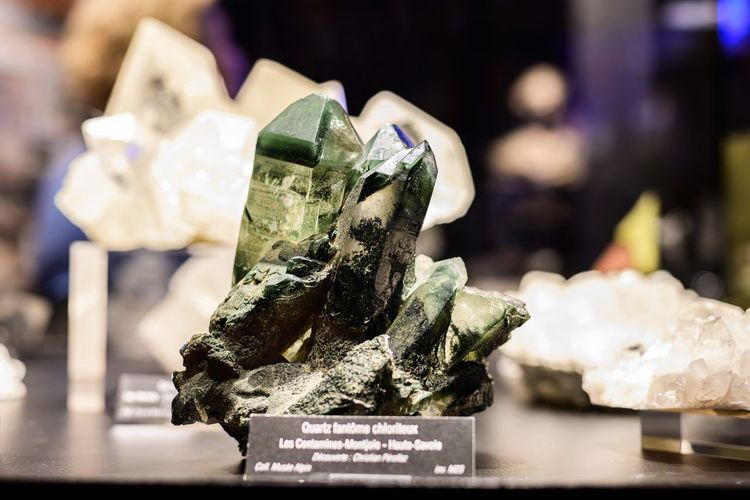
Alpine weather can change quickly, and a rainy day need not mean crossing a stage off the program: several exceptional indoor activities allow you to keep up the pace of the stay under cover. The Musée des Cristaux and the mountaineering space alongside it, both housed in the Espace Tairraz right in the town center, can be visited comfortably in the rain and together take a good half-day without ever stepping back outside.
The QC Terme, with its indoor and outdoor heated pools, is also accessible in bad weather — the water at 34–38°C makes the rain almost irrelevant, even pleasant viewed from a steaming pool. For families, the indoor ice rink at the sports center and the Chamonix cinema complete the options when the mountain disappears into the clouds and the children need a quick plan B.
Another often overlooked option: the pedestrian streets of the town center, between chocolatiers, technical gear shops and cafés with covered verandas, lend themselves well to a slow afternoon when visibility at altitude drops to zero. It is also the right moment to fit in the town-center visit planned for day one if the program has fallen behind. One reflex worth keeping: valley floor weather often misleads, and a cloudy morning down below can correspond to a sun-drenched sea of clouds at 2,500 meters — which is why it is worth checking the cable-car webcams before giving up on going up.
Free Activities in Chamonix
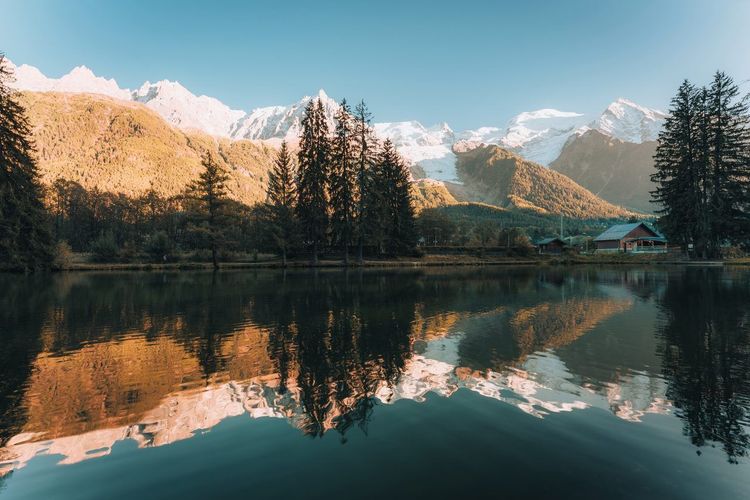
A stay in Chamonix can quickly add up with cable cars, but several activities remain free. Swimming and relaxing on the shore of Lac des Gaillands costs nothing, as does the walk to the site's historic climbing cliffs — the training ground of the first Chamonix guides.
The town center itself is free to explore, between statues, bridges over the Arve and viewpoints accessible on foot without a single euro spent on lifts: the walk along the river, particularly toward Les Praz, already offers an open view of the massif. Several valley-floor trails, such as the short loop through the Bouchet wood or the path leading to the entrance of the gorges de la Diosaz, are also freely accessible — a good option for an after-dinner stroll at the end of the day without spending a cent. Add to that the Saturday morning market on Place du Mont-Blanc, where you can nibble on a Savoyard tomme cheese for the price of a coffee.
Where to Stay in Chamonix: Our Best Picks by Budget and Neighborhood
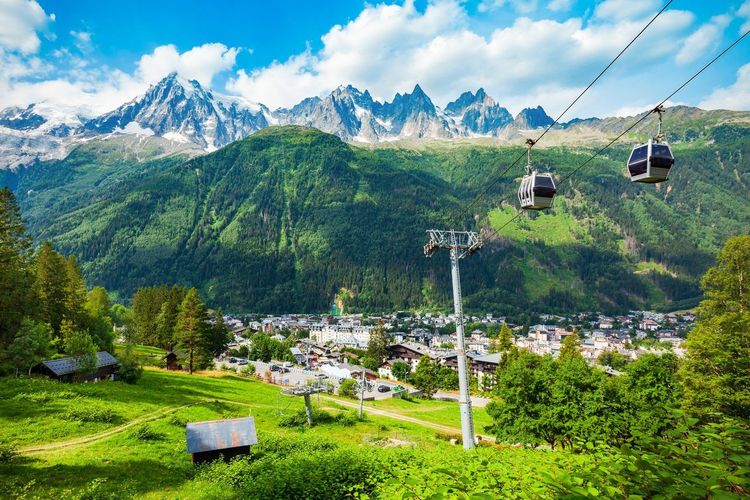
The choice of neighborhood matters almost as much as the choice of hotel. The town center puts everything within walking distance (cable cars, restaurants, stations) but concentrates most of the tourist footfall. Argentière, 10 minutes away by car or train, offers a quieter setting and quick access to the Grands Montets. Les Praz-de-Chamonix, between the two, retains a hamlet feel while remaining close to everything.
At the top end of the market, the Hameau Albert 1er, a historic five-star property run by the same family for several generations, offers individual chalets, a spa and a gastronomic restaurant, with rates that reflect the level of service (from around €350–400 per night in high season).
The mid-range segment, between €120 and €220 per night depending on the season, dominates the town-center offer, with many family-run three-star hotels within walking distance of the cable cars and often equipped with private parking — a real advantage in high season.
For a tighter budget, the HI Chamonix youth hostel (79 Route de la Vielle, 74400 Chamonix-Mont-Blanc, rated 4.3/5 on Google with 493 reviews), on the edge of the center toward Les Pèlerins, offers dorms and private rooms from around €30–40 per person per night, along with a view of the massif from some of the shared terraces. The valley's campsites, open in summer, remain the most economical option for a short stay.
Three criteria help narrow down the choice quickly: the walking distance to the main cable-car stations (under 10 minutes is ideal for a packed 2-day stay), the availability of private parking (town-center parking becomes noticeably difficult in summer), and access in the evening to a spa or indoor pool to recover between two days of elevation gain. Good to know: most accommodations in the valley issue a guest card, which provides free access to valley buses and the Mont-Blanc Express between Servoz and Vallorcine. The Ryo audio guide to Chamonix also helps you identify, once on the ground, the best viewpoints directly accessible from certain town-center hotels.
Where to Eat in Chamonix: Great Food Addresses and Local Specialties
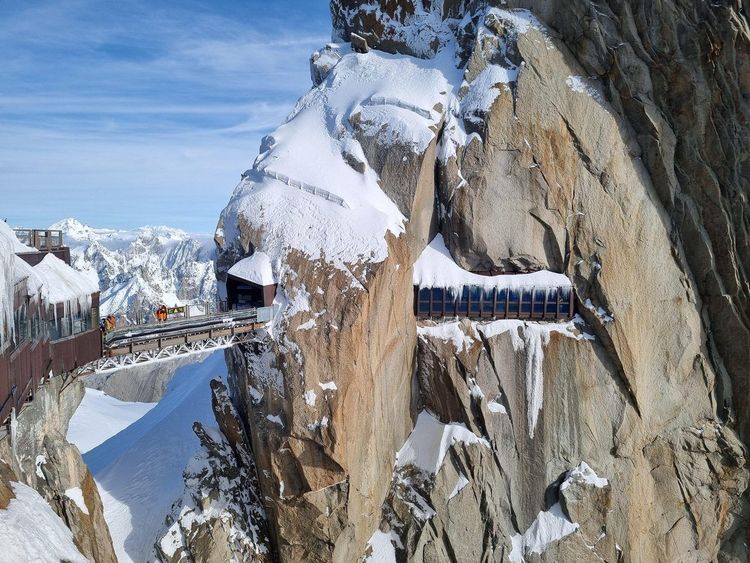
Eating in Chamonix ranges from an altitude restaurant perched at 3,842 meters to traditional Savoyard tables in the town center. At the top of the Aiguille du Midi, the restaurant Le 3842 serves a simple but carefully crafted menu with, without question, the highest view in all of French dining.
Back down in the valley, the MBC (Micro Brasserie de Chamonix) brews its own beers on site and serves hearty brasserie food — the ideal format after a day's hiking. For Savoyard classics (fondue, tartiflette, raclette), several town-center restaurants serve generous versions, but booking in the evening is advisable in high season: the best tables fill up from 7:30 p.m. onwards.
You cannot leave without trying a real Mont-Blanc, the dessert made of chestnut cream vermicelli and meringue that originated on both sides of the Alps, between Savoie and Piedmont. Pâtisserie Landry (8 Rue du Docteur Paccard, 74400 Chamonix-Mont-Blanc, rated 4.3/5 on Google with 859 reviews), right in the town center, offers a version well regarded by regulars, best enjoyed on the terrace with a view of the peaks that gave the dessert its name.
How to Get Around Chamonix During a 2-Day Stay
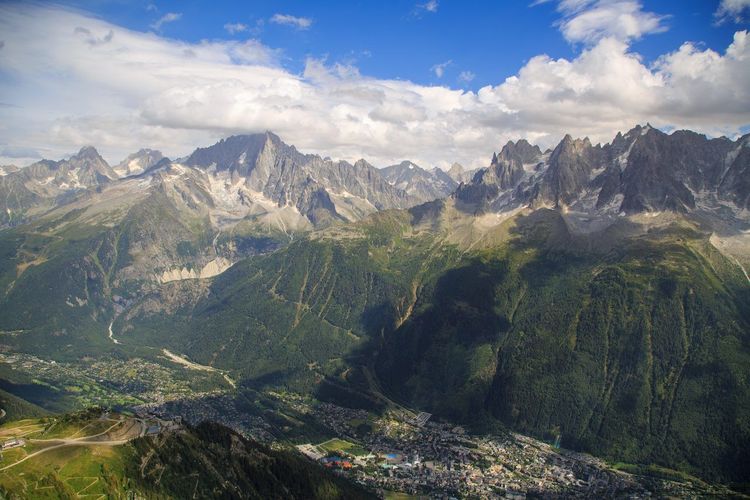
The valley stretches nearly 20 km from Le Tour to Servoz, but the town center and the main cable-car departure points are easily covered on foot or by free shuttle. The Le Mulet shuttle, run by the municipality, connects the main points of interest in the center and some neighboring hamlets free of charge every 10 to 20 minutes depending on the season.
The Mont-Blanc Express, the regional train line linking Saint-Gervais-Le Fayet to Martigny in Switzerland via Chamonix, also serves Argentière, Les Praz and Les Houches — a practical option for reaching the various cable-car departure points without a car, and free for visitors holding a guest card. Multi-lift passes, such as the Mont Blanc Multipass, quickly become cost-effective as soon as you take two cable cars in the same day. For shorter trips within the town center, several rental shops also offer electric bikes by the half-day — a pleasant option on the cycle paths running alongside the Arve.
For parking, the Mont-Blanc car park in the heart of town is full by 10 a.m. in summer: it is better to aim for the outlying car parks near Les Pèlerins or the Montenvers departure point, which rarely reach capacity, and then walk or take the shuttle into the center in 15 to 20 minutes. Local taxis remain a practical backup in the evening, particularly for returning from an altitude restaurant after a late dinner.
Budget for a 2-Day Stay in Chamonix
A 2-day weekend in Chamonix is fairly straightforward to budget once you know the main expense categories: accommodation, cable cars, meals and additional activities. The most surprising item remains the cable cars: the Aiguille du Midi and Mer de Glace combination alone exceeds €100 per person at full adult rate. For two people, budget roughly between €450 and €900 over the weekend depending on the desired comfort level, not including transport to reach the valley.
| Item | Estimate (2 people, over 2 days) | |---|---| | Accommodation (1 to 2 nights) | €120–700 | | Cable cars (Aiguille du Midi + Mer de Glace) | €200–260 | | Meals (2 lunches, 2 dinners, coffees) | €120–260 | | Additional activities (spa, museum, treetop course) | €0–180 | | Local transport (free shuttle, parking, train) | €0–40 |
To keep the mountain budget down without sacrificing the experience, a few tips come up regularly among regulars: booking the Aiguille du Midi and the Mer de Glace online rather than at the ticket office secures the cheapest time slots, switching to a Mont Blanc Multipass as soon as three or more cable cars are planned brings the per-ticket cost down, and travelling outside July and August reduces both accommodation prices and crowd levels. Children under 15 and families also benefit from reduced rates on most cable cars, which noticeably changes the total bill.
The most flexible item remains food: a simple Savoyard meal away from the most touristy areas costs significantly less than a table with a glacier view, without sacrificing much in terms of portion generosity. And the guest card issued by your accommodation, which makes valley buses and the regional train free, allows you to cross out the local transport line entirely. Ryo's audio-guided tour of Chamonix, which winds through the village up to a viewpoint on the Aiguille du Midi, is a budget-friendly way to tick off that stop without paying for the cable car.
FAQ
How long does it take to visit Chamonix?
Two full days are enough to cover the essentials: Aiguille du Midi, Mer de Glace and the town center on day one, Brévent or the Mont-Blanc tramway and a hike on day two. To add Merlet, the gorges de la Diosaz or an alternative activity like a treetop adventure course, it is better to plan for a third day.
Is one day enough in Chamonix?
A single day allows you to visit either the Aiguille du Midi or the Mer de Glace, but rarely both comfortably along with the town center. It is doable if the itinerary is limited to one key site, but frustrating for those who want to take in the full classic program.
What budget should I plan for a 2-day weekend in Chamonix?
Budget between €450 and €900 for two people over the weekend, including accommodation, cable cars and meals, depending on the level of comfort. The cable cars alone account for more than €100 per person if you visit the Aiguille du Midi and the Mer de Glace on the same day.
Should I book the Aiguille du Midi and the Mer de Glace in advance?
Yes, strongly recommended in July and August: online time slots fill up several days in advance, and the queue at the ticket office without a reservation can exceed two hours. In low season, booking is still useful but less critical.
Is Chamonix suitable for babies and young children?
Yes, with a few adjustments: several trails around Lac des Gaillands and Merlet are accessible with an all-terrain pushchair, and a warm layer remains essential even in summer. The Aiguille du Midi, however, peaks at 3,842 meters and its altitude is not recommended for very young children: opt instead for the intermediate stop at the Plan de l'Aiguille or the Montenvers train, both at a much lower altitude.
Where should I park in Chamonix for a 2-day visit?
The Mont-Blanc car park in the town center fills up quickly in summer: the outlying car parks near Les Pèlerins or close to the Montenvers departure point are a better option, with a return to the center on foot or by the free Le Mulet shuttle.
What is the best season to visit Chamonix, summer or winter?
It depends on what you are looking for: summer (June to September) suits the itinerary in this guide, centered on hiking and cable cars, while winter (December to April) is better suited to skiing enthusiasts on the valley's ski areas.
Two days in Chamonix are never quite enough, and that is probably intentional: between the Aiguille du Midi, the Mer de Glace, the Brévent and the high-altitude lakes, there is always another summit, trail or valley village to discover on a future visit. The itinerary described above covers the essentials without a race against the clock, with enough flexibility to adjust according to the weather, the children's ages or the mood of the moment.
Before you leave, check the mountain weather forecast — often very different from the town-center one — book tickets for the Aiguille du Midi and the Mer de Glace, and keep a warm layer handy even in midsummer. To prepare each stage in detail on the ground, the Ryo app accompanies the Ryo audio-guided tour of Chamonix with stop-by-stop commentary, useful both for first-time visitors and for those returning to discover a new side of the valley.