© Shutterstock
 Votre guide Ryo
Visiting Dole Solo in 2026: Complete Guide to the Little Venice of the Jura
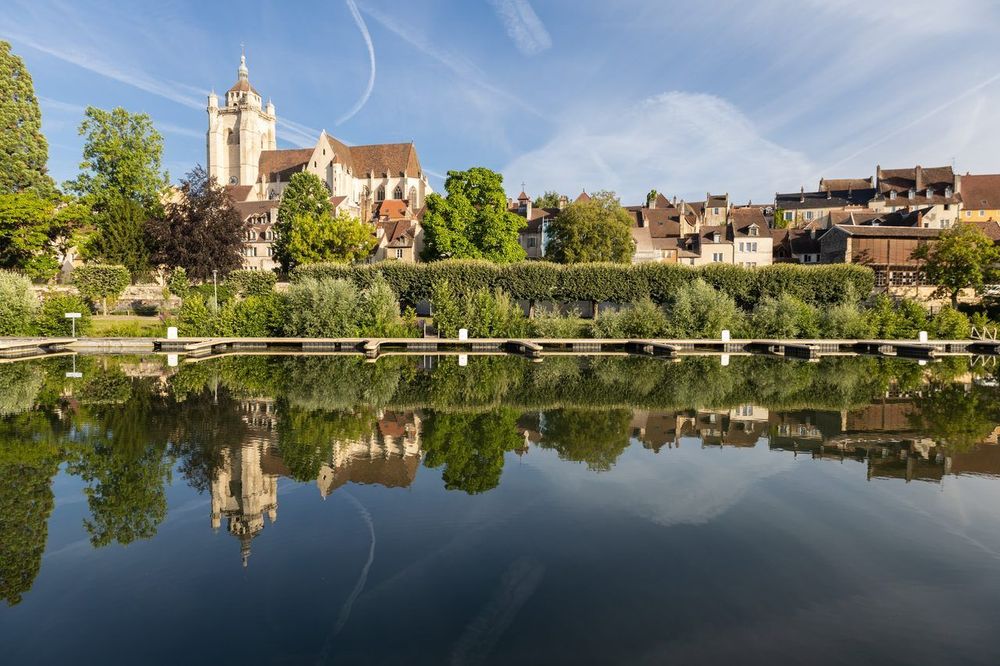
At 7:30 a.m., the Tanners' Canal has yet to see a tourist, but it already has its reflections: the timber-framed houses double themselves in the still water, and for a few minutes, the town belongs entirely to those who walk alone. Visiting Dole solo is precisely that kind of freedom: a human-scale town, rich in heritage, where you can stop dead in front of a façade without holding up an entire group. The Ryo audio-guided tour of Dole lets you set your own pace between the Little Venice of the Jura and the lanes climbing toward the collegiate church.
This guide covers a town where a 16th-century collegiate church stands next to the birthplace of one of France's greatest scientists, where Baltard-style covered markets sell matured Comté a stone's throw from a canal you can cruise in an electric boat, and where the Royal Saltworks of Arc-et-Senans is half an hour away by road. You will also find where to eat, sleep and get around on your own, without ever feeling like a third wheel.
The Tanneries Canal, Heart of the Jura's Little Venice
The Tanners' Canal, also known as the Tanneries Canal (Rue des Tanneurs, 39100 Dole, rated 4.7/5 on Google from 113 reviews), earned Dole its nickname of the Jura's Little Venice. It runs alongside the tanners' quarter at the foot of the old town, lined with timber-framed houses and façades, some of which plunge straight into the water as if standing on stilts.
On your own, you enjoy the place differently than you would in a group. Settle on a bench along the quay, watch the light change on the water, and leave ten minutes later without answering to anyone. The best photos are taken early in the morning or late in the afternoon, when low sun catches the façades and the quays empty out.
The district takes its name from the tanners who worked hides at the water's edge, an activity that shaped these banks for centuries. The Pasteur family itself ran a tannery here: it was by the canal that the scientist was born in 1822. Today, the old artisans' houses contain homes and a few restaurants whose terraces overlook the water.
For a first approach without a fixed itinerary, the Ryo audio-guided tour follows precisely this waterline: its stops tell, house by house, how this working-class district became the most photographed postcard view in town. You move at your own pace, headphones on, with no guide to follow.
The small bridge spanning the canal offers the most photogenic viewpoint over the whole scene, façades and reflections included. It is also, at the end of the day, one of the quietest corners of the centre.
The Old Town and the Notre-Dame Collegiate Church
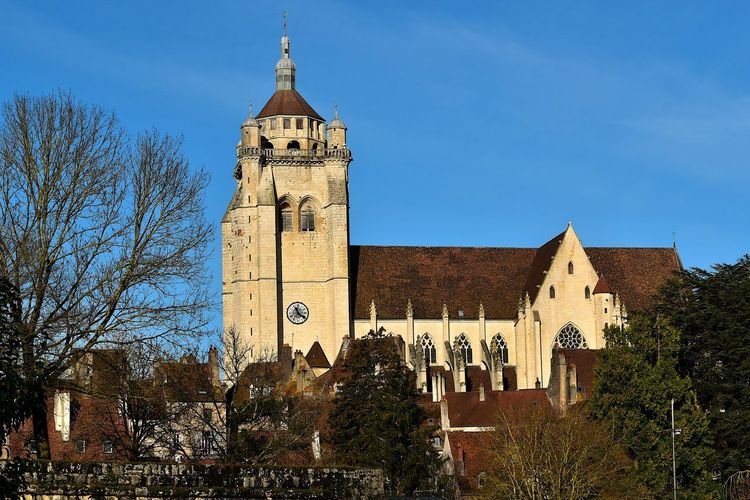
Climbing up from the canal, cobbled lanes rise gently toward the heart of the old town. Dole's old quarter has kept its tight layout: narrow streets, vaulted passages, and Comtois façades in pale stone that catch the light differently depending on the hour.
The Notre-Dame collegiate church (Grande Rue, 39100 Dole, rated 4.7/5 on Google from 1,023 reviews), a Gothic and Renaissance gem built in the 16th century, dominates the area. Its 73-metre bell tower can be spotted from afar in the Doubs valley, and at certain times of year the tourist office offers the chance to climb its 259 steps: check the available time slots, as the view over the rooftops and the Chaux forest is worth the effort.
The interior deserves more time than you might expect. The vaults, the 18th-century great organ and the choir decoration recall the era when Dole was the capital of the County of Burgundy, before that role passed to Besançon after the French conquest in the late 17th century. The town had nonetheless held firm during the siege of 1636, an episode that remains part of local memory.
Before becoming provincial, Dole housed the Parliament of Franche-Comté and a university founded in 1423. This prosperous period explains the density of mansions you will come across, most of them converted into shops or housing, but whose carved doorways have survived the centuries.
Prefer a guiding thread without a guide? The tourist office has marked out the Chat Perché circuit, a free-access itinerary linking the main monuments by following markers on the ground. The Ryo audio guide, for its part, lingers on those details of Comtois architecture that the eye often rushes past: a carved cornice, a date engraved above a porch, the former use of a building, delivered at the exact stop where it makes sense.
Allow one to one and a half hours to walk through this district without rushing.
Louis Pasteur's Birthplace and Museum
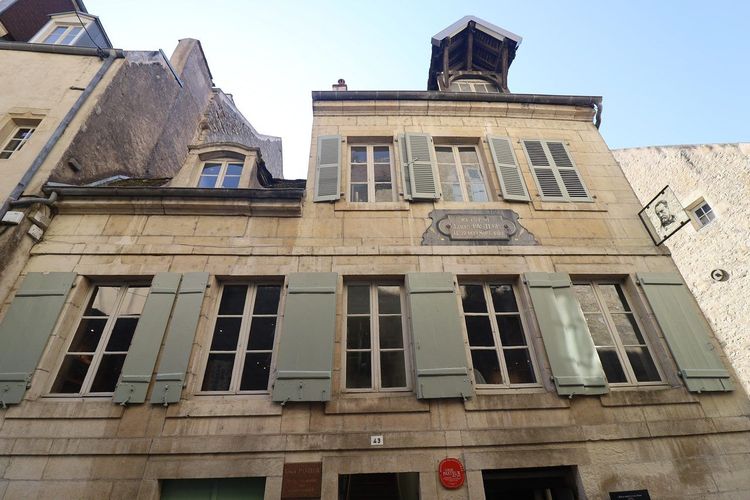
Louis Pasteur was not born in a palace but in a modest tanner's house by the canal, on 27 December 1822. The birthplace of Louis Pasteur (43 Rue Pasteur, 39100 Dole, rated 4.5/5 on Google from 740 reviews), at 43 Rue Pasteur, became a museum in 1923, for the centenary of his birth.
The family did not stay long: in 1825, when Louis was not yet three, they left Dole for Marnoz, then settled in Arbois, where he would grow up and go to school. The house has kept the father's tannery on the ground floor, along with rooms that recreate the living environment of a Comtois artisan family. You will also discover that the young Pasteur showed real talent for drawing, a side that often surprises visitors who come for the microbiology.
The Pasteur Museum then traces the scientist's work, from crystallography to pasteurisation and the rabies vaccine, through objects, documents and personal mementos. Allow 45 minutes to an hour for the whole visit, a format that slots easily between two stops in the town centre.
To extend the visit, the Ryo audio-guided tour of Dole offers a loop devoted to Louis Pasteur's native land: 19 audio clips, 1h45 of walking and 4.3 km, from the birthplace to the places that marked the scientist's memory in his hometown.
The Cours Saint-Mauris and the Banks of the Doubs
After the heritage density of the centre, the Cours Saint-Mauris (Place Grévy, 39100 Dole, rated 4.4/5 on Google from 149 reviews) offers a welcome breather. Laid out in the 18th century on the former ramparts, this promenade, listed as a historic monument and awarded the "Jardin remarquable" label, combines shaded avenues, an English-style garden and a viewpoint over the Doubs.
Along the winding paths, you will come across the grotto and spring of the Commères, adorned with the lion fountain, then the monument erected in 1902 in honour of Louis Pasteur. From the terrace, your gaze sweeps over the river, the canals and the Chaux forest, one of the largest broadleaf forests in France.
Down below, the banks of the Doubs are well suited to a solo stroll: the path is flat and busy enough during the day that you won't feel isolated, without being crowded. On Thursday late afternoons, an organic market also sets up on the cours, a chance to snack on local produce while enjoying the view.
The Ryo audio-guided tour follows these quays for part of its route, which is handy for listening to the commentary while walking without matching your pace to anyone else's.
The Canal Port and a Boat Ride on the Water
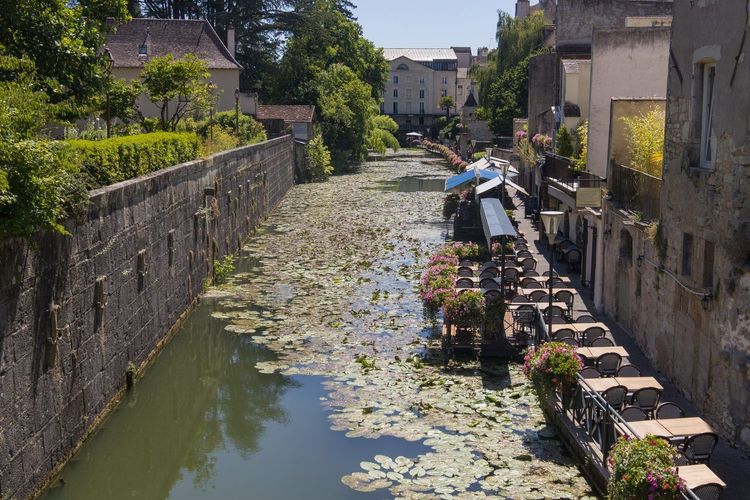
From the water, Dole reveals itself from a completely different angle. On Avenue de Lahr, near the port, the rental company Une Belle Aventure (Avenue de Lahr, 39100 Dole, rated 4.8/5 on Google from 118 reviews) offers two options that suit a solo traveller very differently.
The one best suited to solo travellers is the guided cruise aboard the Isola Bella, an authentic Venetian water taxi from 1963 that carries about a dozen passengers: roughly 16 euros per person to travel back through the history of Dole and its canals. You share the boat without having to organise anything, and it is often here that conversation starts with other visitors.
The electric runabouts, replicas of American pleasure boats from the 1950s, can be rented without a licence by the hour or half-day, from 45 to 128 euros per boat depending on duration. The price is hard to split when alone, but the experience remains memorable if you are travelling with a small treat budget.
The port has kept traces of its boating past, with mooring rings and former buildings that have been converted. If time is short, twenty minutes on the quays is enough to understand why water remains the common thread running through the whole town.
The Covered Market and Flavours of the Jura
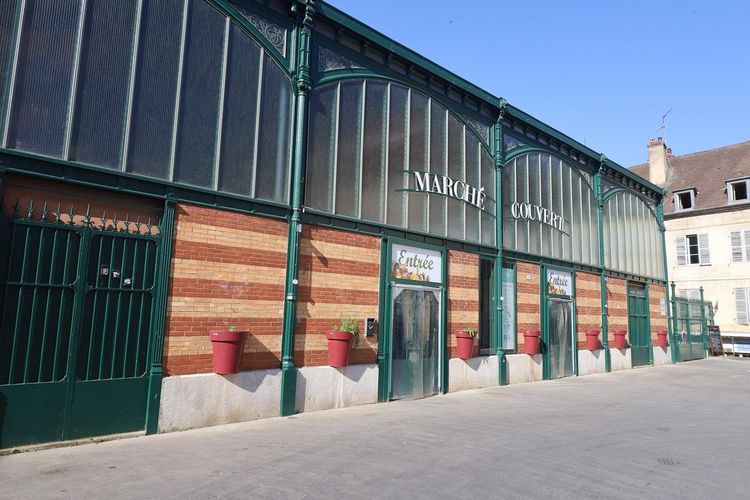
The Dole covered market, a 19th-century metal structure in the Baltard style, hosts the market on Tuesday, Thursday and Saturday mornings, as well as Friday afternoons. It is the place to taste, without waiting for a restaurant, the essentials of Jura gastronomy.
The Comté has a special place on the stalls. Matured for a minimum of four months and up to twenty-four months or more, it changes character radically with age, from mild and fruity to strong and almost crystalline. Don't hesitate to ask for a tasting before buying: it's the best way to find your favourite maturation.
The vin jaune, produced around Château-Chalon, traditionally accompanies aged Comté and chicken with morels. Its ageing under a veil of yeast, without topping up for at least six years and three months, explains its higher price compared with other wines of the region.
The Morteau sausage, recognisable by the wooden peg closing the casing, can be found at several butchers. Slowly smoked over softwood, it is cooked poached, with potatoes or cancoillotte.
On your own, you get the most out of the market: a few slices here, a glass there, without having to sit down anywhere. Put together a picnic along the way for the Cours Saint-Mauris or the canal banks.
Typical Squares and Streets to Wander
The Rue des Arènes is one of the liveliest shopping streets in the centre, lined with old façades and shop windows that invite you to slow down.
The Place aux Fleurs (39100 Dole), very close to the collegiate church, changes mood with the time of day, from morning calm to café terraces in the afternoon.
The Grande Rue links these points and concentrates much of the historic centre's shops. Its Comtois façades in pale stone give the whole area a visual unity that is fairly rare for a town this size.
Allow three quarters of an hour in this triangle of streets if you regularly look up at the doorways and inner courtyards.
The Hôtel-Dieu and Architectural Heritage
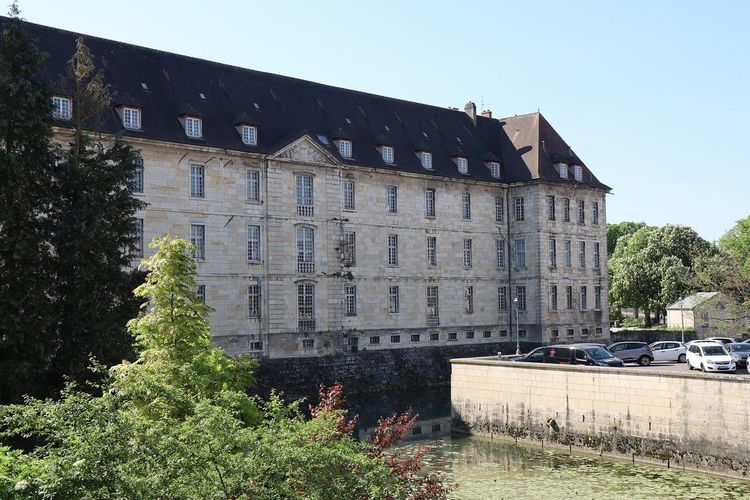
Built in the 17th century, the Hôtel-Dieu of Dole (2 Rue Bauzonnet, 39100 Dole, rated 4.5/5 on Google from 314 reviews) cared for the sick for more than three centuries before becoming the town's media library. Its sober layout in ashlar stone, its arcaded galleries around the courtyard and its chapel are fine illustrations of Comtois architectural heritage.
Good news for you: as a media library, the site is open to the public from Tuesday to Saturday (closed on Thursday), and the courtyard offers surprising calm just metres from the bustle of the centre. An ideal stop to read, check a map or recharge your phone before moving on.
The Best Excursions Around Dole
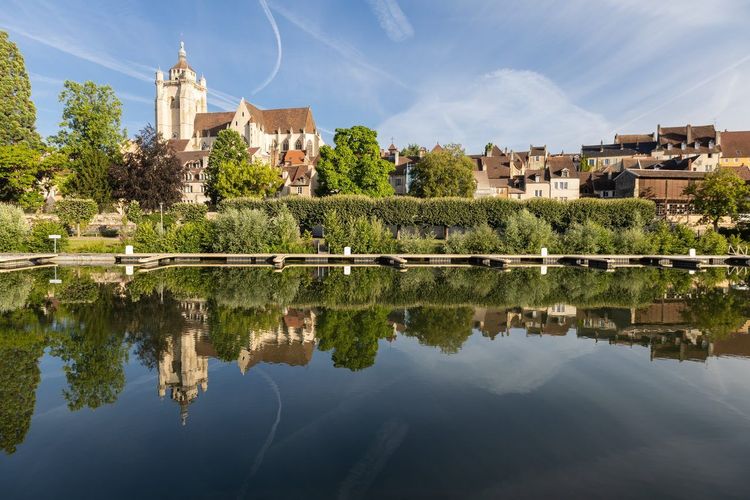
Dole makes a good base for day trips, all doable solo without heavy organisation.
The Royal Saltworks of Arc-et-Senans, about thirty minutes away, first surprises with its architecture. Designed by Claude-Nicolas Ledoux in the 18th century on a semicircular plan, it is a UNESCO World Heritage Site. Allow an hour and a half to two hours, buildings and gardens included.
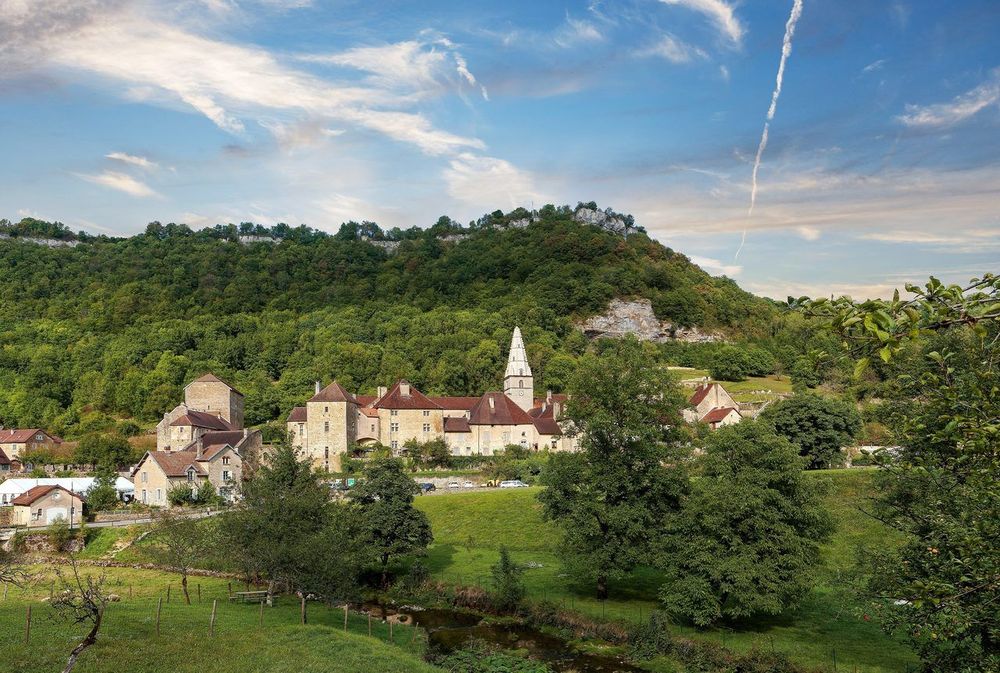
Baume-les-Messieurs, about an hour by road, is among the most beautiful villages in France. Its abbey, whose foundation dates back, according to tradition, to the 6th century, nestles at the bottom of a reculée, those steep-sided valleys typical of the Jura, with waterfalls and caves nearby.
Château-Chalon (39210 Château-Chalon, rated 4.7/5 on Google from 890 reviews), perched on its promontory about an hour from Dole, overlooks the vin jaune vineyards. The village, also ranked among the most beautiful in France, can be explored on foot in under an hour, with several viewpoints over the Seille valley.
These two villages are only about twenty minutes apart: combine them in a single day and keep the Saltworks for a separate half-day. Without a car, connections remain limited, and renting a car for the day from Dole is often the simplest solution for keeping your schedule flexible.
To go further, our Ryo article on hiking in the Jura details several itineraries accessible from Dole, and the Ryo guide to the Jura wine route goes deeper into the estates to visit around Château-Chalon. The most beautiful villages of the Jura complete the list.
Travelling Solo in Dole: Safety, Atmosphere and Meeting People
Travelling solo in Dole poses no particular problem. The modest size of the centre and its tourist footfall make it a fairly reassuring place, by day and in the evening.
The usual precautions are enough: keep your bag closed in busy places, and stay normally vigilant at night on the outskirts. The historic centre remains lit and lively in the evening thanks to the terraces around the Grande Rue and the tanners' quarter.
In the evening, the atmosphere shifts. The quays gradually empty, while the streets around the covered market keep a moderate level of activity. It's up to you to choose: absolute calm by the water, or neighbourhood life around the bars and restaurants.
Meeting other travellers is still possible, even if Dole doesn't attract the flows of backpackers of a big city. The tourist office's guided tours, the guided cruise on the Isola Bella and breakfast at a guesthouse are the most natural opportunities to exchange a few words.
And if the desire for silence wins out, no one will be surprised to see you spend an hour on a bench on the Cours Saint-Mauris with a book.
Where to Eat Alone Without Feeling Uncomfortable
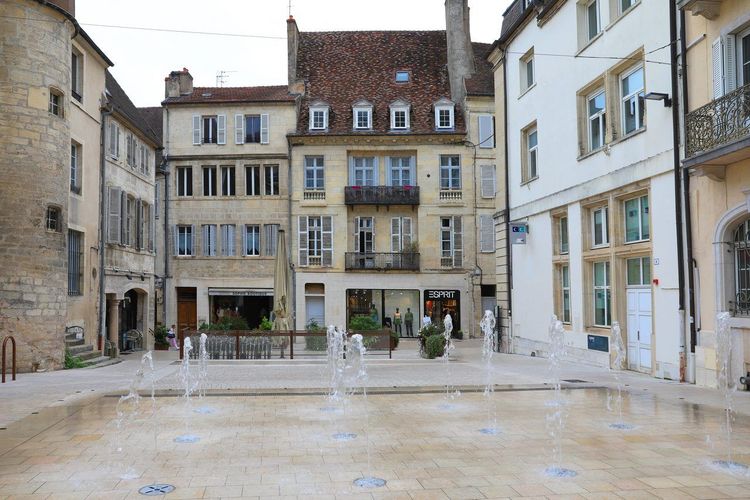
Eating alone remains, for many, the most delicate moment of a trip. Dole makes things easier with several formats that spare you a face-off with an empty chair.
The wine bars in the centre mostly offer a counter where you can snack, glass of Jura savagnin or chardonnay in hand. The atmosphere is easier to fit into than that of a traditional restaurant dining room.
Several places rely on counters and friendly shared tables: boards of Comté and charcuterie, tartines, single dishes served without ceremony. This format suits a solo meal well, without the feeling of monopolising a table for four.
For lunch, the covered market remains the most flexible option on market days: you put together your meal as you move along the stalls, with no reservation or wait. The terrace restaurants in the tanners' quarter, meanwhile, let you dine facing the water, which makes a table for one far more pleasant.
Tip: ask for a seat at the counter rather than in the dining room when the option exists. Staff speak more naturally to a customer alone at the bar than to an isolated table in the middle of the room.
Where to Stay in Dole for a Solo Trip
For a solo stay, the neighbourhood matters as much as the establishment. Favour the historic centre or its immediate surroundings, within walking distance of the canal and the station, rather than an outlying area that would require car journeys in the evening.
The guesthouses in the town centre often offer the best balance between friendliness and peace and quiet: your hosts know the town and easily point you to the good addresses.
The small independent hotels are a reliable alternative, with reasonable rates compared with better-known tourist towns. Many are less than ten minutes' walk from the Tanners' Canal.
Camping? The Camping du Pasquier, on the banks of the Doubs, is within walking distance of the centre and attracts passing cyclists, an audience with whom conversation comes naturally.
One last criterion before booking: check the distance from the station if you arrive without a car, to avoid crossing town with luggage on your first evening.
How to Get to Dole and Around on Your Own
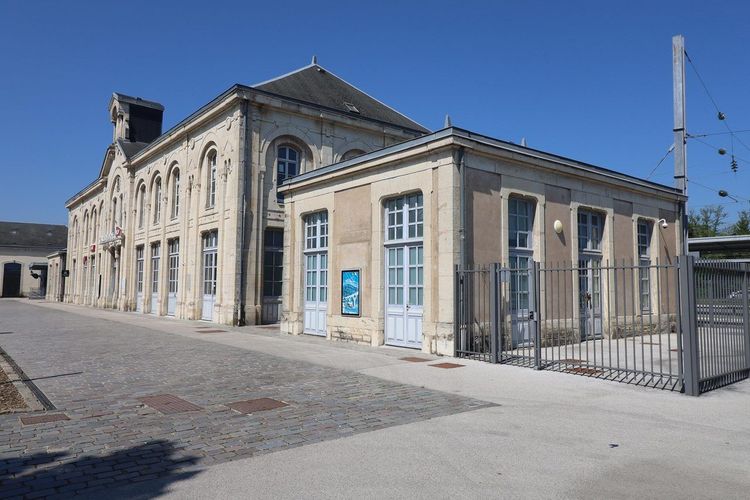
Dole enjoys a rare asset for a town of this size: the Dole-Ville station (Avenue Aristide Briand, 39100 Dole, rated 3.7/5 on Google from 165 reviews) is served by direct TGVs from Paris in a little under two hours, as well as connections to Dijon, Besançon and Lyon. For you, as a solo traveller, it's often the simplest option, with no car or parking to deal with.
From the station, the historic centre is about a fifteen-minute walk, or a few minutes by city bus. Once there, the narrow streets and limited parking make walking far more practical than driving.
On foot, the historic centre can be covered entirely in half a day.
By bike, you widen your range toward the banks of the Doubs and the Rhône–Rhine Canal, whose towpath is part of EuroVelo 6, the cycling route linking the Atlantic to the Black Sea.
For excursions to the vineyards, renting a car for the day remains the simplest solution without a personal vehicle.
Budget and Best Time to Visit Dole Solo
Visiting Dole solo costs noticeably less than a destination with a comparable heritage charm. Allow roughly 60 to 90 euros per day with a guesthouse or small hotel, meals at a counter or in the covered market, and an activity such as the guided cruise on the water.
The transport budget depends mainly on your starting point: a return TGV ticket from Paris is often found between 30 and 60 euros when booked in advance.
The best time runs from April to October, when terraces, boats and guided tours are running at full capacity. Spring and early autumn offer lower crowds than July–August, with weather still pleasant enough for walking all day.
Winter remains feasible if you favour indoor heritage (collegiate church, Pasteur's birthplace, Royal Saltworks) over water activities, which are suspended out of season. Accommodation rates are also lower then.
For a first solo stay, a weekend of two to three days is enough to cover the centre and one excursion.



FAQ
How long does it take to visit Dole?
One full day is enough to see the essentials of the historic centre, including the canal, the old town and Pasteur's birthplace. If you want to add an excursion to Baume-les-Messieurs, Château-Chalon or the Royal Saltworks of Arc-et-Senans, plan for two to three days.
Is Dole a good destination for solo travellers?
Yes. The town's modest size, its peaceful atmosphere and the density of its heritage make it a comfortable destination for a first solo trip.
What budget should I plan for visiting Dole solo?
Allow roughly 60 to 90 euros per day, including a guesthouse room, meals at a counter or in the covered market, and an activity such as the guided boat ride (about 16 euros). Transport varies depending on your departure city.
How do I get to Dole without a car?
Dole-Ville station is linked to Paris by direct TGV in a little under two hours. From the station, the historic centre is about a fifteen-minute walk, or a short ride by city bus.
What is the best time to visit Dole?
Spring and early autumn offer the best balance between pleasant weather and moderate crowds. Summer is livelier, while winter is best suited to indoor heritage visits.
What should I see first in Dole if I only have one day?
The Tanners' Canal and its timber-framed houses, the Notre-Dame collegiate church and the old town, Louis Pasteur's birthplace, then the Cours Saint-Mauris for the view over the Doubs: these stops fit into a single day on foot.
Dole doesn't try to impress through size, but through density: a canal that changes character with the time of day, a collegiate church overlooking cobbled lanes, a scientist's birthplace a stone's throw from a covered market that smells of matured Comté. This compact format is what makes the town so comfortable to explore on your own.
With headphones on, let the Ryo audio guide to Dole link these stops for you: the neighbourhoods unfold at the pace that suits you, with no schedule to keep and no group to follow.