© Shutterstock
 Votre guide Ryo
Visiting Le Touquet for the First Time: The Complete 2026 Guide
Parisians sometimes call it "the 21st arrondissement", so thoroughly have the capital's habits colonised this sandy headland for over a century. Yet anyone visiting Le Touquet for the first time discovers a destination more nuanced than its glamorous reputation: a forest of around 800 hectares where you gladly get lost by bike, a fine sandy beach stretching some 7 kilometres to the mouth of the Canche, and a covered market where the scent of fresh clams mingles with the aroma of pastries. Anglo-Norman half-timbered villas stand a stone's throw from a Roaring Twenties casino, and a 57-metre lighthouse overlooks a coast where you can sometimes make out the English cliffs on a clear day. To set the mood before strolling the shopping streets, the Ryo audio-guided tour of Le Touquet gives you a first sound impression of the town, blending Roaring Twenties history with neighbourhood anecdotes.
This guide details, area by area, everything you need to know before a first stay: the shopping streets and their distinctive architecture, the beach and its lighthouse, the forest and the dune aux loups, and the places where you can enjoy a seafood platter without breaking the bank. You will also find a plan B for rainy days, often too quickly written off elsewhere, one-day and weekend itineraries, and the best excursions to Étaples, Boulogne or Montreuil to extend your discovery.
Le Touquet at a Glance: History and Seaside Atmosphere
At the start of the 19th century, Le Touquet was nothing more than a wind-swept stretch of dunes, without a soul in sight. Everything changed on 25 April 1837, when Alphonse Daloz, a Parisian notary, bought around 1,600 hectares of sandy warrens. His idea: to fix the sand by planting a forest. The first maritime pines were planted from 1855, and it sometimes took seven or eight attempts, as rabbits devoured the young saplings, before the woodland took root.
In 1882, Daloz launched a first housing development which he named "Paris-Plage". British clientele quickly followed, led by businessman John Whitley, and by the 1920s the resort had become the favourite holiday spot of Tout-Paris and the English gentry: artists, writers and crowned heads mingled there with a bourgeoisie on holiday, laying the foundations of an enduring reputation as a chic resort.
The official name, Le Touquet-Paris-Plage, dates from the creation of the commune in 1912. In everyday speech, people simply say "Le Touquet", the two forms coexisting without either truly supplanting the other.
Visiting Le Touquet is above all about discovering this contrast between seaside elegance and preserved nature. Also note one date for your diary: the Enduropale, a motorbike and quad race on the beach every winter, between late January and early February, which draws a considerable crowd and gives the town, for a weekend, the look of a giant paddock.
The Town Centre and Its Must-Sees
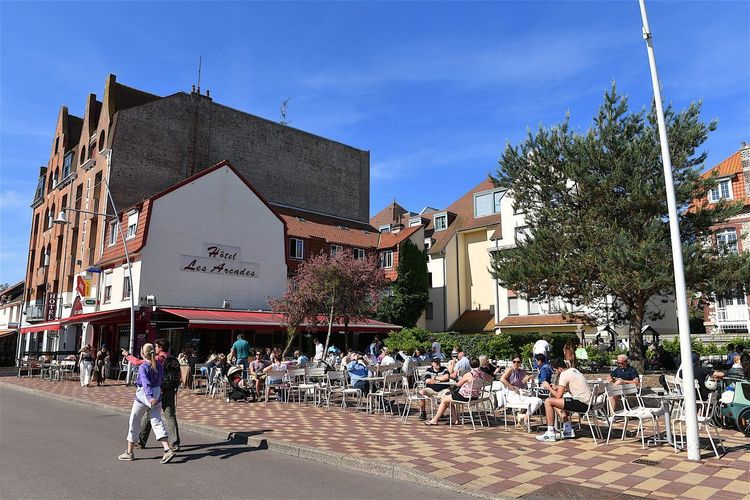
The shopping heart of Le Touquet is quickly explored, as distances are short: a few streets bring together boutiques, the market and municipal monuments.
Rue Saint-Jean and the Shopping Streets with Anglo-Norman Architecture
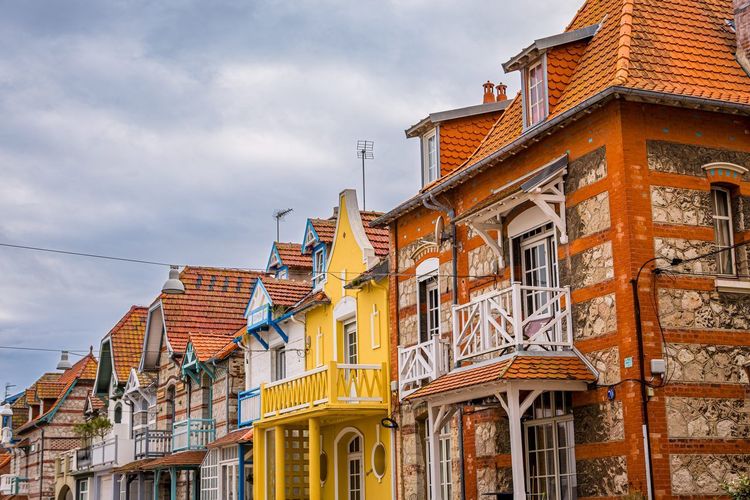
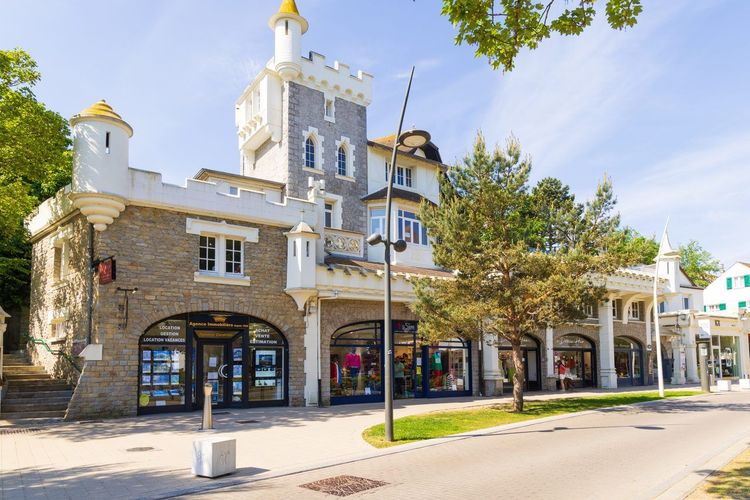
The rue Saint-Jean is the town's number one shopping street, lined with fashion boutiques, concept stores and tea rooms. It owes its charm to an architecture typical of Le Touquet: half-timbered façades, steep roofs and bow windows borrowed from the Anglo-Norman style, which the resort's developers multiplied from the 1900s onwards to appeal to British clientele.
Around rue Saint-Jean, the rues de Metz, de Paris and de Moscou continue the same style and shopping atmosphere. If you come on a Saturday morning, allow a good hour of strolling before the terraces fill up for lunch.
Covered Market, Town Hall and Sainte-Jeanne-d'Arc Church
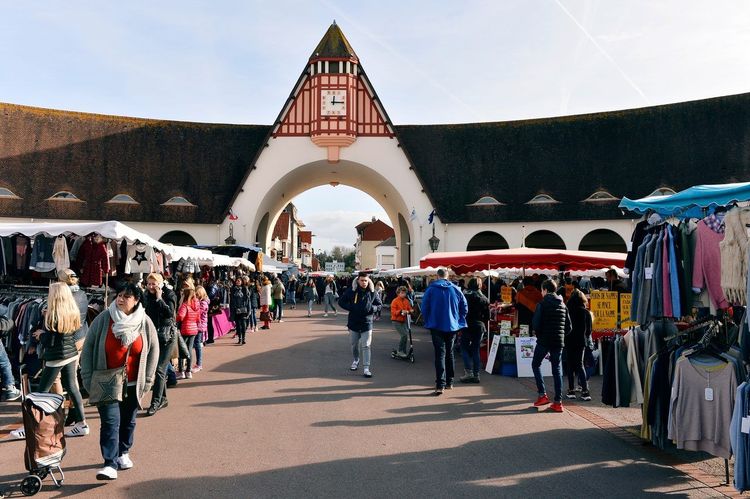
The Le Touquet covered market, a stone's throw from rue Saint-Jean, brings together greengrocers, fishmongers and local producers beneath a semicircular hall built in the early 1930s. There you will find clams and cockles caught off the Opal Coast, as well as the petits fours that several of the town's pastry chefs claim as their house speciality.
Right next door stands the town hall, completed in 1931 in a regionalist style combining stone and half-timbering, with a belfry that serves as a landmark across the centre. A few streets away, the Sainte-Jeanne-d'Arc Church (Place de l'Église, 62520 Le Touquet-Paris-Plage, rated 4.5/5 on Google from 516 reviews), built in 1910-1911, was badly hit by the bombing of June 1944: restored after the war, it was reconsecrated in 1954, and its rebuilt stained-glass windows are worth a look.
The Ryo audio-guided tour passes through this triangle of rue Saint-Jean, covered market and town hall, with commentary on the Anglo-Norman architecture of the villas you pass along the way: a way to explore the area without keeping your nose glued to a map.
The Beach and the Seafront
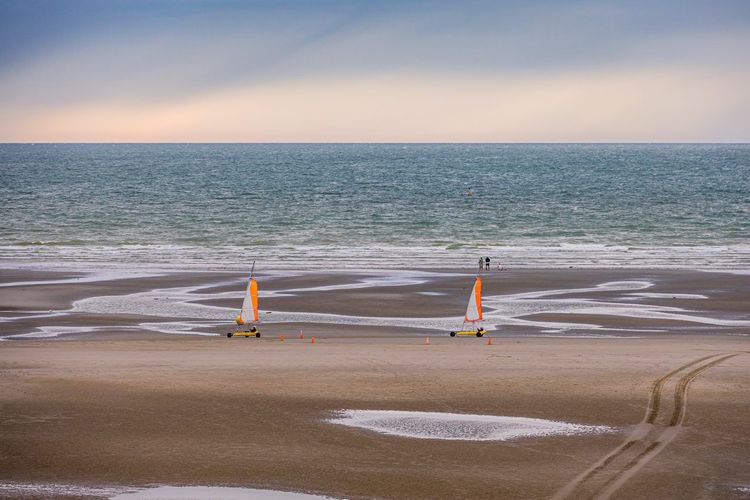
As soon as you leave the town centre heading west, the landscape changes completely.
Le Touquet Beach, Seafront and Beach Games
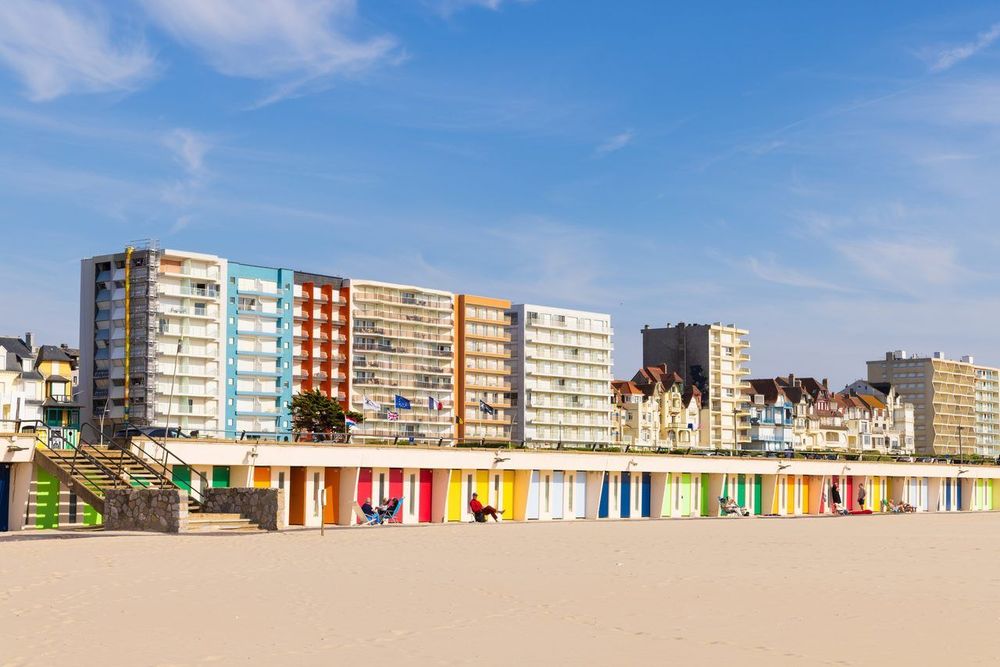
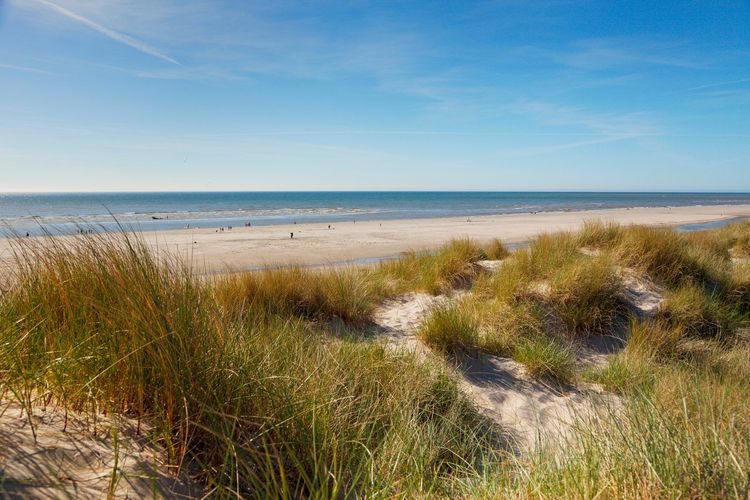
The Le Touquet beach unfolds around 7 kilometres of fine sand between the Canche bay and Stella-Plage. At low tide, the foreshore can exceed a kilometre in width: enough room for improvised beach volleyball courts and the kites you see all year round. Towards its ends, the Le Touquet dunes beach offers a wilder setting, bordered by the dune ridge rather than the seafront buildings.
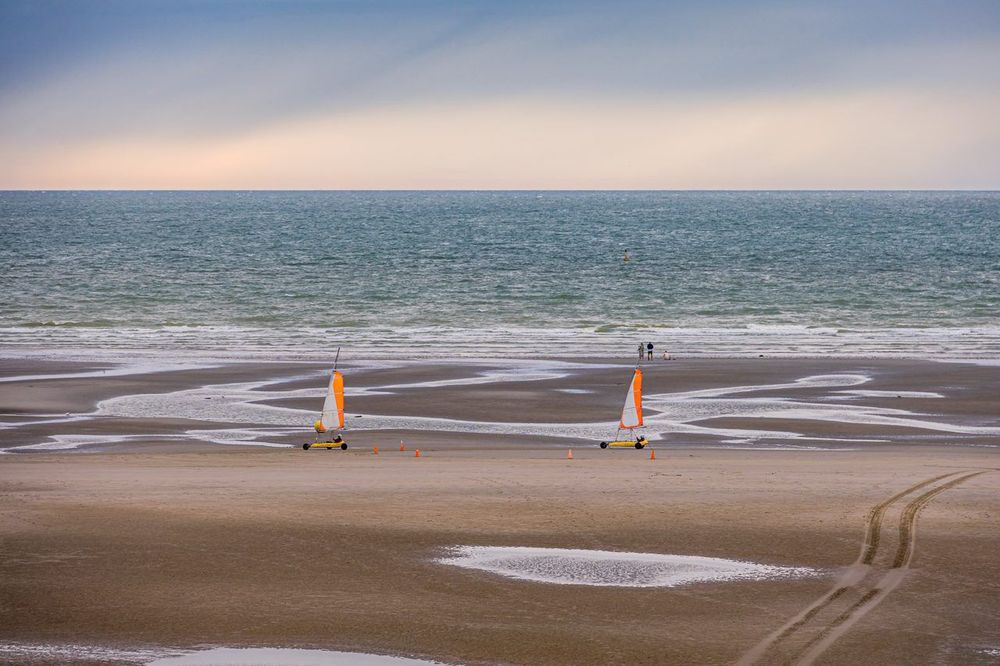
Having fun on the seafront takes very little: clubs offer sand yachts, speedsails and sand bikes depending on the wind, and families happily settle in for a game at Joie de vivre or Ojem, beach clubs that have been part of local folklore for decades. In strong wind, keep an eye on the sand lifting near the sea wall.
Le Touquet Lighthouse and Viewpoints on the Coast
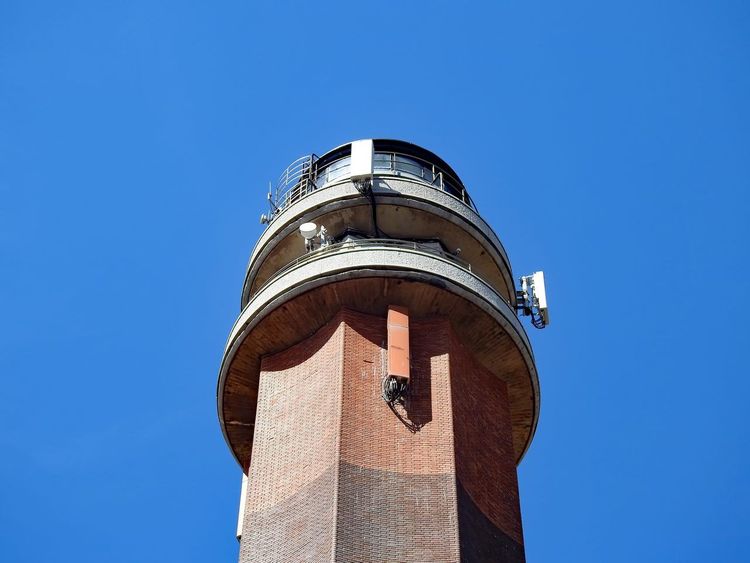
Brought into service in 1951 to replace the lights destroyed during the Second World War, the Le Touquet lighthouse (Avenue du Phare, 62520 Le Touquet-Paris-Plage, rated 4.4/5 on Google from 714 reviews), also known as the Canche lighthouse, rises to around 57 metres. Closed to visitors for years, it reopened in 2010: visits are booked through the tourist office, and you will need to climb 274 steps to reach the gallery.
Up there, the panorama takes in the Canche bay, the forest, the rooftops of the resort and the unbroken line of the beach. It is probably the best way to understand at a glance how the town slipped in between the sea and the pines.
Can you see England from the beach? On a very clear day, especially late in the afternoon, you can sometimes make out a pale line on the horizon. The effect is rare and depends entirely on the weather, but is worth a look.
On the seafront, the Ryo audio-guided tour tells you as you walk the story of the sea wall and the first sea bathing, before the lighthouse appears on the horizon.
Le Touquet Forest and the Canche Bay, the Green Lung
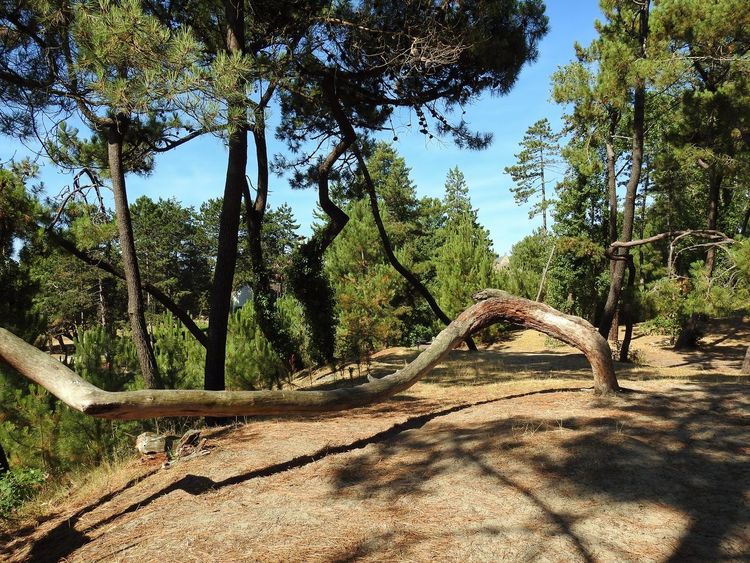
Le Touquet Forest on Foot or by Bike, Among Pines and the Dune aux Loups
The Le Touquet forest, direct heir to Daloz's plantations, covers around 800 hectares of maritime pines, oaks, birches and poplars, crossed by cycle paths and marked trails. You can happily get lost there for a whole afternoon, among the large discreet villas lining some of the lanes and the clearings where you sometimes spot a squirrel.
In the heart of the woodland, the dune aux loups is a popular stopping point for cyclists and families out for a stroll. Several rental shops in the centre offer standard bikes, electric bikes and rosalies (pedal quadricycles): an hour is enough for a leisurely loop, half a day to push on to the parc de la Bayie and its ponds.
If you are coming with children, the parc de la Bayie makes an excellent stop: ponds, lawns and the shade of the pines for a picnic sheltered from the wind, just a few pedal strokes from the centre.
Le Touquet Dunes and the Canche Bay
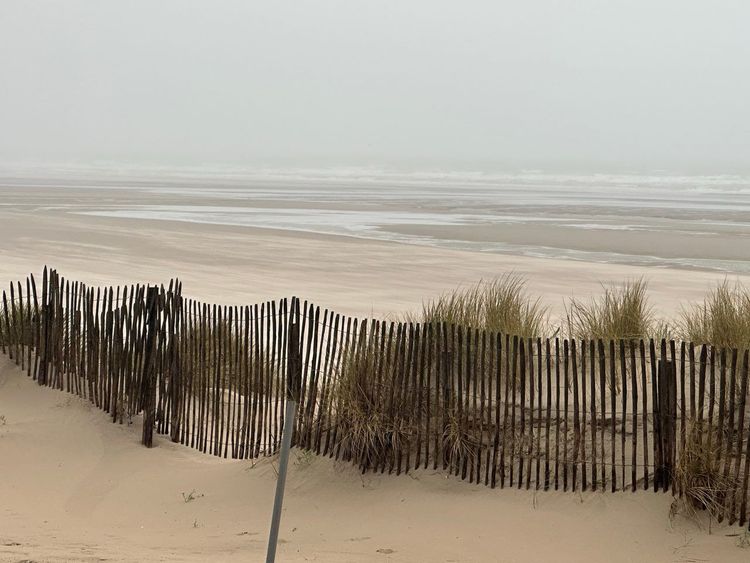
North of the resort, the Le Touquet dunes form a protected natural area where marked trails wind through. Exploring these dune areas means staying on the paths: the ridge is fragile and its vegetation, marram grass and sea holly, takes years to recover after too much trampling.
Just behind, the Canche bay (Boulevard de la Canche, 62520 Le Touquet-Paris-Plage, rated 4.8/5 on Google from 103 reviews) separates Le Touquet from Étaples. At low tide, the estuary reveals huge sandbanks where herons and little egrets land, and seals sometimes rest in the distance.
One section of the Ryo audio-guided tour heads into the forest before emerging onto the dunes, facing the bay: an interlude among pines and fresh air, narrated step by step.
Luxury, Art Deco and Iconic Addresses
Historic Hotels of the Roaring Twenties (Westminster and Others)
The Hôtel Westminster, built in 1924 in just eight months by architect Auguste Bluysen and then extended in 1926, remains the most visible symbol of Le Touquet's Roaring Twenties. Its façade of pink brick and white stone, pierced with bow windows, stands between the town and the forest. It takes its name from the Duchess of Westminster, patron of the military hospital set up in the neighbouring casino during the First World War.
Of the seven grand hotels the resort had before 1939, it is the only one to have stood the test of time. Other villas from the same period, converted into boutique hotels, have kept their original woodwork and verandas. You can have a look even without staying there, simply by strolling around avenue du Verger.
Casino Barrière, Villas and Brigitte Macron's House
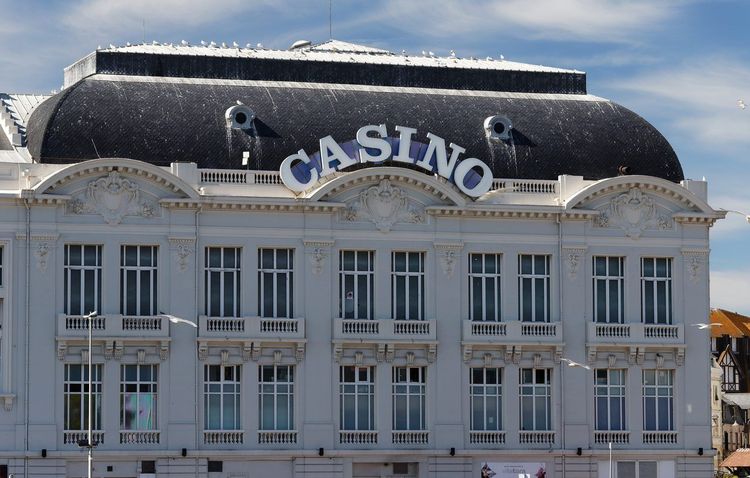
The Casino Barrière du Touquet, nicknamed "Le Palais", occupies the building of the former casino de la Forêt, place de l'Hermitage, a few minutes from the Westminster. Slot machines, table games, a bar and a restaurant liven up the evenings all year round.
On the seaside, the jardins de la Manche (Boulevard Daloz, 62520 Le Touquet-Paris-Plage, rated 4.4/5 on Google from 437 reviews) offer a green break between the beach and the built-up seafront, with landscaped flowerbeds sheltered from the wind.
Le Touquet is also known as the holiday retreat of the Macron couple, who own a family villa there. It is a private property, not open to the public: no official route leads to it, and discretion is expected.
Gastronomy: Restaurants, Tea Rooms and Seafood
Must-Visit Restaurants and Tea Rooms
Le Touquet's cuisine ranges from chic seafront brasseries to small neighbourhood spots. The tea rooms on rue Saint-Jean and its surroundings serve local pastries, petits fours first among them, at any hour of the afternoon.
For a more complete meal, the restaurants around the covered market focus on reinvented bistro cooking: moules-frites, catch of the day, and welsh for the hungriest. This dish from the North, a slice of bread covered in cheddar melted with beer and often topped with an egg, is rarely shared: plan a digestive walk in the forest. Remember to book in July and August, especially at weekends for terraces with sea views.
Seafood and Local Gourmet Addresses
Eating fresh fish in Le Touquet without breaking the bank is entirely possible away from the most exposed terraces: the fishmongers in the covered market sell takeaway, and some prepare seafood platters at prices noticeably lower than in a restaurant. A briny picnic on the sea wall at sunset is worth far more than many starred tables.
The Toques et Saveurs event, held every year, showcases the region's chefs and producers through tastings and workshops open to the public: a good opportunity to discover new addresses if your stay coincides with the dates.
Sporting Activities: Golf, Horse Riding and Water Sports
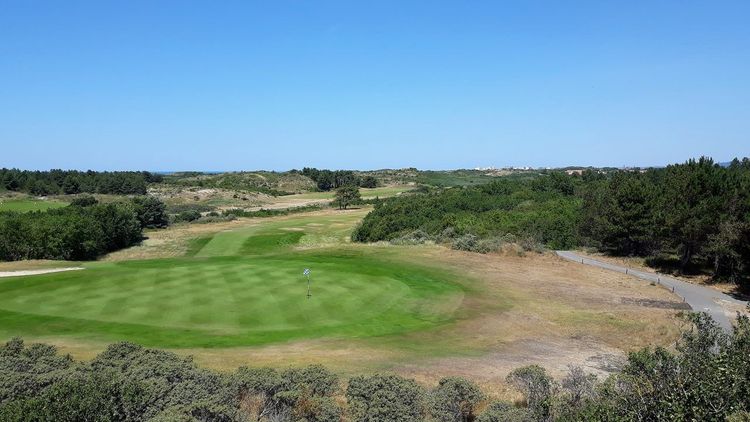
Golf and Horse Riding Between Dunes and Forest
The Le Touquet golf course, created in 1904, has several courses, including a links laid out in the dunes and a forest course: a benchmark in northern France, used by occasional players and seasoned competitors alike.
The Le Touquet equestrian centre (Avenue Jean Moulin, 62520 Le Touquet-Paris-Plage, rated 4.3/5 on Google from 254 reviews) offers horse rides in the forest and on the beach, an experience rare enough to be sought after by visiting riders. Book ahead, especially in high season.
Water Sports and Gliding (Surfing, Sand Yachting)
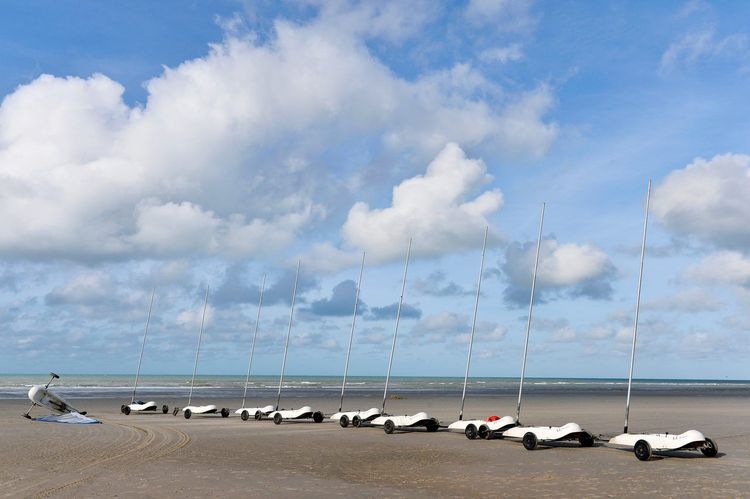
Surf and stand-up paddle schools, including Opale Coast Surfing, coach beginners and experienced riders on a beach where the swell remains moderate but sufficient for learning. Sand yachting, partly born on these wide beaches of the Opal Coast, takes advantage of the near-constant wind sweeping the seafront.
If you are a beginner, favour morning sessions: the wind often picks up late in the day, which makes learning harder but delights experienced sand yachting and kitesurfing enthusiasts.
Le Touquet with Family
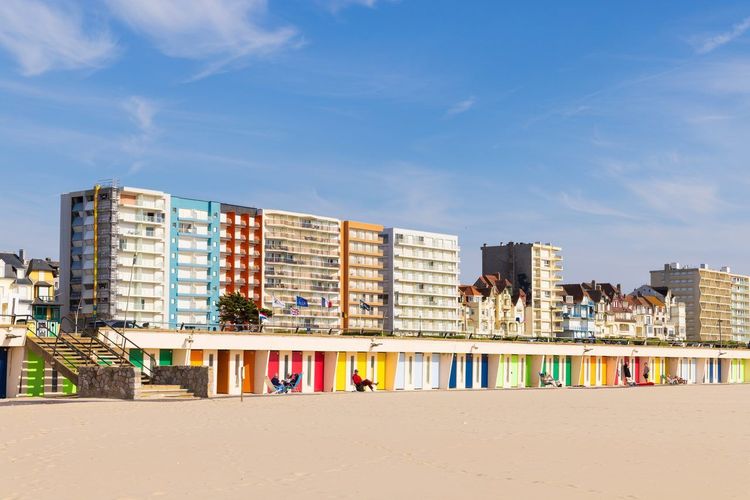
Beach, Games and Little Train for Children
For the youngest, the beach remains the number one playground: sandcastles, beach clubs and tidal pools left by the sea easily fill an entire morning. The Le Touquet little train completes the picture by linking the town centre to the seafront, enjoyed by little ones as much for the journey as for the destination.
In high season, aim for midday to avoid queuing for the little train, which is busier in the late afternoon.
Bagatelle Park and Nearby Activities
About fifteen minutes by car, in Merlimont, the Bagatelle park (62155 Merlimont, rated 4.2/5 on Google from 12,051 reviews) combines roller coasters, rides and water attractions: a safe bet for a full day out with the family.
A little further away, Nausicaá in Boulogne-sur-Mer adds options for families looking for a more cultural day; we come back to it in the section on excursions.
With children, the Ryo audio-guided tour of Le Touquet works well: its short commentaries, punctuated with anecdotes, hold attention between stops without turning the walk into a history lesson.
What to Do in Le Touquet When It Rains
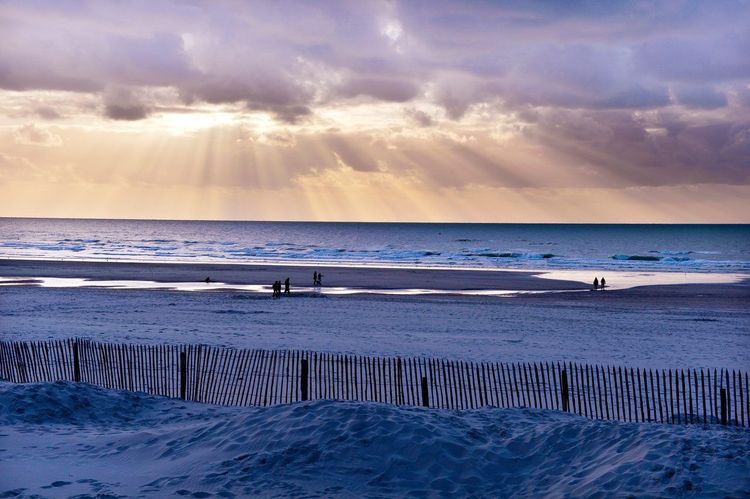
Le Touquet does not escape the drizzle blowing in from the Channel, and it is best to have a plan B.
First reflex: the Musée du Touquet-Paris-Plage - Édouard Champion (Avenue du Golf, 62520 Le Touquet-Paris-Plage, rated 4.4/5 on Google from 477 reviews), inaugurated in 1932 for the resort's fiftieth anniversary. It occupies the Way Side villa, a fine 1925 Anglo-Norman house on the edge of the forest, and presents in particular painters of the Étaples art colony, active around 1900, as well as temporary exhibitions on the history of the resort. Allow an hour to an hour and a half.
You can also treat yourself to a cinema screening, a wellness break in one of the resort's hotel spas, or head to Étaples to discover Maréis, a sea-fishing discovery centre with aquariums, ideal with children. The tea rooms on rue Saint-Jean also do very well for waiting things out in the dry.
Another idea if the rain persists: take the opportunity to spot the villas of the Westminster district and around the golf course by car or on a well-wrapped bike. Under a grey sky, the half-timbering, bricks and steeply pitched roofs stand out surprisingly well, and the streets are almost deserted, ideal for taking time to study the façades.
Making the most of a break in the clouds is often the best strategy: the weather changes quickly on this stretch of coast, and a bike ride in the forest, where the pines cut the wind, can follow a shower lasting just a few minutes.
Excursions Around Le Touquet
Étaples: Museums, Harbour and Street Art
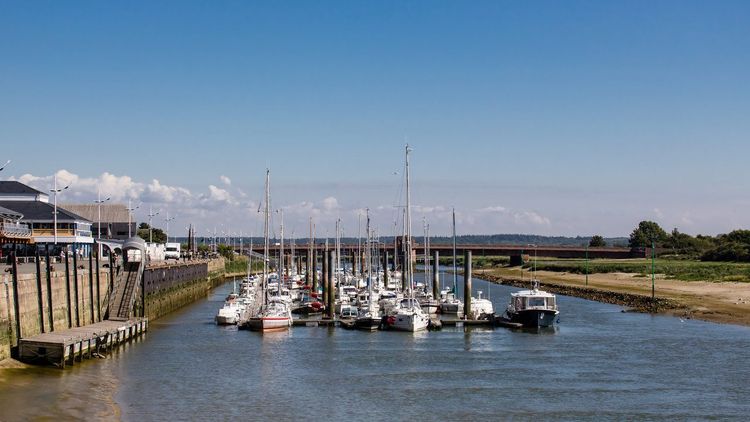
Ten minutes away by road, on the other side of the Canche, Étaples is well worth the detour. Its fishing port is still active, and the fish stalls on the quay offer an authentic spectacle, far from the terraces of Le Touquet.
The Maritime Museum of Étaples, housed in the former 1874 fish hall, traces the lives of fishermen through costumes, objects and the reconstruction of a 1950s interior. Several façades in the town centre also feature street art murals that reinvent the image of the port town.
On the outskirts, the Étaples military cemetery, the largest Commonwealth cemetery in France with more than 10,000 graves, recalls the town's role as an immense British hospital base during the First World War. Should you also visit Étaples-sur-Mer when staying in Le Touquet? Yes, without hesitation: a morning is enough.
Boulogne-sur-Mer and Nausicaá, the Great Aquarium
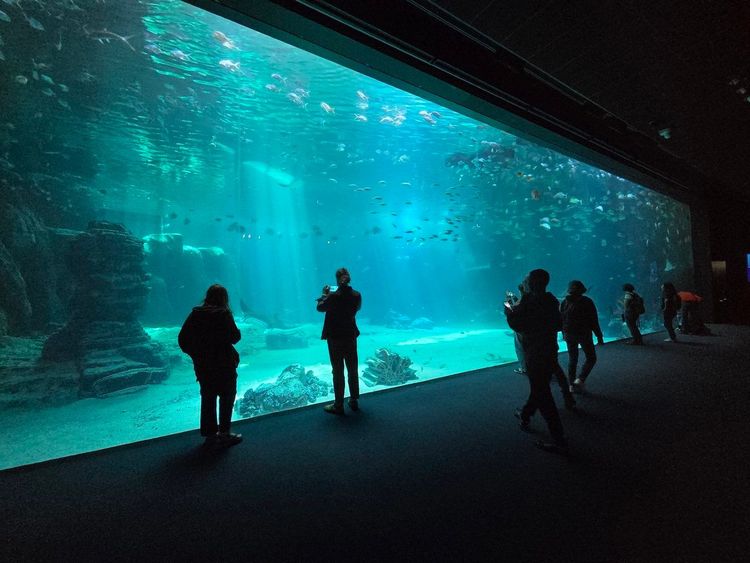
About forty minutes away by car, Boulogne-sur-Mer combines an upper town encircled by ramparts with a fishing port that is still active. The star attraction remains Nausicaá, the largest aquarium in Europe, which explores marine ecosystems from around the world and easily takes up half a day.
Allow three to four hours for Nausicaá alone, and book your tickets online during school holidays to avoid the queue.
Montreuil-sur-Mer, Hardelot and Berck-sur-Mer
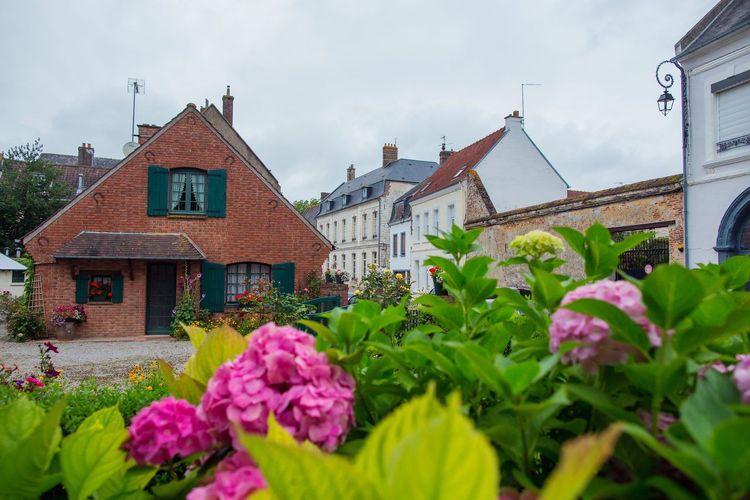
Montreuil-sur-Mer, a former fortified town perched on its promontory, charms with its ramparts and cobbled lanes, about twenty minutes from Le Touquet. Victor Hugo set part of Les Misérables there, and the town plays on this every summer with an open-air show. The château d'Hardelot (1038 Avenue du Château, 62360 Condette, rated 4.5/5 on Google from 5,424 reviews), in Condette, houses a cultural centre devoted to the Franco-British Entente cordiale, in an English-style manor setting.
Further south, Berck-sur-Mer and the Authie bay offer long wild beaches, popular with kite and sand-yacht enthusiasts, and a seal colony visible at low tide. If you love wide open spaces, finally push on to the Deux-Caps, about an hour's drive away, for the cliffs of Blanc-Nez and Gris-Nez.
Recommended Itinerary for a First Stay
Le Touquet in 1 Day: The Essentials
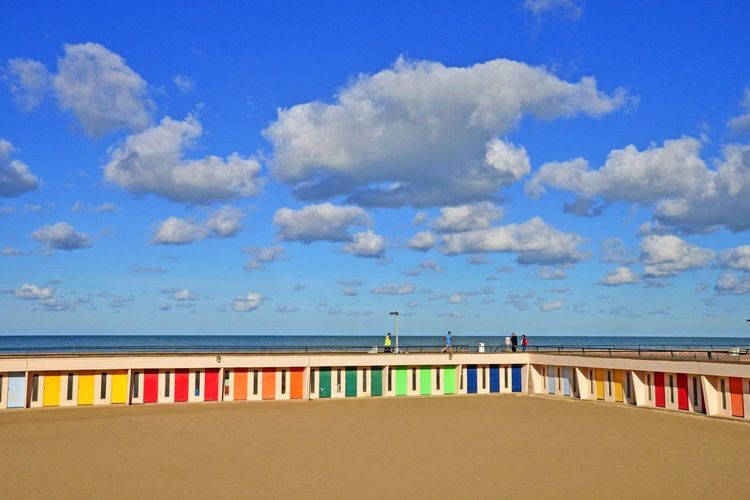
With just one day, focus on the central triangle. In the morning, rue Saint-Jean and the covered market, preferably on a market day for the atmosphere. At lunchtime, a seafood platter or moules-frites near the market hall. In the afternoon, the beach, then the lighthouse if you have booked a visit, and back to the sea wall at the end of the day for the low-angled light.
If the weather allows, slip in an hour of cycling in the forest between lunch and the beach: the detour via the dune aux loups only adds a few kilometres to the route.
Le Touquet for a Weekend: 2 to 3 Days
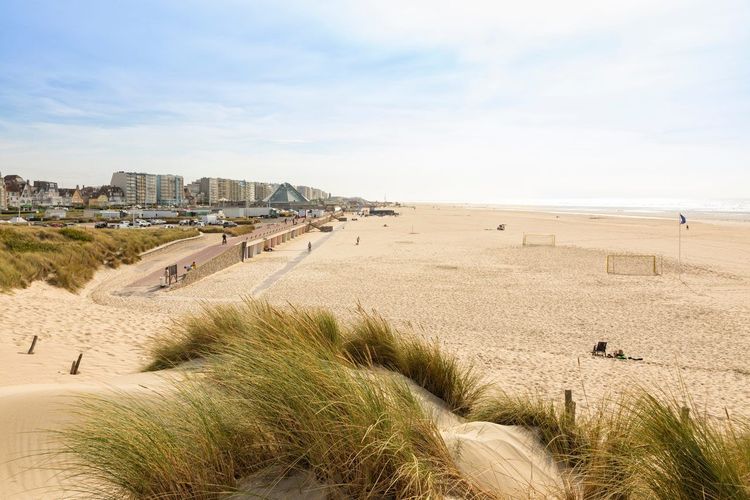
Over two to three days, spread out your discovery: day 1 for the town centre, the beach and the lighthouse; day 2 for the forest, the dunes and the Canche bay, then an evening at the casino or a gourmet table; day 3 for an excursion to Étaples, Montreuil or Boulogne.
Families will benefit from slotting in half a day at Bagatelle or Nausicaá between two calmer stages, to break up the pace without tiring the youngest.
Three classic mistakes to avoid on a first visit: arriving on an August Saturday without a restaurant reservation, forgetting to check the tide timetable before a walk on the foreshore, and underestimating the wind, even in midsummer. A windbreaker in your bag will save more than one end of the day.
To miss nothing on your first day, the Ryo audio-guided tour condenses the essentials of the town centre and seafront into a single walk, to follow at your own pace with no time constraints.
When to Go and How Long to Stay
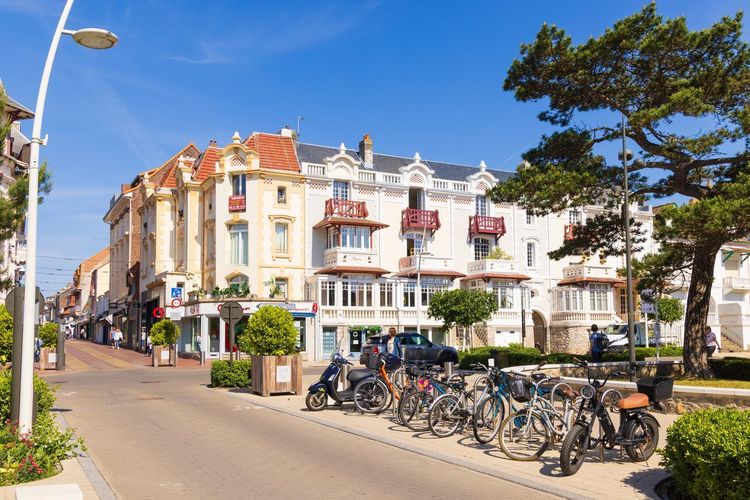
When to Go: The Best Season to Visit Le Touquet
Summer remains the liveliest season, backed by milder weather and a complete range of activities: beach clubs, sand yachting, terraces. But spring and early autumn also charm, with a special light on the dunes, fewer people on the sea wall and gentler accommodation prices.
If you are looking for peace and quiet, avoid the Enduropale weekend, early in the year: the race then draws a dense crowd and hotels are fully booked months in advance.
How Many Days to Plan for a First Stay
A weekend of two to three days is enough to cover the town centre, the beach, the lighthouse and a short excursion. Allow a week if you want to add the forest in depth, golf or a full outing to Boulogne and Montreuil without rushing.
How to Get to and Around Le Touquet
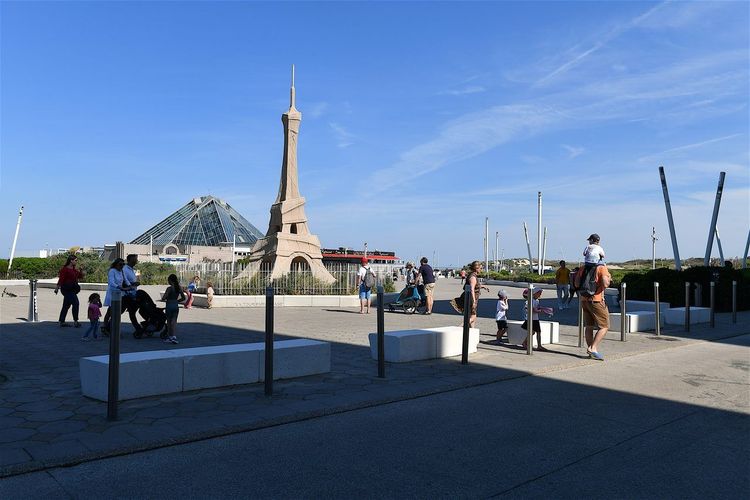
Arriving by Car, Train or Bike (Vélomaritime)
By car, Le Touquet can be reached from Paris in about two hours thirty to two hours forty-five via the A16, exit Le Touquet/Étaples. It is the most flexible option, especially for carrying beach or sports equipment.
Can you get to Le Touquet from Paris without a car? Yes: the nearest station, Étaples-Le Touquet, is linked to Paris-Nord by direct trains taking around 2h10 to 2h40. It then takes about ten minutes by bus or taxi to reach the town centre.
Cyclists can also reach Le Touquet via the Vélomaritime, the cycle route that runs along the Opal Coast: a slow but spectacular option for fans of multi-day cycle touring.
Getting Around Locally: Shuttles, Buses and Taxis
Once there, Le Touquet is largely explored on foot or by bike, as the town centre is so compact. Buses link Étaples-Le Touquet station to the centre, with reinforced shuttles in high season, as well as to Étaples and neighbouring communes.
For one-off journeys, several local taxi companies, including Taxi Fusion, Alexis Taxi and Allo Breton, serve the town and its surroundings, particularly useful for evening trips to and from the station.
Finally, for travellers in a hurry or private pilots: the resort has its own airport, Le Touquet-Côte d'Opale, mainly used by business and leisure aviation. For a standard first stay, however, the train or car remain the simplest solutions.
Where to Stay and Eat According to Your Budget
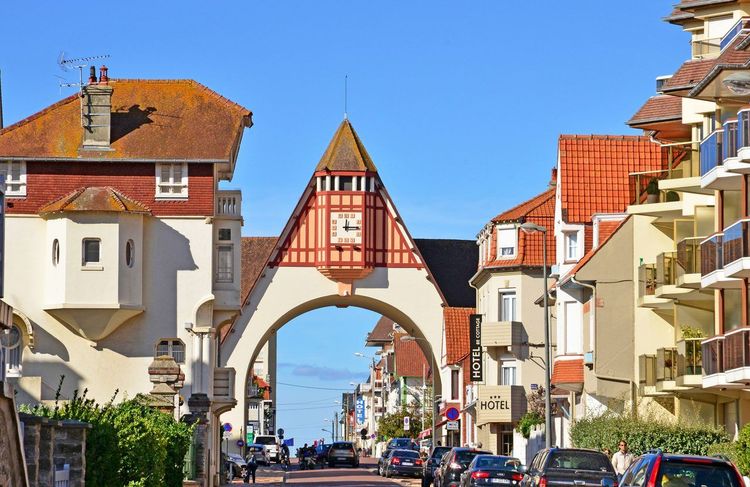
Hotels, Guesthouses and Campsites
Where to stay in Le Touquet-Paris-Plage depends mainly on your budget and your desire for a sea view. The grand hotels, Westminster first among them, rely on historic character, while seafront establishments play the Channel-view card, at prices that climb quickly in high season.
Guesthouses, more numerous in the residential neighbourhoods around the forest, offer a good compromise between charm and price. Campsites, located on the outskirts towards Stella-Plage or Merlimont, remain the most economical option for families with a car.
Holiday Rentals and Budget Tips
Holiday rentals, apartments or villas, should be booked several months ahead for July and August: this is often the best-value option beyond three nights, especially for groups.
Where can you park for free in Le Touquet in 2026? Free spaces are mostly found on the outskirts of the centre, towards the forest and the residential neighbourhoods away from the beach; paid parking remains the rule on the seafront and around the covered market.
Once the car is parked, your phone is all you need: the Ryo audio-guided tour can be started whenever you like, with no booking, for one last improvised walk before hitting the road.



FAQ
How Long Does It Take to Visit Le Touquet-Paris-Plage?
A weekend of two to three days is enough to discover the essentials: town centre, beach, lighthouse and a short excursion. A week lets you add the forest, golf and neighbouring towns without rushing.
When to Visit Le Touquet-Paris-Plage?
Summer offers the mildest weather and the most complete range of activities, but spring and early autumn charm visitors with soft light and more affordable prices.
Can You Get to Le Touquet from Paris Without a Car?
Yes, by direct train from Paris-Nord to Étaples-Le Touquet station (about 2h10 to 2h40), then by bus or taxi to reach the town centre in around ten minutes.
Where Can You Park for Free in Le Touquet?
Free spaces are mostly found on the outskirts, towards the forest and the residential neighbourhoods away from the seafront, where parking remains paid.
What Is the Most Beautiful Beach in Le Touquet?
The main beach, wide and about 7 kilometres long, is the busiest, but its wilder dune-fringed stretches appeal to those looking for more peace and quiet.
Should You Also Visit Étaples-sur-Mer Right Next Door?
Yes: ten minutes away by road, Étaples is a great complement to a visit to Le Touquet thanks to its fishing port, its Maritime Museum, Maréis and its Commonwealth military cemetery.
Le Touquet, Paris-Plage or Le Touquet-Paris-Plage: What Is the Real Name?
The official name, in use since the creation of the commune in 1912, is Le Touquet-Paris-Plage. "Paris-Plage" originally referred to the housing development launched in 1882; in everyday usage, the shortened versions coexist.
Visiting Le Touquet for the first time means accepting a change of pace within the space of a single street: you leave the chic boutiques of rue Saint-Jean and find yourself, ten minutes later, alone facing the dunes or beneath the pines of the forest. This alternation between seaside elegance and raw nature remains the town's true signature, far more than its image as a resort for the happy few.
To plan this first stay without starting from scratch once you arrive, the Ryo audio-guided tour of Le Touquet remains the simplest resource: open the app, let yourself be guided from the town centre to the seafront, and keep an ear out for the anecdotes this guide has only touched upon.