© Shutterstock
 Votre guide Ryo
Things to Do in Chicago with Kids: 15 Family Adventures for 2026
Ask a Chicago local where to take kids on a first visit and they will pause: downtown traffic, elevated trains, winters that bite. Then they will grin and point you toward the lakefront. The tension around things to do in Chicago with kids is not scarcity, it is abundance: a bean-shaped sculpture crowded with selfie-takers by 9 a.m., an aquarium open since 1930 with beluga whales, and a deep-dish line wrapping the block by 6 p.m. Families who plan loosely tend to do best here, letting the lakefront and Ryo's audio-guided tour of Chicago stitch the day together between stops.
This guide covers 15 experiences built around short attention spans and tired legs: a fountain with two 50-foot towers that spit water on command, a free zoo that has welcomed visitors since 1868, a pizza that takes 45 minutes to bake and is worth every one, and a neighborhood six miles north of the Loop where the crowds thin out and the bakeries multiply. Where to stay, how to get around with a stroller, which museum days cost nothing and what changes from one season to the next all get their own sections too.
Is Chicago Good for Kids?
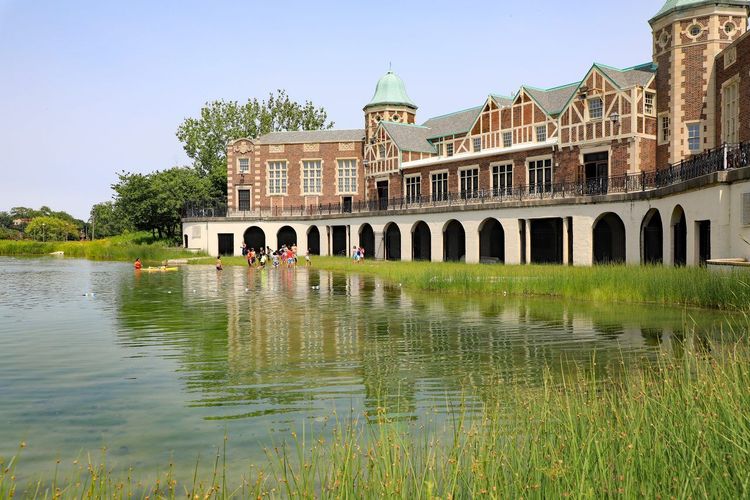
Yes, emphatically. Is Chicago kid friendly? The short answer: it is one of the easiest big-city trips you can take with children in the United States. The street grid means a family is rarely more than a ten-minute walk from a park bench, a public restroom, or somewhere to sit down. The lakefront runs almost unbroken for 18 miles, which gives restless toddlers somewhere to run that is not a sidewalk.
What makes Chicago specifically good for kids is the concentration of sights. Millennium Park, the Art Institute and Maggie Daley Park sit within a five-minute walk of one another downtown, so there is no need for a car or a 40-minute transit ride between highlights. The Museum Campus clusters three major institutions along one stretch of lakefront. Hotels in River North, Streeterville and the Loop put young families within stroller distance of almost everything in this guide.
Age matters more than you might think when you sketch the itinerary. Toddlers get the most from Maggie Daley Park, Crown Fountain, the Children's Museum and the Farm-in-the-Zoo. Kids from six to ten are the sweet spot for the Field Museum dinosaurs, the Shedd and the Centennial Wheel. Tweens and teens usually rank The Ledge, a Cubs game and an escape room far above anything with a gift shop.
The one honest caveat: summers run hot and humid, winters are genuinely cold, and spring can swing 30 degrees in a week. Pack layers, book an indoor backup plan for January, and the city handles the rest.
Practical comforts are easy to find too. The big museums all have stroller parking, family restrooms and cafes with simple kid-friendly food, and you can plan a day around them without ever being far from a warm place to regroup. That safety net is what lets you say yes to one more stop.
Millennium Park Icons: The Bean, Crown Fountain & Maggie Daley Park
Millennium Park is where most Chicago family trips start, and for good reason: three of the city's most photographed attractions sit inside a 25-acre rectangle you can cross on foot in under ten minutes. Budget at least two hours here, more if the weather cooperates and the kids refuse to leave the fountain.
The Bean (Cloud Gate) and Crown Fountain
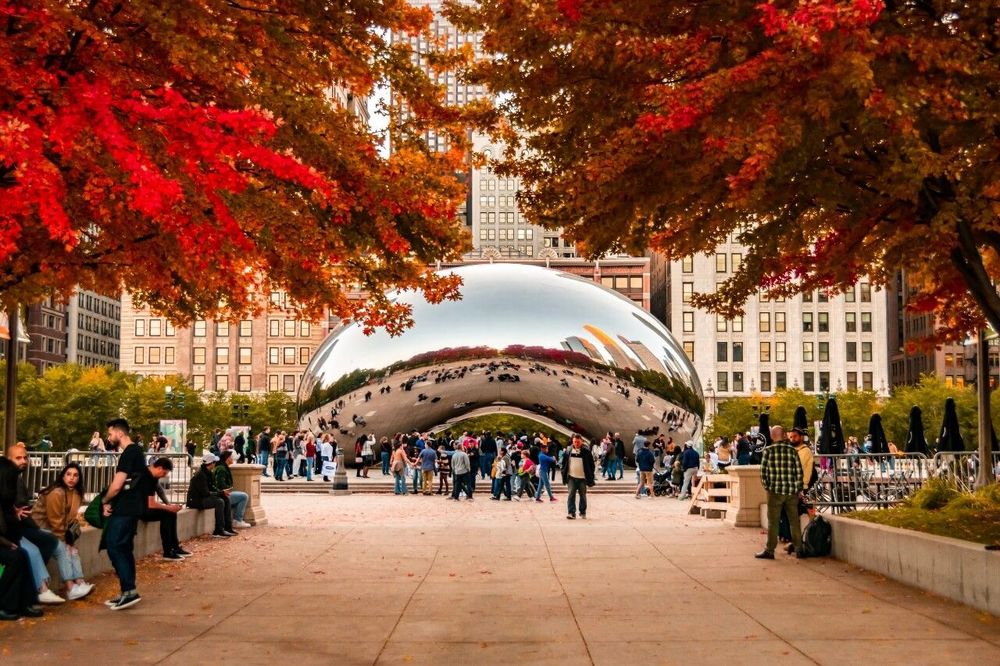
Cloud Gate, known to everyone as The Bean, is a 110-ton stainless-steel sculpture by Anish Kapoor shaped like a liquid mercury droplet. It reflects the skyline, the crowd, and anyone who walks underneath its curved belly, which is exactly why toddlers spend ten minutes just watching themselves multiply in the polished surface.
Arrive before 9 a.m. if you want a photo without forty strangers in it; by lunchtime the sculpture draws a steady ring of tour groups. A short walk south, Crown Fountain) is the piece kids actually remember years later. Two 50-foot glass-brick towers project video portraits of around a thousand real Chicago residents, and every few minutes a stream of water shoots from the projected mouth, soaking anyone standing underneath. From late spring through early fall, this is effectively a free splash pad with a rotating cast of faces.
Bring a dry change of clothes if your crew plans to stand close. Ryo's Chicago audio guide stops right at the Bean and Crown Fountain, and the commentary includes a short story about the fountain's two giant faces that reliably gets kids pointing and laughing before the water even starts.
Maggie Daley Park's Play Garden & Skating Ribbon
Across a footbridge from Millennium Park, Maggie Daley Park (337 E Randolph St, Chicago, IL 60601, rated 4.7/5 on Google (8 680 avis)) trades sculpture for pure physical play. The Play Garden mixes rope bridges, giant slides and the Enchanted Forest, a tangle of climbing nets and tilted mirrors, with separate corners that suit toddlers and bigger kids. None of it requires tickets or reservations, although the seasonal climbing wall nearby charges a fee.
In winter the park's quarter-mile Skating Ribbon winds through the landscape at a gentle grade, easier for first-time skaters than a flat rink because the loop keeps everyone moving in one direction. Outside skating season the ribbon turns back into a looping path through the park. Expect a 20-minute wait for skate rentals on weekend afternoons between December and February, and go early if you want the ice before it gets crowded.
Skydeck Chicago and 360 Chicago: Views Kids Will Remember
Chicago has two rival observation decks, and families often ask which one is worth the ticket price. Skydeck Chicago), inside the Willis Tower, is famous for The Ledge: four glass boxes that extend about four feet beyond the building's 103rd floor, 1,353 feet above the sidewalk. Kids old enough to stand on a glass floor over open air tend to either love it instantly or refuse to step on, so gauge your crew before you queue.
360 Chicago (875 N Michigan Ave, Chicago, IL 60611, rated 4.5/5 on Google (21 389 avis)), on the 94th floor of the former John Hancock Center, counters with TILT, a window section that leans outward over Michigan Avenue at the push of a button. It is gentler than The Ledge and better suited to kids under eight who want the view without the vertigo. The building also sits on the Magnificent Mile, so it pairs naturally with an afternoon of shopping breaks and ice cream stops.
Both decks run roughly $30 to $40 per adult ticket, with reduced child pricing and free entry for the youngest children; TILT is an add-on on top of the 360 Chicago admission. If your itinerary includes three or more paid attractions, check whether a CityPass bundle covers one of them before buying separately. The money-saving section further down works through the logic.
Timing makes a real difference here. Lines at Skydeck peak between 11 a.m. and 4 p.m. on summer weekends, so you will usually wait less first thing in the morning or in the hour before sunset. On cloudy days, check the visibility before you pay: if the top of the tower is wrapped in fog, the kids will see nothing but white.
Navy Pier: Rides, the Ferris Wheel & Lake Views
Navy Pier (600 E Grand Ave, Chicago, IL 60611, rated 4.6/5 on Google (89 247 avis)) stretches 3,300 feet, more than half a mile, into Lake Michigan and works as Chicago's single densest cluster of kid-specific attractions: the Chicago Children's Museum, a beer garden for the parents, boat tours leaving from the south dock, and a cluster of rides around the pier's park area.
The anchor attraction is the Centennial Wheel, a 196-foot Ferris wheel with enclosed, climate-controlled gondolas. The ride lasts about 12 minutes over three rotations and climbs high enough for a full skyline view without the exposure of an open-air wheel, which matters on a windy lake-facing afternoon. Lines run shortest before 11 a.m. and after 8 p.m.; midday on summer weekends can mean a 45-minute wait.
Entry to the pier itself is free, so you only pay for what the kids actually ride or eat. In summer the pier hosts fireworks over the lake on selected evenings, a cheap way to end a long day if your children can stay up past 9 p.m. Ryo's Ryo's audio-guided Chicago route follows the lakefront toward the pier, so families can step off for the Ferris wheel and pick the story back up once everyone is on solid ground. Plan on two to three hours if rides and a meal are both on the agenda; the pier closes earlier in winter months, so check seasonal hours before an evening visit.
Chicago Riverwalk and the Lakefront Trail
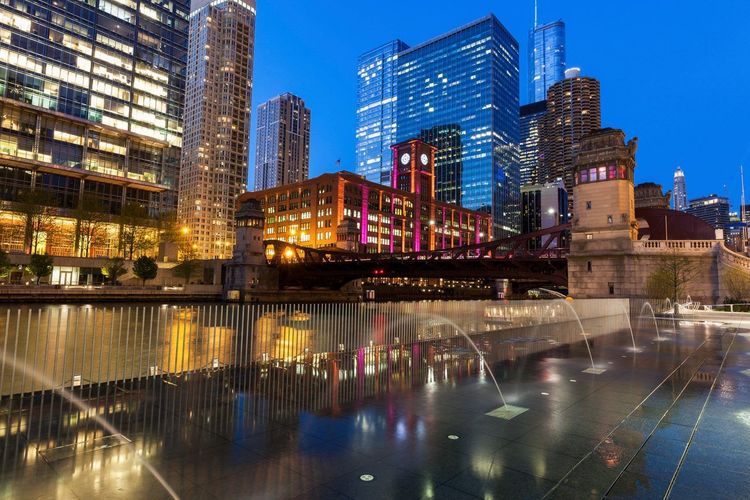
The Chicago Riverwalk (400 E South Water St, Chicago, IL 60601, rated 4.7/5 on Google (9K reviews)) runs 1.25 miles along the south bank of the Chicago River through downtown, with wide paved sections, boat docks, and a series of themed rooms, from a floating garden area to stepped seating by the water. It is one of the few downtown stretches where a stroller, a scooter, and a wandering eight-year-old can all move at the same pace without anyone getting frustrated.
Kids tend to gravitate toward the architecture river cruises docking along the walk, even if you skip the ticket and just watch the boats pass and the bridges lift. Further north and south, the 18-mile Lakefront Trail connects nearly every beach, park and museum in this guide into one continuous path, popular with cyclists in the morning and families on foot by late afternoon.
The trail also gives you direct access to the city beaches. Ohio Street Beach, a short walk from Navy Pier, has calm, shallow water that suits younger swimmers, while North Avenue Beach offers more space, volleyball courts and a skyline view. Chicago Park District beaches are lifeguarded from late May to early September, and swimming outside those weeks or hours is not allowed.
The riverwalk portion of the Ryo audio tour plays architecture stories timed to each bridge and boat dock, a detail that tends to land well with kids who like counting boats more than reading plaques. Rent bikes near the Riverwalk's eastern end if the whole family wants to cover the lakefront faster than walking allows.
Chicago's Best Museums for Kids
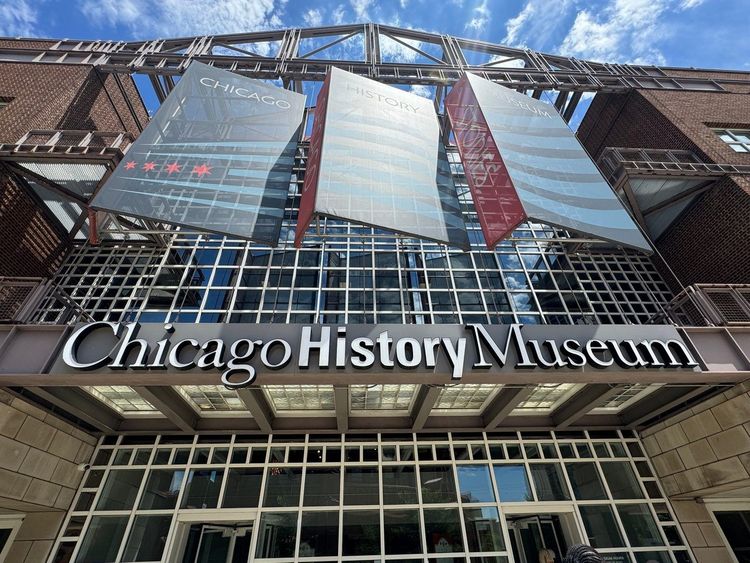
Chicago's museum lineup goes deeper than most American cities, and clustering them by theme rather than one-by-one makes a two-day visit realistic instead of exhausting. A good rule: one big museum per day, with a park or playground stop in the afternoon.
Science, Nature & Space: Museum of Science and Industry, Field Museum & Adler Planetarium
The Museum of Science and Industry) bills itself as the largest science museum in the Western Hemisphere, and it is the one most kids beg to return to. A full-size coal mine sits beneath the main floor, a real German U-505 submarine captured in 1944 fills a dedicated wing, and the Idea Factory gives children under ten a hands-on space to build and experiment. The building sits in Jackson Park on the South Side, so pair it with a lakefront walk rather than trying to cram in another museum.
Down on the Museum Campus, the Field Museum of Natural History) holds SUE, the largest and most complete Tyrannosaurus rex skeleton ever found, now displayed in its own gallery within the Evolving Planet exhibition. The main hall belongs to Máximo, a cast of a titanosaur so long that kids have to walk the whole hall to see the head. Children who like dinosaurs more than any other subject on earth tend to lose an hour here without complaint.
The Adler Planetarium rounds out the cluster with sky shows under a real dome and the Mission Moon exhibit, built around the Gemini 12 spacecraft flown by astronaut Jim Lovell. Just beyond it, the Shedd Aquarium) keeps beluga whales, Pacific white-sided dolphins and a coral reef with sharks circling a sunken wreck, all three institutions close enough together to walk between in under fifteen minutes.
Book timed tickets for the Shedd ahead of a summer or holiday weekend; the line outside can stretch past an hour. If you only have one Museum Campus day, the usual family order is Shedd in the morning, a picnic on the lawn facing the skyline, then the Field Museum once the school groups have left.
Art and Imagination: Art Institute of Chicago, Chicago Children's Museum & the Ice Cream Museum
The Art Institute of Chicago) is not usually the first stop families picture for young kids, but its Ryan Learning Center runs family activities and drop-in art making, and the miniature Thorne Rooms fascinate kids who would walk past a Monet. The bronze lions out front make a five-minute photo stop even for families skipping the galleries entirely, and children under 14 enter free.
Out at Navy Pier, the Chicago Children's Museum (700 E Grand Ave, Chicago, IL 60611, rated 4.6/5 on Google (7 107 avis)) is built specifically for kids under ten, with a three-story climbing schooner, a water play area, a dinosaur dig and a tinkering lab stocked with real tools. Expect a two-hour visit minimum once the climbing structure takes hold.
For a lighter, sillier stop, the Museum of Ice Cream on Michigan Avenue trades exhibits for a sprinkle pool, a three-story slide and themed photo rooms, closer to an installation than a traditional museum. It is closed on Tuesdays, and tickets sell out on summer weekends, so book ahead.
Across this whole cluster, keep an eye on free museum days: several Chicago institutions, including the Field Museum, the Shedd and the Art Institute, waive general admission for Illinois residents on specific dates throughout the year, a detail worth checking before you commit to a CityPass purchase.
Lincoln Park Zoo and Family-Friendly Parks
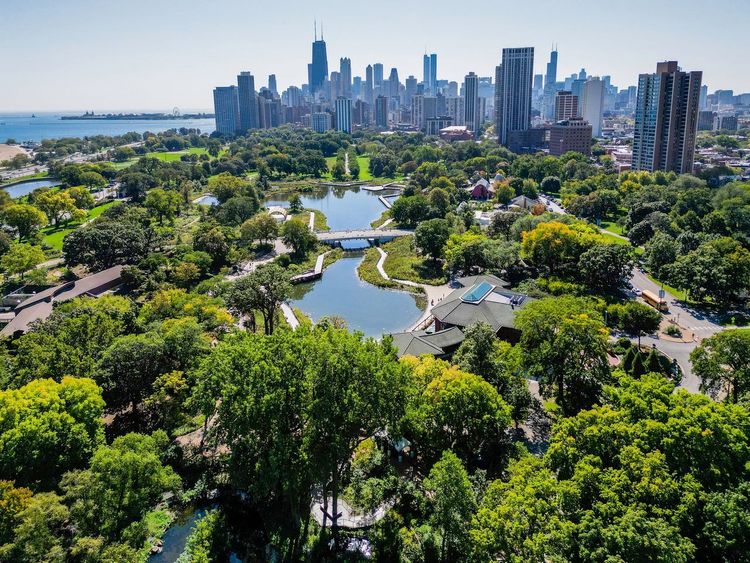
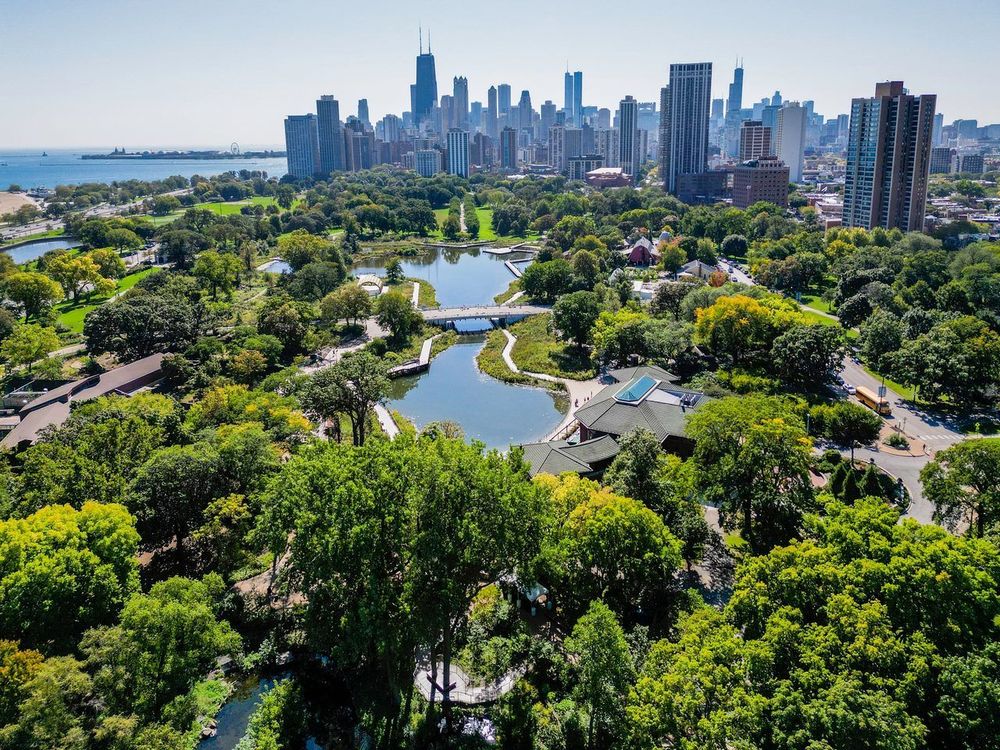
Lincoln Park Zoo) has been free to enter since it opened in 1868, which still surprises first-time visitors expecting a ticket booth at the gate. The zoo keeps around 200 species across 35 acres, including the Regenstein African Journey building and the Farm-in-the-Zoo, where younger kids can get close to cows, goats and chickens.
The zoo sits inside Lincoln Park itself, Chicago's largest park, which runs along the lakefront for about seven miles north of downtown. Within walking distance, the Lincoln Park Conservatory (2391 N Stockton Dr, Chicago, IL 60614, rated 4.8/5 on Google (4 191 avis)) houses a palm house and a fern room that give a humid, jungle-like break from a cold or windy afternoon, and it costs nothing to walk through.
South Pond, next to the zoo, rents swan-shaped pedal boats in warmer months, and the zoo's own play areas give younger siblings somewhere to burn energy while older kids finish touring the exhibits. In December, ZooLights covers the grounds in light displays, one of the city's favorite family evenings. Once you have done the downtown loop with Ryo's audio guide, the zoo makes an easy, unhurried half day by bus: the No. 151 runs straight up from Michigan Avenue.
If you have a spare morning on the West Side, the Garfield Park Conservatory is the other free greenhouse worth knowing. It is one of the largest conservatories in the country, and its Children's Garden lets kids climb and slide among oversized plant sculptures. On a grey February day the warm, damp air inside feels like a short trip to the tropics, and entry works on a free, suggested-donation basis. The Green Line stops a short walk from the entrance, so you can get there without a car.
Back in Lincoln Park, the lakefront side of the park has its own small rewards: the paths around North Pond, the sand at North Avenue Beach and wide lawns where kids can fly a kite on a breezy afternoon. Pack snacks and water, since food options inside the park are spread out, and keep the stroller for the walk back, because little legs give out long before the park does.
Playgrounds, Splash Pads & Indoor Play Spaces
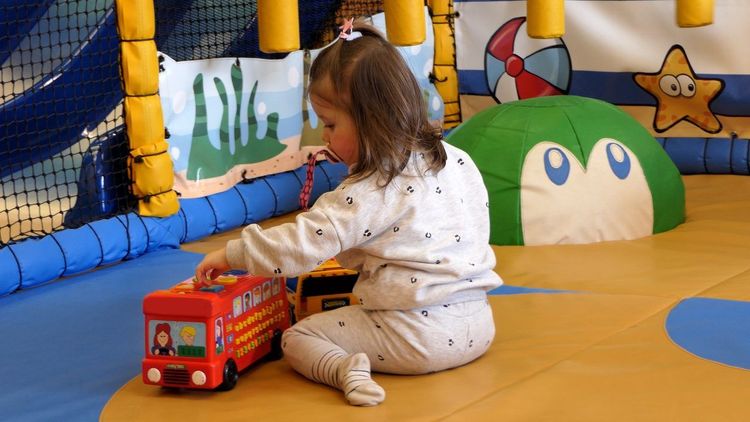
No single downtown attraction beats a good playground when energy needs burning off between bigger stops, and Chicago's parks system runs enough of them that repeating one twice in a week is avoidable.
Outdoor Playgrounds and Splash Pads
Beyond the Maggie Daley Play Garden, the Chicago Park District operates hundreds of neighborhood playgrounds, and several suburbs just outside the city limits run larger, newer play structures worth the drive on a free afternoon. Look for ones with separate toddler zones fenced off from the bigger-kid climbing towers, which matters more once you are managing an age gap between siblings.
Spray features scattered through the park system open for the warm months and typically run from late May through early September, weather depending; some suburban splash pads stay open into September on unseasonably warm weekends, a detail worth checking the week of your trip rather than assuming a fixed closing date. Downtown, Crown Fountain plays the same role for free, and neighborhood parks such as Humboldt Park pair water play with lawns and a lagoon, useful if one kid wants water and another wants grass to run on.
Indoor Play Zones for Rainy Days
Chicago weather turns without much warning, and the city has built up a genuine backup-plan economy around it. Indoor playgrounds across the metro area range from small storefront setups with ball pits and toddler slides to larger facilities with climbing structures, trampolines and arcade games, most charging a flat entry fee rather than per-activity pricing.
A few, particularly in the northern suburbs, run age-specific sessions so a crawling baby is not sharing a soft-play structure with a pack of seven-year-olds. Most post hourly or daily rates online, along with age recommendations, which is worth checking in advance if your group spans a wide age range. On a true washout day, pairing one indoor play space with a nearby museum keeps the whole day covered without a single outdoor stop; the Children's Museum and the Museum of Science and Industry are the two most reliable rainy-day anchors.
Kid-Friendly Food: Deep-Dish Pizza, Sweets & Family Restaurants
Chicago's food identity runs through deep-dish pizza, but the kid-friendly dining scene extends well past it, from quick sweets to easygoing restaurants that do not mind a stroller parked by the table. For the bigger picture on local dishes, Ryo's guide to the top culinary specialties in Chicago covers the hot dog, the Italian beef and the rest.
Deep-Dish Pizza Icons: Giordano's & Gino's East
Giordano's) popularized the stuffed deep-dish style, with a layer of cheese sandwiched between two crusts and a chunky tomato sauce poured over the top. Expect a 45-minute bake time once you order, which restaurants typically flag up front, so order early if dinner is already close to bedtime; many locations let you pre-order the pizza while you wait for a table.
Gino's East) runs a cornmeal-colored crust with a crisper base than Giordano's stuffed style, and the walls inside are famously covered in decades of customer graffiti, which keeps younger kids entertained while the pizza bakes. Both restaurants split a large pie across four to six portions comfortably, so one pizza often covers a family of four with leftovers.
Sweet Treats and Easygoing Eats: Doughnut Vault, Urban Belly & Bar Roma
The Doughnut Vault) is a closet-sized walk-up counter in River North that opens at 7:30 a.m. and closes once the day's batch sells out, so an 8 a.m. stop beats a noon gamble. The glazed and old-fashioned doughnuts go first, which turns a quick stop into a small game for kids guessing what is left.
For something closer to a real meal, Urban Belly), now in Fulton Market, runs a noodle-and-dumpling menu that plates fast and shares easily across a table of picky and adventurous eaters alike. Up in Andersonville, Bar Roma (5101 N Clark St, Chicago, IL 60640, rated 4.5/5 on Google (956 avis)) serves Roman-style Italian, with meatballs, house-made pasta and wood-fired dishes, a good sit-down dinner if you spend the afternoon in the neighborhood.
Across the metro area, dozens of restaurants run kids-eat-free nights on specific weeknights, usually with the purchase of an adult entree. It is worth checking a given neighborhood's weekly schedule before booking a family dinner out, since the savings add up fast across a multi-night stay.
Sports, Escape Rooms & Unique Family Experiences
Beyond the standard sightseeing list, a handful of experiences give families something genuinely different to do with an afternoon, and most competing guides only mention one or two of them.
A Wrigley Field) game is as much about the century-old ballpark atmosphere as the baseball itself; the Cubs' home field opened in 1914 and still runs a hand-operated scoreboard, which tends to fascinate kids more than the digital versions at newer stadiums. If the schedule does not line up with your dates, guided ballpark tours run on many non-game days and take you into the dugout and the bleachers.
For a rainy afternoon or an evening after the museums close, The Escape Game Chicago (42 E Ontario St, Chicago, IL 60611, rated 5/5 on Google (15 689 avis)) in River North runs several themed rooms built with movie-style sets, with difficulty levels that range from beginner-friendly to hard, so younger kids can work alongside parents rather than solo. Each game lasts 60 minutes and takes up to eight players.
Families who want deep-dish pizza explained rather than just eaten can book a guided food tour through operators like Chicago Food Planet, which walks small groups between several neighborhood stops with a local guide narrating the history behind each bite. It runs about three hours and suits kids old enough to sit through a short walking commentary between tastings.
Exploring Chicago's Neighborhoods: Andersonville and Beyond

Most Chicago-with-kids guides stop at the Loop and the Museum Campus, which skips one of the easiest half-day detours in the city. Andersonville (Clark St, Chicago, IL 60640), about six miles north of downtown along Clark Street, started as a Swedish immigrant enclave and still carries that heritage in a handful of specialty shops and bakeries, alongside a dense strip of family-run restaurants that see far fewer tourists than downtown.
The pace here runs slower than Michigan Avenue, with wider sidewalks, shorter lines and independent shops at almost every step. The Swedish American Museum on Clark Street hosts the Brunk Children's Museum of Immigration, where kids can climb aboard a recreated ship and see how a family would have packed for the crossing. The children's corner at Women & Children First, one of the country's best-known independent bookstores, is another easy stop for a quiet half hour.
It works well as a lower-key half-day alternative on a trip's second or third day, once the kids have hit their fill of downtown crowds. You can reach it by CTA Red Line to Berwyn or by the No. 22 Clark bus, and it pairs naturally with a lakefront bike ride, since the neighborhood sits close to the northern stretch of the Lakefront Trail. Spend the morning downtown with the Ryo audio guide, then head north for an unhurried afternoon and dinner.
Where to Stay in Chicago with Kids
Where a family sleeps shapes the whole trip more than almost any other decision, since it sets the walking distance to breakfast, naps, and an emergency bathroom.
Family-Friendly Hotels: Loews, Best Western River North & the Guesthouse Hotel
River North and neighboring Streeterville sit within walking distance of Navy Pier, the Magnificent Mile and the Riverwalk, making them the most convenient bases for a family trying to cover this guide's downtown attractions on foot.
The Loews Chicago Hotel), in Streeterville a few blocks from Navy Pier, has a reputation for welcoming families, with an indoor pool that saves many a rainy afternoon and proximity to both the river and Michigan Avenue shopping.
For families watching a budget, the Best Western River North Hotel) offers a more modest nightly rate without losing the walkable location, and its rooftop pool and on-site parking are rare at that price downtown.
If you would rather trade downtown for a neighborhood feel, The Guesthouse Hotel (4872 N Clark St, Chicago, IL 60640, rated 4.8/5 on Google (416 avis)) in Andersonville is all suites, from one to three bedrooms, with full kitchens, living rooms and separate bedrooms, useful once nap schedules no longer match bedtime. The Red Line gets you downtown in about half an hour.
A suite-style room is worth the extra cost for families with more than one child sharing a room, since a closing door between a parent's evening and a sleeping toddler solves more trip-planning headaches than any single attraction on this list. For a broader first-time planning rundown beyond lodging, Ryo's guide for first-time Chicago visitors covers neighborhood trade-offs in more depth.
Getting Around Chicago with Kids
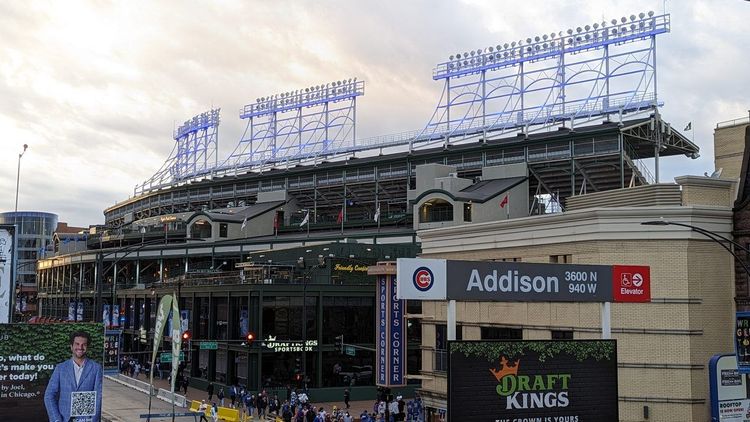
Chicago's transit system handles strollers better than most American cities, though it rewards a little planning. The CTA 'L' trains and buses run frequent service downtown, and many stations have elevators, though it is worth checking a specific station's accessibility before counting on it with a stroller mid-transfer. Children under 7 ride free with a paying adult, and kids from 7 to 11 pay a reduced fare, so transit stays cheap even for a family of five. A Ventra card or a contactless bank card works at every turnstile.
Water taxis along the Chicago River offer a scenic, kid-pleasing alternative to a bus for trips between the Riverwalk, Navy Pier and the Loop, running seasonally from spring through fall. They cost more than a standard CTA fare but cut out several blocks of sidewalk walking on a tired afternoon. To reach the Museum Campus, the No. 146 bus runs down from Michigan Avenue and stops right by the Field Museum and the Shedd.
Driving downtown comes with real friction: street parking is scarce and metered heavily, and most hotels charge a daily garage fee on top of the room rate. Families renting a car for suburb day trips tend to do better parking once near a transit stop and relying on trains for the downtown core, rather than hunting for parking near Navy Pier or Millennium Park during peak hours. A folding, lightweight stroller clears curbs and train gaps more easily than a bulky travel system, worth the swap for a Chicago-specific trip.
Money-Saving Tips: CityPass, Free Museum Days & Budget Hacks
A family of four visiting three or four paid attractions can rack up ticket costs fast, and CityPass is usually the first thing worth running the numbers on. The Chicago bundle includes the Shedd Aquarium and Skydeck, plus a choice among other attractions such as the Field Museum, the Museum of Science and Industry, the Adler or 360 Chicago, at a combined price often close to half of buying each ticket separately. It makes the most sense for families planning to hit at least three of the included attractions within its nine-day validity window.
Many of Chicago's top museums run free admission days for Illinois residents at specific points in the year, generally on weekdays rather than weekends, which thins the crowds along with the cost. Checking a given museum's calendar before a CityPass purchase can reveal a date that makes the bundle unnecessary for that particular stop.
Beyond ticketed attractions, remember that several of this guide's best stops cost nothing at all: Lincoln Park Zoo, the Lincoln Park Conservatory, Navy Pier's promenade, the Riverwalk, the Lakefront Trail, the city beaches and a visit to The Bean and Crown Fountain in Millennium Park. Free summer concerts and movies in Millennium Park add an evening option, and a picnic from a grocery store beats any lakefront snack stand on price. Stacking free mornings against one or two paid afternoons keeps a week-long trip's budget realistic without cutting the highlights.
Seasonal Family Activities: Splash Pads, Corn Mazes & Holiday Events
Chicago's calendar shifts hard by season, and timing your trip around it changes what is worth prioritizing. Summer is peak time for beaches, splash pads, Navy Pier fireworks and free outdoor events in Millennium Park; spray features across the park system wind down around Labor Day, so a late-summer trip can still catch water play without the deep-summer crowds.
Fall brings a wave of suburban corn mazes and farm activities within an hour's drive of downtown, with pumpkin patches, hayrides and a maze cut fresh each year; Konow's Corn Maze, southwest of the city, is a long-running favorite. October carries its own momentum toward Halloween, with several Chicago suburbs running family-oriented trick-or-treat events, pumpkin festivals and haunted trails scaled for younger kids rather than teenagers.
By late November, the city turns toward holiday programming: the Christmas tree lighting in Millennium Park, the German-style Christkindlmarket at Daley Plaza, ZooLights at Lincoln Park Zoo, and family photo mini sessions themed around the season that book up fast in December. Winter is also when the Skating Ribbon and the indoor museums carry the trip. None of this requires advance planning months out, but checking a specific week's event calendar before locking hotel dates can turn an ordinary trip into one built around a single standout evening.



FAQ
How many days do you need in Chicago with kids?
Three full days covers the core of this guide comfortably: one day downtown for Millennium Park and an observation deck, one for the Museum Campus, and one split between Navy Pier and a neighborhood like Andersonville. Add a fourth day for a zoo visit and a slower pace.
What is the best area to stay in Chicago with kids?
River North and Streeterville are the most walkable bases, putting families within reach of Navy Pier, the Riverwalk and Michigan Avenue shopping. The Loop works well for museum-focused trips, since it sits closest to the Museum Campus and Millennium Park.
Is CityPass worth it for a family visiting Chicago?
Generally yes if your trip includes at least three of the bundle's included attractions, since the combined price runs close to half of separate tickets. Check free museum days first, since they can reduce the value of including that specific stop in the bundle.
Are the Bean and Millennium Park free to visit?
Yes. Millennium Park, including Cloud Gate and Crown Fountain, and the Play Garden at neighboring Maggie Daley Park charge no admission at any point in the year. Only skate rentals, the climbing wall and a handful of seasonal programs carry a fee.
What is the best way to get around Chicago with young kids?
CTA trains and buses cover most of this guide's stops, children under 7 ride free, and many downtown stations have elevators. Seasonal water taxis along the river offer a scenic alternative between the Riverwalk, Navy Pier and the Loop, and a lightweight folding stroller handles curbs and transit gaps better than a bulky travel system.
Do restaurants in Chicago let kids eat free?
Many do, typically on specific weeknights with the purchase of an adult entree. The deals rotate by neighborhood and season, so checking a specific restaurant's current schedule before booking a family dinner is worth the extra few minutes.
A Chicago trip with kids rewards families who build in slack rather than overbook every hour. The lakefront, the free museum days and a well-chosen neighborhood detour like Andersonville do more for a trip's mood than cramming in one extra paid attraction ever will.
For a walking route that strings the downtown stops together with stories timed to each place, Ryo's full Chicago audio tour covers the Loop, the river and the lakefront in one continuous, kid-paced route your family can follow at its own speed.
À lire également