© Shutterstock
 Votre guide Ryo
Christmas Markets in Prague in 2026: Squares, Dates and Best Spots
At 4 p.m. in the middle of December, the sky above Prague is already turning midnight blue and the first whiffs of mulled wine drift through the cobbled alleys of the historic center. This is precisely the moment when the Christmas markets in Prague come into their own: about ten squares light up almost simultaneously, from the giant tree on Old Town Square to the more discreet stalls of the Peace Square district. To link several of them on foot without rushing through everything, the Ryo audio-guided tour of Prague tells you along the way why a certain Baroque facade overlooks a certain market, or why a certain square has kept its name since the Middle Ages.
The Christmas markets in Prague are not limited to the postcard image of the Old Town. You will come across a market open 365 days a year at Havelská, a temporary ice rink tucked behind the Old Town, and a medieval dinner show in a tavern in the center. Between mulled wine with honey, turned-wood craft shops and candlelit alleys, this guide details the 2026 dates, the squares not to miss, the ones hurried visitors overlook, and everything you need to know before booking a flight.
Prague Christmas Markets at a Glance: Dates and Atmosphere
The season traditionally starts on the last weekend of November and runs until January 6 for the biggest squares, with some closing as early as December 24. In 2026, the two flagship markets, Old Town and Wenceslas Square, open on Saturday, November 28 and remain in place until January 6, 2027, from 10 a.m. to 10 p.m.; the Old Town tree is lit on opening night, around 4:30 p.m. Neighborhood markets sometimes open as early as November 20 but almost all close on December 24.
About ten markets enliven the city each winter, spread across the historic center, residential neighborhoods and a few more secret corners such as Kampa Island. The atmosphere changes a lot from one square to another: a tree about twenty meters tall and dense crowds in the Old Town, almost quiet artisan chalets at Tylovo, and a queue for trdelník nearly everywhere.
Is it worth going despite the crowds? For most visitors, yes: few European cities combine Gothic architecture, lights and the smell of cinnamon so well. If you can, simply arrive on a weekday, early in the morning or after 8 p.m., to avoid the weekend peaks.
The Must-See Markets of the Historic Center
Old Town Square and Wenceslas Square: The Two Icons of the Center
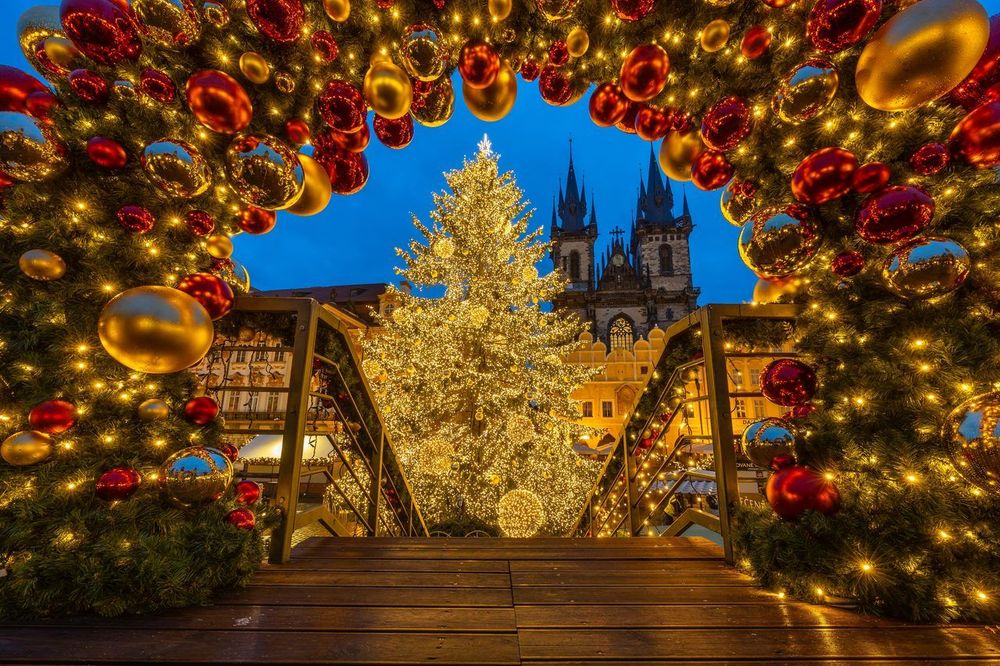
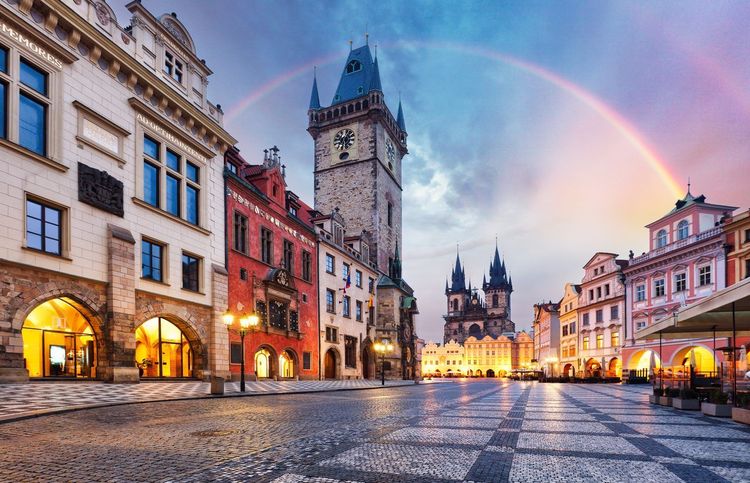
Old Town Square alone embodies the image most visitors have of the Christmas markets in Prague. A tree about twenty meters tall is erected there every year in front of the astronomical clock, surrounded by dozens of wooden chalets selling everything from trdelník to blown-glass baubles. The market runs from November 28, 2026 to January 6, 2027, making it one of the longest in the city.
The density of tourists there is real, especially between 5 and 8 p.m., when organized groups converge after dinner. Patient photographers prefer to return early in the morning, when the pink sunrise light falls on the Baroque facades and the chalets are just starting to reopen their shutters.
About ten minutes on foot to the south, Wenceslas Square offers a different atmosphere, more urban and wider. This vast square-avenue, lined with department stores and hotels, hosts a market open over the same period, from November 28 to January 6.
You will find more stalls selling warm clothing, Czech garnet jewelry and wooden toys, in an atmosphere slightly less photogenic than the Old Town but far less crowded during the day. It is often the market that Prague residents prefer for their Christmas shopping without the tourist crowds.
For families, the Old Town remains a must despite the crowds: a stage, a nativity scene and children's activities are generally added to the stalls. Allow a good hour just to cross the square while stopping at a few stalls, and bring Czech crowns in cash, as some small vendors do not accept cards.
Republic Square and Tylovo Square: Crafts and Neighborhood Atmosphere
Less well known in tourist guides, Republic Square is five minutes on foot from the Old Town, just behind the Municipal House and its Art Nouveau facade. The market there runs from November 25 to December 24, 2026, from 10 a.m. to 8 p.m., a shorter window than the two previous squares.
The place focuses on local crafts: pottery, embroidered textiles and braided straw decorations sold by producers from all over Bohemia. The setting, wedged between a modern shopping center and a municipal palace from the early 20th century, creates a less uniform atmosphere than the historic squares, but one that is more authentic in terms of products.
Further south, on the edge of Vinohrady and a short walk from the I. P. Pavlova metro station, Tylovo Square (Tylovo náměstí, 120 00 Praha 2, rated 4.4/5 on Google from 1.2K reviews) hosts a human-scale market from November 26 to December 24, 2026 (10 a.m.–7 p.m.). A handful of chalets is enough to create a village atmosphere in the heart of a Belle Époque neighborhood.
People come mainly for the calm: no queues, prices slightly lower than in the center, and regulars who stop for a svařák on their way home from work. If you want to feel the Czech Christmas atmosphere without the spectacle of the big squares, this is the best option.
The Ryo audio-guided tour of Prague, historic crossing in Baroque mosaic version, devotes several audio stops to the Old Town and Wenceslas Square, with the story of the astronomical clock told right in front of the dial while the bells chime the hour.
Peace Square and the More Discreet Markets
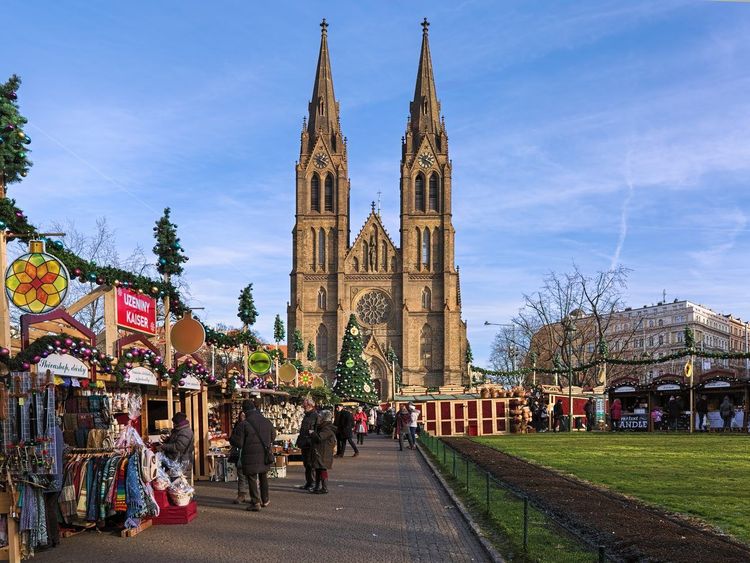
Peace Square, in the chic Vinohrady district, hosts a market that even some Prague residents discover late. Dominated by the neo-Gothic Church of St. Ludmila and bordered by the Vinohrady Theatre, the square welcomes about twenty chalets around a tree that is modest compared with the one in the Old Town, but the whole keeps a human scale that completely changes the experience.
It is also one of the first to open: in 2026, the chalets are set up as early as November 20 and stay until December 24, from 10 a.m. to 8 p.m. The clientele is mostly local: young families from the neighborhood coming after school, retirees meeting for a glass of mulled wine in the late afternoon. Prices are on average slightly lower than in the Old Town, for comparable craftsmanship. You can get there in a few minutes by metro from the center (line A, Náměstí Míru station), making it an easy outing for an evening without a complicated itinerary. Many visitors staying near the Old Town simply don't think of venturing there, even though the trip is shorter than a tram transfer in some European capitals.
Even further from the center, in the shopping district of Anděl (Nádražní, 150 00 Praha 5), the pedestrian zone hosts what many consider the least touristy Christmas market in the capital, generally from late November to late December. Set between the department stores and the tram stops, it mainly attracts Praguers doing their year-end shopping between two metro rides, and very few foreign visitors.
Another special case: Havelská Market (Havelská, 110 00 Praha 1, rated 4.2/5 on Google from 32,119 reviews) (Havelské tržiště), which is nothing like a temporary Christmas market since it operates all year round as a fruit, vegetable and souvenir market, with just a touch of extra decorations in December. Candied fruit, local honey and small decorations are then added to the usual stalls, in a narrow street of the historic center where prices remain among the most reasonable in the city.
Looking to get off the beaten track without going too far from the center? The Ryo audio-guided sub-tour "back to Prague's roots" links precisely these residential neighborhoods, with stops devoted to the history of Vinohrady and Anděl, far from the crush of the Old Town.
Prague's Hidden Markets: The Castle and Kampa Island
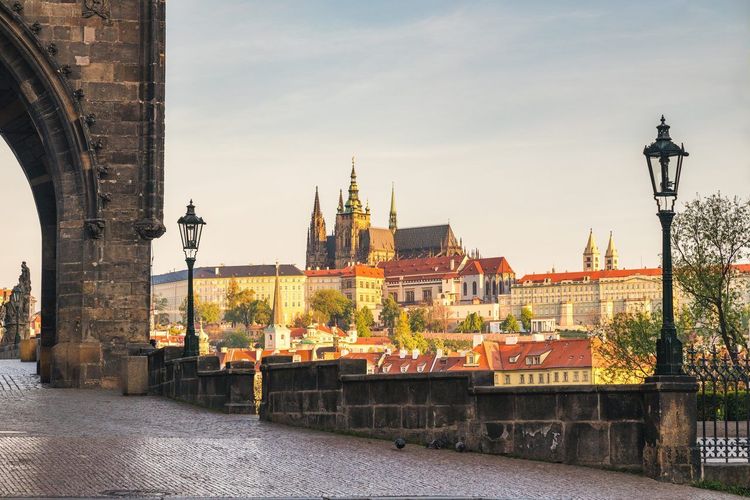
Beware of guides that have not been updated: the Prague Castle Christmas market, long set up in the courtyards of the complex, has not been organized on a regular basis in recent years. Instead, during Advent the Castle offers a Christmas trail (Vánoční putování) dotted with nativity scenes, put together with the Forman Brothers theatre, which sometimes opens buildings usually closed to the public. Before going up, check the year's program on the Castle's official website.
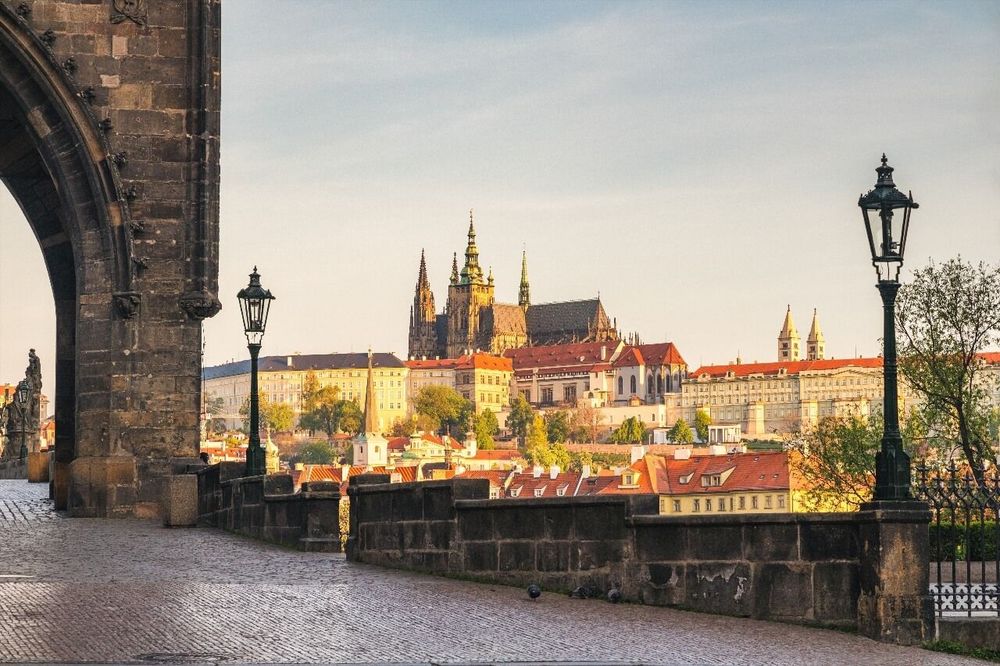
Even without chalets, the climb is worth it. The view from the ramparts, with the snowy rooftops of Malá Strana below and the spires of St. Vitus Cathedral standing out against the winter sky, justifies the effort on its own, and access to the outer courtyards remains free. Just bring good shoes: the cobblestones climb steeply from the tram stop.
Local history says that Golden Lane, within the castle grounds, owes its name to the goldsmiths who worked there from the late 16th century, and not to the legendary alchemists who supposedly came to seek the philosopher's stone for Rudolf II. The tiny colorful cottages once housed guards and craftsmen attached to the castle's service; number 22 even served as a writing office for Franz Kafka during the winter of 1916-1917.
Heading back down toward the Vltava via the Malá Strana stairs, Kampa Island (Kampa, 118 00 Praha 1, rated 4.7/5 on Google from 8,962 reviews) hosts a more modest market but one renowned for its picturesque setting. Bordered by a small arm of the river nicknamed "the Devil's Stream" (Čertovka), the island opens its market from December 3, 2026 to January 4, 2027, with a handful of chalets set up near the park and the historic water mills.
It is probably the most photogenic spot on the list, provided you come at nightfall, when the streetlamps are reflected in the calm water of the canal. To get there without going back from the castle, the tram goes down to the Hellichova stop, five minutes on foot from the island. Kampa Park remains open and free all year round, so you can return during the day, away from the market crowd, to see the famous faceless baby statues by David Černý.
Most guides treat the castle and Kampa as two isolated stops, separated by several pages. In practice, the two can be visited back to back: twenty minutes of walking is enough between them, cutting through the alleys of Malá Strana and its ochre facades. The Ryo audio-guided sub-tour devoted to the castle includes many stops in Golden Lane before accompanying you to the banks of Kampa, which saves you from piecing together this itinerary yourself on a paper map. Allow about two hours for the castle-Kampa combination, including the checks at the entrance to the royal courtyards, especially on weekends between Christmas and New Year.
Other Activities to Enjoy During the Holidays in Prague
Winter Strolls: Ice Skating, Streetlamps and Charles Bridge
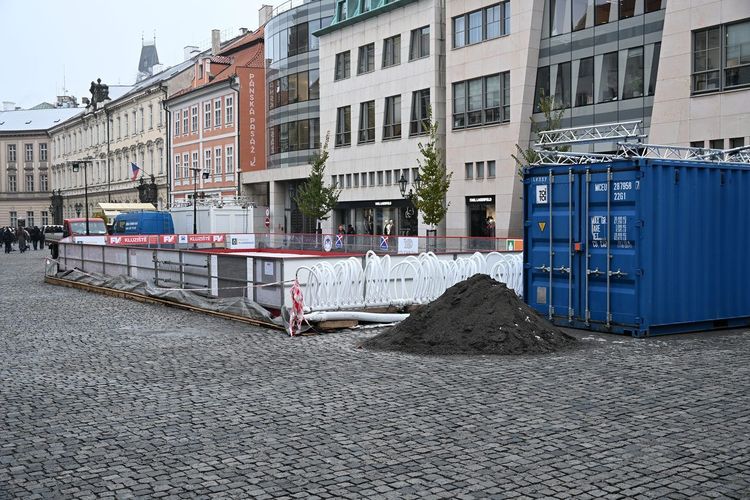
Between two markets, many visitors stop at the temporary ice rink set up some winters on Ovocný trh square (Ovocný trh, 110 00 Praha 1), a short walk from the Old Town. Prices remain modest, skate rental is available on site, and the music atmosphere changes with the time of day: rather family-friendly during the day, livelier after 7 p.m.
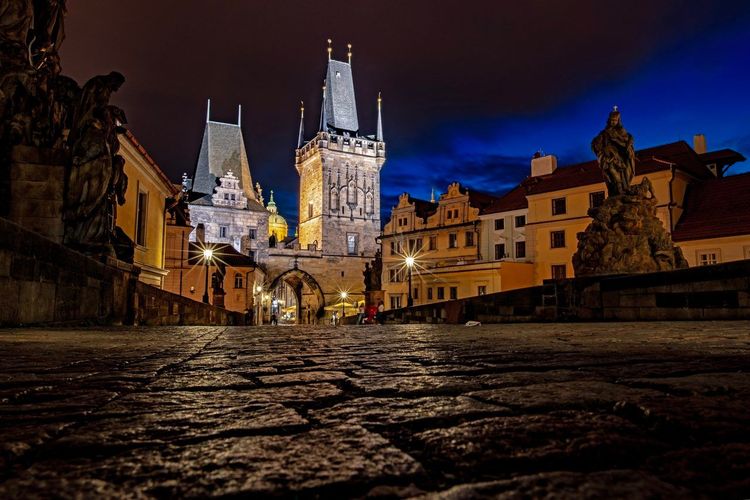
Another, more unusual tradition consists of watching for the lamplighter who, during Advent, lights the period gas lamps of Charles Bridge by hand (Karlův most, 110 00 Praha 1, rated 4.8/5 on Google from 202,365 reviews), in costume and with a long pole in hand. The lighting takes place at dusk, around 4:30–5 p.m. in December: position yourself on the bridge a little before nightfall to catch a glimpse.
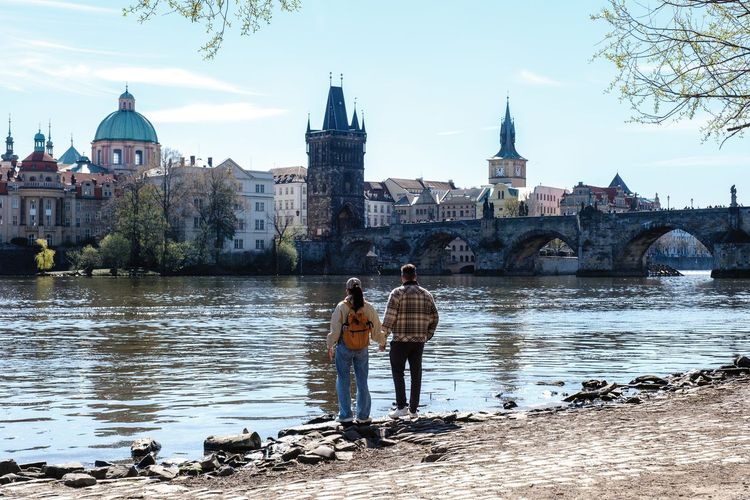
The bridge itself, free of the crowds of the warmer months, takes on a special look under the snow, with the Baroque statues lining the parapet covered in a fine white veil on some December mornings. A few street vendors still offer engravings and small souvenirs, far fewer than in summer, which leaves you time to admire the Gothic spires of the Old Town on the other side of the Vltava. For listening, an audio stop of the Ryo guide pauses right on the bridge and recounts this lamplighter tradition, which hurried visitors almost always miss.
Decorations and Illuminated Routes Around the City
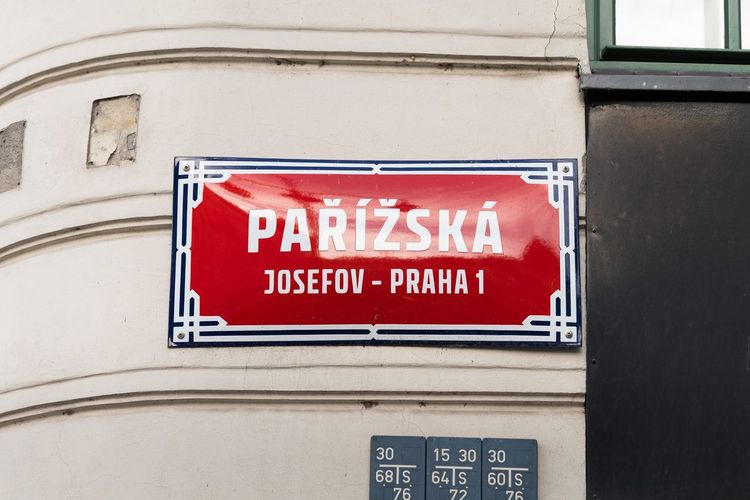
Every year, the city installs garlands and lights in several shopping streets, in particular Na Příkopě and Pařížská, where the windows of the big luxury houses compete with holiday decorations. The angel walk, an installation of illuminated angels suspended above a street in the center, is among the most photographed decorations of the season, generally installed between late November and early January.
For a complete tour of the decorations without a set itinerary, walk up from the Old Town toward Wenceslas Square via Na Příkopě: the route, about 1 km long, passes through most of the illuminated streets of the center in about fifteen minutes on foot, with a giant tree at both the start and the finish.
The lights come on at nightfall, between 4 and 4:30 p.m. in December, and stay on until late in the evening. Some hotels in the center even offer rooms with a direct view of one of these illuminated streets, a detail worth checking when booking if the nighttime atmosphere matters to your choice.
Christmas Shopping and Crafts: What to Bring Back from Prague
The Bohemian glass, blown and cut using centuries-old know-how, remains the most sought-after souvenir at the Christmas markets in Prague, whether as hand-painted Christmas baubles or small liqueur glasses. Prices vary enormously with quality: a simple bauble goes for around 100–150 crowns, while a hand-blown collector's piece can exceed 1,000 crowns.
The wooden puppets, traditionally carved for Czech folk theater, are another classic, alongside braided straw decorations and Bohemian garnet jewelry, this dark red stone mined in the north of the country for centuries.
For garnet in particular, favor jewelry shops with a certificate of authenticity rather than market stalls, where imitations circulate easily. As for treats to take away, decorated gingerbread (perník) and local honey keep well for the flight home, unlike trdelník, which is best eaten on the spot.
What to Eat and Drink at the Markets: Czech Christmas Specialties
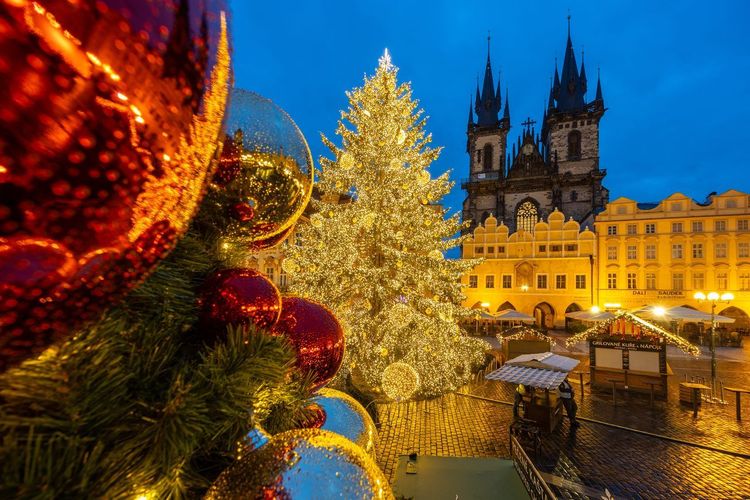
The Christmas markets in Prague are meant to be tasted at least as much as visited, with a handful of classics that appear at almost every stall.
Trdelník and Sweet Treats
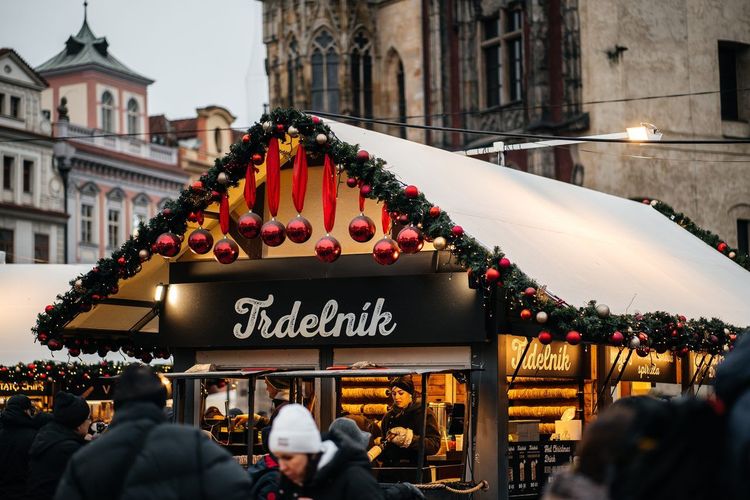
The trdelník, a dough wrapped around a stick, grilled then rolled in sugar and cinnamon, has become almost inseparable from the Christmas markets in Prague, even though its origin goes back more to Slovakia and Hungary than to historic Bohemia. Expect to pay between 80 and 150 crowns depending on the filling (plain, chocolate, or ice cream inserted inside in a more touristy version).
Alongside it, the grilled sausage (klobása), served with mustard and a piece of bread, remains the most common savory option, often prepared before your eyes over open-air embers. Those with a sweet tooth will also find filled doughnuts (koblihy), warm gingerbread and honey-roasted almonds, sold in small paper cones you keep in your pockets to warm your hands between stalls.
Svařák, Mead and Hot Drinks
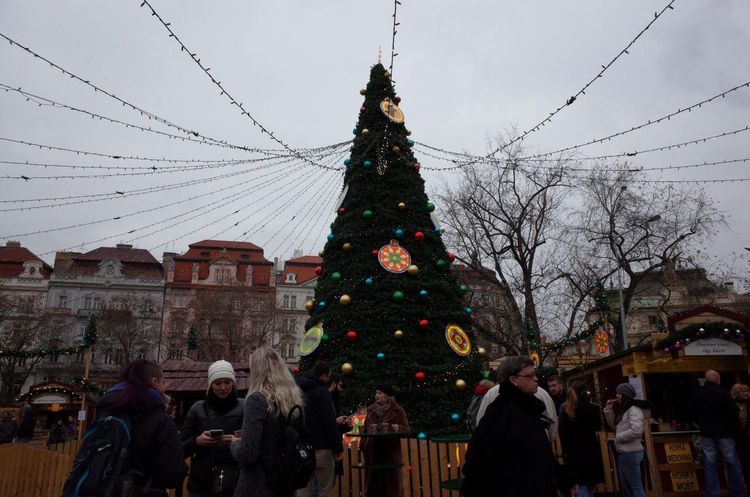
The svařák, mulled wine spiced with cinnamon and cloves, comes in a slightly different recipe at each market, with some vendors adding honey or a splash of rum. Expect to pay about 80 to 120 crowns per cup, sometimes with a refundable deposit on the mug, an anti-waste practice that is increasingly common.
The Czech mead (medovina), a drink made from fermented honey, is an alternative less known to foreign visitors but much appreciated locally, served warm in winter. For non-drinkers, thick hot chocolate and alcohol-free punch round out a selection of hot drinks that lets you stay out for several hours in the Prague cold, often close to 0°C in the evening in the depths of winter.
Prague's Christmas Cultural Program: Concerts and Shows
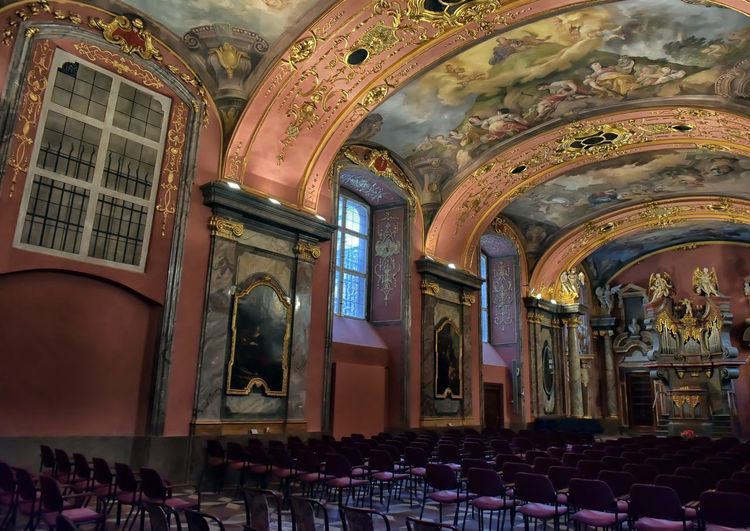
Beyond the open-air markets, Prague offers a dense cultural program every December, hosted by some of the most renowned concert halls in Central Europe. The Christmas concert in the Mirror Chapel, located in the Baroque Klementinum complex, offers a rare setting: walls adorned with mirrors and frescoes, intimate acoustics, for recitals often centered on Vivaldi and Baroque music.
Larger and more solemn, the Christmas gala concert at the Rudolfinum (Alšovo nábřeží 12, 110 00 Praha 1, rated 4.7/5 on Google from 10,889 reviews), a historic hall on the banks of the Vltava, hosts symphonic ensembles for programs mixing Christmas classics and great pieces of the Czech repertoire, notably Dvořák, whose statue stands in front of the building.
For a more unusual evening, some restaurants offer a dinner featuring Mozart's greatest arias, as the composer himself stayed in Prague and was particularly celebrated there, where his Don Giovanni premiered in 1787. New Year's Eve can also be spent as a medieval dinner show, in a tavern in the center that recreates banquets, jugglers and costumed sword fights, a more playful format than concert halls that particularly appeals to families with teenagers.
Book these evenings several weeks in advance: demand soars between December 20 and New Year, to the point that some venues add extra daytime performances.
Where the Markets Are: Map and Prague Districts
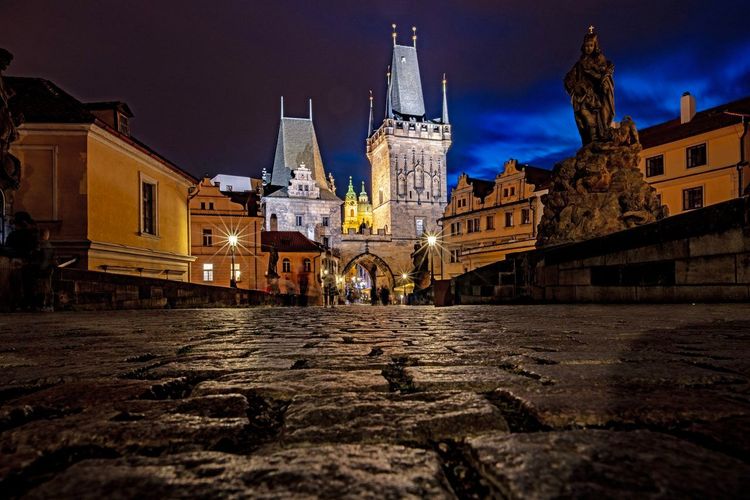
Most of the markets are concentrated in a small area of the historic center, between the Old Town, the New Town and Malá Strana, which lets you link them on foot in a single well-organized day. Only Anděl, Tylovo Square and Peace Square really move away from this tourist core, in residential neighborhoods 10–15 minutes away by metro or tram.
To find your bearings among the different districts, from Žižkov to Smíchov via Vinohrady, the Ryo article on Prague's districts details the boundaries and atmosphere of each area, useful for choosing where to stay depending on the markets you want to prioritize.
The most logical order geographically: start with the Old Town and Wenceslas Square (10 minutes on foot from each other), then cross to Malá Strana and the castle, before setting aside a separate half-day for the residential neighborhoods. For this last loop, the sub-tour "back to Prague's roots" guides you by audio between Vinohrady and Anděl. The metro remains the fastest way to get from one district to another in winter, when night falls as early as 4 p.m. and prolonged walking outdoors becomes less pleasant.
When to Go: Best Times to Visit and Avoid the Crowds
The quietest period is generally between November 28 and December 10, before the year-end school holidays and the influx of tourists coming for New Year. Conversely, the week between Christmas and January 1 sees the heaviest crowds of the entire season, particularly in the Old Town in the evening. Good to know: if you are aiming for the neighborhood markets, come before December 24, when most of them close.
On weekdays, crowds drop noticeably compared with the weekend, and mornings between 10 a.m. and noon remain the quietest slots for visiting the big squares. Markets generally open around 10 a.m. and close between 7 and 10 p.m. depending on the square, with hours sometimes adjusted on Christmas Eve and for New Year's Eve.
To enjoy the nighttime atmosphere without suffering peak density, aim for 5–6 p.m. on a weekday: night has fallen, the chalets are open and the crowd remains reasonable.
Where to Stay in Prague During the Christmas Markets
Staying in the Old Town or New Town area lets you walk to most of the major markets in under 15 minutes, a real advantage in the middle of winter when you would rather avoid metro rides after an evening in the warmth with svařák. It is also the most expensive area of the city, with rates rising sharply between December 15 and New Year.
The quieter Malá Strana district offers an interesting compromise: within walking distance of the castle and Kampa Island, with prices slightly lower than in the Old Town for an equally photogenic setting, cobbled alleys and Baroque facades included.
For a tighter budget, the Vinohrady and Žižkov districts, well connected by metro and tram, offer much cheaper accommodation while remaining 10–15 minutes from the center. It is also the most logical option if you plan to visit Peace Square or Tylovo Square, since accommodation there is often a short walk from the markets themselves.
Whichever district you choose, book several months ahead for the period from December 20 to January 2: prices can double compared with November, and the best places fill up quickly. Hotels near Václav Havel Airport are best avoided for a short stay focused on the markets: they require a daily trip of about forty minutes to the center, time better spent on the squares and seasonal concerts.
Transport, Budget and Money: Practical Information
Getting Around Town and from the Airport
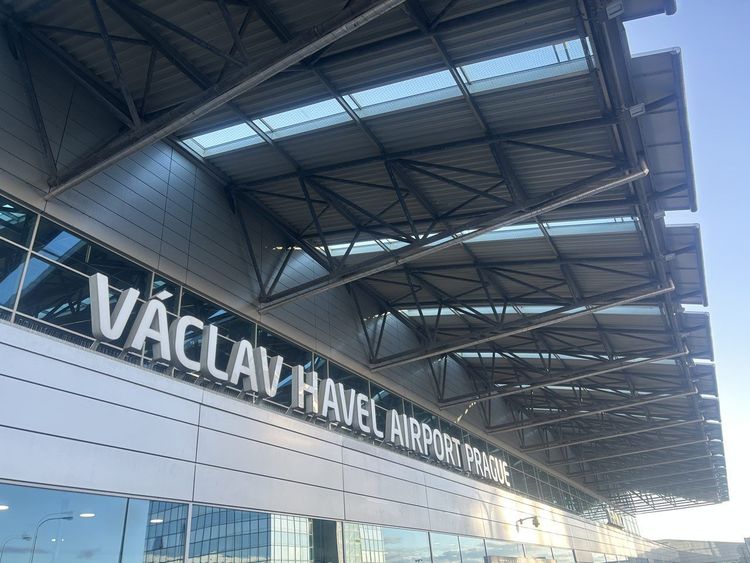
From Václav Havel Airport, the trip to the center is most often made by bus 119 to Nádraží Veleslavín metro station (line A), for a total of about 40 minutes with a 90-minute ticket costing less than 60 crowns. Taxis cost significantly more, generally between 600 and 800 crowns: use the official stands or a ride-hailing app, and avoid drivers who approach travelers directly at the terminal exit.
Once in town, the metro, tram and bus network covers most of the trips you need to visit the markets, including those in Vinohrady or Anděl. Since the fare increase on January 1, 2026, a 30-minute ticket costs 36 crowns in the app (39 on paper) and a 24-hour pass costs 140 crowns, worthwhile as soon as you plan four trips in a day.
On foot, allow about 10 minutes between the Old Town and Wenceslas Square, 25 minutes between the Old Town and the castle crossing Charles Bridge, and a good half-hour to reach Peace Square from the historic center. These distances, reasonable during the day, naturally lengthen in the evening when the cold slows your pace. In winter, the sidewalks of the historic center sometimes become slippery under frost or a thin layer of packed snow, a detail many visitors underestimate when packing their bags.
Budget, Payments and Conversion
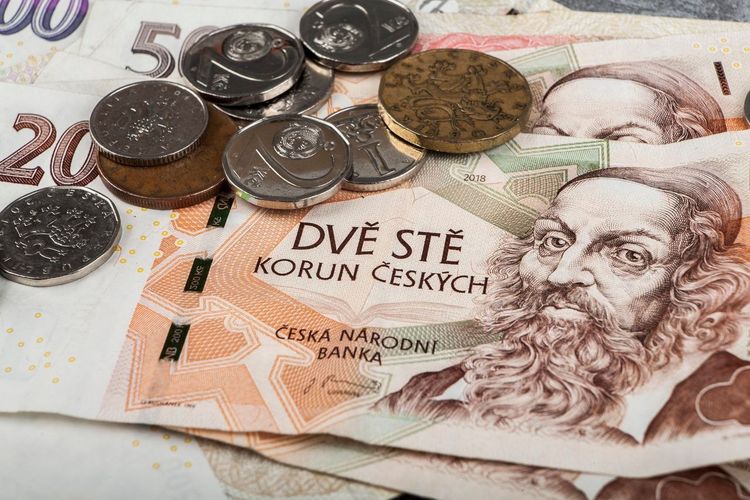
The local currency remains the Czech crown (CZK), despite the country's membership in the European Union: the euro is not the official currency and its use, accepted in some very touristy shops, is often at an unfavorable rate. Instead, withdraw crowns from an ATM affiliated with a local bank, declining the conversion offered by the machine, and avoid the exchange offices in the center with uncompetitive rates.
Bank cards are accepted almost everywhere, including at many market stalls, but keeping 500 to 1,000 crowns in cash remains useful for small vendors, notably at Havelská or in the more out-of-the-way squares. Also notify your bank before departure to avoid any card block abroad during the holiday season.
As for the overall budget, a typical day at the Christmas markets in Prague (hot drinks, snacks, a modest souvenir) often comes to between 500 and 800 crowns per person, or about 20 to 32 euros, excluding accommodation and full restaurant meals. A couple planning 4 to 5 days on site, decent accommodation included, generally budgets between 600 and 900 euros per person for the stay, airfare extra.
Visiting the Christmas Markets with Family
Prague lends itself surprisingly well to a family trip during the holidays, provided you organize your days around the children's rhythms rather than trying to see everything in a minimum of time. The ice rink, the live nativity scene and the Old Town activities easily fill an afternoon with young children.
Kampa Island, with its open park and unusual statues by David Černý, offers a good compromise between a quiet stroll and a fun visit, away from the density of the big squares at the end of the day. Prague families themselves happily bring their children there on weekends.
For meals, scout out a few places in advance that offer something other than trdelník and grilled sausage: several restaurants in the center serve children's menus, welcome after two hours of walking in the cold. Prague Castle, impressive but vast, is easier to visit in short stages with young children, for example by following the nativity scene trail rather than the entire complex.
As for clothing, bring several layers rather than one big coat to adapt between the outdoor cold and the often overheated interiors of cafés, a detail that makes a big difference to the comfort of the little ones over a whole day.
Formalities and Good to Know Before You Go
For European Union citizens, a valid identity card or passport is enough to enter the Czech Republic, as the country is part of the Schengen area. Travelers from outside the EU should check the entry conditions specific to their nationality before booking.
Travel insurance covering medical expenses and cancellation is still recommended; also consider the European Health Insurance Card if you are covered by a European scheme. In an emergency, dial 112, valid throughout the European Union.
No particular vaccination is required to travel to Prague. The main risk in winter remains the cold and slippery surfaces, hence the importance of good shoes and warm clothing. Also keep a digital copy of your travel documents and accommodation booking: if you lose your phone or passport, the procedures will be much easier.



FAQ
What are the dates of the Christmas market in Prague?
In 2026, the Old Town and Wenceslas Square markets open on November 28 and close on January 6, 2027. Neighborhood markets open between November 20 and 28 (Peace Square, Republic Square, Tylovo) and mostly close on December 24, while Kampa runs from December 3 to January 4.
What do people say about the Prague Christmas market?
Visitors generally praise the unique architectural atmosphere and the variety of squares, while noting heavy crowds in the Old Town in the evening during the year-end holidays and higher prices than elsewhere in the country. The quieter squares, such as Tylovo or Peace Square, often get better feedback for their tranquility.
What are the best places to visit in Prague for Christmas?
Old Town Square, Wenceslas Square and Charles Bridge at dusk remain the must-sees, complemented by Kampa Island for its setting, the castle and its Advent nativity scenes, and Peace Square for a more local atmosphere.
What are the 10 must-do things in Prague?
Beyond the markets, the essential visits include Prague Castle, Charles Bridge, the astronomical clock, the Malá Strana district, Kampa Island, a cruise on the Vltava, the Mucha Museum, Petřín Tower, the Jewish Quarter and a tasting of local specialties such as trdelník or goulash.
How many days should you plan to visit the Christmas markets in Prague?
Three to four days are enough to cover the main markets, the castle and one or two cultural activities without rushing. A five-day stay leaves more room for the residential neighborhoods and seasonal concerts.
What budget should you plan for a trip to the Prague Christmas markets?
Excluding flights, a budget of 600 to 900 euros per person for four to five days generally covers decent accommodation, meals, local transport and a few souvenirs, as the holiday period pushes accommodation prices up compared with the rest of the year.
Conclusion
Between the giant trees of the Old Town, the quieter alleys of Vinohrady and the market that never closes at Havelská, the Christmas markets in Prague offer more than enough material to fill several days without ever seeing the same atmosphere twice. The real difficulty is not finding something to do, but choosing in which order to link the squares without wasting time on transport.
Want to link the main squares of the center on foot, with the historical anecdotes that give each stop depth? Launch the Ryo audio guide to Prague and go at your own pace, without depending on a group's schedule, with a cup of svařák in hand between stops.
À lire également