


Créé par Romane, le 4 oct. 2026
Votre guide Ryo
Prague, Czechia
A Baroque City Full of History
Parcours audioguidé pour visiter Prague en 1 jour
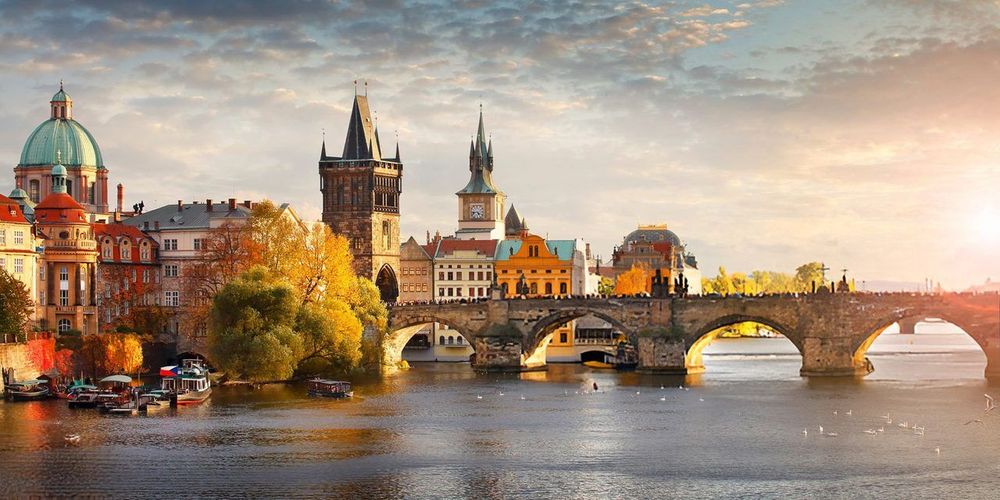
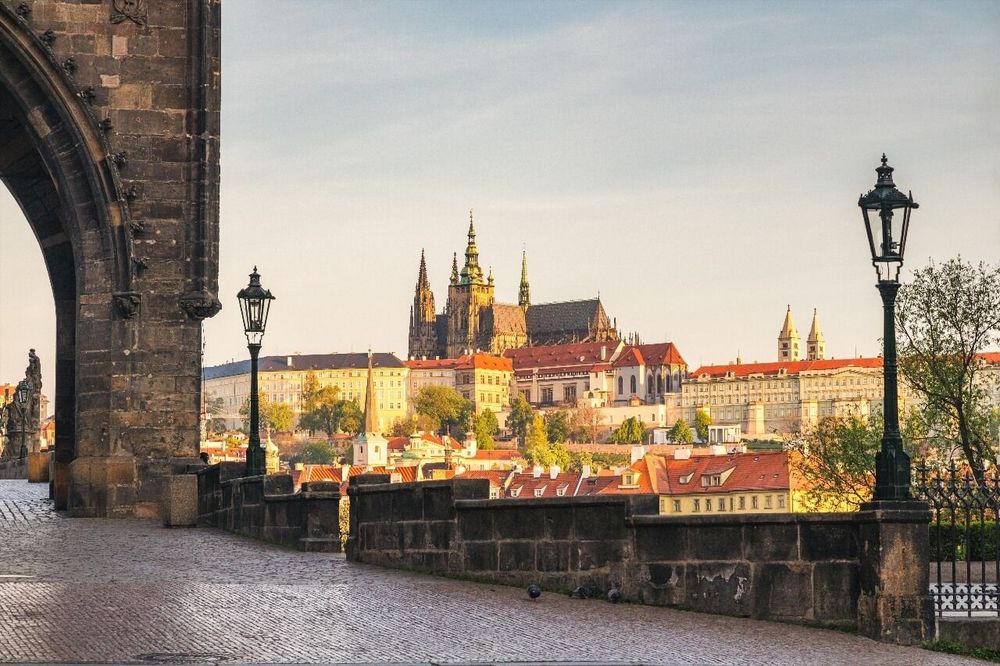
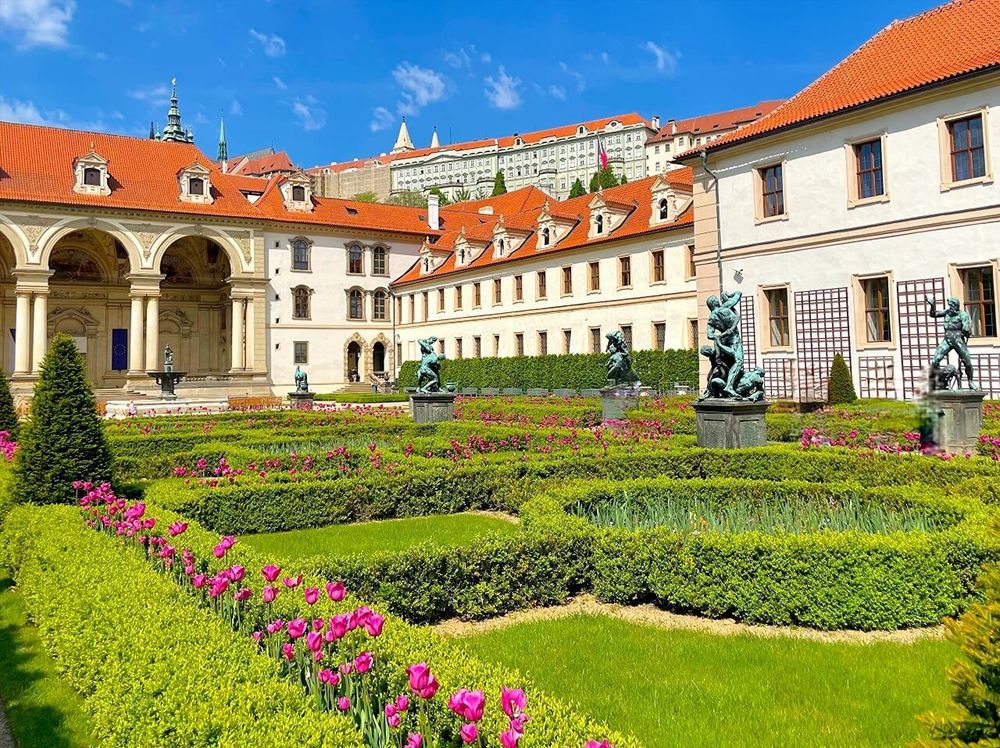
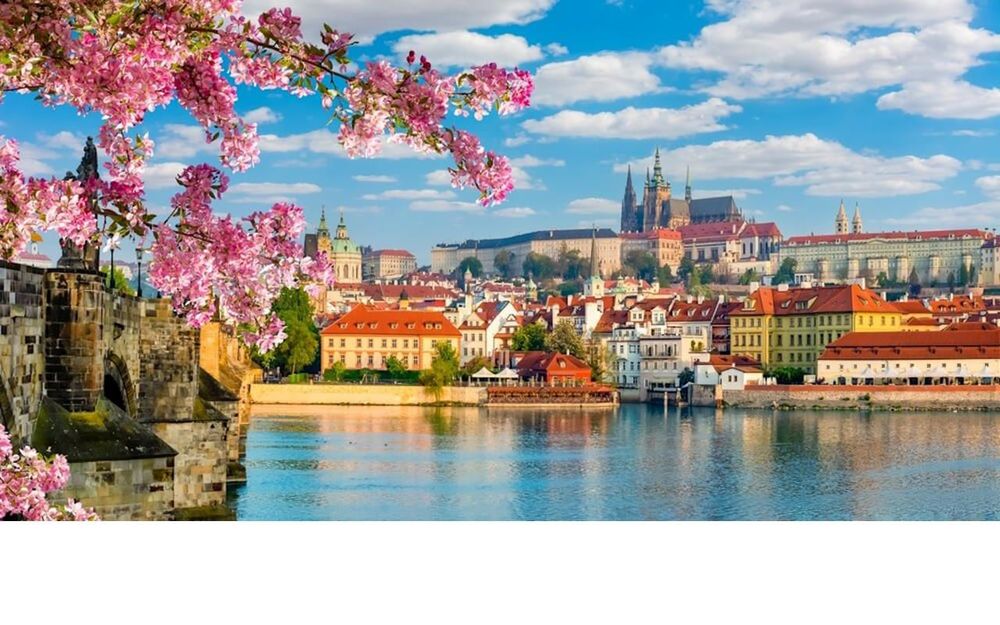
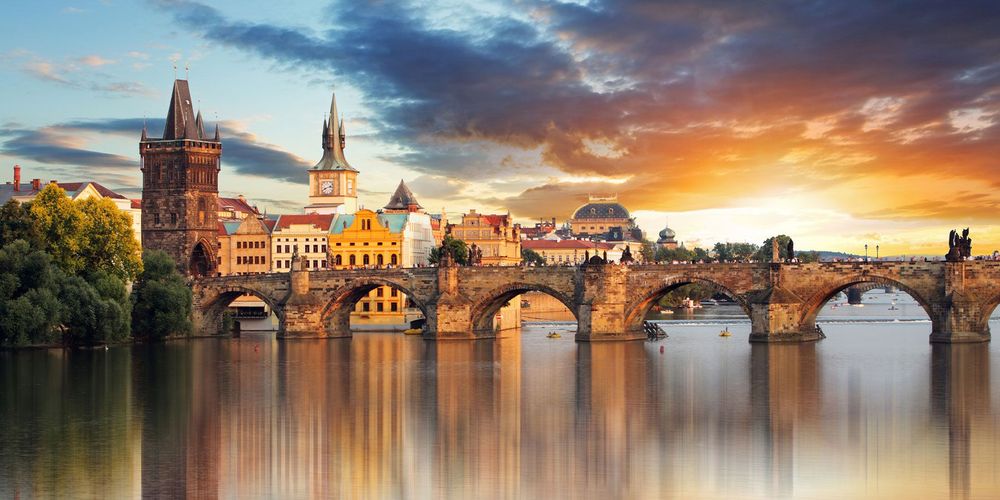
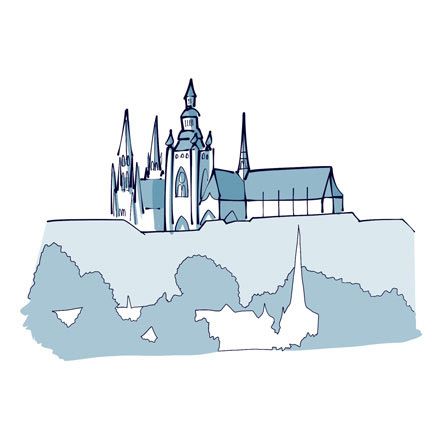
Lose yourself in the winding paths of Prague, a city that feels lifted straight from the pages of a storybook, where every cobbled lane of Malá Strana seems to whisper long-forgotten legends. This route leads you on a graceful ascent, from the creative buzz of Kampa Island up to the imperial heights of Prague Castle, a true crown of stone overlooking the Vltava River. Let yourself drift through a walk that feels suspended in time, where the elegance of Baroque palaces meets the mystery of Gothic cathedrals, and every bridge you cross becomes a passage between centuries of history and the enduring magic of a city unlike any other.
Quand partir à Prague ?
Jan.
1°
11
Feb.
2°
9
March
7°
10
April
11°
10
May
16°
12
June
19°
12
July
22°
12
Aug.
21°
12
Sept.
17°
9
Oct.
11°
8
Nov.
7°
10
Dec.
3°
11
The temperature in Prague generally averages around 9°C due to its continental climate, with cold winters and warm summers. January and February are the coldest months, with lows of around -1°C. On the other hand, July and August are the warmest months, with highs reaching around 25°C or even more. The rainiest months are from May to July. We recommend visiting between May and September, but there is always a chance of occasional rain.
Départ conseillé
No need to worry about where to begin! Our tours are designed as a loop, so you can jump in wherever you are. The navigation system and audio-guide will automatically adjust to your location. However, if you happen to be nearby, we do have a preferred starting point: Au 22 Malostranské náměstí.
Parking à proximité
Valdštejnské nám. 17/4, 118 00 Malá Strana
Are you bringing a car to Prague? If so, here is some useful advice! There are four coloured parking zones in Prague. Blue zones are reserved for residents—so visitors, hands off! The purple zones are open to residents, company vehicles, and visitors for a maximum of 24 hours. The orange zones are good for tourists, you can park for up to six hours. Finally, the green zones on the outskirts allow parking for up to two hours, with public transport nearby. Finding free parking in Prague is like looking for a needle in a haystack - but not impossible! Your best bet is to leave your car in residential areas on the outskirts and take public transport to the city center. At least during the week—on weekends, you can park in places marked with signs reading “Po-Pa” instead of "Po-Ne." But remember to stay away from the blue zones! There are two other important things to know once you've parked: do not park within three meters of a pedestrian crossing and do not obstruct street cleaning. Look out for a blue sign with a red border, featuring a red cross, that reads "Čištění komunikací", meaning street cleaning - especially if you want to avoid a trip to the impound...
À savoir
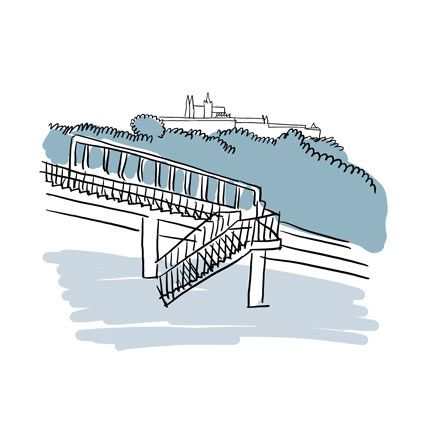
During our tour, you will pass through Prague Castle and Petřín Hill. These sites have specific opening and closing hours. If they are closed when you arrive, you will need to take one of the following routes to get back on track with the tour. From Prague Castle : Zámecké schody street -> Thunovská street From Petřín hill : Újezd street -> Karmelitská street
Like all top tourist destinations, Prague offers benefits and discounts on transport and activities with the Prague Card. It’s a great option for exploring the city at your own pace while taking advantage of special offers.
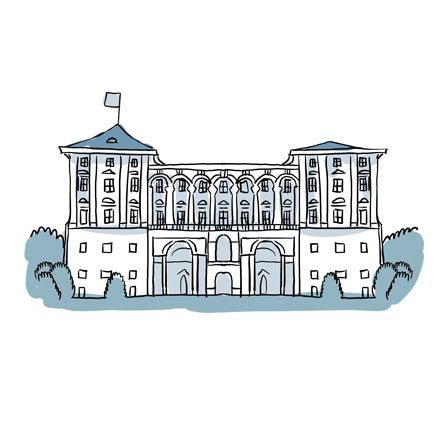
Découvrez 29 lieux d'intérêt pour visiter Prague




Le plein d'inspirations
Explorez le monde en totale liberté, à pied au cœur des villes ou au fil des routes. Nos guides audios transforment chaque destination en une découverte culturelle immersive et unique.
FAQ for visiting Prague
Is Prague worth visiting?
Prague is one of those cities that wins you over within hours. Known as the city of a hundred spires, it came through the centuries without the destruction that struck many European capitals, so its historic centre, a Unesco World Heritage site, brings Gothic, Baroque and Art Nouveau together in a single view. You will find both the buzz of a living capital, with its cafés, concerts and beer halls, and the quiet of cobbled lanes that have barely changed. Add to that short distances, a warm atmosphere and an easy-going way of life, and the result is a city that is a pleasure to visit in any season. Few visitors leave disappointed.
When is the best time to visit Prague?
Spring and autumn are generally the most pleasant times to come. From April to May the gardens and the banks of the Vltava turn green again, temperatures stay mild and the crowds remain manageable. From September to October, the golden light on the rooftops and the colours of the parks make a superb setting, again with fewer people than at the height of summer. July and August are hot and noticeably busier, especially around Charles Bridge and the astronomical clock, where an early start pays off. Winter is cold and sometimes snowy, but the city then takes on a storybook air, particularly during the Christmas market season. Simply pack clothing suited to the season.
How many days do you need to visit Prague?
Three days is the ideal format for discovering Prague without rushing. That leaves time to devote one day to the Old Town and the Jewish quarter, another to the Castle and Malá Strana, and a third to the newer districts such as Nové Město or Vinohrady, keeping a slot for a museum or a concert. In two days you will see the main monuments, but the pace will be brisk. With four or five days you can linger more, climb Petřín hill, explore Vyšehrad and treat yourself to a trip into the surrounding area. As the centre is compact, a large part of the sightseeing is done on foot.
What are the must-see sights in Prague?
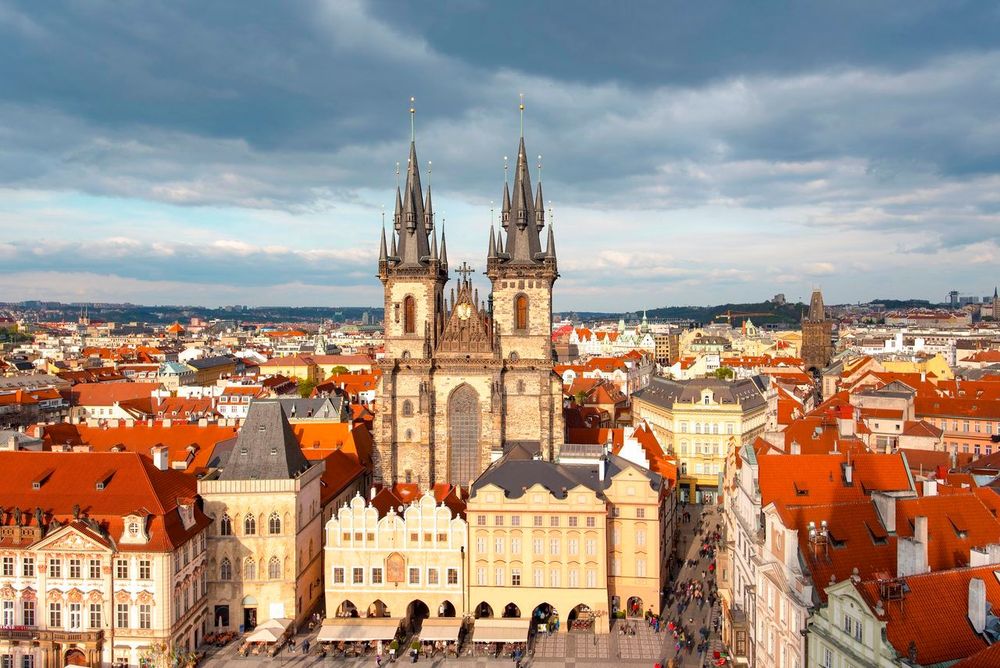
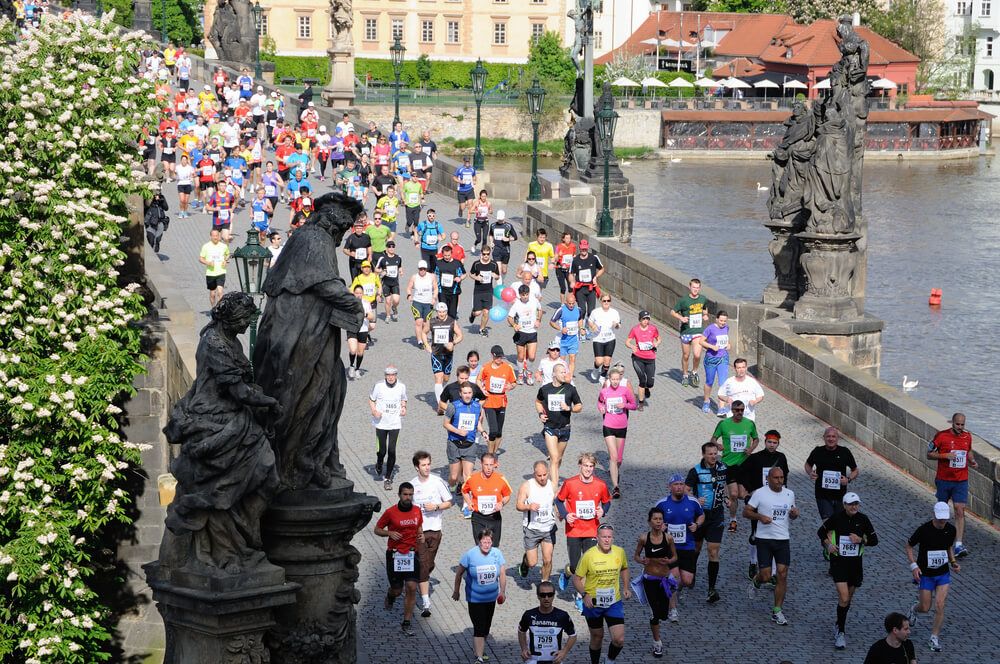
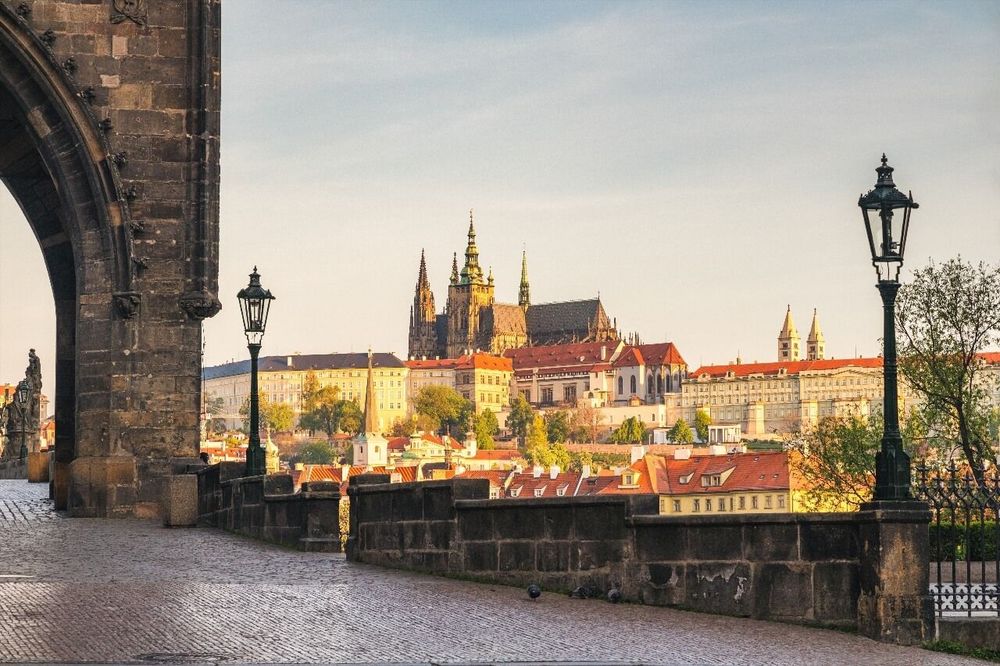
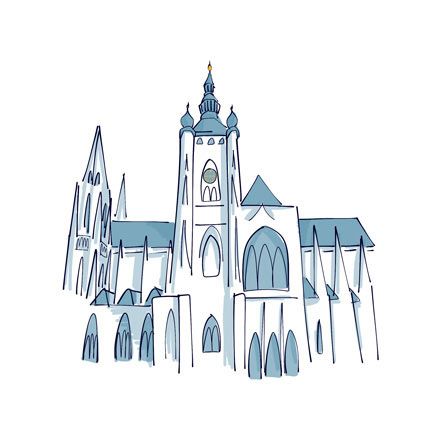
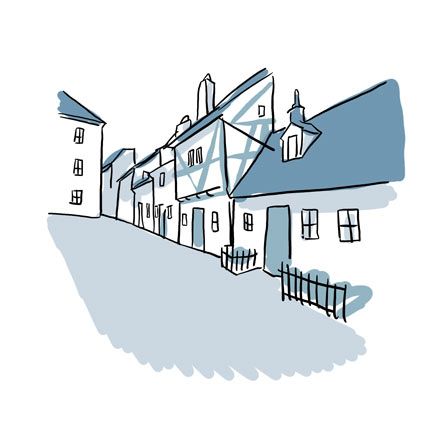
The Old Town Square gathers several of the capital's emblems, with its astronomical clock, the old town hall and the Church of Our Lady before Týn. From there, Charles Bridge and its statues lead to Malá Strana and then up to Prague Castle, a vast complex that shelters St Vitus Cathedral and the Golden Lane. The Jewish quarter of Josefov, with its synagogues and its old cemetery, completes this historic core.
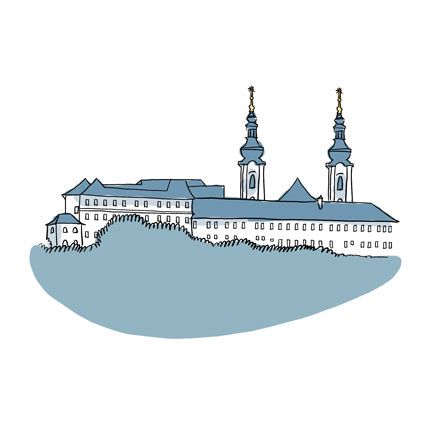
Add to that Wenceslas Square, Kampa island, Strahov Monastery and a view over the rooftops from Letná park or Petřín hill. The Ryo audio guide offers a dedicated Prague route that links these highlights on foot, telling their story as you walk.
Which neighbourhoods should you explore in Prague?
Staré Město, the Old Town, is the tourist heart, with its cobbled lanes and lively squares. Right next door, Josefov preserves the memory of Prague's Jewish community through its synagogues and its cemetery. On the other side of the Vltava, Malá Strana charms visitors with its Baroque palaces, terraced gardens and quiet passageways, while Hradčany, higher up, is organised around the Castle. Nové Město, despite its name, dates back to the Middle Ages and holds the main shopping streets around Wenceslas Square. To get off the beaten track, head out to Vinohrady and its neighbourhood cafés, or to Žižkov, more alternative, known for its bars and its television tower.
How do you get around Prague?
The historic centre is very easy to cover on foot: the main monuments are close to one another and walking remains the best way to take in the atmosphere. Do bring comfortable shoes, though, as the cobblestones and the climbs up to the Castle soon make themselves felt. For longer journeys, the city has an efficient public transport network built around the metro and an extensive tram system that also serves the outer districts, with night lines. Tickets are bought from machines in the stations and must be validated before boarding. A funicular also takes you to the top of Petřín hill without any effort.
Which Czech specialities should you try in Prague?
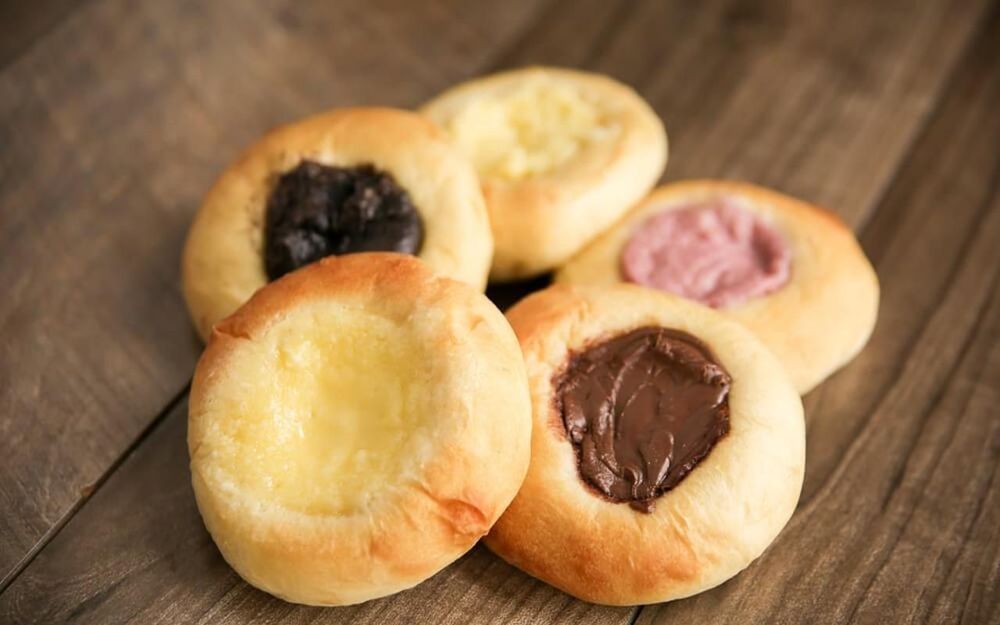
Czech cooking is generous and comforting. Try guláš served with knedlíky, the bread dumplings that often stand in for potatoes, or svíčková, a cut of beef served with a creamy sauce and a spoonful of cranberries. Vepřo knedlo zelo, roast pork with cabbage, is another classic. At lunchtime, chlebíčky, small topped open sandwiches, make a handy snack, and medovník, a honey cake, rounds off a meal nicely. Czech beer naturally accompanies it all and is best enjoyed in traditional beer halls. One last thing worth knowing: the trdelník sold in the street, despite appearances, is not a local speciality.
What mistakes should you avoid on a trip to Prague?
The first is to stick to the terraces lining the busiest squares: quality there is often uneven, and moving a few streets away is enough to eat better. Avoid changing money at street exchange counters advertising no commission, and use bank cash machines instead. Do not get into a taxi flagged down at random near the tourist sites; apps and clearly identified companies are more reliable. Remember to validate your ticket on the tram or the metro before setting off. Finally, do not reduce Prague to its beer or to the souvenirs in shop windows, such as Russian dolls, which have nothing Czech about them.
What currency and language are used in Prague?
The currency in use is the Czech koruna, not the euro, even though the country belongs to the European Union. Some tourist businesses accept euros, but the rate applied is rarely favourable: it is better to pay in korunas, by card or by withdrawing cash from a bank machine. Contactless payment is widespread, including for small amounts. The official language is Czech, a Slavic language that can be disconcerting at first. In the centre, English is commonly spoken in hotels, restaurants and visitor sites, and German is still fairly widespread. A few polite words in Czech, such as dobrý den for hello, are always appreciated.
Vos commentaires, idées et suggestions
Aucun avis pour le moment