© Shutterstock
 Votre guide Ryo
Visiting Prague with Family: The Complete Guide for a Successful Trip in 2026
In Prague, kids stop in their tracks before the astronomical clock when the skeleton rings its bell — a spectacle replayed every hour on a clock installed in 1410. It is exactly this kind of concrete detail that makes visiting Prague with family surprisingly straightforward: the city is compact, the must-sees are a few minutes' walk from one another, and the centre stays safe even in the evening. The Ryo Prague audio tour connects these places in an order designed to hold younger visitors' attention, without depending on a guided-tour schedule.
This guide brings together everything you need for a Prague stay with children: a zoo ranked among Europe's finest, home to elephants and Komodo dragons; a Lego museum with giant dioramas; a little-known fortress perfect for a treasure hunt; swan-shaped paddle boats; and summer pools along the Vltava. It also covers the practical questions that matter most: how to get there, where to stay, what to pack, and how much to budget.
Why Visit Prague with Family?
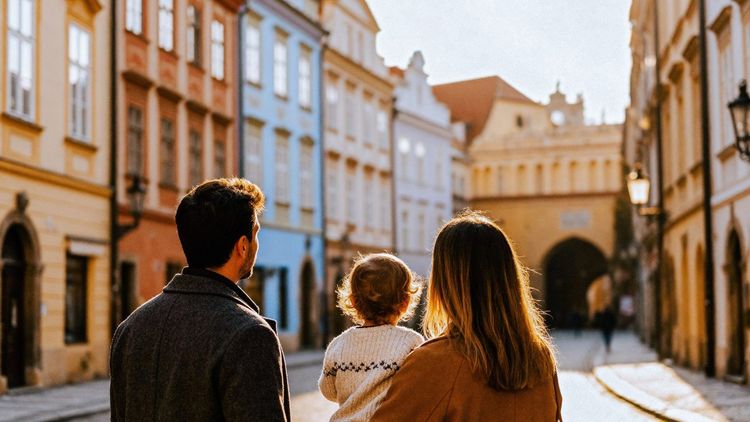
Prague ticks almost every box you look for before travelling with children. The historic city fits into a small area: from the Old Town, you can walk to the Castle in about twenty minutes, and the tram takes over as soon as little legs get tired. The cobblestones call for a sturdy stroller, but everything else falls into place: few cars in the historic centre, low crime, and Praguers who are used to strollers on the tram.
The budget also works in favour of the Czech capital. The koruna remains advantageous against the euro, and in Prague under-15s travel free on public transport. The city changes character with the seasons: in December, the Christmas markets transform the Old Town Square into a fairy-tale setting, with non-alcoholic hot drinks for the little ones. In fine weather, the Vltava riverbanks fill with terraces, boats, and picnics. You can therefore come back in a different season without repeating the same trip.
The Old Town and Charles Bridge with Children
The Old Town is best explored on foot, which is just as well: with children, it is better to string together short stages than long metro transfers. It is also along this stretch, from the clock to Charles Bridge, that the Ryo audio guide concentrates its first anecdotes, turning the walk into a series of little stories.
The Astronomical Clock and the Old Town Square
On the Old Town Square, every gaze eventually looks up towards the astronomical clock. Installed in 1410 on the Town Hall, it triggers an hourly mechanical procession from 9 a.m. to 11 p.m.: Death shakes its bell, the apostles parade past the windows, and a golden rooster brings the show to a close. For children, the wait works like a countdown — as long as you arrive five minutes before the hour to squeeze to the front.
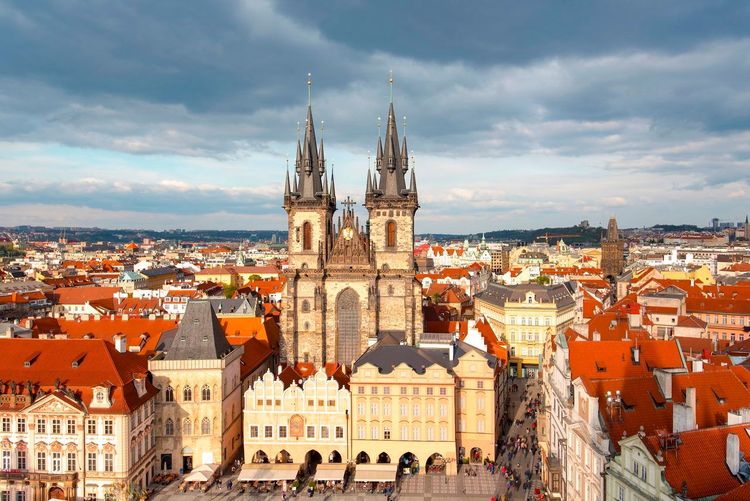
The square itself is worth a visit in its own right: pastel façades, the Church of Our Lady before Týn with its dark spires, and stands selling trdelník — a pastry rolled on a spit and dusted with sugar and cinnamon. Note that the ice-cream-filled version is more of a tourist product than a local tradition, which does not stop children from loving it.
Right next door, the Town Hall tower is open to visitors: a lift serves the gallery, making it accessible even for the youngest. The view sweeps across the red rooftops of the Old Town and, on a clear day, the Castle on its hill.
Charles Bridge and Its Unusual Statues
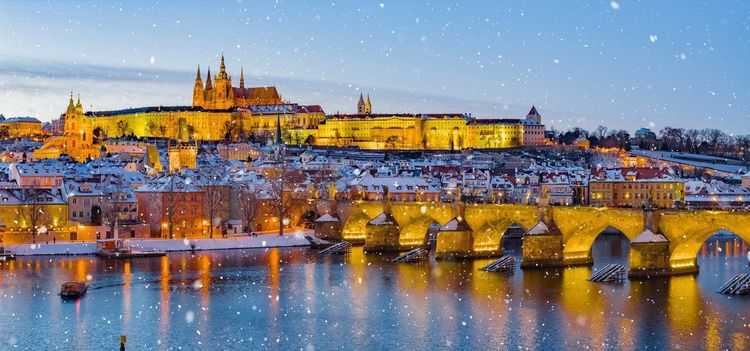
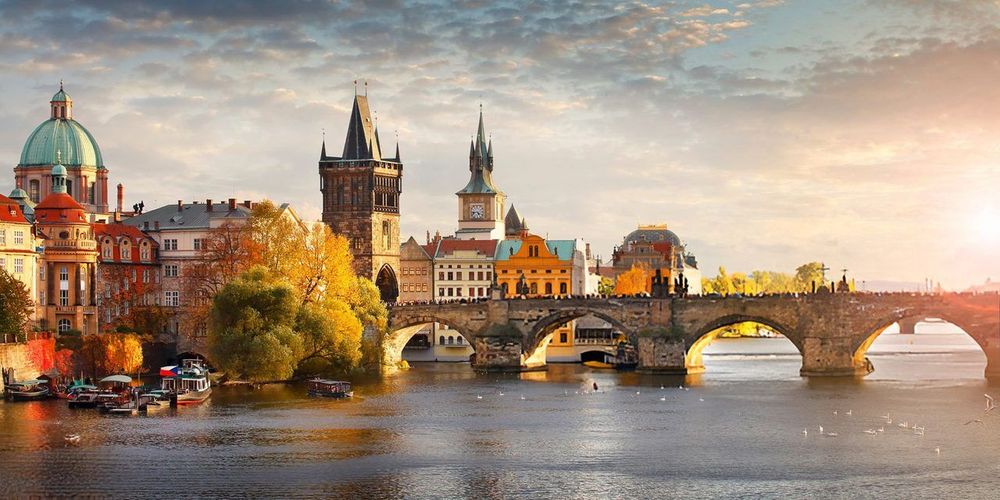
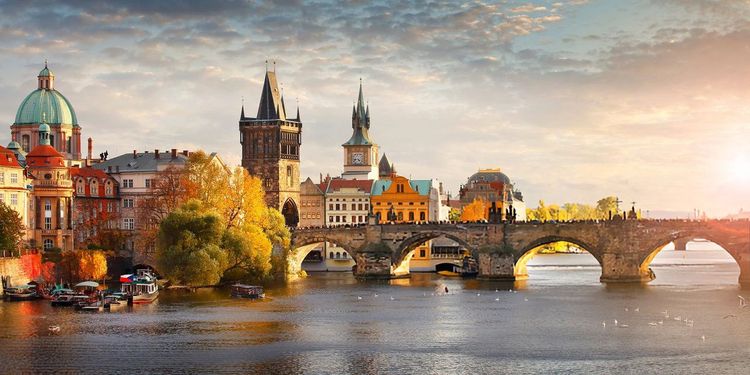
Walking down Karlova Street, you emerge onto Charles Bridge, begun in 1357 under Charles IV, completed in the early 15th century, and reserved for pedestrians. About thirty Baroque statues line its sides, some genuinely peculiar: Saint John of Nepomuk, whose bronze plaque you rub to make a wish (the little dog in the bas-relief shines from being stroked so often), or the knight Bruncvík standing guard on a pillar, golden sword in hand.
During the day, street musicians and caricaturists capture the attention of younger visitors. To avoid the crowds, aim for early morning or late afternoon. The crossing takes only about ten minutes: turn it into a game such as "find the statue that scares you the most."
Wenceslas Square and the New Town
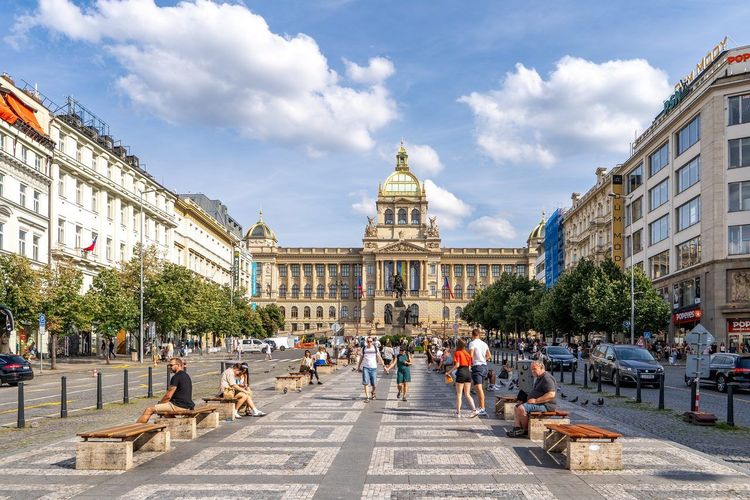
At the other end of the centre, Wenceslas Square (Václavské náměstí, 110 00 Praha 1) looks more like a boulevard: about 750 metres long, lined with shops, and closed at the top by the façade of the National Museum. It is a practical landmark more than a spectacular stop, useful for resting on a bench or catching the metro.
Despite its name, the New Town dates from 1348: Charles IV founded it to relieve an already overcrowded Old Town. Art Nouveau buildings and modern shop signs offer a striking contrast after the medieval lanes. To head back towards the Old Town, take the pedestrian street Na Příkopě, lined with shop windows that easily hold tired eyes.
Prague Castle and the Malá Strana Neighbourhood
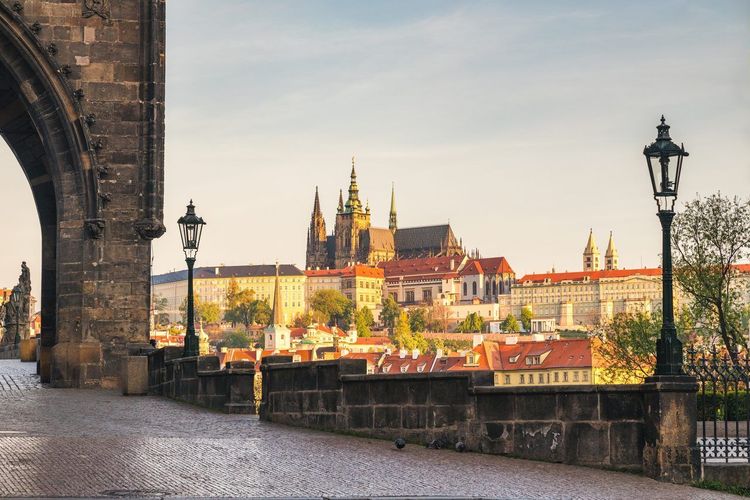
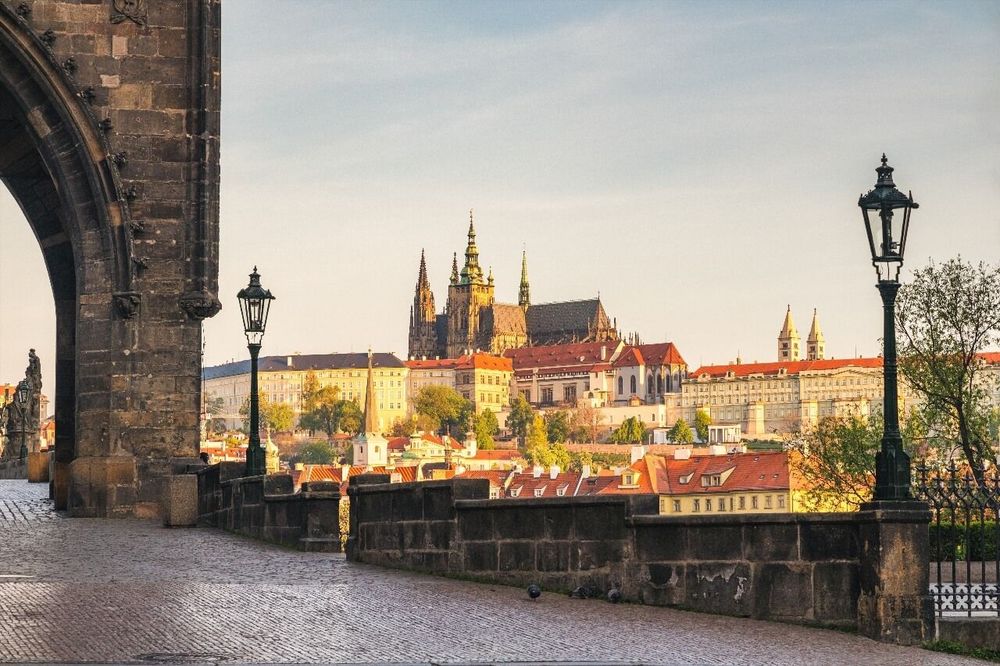
On the other side of Charles Bridge, Prague Castle dominates the hill above Malá Strana. The Guinness World Records lists it as the largest ancient castle complex in the world — enough to fill an entire morning.
The Castle and St. Vitus Cathedral
Past the guarded gates (the changing of the guard takes place every hour, with a more solemn ceremony at noon), the first striking sight is St. Vitus Cathedral. Its Gothic spires tower over the city, and the interior combines royal tombs and colourful stained-glass windows, including one signed by Alfons Mucha that children spot thanks to its vivid colours. In high season, queues can exceed 30 minutes: a riddle game helps pass the time.
Within the grounds, Golden Lane is well worth a detour: these colourful little houses, once home to guards and goldsmiths, have doors so low that adults have to stoop. Upstairs, a gallery of armour and swords delights fans of knights. For a deeper dive before you go, this dedicated article on Prague Castle covers the history of the site in detail.
The Castle Gardens: a Hidden Gem with Children
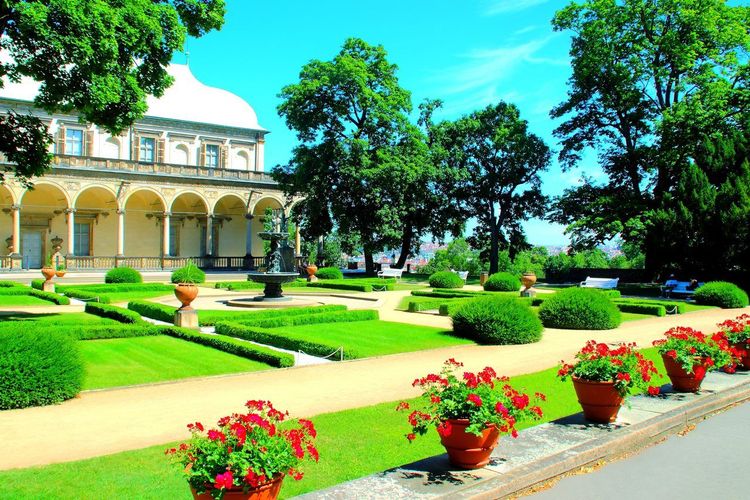
This is often the stop that hurried visitors skip — wrongly. The Royal Gardens, open during the warmer months, feature lawns, Renaissance pavilions, and views over the rooftops of Malá Strana. Admission is free, and children can run around without being told not to touch anything.
Further down, the Wallenstein Gardens add a theatrical touch: a wall of fake stalactites where you search for hidden faces, peacocks roaming freely, and a carp pond. Twenty minutes here is enough to recharge the batteries before the next activity.
The Cobbled Streets of Malá Strana
Walking back down from the Castle, the cobbled streets of Malá Strana (the "Lesser Town") contrast sharply with the bustle of the Old Town. The Baroque houses still bear carved signs — a violin, a lamb, a crayfish — that served as addresses before street numbering: challenge the children to count as many as they can in a hundred metres.
The neighbourhood also hosts the John Lennon Wall, covered in graffiti and peace messages since the 1980s. Just next to it, Kampa Island (Na Kampě, 118 00 Praha 1) forms a park tucked between two branches of the Vltava, where David Černý's giant babies with barcode faces are guaranteed to provoke a reaction from children. It is also a good escape when the crowd on the bridge becomes too dense.
With young children, the short version of the Ryo audio tour avoids the marathon effect: fewer stops, an audio counter displayed on screen to show where you are, and the freedom to pause whenever an ice cream becomes non-negotiable.
Vyšehrad Castle and the New Town Seen Differently
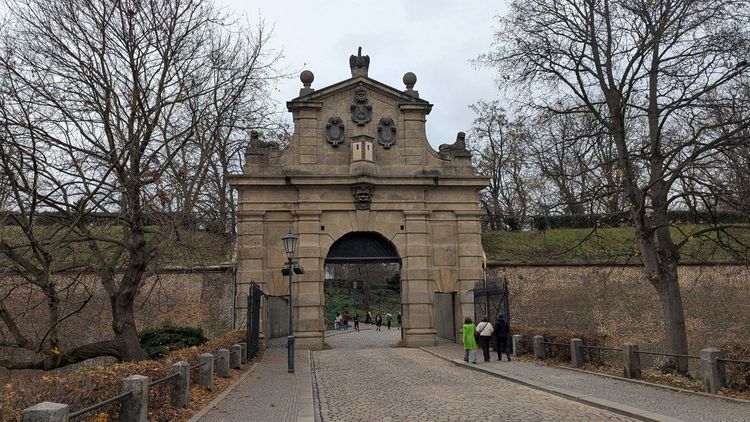
Far from the crowds at the Castle, the fortress of Vyšehrad and the surrounding neighbourhoods reveal a different Prague — quieter and just as photogenic.
Vyšehrad Fortress and Its Gardens Overlooking the Vltava
Perched on a rocky promontory, Vyšehrad is, according to legend, the birthplace of Prague: it is from here that Princess Libuše is said to have prophesied the founding of the city. What remains are ramparts, the neo-Gothic Basilica of Saints Peter and Paul, and a cemetery where Dvořák and Mucha rest — all in a calm that is rare for a site of this importance.
Children make the most of the ramparts, which are wide and safe, with a sweeping view down to the Vltava. Lawns, shady benches, and far fewer people than at the Castle on a Saturday afternoon make this the ideal spot for a picnic. Tip: listen the evening before, back at the hotel, to a few Prague legends from the Ryo audio guide, then send the children off to find the statues of Libuše and the Czech heroes in the park. The walk up becomes a treasure hunt.
The New Town by Paddle Boat
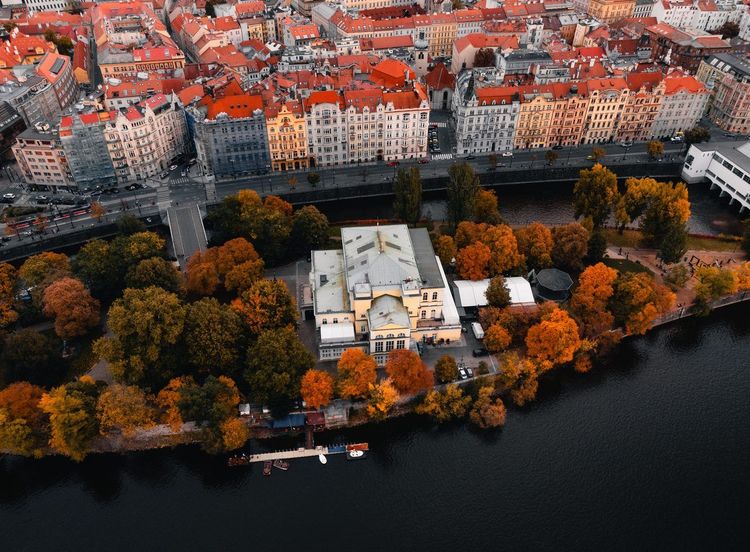
Back towards the centre: on Slavic Island (Slovanský ostrov, 110 00 Praha 1), opposite the National Theatre, paddle boats — some shaped like swans — are available to hire by the hour. This is often children's favourite moment of the entire stay, simply because they finally get to steer.
Allow about an hour to circle the island at a relaxed pace, with views of the Castle and the bridges. Life jackets are provided for small children: ask the rental operator.
Žižkov and Vinohrady: Two Family-Friendly Neighbourhoods
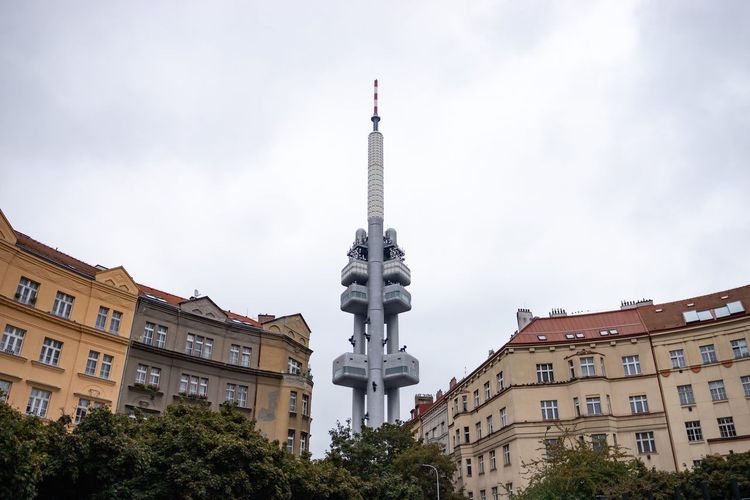
These two residential neighbourhoods, east of the centre, are worth visiting for their everyday Prague atmosphere rather than their monuments. In Žižkov, the futuristic television tower, crawled over by David Černý's giant babies, has everyone craning their necks.
In Vinohrady, tree-lined avenues and parks such as Riegrovy sady — with its large lawn and view of the Castle at sunset — are perfect for a quiet late afternoon. These neighbourhoods are also a good bet for a peaceful night's sleep, as discussed further below.
Prague Zoo and DinoPark: Reliable Hits with Children
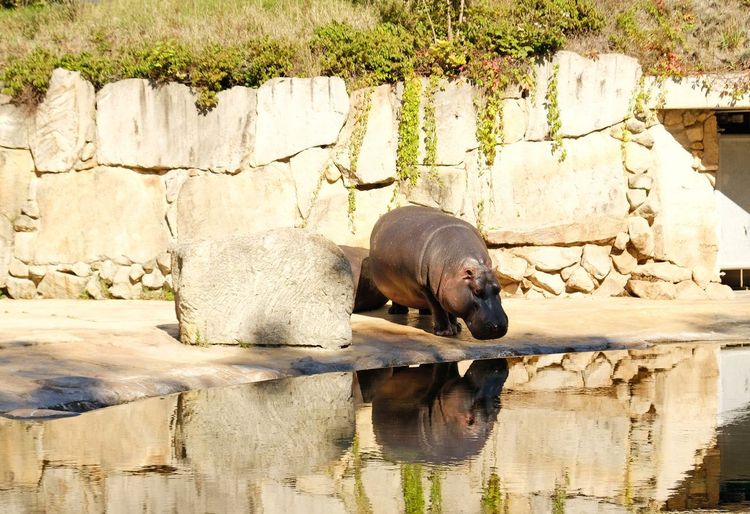
Few European zoos have accumulated as many accolades as Prague Zoo, consistently ranked among the world's best by TripAdvisor and specialist rankings.
A Day at Prague Zoo, One of Europe's Finest
Spread over some sixty hectares on a hillside in the Troja neighbourhood, the zoo is home to Asian elephants, lowland gorillas, and Komodo dragons. A full visit takes at least half a day, ideally a full day with a packed lunch.
The terrain is hilly: a chairlift connects the lower and upper parts of the park, an attraction in itself that many children demand to ride twice. From the centre, bus 112 departs from Nádraží Holešovice metro station to the entrance. In summer, a river shuttle also travels up the Vltava to Troja — a memorable way to arrive.
Keepers organise commented feeding sessions, posted at the entrance: the sea lion feeding remains the favourite, with dives that sometimes splash the front rows. At the penguin pavilion, an underwater window lets children watch them swim at eye level. On weekdays, arrive at opening time: school groups begin arriving mid-morning.
Reliving Prehistory at DinoPark
Watch out for the pitfall: DinoPark Praha (Českomoravská 2420/15a, 190 00 Praha 9, rated 4.4/5 on Google from 6,711 reviews) is not next to the zoo, but on the rooftop of the Galerie Harfa shopping centre in Vysočany (metro Českomoravská, line B). Life-size dinosaurs, some animated and with sound effects, line an outdoor trail, complemented by a 3D cinema and a play area.
Allow one to two hours. The park is best suited to children aged 3–10, and the shopping centre below provides a handy refuge in case of rain or hunger. For the more sensitive, be aware that some dinosaurs roar loudly: hold the hands of the smallest children around the first few corners.
Museums That Children Actually Enjoy
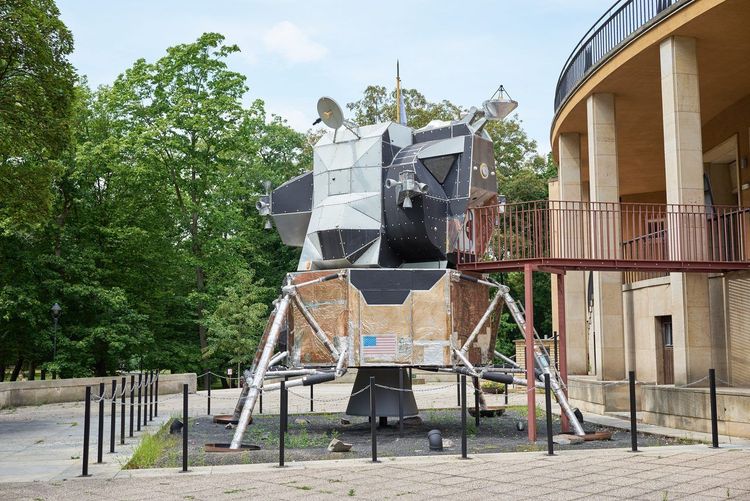
Rainy days are not uncommon, even in summer, and the city has enough hands-on museums to ensure a shower never ruins a day.
The National Museum Children's Section and the Karel Zeman Museum
The National Museum, at the top of Wenceslas Square, dedicates a space to children with hands-on activities and exhibitions designed for them. Its historic building also houses a suspended whale skeleton that never fails to impress 6–12-year-olds.
In Malá Strana, at the foot of Charles Bridge, the Karel Zeman Museum pays tribute to the pioneering Czech filmmaker who brought Jules Verne to the screen with groundbreaking special effects. Children film themselves in front of a green screen "flying" or sailing through a film set, and leave with the video: interactivity wins out over contemplation here.
The Lego Museum and the Museum of Senses: Perfect on Rainy Days
The Lego Museum on Národní Avenue claims one of the world's largest private brick exhibitions: Star Wars spaceships, entire cities, reconstructed Prague landmarks. A free-play building area then extends the visit well beyond the time originally planned.
In the New Town, the Museum of Senses plays on optical illusions: a tilted room that throws off your balance, an Ames room where you shrink, a vertiginous tunnel. Short and physical in format, closer to an attraction than a museum, it wins over even children who are allergic to cultural visits. Expect a short queue at weekends.
The Planetarium and the Dungeons of the Czech Capital
The Prague Planetarium (Královská obora 233, 170 00 Praha 7, rated 4.4/5 on Google from 1,930 reviews), on the edge of Stromovka Park, has been modernised with a dome digital projection that plunges the audience into the solar system. Some sessions are aimed specifically at young children: check the language and recommended age before booking.
On the other end of the spectrum, the Museum of Medieval Torture Instruments, at the Old Town entrance to Charles Bridge, is better suited to children aged 10–12 and above, depending on their sensitivity: deliberately dark atmosphere, explanations about historical justice. It is worth checking the content before taking impressionable children inside.
On a multi-day stay, spread these museums across two rainy days rather than visiting them back to back: too much stimulation in a row ends up overwhelming children.
Boating and Swimming on the Vltava
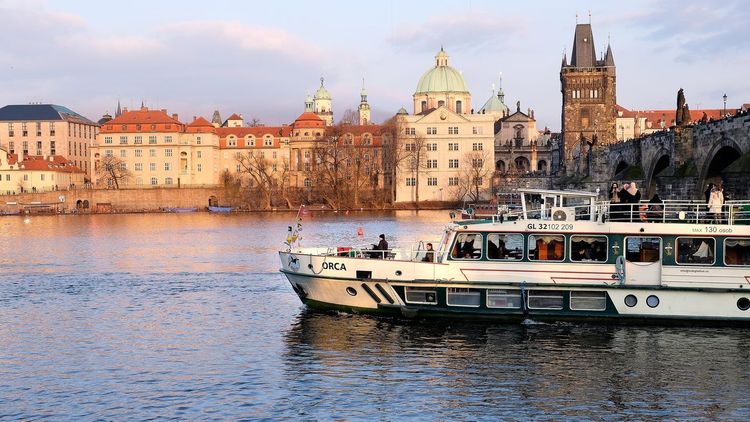
The river sets the rhythm of Prague life, and there are several ways to enjoy it depending on the season.
A Boat Cruise on the Vltava
Cruises depart from the pontoons near Charles Bridge and Na Františku for loops of about an hour past the Old Town, Kampa, and the Castle seen from the water. Children often recognise the landmarks better from the river, away from the crowd.
Some companies offer 45-minute options, sufficient for small children who struggle to sit still. In high season, book online: late-afternoon departures fill up quickly. Bring a light layer even in summer — the wind cools things down fast once the boat gets moving. Prefer to stay on foot? The Back to Prague's Roots tour follows part of the riverbanks and tells the stories of the river with no booking or departure time required.
Slavic Island and Its Miniature Railway
Slavic Island, already mentioned for its paddle boats, also has a shaded playground: the perfect spot to let the little ones burn off energy while the older ones pedal. For the miniature railway, head to Smíchov, a few tram stops away: Kingdom of Railways (Království železnic) features one of the largest model railway layouts in Central Europe, with trains travelling through reconstructed Czech landscapes from day to night. Children press buttons to trigger animations, and parents find themselves staying just as long.
Swimming: Beaches and Pop-Up Pools by the Water
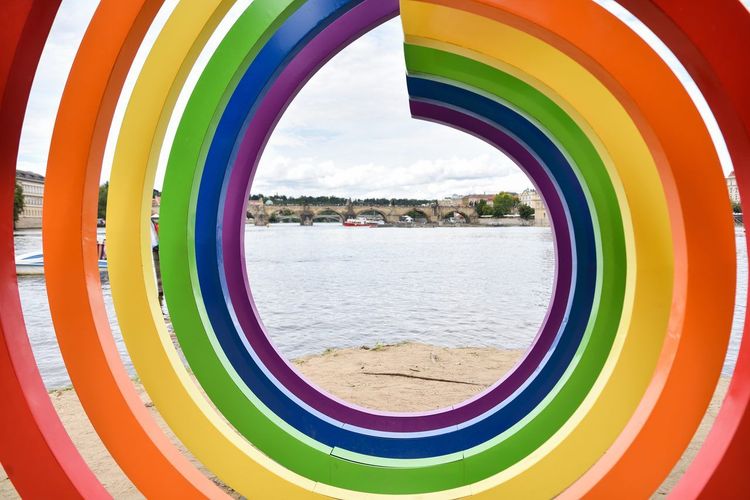
At the first sign of warm weather, beach bars set up along certain Vltava riverbanks, complete with sun loungers and sand. It is not the seaside, but the atmosphere is enough for a warm end-of-day wind-down.
For a proper swim, the Podolí complex remains the safe bet: an indoor pool open year-round, outdoor pools in summer, and a paddling pool for toddlers.
Right next door, Žluté lázně combines a restaurant, activities, and a riverside beach — a format that appeals to parents and children alike. These facilities generally run from May to September. The Vltava current is stronger than it looks: keep swimming to supervised areas and enclosed pools.
Playgrounds, Parks, and a Funfair: Children in the Fresh Air
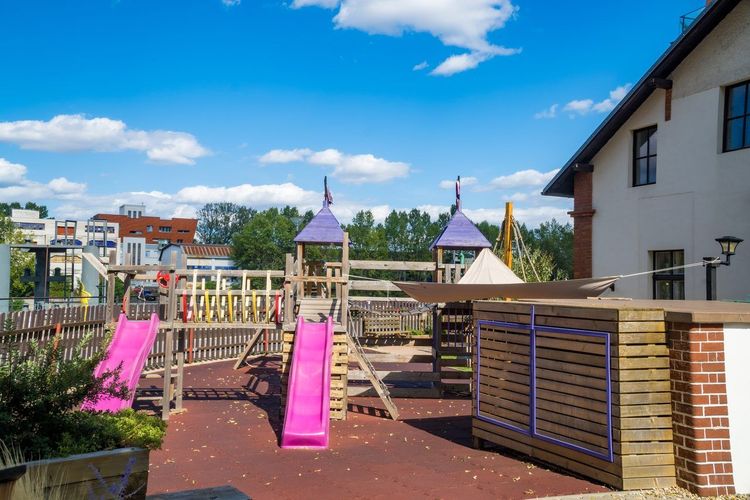
Between visits, Prague offers plenty of opportunities for children to let off steam.
The Best Parks and Playgrounds in Prague
The hill of Petřín (Petřínské sady, 118 00 Praha 1, rated 4.6/5 on Google from 24,657 reviews) combines a playground, a mirror maze, and a small observation tower inspired by the Eiffel Tower, with a view over the whole city. The funicular that climbs the hill is part of the public transport network and accepts the same tickets as the tram; it underwent a lengthy closure for works, so check it is running before you arrive — otherwise the walk up through the orchards takes about thirty minutes.
The Stromovka park, a former royal hunting ground of nearly 100 hectares, offers ponds, lawns, and several playgrounds. Closer to the centre, Folimanka Park, in a small valley between the New Town and Vyšehrad, combines a skate park and structures for younger children, forming a green shortcut up to the fortress. Riegrovy sady in Vinohrady rounds out the list with its large sloping lawn, popular with Praguers on weekends.
An Indoor Play Centre for Rainy Days
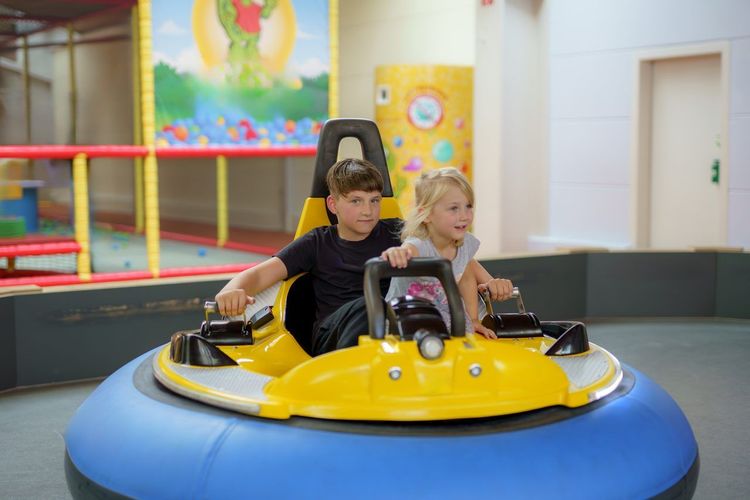
When the sky clouds over, several indoor play centres step in, with giant slides, ball pools, and multi-level structures for children aged 2–10. A café for parents, within earshot of the play area, lets adults recharge without losing sight of the children.
Pack socks: most centres require shoes to be removed, as in many Czech homes.
The Funfair and Arcades for Older Children
Every spring, the Výstaviště exhibition grounds in Holešovice host Matějská pouť, the country's largest funfair: Ferris wheel, bumper cars, shooting galleries, and candy floss, running from late February to approximately April. It is also one of the rare programmes that reconcile teenagers with a family outing. Note that the Křižík illuminated fountain, under renovation for several years, is no longer an option.
Bring Czech korunas in cash: not all rides accept cards. Out of season, a handful of arcade halls in the centre — with retro machines and rhythm games — make a good fallback for older children.
Eating and Shopping in Prague with Children
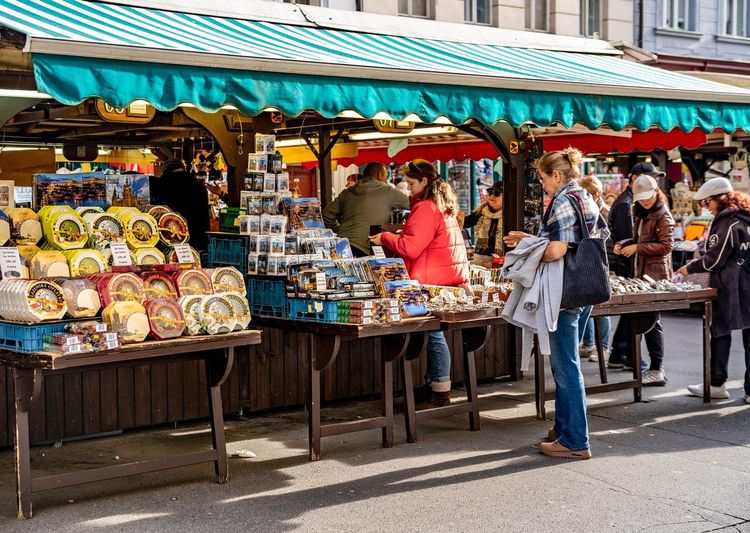
Feeding children while travelling takes a little planning, and Prague makes the task fairly easy.
Family-Friendly Restaurants with Kids' Corners
Away from the most touristy streets, many neighbourhood restaurants provide a play corner and a high chair. This is particularly true in Vinohrady and Žižkov, where local families with children make up a steady clientele throughout the year.
For a quirky dining experience, Výtopna, near Wenceslas Square, serves drinks by electric train running on rails between the tables: a guaranteed hit with children, who watch each convoy closely. If your children have a food allergy, note that few menus flag it in English: a translation app is helpful when ordering. For more ideas, this guide to Prague's culinary specialities covers what is worth tasting.
Czech Treats: Sweets, Ice Cream, Trdelník, and Brunch
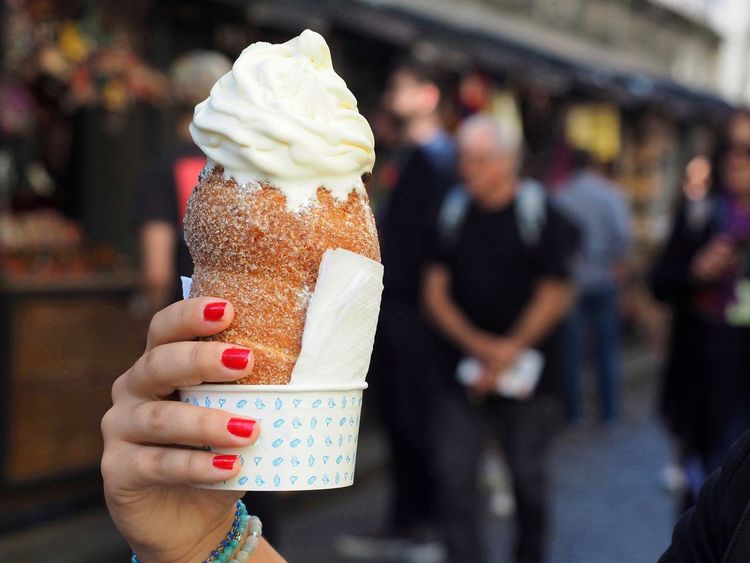
On the sweet side, children discover Hašlerky — liquorice and menthol lozenges — or the large round wafers from Karlovy Vary sold in tins. Trdelník, already encountered in the Old Town, comes in an ice-cream-filled version in summer.
Ice creams, hot dogs, and popcorn are available on every tourist street. On Saturday mornings, the Náplavka outdoor market on the Vltava riverbanks mixes street food and local produce: perfect for sampling a bit of everything without committing to a full meal. For brunch, many cafés in the centre and in Vinohrady serve generous weekend menus, ideal for a late start.
Toy Shops Not to Miss
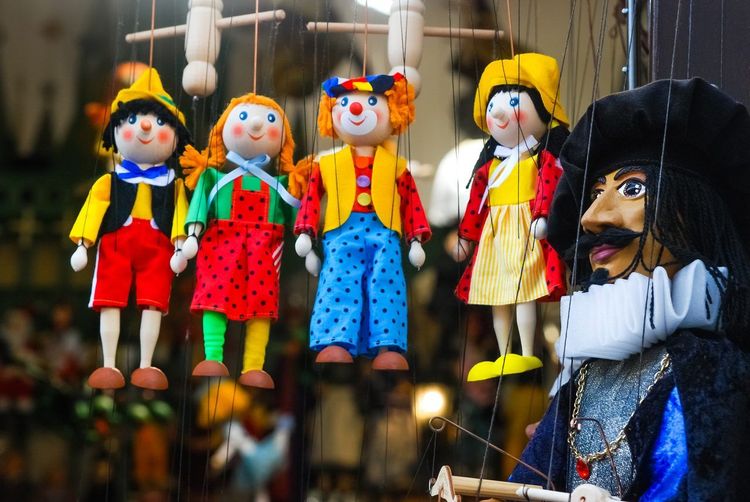
For a souvenir that lasts longer than a fridge magnet, go for wooden puppets, heirs to a genuine Czech puppet theatre tradition: hand-painted, they remain the most iconic purchase in Prague. Other local specialities include small cars and wooden toys from Czech brands, and of course the Little Mole (Krtek), the hero of a beloved Czech animated series, available as soft toys all over the city.
Prices climb noticeably on the most touristy streets: compare before buying if the budget is a concern.
A Day Trip to Terezín with Children: Good Idea or Not?
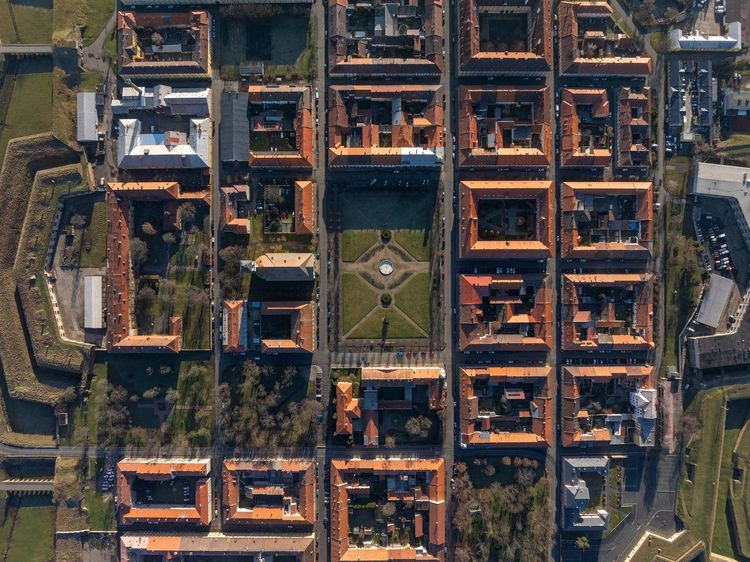
About an hour's drive north of Prague, Terezín holds a unique place in Czech history: an 18th-century military fortress turned into a Jewish ghetto during the Second World War, while the Small Fortress served as a Gestapo prison. The question comes up often among parents: should you take children there?
It depends on age and sensitivity. From around 12–13 years old, a guided tour conveys essential history in an educational framework that helps process what is shown; the Ghetto Museum displays drawings made by deported children — a shock, but also a powerful starting point for discussion. For younger children, it is better to save the excursion for a future trip.
Minibus excursions depart from central Prague, and regular buses also connect the town from the coach station. Allow at least half a day, then keep the rest of the day for a light activity. If you go with children, prepare the ground in advance: a few simple words about what they will see avoid a head-on shock upon arrival.
Getting to Prague and Getting Around with Family
The logistical questions remain, and they weigh heavily with children: how to get there, and then how to get around.
Prague by Train or Plane: Finding the Best Price
From Paris, a direct flight takes about 1 hour 45 minutes. Booking several months in advance and targeting weekdays often means paying significantly less on airlines serving Václav Havel Airport. Also compare flight-and-hotel packages, which can be more cost-effective outside school holidays.
The train is an alternative for those who prefer to avoid flying: connections via Germany (Frankfurt, Nuremberg, Berlin, Munich) or Vienna depending on your starting point. It takes longer, but children can move around on board — a real advantage for small ones who struggle to sit still. On the documents front, each child must have their own identity card or passport; a parental authorisation to travel abroad is required if a child is travelling without a holder of parental authority.
Getting from the Airport to the City Centre

From Prague Airport (Aviatická, 160 08 Praha 6, rated 4.2/5 on Google from 35,740 reviews), the Airport Express bus reaches the central train station in about thirty minutes, with room for folded strollers. The urban bus-plus-metro combination costs less but involves a change, which is less practical with tired children.
For a stress-free journey, a pre-booked taxi or ride-share remains reasonable compared to other capitals, and saves juggling luggage and a stroller. Avoid the airport currency exchange bureaux with their unfavourable rates: bank cards are accepted almost everywhere.
Getting Around: Trams, Metro, and Skip-the-Line Tickets
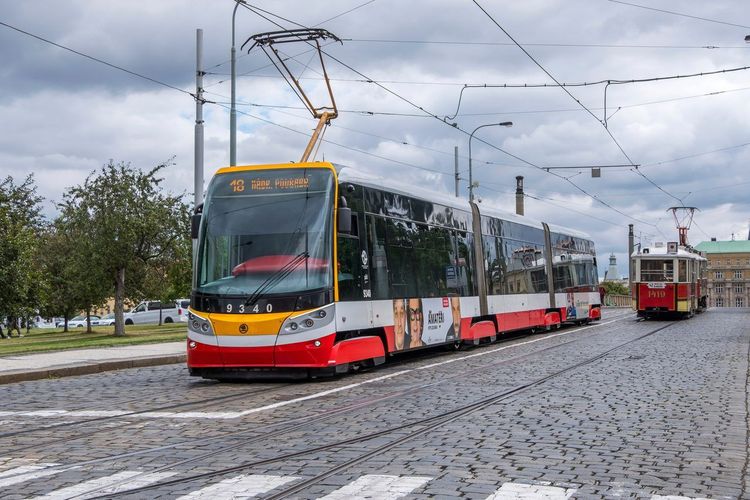
Trams and the metro cover the entire city, with tickets valid for 30 or 90 minutes, or 24-hour and 72-hour passes that remove the need to recount at every journey. Good news: children under 15 travel free (keep an ID to prove the age of older-looking children), and an adult accompanying a stroller with a child also travels free.
Tickets can be bought at machines, in the official app, or by contactless card on board many trams. A paper ticket must be validated as soon as you board the metro or tram: forgetting to do so is the most common reason tourists receive fines. For the Castle or the most popular museums, skip-the-line tickets bought online save precious time in high season. Most central stations have lifts.
Where to Stay, What to Pack, and Budget for a Family Trip to Prague
One last checklist before departure: sort out accommodation, pack the bags, and get a realistic sense of the budget.
Where to Stay in Prague with Children
The Old Town and Malá Strana are tempting for their proximity to the landmarks, at the cost of higher prices and a little night-time noise on weekends. Vinohrady, already mentioned for its parks, offers the best compromise: a residential neighbourhood, well connected by tram, with larger apartments for a similar budget.
Around Wenceslas Square, classic hotel options predominate, with the benefit of major tram and metro lines if your itinerary alternates between the Castle, the zoo, and outlying museums. Book early for the Christmas market period or school holidays: prices rise quickly. Accommodation with a kitchenette makes life considerably easier — home-made breakfast and a light dinner for exhausted children.
What to Pack for a Family Stay
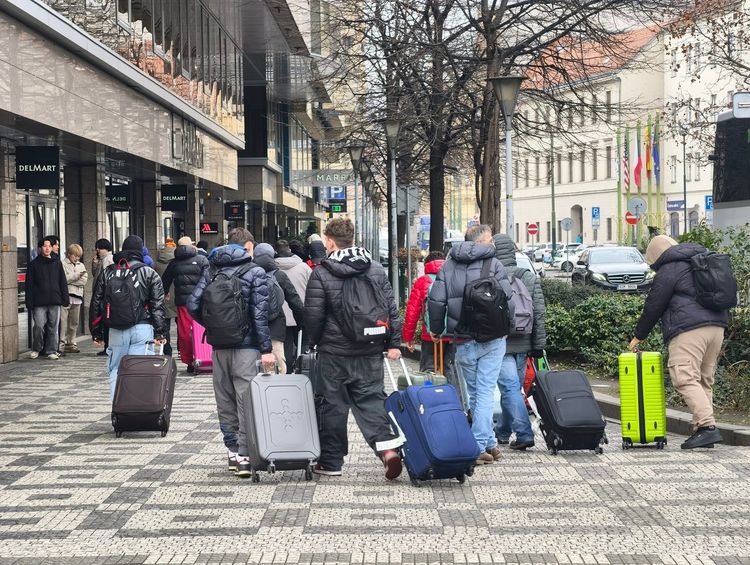
The cobblestones of the Old Town and Malá Strana are hard on small wheels: an all-terrain stroller or an ergonomic baby carrier avoids a lot of trouble. Pack closed-toe shoes that are already broken in for everyone.
A reusable water bottle, a basic first-aid kit (scraped knees on cobblestones are a classic), and a card game or sketchbook for queues are all worth bringing. No adapter is needed: Czech plugs are the same type as in France.
Protecting Children from Cold or Heat Depending on the Season
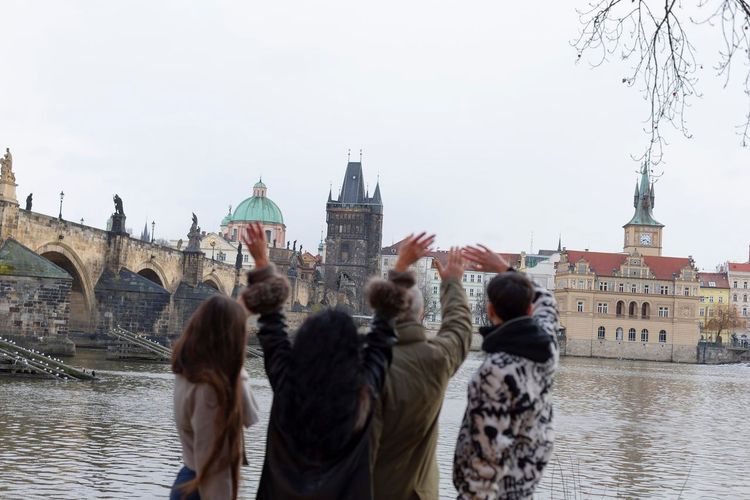
Prague winters regularly drop below freezing, with a wind that cuts through light layers: opt for layerable clothing rather than one big coat, which is far easier to manage when moving between icy streets and overheated museums.
In summer, heatwaves can exceed 30 degrees with no sea breeze to cool things down. A cap, sunscreen, and shaded rest stops are essential, especially on the climb up to the Castle.
On the budget side, Prague remains more affordable than Vienna or Paris at a comparable comfort level. Free transport for under-15s, frequent free admission for toddlers at museums, and family tickets at most major sites (zoo, Castle, National Museum) noticeably reduce the bill. The biggest expenses are accommodation in the historic centre and paid attractions such as the Lego Museum or boat cruises.



FAQ
How many days should you plan to visit Prague with family?
Allow at least three full days for the Old Town, the Castle, and a day dedicated to the kids such as the zoo. With four or five days, you can add Vyšehrad, a hands-on museum, a trip to Terezín for teenagers, and a proper relaxing day by the Vltava.
Is Prague a suitable destination for young children?
Yes, as long as you adjust the pace: the cobblestones make life harder for standard strollers, but the city remains safe, compact, and free on public transport for under-15s. Alternate cultural visits with physical activities, and plan breaks in the many parks.
Should you visit the Terezín camp with children?
It depends on age: from 12–13 years old, the guided tour conveys essential history in an educational setting. For younger children, it is better to save this excursion for a future trip.
Where should you stay in Prague when travelling with family?
Vinohrady offers the best compromise between residential calm and quick tram access to the centre. The Old Town and Malá Strana put the landmarks on your doorstep, at the cost of higher prices and a little noise on weekends.
How do you get around Prague with a stroller?
Trams and the metro are the most practical: most central stations have lifts, and the adult accompanying a stroller with a child travels for free. In cobblestoned neighbourhoods, an all-terrain stroller or baby carrier makes getting around much easier.
What is the best time of year to visit Prague with family?
Spring and early autumn offer mild temperatures and fewer crowds than summer. December is enchanting for its Christmas markets, while summer lets you enjoy paddle boats, swimming pools, and the lively Vltava riverbanks.
What budget should you plan for a family stay in Prague?
Prague remains more affordable than Vienna or Paris at a comparable level of comfort, especially for meals and transport. Free transport for under-15s and family tickets at major attractions significantly reduce the total; accommodation remains the biggest expense.
At the end of this overview, Prague delivers on its promise: a dense yet never exhausting city, provided you balance cultural visits with outdoor breaks. Between the astronomical clock, the Troja zoo, and the Vltava riverbanks that change with the seasons, there is enough to fill several days without ever repeating yourself.
On the ground, the Ryo app and its Prague audio tour let you move at your own pace: children listen to the city's legends between trdelník breaks, and you stay on track without a guide or a fixed schedule.
À lire également