© Shutterstock
 Votre guide Ryo
Visiting Auxerre in 2 Days: Complete Itinerary for 2026
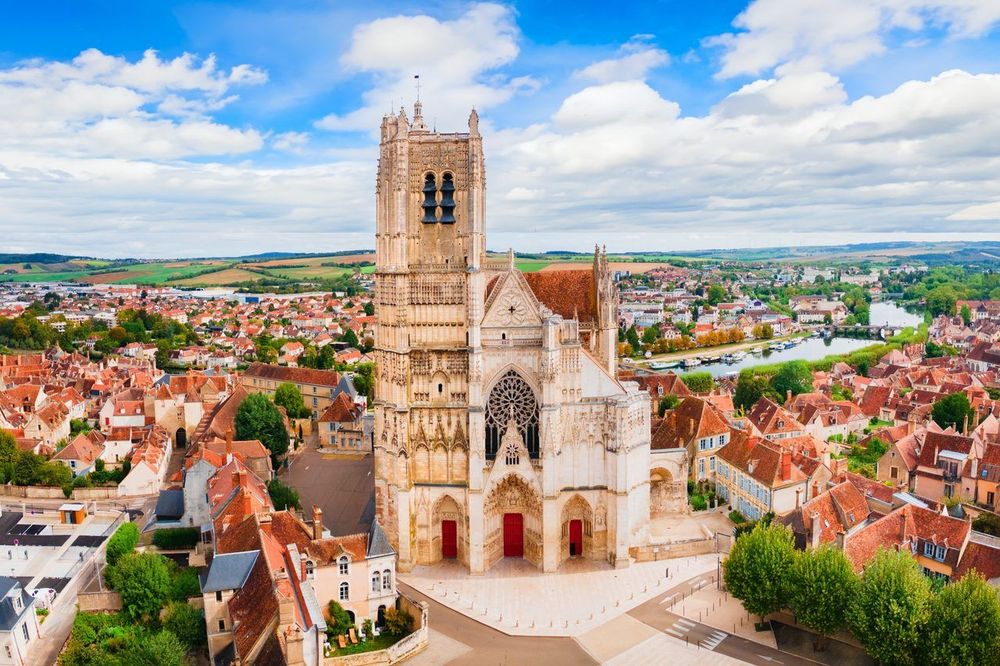
In Auxerre, the Cathédrale Saint-Étienne has watched over the city since the 13th century, but it's the barges moored on the Yonne that set the real pace of summer weekends. Many travellers think they can tick off the Yonne's prefecture in a morning before heading to Chablis or Vézelay. That's a miscalculation: visiting Auxerre over 2 days lets you unwind at your own pace, from the historic centre to the Auxerrois vineyards, without rushing from one monument to the next. The Ryo audio-guided tour of Auxerre strikes the same balance between urban heritage and Burgundian art de vivre, best enjoyed on foot rather than with a paper guide in hand.
In 48 hours, there's more than enough to fill a travel journal. One of France's oldest Carolingian crypts lies beneath the Abbaye Saint-Germain, its 9th-century frescoes still legible in the half-dark. The AJA Experience opens the changing rooms of the Stade Abbé-Deschamps to those who know nothing about football. An organic chocolatier works its beans a few minutes from the city centre, while the Irancy vineyards produce one of the rare pinot noirs to carry its village name on the label. This guide lays out a day-by-day itinerary, complete with addresses, indicative prices, and practical information so you can plan the trip without improvising on the spot.
Day 1: The Historic Heart and Heritage of Auxerre
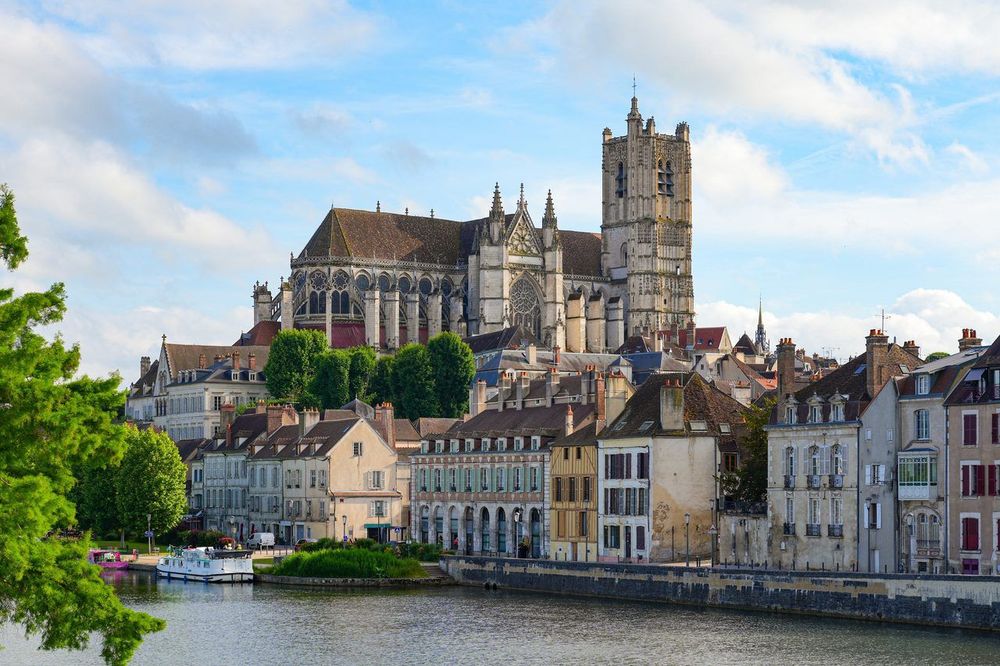
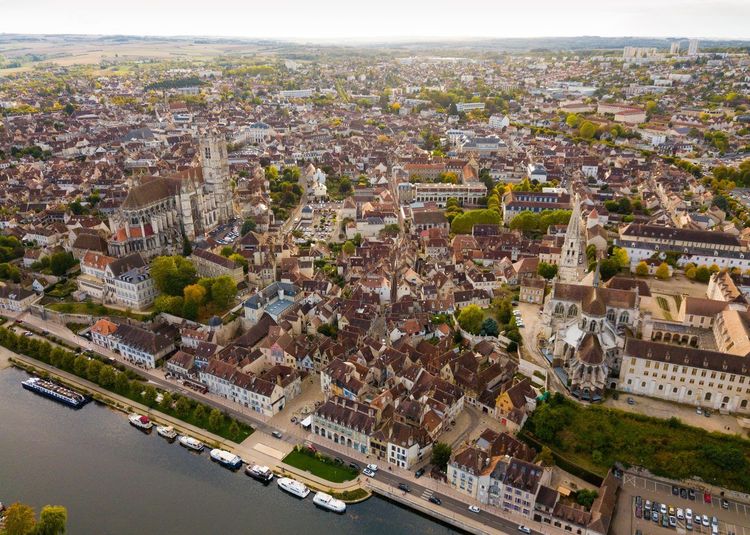
The historic centre of Auxerre can be covered on foot in a morning if you simply check off the monuments, but it deserves a full day. Three silhouettes dominate the city from the bank of the Yonne: the cathedral, the abbey, and the clock tower, all within ten minutes' walk of one another. The most logical route starts at the station, descends to the cathedral, then winds back up through the cobbled lanes to the tower. Allow half a day for the first two sites, and save the afternoon for a leisurely wander among shop windows and inner courtyards that sometimes open with a simple push of the door.
Cathédrale Saint-Étienne and Abbaye Saint-Germain
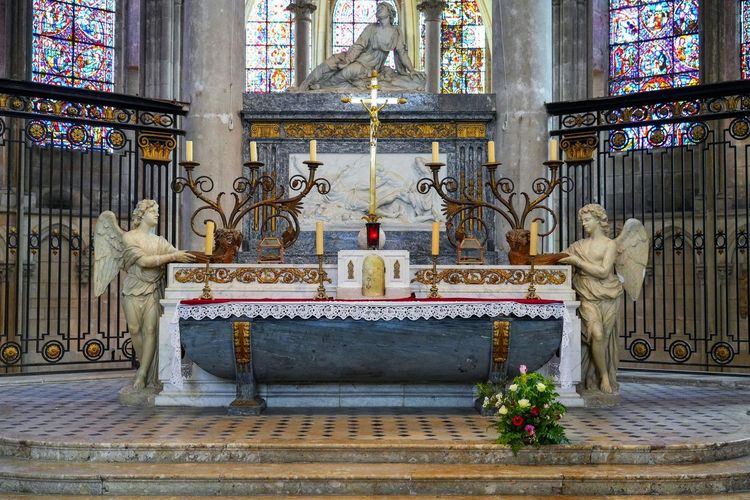
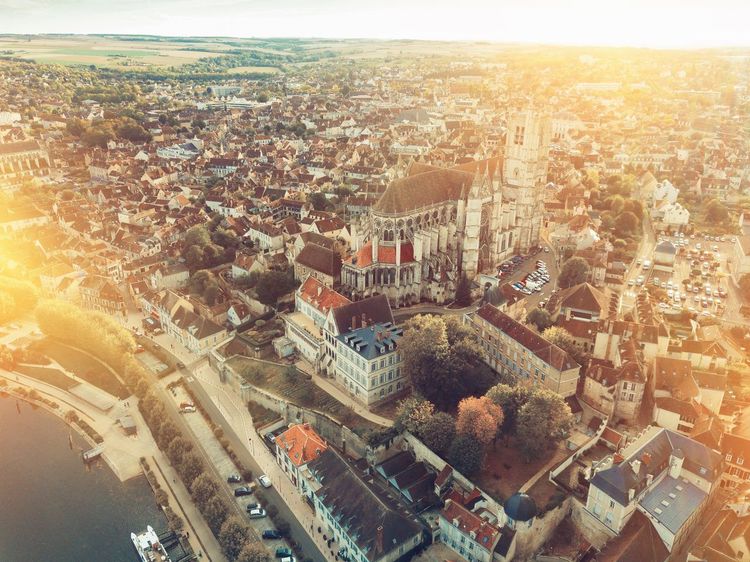
The Cathédrale Saint-Étienne has dominated the lower town since the 13th century, with a Flamboyant Gothic façade that the people of Auxerre themselves sometimes find disproportionate for a city of this size. It is, a little: the Gothic building work began around 1215 and stretched over more than three centuries, which explains the mix of styles from one bay to the next. The choir windows, among the best-preserved in Burgundy, depict the life of Saint Stephen and the story of Joseph in shades of blue that shift depending on the time of day. Beneath the choir, an 11th-century Romanesque crypt preserves a fresco of Christ on horseback unique in France — a detail that few hurried visitors take the time to seek out.
Five minutes away on foot, the Abbaye Saint-Germain conceals beneath its monastic buildings one of the oldest ensembles of Carolingian frescoes in the Western world, dating from the 9th century. The guided tour of the crypt is the only way to access them: allow around 45 minutes, with several departure times per day in high season, and lighting adjusted to pick out the original pigments on the low vault. The guides also recount the history of the Benedictine monastery, which became one of the great intellectual centres of the medieval West long before the Sorbonne existed, with a scriptorium whose reputation reached as far as England.
A combined ticket for the municipal sites is sometimes available depending on the season and saves a few euros if you visit both crypts on the same day: ask at the ticket desk rather than online, as the offer changes from one season to the next. Wear closed-toe shoes as well. The steps of the Carolingian crypt are uneven and slippery after rain, and the temperature stays cool even in the middle of August — a detail many people forget when setting off from the city centre in a T-shirt.
The Clock Tower and Lanes of the Historic Centre
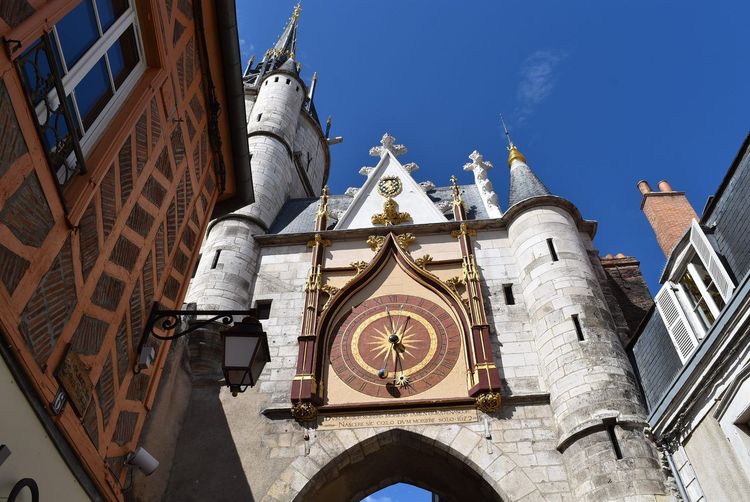
Heading north, the Clock Tower closes the heritage triangle of the first day. This former 15th-century gatehouse features a rather rare dial: its hands follow both the course of the sun and that of the moon, a system the city has carefully preserved through restoration campaigns in recent years. The story of the work, explained here and there on information panels, illustrates the complexity of restoring a 15th-century mechanism without altering its original operation — a delicate balancing act between conservation and reinstatement.
The lanes surrounding it — Rue de l'Horloge, Rue de Paris, Rue de la Draperie — concentrate the city's highest density of half-timbered houses. Some visibly lean into the street, a settling of the foundations that residents mention with a kind of fond pride. If you'd rather have the history told to you than piece it together from plaques, the tourist office regularly runs a guided walking tour of Auxerre lasting around 90 minutes, passing through these same lanes before reaching the riverbanks. The programme is fuller from April to October, and Saturday departures fill up quickly.
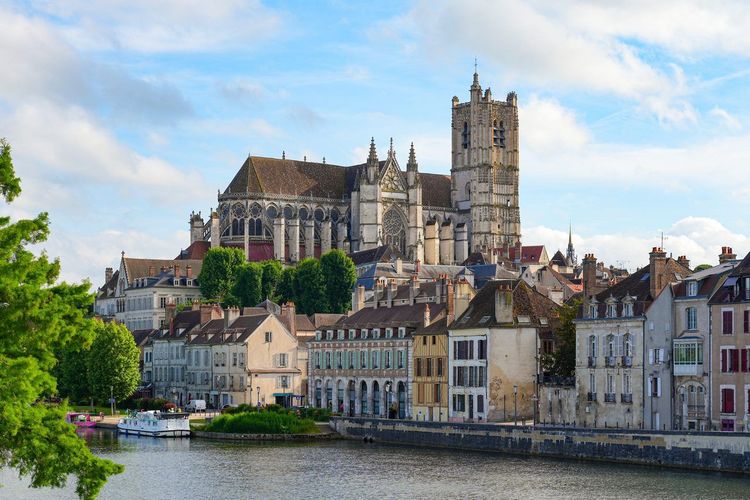
For the best views over Auxerre, two options require no special equipment: the terraced gardens of the former bishop's palace, which look out over the valley, and the Pont Paul-Bert at sunset, when the raking light catches the rooftops and reflects in the Yonne. This is also the spot for the city's most-shared photograph — the cathedral and the abbey aligned over the water — a framing that regulars know to the nearest metre. Get up early on a Sunday and you'll have it to yourself.
The Musée Leblanc-Duvernoy (9 bis Rue d'Egleny, 89000 Auxerre, rated 3.9/5 on Google from 53 reviews), housed in a townhouse on Rue d'Egleny bequeathed to the city in 1926, rounds off the walk for fans of decorative arts: faience, Puisaye stoneware, furniture, and a music room hung with Beauvais tapestries depicting the story of the Emperor of China. You can take it all in within three-quarters of an hour, often with a personal welcome on weekdays given the modest footfall compared to the two major monuments nearby. To explore local folklore further, the Auxerre route — In the Footsteps of Cadet Roussel offers a 75-minute audio-guided tour tracing this popular character — an 18th-century Auxerre bailiff who became the subject of a children's song that kids in the region still hum today without always knowing where it comes from.
The Banks of the Yonne and Waterside Activities
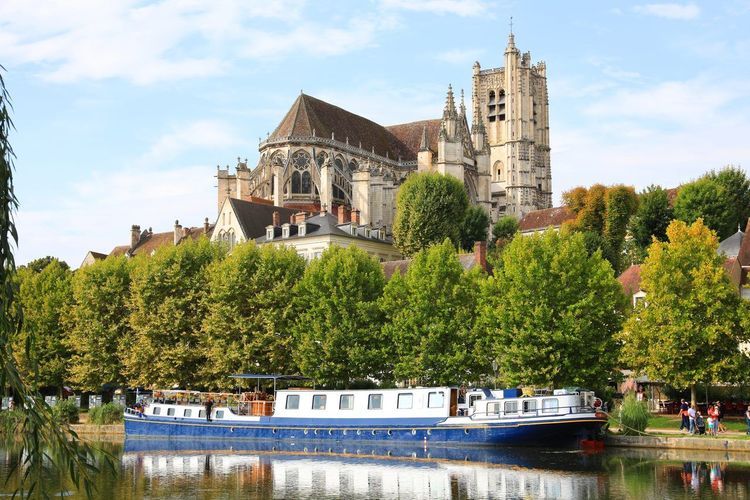
After a morning of stone and stained glass, the riverbanks offer a welcome contrast: water, open air, and a different perspective on the same monuments that, seen from the far bank, seem almost to float.
A Stroll and Views Along the Riverbanks
The banks of the Yonne (Quai de la République, 89000 Auxerre, rated 4.5/5 on Google from 54 reviews) run along the river for almost two kilometres, from the Pont Paul-Bert to the marina. The facades reflected in the water — ochre, pale pink, slate grey — have earned this stretch a few Venetian comparisons from local guides, generous ones that nonetheless capture the mood of the walk. In the late afternoon, the terraces lining the Quai de la République fill with locals as much as passing visitors.
The walk is flat, shaded in places, and suits both a leisurely stroll and an early-morning jog before the heat sets in. The benches placed at regular intervals make it a fine spot to read with a view of the cathedral, and families with pushchairs will find a smooth path with no steps or uneven cobblestones — unlike the historic centre.
The marina is worth a five-minute stop even if you're not getting on the water: the Yonne is canalised here and connected to the Canal du Nivernais, which explains the procession of boats registered in the Netherlands or Germany that moor here all summer. Strike up a conversation with a crew and you'll often learn more about Burgundian river navigation than from any tourist information board.
Paddleboarding, River Cruises, and Electric Scooters
For a change of perspective, several hire operators offer paddleboarding on the Yonne in season, from around fifteen euros an hour depending on the package. The current is gentle upstream of the marina, making the activity accessible to beginners — unlike some livelier Burgundian rivers where keeping your balance takes more practice. Bring a waterproof bag for your phone: the temptation to photograph the cathedral from the water is hard to resist.
Another option for groups is lunch on the water aboard a barge or a licence-free electric boat — a formula that works particularly well for birthdays and hen parties. Expect to pay several tens of euros per person depending on the duration and number of participants, with or without a picnic included depending on the operator; book at least a week in advance at weekends during high season.
Finally, a tour of Auxerre on an all-terrain electric scooter lets you cover in an hour and a half what would take half a day on foot, extending as far as the vineyard closest to the city centre. It's a good option if you're short on time but want to get beyond the pedestrian streets without sacrificing a genuine feel for the wine landscape. Most outings run in small groups with a guide in front, which reassures beginners on the vineyard tracks.
AJ Auxerre: Behind the Scenes of a Legendary Football Club

AJ Auxerre is more than a football club: it's a local identity. Founded in 1905 by Abbé Ernest Deschamps, who lent his name to the stadium, the club was shaped over decades by a single manager, Guy Roux, who took charge in 1961 and remained on the bench until the mid-2000s, with a brief comeback after an initial departure — a longevity almost unheard of elsewhere in Europe.
The trophy cabinet tells the rest of the story: a French league title in 1996 paired with the Coupe de France that same year, plus three other cup wins and European campaigns that put a city of 35,000 inhabitants firmly on the map well beyond Burgundy. Even visitors who don't follow the league recognise the club's name on arrival — it's that closely associated with Auxerre, almost as much as the cathedral itself.
The AJA Experience offers an immersive tour behind the scenes of the Stade Abbé-Deschamps (3 Avenue Gambetta, 89000 Auxerre, rated 4.4/5 on Google from 2,630 reviews), from the players' changing rooms to the pitch tunnel, taking in the press room and the hospitality boxes along the way. Allow around 75 minutes; advance booking is essential as slots are limited on match days or when collective training is scheduled. Despite what its name might suggest, it's aimed as much at families curious about sporting heritage as at committed supporters: the guides tell the story of the club without ever assuming you know last season's results.
Guy Roux remains a local figure in his own right, mentioned almost more often than some mayors in everyday conversation. Several bars in the city centre still display photographs from the club's European adventure — a nod that locals love to point out to passing visitors, usually with a personal anecdote to go with it. On a match day, the atmosphere in the city centre shifts entirely from midday onwards: if your stay coincides with a home game, grab a table on a terrace two hours before kick-off — the spectacle is as much in the street as on the pitch.
Day 2: Vineyards and Villages of the Auxerrois
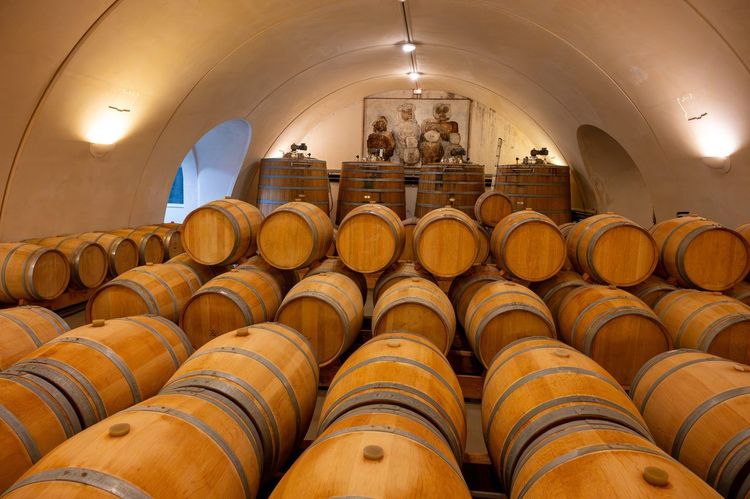
The second day shifts to a completely different rhythm. You'll need a car, a bike, or an organised shuttle to reach the wine villages surrounding Auxerre, as none are served by a frequent bus network at weekends. Allow around twenty minutes to drive to Irancy, and half an hour to Chablis (Place du Général de Gaulle, 89800 Chablis), which leaves plenty of time to see both in a single day if you set off early and keep each stop to around an hour and a half.
Irancy and Saint-Bris-le-Vineux, Wine-Growing Villages
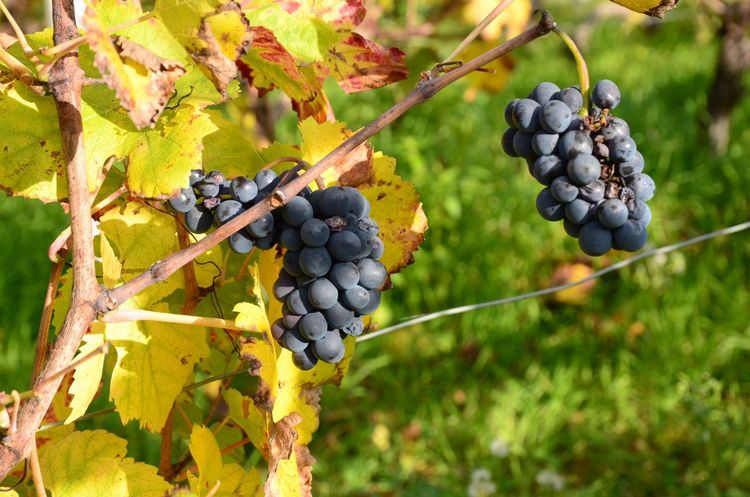
Irancy is arguably the most photogenic village in the Auxerrois, nestled in an amphitheatre of vines that glow red in autumn. It's also one of the rare Yonne terroirs where pinot noir earns a village appellation in its own right, distinct from the generic bourgogne — recognition achieved only in the late 1990s after decades of lobbying by local growers. The césar grape variety, almost extinct elsewhere, is still permitted in small proportions and lends the age-worthy cuvées their tannic backbone.
A tasting at the Domaine Christophe Ferrari helps explain why this terroir commands such a reputation: clay-limestone soils, favourable exposure at the bottom of the natural bowl, and a winemaking family who will happily explain, glass in hand, the difference between a classic Irancy and a single-plot cuvée aged in barrel. Allow around ten euros for a tasting of three to four wines, often deducted from any purchase; booking ahead is advisable at weekends in high season, as the tasting room is small.
Ten minutes' drive away, Saint-Bris-le-Vineux (Place de l'Église, 89530 Saint-Bris-le-Vineux) has a rarity in Burgundy: sauvignon blanc, a grape more associated with the Loire, has its own appellation here on soils close to those of Chablis. The village also hides a labyrinth of vaulted cellars dug beneath the houses, several of which can be visited before a tasting — a fine alternative if the Irancy programme is already full. To explore more Yonne villages, the Ryo article on the most beautiful villages in the Yonne lists other possible stops on the road between Auxerre and Chablis, useful if you're extending your stay.
If you can only choose one stop in this part of the Auxerrois, regulars recommend Irancy for the scenery and Saint-Bris for the value of its bottles, rather than spreading yourself across too many stages without really enjoying any of them. Pack a soft cool bag if you buy whites in summer: the boot of a car parked in the sun among the vines heats up very quickly.
Chablis and the Cité des Climats et des Vins de Bourgogne
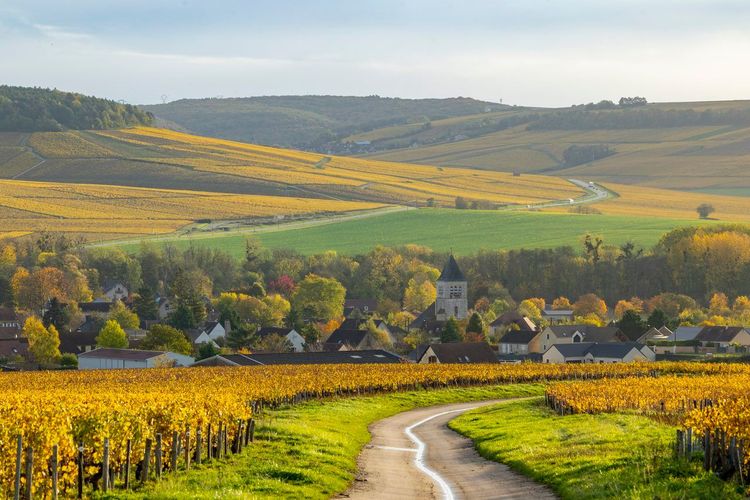
Chablis rounds off the wine loop with a name recognised well beyond Burgundy — almost a brand in itself in the world of wine. The village itself remains modest, a few thousand inhabitants clustered around the Collégiale Saint-Martin, but its vineyard spreads across several thousand hectares divided into four appellations: petit chablis, chablis, chablis premier cru, and chablis grand cru, the latter concentrated on a single hillside above the Serein. The price difference between the two extremes can be tenfold — a gap few visitors suspect before tasting them side by side.
To understand this classification without sitting through a technical tasting, the Cité des Climats et des Vins de Bourgogne (1 bis Rue de Chichée, 89800 Chablis, rated 4.5/5 on Google from 130 reviews) offers an immersive, sensory journey through the concepts of climat and terroir — the system of plot-by-plot classification inherited from the Middle Ages, whose Côte-d'Or climates were inscribed on the UNESCO World Heritage List in 2015. Opened in 2023, it forms part of a network of three sites dedicated to the Burgundy vineyard alongside Beaune and Mâcon. Allow one to one and a half hours, with a tasting included in some packages, from around twelve euros for basic entry — reasonable given the level of detail on offer.
The visit generally wraps up by late morning, leaving time to have lunch on site before heading back towards Auxerre or pressing further into the Auxerrois for the afternoon. Many visitors choose to stay the night rather than drive back, so they can carry on tasting without counting their glasses.
Activities Among the Vines: Cycling, Wine Tasting, and Hiking
Cycling Through the Vineyards
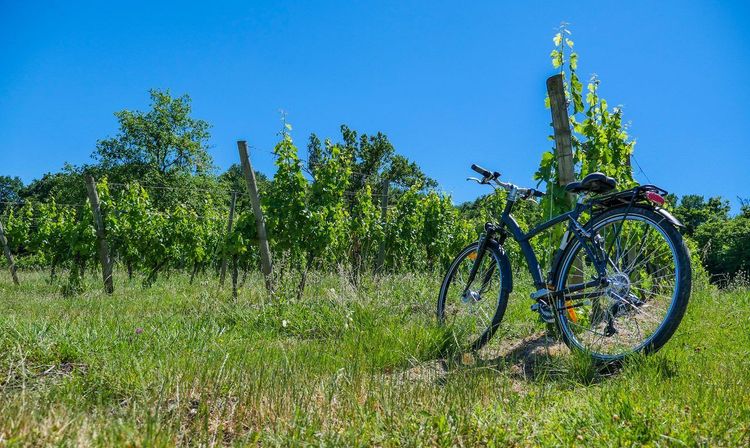
The Auxerrois vineyard is particularly well suited to cycling: little elevation gain once you're out of Auxerre, quiet country roads, and manageable distances between villages — around fifteen kilometres between Auxerre and Irancy. Several local hire operators and tour organisers offer wine-cycling packages combining e-bike rental with tasting stops at two or three partner producers over a half-day, priced at around 40 to 50 euros per person, helmet and lock included.
The classic route passes through the hamlet of Vaux before reaching Irancy, with an almost obligatory photo stop at the top of the hill overlooking the natural bowl of vines. For more independent cyclists, the tourist office hands out a map of signposted routes, with loops ranging from 12 to 35 kilometres depending on your level, each marked from the city centre to the first vines. The greenway running alongside the Yonne and the Canal du Nivernais also lets you leave Auxerre entirely off-road — a real comfort when cycling with teenagers.
E-bikes genuinely change the equation for this kind of outing: the gentle gradients between villages, imperceptible by car, can put off an untrained cyclist in the summer heat. Most hire operators know this and include electric assistance as standard, at a modest premium over a regular bike. Ask for two batteries if you're aiming for Chablis in a single day.
Wine Tastings and Introductory Oenology Workshops
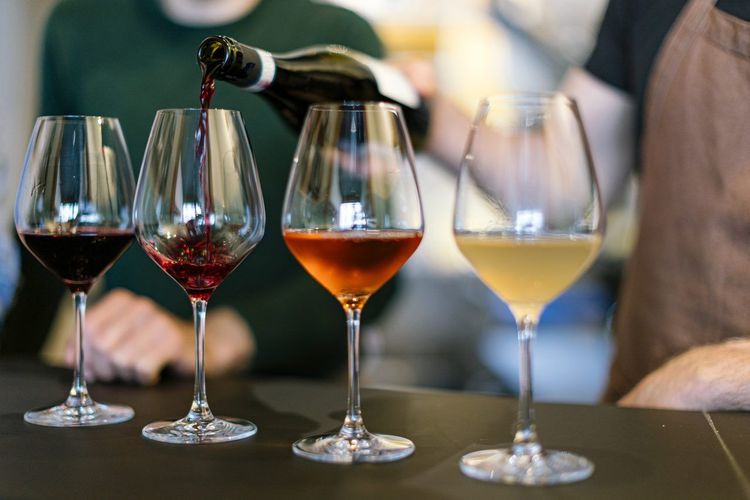
For those who prefer to learn before tasting, several introductory oenology workshops are held in Auxerre itself, with no need to venture out to the vineyards. A session typically lasts two hours and covers the basics of tasting — colour, nose, palate — systematically comparing an Auxerrois wine with one from another region to highlight the local characteristics. Expect to pay 30 to 40 euros per person, in small groups, with pre-registration required.
For hikers, several waymarked loops set off from the wine villages and thread through the vines well away from the roads. The Irancy loop, around 8 kilometres, climbs to an open viewpoint over the bowl of vines before descending through the forest. Allow two to three hours of walking, with no particular technical difficulty, but bring water: there's little shade on the ridges in midsummer, and the limestone soil radiates heat almost as much as it absorbs it. The same loop in April, when the vines are just budding, is walked in complete silence.
Some operators now combine both formats into a single day — morning hike and afternoon tasting — a practical option when time is tight and the car stays in the car park. It also makes the end-of-afternoon glass feel well-earned.
Around Auxerre: the Abbaye de Pontigny and Gourmet Finds
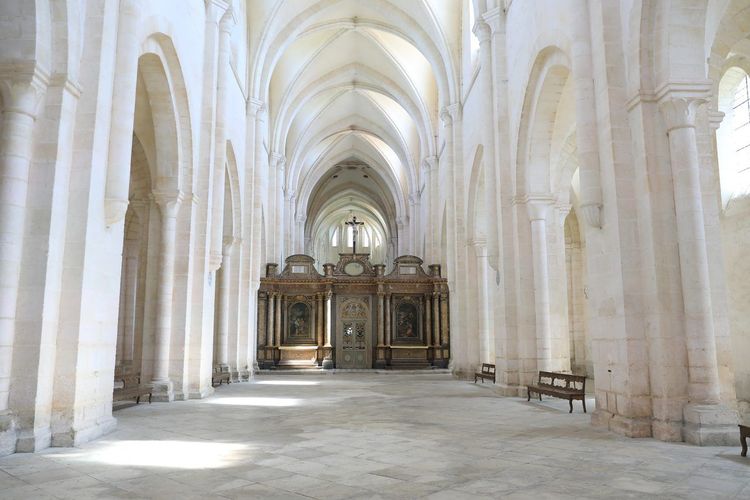
The Abbaye de Pontigny: a Sound and Sensory Journey
About twenty minutes north of Auxerre, the Abbaye de Pontigny is one of the four daughter abbeys of Cîteaux, and the one whose abbey church has come down to us most intact. Its proportions are striking: over a hundred metres long, a nave of total austerity, with no coloured windows or sculptural decoration in keeping with the Cistercian rule. The contrast is arresting after the Gothic abundance of the cathedral in Auxerre, and it is precisely this stripped-back quality that makes an impression.
The visit is accompanied by a sound and sensory trail that plays with the exceptional acoustics of the space, with audio diffusions at set times in the nave. Many visitors describe it as the most memorable moment of their stay — more so even than the better-known monuments in the city centre. Entry to the church is free for most of the year, a welcome contrast to the admission prices at major nearby Burgundian tourist sites. Just check the opening times before setting off: they narrow considerably from November to March.
La Manufacture Bio: an Artisan Chocolate Discovery
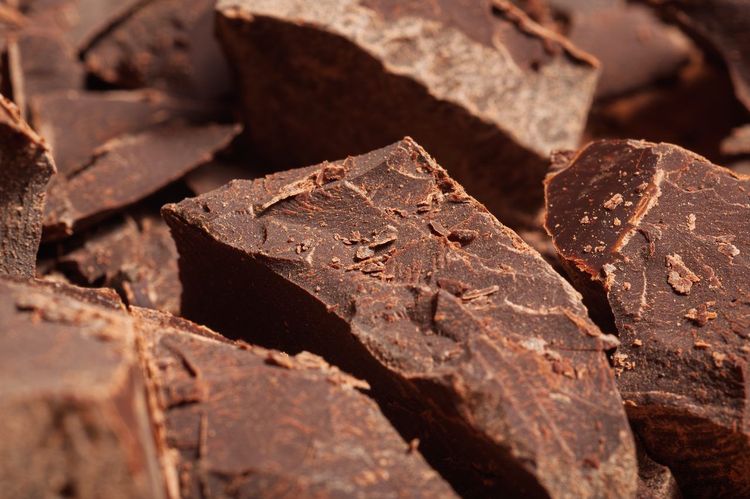
On the way back towards Auxerre, La Manufacture Bio is worth a detour for chocolate lovers. The workshop sources its beans from fair-trade and organic supply chains, with a stated commitment to short circuits: the local land and its roots run like a thread through the team's approach, right down to the choice of packaging and regional suppliers for other ingredients.
Tasting and chocolate-making workshops are offered on certain weekends, by reservation, at around twenty euros per person. It's also a good stop for bringing back an edible souvenir that you won't find in any standard city-centre shop, and one that travels rather better on the journey home than an open bottle.
Another nearby destination worth the detour if time allows is the medieval building site of the Château de Guedelon (Route de Guedelon, 89520 Treigny-Perreuse-Sainte-Colombe, rated 4.7/5 on Google from 17,277 reviews), about an hour's drive away, where craftspeople have been constructing a medieval castle using 13th-century techniques and materials since 1997. It's not strictly in the Auxerrois, but our Ryo article on the medieval château de Guedelon rounds out an extended stay in the region nicely, especially with children captivated by the stonemasons at work.
Where to Eat in Auxerre: Good Addresses and Local Specialities
Tables Recommended by the Tourist Office
For a lunch without any nasty surprises, start with the selection of restaurants recommended by the Auxerre tourist office, updated every year and available both online and at the welcome desk: it has the advantage of filtering out tables that close on Sunday evenings and Mondays — the classic pitfall in a provincial prefecture. Two addresses keep coming up in conversation. La Cantina, in the historic centre, leans on generous bistro cooking and local produce, with a lunch menu hovering around 20 euros.
Maison Fort, set in an old townhouse in the centre, offers more refined cooking with a focus on food and wine pairings with Auxerrois and Chablis vintages. Budget around 35 to 50 euros for dinner; booking ahead is advisable at weekends, as the dining room is small and fills quickly. In both cases, mention at the time of booking whether you'd like a terrace table: outdoor seats go first as soon as the weather turns warm.
Gourmet Addresses and Local Wine Bars
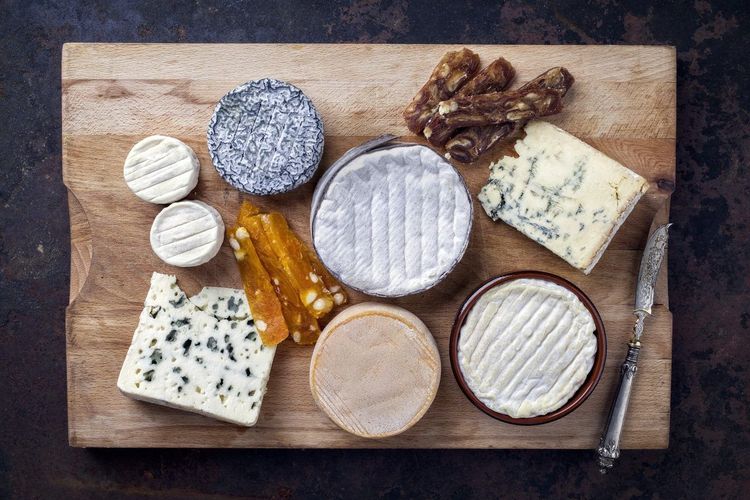
Beyond these two reliable options, Auxerre has a handful of wine bars where you can graze on a board of regional cheeses — chaource and époisses leading the way — with a glass of Irancy or Saint-Bris. These addresses, less prominent in the guides, often charge gentler prices: fifteen to twenty euros for a full meal with a glass, in a far less formal setting than the gastronomic restaurants.
On the specialities front, don't leave without trying three Burgundian classics that the region does particularly well: gougères, those little cheese puffs served as an aperitif at almost every domaine; jambon persillé; and œufs en meurette prepared here with a Yonne wine rather than a Côte de Nuits. The andouillette, a firm Chablis speciality, is often served with a white wine sauce made from the local vintage: it's the kind of dish you either love or loathe, rarely anything in between.
In the wine villages, tables are scarcer but more authentic. In Irancy as in Chablis, several estates host occasional table d'hôtes at weekends in season, where you taste the wines directly with the producer over a simple meal — homemade terrine, cheese from a neighbouring farm. These sessions are generally booked a week in advance with the estate, as places are limited to around fifteen covers.
For a more classic dinner outside the historic centre, several good food addresses in Auxerre and the surrounding area draw on revisited Burgundian cuisine, from beef cheek bourguignon to freshwater fish. Some also offer takeaway options, practical for a picnic on the riverbanks at the end of the day, and the city-centre market is a fine complement to the shopping list on a weekend morning. The audio-guided tour of Auxerre is also a pleasant way to walk off dinner along the riverside afterwards.
Where to Stay in Auxerre and the Auxerrois
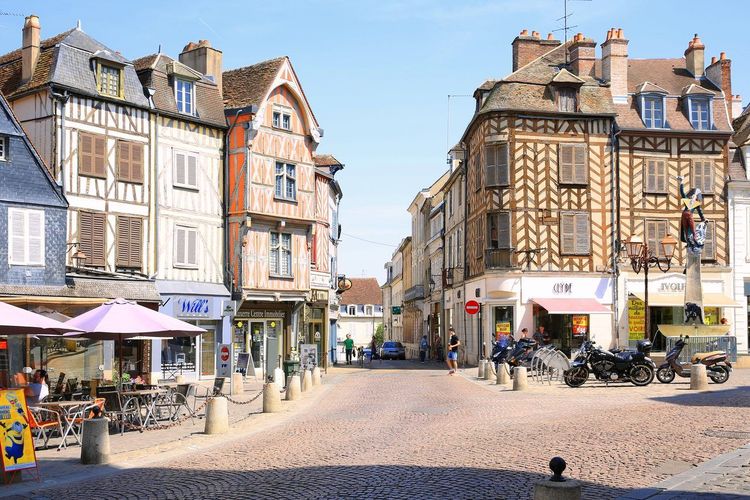
Staying in Auxerre
The city centre concentrates most of the hotel offer, from standard chain hotels at around 80 to 110 euros a night up to a few charming bed and breakfasts in period buildings, closer to 130 to 160 euros. Staying in the historic centre lets you do everything on foot on the first day — cathedral, abbey, and riverbanks included — without needing a car until the following morning.
The station district on the right bank is slightly cheaper and remains a fifteen-minute walk from the cathedral via the Pont Paul-Bert: a good compromise if you're arriving by train and leaving early. Hotels on the outskirts, along the main roads, are worth considering mainly for their free parking — not something to dismiss too quickly if you're travelling by car, as on-street parking in the centre is paid during the day. One reflex to adopt: check the dates of the Festival Catalpa and AJA home matches before booking, as prices climb noticeably on those weekends.
To plan your stay, the Auxerre audio-guided tour lets you identify the most appealing neighbourhoods for your base in advance, based on the sights you're prioritising, before you even open a hotel comparison site.
Sleeping Around Chablis and the Auxerrois
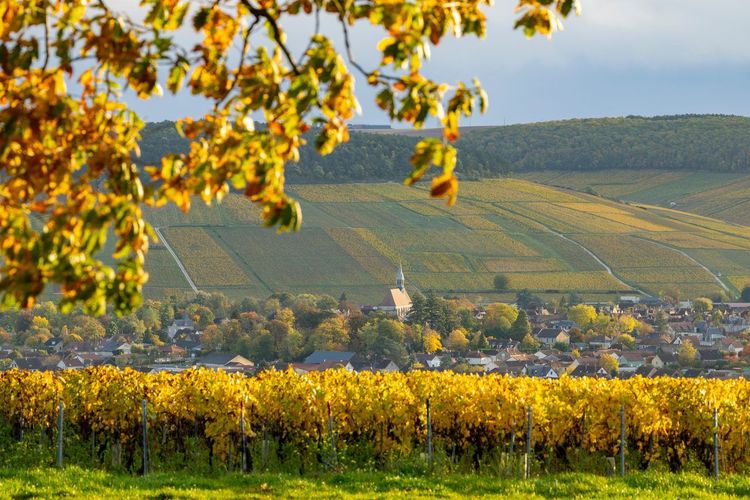
For the second day, staying directly in Chablis or a wine village transforms the experience: waking up among the vines, breakfast on the terrace, and no drive before your first tasting. Chambres d'hôtes at a winemaker's property, often housed in old farmhouses, are among the most appealing places to stay for families in Auxerre and Chablis, with rates starting at around 90 euros for a double room including breakfast.
Some offer family rooms or adjoining gîtes for groups — worth considering if the trip extends across several Auxerrois villages. Booking early is advisable from May to September: accommodation capacity is limited in these small villages, and the harvest, in late August or early September depending on the vintage, takes up some of the rooms for seasonal workers. On a tighter budget, campsites along the Yonne and walkers' gîtes on the cycling routes offer much gentler rates.
Practical Information for Visiting Auxerre
Getting to and Around Auxerre
By train, Auxerre is reached from Paris-Bercy station in around two hours depending on the service, with several return trips daily on weekdays and a reduced timetable at weekends. This is the simplest option for a stay focused on the city centre alone, as the Auxerre-Saint-Gervais station is a fifteen-minute walk from the cathedral.
By car, allow around two hours from Paris via the A6, taking the Auxerre Nord or Auxerre Sud exit depending on your destination. A car becomes hard to avoid from the second day onwards, as no regular bus line serves the wine villages at weekends. Hire one locally if you arrived by train — several agencies are based near the station — or book in advance to avoid running out of options on a Friday evening.
On the ground, the historic centre can be covered entirely on foot — it's compact and largely flat, except for the climb up to the clock tower. The urban bus network serves the outlying districts and the stadium, while for the vineyards, a car, an e-bike, or an all-terrain scooter remain the three realistic options, each with its own time constraints.
Pronunciation, Maps, and Useful Tips
How do you pronounce Auxerre? It's the question almost every visitor asks before arriving: the x is not pronounced like in "taxi" but as a simple "ss". So it's "Oh-SAIR", with the x never sounded. A common mistake, even among French people who have never set foot in the Yonne — and the surest way to be spotted as a tourist in the first conversation.
In terms of season, spring and early autumn remain the most pleasant times to discover the city and the Auxerrois, with moderate summer heat and lower crowds than in July and August among the vines. September has one extra trump card: the harvest is in full swing and activity in the wine villages is at its peak. To find all the visits and addresses mentioned here on a single map, the Auxerre tourist office provides a free plan covering the main city-centre sites and surrounding villages — handy to keep on your phone rather than printing out.
How to visit Auxerre and the Auxerrois without wasting time: prioritise the historic centre and the riverbanks on the first day, and book vineyard activities — tastings and cycling — before you leave, as weekend slots fill quickly in high season. One last thing to keep in mind: many monuments and shops close on Mondays, and several wine estates only receive visitors by appointment out of season. The Ryo app can serve as a thread through the city centre, leaving the vineyard programme entirely flexible depending on the weather.
Auxerre with Kids: Activities for All Ages

Auxerre works well for a family trip, as long as you balance heritage visits with more active pursuits. Paddleboarding on the Yonne and the all-terrain electric scooter tour are particularly good with children aged 8 to 10 and upwards, who can hold their balance and keep up with a group without burning out in half an hour.
For younger children, La Manufacture Bio occasionally runs chocolate-making workshops adapted for kids — an activity that rescues a rainy day as easily as a late vineyard morning. The Musée Leblanc-Duvernoy, quieter by nature, suits a thirty-minute break between two active sessions, and the banks of the Yonne offer real play areas and space to run about, both of which are sorely lacking in the narrow lanes of the centre.
On the football side, the AJA Experience tends to win over children as much as adults: access to the changing rooms and the pitch tunnel produces an instant effect on younger supporters, however occasional their interest. If you stay an extra day, the Guedelon building site remains the absolute safe bet with 6-to-12-year-olds, between stonemasons, rope-makers, and carpenters at work. To build a complete family-friendly programme, our Ryo top 5 activities to do in Auxerre lists further options by age group.
The Ryo app also guides the historic centre visit independently, a format that lets children ask their questions as they go rather than listening to a guide in silence for an hour. For days in the vineyards, bring hats and plenty of water: shade is scarce and children complain about the heat far sooner than adults.
Evenings Out in Auxerre: Concerts and Festivals
Auxerre's cultural calendar is modest compared to larger cities, but it has one event that has become unmissable in the Yonne: the Festival Catalpa, in June, which draws thousands of festival-goers to the banks of the Yonne for a weekend of concerts spanning pop, electronic, and rock. Booking accommodation several months in advance is essential if your stay coincides with these dates, as city-centre hotels sell out as early as spring.
Outside the festival, a concert or show can be found easily all year round. The city has a theatre with a regular programme and a dedicated live music venue, supplemented by the wine bars in the centre that host open-mic nights and sets by local musicians. This last option, more intimate, suits the end of a first day well, when your legs have already covered the historic centre and all you're looking for is a glass of Chablis and a seat.
In summer, the riverbanks take over with open-air terraces and evening events that go on late, and the atmosphere shifts completely on AJA match nights. A local tip: check the tourist office events calendar on arrival — one-off events such as winemakers' markets, village fêtes, and church concerts almost never make it into printed guides.
FAQ
How Many Days Do You Need to Visit Auxerre?
Two days are enough to cover the essentials: the historic centre and the riverbanks on the first day, the Auxerrois vineyards on the second. An extra day allows you to add the Abbaye de Pontigny, the Guedelon medieval building site, or a trip to Vézelay.
How Do You Get to Auxerre from Paris?
By train from Paris-Bercy, allow around two hours depending on the service. By car via the A6, expect a similar journey time outside of rush hours. The train is sufficient for the city centre, but a car becomes useful as soon as you want to reach the wine villages the following day.
How Do You Pronounce Auxerre?
"Oh-SAIR." The x is pronounced like an s, never like in "taxi" — a common mistake even among French visitors discovering the city for the first time.
What Should You See in Auxerre If You Only Have One Day?
Focus on the Cathédrale Saint-Étienne, the Abbaye Saint-Germain and its Carolingian crypt, then the banks of the Yonne at the end of the day. The clock tower and the Musée Leblanc-Duvernoy round out the visit if you have time before dinner.
Should You Add Chablis to a Weekend in Auxerre?
Yes, if your itinerary already includes the Auxerrois vineyards. Chablis is half an hour away by road, and the Cité des Climats et des Vins de Bourgogne pairs well with a morning spent in Irancy or Saint-Bris-le-Vineux.
Where Should You Stay When Visiting Auxerre and the Auxerrois?
The city centre of Auxerre is ideal for a stay focused on urban heritage. For the second night, sleeping in Chablis or a wine village lets you start the day right in the middle of the vineyards rather than on the road.
What Budget Should You Plan for a 2-Day Weekend in Auxerre?
Budget around 150 to 250 euros per person, including a mid-range hotel, two wine tastings, and two restaurant meals. Costs rise quickly with add-ons such as e-bike rental or the AJA Experience.
A weekend in Auxerre is enough to understand why the city holds visitors longer than it lets on from the motorway. The historic centre packs a rare concentration of Romanesque and Gothic heritage for a city of its size, while the surrounding Auxerrois offers one of Burgundy's most distinctive wine regions, from the pinot noir of Irancy to the sauvignon of Saint-Bris. Add the AJA Experience, La Manufacture Bio, or the Abbaye de Pontigny as you see fit, and the itinerary goes well beyond what most standard guides suggest.
To plan this trip without leaving anything to chance, the Ryo audio-guided tour of Auxerre is the simplest starting point: it covers the historic centre at your own pace, before you head out to explore the vineyards the next day.