© Shutterstock
 Votre guide Ryo
The Most Beautiful Villages of Savoie to Discover in 2026
Savoie hides dozens of villages that seem frozen in time: dark-stone and lauze hamlets perched at 1,800 meters, medieval market towns overlooking river confluences, baroque towns tucked away in secret valleys, wine-growing villages lining the Rhône. Bonneval-sur-Arc has earned the official 'Most Beautiful Villages of France' label, but that is only the visible part of a region where the most authentic villages rub shoulders with places still unknown to the general public.
In this guide, you will discover Conflans and its labyrinth of Renaissance houses overlooking Albertville, Bessans and its chapels adorned with 15th-century frescoes, Hauteluce and its bulbous bell tower so characteristic of the Alps, Yenne and its vines along the Rhône. Around fifteen villages, from the depths of Maurienne to the shores of Lac du Bourget on the Savoie side, for getaways well beyond the ski resorts. Ready?
Bonneval-sur-Arc: the Most Iconic Village in Savoie
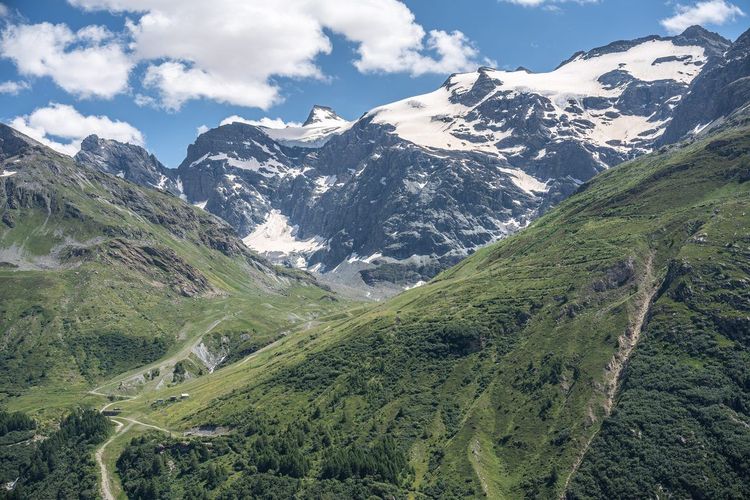
At 1,800 meters above sea level, at the foot of the Col de l'Iseran (the highest paved mountain pass in the Alps, at 2,764 meters), Bonneval-sur-Arc (Village de Bonneval-sur-Arc, 73480 Val-Cenis, rated 4.8/5 on Google based on 187 reviews) embodies Savoyard mountain architecture in its purest form better than anywhere else. The village has earned the official 'Most Beautiful Villages of France' label, and the distinction is well deserved the moment you discover its houses built according to the golden rule of the upper Maurienne: dark micaschist stone for the walls, grey lauzes for the roofs, centuries-old wood for the overhanging eaves.
Here, there are no cars in the historic village center. Vehicles remain in the parking area at the village entrance, preserving an atmosphere of silence that is exceptionally rare in the French Alps. The main promenade runs alongside houses some of which date from the 17th century, with their narrow windows, their ground-floor stables converted into craftsmen's workshops, and their kitchen gardens tended with care despite the altitude.
The Chapelle Saint-Nicolas, at the far end of the village, is worth lingering over. Its baroque interior preserves carved woodwork and a polychrome altar typical of the valleys of Savoie. Below, the Arc (the torrent that lends its name to the entire upper Maurienne) roars between granite boulders polished by millennia. The valley floor, even higher up, opens onto the first glaciers of the Vanoise.
For hikers, Bonneval-sur-Arc is the starting point for routes toward the Refuge du Carro, the Vallaisonnay glaciers, or the Col de l'Iseran itself via the walking path. The ascent to the pass (approximately 4 hours round trip from the village) provides a 360-degree panorama over the French-Italian border that few ascensions accessible to the general public can rival.
Since 2020, the ski resort has chosen to reposition itself toward authenticity and ski touring rather than mass Alpine skiing. A strong signal for a village whose charm rests precisely on its tranquility.
A practical tip: visit on a weekday in July or September to avoid the concentration of visitors. Since the village has no chain hotel, guesthouses and gîtes must be booked several months in advance during peak season. The road over the Col de l'Iseran, which generally opens between June and October depending on snowfall, is itself a spectacle.
Conflans, the Medieval Town above Albertville
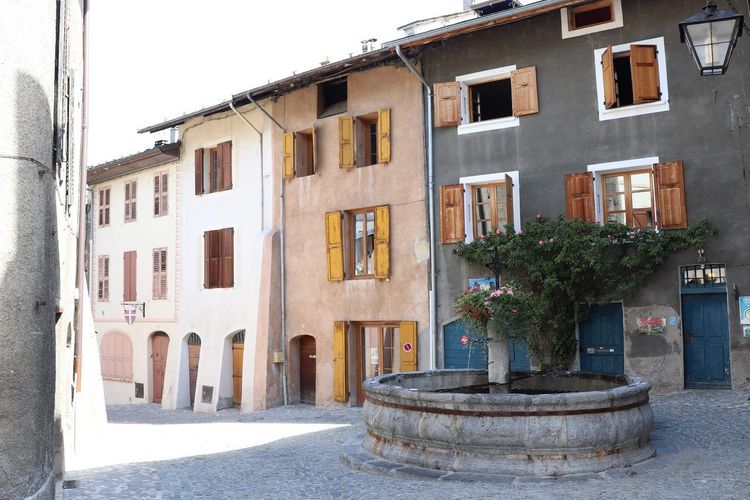
Just a few minutes from the center of Albertville, the fortified town of Conflans dominates the confluence of the Arly and the Isère from a rocky spur. This medieval town, long overlooked by guidebooks in favor of winter sports resorts, possesses one of the most complete historical heritages in the Savoie department.
The Grande Roche, a developed viewpoint at the tip of the promontory, offers a perspective over the converging valleys that the Romans had already known how to exploit. But it is by venturing into the narrow streets that Conflans reveals its riches: the 14th-century Tour Sarrasine, the Renaissance façades of the Maison Rouge and the Maison des Archives, and the old ramparts, sections of which remain visible between private gardens.
In the Middle Ages, the town sheltered the Counts of Savoie during their travels between Chambéry and the northern valleys. The aristocratic houses lining the main street retain ogee doorways and sculpted lintels of remarkable craftsmanship for a town of this size. An exceptional stonemason worked here in the 15th century, and his work can be found on at least a dozen façades.
In 1992, Albertville hosted the Winter Olympic Games, an event that transformed the lower town but left Conflans largely untouched. The Musée d'Art et d'Histoire, housed in a former patrician residence, traces the history of the County of Savoie with collections of armor, paintings, and objects from everyday Alpine life. Admission is free on the first Sunday of each month.
Conflans is the only village in this selection directly accessible from Albertville on foot (approximately 20 minutes from the train station). It is therefore the simplest option if you are visiting Savoie without a car.
Saint-Martin-de-Belleville: the Baroque Soul of Tarentaise
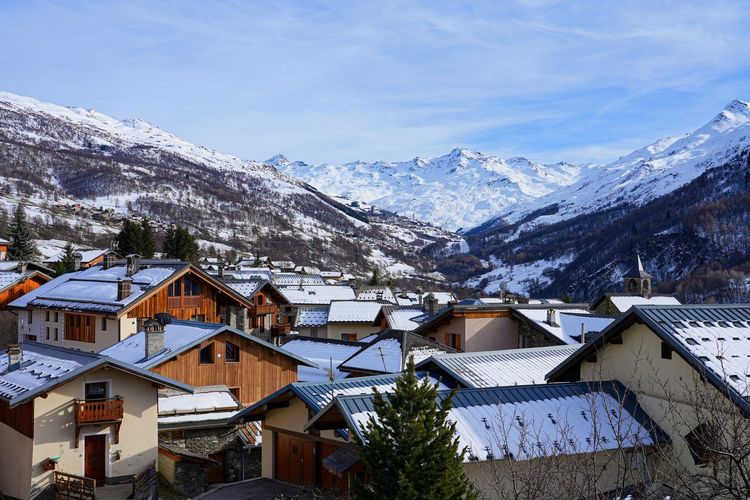
At 1,450 meters above sea level in the Belleville valley, Saint-Martin-de-Belleville (Village de Saint-Martin-de-Belleville, 73440 Saint-Martin-de-Belleville, rated 4.6/5 on Google based on 1,400 reviews) manages a difficult balancing act: remaining a genuine Savoyard village despite the proximity, just a few kilometers away, of the Trois Vallées ski area (Les Menuires, Val Thorens, Méribel), the largest ski domain in the world. It succeeds with quiet elegance.
The heart of the village is dominated by the church of Notre-Dame-de-la-Vie, built in 1634 in the baroque style of Tarentaise. Its bulbous bell tower (that ovoid form characteristic of the northern Alps) houses bells cast in the 17th century whose sound carries far down the valley on windless days. Inside, the main altar in gilded polychrome wood bears witness to the care lavished by Alpine communities on their places of worship despite the isolation of the high valleys.
The commune is made up of five hamlets united administratively, each with its own architectural identity. The mazots (those grain stores raised on stone pillars topped with metal caps to prevent rodents from climbing up) punctuate the outskirts of the village. Some have been converted into charming residences with remarkable care.
In Saint-Martin, local cuisine plays an important role in the appeal of the place. Crozette (a flat, square-shaped Savoyard pasta) and matouille (a fondue made with fresh tomme cheese and white wine) have featured on village restaurant menus for generations. With the Ryo app, you can prepare your visit by listening to audio content on the baroque heritage of the French Alps before you even set off.
Champagny-en-Vanoise: the Baroque Gateway of Tarentaise
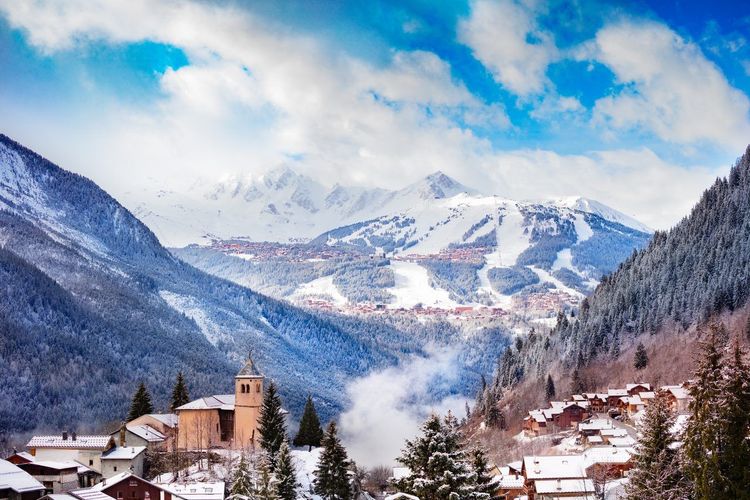
Between La Plagne and the Parc National de la Vanoise, Champagny-en-Vanoise (Champagny-en-Vanoise, 73350 Champagny-en-Vanoise, rated 4.5/5 on Google based on 620 reviews) occupies a strategic position at 1,250 meters above sea level. Less well known than its resort neighbors, that is precisely why the village is one of the most pleasant to visit outside the ski seasons.
The church of Saint-Sigismond, dedicated to a 6th-century Burgundian king, preserves a baroque altarpiece listed as a Historic Monument. The interior frescoes depict scenes from the saint's life with a vividness of color that is surprising for a mountain building subjected to harsh winters. Around the church, the traditional stone and timber chalets have withstood the 1970s construction that disfigured so many other Alpine villages.
The hamlet of Champagny-le-Haut (1,450 m), accessible via a winding 5-kilometer road, offers a panorama over the Vanoise massif that ranks among the finest in Tarentaise. In summer, the trails of the Parc National de la Vanoise start directly from the hamlet. It is one of the rare places where ibex can be observed at close range without any specialist equipment.
Hauteluce: the Bulbous Bell Towers of Beaufortain
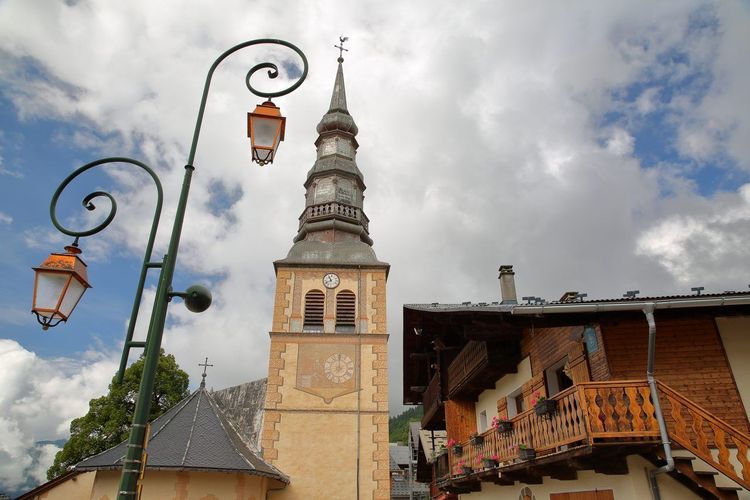
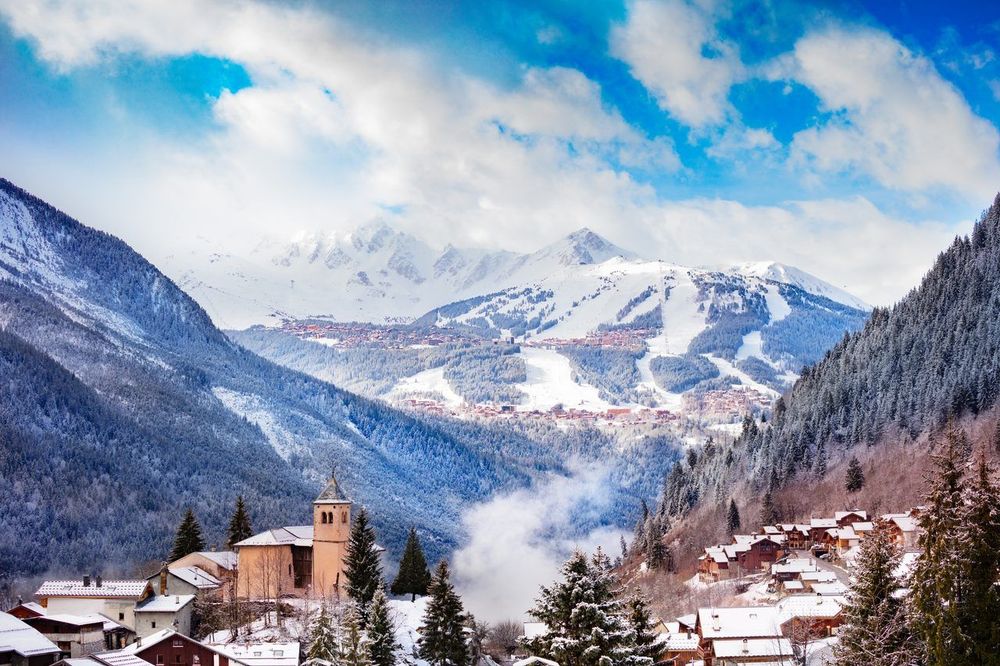
At 1,150 meters above sea level in the Beaufortain massif, Hauteluce (Village de Hauteluce, 73620 Hauteluce, rated 4.4/5 on Google based on 380 reviews) is one of those Savoyard villages whose charm rests on an immediately recognizable architectural feature. The bulbous bell tower of its church, covered in slate tiles that glisten in the Alpine sun, has become an iconic image of the region.
The church of Sainte-Marie-Madeleine dates from the 17th century in its present form, though the foundations go back to the Middle Ages. The baroque interior is typical of rural Savoie: polychrome altars, carved woodwork, and ex-votos hung on the walls by generations of mountain dwellers who survived avalanches, alpine accidents, and the rigors of high-altitude winters.
The village spreads across several hamlets linked by cobblestone paths. The view from the meadows above the village (with the Aiguilles de la Pennaz in the background) alone justifies the detour. In June, when the alpine pastures are covered in buttercups and gentians, the landscape offers a rare visual generosity.
Hauteluce is also the starting point for a hike to the Col du Joly (2,004 m), accessible from Les Contamines-Montjoie as a traverse. Mountain guides in the valley offer botanical outings that allow visitors to discover the exceptional Alpine flora of the Beaufortain, including endemic species found only in this massif.
Beaufort: the Capital of the King of Cheeses
Beaufort (Beaufort, 73270 Beaufort, rated 4.3/5 on Google based on 490 reviews) is not strictly speaking a picture-postcard village. It is a market town of 2,000 inhabitants, a canton capital, with 1970s buildings that betray the recent history of Alpine tourism. And yet, Beaufort is worth a stop for two solid reasons.
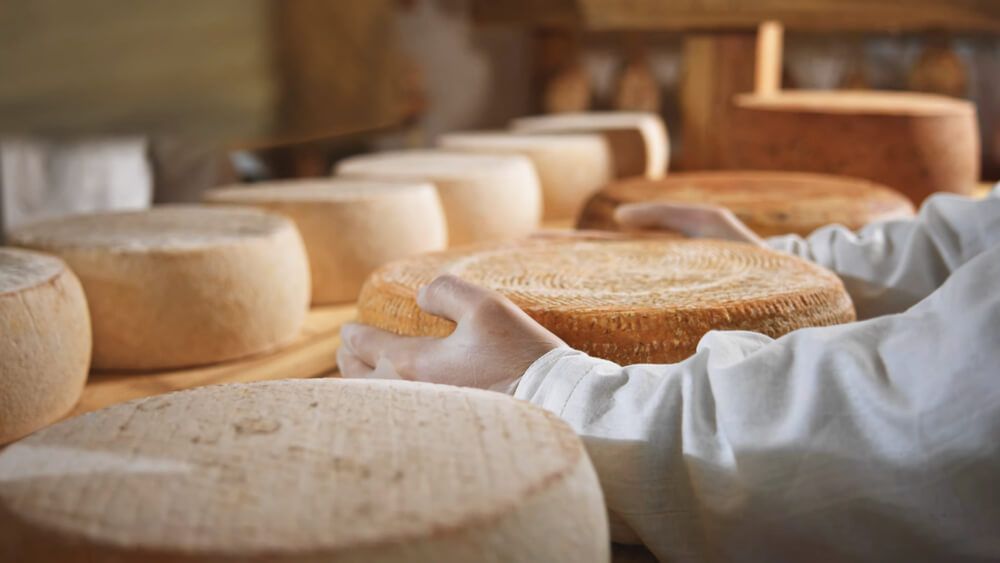
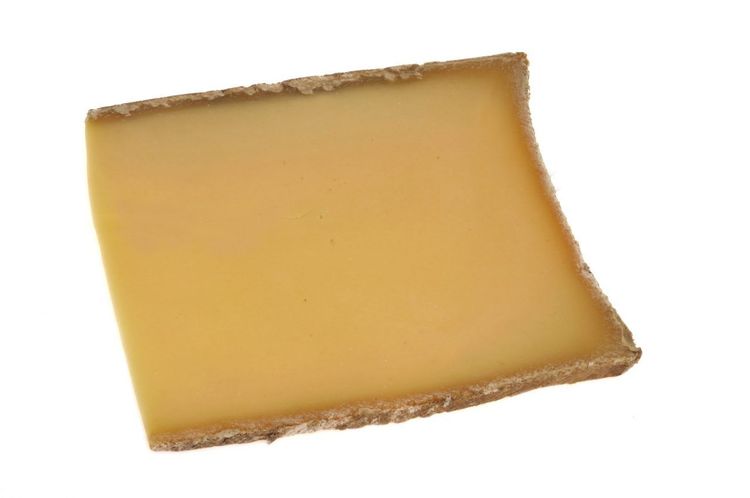
The first: the cheese. Beaufort AOC (nicknamed 'the prince of Gruyères') is produced in the surrounding alpine pastures from the milk of Tarine and Abondance cows. The village dairy cooperative organizes guided tours to understand the maturing process, which lasts between 5 and 18 months depending on the quality sought. It is hard to leave without a wheel tucked under your arm.
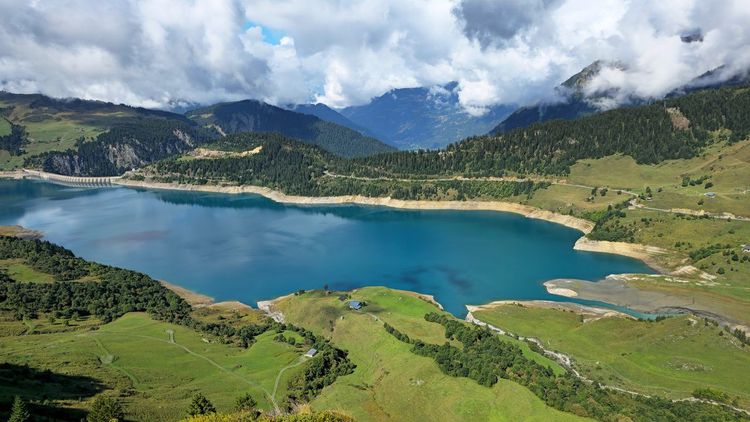
The second reason: the Lac de Roselend. Eight kilometers above the village, this artificial lake created in the 1960s for hydroelectric power generation has become a natural site in its own right, ringed by summits over 3,000 meters high. The road leading to it hugs vertiginous cliffs above the Arondine gorge. The arrival at the belvedere is one of the finest moments of a circuit through the Beaufortain.
Bessans: Art and Mystery in the Upper Maurienne
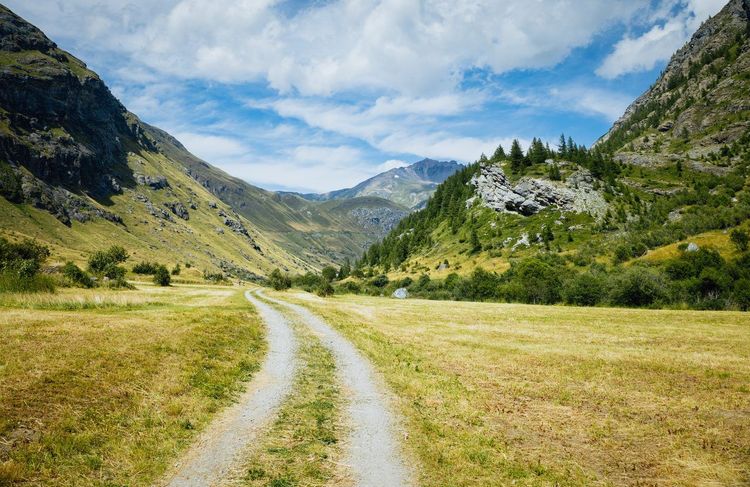
At 1,730 meters above sea level, Bessans (Village de Bessans, 73480 Val-Cenis, rated 4.6/5 on Google based on 540 reviews) is one of the most singular Savoyard villages. Its relative isolation in the upper Maurienne has allowed it to preserve two treasures that few travelers know about.
The first is the Chapelle Saint-Antoine, built in the 15th century at the entrance to the village. Its interior walls are covered with a cycle of frescoes depicting the life of the saint and scenes from the New Testament. The colors (ochres, cobalt blues, deep reds) have retained a remarkable intensity despite six centuries of Alpine humidity and extreme temperature variations. The chapel has been listed as a Historic Monument since 1946 and is only open for part of the year: check opening hours with the Val Cenis tourist office before making the trip.
The second treasure of Bessans is its tradition of wood carving. The diables de Bessans are grimacing figures carved from cembro pine (arolla pine), once sculpted by farmers during the long winter months. This craft tradition dates back to the 17th century and is perpetuated in several workshops in the village. Local legend has it that the devil helped a villager finish a bridge in exchange for the first soul to cross it. The cunning villager sent a cat.
In summer, Bessans is the starting point for excursions toward the Vanoise glaciers. The Arcelle Neuve glacier is accessible in 3 hours from the village via a marked trail. In winter, the commune has one of the largest Nordic skiing areas in the French Alps with 75 kilometers of cross-country ski trails, frequented by skiers who prefer the silence of the upper Maurienne to the crowds of Alpine ski resorts. Ryo offers audio content on Alpine mountain territories to enrich your discovery of the heritage of these valleys.
Pralognan-la-Vanoise: a Legacy of Mountaineering
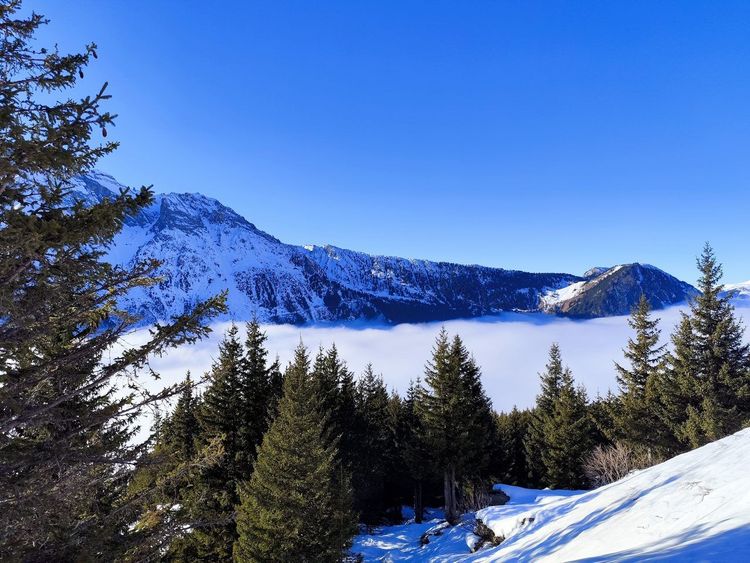
Pralognan-la-Vanoise (Pralognan-la-Vanoise, 73710 Pralognan-la-Vanoise, rated 4.5/5 on Google based on 920 reviews) (1,420 m) holds a special place in the history of French mountaineering. It was from this Tarentaise village that the first documented ascent of the Grande Casse (3,855 m), the highest point in the Parc National de la Vanoise, was made in 1860. This mountaineering tradition is written into the identity of the place.
The village itself is pleasant without being spectacular: a main street lined with well-kept chalets, an 18th-century church, a few mountain hotels with patinated wood façades. The real wealth lies in the direct access to the national park. From Pralognan, trails climb toward the Refuge de la Vallette (2,690 m), the Col de la Vanoise, or the Lacs des Vaches, with permanent views of the glaciers that form one of the largest ice reserves in the French Alps.
In summer, the tourist office organizes evening activities centered on the park's wildlife: ibex, chamois, and marmots can be observed at close range from the marked trails, particularly on the Plan du Lac alpine pastures. In winter, a small family ski resort offers slopes suited to children and beginners, away from the large industrial ski domains of Tarentaise.
Yenne: the Medieval Village of Savoyard Vineyards
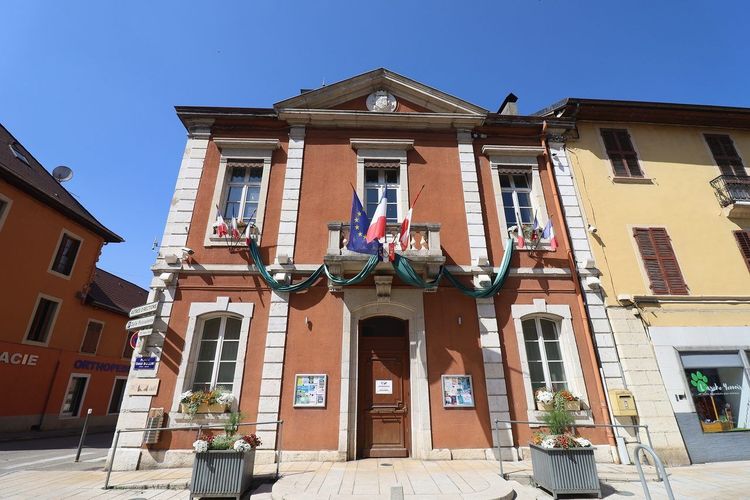
Vineyards are not the first thing that comes to mind when thinking of Savoie. And yet, Yenne (Yenne, 73170 Yenne, rated 4.2/5 on Google based on 230 reviews) and its surrounding area have been producing a crisp white wine from the Jacquère grape since Roman times, which pairs perfectly with local cuisine. The village sits on the banks of the Rhône, at just 250 meters above sea level, in what the Savoyards call the 'Sud-Savoie'.
The medieval town retains a 16th-century covered market hall, supported by stone columns, where the weekly Saturday morning market still takes place. The half-timbered houses on the Grand-Rue form a coherent ensemble rare in the department. The church of Saint-Laurent, Romanesque in origin, was remodeled during the Gothic period with the addition of a sculpted portal characteristic of the late Savoyard style.
Yenne is often the first stop for hikers following the 'Route des Vins de Savoie' trail between Lac du Bourget and the Chautagne vineyards. The vineyard walk in October, when the vine leaves turn red and gold, is one of the most beautiful in lower Savoie. Back in Chambéry, our audio walking tour of the historic capital of Savoy loops through 24 stops in an hour and a half.
Val Cenis: the Authentic Heart of Maurienne
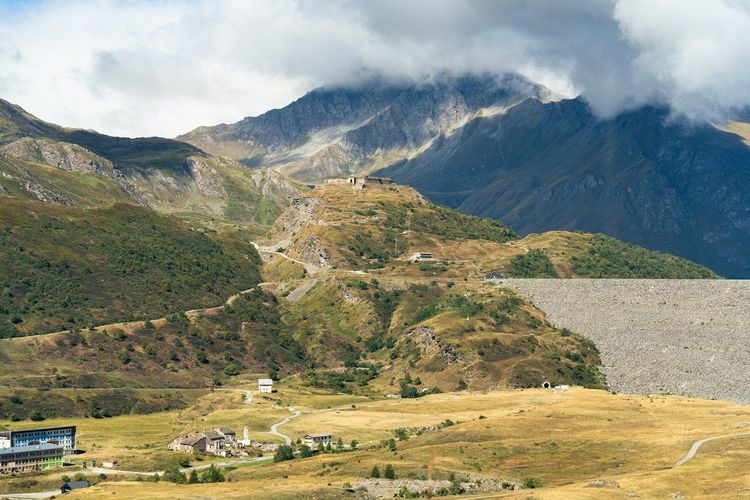
The commune of Val Cenis encompasses several villages in the upper Maurienne, of which Lanslebourg is the main center. At 1,400 meters above sea level, the village was for a long time the obligatory transit point toward Italy via the Col du Mont Cenis (2,083 m), used in turn by Roman legions, medieval pilgrims heading to Rome, and Napoleon during his Italian campaign in 1800.
The church of Saint-Thomas-de-Cantorbéry, built in the 16th century, owes its dedication to Savoyard crusaders returning from the Holy Land. The Romanesque-baroque architecture, with its squat bell tower and thick walls designed to withstand the winds of the Maurienne, is representative of the local style. The interior preserves modest but coherent baroque furnishings.
The Lac du Mont Cenis, accessible from Lanslebourg via a 17-kilometer winding road, is technically on the French side despite decades of diplomatic complexity with Italy. This artificial lake created in the 1960s is now considered one of the most beautiful in the Alps. The hike around its perimeter offers permanent panoramas over the Grand Mont Cenis (3,611 m) and the border peaks.
Termignon-la-Vanoise: the High Gateway to the Park
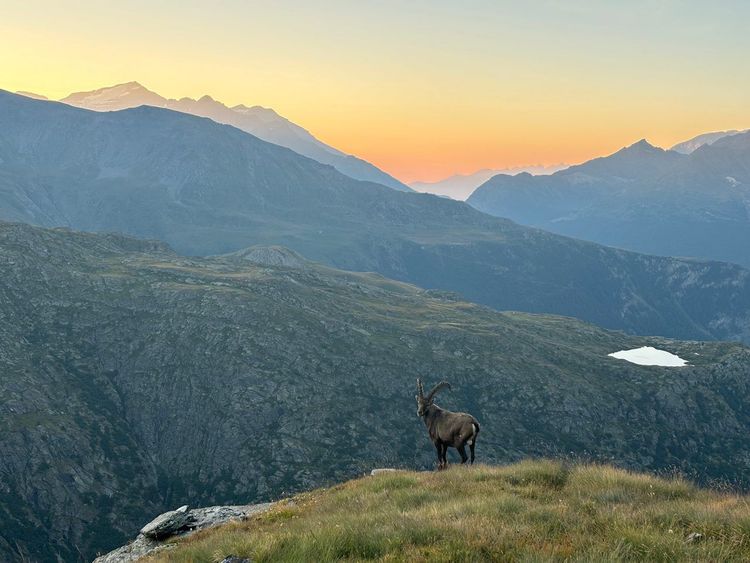
Termignon (Termignon, 73500 Termignon, rated 4.3/5 on Google based on 170 reviews) (1,300 m) is less well known than Bonneval or Pralognan, but hikers who have walked the GR5 speak of it with shining eyes. It is one of the main entry points into the Parc National de la Vanoise directly from the floor of the Maurienne valley.
The village has retained an authentic rural architecture with its stone and timber barn-stables, granite fountains, and 17th-century baroque church whose bell tower leans slightly. This detail is visible from the main square, and no local resident seems in any hurry to correct it. The via ferrata du Roc du Bourget, accessible a 20-minute walk from the village, attracts climbers in search of well-exposed Alpine voids.
The GR5 passes through Termignon on its route between Modane and Bonneval-sur-Arc, making it a popular bivouac stop for long-distance hikers traversing the Alpine arc from north to south.
Bozel: the Discreet Baroque of Tarentaise
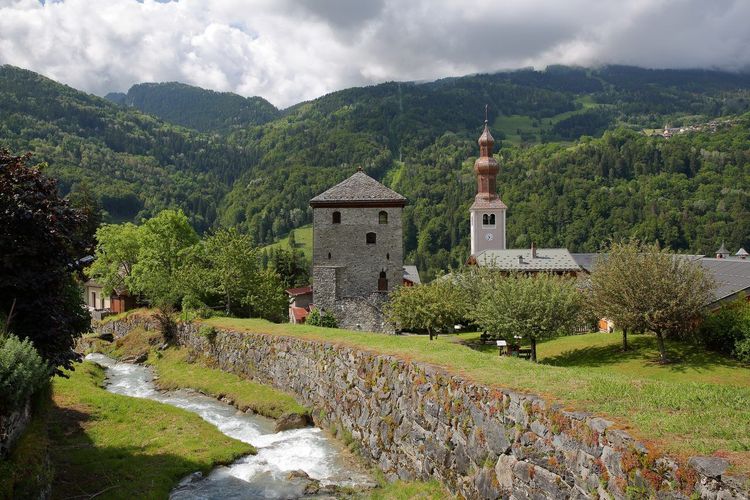
Between Moûtiers and Courchevel, the village of Bozel (Bozel, 73350 Bozel, rated 4.2/5 on Google based on 195 reviews) (850 m) deserves a stop on any Savoyard itinerary. This Tarentaise market town, built along the valley floor beside the Doron, concentrates a baroque heritage that is often overlooked by tourists rushing at full speed toward the major resorts.
The church of Saint-François-de-Sales, dedicated to the 17th-century Savoyard bishop and theologian, is adorned with considerable baroque furnishings: gilded wooden altarpieces, old paintings, and polychrome marble baptismal fonts. The Bozel tourist office has developed a heritage discovery circuit of Tarentaise baroque that links several villages in the valley in a day by car.
Bozel is also the gateway to Champagny-en-Vanoise (15 km) and the Doron gorges, a wild canyon accessible on foot from the village center. The walk through the gorges (1 hour 30 minutes round trip) is manageable with children aged 8 and over.
Other Villages Not to Be Missed
The selection of remarkable villages in Savoie does not end there. Aiguebelle, in the lower Maurienne, preserves a Cistercian abbey that has been active since the 12th century. The monks produce an Alpine herbal liqueur and cheeses sold at the monastery shop, which is open to visitors in the morning.
Apremont, above Chambéry, is surrounded by vineyards producing one of the finest white wines in the department (Jacquère grape, AOC Vin de Savoie) with an exceptional view of the Bauges massif from the terraces of the wine estates. Saint-Jean-de-Maurienne, often overlooked in favor of high-altitude villages, is worth half a day for its Cathédrale Saint-Jean-Baptiste and its 11th-century medieval cloister. The Musée de l'Opinel, located in town, traces the history of the iconic mountaineers' knife since 1890.
To complete your discovery and explore villages straddling Savoie and Isère, check out the most beautiful villages around Grenoble selected by Ryo, accessible from Chambéry in under an hour.
When to Visit the Villages of Savoie?
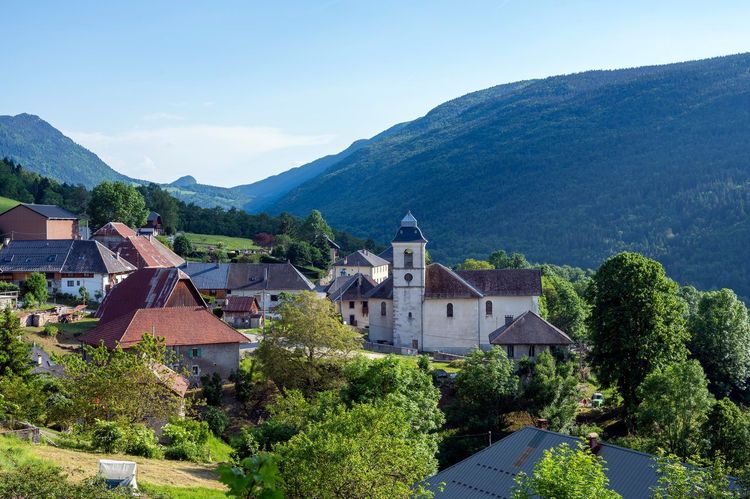
Savoie is a four-season destination, but each period offers a distinct experience in its villages.
Summer (July–August) is the peak season. High-altitude villages such as Bonneval or Bessans are accessible, hiking trails are open, and guesthouses are lively. The downside: roads leading to the Col de l'Iseran or to Pralognan can be busy at weekends. Aim to set off before 8 am to enjoy the villages before the influx of day visitors.
Spring (May–June) is ideal for valley villages such as Yenne, Bozel, or Conflans. Cherry blossoms cover the orchards below still-snowy alpine pastures, creating a striking contrast. The mountain passes are still closed, but the villages themselves have a rare serenity. The Fête du Beaufort, held each year in June, brings the valley to life and provides a wonderful opportunity to discover the region.
Autumn (September–October) is arguably the most photogenic season. The raking September light gilds the larches, those deciduous conifers whose autumn transformation colors the slopes in an intense yellow. The villages are quiet, and accommodation is available at rates lower than in summer.
Winter (December–March) transforms the villages into fairy-tale settings. Bonneval-sur-Arc under snow is a spectacle in itself. Conflans, at 480 meters above sea level, is easily accessible and takes on a medieval atmosphere heightened by the Christmas markets in the surrounding area.
Practical Tips for Planning Your Visit
Getting around Savoie
A car remains the most practical way to visit Savoyard villages, especially those at altitude that are not served by regular public transport. The N6 national road (Chambéry–Bourg-Saint-Maurice axis) provides access to Tarentaise, while the N90 serves Maurienne as far as Modane.
For lower-altitude villages (Yenne, Conflans via Albertville, Bozel), the TER Auvergne-Rhône-Alpes regional train network offers connections from Chambéry and Grenoble. Albertville station is a 20-minute walk from Conflans, a rare advantage in the mountains.
Where to Stay?
Accommodation options vary by village. Bonneval-sur-Arc and Pralognan-la-Vanoise have several gîtes and mountain hotels. Saint-Martin-de-Belleville offers a choice of chalets and apartments linked to the ski economy, which makes prices variable depending on the season. For smaller villages such as Hauteluce, Bessans, or Termignon, book several months in advance during peak season. CAF (Club Alpin Français) mountain refuges are an economical and convivial option for multi-day hiking itineraries in the Parc de la Vanoise.
Estimated Budget
Allow between 15 and 25 euros per person for a sit-down meal in village restaurants outside the resorts. Local products bought directly from producers (Beaufort AOC, tomme de Savoie, artisan génépi) make for the most memorable and affordable purchases in the region. Entry fees for paid sites (Musée de Conflans, Beaufort cooperative) range from 4 to 8 euros per adult.
With the Ryo app, you can prepare your visits by listening to audio content on the heritage of the French Alps before you even set off. To broaden your Savoyard horizons further, the Ryo selection of the most beautiful villages in France includes several destinations from the Alpine Grand Est in a national panorama.



FAQ
What is the most beautiful village in Savoie?
Bonneval-sur-Arc is often cited as the most beautiful village in Savoie, and for good reason: it is one of the rare Alpine villages to hold the official label 'Most Beautiful Villages of France.' Perched at 1,800 meters at the foot of the Col de l'Iseran, it offers authentic micaschist stone and lauze architecture, with no cars in the historic village center. Other serious contenders exist: Conflans for its medieval heritage, Saint-Martin-de-Belleville for its baroque church, Hauteluce for its bulbous bell tower. The choice depends on what you are looking for: pure Alpine authenticity, medieval history, or a lively village atmosphere year-round.
When is the best time to visit the villages of Savoie?
Late spring (May–June) and autumn (September–October) are the best periods. The light is favorable, there are fewer tourists, and accommodation is available at gentler rates than in peak season. Summer is still possible but requires an early start to avoid congestion on mountain roads. In winter, high-altitude villages have a particular charm under the snow, but check road conditions: some passes (Iseran, Mont Cenis) close from November to May depending on snow conditions.
Are the villages of Savoie accessible without a car?
Partially. Conflans (in Albertville) is accessible by train from Chambéry. Yenne and Saint-Jean-de-Maurienne are served by the TER regional train. However, high-altitude villages such as Bonneval-sur-Arc, Bessans, Hauteluce, Termignon, and Pralognan-la-Vanoise are only accessible by road. Seasonal shuttles exist in some valleys in summer, particularly in Tarentaise, but schedules remain limited. For an in-depth exploration of mountain villages, a car remains essential.
Which villages of Savoie are best to visit as a family with children?
Pralognan-la-Vanoise and Champagny-en-Vanoise are particularly well suited to families: the trails of the Parc National de la Vanoise offer marked low-gradient itineraries, and tourist offices organize nature activities for young hikers. Conflans, with its ramparts and medieval tower, delights children who can imagine themselves in a land of knights. Beaufort, with its dairy cooperative, lets younger visitors discover how cheese is made. The Doron gorges from Bozel are suitable for children aged 8 and up.
Can you visit the villages of Savoie in a day from Chambéry or Grenoble?
Yes, for the closer villages. Conflans (Albertville) is 45 minutes from Chambéry via the A43, and half a day is enough. Yenne is 30 minutes away. Bozel and Champagny-en-Vanoise take around 1 hour 30 minutes from Chambéry. On the other hand, Bonneval-sur-Arc (2h45 from Chambéry) and Bessans (2h30) require an overnight stay to fully enjoy the village and its hiking trails. From Grenoble, several villages on the edge of the Savoie department are accessible in under an hour. Find these options in our Ryo guide to villages around Grenoble.
Conclusion
The villages of Savoie hold surprises on every visit. Some, like Bonneval-sur-Arc, immediately impress with the purity of their Alpine architecture. Others, like Conflans or Yenne, reveal themselves gradually to those who take the time to stop. Others still, like Bessans with its carved devils or Saint-Martin-de-Belleville with its baroque church, require a little understanding of local history to appreciate their full value.
Savoyard villages have nothing to envy those of Provence or the Dordogne. They have simply long lived in the shadow of the great ski resorts. The Ryo selection of the most beautiful villages in France shows that the true Savoie is among the country's richest territories for vernacular heritage.
Plan your itinerary in advance, book early in peak season, and let the slow rhythm of Alpine villages work its magic. Authentic Savoie takes a little effort to reach, but it repays a hundredfold what you give it.
À lire également