© Shutterstock
 Votre guide Ryo
Visiting Montpellier as a Couple: The Complete 2026 Guide
Visiting Montpellier as a couple means embracing a constant balancing act between the medieval lanes of the Écusson and the salt lagoons of the coast, between a museum that holds one of France's most famous Courbets and a spa tucked into a former mansion. Here, you climb the Promenade du Peyrou to watch the sun set behind the Saint-Clément Aqueduct, before heading off the next day to the red earth of Lac du Salagou, an hour's drive away. The Ryo audio-guided tour of Montpellier traces a common thread through this setting, designed so you can get lost together without pulling out a paper map at every crossroads.
The program? A suite with a private jacuzzi a stone's throw from Place de la Comédie, a kayak trip on the canals of Sète, an oyster tasting with your feet almost in the water of the Étang de Thau, or even a tandem bungee jump from a 19th-century viaduct lost in the hinterland. You'll also find where to dine in peace, where to sleep for a successful cocooning stay, and how to organize the entire trip without a car, with the tram and bikes to help.
Strolling Hand in Hand Through the Écusson, Montpellier's Historic Heart
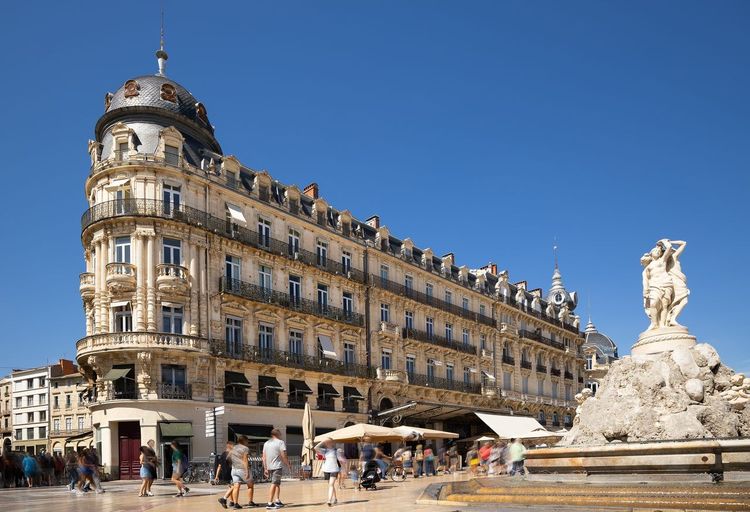
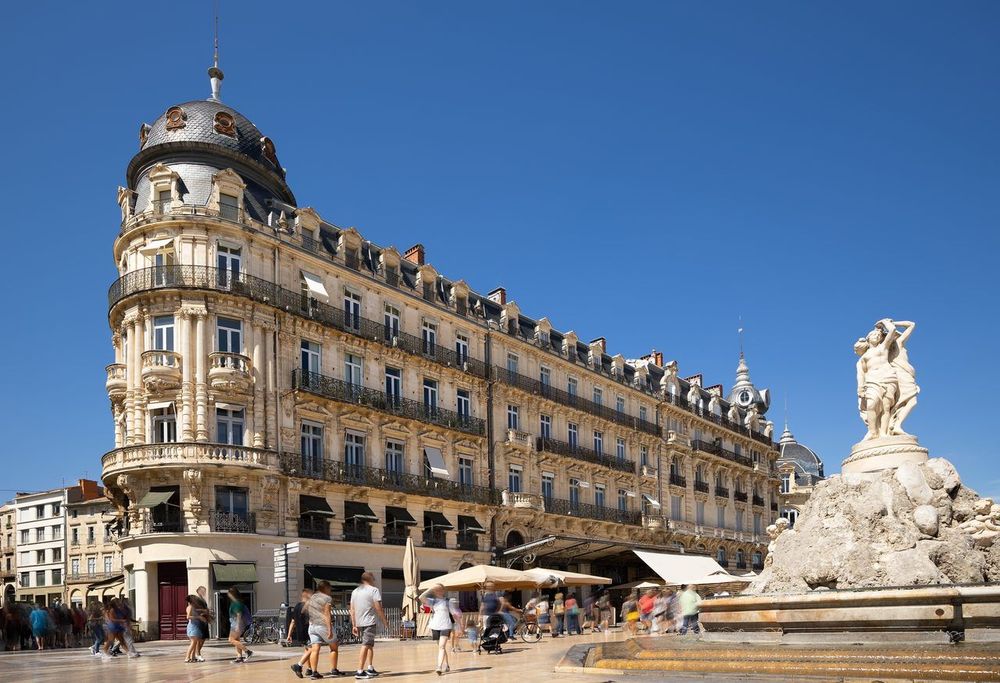
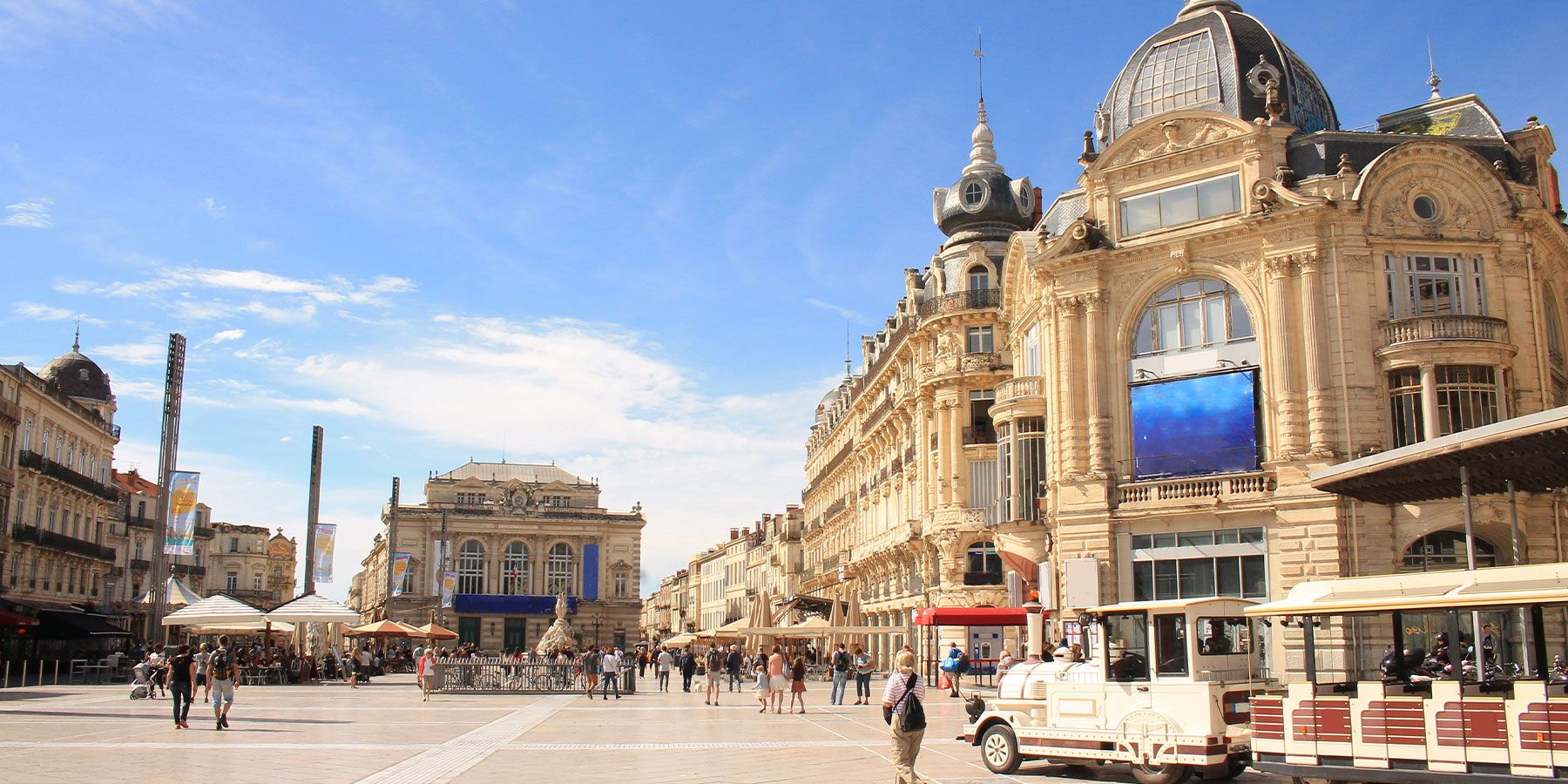
The Écusson owes its name to the shield shape once traced by its vanished ramparts: a core of cobbled lanes that you never cross twice by the same route. Here, there is no set itinerary. Start from Place de la Comédie, the largest pedestrian square in Europe according to the people of Montpellier themselves, and let yourself drift toward Rue de la Loge and then Rue Foch, before plunging into the maze of narrower lanes where the sun struggles to enter in the height of summer.
It is in these little streets that the whole appeal of the district lies: private mansions from the 17th and 18th centuries, often invisible from the roadway, which reveal their inner courtyard only through a half-open carriage gate. A fun game is precisely to spot these doors: the Hôtel de Varenne, which now houses the Musée du Vieux Montpellier, or the Hôtel de Manse, famous for its suspended stone staircase that seems to hold up by magic. Step in when the door is open; no one will stop you.
The Saint-Pierre Cathedral (Place Saint-Pierre, 34000 Montpellier, rated 4.6/5 on Google from 3,466 reviews), with its porch of two massive pillars that look almost like keep towers, marks the northwest edge of the Écusson and the start of the faculty of medicine, one of the oldest in Europe still in operation. The contrast is striking with the former Sainte-Anne church, now the Carré Sainte-Anne, a contemporary art exhibition space whose neighboring square, with its stone benches, invites a break in the late afternoon.
Many visitors stop dead at the edge of the Écusson, without going on to Antigone, the neoclassical district designed by architect Ricardo Bofill in the 1980s. The extension is nonetheless worth the detour: colonnades, pools and perspectives running all the way to the Lez give a very different, more theatrical image of the city. Allow fifteen minutes on foot from Place de la Comédie, a good excuse for a second stroll the next morning, when the low light gilds the blond-stone façades.
To miss none of the details that are easy to overlook while wandering, the sculpted façade of a mansion, the anecdote of a square, the Ryo audio-guided sub-route dedicated to the historic center covers the Écusson in 19 audio stops over 3.5 km, or about 1.5 hours of walking: enough to pause in front of every carriage gate without rushing, one earbud each.
Before leaving the district, one last stop is a must on Rue de l'Ancien Courrier: the café terraces open early there and stay lively until nightfall, a good landmark for pacing a whole day in the center without ever feeling rushed.
The Promenade du Peyrou, the Best Viewpoint over Montpellier
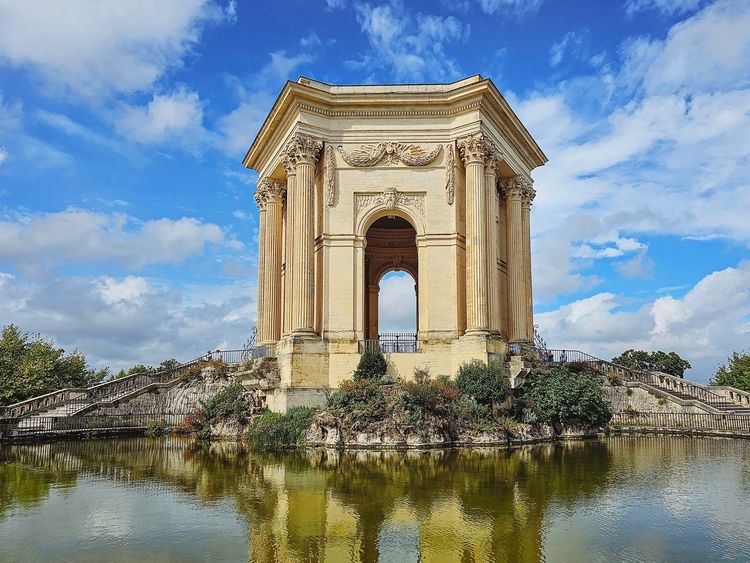
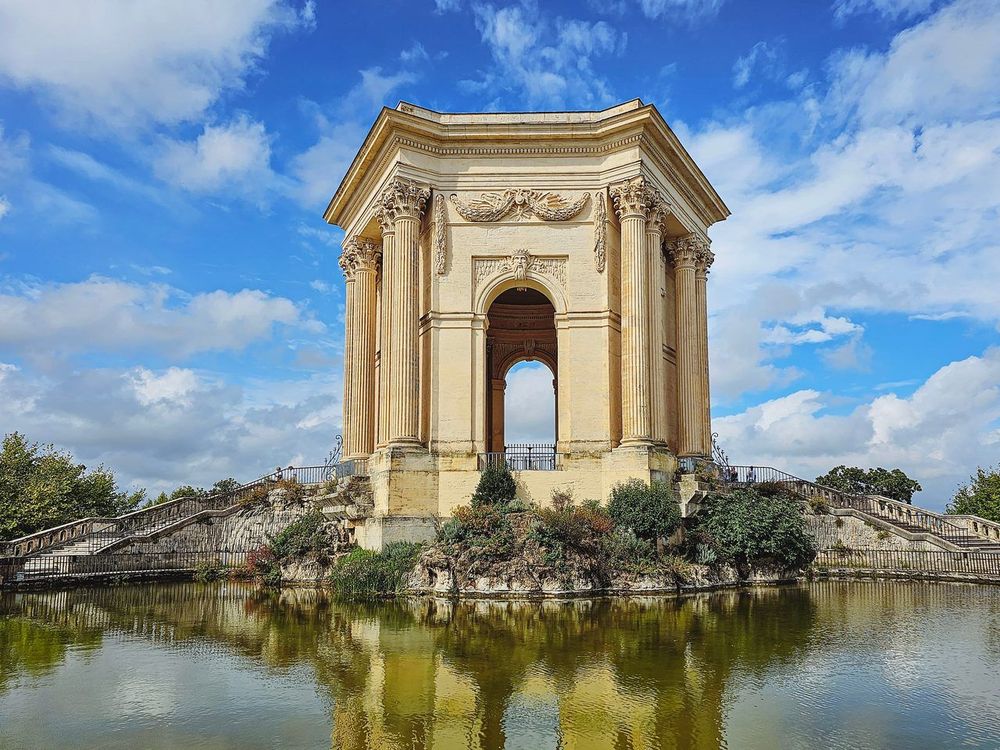
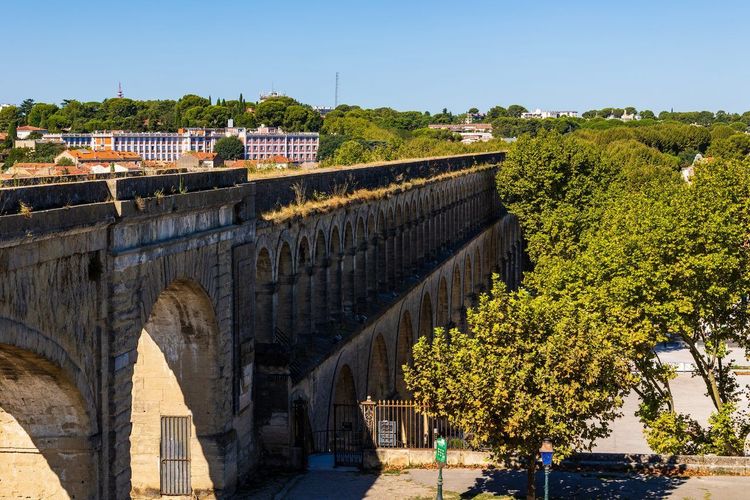
At the western end of the Écusson, the Promenade du Peyrou (Place Royale du Peyrou, 34000 Montpellier, rated 4.6/5 on Google from 5,860 reviews) opens like a balcony over the whole Languedoc plain: on a clear day, the view reaches the Cévennes on one side and the sea on the other. The royal square, laid out in the late 17th century around an equestrian statue of Louis XIV, ends with the water tower and its colonnade, the arrival point of the Saint-Clément Aqueduct, built in the 18th century to bring water from the springs of Saint-Clément-de-Rivière to the city.
The Peyrou can be visited at any hour, but it is at sunset that it takes on its full meaning: the morning joggers give way to groups settling on the steps with a drink, while the blond stone of the arches turns orange. Allow about twenty minutes for a visit, longer if you stay for the evening light. No reservation, no ticket, just a bench to find before the best spots are taken.
The Jardin des Plantes, a Green Parenthesis in the Heart of the City
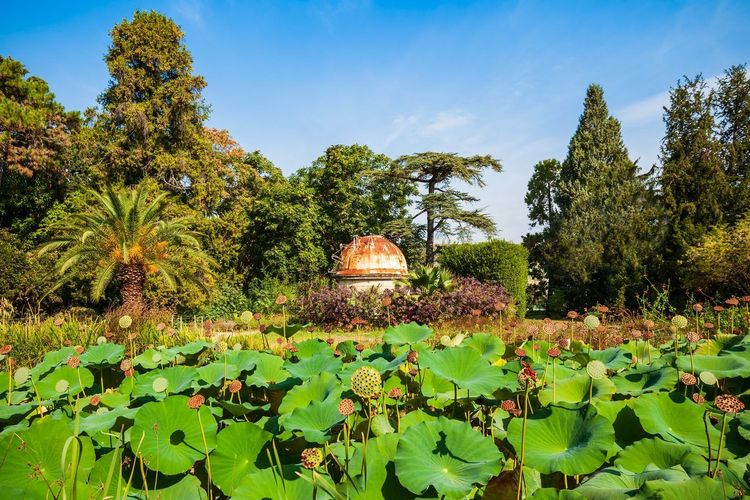
Founded in 1593 by Pierre Richer de Belleval under letters patent from Henri IV, Montpellier's Jardin des Plantes (Boulevard Henri IV, 34000 Montpellier, rated 4.4/5 on Google from 7,972 reviews) is the oldest botanical garden in France, and arguably the quietest corner of the city center. The sloping paths, lined with bamboo, old greenhouses and a pond covered in water lilies, offer a welcome coolness even in the middle of August. It is one of Montpellier's secret gardens: many people walk past its gates on Boulevard Henri IV without ever going through them.
Entry is free, but watch the opening hours: the garden only opens at noon, Tuesday to Sunday, and closes at 6 p.m. from October to May, and at 8 p.m. from June to September. It stays closed on Mondays. It is therefore best to plan it for early afternoon, after lunch in the Écusson. On a bench near the pond, start the Ryo tour's audio track dedicated to the garden: two minutes are enough to understand why Montpellier beat Paris by more than forty years in the field of botany.
The Musée Fabre, a Cultural Break
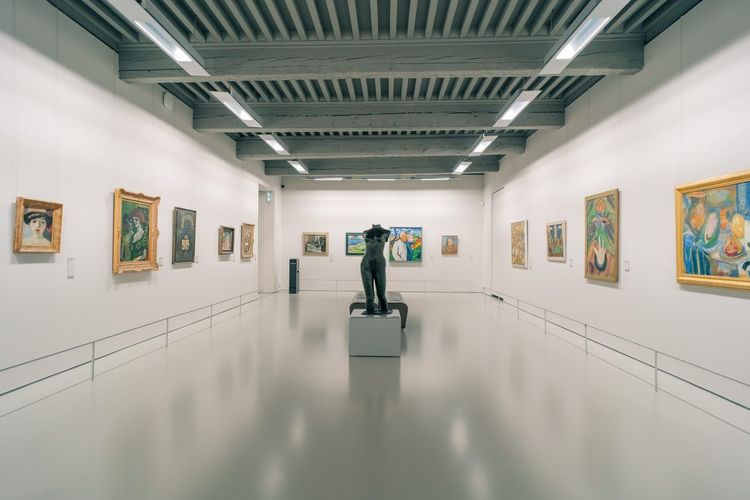
The Musée Fabre (39 Boulevard Bonne Nouvelle, 34000 Montpellier, rated 4.5/5 on Google from 4,801 reviews) is among the finest provincial collections in France, assembled over two centuries of gifts and bequests from local collectors. Its most famous piece, The Meeting, which everyone nicknames "Bonjour Monsieur Courbet", shows the painter being greeted in the open countryside by his Montpellier patron Alfred Bruyas, a scene that has become one of the most discussed images of French realism.
Allow an hour and a half to go through the rooms without rushing, longer if you linger in the Bazille rooms, devoted to one of the most endearing Montpellier painters of Impressionism. The museum is open Tuesday to Sunday from 11 a.m. to 6 p.m.: a late-morning slot leaves time to follow up with lunch on a terrace on the nearby esplanade.
A full-price ticket costs around ten euros per person, and the permanent collection is free on the first Sunday of every month, a good tip for a cultural Sunday morning before heading off to lunch in the Écusson. To dig deeper, the Ryo article on the Musée Fabre in Montpellier details the works not to be missed and the recommended route through the rooms.
Art Galleries, Designer Boutiques and Romantic Shopping
Between two visits, the Écusson is full of small galleries and workshop-boutiques run by local designers: ceramists, jewelers and leather artisans set up in former shops on Rue de l'Ancien Courrier. It's the kind of street you enter with no intention of buying and leave with a ring or a hand-bound notebook.
Rue de la Loge and its parallel streets concentrate the better-known brands, while the more discreet Saint-Roch district hides recent concept stores. For an end-of-day shopping outing, aim for Thursday: many independent shops close a little later that evening, and the neighboring terraces let you move straight on to an aperitif without changing district.
An Evening at the Opéra Comédie or the Corum
Rebuilt in the late 19th century after the 1881 fire that ravaged the previous theater, the Opéra Comédie (Place de la Comédie, 34000 Montpellier, rated 4.7/5 on Google from 220 reviews) features an Italian-style façade and a hall with renowned acoustics, where operas, ballets and concerts are performed all year round. Booking two seats means planning several weeks ahead for headline acts, but the cheaper seats, in the second balcony, offer a full view of the stage for a fraction of the price.
Before the performance, several restaurants in the district serve menus timed to the curtain-up, handy for not running between the table and the hall. Afterward, extend the evening on one of the terraces of Place de la Comédie, lively late even on weeknights.
The Corum, more recent and more massive, houses the Opéra Berlioz, one of the largest concert halls in the south of France, where the Opéra national de Montpellier stages part of its season. Its rooftop terrace offers an open view over the Écusson and, in fine weather, as far as the hills of the hinterland.
Arrived early? The Ryo audio-guided tour stops right at Place de la Comédie and recounts in a few minutes the fire that preceded the construction of the current Opéra: enough to pass the time outside the doors with an anecdote ready to share during the intermission.
Château de Flaugergues and Domaine de Verchant, the Montpellier Follies
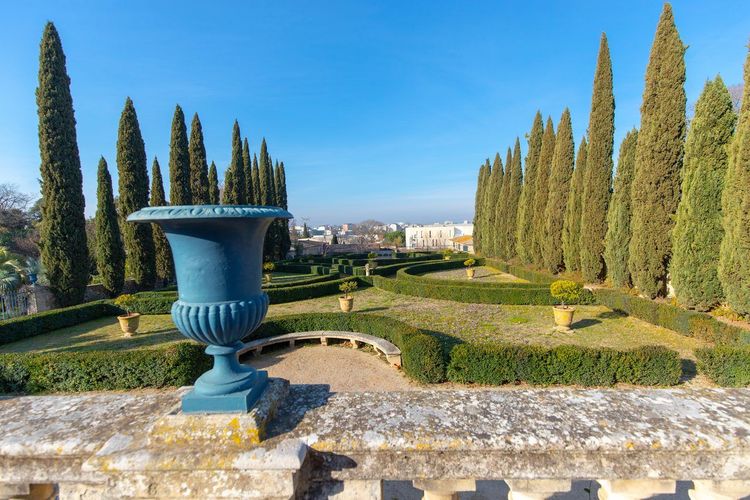
Around Montpellier, the notables of the 17th and 18th centuries had country houses built that are still nicknamed "follies" today: residences of strict symmetry, surrounded by French-style gardens and vineyards. About twenty have survived, and two of them lend themselves particularly well to an escapade without leaving the urban area.
The Château de Flaugergues, a folly built from 1696, has remained in the same family's hands since the early 19th century and still produces its own wine. The guided tour of the period-furnished salons, about an hour for €12 per adult, is happily extended with a tasting of the estate's wines at the shop, then a stroll in the French-style garden. Book your slot the day before in high season: groups often take the first morning times.
A few kilometers away, the Domaine de Verchant (1 Boulevard Philippe Lamour, 34170 Castelnau-le-Lez, rated 4.4/5 on Google from 2,005 reviews) made the opposite choice: turning a former wine estate into a five-star hotel with a spa and pool in the middle of the vines. It is the address to remember for a night rather than a simple visit, with a room featuring a private terrace overlooking the vineyard and breakfast served facing the vines.
The two estates combine well in a single half-day: visit and tasting at Flaugergues in late morning, a light lunch, then arrival at Verchant in late afternoon to enjoy the spa before dinner. The next day, the Ryo audio-guided tour of Montpellier takes over to bring the walk back to the historic center, where the owners of these follies had their private mansions.
Marché du Lez and Port Marianne, Contemporary Montpellier
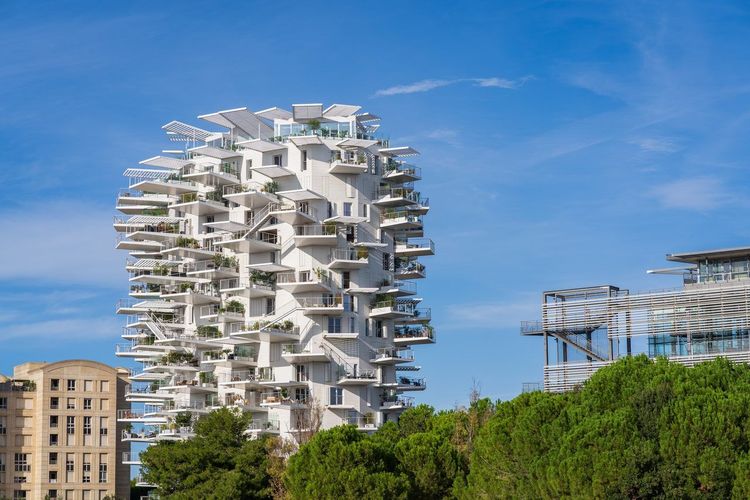
At the opposite end from the medieval Écusson, the Port Marianne district was built over about thirty years along the Lez, a long-neglected river that has become the backbone of contemporary Montpellier. The Arbre Blanc, a residential tower bristling with balconies conceived notably by Japanese architect Sou Fujimoto, has become its most photographed image.
The Marché du Lez (1348 Avenue Raymond Dugrand, 34000 Montpellier, rated 4.4/5 on Google from 11,421 reviews), set in former industrial buildings by the water, brings together street-food stalls, a wine bar, second-hand shops and a stage for evening concerts. The atmosphere, less hushed than a traditional restaurant, suits a relaxed dinner: you share a board, switch stalls for dessert, with no reservation or formal bill.
The Lez quays, lit up in the evening, lend themselves to a digestive walk: about thirty minutes are enough to reach the Écusson by following the river and then crossing Antigone, a good transition between the two faces of the city.
Gastronomy: Romantic Tables, Food Walks and Tasting Tours
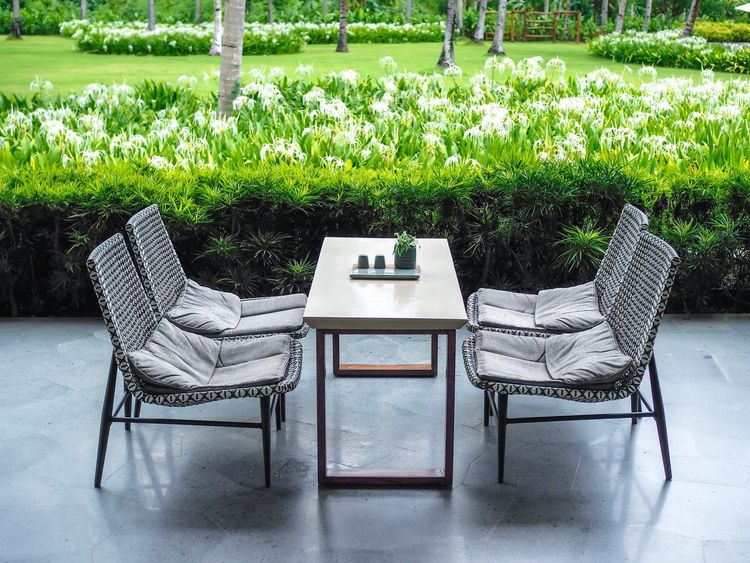
Choosing a restaurant in the center often means preferring an inner courtyard to an air-conditioned dining room: the Écusson has a handful of addresses set in former private mansions, where only a few tables are laid under a fig tree or a vine arbor. Book several days ahead for these hidden terraces, especially on weekends, and explicitly ask for an outdoor table.
A food walk lets you discover the city center in a different way: stops at a cheesemonger, a wine merchant and a pastry chef on a route of an hour and a half, with a tasting at each stage. Some local organizers offer the option in late morning, which leaves the afternoon free to digest while strolling toward the Peyrou.
For a more structured version, a guided food tour with a professional guide adds historical context to the tastings: why a given grocery has occupied this spot for a century, how the Halles Castellane shaped the city's eating habits. Allow €35 to €45 per person depending on the option and duration.
As for specialties, the tielle sétoise (a spicy octopus pie), brasucade of mussels and Muscat de Lunel appear on most local tables. The Ryo article on Montpellier's culinary specialties details where to taste them without falling into the tourist traps of Place de la Comédie.
A tip picked up along the way: several stops on the Ryo audio-guided tour pass by the Écusson's foodie addresses. Spot a table as you walk by, audio in your ears, and come back that same evening.
Wellness: Private Spas, Jacuzzis and Cocooning Hotels
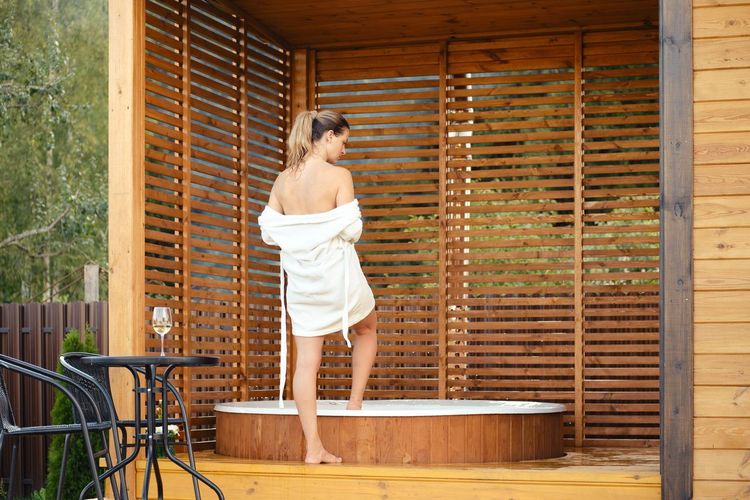
A private spa in Montpellier is generally booked by slots of 1.5 to 2 hours, with a closed cabin just for you, without sharing a pool or hammam with other guests. The formula has exploded in recent years in the city center, driven by weekend visitors from Nîmes, Béziers or Toulouse looking for a short break.
Aux Beautés de l'Opéra, a stone's throw from Place de la Comédie, offers a duo massage and sauna package of an hour and a half, in a single cabin with an integrated shower. The address suits an afternoon between two visits, without having to leave the city center.
For a more out-of-the-way option, the spa at the Hôtel Disini (1724 Avenue de Montpellier, 34160 Castries, rated 4.4/5 on Google from 1,041 reviews) in Castries, about twenty minutes by road, bets on a more natural setting: outdoor pool, jacuzzi with a view of the garrigue and treatments carried out side by side on request. Plan on a car or a taxi, as public transport doesn't go there directly.
Booking a suite with a private jacuzzi remains the simplest option for a cocooning stay without leaving the hotel: several addresses in the Écusson offer this type of room, often under the rooftops, with views of the bell towers. A refined, cocooning hotel can be recognized by a few details: thick bed linen, a complete bath kit, and bedding that guest reviews cite positively.
For Valentine's Day, rooms with a jacuzzi are fully booked by mid-January: better to book a month ahead and plan a package with dinner included rather than looking for a table the same evening. One night or two? One night is enough for a city break centered on the Écusson and the spa; two nights let you add an excursion to the coast or the hinterland without heading home exhausted.
A Day on the Coast: Sète, La Grande-Motte and the Étang de Thau
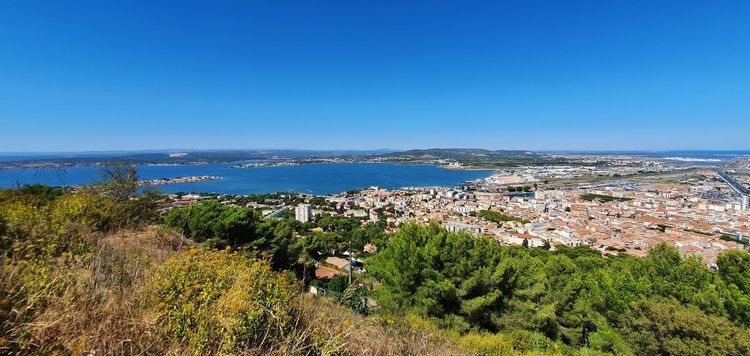
Devoting a whole day to the coast completely changes the rhythm of the stay: about thirty minutes by road separate the Écusson from the beaches of La Grande-Motte, and barely more to reach Sète, the "Venice of Languedoc" set between sea and lagoon.
At La Grande-Motte, recognizable by its 1960s-70s pyramids that long divided opinion, a sunset catamaran outing leaves from the marina in the late afternoon. Two hours at sea, an aperitif on board, and a view of the coast you can't get from the beach.
On Sundays, the same departure point offers a different option: a brunch at sea, two to three hours of leisurely sailing with a buffet on board, designed for a morning without too early a wake-up or a busy afternoon program.
In Sète, the town that saw the birth of Georges Brassens can be explored differently: the guided Barberoussette kayak excursion follows the canals of the historic center, under bridges and along façades with colorful shutters, two to three hours of relaxed paddling in a two-seater boat.
Right next door, the Étang de Thau (Bouzigues, 34140 Bouzigues, rated 4.5/5 on Google from 1.5K reviews) concentrates most of the region's oyster and mussel production: a tasting at a producer in Bouzigues or Mèze, oysters opened to order and a glass of Picpoul de Pinet, remains one of the simplest and most authentic moments of the stay. For a different view of this landscape, a microlight trike flight from a base near Sète flies over the lagoon, the beaches and the salt flats in about twenty minutes.
In terms of logistics, the TER connects Saint-Roch station to Sète in about twenty minutes, handy for avoiding the search for a parking space in summer. La Grande-Motte has no train station: take the car or the regional bus from Montpellier.
The articles Ryo guide to Sète and Ryo walk in Sète detail a full program on site, useful if you'd rather spend a night on the coast than make the round trip in a day.
Nature Escapes Around Montpellier: Lac du Salagou, Canyon du Diable and Pic Saint-Loup
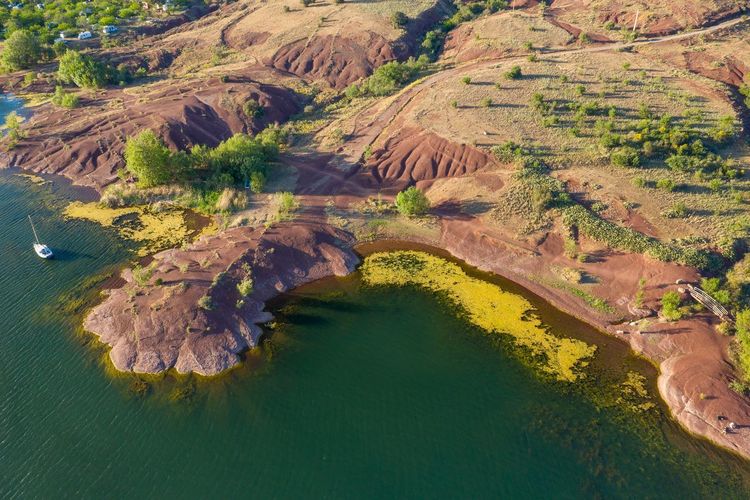
Less than an hour from Montpellier, the landscape changes radically: red earth, fragrant garrigue and limestone peaks replace the blond stone of the city center. A chance to get a big breath of fresh air without spending the whole day on the road.
The Lac du Salagou, recognizable by its red ruffes plunging into turquoise water, can be explored on a quad bike tour, two hours of tracks in an almost Martian setting, helmet provided. Those who prefer a slower pace opt for a guided ride in a 2CV, in a convoy of vintage cars, just as photogenic.
Further north, the Canyon du Diable (Ferrières-les-Verreries, 34190 Ferrières-les-Verreries, rated 4.7/5 on Google from 182 reviews), in the Ferrières-les-Verreries area, offers a canyoning descent with jumps, natural slides and pools carved into the limestone. The classic route remains accessible to beginners, with mandatory supervision by a qualified instructor.
For a gentler thrill, the treetop adventure park at Sommières sets its courses in the trees along the Vidourle, with a final zip line above the river, ideal for a calmer afternoon between two sporty activities.
Finally, the hike up Pic Saint-Loup, a limestone summit that overlooks the whole plain as far as the sea in clear weather, remains the most popular climb in the area: 2.5 to 3 hours round trip from Cazevieille, a steady incline toward the end, but a 360° panorama that justifies the effort. Allow about 50 minutes by road for Lac du Salagou and about forty minutes to reach the Pic Saint-Loup trailhead: enough to combine two of these outings in a single day if you set off early.
The articles Ryo on Lac du Salagou, Ryo guide to Pic Saint-Loup and Ryo guide to hikes in the Hérault detail the routes, difficulty and equipment to bring depending on the season.
Workshops and Unusual Experiences to Share
Montpellier offers a surprisingly dense range of workshops, driven by a clientele of students and young professionals looking for original outings rather than yet another restaurant.
A perfume-making workshop has you compose your own fragrance under the guidance of a professional perfumer, with a numbered bottle to take home. In a completely different register, a pastry workshop gets you hands-on with a French classic, with a side-by-side tasting at the end of the session.
A ceramics workshop focuses on the potter's wheel or hand modeling, a relaxation format rather than an artistic performance, with the piece to be collected two to three weeks later after firing. A world cuisine and cocktails workshop combines both pleasures in the same evening: preparing a dish, often Asian or South American, then an introduction to the shaker before sitting down to eat.
More recent, the tufting introduction workshop lets you leave with your own tufted rug or cushion, with a pattern chosen in advance, a two- to three-hour session much appreciated by those who prefer a handmade object to a bought souvenir.
As for escape games, two scenarios often come up in recommendations: Harry Potter and the Sorcerer's Stone, a detailed universe for fans of the saga, and The Great Escape, more classic but renowned for its mechanisms. An hour solving puzzles together, with no screen or phone, is often more unifying than a silent dinner.
Finally, an introduction to oenology covers the basics of tasting (color, nose, palate) on a selection of Languedoc wines, an hour-and-a-half format that generally ends with a glass on a terrace to put into practice what you've just learned.
Thrills: Helicopter, Bungee Jumping and 4x4 Safari

Do you prefer adrenaline to idling? Several outings clearly stand out around Montpellier.
A helicopter flight takes off from the Candillargues airfield for a ten- to twenty-minute flyover depending on the option: a panorama of the city, the sea and the lagoons, which gives a whole new reading of the local geography, impossible to guess from the ground.
More vertiginous, a tandem bungee jump from the Boussagues Viaduct (Boussagues, 34600 Camplong), a former 19th-century metal railway structure spanning a hinterland valley, can be booked as a pair or solo, with professional supervision and equipment checked before every jump.
Toward the Camargue, a 4x4 photo safari departing from Aigues-Mortes crosses marshes, salt flats and ranches of bulls and horses, a more contemplative format than the word "safari" suggests. Two lighter options complete the list: an electric scooter ride around the Étang de l'Or, near Mauguio, and a free-fall simulation in a wind tunnel, the sensation of skydiving without a plane or altitude, a session of a few minutes to be enjoyed in turn. Book these activities at least a week ahead in high season, as weekend slots go first.
Aigues-Mortes and Planet Océan, a Fun Escapade
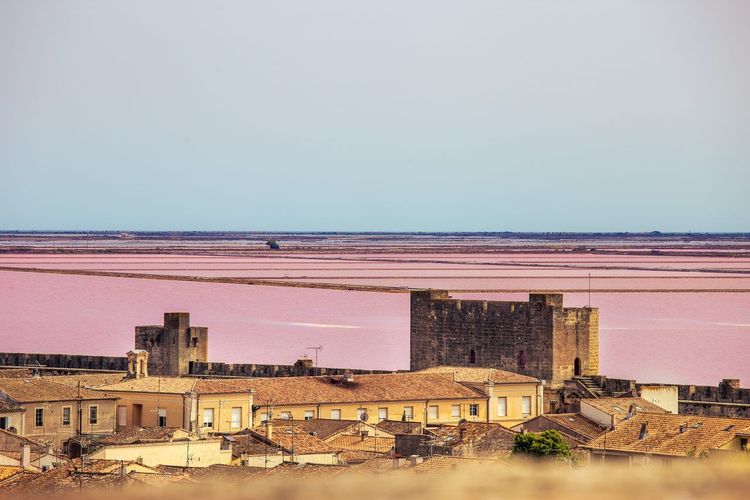
Founded by Saint Louis in the 13th century as an embarkation port for the Crusades, Aigues-Mortes has preserved all of its ramparts, a rare case in France. The ticket for the towers and ramparts lets you walk the full circuit of the wall walk, about 1.6 km, with an open view over the salt marshes and, depending on the season, the pink flamingos that feed there.
The Tour de Constance, the starting point of the visit, long served as a prison, notably for Protestant women in the 18th century: the inscription "Résister", carved into the stone and attributed to Marie Durand, recalls a darker history than the postcard lets on.
Back in Montpellier, in the Odysseum district, is Planet Océan, which combines an aquarium and a planetarium under the same roof: sharks, jellyfish and turtles on one side, dome shows on the other. A format that is more playful than cultural, best kept for the end of the day or a rainy day rather than a sunny afternoon.
The two outings combine poorly in the same half-day, Aigues-Mortes being about forty minutes away by road: better to devote a full day to Saint Louis's city and keep Planet Océan for a calmer moment, at the end of the stay.
What to Do in Montpellier as a Couple When It Rains?
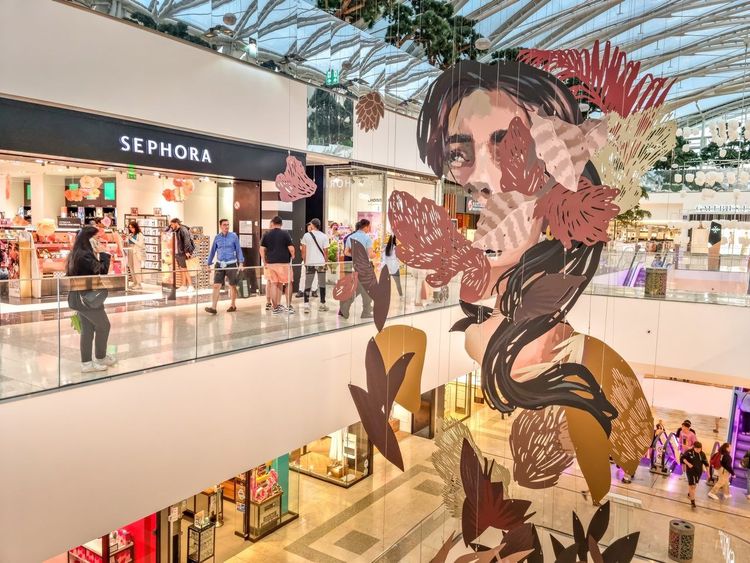
A rainy day doesn't doom the stay: the city has enough covered options to fill an entire day without taking out the umbrella for more than ten minutes at a stretch.
The Musée Fabre remains the most obvious choice for a rainy morning (from 11 a.m., except Monday), followed by lunch in a covered brasserie in the center. The afternoon lends itself well to a private spa or one of the workshops described above (ceramics, pastry, perfume), all doable whatever the weather. An escape game rounds off the day in late afternoon, a one-hour format that fits easily between two showers.
If the rain sets in, Planet Océan remains a safe bet, as do the Halles Castellane, a covered market in the city center where you can grab a quick lunch among the stalls before going back to strolling as soon as the sky clears.
Practical Info: Budget, Best Time to Visit and Getting Around Without a Car
In terms of budget, a two-night weekend in Montpellier generally costs between €250 and €450 for two people, including mid-range accommodation, two restaurants and two paid activities. The wine-estate follies, the spa and the sea outings push the bill up, while the Écusson, the Peyrou and the Jardin des Plantes remain free.
The best time to go is between April and June, then in September-October: pleasant temperatures for walking all day, without the sometimes crushing heat of July-August or the summer crowds on the coast. Winter remains workable, especially for a stay centered on the Musée Fabre, spas and gastronomy rather than nature excursions. Still, bring a light sweater for evenings at the Peyrou, even in April: the wind blows harder there than in the sheltered lanes of the Écusson.
Getting around without a car poses no particular problem: five tram lines, including line 5 which opened in late 2025, serve the center, Antigone, Port Marianne and Odysseum, and the Vélomagg' bike-sharing network completes short trips. From Saint-Roch station, in the heart of the city, TER trains go directly to Sète, Nîmes and Béziers. Only excursions to Lac du Salagou, Pic Saint-Loup or the Canyon du Diable really require a car, or an organized excursion with transport included.
To put together a day without overloading it, choose one main area of interest, the Écusson, the coast or nature, rather than trying to tick everything off: travel, even short, eats up more time than expected, especially with regular photo stops. In the evening, leave some room for the unexpected, a terrace that lingers or an impromptu concert on Place de la Comédie.

FAQ
What are the 10 must-do things in Montpellier?
The Écusson and its lanes, the Promenade du Peyrou at sunset, the Jardin des Plantes, the Musée Fabre, an evening at the Opéra Comédie, the Antigone district, a visit to the Château de Flaugergues, a day in Sète or La Grande-Motte, a creative workshop and dinner in an Écusson courtyard make a solid foundation for a first visit, to be adapted to the length of your stay and the season.
What are the 7 wonders of Montpellier?
The term generally covers the Écusson, the Promenade du Peyrou and its Saint-Clément aqueduct, the Jardin des Plantes, Saint-Pierre Cathedral, the Musée Fabre, the Opéra Comédie and the Antigone district: seven faces of a city that goes from medieval to contemporary in a few minutes' walk.
What is the most paradise-like spot in Montpellier?
It's hard to choose between two very different atmospheres: the Jardin des Plantes for its quiet coolness in the heart of the city, and the Étang de Thau, less than an hour away, for its light and its waterside oyster tastings.
Is Montpellier worth it for a romantic weekend?
Yes, provided you don't limit yourself to the historic center alone: the combination of rich heritage, a generous wellness offering and a coastline less than an hour's drive away makes it a complete weekend destination, in summer and winter alike.
Which couple activity should we choose for a first visit?
Strolling through the Écusson up to the Peyrou remains the most logical starting point: free and requiring no booking, it lets you get a feel for the city before choosing, for the next day, between the coast, nature or a spa depending on your energy.
Can you organize the whole stay in Montpellier without a car?
For the most part, yes: the tram and walking are enough for the Écusson, the Peyrou, the Jardin des Plantes, the Musée Fabre and Port Marianne, and the TER regional train goes directly to Sète. Only excursions to Lac du Salagou, Pic Saint-Loup or the Canyon du Diable require a car or an organized tour.
In the end, a successful stay in Montpellier is less about a list than about a rhythm to find together: a busy morning in the Écusson, a slower afternoon at the Jardin des Plantes or the spa, an evening that stretches out on Place de la Comédie. The city suits a 48-hour express format just as well as a full stay, nature and coast included.
To miss nothing of what the stones have to tell, the Ryo audio guide to Montpellier accompanies your walk through the Écusson at your own pace, headphones on, without depending on a guided tour schedule: a simple way to turn a stroll into memories you'll still be telling months later.