© Shutterstock
 Votre guide Ryo
18 Strange and Terrifying Places in the World
From islands infested with venomous snakes to abandoned psychiatric hospitals, through overcrowded cemeteries and radioactive ghost towns, our planet is full of places that defy imagination and chill the blood. These places loaded with dark histories, urban legends and unexplained mysteries attract thousands of curious visitors each year in search of thrills. Get ready to discover 30 of the strangest and most terrifying places in the world, where reality often exceeds fiction.
1. The Old Jewish Cemetery of Prague, Czech Republic
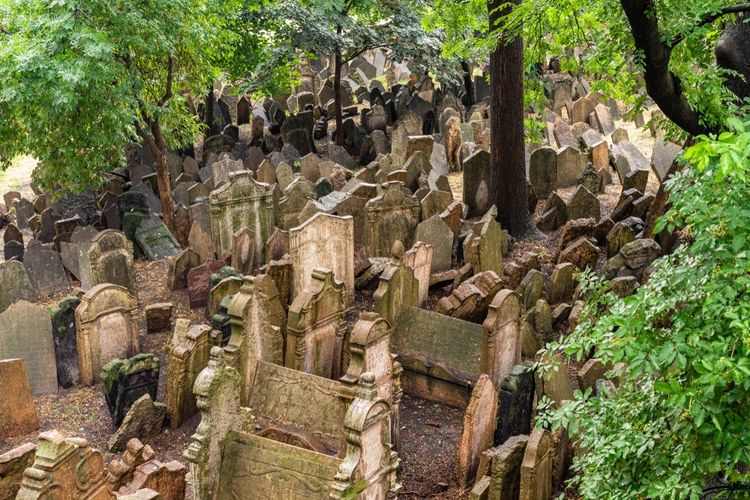
Located in the historic Josefov quarter, the Old Jewish Cemetery of Prague is one of the strangest and most terrifying places in Europe. Dating from 1478, this cemetery was used for over 300 years as the only burial place for the city's Jewish community. Faced with lack of space, bodies were buried on top of each other, creating up to 12 layers of superimposed graves. Today, there are about 12,000 visible tombstones, but more than 100,000 people would rest there. The steles pile up in an anarchic way, forming a disturbing landscape where the stones lean in all directions. The mysterious atmosphere that reigns among these old moss-covered tombs makes this place a must-see for those who wish to visit Prague from a darker angle.
2. The Abandoned City of Pripyat, Ukraine
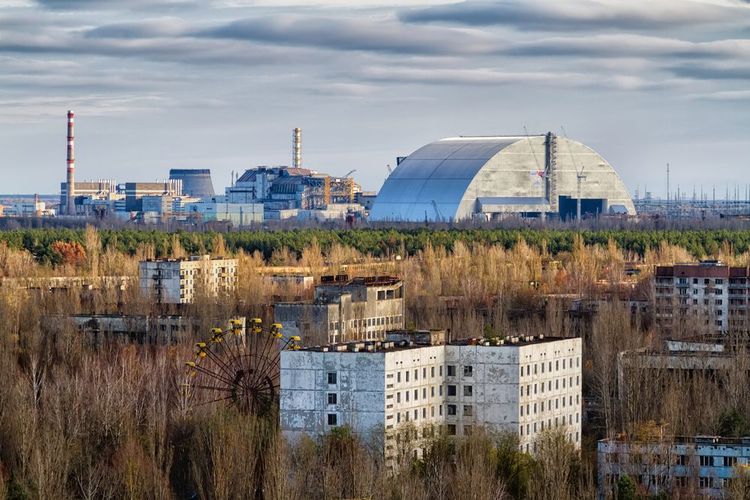
Pripyat will forever remain in history as the symbol of the Chernobyl nuclear disaster. Built in 1970 to house nuclear plant workers, this modern city had nearly 50,000 inhabitants before being evacuated urgently on April 27, 1986, the day after the explosion of reactor No. 4. Frozen in time, Pripyat has become a real ghost town where nature is gradually reclaiming its rights. Abandoned apartments still contain their occupants' personal belongings, classrooms keep their books open, and the amusement park's Ferris wheel, which was supposed to open a few days after the accident, will never turn. Although guided tours are now organized in the exclusion zone, the post-apocalyptic atmosphere and residual radiation make Pripyat one of the most terrifying places in the world.
3 The Island of Dolls, Mexico City, Mexico
South of Mexico City, in the canals of Xochimilco, lies one of the most nightmarish islands on the planet. The story begins in the 1950s, when Don Julian Santana Barrera, keeper of the island, discovered the body of a little girl drowned in the surrounding waters. Shortly after, a doll floated nearby and he decided to hang it in a tree in tribute to the missing child. Tormented by this tragedy, Don Julian would spend the next 50 years of his life hanging hundreds of dolls in the island's trees, hoping to appease the spirit of the little girl. In 2001, he mysteriously drowned in the same place where he had found the child's body. Today, thousands of mutilated, decomposed and terrifying dolls hang from the branches, creating an oppressive atmosphere. Visitors report that some dolls seem to move their eyes or heads, adding to the chilling mystery of this cursed place accessible during a cruise in the floating gardens.
4. The Bone Chapel of Évora, Portugal
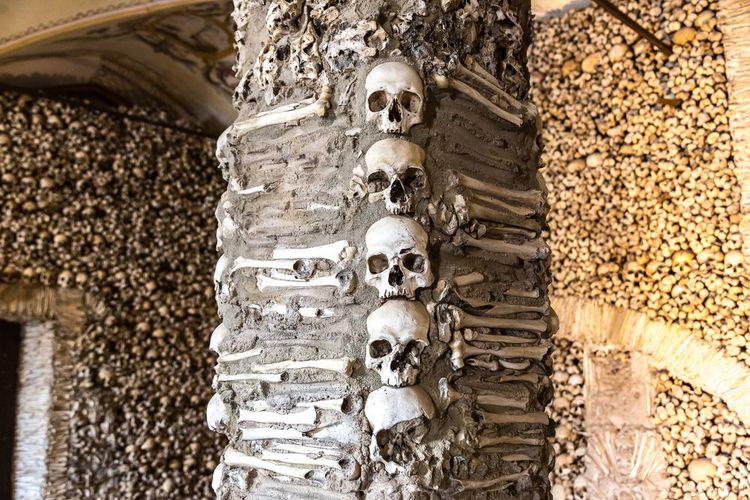
In Évora, a UNESCO World Heritage city, hides one of Europe's most macabre chapels. Built in the 16th century by Franciscan monks, the Capela dos Ossos (Chapel of Bones) is entirely decorated with the bones of more than 5,000 monks from the region's overcrowded cemeteries. The walls and eight pillars of the chapel are covered with bones and skulls meticulously arranged in geometric patterns. The entrance bears a Latin inscription that sets the tone: "Nós ossos que aqui estamos, pelos vossos esperamos" (We bones that are here, wait for yours). The monks thus wished to remind the living of the fragility of human existence and the inevitability of death. Two mummified bodies, including that of a child, still hang from the ceiling, adding an even more disturbing dimension to this place of morbid meditation. If you are considering visiting Lisbon, an excursion to Évora is a must to discover this unique testimony of European macabre art.
5. The Cambridge Military Hospital, England
Built in 1878, the Cambridge Military Hospital operated for more than a century before closing in 1996. This imposing hospital complex housed wounded soldiers and the sick, especially during the two world wars. The reasons for its closure are multiple: exorbitant maintenance costs, massive presence of asbestos in the walls and obsolescence of the facilities. Since its abandonment, the hospital has become a place of predilection for urban exploration (urbex) enthusiasts. The endless corridors with peeling walls, operating rooms with rusty equipment, common rooms invaded by vegetation and labyrinthine basements create a particularly oppressive atmosphere. Many testimonies report paranormal phenomena: footsteps, slamming doors, fleeting shadows and the feeling of being watched. Authorities have tried to seal off access, but the building continues to attract the curious despite the dangers related to asbestos and the progressive collapse of the structure.
6. Aokigahara Forest, Japan
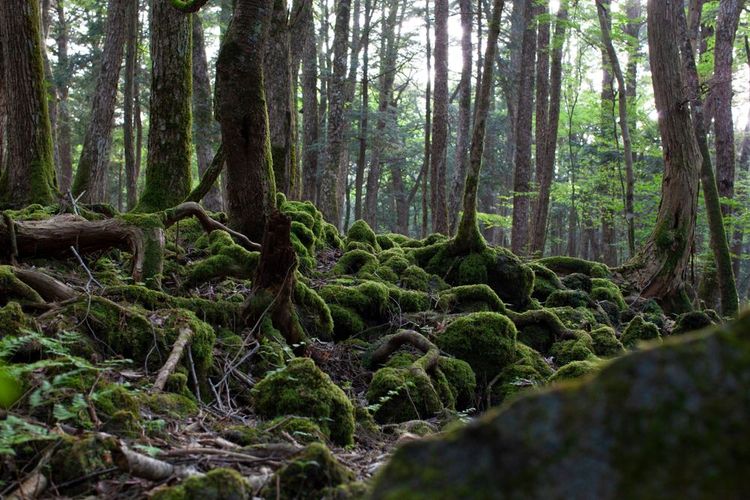
At the foot of Mount Fuji extends Aokigahara, a lush 35-square-kilometer forest that hides a sinister reputation. Nicknamed "the suicide forest" or "the sea of trees," Aokigahara is the second place in the world where people commit suicide the most, after San Francisco's Golden Gate Bridge. Since the 1950s, hundreds of people come each year to end their lives in this dense forest where the volcanic soil absorbs sounds, creating a disturbing silence. The vegetation is so thick that bodies can remain hidden for months, even years. Authorities have placed signs at the forest entrance with dissuasive messages in Japanese: "Your life is a precious gift from your parents" or "Please consult the police before deciding to die." Regular patrols are organized to find people in distress. Beyond this sad reality, Aokigahara is also known for its magnetic phenomena that disturb compasses, making orientation difficult and adding to the feeling of isolation and bewilderment that hikers may feel.
7. The Abandoned Buzludzha Monument, Bulgaria
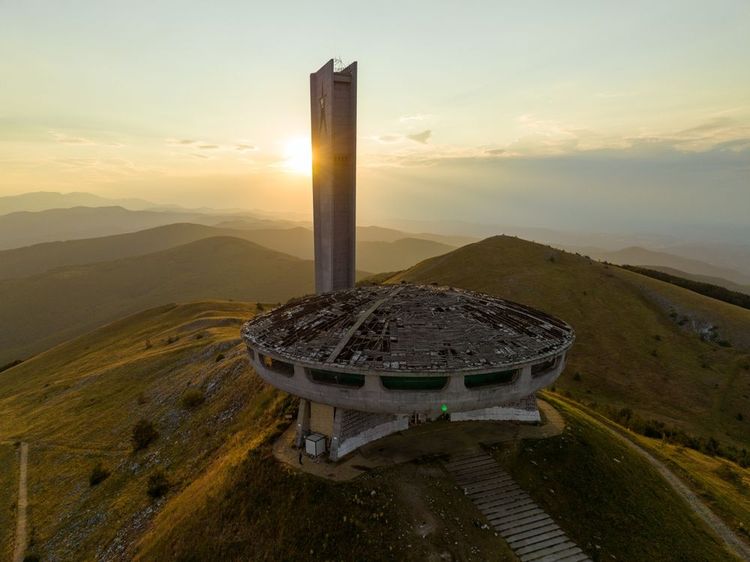
Perched at 1441 meters altitude on Mount Buzludzha, in the Balkan chain, stands a unique monument that looks like a crashed flying saucer. Inaugurated in 1981, this 70-meter diameter disc-shaped building was the home of the Bulgarian Communist Party. The interior walls were covered with sumptuous mosaics representing Lenin, Marx and scenes glorifying communism. After the fall of the regime in 1989, the monument was abandoned and left to vandalism. Today, the windows are broken, the mosaics have been partly torn off, and the structure is rapidly deteriorating under the effect of frost and wind. Access is officially prohibited due to the danger of collapse, but this does not prevent urban explorers from around the world from coming to photograph this futuristic relic of the Soviet era. The monument's brutalist architecture, combined with its isolated location and advanced state of decay, makes it one of the most photographed and mysterious abandoned places in Europe.
8. The Abandoned Psychiatric Hospital of Parma, Italy
The former psychiatric hospital of Colorno, near Parma, became famous thanks to the artistic interventions of Brazilian street artist Herbert Baglione. In 2009, the artist created a series of works representing human shadow silhouettes on the dilapidated walls of the establishment closed in 1978. These ghostly paintings, titled "1000 Shadows," give life to the tormented souls who once wandered these corridors. The black shadows seem to crawl along the peeling walls, escape through broken windows or huddle in the dark corners of isolation cells. The hospital itself bears the stigmata of its dark past: restraint rooms, hydrotherapy rooms, rusty medical equipment and scattered patient files. The artistic installation amplifies the feeling of unease and sadness that emanates from this place where so many people suffered. The combination of contemporary art and decrepit architecture creates a unique atmosphere, both poetic and deeply disturbing, which questions the treatment of mental illness in the 20th century.
9. The Sedlec Ossuary, Czech Republic
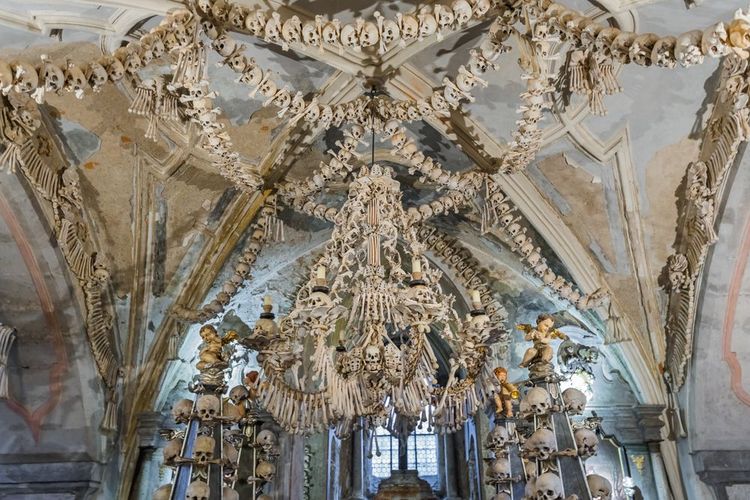
A few kilometers from Prague, in the small town of Kutná Hora, stands the Chapel of All Saints, better known as the Sedlec Ossuary or "Bone Church." This unique place houses the remains of approximately 40,000 to 70,000 people, artistically arranged to decorate the chapel's interior. The story begins in the 13th century, when an abbot brought back from the Holy Land a handful of earth from Golgotha and scattered it in the monastery cemetery. From then on, nobles and rich people from all over Central Europe wished to be buried in this place that had become sacred. In the 15th century, the cemetery was saturated and an ossuary was built to store the exhumed bones. In 1870, a wood sculptor, František Rint, was hired to organize the bones artistically. He then created stunning decorations: a chandelier containing at least one example of each bone in the human body, bone garlands, skull pyramids, and even the coat of arms of the Schwarzenberg family made entirely of bones. The Sedlec Ossuary is today one of the most visited tourist attractions in the Czech Republic and constitutes a fascinating, albeit macabre, testimony to European funerary art.
10. The Beelitz-Heilstätten Sanatorium, Germany
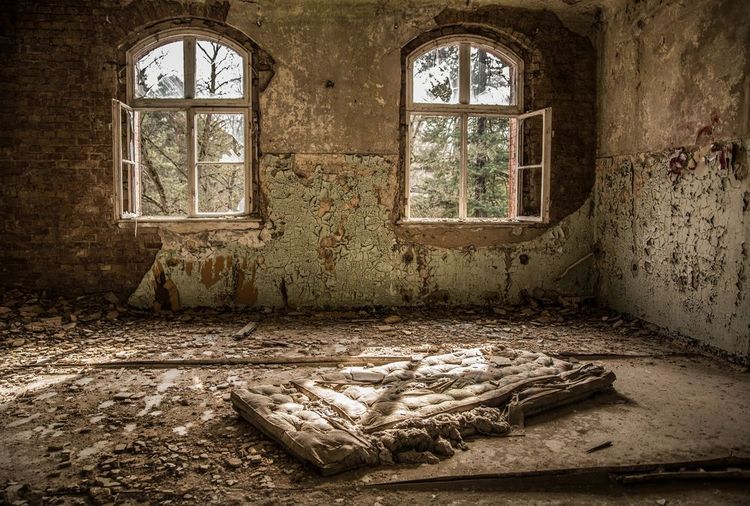
About sixty kilometers southwest of Berlin stands an immense abandoned hospital complex that seems straight out of a horror movie. Built between 1898 and 1930, the Beelitz-Heilstätten sanatorium comprised more than 60 buildings intended for the treatment of tuberculosis. The complex notably housed Adolf Hitler wounded during the Battle of the Somme in 1916. During World War II, the Nazis made it a military hospital, then the Soviet Red Army occupied it until 1994. Since its abandonment, nature has reclaimed its rights: trees grow through collapsed roofs, ivy covers the red brick facades, and abandoned operating rooms are invaded by vegetation. The endless corridors, surgical blocks with broken tiles, former patient rooms with their rusty furniture and labyrinthine basements create a particularly oppressive atmosphere. Some buildings have been renovated and transformed into a rehabilitation center, but the majority of the site remains abandoned. Guided tours now allow visitors to discover this impressive testimony to early 20th century hospital architecture, and a walkway has been built above the trees to offer a spectacular view of this abandoned complex.
11. St. George's Church in Lukova, Czech Republic
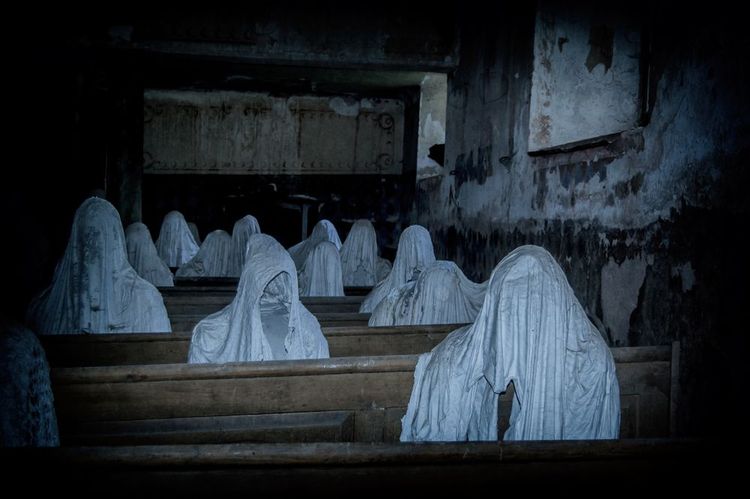
In the small village of Lukova, in the Czech Republic, stands a church like no other. St. George's Church, dating from the 14th century, was gradually abandoned after part of its roof collapsed during a funeral ceremony in 1968. The building remained abandoned for more than 40 years, until an art student, Jakub Hadrava, decided to install 30 ghost sculptures made of plaster covered with white sheets in 2012. These spectral statues are arranged in the pews as if attending an eternal mass. Some stand upright, others kneel in prayer, and a few seem to turn toward visitors. The artistic installation, titled "The Ghosts of the Church," aims to draw attention to endangered heritage and generate funds for the church's restoration. The result is striking: in the twilight of the dilapidated building, the sculptures create an atmosphere that is both poetic and terrifying. The church has become a tourist attraction that generates enough revenue to gradually finance its restoration, proving that art can sometimes save heritage.
12. The Catacombs of Paris, France
If you wish to discover the French capital in an original and in-depth way, let yourself be guided by the audio-guided Paris tour itinerary offered by Ryo. This application allows you to explore the city at your own pace with historical commentaries and fascinating anecdotes about iconic monuments like the Champs-Élysées, the Eiffel Tower and of course, the entrance to the famous catacombs. You can thus enrich your visit to the capital before diving into its mysterious bowels.
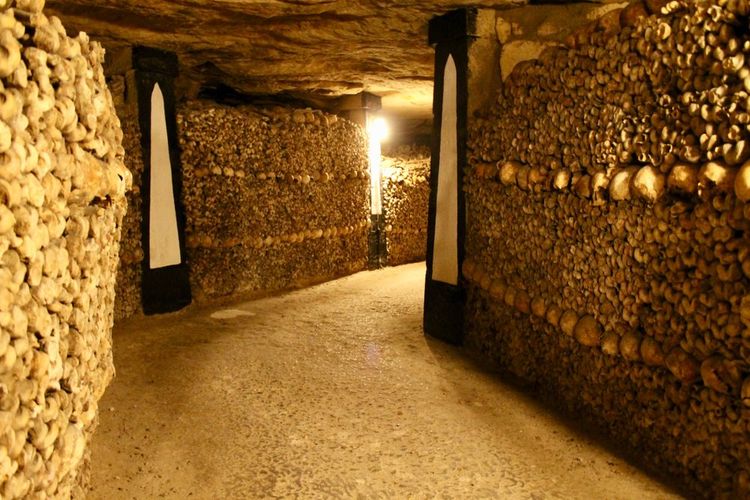
Under the bustling streets of Paris extends a veritable empire of the dead. The Paris catacombs form a network of underground galleries of nearly 300 kilometers, of which about 1.7 kilometers are open to the public. 20 meters underground, rest the bones of more than 6 million Parisians, transferred here between 1785 and 1860 when the capital's overcrowded and unsanitary cemeteries were emptied. The bones are meticulously stacked along the walls several meters high, forming veritable walls of skulls and femurs. The main entrance bears the inscription: "Stop, this is the empire of death." The official route crosses several thematic rooms where the bones are arranged artistically, forming columns, hearts or crosses. The constant temperature of 14°C and ambient humidity add to the discomfort felt during the visit. Beyond the tourist part, there are hundreds of kilometers of unmapped galleries where "cataphiles," clandestine explorers who brave prohibition and dangers to discover secret rooms, wells, underground lakes and old World War II bunkers, venture. When you plan to visit Paris, a descent into the catacombs offers a unique and troubling perspective on the history of the French capital. Back above ground, our audio walking tour picks up the thread, from the Champs-Élysées to the Eiffel Tower.
13. Centralia, Pennsylvania, United States
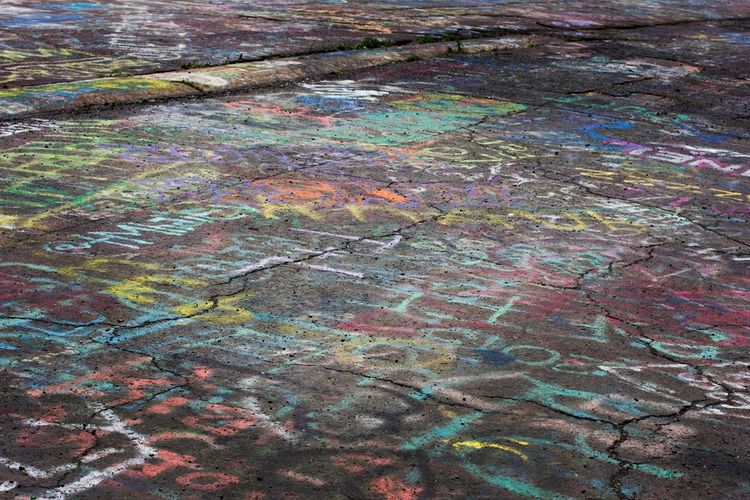
Centralia was a peaceful mining town in Pennsylvania that had more than 1,000 inhabitants in the 1960s. Today, it has become a ghost town where a few die-hards refusing to leave still live. In 1962, a fire lit in a municipal dump located above a former coal mine spread into the underground coal veins. Despite several extinction attempts, the fire could never be controlled and still burns 60 years later. The consequences were dramatic: toxic fumes escaping from the ground, ground collapses, carbon monoxide infiltrating houses. In 1981, a 12-year-old child nearly fell into a 45-meter deep sinkhole that opened under his feet. The State of Pennsylvania finally declared total evacuation in 1984 and removed the town's postal code. Today, Centralia looks like a post-apocalyptic landscape: destroyed houses, sparse vegetation, smoke escaping from ground cracks, and especially, the old Route 61 cracked and covered with graffiti, which has become an attraction for urbex enthusiasts. Scientists estimate that the fire could continue burning for another 250 years. This cursed town inspired the video game Silent Hill and represents one of the longest environmental disasters in American history.
14. Poveglia, the Plague Island, Italy
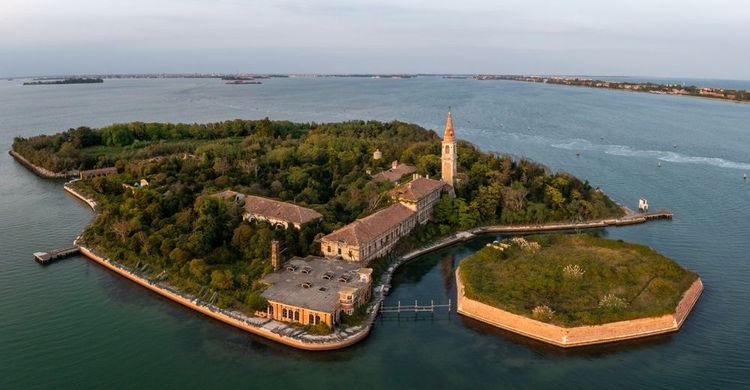
In the Venice lagoon, between the Serenissima and the Lido, lies Poveglia, a small island that Italians consider the most haunted place in their country. Poveglia's dark history begins in the 14th century, when the Black Death ravaged Europe. Venice decided to use the island as a quarantine station for plague victims. Between 1793 and 1814, more than 160,000 sick people were sent there to die in atrocious conditions. Bodies were piled in huge mass graves and burned. It is estimated that 50% of the island's soil is composed of human ashes. In 1922, the island housed a psychiatric hospital that closed its doors in 1968 under mysterious circumstances. Legend has it that a chief physician conducted sadistic experiments on patients, including lobotomies using a hammer and chisel. Tormented by the ghosts of his victims, he supposedly threw himself from the top of the bell tower. Since 1968, the island has been totally abandoned and access is strictly forbidden. Venetian fishermen avoid approaching it, claiming to hear screams and see shadows moving. In 2014, the Italian government tried to sell the island at auction to pay off public debt, but the buyer finally gave up the development project. Poveglia remains today a cursed place where no one wants to set foot, symbol of a tragic history and urban legends that continue to fuel imaginations.
15. The Hill of Crosses, Lithuania
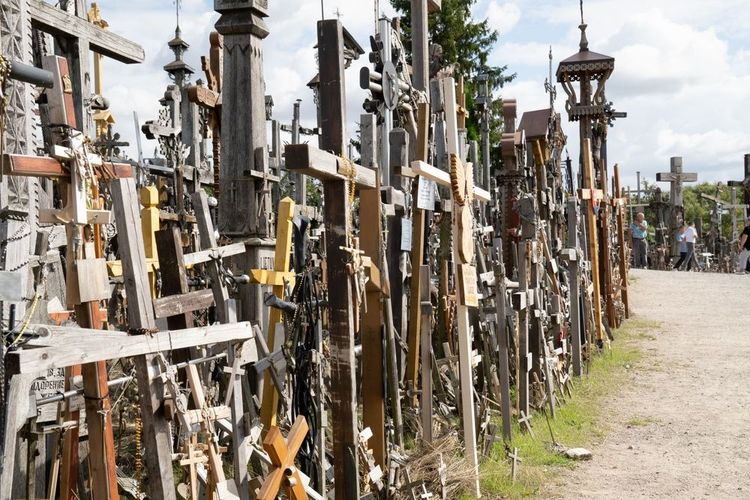
In northern Lithuania, near the city of Šiauliai, rises a hill covered with nearly 200,000 crosses of all sizes. This unique pilgrimage site in the world mixes religious fervor and political resistance in an atmosphere that is both spiritual and disturbing. The origin of the tradition dates back to the 19th century, when families of Lithuanian rebels killed by the Tsarist army came to plant crosses in their memory. The practice intensified under Soviet occupation: planting a cross became an act of peaceful resistance against state atheism. Communist authorities tried several times to destroy the site, going so far as to bulldoze the hill and burn wooden crosses. But Lithuanians systematically returned, planting even more crosses. Today, crosses of all styles pile up on each other: large carved wooden crosses, small pocket crosses, metal crucifixes, crosses decorated with photos of the deceased, hanging rosaries. Some measure several meters high, others fit in the palm of a hand. The wind makes thousands of medals and rosaries tinkle, creating a strange and hypnotic melody. In 1993, Pope John Paul II visited the site and declared it a "place of hope, peace, love and sacrifice." Despite this papal blessing, the atmosphere remains disturbing, especially at twilight or in fog, when thousands of crosses stand out like an army of ghostly silhouettes.
16. Leap Castle, Ireland
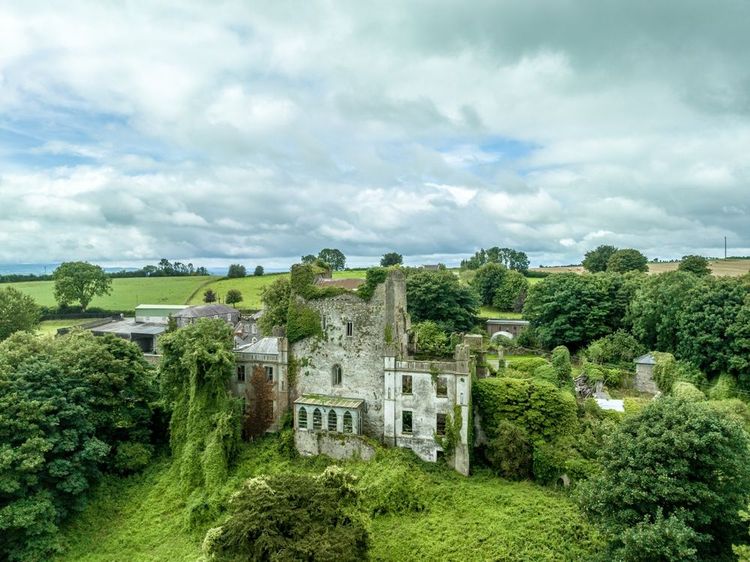
Leap Castle, located in County Offaly in Ireland, holds the sinister reputation of being the most haunted castle in the world. Built in the 15th century by the O'Carroll clan, this castle was the scene of massacres, betrayals and murders for centuries. The most famous story is that of the priest killed by his own brother in 1532 while celebrating mass in the castle chapel. This room has since been nicknamed the "Bloody Chapel" and would be haunted by the spirit of the murdered priest. But this is only one of many ghosts that would wander in Leap Castle. In the 1900s, during renovation work, an oubliette (dungeon where prisoners were thrown to die) filled with human bones impaled on spikes was discovered. It is estimated that at least 150 people perished there in atrocious suffering. The castle would also be haunted by a particularly malevolent entity called "the Elemental," described as a half-man, half-beast creature emitting an odor of decomposing flesh. The current owners of the castle, who have lived there since 1974, regularly report paranormal phenomena: apparitions of women in white, ghost children, footsteps in empty corridors, objects that move by themselves, feelings of suffocation in certain rooms. The castle now welcomes visitors and paranormal investigators from around the world, all attracted by its sulfurous reputation and bloody history.
17. Chauchilla Cemetery, Peru
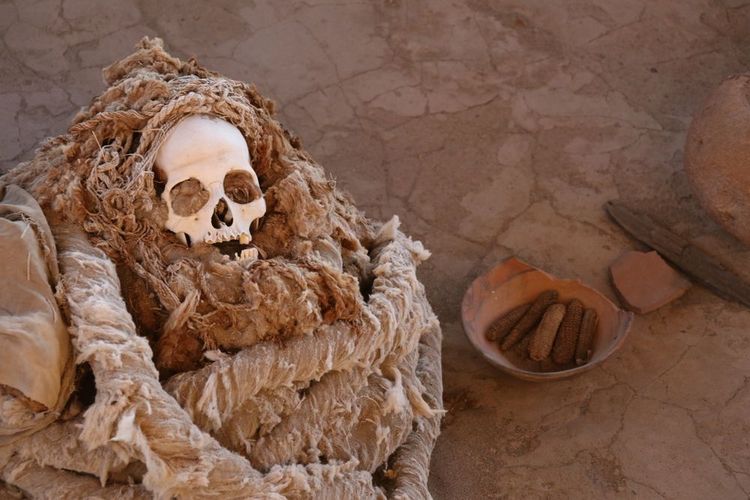
30 kilometers from Nazca, in the Peruvian desert, lies Chauchilla Cemetery, one of the strangest and best-preserved funerary sites in South America. This pre-Columbian cemetery, used between 200 and 900 AD by the Nazca culture, contains dozens of tombs where perfectly preserved mummies rest thanks to the extremely dry climate of the Peruvian coastal desert. Unlike traditional cemeteries, the bodies are not buried deeply but placed in shallow burial chambers. What makes this place particularly disturbing is that the mummies are exposed to the open sky, sitting in fetal position, still dressed in their cotton funeral textiles and surrounded by pottery, offerings and personal objects. The features of their faces are still visible: open mouths showing teeth, long thick hair, dried skin stretched over bones. Some mummies still wear gold or silver jewelry. In the 1980s, the site was massively looted by huaqueros (tomb raiders) who scattered the bones and stole valuable objects. The Peruvian government has since reorganized the cemetery, gathering the remains and objects found in about twenty open tombs accessible to visitors. Walking among these tombs in the silence of the desert, under a blazing sun, facing these mummies that seem to look at you from over a thousand years ago, constitutes an experience that is both fascinating and deeply disturbing. Chauchilla Cemetery offers a unique testimony to the funerary practices of the Nazca culture and reminds us that under exceptional climatic conditions, the dead can defy time.
18. The Capuchin Catacombs of Palermo, Italy
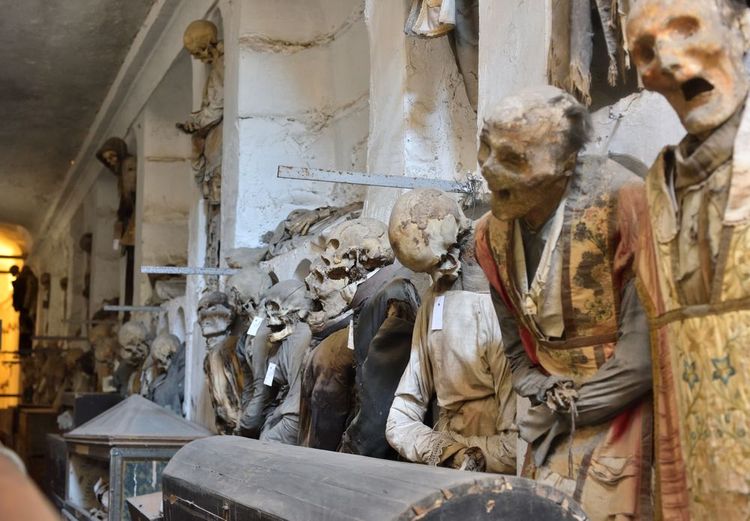
Under the Capuchin convent of Palermo, in Sicily, lies one of the most macabre and best-preserved necropolises in the world. The Capuchin Catacombs house about 8,000 mummified bodies, displayed along the walls in standing, sitting or lying positions. What makes this place particularly disturbing is that unlike other ossuaries, the bodies are not reduced to skeletal remains, but retain their dried flesh, and for many, their period clothing. The story begins in 1599, when Capuchin monks discovered that the particular soil of their crypts allowed natural mummification of bodies. They then decided to bury their deceased brothers there. Over the centuries, notables, aristocrats and wealthy families of Palermo also asked to be buried there, considering it a privilege. Bodies were embalmed by immersion in arsenic or vinegar, then dried in the sun before being dressed in their finest attire and placed in the catacombs. The galleries are organized by categories: corridor of monks, corridor of men, corridor of women, corridor of virgins, corridor of children, corridor of professionals (doctors, lawyers, etc.). Some bodies are remarkably well preserved, others have decomposed leaving grimacing faces and skeletal bodies dressed in tattered clothing. The practice officially ceased in 1881, but the last mummification took place in 1920 for Rosalia Lombardo, a two-year-old girl who died of Spanish flu. Embalmed by a secret process including formol, zinc and alcohol, she is nicknamed "Sleeping Beauty" so exceptional is her preservation. Her body rests in a glass coffin, and she seems to sleep peacefully with her blonde curls and bow in her hair. Visiting the Capuchin Catacombs is an unforgettable and deeply disturbing experience that confronts us with our own mortality and the funeral practices of the Sicilian aristocracy.
In conclusion, our planet is full of places that defy imagination and testify to humanity's sometimes dark history. From cursed islands to abandoned psychiatric hospitals, from overcrowded cemeteries to radioactive ghost towns, these 30 places embody our deepest fears and remind us that reality can sometimes exceed fiction. Whether you are a thrill seeker, history enthusiast or simply curious about the mysteries of our world, these strange and terrifying places offer a unique perspective on past civilizations, human disasters and urban legends that continue to fascinate. If you're looking to explore more conventional destinations before venturing to these extreme places, don't hesitate to discover the audio-guided tours offered by Ryo to visit the world's most beautiful cities independently. After all, even the most famous capitals sometimes hide their own secrets and mysterious places, like the Paris catacombs which remind us that beneath the city of light lies an empire of the dead.
Frequently Asked Questions
What is the most terrifying place in the world?
If we consider real danger, Queimada Grande Island in Brazil wins with its extreme concentration of deadly venomous snakes. In terms of disturbing atmosphere and reputation, Poveglia in Italy and the catacombs of Palermo in Sicily are among the most terrifying places, combining tragic history, presence of human remains and legends of haunting.
Can these strange and terrifying places be visited?
Some of these places are accessible to the public with official guided tours, such as the Paris catacombs, the old Jewish cemetery of Prague, the Sedlec ossuary, the Capuchin catacombs of Palermo or the Pripyat exclusion zone. Others are strictly forbidden to access such as Queimada Grande Island, Poveglia or certain parts of the Beelitz-Heilstätten complex. Before planning a visit, always inquire about local legislation and access conditions.
Are there similar places in France?
France also has its strange and mysterious places. The Paris catacombs are the most famous, but we can also mention the abandoned Waverly sanatorium in Aincourt, the ghost village of Oradour-sur-Glane (frozen in time since the 1944 massacre), Breton ossuaries like that of La Martyre, or the abandoned old mines and disused military forts that dot the territory. To discover French heritage from a more traditional angle, explore the Ryo audio-guided itineraries that allow you to visit the most beautiful cities in France.
Why are we attracted to these terrifying places?
The attraction to strange and terrifying places stems from several psychological factors: fascination with the forbidden and dangerous, the need to test our emotional limits in a controlled environment, interest in history and unsolved mysteries, or the search for adrenaline. These places also confront us with our own mortality and allow us to explore our fears in a relatively safe setting. The rise of urbex (urban exploration) and dark tourism testifies to this growing interest in abandoned, morbid or historically tragic places.
À lire également