© Shutterstock
 Votre guide Ryo
Visit Vichy in 3 Days in 2026: Itinerary between Belle Époque Spa Culture and Escapes in the Allier
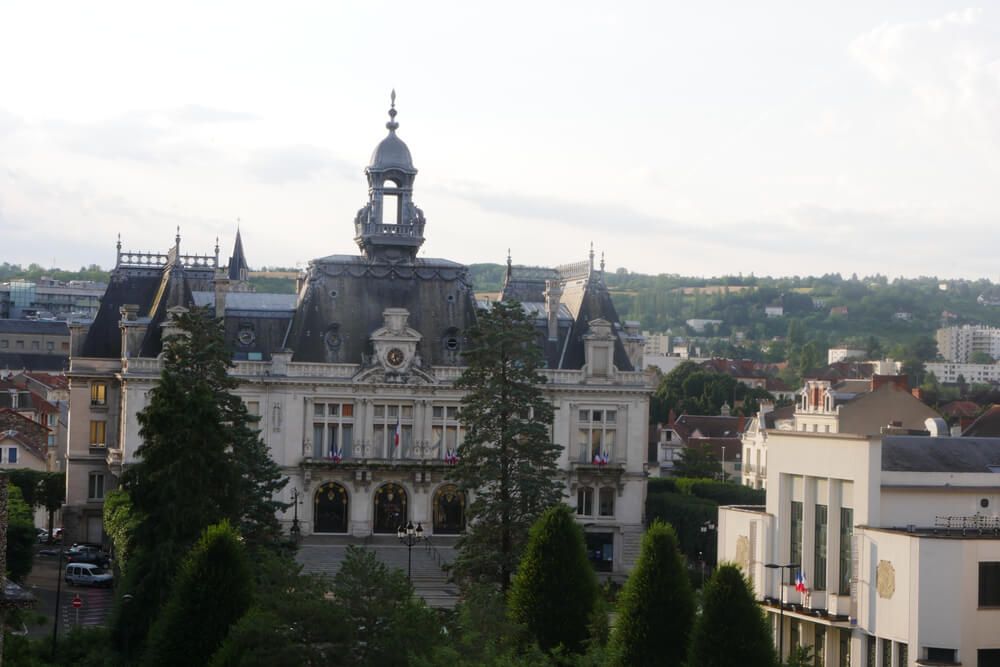
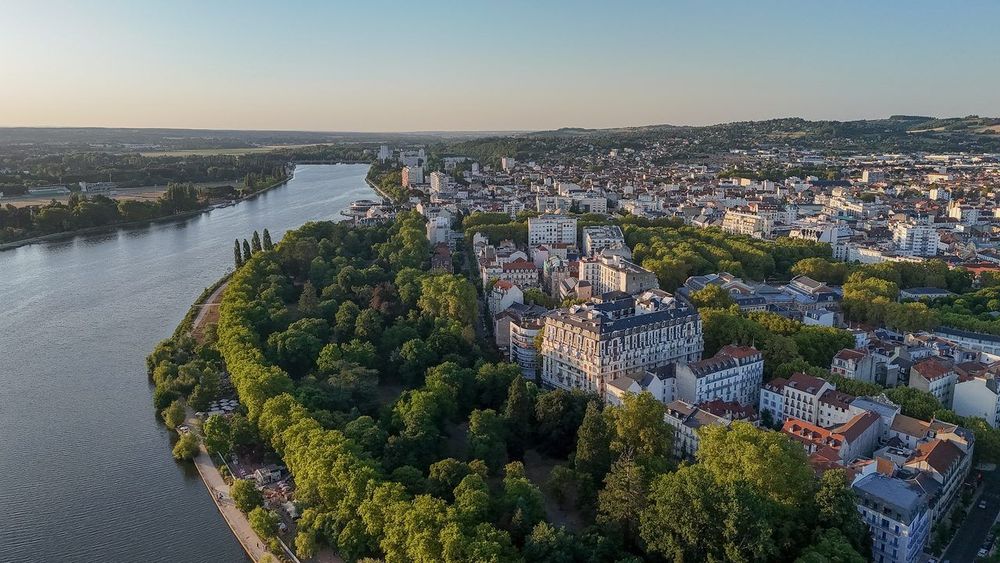
Vichy long treated the fragile livers of all Europe before becoming, between 1940 and 1944, the seat of a government whose name has since remained synonymous with one of the darkest periods in French history. To visit Vichy in 3 days without settling for a postcard, you have to accept moving from Belle Époque romanticism to a far more sombre history, sometimes in the very same street. This dual identity — spa town and reluctant capital — can still be read in the facades of the thermal district and in the corridors of the Hôtel du Parc. Since 2021, the city has been listed as a UNESCO World Heritage Site among the "Great Spa Towns of Europe". The Ryo audio guide tour of Vichy connects these layers without you having to get lost in maps: Second Empire villas, thermal springs, and the banks of the Allier follow one another over just a few kilometres on foot.
Over three days, you will have time to taste a lozenge created in 1825, go paddleboarding on a lake in the heart of the city, and venture out to the abbey of Chantelle or the lanes of Ébreuil. This day-by-day itinerary covers the Napoléon III thermal heritage, local gastronomy, family activities, the history of the French State capital, and a day trip into the Allier, with all the practical information you need to plan your stay without any unpleasant surprises regarding budget or transport.
Day 1: the Napoléon III Thermal District and Belle Époque Heritage
Parc des Sources, Hall des Sources, and the Opéra de Vichy
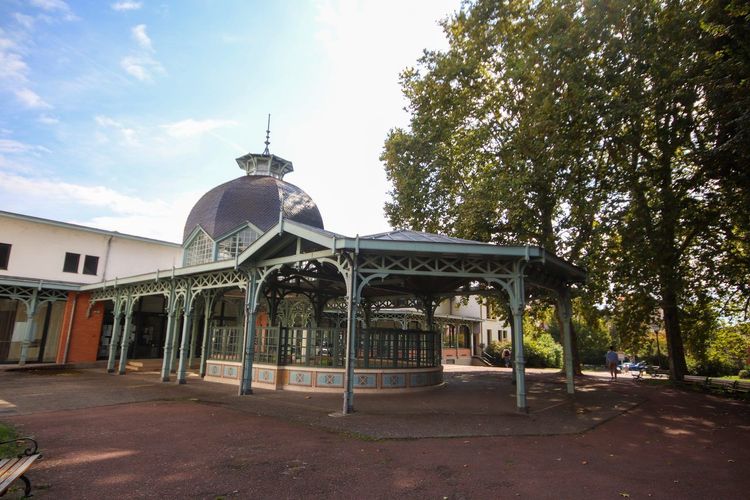
Start with the historic heart of the city: the Parc des Sources, a tree-lined promenade where, during the Belle Époque, spa guests and crowned heads came to "take the waters". Its cast-iron covered gallery, which runs around the entire park, allowed water drinkers to walk sheltered from both rain and sun. It still serves this purpose today, and is without doubt the best place to soak up the atmosphere of the resort.
At the far end of the park, the Hall des Sources, built between 1898 and 1902 to plans by Charles Le Cœur, houses the drinking fountains of the historic springs: Grande Grille, Chomel, Lucas, Mesdames, and, since 1971, Parc, Hôpital, and Célestins. Each water has its own taste, more or less salty, more or less warm. Access conditions to the drinking fountains vary by season and spa-guest status: check on site before getting out your cup.
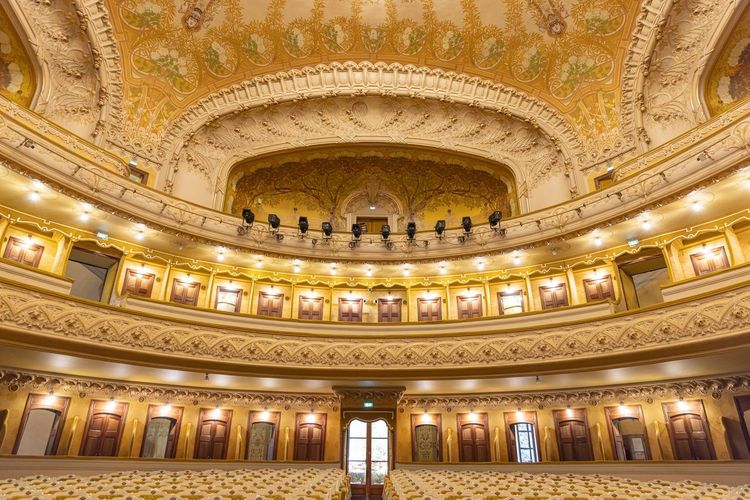
Right next door stands the Opéra de Vichy, inaugurated in 1901 and completed in 1903, said to be the only Art Nouveau opera house in France. Its auditorium in shades of gold, ivory, and yellow was decorated by the painter Léon Rudnicki; on the facade, sculpted figures of Colombine and Arlequin set the tone. The tourist office organises guided tours, and the hall is often open for free self-guided visits, with free entry for under-12s.
The Ryo audio guide sub-tour La fièvre de l'eau takes you on foot through this triangle of the Parc des Sources, Hall des Sources, and neighbouring thermal villas: 27 commented stops over 3.6 km, taking around 1h35, a format that gives you plenty of time to photograph each facade without rushing.
Belle Époque Villas and Second Empire Architecture
From the time of Napoléon III's stays in Vichy, from 1861 onwards, the city experienced a property boom that left a surprisingly varied architectural heritage for a sub-prefecture. Along the boulevard des États-Unis, the Napoléon III chalets (Boulevard des États-Unis, 03200 Vichy, rated 4.7/5 on Google with 36 reviews), built for the emperor and his entourage, line up their half-timbered facades and ornate balconies opposite the Allier parks.
In the surrounding streets, the villas of wealthy families compete in eclecticism: orientalist domes, mountain-style chalets, neo-Gothic facades, sometimes all on the same plot. Look up beyond the ground-floor shops: it is often on the upper floors that the most elaborate details are found — ironwork, ridge finials, coloured glazed windows.
This neighbourhood alone explains the nickname "queen of spa towns": an urban design conceived for leisure and convalescence, where architecture was meant to heal the eye just as the springs healed the body.
The Thermal Legacy: 2,000 Years of Spa History in Vichy
The Thermes des Célestins and the Thermal Springs
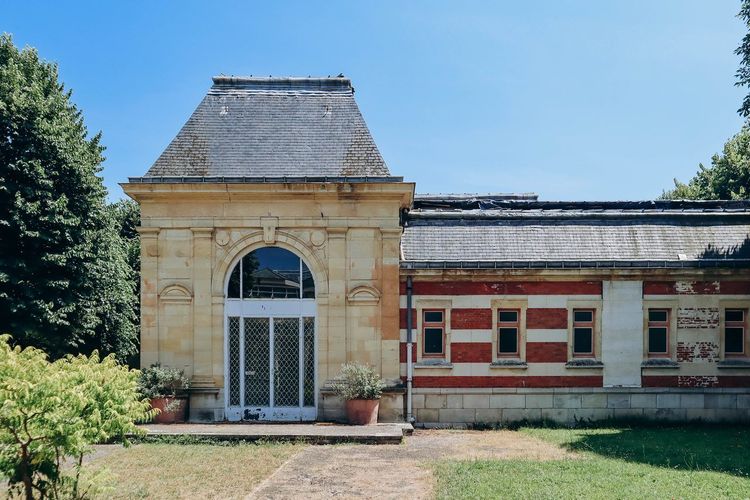
The thermal history of Vichy did not begin in the 19th century: the Romans were already exploiting the hot springs of the site, known in antiquity as Aquae Calidae. It was nevertheless the 19th and 20th centuries that transformed a handful of springs into a genuine wellness industry, recognised in 2021 by UNESCO alongside Spa, Baden-Baden, and Karlovy Vary.
The Thermes des Célestins (Boulevard des États-Unis, 03200 Vichy, rated 4.1/5 on Google with 2,635 reviews), still in operation, remain the most visible symbol of this continuity. The source des Célestins, whose pavilion stands in the park of the same name, gave its name to the mineral water sold in bottles throughout France.
The Rituals of the Vichy Cure, Then and Now
At the turn of the 20th century, a classic cure lasted three weeks, with strict schedules: glasses of water prescribed by a thermal physician at set times, a digestive walk under the gallery, rest in the afternoon. These regulars were known as the "water drinkers".
Today, establishments offer much shorter wellness-oriented packages. If you want to try it without committing to three weeks, a half-day spa session already gives a good taste of the ritual.
The audio stops on the same tour recount two thousand years of spa culture and a few colourful anecdotes about the guests of yesteryear, best listened to while standing in front of the thermal baths' gates rather than reading an information panel.
Day 2: Gastronomy and the Vichy Art de Vivre
The Vichy Pastille and the Bakery-Pastry Tradition
The Vichy pastille, a small octagonal lozenge created in 1825 from the mineral salts of the springs, remains one of the rare gourmet products to claim a pharmaceutical rather than confectionery origin. You will find it in several flavours (mint, anise, lemon) at shops throughout the city centre.
Some confectionery shops in the thermal district still display vintage tins and period packaging — a small piece of commercial heritage worth a stop even if the mineral taste does not win you over. On the pastry side, look out for Bourbonnais specialities such as the pompe aux grattons, which is saltier than its name suggests.
Local Markets and Traditional Restaurants
The Grand Marché couvert de Vichy (Place Charles de Gaulle, 03200 Vichy, rated 4.2/5 on Google with 2,465 reviews) brings together producers from the Bourbonnais: Charolais beef, goat's cheese, Saint-Pourçain wines. Check the opening days before you go, then put together a picnic to take to the banks of the Allier rather than eating out at multiple restaurants.
On the restaurant side, the city blends traditional bistros around the market with more contemporary addresses in the pedestrian streets. Book ahead in the evening during high season, when spa guests and tourists compete for the same tables. For a more detailed selection, our article on the culinary specialities of Vichy and the one dedicated to restaurants in Vichy usefully complement this food-focused stop.
Along the way, the Ryo audio guide points out the historic pastille shop windows and several century-old food shops, with no detours required since they are already on the route.
Day 2 (Continued): Banks of the Allier, Parks, and Family Activities
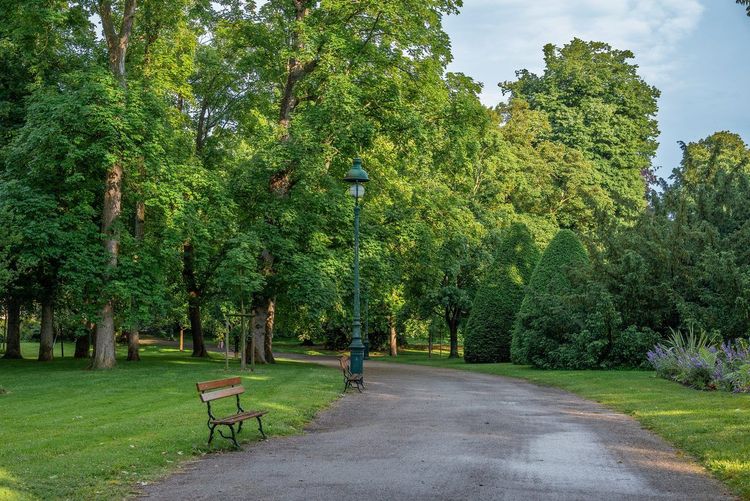
The Lac d'Allier and Water Sports Activities
The Lac d'Allier (Avenue des Célestins, 03200 Vichy, rated 4.5/5 on Google with 760 reviews), an artificial lake created on the river in 1963, can be enjoyed by rowing, paddleboarding, or kayaking, just a short walk from the historic district. Rare for a spa town: you can go from the colonnades of the Hall des Sources to a watersports club in ten minutes on foot.
Local clubs rent out canoes and stand-up paddleboards by the hour, a simple option if you are travelling with teenagers who need to be kept busy for a morning without breaking the budget.
Parks, Green Spaces, and Family Outings
Beyond the Parc des Sources, the Parc Napoléon III, the first of the Allier parks commissioned by the emperor, offers a quieter alternative for a picnic or a nap in the shade. Playgrounds and a bandstand round out the offer for families looking for a free activity.
A small tourist train also runs through the city centre in season, handy with young children. For more ideas suited to different ages, our article on activities in and around Vichy lists many options.
The same audio-guided itinerary also runs along the banks of the Allier and the green spaces of the city centre, an easy stretch to do as a family, at your own pace, between two commented stops.
Day 3: Day Trip around Vichy
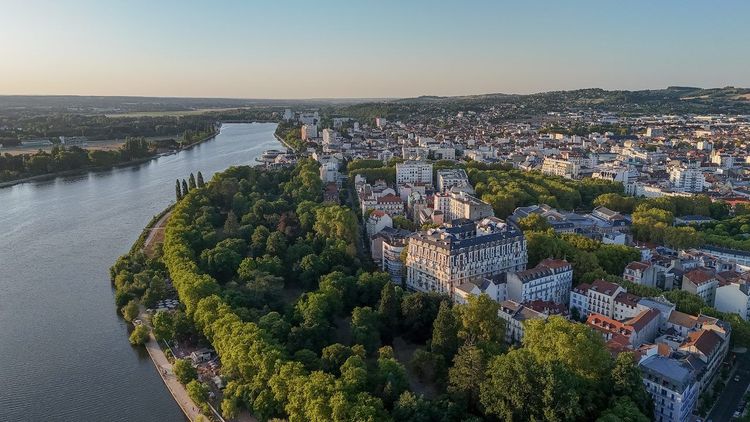
For a third day beyond the city limits, our article on what to do around Vichy lists further options; here are two complementary loops depending on whether you prefer heritage or countryside.
Chantelle and Ébreuil: Medieval and Abbey Heritage
Chantelle, about forty minutes' drive north-west of Vichy, is organised around a former fortress of the Dukes of Bourbon and an abbey linked to the memory of Anne de France, regent of the kingdom at the end of the 15th century. Perched on its rocky spur above the Bouble, the village can be visited in a relaxed half-day.
About fifteen minutes further south, Ébreuil preserves the abbatiale Saint-Léger (Place de l'Abbatiale, 03450 Ébreuil, rated 4.5/5 on Google with 43 reviews), a Romanesque church whose medieval frescoes are well worth a visit for lovers of religious architecture. The village, on the banks of the Sioule, is ideal for a stroll after a picnic prepared the day before at the Vichy market.
Cesset, Bayet, and Naves: Nature and Local Curiosities
North of Vichy, six kilometres west of Saint-Pourçain-sur-Sioule, Cesset hides three curiosities: the tour de Chenillat, an imposing 14th-century square keep surrounded by traces of moats, the church of Saint-Barthélemy with its Romanesque elements, and Valbois, a 19th-century manor house that once belonged to the Vichy-born writer Valery Larbaud.
Bayet and Naves, two neighbouring villages, round out this rural escape with their village churches and hedgerow roads. None of these stops individually justifies a detour, but grouped together in a loop with Cesset and a stop at a Saint-Pourçain wine producer, they make for a lovely half-day, far removed from the urban rhythm of the first two days.
Vichy, Capital of the French State: A Chapter of History to Discover
The Emblematic Sites of the Vichy Regime (1940–1944)
Between July 1940 and August 1944, Vichy was the seat of Marshal Pétain's government, a period that the city approaches today with a mixture of discretion and education. The Hôtel du Parc (Rue du Parc, 03200 Vichy, rated 5/5 on Google with 1 review), requisitioned to house the offices of the head of state and several ministries, remains the building most directly associated with this period.
The Opéra, admired the day before for its décor, also has its place in this history: it was in this hall that members of parliament voted, on 10 July 1940, to grant full powers to Marshal Pétain, marking the end of the Third Republic.
Museums and Tours to Understand This Period
Vichy does not have a major museum dedicated to this period — a choice that remains debated locally. Themed guided tours and several commemorative plaques nonetheless allow visitors to contextualise the facts. These tours are not held daily: if the subject interests you, book them in advance through the tourist office.
Vichy: a Cultural and Sporting City
Museums and Performances
It is easily forgotten, but Vichy has several surprisingly good museums for its size. The musée des Arts d'Afrique et d'Asie brings together collections brought back by travellers and missionaries, while the musée de l'Opéra preserves posters, costumes, and archives from the operatic season that once drew the great voices of Paris. The Opéra itself still programmes concerts, theatre, and dance: check the listings before your visit — an evening in the Art Nouveau auditorium can transform a stay.
A City with a Sporting Spirit
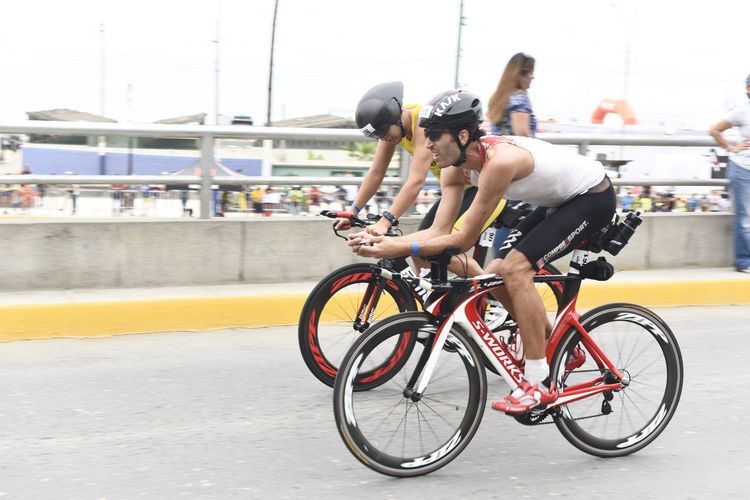
The other face of Vichy is a sporting one. Between the lake, the riverside cycle paths, and the facilities of the multi-sports centre, the city hosts training camps and competitions throughout the year, including a long-distance Ironman triathlon in late summer. Just opposite, on the left bank, the Bellerive-sur-Allier racecourse holds evening race meetings in summer — a popular and inexpensive outing.
When to Plan a 3-Day Stay in Vichy
Spring and early autumn are the best times: the parks are in bloom or golden, temperatures remain mild, and accommodation is more affordable. Summer brings the lake, outdoor terraces, and evenings at the racecourse, but also the highest prices. In winter, the city is quiet and some drinking fountains reduce their opening hours, making it more of a spa destination.
Practical Information for Planning Your 3-Day Stay in Vichy
How to Get There and Get Around Vichy
Direct Intercités trains connect Paris-Bercy to Vichy in around 3 hours, with a station just a few minutes' walk from the thermal district. By car, allow around 3h30 from Paris via the A71 motorway. The nearest airport is Clermont-Ferrand, 35 minutes away.
On the ground, the city centre can be covered entirely on foot: all the sites from day one are within a 15-minute walk. For Chantelle, Ébreuil, or Cesset, however, a car is essential, as public transport to these villages is very limited.
Where to Stay and What Budget to Expect
Allow around €70 to €90 per night for a simple hotel in the city centre, €120 to €160 for an establishment with a spa, and over €200 for the most prestigious addresses with direct access to treatments. Over three days, a budget of €350 to €500 per person (mid-range accommodation, meals, one spa session, a few activities) remains realistic, excluding transport.
Book several weeks in advance in July and August, when the best addresses in the thermal district fill up quickly.
FAQ
How Many Days Do You Need to Visit Vichy?
Three days are enough to cover the thermal district, local gastronomy, the banks of the Allier, and a day trip to the surrounding area. With only two days, you have to choose between urban heritage and nearby villages; our guide to visiting Vichy in 2 days details this more compact version.
What Is the Best Time to Visit Vichy?
Spring and early autumn offer a pleasant climate without the summer crowds. Summer is still viable thanks to the Lac d'Allier and outdoor terraces, but accommodation books up earlier.
What Should You See in Vichy if You Only Have One Day?
Focus on the Parc des Sources, the Hall des Sources, and the Opéra in the morning, then the covered market and the banks of the Allier in the afternoon. This is the minimum foundation for understanding the spa identity of the city.
Is Vichy a Good Destination for Families?
Yes: the Lac d'Allier, the parks, and the tourist train offer several child-friendly activities, alternating with heritage visits.
Where to Park and How to Get around Vichy without a Car?
The city centre can be explored on foot from the train station or peripheral car parks. A car only becomes necessary for day trips to Chantelle, Ébreuil, or Cesset.
What Budget Should You Plan for a 3-Day Stay in Vichy?
Between €350 and €500 per person for mid-range accommodation, meals, one spa session, and a few activities, excluding transport.
What Can You Do around Vichy in Half a Day?
A loop towards Cesset and the tour de Chenillat, rounded out by Bayet or Naves and a Saint-Pourçain wine tasting, is the shortest option for getting out of the city without sacrificing an entire day.
Vichy in 3 Days: Key Takeaways
Vichy closes around this dual image: a city that made water a tourist asset for a century and a half, and that also bears the weight of a political period it never chose to embody. These three days allow you to hold both threads without conflating them, from the Parc des Sources to the lanes of Chantelle.
To avoid piecing it all together from a map, launch the Ryo audio guide tour of Vichy as soon as you arrive at the Parc des Sources: the commented stops guide you from spring to villa and on to the banks of the Allier.
À lire également