© Shutterstock
 Votre guide Ryo
Things to Do in Tel Aviv in 2026: 21 Experiences Between Beach, Market, and Old City
At 9 p.m. on a Tuesday in June, the line at the sabich stand on Frishman Street stretches all the way to the intersection, while just a few meters away the Mediterranean swallows the last rays of sunlight over joggers still running along the promenade. Tel Aviv never truly sleeps, and wondering what to do in Tel Aviv is less a matter of lacking options than of choosing between the beach, the market, and the rooftop. The city is barely a century old, yet it lines up more terrace cafés per square meter than many a centuries-old capital.
In the pages that follow: a market where zaatar stalls stand beside fresh-pressed juice kiosks from dawn, more than 4,000 UNESCO-listed Bauhaus buildings that have earned the city its nickname of the White City, a dog-friendly beach at the northern end of the seafront, and a 4,000-year-old ancient port where art galleries have replaced citrus warehouses. We will also look at how exploring Tel Aviv on foot changes your perception of the city, what there is left to do on a Shabbat Saturday when half the shops are closed, and why the city's security reputation deserves nuance rather than a dismissive wave of the hand.
Tel Aviv does not yet have a dedicated audio-guided tour in our catalogue, but the spirit that drives the Ryo app — that of a free, annotated walk, without a watch or a rigid itinerary — infuses each of the steps below. Think of this selection as a modular itinerary, to be assembled according to the mood of the day and the weather off the gulf.
1. The Carmel Market, the City-Center Spice Hive
You cannot begin to understand the rhythm of Tel Aviv without a stop at the Carmel Market (HaCarmel Street, Tel Aviv-Yafo, Israel, rated 4.3/5 on Google based on 8K reviews) (Shuk HaCarmel), the trading artery that has structured this neighborhood since the early twentieth century. Beneath corrugated iron awnings, stalls of dates, marinated olives, freshly ground spices, and loose dried fruits follow one another for nearly a kilometer, punctuated by small eateries where you eat standing up, a plate of hummus in hand.
The market closes on Friday afternoon and remains shut on Saturday for Shabbat — a detail worth checking before heading over. The best time to wander through is Thursday morning, when locals do their weekend shopping and vendors slash prices on produce that will not keep until the next day. At the northern exit, the Nahalat Binyamin pedestrian street hosts a craft market twice a week where jewelers and ceramicists display their pieces directly on trestles.
2. Rothschild Boulevard, Green Lung and Bicycle Kingdom
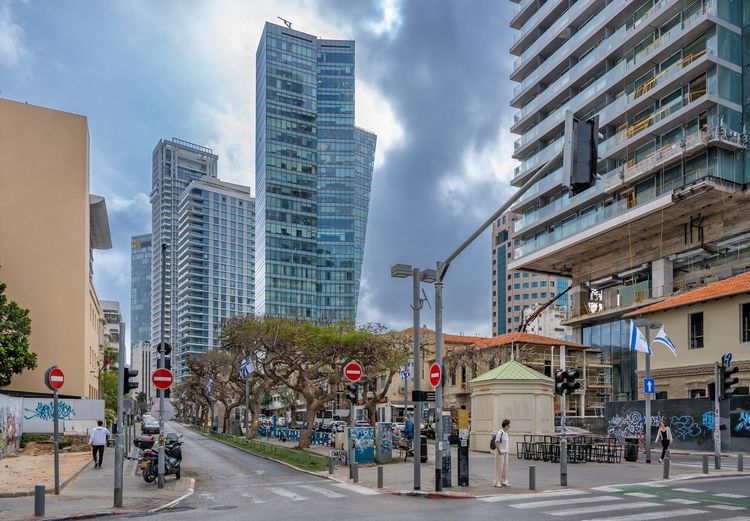
Laid out in 1909 among the first streets of the nascent Hebrew city, Rothschild Boulevard today lines century-old ficus trees, coffee kiosks, and cyclists weaving between joggers. Tel Avivians meet here for Saturday brunch, a steaming plate of shakshuka set before them on a terrace.
The tree-lined central strip serves as an informal cycle path between Neve Tzedek and the business district. As evening falls, the kiosks sell cold beers to go and the boulevard transforms into an open-air living room, folded newspaper tucked under the arm for the regulars improvising chess games on the benches.
Tourist information kiosks set up along the boulevard offer free maps of the surrounding Bauhaus heritage — a good way to extend the walk without booking a paid guided tour. Some restored buildings now display an explanatory plaque in English and Hebrew detailing the architect and year of construction, a welcome recent addition for independent visitors.
3. Neve Tzedek, the Neighborhood Where Tel Aviv Was Born
Founded in 1887 by Jewish families seeking to escape the overcrowded walls of Jaffa, Neve Tzedek is the first neighborhood of what would become Tel Aviv eleven years later. Its narrow lanes, lined with low houses and pastel façades, were long neglected before being rediscovered in the 1980s by artists in search of modest rents.
Today the neighborhood is packed with designer boutiques, ceramics studios, specialty pastry shops, and independent art galleries, steps away from the Suzanne Dellal Centre (6 Yechieli Street, Tel Aviv-Yafo, Israel, rated 4.6/5 on Google based on 3,605 reviews), a contemporary dance venue that hosts the Batsheva company. The centre's inner courtyard, with its fountain and stone steps, serves as much as a performance space as an impromptu playground for neighborhood children in the late afternoon.
Novelist Shmuel Yosef Agnon, the only Israeli Nobel Prize laureate in literature, lived in one of the houses on Shabazi Street before moving to Jerusalem. A discreet plaque marks his time there for anyone who takes a moment to look up rather than rushing toward the next leather sandal shop.
4. The Old City of Jaffa, 4,000 Years of History by the Water
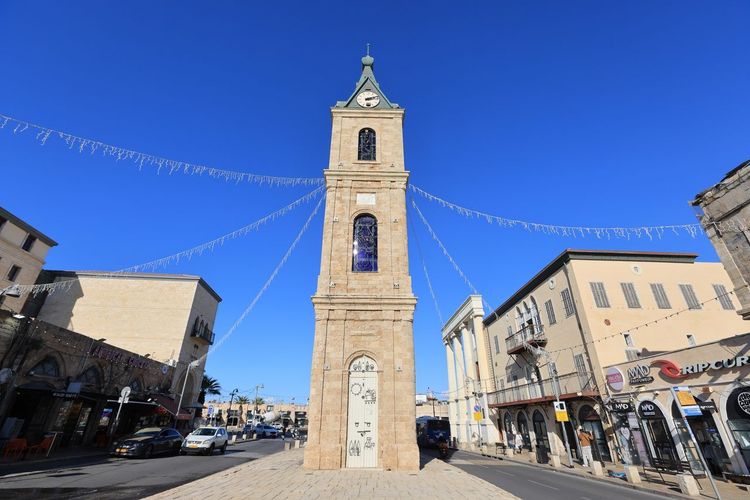
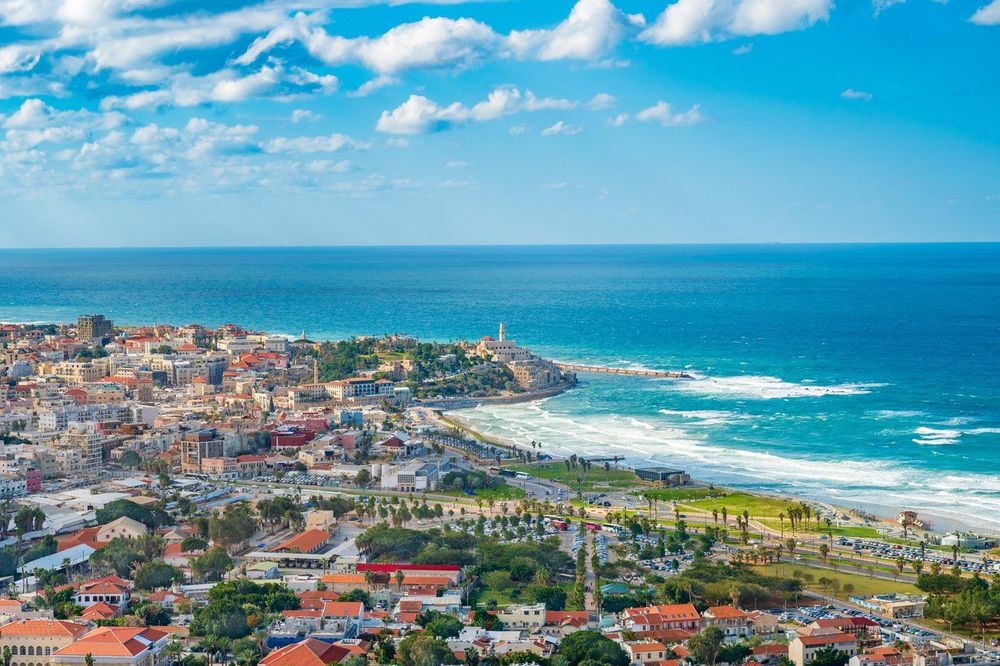
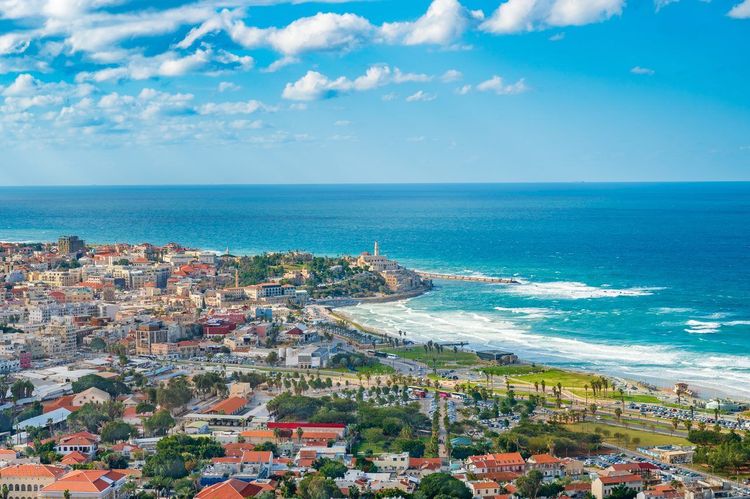
An active port since the Bronze Age, Jaffa (Yafo in Hebrew) predates Tel Aviv by several millennia and remains, to this day, one of the oldest ports in the world still in use. The modern city grew from 1909 onward on the dunes north of its ramparts, but it is in the paved lanes of the old city that the region's long history can be read most clearly.
The Jaffa Clock Tower (Yefet Street, Tel Aviv-Yafo, Israel, rated 4.5/5 on Google based on 15,340 reviews), built in 1903 to mark the jubilee of Ottoman Sultan Abdul Hamid II, marks the entrance to the historic quarter. From there, the lanes climb the hill in a labyrinth named after the signs of the zodiac, each one adorned with a sculpted plaque depicting Pisces, Libra, or Scorpio. Art galleries and jewelers' workshops now occupy former citrus warehouses, while their vaulted cellars once served to store the Jaffa oranges exported across all of Europe.
At the top of the hill, HaPisga Garden offers one of the most photographed viewpoints in the area: on one side the port and its fishing nets drying in the sun, on the other the Tel Aviv skyline stretching northward until it dissolves into the sea haze. Every evening the sunset draws a mix of tourists and locals who come simply to sit on the still-warm stone.
The nearby flea market naturally extends the visit, as does the port itself, where a handful of fish restaurants serve the day's catch just meters from the boats that brought it in. Allow half a day to explore Jaffa at a relaxed pace — more if appetite leads you to stop at every Oriental pastry stall.
St. Peter's Church, its ochre façade visible from the port, sometimes closes without warning for private services, so it is better to treat a visit there as a bonus rather than a fixed point on the itinerary. Nearby, the Ilana Goor Museum occupies a former eighteenth-century inn and blends the artist's personal collection, design furniture, and a rooftop view over the old city, accessible even without visiting the exhibition rooms inside.
The cafés under the arcades of the nearby flea market serve thick Turkish coffee in small copper cups — a welcome break after the climb to HaPisga Garden. Some ceramics workshops in the old city offer one-hour introductory classes, an activity that appeals particularly to families traveling with teenagers looking for a more original souvenir than a fridge magnet. The tour buses that crowd the area in late morning typically leave by 5 p.m., leaving the neighborhood almost entirely to residents and amateur photographers who come to enjoy the evening light without having to navigate their way through tour groups.
5. The Jaffa Flea Market, Antiques and Label-Free Bars
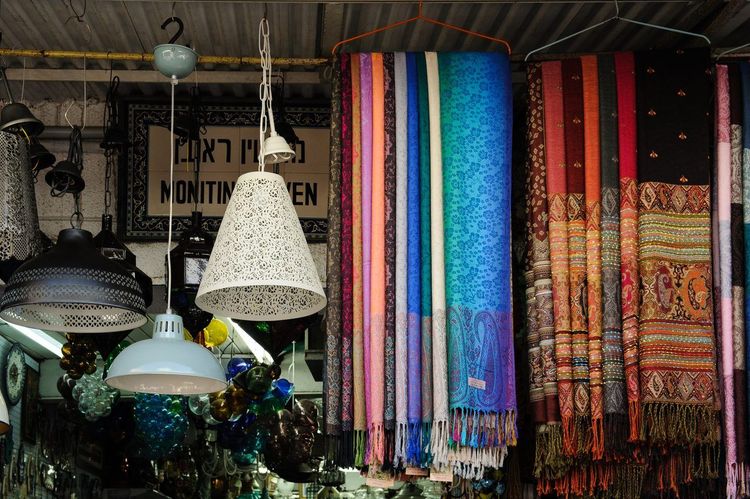
On the edge of the old city, the Jaffa Flea Market (Olei Zion Street, Tel Aviv-Yafo, Israel, rated 4.4/5 on Google based on 262 reviews) (Shuk HaPishpeshim) has, over the past decade, traded some of its antique stalls for concept stores and cocktail bars, without entirely losing its souk soul.
You can still find brass lamps and worn Persian rugs piled in front of workshops that sell, just next door, creations by local designers at far less generous prices. Friday morning remains the liveliest time, when antique dealers bring out their best pieces before the weekend rest.
As evening falls, the same lanes transform: bar terraces set up between closed stalls and the atmosphere shifts to something trendy without ever losing the irregular cobblestones or the cats that rule them. A good bet for a late dinner without a reservation, as long as you are willing to wait a little at the bar.
6. The White City and Its Unique Bauhaus Heritage
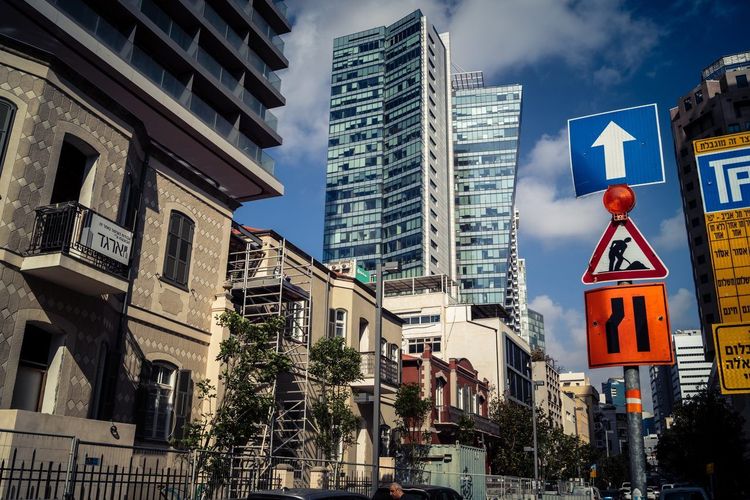
Listed as a UNESCO World Heritage Site since 2003, the White City brings together more than 4,000 International Style buildings constructed between the 1930s and 1950s by Jewish architects trained in Europe, often at the Bauhaus in Dessau or in French and Belgian schools. No other city in the world concentrates such a density within such a compact area.
The clean lines and rounded bow-shaped balconies are characteristic of a style designed for the Mediterranean climate: flat roofs to catch the cool evening air, light-colored façades to reflect the heat, pilotis to let the sea breeze circulate, and ribbon windows to ventilate rooms naturally. Many of these buildings, poorly maintained for decades, have been undergoing a second lease of life since the 2000s thanks to restoration campaigns that have sometimes proved controversial due to their cost.
The Bauhaus Center on Dizengoff Street offers guided walking tours that decode details invisible to the uninformed stroller: floor numbering on staircase handrails for visually impaired residents, and integrated planters built in from the original design. Allow around two hours for the standard guided tour, which usually starts in late morning.
Bialik Street, a little further north, concentrates several iconic buildings as well as the Bialik poet house-museum and the former city hall converted into an urban history museum. The contrast between these weathered white façades and the glass towers rising all around gives this part of the city the feel of an architectural collage, where a century of construction layers sit side by side without any real transition.
Local guides like to point out that originally this architecture was not a deliberate aesthetic statement: it was above all a response to the urgent need to house, quickly and cheaply, the waves of refugees arriving from Central Europe in the 1930s. The style became heritage long after it had served as a practical solution.
7. The Tel Aviv Museum of Art, a Collection That Holds Its Own Against Any Capital
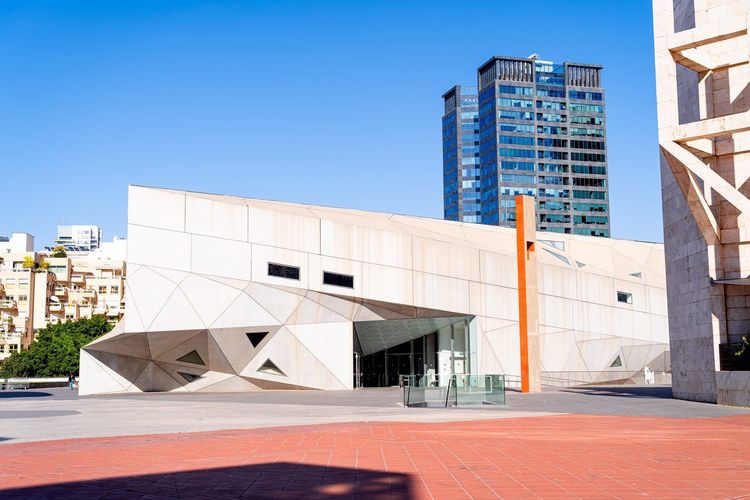
The Tel Aviv Museum of Art (27 Shaul Hamelech Boulevard, Tel Aviv-Yafo, Israel, rated 4.5/5 on Google based on 15,167 reviews), located on Shaul Hamelech Boulevard just steps from the Habima Theatre, brings together a permanent collection spanning French Impressionism, German Expressionism, contemporary Israeli art, and an international photography collection — all under one roof.
The Herta and Paul Amir Wing, opened in 2011 and designed by American architect Preston Scott Cohen, is worth visiting for its architecture alone: a spiral light shaft runs through five floors and redistributes natural light all the way down to the temporary exhibition galleries, which are often devoted to design and contemporary photography.
The museum closes on Sundays but stays open late on Tuesday and Thursday evenings — a practical option for fitting in a visit after a day at the beach without giving up a late dinner. Booking tickets online avoids the Saturday queues, the day most frequented by local families.
The contemporary photography collection, often tucked away in the basement, deserves an extra detour: the curators refresh the hang several times a year and focus on emerging Israeli artists who are rarely exhibited elsewhere in the country.
8. The Florentine Neighborhood, Street Art and Unpretentious Bars
Long a working-class neighborhood founded in 1927 to house Jewish immigrants from Thessaloniki, Florentine has turned hipster without entirely shedding its industrial roughness. Mechanics' workshops and century-old synagogues now stand beside natural wine bars and screen-printing studios.
The neighborhood's walls have served as a canvas for the past fifteen or so years for local and international street art collectives, with works renewed season by season: a mural disappears under a new one within a few months, making each visit different from the last. Vital Street and its surroundings have the highest concentration of murals, best explored in late morning when the raking light brings out the colors.
In the evening, Florentine's bars draw a younger and less touristy crowd than those in the city center, with drink prices noticeably lower than on Rothschild or in Jaffa. Many backpacker travelers stay in the neighborhood's hostels, within walking distance of the beach and the flea market, making it a practical base for anyone who wants to do everything on foot.
9. Beit Ha'atzmaut, the Room Where Israel Was Born
At number 16 on Rothschild Boulevard, Beit Ha'atzmaut (16 Rothschild Boulevard, Tel Aviv-Yafo, Israel, rated 4.3/5 on Google based on 1,714 reviews) (Independence Hall) houses the room where David Ben-Gurion proclaimed the independence of the State of Israel on 14 May 1948, just hours before the expiry of the British Mandate.
The building — formerly the home of Tel Aviv's first mayor Meir Dizengoff, then an art museum before becoming the declaration hall — preserves its original furnishings: the conference table, a portrait of Theodor Herzl hanging on the wall, period microphones still in place, and the lectern used by Ben-Gurion to read the declaration. The visit, relatively short, ends with a playback of an audio recording of the original declaration, a moment that moves even visitors who are unfamiliar with local history.
The guides, often retired volunteers passionate about local history, punctuate the visit with anecdotes rarely documented elsewhere, such as the last-minute making of the flag used at the ceremony, sewn the night before for lack of time to order one officially. Booking is recommended in high season, as the guided tour slots are limited in capacity.
10. Hatachana, the Ottoman Station Turned Shopping Promenade
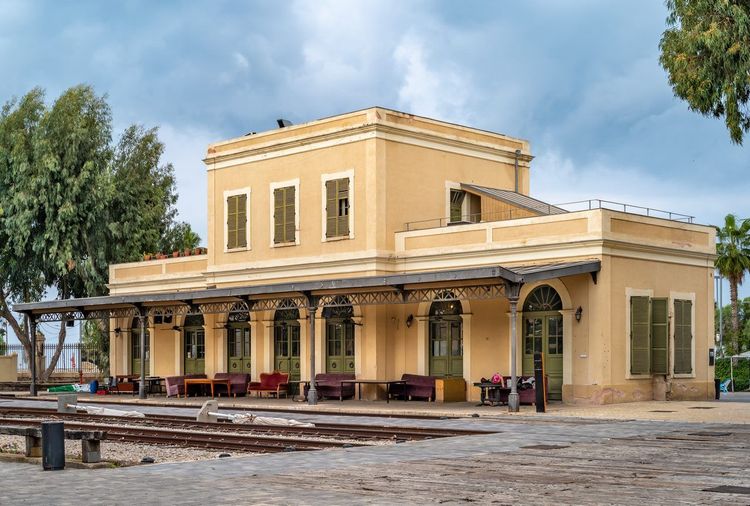
Built in 1892 for the first railway line in the Middle East linking Jaffa to Jerusalem, the Hatachana station (Kaufmann Street, Tel Aviv-Yafo, Israel, rated 4.2/5 on Google based on 14,879 reviews) ceased all rail activity in 1948 before being restored and reopened in 2010 as a pedestrian complex.
The former warehouses and workshops now house fashion boutiques, concept stores, and restaurants set within carefully preserved Ottoman and Templar architecture. The site remains open on Saturdays, unlike the majority of city-center shops, making it a reliable fallback on a Shabbat day for anyone looking for a shaded terrace between Neve Tzedek and the beach.
The Friday morning farmers' market, set up on the central esplanade, complements the boutiques' offering with regional products — a further option for anyone wanting to avoid the crowds of the Carmel Market without giving up the market atmosphere.
11. The ANU Museum, a Journey Through Jewish History
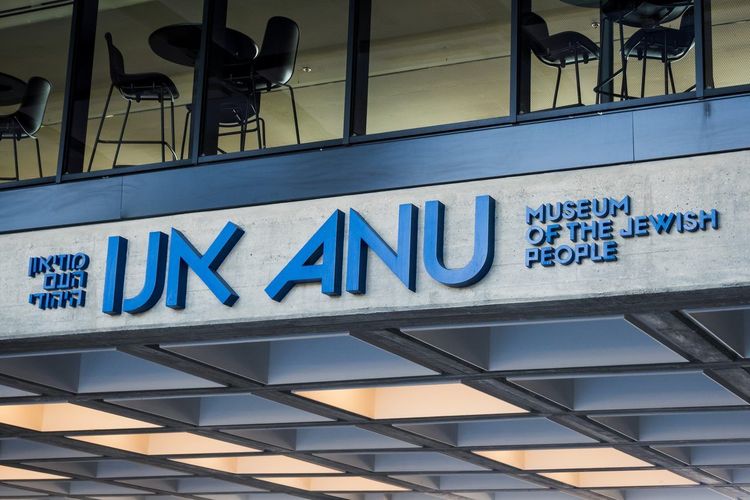
Located on the Tel Aviv University campus in Ramat Aviv, the ANU Museum (Klausner Street, Tel Aviv University, Ramat Aviv, Israel, rated 4.7/5 on Google based on 5,435 reviews) (renamed in 2021, formerly Beit Hatfutsot) traces nearly three thousand years of Jewish diaspora around the world, from the communities of Ethiopia to those of Shanghai.
The journey combines full-scale reconstructions of historic synagogues, genealogical databases available for consultation on site, and immersive projections covering everything from major migrations to popular culture, including film and music. Allow a good morning to go through the whole thing at a relaxed pace, as the museum spans several thematic levels.
Less crowded than the sites of the historic center, ANU offers a useful counterpoint to Jaffa's lanes: a dive into the long sweep of history rather than into stone. The genealogical database in particular allows some visitors to trace family lines that emigrated from Eastern Europe or North Africa, an experience that can turn a simple museum visit into an unexpectedly personal moment. Accessible by bus or Tel-O-Fun bike from the city center, about twenty minutes away.
12. Sarona Market, the Templar Colony Turned Gourmet Food Hall
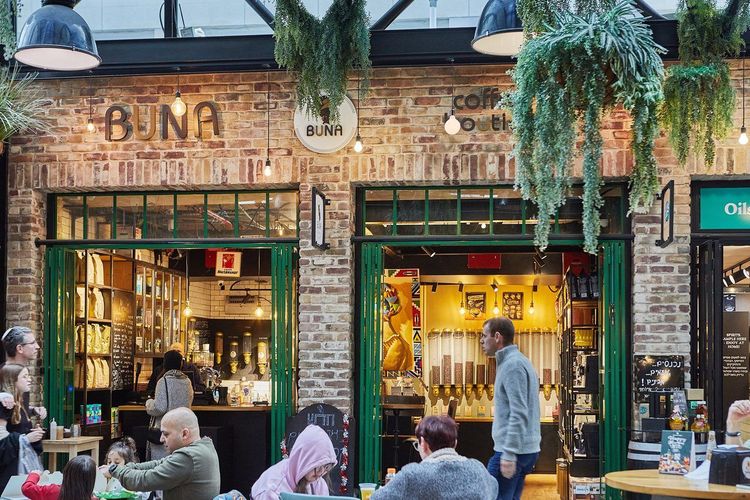
Founded in 1871 by German Templar settlers who came to the Holy Land, the Sarona colony long served as a military base before being fully restored in the 2010s. Its low limestone buildings now house a covered market bringing together nearly ninety stalls.
You will find cheese makers, fishmongers, bakers, and a selection of restaurants covering a culinary world tour — all without leaving the air-conditioned hall, a welcome feature on summer afternoons when the thermometer easily climbs above thirty degrees. The surrounding neighborhood, planted with trees and flanked by office towers, deliberately contrasts with the density of the city center, just a few hundred meters from Kaplan Street and its ministries.
The gardens surrounding the market, planted with Mediterranean species, serve as an impromptu picnic ground for employees from the neighboring office towers at lunchtime — a scene that contrasts sharply with the tourist bustle of the covered market.
13. Tel-O-Fun, the City at Handlebar Height
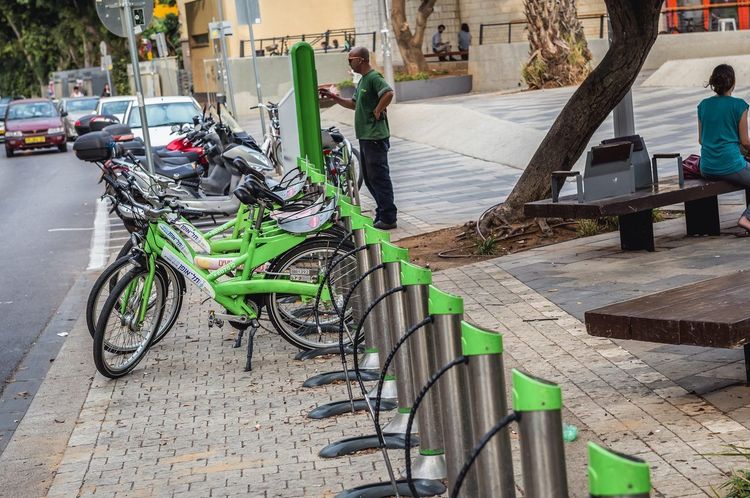
Launched in 2011, the Tel-O-Fun bike-sharing system now counts several hundred stations spread across the city, with day and week passes widely available to passing visitors.
The city's flat terrain and its dedicated cycle lanes separated from traffic — particularly along the seafront and on Rothschild Boulevard — make cycling comfortable even without prior urban cycling experience. The Ryo app also champions walking and cycling as the best tools for understanding a city at the right pace — neither too slow nor too rushed — a philosophy that fits perfectly with the Tel Aviv temperament.
Bring an international credit card to unlock the docking stations, as the system operates via automated terminals. Visitors more accustomed to Western bike-share apps will appreciate the simplicity of the setup, even if the interface on some older terminals is available only in Hebrew and English.
14. Tel Aviv Beaches, a Strip of Sand for Every Mood
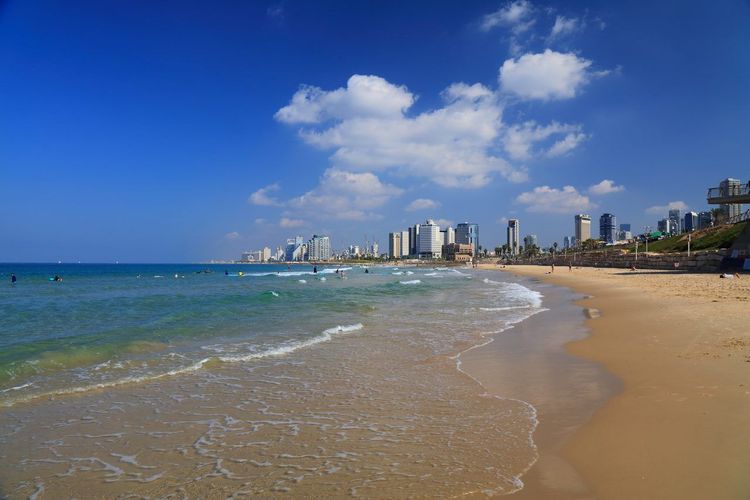
The seafront promenade, the Tayelet, stretches roughly four kilometers between Jaffa to the south and the northern port, dotted with a dozen beaches that each have their own atmosphere. Understanding those nuances saves a lot of disappointment for anyone seeking quiet or buzz depending on the mood of the day.
Gordon Beach (Herbert Samuel Esplanade, Tel Aviv-Yafo, Israel, rated 4.6/5 on Google based on 6,863 reviews), in the center, remains the busiest, with its adjacent seawater pool and matkot courts — the paddle-ball game that has become a kind of unofficial national sport played all along the Israeli coast.
A little further south, Frishman Beach attracts more families thanks to its playgrounds and the proximity of the residential buildings in the neighborhood. Banana Beach, recognizable by its colorful parasols, has served as an informal gathering point for the city's LGBTQ community since the 1990s, with a festive atmosphere that spills readily into the seafront bars.
At the northern end, Hilton Beach has two distinct reputations: one among surfers, who take advantage of a more consistent swell near the marina, and another among dog owners, who are allowed on a clearly demarcated stretch of sand. Few Mediterranean cities offer a dog beach in the middle of the urban center — a detail that often surprises visitors from Europe.
The beaches are free and supervised by lifeguards from June to September, with showers and public changing rooms maintained by the municipality. The black flag, raised on certain days of heavy swell, strictly prohibits swimming: it is best to respect it, as the currents can catch even experienced swimmers off guard. Outside the summer season, the promenade remains walkable year-round for a stroll or a morning jog, when the low light of sunrise gives the sand an almost golden hue.
Beach cafés rent out sun loungers and parasols by the day, a comfortable option for those who would rather not carry their own towel from the hotel. Beach volleyball and impromptu backgammon games on the benches complete the picture, summer and winter alike. The lifeguard posts, painted in bright colors and spaced regularly along the promenade, also serve as a practical landmark for arranging to meet someone without relying on mobile networks, which are often saturated during summer peak hours.
15. Nightlife, From Discreet Rooftop to All-Night Club
The city boasts one of the most vibrant nightlife scenes in the Mediterranean basin, driven by a young population, a mild climate for most of the year, and a social openness that has earned the city the nickname of the bubble, in contrast to the rest of the country.
The Rothschild area and its surroundings concentrate cocktail bars and discreet rooftops, often with no visible sign from the street: you sometimes have to push an anonymous door or descend a poorly lit staircase to find the bar you are looking for — a local habit that artificially recreates the speakeasy feel of the 1920s.
Kuli Alma (10 Mikveh Israel Street, Tel Aviv-Yafo, Israel, rated 4/5 on Google based on 1,479 reviews), on Mikveh Israel Street, sums up the Tel Aviv spirit pretty well: bar, art gallery, and concert venue under one roof, with a program that changes almost every evening of the week.
In Jaffa, bars tucked inside the flea market stay open later than average and draw a crowd mixing savvy tourists and neighborhood locals, far from the hustle of the city center. Florentine, already mentioned above, remains the cheapest option for a drink without breaking the bank, with an atmosphere noticeably less dressed-up than that of the port-area clubs.
The clubs themselves, often located near the northern port or in reconverted industrial zones, generally do not open before midnight and keep going until sunrise on weekends. Friday night traditionally marks the peak, with the city taking advantage of the following day's rest to push the evening as far as it will go. Photo ID is required at the door of most venues, even for visitors who have been of legal age for quite some time.
Contrary to popular belief, Tel Aviv's nightlife is not limited to alcohol: several venues host Israeli folk dancing evenings open to beginners — a convivial, often free format that allows you to meet locals without going through the usual bar filter. Jazz lovers will also find their match in a handful of discreet city-center clubs, where improvised sessions sometimes start after midnight once the scheduled concerts are over.
16. Local Gastronomy, From Counter Hummus to Reinvented Mediterranean Cuisine
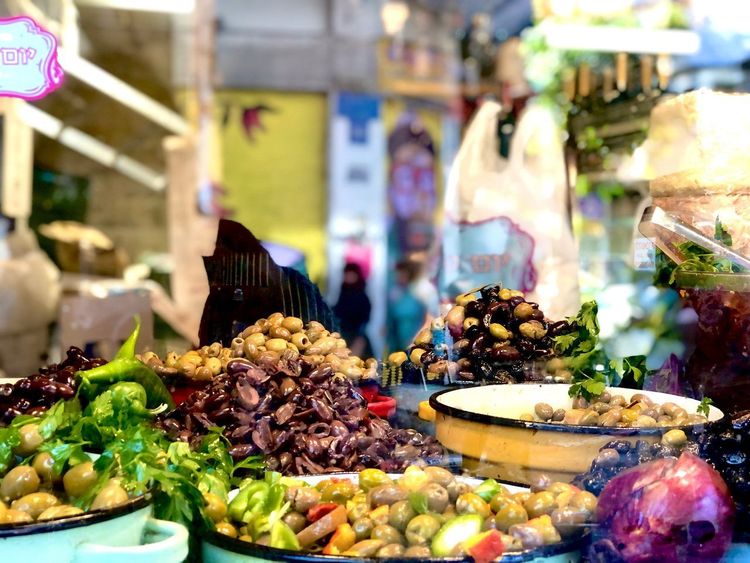
Eating in Tel Aviv means above all navigating a plural culinary heritage inherited from waves of immigration from North Africa, Iraq, Eastern Europe, and Yemen, all melded into a food scene today recognized well beyond Israel's borders.
Hummus, served warm with hot pita bread, remains the unmissable institution. Abu Hassan in Jaffa has been serving what many locals consider the best hummus in the city since the 1950s, in a no-frills setting where you eat standing up or at plastic tables.
Sabich, a pita sandwich filled with fried eggplant, hard-boiled egg, and tahini sauce, inherited from the Iraqi Jewish community, is best eaten on the go at one of the stalls lining Frishman Street or the Carmel Market. The local breakfast, meanwhile, almost always revolves around shakshuka — eggs poached in a spiced tomato sauce, served in the cast-iron pan directly on the table.
For a sit-down meal, HaBasta (4 Ha-Carmel Street, Tel Aviv-Yafo, Israel, rated 4.1/5 on Google based on 2,073 reviews), a tiny spot with no visible sign tucked right next to the Carmel Market, puts together a short menu based on whatever the neighboring market has that day, with no reservations taken: best to arrive early or wait at the adjoining wine bar.
The natural wine bar scene, driven by a new generation of Israeli winemakers based in the hills of Judea and the Golan, has grown rapidly along Nahalat Binyamin and in Florentine, with menus that focus on little-known local grape varieties rarely encountered outside Israel, such as Marawi and Dabouki.
The city's communal diversity also shows up in less well-known specialties: jachnun, a Yemeni flaky pastry traditionally served on Saturday morning with a slow-cooked egg and spicy zhug sauce, or Georgian khachapuri, a cheese-filled bread popularized by a recent wave of restaurants dedicated to Caucasian cuisine. These spots, often run by the same family for several generations, usefully round out the picture for those who have already worked through their fill of hummus and shakshuka.
Weekend farmers' markets, both at Sarona and at the port, usefully complement the restaurant offering for those who prefer to put together their own beach picnic: local goat's cheeses and fresh bread are easy to find there, usually cheaper than in a restaurant. Vegetarian and vegan visitors will find one of the most accommodating food scenes in the Middle East here — the city has for several years claimed the title of the world's vegan capital per capita, with dozens of entirely dedicated addresses.
On the budget side, a street meal rarely costs more than a few dozen shekels, while a sit-down dinner at a well-regarded restaurant can easily climb to Paris or London price levels. A tip of around ten to twelve percent is expected at table-service restaurants, but not at street stalls where you pay cash at the counter. Finally, weekend brunches — often served until mid-afternoon — remain a social institution in their own right, and booking the night before is advisable for the most popular spots on Rothschild Boulevard.
17. The Design Museum Holon, an Architectural Excursion Twenty Minutes From the Center
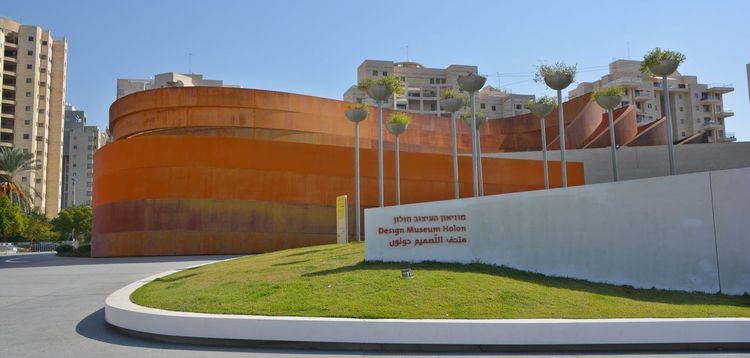
About twenty minutes by car or bus from the city center, the town of Holon is home to the Design Museum Holon (8 Pinhas Eilon Street, Holon, Israel, rated 4.5/5 on Google based on 4,050 reviews), a building designed by Israeli-British designer Ron Arad and opened in 2010.
Its façade of corten steel ribbons, which curl around the building like a ribbon frozen in mid-movement, deliberately contrasts with the Bauhaus architecture of the city center and draws architecture enthusiasts on its own, even without any particular interest in the exhibitions inside.
The temporary exhibitions, renewed two to three times a year, cover everything from industrial design to fashion and architecture, with a program that does not shy away from mixing historical pieces with contemporary local creations. The museum is part of a broader project by the municipality of Holon, which has multiplied cultural institutions in what was previously an essentially industrial neighborhood, in the hope of transforming the city's image.
The excursion pairs easily with a visit to the nearby Israel Children's Museum, geared toward families, or stands alone as a half-day dedicated to design, away from the seafront crowds.
18. A Quick Escape to Jerusalem or the Dead Sea
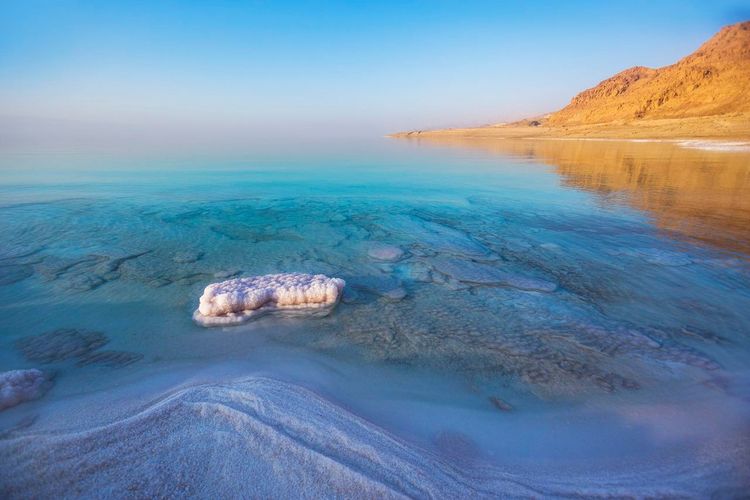
The city lends itself as well to day trips as to longer stays, its central position in the country making it easy to visit major sites and return without changing hotels.
Jerusalem, less than an hour away by direct train from Tel Aviv HaHagana station, allows a full day in the old city, its four historic quarters, and the Western Wall, before returning to sleep on the coast. The train, faster and more comfortable than the bus on this route, serves the center of Jerusalem directly several times an hour during the day.
The Dead Sea, roughly an hour and a half's drive to the east, offers the unmissable experience of effortless floating in water ten times saltier than the average ocean. The organized beaches, particularly around Ein Bokek, have showers to rinse off the salt and mineral mud that many visitors apply to their skin before bathing, reputed for its benefits on certain skin conditions.
Caesarea, three-quarters of an hour to the north, rounds out this trio of excursions with its Roman and Crusader ruins set directly on the sand, including an amphitheater still used for open-air concerts in summer. Renting a car remains the most flexible option for combining these sites in a single day, even though public transport covers Jerusalem adequately and, to a lesser extent, Caesarea.
These excursions allow you to step outside the beach-market-rooftop triangle that structures most stays here, without sacrificing the comfort of a fixed seafront base.
19. Tel Aviv Port (Namal), Pier and Sunday Brunch
Redeveloped in the 2000s, the former Tel Aviv Port (Namal) swapped its industrial hangars for a wooden boardwalk lined with restaurants, surf shops, and a pier popular with early morning joggers.
On Sunday morning — the working day for much of the secular population rather than the religious Saturday — the port fills with families enjoying terrace brunch before the week begins. The renovated warehouses also house a producers' market on Fridays, where local cheese makers and market gardeners sell directly, in a less touristy atmosphere than the Carmel Market.
From the end of the pier, the view extends north to the Herzliya marina and, on a clear day, south to the outlines of the White City. The spot is also popular for sunsets, in a more family-friendly and less photographed atmosphere than Jaffa, making it a welcome alternative during peak-crowd hours.
20. Shopping and Designer Markets, Between Dizengoff and Nahalat Binyamin
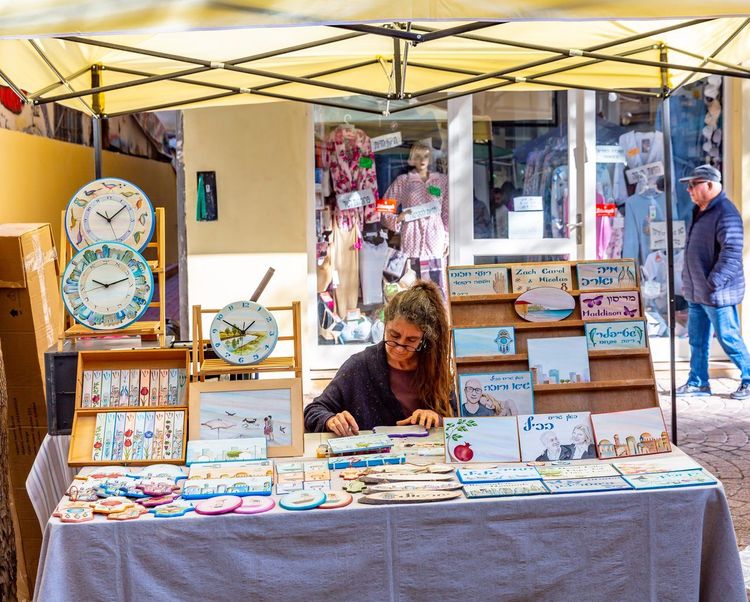
Beyond the classic souvenirs, Tel Aviv has a particularly active local design scene, driven by a generation of creatives trained at the city's art schools. The Nahalat Binyamin market, already mentioned alongside the Carmel Market, brings together jewelers, ceramicists, illustrators, and textile designers every Tuesday and Friday, selling their pieces directly with no middleman.
The Dizengoff Center shopping mall, one of the country's first covered malls, also organizes occasional themed markets devoted to vintage fashion or organic produce — check the current schedule. The boutiques of Neve Tzedek and Florentine, already mentioned above, usefully complement this offering with one-of-a-kind pieces in ceramics, leather, and contemporary jewelry.
For fashion lovers, Sheinkin Street, once the epicenter of Tel Aviv counter-culture in the 1990s, still has a handful of independent boutiques despite growing competition from international chains on the city center's main shopping arteries.
21. Where to Stay: Neighborhoods and Budgets for Sleeping in Tel Aviv
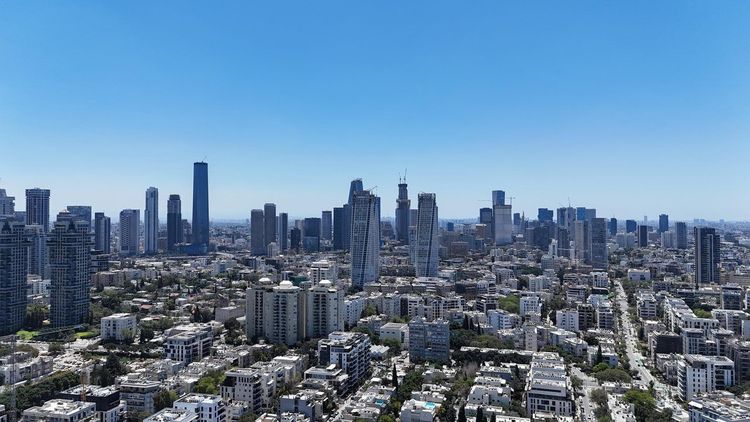
The choice of neighborhood matters as much as the choice of hotel for a successful stay, given how different the atmospheres are from one part of this compact city to another.
The seafront, between Gordon Beach and the port, concentrates the majority of major international hotel chains, with Mediterranean views thrown in — but prices that rise quickly in high season. Neve Tzedek and Florentine offer a more intimate alternative, in guesthouses or renovated apartments, within walking distance of both the beach and the Carmel Market.
For tighter budgets, the hostels in Florentine and around the central bus station are noticeably cheaper than the seafront, without sacrificing transport links. Apartment rentals via the usual platforms are also a common and often more economical option than an equivalent hotel, especially for stays of more than three nights.
Booking several months ahead becomes necessary during the major Jewish holidays (Passover, Rosh Hashanah) and at the height of summer, when prices can easily double compared to the winter low season.



FAQ
Is Tel Aviv a dangerous destination for tourists?
Contrary to a reputation that is sometimes exaggerated abroad, Tel Aviv remains a city where street crime affecting visitors is low, comparable to that of many European capitals. The regional situation can change quickly, and it is essential to consult the official recommendations of your foreign ministry before departing, as well as local alerts during your stay. In daily life, common-sense precautions (keeping an eye on bags at the beach, being careful at night on certain outlying streets) are more than sufficient, and most visitors leave without any particular incident to report.
What can you do in Tel Aviv during Shabbat, when shops close?
On Friday afternoon, most shops — from the Carmel Market to city-center boutiques — close until Saturday evening. The beaches remain open and are particularly busy, as are non-kosher restaurants and areas such as Hatachana, Jaffa, and Sarona Market, which continue to welcome visitors. Saturday is also perfect for a long stroll along the seafront or a bike ride, as car traffic is significantly reduced that day in several residential neighborhoods.
How many days do you need to visit Tel Aviv?
Two full days are enough to cover the city-center highlights, from Jaffa to the Carmel Market and a beach afternoon. Three to four days allow you to add a day trip to Jerusalem or the Dead Sea at a relaxed pace. Travelers combining Tel Aviv with a broader tour of the country generally spend two to three days on the coast before heading north or toward the Negev desert.
Can you visit Tel Aviv on foot?
Most of the sites mentioned in this article are concentrated within a few kilometers between Jaffa to the south and the port to the north, making walking perfectly suited to discovering the city. The flat terrain and the continuous seafront promenade make getting around on foot easy, with the option to switch to a bike or bus for longer distances, such as to the ANU Museum. Good shoes and water are worth packing in summer, when temperatures regularly exceed thirty degrees in the middle of the day.
Where can you eat well in Tel Aviv without breaking the bank?
Street stalls and small eateries at the Carmel Market, in Florentine, or on Frishman Street offer the best value for money, with full dishes for the equivalent of a few euros. Sit-down restaurants in the city center, particularly around Rothschild and Tel Aviv port, charge noticeably higher prices, sometimes comparable to those in major European capitals. Booking ahead is advisable for the most popular spots, especially for weekend brunch.
Which museum should you visit first in Tel Aviv?
The Tel Aviv Museum of Art remains the reference for lovers of painting and contemporary architecture, with a collection covering Impressionism as well as Israeli art. For a more historical and personal approach, the ANU Museum dedicated to the history of the Jewish people around the world offers a useful counterpoint, notably through its genealogical database. The choice depends mainly on the time available and whether you are more drawn to art than to history — the two museums complement each other more than they compete.
What is the best time to visit Tel Aviv?
Spring, between March and May, and early autumn, between September and November, offer the best balance between pleasant warmth and moderate crowds. Summer, from June to August, remains popular for the beach but comes with sometimes oppressive humidity and higher accommodation prices. Winter, milder than in northern Europe, allows you to visit without the crowds, even if a few rainy and windy days may limit beach activities.
Where can you find unusual experiences in Tel Aviv?
Beyond the classic must-sees, the dog beach at Hilton Beach, Israeli folk dancing evenings open to beginners, and the ever-changing murals of Florentine all show a less expected side of the city. The Design Museum Holon, a few minutes from the center, rounds out the picture with architecture that stands in stark contrast to the surrounding Bauhaus style. Exploring these spots off the usual lists, rather than following the first Tel Aviv travel blog you come across word for word, remains the best way to get off the beaten track.
Tel Aviv, a City Best Lived at Sand and Handlebar Height
Between beach, market, and old city, Tel Aviv lends itself more to an accumulation of small daily experiences than to a checklist of monuments to tick off one by one. The best memory of a stay here often has less to do with the museum visited than with the sabich eaten standing on a street corner, or that hour spent on the sand watching the sun drop behind the boats of Jaffa.
The Ryo app does not yet have an audio-guided tour dedicated to Tel Aviv, but the spirit behind it — prioritizing walking, listening, and the gradual discovery of a neighborhood — remains the best possible guide for approaching this city without a fixed itinerary. It is up to you to compose, between two markets and a sunset, your own answer to what to do in Tel Aviv.
À lire également