© Shutterstock
 Votre guide Ryo
Weekend in Riga in 2026: Itinerary, Old Riga and Jurmala
There is something strange about walking through Old Riga on a Sunday morning: the cobbled lanes are almost empty, and yet this Hanseatic old town saw as many merchants pass through as Bruges or Hamburg in its golden age. A weekend in Riga is more than enough to understand this capital of two faces, between Gothic towers and Art Nouveau facades covered in sculpted faces. To find your way around without losing a minute, the Ryo audio-guided tour of Riga accompanies your walk step by step, from St. Peter's Church to the canals.
In two or three days, you will come across a covered market set up in five former zeppelin hangars, an entire street listed for its Jugendstil facades, and a fine-sand beach reachable in less than forty minutes by train. This guide details a day-by-day itinerary, the neighborhoods to stay in, the real budget to plan for and a few good tips to visit Riga without breaking the bank.
How Long to Visit Riga: 2 or 3 Days?
Two full days are enough to tick off the essentials: Old Riga, St. Peter's Church, the Central Market and Alberta Street can be comfortably visited in 48 hours, provided you walk fast and dine late. This is the format offered by most round-trip flights from Friday to Sunday.
If your weekend in Riga can stretch to three or four days, the equation changes. You gain half a day for Jurmala, the seaside resort about thirty minutes away by train, and time to stroll through the Art Nouveau district without rushing from one facade to the next. Week-long stays, sometimes mentioned by certain guides, remain rare: beyond four days, Riga can be explored in depth, but the tourist essentials are already covered well before that.
For a real weekend, plan two days for the city and an extra half day if Jurmala tempts you.
When to Go to Riga for a Weekend
The season completely changes the face of the city. In summer, from June to August, days approach eighteen hours of daylight at the solstice, the terraces of Old Riga spill over onto the cobblestones and Jurmala becomes the beach destination of the Latvians themselves. It is also the time of open-air music festivals and the Midsummer solstice, celebrated with flower crowns throughout the city.
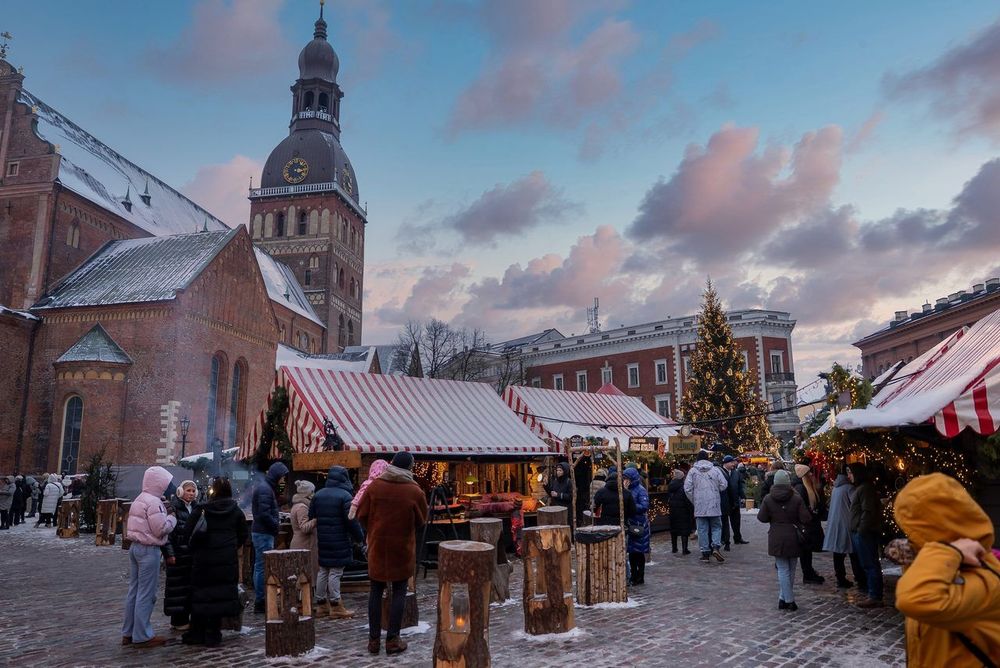
Winter tells a different story. From late November to early January, Dome Square hosts a Christmas market of about 80 wooden chalets, with a central fir tree and mulled wine included, while the red brick of the Hanseatic churches takes on an almost Scandinavian look under the snow. Temperatures easily drop below zero in January, but the museums and Latvian baths more than make up for the cold.
In between, spring and early autumn offer a comfortable compromise: fewer crowds, lower flight prices, and weather still suitable for walking all day in Old Riga.
How to Get to Riga and Get Around

From France, Riga can be reached by direct flight from Paris in just under three hours, served all year by several low-cost airlines. Expect a round trip from 80 to 120 euros when booking a month in advance, more during the Christmas market or summer festival periods.
The Riga airport (Rīgas lidosta) is located about ten kilometers from the center, a twenty-minute trip. Bus 22 connects the airport to the city center for about 2 euros, and is more than enough: no need for a taxi or private shuttle for a weekend.
Once in the city, two approaches coexist. Old Riga can be explored entirely on foot: its cobbled lanes are too narrow for most vehicles, and no major site is more than ten minutes' walk from another. For more outlying neighborhoods, such as the Art Nouveau district or the central station, the tram and bus network remains dense and inexpensive. A single ticket costs about 1.50 euros, and a rechargeable card valid for several days quickly lowers the bill if you take many trips.
For occasional late-night trips, ride-hailing apps like Bolt work well and rarely cost more than 5 to 7 euros for a ride in the center, a practical option when trams become less frequent.
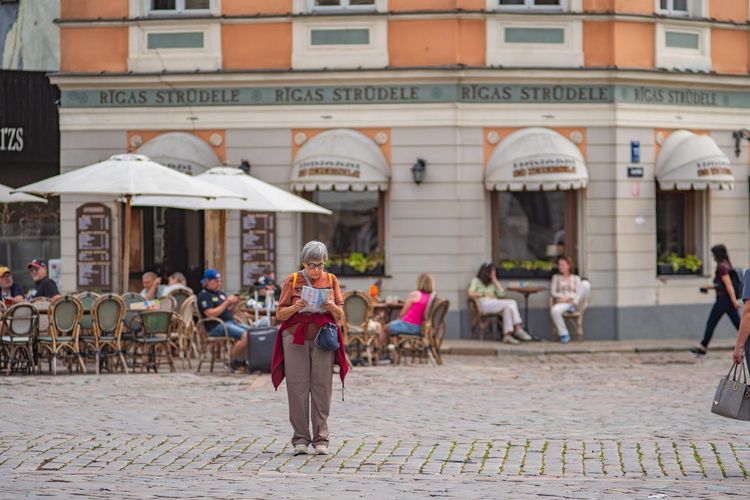
You will not need a car. Riga is a flat, compact city, where walking remains the most pleasant way to discover the details: a sculpted facade, an old door, a café hidden in an inner courtyard. Just bring good shoes, as the cobblestones of the historic center are uneven.
Where to Stay in Riga for a Weekend
Two neighborhoods compete for the favor of weekend visitors. Sleeping in Old Riga puts everything within reach: St. Peter's Church, the central market, the best cocktail bars in the city. The downside is well known: Friday and Saturday nights can be noisy, especially around Kalēju Street, lively until late.
The Art Nouveau district, ten to fifteen minutes' walk from the historic center, offers a different experience. The streets lined with Jugendstil facades are quiet and residential, and hotels there often charge gentler rates for a comparable level of comfort. It is the logical choice if you want to sleep without the bass of a bar under your window.
Budget-wise, a decent double room in Old Riga starts around 60 to 70 euros a night in low season, and can double in summer or during the Christmas market. The Art Nouveau district or the area around the central station often offer 15 to 20% savings for a reasonable walking distance.
If you are traveling in a group, short-term rental apartments remain a solid option in Riga: the supply is abundant and prices are often better than an equivalent hotel for a weekend of two to three nights.
Book at least three weeks in advance if your stay falls on a festival Friday or the first weekend of December: the best addresses in Old Riga go quickly on these dates.
Day 1: Old Riga (Vecriga) and St. Peter's Church
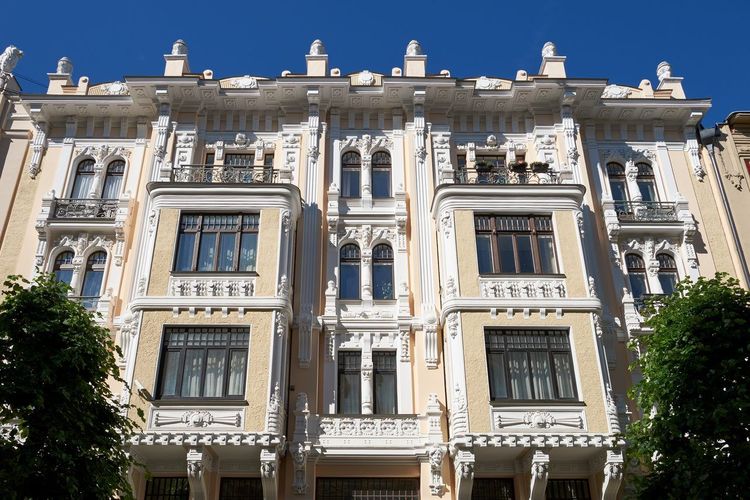
Devote your first morning to the historic heart. Old Riga (Vecrīga in Latvian) nestles within a loop once traced by the ramparts, now replaced by a belt of parks. This medieval and Hanseatic core, a UNESCO World Heritage site, can be explored entirely on foot in half a day if you do not linger too long at every doorway.
Riga joined the Hanseatic League as early as the 13th century, and this membership explains the strange uniformity of Old Riga: gabled granaries, warehouses turned into restaurants, merchants' stalls lined up as in Lübeck or Tallinn. Keep an eye on the numbered doorways, many still indicate the year of construction carved in stone.
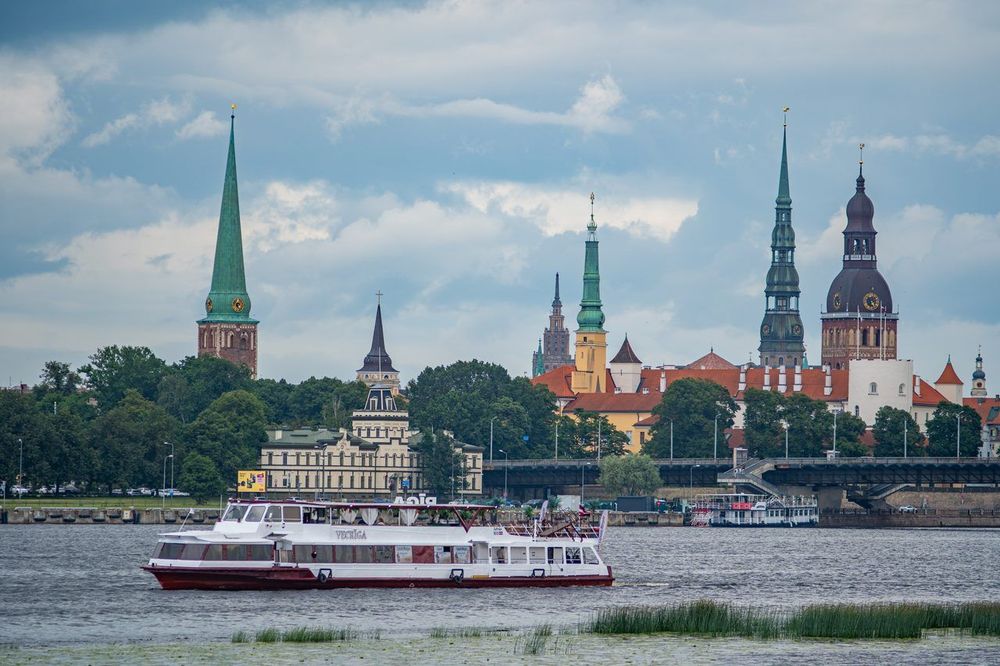
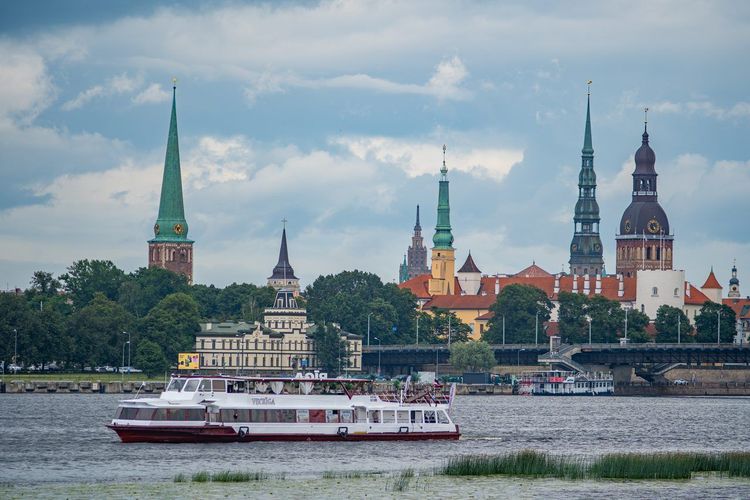
Start with St. Peter's Church, whose 123-meter Gothic spire remains the visual landmark of the whole city. Go up to the panoramic platform by elevator, the ticket costs around 9 euros: the view takes in Old Riga, the Daugava and, in clear weather, the downtown towers in the distance.
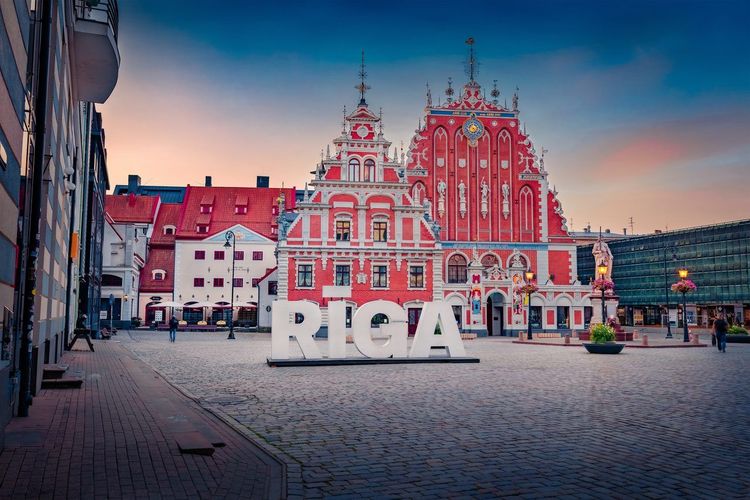
Heading down toward Town Hall Square, you come across two monuments that sum up the city's mercantile history. The current Town Hall is a reconstruction completed in the early 2000s, faithful to the original destroyed during the Second World War, while the House of the Blackheads, also rebuilt identically in the late 1990s, displays its Mannerist facade covered in statues and coats of arms, the former seat of a brotherhood of unmarried foreign merchants. The two buildings face each other on the same square, and the difference in style between light stone and red brick immediately stands out.
A few minutes' walk away, St. James's Cathedral offers a more discreet contrast: a sober facade, an interior that is still an active Catholic church, far from the tourist crowds of the two neighboring squares. It is often the kind of stop that hurried visitors skip, wrongly, because the interior remains peaceful even in high season.
A little further on, the Three Brothers (Mazā Pils iela 17, Riga 1050, rated 4.4/5 on Google from 5,502 reviews) (Trīs brāļi) line up three residential houses among the oldest in the city, each in a different style, from late Gothic to Dutch Baroque. Just behind, the Swedish Gate (Zviedru vārti) is the only gate of the old ramparts still preserved, cut through a residential building in 1698, a detail that many hurried visitors walk through without even noticing.
The rest of the morning is spent wandering without a precise itinerary through the cobbled lanes that still bear the names of medieval trades, Coopers' Street, Blacksmiths' Street. This is where the best café addresses hide, often in inner courtyards you cannot guess from the street.
To miss nothing without spending two hours with your nose in a paper guidebook, our Ryo audio guide to Riga covers precisely this loop of Old Riga: about twenty commented stops that tell the Hanseatic history of the city, from the House of the Blackheads to the foot of St. Peter's Church, to be listened to directly from your phone while walking.
Avoid arriving between 10 a.m. and noon when a cruise ship is in port, recognizable by the compact groups that saturate Town Hall Square. Early in the morning, before 9 a.m., Old Riga regains its calm and the low light on the Gothic facades is much more photogenic.
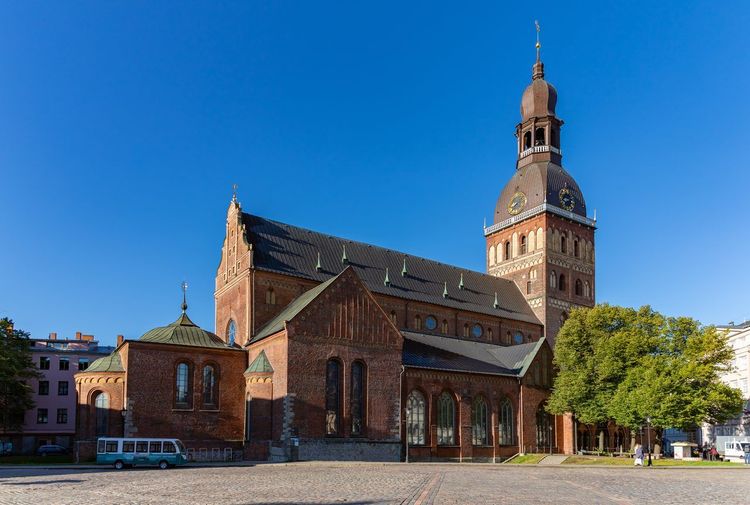
At the end of the day, head up to Dome Square (Doma laukums), where Riga's Lutheran cathedral stands, the largest in the Baltic states. It is also the ideal spot for a first dinner: the terraces stay open late in summer, with a view of one of the most beautiful squares in the old town.
Riga's Art Nouveau Architecture
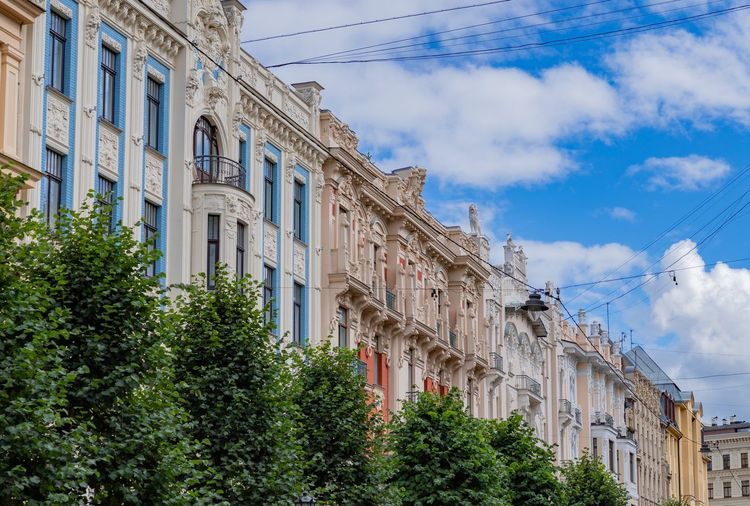
Riga claims the highest concentration of Art Nouveau buildings in Europe, a legacy of the industrial prosperity of the early 20th century. The local style, often called Jugendstil in the Baltic states, blends floral motifs, sculpted faces and national-romantic touches borrowed from Latvian folklore.
The style did not appear by chance. Between 1900 and 1914, Riga experienced an economic boom driven by the timber and flax trade, which financed the rapid construction of hundreds of opulent residential buildings. Nearly a third of the downtown buildings would date from this single decade, an Art Nouveau density rarely matched elsewhere in Europe.
The Alberta Street, in the district of the same name, concentrates the most spectacular examples. At number 13, a facade signed by architect Mikhail Eisenstein, father of filmmaker Sergei Eisenstein, multiplies sphinxes, peacocks and grimacing faces over several floors. A few numbers further on, other buildings play on more discreet plant-like curves.
To understand what you are looking at, the Riga Art Nouveau Museum (Alberta iela 12, Riga 1010, rated 4.6/5 on Google from 3,883 reviews) (Jūgendstila centrs), set in a former Alberta Street-style apartment, recreates a complete interior of the period: furniture, wallpaper, stained glass. The visit lasts about 45 minutes and costs between 6 and 9 euros depending on the season, a good complement before heading back out to observe the facades in the street.
Other streets in the district, such as Elizabetes iela or Antonijas iela, deserve a detour if you have time: the facades there are less photographed but just as dense, often better preserved for lack of tourists stopping there.
As you walk between the buildings, the Ryo audio guide to Riga details the history of several listed facades on Alberta Street, useful for spotting the details that a simple glance lets slip, such as the difference between a purely decorative motif and a national-romantic symbol.
For photos, favor the late afternoon: the low light catches the sculpted reliefs of the facades, invisible in the flat light of midday. Allow an hour and a half for this district, including breaks, one of the few corners of Riga where the streets remain calm even in the height of tourist season.
Riga Central Market and Latvian Cuisine
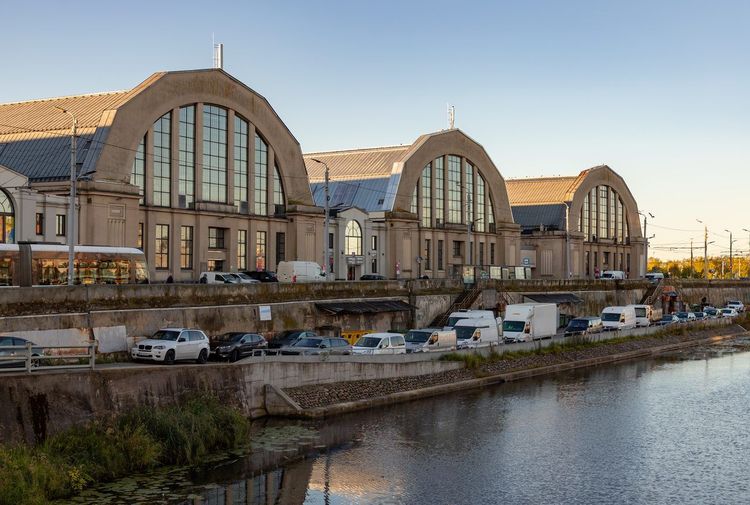
The Riga Central Market (Nēģu iela 7, Riga 1050, rated 4.4/5 on Google from 56,245 reviews) (Rīgas Centrāltirgus) occupies five immense metal pavilions inaugurated in 1930, built from structures salvaged from former German zeppelin hangars of the First World War, an industrial recycling that is worth the visit alone. Included in the perimeter of the historic center listed by UNESCO, it is one of the largest covered markets in Europe by surface area.
Each hangar has its specialty: meat and smoked cold cuts in one, Baltic fish in another, fruit and vegetables, and dairy products in the last two. The outdoor stalls, along the quays, often sell for less than inside, especially for seasonal berries in summer.
It is here, more than in a restaurant, that you understand Latvian cuisine: dense black rye bread, marinated herring, curd cheese called biezpiens, and above all rupjmaizes kārtojums, a dessert in layers of black bread, whipped cream and lingonberry compote, surprisingly addictive despite its austere appearance.
For a sit-down meal, several small canteens around the market serve simple Latvian cooking, unchanged for decades: gray pea soup, local pelmeni, potatoes in every possible form. Expect to pay 8 to 12 euros for a full dish, noticeably less than a tourist address in Old Riga.
The market generally opens from 8 a.m. to 6 p.m., with a more authentic atmosphere before 11 a.m., when locals are still doing their shopping before the first tourist groups. On Sundays, some halls close earlier: it is better to check before going at the end of the week.
If you prefer a more refined setting, the area around Kalēju Street and Dome Square concentrates restaurants that revisit traditional cuisine with a more contemporary approach, often at prices two to three times higher than the market canteens.
In front of the Central Market hangars, an audio stop tells their improbable history, from dismantled airships to the smoked fish stalls found there today. A practical break between two walking stages, especially late in the morning, when appetite starts to make itself felt.
Another local must-try is Riga Black Balsam, a black, bitter herbal liqueur aged in oak barrels since the 18th century. It can be found in its pure version in the bars of Old Riga, but the variant most common among locals is drunk mixed with blackcurrant juice, or simply with a hot coffee in winter.
Bastejkalns Park and the Riga Canals
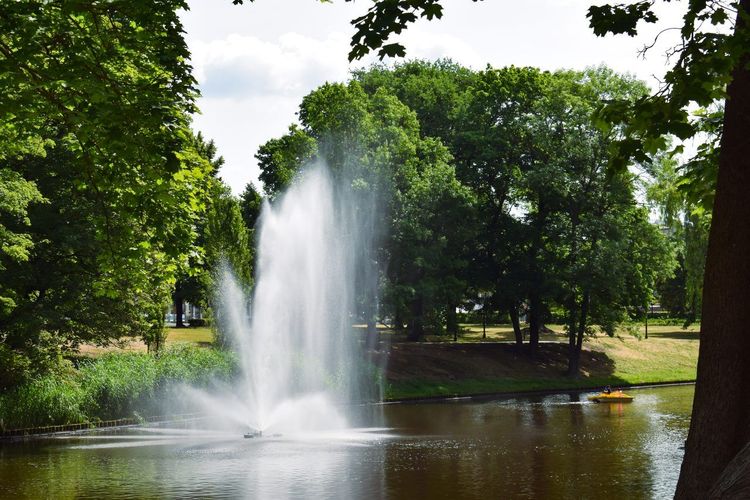
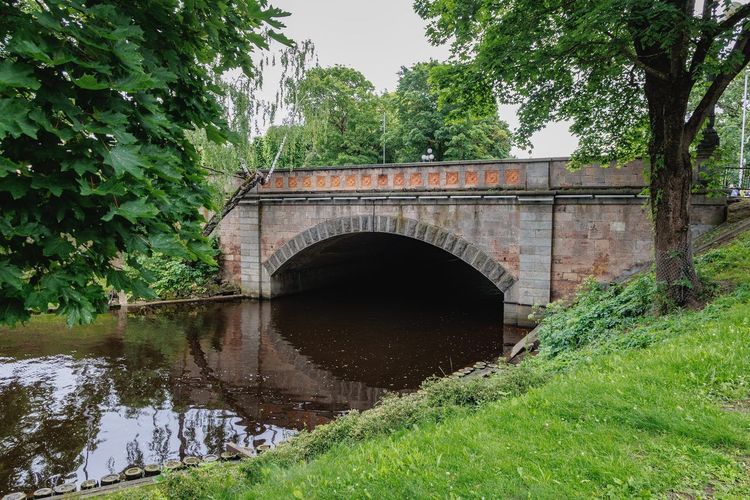
Between Old Riga and the more recent neighborhoods stretches a green belt built on the site of the former fortifications, demolished in the 19th century to make way for parks and a canal. It is one of the most pleasant spaces in the city to catch your breath between two visits.
The Bastejkalns Park, at its heart, combines lawns, wooden bridges and a canal that winds to the Daugava. The place also has a graver memory: in January 1991, barricades were erected here against Soviet troops, and small discreet monuments commemorate the residents who fell during these events, an episode that many visitors are unaware of as they cross the park.
The Latvian National Opera (Aspazijas bulvāris 3, Riga 1050, rated 4.7/5 on Google from 7,751 reviews), on the edge of the park, adds a more solemn touch to the picture: its white neoclassical facade is reflected in the canal, and the square in front of the building regularly hosts temporary exhibitions or spring markets.
For a different approach, the boat rides on the canal leave regularly from a quay near the park, with a 55-minute to one-hour trip that runs along Old Riga and the park and reaches the Daugava before returning. Expect 15 to 20 euros per adult depending on the season and the boat, a relaxing option after a morning of walking.
At Bastejkalns, your Ryo audio guide pauses to tell the story of the 1991 barricades, an anecdote that gives a different dimension to what at first looks like a simple urban park.
In the late afternoon, the benches along the canal are taken over by locals leaving work, a good sign that you are in the right place to observe local life, far from the tourist terraces of Town Hall Square.
Day 2: Excursion to Jurmala, Riga's Seaside Resort
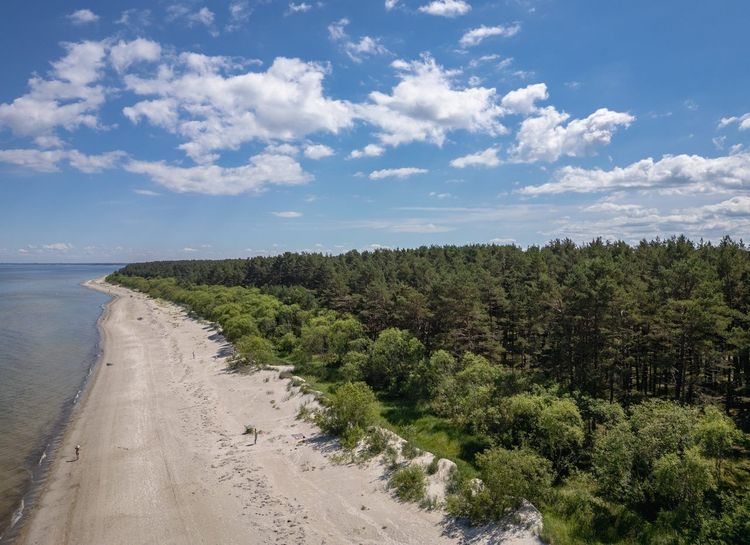
Devote your second day, or at least half a day, to Jurmala, the seaside resort that stretches over more than 30 kilometers of dunes and pines along the Baltic. It is the excursion that the people of Riga themselves spontaneously make as soon as the first fine days arrive.
The journey is almost disconcertingly simple: an electric train leaves regularly from Riga Central Station, for a trip of about 30 to 40 minutes and a ticket under 2 euros. Get off at the Majori or Dzintari stop depending on whether you prefer the lively center or a quieter spot. The ticket can be bought directly at the station machine or via the railway company's local app, with no reservation needed: trains run every 30 to 60 minutes depending on the time of day, less often in the evening.
The Jurmala beach itself surprises with its width, sometimes more than 100 meters of fine sand between the line of pines and the water. In summer, the atmosphere recalls a Scandinavian seaside resort more than a Mediterranean beach: cool water temperature, but warm sand and long walks as far as the eye can see.
The real architectural interest of Jurmala lies in its wooden villas from the 19th and early 20th centuries, originally built as summer residences for the bourgeoisie of Riga and Saint Petersburg. The streets parallel to the beach, between Majori and Dzintari, preserve dozens of them, some carefully renovated, others left in an almost romantic state of abandon.
The street Jomas iela (Jūrmala 2015), pedestrian and lined with shops, concentrates restaurants, ice cream parlors and terraces in the shade of the pines. It is the obligatory route to reach the beach from the station, and a good place to have lunch before heading back to Riga at the end of the day.
If the weather is dull, or if you are traveling off-season, the concert hall of Dzintari, set in the pine forest since the 1930s, remains Jurmala's great summer stage and is worth a stop even when closed, for its wooden architecture.
Jurmala does not yet have its own audio tour: take the opportunity to walk freely, then save the stops of the Ryo audio-guided tour of Riga that you did not have time to listen to for the end of the day, on your return to the city, or for a third day if your weekend in Riga stretches out.
Off-season, from November to March, the beach keeps a different charm: deserted dunes, frosted pines, and a silence that summer never allows. The restaurants on Jomas iela stay open all year, even if some reduce their hours on weekdays.
Allow half a day if you only do the beach and Jomas iela, a full day if you want to push on to Ķemeri, a little further away, known for its former thermal bath establishment and its boardwalk trail through the peat bog.
How Much Does a Weekend in Riga Cost: Budget and Good Tips
A weekend in Riga remains one of the most affordable short European getaways, far from the prices charged in Western European capitals. Here is a realistic range item by item for two days and two nights.
As for the flight, expect 80 to 150 euros round trip from France when booking three to four weeks in advance, more in summer or for the Christmas market. Accommodation ranges from 50 euros a night for a simple double room to 100-120 euros for a mid-range establishment well located in Old Riga.
For meals, a canteen at the central market or a simple lunch costs between 7 and 12 euros, a decent dinner in a downtown restaurant between 15 and 25 euros per person, drink included. The visits remain light on the budget: the St. Peter's Church platform at 9 euros, the Art Nouveau museum for under 10 euros, and a good share of the major sites (Old Riga, canals, Alberta Street) can be visited free of charge on foot.
In total, a comfortable but reasonable weekend costs around 250 to 350 euros per person, flights included. Travelers looking for a cheap weekend in Riga can go below 200 euros by traveling off-season, staying a little outside the center and favoring local canteens over the tourist restaurants of Old Riga.
Some free guided tours, with tips at your discretion, leave every day from the foot of St. Peter's Church and cover the main lines of Old Riga in 1.5 to 2 hours, a good option for a first overview before exploring on your own in the afternoon.
One last simple tip: public transport and walking are more than enough to cover everything, which completely avoids the car rental or taxi expense, often the costliest item in other European destinations.
Our Practical Tips for a Successful Weekend in Riga
As for language, Latvian is the official language, but English is widely spoken in the tourism sector, especially among those under 40. Russian also remains very widespread, inherited from Soviet history, useful if you come across an older shopkeeper not comfortable in English. A few polite words in Latvian, paldies for thank you, lūdzu for please, are always appreciated.
The currency raises no particular questions: Latvia has used the euro since 2014, and bank cards are accepted almost everywhere, including for small amounts at the central market. Having a little cash remains useful for outdoor stalls or guided tour tips.
On safety, Riga is among the safest European capitals for tourists. Violent crime remains rare, although usual caution is advised in the evening on some outlying streets of the city center and around the station after nightfall. The main risk remains pickpocketing in very touristy areas and at the market, as in any big city.
For formalities, Latvia is part of the European Union and the Schengen Area. French travelers only need a valid ID card or passport, with no visa or special procedure. Nationals of other countries must check their situation case by case, as some standard Schengen visas are sufficient for a short stay.
In an emergency, 112 works as everywhere in the European Union, with operators who easily switch to English. Tipping, finally, is not mandatory but remains common in restaurants, between 5 and 10% of the bill depending on the quality of service.
One last practical detail: electrical outlets are in the standard European format, and the time difference with France is one hour, Riga being ahead, a point not to forget so as not to miss a Sunday evening return flight.



FAQ
How many days should you plan to visit Riga?
Two full days cover the essentials of Old Riga, St. Peter's Church and the Art Nouveau district. Plan three to four days if you want to add half a day or a full day in Jurmala without rushing.
What is the best time to go to Riga?
Summer, from June to August, offers the longest days and access to Jurmala. Winter, especially in December, appeals for its Christmas market and Hanseatic atmosphere. Spring and early autumn remain the most balanced seasons, with fewer crowds and cheaper flights.
Is a weekend in Riga expensive?
No, compared to other European capitals. A comfortable weekend costs around 250 to 350 euros per person, flights included, and can drop below 200 euros by traveling off-season and favoring local canteens.
Do you need a visa to go to Riga?
No visa is required for French travelers: a valid ID card or passport is enough, as Latvia is part of the European Union and the Schengen Area.
How do you get around Riga without a car?
Old Riga can be explored entirely on foot. For more distant neighborhoods, the tram and bus network is dense and inexpensive, with a single ticket costing around 1.50 euros.
Is Jurmala accessible all year round?
Yes. The train from Riga Central Station runs all year, taking 30 to 40 minutes. The atmosphere changes with the seasons: a lively beach in summer, deserted and silent dunes in winter.
Is Riga a safe city for tourists?
Yes, Riga is among the safest European capitals. The usual precautions against pickpocketing in tourist areas and at the market still apply, as in any big city.
All in all, a weekend in Riga fits a tight but dense format: a historic city that can be explored on foot, an entire street of Art Nouveau architecture, a market built in zeppelin hangars, and a Baltic beach less than an hour away by train. Enough to fill two or three days without ever feeling like you are chasing an itinerary. To prepare your walk through Old Riga before leaving, or simply to keep your bearings once there, the Ryo audio-guided tour of Riga remains the simplest companion to turn these few days into a guided visit at your own pace.