© Shutterstock
 Votre guide Ryo
Things to Do in Boston in 2026: 15 Must-Have Experiences
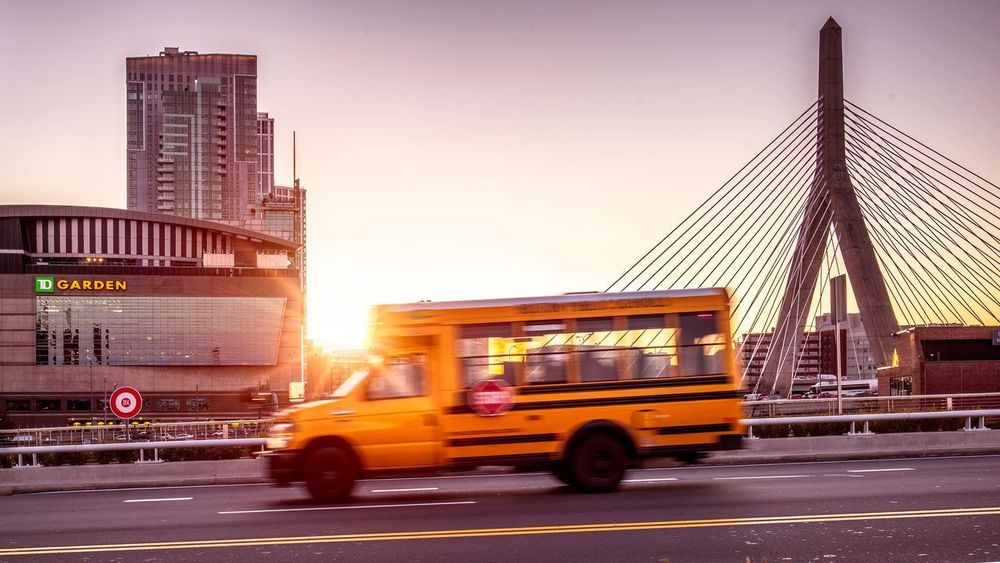
What to do in Boston in 2026? Many travelers ask the question when planning a trip to the East Coast, and the answer often comes as a surprise: the city fits into a small area, yet manages to concentrate more American history than almost any other city in the country. Walking the red line of the Freedom Trail from Boston Common to Charlestown means crossing, in just a few hours, the birth of the United States, passing a warship still in active service, and emerging onto cobblestone hills that look straight out of a Georgian backdrop. You'll also find an observatory perched on the 52nd floor of the Prudential Tower, a century-old stadium where the Red Sox have played since 1912, an aquarium with penguins right in the city center, and a covered market where you can eat a steaming clam chowder year-round. Between the campuses of Harvard and MIT, the alleyways of Beacon Hill, the piers of the Harborwalk, and day trips to Salem or Cape Ann, this guide details fifteen experiences to organize your stay without doubling back. And if you combine Boston with New York, as many visitors do, the Ryo audio guide for New York will take over once you arrive in Manhattan.
1. Walk the Freedom Trail, the Ultimate Historic Stroll
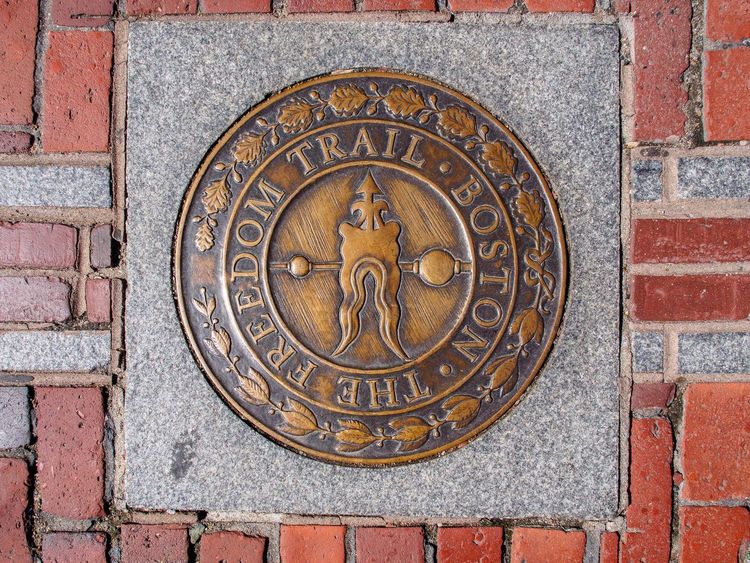
A simple line of red bricks embedded in the sidewalk: that's all you need to never get lost on the Freedom Trail. This walking route connects 16 sites of the American Revolution over roughly 4 kilometers, from Boston Common to the Charlestown Navy Yard. Allow two to three hours to follow it without stopping, or a full half-day with visits included. Period-costumed guides offer accompanied tours departing from the Boston Common Visitor Center, but the route is easy to follow on your own with a map in hand.
Between the Common and downtown, the first stops come in quick succession: Park Street Church with its white steeple, then the Granary Burying Ground, a small colonial cemetery where Paul Revere, Samuel Adams, and John Hancock are laid to rest. A little further, King's Chapel and the Old South Meeting House — where the meeting that preceded the Boston Tea Party was held in December 1773 — complete this first stretch.
Downtown Landmarks: Massachusetts State House, Old State House, and Faneuil Hall
The gilded dome of the Massachusetts State House has dominated Beacon Hill since 1798. Designed by architect Charles Bulfinch, the building still houses the seat of state government and can be visited for free on weekdays, with guided tours available by reservation.
A few minutes' walk away stands the Old State House, the oldest public building in the city, constructed in 1713. It was from its balcony that the Declaration of Independence was read aloud to the people of Boston in July 1776, and it was right in front of it — where a circle of cobblestones now marks the spot — that the Boston Massacre took place in 1770. A small museum inside holds a collection of objects related to the Revolution.
Continuing east, you arrive at Faneuil Hall, nicknamed the "Cradle of Liberty" for hosting the earliest major speeches in favor of independence. The ground floor has functioned as a market since the 18th century, and the upper floor still serves as a public meeting hall. Surrounding it, the Quincy Market complex spreads out its street-food stalls — a handy stop for a quick lunch between monuments.
North End: the Historic Italian Neighborhood
Beyond Faneuil Hall, the Freedom Trail plunges into the narrow alleyways of the North End, Boston's oldest residential neighborhood and its Italian enclave for more than a century. You'll pass the Paul Revere House, built around 1680 and considered the oldest surviving structure in downtown Boston, then the Old North Church (193 Salem St, Boston, MA 02113, rated 4.7/5 on Google with 1,904 reviews). It was from its steeple that two lanterns were lit on the night of April 18, 1775, to signal that British troops were arriving by sea — the night of Paul Revere's famous ride.
What strikes you most here is the contrast with the rest of downtown: the streets narrow, laundry sometimes hangs from windows, and the scent of coffee drifts from shopfronts. On Hanover Street, the rivalry between Mike's Pastry and Modern Pastry for the best cannoli fuels endless debate, often with a line stretching onto the sidewalk on weekends. The North End lends itself well to an unplanned stroll in the late afternoon, before returning in the evening for dinner (see the restaurant section below). The trail then continues across the Charlestown bridge, through Copp's Hill Burying Ground and on to the Navy Yard.
2. Stroll Through Boston Common and the Public Garden
Boston Common is the oldest public park in the United States, established in 1634 as a communal grazing ground before becoming a green lung of about twenty hectares right in the city center. This is where the Freedom Trail begins, and it's also where Bostonians and visitors come to picnic, ice-skate in winter on the Frog Pond, or simply cut across the city.
Just across Charles Street, the Public Garden (4 Charles St, Boston, MA 02116, rated 4.8/5 on Google with 18,926 reviews) offers a very different atmosphere: winding paths, flower beds, and a small lake where the famous Swan Boats have been gliding since 1877 — pedal-powered vessels shaped like swans, steered by a pilot seated at the back. The small suspension bridge spanning the lake is one of the most photographed spots in the city, especially in autumn when the trees turn red.
If you're traveling with children, look out for the bronze statues from Make Way for Ducklings, inspired by Robert McCloskey's children's book: a mother duck and her eight ducklings have become a classic photo opportunity for families.
The Common retains traces of its past: British troops camped here during the Siege of Boston in 1775 and 1776, the Central Burying Ground holds 18th-century graves, and the Soldiers and Sailors Monument crowns the hill overlooking the Frog Pond. The Public Garden, created in 1837, was the first public botanical garden in the country. At the end of its central walkway, an equestrian statue of George Washington faces Commonwealth Avenue, the grand tree-lined mall stretching toward Back Bay. A tip: walk through both parks at different times of day — in the morning for the calm of joggers, in the late afternoon for the buzz of the crowd.
3. Explore Beacon Hill and its Cobblestone Alleyways
Climbing the hill from the Public Garden leads directly to Beacon Hill, one of the most photographed residential neighborhoods in the United States. Its 19th-century red-brick townhouses, gas streetlamps, and brick sidewalks create a setting that feels almost frozen in time.
The most iconic alleyway remains Acorn Street (Acorn St, Boston, MA 02108, rated 4.7/5 on Google with 200 reviews), a cobblestone lane so narrow and photogenic that it appears on countless postcards. Go early in the morning if you want the shot without a dozen other tourists in the frame, and be respectful: the houses are people's homes.
Beyond the postcard, Beacon Hill is worth spending an hour exploring: the antique shops on Charles Street, the brightly painted doors, and the hanging flower boxes tell a more intimate side of Boston. The north slope of the neighborhood also houses the Museum of African American History, located in the 1806 African Meeting House, the starting point of the Black Heritage Trail. Along the way, slip into Louisburg Square, a residential square enclosed by iron railings and grand facades, often cited as the most prestigious address in Boston. On the way back down toward the Public Garden, the Bull & Finch pub at 84 Beacon Street inspired the TV series Cheers — fans come for the exterior, though the interior doesn't match what's on screen.
4. Take in the Panorama from Boston's Observatories
Boston is also best appreciated from above, and one name dominates that category today.
View Boston has occupied the top three floors of the Prudential Tower — 228 meters tall — since June 2023. On the 52nd floor, the glass observation deck offers a 360-degree view over Back Bay, the Charles River, the harbor, and, on a clear day, the hills of New Hampshire. The 51st floor hosts the Stratus bar and its terrace, while the 50th houses a bistro. Expect to pay around $34 for an adult ticket, slightly more depending on the time slot; book online during peak season. View Boston is also included among the attractions available through the Boston CityPASS.
You may still come across the name Skywalk Observatory in older guides: that former 50th-floor observatory closed in 2020 and was replaced by View Boston. For a free view, the top of the Bunker Hill Monument in Charlestown (see below) or the Cambridge riverbank facing the skyline work just as well. In any case, aim for late afternoon to catch the sunset over the city.
5. Visit Boston's Must-See Museums
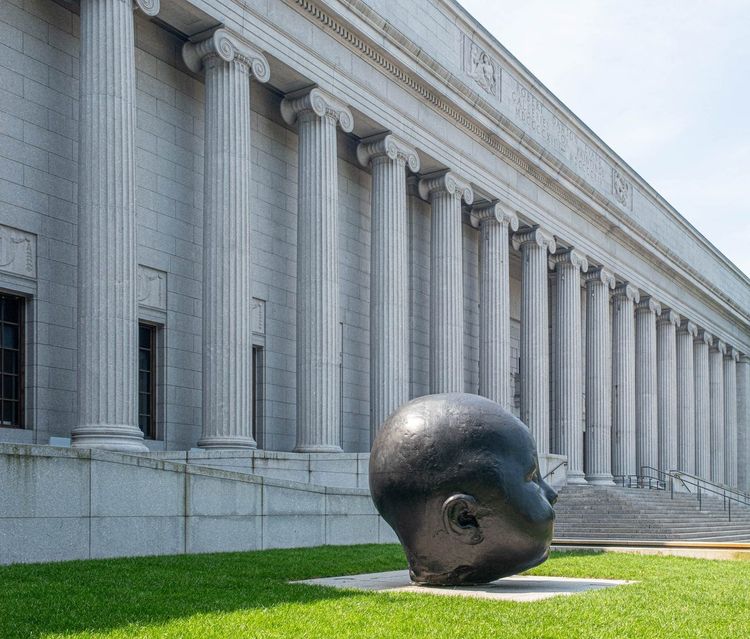
Boston boasts one of the highest concentrations of museums in the United States. You can't see everything in a single trip, but four addresses stand out clearly.
Museum of Fine Arts and Isabella Stewart Gardner Museum
The Museum of Fine Arts (MFA) holds nearly 500,000 works, from American colonial furniture to French Impressionists, including one of the richest collections of Egyptian and Nubian art outside Africa. Allow at least two hours, more if you like to linger over the Monets or the portraits by John Singer Sargent, whose murals adorn the rotunda.
A few minutes' walk away, the Isabella Stewart Gardner Museum offers a radically different experience: a building inspired by Venetian palaces, organized around a flower-filled courtyard, where every room was arranged by its founder as a personal stage set. In 1990, thirteen works — including a Vermeer and Rembrandts — were stolen in the largest art theft ever committed in the United States, still unsolved: the empty frames remain hanging on the walls. A charming detail: admission is free for visitors named Isabella.
Museum of Science and New England Aquarium
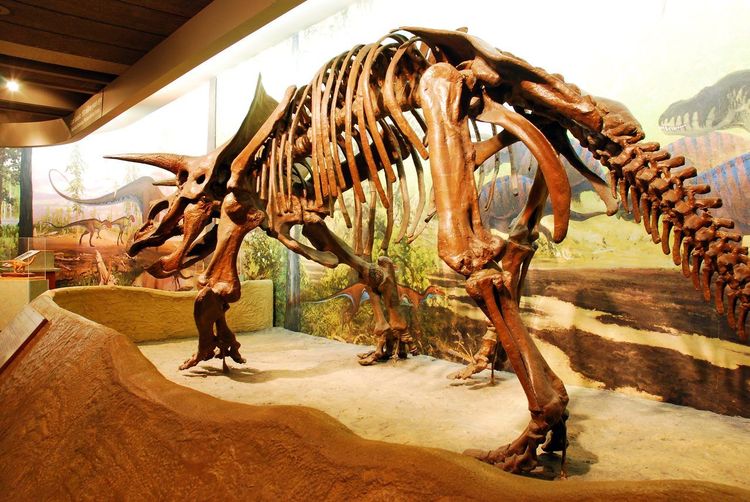
For families or science enthusiasts, the Museum of Science combines the Charles Hayden Planetarium, the Mugar Omni Theater IMAX dome, and hundreds of interactive exhibits, all set on a dam over the Charles River. Allow half a day if you want to enjoy the shows without rushing.
The New England Aquarium (1 Central Wharf, Boston, MA 02110, rated 4.4/5 on Google with 28,926 reviews), situated right on the waterfront, is built around the Giant Ocean Tank — an enormous cylindrical reef tank filled with rays and sea turtles across four levels, surrounded by a penguin colony. A touch tank delights children, and sea lions perform outside. Its waterfront location makes it a natural stop after a walk along the Harborwalk.
If contemporary art is more your thing, the Institute of Contemporary Art (ICA) in the Seaport district occupies a spectacular cantilevered building over the water. History enthusiasts should make their way to Columbia Point in the Dorchester neighborhood: the John F. Kennedy Presidential Library and Museum, designed by architect I. M. Pei, traces the life and presidency of Massachusetts' most famous son, overlooking the bay. Allow a good half-day including the subway and shuttle ride.
6. Relive the Boston Tea Party and Naval History in Charlestown
Two sites, separated by the harbor, tell the maritime story of the American Revolution.
The Boston Tea Party Museum and Its Ships
At the Boston Tea Party Ships & Museum, replica 18th-century merchant vessels are moored on the Fort Point Channel, near the Congress Street Bridge. The experience is theatrical: you receive the name of a patriot, watch a debate performed by costumed actors, and then throw a crate of tea overboard yourself, just as the protesters did in December 1773. The museum also preserves one of only two known original tea chests from the shipment.
This story of the Revolution naturally continues further south: the Ryo audio guide for Philadelphia takes you through the city where the Declaration of Independence was signed, just a few hours by train from Boston.
Charlestown: USS Constitution and Bunker Hill Monument
The MBTA ferry from Long Wharf, or a walk along the Freedom Trail, leads to Charlestown, where the USS Constitution is moored. Launched in 1797, this three-masted frigate remains officially on active duty in the US Navy, making it the oldest commissioned warship still afloat in the world. Visiting the deck is free (with a security check and ID), and active-duty sailors in uniform guide you through the story of her nickname, "Old Ironsides," earned during the War of 1812.
A few hundred meters away, the Bunker Hill Monument (Monument Square, Charlestown, MA 02129, rated 4.7/5 on Google with 7,292 reviews) commemorates one of the first major battles of the Revolutionary War, in June 1775. The 67-meter granite obelisk is climbed via a staircase of 294 steps, with no elevator: the effort is real, but the view over Charlestown and the harbor makes it worthwhile — and admission is free.
7. Catch a Legendary Sporting Event
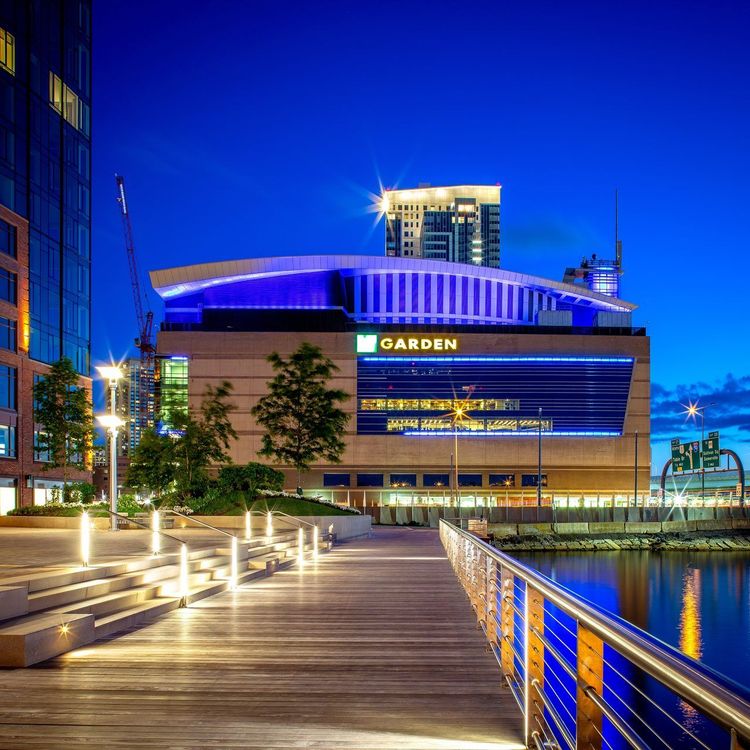
Boston lives and breathes professional sports, and two venues concentrate most of that passion.
Fenway Park: a Red Sox Game
Opened in 1912, Fenway Park is the oldest active stadium in Major League Baseball. Its 11-meter green left-field wall, nicknamed the "Green Monster," has become as famous as the team itself. Attending a Red Sox game here feels like a pilgrimage, between the crowd singing "Sweet Caroline" in unison during the eighth inning and the electric atmosphere on rivalry nights against the Yankees. The regular season runs from April to September. Guided stadium tours, offered year-round, also take you up to the seats perched on top of the Green Monster — a great option if your trip doesn't coincide with a game.
TD Garden: Celtics and Bruins
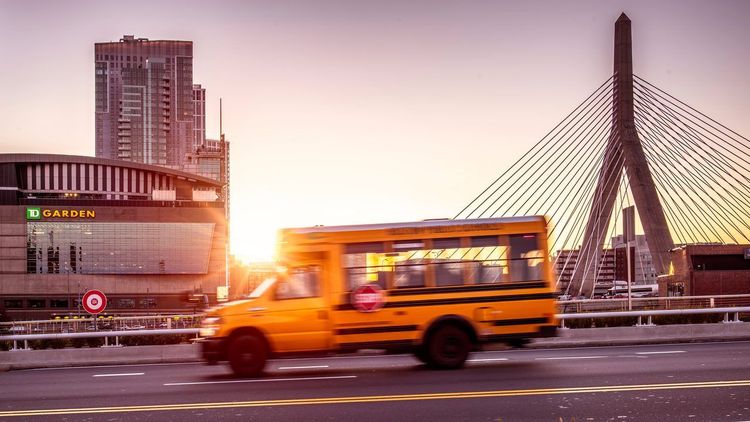
About 4 kilometers away, TD Garden (100 Legends Way, Boston, MA 02114, rated 4.6/5 on Google with 25,442 reviews) is home to the Celtics in basketball and the Bruins in ice hockey, two of the most decorated franchises in their respective leagues. Both regular seasons run from October to April, followed by playoffs — you can often catch both depending on your dates. The arena is built above North Station, making it easy to head home after a late-finishing game.
Two other sporting events mark the calendar: the Boston Marathon, the oldest annual marathon in the world, with its finish line on Boylston Street on Patriots' Day in April, and the Head of the Charles Regatta in October, which draws thousands of rowers to the river. And if you're in town in the fall, the New England Patriots play American football at Gillette Stadium in Foxborough, about forty kilometers to the southwest, with train shuttles running on game days.
8. Discover Harvard University and the MIT Campus
Across the Charles River, the city of Cambridge is home to two of the world's most prestigious institutions. Harvard, founded in 1636, remains the oldest university in the United States. Its historic campus, Harvard Yard (Massachusetts Ave, Cambridge, MA 02138, rated 4.7/5 on Google with 6,247 reviews), is freely open to visitors, surrounded by brick buildings including the 1720 Massachusetts Hall, and home to the statue of John Harvard, whose foot is rubbed for good luck.
The official tour, the Official Historical Tour of Harvard, is free: led by students, it lasts 45 minutes to an hour and departs from the Smith Campus Center. Online registration is required and opens each Friday for the following week. Harvard Square, just outside the campus gates, is also worth a few minutes: independent bookshops, student cafés, and street musicians maintain an atmosphere quite unlike downtown Boston. Private agencies also sell paid guided tours, typically around $15 to $30. Don't miss the Harvard Museum of Natural History and its famous glass flowers, also included in the CityPASS options.
Two stops away on the Red Line, MIT cultivates a radically different image: contemporary sculptures between buildings, an iconic Great Dome visible from the Boston riverbank, and the MIT Museum — relocated to Kendall Square in 2022 — dedicated to inventions and robotics. The two campuses are connected on foot in about forty minutes along Massachusetts Avenue. From MIT, the Harvard Bridge brings you back on foot toward Back Bay, crossing the river.
9. Walk the Waterfront and Along the Charles River
Boston long turned its back on its harbor; that's no longer the case since the highway was buried and the waterfront was redeveloped.
The Harborwalk and a Cruise in Boston Harbor
The Boston Harborwalk now stretches along some sixty kilometers of shoreline, from Charlestown to Dorchester, dotted with cafés, benches, and views over the harbor islands. From the piers, several companies offer narrated cruises of Boston Harbor, as well as whale-watching excursions to the Stellwagen Bank marine sanctuary, generally from April to October when humpback and fin whales come to feed. In summer, ferries also connect to the Boston Harbor Islands, including Georges Island and its Civil War–era fort.
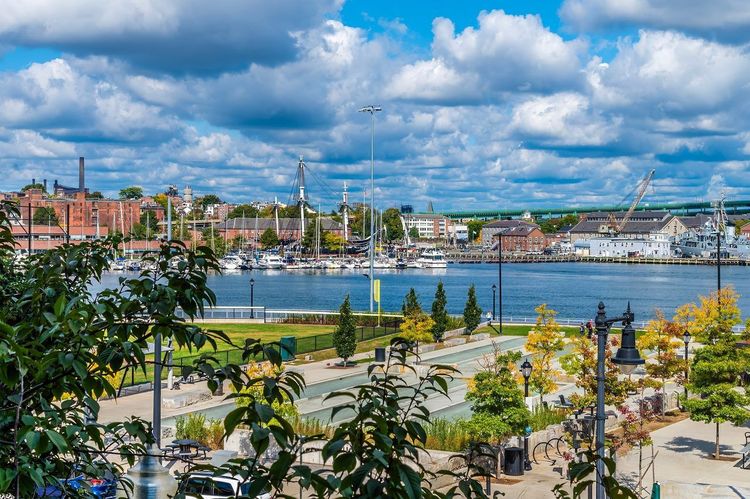
The neighboring Seaport district, rebuilt over the past fifteen years, lines up terrace restaurants, rooftop bars, and the ICA — a good spot for a drink by the water at the end of the day. Further along, in South Boston, Castle Island and its granite fort, Fort Independence, offer a free loop walk by the sea, popular with families, with views of planes taking off from Logan.
The Banks of the Charles River and the Rose Kennedy Greenway
Along the river, the Charles River Esplanade stretches about 5 kilometers of lawns and cycling paths, connected to a loop of several dozen kilometers along both riverbanks. You'll see sailboats and rowing crews training in the evenings. It's also here, at the Hatch Shell, that the Boston Pops concert takes place every July 4th, followed by fireworks — one of the most attended gatherings in the country.
In the city center, the Rose Kennedy Greenway (Boston, MA 02109, rated 4.6/5 on Google with 1,122 reviews) occupies the footprint of the former elevated highway, buried during the massive "Big Dig" project. This 2.4-kilometer green ribbon now connects the North End to Chinatown through gardens, fountains, a carousel, and food trucks in summer.
10. Explore Boston's Food and Shopping Neighborhoods
Back Bay and Newbury Street for Shopping
With its Victorian brownstone facades and wide avenues, Back Bay is Boston's most elegant neighborhood. Newbury Street (Boston, MA 02116, rated 4.6/5 on Google with 6.8K reviews), its main shopping strip, lines up eight blocks of stores, from major brands to independent art galleries, with sidewalk cafés that are especially busy on weekends. A short walk away on Copley Square, Trinity Church — a neo-Romanesque masterpiece completed in 1877 — is reflected in the glass facade of the adjacent skyscraper, the former John Hancock Tower. For indoor shopping, the Prudential Center and Copley Place are connected by a covered walkway.
Further south, the South End features one of the largest ensembles of Victorian brick row houses in the country, with shaded squares and a very active dining scene. On Sundays from May to October, the SoWa Open Market brings together artisans, local producers, and food trucks in old warehouses — an ideal outing if you're looking for a souvenir less generic than those at Faneuil Hall.
Chinatown and its Specialties
A fifteen-minute walk away, Chinatown is one of the largest Chinese neighborhoods in the country after New York's. Past the ornamental gate marking its entrance on Beach Street, shop windows displaying Peking duck sit alongside dim sum restaurants where you choose your dishes directly from carts on weekends. It's also one of the few neighborhoods in Boston where you'll find places open late at night.
11. Where to Eat in Boston: Chowder, Seafood, and Irish Pubs
Boston cuisine is hard to reduce to a single dish, but clam chowder — that creamy clam soup — is its emblem. Having it at Quincy Market, among dozens of food counters, remains the easiest option between sightseeing stops.
For a more refined seafood meal, three addresses come up most often in local recommendations. Atlantic Fish Company on Boylston Street goes for a classic setting and generous platters. B&G Oysters in the South End offers a fine selection of New England oysters in an intimate room where booking ahead is wise. Neptune Oyster (63 Salem St, Boston, MA 02113, rated 4.3/5 on Google with 4,993 reviews), tucked into the North End, is renowned for its butter-warmed lobster roll, often cited as one of the best in the region, despite sometimes long waits.
In the evening, head to an Irish pub: the Irish community has left a lasting mark on Boston, and nearly every pub serves a proper pint of Guinness, often with live music or a game on a big screen. The Union Oyster House, near Faneuil Hall, claims the title of oldest continuously operating restaurant in the country. The North End lends itself more to an Italian dinner: family-run trattorias, cannoli filled to order, and servers who are happy to recommend the day's special. A few other specialties are worth seeking out. Boston cream pie — a cake filled with pastry cream and topped with chocolate — was created in the 19th century at the Parker House Hotel, now the Omni Parker House, where the house recipe is still served alongside the famous Parker House rolls. Baked beans, slow-cooked with molasses, gave the city its nickname "Beantown." As for the lobster roll, two schools of thought exist: cold with mayonnaise, Maine-style, or warm with melted butter, Connecticut-style. Try both and decide for yourself.
12. Step Inside the Boston Public Library, an Architectural Gem
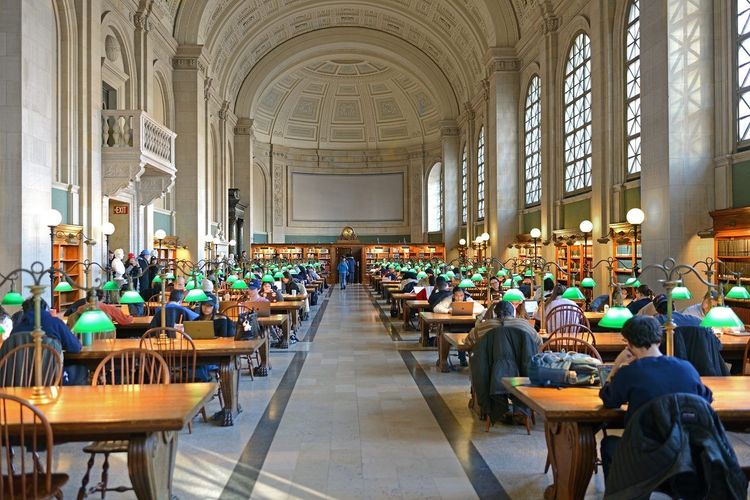
The Boston Public Library (700 Boylston St, Boston, MA 02116, rated 4.8/5 on Google with 3,832 reviews) on Copley Square is far more than a library: its Bates Hall reading room, with its barrel-vaulted ceiling and green lamps, ranks among the most beautiful public spaces in the United States. The interior courtyard, inspired by Italian Renaissance palaces, is freely accessible and serves as a haven of calm at the heart of a lively neighborhood.
Free guided tours focused on art and architecture detail the murals by Sargent and Puvis de Chavannes — a great option for a rainy afternoon.
The McKim Building, opened in 1895 and designed by the firm McKim, Mead & White, bears the inscription "Free to All" on its facade: the Boston Public Library was one of the first major municipal libraries in the United States to be free to the public. To extend your break, a tearoom and a café occupy the ground floor, and the library regularly hosts exhibitions and concerts.
13. Take a Day Trip to Salem, Cambridge, or Cape Ann
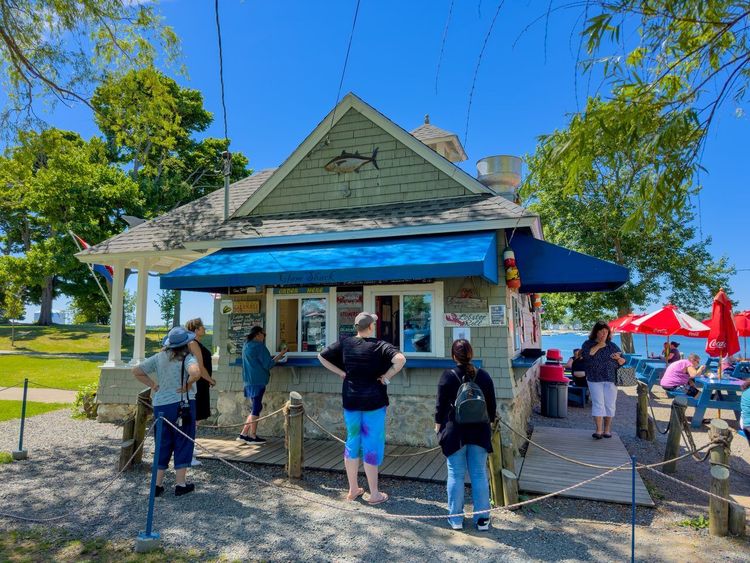
Boston is perfectly suited for day trips, reachable by commuter rail from North Station. Cambridge, described above, is simply a subway ride away; for further afield, two destinations stand out.
Before heading to the North Shore, note that the west and south also offer rewarding day trips. About half an hour by road, Lexington and Concord preserve the battlefields of April 19, 1775 — the opening shots of the Revolutionary War — within the Minute Man National Historical Park. Nearby, Walden Pond, where Henry David Thoreau lived for two years in a cabin, invites a swim or a woodland walk. To the south, allow about an hour for Plymouth, where the Mayflower pilgrims landed in 1620: a replica of the ship, the Mayflower II, is moored there, and the living history museum Plimoth Patuxent recreates a colonial village and a Wampanoag settlement.
Salem, the Witch City
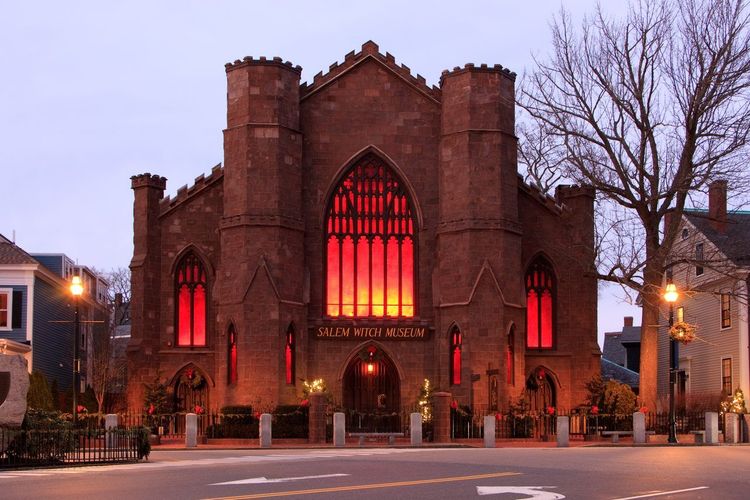
Half an hour by train, Salem owes its fame to the 1692 witch trials, which resulted in the execution of 20 people accused of witchcraft. The Salem Witch Museum (19 1/2 Washington Square N, Salem, MA 01970, rated 3.7/5 on Google with 13,488 reviews) recounts this episode through an immersive staging, while the historic center — with its sea captains' houses, the Peabody Essex Museum, and its waterfront — is a pleasant visit even without a particular interest in the trials. In October, the city draws enormous crowds around Halloween: book accommodation months in advance if you're aiming for that period.
Cape Ann: Gloucester and Rockport
Further north, the Cape Ann peninsula is home to two ports with distinct characters. Gloucester, founded in 1623 and often described as the oldest fishing port in the country, retains an authentic maritime identity, with its fisherman-at-the-wheel memorial honoring sailors lost at sea. Rockport, fifteen minutes away by road, charms with its art galleries and the red fishing shack known as Motif No. 1 — one of the most painted subjects on the East Coast. One day is enough to combine both, by rental car or by train to Rockport.
These getaways also fit naturally into a New England road trip: beyond Cape Ann, the coastal road continues toward New Hampshire and Maine, while Vermont's maples blaze in autumn. If you head south, the nation's capital is worth a stop: the Ryo audio guide for Washington takes you through the city where American democracy was born, earphones in.
14. Practical Information: Getting to and Around Boston
From France or New York: Plane, Train, Bus, Car
From Paris, direct flights serve Logan International Airport in about 7 to 8 hours. The airport is roughly twenty minutes from downtown via the Blue Line subway, the Silver Line SL1, or a taxi.
From New York, the options are plentiful. By train, the Amtrak Acela connects Penn Station to Boston in about 3 hours 45 minutes, with considerably more comfort than the bus but at a higher price; Northeast Regional trains are slower but cheaper. By bus, companies like Megabus or FlixBus make the trip in about 4.5 hours, often for just a few dozen dollars — an ideal option if you're on a tight budget. By car, allow about 4 hours for 350 kilometers, avoiding rush hour as you approach Boston. If you're making that journey, keep a day for Manhattan: our selection of things to do in New York and the Ryo audio guide for the city will help you plan it.
Getting Around Town and the Boston CityPASS
Boston's historic center is very walkable, but the local subway — the "T" — is handy for reaching Cambridge, Fenway, or the waterfront. A single fare costs $2.40, payable with a rechargeable CharlieCard or directly by contactless card at the turnstiles. The Bluebikes bike-share network completes the offering for rides along the Charles River.
To reduce the cost of paid attractions, the Boston CityPASS lets you choose four attractions from a list of seven, including the New England Aquarium, the Museum of Science, View Boston, the Museum of Fine Arts, a City Cruises harbor cruise, the Franklin Park Zoo, and the Harvard Museum of Natural History. It costs $84 per adult, compared to roughly $150 if you buy the priciest tickets individually — making it worthwhile as soon as you plan to visit three or four of these attractions.
15. Free Things to Do in Boston
Despite its reputation as an expensive city, Boston offers a surprising number of experiences without spending a dollar. The Freedom Trail itself costs nothing to walk — only some of the buildings along the way require a ticket. Boston Common, the Public Garden, the Charles River Esplanade, the Greenway, and the Harborwalk are all freely accessible, as is the interior courtyard of the Boston Public Library.
For attractions, the USS Constitution deck, the Bunker Hill Monument, and the Massachusetts State House are all free. Harvard Yard is open to all, and the official campus tour costs nothing with advance registration. The Museum of Fine Arts also holds a few free open days throughout the year, and in summer, outdoor concerts and film screenings multiply along the Esplanade — enough to fill an entire day of discovery without reaching for your wallet.
For a breath of nature, the Emerald Necklace — the chain of parks designed by Frederick Law Olmsted — links the Common to Franklin Park over several kilometers. One of its gems, the Arnold Arboretum managed by Harvard University, is free and open every day: its lilacs in spring and maples in autumn draw photographers from across the region. If you enjoy walking, the Black Heritage Trail through Beacon Hill can also be explored freely.
FAQ
How many days do you need to visit Boston?
Three full days are enough to cover the essentials: the Freedom Trail and the historic downtown on day one, museums and Cambridge on day two, then a mix of waterfront, shopping, and sports on day three. With four or five days, a day trip to Salem or Cape Ann becomes easy to fit in.
Where to stay in Boston?
Back Bay and Beacon Hill offer the best balance between charm and proximity to the main sights, though at a higher price point. The Seaport district attracts visitors with its modern waterfront hotels, while Cambridge sometimes offers gentler rates while remaining just a few subway stops from downtown.
What to do in Boston with kids or as a family?
The New England Aquarium, the Museum of Science, and the Swan Boats in the Public Garden are all great with children. The Boston Children's Museum, on the Fort Point Channel, rounds out the program for younger kids, while the Freedom Trail easily turns into a scavenger hunt for older ones.
Which places to visit in Boston in winter or on rainy days?
Museums (Museum of Fine Arts, Isabella Stewart Gardner Museum, Museum of Science) and the Boston Public Library are perfect refuges in bad weather. In winter, the Frog Pond ice rink on Boston Common adds a seasonal activity, as does Quincy Market for a warm indoor break.
How much does the View Boston observatory cost?
Expect to pay around $34 for an adult ticket, with variations depending on the time slot and reduced rates for children. The observatory is also included in the Boston CityPASS options. Book sunset time slots in advance, as they sell out first.
How much does a guided tour of Harvard cost?
The official historical tour, led by students, is free with online registration. Tours offered by private agencies are paid, generally between $15 and $30 per person.
What is the best time to visit Boston?
Late spring (May–June) and early fall (September–October) offer the best balance between pleasant weather and moderate crowds, with the added bonus of fall foliage colors in October. Summer is warm and humid but very lively, with outdoor concerts and Red Sox games. Winter is cold and often snowy: hotel prices drop, and museums become the heart of the itinerary.
How do you get to Boston from France?
Direct flights connect Paris to Logan Airport in about 7 to 8 hours. The airport is roughly twenty minutes from downtown by subway or taxi, making arrival very straightforward.
Conclusion
Between the Freedom Trail, century-old universities, and getaways to the coast, Boston reveals itself to be far denser than it appears on the map. The city suits a history-focused weekend just as well as a longer stay blending museums with day trips to Salem or Cape Ann. The pace is yours to set: on foot through the alleyways of Beacon Hill, by bike along the Charles River, or in the stands at Fenway Park on a summer evening.
And if your journey continues along the East Coast, bring a travel companion: every stop on the Ryo audio guide for New York tells the story of the places you pass through, from Wall Street to Central Park, listened to at your own pace from your phone.