
Créé par Romane, le 4 oct. 2026
Votre guide Ryo
New York, United States
In the heart of Manhattan
Parcours audioguidé pour visiter New York en 1 jour
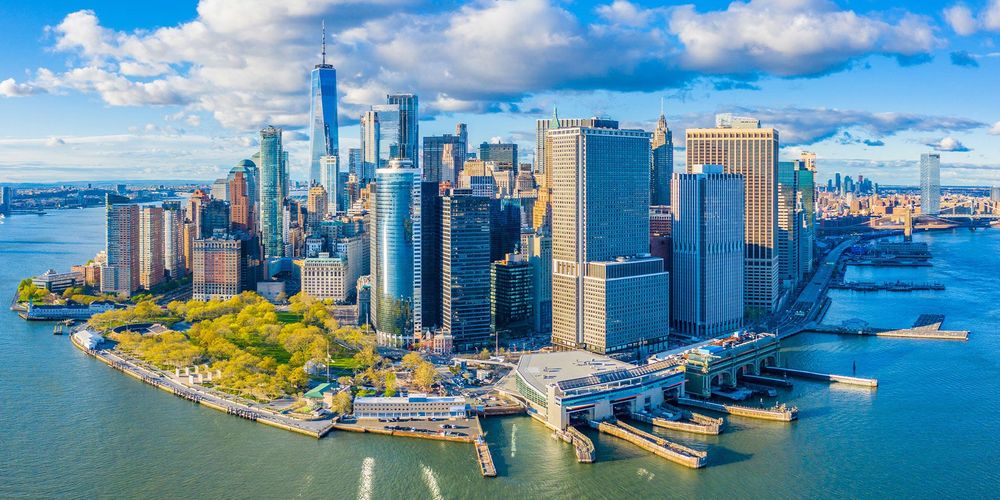
This tour of Manhattan invites you to experience the city on a grand scale, following its legendary avenues, soaring skyscrapers, and ever-present glow of lights. Along the way, you’ll take in the iconic architecture of Midtown Manhattan, the cultural buzz of its theatres, and the relentless energy that still defines the beating heart of New York City. It’s a simple, immersive way to explore the center of this global metropolis at your own pace, surrounded by world-famous landmarks and a sense of motion that never lets up.
Quand partir à New York ?
Jan.
5°
9
Feb.
6°
8
March
10°
9
April
16°
9
May
22°
9
June
27°
9
July
30°
8
Aug.
29°
8
Sept.
25°
8
Oct.
19°
7
Nov.
13°
8
Dec.
7°
9
Bundle up in winter, especially if you plan on visiting monuments with long lines. Temperatures in New York are often below zero, and snowstorms are common during the winter season! Summers, on the other hand, can be scorching hot and humid. Spring and autumn are the best times to visit New York, as the weather is mild. Remember to pack a jacket for the evenings, however, as temperatures can drop quickly.
Départ conseillé
No need to worry about where to begin! Our tours are designed as a loop, so you can jump in wherever you are. The navigation system and audio-guide will automatically adjust to your location. However, if you happen to be nearby, we do have a preferred starting point: In front of the Church of the Transfiguration
Parking à proximité
Icon Parking Garage West Plaza, LLC 26 : 301, East 26th Street
Parking in New York can be a real headache and very expensive. It's usually best to avoid driving in the city center altogether. If you must bring your car, expect to pay around $50 a day for a garage, and sometimes more in central Manhattan. But be careful with parking meters – they often charge by the half-hour, and rates go up the longer you stay. You can park on the street, but pay close attention to the signs. They'll tell you how long you can park there, on which side of the street you can park, when street cleaning happens and whether everyone is allowed to park there. Most street parking spots require you to pay at a meter, usually with cash. You may be lucky enough to find free parking in Brooklyn or other boroughs a little further from Manhattan. The easiest thing to do is find a hotel with parking spots. The parking lot we recommend is about 1km from the abovementioned starting point of this tour. You can book a parking spot in advance online.
À savoir
On this tour, we'll be passing by the Empire State Building, Rockefeller Center and The Vessel. You can climb to the very top of these three monuments to enjoy an exceptional panoramic view of New York. Remember to book your tickets in advance if you're interested, as queues can be very long! I suggest you buy the City Pass ahead of time, so that you can visit New York's must-see attractions at a discounted rate!
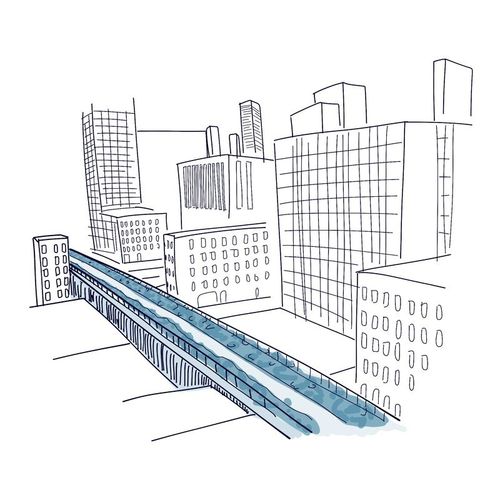
Please note that we'll also be taking you to the New York High Line. Admission is free, but be sure to check the opening hours ahead of time. If the High Line is closed when you arrive, you can simply walk down Tenth Avenue towards our next point of interest.
This tour takes you to several parks and Grand Central Terminal. Access is free and they're open most of the day. They are, however, closed at night.
Découvrez 23 lieux d'intérêt pour visiter New York


7. Madison Square Garden


9. Macy’s


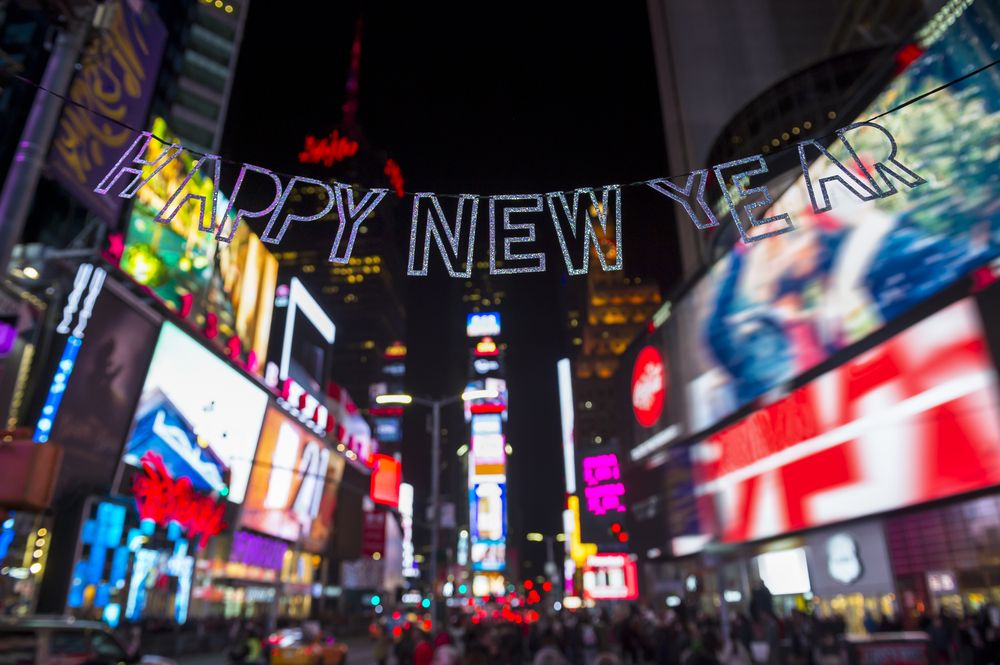
13. The History of Times Square





Le plein d'inspirations
Explorez le monde en totale liberté, à pied au cœur des villes ou au fil des routes. Nos guides audios transforment chaque destination en une découverte culturelle immersive et unique.





FAQ for visiting New York
When is the best time to visit New York?
The best times to discover New York are spring and autumn, when temperatures stay mild and pleasant for exploring the city on foot. Winter can be very harsh, with temperatures often below zero and snowstorms that make long waits outside the monuments difficult. Conversely, New York summers are stifling, especially in Midtown where the heat quickly becomes oppressive among the skyscrapers. Remember to pack a jacket even in fine weather, as temperatures drop quickly in the evening. The months of April-May and September-October generally offer the best weather compromise for making the most of your stay.
How many days do you need to visit New York?
For a first visit to New York, ideally plan between four and six days. This will let you discover the must-sees of Manhattan without rushing too much, while keeping a pleasant pace. In three days you can see the essentials, but you'll have to make choices and string visits together. With a full week, you'll have the luxury of exploring other boroughs like Brooklyn or Queens, and taking the time to soak up the unique atmosphere of each area. Don't forget that New York is huge and that you often need to allow time for travelling between the various points of interest.
How do you get around New York and how much does transport cost?
The subway remains the most practical and affordable way to get around New York. The network is very extensive and runs day and night, letting you easily reach every neighbourhood. A rechargeable transit card gives you access to the subway and local buses. The iconic yellow cabs and ride-hailing services are also very common but work out more expensive, especially during rush hour. For short distances in Manhattan, walking is often the best option to enjoy the city's atmosphere. Bike-sharing is a pleasant alternative for riding through Central Park or along the Hudson River.
What budget should you plan for a trip to New York?
New York remains an expensive destination that requires a substantial budget. Accommodation is generally the biggest expense, especially if you want to stay in Manhattan. Meals can quickly add up, even though you'll find options for every budget, from food trucks to starred restaurants. Also plan a budget for tourist attractions, some of which have high prices. Daily spending varies enormously depending on your choices and travel habits. To save money, favour accommodation outside Manhattan, happy hours in the bars and the many free activities the city has to offer.
What are the absolute must-sees in New York?
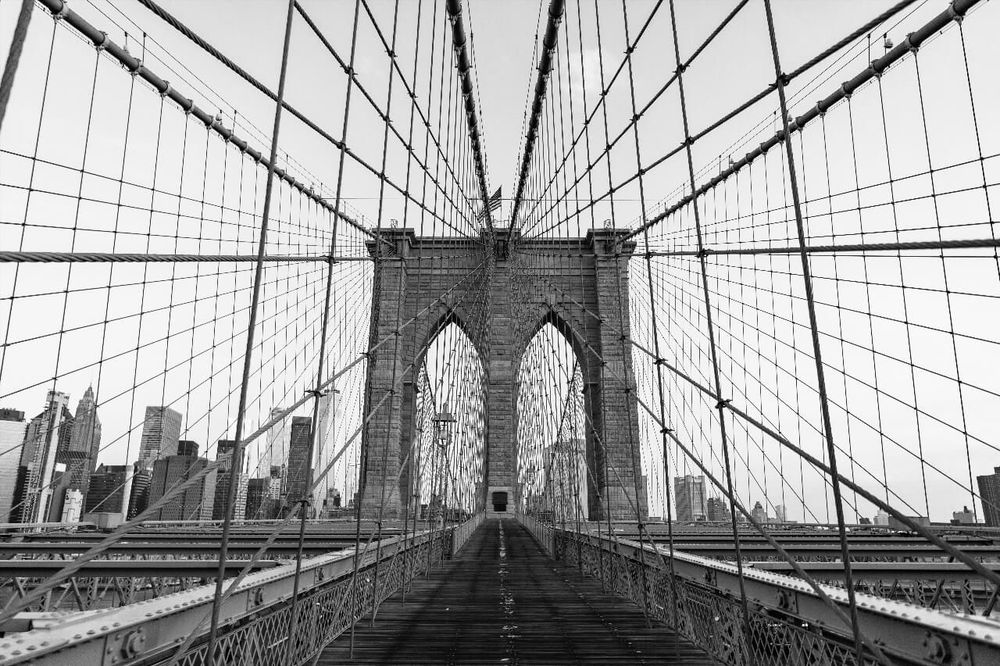
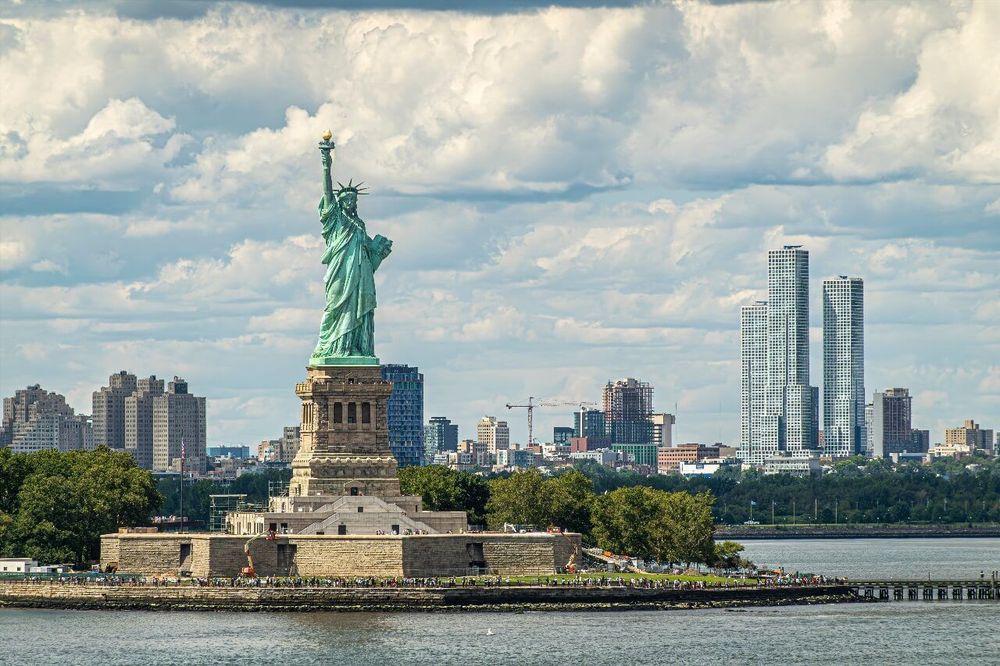
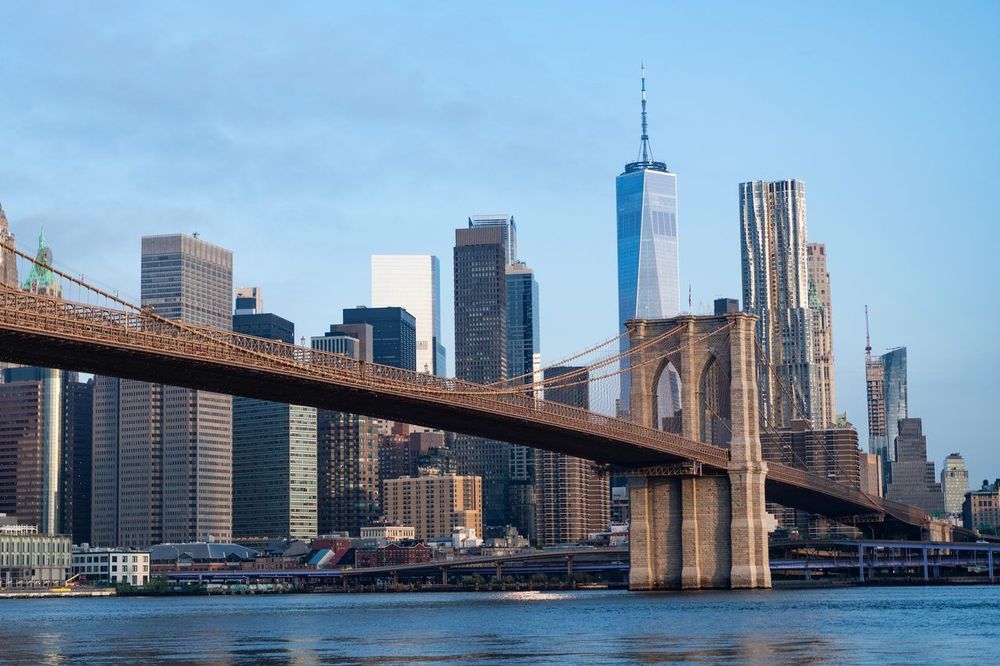
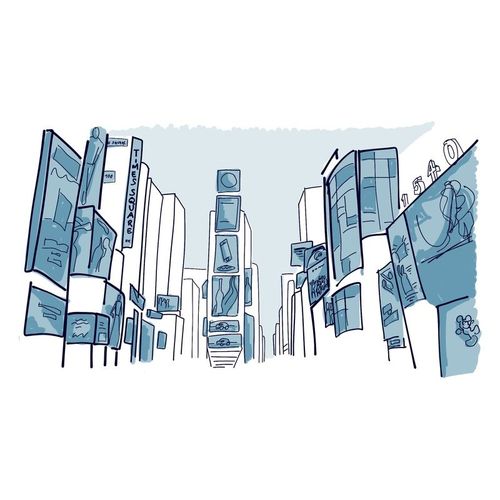
New York is full of iconic sites that have made it world-famous. Times Square and its giant screens, Central Park for a leafy break, the Statue of Liberty as a symbol of hope, and the Empire State Building with its dizzying view are unmissable classics. Don't miss the Brooklyn Bridge, the 9/11 Memorial, or a stroll through the Greenwich Village or SoHo neighbourhoods either. The Ryo audioguide offers a tour right in the heart of Manhattan that takes you to discover these legendary places while revealing their fascinating history. Between iconic architecture, world-renowned museums and unique neighbourhood atmospheres, the city offers extraordinary diversity.
Should you buy a tourist pass and which one should you choose?
Tourist passes can represent a worthwhile saving if you plan to visit several paid attractions. They generally let you skip the queues and simplify the organisation of your stay. Several formulas exist, some offering a fixed number of attractions over a limited period, others giving unlimited access for a few days. Carefully compare the sites included with your sightseeing plan to work out whether the investment pays off. Bear in mind that New York also offers many free or inexpensive experiences that are well worth some of the paid attractions. The choice will really depend on your priorities and your travel style.
Which neighbourhoods should you visit outside Manhattan?
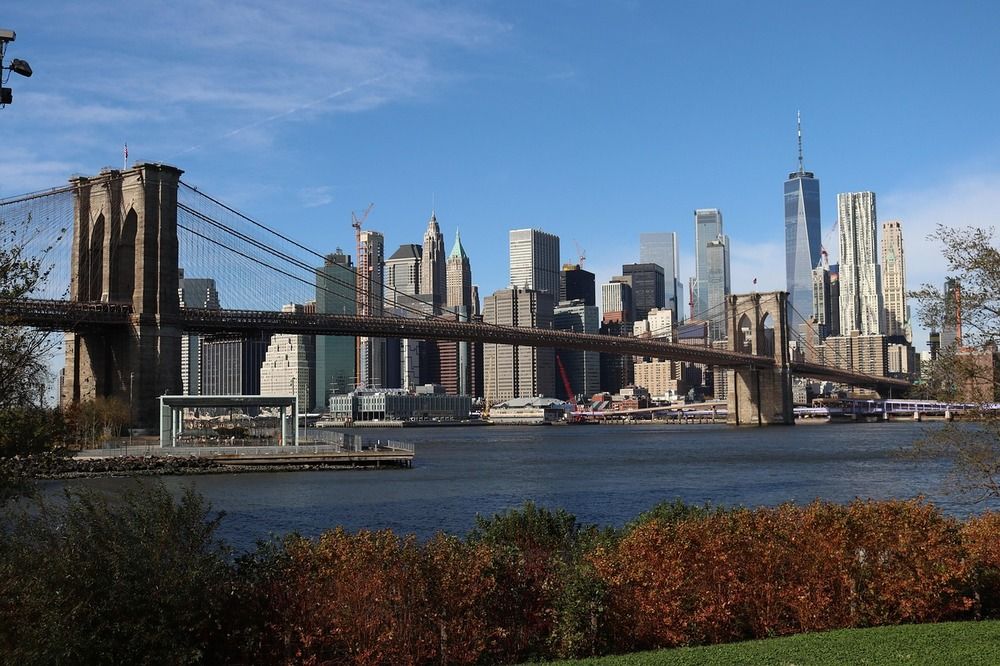
Brooklyn is absolutely worth the trip with its trendy neighbourhoods like Williamsburg, known for its art scene and fashionable restaurants, or DUMBO, which offers spectacular views of Manhattan. The Brooklyn Heights district charms with its historic character and its promenade along the East River. In Queens, explore the cultural diversity of Flushing and its authentic Asian restaurants, or Long Island City for its contemporary art museums. The Bronx is home to the famous zoo and botanical garden, as well as the birthplace of hip-hop. Each borough has its own identity and lets you discover a more authentic New York, far from the tourist bustle of Manhattan.
How do you get to Manhattan from the airport?
From JFK, the AirTrain connects you to the subway or the Long Island Rail Road to reach Manhattan. From Newark, take the AirTrain to the station and then the train to Penn Station. LaGuardia, closer but without a direct rail link, is reachable by express bus that drops you at several subway stations. Shared shuttles are an in-between option between public transport and a taxi, with good value for money. Taxis and ride-hailing remain more comfortable but considerably more expensive, especially during rush hour. Allow between forty-five minutes and an hour and a half for the journey depending on the airport and the traffic.
Which observation deck should you choose to see New York from above?
Several major observation decks share the views over Manhattan, and the choice mostly depends on what you want in the frame. From the Empire State Building the perspective is the most classic one, taking in the whole southern half of the island. From Top of the Rock, at the Rockefeller Center, it is the Empire State Building itself that enters the picture, with Central Park behind it, which often makes it the photographers' favourite. SUMMIT One Vanderbilt, the newest of them, leans more towards experience with its mirrored rooms suspended above Grand Central. Further south, the One World Trade Center observatory opens the widest view over the bay and the Statue of Liberty. In every case, late afternoon lets you see the city by day and then lit up.
What is there to do in Central Park?
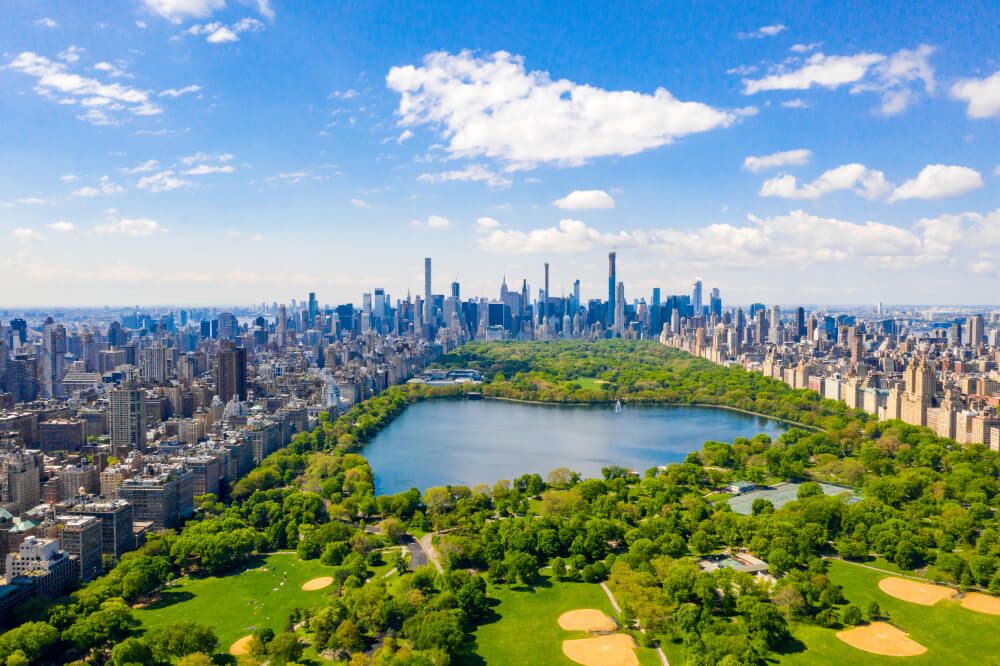
Central Park can be crossed in an hour or savoured over a whole day. The southern section holds the best known images, with the Pond, the Wollman skating rink in winter, the Mall and its avenue of elms, Bethesda Terrace and its great staircase, then the lake you cross by Bow Bridge. A little further north, Strawberry Fields pays tribute to John Lennon and Belvedere Castle overlooks Turtle Pond. Beyond the reservoir the park turns wilder, with the woodland of the Ravine and lawns that see far fewer visitors. Depending on the season you will come across joggers, open-air concerts or rowing boats on the lake. The Ryo audio guide offers a dedicated New York route that runs alongside the park and the neighbourhoods bordering it.
Vos commentaires, idées et suggestions
Aucun avis pour le moment