
Créé par Romane, le 4 oct. 2026
Votre guide Ryo
Washington, United States
Where American Democracy was born
Parcours audioguidé pour visiter Washington en 1 jour
The capital of the United States, Washington presents itself as a vast open-air museum. With its monuments, memorials, and iconic institutions, the city traces the major chapters of American history.
Quand partir à Washington ?
Jan.
6°
9
Feb.
8°
8
March
13°
9
April
19°
9
May
24°
9
June
29°
10
July
31°
10
Aug.
30°
10
Sept.
26°
8
Oct.
20°
8
Nov.
14°
8
Dec.
8°
9
For visiting Washington, D.C., the best time is between April and October, when the sun is out, and temperatures are pleasant. However, July and August can bring extremely high temperatures, often exceeding 30°C. Winter is colder but still an option - just be sure to bundle up, as temperatures can drop below freezing, and there may be snowstorms. During the holiday season, the city comes alive with numerous festive events.
Départ conseillé
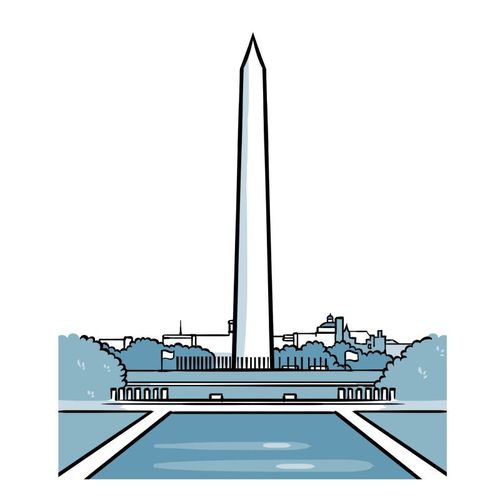
No need to worry about where to begin! Our tours are designed as a loop, so you can jump in wherever you are. The navigation system and audioguide will automatically adjust to your location. However, if you happen to be nearby, we do have a preferred starting point : in front of the Washington Monument.
Parking à proximité
Washington DC Public Parking : 389 6th St SW
Please note that the parking we've recommended only offers two prices: either parking for less than an hour, or more than an hour. So we only recommend it to those who want to leave their car there all day! If you want to park for less than 3 hours, we recommend using the National Mall Parking instead, but you'll need to either come back or download an app if you want to increase your parking time after 3 hours. If you opt for one of these two parking lots, keep in mind that they're right next to the city's main monuments, so you'll need to arrive early to find a space. It's also rather difficult to park on the street... it's better to go a little further out to find a space, even if it means taking public transport to the center. It's also important to make sure that your parking space remains available for the whole time: some roadside "parking lots" can become traffic lanes during rush hour... Look out for the signs!
À savoir
The city of Washington DC has many museums to visit, but beware: to get in, you need to find out what you're allowed to take with you. In most of them, especially on the Mall, you'll go through a metal detector and your bag will be x-rayed, so take only the bare minimum with you !
Many of the Mall's museums are free, so take advantage of them!
Découvrez 19 lieux d'intérêt pour visiter Washington











Le plein d'inspirations
Explorez le monde en totale liberté, à pied au cœur des villes ou au fil des routes. Nos guides audios transforment chaque destination en une découverte culturelle immersive et unique.
FAQ for visiting Washington
When is the best time to visit Washington?
The ideal time to discover Washington runs from April to October, when the weather is mild and sunny. Spring offers gentle temperatures and the blossoming of the famous cherry trees, while autumn charms with its shimmering colours. Summer can be very hot, with temperatures often exceeding 30°C, particularly in July and August. Winter remains an interesting option despite the cold, with temperatures sometimes below zero and the risk of snowstorms. This season nevertheless has its charm, notably during the year-end holidays when the city comes alive with many festive events. Just remember to dress warmly if you choose this period.
How many days do you need to visit Washington?
For a first visit to Washington, ideally allow three to four full days. This time will let you discover the main monuments and memorials of the National Mall, explore some of the many free museums of the Smithsonian Institution, and soak up the unique atmosphere of the American capital. In two days, you can see the essentials but at a brisk pace. With five days or more, you will have time to deepen your discovery, visit neighbourhoods like Georgetown or Dupont Circle, and perhaps even take an excursion to the surrounding area. The Ryo audioguide accompanies you to optimise your time with well-designed routes that link the major sites in a logical and enriching way.
How do you get around Washington?
Washington has an excellent public transport system centred on the metro, called the Metro. Its six lines efficiently serve most tourist sites and neighbourhoods of interest. Buses complete the network for the areas less accessible by metro. Cycling is also a popular option thanks to the Capital Bikeshare self-service bike system and the many cycle paths. For short distances, notably around the National Mall, walking remains the most pleasant way to discover the city. Taxis and ride-hailing services are widely available but can be costly. A private car is generally inadvisable in the city centre because of the heavy traffic and the difficult and expensive parking.
Which museums are free in Washington?
Washington is famous for offering free access to most of its museums, notably those of the Smithsonian Institution. Among the must-sees, you will find the National Museum of Natural History with its dinosaurs and precious stones, the National Air and Space Museum dedicated to aviation and space exploration, and the National Museum of American History which traces the country's history. Art lovers will appreciate the National Gallery of Art and its impressive collections. The more recent National Museum of African American History and Culture is hugely successful. Other free museums include the Holocaust Memorial Museum and the many open-air memorials. This exceptional free admission makes Washington a cultural destination accessible to all, allowing you to multiply your visits according to your interests.
Can you visit the White House?
It is indeed possible to visit the White House, but this requires advance planning. American citizens must apply through their member of Congress, while international visitors go through their embassy in Washington. Requests must generally be submitted several months in advance, and approval is not guaranteed. The visits, free but limited, take place from Tuesday to Saturday morning and allow you to discover certain public rooms on the ground floor. If you don't get a slot, console yourself by admiring the exterior from Pennsylvania Avenue or by visiting the White House Visitor Center, which offers interactive exhibits on the history and architecture of this iconic presidential residence.
Where to stay in Washington?
The choice of your accommodation in Washington will depend on your priorities and your budget. To be at the heart of the tourist action, opt for the neighbourhoods close to the National Mall such as Downtown or Foggy Bottom. Capitol Hill offers a pleasant residential atmosphere while remaining central. Georgetown charms with its historic character and its shops, while Dupont Circle attracts a trendier crowd. Options range from budget youth hostels to historic luxury hotels. The Arlington neighbourhoods in Virginia, just across the Potomac, often offer more affordable rates with easy access to the centre via the metro. Book in advance, especially in spring and autumn when tourist crowds peak.
What is there to see on the National Mall?
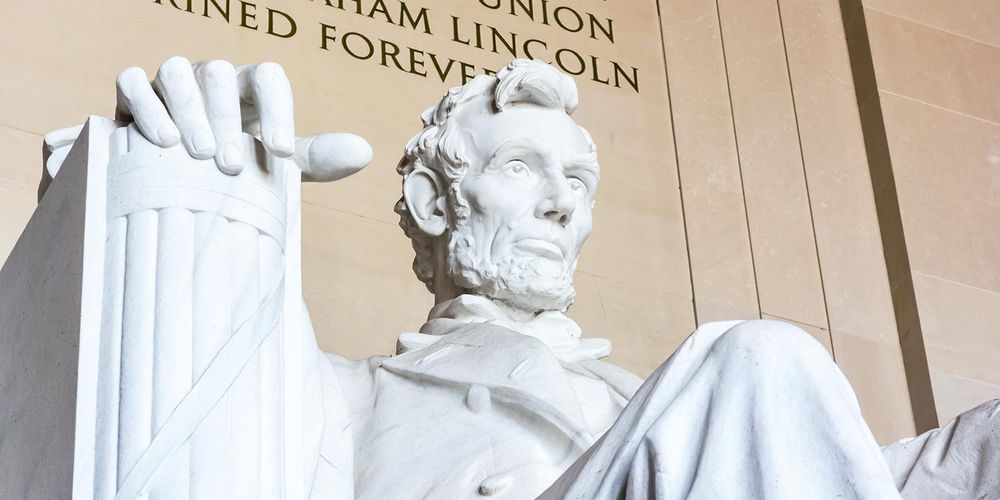
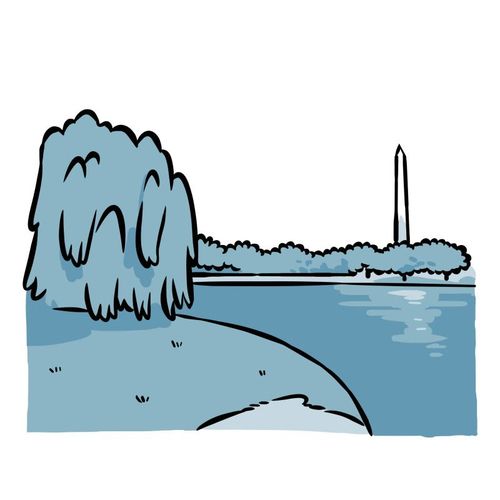
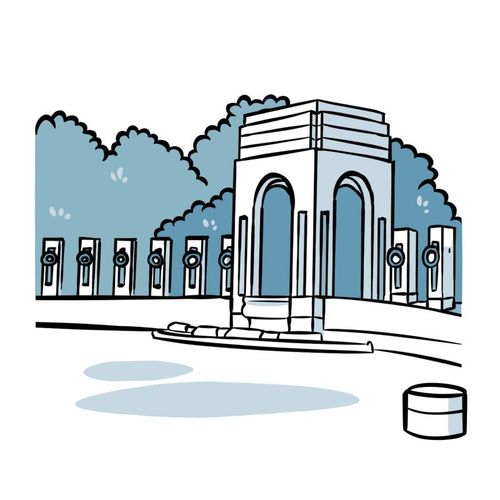
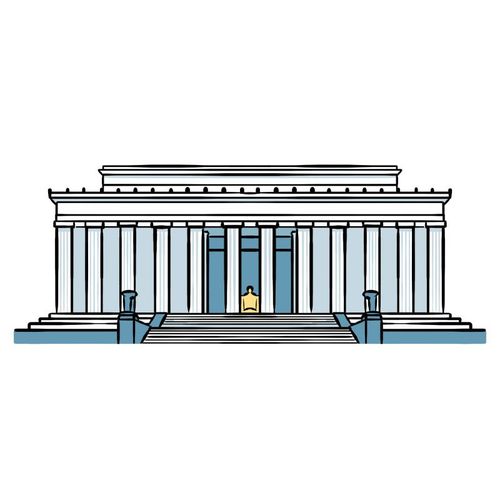
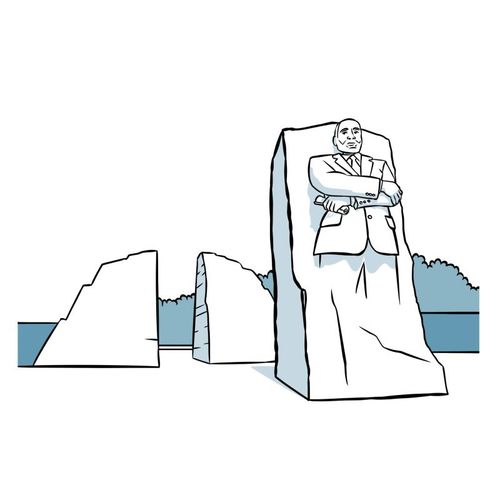
This huge grassy esplanade, lined with trees and pools, gathers most of the capital's symbols. From one end to the other stand the Capitol, the obelisk of the Washington Monument and the Lincoln Memorial, separated by the long mirror of the Reflecting Pool. Around them are spread the memorials dedicated to Martin Luther King, to Franklin Roosevelt and to the veterans of Vietnam and of the Second World War.
Distances are greater than they look and the whole route is covered on foot: bring water and a hat in summer, as shade is scarce. Many visitors come back in the evening, when the memorials are lit and the crowds are much thinner. The Ryo audio guide offers a dedicated Washington route covering these highlights.
Can you visit the Capitol?
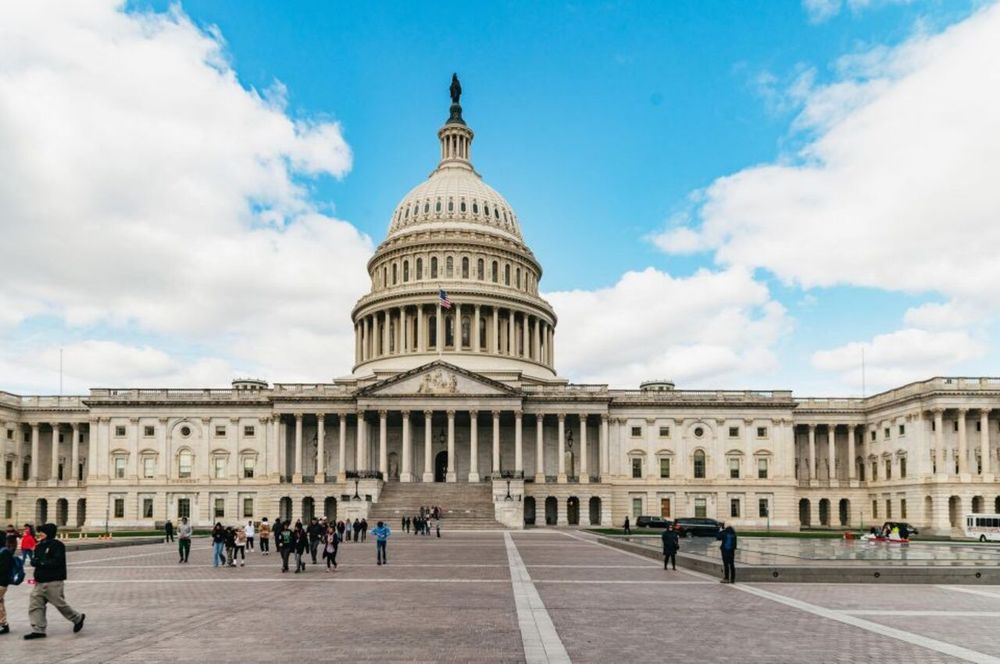
Yes, the seat of Congress can be visited, but access always goes through the visitor centre, set underground on the east side of the building. Tours are guided and free of charge; they are booked online in advance, with a quota of places usually released on site each morning. The route leads to the rotunda and its painted dome, then to the old Hall of the House of Representatives.
Watching a session from the galleries requires a separate step: American residents go through the office of their elected representative, while overseas visitors request passes on site. A strict security check governs entry, with restrictions on bags, liquids and food, which noticeably lengthens the wait.
Which neighbourhoods should you explore beyond the National Mall?
Georgetown, along the Potomac, is the city's oldest district: federal brick houses, cobbled lanes, the canal towpath and a busy shopping street. A little further north, Dupont Circle mixes embassies, bookshops and cafés, while Adams Morgan and the U Street Corridor concentrate the nightlife and a long musical history tied to jazz.
To the east, Capitol Hill lines up its colourful houses around the halls of Eastern Market, and the Navy Yard district has been entirely redeveloped along the Anacostia River, with walkways at the water's edge. These neighbourhoods are easily reached by metro and give a far more everyday picture of Washington than the grand monumental perspectives of the centre.
How do you get to Washington from New York?
The train is still the most comfortable option: the line running down the coast links the two cities in a few hours and drops you in the heart of the capital, at Union Station, a few minutes' walk from the Capitol. Coaches, slower but distinctly cheaper, also leave from Manhattan and serve the centre.
Flying saves little time once journeys to the airports and security checks are added up, unless you are connecting. Many travellers attempt the round trip in a day, but Washington deserves at least one night: the museums on the Mall are vast, the neighbourhoods are worth a wander and the memorials are also best discovered at dusk.
Vos commentaires, idées et suggestions
Aucun avis pour le moment