© Shutterstock
 Votre guide Ryo
Honolulu With Kids: 25 Best Family Things to Do in 2026
Honolulu manages a trick most beach destinations cannot pull off: a five-minute walk can take a family from a reef break gentle enough for a wobbly three-year-old to a surfboard rental stand crowded with retirees who have ridden the same wave for forty years. That range, calm water on one side of Kuhio Beach and open ocean thirty yards away, is basically the blueprint for the best things to do in Honolulu with kids: the city stacks easy wins right next to bigger adventures, so nobody in the family has to compromise for very long. If your trip continues past Hawaii, Ryo's London-with-kids guide and its Ryo audio guide walk families through a destination one short, narrated, kid-paced stop at a time, roughly the same philosophy Oahu applies to its whole coastline.
Twenty-five stops make up this guide, ordered from the icons every visitor already knows toward the quieter finds locals actually use on a Saturday. A protected lagoon next to a resort hosts free fireworks every Friday night. A crater hike that looks brutal from the parking lot takes most six-year-olds under an hour round trip. A waterfall at the end of a North Shore botanical garden walk is one of the few spots on Oahu where swimming under a waterfall is allowed. And a swap meet inside a stadium parking lot turns out to be one of the cheapest, most stroller-friendly mornings on the whole island. Age recommendations, reservation quirks, and a full practical-tips section close things out, so you can build a week around what your specific kids can actually handle.
1. Waikiki Beach and Kuhio Beach Park: the Gentlest Introduction to the Ocean
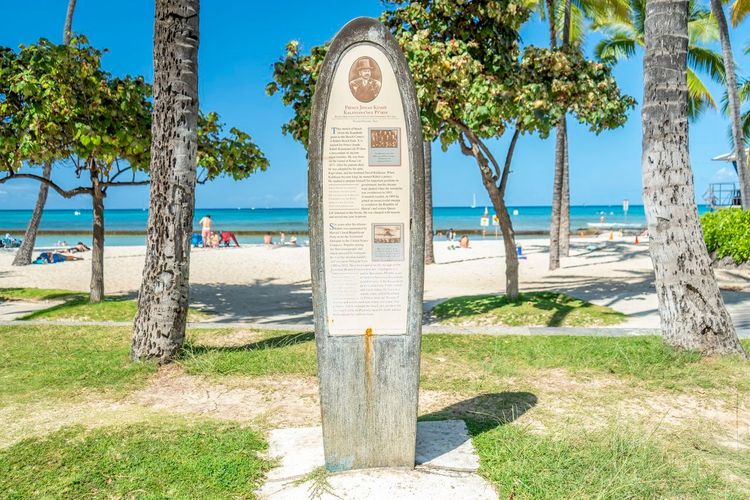
Waikiki Beach is actually a two-mile string of separate beach parks, and the stretch that matters most for families with small kids is Kuhio Beach Park (Kalakaua Ave, Honolulu, HI 96815, rated 4.7/5 on Google (1 855 avis)), roughly between the Duke Kahanamoku statue and the Kapahulu Groin at the Diamond Head end. A low seawall and a submerged rock groin, built decades ago to slow erosion, turned this section into an accidental wading pool: the water rarely gets deeper than chest height on an adult, waves arrive as gentle ripples rather than breaking surf, and a shallow reef shelf keeps the current mild even at high tide.
That matters because the rest of Waikiki does not behave this way. Walk ten minutes north toward the Sheraton and the same ocean turns into a real beach break, with a shorebreak strong enough to knock a seven-year-old off their feet. Kuhio's protected pool is where you let a two-year-old experience saltwater for the first time without spending the whole session gripping a wrist. Two lifeguard towers watch this stretch year-round, and outdoor showers plus restrooms sit steps from the sand at the Kuhio Beach Park comfort station, which removes most of the logistics that make a beach day with a toddler stressful in other parts of Waikiki.
Go before 9am if you want the sand to yourself; by late morning, beach chair and umbrella vendors have claimed most of the shaded strip, and the crowd skews toward sunbathing adults rather than families. Bring water shoes. The sand itself is fine, but the submerged rocks near the groin can be sharp underfoot, and a five-year-old sprinting toward the water will not stop to check. A double stroller rolls easily on the paved beach walk running the length of Waikiki, so you can push straight from a Kalakaua Avenue hotel to the sand without ever loading a car, and most hotels along this stretch rent beach chairs and umbrellas by the day if you would rather not haul your own gear down from the room.
Come back around 6:30pm on a clear evening. The same shallow water that made the morning safe for wading turns into a mirror for sunset, and the torch-lighting and hula ceremony that several beachfront hotels run on the sand at dusk gives young kids a reason to stay put for twenty minutes instead of asking to go back to the room. On a good night, you can watch surfers silhouette against the horizon from the exact spot where your toddler was building sandcastles that afternoon.
2. Duke Kahanamoku Lagoon and the Hilton Hawaiian Village Friday Fireworks
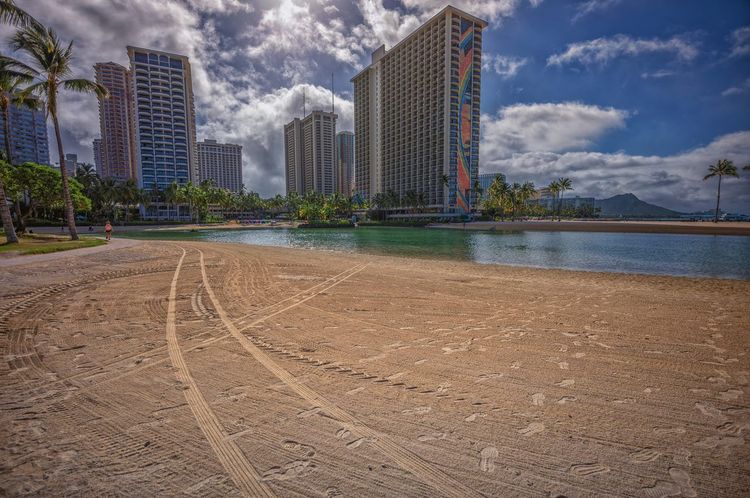
About 25 minutes' walk west of Kuhio Beach along the beach path, at the far end of the Hilton Hawaiian Village resort, sits a swimming spot that solves an even bigger problem than shallow water: waves at all. Duke Kahanamoku Lagoon (2005 Kalia Rd, Honolulu, HI 96815, rated 4.6/5 on Google (3.4K reviews)) is a man-made saltwater lagoon fed by ocean intake pipes, fully enclosed, with zero surf and a sandy bottom that slopes gradually enough for a toddler to stand the whole way across.
You do not need to be a Hilton guest to use it; the lagoon and its beach sit on public shoreline, though parking anywhere near the resort runs expensive and validated spots are reserved for hotel guests, so budget for a rideshare or the twelve-minute walk from a public Waikiki lot instead. Paddleboard and kayak rentals line the lagoon's edge for kids old enough to want more than wading, and a grass lawn behind the sand gives younger siblings somewhere to nap on a towel without sand working its way into every fold of the blanket.
Stay through Friday evening if your schedule allows it. Hilton Hawaiian Village runs a fireworks show over the lagoon every Friday night at 7:45pm (8pm from early June through Labor Day), free to watch from the beach or the lagoon's edge, and it is one of the better fireworks displays a family can see in Honolulu without buying a ticket to anything. Arrive by 7pm to claim sand near the water; the show lasts about ten minutes, short enough that even a cranky toddler past bedtime usually makes it to the end before the meltdown starts.
3. Pearl Harbor National Memorial and the USS Arizona Memorial
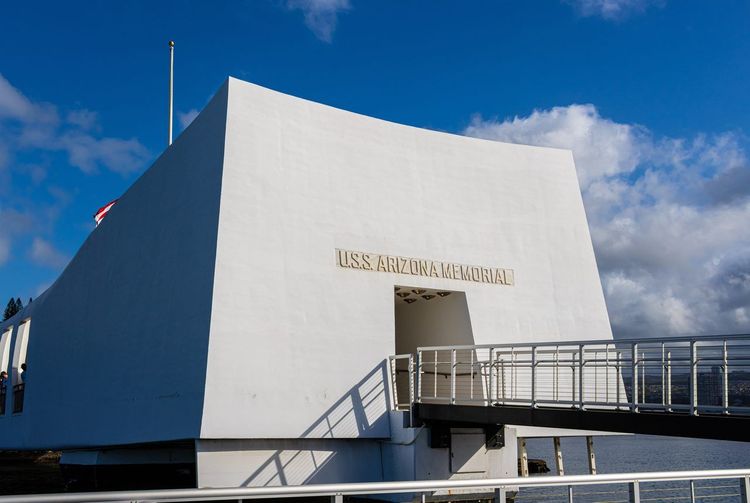
Pearl Harbor National Memorial sits about 30 minutes by car from Waikiki, on the western side of Honolulu, and it remains the single most requested history stop for families visiting Oahu. The memorial complex itself is free to enter, but the boat shuttle out to the USS Arizona Memorial (1 Arizona Memorial Pl, Honolulu, HI 96818, rated 4.9/5 on Google (4 770 avis)), the white concrete structure spanning the sunken battleship's hull, requires a timed-entry ticket booked on Recreation.gov: the main batch opens 56 days ahead at 3pm Hawaii time, and a small next-day batch drops online at 7am. Walk-up tickets at the visitor center are no longer handed out.
Book the online tickets as early as your dates allow; popular dates sell out within minutes of release, and the 7am next-day batch is far too small to count on during summer and holiday weeks.
Whether this stop works for your family depends less on ticket logistics than on your kids' age and temperament. The 23-minute documentary shown before the boat ride includes real combat footage and does not soften the casualty numbers, and rangers ask visitors to stay quiet and respectful on the memorial itself, since it remains the resting place of more than 900 of the 1,177 crew members who died aboard, still entombed in the hull below. Most families report the experience lands best for kids eight and up who already have some classroom context for what happened on December 7, 1941; younger children tend to get restless during the film and the boat ride, and there is nowhere quiet to take a fussy toddler once you are queued for the shuttle.
If your children are younger, lean on the museum galleries and outdoor exhibits instead, which tell the story through artifacts, maps, and survivor recordings. The USS Bowfin submarine next door and the Pacific Aviation Museum on Ford Island are separately ticketed add-ons that older kids tend to love. Grounds, parking, and the two main galleries are free regardless of whether you hold a shuttle ticket, so a family can build a shorter, self-paced version of the visit around what younger kids can actually absorb. Budget half a day either way; the site is large, the security screening at the entrance takes real time, and there is no reentry once you have gone through it, so use the restroom and grab water before you get in line.
4. Honolulu Zoo: Morning Magic Before the Heat Hits
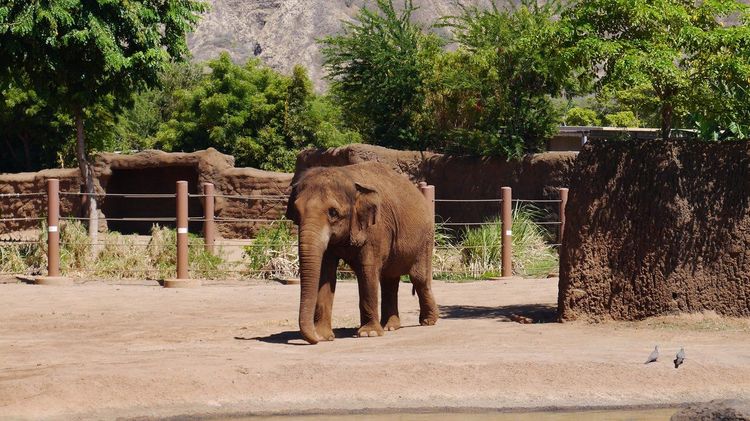
Honolulu Zoo (151 Kapahulu Ave, Honolulu, HI 96815, rated 4.2/5 on Google (10 423 avis)) sits at the quiet end of Waikiki, a five-minute walk from Kuhio Beach, which makes it one of the easiest half-day additions to a beach-focused trip. The zoo houses around 900 animals across roughly 42 acres, including African savanna species and a reptile house, home to a Komodo dragon, that tends to be the actual highlight for kids six and up.
Arrive at opening, 10am most days, or as close to it as you can manage. Oahu heat builds fast by late morning, the zoo has limited shade over parts of the African savanna loop, and animals are noticeably more active and visible in the first two hours than they are by 1pm, when many retreat into shaded enclosures to nap through the worst of the afternoon.
The keiki zoo section, a fenced area where kids can meet goats, sheep, and other farm animals up close, works well for toddlers who find the larger enclosures overwhelming or too distant to see clearly. Paths throughout are paved and flat, so a stroller rolls without trouble, and a playground next to the keiki zoo gives restless younger kids somewhere to burn off energy before you move on to whatever comes next on the day's plan. Entry is inexpensive relative to Oahu's other paid attractions, and Hawaii residents get separate discounted rates worth asking about at the ticket window if anyone in your party has local ties.
5. Diamond Head State Monument: the Hike With the Best Payoff in Hawaii
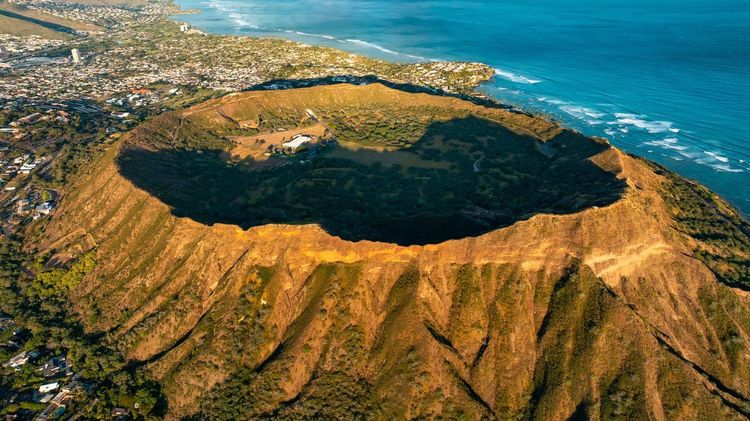
Diamond Head State Monument (3490 Diamond Head Rd, Honolulu, HI 96815, rated 4.7/5 on Google (17 307 avis)) is the volcanic crater that forms Waikiki's skyline backdrop, and the hike to its summit is the closest thing Honolulu has to a guaranteed wow moment for kids. The Diamond Head Crater Trailhead sits inside the crater itself; you drive or rideshare through a short tunnel to reach the parking area, then walk roughly 0.8 miles one-way up a paved, partially staircase trail to the summit lookout.
Reserve a timed entry slot before you go. Diamond Head State Monument has required advance online reservations from out-of-state visitors, for both parking and walk-in entry, since 2022, and slots for popular morning windows sell out days ahead during peak season, so lock in a time as soon as your travel dates firm up.
Most families call the hike doable for kids seven and up who can manage roughly 45 minutes of steady, occasionally steep walking, including a stretch of 99 stairs and a narrow tunnel through the crater wall near the top. Bring more water than seems necessary; there is no shade for most of the route, no water fountain past the trailhead, and the concrete surface radiates heat by mid-morning. Closed-toe shoes matter more here than at almost any other stop in this guide, since the trail surface turns to slick loose gravel in a few sections, and flip-flops make the descent slippery.
The payoff at the top is the part every kid remembers: a 360-degree view over Waikiki's hotel towers, the reef line, and on clear days the neighbor island silhouettes on the horizon. Go early, both for cooler temperatures and for a better chance the summit view is not fogged in, which happens more often than visitors expect on Oahu's trade-wind mornings, and pack a light jacket if you are hiking before sunrise, since the summit gets a real breeze.
6. Hanauma Bay Nature Preserve: Snorkeling With Sea Turtles
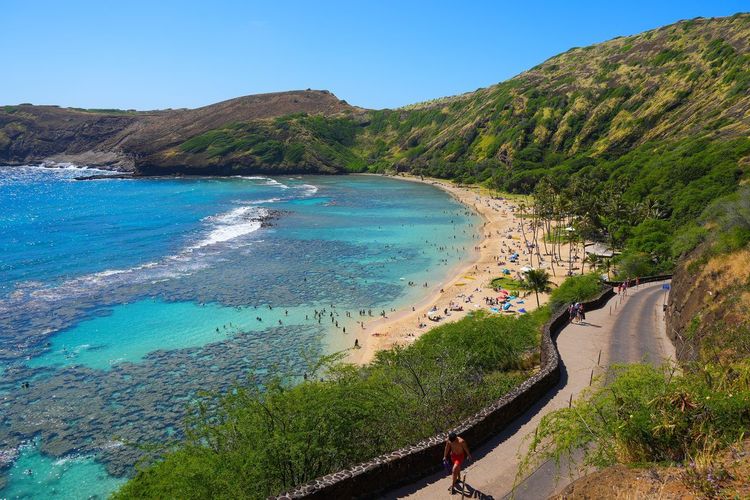
Hanauma Bay Nature Preserve (100 Hanauma Bay Rd, Honolulu, HI 96825, rated 4.6/5 on Google (7 154 avis)), about 25 minutes from Waikiki along the coast road toward Sandy Beach, protects a collapsed volcanic crater that flooded into one of Oahu's calmest, clearest snorkeling bays. Coral reef fills most of the shallow inner bay, and it is common to snorkel here and spot parrotfish and green sea turtles within the first ten minutes in the water.
The preserve is closed every Monday and Tuesday to give the reef a rest, and entry requires an online reservation released a couple of days in advance, capped at a set number of visitors per day. Every visitor, kids included, has to watch a short reef-safety video at the entrance before heading down to the sand, a rule Hawaii introduced after decades of sunscreen chemicals and careless swimmers damaging the coral.
Snorkel gear rents at the concession stand for a modest daily fee, though bringing your own kids' masks from home saves money and avoids the awkward mid-morning line at the rental counter. There is no official minimum age for snorkeling here, but the bay's shallow inner shelf, often three to five feet deep, makes it workable for kids as young as five with a life vest and an adult close by; the outer reef edge gets deeper and is better left to older, more confident swimmers. Reef-safe, mineral sunscreen is not just a suggestion here; it is required, and staff do check bottles at the entrance gate before letting anyone down the hill.
7. Waikiki Aquarium
Waikiki Aquarium (2777 Kalakaua Ave, Honolulu, HI 96815, rated 3.9/5 on Google (1 821 avis)) sits at the far end of Waikiki Beach, small enough to cover in an hour, which makes it an easy pairing with a morning at Kuhio Beach or a stop on the walk back from Diamond Head.
The tanks focus on Hawaiian reef species you might actually spot snorkeling later in the trip, plus a Hawaiian monk seal habitat, home to seals that cannot be released back to the wild, which tends to be the exhibit toddlers stay glued to the longest. Touch pools let younger kids handle sea cucumbers and small reef animals under staff supervision, and the whole facility is compact and stroller-friendly, without the sprawling walk of a larger zoo or park. Because it rarely draws the crowds of Sea Life Park or the Honolulu Zoo, it works well as a rainy-morning fallback that still feels like an outing rather than a consolation prize, and the gift shop's reef-themed toys make a lighter souvenir than most of what you will find in Waikiki's shopping strips.
8. Sea Life Park Hawaii: Dolphins, Sea Lions, and Sharks
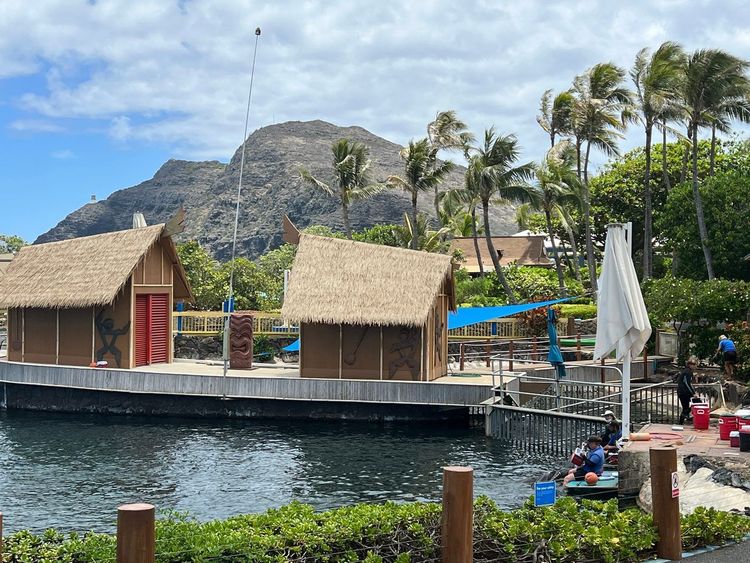
Sea Life Park Hawaii (41-202 Kalanianaole Hwy, Waimanalo, HI 96795, rated 4.1/5 on Google (5 707 avis)) sits on the windward side of the island, close to 40 minutes from Waikiki, which makes it a natural pairing with a beach stop at Kailua or the Makapu'u Point trail on the same day.
Dolphins and sea lions headline the park's main shows, with shark exhibits and ray touch pools rounding out the rest of the visit. The park changed hands in August 2026, when the Native Hawaiian nonprofit Hawaiian Council bought it and announced more Hawaiian cultural storytelling alongside daily operations, so check the current show lineup before you go. The park also sells separate paid encounters, including swims and shallow-water dolphin interactions, that run well beyond the cost of general admission. Families on a tighter budget can skip the add-ons entirely and still see most of the marine life from general seating at the main shows and habitats.
The park is smaller and easier to navigate in a single visit than it looks from the parking lot; generally two to three hours covers it without rushing, and shaded seating at the main tank makes the midday shows tolerable even in full Oahu sun. Because it sits close to Makapu'u and the Kailua-Lanikai stretch, many families build an entire windward-side day around this one drive, splitting the morning between the trail and the park rather than doubling back to Waikiki between stops.
9. Children's Discovery Center: Rainy-Day Perfection for Little Ones
When Oahu's weather turns, and trade-wind showers do roll through even in the dry season, the Children's Discovery Center (111 Ohe St, Honolulu, HI 96813, rated 4.6/5 on Google (757 avis)) is the rainy-day answer most Honolulu parents reach for first. The museum is entirely hands-on: a pretend grocery store, a rainforest exploration room, a bubble-making station, and a small-scale global village exhibit built for kids to climb into rather than look at from behind glass.
It is built for ages two through eight specifically, and older kids tend to move through it faster than the exhibits reward. Plan for two to three hours if you have a toddler who wants to repeat every station; the space is fully indoor and air-conditioned, which on a 90-degree Honolulu afternoon is its own kind of relief regardless of the weather outside. Check opening days before you drive over: the museum keeps shorter hours than Waikiki's big attractions and closes at least one day a week, which is exactly when a rainy morning tends to strike.
10. Bishop Museum
Bishop Museum (1525 Bernice St, Honolulu, HI 96817, rated 4.6/5 on Google (5 672 avis)), founded in 1889 by Charles Reed Bishop to house the heirlooms of his late wife, Princess Bernice Pauahi Bishop, holds the largest collection of Hawaiian cultural artifacts and natural history specimens in the world.
The Hawaiian Hall galleries, spread across three stories inside a restored Victorian-era building, cover royal featherwork and ancient weapons, alongside the voyaging history that brought Polynesian settlers to the islands centuries before European contact, material that tends to land well with school-age kids who have some classroom context on the Pacific. The Science Adventure Center adds a hands-on volcano exhibit, complete with a simulated lava flow, plus a planetarium that runs several kid-oriented shows daily. Budget a half day; the museum is large enough that rushing through in ninety minutes means missing most of what makes the drive from Waikiki worth it.
11. Iolani Palace: the Only Royal Palace in the United States
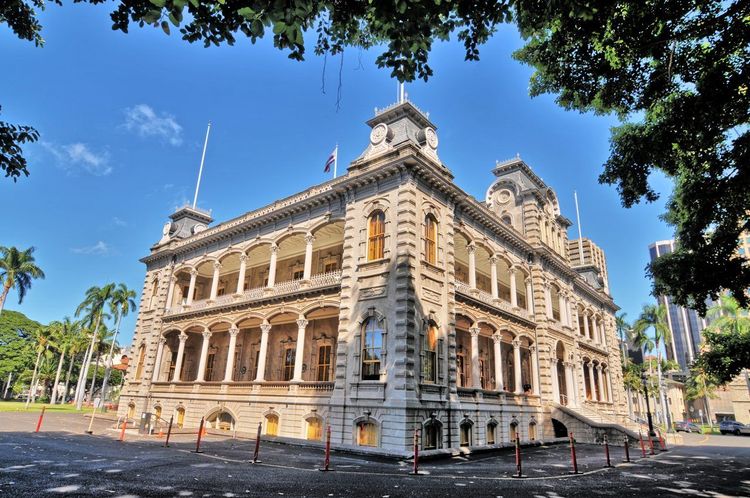
Iolani Palace (364 S King St, Honolulu, HI 96813, rated 4.6/5 on Google (6 052 avis)) is the only royal palace on American soil, built in 1882 for King Kalakaua and later the place where Queen Liliuokalani was imprisoned in 1895, two years after the overthrow of the Hawaiian Kingdom.
Interior visits run as guided or self-guided audio tours, and docent-led tours are open to ages five and up, largely to protect the original furnishings and restored textiles filling the rooms; children four and under can join the self-led audio tour if they stay in a front carrier or a palace-provided stroller. Guided tours run on a fixed schedule and tend to hold younger kids' attention better than the self-guided audio option, since a docent can read the room and adjust pacing on the spot. If your kids enjoy the palace's narrated format, keep that in mind for the next city on your trip: a Ryo audio guide works the same way, short stories played on your phone at each stop, so history never outlasts a child's attention span. The palace grounds, including the banyan trees and the old coronation pavilion, are free to walk without a ticket, which gives families with kids too young for the interior tour a reason to still stop by. Ten minutes' walk away, the state capitol building and its reflecting pools make an easy, free add-on to the same downtown stop, and the whole area is flat and shaded enough for a stroller nap on the walk back to the car.
12. Ala Moana Regional Park: Beach, Lagoon, and Playground
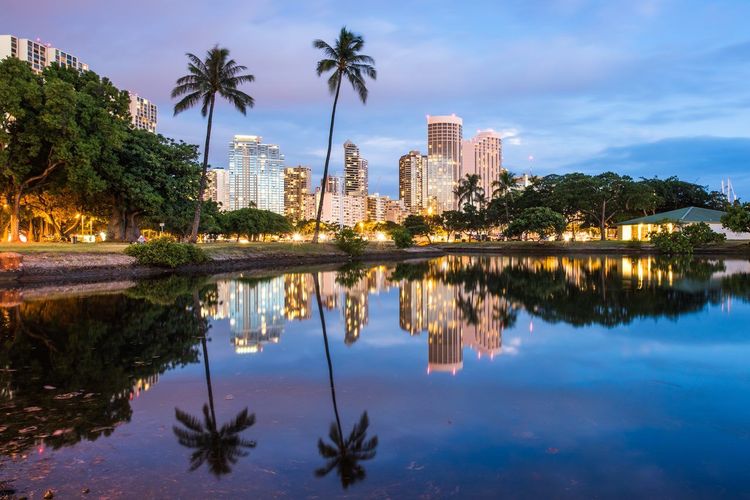
Ala Moana Regional Park (1201 Ala Moana Blvd, Honolulu, HI 96814, rated 4.6/5 on Google (7 213 avis)) is easy to confuse with the mall next door, but it is a separate, mostly overlooked 100-acre beach park with its own protected swimming lagoon, calmer than most of Waikiki and often far less crowded.
A wide reef offshore blocks most incoming swell, so the lagoon stays flat enough for young kids most days of the year. Broad lawns shaded by mature banyan and monkeypod trees give families somewhere to spread a picnic away from sand, and a playground near the Ewa end of the park keeps kids busy while parents pack up the coolers. It is one of the few large green spaces in Honolulu built for a full afternoon rather than a quick beach stop, and it costs nothing beyond whatever you spend on parking.
13. Ala Moana Center and Royal Hawaiian Center: Shopping and Rainy-Day Fun
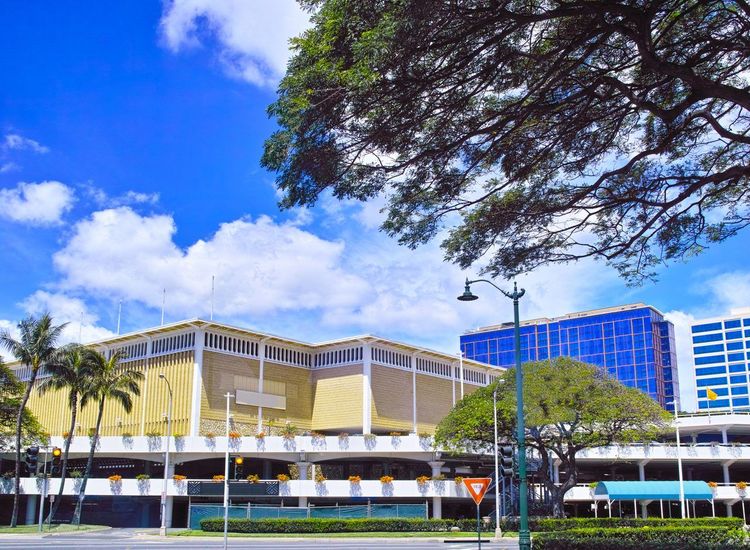
When the forecast turns unreliable, Ala Moana Center), one of the largest open-air shopping centers in the world, works as a enjoyable rainy-day fallback rather than just a place to wait out weather.
The food court on the mall's mauka side spans dozens of counters, enough variety that a family with a picky eater and an adventurous one can both order what they actually want without a debate. Back in Waikiki, Royal Hawaiian Center (2201 Kalakaua Ave, Honolulu, HI 96815, rated 4.4/5 on Google (12 691 avis)) runs free cultural shows most days, including hula and lei-making demonstrations, on its open-air stage.
Both centers are fully covered against rain along most walkways, which matters more in Honolulu than the sunny brochures suggest, and both sit close enough to Waikiki hotels that you can duck in for an hour without derailing the rest of the day's plan.
14. Kailua Beach and Lanikai Beach: Powder Sand Away From Waikiki
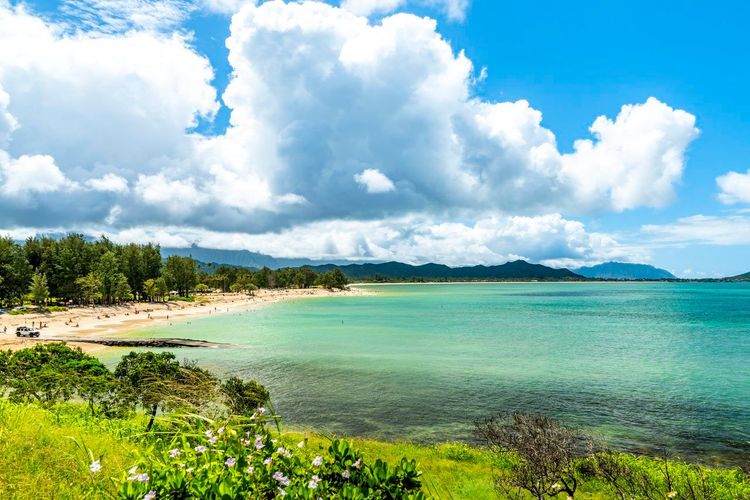
Forty minutes over the Pali Highway from Waikiki, on the island's windward side, Kailua Beach) and Lanikai Beach (Lanikai, HI 96734, rated 4.8/5 on Google (1 175 avis)) trade Waikiki's crowds for some of the finest powder-soft sand on Oahu.
Kailua Beach Park has the infrastructure families actually need: restrooms and showers, while outfitters in Kailua town rent kayaks and paddleboards sized for kids, with the Mokulua Islands offshore as the classic paddle target. The water here stays notably calmer than most of Waikiki, with a gradual sandy slope that suits younger kids who are not yet strong swimmers, and a large grass field behind the sand gives older siblings room to throw a ball around once they have had enough of the water.
Lanikai, a short drive or a flat 20-minute walk further along the coast, trades Kailua's amenities for even calmer water and postcard scenery, but street parking is limited, residential streets have posted restrictions, and arriving after 9am on a weekend usually means circling for a spot. There are no public restrooms or shade structures at Lanikai itself, so this works best as a shorter stop, an hour or two, rather than a full beach day with young kids in tow. Pack everything you need before you leave Kailua; there is nowhere nearby to buy so much as a bottle of water once you reach the sand, and the walk back uphill to your car feels longer with a tired toddler on your shoulders than it did on the way down.
15. Ko Olina Lagoons: Calm Man-Made Swimming Coves
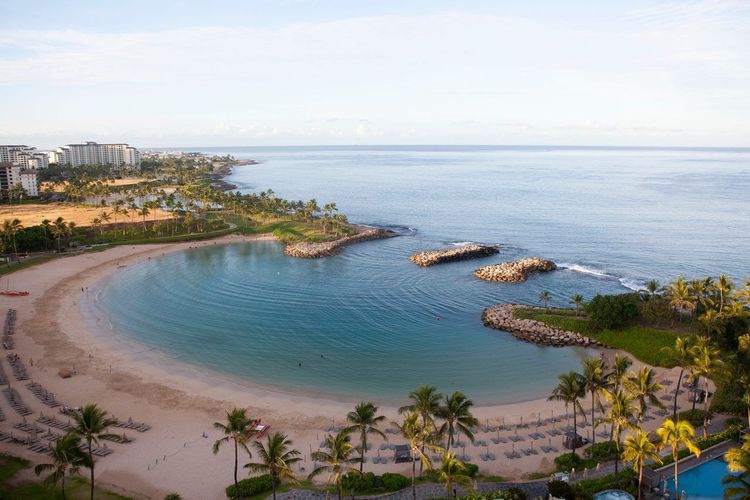
On the island's dry, sunny western shore, roughly 45 minutes from Waikiki, four numbered, man-made swimming coves make up the Ko Olina Lagoons (Ko Olina, Kapolei, HI 96707, rated 4.6/5 on Google (1 143 avis)), each carved out of the natural shoreline and protected by a rock breakwater that keeps ocean swell and currents almost entirely out.
Lagoon 4 has the strongest reputation among families, largely because it sits closest to public parking and has the gentlest, most gradual entry into the water of the four coves. Lagoons 1 through 3 sit mostly within resort property and can feel less accessible to non-guests, even though beach access in Hawaii is technically public along the entire shoreline, resort landscaping notwithstanding.
Public parking near the lagoons is limited and fills early, often by 9 or 10am on weekends, so a morning arrival matters more here than almost anywhere else on this list. The drive out past the airport and Pearl Harbor takes a real chunk of a day, which makes Ko Olina work best as an anchor for a half-day or full-day trip west, maybe paired with an early Pearl Harbor visit on the way out, rather than a quick add-on to a Waikiki-based schedule.
16. Manoa Falls Trail: a Real Rainforest Hike With a Big Finish
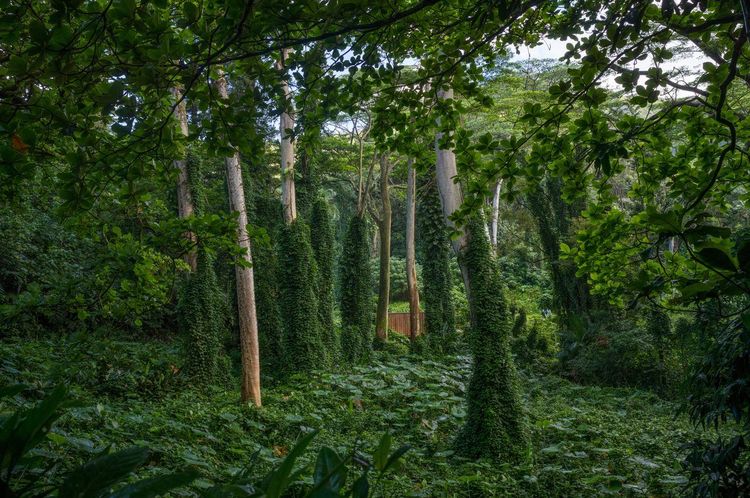
Fifteen minutes inland from Waikiki, in the lush Manoa Valley neighborhood, the Manoa Falls Trail (3860 Manoa Rd, Honolulu, HI 96822, rated 4.4/5 on Google (13K reviews)) climbs about 0.8 miles through genuine rainforest, bamboo groves included, to a 150-foot waterfall that feels much farther from the city than the drive time suggests.
The trail surface turns to mud fast and often, this is one of the wettest valleys on Oahu, so proper closed-toe shoes matter here even more than on Diamond Head; sandals and sneakers you actually care about are the wrong call. Round trip takes most families 60 to 90 minutes at a kid's pace, with tree roots and some uneven footing but no serious elevation gain or exposure to worry about.
Swimming at the base of the falls is not allowed, both for safety, given occasional falling rock, and to protect the watershed that supplies part of Honolulu's drinking water, so treat this as a scenic hike rather than a swim stop. Kids seven and up who do not mind getting muddy tend to enjoy it the most; younger toddlers can usually make it with a carrier for the trickier sections, and a change of clothes in the car back at the trailhead saves an awkward car ride afterward.
17. Waimea Valley: a Waterfall You Can Actually Swim In
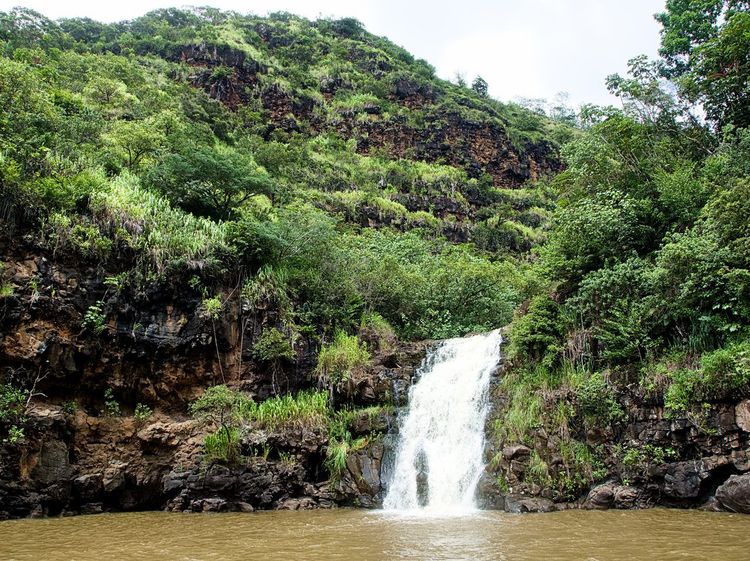
On the North Shore, close to an hour and fifteen minutes from Waikiki, Waimea Valley (59-864 Kamehameha Hwy, Haleiwa, HI 96712, rated 4.6/5 on Google (9 289 avis)) pairs a botanical garden walk with one of the only waterfalls on Oahu where swimming is both allowed and actively encouraged.
The walk in follows a paved, flat, roughly three-quarter-mile path through gardens loosely organized by region, with Hawaiian and Polynesian collections getting the most space, and informational signage that gives older kids something to read between waterfall sightings. Life vests are required for anyone entering the water at the falls and are available to rent on site, along with lockers for valuables.
Because the walk is flat and paved the whole way, this is one of the more stroller-friendly nature stops on this list, workable even for families with a napping baby who just need everyone else to have something to do. Pair it with a North Shore beach day; Waimea Bay itself sits directly across the highway, and towns like Haleiwa with shave ice stands and food trucks are a short drive further along the coast, making the whole North Shore stretch a natural full-day loop away from the Honolulu side of the island.
18. Byodo-In Temple
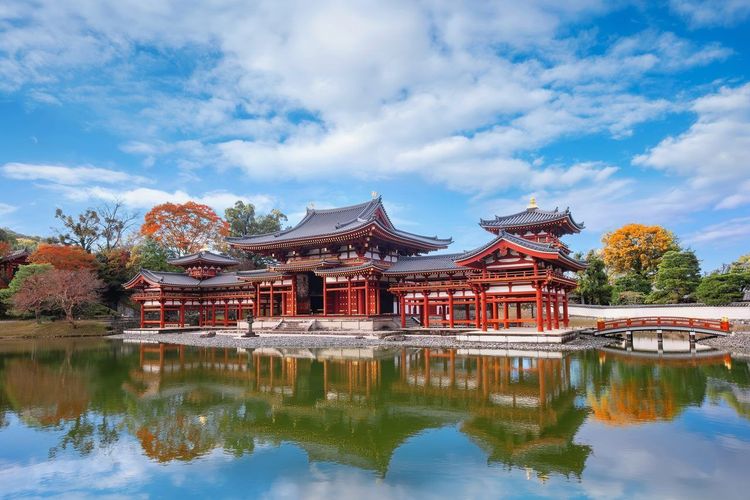
Tucked inside the Valley of the Temples memorial park on the windward side, Byodo-In Temple (47-200 Kahekili Hwy, Kaneohe, HI 96744, rated 4.7/5 on Google (7 848 avis)) is a scaled replica of a 950-year-old temple in Uji, Japan, built in 1968 to mark the centennial of the first Japanese immigrants' arrival in Hawaii.
Koi ponds ringed with turtles and free-roaming peacocks tend to hold young kids' attention longer than the temple's history does, and the fish food sold on site becomes the highlight of the visit for most kids under eight. A three-ton brass bell near the entrance can be rung once by each visitor, said to bring peace and happiness, and it is one of the few interactive, hands-on moments at any cultural site on this list. The visit is short, 30 to 45 minutes covers it comfortably, which makes it an easy pairing with Kailua or Lanikai on a windward-side day. A small admission fee is charged at the gate.
19. Makapu'u Point Lighthouse Trail
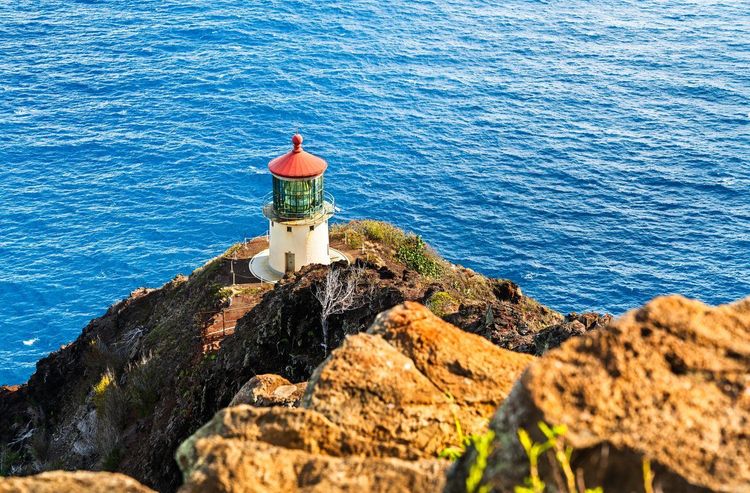
At the island's easternmost point, past Hanauma Bay and Sandy Beach, the Makapu'u Point Lighthouse Trail (Kalanianaole Hwy, Waimanalo, HI 96795, rated 4.8/5 on Google (5 172 avis)) is a paved, mile-long path that climbs gently to sea cliffs overlooking a red-and-white lighthouse and some of Oahu's best ocean views.
Because the entire trail is paved with a manageable grade, it is one of the few hikes on this list that a jogging stroller can handle, though the last stretch does climb enough that pushing uphill takes real effort in Oahu heat. Between roughly December and April, this is a genuine whale-watching spot; humpbacks pass close enough offshore to spot a breach or a tail slap without binoculars on a clear day. The tide pools below the lighthouse sit at the end of a separate, steep, rocky side trail, so skip them with small kids and enjoy the view from the paved path instead.
20. Atlantis Submarines Waikiki
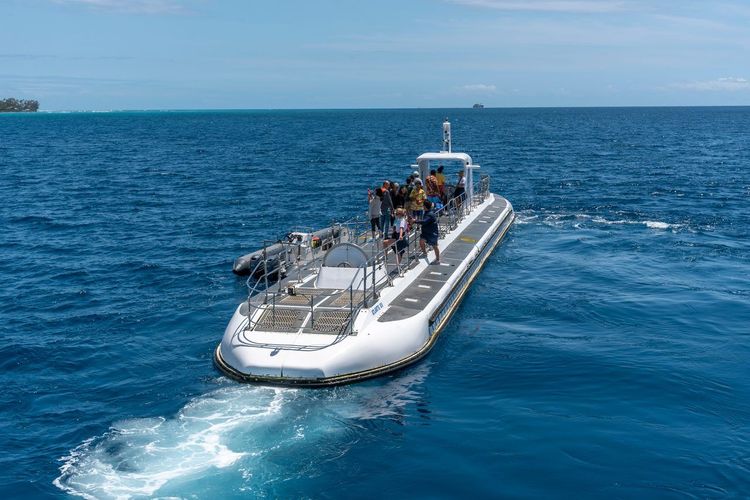
Atlantis Submarines Waikiki (252 Paoa Pl, Honolulu, HI 96815, rated 4.4/5 on Google (997 avis)) departs by boat from a pier near the Hilton Hawaiian Village and ferries passengers out to a real, 48-passenger submarine that dives to around 100 feet along an artificial reef and shipwreck site off Waikiki.
Large viewing windows let kids watch fish, and occasionally a sea turtle, without getting wet or needing to swim at all, which makes this one of the only ways a non-swimmer or a very young child can see Oahu's reef life up close. There is a minimum height requirement, generally around 36 inches, for safety reasons tied to the submarine's hatch and seating, so check current requirements before booking if you have a smaller toddler. The full experience, including the boat transfer out and back, runs about 90 minutes to two hours.
21. Aloha Stadium Swap Meet
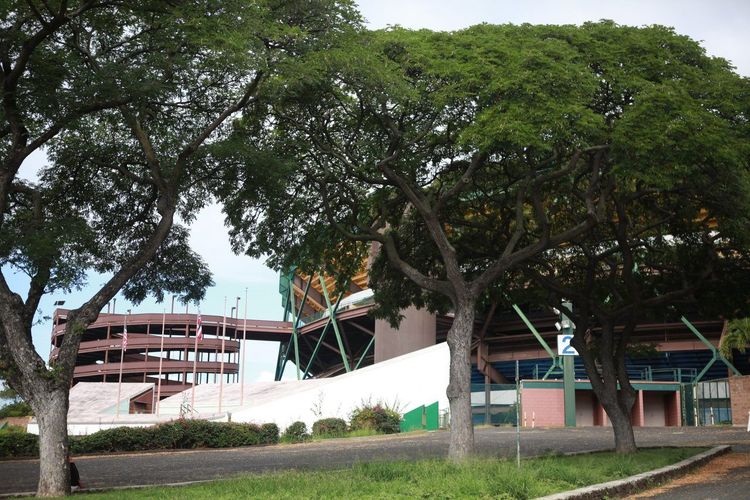
On Wednesday, Saturday, and Sunday mornings, the parking lot around Aloha Stadium (99-500 Salt Lake Blvd, Aiea, HI 96701, rated 4.5/5 on Google (9 338 avis)) has long hosted one of Hawaii's largest outdoor markets, with 400-plus vendors selling local snacks, souvenirs, clothing, and produce. The stadium itself is being demolished in 2026 ahead of a new stadium district, but the swap meet keeps running on the grounds; check the official schedule before driving out, since lots and days can shift during construction.
It is more stroller-friendly than it sounds; the main aisles are wide and flat, and food vendors selling shave ice and malasadas give kids a reason to keep walking between stalls while parents browse the clothing and produce stands nearby. Prices run noticeably lower than Waikiki's souvenir shops for the same t-shirts, magnets, macadamia nut chocolate, and beach gear, and haggling over larger purchases is normal and expected. Go early, by 10am, before both the heat and the crowds peak; there is little shade between stalls, so hats and water matter, and kids under 12 get in free.
22. Ho'omaluhia Botanical Garden
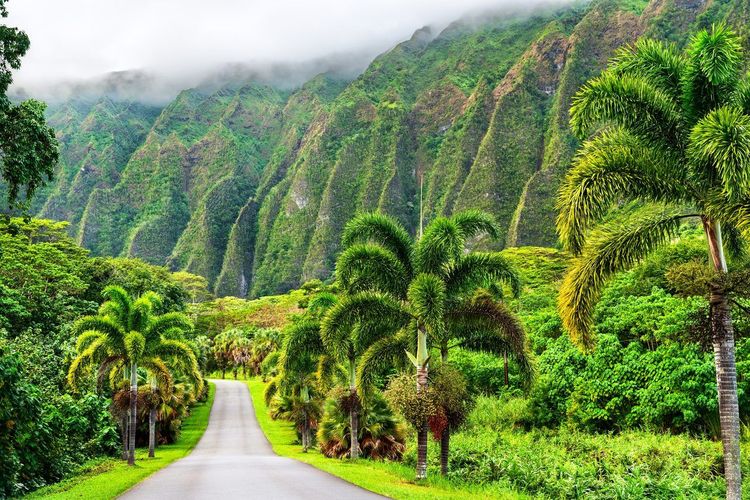
Ho'omaluhia Botanical Garden (45-680 Luluku Rd, Kaneohe, HI 96744, rated 4.7/5 on Google (7 476 avis)), designed by the Army Corps of Engineers as flood protection for Kaneohe and now a 400-acre botanical garden, sits at the base of the windward Koolau mountain range, and entry is completely free.
Flat, paved walking loops wind past collections organized loosely by continent, with a mountain backdrop that makes even a short stroll feel scenic. Picnic tables scattered throughout the garden, plus a visitor center with restrooms, make it easy to turn a walk into a full lunch stop. There is no entrance fee and no timed reservation required, which makes this one of the more spontaneous stops on this list, useful for a morning when plans elsewhere fell through.
23. Surfing Lessons at Waikiki Beach
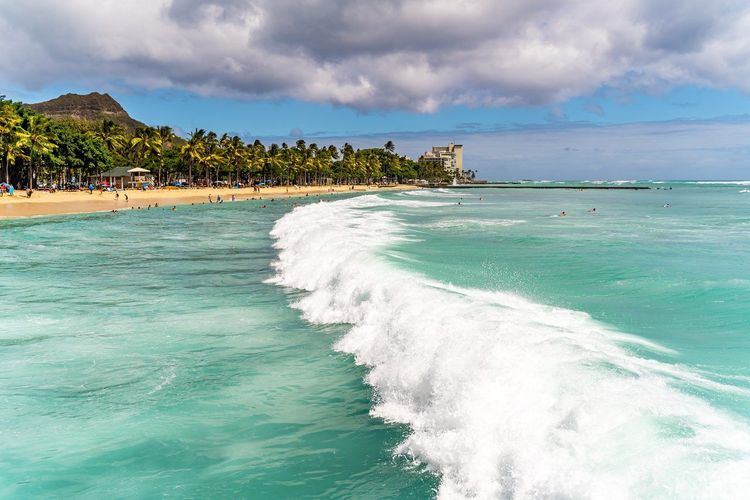
Waikiki's gentle, slow-breaking waves off the Queens and Canoes surf spots are widely considered some of the best beginner conditions in the world, which is why nearly every surf school in Honolulu runs its group lessons from this same stretch of sand.
Most schools set a minimum age of five or six for group lessons, using foam longboards long and stable enough that an instructor can push a kid into a wave and have them stand up on their first or second try. Private lessons, pricier than group sessions, work better for younger or more nervous kids, since a single instructor can stay in the water at arm's reach the entire time rather than rotating between four or five students.
Book for early morning, ideally before 9am; Waikiki's surf lessons crowd the same stretch of water by midday, and the wave itself tends to get choppier and more crowded with recreational surfers as the day goes on, making it harder for an instructor to find a clean, teachable wave for a beginner. A two-hour lesson is usually enough for a first-timer to leave with a real story to tell, even if standing up only happens once or twice.
24. Traditional Hawaiian Luau
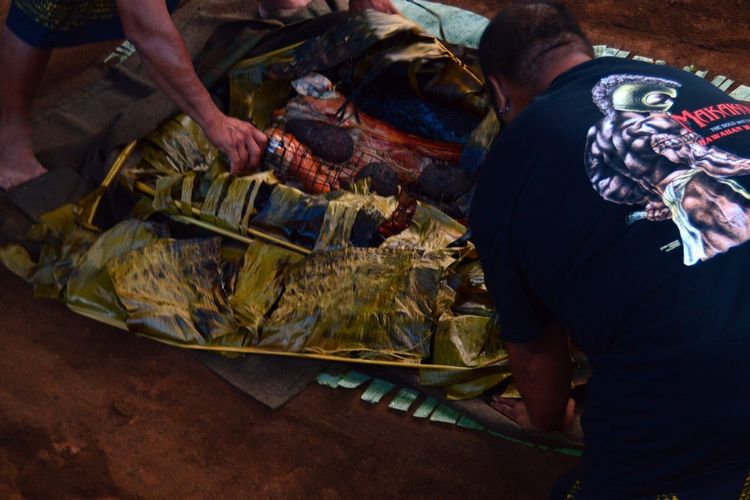
A traditional Hawaiian luau spans a full evening, opening with an imu ceremony where the pig is unearthed from an underground oven, then moving into a buffet of local dishes and a stage show covering hula and fire knife dancing from across Polynesia. It tends to be the one night of a Honolulu trip kids talk about for years afterward.
Several venues around Oahu run family-oriented versions with kid-friendly buffet options, mac and cheese alongside the kalua pork and poi, plus pre-show activities like lei-making or spear-throwing games that keep younger kids occupied before the sun sets and the main show starts. Prices typically include the meal, show, and often round-trip transportation from Waikiki hotels, though transportation add-ons cost extra at some venues.
Shows generally run three to four hours start to finish, later than many young kids' usual bedtime, so if your family includes a toddler prone to evening meltdowns, ask about early check-in and seating close to the exits before booking. Most venues will accommodate an early, quiet departure without issue, and staff are used to families slipping out before the closing number.
25. Practical Family Tips: Best Time to Visit, Safety, Ages, and Free Things to Do
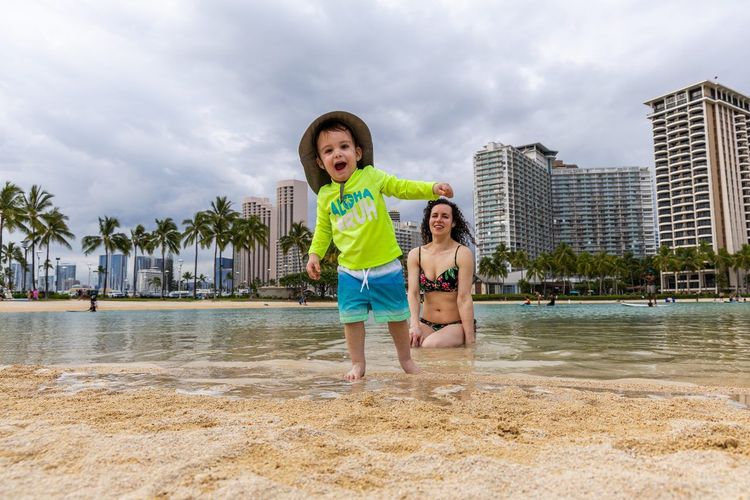
Age Group Quick Reference: toddlers and preschoolers (ages 1 to 4) do best with Kuhio Beach Park, Duke Kahanamoku Lagoon, Ala Moana Regional Park's lagoon, the keiki zoo section of Honolulu Zoo, and the Children's Discovery Center, all low-effort, low-risk, and forgiving of a short attention span. School-age kids (5 to 11) get the most out of Diamond Head, Hanauma Bay snorkeling, Pearl Harbor's museum galleries, Bishop Museum, and Waimea Valley. Teens tend to gravitate toward surfing lessons, Atlantis Submarines, Manoa Falls, and the Makapu'u whale-watching season, activities with a bit more physical challenge or a genuine wow factor built in.
Honest Family Tips for Honolulu in 2026: build in at least one buffer day with nothing booked. Between timed-entry reservations at Diamond Head, Hanauma Bay, and Pearl Harbor, plus drive time to the windward and North Shore stops, a schedule with no slack tends to fall apart by day three of a family trip. Rent a car if your itinerary includes Kailua, Ko Olina, or the North Shore; Honolulu's public bus system, TheBus, is usable for Waikiki-area stops but impractical with young kids and beach gear for the farther-flung destinations on this list.
Is Honolulu safe for families with young children? Broadly yes. Violent crime affecting tourists is rare, and the bigger practical risks are environmental, strong ocean currents at unprotected beaches and relentless sun exposure, not personal safety in the way visitors sometimes worry about with an unfamiliar city. Stick to lifeguarded beaches with young kids, check the ocean condition signage posted at every public beach access point, and treat any posted high-surf warning as a hard no rather than a judgment call.
What are the free things to do in Honolulu with kids? Several are already on this list: Kuhio Beach Park, Duke Kahanamoku Lagoon, the Hilton Hawaiian Village Friday fireworks, Ala Moana Regional Park, Iolani Palace grounds, Royal Hawaiian Center's cultural shows, and Ho'omaluhia Botanical Garden all cost nothing beyond parking or a rideshare fare.
When is the best time to visit Honolulu with kids? April, May, September, and October avoid both the peak summer crowds and winter's bigger North Shore surf and higher hotel rates, while still offering reliably warm, dry weather. Winter, roughly December through March, brings whale-watching season near Makapu'u but also the year's biggest waves on north-facing shores, worth avoiding for young or inexperienced swimmers.
What is the golden hour in Hawaii, and does it matter for a family beach day? It is the hour or so before sunset when the light turns warm and low, generally between 5:30 and 6:45pm depending on the season, and on Oahu it is worth planning around: the harsh midday glare fades, temperatures drop enough that toddlers stop melting down, and beaches empty out as day-trippers head back to their hotels for dinner.
If Honolulu HI USA is one stop on a bigger family trip that continues elsewhere, Ryo's Budapest-with-kids guide, paired with a Ryo audio guide you play as you walk, applies a similar idea to a very different city: shorter, kid-scaled stops beat one long, ambitious day every time, wherever the trip happens to be.



FAQ
What are the best things to do in Honolulu with kids?
Waikiki's Kuhio Beach Park and Duke Kahanamoku Lagoon cover the easiest wins, calm, shallow, and free. Diamond Head State Monument and Hanauma Bay add bigger payoffs for kids seven and up, while Pearl Harbor National Memorial and Bishop Museum bring in history for school-age children. Honolulu Zoo, Waikiki Aquarium, Sea Life Park, and Atlantis Submarines round out the animal-focused stops, and the Children's Discovery Center works as a reliable rainy-day backup.
What is the best age to take kids to Honolulu, Hawaii?
There is no wrong age, but Honolulu opens up around five or six, once kids can handle a short hike, sit through a museum gallery, and snorkel with a life vest at Hanauma Bay. Trips with toddlers still work well, they just lean harder on beach time at Kuhio or the lagoons and less on hikes, tours, or timed-entry sites like Pearl Harbor and Diamond Head.
Is Honolulu safe for families with young children?
Yes, in the ways that matter most to visiting families. Violent crime rarely touches tourist areas, and the real risks are environmental: strong currents at unprotected beaches and dehydration from the sun, not something that should keep you up at night before the trip. Stick to lifeguarded beaches, check posted ocean condition signage before letting kids swim, and treat any high-surf advisory as a firm no.
What are some free things to do in Honolulu with kids?
Kuhio Beach Park, Duke Kahanamoku Lagoon, Ala Moana Regional Park, and Ho'omaluhia Botanical Garden cost nothing beyond parking. The Hilton Hawaiian Village's Friday night fireworks are free to watch from the beach, Iolani Palace's grounds charge no entry fee, and Royal Hawaiian Center runs free hula and cultural shows most days.
When is the best time of year to visit Honolulu with kids?
April, May, September, and October split the difference: warm, reliably dry weather without summer's peak crowds or winter's bigger North Shore surf. Winter brings whale-watching season near Makapu'u but also rougher water on north-facing beaches, worth factoring in if your kids are young or inexperienced swimmers.
What is the golden hour in Hawaii and does it matter for family beach days?
It is the last hour or so of daylight, roughly 5:30 to 6:45pm depending on season, when the light softens and the heat breaks. For families, it is often the best window of the whole day: toddlers who melted down at noon perk back up, the beach crowd thins, and the light makes for the trip's best photos without anyone squinting.
Final Tips for Your Honolulu Family Trip
Twenty-five stops is a lot for one trip, and that is by design: pick six or seven that match your kids' ages and your energy level, rather than trying to force all of them into a single week. A toddler-heavy itinerary built around Kuhio Beach, the lagoon, the zoo, and the Children's Discovery Center covers a full, happy week without a single long drive or timed-entry reservation. A trip with older kids can lean into Diamond Head, Hanauma Bay, Pearl Harbor, and a windward-side day at Kailua or Byodo-In without ever feeling rushed.
What makes Honolulu work particularly well for families is how short the distance is between an easy win and a bigger adventure: a five-minute walk from a wading pool to open ocean, a half-day drive that turns into a full loop of the North Shore. If your family's travels stretch beyond Hawaii afterward, Ryo's Grenoble family guide applies that same stop-by-stop, kid-paced approach to a very different kind of destination, worth a look whenever the next leg of the trip takes shape. Load the matching Ryo audio guide before you fly, and the kids get a narrated, stop-by-stop story of the new city from the first morning.