© Shutterstock
 Votre guide Ryo
A Weekend in Los Angeles: The Complete 2026 Itinerary
Forty-five minutes. That's how long it can take to cover four miles across Los Angeles at the wrong hour, which is exactly why most first-timers assume a weekend in Los Angeles means picking one neighborhood and staying put. It doesn't have to. Spend day one moving west toward the ocean and day two moving up into the hills and back down to the flats, and the sprawl turns into a manageable loop instead of a traffic warning. Ryo's audio-guided tour of Los Angeles is built around that same loop, narrating the Getty Center, the Santa Monica Pier and the Venice canals as you move between them so you're not squinting at a phone map at every corner.
Over the next two days you'll step into a cast-iron atrium that most people on Broadway walk straight past, eat a French dip sandwich at a counter that has claimed its invention since 1918 and still spreads sawdust on the floor, find a lookout where the Hollywood Sign fills the frame instead of hovering as a distant speck, and see why a stretch of canals in Venice looks more like a Dutch postcard than Southern California. There's also a third-day option for Los Feliz and the Arts District, an honest rundown of what's actually free, and a short list of only-in-LA spots that rarely make the standard tourist map.
How to Plan Your Weekend in Los Angeles
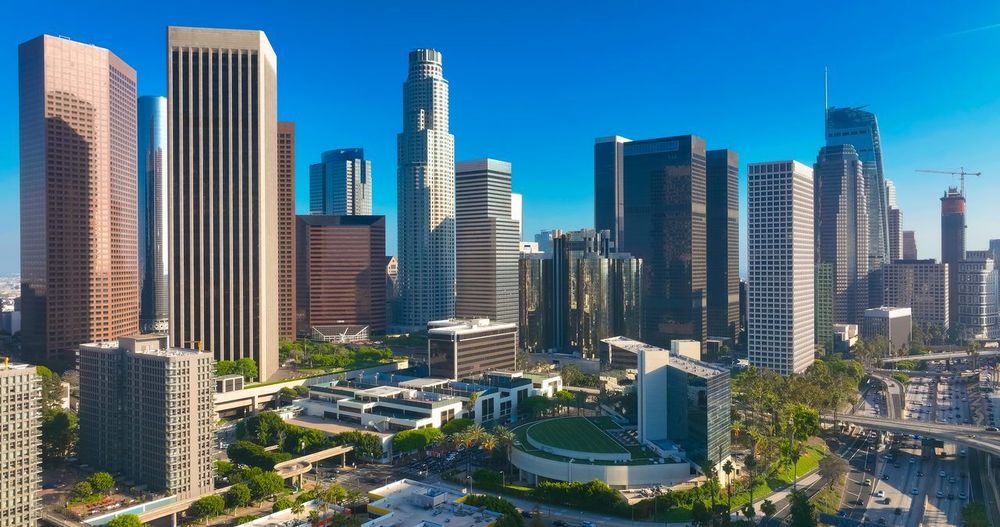
The hardest part of a short trip to Los Angeles isn't deciding what to see, it's deciding what to skip. The metro area sprawls across dozens of miles from the ocean inland, and no two-day visit covers all of it without spending half the trip in a car. The itinerary in this guide solves that by grouping stops geographically rather than by category: day one stays on the Westside, near the coast, and day two moves through central LA and up into Griffith Park before ending in West Hollywood.
If you only have two full days, treat Friday evening and Monday morning as bonus time rather than something to plan around. Fly in Thursday night or early Friday if you can, since that gives you a full Friday for the Getty Center before the weekend crowds arrive at the beach. Landing at LAX puts you closest to the Day 1 loop, while Hollywood Burbank Airport sits nearer to Hollywood and Downtown if you have a choice between the two. Three-day visitors should read this guide's optional third day, which adds Downtown's Arts District, Chinatown and the Los Feliz/Silver Lake hills without disrupting the core two-day loop.
A general rule for pacing: plan two or three major stops per day, not five. Los Angeles rewards lingering, whether that's an extra hour on the Venice Boardwalk watching street performers or a slow lunch at Grand Central Market instead of a rushed photo stop. Building in slack also protects you against the city's real wildcard, traffic, which can turn a 20-minute drive into 50 minutes without warning during rush hour. Traveling with kids or with a group that tires easily? Trim the afternoon in Santa Monica and Venice down to a single stop rather than all three, since the walking between the pier, the boardwalk and the canals adds up faster than the map suggests.
Think of the two days less as a checklist and more as a loop you're tracing on the map: down to the coast and back on Saturday, up into the hills and across town on Sunday. Approaching the weekend that way, rather than as a series of disconnected reservations, is also what makes an audio-guided route useful here. You're not hunting for the next stop on a list, you're following a line that already makes sense on foot.
Where to Stay for a Weekend in LA
Where you sleep shapes how much of the weekend you spend in a car, so choose a base before booking anything else. Two clusters make the most sense for a short trip: the beach side for morning light and easy walking, or the central corridor for nightlife and museum access.
Santa Monica and Venice for beach access
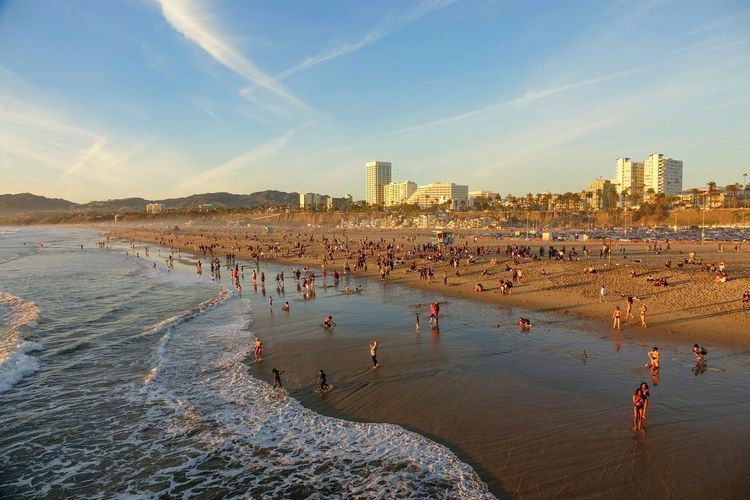
Santa Monica puts you within walking distance of the pier, the Third Street Promenade's shops and restaurants, and a wide, flat beach that's pleasant to walk at sunrise before the boardwalk crowds show up. Hotels here run from mid-range chains a few blocks inland to oceanfront properties right on Ocean Avenue, and almost everything is walkable or a short bike ride away. Because Santa Monica sits at the western edge of the city, it's also the fastest base for a morning trip up to the Getty Center, roughly 20 minutes by car outside of rush hour.
Venice, just south along the coast, trades some of Santa Monica's polish for a scrappier, more artistic feel. Staying near Abbot Kinney Boulevard means boutique guesthouses and design-forward hotels within a few blocks of both the beach and a strip of galleries, coffee shops and restaurants that stay busy well into the evening. Parking can be tight on weekends, so a hotel with its own lot is worth paying slightly more for here. Either base works well if day one of this itinerary, which loops through Santa Monica and Venice, is your priority.
Downtown and Hollywood for culture and nightlife
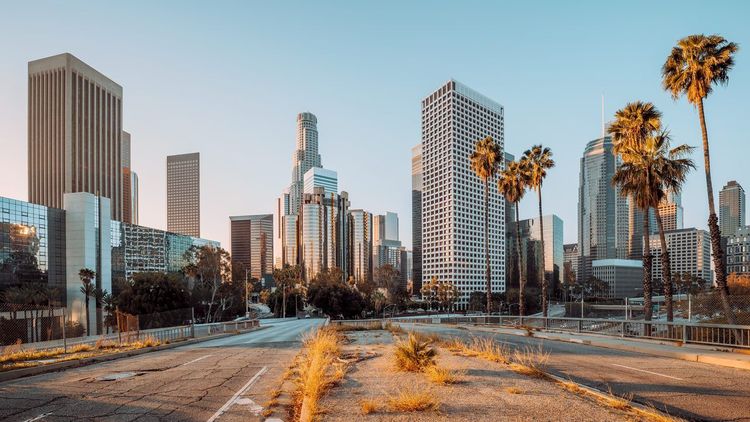
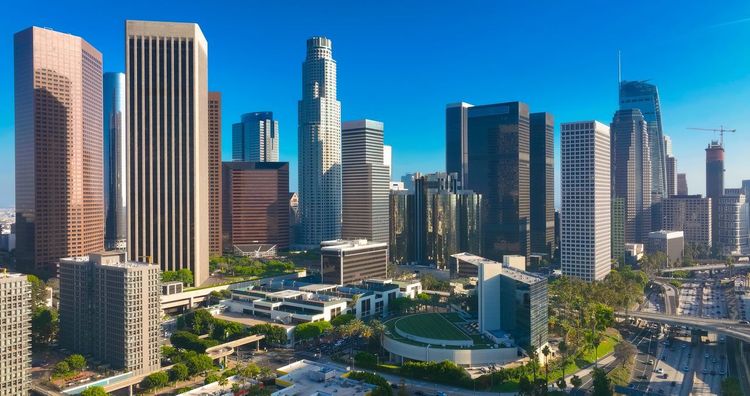
Downtown Los Angeles has quietly become one of the city's more interesting places to stay, with converted lofts and boutique hotels sitting a short walk from The Broad, Grand Central Market and the Arts District. It's the least car-dependent base in this guide, useful if you want to walk to dinner rather than drive, and the Metro's A and B lines both run through the area, which helps if you're skipping a rental car entirely.
Hollywood and West Hollywood sit closer to Griffith Park and the Sunset Strip's restaurant and nightlife scene, and put you within a reasonable drive of both Downtown and the Westside. It's a better choice if evening entertainment matters more to you than beach mornings, though expect to rely on rideshare or a rental car more than you would Downtown. A handful of mid-century hotels along the Strip lean into that history hard, with rooftop pools that double as sunset viewpoints, worth considering even if you're only staying one night in this part of town.
Day 1: Getty Center, Santa Monica and Venice
Morning at the Getty Center
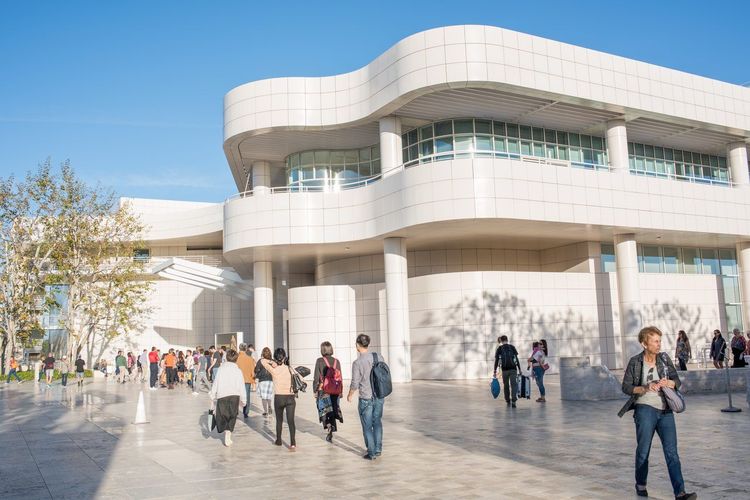
Start at the Getty Center), perched on a hilltop in the Santa Monica Mountains with views that stretch from Downtown to the ocean on a clear day. Admission is free, which surprises most first-time visitors given the scale of the place, though parking runs a flat fee. You'll ride a driverless tram up from the parking structure, a small ceremony that sets the tone for a museum that feels more like a campus than a single building.
Give yourself at least two hours. The permanent collection runs from medieval manuscripts to Van Gogh's Irises, but the real draw for a lot of visitors is architect Richard Meier's travertine-clad buildings and Robert Irwin's Central Garden, a living artwork that changes with the seasons and is worth circling twice, once from the upper path and once from below. Arrive right at opening if you can. By late morning the parking structure fills and the tram lines lengthen, eating into time you'd rather spend outside.
Traveling with older kids? The Family Room has hands-on activities tied to the collection, and the outdoor terraces are relaxed enough that nobody will mind if the visit turns into a picnic with a view. Bring a layer even in summer. The hilltop catches a breeze that the flats below rarely do.
Afternoon in Santa Monica and Venice
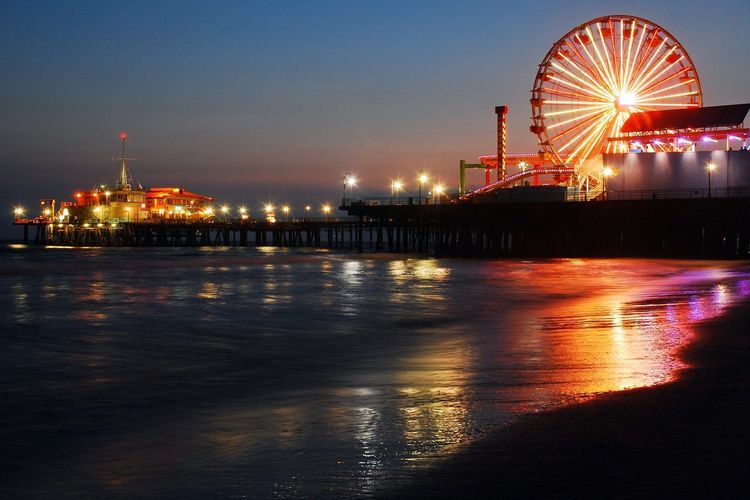
From the Getty, it's a straightforward 20-minute drive down to the coast. Start at the Santa Monica Pier), dating to 1909 and still home to a small amusement park, including a solar-powered Ferris wheel that lights up after dark. Pacific Park's rides are a fun stop with kids, but even without them, walking to the end of the pier for the view back toward the Santa Monica Mountains is worth the five minutes it takes.
Walk south along the beach path and the pier gives way to the Venice Boardwalk), officially Ocean Front Walk, a strip of outdoor gyms, tarot readers, skate parks and street vendors that's less polished and more entertaining than almost anywhere else in the city. Expect a chaotic, slightly overwhelming energy: street performers, cannabis storefronts and a genuine bodybuilding gym behind chain-link fencing at Muscle Beach. If you want to see the sport Venice is famous for, this stretch of sand also has some of the more reliable Venice Beach surfing breaks in the area, though they're better suited to intermediate surfers than total beginners given the crowds in the water.
A short walk inland from the boardwalk hides one of LA's more improbable neighborhoods: the Venice Canals), narrow waterways lined with small footbridges and houses, laid out in 1905 by developer Abbot Kinney, who wanted to recreate Venice, Italy on a marsh. It's quiet, residential and almost never crowded, a strange contrast to the boardwalk a few blocks away, and a loop around the canal paths is one of the better ways to decompress mid-afternoon.
On your way back toward the car, stop at Bay Cities Italian Deli), a Santa Monica institution since 1925 known for its Godmother sandwich, a loaf stacked with Italian cold cuts, provolone and a house dressing that regulars order extra of. Expect a line at lunch and a somewhat chaotic ordering system involving a ticket number called over the counter. Both are worth it.
The Ryo audio guide narrates this entire stretch, from the Getty's hilltop views down through the pier, the boardwalk and the canals, with short stories timed to each stop so you're not stopping to read plaques or second-guessing which direction to walk next.
Evening dinner around Marina del Rey
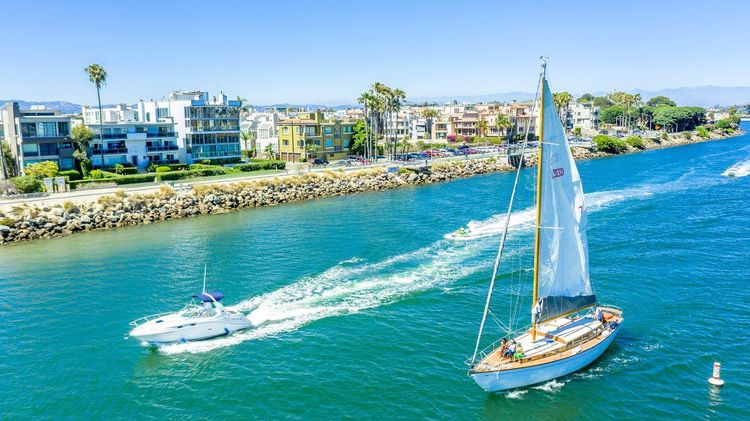
Cap day one just south of Venice at Marina del Rey (Marina del Rey, CA 90292, rated 4.8/5 on Google (228 avis)), often described as the largest man-made small-craft harbor in North America, ringed with restaurants that face the water. It's a calmer, less touristy alternative to eating right on the boardwalk, and several spots along the marina serve fresh seafood with a front-row view of the sunset over the docked sailboats. Book ahead on weekends. The waterfront tables go quickly once the sun starts dropping.
If you'd rather stay closer to Venice for dinner in Los Angeles, Abbot Kinney Boulevard has a dense cluster of restaurants within walking distance of most Venice hotels, so you don't need to move the car again once you've parked for the afternoon. Either option closes out a day that's covered a hilltop museum, a historic pier, a boardwalk and a residential canal district, more ground than it sounds like on paper, largely because none of it required much driving once you'd reached the coast.
Day 2: Griffith Park, Downtown Art and West Hollywood Nights
Morning hike to Griffith Observatory and the Hollywood Sign
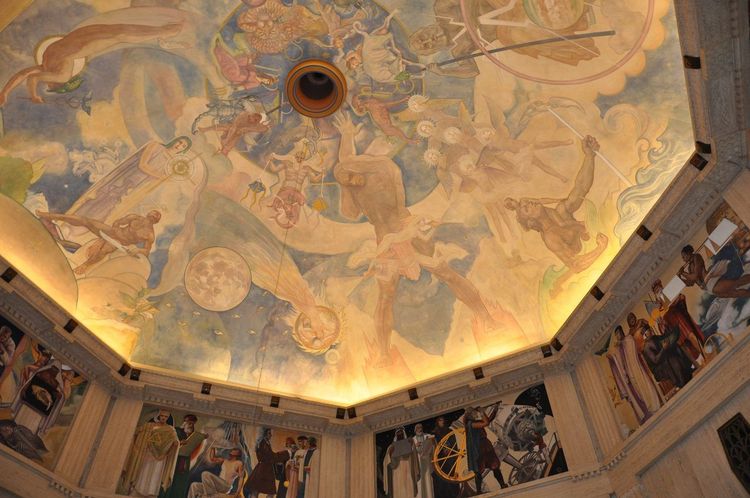
Griffith Park is one of the largest urban parks in the country, and its centerpiece is the Griffith Observatory), a 1935 Art Deco building perched on the south slope of Mount Hollywood. Admission to the building, grounds and public telescopes is free, and the view from the front lawn alone, Downtown's skyline in one direction and the Hollywood Sign) in the other, justifies the trip even if you skip the exhibits inside. Inside, the Foucault pendulum is free to watch, while the Samuel Oschin Planetarium runs ticketed shows (around 10 dollars for adults) on a fixed schedule that can sell out on weekends.
For a closer look at the Hollywood Sign, skip the crowded overlook right by the observatory and drive instead to Lake Hollywood Park, where the nine white letters rise straight above the park's lawn for a photo without a parking-lot foreground. Come early. Both the observatory lot and the roads leading up to it fill by mid-morning on weekends, and circling for a space eats into the best light.
If you'd rather hike than drive between viewpoints, several trails inside Griffith Park connect the observatory to ridgelines with their own Hollywood Sign views, most doable in under 90 minutes round trip depending on fitness level. Ryo's Hollywood audio-guided walk includes a stop timed for the Hollywood Sign lookout, so you know exactly where to stand for the shot before you've even parked the car.
Afternoon at The Broad and Grand Central Market
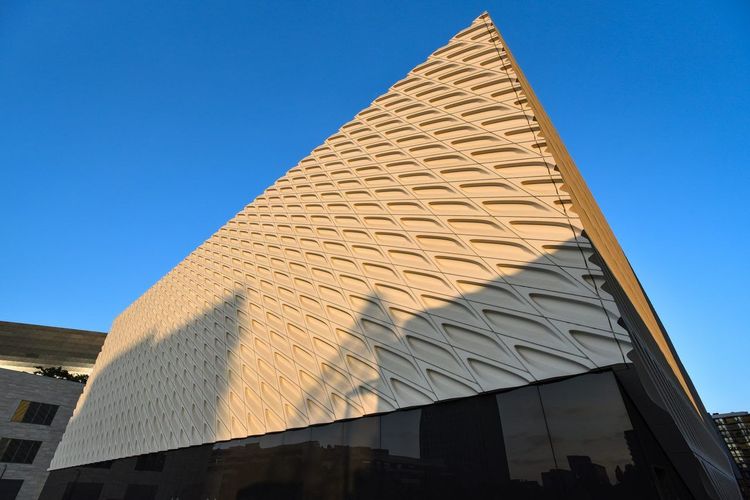
Head down into Downtown for the afternoon. The Broad) is a contemporary art museum built around collectors Eli and Edythe Broad's holdings, with free general admission (reserve a timed ticket in advance, it books up) and a honeycomb-like exterior that's become one of Downtown's most photographed buildings. Yayoi Kusama's Infinity Mirrored Room draws its own separate, and often much longer, line, so decide in advance whether it's worth the wait for your visit.
From there, it's a short walk downhill to Grand Central Market), a food hall that has operated in the same Broadway building since 1917, long before food hall was a common category, now packed with vendors selling everything from tacos to noodle soup to fresh-shucked oysters. It's a good lunch stop, loud, cheap and fast in a city that's often none of those things, and the mix of stalls means a group with different tastes can all order separately and meet at the shared tables.
Evening entertainment in West Hollywood
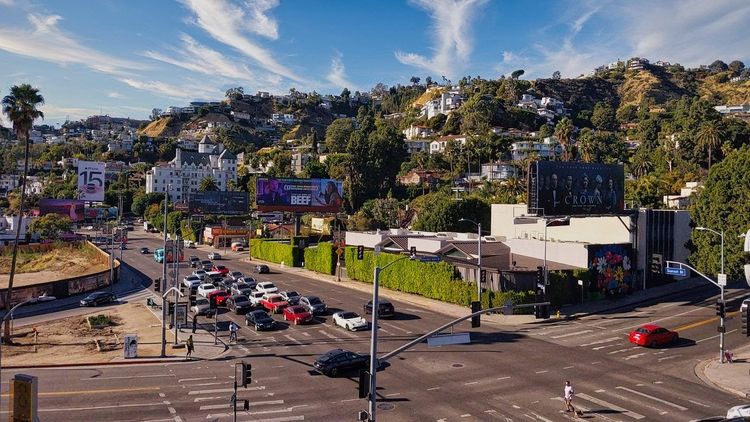
End day two in West Hollywood, whose Sunset Strip (Sunset Blvd, West Hollywood, CA 90069) has anchored the city's nightlife since the nightclub era of the 1940s. Comedy clubs, live music venues and rooftop bars line a mile-and-a-half stretch of Sunset Boulevard, dense enough that you can walk between two or three spots in a night rather than committing to one.
West Hollywood nightlife skews later than most of the city, so don't expect much energy before 9pm, and reservations at the better-known restaurants along the Strip are worth making a day or two ahead, especially on Friday and Saturday. Not up for a late night? The neighborhood's restaurants alone justify the drive over from Downtown, and a rideshare back to a hotel in Hollywood is usually quick outside rush hour.
Add a Third Day: More LA Neighborhoods to Explore
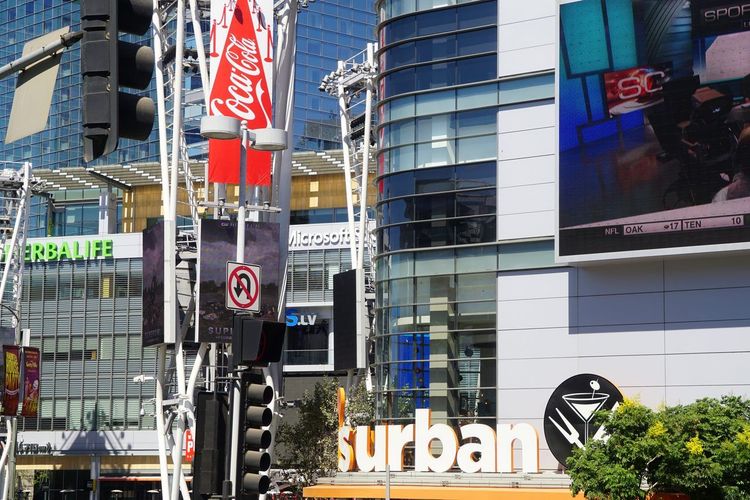
If your trip stretches to three days, use it to see the parts of the city the two-day loop skips entirely: Downtown's industrial-turned-artsy edge, and the hillside neighborhoods northeast of Hollywood.
Downtown's Arts District and Chinatown
The Downtown LA Arts District (Arts District, Los Angeles, CA 90013) occupies old warehouses and rail yards east of the main Downtown core, now filled with galleries, roasteries and some of the city's most inventive restaurants. Mural-covered walls make it one of the more photogenic places to simply walk around for an hour without a fixed plan, and it's a good spot for a slow breakfast before the rest of the day picks up.
A short drive or rideshare north brings you to Chinatown, rebuilt here in 1938 after the original Chinatown was demolished to make way for Union Station. Central Plaza's neon signage and gates have appeared in enough films that the area feels familiar even on a first visit, and its mix of dim sum spots, art galleries and small bars makes for an easy afternoon that tends to run longer than planned.
Los Feliz, Silver Lake and East Hollywood
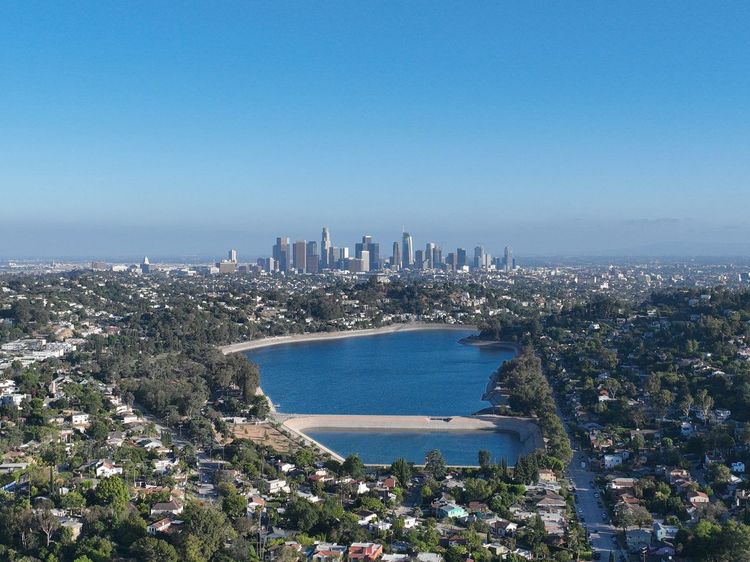
Northeast of Hollywood, Los Feliz and Silver Lake climb into the hills that border Griffith Park, with tree-lined streets of Spanish Revival houses giving way to a busier commercial strip along Sunset Boulevard and Hyperion Avenue. The Silver Lake Reservoir (Silver Lake Reservoir, Los Angeles, CA 90039, rated 4.5/5 on Google (140 avis)), ringed by a walking path popular with joggers and dog-walkers, is a good midday reset if the itinerary so far has been mostly museums and pavement, and the surrounding streets are dense with independent coffee shops and vintage stores worth a slow browse.
East Hollywood, wedged between Hollywood and Los Feliz, is home to Thai Town, a dense stretch of Thai restaurants and grocery stores along Hollywood Boulevard that remains one of the more underrated lunch stops in this part of the city. If your third day stretches further, Burbank, just over the hills, adds studio tours and a quieter, more suburban pace, and it's worth the detour if you're flying out of Hollywood Burbank Airport anyway.
A third day works well as a self-guided extension of the Ryo audio-guided tour: pick up the app where the two-day loop left off and let the audio stops carry you from Hollywood toward the Los Feliz hills without planning a new route from scratch. For more ideas on stretching the trip, Ryo's guide to things to do in Los Angeles covers a wider spread of neighborhoods than fits in a single weekend post, useful if this itinerary leaves you wanting a fourth or fifth day.
Unique and Unusual Things to Do in Los Angeles
Most lists of unusual attractions in LA lean on shock value: a museum built around true crime, or a spot where a film scene was shot. A few genuinely stand out, and a few are simply overlooked because everyone's headed to the beach instead.
Offbeat museums and hidden spots
The Bradbury Building), a modest brick exterior in Downtown, hides a five-story cast-iron atrium of open staircases and birdcage elevators that's appeared in Blade Runner and dozens of other films. It's a working office building, so visitors are limited to the ground floor and lower landing, but that's enough to see why it's one of Downtown's best-kept architectural secrets.
For something considerably darker, the Museum of Death), now on Selma Avenue just off Hollywood Boulevard, displays serial killer artwork, crime scene photographs and funeral and embalming artifacts. It's not for everyone (admission runs about 20 dollars, cashless, tickets sold on site only), but it's a far stranger stop than most of what surrounds it near the Walk of Fame, and usually far less crowded than the wax museums a few blocks away.
Quirky shops and only-in-LA experiences

The Last Bookstore (453 S Spring St, Los Angeles, CA 90013, rated 4.7/5 on Google (12 908 avis)), occupying a former bank in Downtown, has turned unsold books into sculpture, arranging them into arches and tunnels on its upper mezzanine that draw as many photographers as readers. It's one of the most photogenic cool shops in Los Angeles, and unlike most Instagram-famous spots, it's also just a good bookstore, with shelves of bargain used books tucked among the art.
For a once in a lifetime experience that has nothing to do with celebrity culture, splurge on a sunrise hot-air balloon ride over the desert east of the city, or keep it cheap with a swan pedal boat across Echo Park Lake at golden hour, the Downtown skyline as a backdrop. Either leaves a stronger impression than a star map tour of Beverly Hills mansions. Several of these offbeat stops, the Bradbury Building and The Last Bookstore especially, sit a few blocks from the Downtown leg of the Ryo audio-guided route, so you can fold one in without adding an extra drive.
Free and Budget-Friendly Things to Do in LA
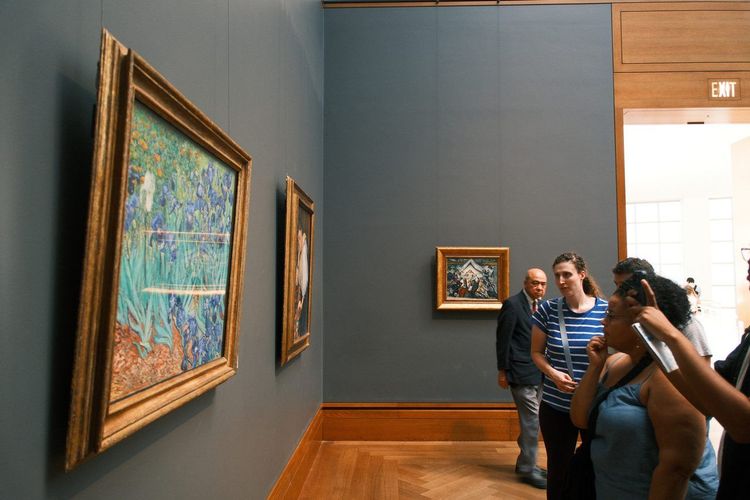
A weekend in Los Angeles doesn't have to be expensive. Two of the city's best museums, the Getty Center and The Broad, charge no general admission, and the Griffith Observatory's building, grounds and public telescopes are also free, a rare case where three of the biggest names on any LA itinerary cost nothing to walk through.
The beach itself costs nothing, and walking the Venice Boardwalk or Santa Monica's beach path is one of the better free things to do in Los Angeles precisely because it doesn't feel like a consolation prize. For places to visit in Los Angeles for free with a bit more art to them, Chris Burden's Urban Light) installation outside LACMA, 202 restored vintage street lamps arranged in a grid, is free to walk through any hour of the day or night and is arguably more striking after dark than during museum hours.
For a budget weekend in Los Angeles, bring a blanket to Echo Park Lake (751 Echo Park Ave, Los Angeles, CA 90026, rated 4.6/5 on Google (75 avis)), where lotus flowers bloom across the water in summer, or rent one of the swan pedal boats for around 13 dollars per adult per hour. It's a short drive from Downtown but feels considerably slower-paced.
Murals in the Arts District and Chinatown cost nothing to admire, and grazing your way through Grand Central Market for under 15 dollars a person beats most sit-down lunches in the city. Finish with the free public telescopes on the observatory lawn on a clear night, and you can fill a full day here without a single paid ticket.
Where to Eat in Los Angeles
Casual and iconic bites
Philippe the Original), open since 1908 near Union Station, claims to have invented the French dip sandwich, and its sawdust-covered floor and communal tables haven't changed much since. It's one of the more reliable answers to where to eat in Los Angeles if you want history alongside your lunch, and the coffee is still priced like a relic of another era, a detail regulars mention almost as often as the sandwiches.
Grand Central Market and Bay Cities Italian Deli, both covered earlier in this guide's itinerary, remain two of the best places to eat while in Los Angeles if you're already nearby, and neither requires a reservation, which matters on a weekend when the most popular dining rooms in the city are booked well in advance.
Cocktail bars and dinner spots
For a proper cocktail, Death & Co (818 E 3rd St, Los Angeles, CA 90013, rated 4.5/5 on Google (534 avis)) in the Arts District is one of the city's most talked-about bars, the Los Angeles outpost of the New York original, with a menu that changes seasonally and a dim, subterranean lounge that fills up fast on weekends. Reservations are worth making a few days ahead, and the bar seats, if you can get one, are a better vantage point than a table if you like watching the bartenders work. Pair it with dinner at one of the neighborhood's warehouse restaurants and you have one of the best restaurants in Los Angeles evenings without leaving a four-block radius.
Beyond that single standout, cocktail bars in Los Angeles cluster most densely in West Hollywood and Downtown, both neighborhoods already on this itinerary's route, meaning you rarely need to plan a special trip just to find a good drink. Pair an evening cocktail with an early dinner reservation, since many of the better kitchens along the Strip stop seating new tables by 10pm even on weekends.
Events and Festivals Happening This Weekend in LA
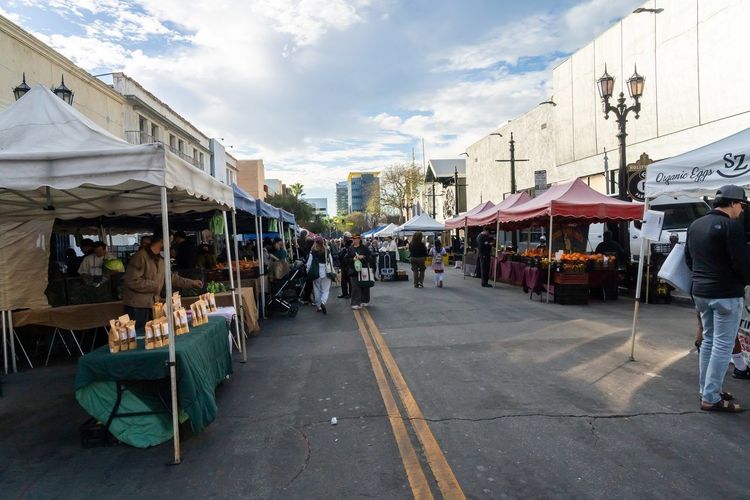
Rather than chase a specific concert or game that may be sold out by the time you read this, plan around the kinds of events in Los Angeles this weekend that recur reliably. The Hollywood Farmers Market runs every Sunday and Santa Monica's markets fill several days a week, with produce, live music and food stalls that make for an easy, low-cost morning and a good way to fold local flavor into a day that otherwise runs on the itinerary above.
The Hollywood Bowl hosts outdoor concerts through the warmer months, and Downtown's Arts District holds periodic gallery nights where studios and small galleries open their doors on the same evening, usually free to attend and a good excuse to linger past dinner. For festivals in Los Angeles this weekend, the city's cultural calendar runs deep year-round, from film festivals in spring to neighborhood street fairs in fall, and Chinatown's Lunar New Year celebrations draw crowds from across the county each winter.
For the most current listings, including free events in Los Angeles this weekend, check the city's official visitor bureau site before you travel rather than relying on a static list, since dates shift year to year. Whatever's on, most upcoming events in Los Angeles worth attending sit inside neighborhoods already on this itinerary, so it's rarely a detour to work one in.
Practical Tips: Getting Around, Weather and Best Time to Visit
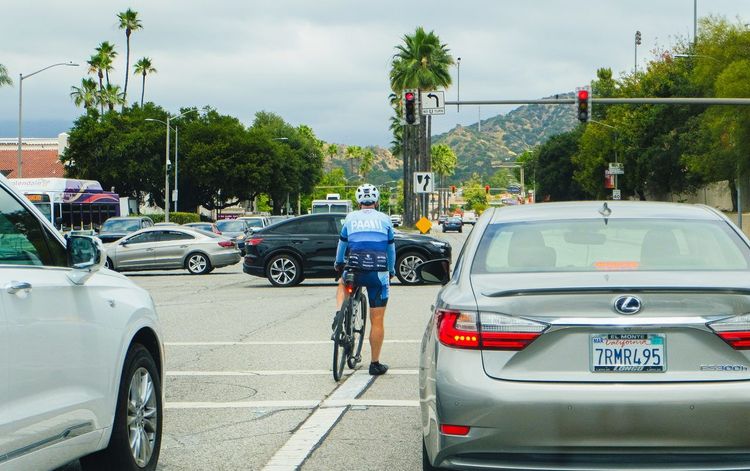
Los Angeles is not a walkable city in the way New York or Paris are, though individual neighborhoods, Santa Monica's downtown, Downtown LA's core, Venice's boardwalk, are walkable once you've parked. Getting around Los Angeles for a weekend usually means a rental car or rideshare between neighborhoods, supplemented by walking within each one. The Metro rail system connects Downtown, Hollywood and Santa Monica via the E Line, but it doesn't reach the Getty Center or the Venice canals, so plan on driving for at least part of the trip.
Traffic is the city's defining practical challenge. Avoid the freeways between 7 and 9:30am and 4 and 7pm if you can, and build extra time into any drive scheduled during those windows, particularly between Downtown and the Westside, which can more than double in duration during evening rush hour. Weather is mild year-round, dry summers in the 70s and 80s Fahrenheit, cooler winters that rarely dip below 50, though May and June often bring overcast mornings locals call June Gloom that tend to burn off by early afternoon.
The best time to visit Los Angeles is arguably spring or fall, when the weather is reliably warm without the peak summer crowds at the beach and on the freeways. If you have extra time beyond the weekend, several strong weekend trips from Los Angeles are within a few hours' drive: Joshua Tree National Park to the east, Santa Barbara up the coast, or San Diego to the south. And if you're trying to prioritize among the countless top 10 places to visit in Los Angeles lists out there, this guide's two-day loop, the Getty Center, Santa Monica, Venice, Griffith Observatory, The Broad and Grand Central Market, covers the six that show up most consistently across them, with an audio guide narrating each one as you arrive rather than a printed list you're checking off from memory.
FAQ
How many days do you need for a weekend in Los Angeles?
Two full days cover the core loop in this guide: the Getty Center, Santa Monica, Venice, Griffith Observatory, The Broad and Grand Central Market. Three days lets you add the Arts District, Chinatown and the Los Feliz/Silver Lake hills without rushing the first two.
What is the best area to stay for a weekend trip to LA?
Santa Monica or Venice work best if beach time and the Day 1 itinerary matter most, since both put you within walking distance of the pier and boardwalk. Downtown or Hollywood suit visitors prioritizing museums, food and nightlife over ocean mornings, and Downtown is the easiest base if you'd rather limit driving.
Is Los Angeles walkable, or do you need a car for a weekend?
Individual neighborhoods are walkable once parked, but getting between them, say from Santa Monica to Griffith Park, generally requires a car or rideshare. Budget for driving between the two or three zones you visit each day rather than expecting to walk the whole itinerary.
What are the top free things to do in Los Angeles?
The Getty Center and The Broad both offer free general admission, Griffith Observatory's building, grounds and public telescopes cost nothing, and the beach paths in Santa Monica and Venice are free to walk any time of day. Urban Light outside LACMA rounds out a solid free half-day, especially after sunset.
What are the must-see places for a first weekend in LA?
For a first visit, prioritize the Getty Center, Santa Monica Pier, Venice Boardwalk, Griffith Observatory and the Hollywood Sign viewpoint. These five show up across nearly every recommendation for the city and anchor this guide's two-day itinerary.
Is a weekend enough time to see Los Angeles?
A weekend is enough to see a well-chosen slice of the city, not all of it. Los Angeles is too large to cover fully in two days, but a focused loop like the one in this guide leaves you with a real sense of the place rather than a rushed checklist.
Two days in Los Angeles won't show you everything, and that's fine. What this itinerary aims for instead is a loop that actually makes geographic sense, hilltop museum, ocean boardwalk, canyon hike, downtown galleries, so you spend the weekend seeing the city rather than sitting in traffic between disconnected stops. Add the optional third day if you have it, and you've covered more of Los Angeles on foot than most visitors manage in a full week of driving between scattered attractions.
If you'd rather not plan the turn-by-turn yourself, Ryo's full audio-guided Los Angeles route strings these highlights together, from the Getty's hilltop gardens down to the Venice canals and up again toward Griffith Park, with stories at each stop so the two days feel like one continuous walk rather than a string of separate errands.