© Shutterstock
 Votre guide Ryo
What to Do in Los Angeles: 15 Must-See Attractions and Itineraries for 2026
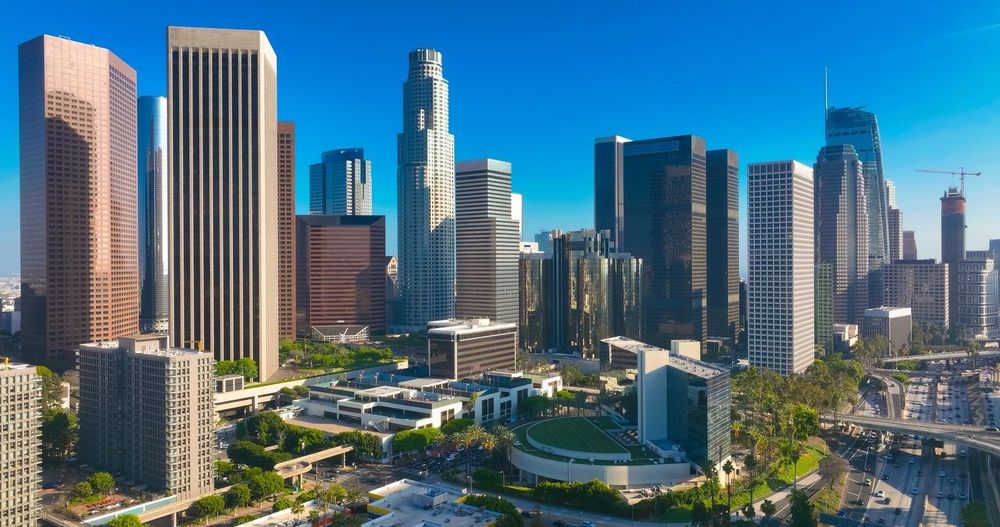
In Los Angeles, it can take 45 minutes to drive 12 kilometers during rush hour on the 101, and yet the city keeps drawing millions of visitors every year with its villa-covered hills, endless beaches, and studios where world cinema has been made for over a century. What to do in Los Angeles when the metropolis sprawls across nearly 1,300 km² and encompasses dozens of neighborhoods as different as Hollywood, Santa Monica, and Downtown? The Ryo audio tour of Los Angeles is designed to connect these distances on foot or by car, narrating the history of each stop along the way.
From the more than 2,800 celebrity stars embedded in the sidewalk of the Walk of Fame, to a single Hollywood Sign letter standing 13.7 meters tall, a free observatory open until 10 pm six days a week, and theme parks where you can visit real working film sets, the city packs in experiences found nowhere else in the United States. This guide breaks down the must-sees neighborhood by neighborhood, takes you to the table — from the Farmers Market to taco trucks — suggests itineraries based on the length of your stay (with or without children), and answers the practical questions you need before you go.
1. Hollywood Boulevard and the Walk of Fame
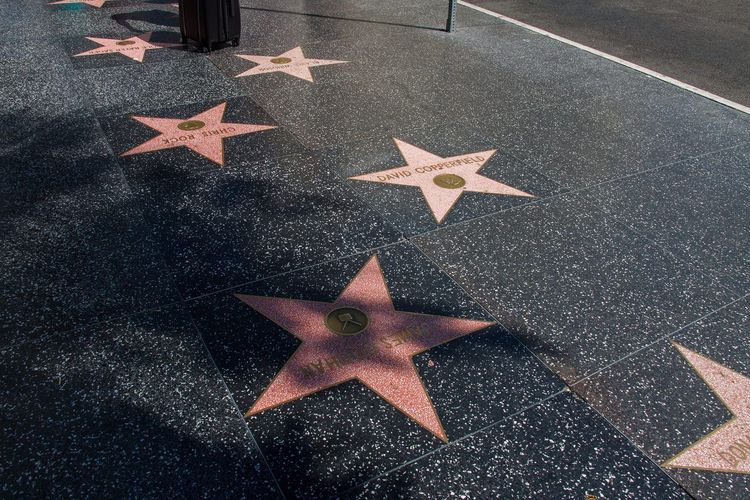
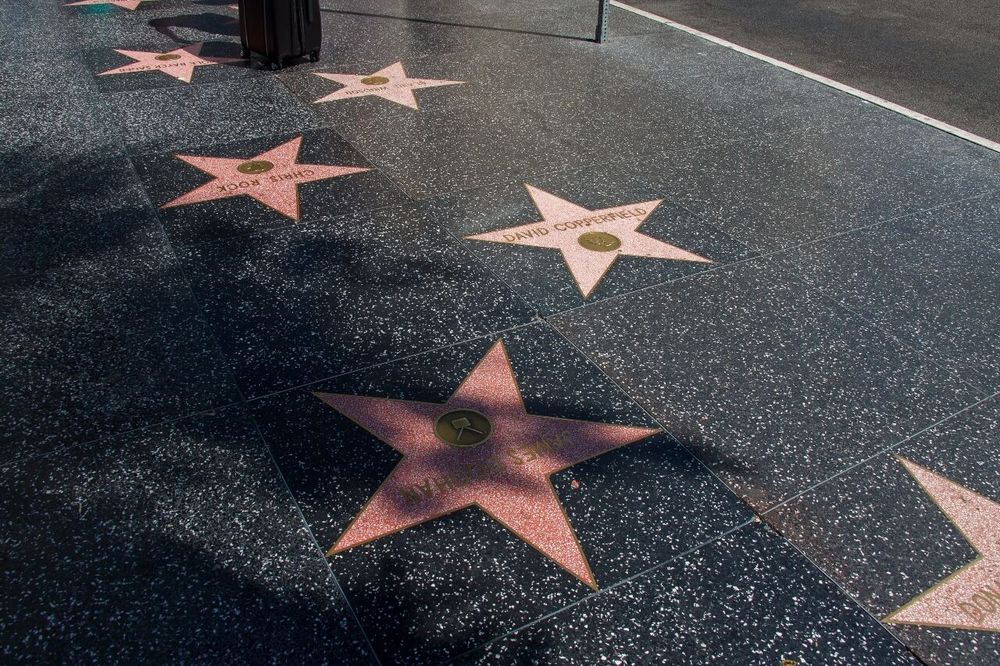
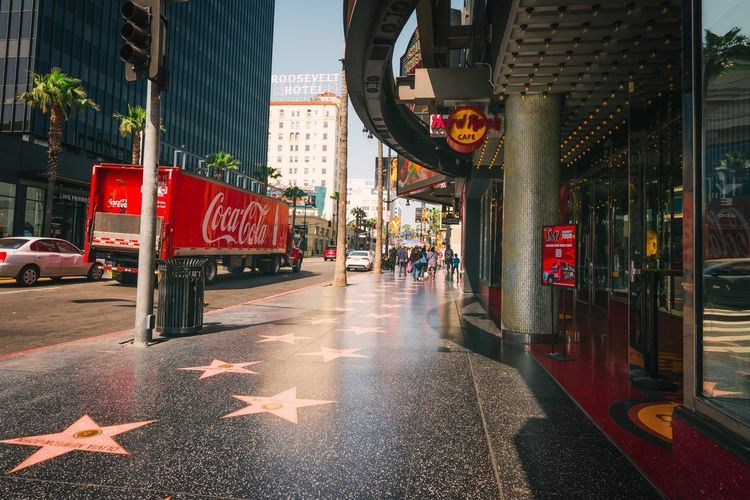
The Hollywood Walk of Fame stretches about 2.7 kilometers: fifteen city blocks along Hollywood Boulevard between La Brea Avenue and Gower Street, plus three blocks along Vine Street. More than 2,800 brass and terrazzo stars have been embedded here since 1960 — the very first, honoring director Stanley Kramer, was unveiled on March 28, 1960 — each bearing the name of an actor, director, musician, or even a fictional character: Mickey Mouse and Kermit the Frog each have their own. Around thirty new honorees are inducted each year, and the unveiling ceremonies, announced in advance, are open to the public free of charge.
Walking along this sidewalk searching for your favorite actor's name is a surprisingly fun experience, even for visitors who have seen the photos hundreds of times. The area also teems with costumed mascots — Batman, Chewbacca, Marilyn Monroe — who pose for a few dollars, as well as vendors selling tourist maps and minibuses offering tours of celebrity homes in Beverly Hills. You can safely ignore these solicitations: the real appeal lies in the sidewalk itself and the two legendary venues that frame it.
The TCL Chinese Theatre (formerly Grauman's Chinese Theatre), with its pagoda-style façade built in 1927, preserves in the cement of its forecourt the handprints and footprints of more than 200 celebrities, from Marilyn Monroe to the trio of actors from Harry Potter. Across the street, the Dolby Theatre (6801 Hollywood Blvd, Hollywood, CA 90028, rated 4.6/5 on Google with 4,679 reviews) has hosted the Academy Awards ceremony since 2002 and offers guided tours, suspended during the weeks leading up to the ceremony.
The best time to visit this area is early in the morning, before the tour groups arrive and the afternoon heat sets in. The Ryo audio tour dedicated to Hollywood walks you step by step along the Walk of Fame, narrating the history of the stars and legendary venues you encounter along the way, at your own pace, earphones in.
2. The Hollywood Sign
Perched on Mount Lee, the Hollywood Sign stands 13.7 meters tall and approximately 137 meters wide, overlooking the city since 1923. Originally, the sign advertised a real estate development called "Hollywoodland," before the last four letters were removed in 1949. Getting close to the sign itself is prohibited — it is fenced off and monitored by cameras — but several viewpoints allow you to admire it without any effort.
The most accessible viewpoint is the Griffith Observatory, which offers a clear view of the sign just a few kilometers away as the crow flies. For walkers, Lake Hollywood Park (3204 Canyon Lake Dr, Los Angeles, CA 90068, rated 4.6/5 on Google with 445 reviews), a small green space beside the Hollywood reservoir, provides an unobstructed view without any hiking, with free parking nearby on weekdays.
For hikers, the Hollyridge Trail is the most famous path, but be aware: its historic access point via the Beachwood Drive gate has been closed to the public since 2017. Hikers now take the Brush Canyon Trail, starting from the top of Canyon Drive, or set off directly from the Griffith Observatory. Allow up to two hours of walking each way to reach the summit of Mount Lee, just behind the letters, and head out early in summer: temperatures regularly exceed 30°C between June and September on these shadeless slopes.
Many visitors settle for a photo taken from their car on Beachwood Drive, where the street suddenly opens onto a striking perspective toward the hills. It's free, quick, and saves you from hunting for a parking spot in this residential neighborhood where parking is strictly regulated for non-residents. Whatever viewpoint you choose, bring sunscreen and water: shade is scarce on these dry hillsides, especially between noon and 4 pm.
3. Griffith Observatory and Its Sunset Views
Built in 1935 on the slopes of Mount Hollywood, the Griffith Observatory (2800 E Observatory Rd, Los Angeles, CA 90027, rated 4.7/5 on Google with 19,697 reviews) is one of the rare major tourist sites in Los Angeles with completely free admission — the only paid element being the Samuel Oschin Planetarium shows (around ten dollars). Its Art Deco architecture crowned with domes has served as a backdrop in dozens of films, from Rebel Without a Cause — a bust of James Dean on the esplanade commemorates the filming — to La La Land, where Ryan Gosling and Emma Stone take flight beneath the planetarium dome.
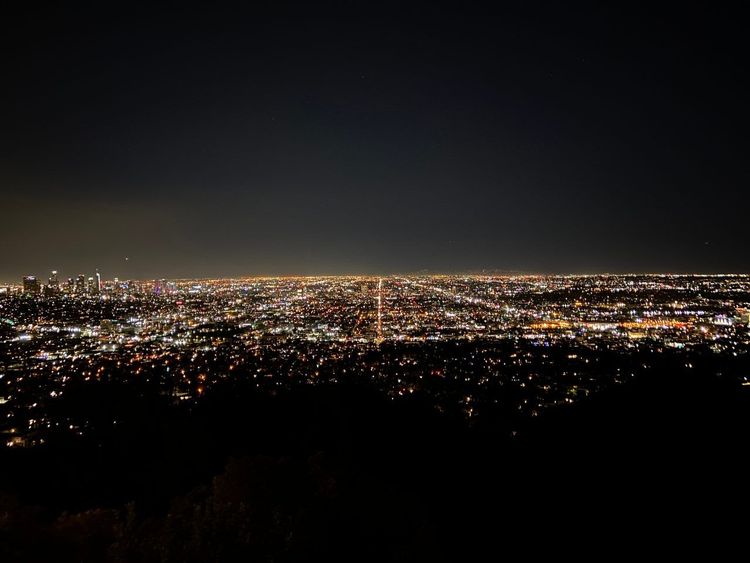
Inside, the astronomy exhibits and the Foucault pendulum easily fill an hour of exploration. But the highlight is outside: the terrace offers a 360° view of the Hollywood Sign on one side and the Downtown Los Angeles skyline on the other, with the Pacific Ocean visible on clear days.
The best time to visit is the hour before sunset. The golden light on the hills, followed by the gradual illumination of the city below, turns the terrace into a highly sought-after photography spot — so much so that finding a parking space after 6 pm in summer can sometimes be a challenge. Arrive at least 45 minutes before sunset to secure a good spot on the esplanade.
The building is open from noon to 10 pm Tuesday through Friday and from 10 am to 10 pm on Saturday and Sunday, with Monday closures; the esplanade and park roads remain accessible every day from 5 am to 10:30 pm. The nearest parking lot to the entrance is paid: if you're without a car, the DASH Observatory bus runs from the Vermont/Sunset metro station. Allow around 20 minutes by road from Hollywood Boulevard, not counting parking time. For the curious, the Ryo audio tour of Los Angeles dedicates a stop to the observatory, with anecdotes about its role in films shot on location and tips on the best time to visit without the crowds.
4. The Legendary Film Studios
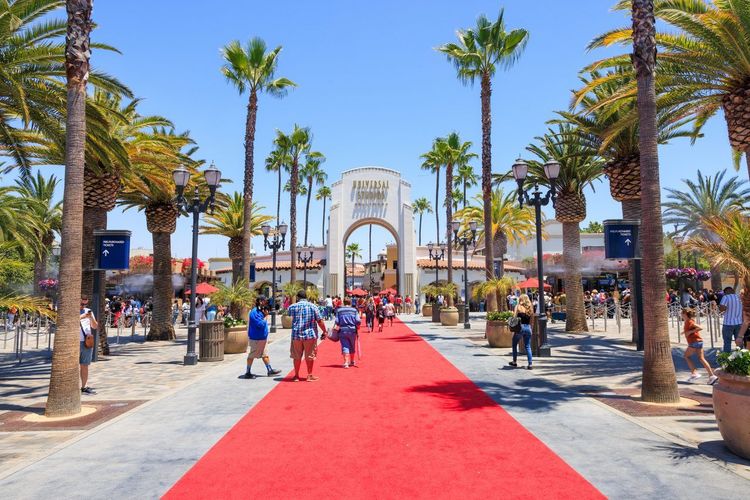
Universal Studios Hollywood, the Largest Studio Open to the Public
Universal Studios Hollywood combines a real working film studio with a theme park open to the public since 1964, making it a fairly unique hybrid experience. The Studio Tour, an approximately one-hour tram ride, passes through actual working sets — including the American suburban street reused in dozens of series — and features immersive special effects such as the King Kong 3D attack and the Fast & Furious: Supercharged chase sequence.
The park also includes several themed areas, including the Wizarding World of Harry Potter with its recreation of the village of Hogsmeade and Hogwarts Castle visible from afar, as well as Super Nintendo World, which opened in 2023. Plan a full day to enjoy the attractions without rushing, and aim to arrive at opening time: wait times on flagship rides easily exceed an hour in the middle of the day during school holidays.
Warner Bros, Paramount Pictures, and Sony Pictures: Behind the Scenes of Film Production
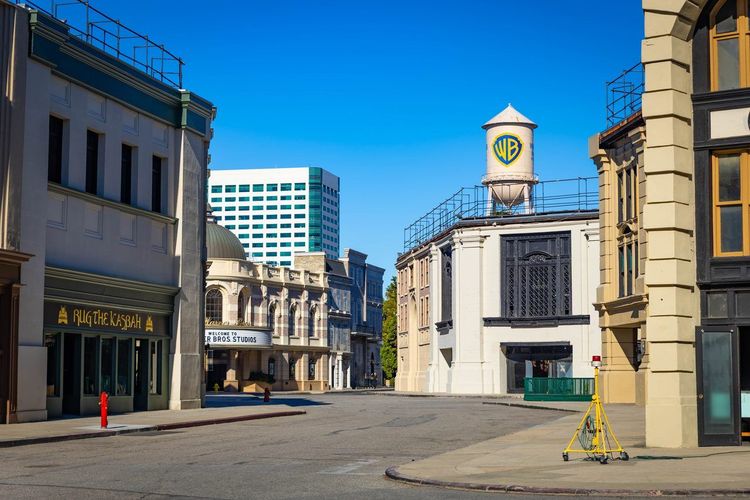
Unlike Universal, the three other major historic studios in Los Angeles offer no thrill rides whatsoever: they are real working facilities visited in small groups, led by a studio employee. The Warner Bros. Studio Tour Hollywood in Burbank takes you through working sets used for Friends, Batman, and ER, as well as the costume and prop workshops still in active use.
The Paramount Pictures Studio on Melrose Avenue is the only major historic studio still located in Hollywood itself: the tour passes the famous Bronson Gate arch and the outdoor New York Street sets, used for decades to simulate New York City streets without leaving California.
Further south, in Culver City, Sony Pictures Studios (10202 W Washington Blvd, Culver City, CA 90232, rated 4.5/5 on Google with 229 reviews) occupy the legendary former MGM lot, where The Wizard of Oz and the great musicals of the golden age were filmed. The guided tour lasts about two hours in small groups and must be booked in advance.
Film enthusiasts should also make a detour down La Brea Avenue, just south of Sunset Boulevard, to see the exterior of the Charlie Chaplin Studios, built by the actor himself from 1917 in an English cottage style that stands out completely from the surrounding neighborhood. Listed as a city historic monument since 1969, the lot was purchased by musician John Mayer and producer McG, who restored its original name of Chaplin Studios. It is not open to visitors, but the façade is easily photographed from the sidewalk.
Tours of Warner Bros, Paramount, and Sony are best booked online, several weeks ahead during peak season. The Ryo audio sub-tour on the star-making machine explains how these studios shaped the film industry, with behind-the-scenes anecdotes to listen to right in front of each entrance.
5. Theme Parks Around Los Angeles
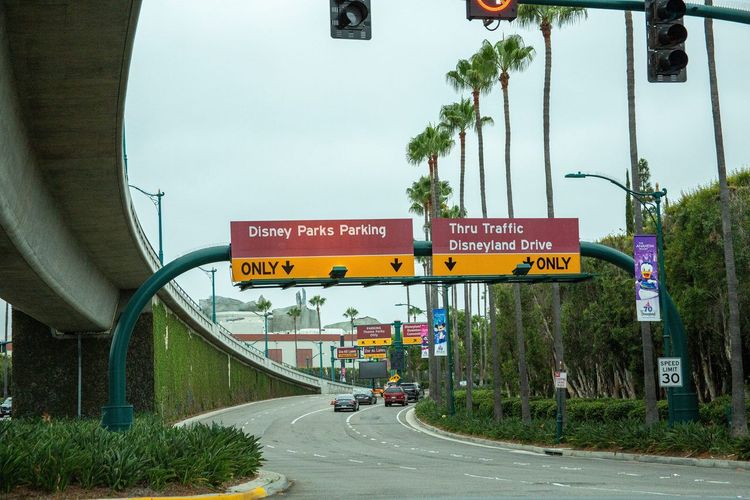
Disneyland Resort and Knott's Berry Farm
The Disneyland Resort in Anaheim is about a 45-minute drive south of Downtown Los Angeles — longer during rush hour — and encompasses two separate parks: Disneyland Park, opened in 1955 as the world's first Disney park, and Disney California Adventure, centered on California's landscapes and history. A combination ticket allows you to move between both parks in a single day.
Less well known to European visitors, Knott's Berry Farm — located about fifteen minutes away in Buena Park — claims the title of America's oldest theme park: its first attractions date back to 1940. It leans into a Western theme with wooden roller coasters highly regarded by enthusiasts, such as the GhostRider, and an atmosphere noticeably less crowded than its famous neighbor.
Six Flags Magic Mountain: Thrills and Adrenaline
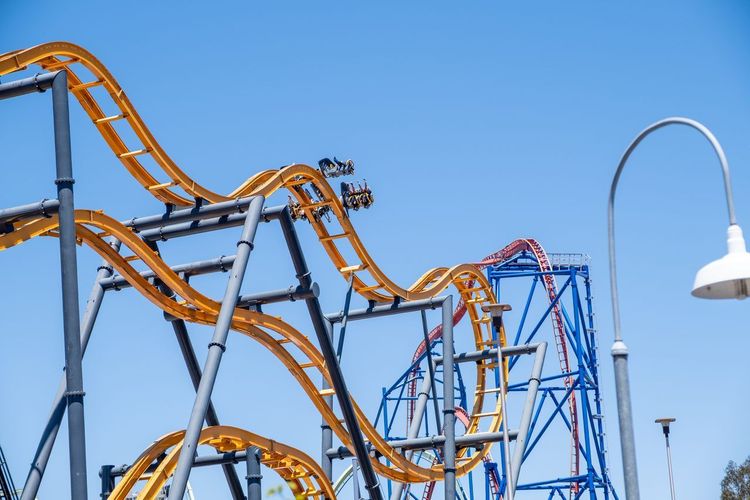
At the opposite end of the spectrum, north of the San Fernando Valley about 45 minutes by road from Hollywood, Six Flags Magic Mountain (26101 Magic Mountain Pkwy, Valencia, CA 91355, rated 4.5/5 on Google with 52,068 reviews) clearly targets thrill-seekers with 17 operating roller coasters — one of the highest totals in the world, just behind Poland's Energylandia. Twisted Colossus, a wood-steel hybrid that opened in 2015 with two trains crossing in a dueling sequence, remains the most cited attraction among regulars. The famous X2 with its rotating seats has been closed since July 2026, however: check its status before visiting if that ride is your main draw.
Unlike Disneyland or Universal Studios, the family atmosphere here is less pronounced: queues are dominated by teenagers and young adults, and few attractions are suitable for children under 1.20 meters tall. If your stay in Los Angeles is less than five days, it's better to choose between these three parks rather than trying to fit them all in — each requires a full day to be worthwhile.
6. Strolling Through Beverly Hills and Rodeo Drive
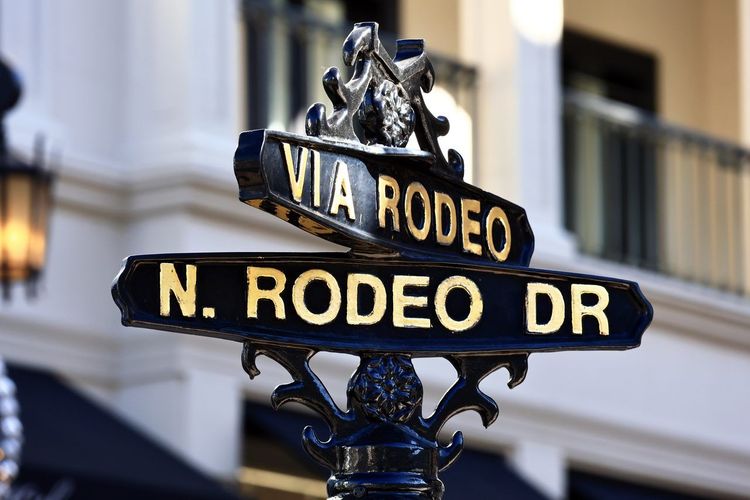
Beverly Hills forms an independent residential enclave in the heart of greater Los Angeles, with its own city council and its own police force since 1914. The city owes its reputation to the celebrity mansions hidden behind perfectly trimmed hedges, especially in the area north of Sunset Boulevard, where several companies offer minibus tours with maps of famous residences.
The commercial heart remains Rodeo Drive (Rodeo Dr, Beverly Hills, CA 90210, rated 4.4/5 on Google with 24K reviews), a three-block street home to the city's most expensive boutiques: Chanel, Louis Vuitton, Cartier, Tiffany & Co. Even without any intention to shop, the street is worth a stroll for its refined architecture and Two Rodeo Drive, a small cobblestoned pedestrian lane with a deliberately pseudo-European feel.
You'll also regularly spot luxury cars double-parked in front of hotels, and occasionally real celebrities — though no guarantees on that front. The Beverly Wilshire, the hotel where Pretty Woman was filmed, stands at the corner of Rodeo Drive and Wilshire Boulevard and serves as an easy landmark for navigating the neighborhood.
Beverly Hills is best visited late in the morning, when boutiques open and the light flatters the façades. One stop on the Ryo audio tour of Los Angeles takes you right through Rodeo Drive and the neighboring residential streets, narrating the history of the mansions visible from the sidewalk: you walk, and the audio triggers at exactly the right spot.
7. The Iconic Museums of Los Angeles
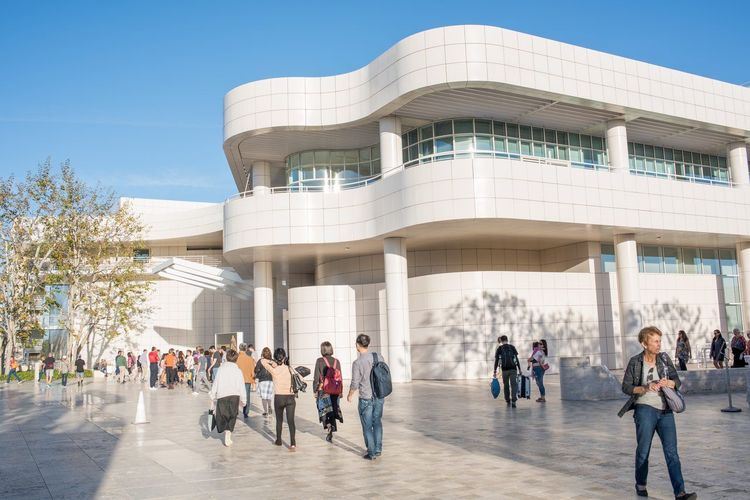
The Getty Center and Its Panoramic Gardens
Perched on a hilltop in Brentwood, the Getty Center stands out first for its access: a free automated funicular climbs from the parking lot to the summit, already offering views across the entire city during the five-minute ride. Museum admission itself is free — only parking, around 25 dollars, is charged — a rarity for a collection of this caliber, which includes works by Van Gogh, Monet, and Rembrandt.
The building's architecture, designed by Richard Meier, and the terraced gardens designed by artist Robert Irwin are almost as worth visiting as the collections themselves. The museum is closed on Mondays. Allow a half-day to explore everything at a leisurely pace, and aim for a late-afternoon visit to enjoy the view of the Pacific Ocean and the hills at sunset.
The Broad, MOCA, and LACMA: The Contemporary Art Scene
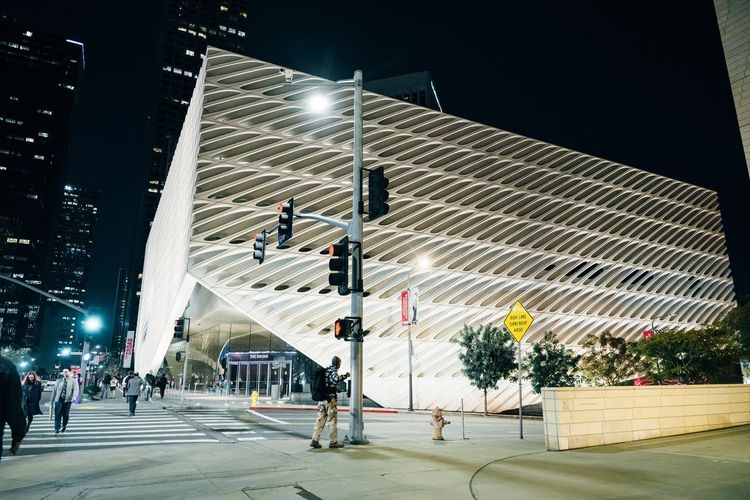
In Downtown, The Broad (221 S Grand Ave, Los Angeles, CA 90012, rated 4.7/5 on Google with 18,233 reviews), opened in 2015 in a building of honeycomb-like concrete panels, focuses on contemporary art with works by Jeff Koons, Yayoi Kusama, and Jean-Michel Basquiat. General admission is free, but time slots must be reserved online in advance — the Kusama Infinity Mirrors experience regularly sells out several weeks ahead.
Directly across the street, the Museum of Contemporary Art (MOCA) covers American art from 1940 onward across three locations, with the Grand Avenue site being the main one for visitors. Further west on Wilshire Boulevard, the Los Angeles County Museum of Art (LACMA), the largest art museum in the American West, is easily recognizable by its entrance marked by Urban Light, an installation of 202 vintage lampposts assembled by artist Chris Burden that has become one of the most photographed spots in the city. Since May 2026, its permanent collections are housed in the new David Geffen Galleries, a long ribbon of concrete designed by Peter Zumthor that spans Wilshire Boulevard.
Right next door, the La Brea Tar Pits are worth a stop, especially with children: these natural asphalt pits have yielded thousands of mammoth and saber-toothed tiger fossils, now displayed in the adjacent museum.
The Broad and MOCA face each other on Grand Avenue, while LACMA requires about a twenty-minute drive west — often more during rush hour. You can therefore combine two visits in a single day without museum fatigue setting in.
8. Exploring Venice Beach and the Canals
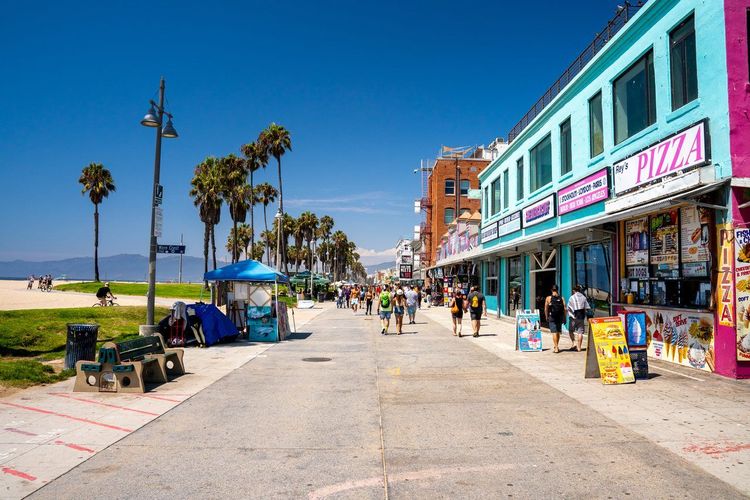
Venice Beach and its boardwalk, the Venice Boardwalk, condense along roughly 3 kilometers nearly everything that gives Southern California its eccentric reputation: artisan jewelry vendors, fortune tellers, street musicians, and bodybuilders training outdoors at Muscle Beach, the open-air weightlifting platform where Arnold Schwarzenegger used to work out in the 1970s.
Just a few streets back from the bustling waterfront, the Venice Canals (Venice, CA 90291, rated 4.6/5 on Google with 13,059 reviews) — dug in 1905 by a developer who dreamed of recreating Venice, Italy in California — offer a radically different atmosphere: elegant homes, flowering gardens, and pedestrian bridges spanning calm water, in an almost disorienting quiet just a few hundred meters from the boardwalk.
Running parallel to the beach, Abbot Kinney Boulevard — named after Venice's founder — lines up designer boutiques, specialty coffee shops, and trendy restaurants: the ideal address for a brunch before hitting the boardwalk.
The neighborhood has gentrified considerably with the rise of "Silicon Beach" — the nickname given to the tech companies that have set up along this coastline — but retains a creative, slightly bohemian identity that Santa Monica, more polished, has never quite had. Plan to park east of the boardwalk; beachfront spaces come at a premium from mid-morning on weekends.
9. Santa Monica, Its Pier, and Cycling by the Sea
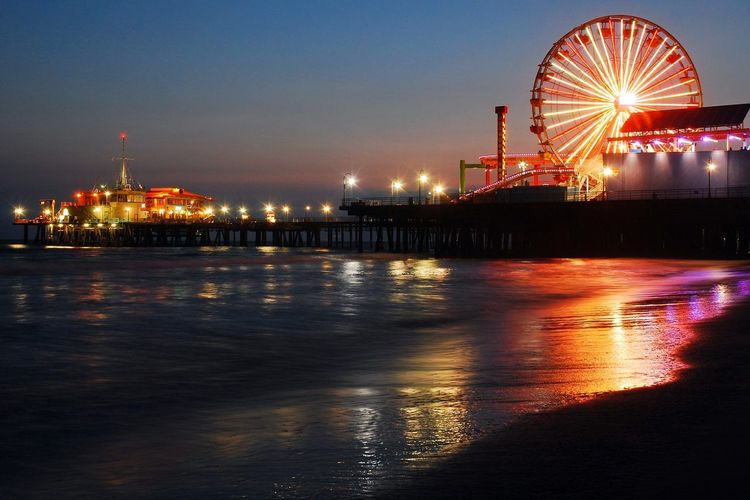
An independent city enclave within greater Los Angeles, Santa Monica marks the symbolic end of the legendary Route 66 facing the Pacific Ocean: an "End of the Trail" sign announces it on the pier. The pier itself, the Santa Monica Pier (200 Santa Monica Pier, Santa Monica, CA 90401, rated 4.6/5 on Google with 135,389 reviews), built in 1909, is home to a small amusement park, Pacific Park, featuring a solar-powered Ferris wheel lit up at night and mini roller coasters suited to children.
Below the pier, the beach stretches along wide, even sand — less lively than Venice Beach but better suited to swimming and long walks. The Marvin Braude Bike Trail runs along the coast for nearly 35 kilometers between Pacific Palisades and Torrance, and Santa Monica is its most practical starting point, with several bike and roller skate rental shops set up directly on the promenade.
Allow about fifteen minutes by bike to reach Venice Beach along the water — a far more enjoyable journey than the same distance by car on Lincoln Boulevard during rush hour. Downtown Santa Monica, around Third Street Promenade, rounds out the visit with its restaurants and street performers in the evening.
Our Ryo audio tour of Los Angeles follows this promenade and narrates the history of the pier and its Ferris wheel during the walk — on foot or by bike — at whatever pace suits you.
10. Exploring Downtown Los Angeles
The Street Art of the Arts District
Once an industrial neighborhood between the rail yards and the Los Angeles River, the Arts District has transformed over the past decade into one of Downtown's most creative quarters, driven by the giant murals that cover former brick warehouses. Recognized street art names have left works freely visible in the streets, and the walls change regularly with new commissions: no two visits a year apart look quite the same.
The neighborhood now blends artists' studios, microbreweries, and chef-driven restaurants installed in former warehouses, without having entirely lost its raw character. An hour or two on foot, camera in hand, is enough to take in the most photographed murals, concentrated mainly around Traction Avenue and Mateo Street.
Angels Flight Railway and the Grand Central Market
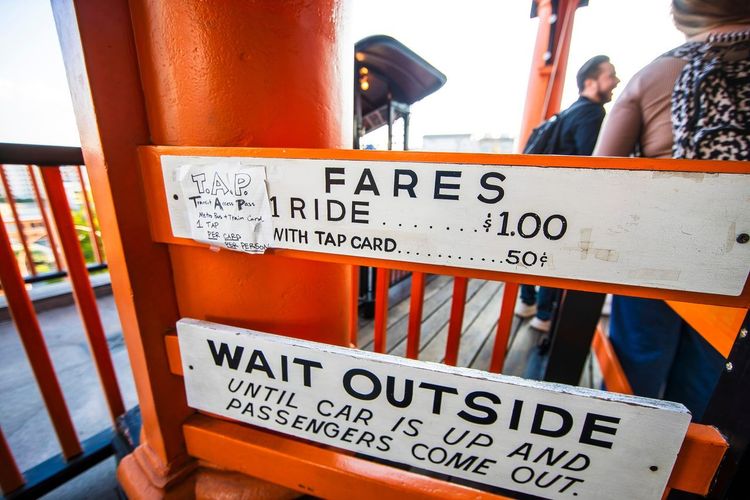
Further west, on Bunker Hill, Angels Flight Railway bills itself as the world's shortest railway: barely 91 meters of track covering 29 meters of elevation, traveled in one minute by two orange and black cars. Inaugurated in 1901, dismantled in 1969, then reinstalled a few dozen meters from its original site in 1996, it has experienced several interruptions before returning to service in 2017. A one-way ride costs $1.50 (75 cents with a TAP card), and the ascent offers an amusing view of Downtown's skyscrapers drawing closer.
At the bottom of the tracks, the Grand Central Market (317 S Broadway, Los Angeles, CA 90013, rated 4.5/5 on Google with 37,021 reviews), open since 1917, brings together around forty food stalls under a vast covered hall, spanning Mexican, Korean, and local specialty counters. It's one of the best spots in Downtown for a quick, affordable lunch — with prices noticeably more reasonable than in Hollywood's tourist restaurants.
To the north of the center, El Pueblo de Los Ángeles and its pedestrian street Olvera Street mark the birthplace of the city, founded in 1781: Mexican souvenir stalls, taquitos served at the counter, and the oldest house still standing in Los Angeles, the Avila Adobe, which can be visited free of charge.
Downtown is best visited during the day: the atmosphere changes significantly after dark on certain streets around Skid Row, just a few blocks from the gleaming skyscrapers. It's worth checking your exact route before walking there after 7 pm.
11. Tasting Los Angeles, from the Farmers Market to Food Trucks
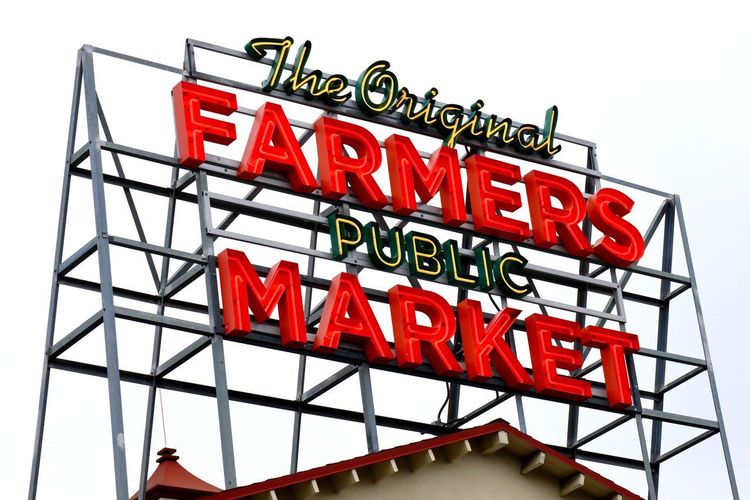
Opened in 1934 at the corner of 3rd Street and Fairfax Avenue, The Original Farmers Market (6333 W 3rd St, Los Angeles, CA 90036, rated 4.6/5 on Google with 17,052 reviews) started as a simple vacant lot where local farmers sold their produce from the backs of their trucks. Nearly a century later, its covered alleyways bring together dozens of counters: Mexican, Cajun, and Brazilian cuisine, fresh produce, butchers, old-fashioned candy shops, and bars where regulars have been taking their morning coffee for decades.
The market sits next to The Grove, an open-air shopping center served by a small green trolley, and is about ten minutes from LACMA: you can easily combine a morning at the museum with lunch at the market without a lengthy drive.
The rest of the culinary scene often plays out on the street. Los Angeles helped popularize the modern food truck movement in the late 2000s with chef Roy Choi's Korean tacos, and the Eastside's taquerias still serve tacos al pastor for just a few dollars apiece. For a more Californian ritual, burgers from In-N-Out near LAX airport are best enjoyed while watching planes fly overhead at low altitude, right above the parking lot.
12. Unusual and Sporting Activities to Try
Flying Over the City by Helicopter
Los Angeles lends itself particularly well to a helicopter tour, given that its horizontal sprawl — nearly 1,300 km² for the city alone, not counting the greater metro area — defies any ground-level perception. Several companies depart from Hollywood or Santa Monica for 20- to 45-minute flights over the Hollywood Sign, the coastline, and sometimes as far as Downtown, with prices starting around $150 to $200 per person.
Book a late-afternoon slot if possible: the low-angle light over the hills and the ocean makes the flight noticeably more spectacular than a midday departure, when marine haze can reduce visibility over the city center.
Hiking Runyon Canyon and Paddling at Echo Park
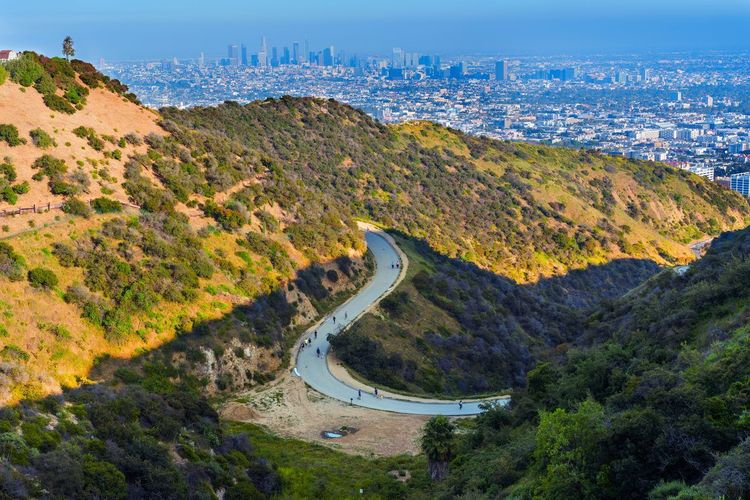
Right in the Hollywood Hills, Runyon Canyon Park has become the neighborhood's favorite jogging and hiking spot, with several loops between 2 and 5 kilometers and enough elevation gain to work up a sweat without exhausting yourself. The view from the summit takes in Downtown on one side and the ocean on the other, and the park is well known for its many off-leash dogs — a large portion of the trail is designated for that purpose.
On the other side of the city, in the quieter neighborhood of Echo Park, the small artificial lake of Echo Park Lake — with its lotus flowers and central fountain — is best discovered by paddleboat, an activity as charmingly kitsch as it is pleasant for an hour away from the tourist hustle. Rental rates, around fifteen dollars, are posted at the dock.
In an entirely different vein, the Forest Lawn Memorial Park in Glendale, about twenty minutes by road from Hollywood, blends a landscaped cemetery with an open-air museum: a stained-glass reproduction of Leonardo da Vinci's The Last Supper, copies of Michelangelo's sculptures, and the graves of stars such as Walt Disney, Clark Gable, and Humphrey Bogart. A surprisingly peaceful walk, best enjoyed with respect for grieving families.
Attending an NBA Game
Los Angeles has two NBA franchises. The Lakers, one of the most decorated teams in the history of the league, play at Crypto.com Arena in Downtown; the Clippers left that venue in 2024 for the Intuit Dome (3930 W Century Blvd, Inglewood, CA 90303, rated 4.4/5 on Google with 3,232 reviews), a brand-new arena in Inglewood adjacent to SoFi Stadium. Attending a game — between October and April — is an experience in its own right, with the crowd atmosphere, the halftime show, and the occasional celebrity spotted courtside.
Lakers tickets tend to be significantly more expensive than Clippers tickets. Book through the teams' official ticketing platforms rather than resale sites, where prices skyrocket on high-profile nights.
13. The Beaches Around Los Angeles
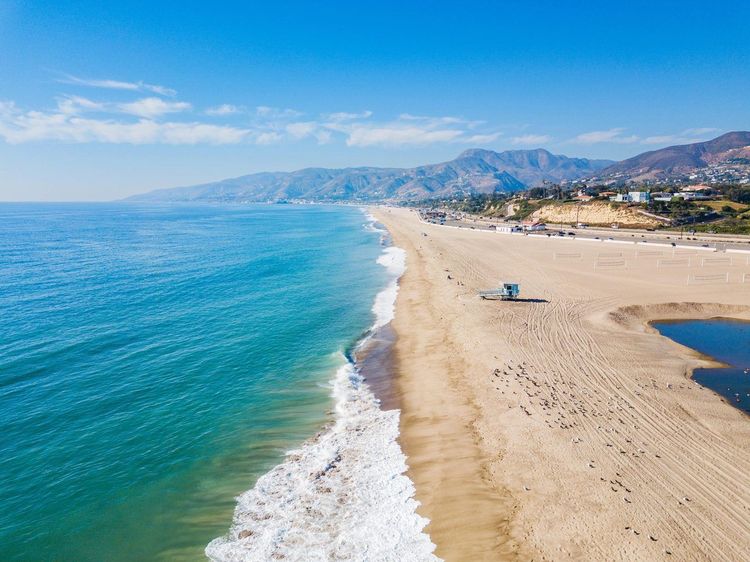
Beyond Venice and Santa Monica, the Los Angeles coastline stretches for dozens of kilometers with very different vibes depending on the beach. Zuma Beach in Malibu, about 45 minutes north of Santa Monica by road, offers wide sand and stronger surf, popular with beginner surfers and families looking for fewer crowds than in the city center.
South of LAX airport, Manhattan Beach (Manhattan Beach, CA 90266, rated 4.7/5 on Google with 8.9K reviews) cultivates a more upscale residential feel, with its oceanfront homes lined along the Strand and its beach volleyball courts where professional players regularly train. The pier, more modest than Santa Monica's, extends a peaceful walk without the tourist density of the city center.
Both beaches require a car — or a fairly long bus ride — but offer a genuine contrast with the buzz of Venice, for those seeking a leisurely day by the sea rather than an urban stroll.
14. How Many Days to Plan and Which Itinerary to Choose
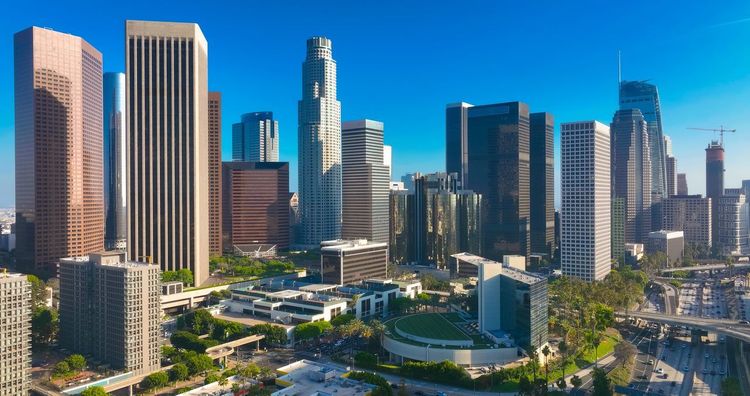
Here are some sample itineraries, from a one-day express visit to a five-day-plus vacation. Keep one simple rule in mind: in Los Angeles, one neighborhood per half-day is more than enough — travel time eats into sightseeing faster than you'd expect.
1 or 2 Days: The Essentials Between Hollywood and Beverly Hills
With just one day in the city, it's better to focus on a single area rather than multiplying car trips that often take longer than expected in Los Angeles. The most efficient combination is Hollywood Boulevard and the Walk of Fame in the morning, followed by the Griffith Observatory in the late afternoon for sunset, with a possible detour through Beverly Hills and Rodeo Drive in between if timing allows. Sample day: Walk of Fame at 9 am, view of the Hollywood Sign from Lake Hollywood Park around 11 am, lunch at the Farmers Market, Rodeo Drive in the afternoon, then the observatory for sunset.
With two days, add a half-day at Santa Monica and Venice Beach for the coastal stretch, and keep the second half-day for a museum — the Getty Center or LACMA depending on your taste — or a studio if tickets are available. This pace is dense but realistic, as long as you accept missing some details rather than trying to rush everywhere.
3 to 4 Days: Adding Downtown, the Beaches, and a Studio
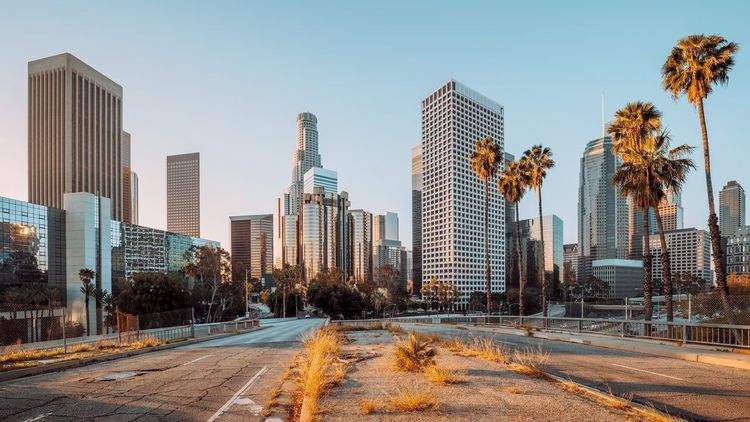
From three days onward, a proper studio visit — Universal, Warner Bros, or Paramount depending on your interests — deserves a full day including transit. Add a day for Downtown Los Angeles (Arts District, Angels Flight, Grand Central Market) and the contemporary art museums in the center, then a final day to go deeper along the coast, between Venice, Santa Monica, and possibly Manhattan Beach.
With four days, this plan leaves room for one unusual activity: a helicopter flight, a paddleboat at Echo Park, or a hike at Runyon Canyon depending on the weather and the group's energy. This is probably the most comfortable length of time to discover Los Angeles without feeling constantly rushed, or spending too much time idle between visits.
5 Days and More: Theme Parks and Day Trips
Beyond five days, adding a full theme park (Disneyland, Universal Studios, or Six Flags Magic Mountain) becomes realistic without sacrificing the rest of the program — each one requires a full day on its own. It's also the length of stay that allows you to venture beyond the metro area: Malibu and Zuma Beach to the north, or a day trip to nearby natural parks for travelers continuing their journey through the American West.
On the audio side, the Ryo audio tour of Los Angeles fits seamlessly into a short stay, and can be combined with the Hollywood sub-tour for longer trips — a useful anchor for balancing your days by duration rather than improvising everything on the spot.
Adapting the Itinerary with Children
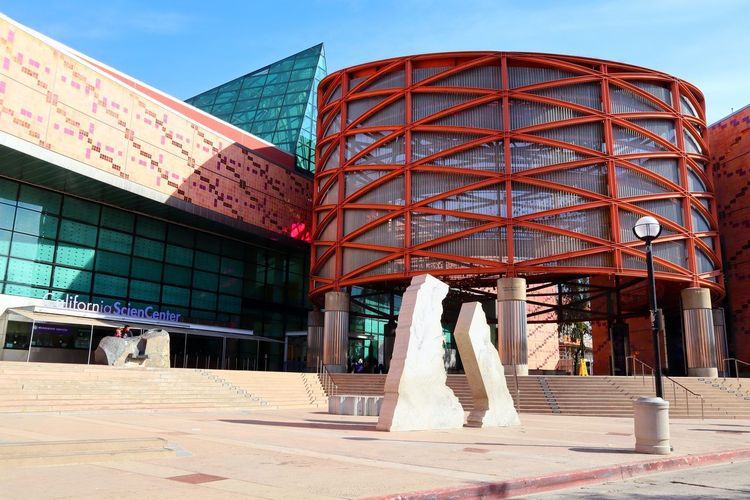
Los Angeles works well for a family vacation, as long as you keep driving time in check. The California Science Center in Exposition Park displays the Space Shuttle Endeavour and its general admission is free. The Los Angeles Zoo occupies a corner of Griffith Park, the La Brea Tar Pits captivate dinosaur enthusiasts, and the Santa Monica Pier is universally loved for its Ferris wheel. Further south, the Aquarium of the Pacific in Long Beach rounds out a beach day. Alternate an intense day (theme park) with a quieter one to prevent the youngest travelers from burning out.
15. Practical Information for Planning Your Trip
Getting There, Getting Around, and Parking in Los Angeles
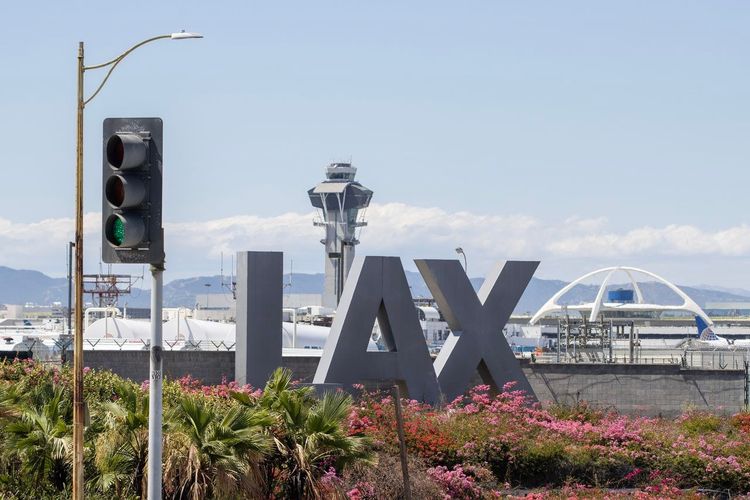
The Los Angeles International Airport (LAX), the main point of entry, is about a 30-minute drive from Santa Monica and 45 minutes from Hollywood outside of traffic — double that during rush hour. The airport's automated people mover, the LAX Automated People Mover, was still in its testing phase in September 2026: in the meantime, free shuttle buses connect the terminals to the LAX/Metro Transit Center station, served by Metro Lines C and K. FlyAway buses also run to Union Station in Downtown — a significantly more affordable option than a taxi or rideshare.
Once there, a rental car remains the most practical mode of transport for visiting Los Angeles, given the significant distances between neighborhoods and a public transit network still incomplete by European standards. The Metro bus network and the few light rail lines cover Downtown, Hollywood, and the coast well, but serve Beverly Hills or the residential hills poorly.
Parking varies enormously by neighborhood: often free on the streets of Griffith Park (though the lot closest to the observatory is paid), metered and time-limited on Hollywood Boulevard, and outright prohibitive in Beverly Hills, where police strictly ticket non-residents parked beyond the permitted time. Many hotels also charge a daily parking fee that can exceed $40 — worth checking before booking.
Where to Stay and When to Go
For a first visit, Hollywood and Santa Monica offer the best balance of price, safety, and access to major sites: Hollywood for the Walk of Fame and Griffith Observatory within walking distance, Santa Monica for the beach and a more relaxed evening atmosphere. Downtown is better suited to travelers who prioritize museums and an urban vibe, with a hotel scene that has been undergoing significant renewal in recent years.
Los Angeles enjoys a pleasant Mediterranean climate almost year-round, with average temperatures of around 20 to 25°C between April and October, and rarely below 15°C in winter. May and June often bring a local phenomenon known as "June Gloom" — a low cloud layer that hangs over the coast in the mornings before clearing in the early afternoon, without really spoiling the day.
The most pleasant seasons to visit are spring (April–May) and fall (September–October), which avoid both the crowds and the full heat of summer, when theme park queues grow noticeably longer and hotel prices climb during American school holidays.
FAQ
What Are the Must-See Attractions in Los Angeles for a First-Time Visitor?
The Walk of Fame, the Griffith Observatory for sunset, a tour of Beverly Hills and Rodeo Drive, then Santa Monica or Venice Beach for the coastal section form the foundation of a first trip. Add a film studio — Universal Studios or Warner Bros — if time allows.
How Many Days Do You Need to Properly Visit Los Angeles?
Three to four days are enough to cover the major highlights — Hollywood, Beverly Hills, the coast, Downtown — without rushing. Plan for five days or more if you want to add a full theme park like Disneyland or Universal Studios.
Where Should I Stay in Los Angeles?
Hollywood and Santa Monica remain the most convenient areas for a first visit, each within walking distance of several major sites. Downtown suits museum lovers and fans of urban life, while Venice appeals to travelers looking for a more laid-back atmosphere by the sea.
When Is the Best Time to Visit Los Angeles?
Spring (April–May) and fall (September–October) offer the best balance of pleasant weather, smaller crowds, and reasonable hotel prices. Summer stays sunny but is significantly more crowded, especially at theme parks and on the beaches.
How Do You Get Around Los Angeles Without a Car?
The Metro network — buses and light rail — covers Downtown, Hollywood, and the coast quite well, supplemented by rideshares for less-served areas like Beverly Hills. Cycling along the waterfront between Santa Monica and Venice is also a pleasant option for that specific stretch.
Is Los Angeles a Good Destination for Families?
Yes: theme parks (Disneyland, Universal Studios, Knott's Berry Farm), the beaches, and the Griffith Observatory appeal to children and adults alike. Just plan for lighter days than a typical sightseeing itinerary, as long drives can tire younger travelers quickly.
Los Angeles can't be reduced to a list of landmarks: it's a city best experienced at the pace of its own drives, between dry hills, endless beaches, and neighborhoods that sometimes have nothing in common from one end of the same avenue to the other. Taking the time to choose one or two areas per day — rather than trying to check everything off the list — remains the best way to enjoy it without ending the trip exhausted in traffic on the 405.
Before you leave, download the Ryo audio tour of Los Angeles, complemented by a dedicated Hollywood sub-tour: follow it at your own pace between studio visits, with no fixed schedule. If your trip extends beyond Southern California, the Ryo audio road trip of the American West charts the natural next step of the journey toward the national parks and the desert, to continue the adventure beyond the studios and beaches of Los Angeles.