© Shutterstock
 Votre guide Ryo
Visit Bordeaux in 2 Days: Complete Itinerary 2026
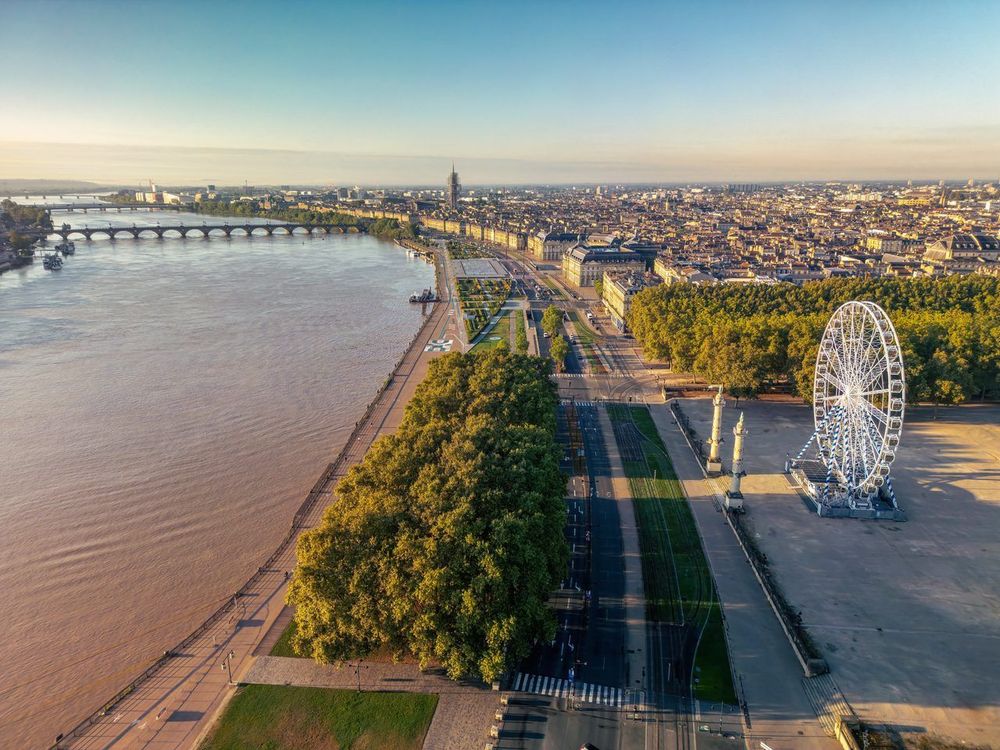
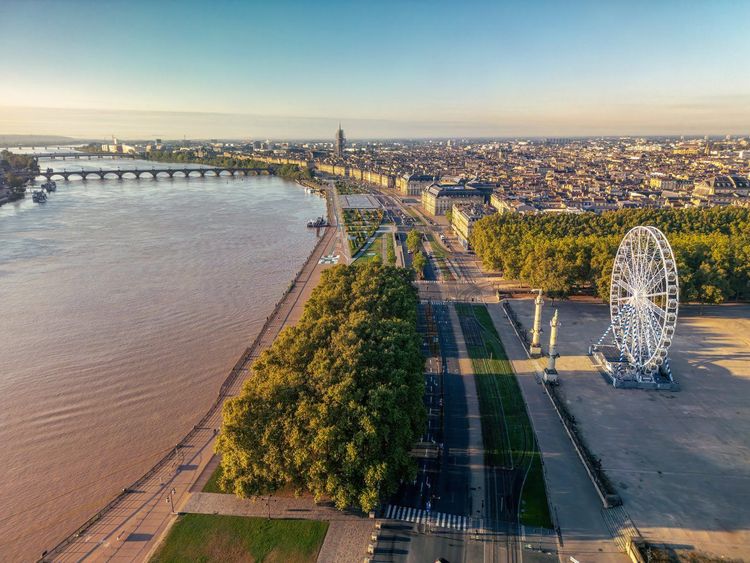
At 8:17 a.m. on a Saturday in June, the place de la Bourse is already packed with photographers chasing the perfect reflection in the Miroir d'eau. If you are wondering how to visit Bordeaux in 2 days without missing anything essential, know that this 3,450 m² basin — the largest in the world — only fills intermittently, allowing the stone to dry between two sheets of water. It is a fitting image of the city, which plays by its own rules, caught between a historic center listed as a UNESCO World Heritage Site since 2007 under the name Port de la Lune and a waterfront entirely reinvented over the past twenty years. The Ryo audio-guided tour of the city serves as a natural thread connecting the old center to the riverside façade.
In 48 well-paced hours, you can descend into the cellars of an 18th-century wine merchant, climb the 231 steps of the tour Pey-Berland for a 360° panorama, wander for an hour through the aisles of the city's largest covered market, and end the evening on a cruise along the Garonne at the precise moment the sun grazes the slate rooftops. Add a half-day in Saint-Émilion or on the dune du Pilat, and you have a packed but perfectly achievable weekend — provided you follow an itinerary that respects the city's geography rather than zigzagging from one neighborhood to another all day long.
How to Organize Your 2-Day Bordeaux Itinerary
Bordeaux lends itself well to a short format because its listed historic center fits within a perimeter of roughly 3 km, stretching from the place des Quinconces in the north to the basilique Saint-Michel in the south. Two days are enough to cover the essentials on foot, provided you divide the stay by zones rather than by a checklist of monuments to tick off one by one.
The itinerary proposed here works as follows: day one covers old Bordeaux and the great central squares, with an evening on the quays. Day two shifts to the Cité du Vin and the Bassins de Lumières in the morning, then the right bank and les Chartrons in the afternoon. The Bordeaux audio-guided tour, which organizes 30 audio tracks along a 6.1 km loop, follows roughly the same two-highlights-per-day structure, if you prefer to be guided rather than follow a paper map.
A note on arrival, because it sets the pace for the first morning. By train, the gare Saint-Jean drops you about twenty minutes by tram from the historic heart — line C to les Quinconces or line B toward the place de la Victoire. From Paris, the high-speed line that opened in 2017 cut the journey to just over two hours, making a 2-day weekend viable even when departing on Saturday morning. By plane, Bordeaux-Mérignac airport is about fifteen kilometers to the west, connected to the center by a bus shuttle in roughly thirty minutes. By car, the only real recommendation can be summed up in one sentence: park at a peripheral park-and-ride and complete the journey by tram — parking in the very center is expensive and the streets of old Bordeaux are largely closed to traffic.
If you only have one day, focus on the walkable historic center described below, even if it means sacrificing the right bank. Conversely, with one extra day, bonus excursions to Saint-Émilion or the bassin d'Arcachon turn the trip into a genuine regional escape.
Day 1, Morning: the Miroir d'eau, the Place de la Bourse, and Old Bordeaux
The Miroir d'eau and the Place de la Bourse
Start early, before the square fills up. The Miroir d'eau operates in cycles of around fifteen minutes: a thin film of water covers the black granite slab, then evaporates into a gentle mist that envelops barefoot children and Sunday joggers. It is free, open year-round, and is without doubt the most reproduced photograph of the city.
Just behind it, the place de la Bourse unfolds its classical 18th-century façade, designed by the Gabriel father-and-son architects to embody the prosperity of Bordeaux's trading class of the era. You will also find the Porte Cailhau here, a former city gate that once opened directly onto the port. This area is one of the most rewarding free things to do in Bordeaux in terms of time: fifteen minutes is all it takes to understand why urban planners from around the world come to study this waterfront redevelopment.
La Grosse Cloche and the Rue Saint-James
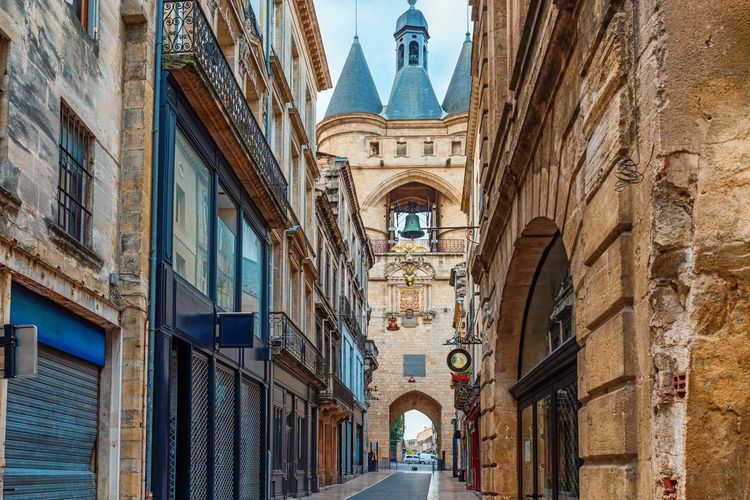
Heading inland along the rue des Argentiers, you come across the Grosse Cloche, a 15th-century belfry that once served as a city gate and municipal clock. Its bourdon, one of the heaviest in France at around 7.8 tonnes, now only rings on rare official occasions — about six times a year.
The rue Saint-James that extends beyond it retains an almost provincial charm, with its old façades and small independent shops. You are five minutes' walk from the place du Parlement, where terraces start filling up around noon. One practical tip: avoid crossing this area between 11 a.m. and 1 p.m. at weekends, as the tourist density makes pedestrian circulation unpleasant and slightly breaks the magic of the place. Take your time instead in the late morning, when the raking light still sculpts the limestone façades.
Day 1, Afternoon: Cathédrale Saint-André, Saint-Michel, and the Great Squares
The Cathédrale Saint-André and the Tour Pey-Berland
The cathédrale Saint-André, listed as a UNESCO World Heritage Site as part of the pilgrimage routes to Santiago de Compostela, asserts its flamboyant Gothic style over the entire place Pey-Berland. It was here that Eleanor of Aquitaine married the future king of France, Louis VII, in 1137, before her second marriage to Henry Plantagenet shifted Aquitaine under English rule for three centuries.
Right next to it, the tour Pey-Berland is visited separately with an entrance ticket: 231 spiral steps lead to a walkway that offers the finest elevated view over the city's rooftops. Allow a good half hour for the round trip including the climb, and wear shoes with grip — the steps are worn smooth by centuries of passage. This bell tower, built apart from the cathedral in the 15th century, takes its name from the archbishop who had it constructed.
Descending toward the place de l'Hôtel de Ville, you pass through the Saint-Pierre and Saint-Paul neighborhoods, two medieval pockets of narrow lanes where a few half-timbered houses still survive. The Saint-Pierre quarter, centered on its shaded square and church, has the most pleasant terraces in the old center in the late afternoon; Saint-Paul, more discreet, lines up the façades of private mansions and a few second-hand bookshops. If time allows, a short detour to the Palais Gallien — the remains of a 2nd-century Roman amphitheater embedded in a residential city block — usefully completes the picture of the city's ancient history. The place is striking in its incongruity: Roman brick arches wedged between two Haussmann-era buildings, at the end of a residential street where no one thinks to venture.
The Saint-Michel Neighborhood and the Marché des Capucins
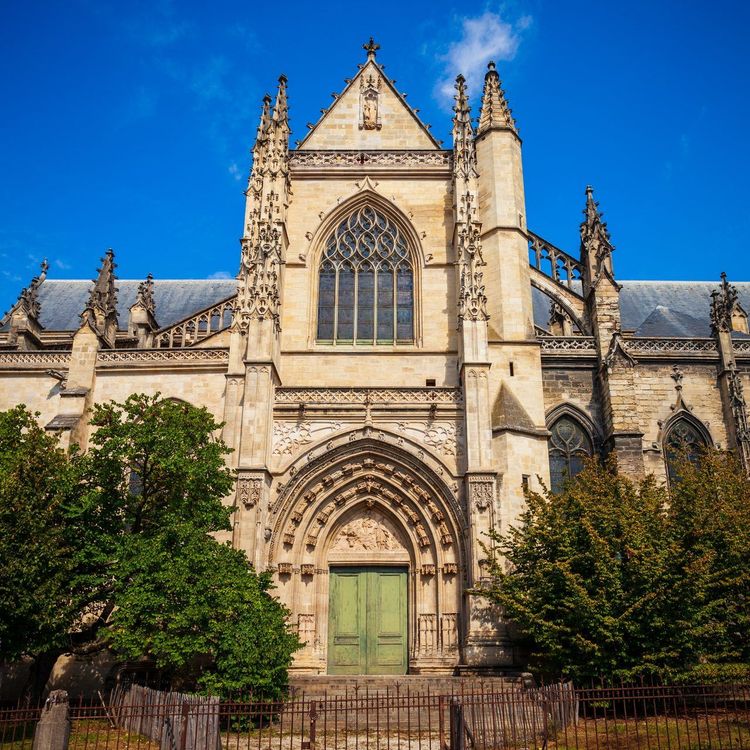
The basilique Saint-Michel presides over a working-class, cosmopolitan neighborhood that was long neglected before a recent transformation breathed new life into its Sunday-morning flea markets. Its detached bell tower, rising to 114 meters, is the tallest in southern France and is open to visitors for part of the year, offering a different panorama from that of the tour Pey-Berland.
Ten minutes' walk away, the marché des Capucins opens early in the morning and remains a meeting point for Bordeaux locals far more than for tourists. Oysters from the bassin d'Arcachon eaten standing at the counter, freshly baked cannelés straight from the mold, cheeses matured on site: this is probably the best place in the city for a quick, authentic lunch, far from the tourist terraces of the center. Note that it is closed on Mondays and is liveliest in the morning, with the atmosphere dropping off noticeably after 1 p.m.
The Place des Quinconces and the Place de la Comédie
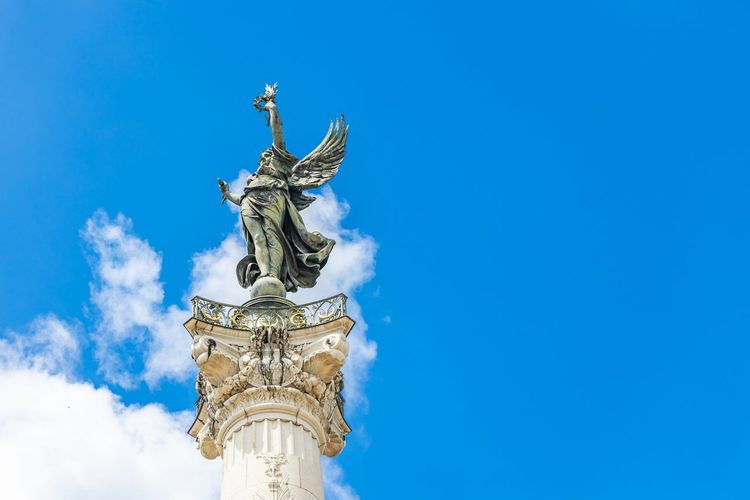
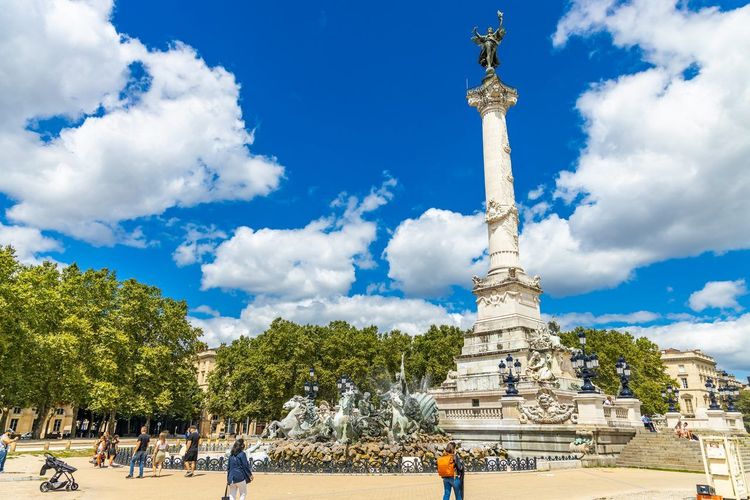
Head north to the place des Quinconces (Place des Quinconces, 33000 Bordeaux, rated 4.6/5 on Google based on 2,671 reviews), one of the largest squares in Europe at around 12 hectares, framed by rostral columns and the monument aux Girondins. Children run freely here, pétanque players set up in the late afternoon, and it is also the starting point for many events, fairs, and temporary markets depending on the season.
One final stop is in order at the place de la Comédie, in front of the neoclassical Grand Théâtre completed in 1780 by Victor Louis, whose grand staircase served as the model for the one at the Opéra Garnier in Paris. It makes a good pivot point toward the cours de l'Intendance and its shops, if you still have energy before dinner.
Day 1, Evening: Dinner and Sunset over the Garonne
River Cruise or Rooftop Aperitif on the Garonne
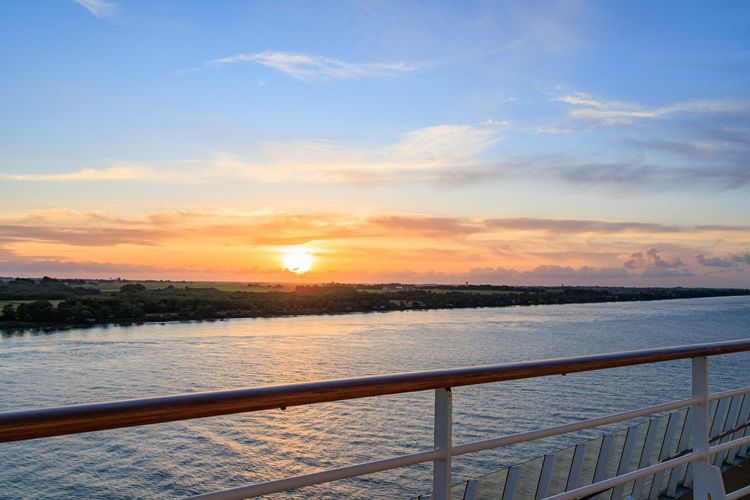
For the end of the first day, three options are equally valid depending on budget and desired atmosphere. A Garonne river cruise of about an hour lets you see the quayside façade from the water, exactly as 18th-century merchants would have discovered it arriving by boat: it is the most spectacular angle on the pont de Pierre and the illuminated place de la Bourse. Departures generally leave from the pontoons along the quays near les Quinconces, and dinner-cruise packages require a booking a few days in advance in summer.
If you prefer to stay on land, several rooftops in the center offer an unobstructed view of the sunset behind the pont Chaban-Delmas, glass of local wine in hand. Our selection of the best rooftops in Bordeaux details the most reliable addresses depending on which neighborhood you are staying in.
Finally, for a romantic weekend, a simple terrace on the quays with a platter of oysters is often the most fitting choice: cheaper than a rooftop, just as photogenic, and generally without a reservation needed on weekdays.
Day 2, Morning: the Cité du Vin and the Bassins de Lumières
The Cité du Vin: Architecture and Immersive Journey
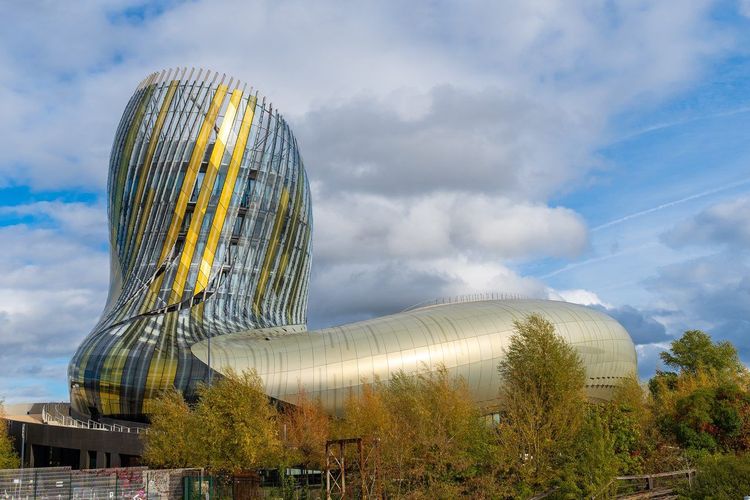
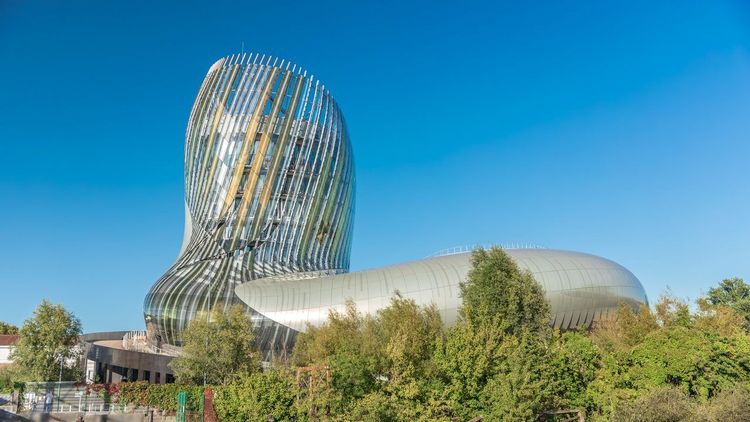
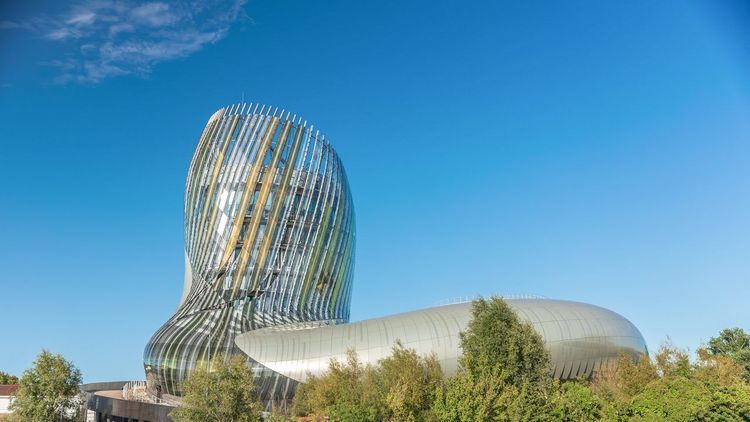
Opened in 2016, the Cité du Vin occupies a swirling decanter-shaped building designed by the XTU and Casson Mann agencies, set at the northern end of the quays in the Bacalan neighborhood. The vision behind the project was not to create yet another regional wine museum, but a cultural journey dedicated to wine civilizations from around the world — from Georgian vineyards to Chilean terraced slopes.
The permanent tour takes about two hours, punctuated by sensory installations, olfactory terminals, and immersive projections. The ticket includes a panoramic tasting on the 8th floor, with a 360° view over the city and the river, a glass in hand chosen from a rotating selection. Book your time slot online the day before during high season: on-site queues can exceed 45 minutes in July and August. Expect around 22 euros for a full-price ticket, slightly less when booked in advance, and arrive at opening time to beat the midday crowds.
A word for wine skeptics: the tour works very well even without a particular interest in tasting, because it is really about trade, geography, and cultural rituals. Children often engage with the interactive installations and leave with a grape juice in place of the tasting glass.
The Bassins de Lumières: Digital Exhibitions
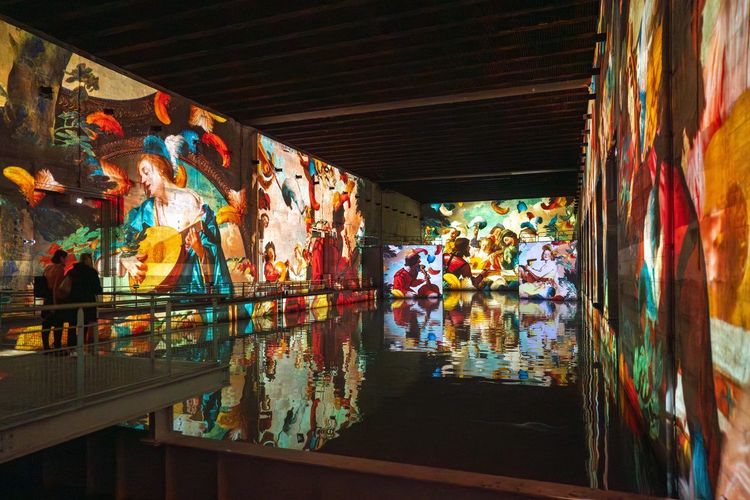
About ten minutes away by tram, the Bassins de Lumières (Rue Alfred-Nobel, 33300 Bordeaux, rated 4.7/5 on Google based on 19,264 reviews) occupy the former submarine base built by the German occupiers during the Second World War — a venue with acoustics and architecture unique in Europe. This digital art center, the largest in the world according to its operator, projects immersive exhibitions onto raw concrete walls more than ten meters high, with interior pools of water that multiply the images.
The programming changes regularly, alternating between old masters of painting and contemporary artists. Allow 45 minutes to an hour on site, with tickets around 16 euros. Opt for a late-morning visit if you are combining it with the Cité du Vin on the same day: the two sites are ten minutes apart on foot and pair easily. Bring a light layer — the temperature stays cool inside the basins even in the height of August.
Day 2, Afternoon: the Right Bank, Darwin Écosystème, and the Chartrons Neighborhood
Darwin Écosystème: the Right Bank's Community Hub
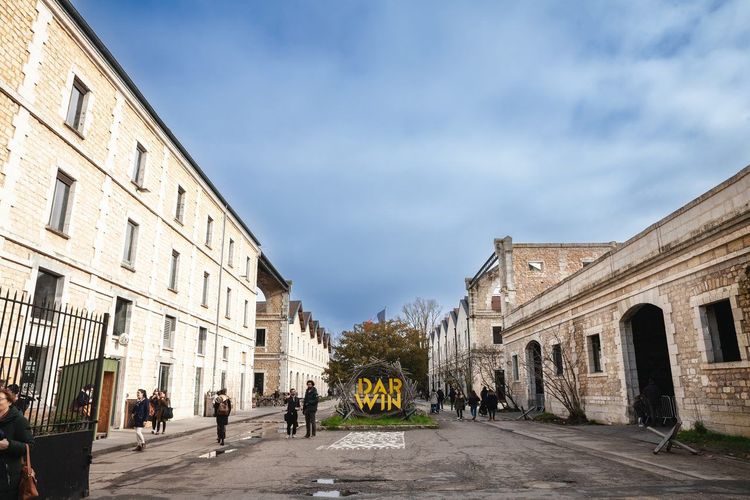
Cross the Garonne via the pont Jacques-Chaban-Delmas or, more picturesque, by the Bat3 river shuttle, to reach Darwin écosystème (87 Quai des Queyries, 33100 Bordeaux, rated 4.4/5 on Google based on 9,496 reviews) on the right bank. Installed in a former 19th-century military barracks, this community hub combines coworking spaces, an urban farm, a covered skate park in the former hangars, and one of the city's largest street art spaces on the exterior walls.
The atmosphere deliberately contrasts with the historic center explored the day before: everything here breathes self-rehabilitation and reuse. The on-site restaurant, largely vegetarian and supplied through short-circuit sourcing, makes for a pleasant lunch stop if you arrive in the early afternoon. Our article on Darwin écosystème details the opening hours, which vary considerably between weekdays and weekends.
The Chartrons Neighborhood: Antique Dealers and Flea Markets
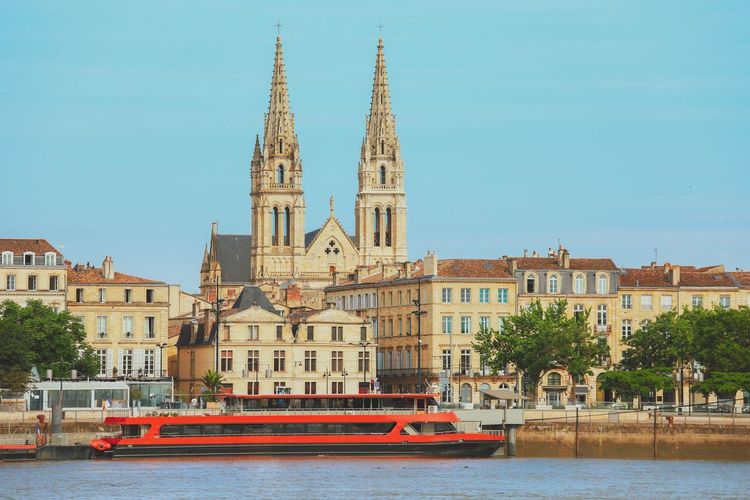
Cross back over the Garonne to reach the Chartrons neighborhood, once the stronghold of Anglo-Saxon wine merchants in the 18th century, now reinvented as a haven of art galleries, antique dealers, and specialty coffee shops. The rue Notre-Dame concentrates most of the boutiques, with a Sunday-morning flea market that attracts locals far more than tour groups. Along the quays, the Sunday-morning marché des Chartrons is one of the most pleasant in the city, with local producers and street food stalls side by side.
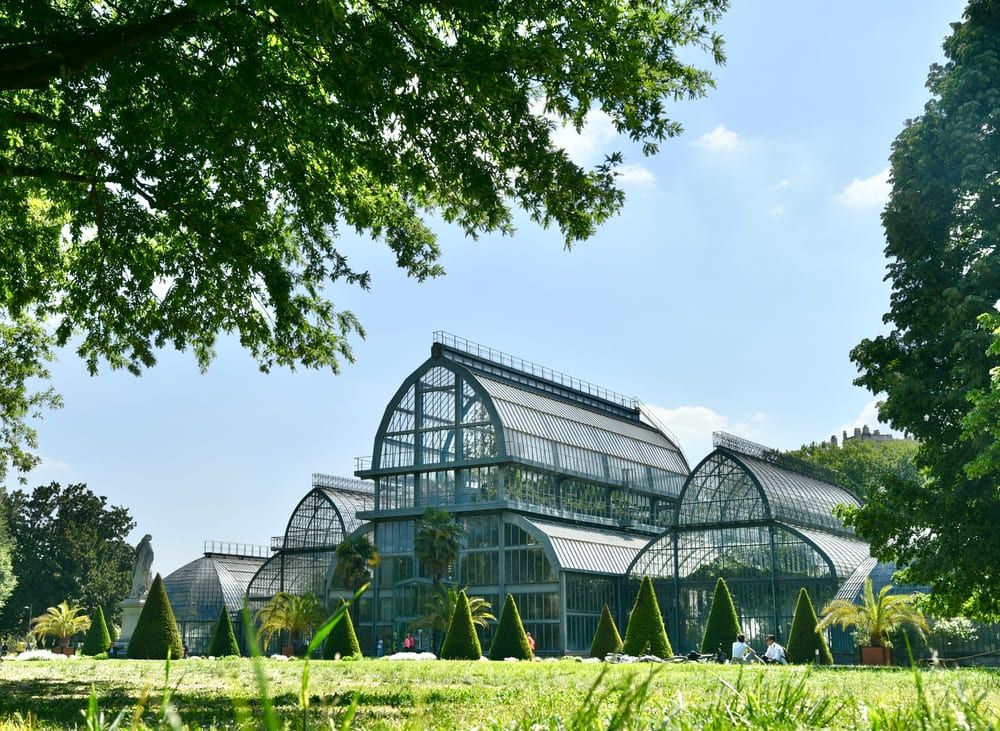
Continuing inland, the Jardin public offers a verdant, English-style pause. Laid out in the 18th century and transformed into a landscape park in the 19th, it is home to a botanical garden, a renovated natural history museum, a pond, and a playground that saves many a late afternoon with children. It is a pleasant transition if you are walking back to your accommodation rather than catching the tram. The audio-guided tour of Bordeaux threads through this side of town too, for those who would rather listen than read a map.
Bonus Excursions around Bordeaux: Saint-Émilion, the Dune du Pilat, and Wine Châteaux
Saint-Émilion: Medieval Wine Village
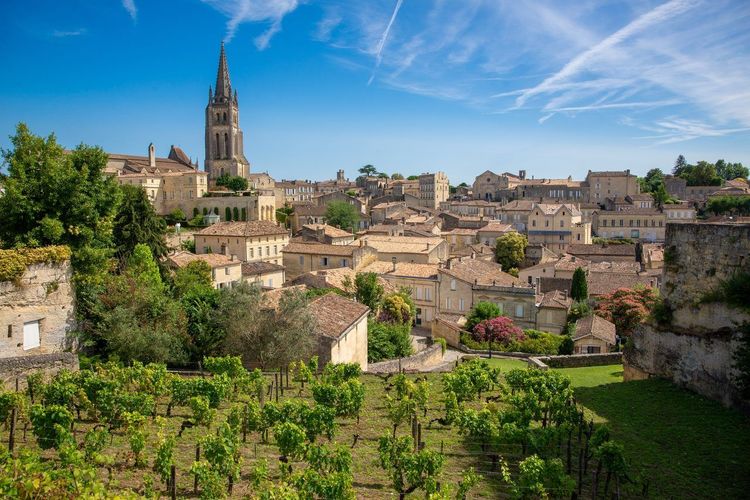
If you extend your stay to a third day, the first excursion to consider is Saint-Émilion, a medieval village whose jurisdiction has been listed as a UNESCO World Heritage Site since 1999, about forty minutes away by direct train from the gare Saint-Jean. Its cobbled sloping lanes, its monolithic church carved into the limestone bedrock, and its countless trading houses make for a half-day that is more than sufficient if you leave early.
Two useful points: the monolithic church can only be visited on a guided tour with the village tourist office, and the sloping cobblestones make flat shoes essential. Returning in the late afternoon leaves ample time for dinner back in Bordeaux.
The Dune du Pilat and the Bassin d'Arcachon
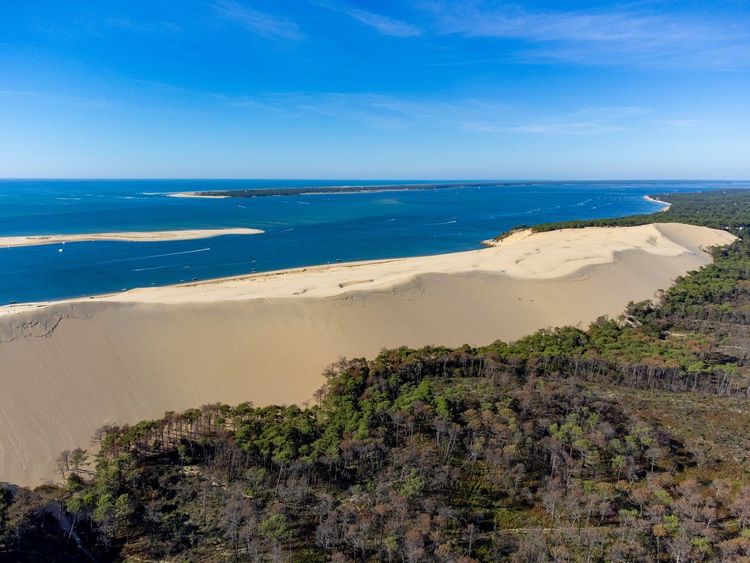
On the opposite side toward the ocean, the dune du Pilat rises to over 100 meters, making it the tallest sand dune in Europe, with a view that takes in the bassin d'Arcachon on one side and the Landes forest on the other. Allow about an hour's drive from the center of Bordeaux, or a train to Arcachon then a seasonal bus, and plan a full day if you want to follow it up with an oyster tasting at one of the basin's oyster-farming ports.
Parking is paid, and the seasonal staircase is not always in place, meaning the ascent is sometimes made directly through the sand: a genuine fifteen-minute effort, not to be underestimated with young children or in intense heat.
Visiting a Wine Château and Tasting
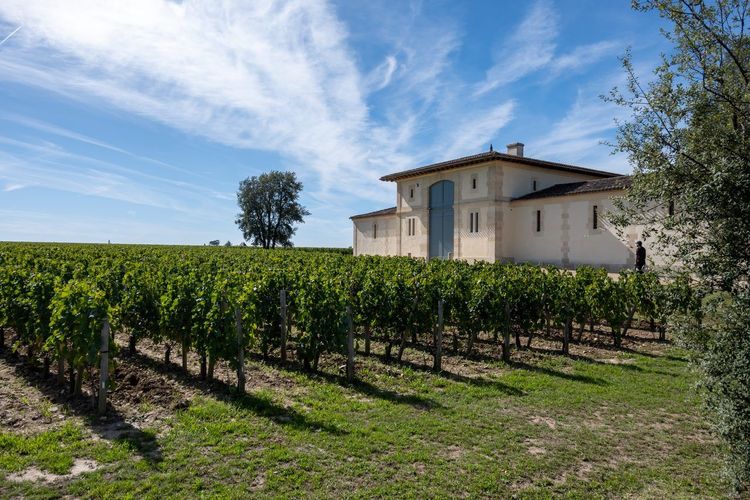
Can you reach a wine château easily from the center? Yes, provided you book in advance: most estates in the Médoc, the Graves, or Pessac-Léognan offer guided tours of one to one and a half hours, followed by a guided tasting. Several domains are reachable in under 30 minutes by car from the city center, making it possible to fit in a visit late in the morning before heading back for lunch in town. If you have no car, wine-tourism shuttles depart daily from the tourist office in high season — a formula that also takes care of the drink-driving issue. To explore options according to your budget and availability, our selection of must-do excursions around Bordeaux lists around fifteen ideas organized by duration and distance.
Where to Eat and What to Bring Back from Bordeaux
Local Specialties to Try
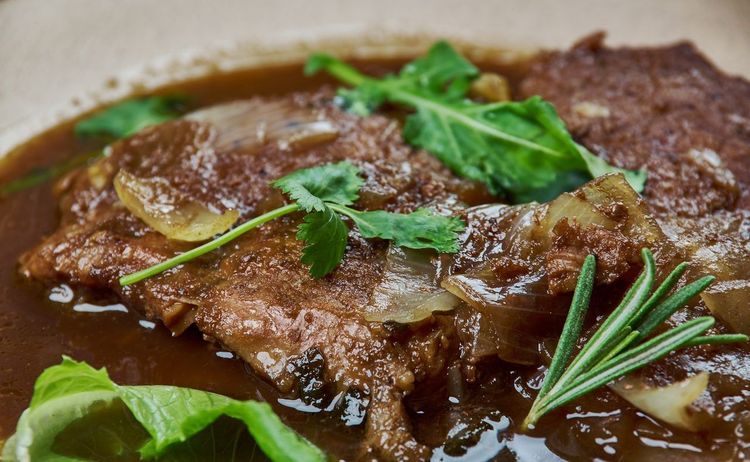
Beyond wine, Bordeaux's cuisine deserves at least one dedicated meal per day of your stay. The entrecôte à la bordelaise — grilled over vine cuttings and served with a red wine and shallot sauce — remains the signature dish of the city's bistros. Oysters from the bassin d'Arcachon, served with grilled crépinettes according to local tradition, form a sweet-and-salty duo that often surprises visitors. Lamproie à la bordelaise, braised in red wine, is something of an initiation test: bold, seasonal in spring, and rarely on tourist restaurant menus.
On the sweet side, the cannelé remains the city's emblematic pastry: a caramelized crust, a soft vanilla and rum center, a tradition said to date back to the convents of old Bordeaux. Our guide to Bordeaux culinary specialties lists the best addresses by neighborhood, useful if you are traveling with family and looking for restaurants that welcome strollers without a reservation.
What to Bring Back: Cannelés, Wine, and Good Addresses
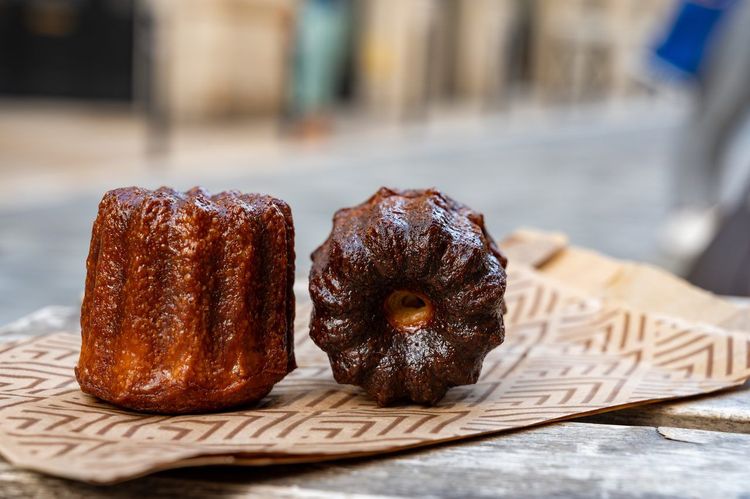
For edible souvenirs, opt for cannelés from a specialist house — Baillardran or la Toque Cuivrée, for example — rather than the industrial versions sold at the station, which are noticeably less melt-in-the-mouth. Bear in mind they are best eaten on the day: beyond that, the crust loses its crunch.
For wine, there is no need to aim for the grands crus classés if the budget is tight: many wine shops in the city center offer selections from small producers for under 15 euros a bottle, with personalized advice included. Satellite appellations such as Lussac-Saint-Émilion, Fronsac, or the Côtes de Bourg often offer the best value for money. The marché des Capucins rounds out the picture for fresh products to take away, and the shops of the Saint-Michel neighborhood for local crafts, less touristy than those in the center.
Getting Around and Where to Stay in Bordeaux for Your Weekend
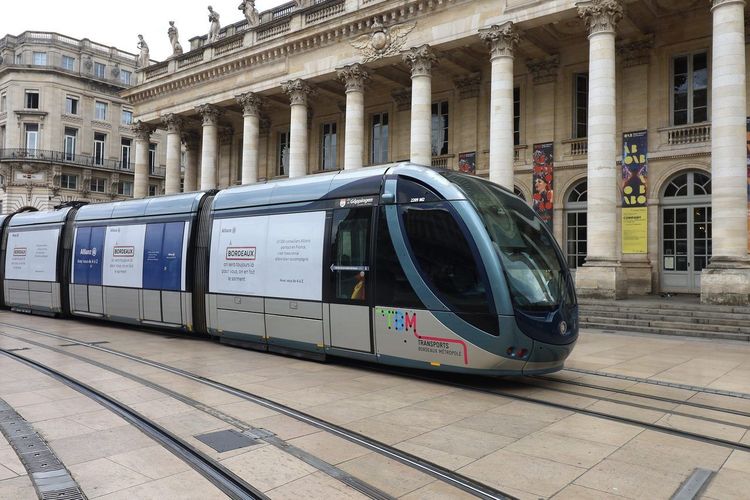
Getting Around: Tram, Bat3, Bike, or on Foot
Bordeaux is covered almost entirely on foot in the historic center, which is compact and largely pedestrianized. For longer journeys, particularly to the Cité du Vin or the right bank, the tram network covers most of the urban area with four lines, including line B, which serves Bacalan directly and both major sites of day two.
The Bat3 river shuttle, accessible with a TBM network ticket, remains the most enjoyable option for crossing the Garonne toward Darwin écosystème, with views over the quays that no tram can match. The bike-share network works well along the developed quays, provided you avoid the cobbled streets of the old center, which are uncomfortable on two wheels. The Ryo audio-guided tour of Bordeaux is calibrated to this walking pace, with 6.2 km broken into short segments that can be paused at every tram stop.
The Tourist Train: Good or Bad Idea?
The question comes up every time you travel with children or elderly relatives. The tourist train that departs from the quays near the place de la Bourse runs a commented tour of about forty minutes through the listed center. The service is seasonal and timetables vary: check departure times with the tourist office before making your way there.
Honest verdict: for a fit adult on a 2-day trip, it duplicates what you can do on foot and deprives you of the best of Bordeaux, which plays out in the lanes where the train does not go. With children under six, on the other hand, it buys an hour of calm and serves as a panoramic orientation at the start of the trip.
The City Pass: Worth It or Not?
The Bordeaux City Pass bundles unlimited public transport, entry to several museums, and discounts on certain paid attractions such as the Cité du Vin or the tour Pey-Berland. It becomes worthwhile if you plan to visit at least three paid sites during your 2 days; below that, the math is often unfavorable, especially if your itinerary focuses on the free activities in the historic center. It can be booked online before arrival, avoiding the queue at the tourist office counter, and is available in 24, 48, and 72-hour versions: the 48-hour option fits this trip format exactly.
Where to Stay by Neighborhood
For a first stay, the Saint-Pierre neighborhood or the area around the place Gambetta put everything within walking distance, quays included. Les Chartrons suits a romantic weekend better, quieter in the evenings with a good range of independent restaurants. The right bank, in full development around Darwin écosystème, appeals to tighter budgets with prices still noticeably lower than the historic center, at the cost of a few extra minutes on the tram or Bat3 each day. The gare Saint-Jean area, long considered inadvisable, has been significantly upgraded and remains unbeatable if you arrive late on Friday evening. To plan a stay that takes in the wider region, the guide to a weekend around Bordeaux offers accommodation ideas combining city and vineyard.
Practical Tips: Budget, Weather, and Best Season to Visit Bordeaux
Budget to Plan for 2 Days
Budget around 150 to 220 euros per person for 2 days excluding accommodation, factoring in paid attractions (Cité du Vin, Bassins de Lumières, tour Pey-Berland), meals at mid-range bistros, and a round-trip train to Saint-Émilion. In detail, allow 35 to 45 euros for attractions, 60 to 90 euros for meals over two days, around ten euros for urban transport, and the remainder for tastings or souvenirs.
Accommodation varies widely by neighborhood, from 70 euros a night at a hostel on the right bank to over 150 euros for a boutique hotel in the historic center. Families can significantly reduce the bill by leaning on the free activities in the center: the Miroir d'eau, the place de la Bourse, the Jardin public, and walks along the quays cost nothing.
Bordeaux with Family and Children
The center is easily navigated by stroller along the quays and the large squares, but considerably less so in the cobbled lanes of Saint-Pierre and Saint-Michel, where thin wheels struggle. A baby carrier comes in handy for about half of the day-one itinerary.
On the program side, three reliable choices: the Miroir d'eau, which keeps children occupied for an hour without spending a cent; the Jardin public with its playground and natural history museum; and Cap Sciences on the Bacalan quays, a short walk from the Cité du Vin, whose interactive exhibitions are designed for 6-to-12-year-olds. All trams are step-free, which simplifies travel with a stroller, and most city-center bistros serve early — around 7 p.m. — avoiding drawn-out evening meals.
What to Do in Bordeaux if It Rains
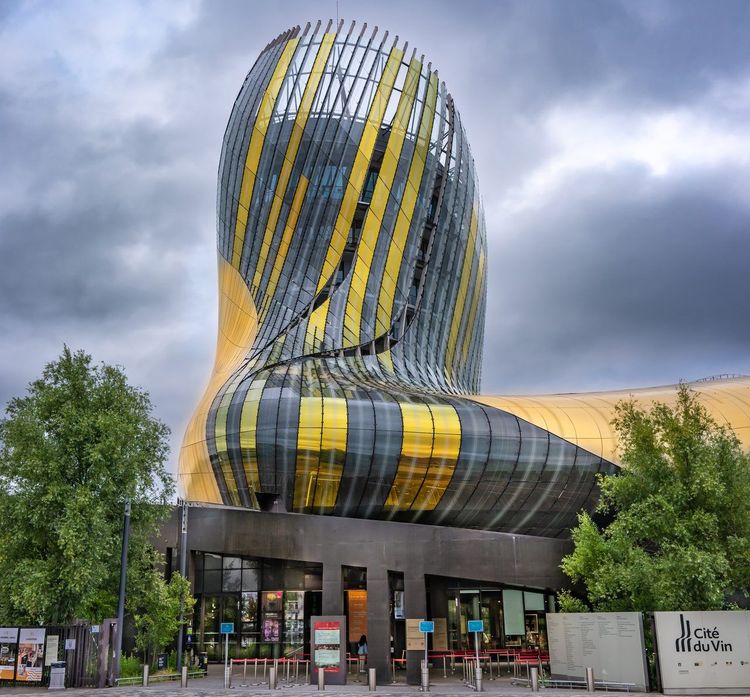
Bordeaux receives around 900 mm of rainfall a year, concentrated mainly in autumn and winter, with showers sometimes arriving suddenly even in summer. In bad weather, the Cité du Vin, the Bassins de Lumières, and the marché des Capucins all work very well under cover, as do the art galleries of les Chartrons and the musée d'Aquitaine, whose collections trace the city's history from prehistory onward. The cathédrale Saint-André and the basilique Saint-Michel offer free heritage shelter during a prolonged downpour.
What Is the Best Season?
May–June and September–October offer the best compromise between mild weather and manageable crowds, with temperatures often between 20 and 25°C. July–August remains pleasant but requires booking paid attractions several days in advance, as the city is at its peak attendance. Winter, quieter and often cheaper for accommodation, suits a condensed 2-day format focused on museums and wine cellars.
FAQ
How many days do you need to visit Bordeaux?
Two days are enough to cover the historic center, the Cité du Vin, and the Bassins de Lumières. With a third day, add a trip to Saint-Émilion or the dune du Pilat for a more complete experience of the region.
What budget should you plan for a 2-day weekend in Bordeaux?
Between 150 and 220 euros per person excluding accommodation, counting the main paid attractions, meals, and a round trip to a nearby excursion such as Saint-Émilion.
How to get around Bordeaux: tram, bike, or on foot?
The historic center is very walkable. The tram and the Bat3 river shuttle cover longer journeys, particularly to the Cité du Vin and the right bank.
Is the Bordeaux City Pass worth it?
It becomes worthwhile from three paid attractions during your stay. Below that, it is often better to pay for entries separately and take advantage of the many free activities in the center.
Where to stay for a weekend in Bordeaux?
The Saint-Pierre neighborhood or the Gambetta area to stay within walking distance of the center, les Chartrons for a quieter stay, the right bank for tighter budgets.
What to do in Bordeaux if it rains?
The Cité du Vin, the Bassins de Lumières, the covered marché des Capucins, the musée d'Aquitaine, and the cathédrale Saint-André all offer comfortable shelter in bad weather.
What is the best season to visit Bordeaux?
May–June and September–October offer the best balance between pleasant weather and manageable crowds. July–August is still possible if you book attractions in advance.
Two days are enough to understand what draws millions of visitors every year to the banks of the Garonne, without exhausting the city: there will always be enough left for a next trip, whether a deeper wine excursion or a slower exploration of the right bank. To prepare each step without having to think about it on the spot, the Ryo audio-guided tour of Bordeaux is the simplest companion: open our Ryo app, let yourself be guided neighborhood by neighborhood, and keep both hands free for the next photo of the Miroir d'eau.
À lire également